Yellowstone National Park – Part One

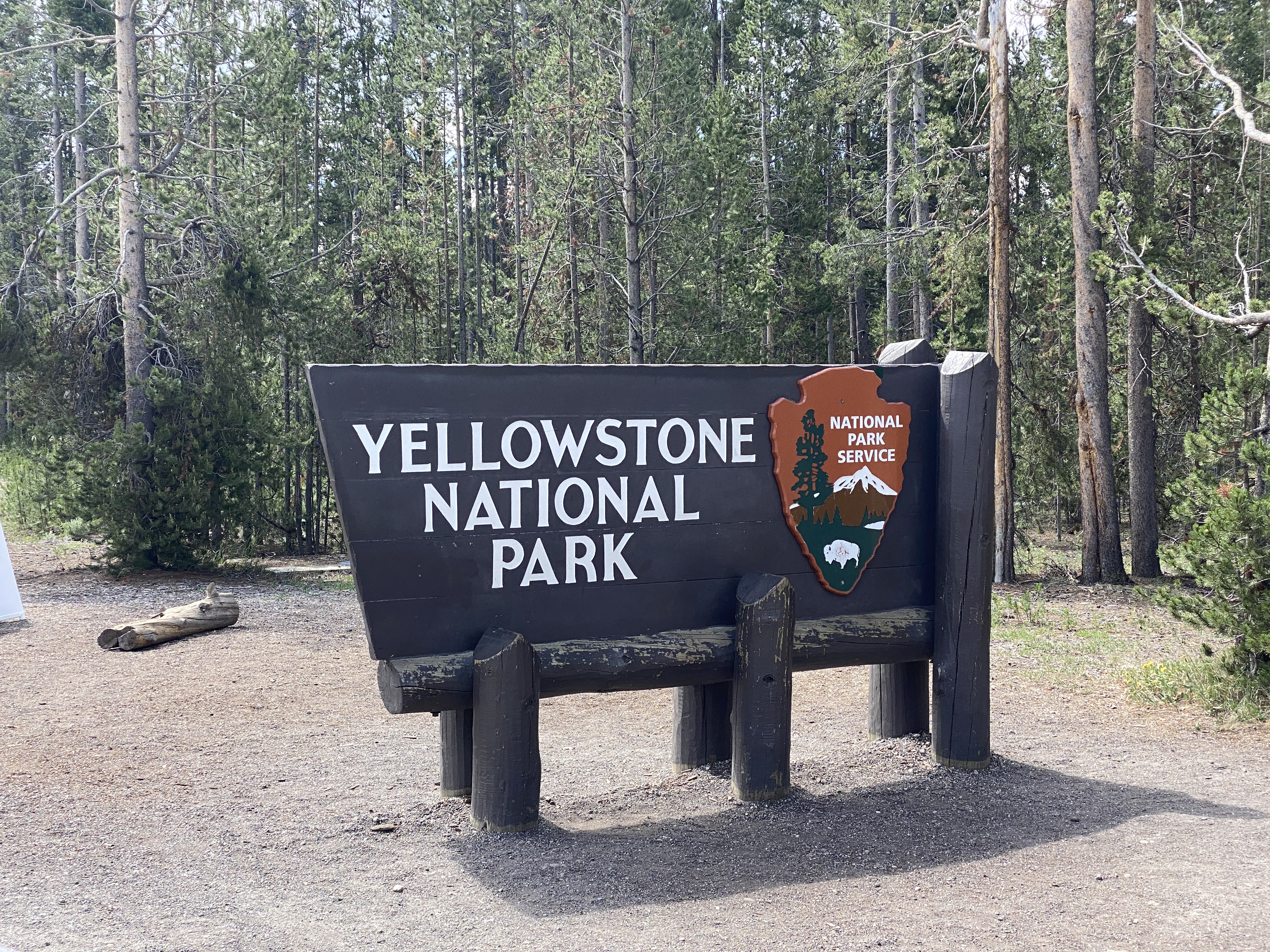
Our summer National Parks tour wouldn’t be complete if we didn’t explore America’s first National Park, Yellowstone. We’ve spent eight days in and around the park and there’s so much to report. And let’s be honest, eight days is not nearly enough time to fully explore this incredible place, but we did our best to get a taste of the highlights.
We first arrived to our campground in Island Park, Idaho and got settled in. Valley View RV Campground was a good location from which to explore Yellowstone. We were about 15 miles from the park’s west entrance in West Yellowstone but far enough away from the crowds that there was space to relax.

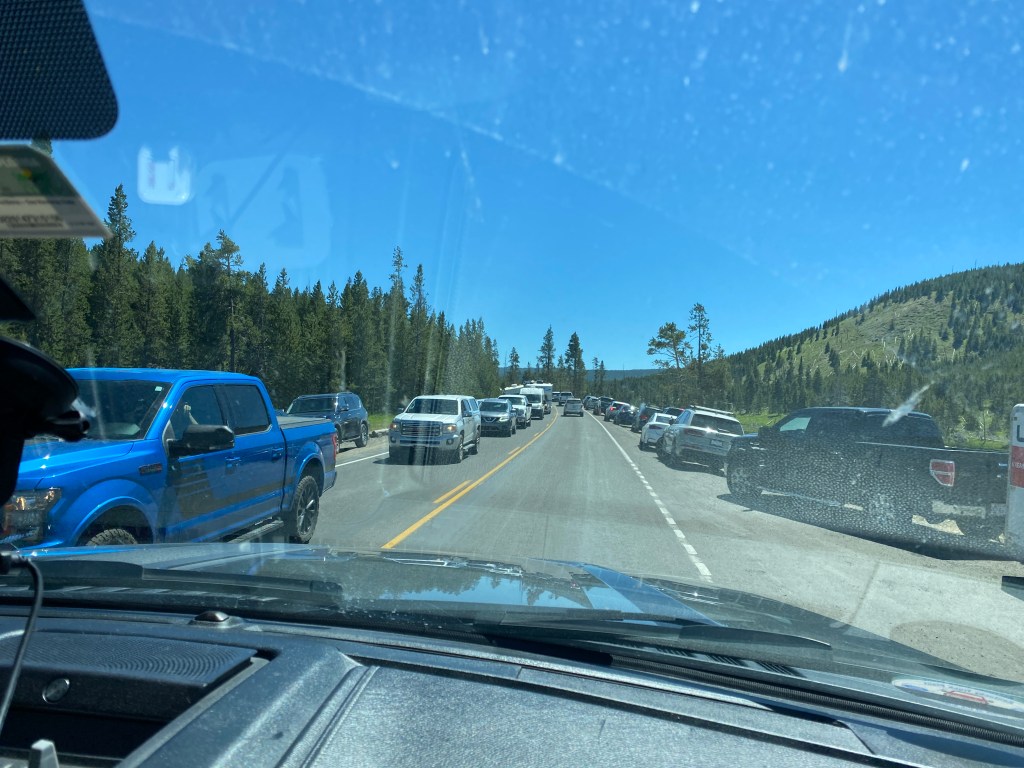
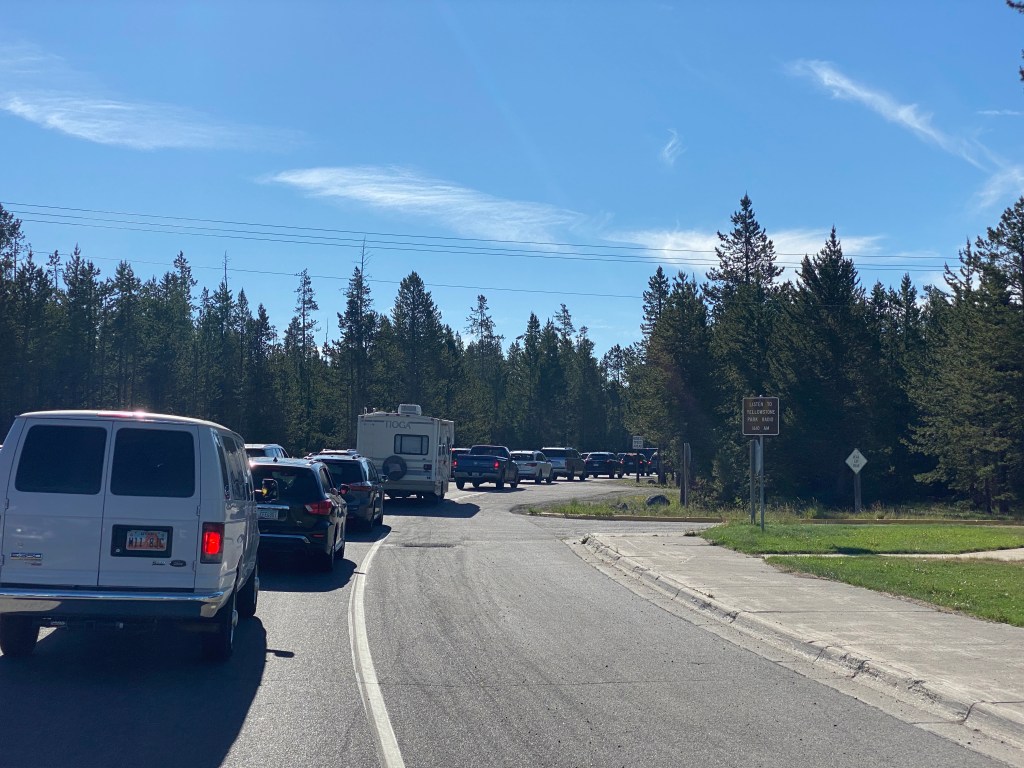
As soon as we were settled, we rushed to the park, getting slowed down by the massive crowds as soon as we entered the park boundaries. Yellowstone is always busy in the summer but we were overwhelmed with the volume of people all around us. We learned right away that it’s best to go into the park early or late in the day and avoid the popular sights during mid-day.
Yellowstone is a massive park made up of eight regions around which key attractions and tourist services are based. The main areas are: Mammoth Hot Springs, Tower, Canyon, Fishing Bridge, West Thumb, Old Faithful, Madison, and Norris. Our goal was to visit each of these areas in some way during our time in the park. This summer, the road from Tower to Canyon was closed and other services were also shuttered due to construction. Nevertheless, we covered as much ground as we could.

Norris Geyser Basin

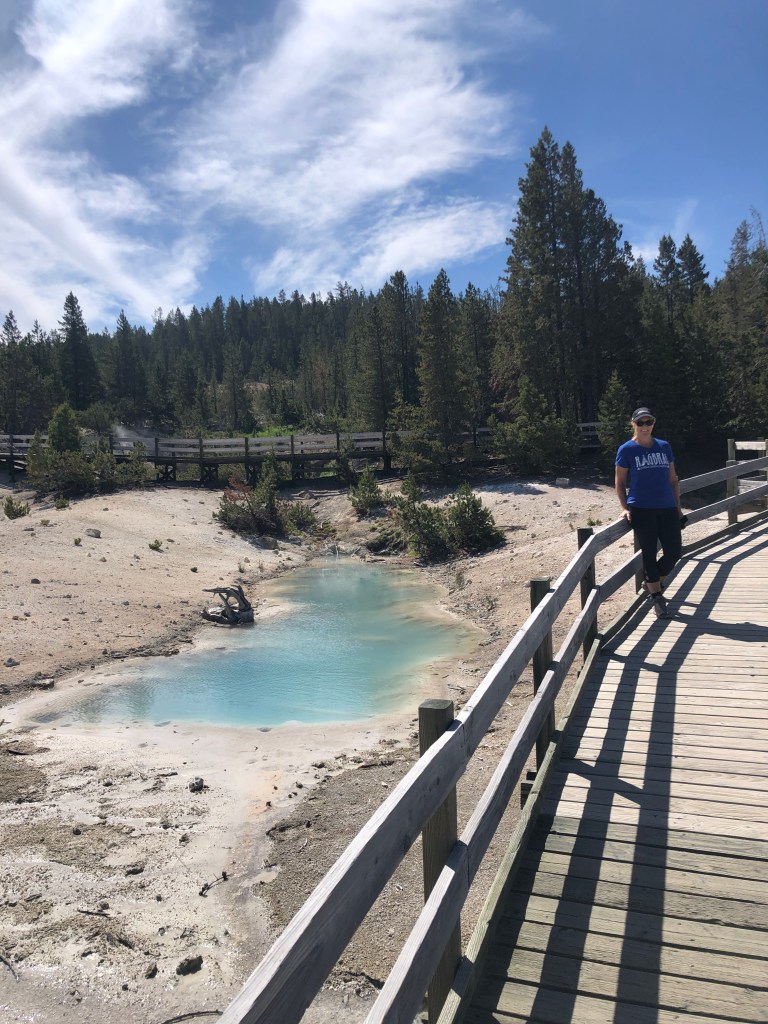
The first main area we explored in depth was the Norris Geyser Basin. Yellowstone features numerous places where thermal features abound. Norris is the oldest and hottest of Yellowstone’s thermal basins. It is filled with acidic waters that allow different classes of thermophiles to live. The thermophiles create different color patterns within the springs and vents based on the water temperature. It’s otherworldly.
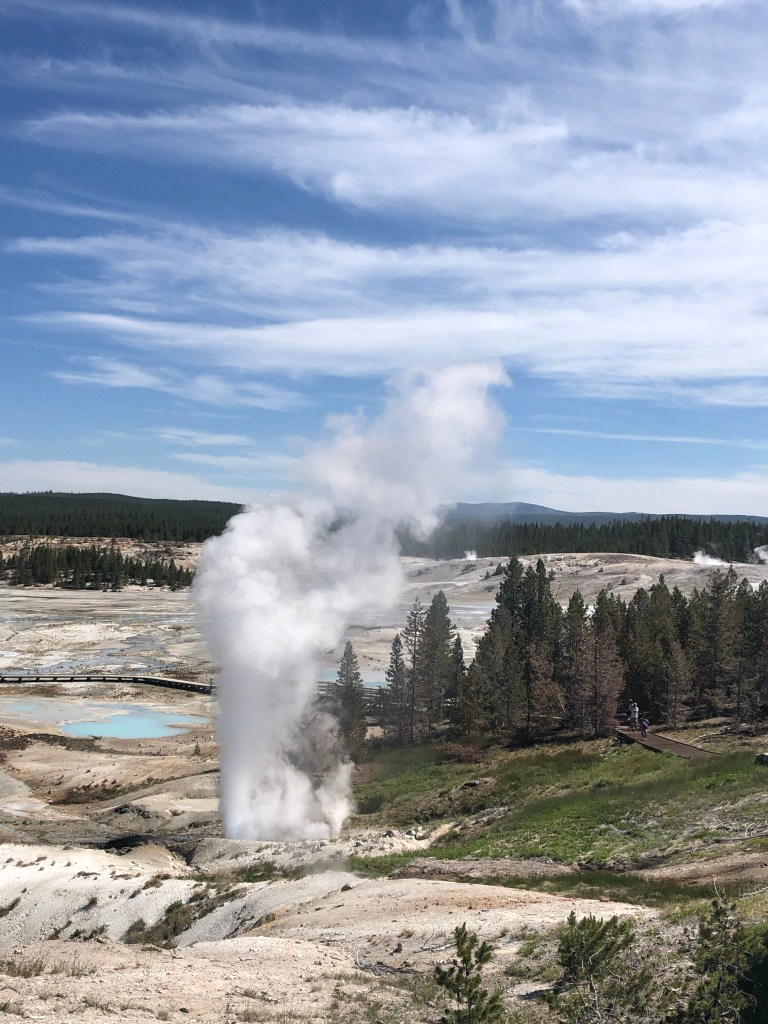
We followed the self-guided boardwalk tour and read about the different thermal features. Mostly we enjoyed the cool morning, the rainbow of colors, and the incredible views. By visiting early in the morning, we avoided the crowds that flock to this area mid-day.

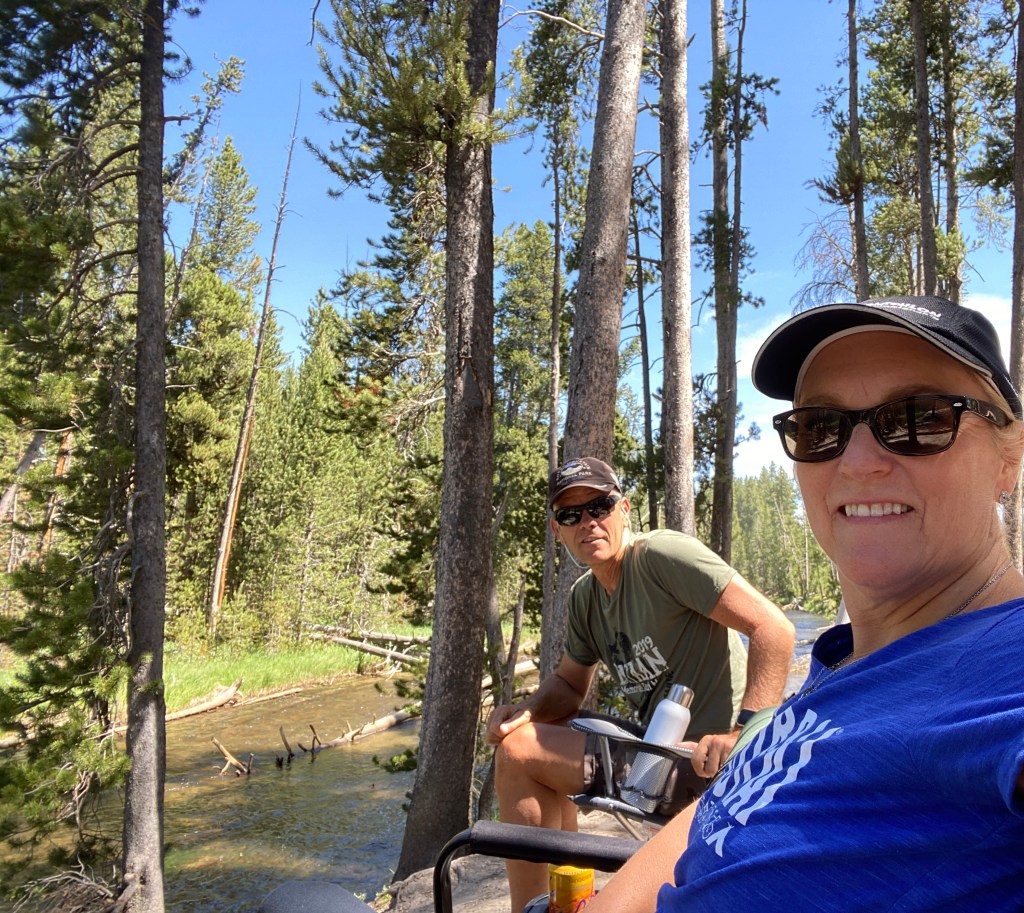
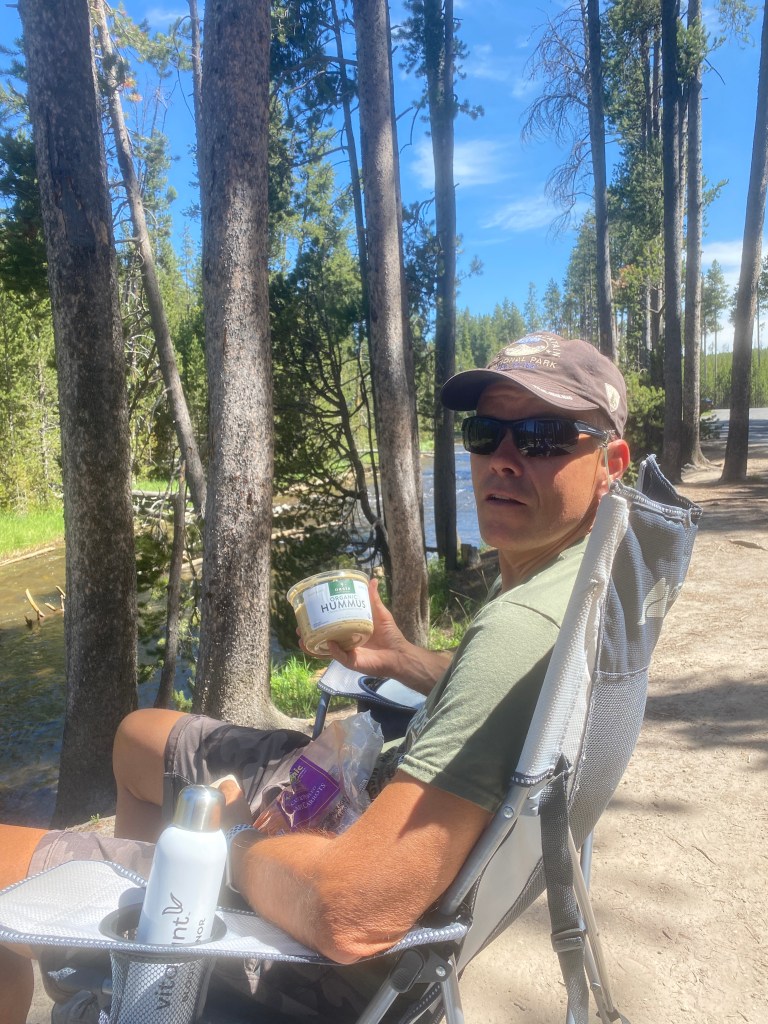
Like on most days, we followed our early morning explorations with lunch or a snack alongside one of Yellowstone’s many beautiful rivers and streams. On this day we stopped at the Gibbon River picnic area and took in the sights and sounds around us.
Biking to Grand Prismatic Spring Overlook

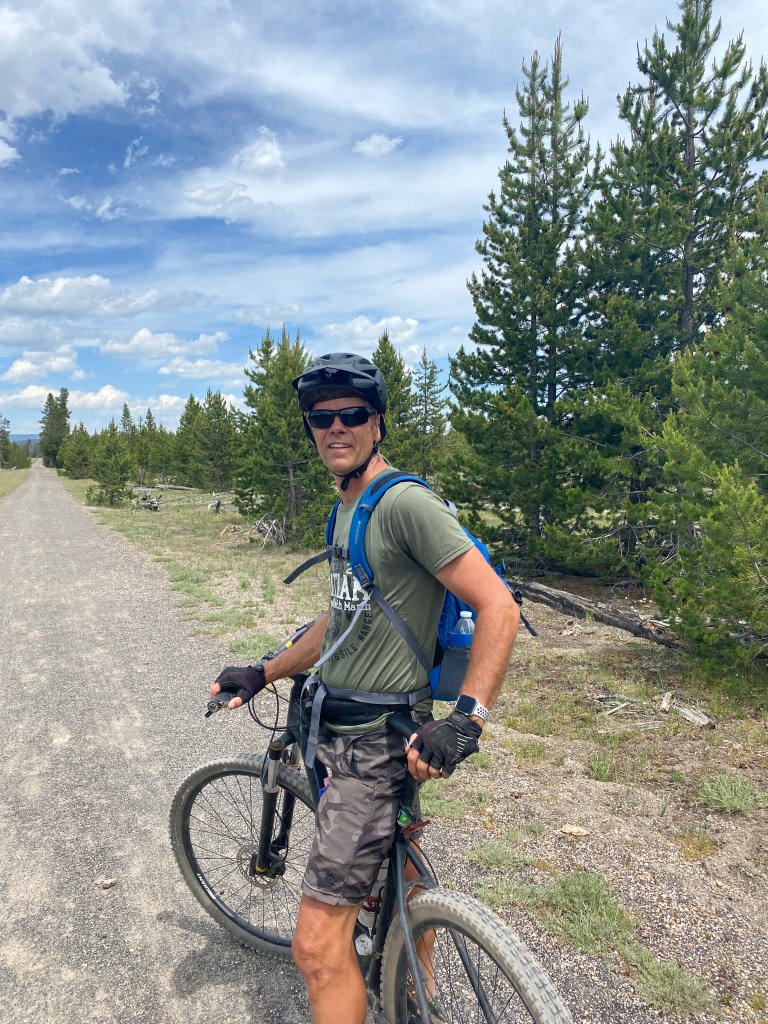
Another popular area in Yellowstone is Midway Geyser Basin with Grand Prismatic Spring as the star. Grand Prismatic is the largest hot spring in Yellowstone at 370 feet wide and 121 feet deep. It is encircled by a boardwalk that is normally packed with tourists. In fact, it’s hard to get through the traffic in this area during the day. That’s why we decided to instead visit by bicycle.
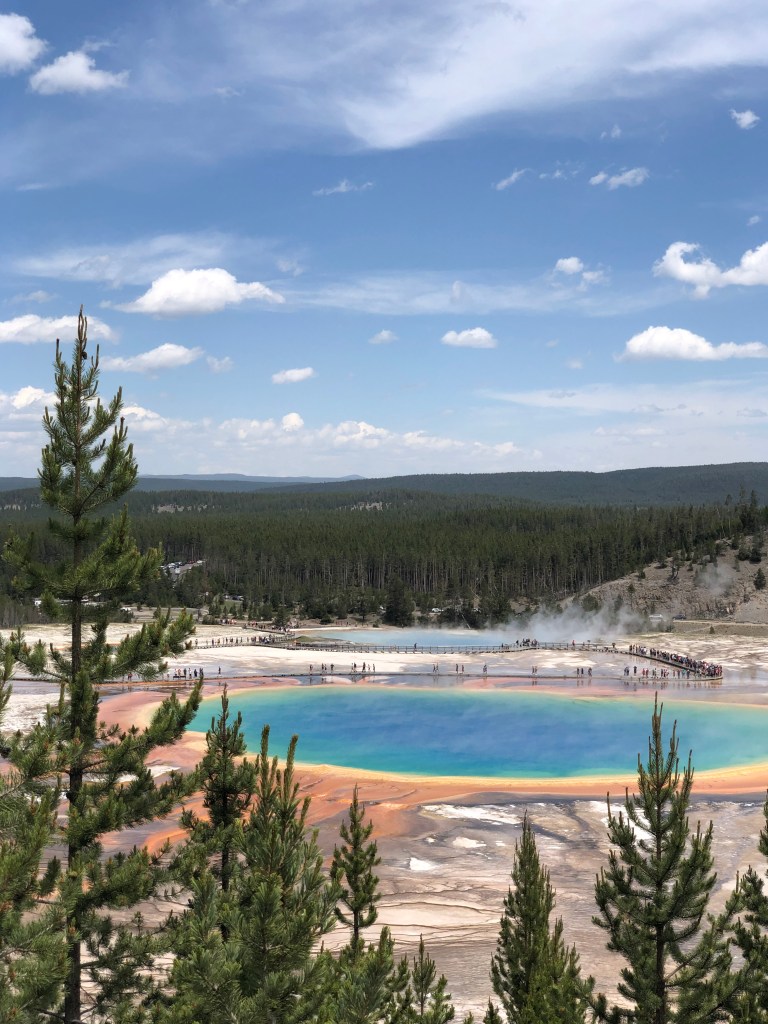
Yellowstone is not overly bike friendly, but there is an old road, Fountain Freight Road, that runs to the backside of Grand Prismatic and leads you to the Grand Prismatic Overlook. We enjoyed a nice six mile round trip pedal through the geyser basin and surrounding landscape. Once we reached the overlook trail, we left the bikes and climbed the hill to get a birds-eye view of the massive, colorful spring.
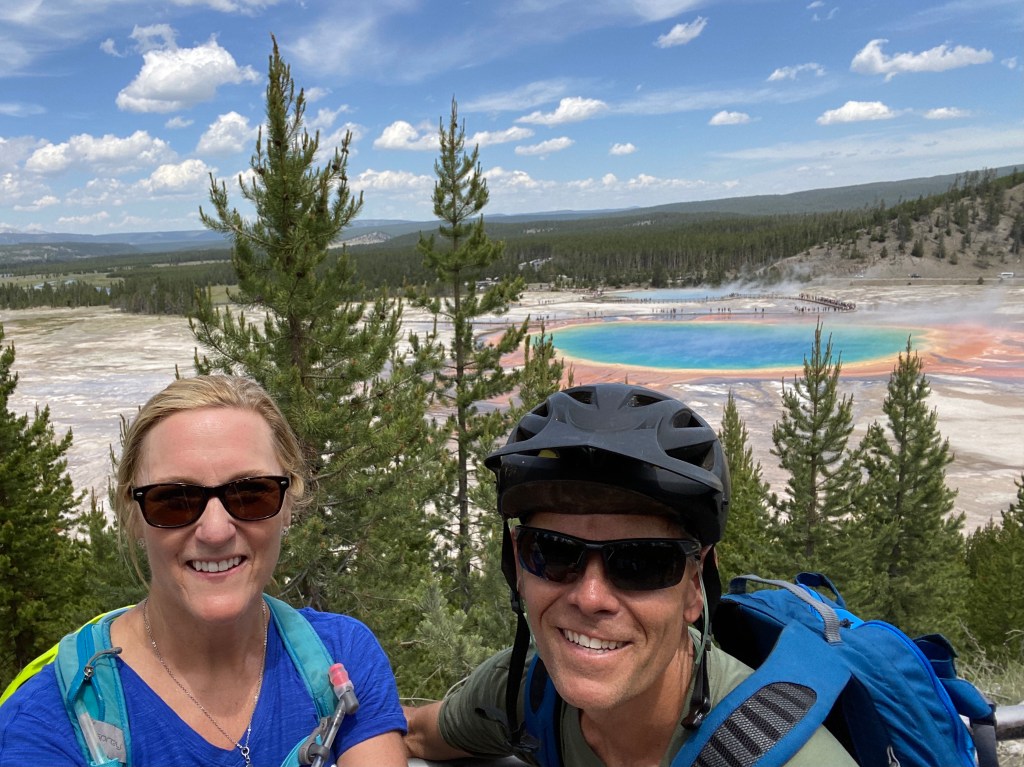
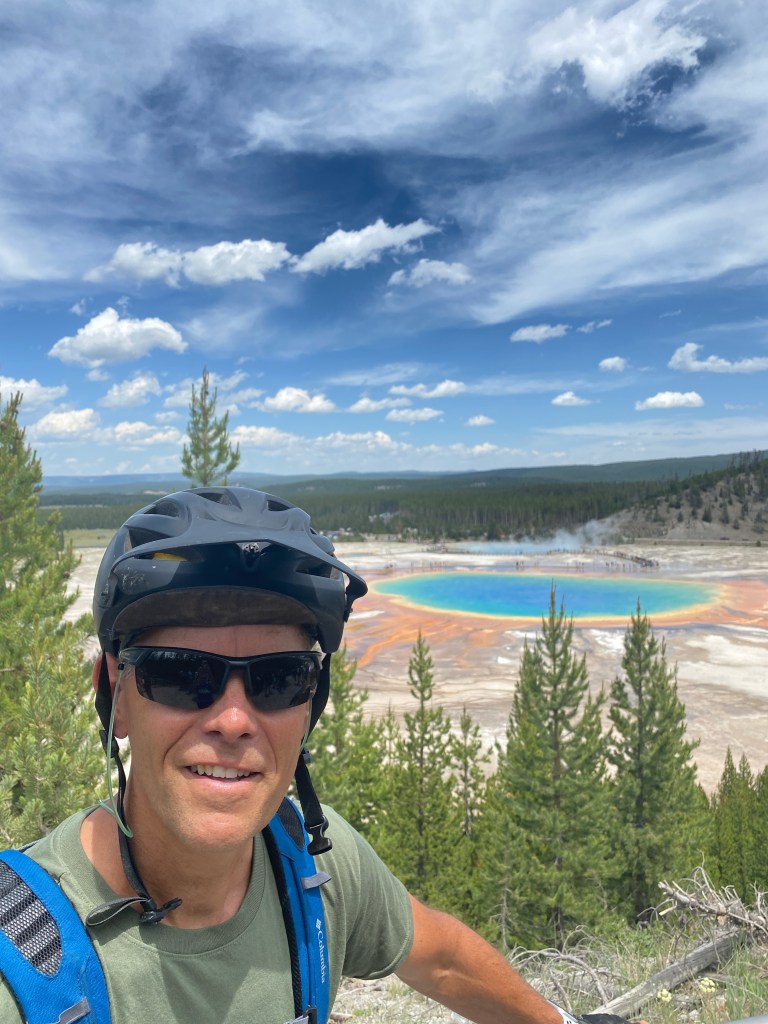
Along the way back we even stopped to check out a few off-the-beaten-path thermal features. I’m telling you…the bike is the way to see Yellowstone!

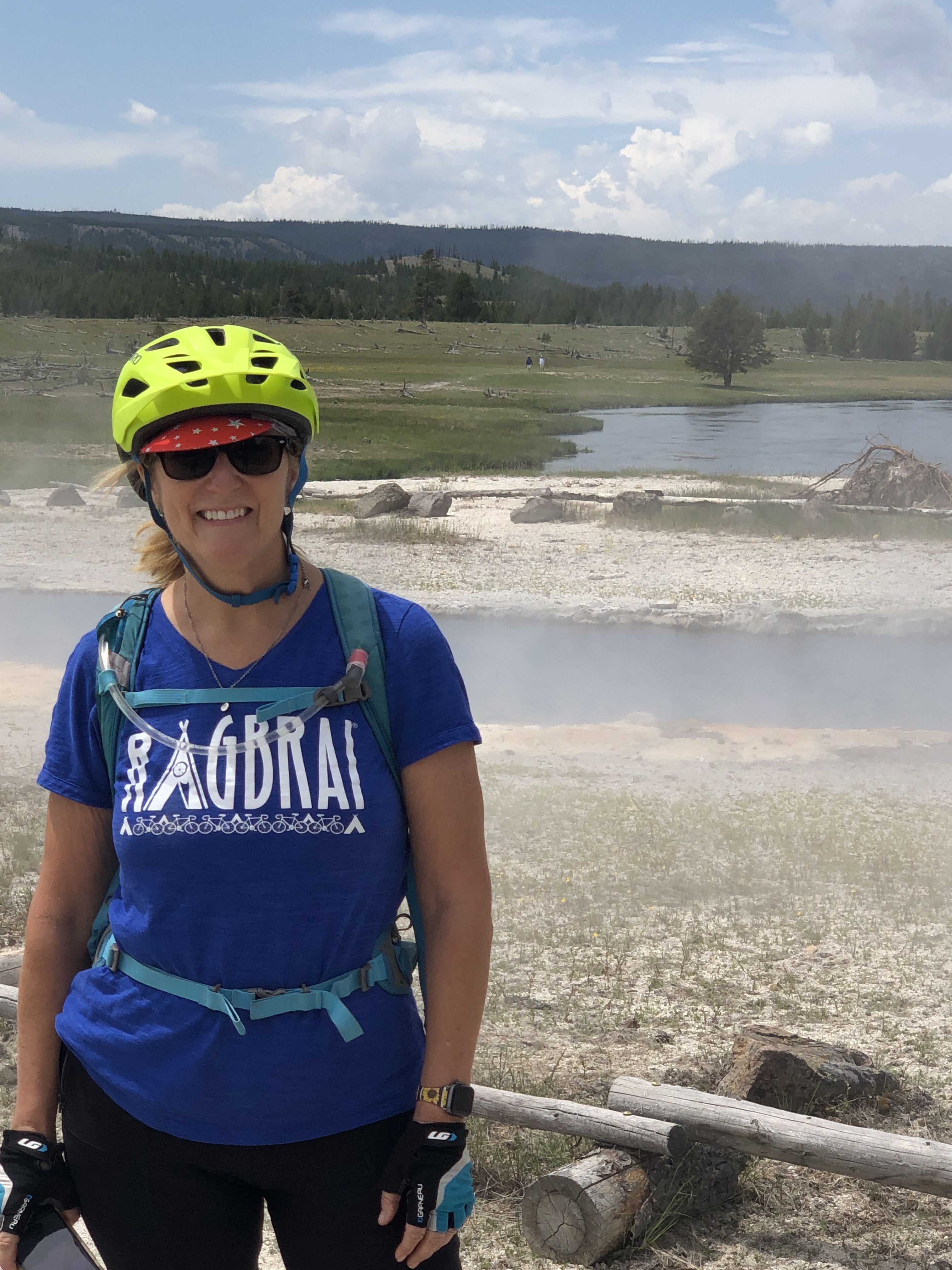
We visited Norris and Grand Prismatic in one day and it was a full one! Yellowstone is so big that it’s impossible to see it all. Even if you lived in the park you’d never really see it all as the area is constantly changing. But you know us…when we travel, we try to do as much as possible. So, we have a few more blog posts on the way featuring more of our Yellowstone adventures..

Bryce Canyon National Park

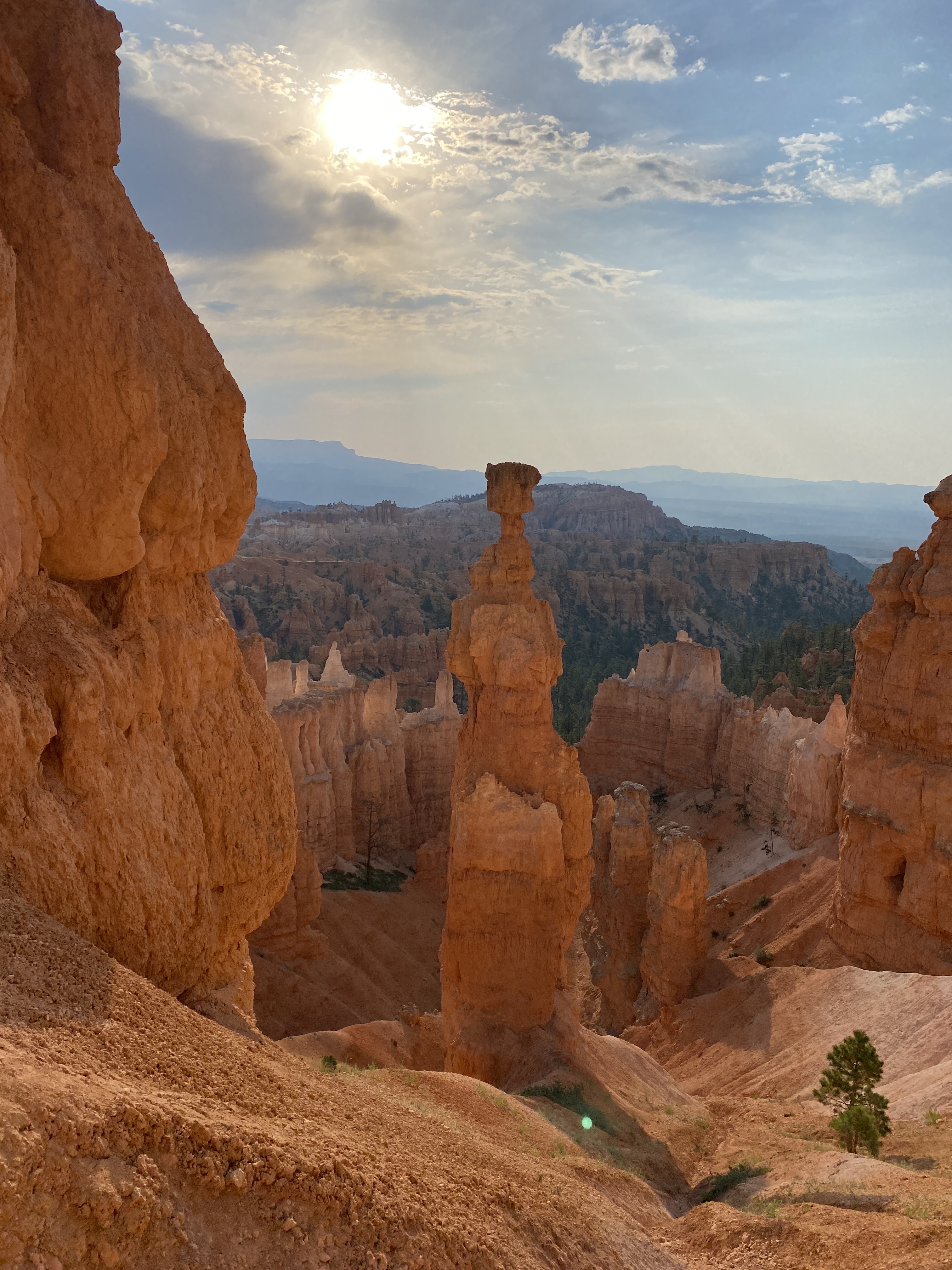
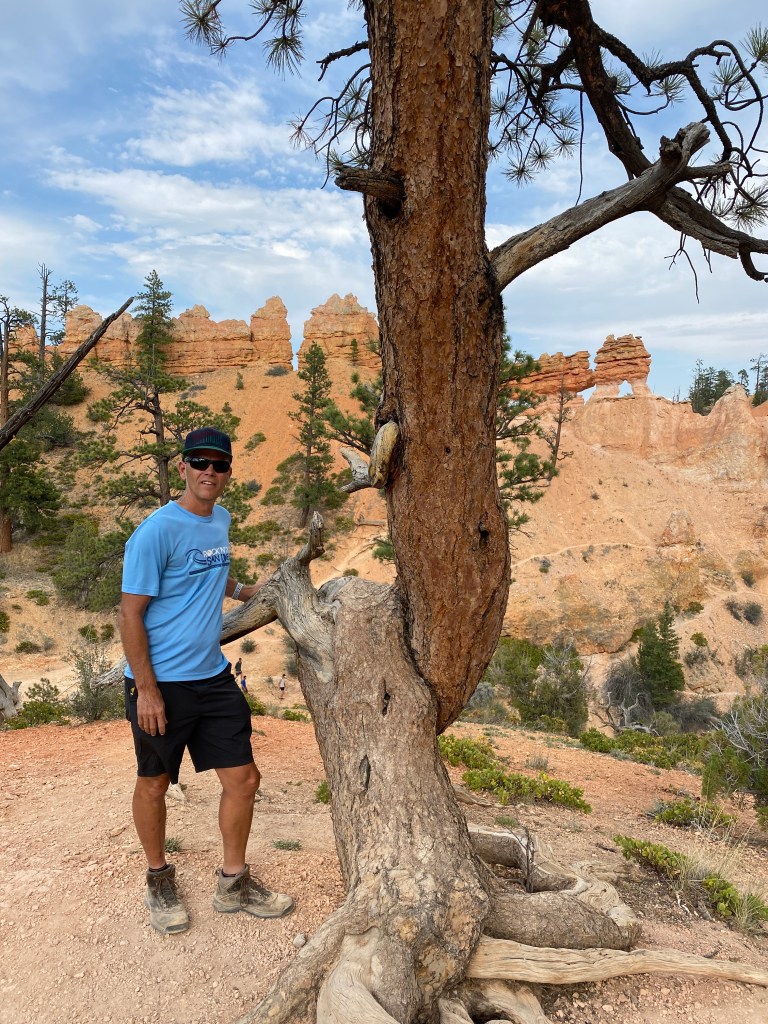
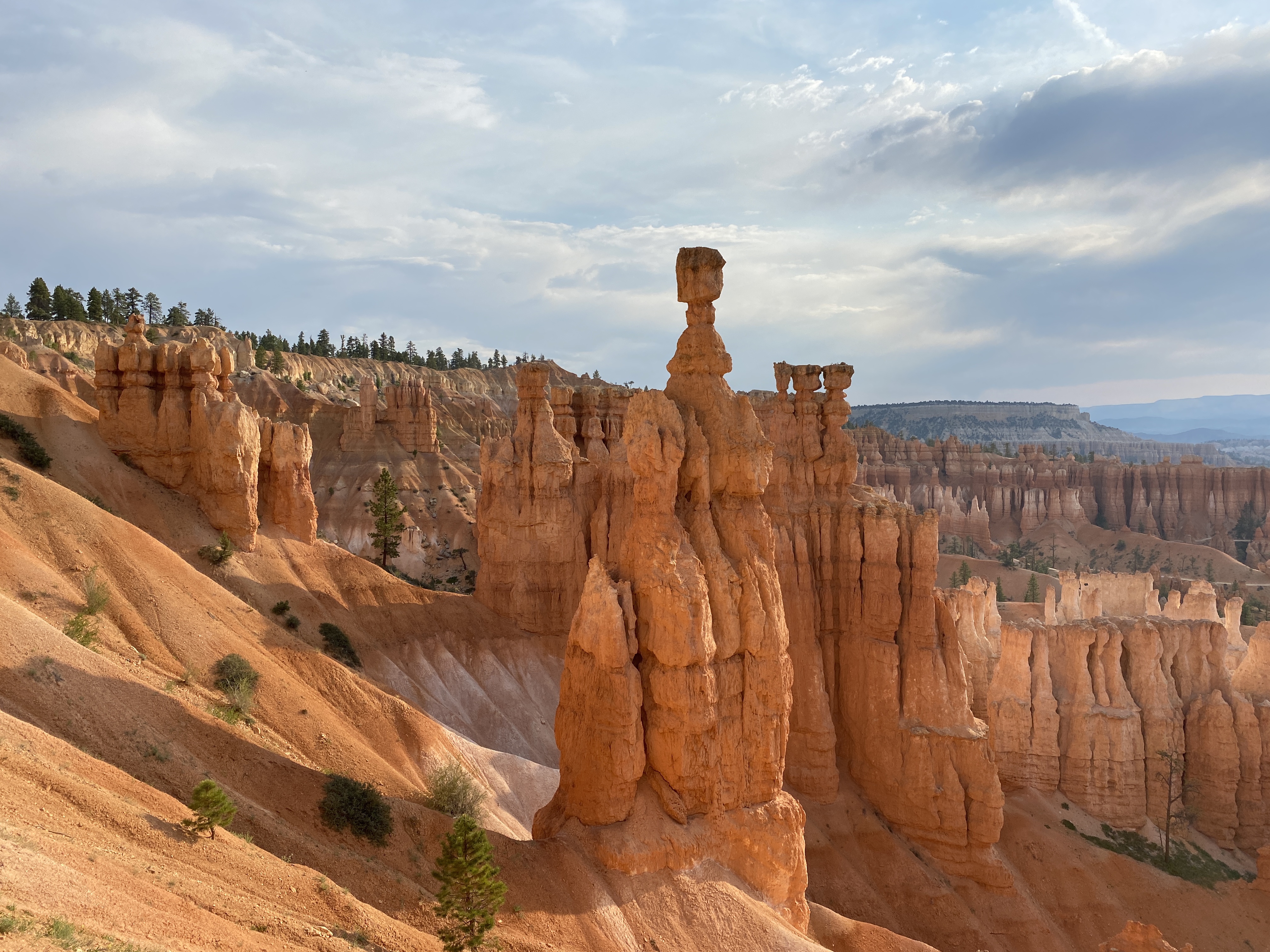
Our nation has some incredible national parks and Bryce Canyon ranks up there as one of the most unique and naturally beautiful that we’ve visited so far. Punctuated by hoodoos, massive, beautifully-colored stone columns sculpted from thousands of years of erosion, Bryce in places reminded us of the man-madeTerra Cotta warriors we saw in China. Lined up one after the other, the fluted walls can be seen from the roadside but are best explored on foot. We did both.
First we drove the length of the park using this cool app called Just Ahead, which provides GPS-guided audio narration that plays automatically as you travel down the road. We’ve used this tool before, and it really helps provide an introduction to the park and its history.

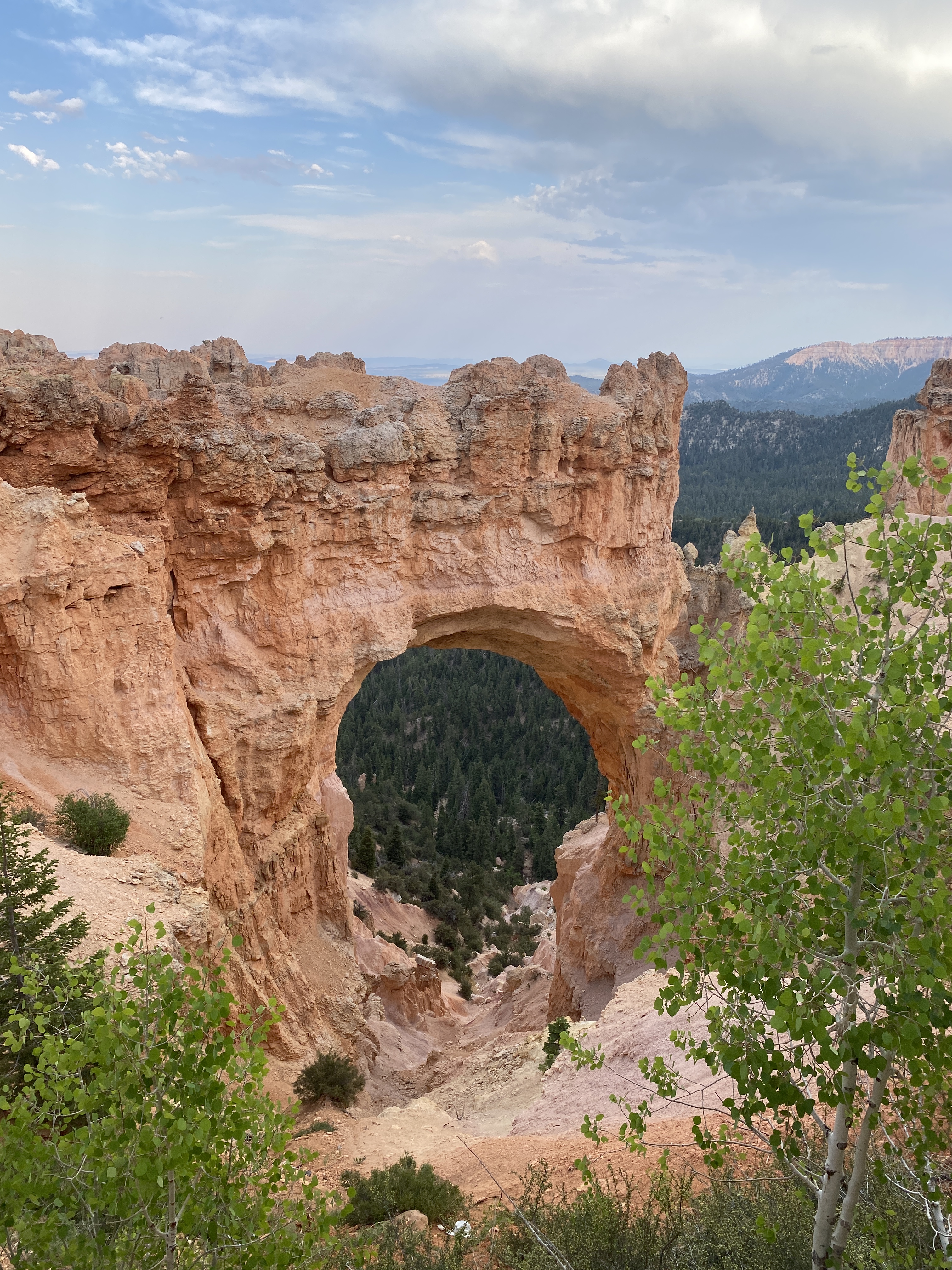
From Rainbow Point in the south we worked our way back north stopping at ten overlooks along the way. Each viewpoint was different from the last. One included a massive stone arch; another provided sweeping views all the way to the north rim of the Grand Canyon. The drive was a great way to get oriented to the park, and it helped us plan the next two days.

The next morning we were in the park by 6:00 a.m. in an attempt to avoid the heat and the crowds. We succeeded and were rewarded with a spectacular sunrise and cooler weather.

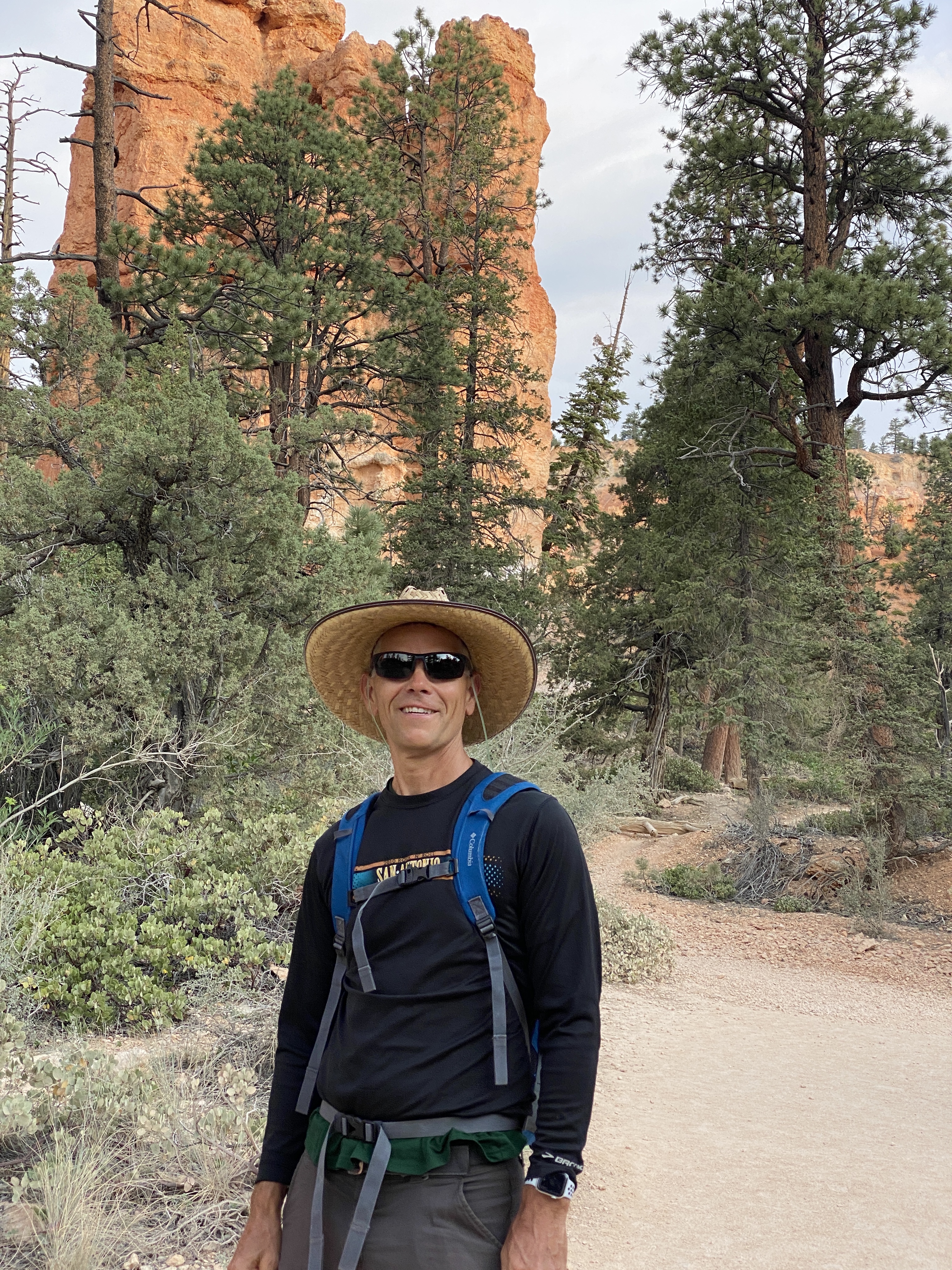
The premier hike in Bryce Canyon National Park is the Queens Garden/Navajo Loop Trail. The three mile walk took us through massive hoodoo “forests,” stone arches, and snaking switchbacks which provided incredible views of the landscape.

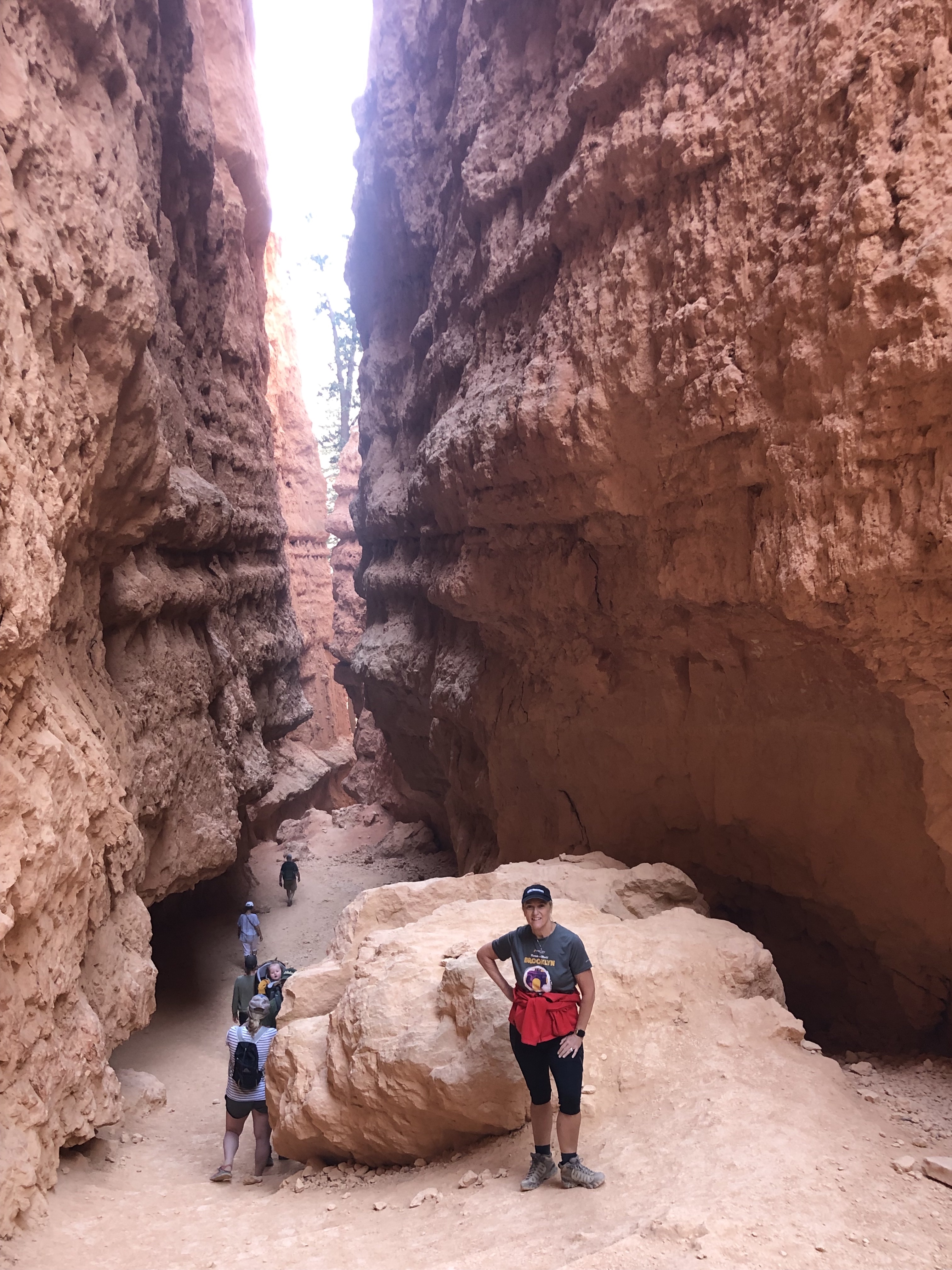
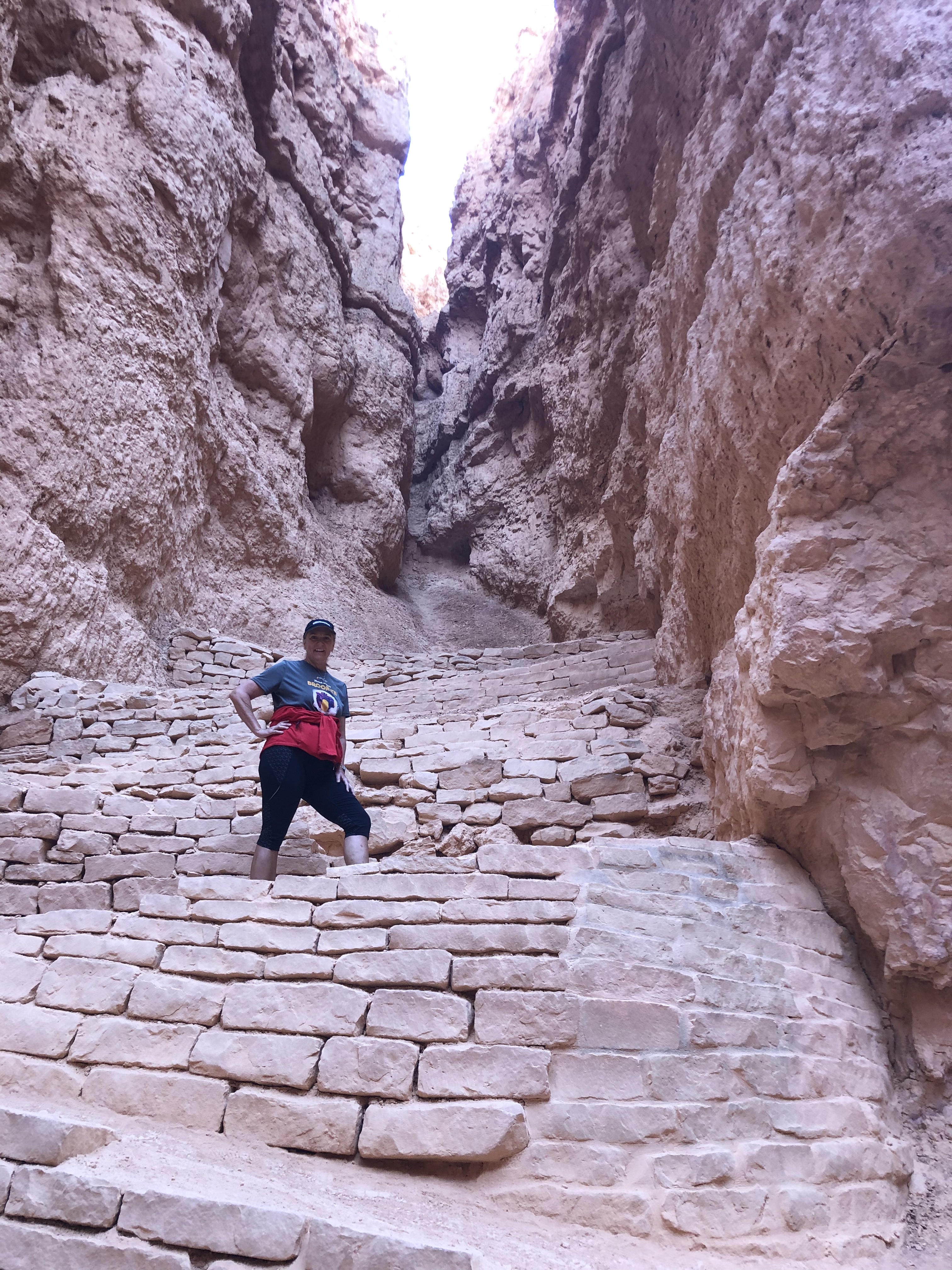
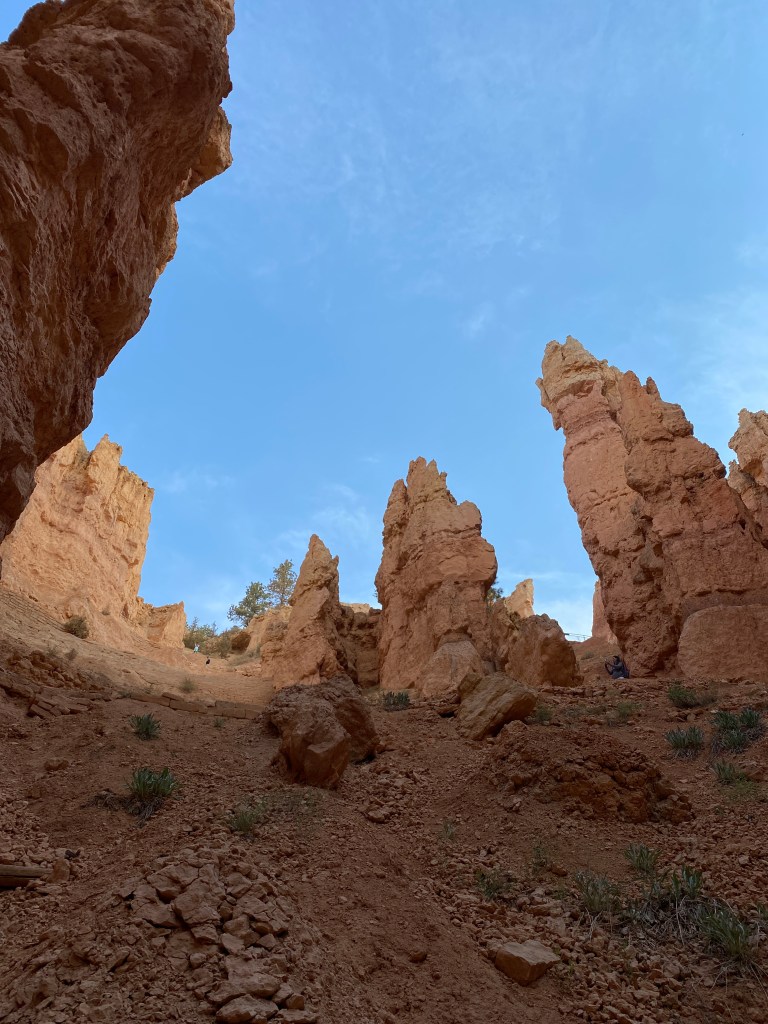
The hike culminates in the climb up Wall Street, a steep, narrow canyon which has been fortified with stones to support the trail. It’s a popular spot in the park, so we were glad to get in and out relatively early.

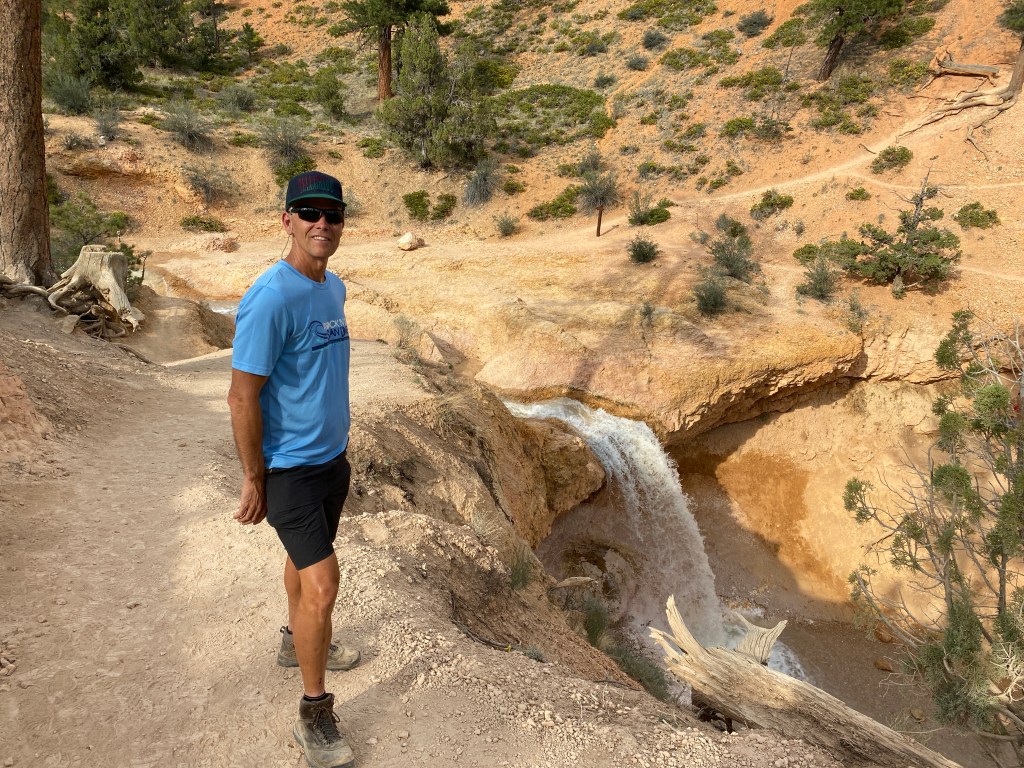
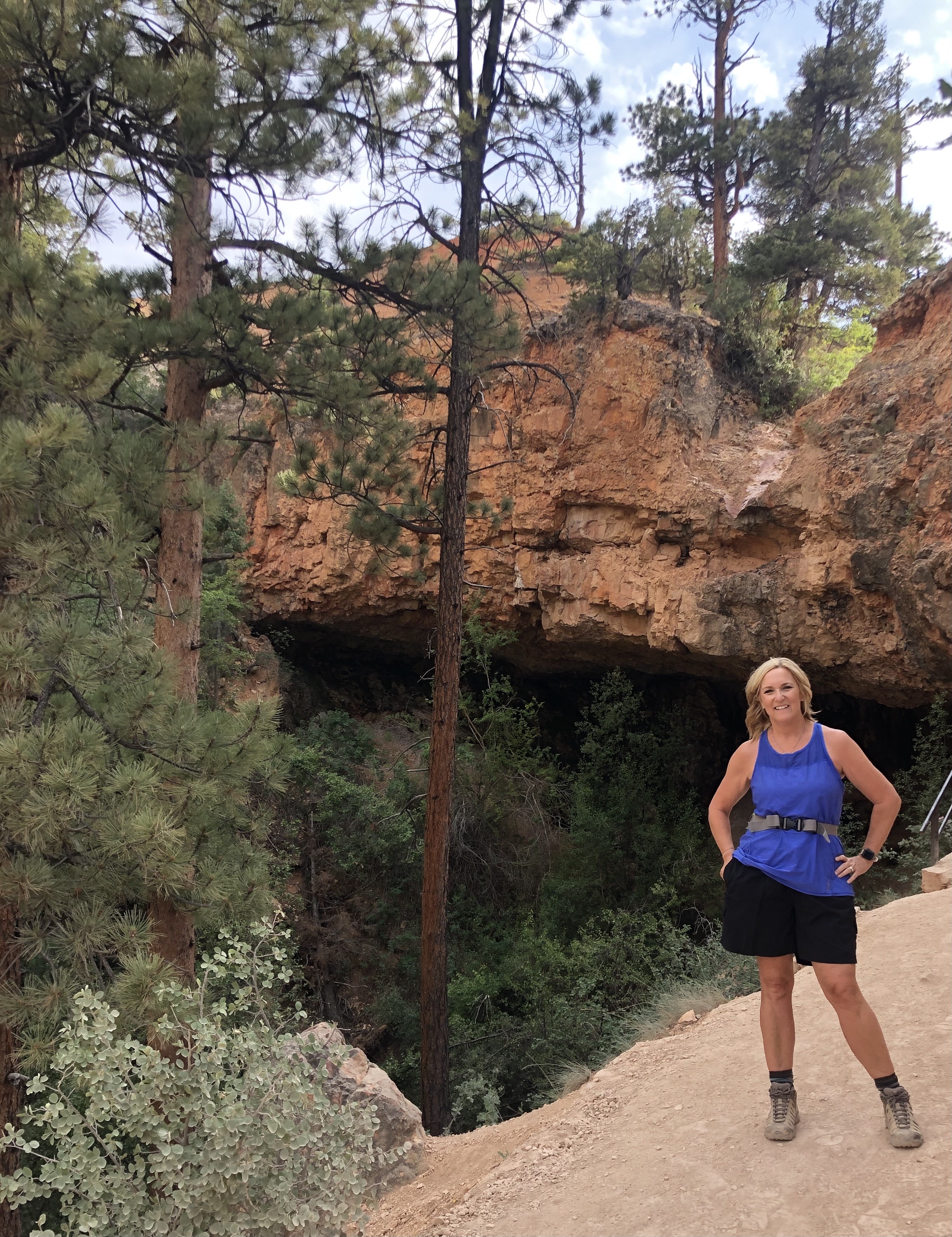
Even though it was very dry we found water at Mossy Cave. The short hike to small waterfall featured a large cave that is covered with icicles in the winter. No ice this time of year, however. In fact, many people were playing in the water. We skipped that.

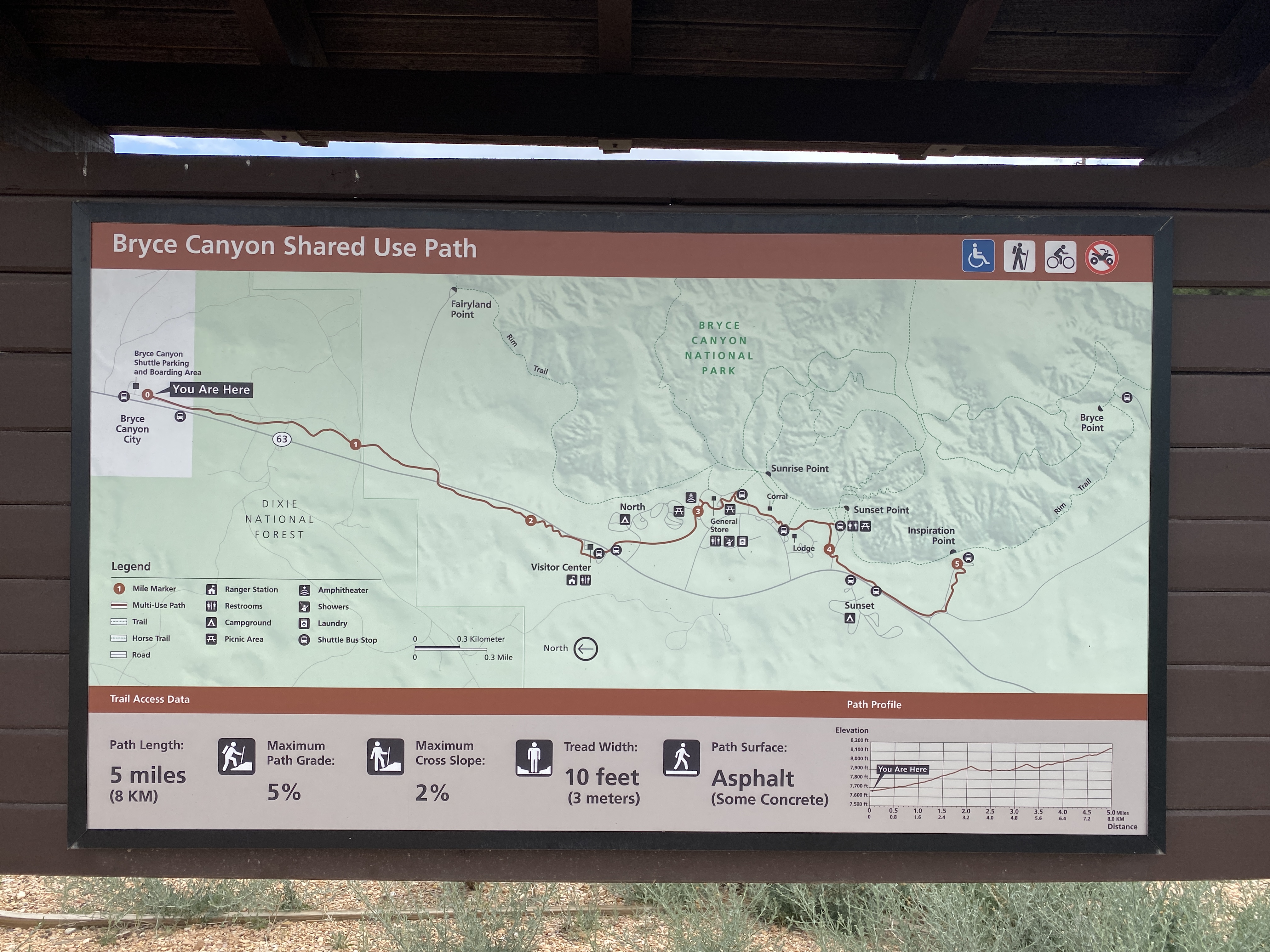
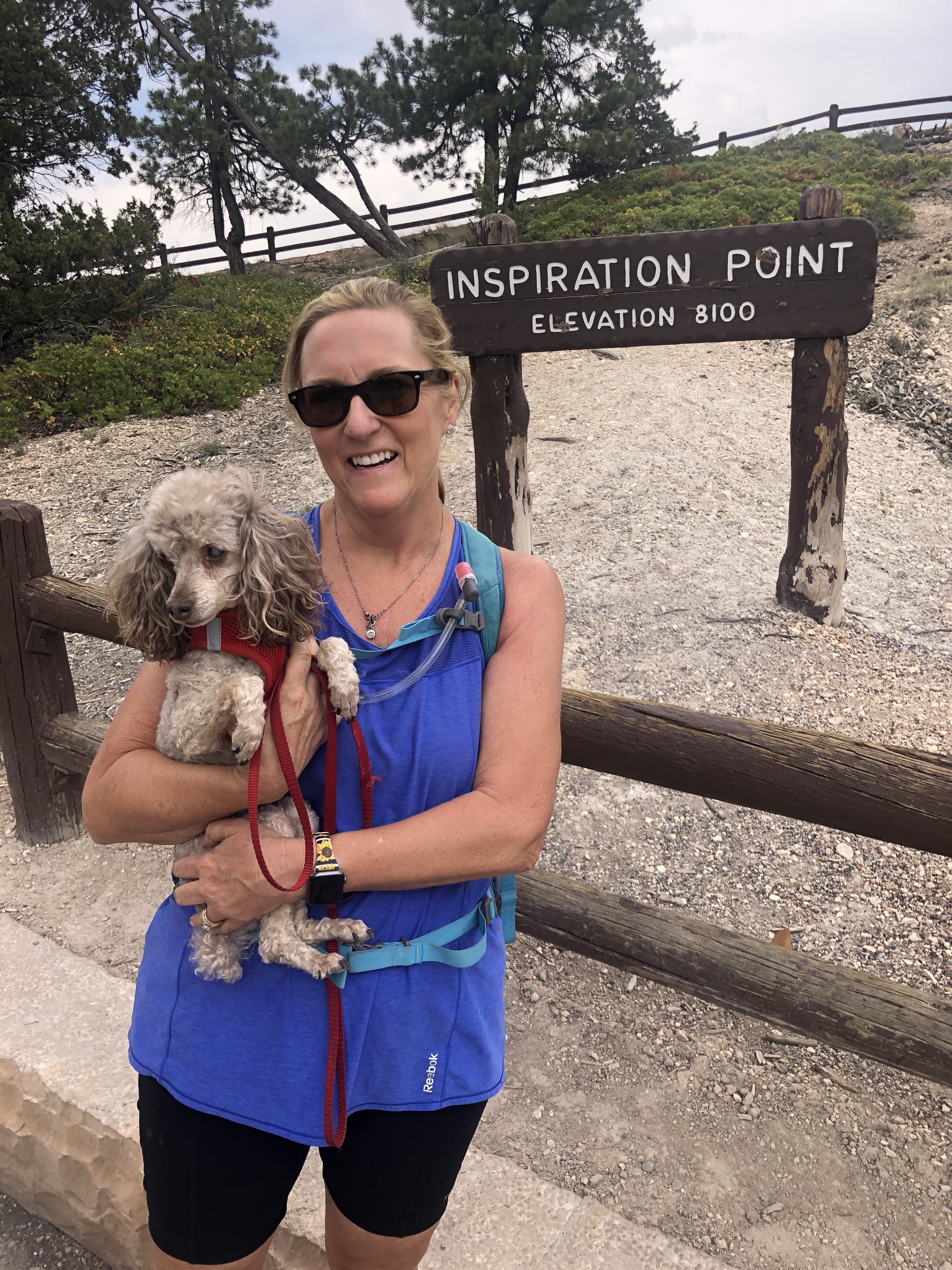
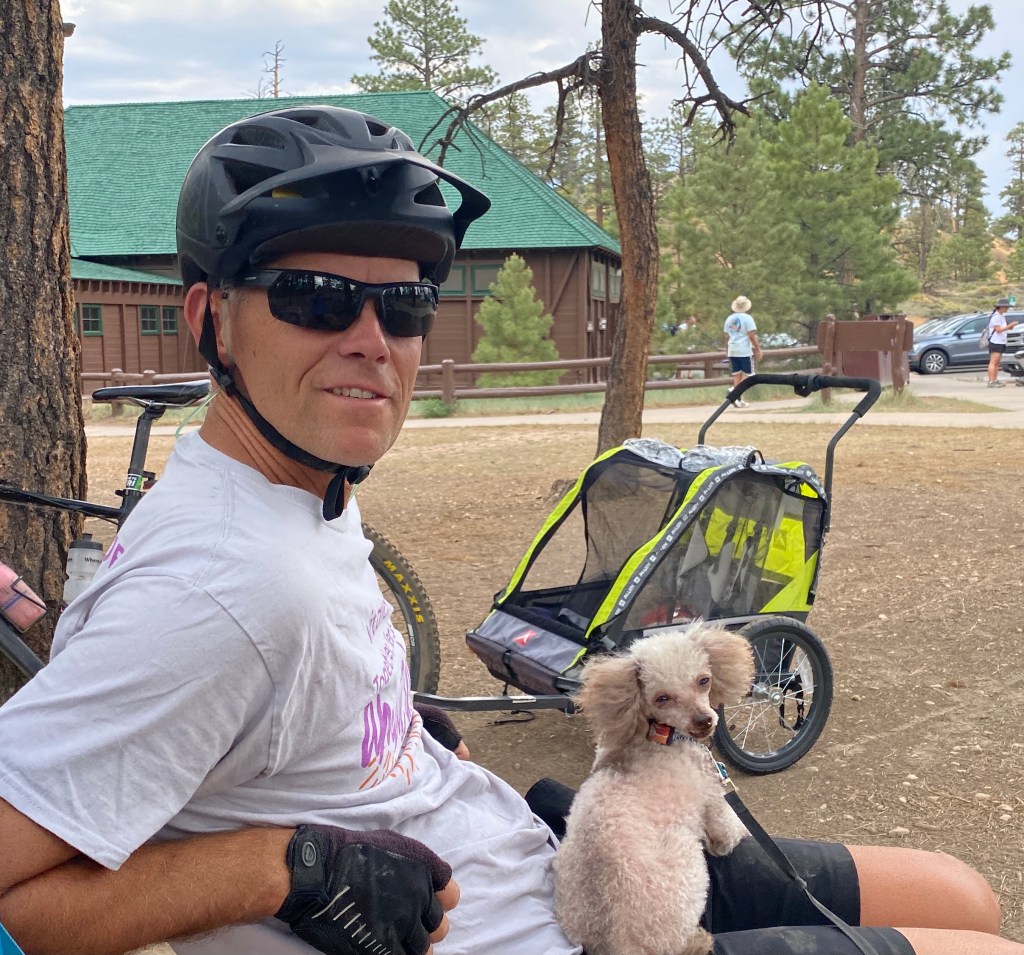
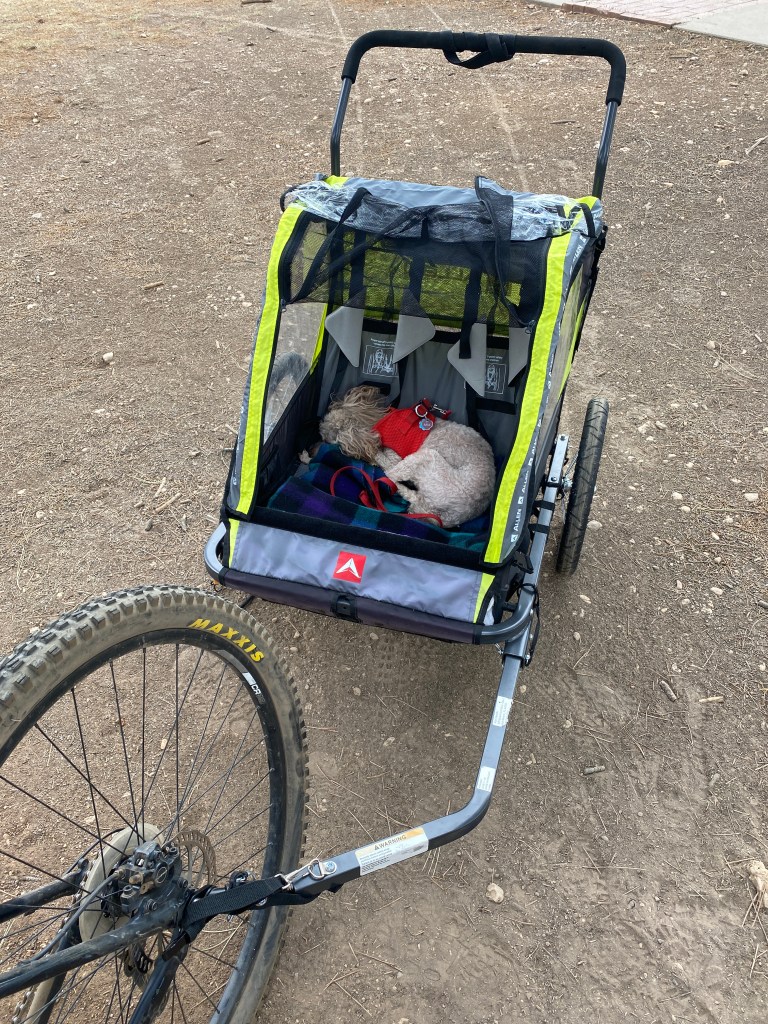
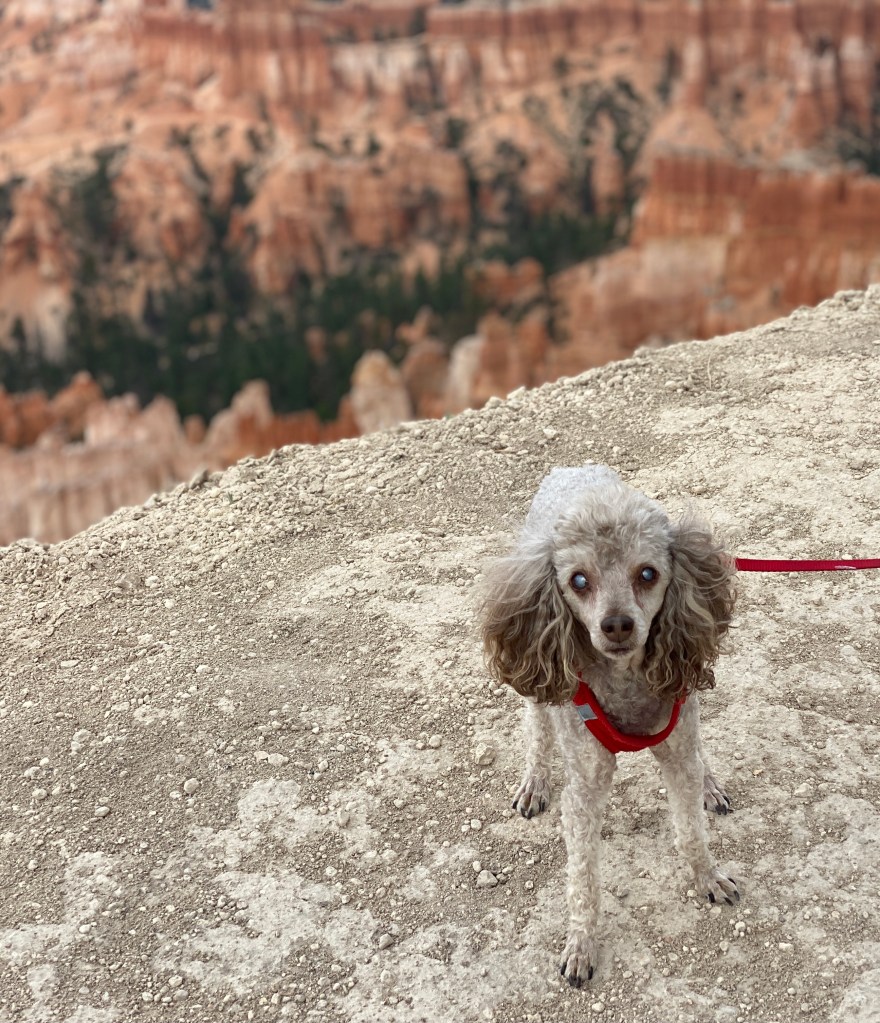
One of the most appealing features in Bryce Canyon is the five mile shared-use path that runs from outside the park to Inspiration Point. We loaded up the bikes, hitched up the dogs, and pedaled the path through the forest and into the park to see the sights from another perspective.

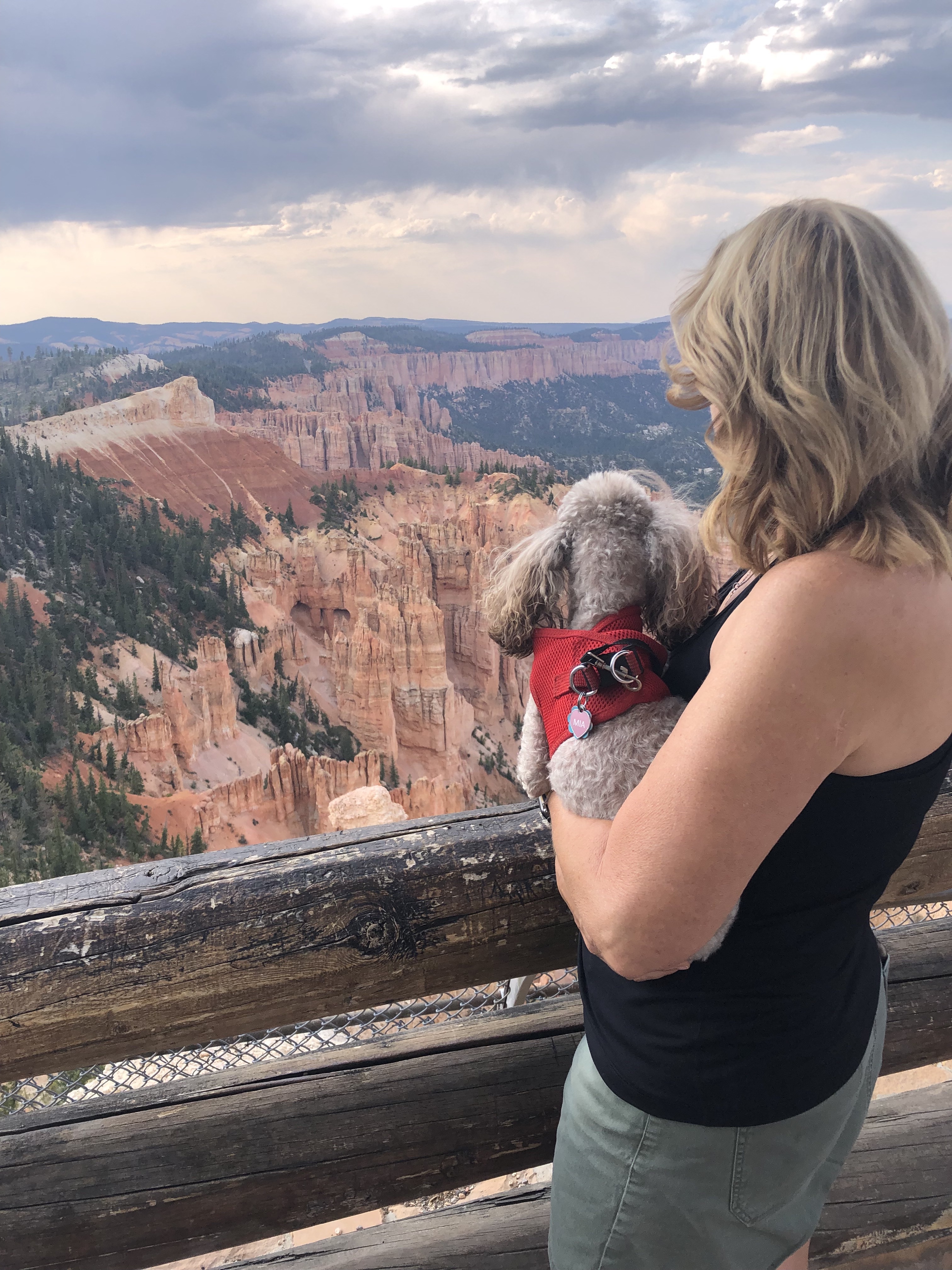
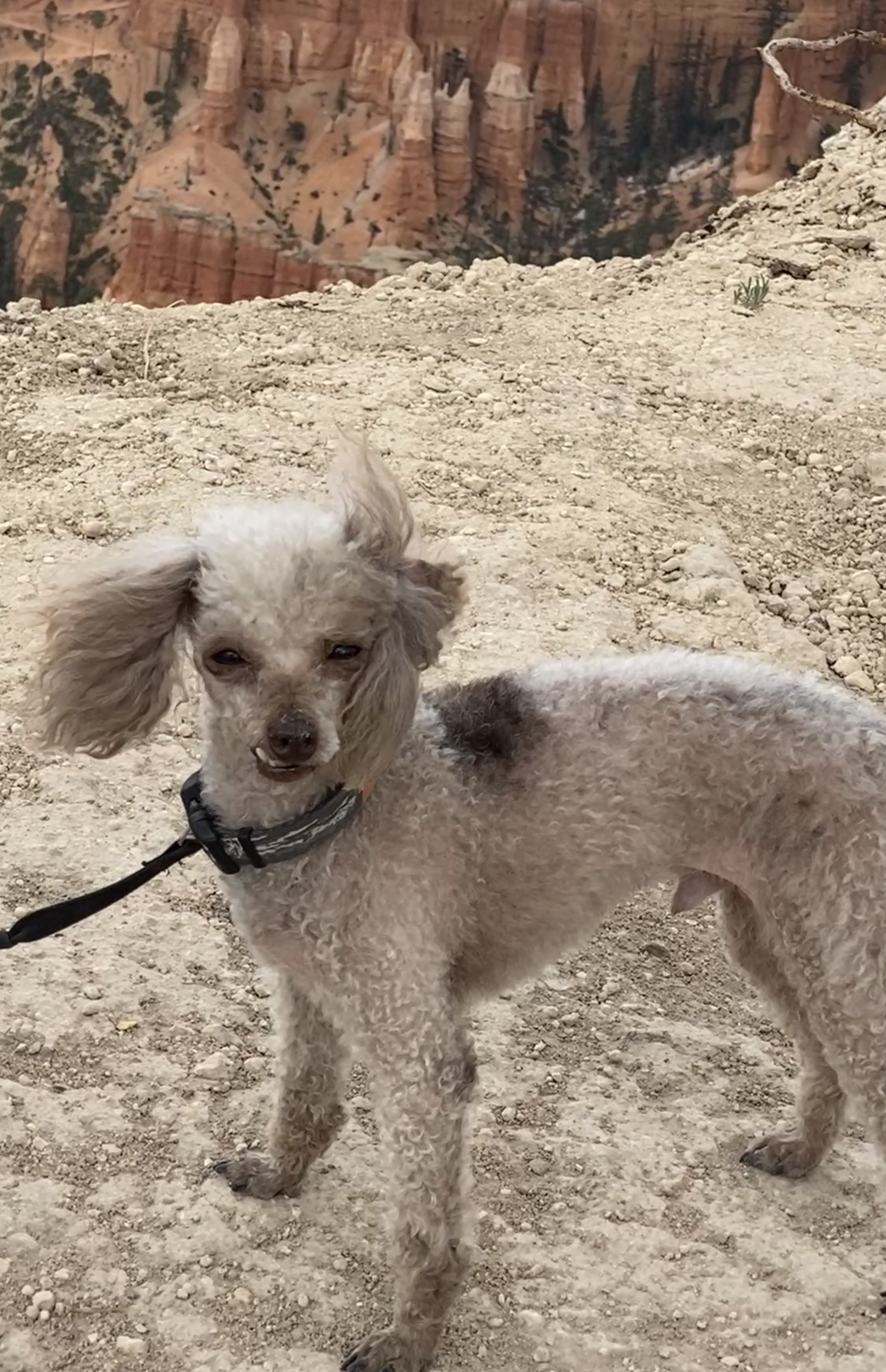
Along the way we could see the canyon rim, the lodge, and other park features. The dogs really seemed to enjoy it. Mia, in fact, slept most of the way!

Bryce Canyon National Park is one not to miss, even though it’s not massive. You can probably do the park in a day or two, but don’t rush. The incredible views change with the time of day and with the weather. That’s why we hope to return during a different season to see it again.

Georgia’s Golden Isles

Here on the southeast Georgia coast there’s a way of life that was new to us and utterly enchanting. We spent the week based at Blythe Island Regional Park in Brunswick, which is the gateway to the fabled Golden Isles. Consisting of barrier islands, pristine marshland, miles of beaches, and historic landmarks, the Golden Isles provided us plenty to explore.

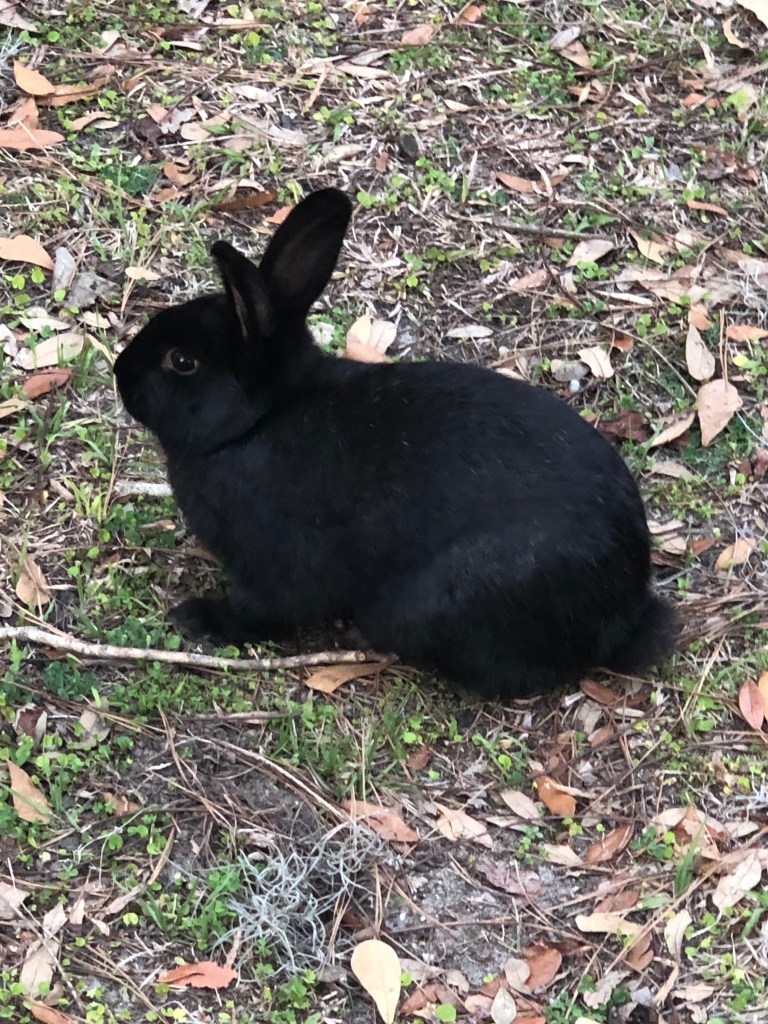
The campground was conveniently located and had everything we needed to explore the area. Not only can you access the intercostal waterway from the park, but you can play with bunnies which are everywhere! Apparently the park is also a refuge for domestic-looking rabbits of all colors. 

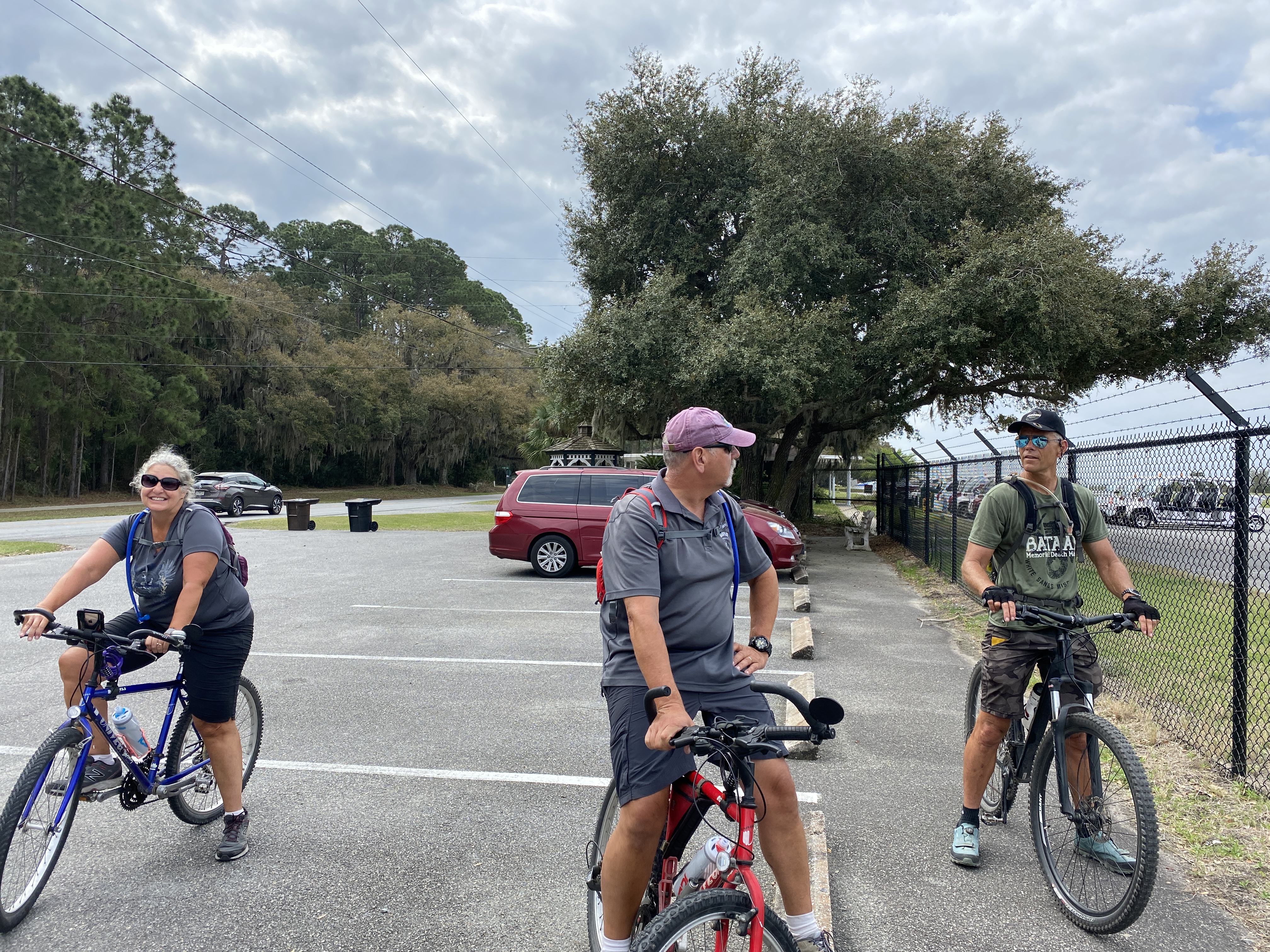
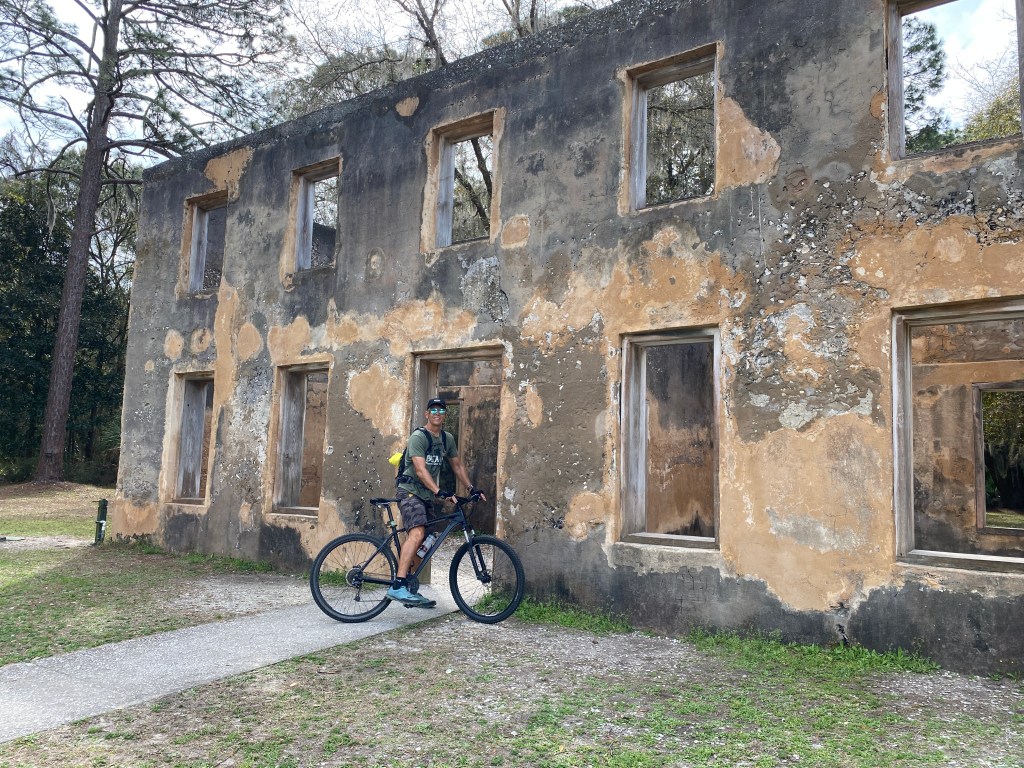
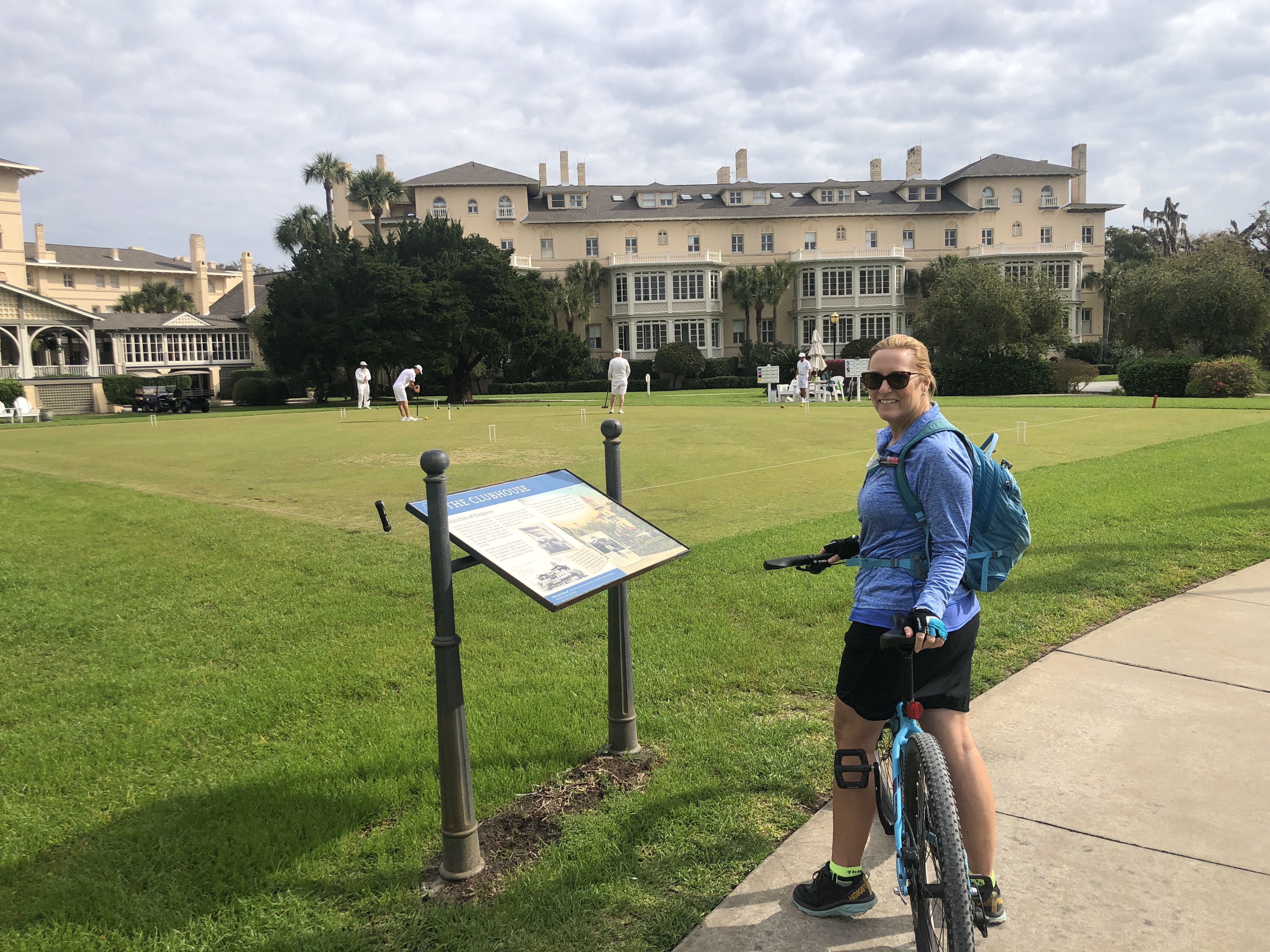
We met our RV-ing friends Bill and Sandy on Jekyll Island and hit the over 20 miles of bike trails to explore the historic isle on two wheels. Bill and Sandy just happened to be staying nearby so it was a perfect opportunity to reunite after meeting at the Tampa RV Show in January. And they like to bike too!

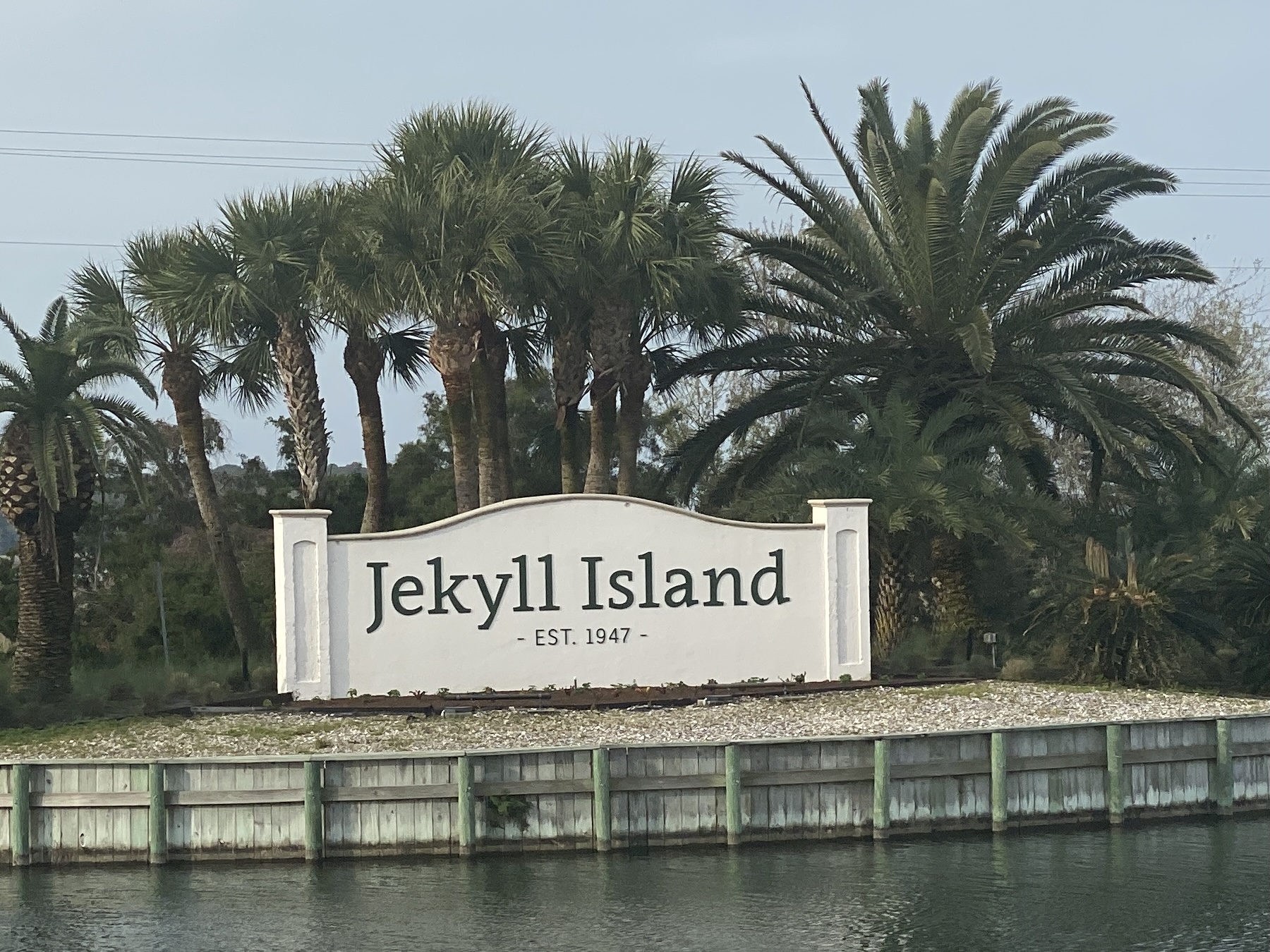
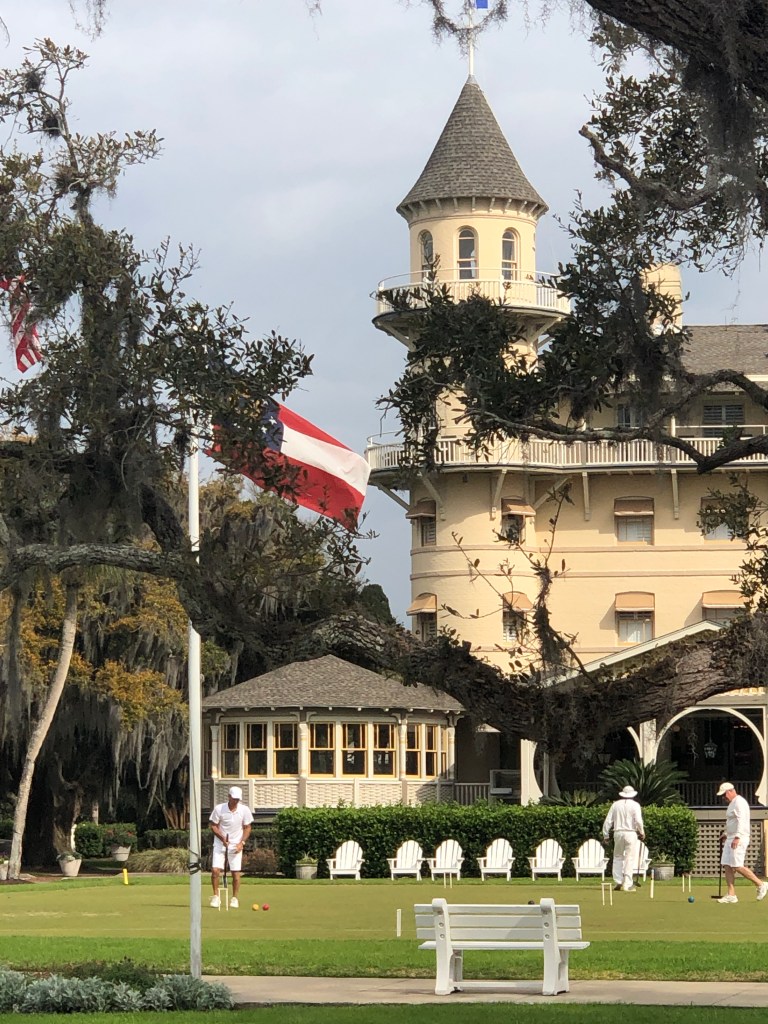
Jekyll Island’s history goes back over 3500 years.  Most notably the Jekyll Island Club, built in the late 1890s, had membership which included the Rockefellers, Morgans, Pulitzers, Goodyears, and Vanderbilts. Jekyll Island was purchased by the State of Georgia in 1947 and is now a popular area for vacationers.

Of course we visited a number of other historic sites on the island, including the historic Jekyll Island Club. We just pedaled past but it was fun to see the “other half” playing croquet in their traditional whites. 

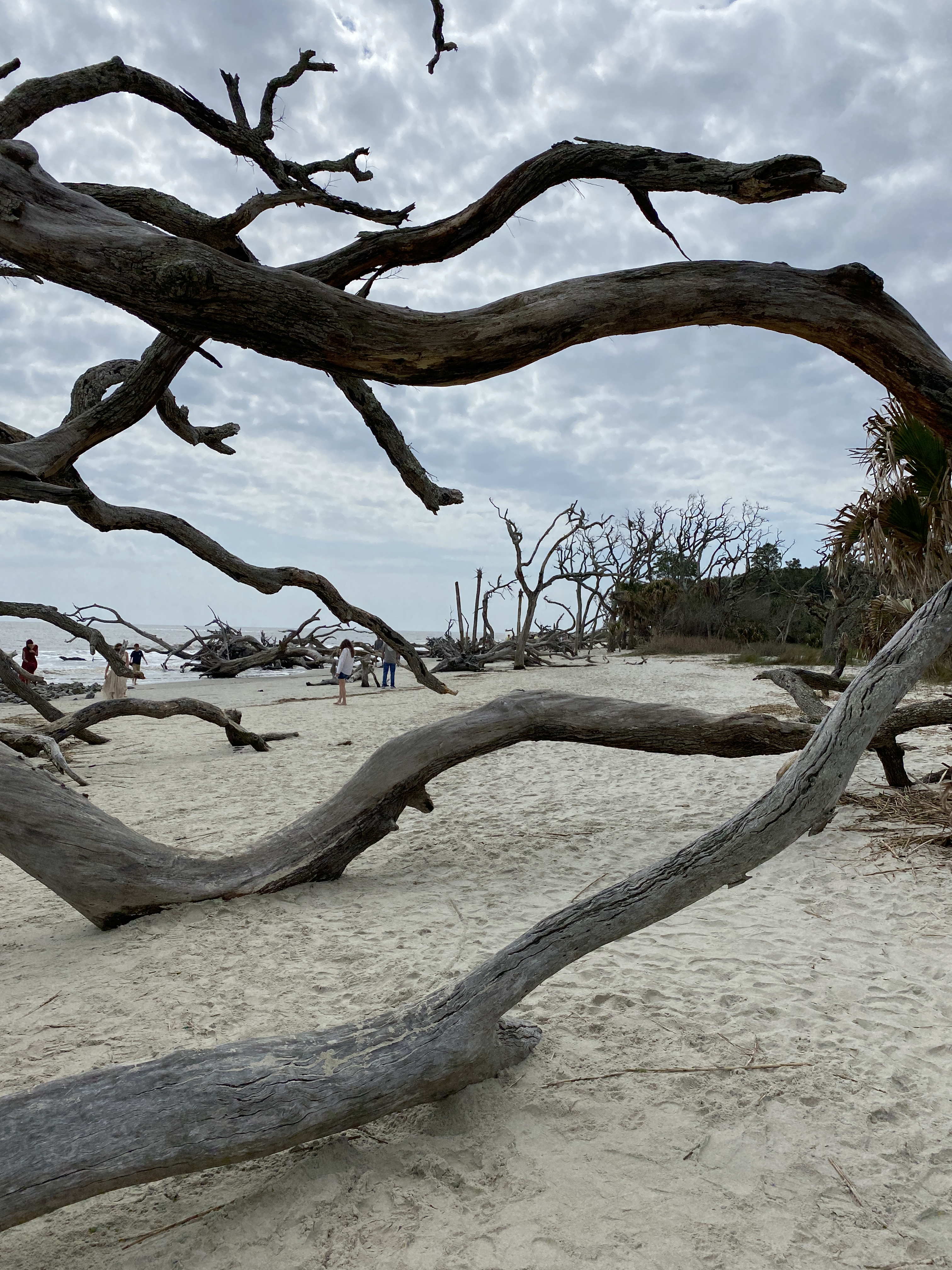
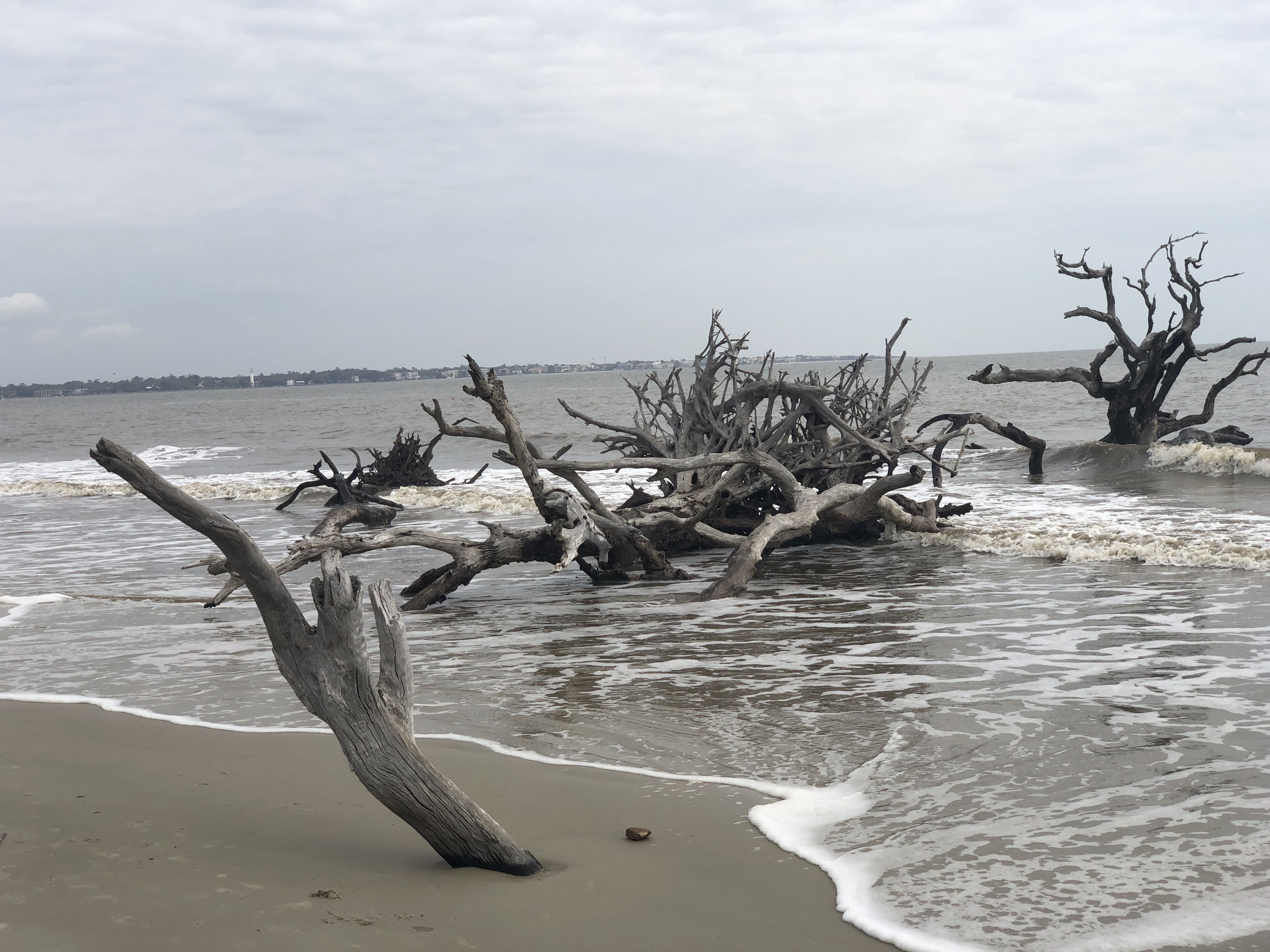
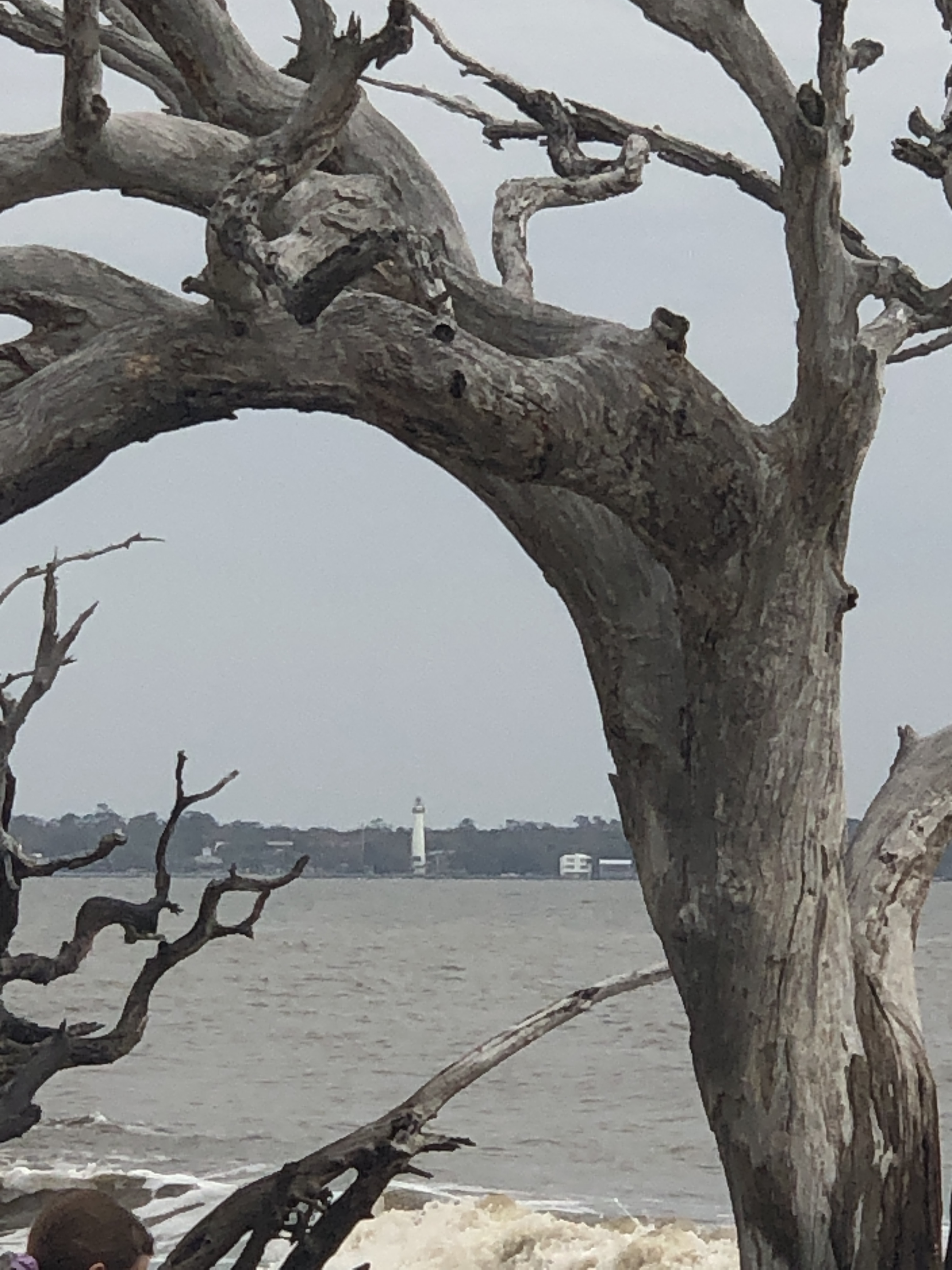
Driftwood Beach, on the north side of Jekyll, is a highlight for many. We marveled at the gnarled and weathered trees that have been sculpted by the sea. Not surprisingly, it’s a popular place for photo shoots.

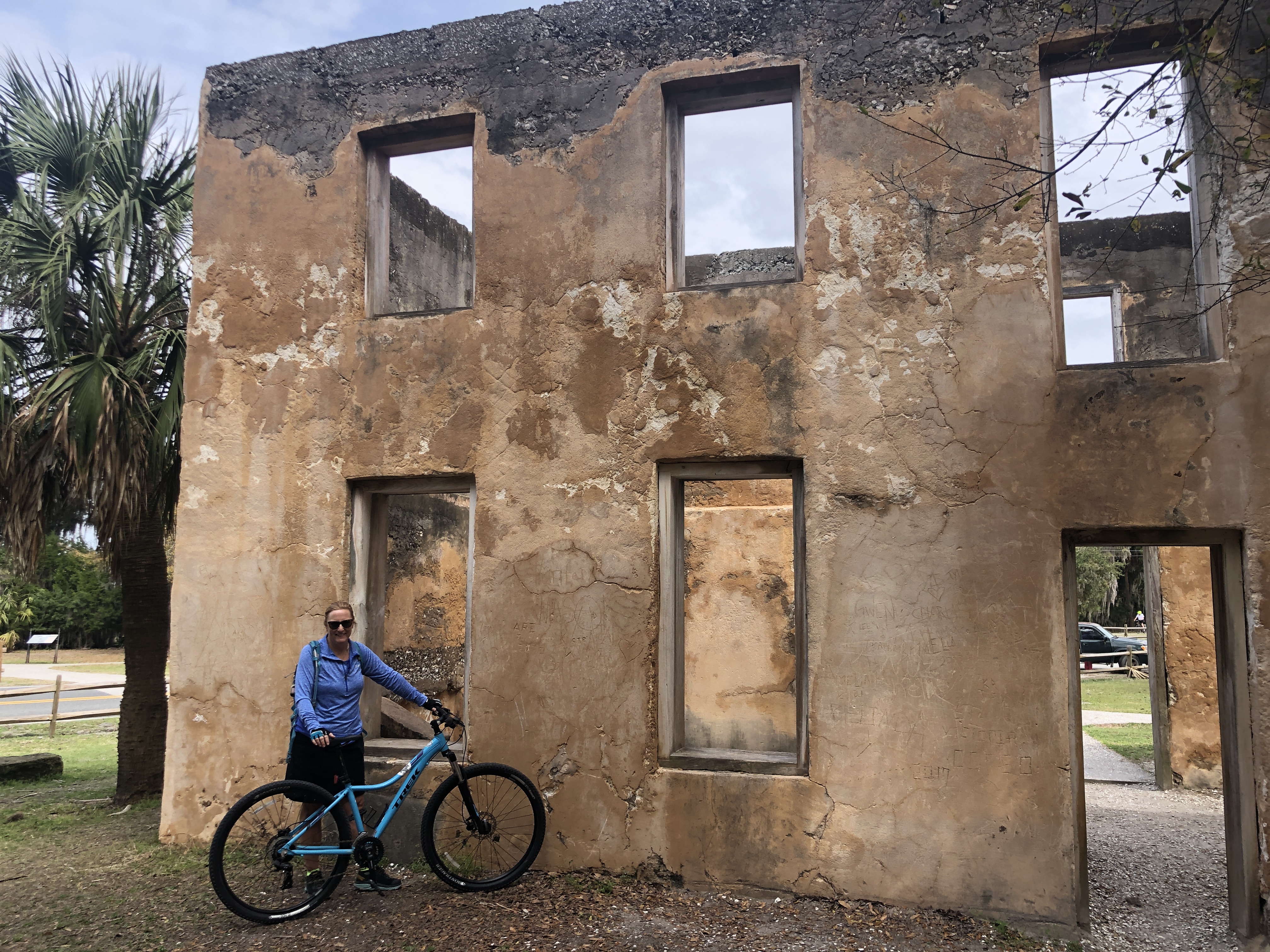
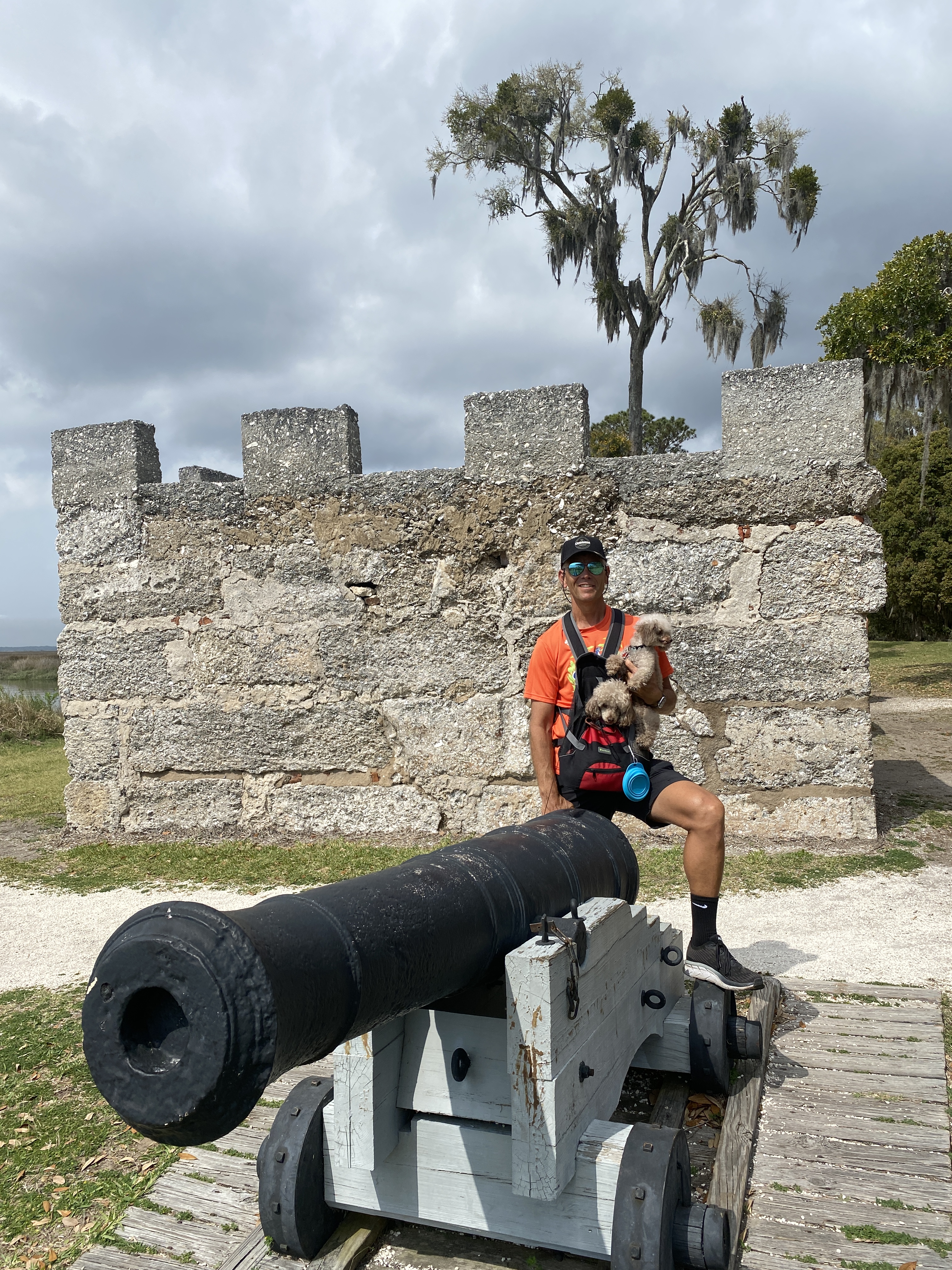
We also checked out the 1740s Horton House, one of the original structures built by the British out of tabby. Amazingly it’s still standing. 

We loved Jekyll so much that we’ve booked a week at the Jekyll Island Campground for next spring. One day was just not enough time to soak this place in.

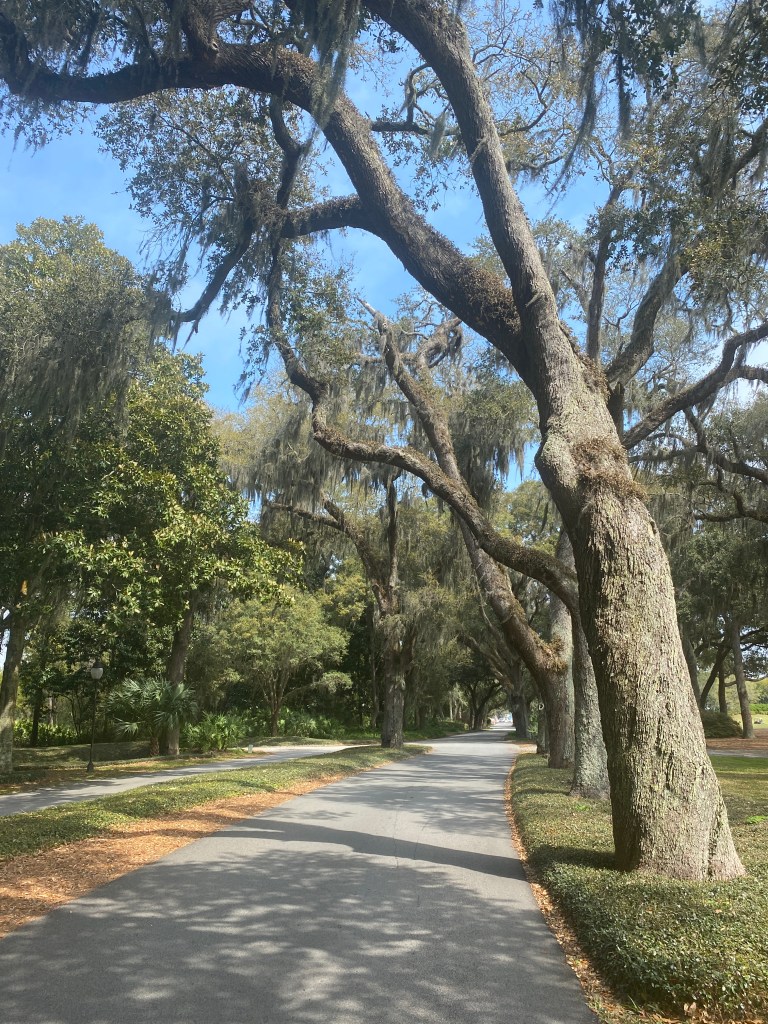
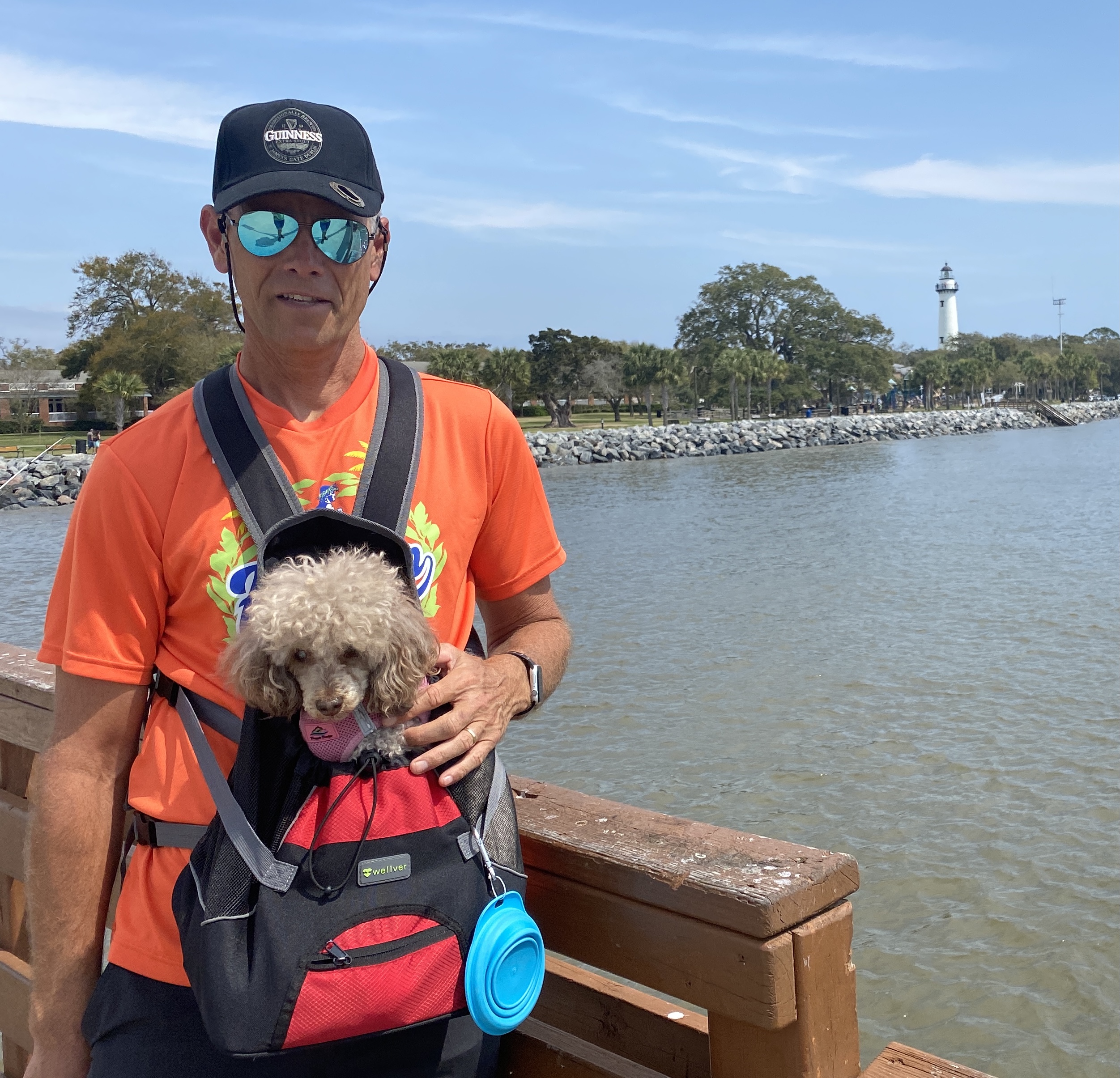
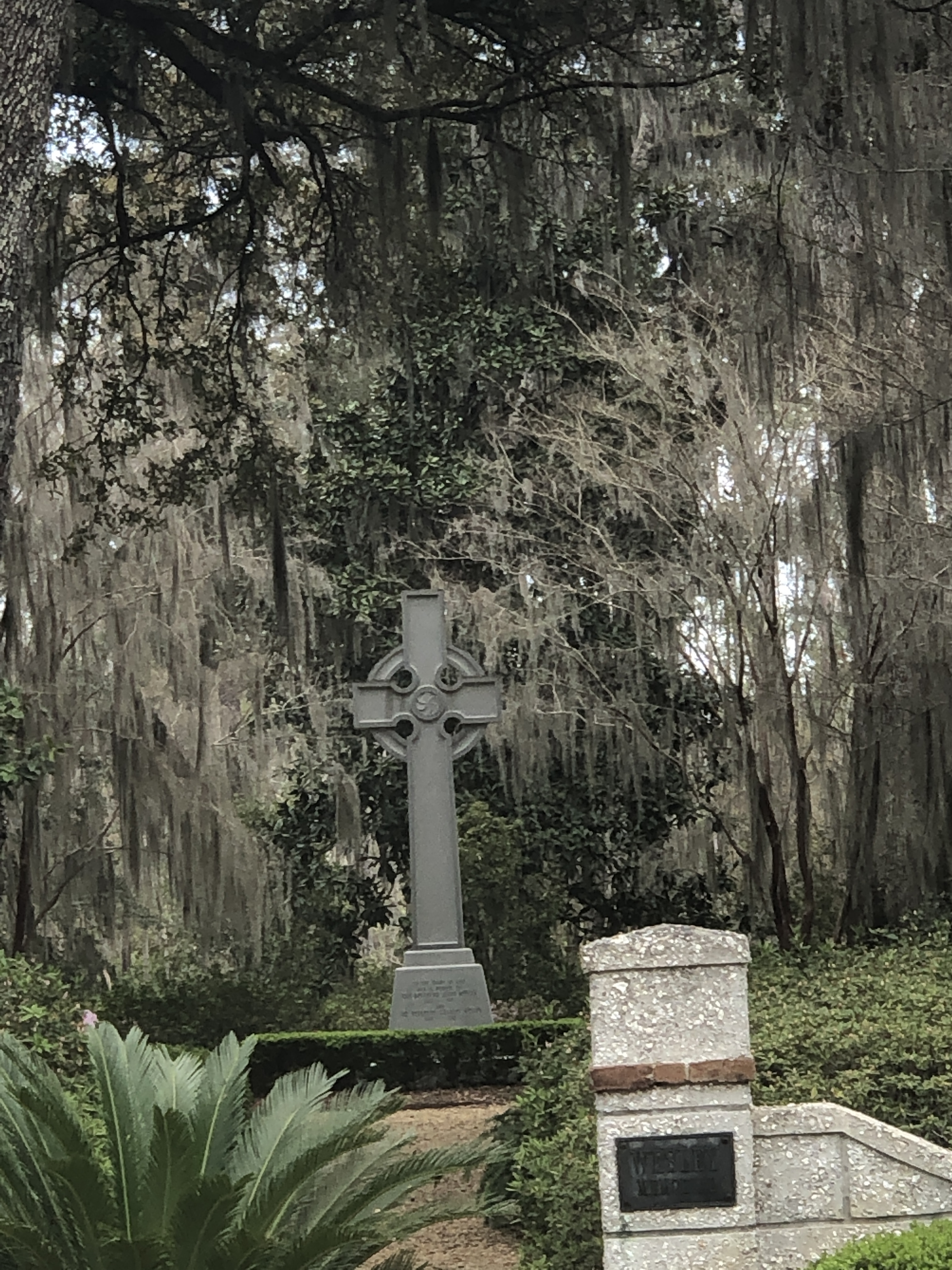
We also visited St. Simon Island while in the Brunswick area. The largest of the barrier islands, St. Simon features beautiful live oak lanes, Spanish moss, plenty of shopping, dining, and more history. When you visit you have to search for the 20 tree spirits, carved trees located around the island.

After a stroll along the waterfront, we drove out to Fort Frederica National Monument. Here lies the ruins of the 1733 town built to defend the Georiga, a fledgling colony, against Spanish attack from Florida.  They are still excavating the site, finding artifacts beneath the soil that tell the story of the fort’s history. 

Georgia’s Golden Isles hold a fascination for many, us included. We can’t wait to return. In the meantime, we are finally heading west, after five months on the road. We’ve got some fun stops ahead of us before we land back in Arizona in late April.