Moving Northward in Florida State Parks ++

Since finishing our time in the Ft Lauderdale area we’ve been slowly working our way northward and beginning to think about the final portion of this six-month journey.

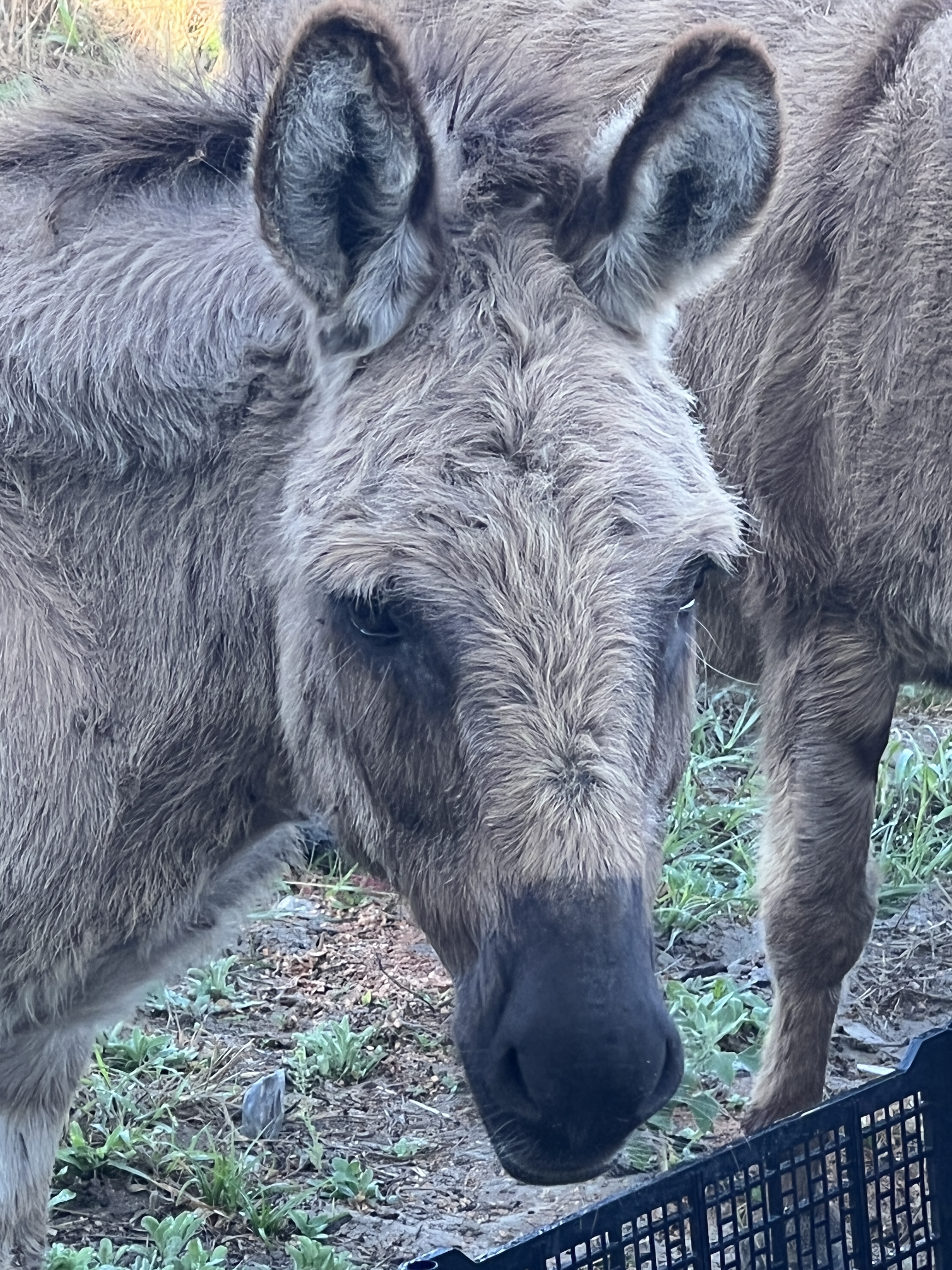
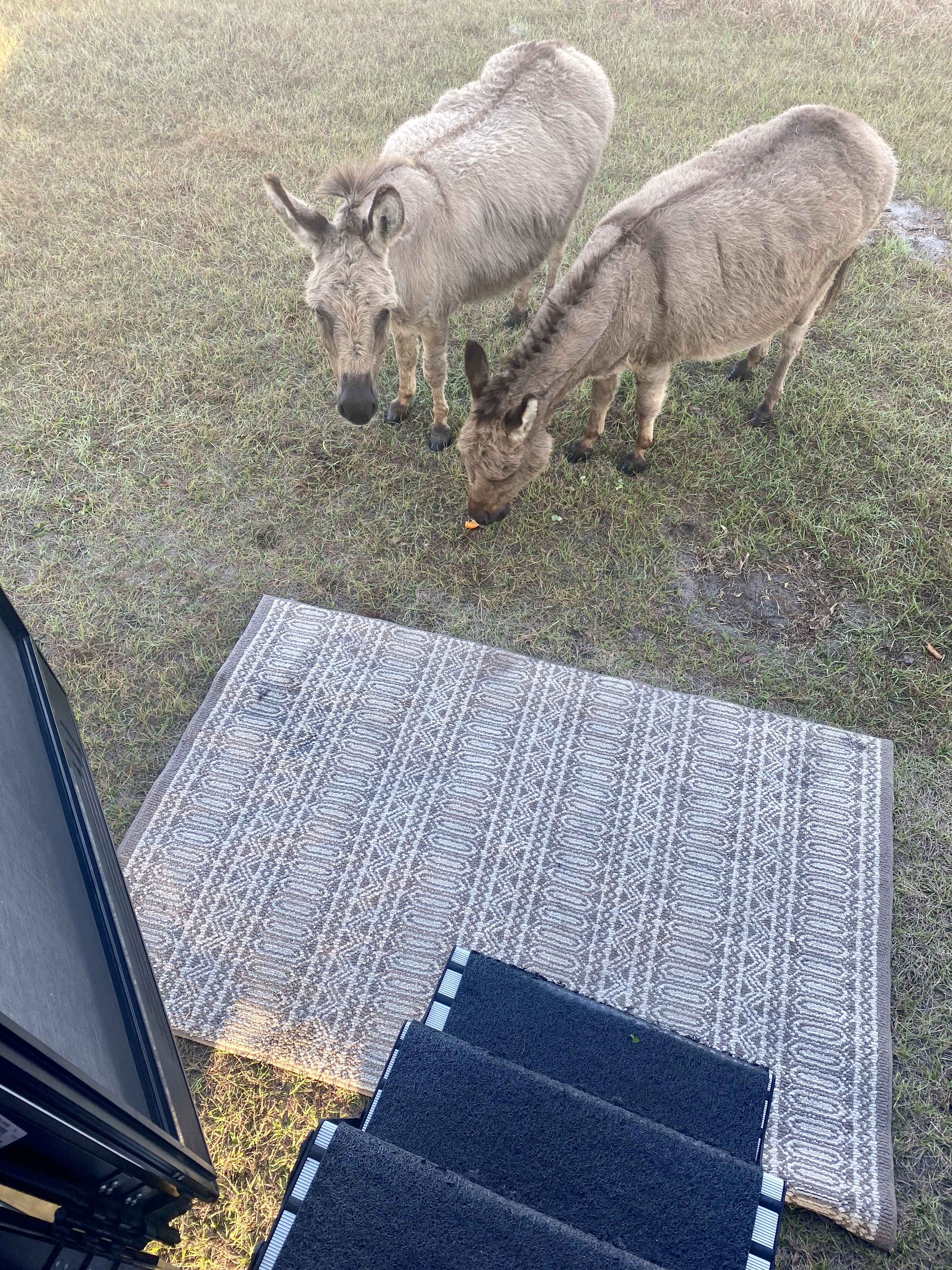
We left Ft Lauderdale and traveled to the northern part of Florida over two days. Overnight we stopped at a very cool Harvest Host, Organicaworld, where they are growing hemp that is being converted to “hempcrete” to build houses. They also had a cool farm store, a mean brisket, and some very friendly donkeys.
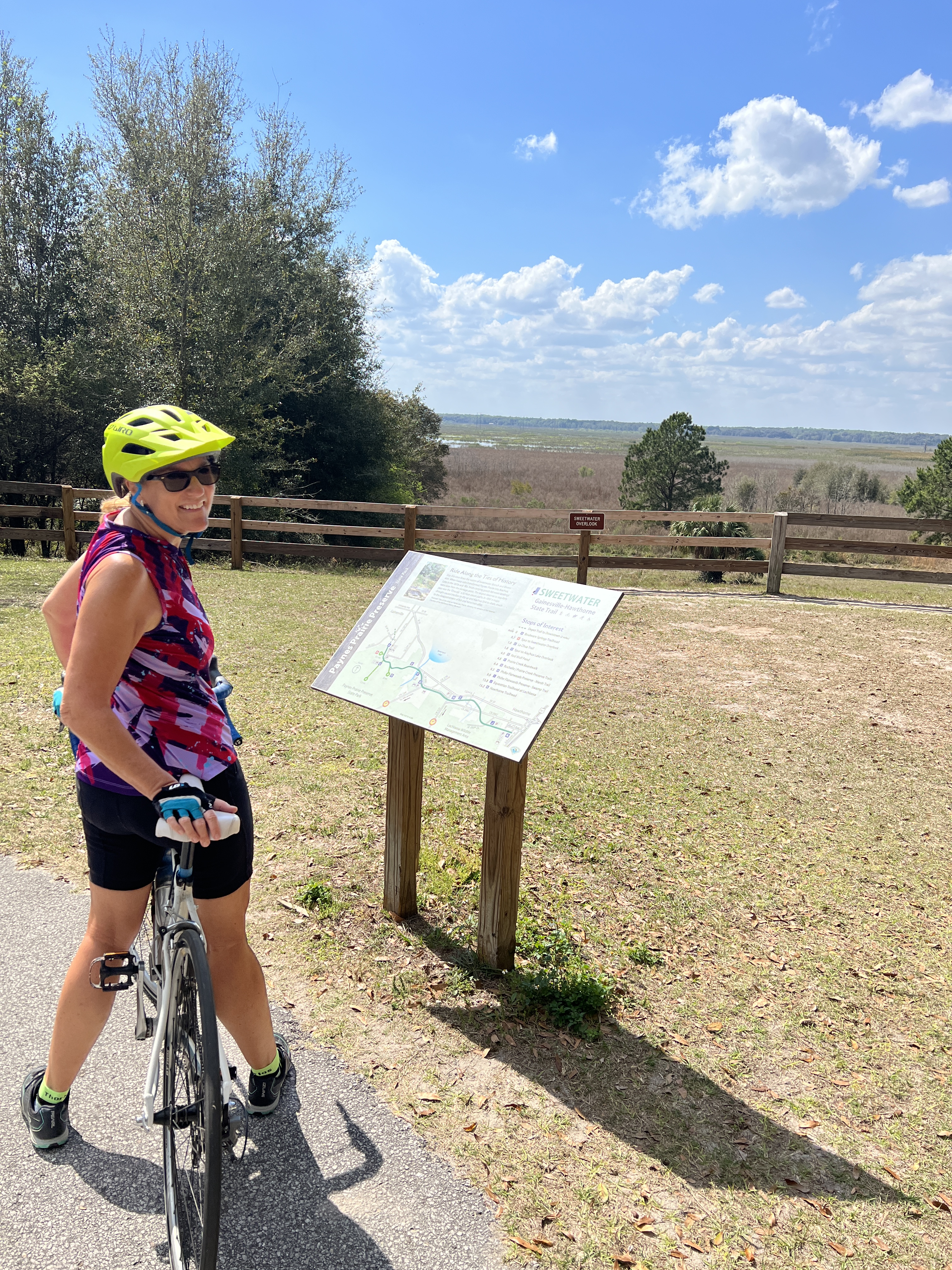
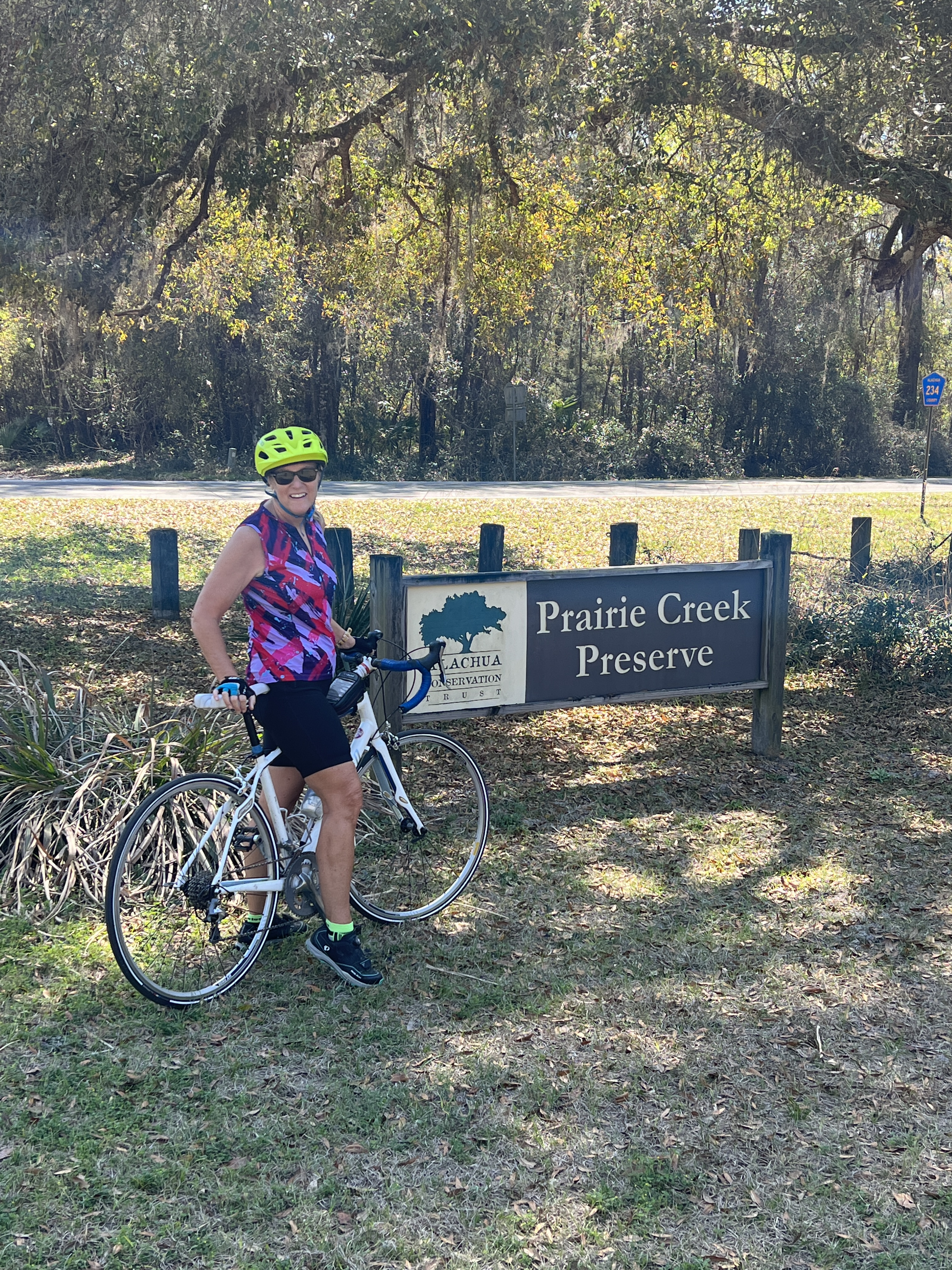
Our next stop was a visit to Paynes Prairie Preserve State Park, a unique property just south of Gainesville. Paynes Prairie is the only place in Florida where wild-roaming horses and bison can be found. We didn’t find them, but we enjoyed the paved 16-mile Gainesville-Hawthorne State Trail, which runs through the park. 
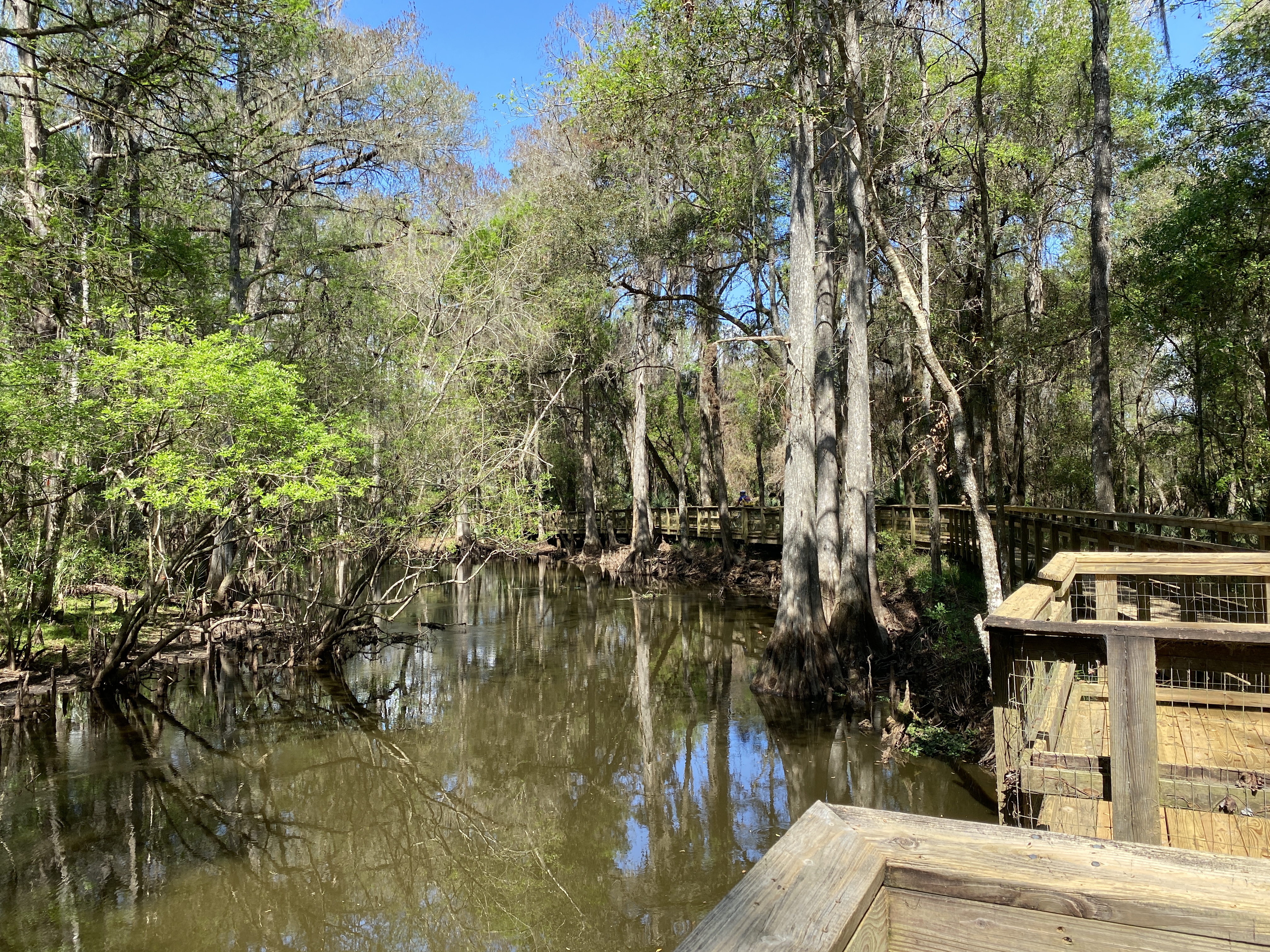
Florida is so different from our home in Arizona. You can see from the photos that the Spanish Moss is prevalent and the forest is thick. Yes, we’ve run into bugs once in awhile but nothing a little bug spray won’t take care of.

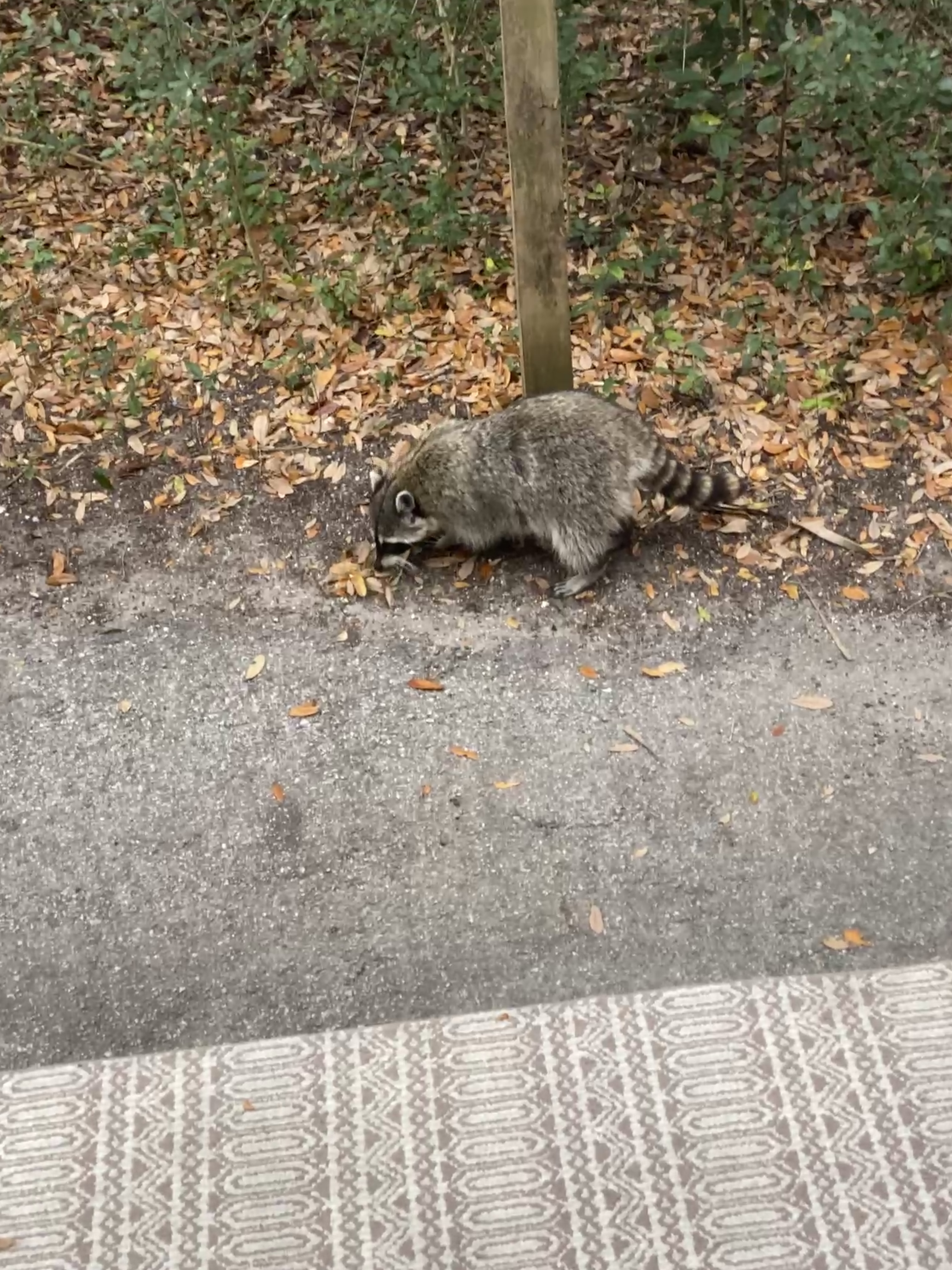
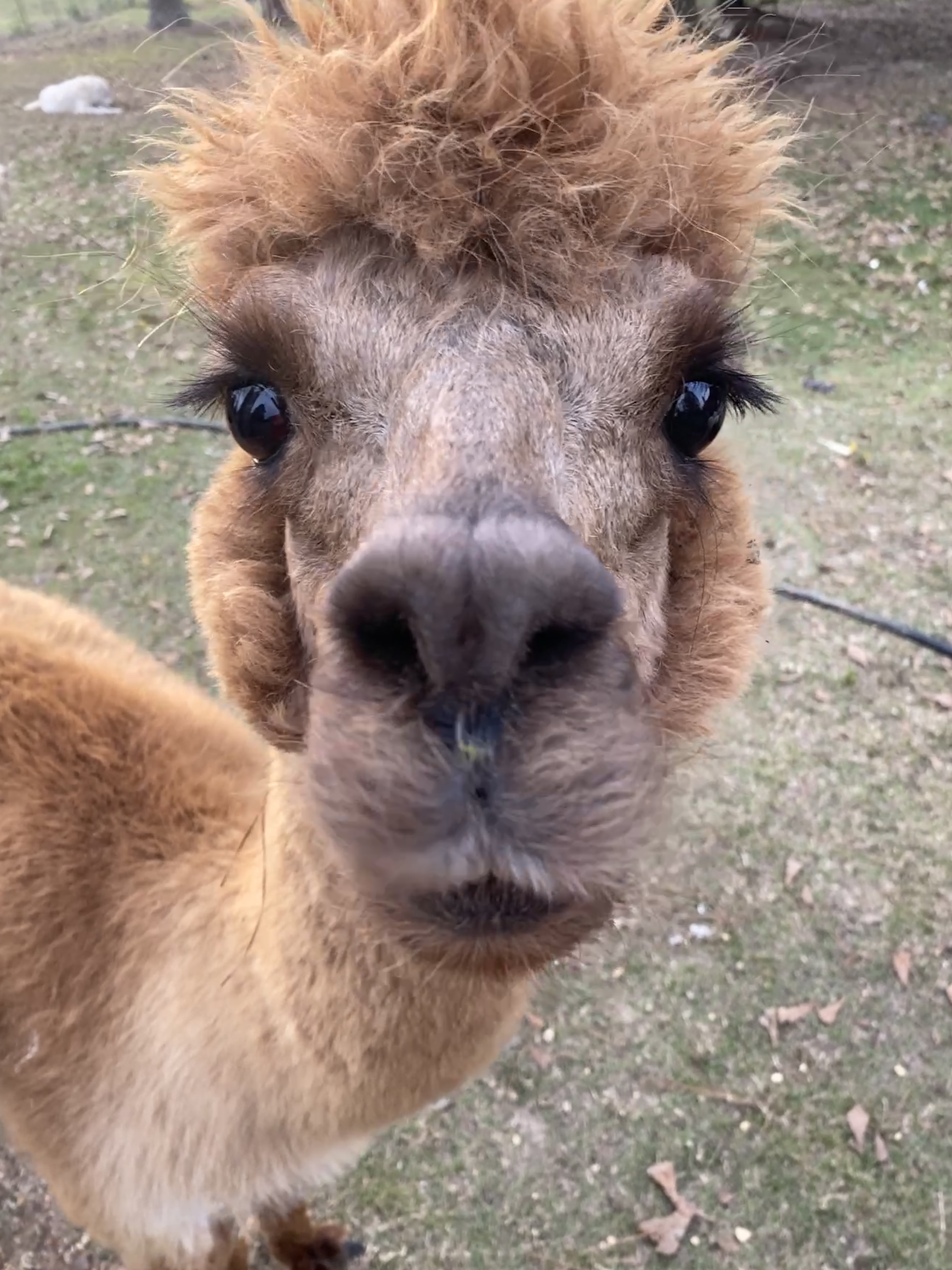
From there we headed to the coast and to one of our favorite Florida cities: St Augustine. We stayed in this area for about 10 days last year and were lucky enough to score a seven day reservation this year at Anastasia State Park, which is located in the middle of the action. We were even warmly greeted by a local critter when we pulled in.

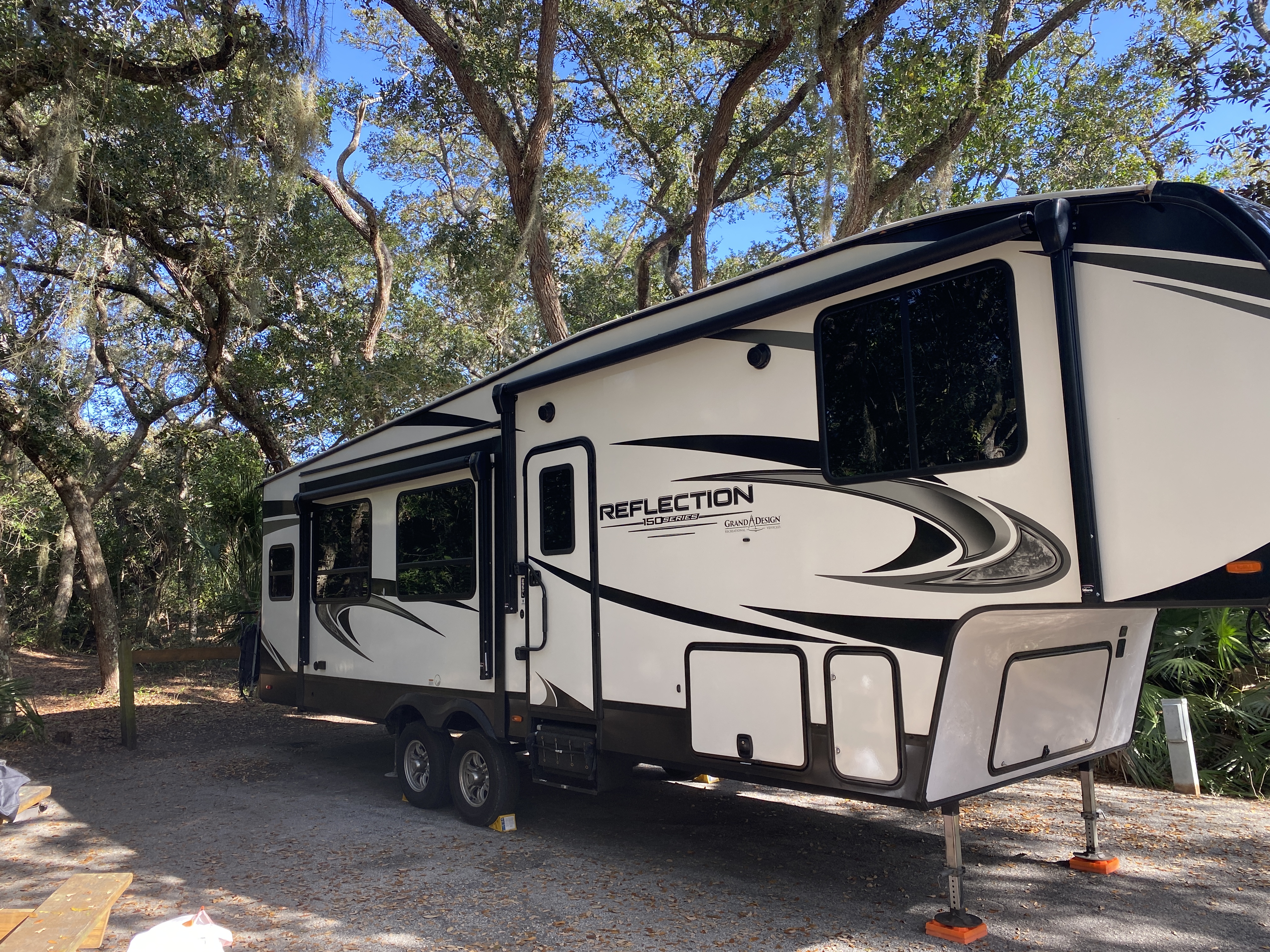
From our heavily wooded, secluded site, we could easily bike into town, kayak the nearby waterways, and walk to the Saturday Farmers Market.
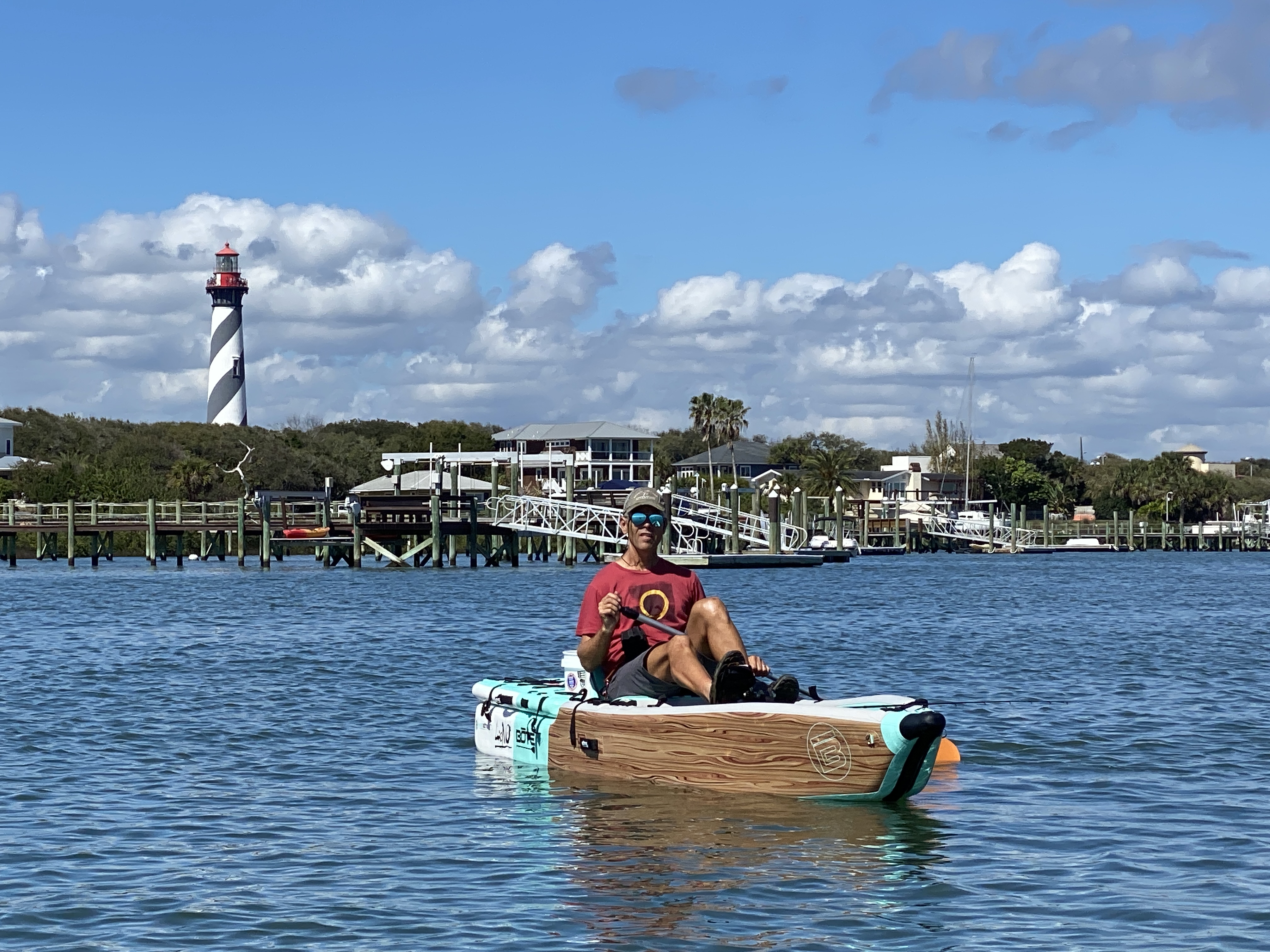
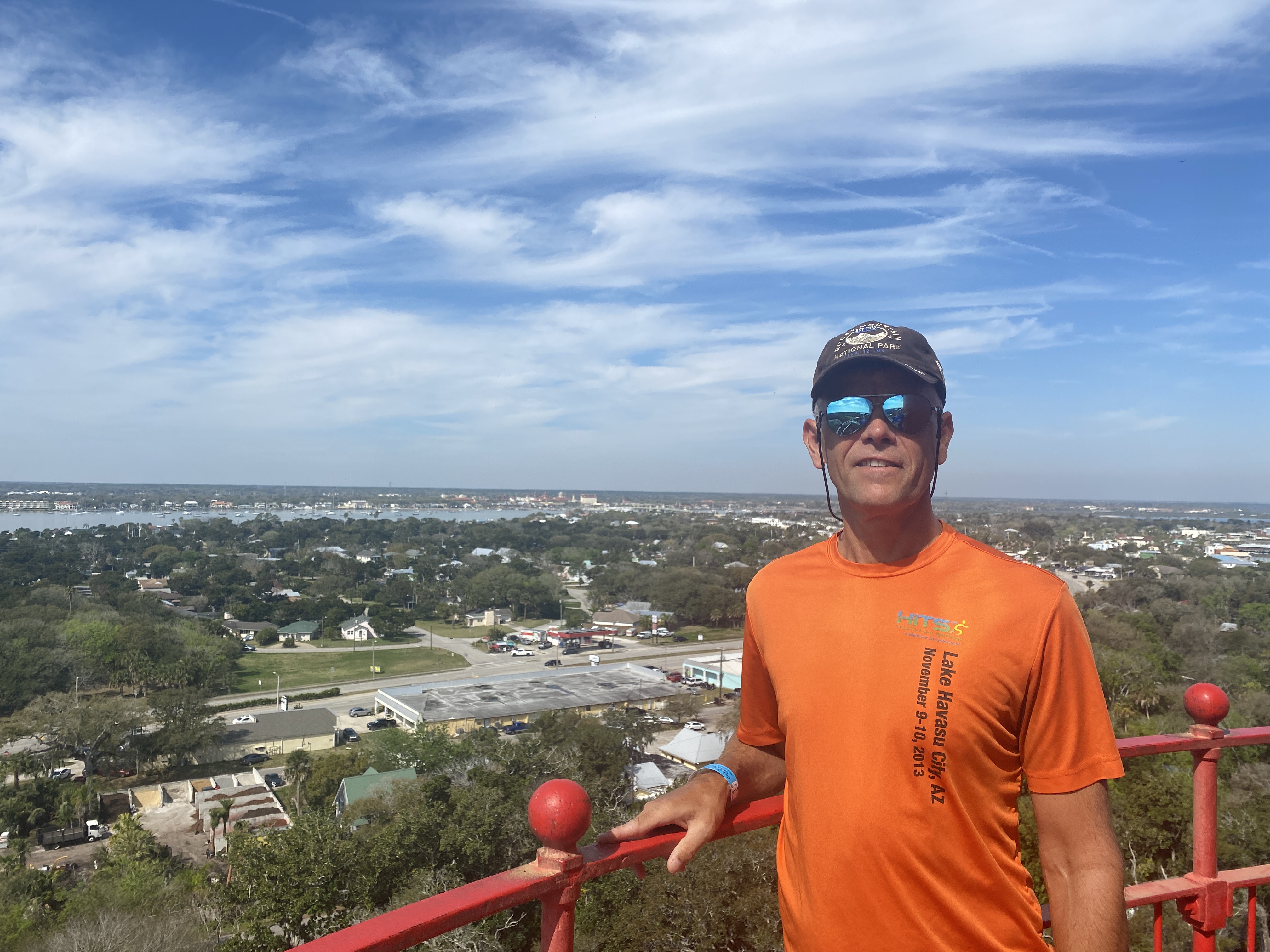
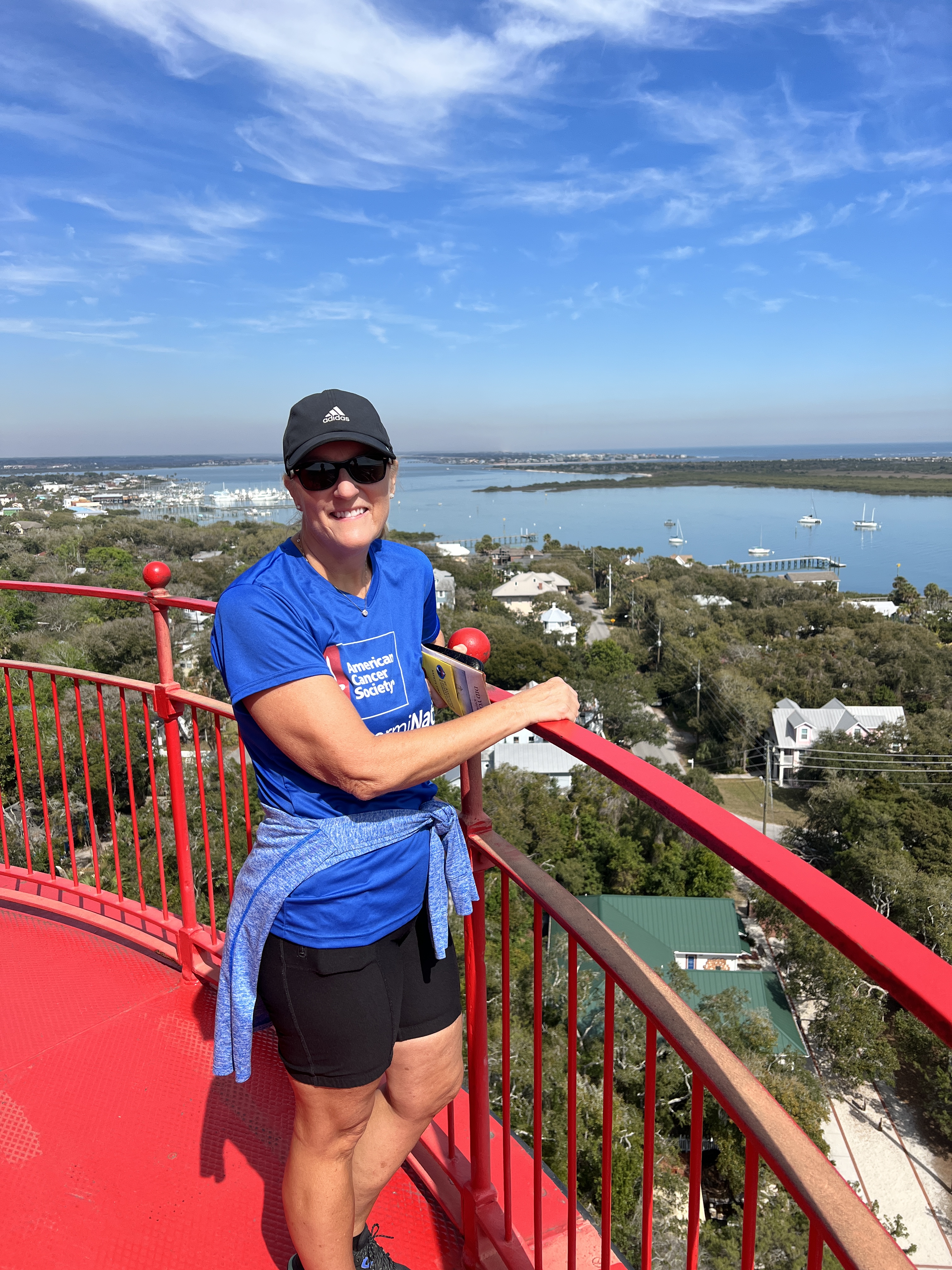
We toured the famous lighthouse and took in the sweeping views. Overall though, we weren’t very touristy…just enjoyed the nice weather and beautiful area.
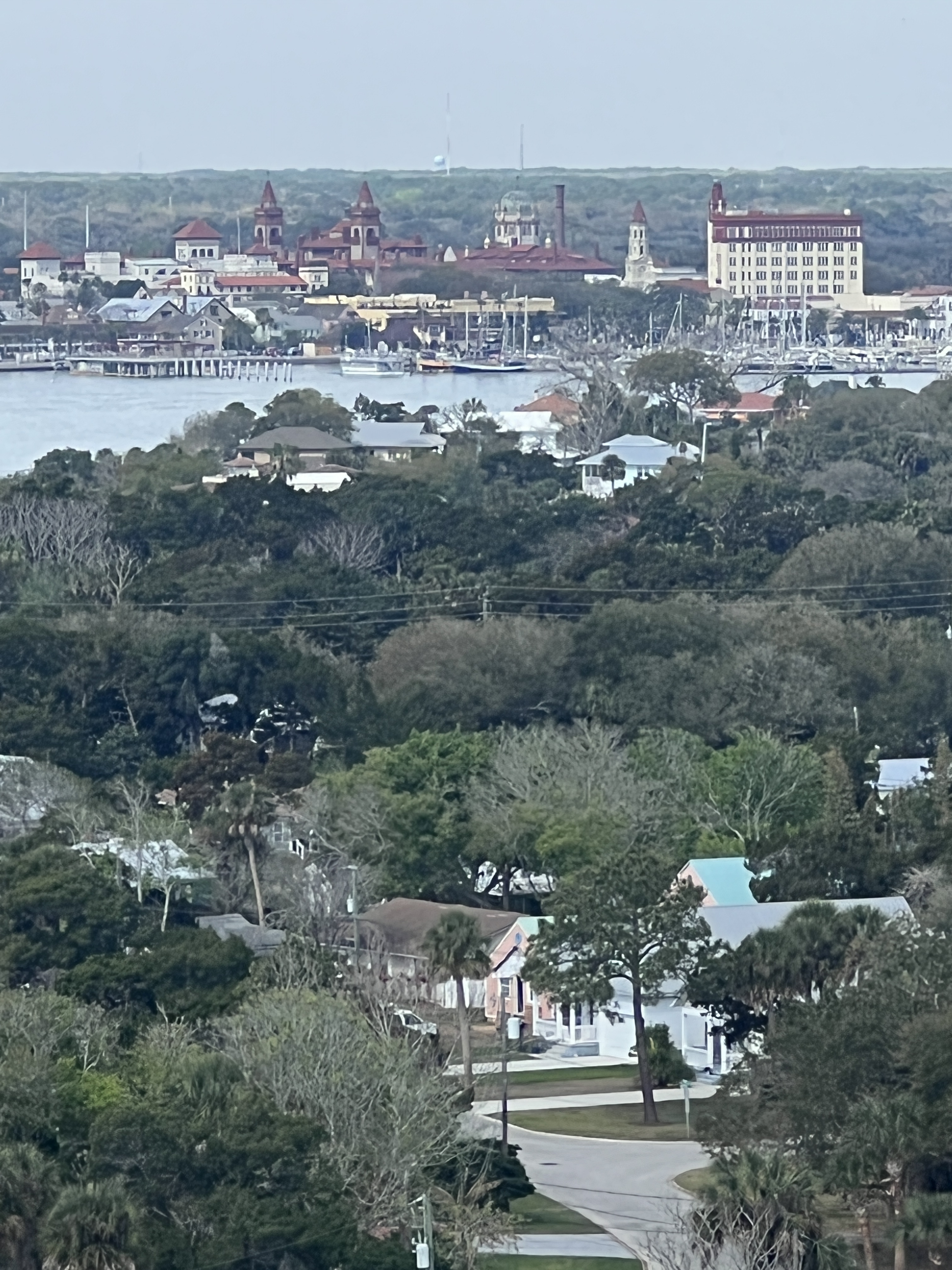
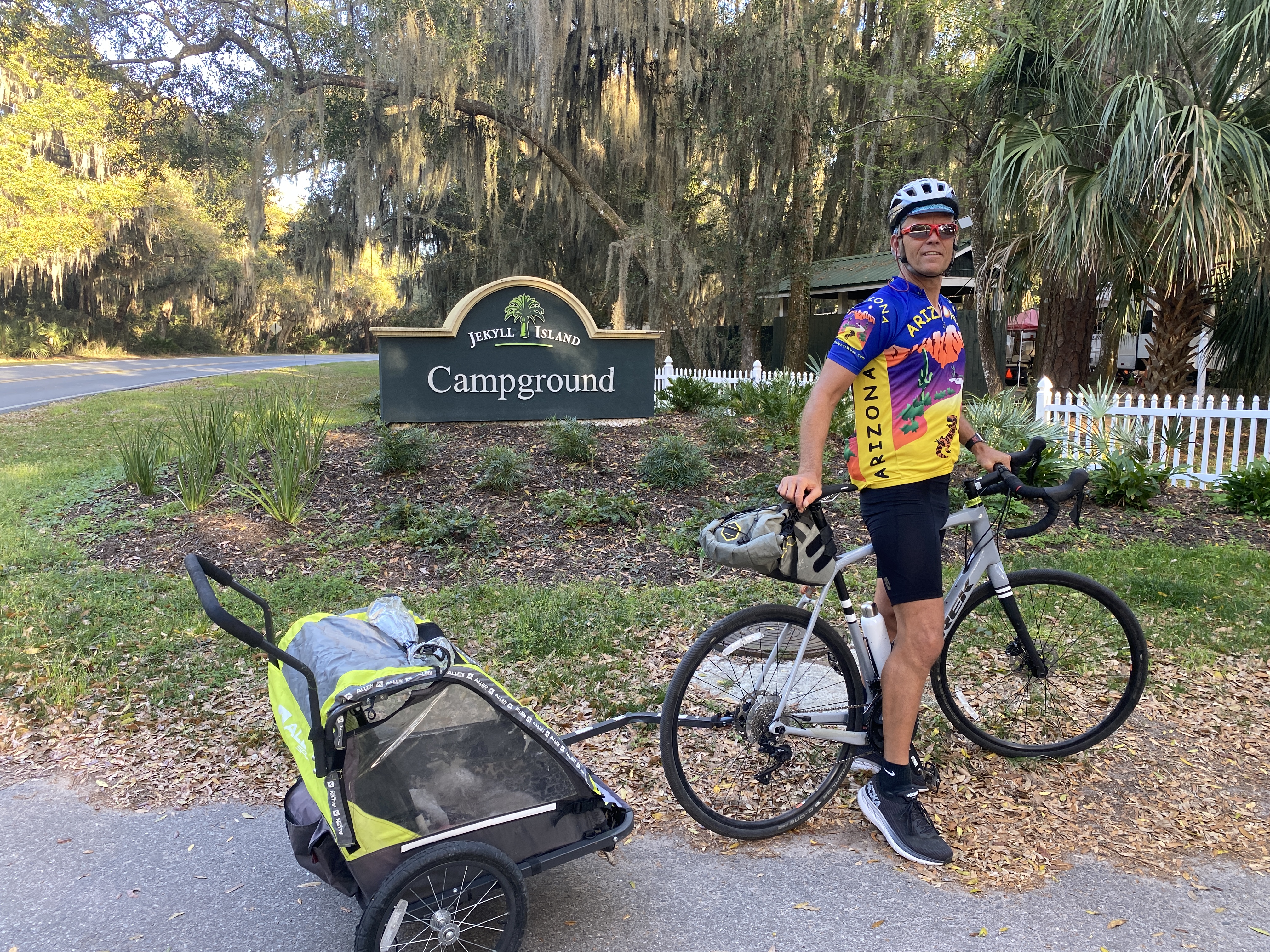
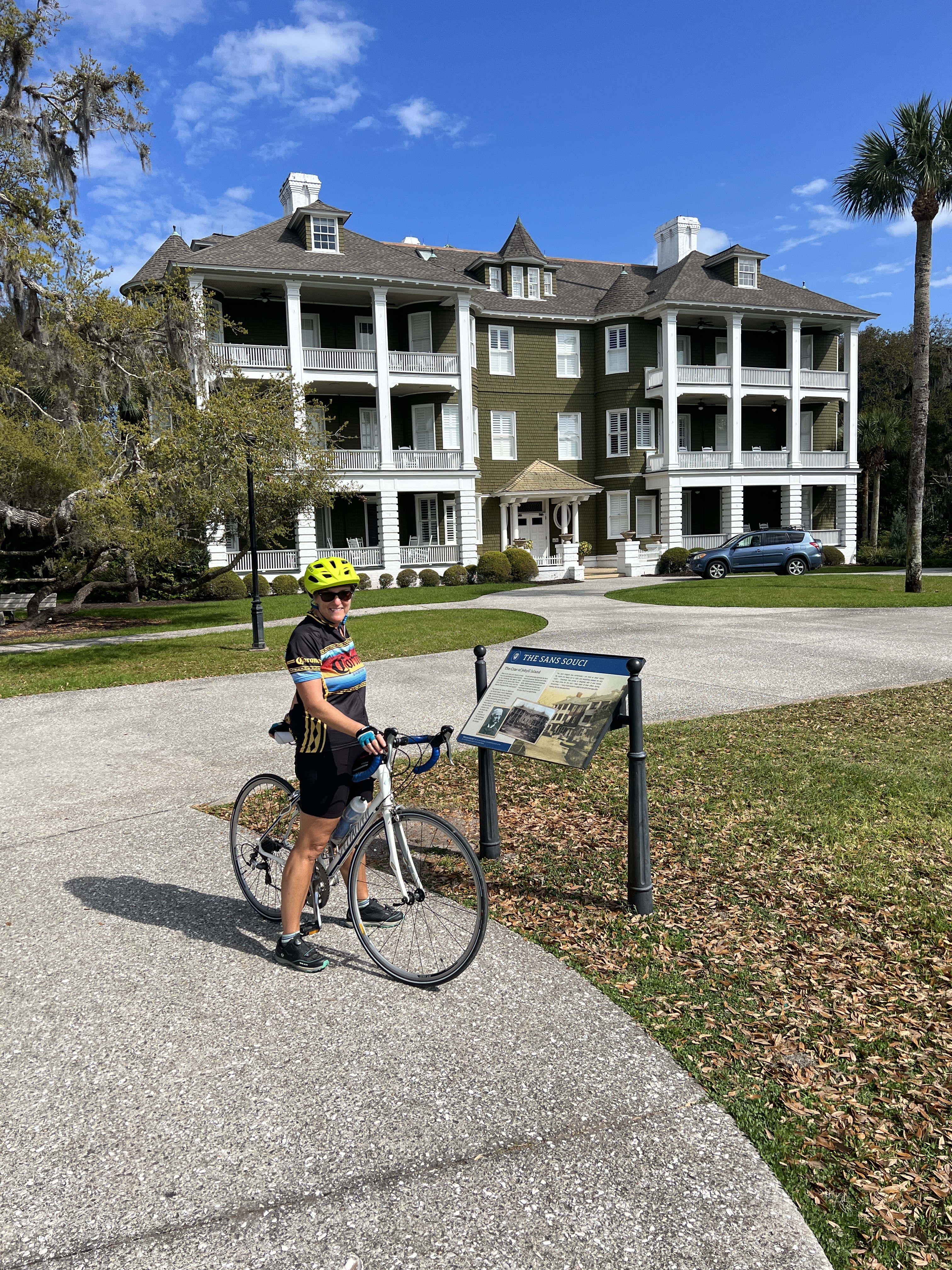
We continued the laid back vibe during our four days at the Jekyll Island Campground. We visited here last year as well and wanted to explore a little more. We rode our bikes around the island and visited the local museum to learn about the impact of the Rockefellers, Morgans, and Vanderbilts on the island in the early 1900s.
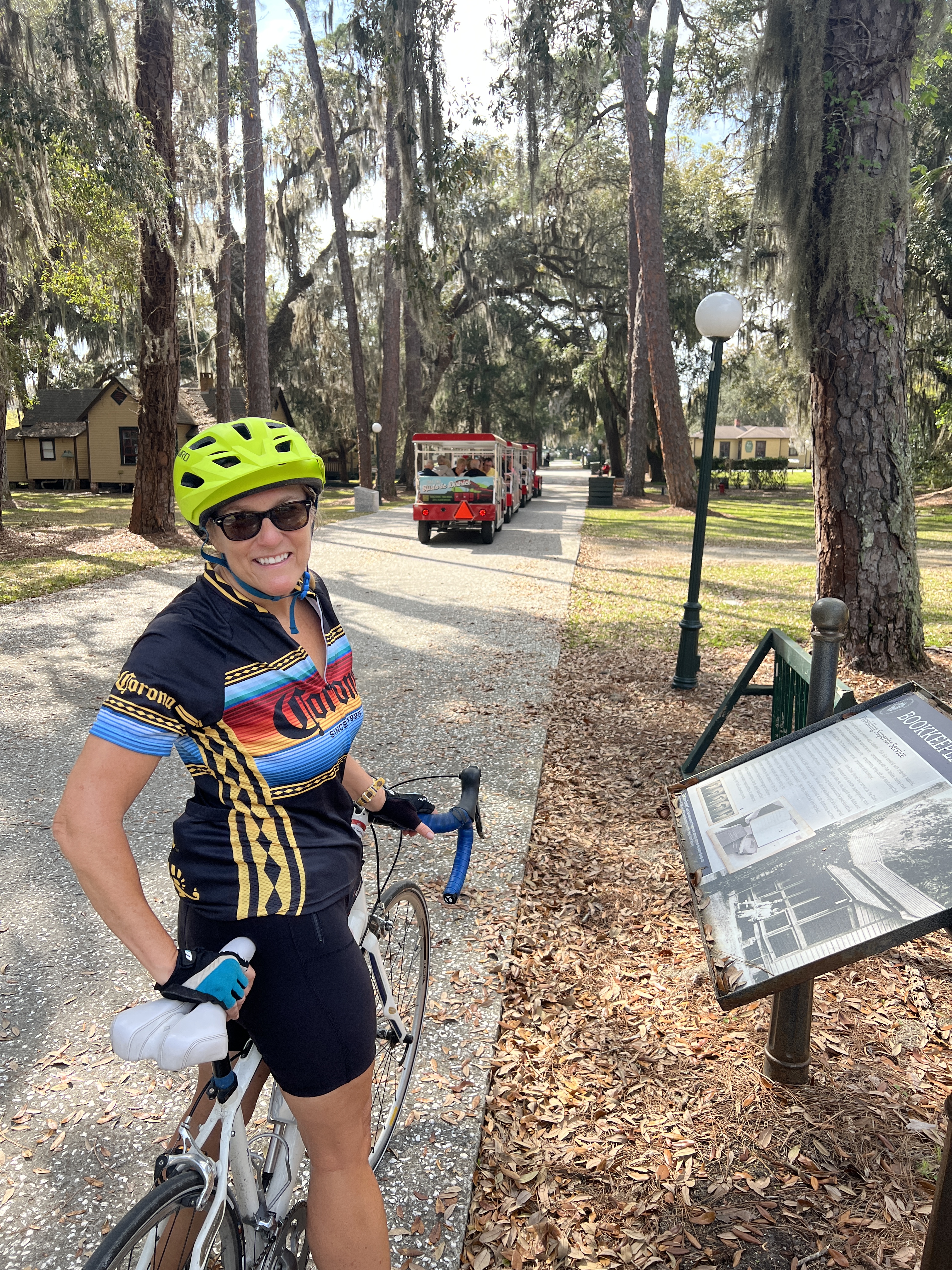
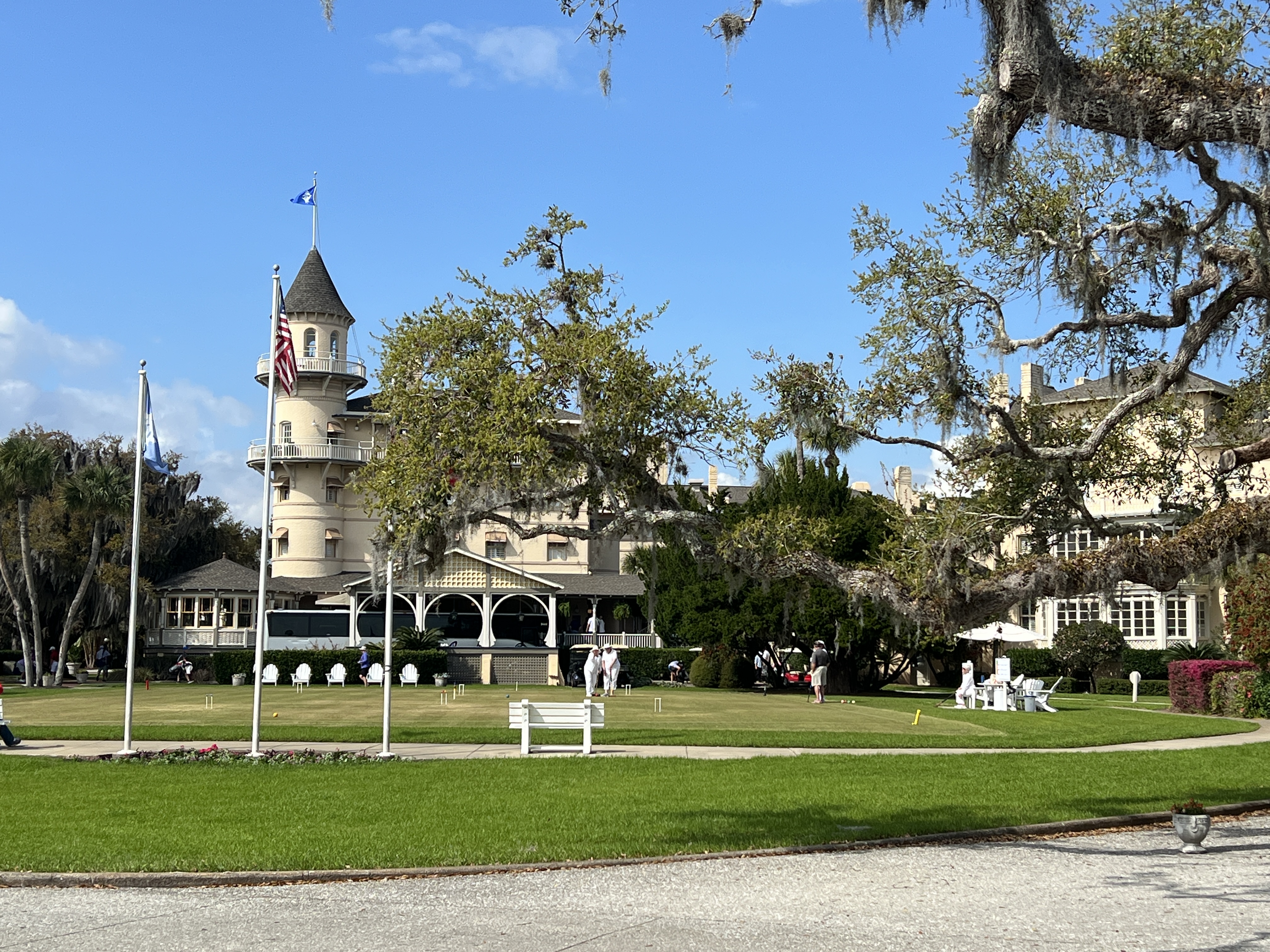
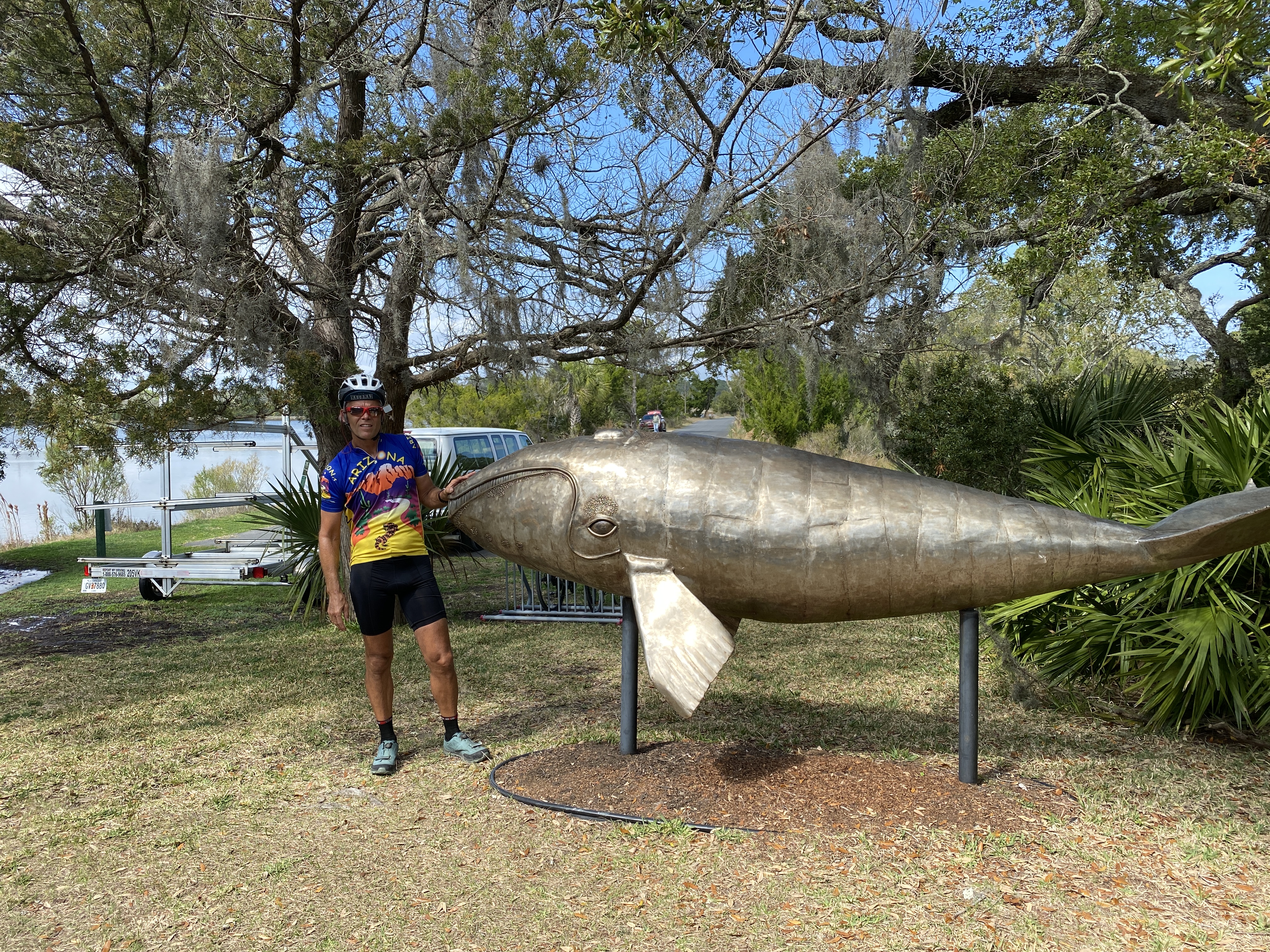
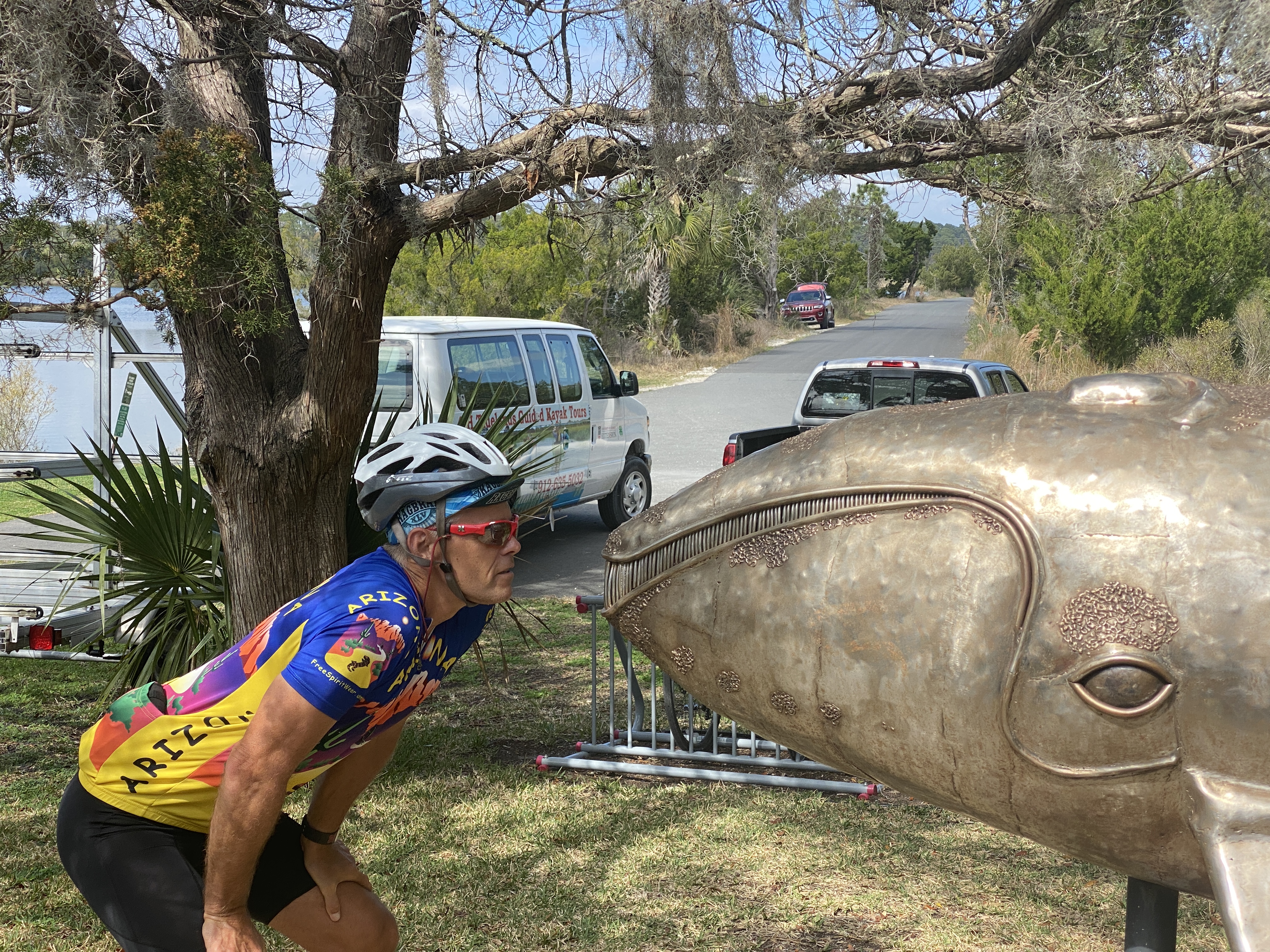
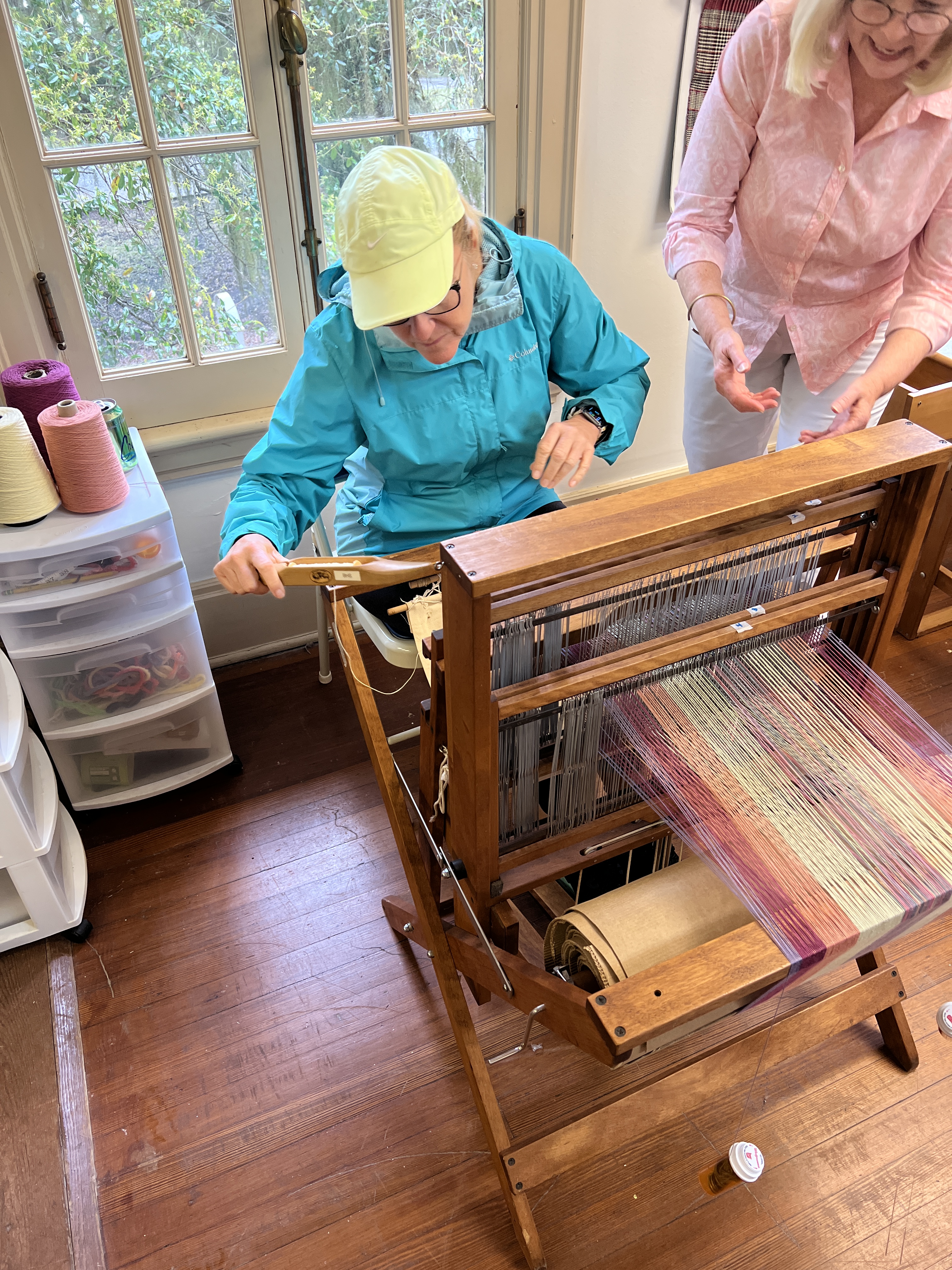
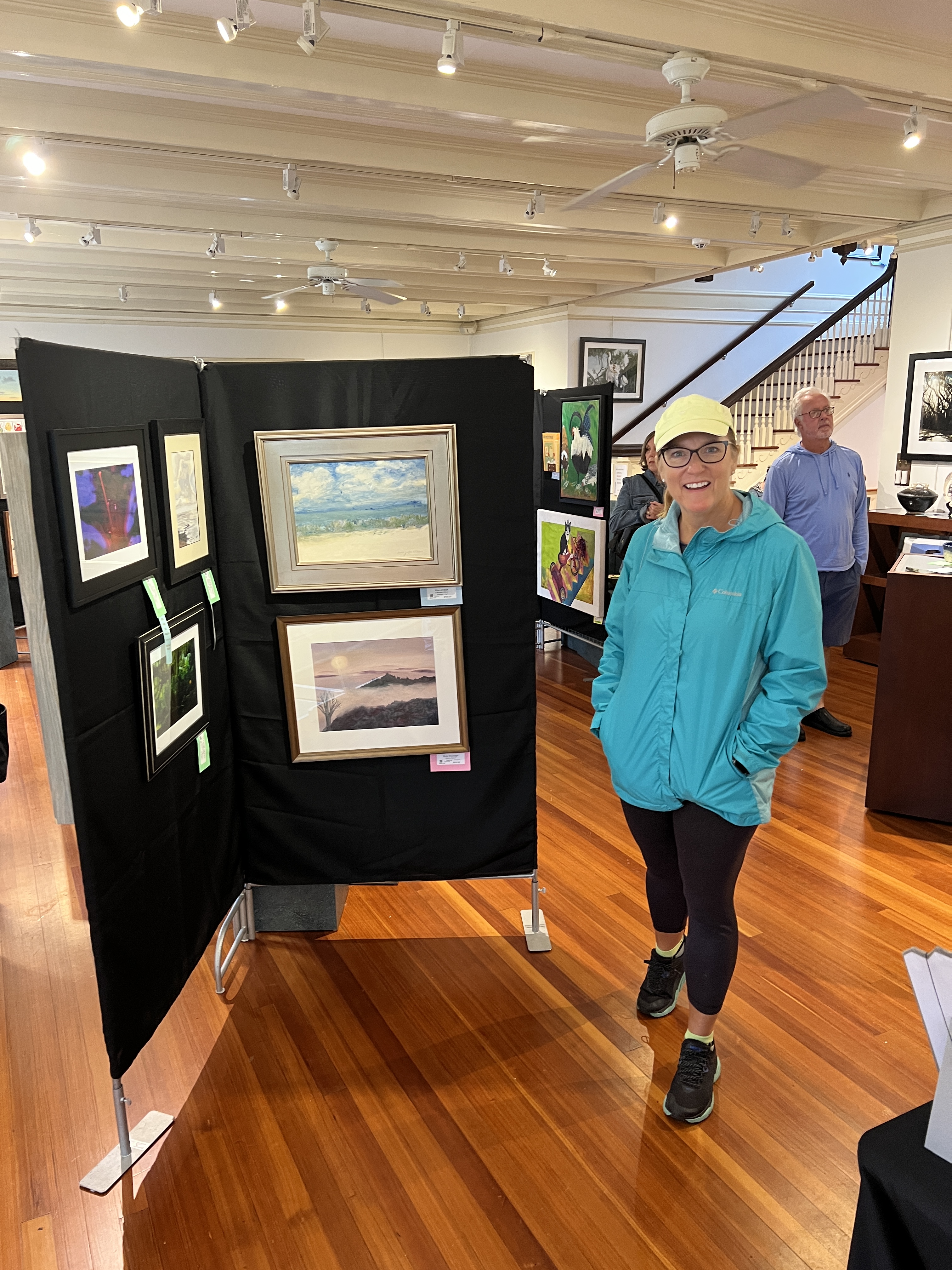
One day we took in the local art festival. I even had a chance to learn to weave.
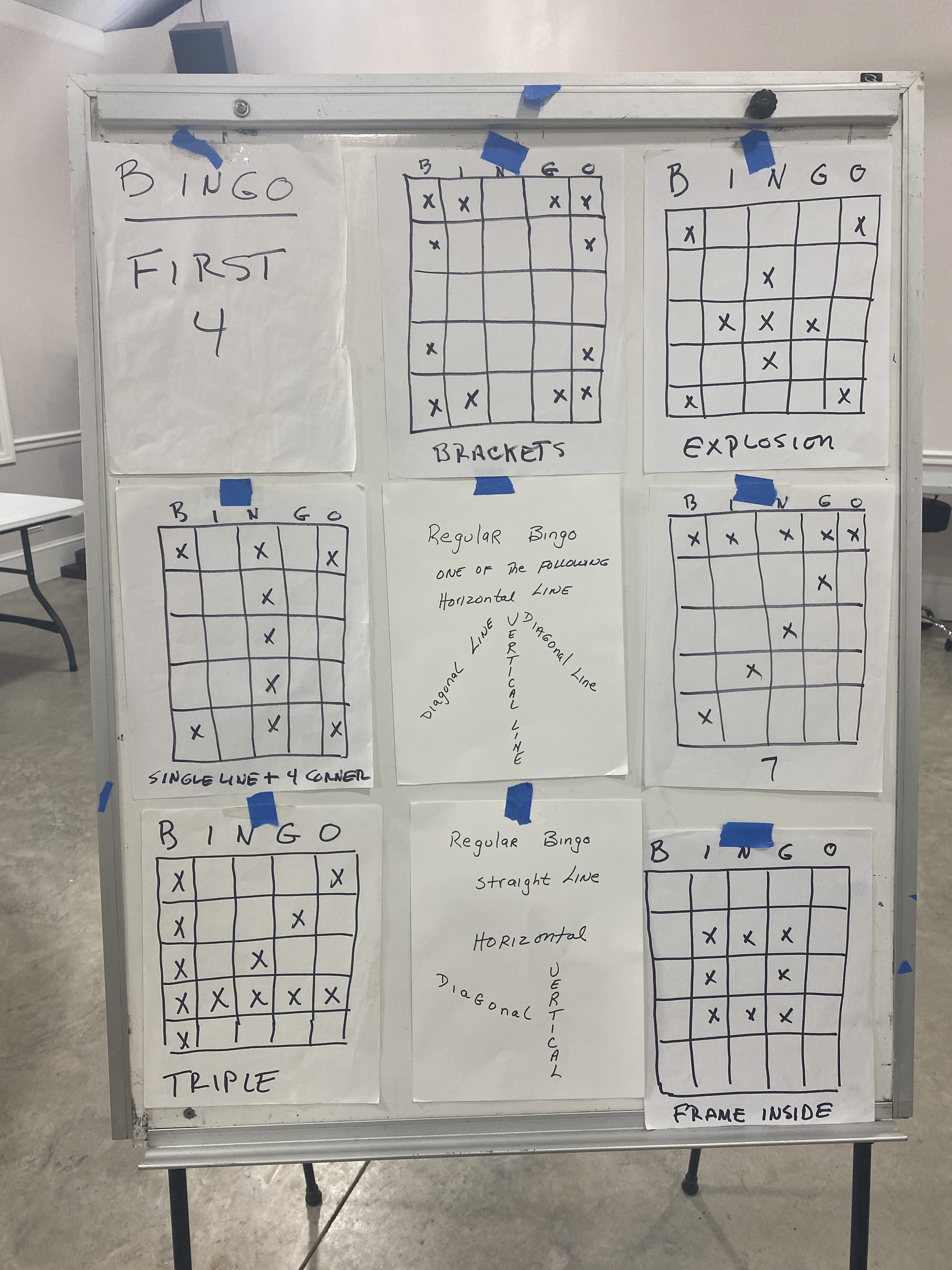
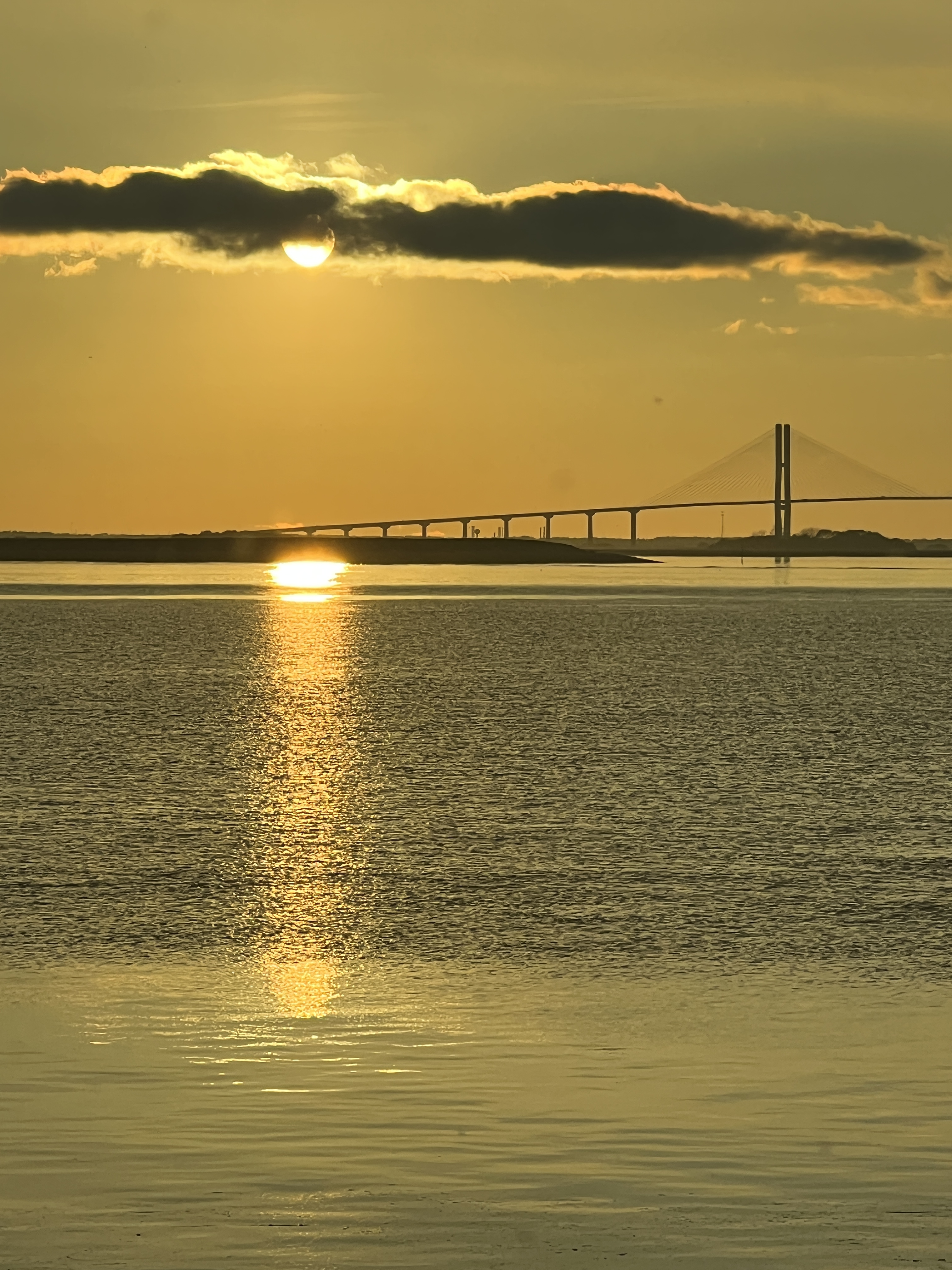
Unfortunately the weather didn’t cooperate during our final days there but we kept busy in the trailer with reading, taking in a night of Bingo, and news-watching. The inclement weather also made for some spectacular sunsets.
We’re now in Savannah for a few days to take in the country’s second largest St Patrick’s Day festivities. We will actually be on our way west on the big day, but the fountains are dyed green and the party has started. 
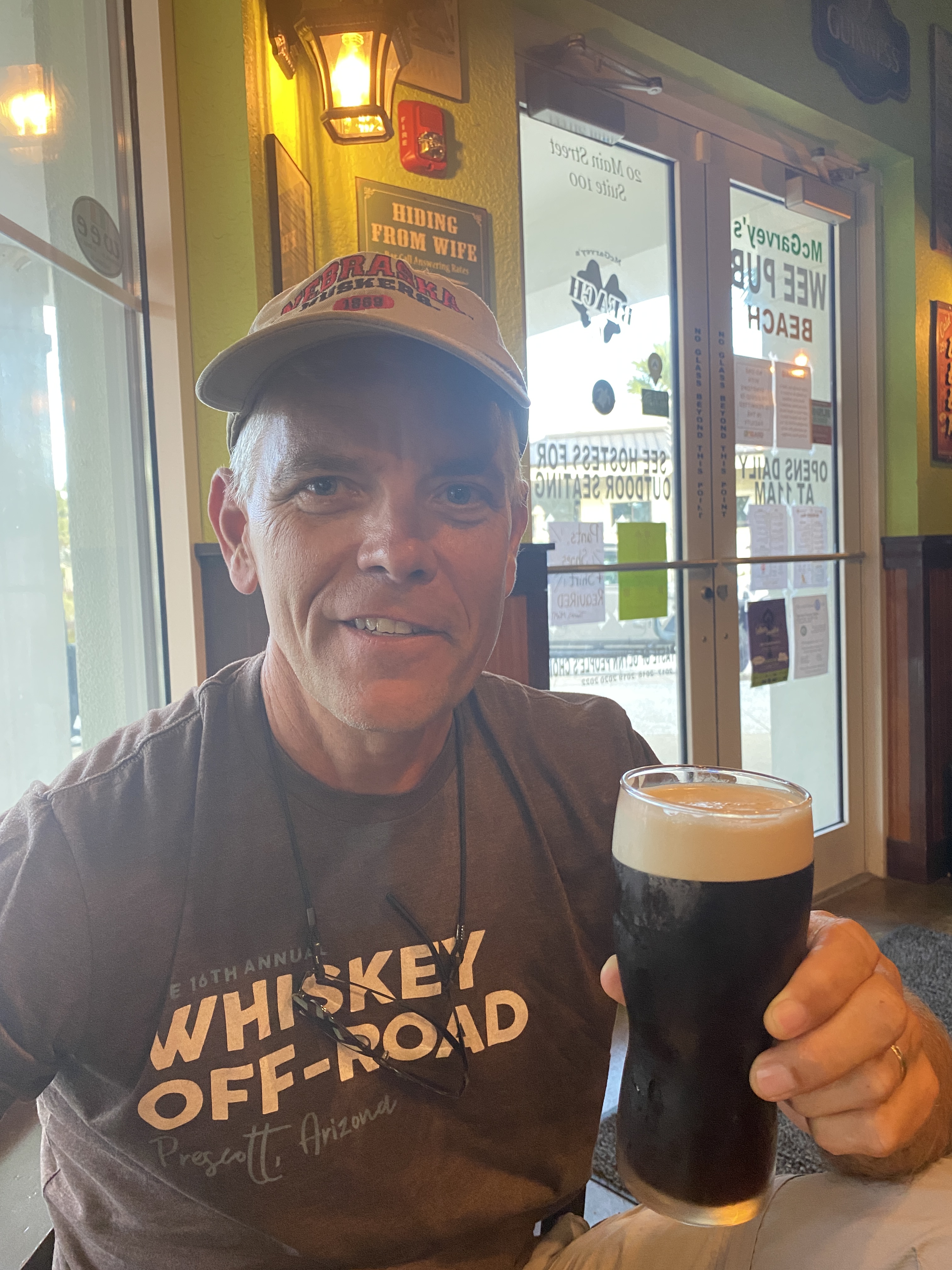
Over the past few weeks, we’ve kind of shifted into traveler mode, rather than tourist mode. It just means we aren’t trying to see everything and do everything possible. Traveling in the RV gives us the option to slow down, soak in the places, and go at our own pace. That’s the mode we’ve been in recently…and it’s kind of nice! 
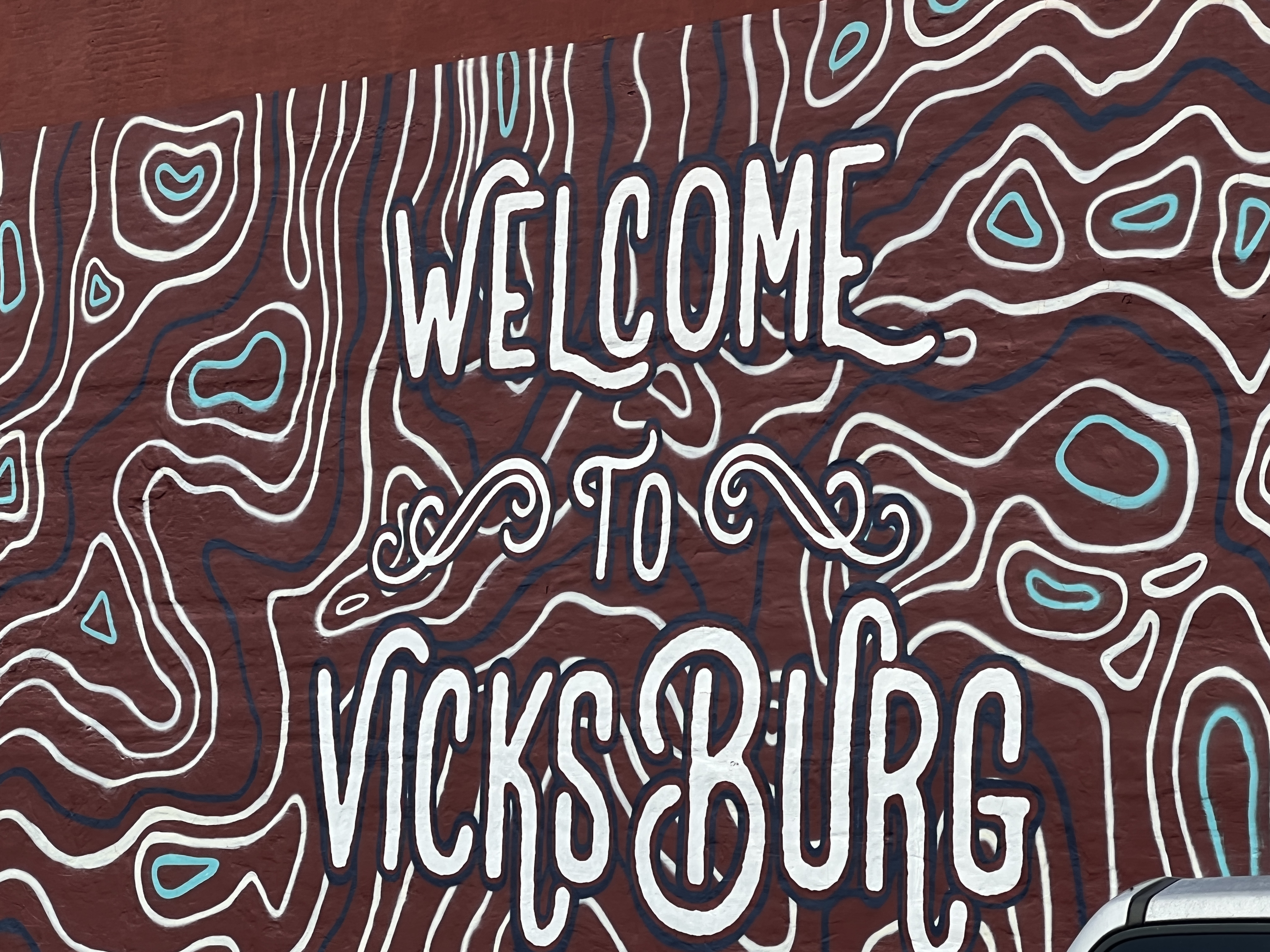
Vicksburg and Natchez

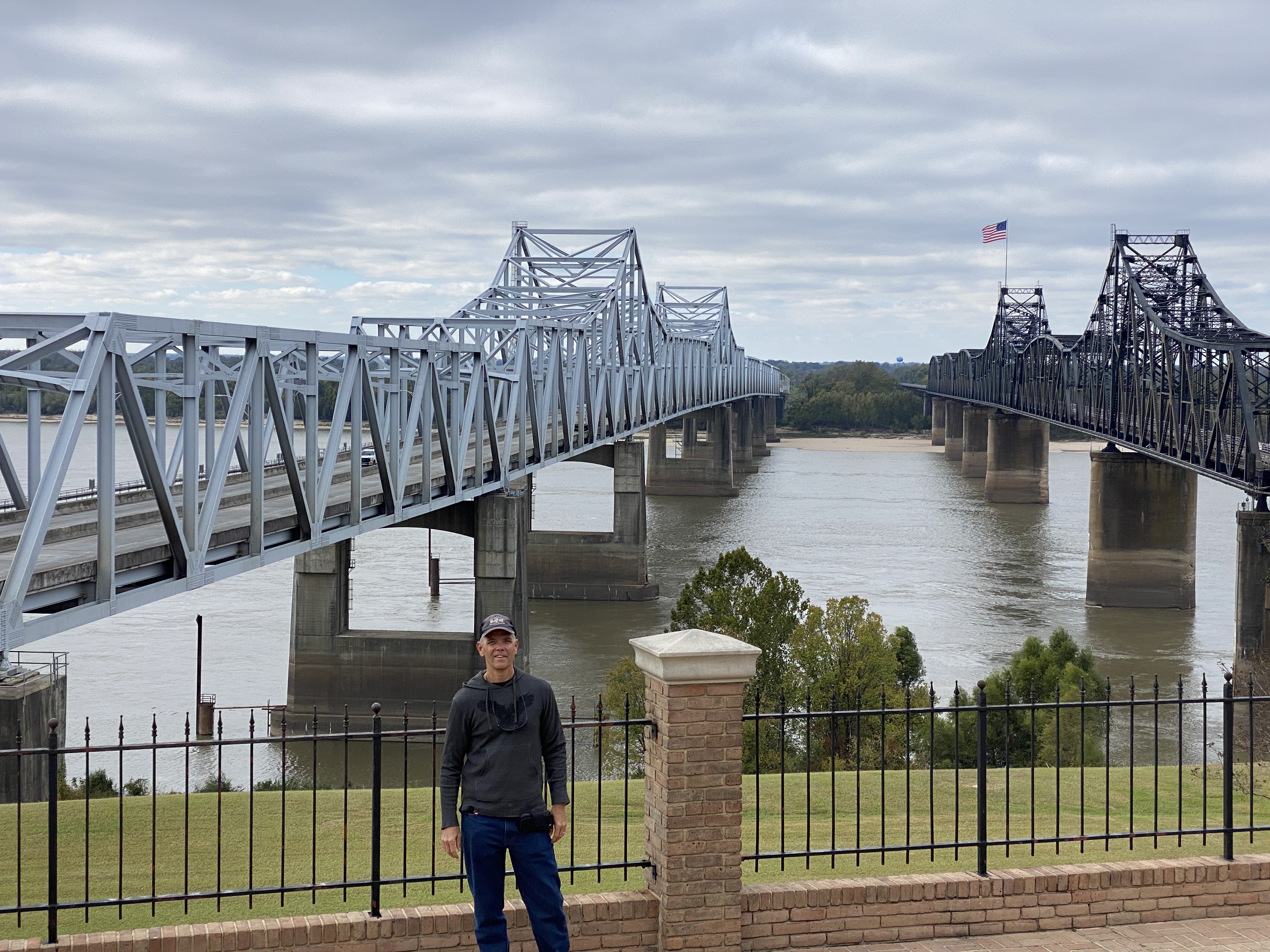
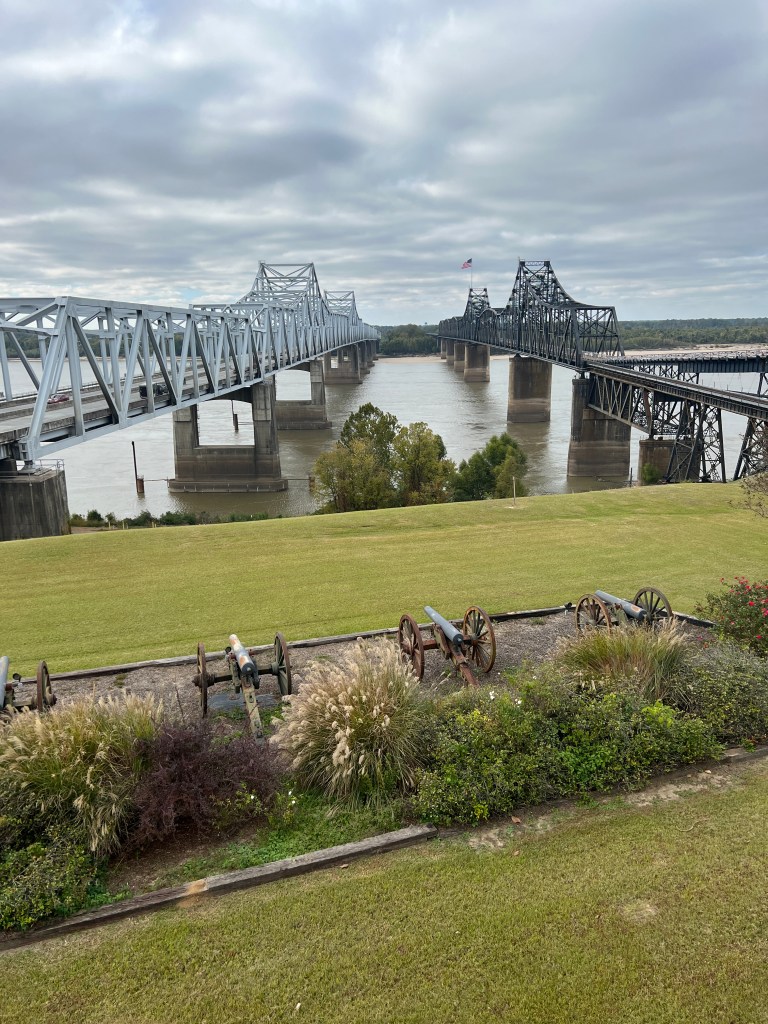
There’s a mystery about this part of our country…the Great River Road, Civil War battlefields, Antebellum mansions. It’s a new world to us but the history of the area dates back to the 1700s and before.

During the Civil War, Vicksburg’s strategic location on the Mississippi River made it critical for both the Union and the Confederacy. After the 47 day siege, the Confederacy surrendered and the defeat marked a major turning point in the war.

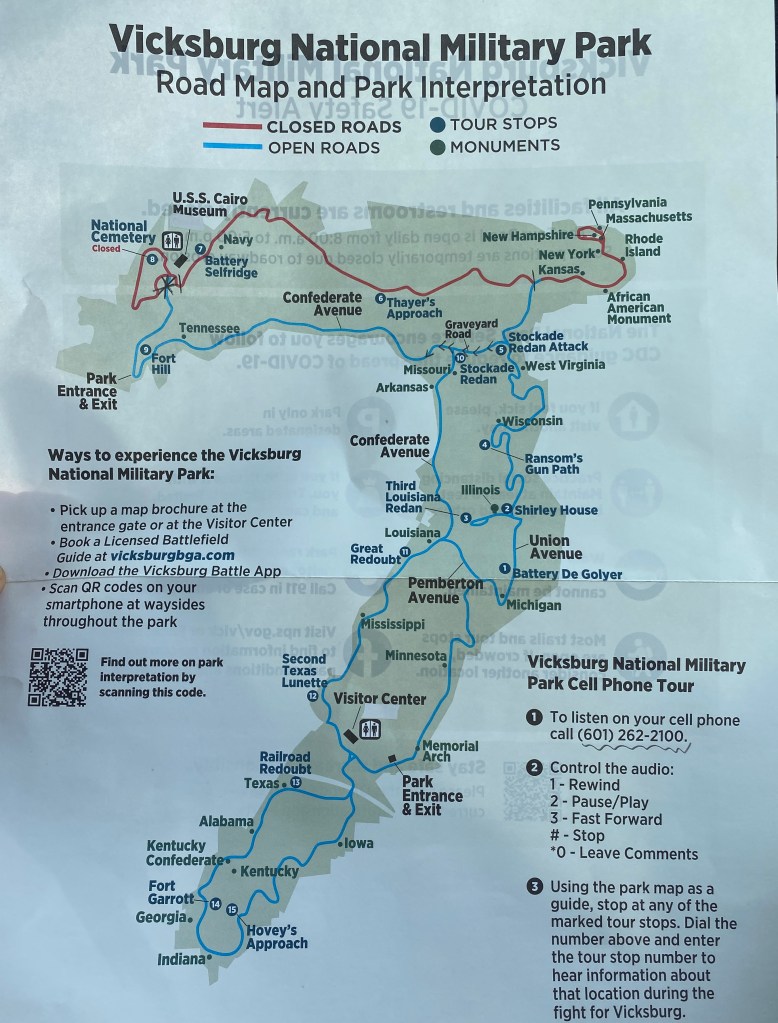
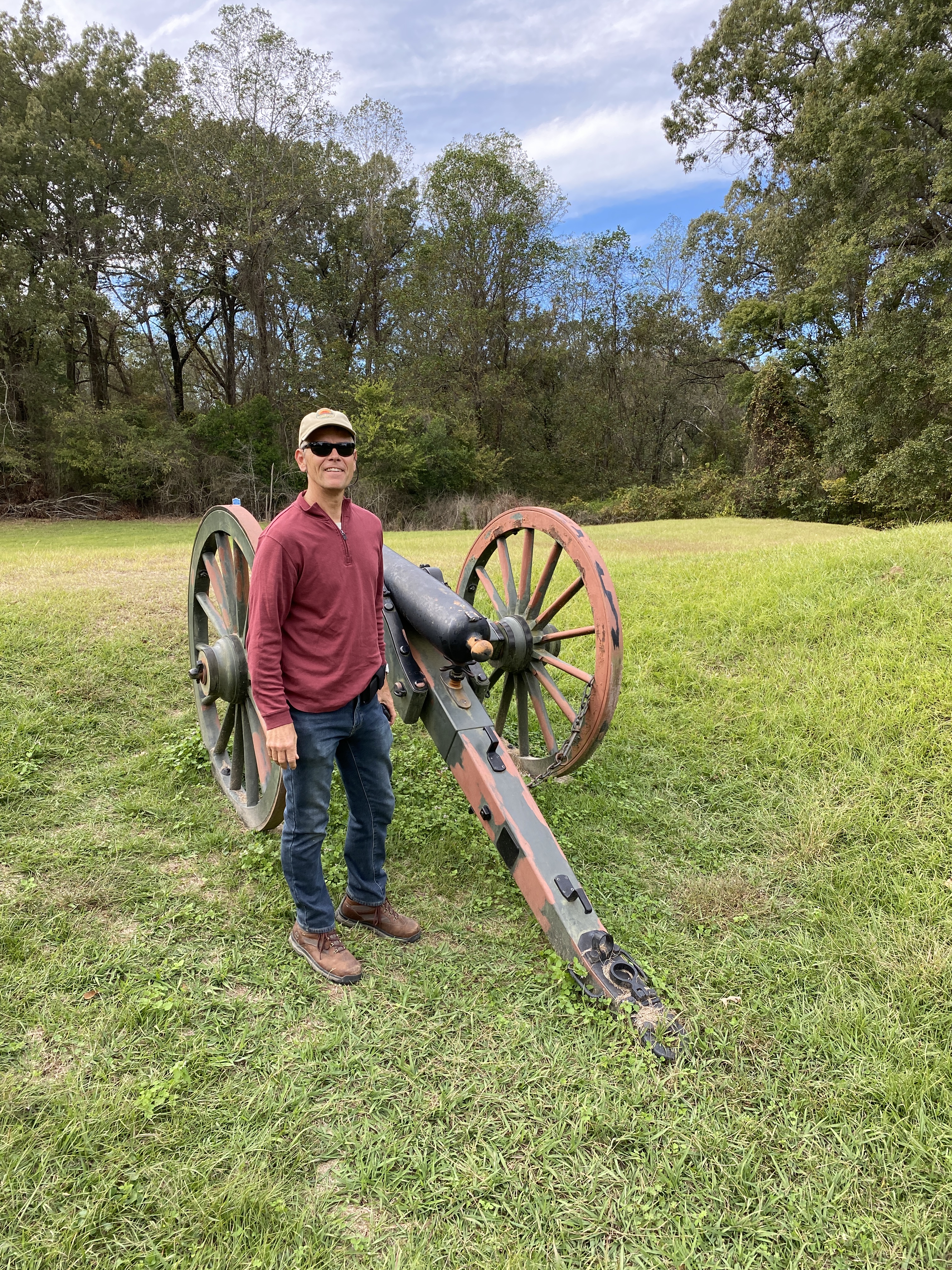
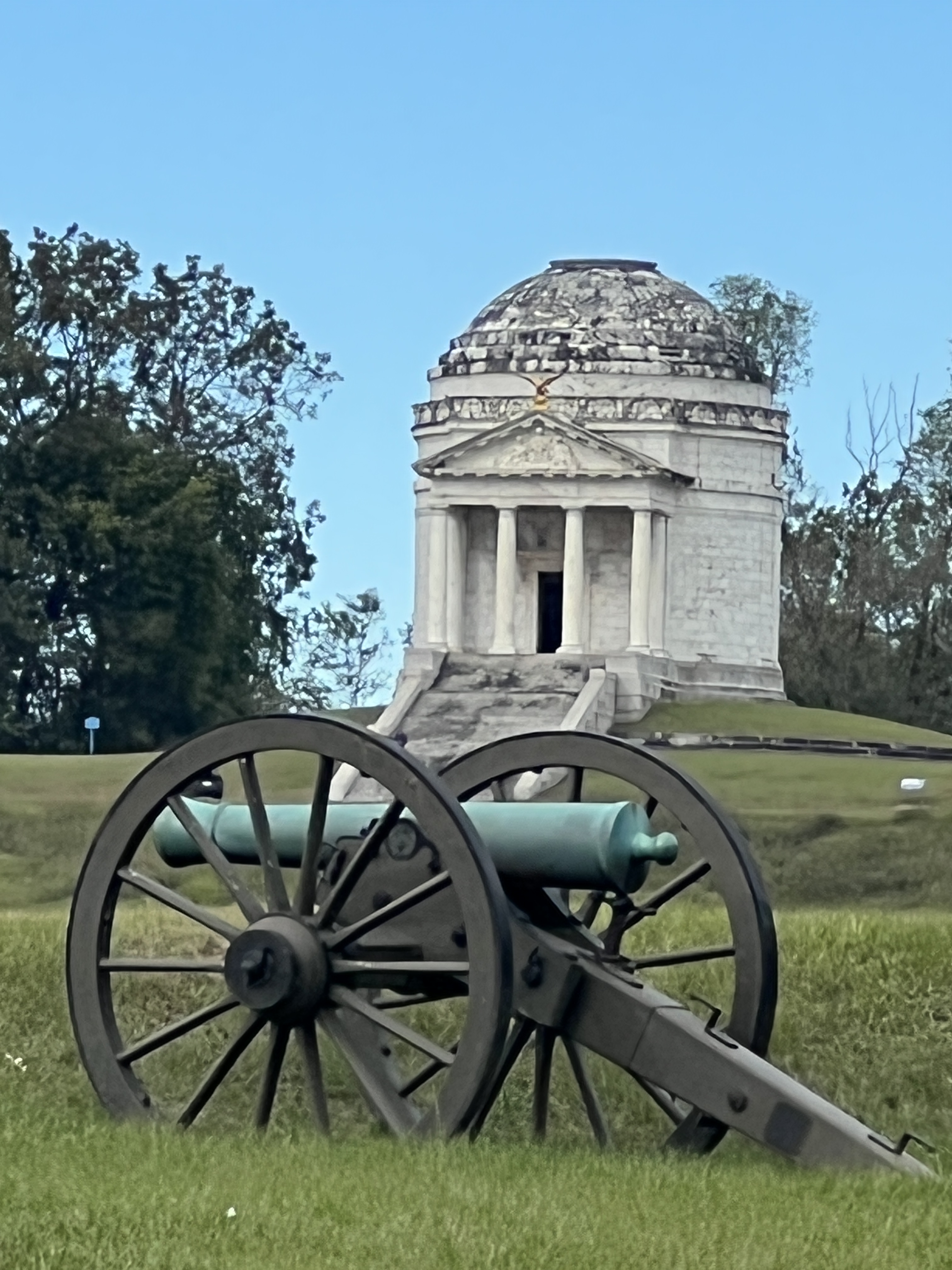
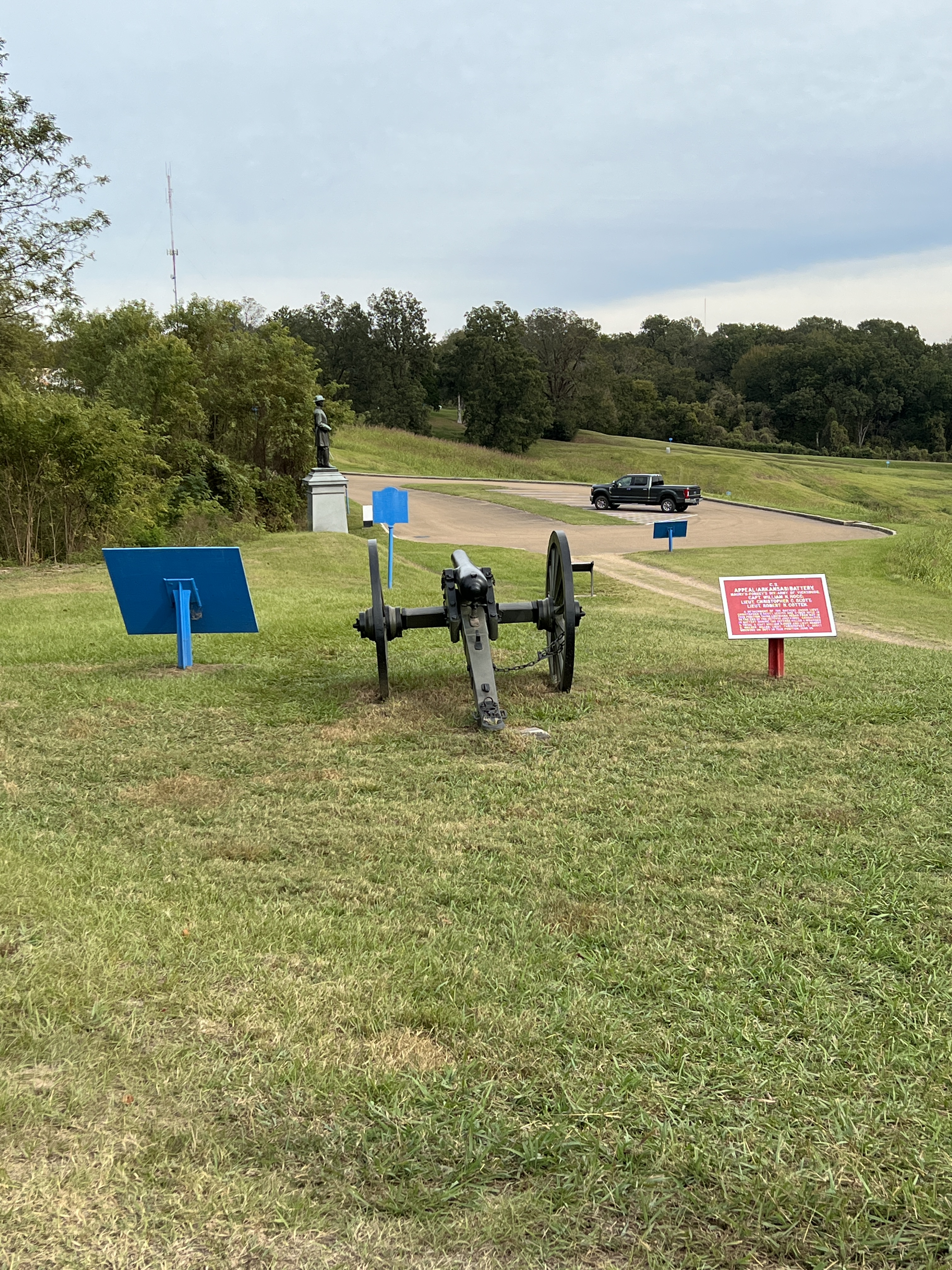
The Vicksburg National Military Park covers over 2,500 acres and features over 1300 monuments honoring those who fought. On our first day we drove the Union Avenue portion of the park and explored the Union lines (marked by blue signs) and key strategic positions. On the next day we focused on Confederate Avenue and the highlights of the defense (marked by red signs). The National Parks Service offers an audio guide that narrates details about the battle as you drive through the large expanse. 

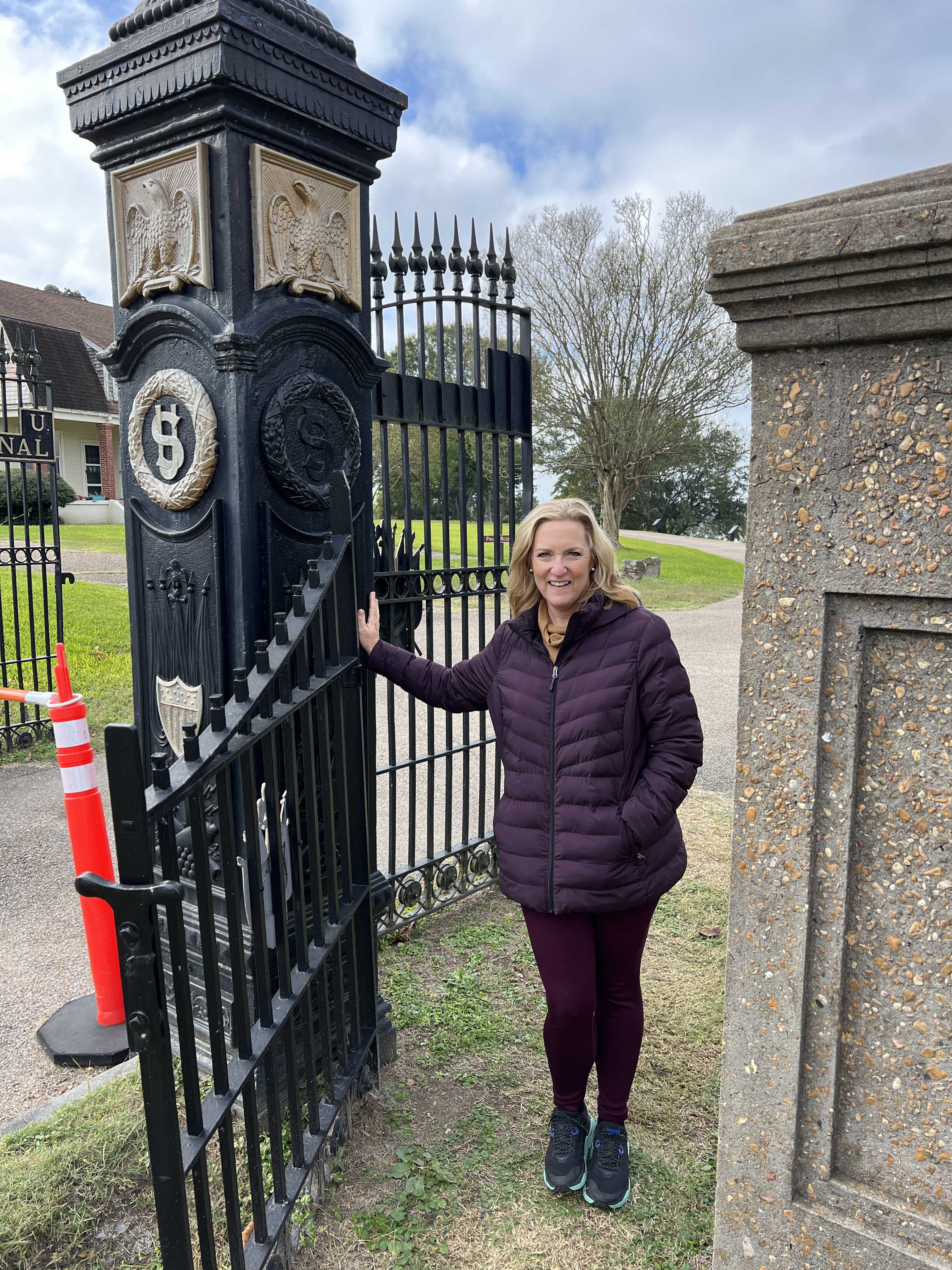
In the north portion of the park is the National Cemetery which holds the remains of 17,000 Union soldiers, more than any other national cemetery. 

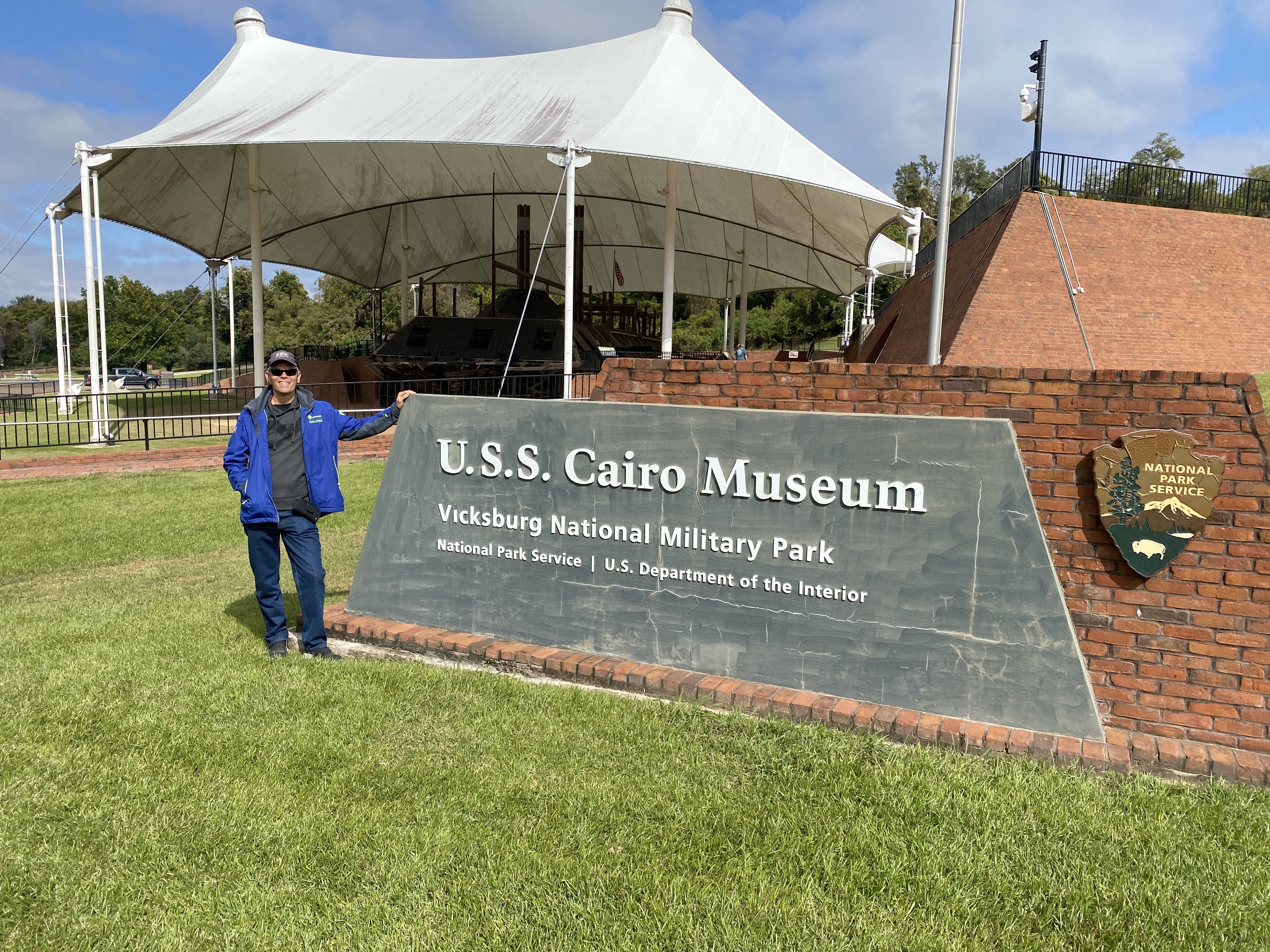
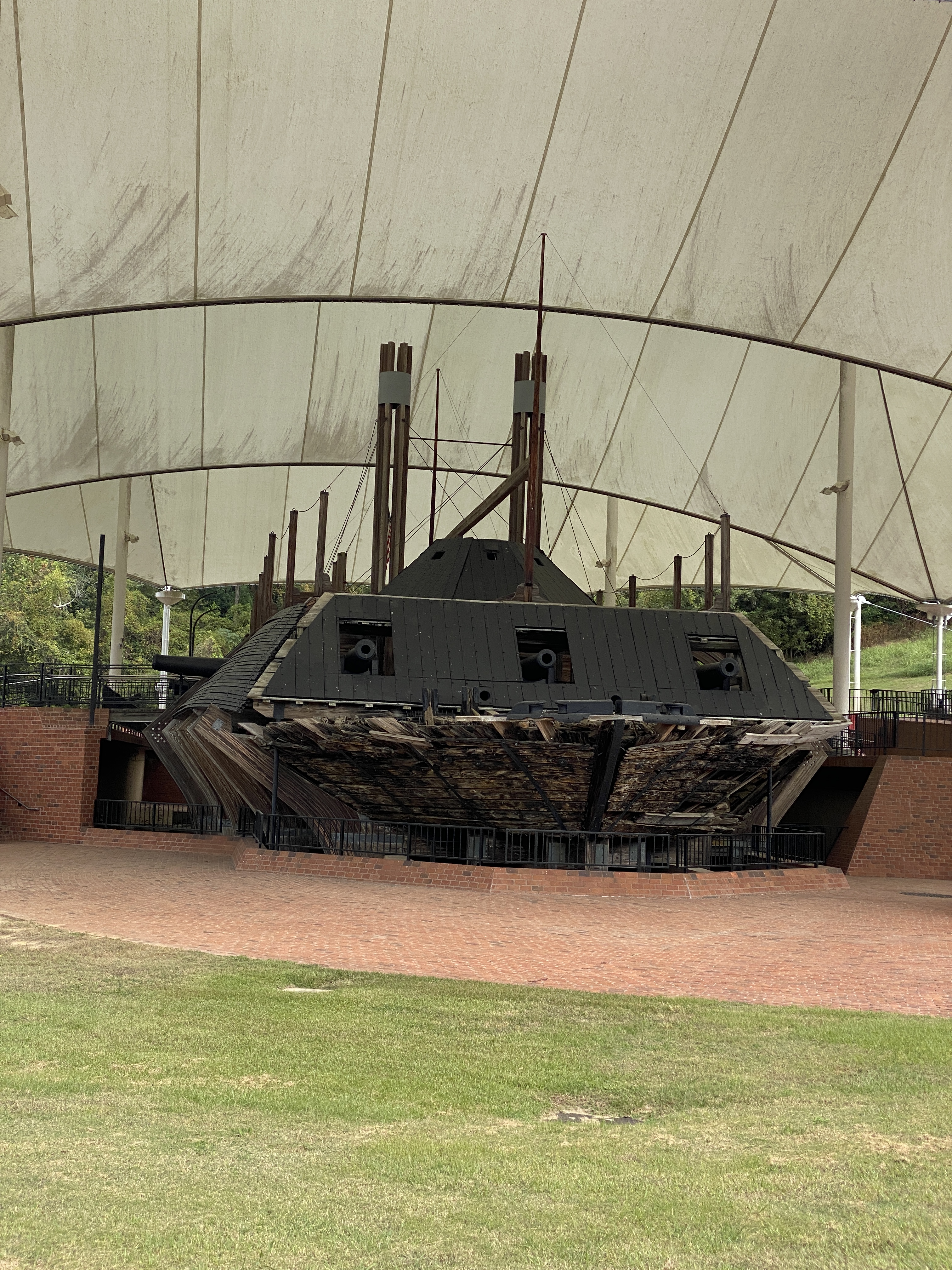
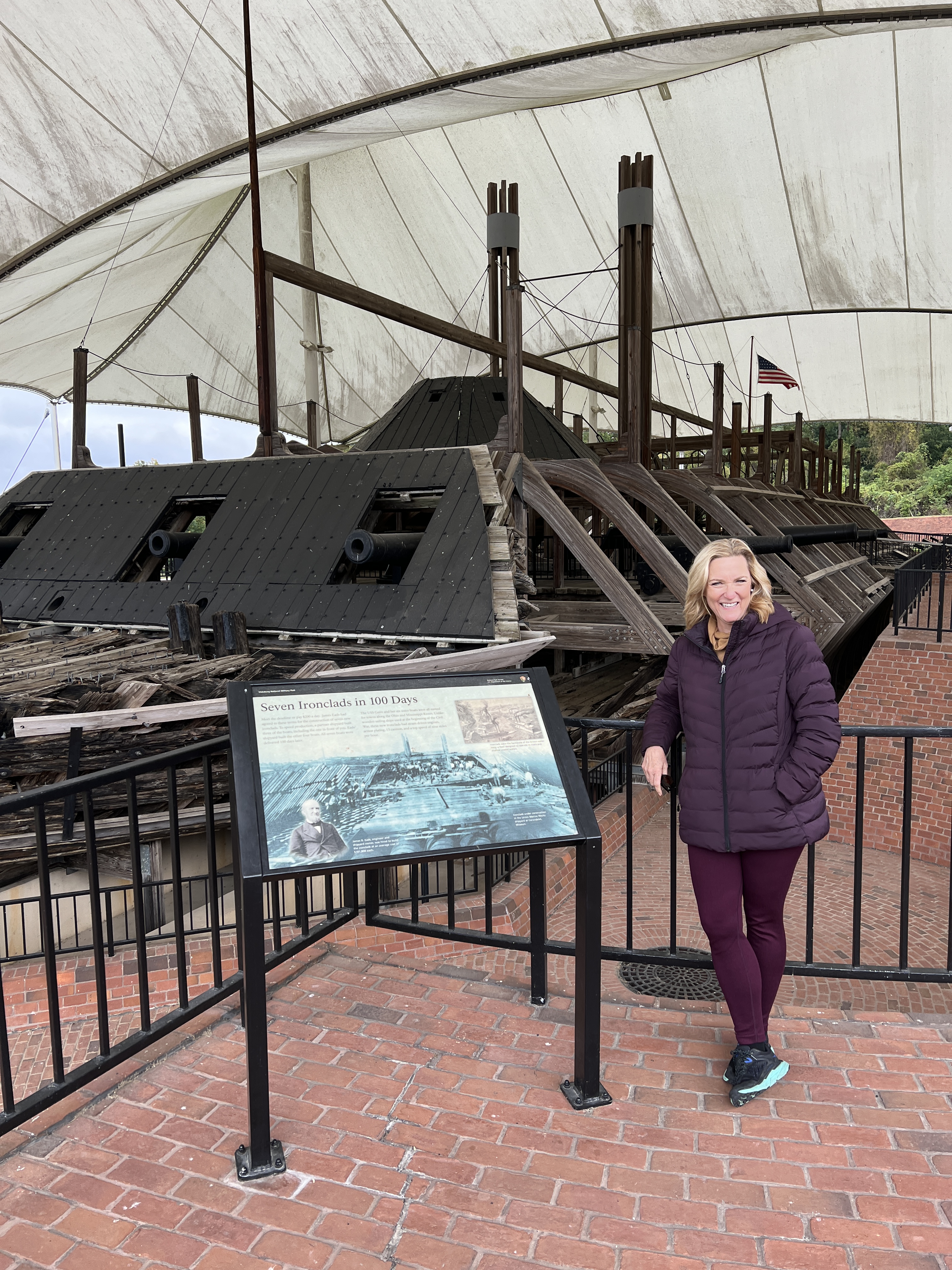
The U.S.S. Cairo Museum is also on the site and features the recovered ironclad ship that sank in the Yazoo River in 1862. The Cairo (pronounced KAY-row, unlike Cairo in Egypt) was found in 1952 and was salvaged and restored, creating an interesting display. The adjacent museum includes many artifacts that were recovered from the ship, indicating what life was like for the soldiers of the time.

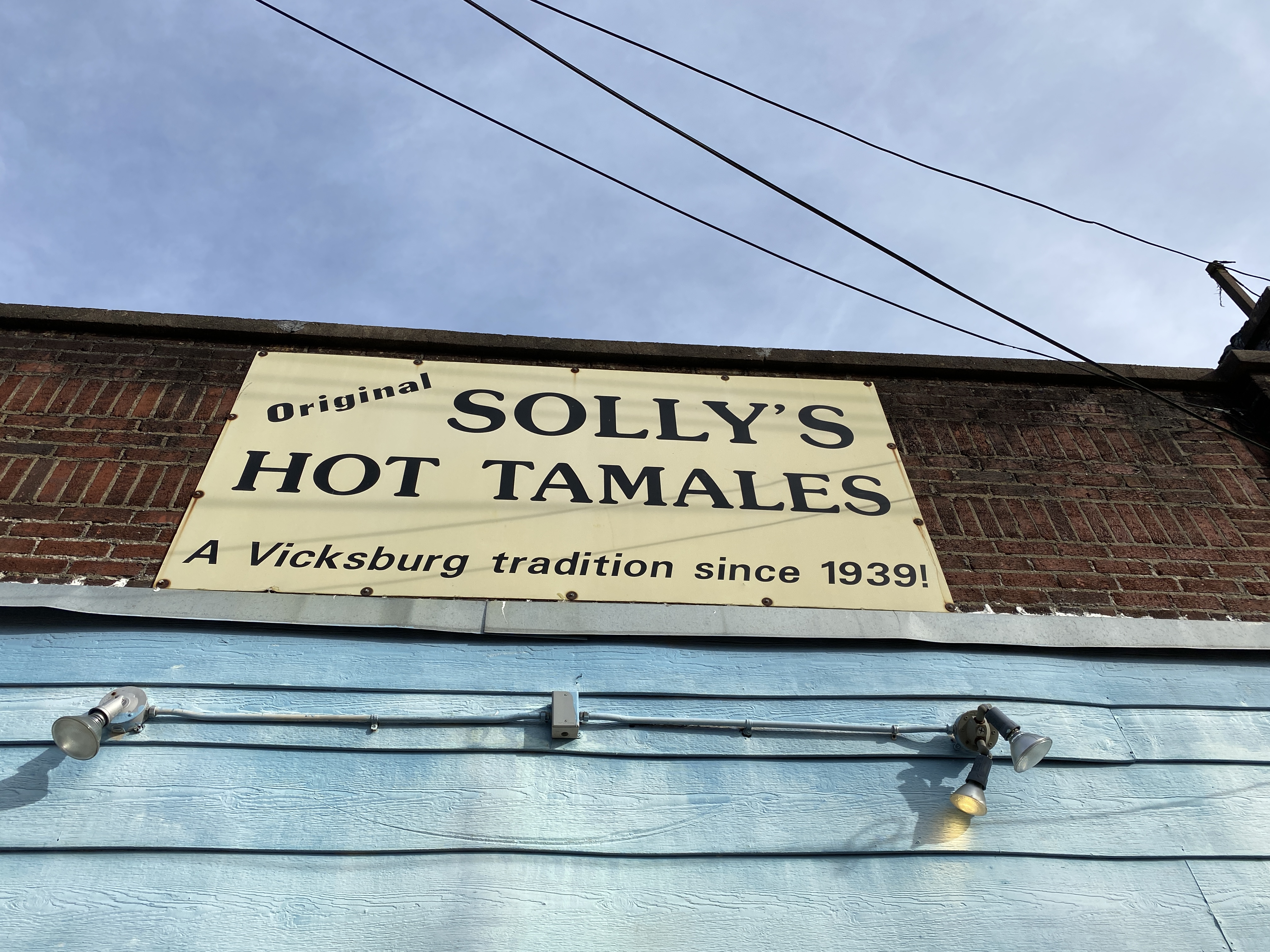
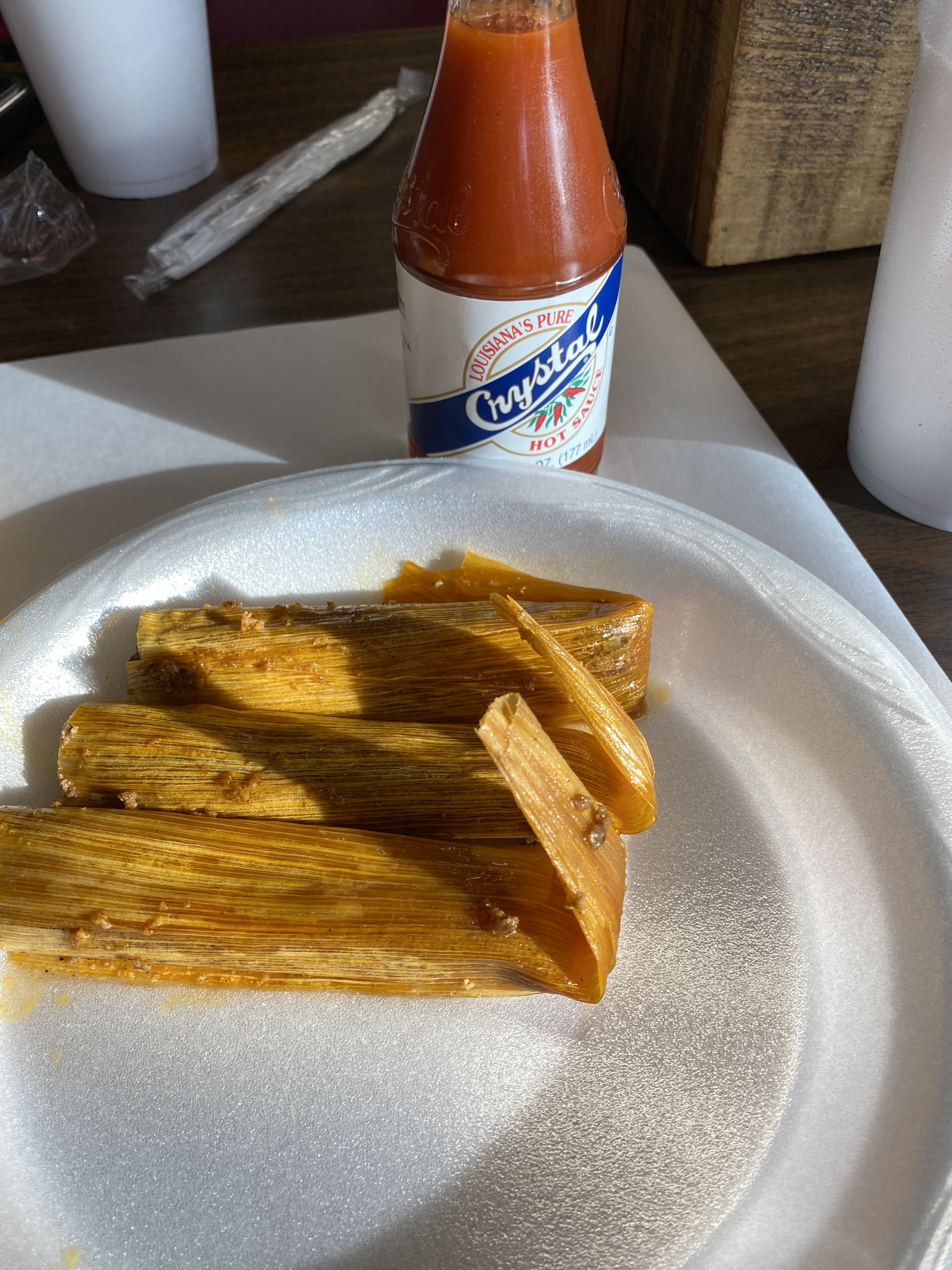
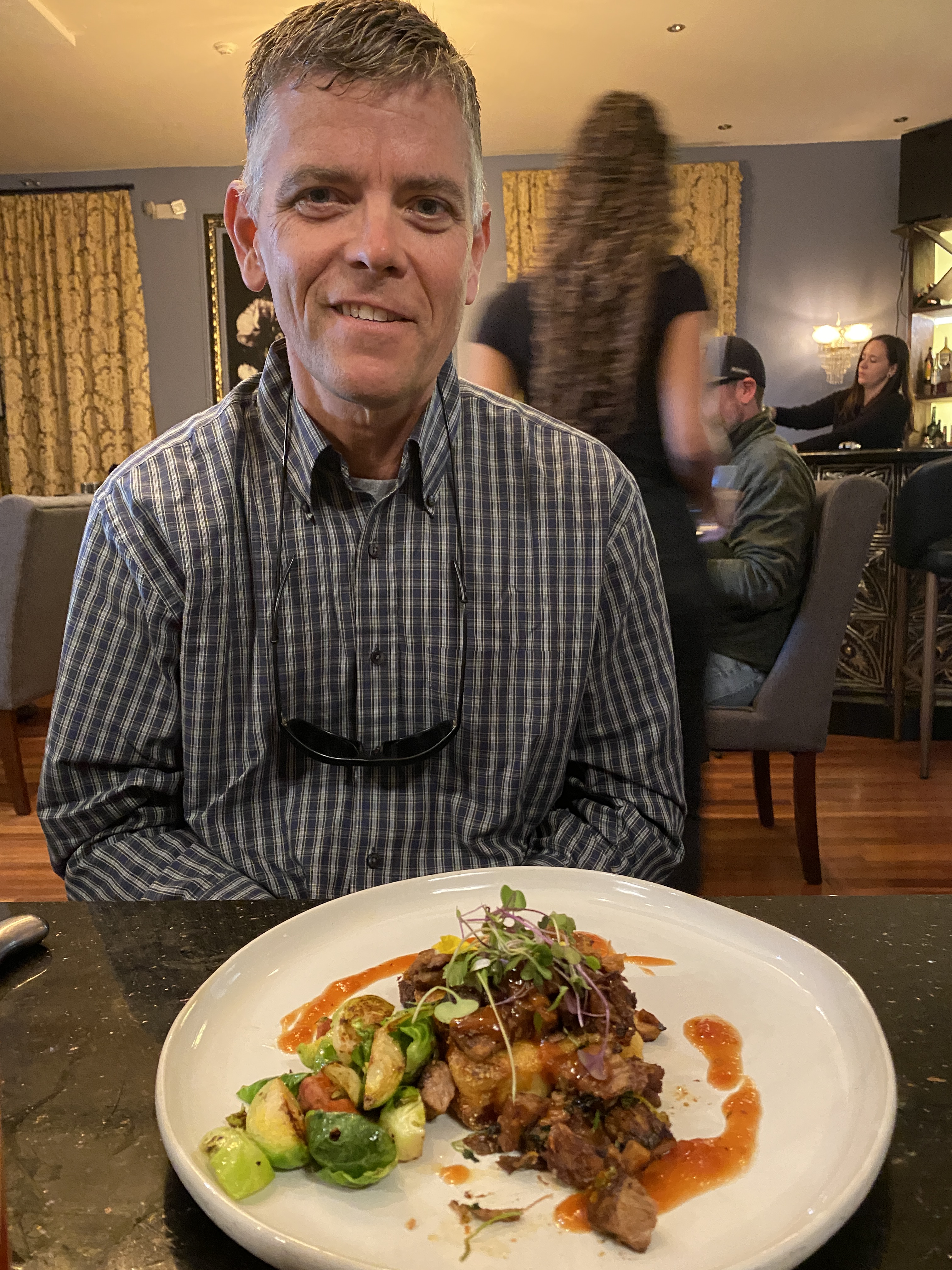
Besides the military park, we checked out historic Vicksburg and soaked in the history. One mandatory stop in Vicksburg is Solly’s Hot Tamales. Tamales in these parts are not like the tamales we are used to in Arizona. These tasty little things are filled with a mix of ground beef and meal and are served in portions of three or six. We easily polished off six plus some fries. This isn’t the kind of meal we eat regularly…but boy was it good!
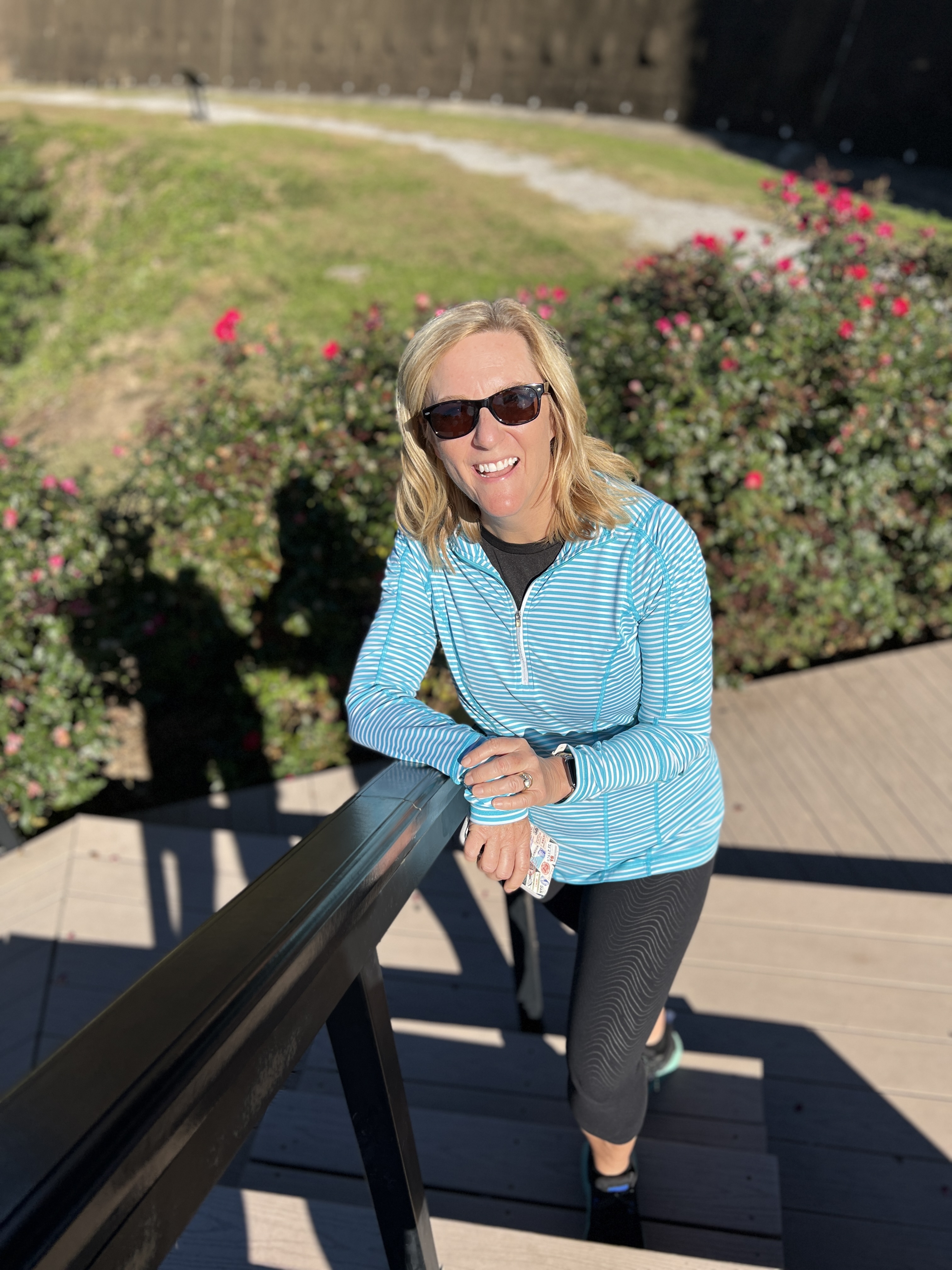
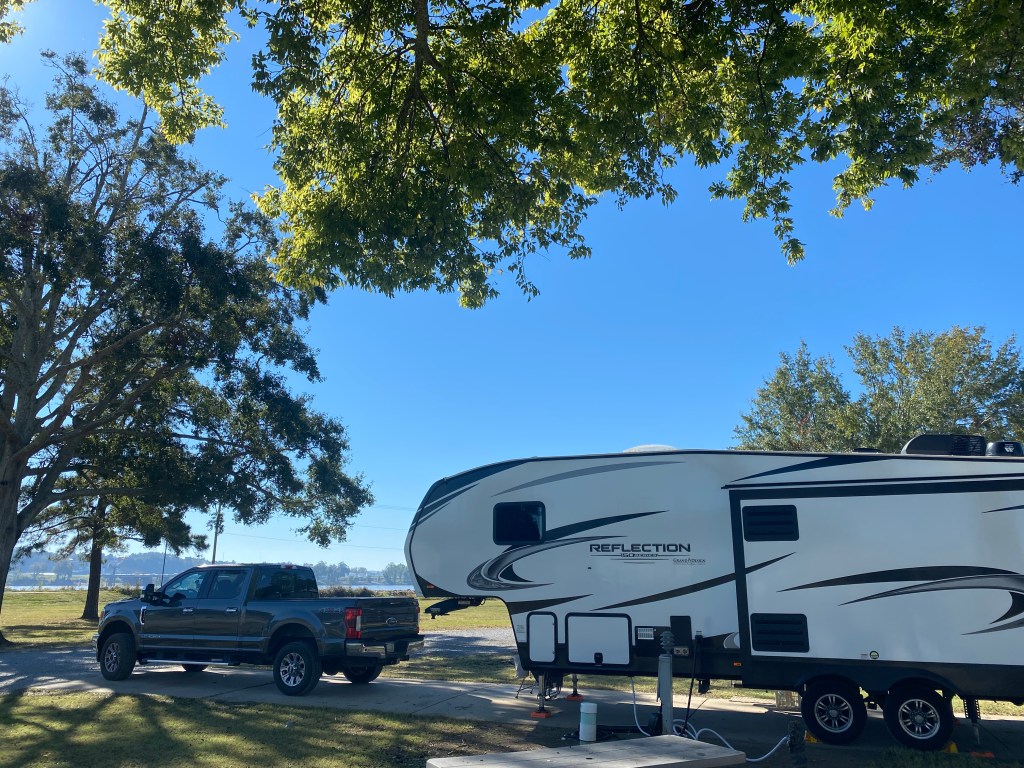
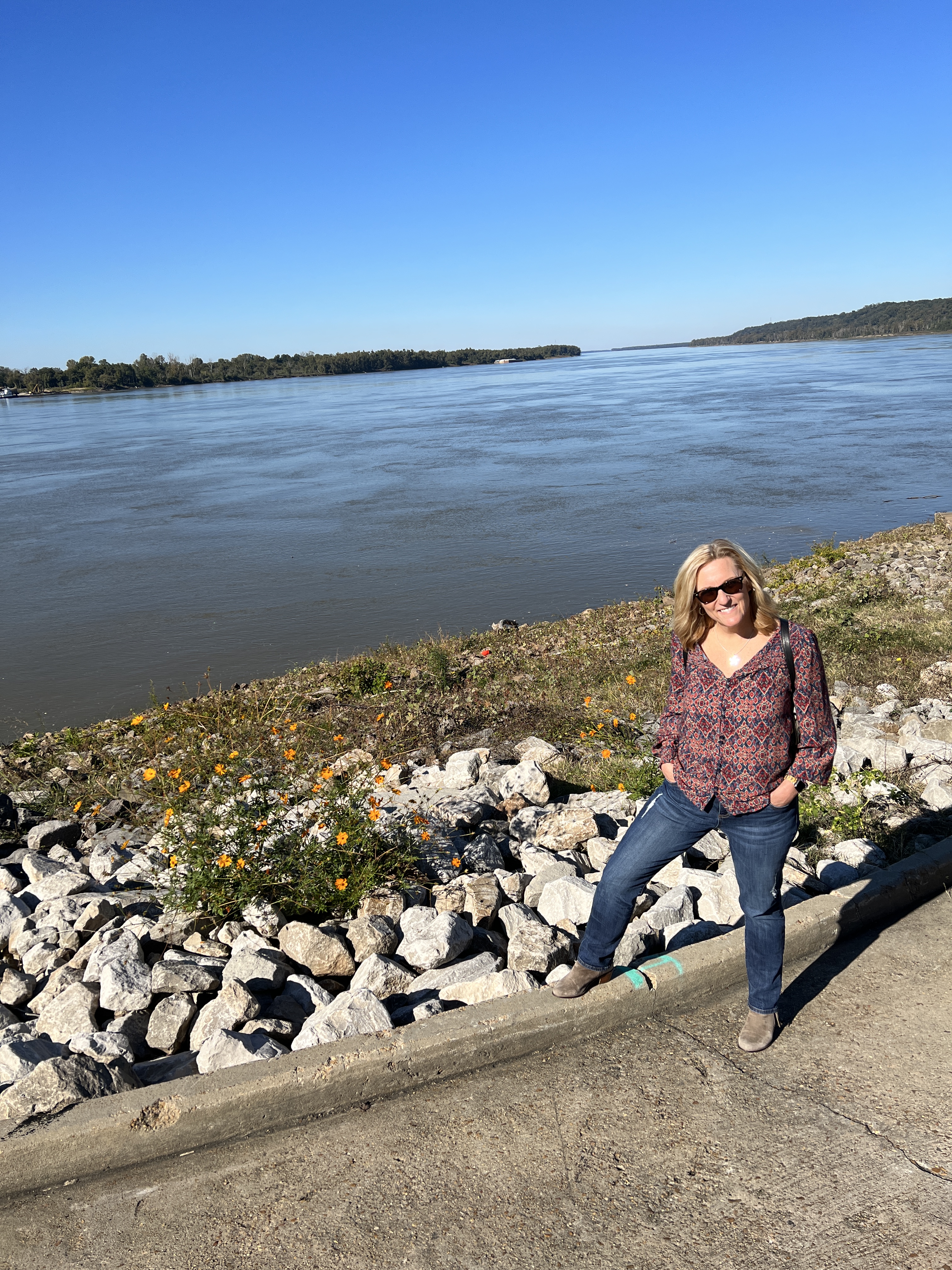
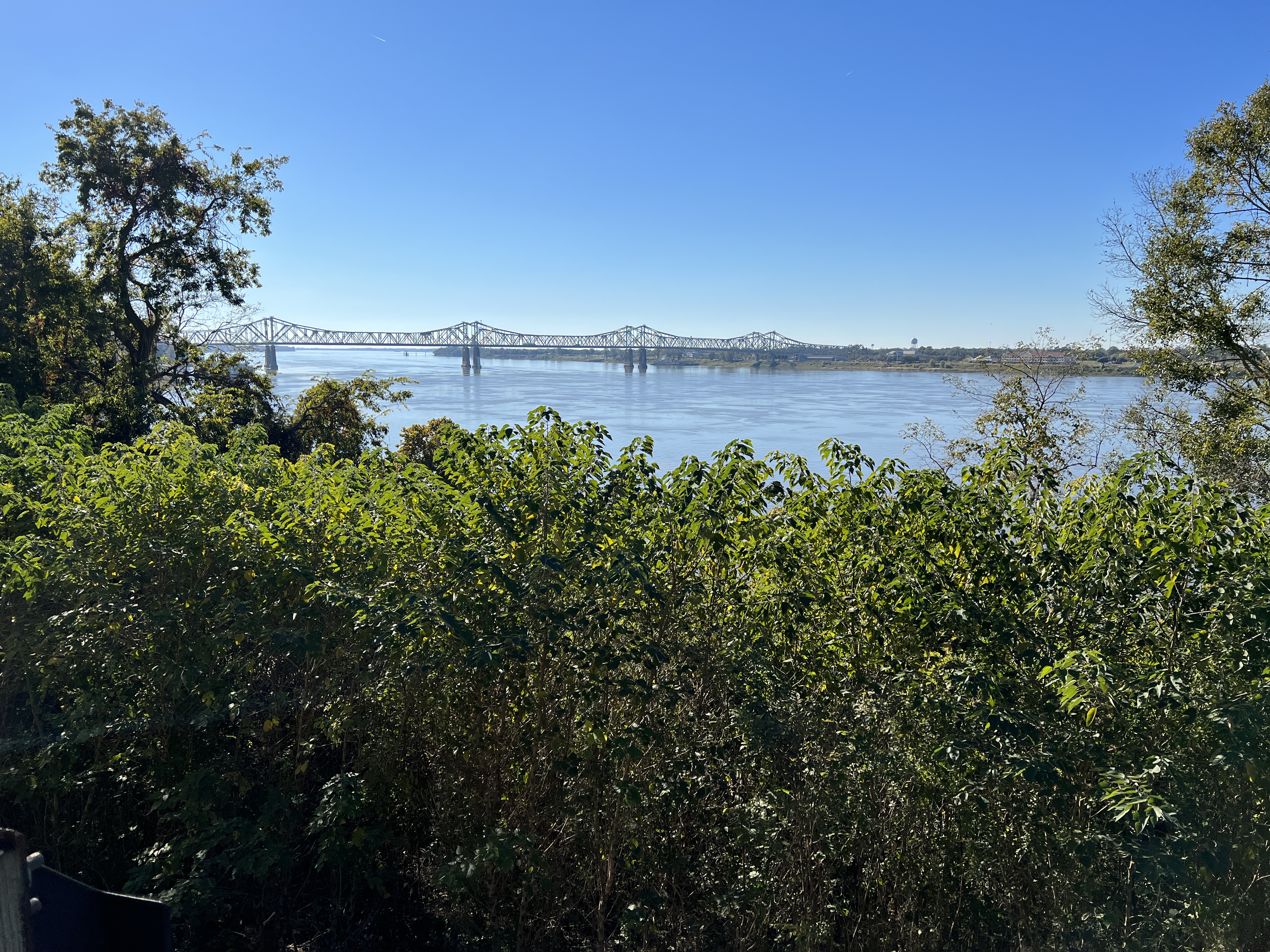
From Vicksburg we traveled about 70 miles south along the Mississippi River to Natchez. Another city with a deep history, Natchez was mostly spared destruction during the Civil War and has more Antebellum homes, over 300, than any other city in the south. We enjoyed our stay at an RV park right along the river, visiting a historic home, and trying out a few of the area’s great restaurants and bars. 

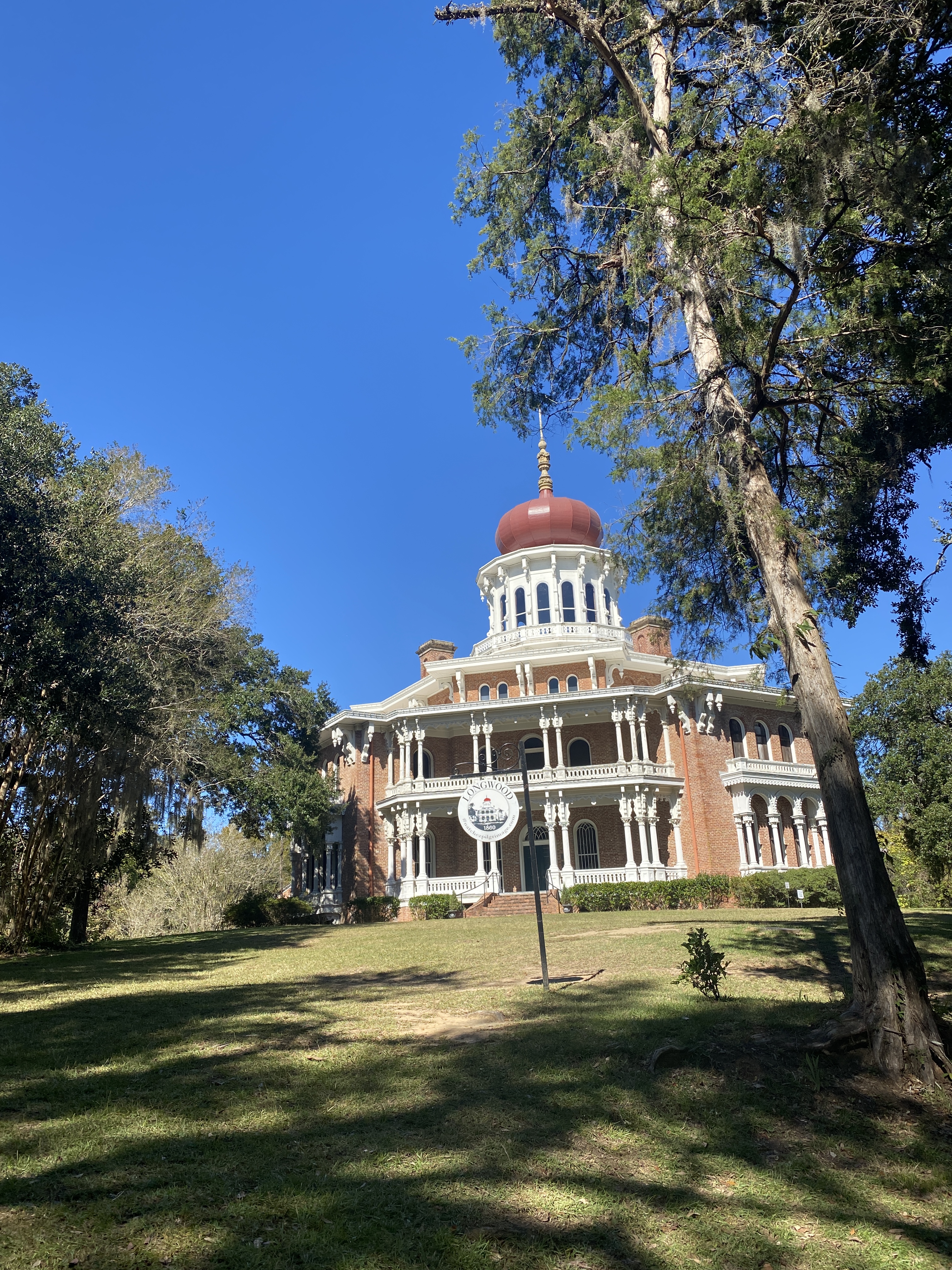
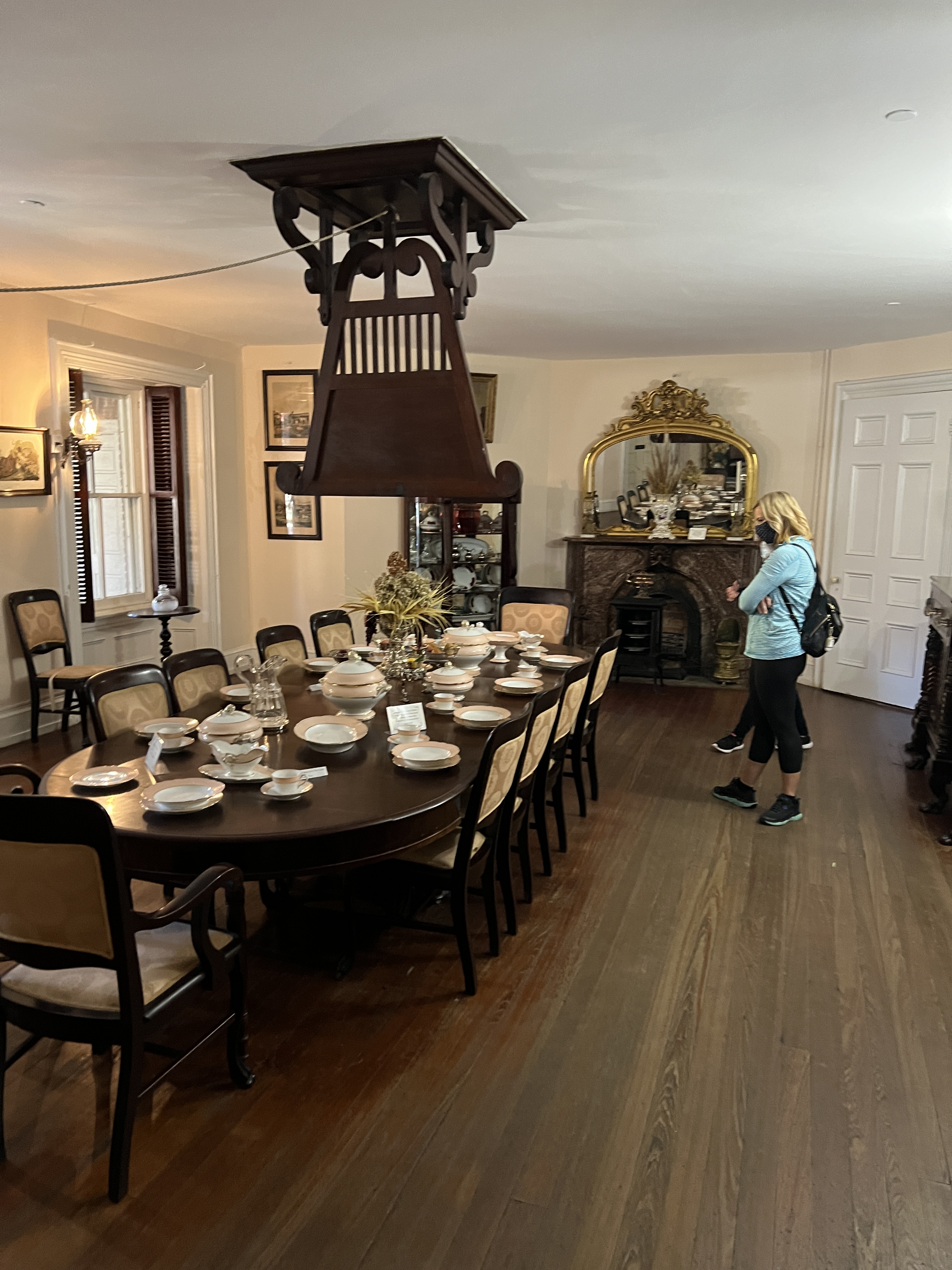
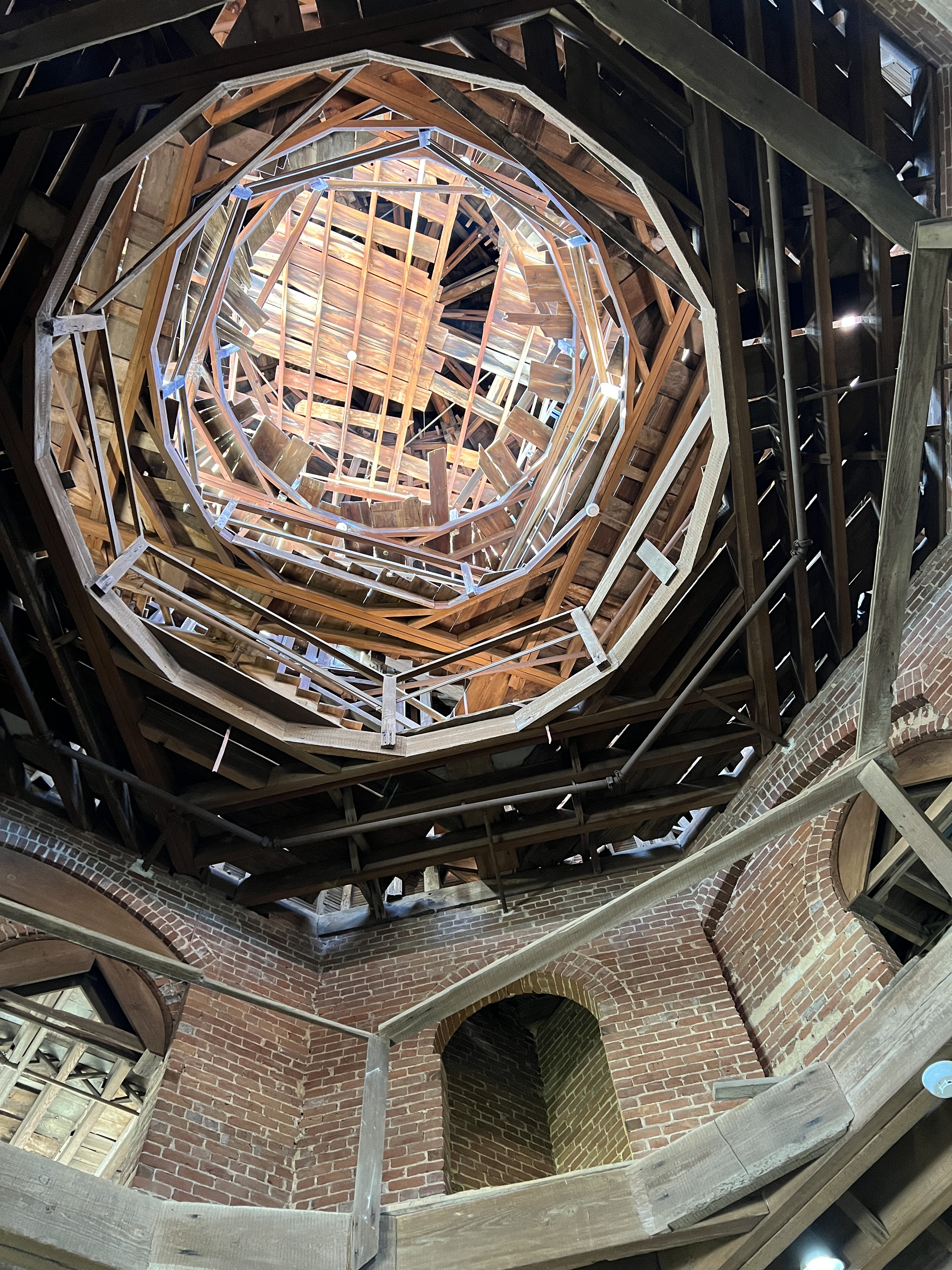
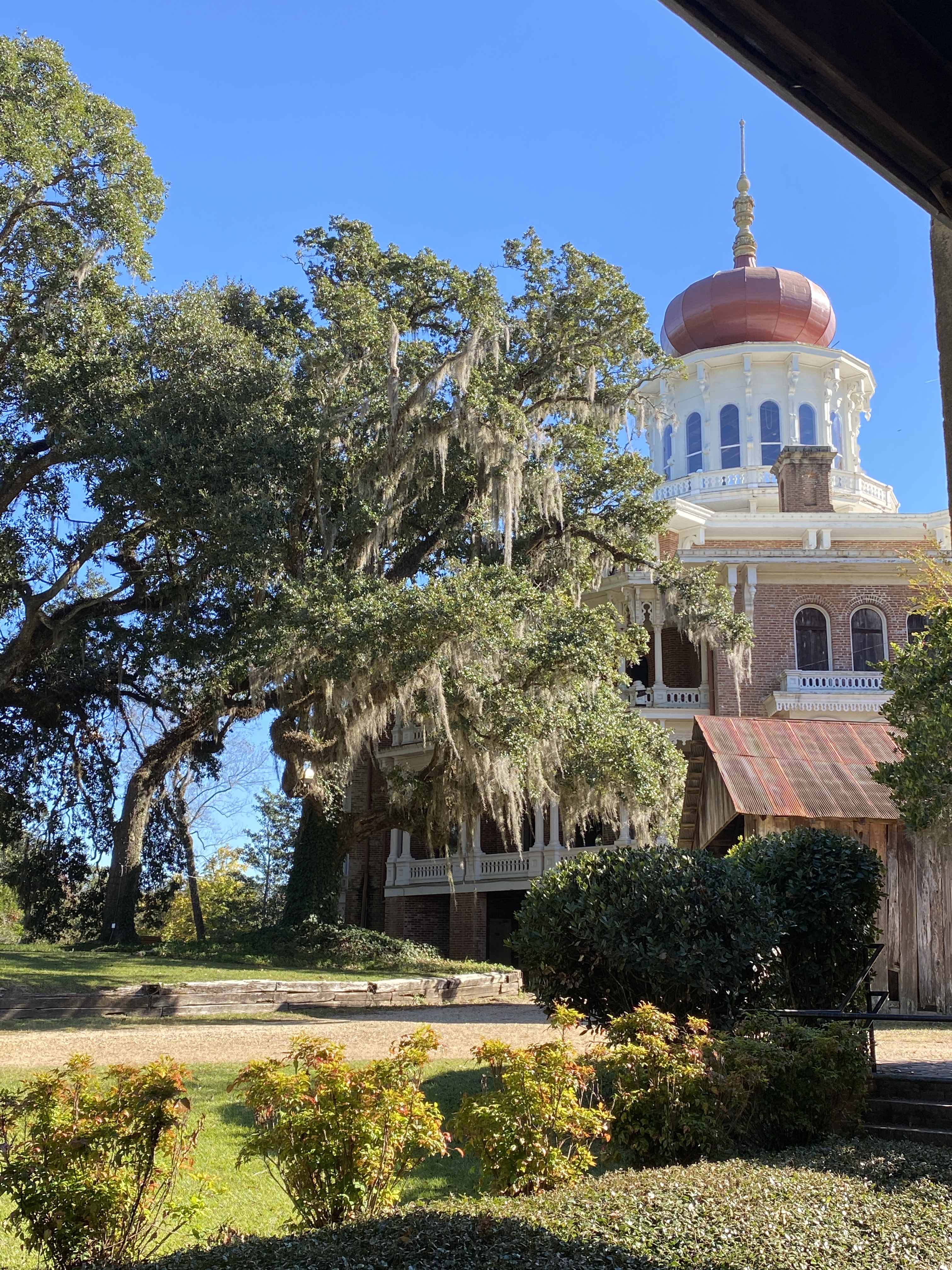
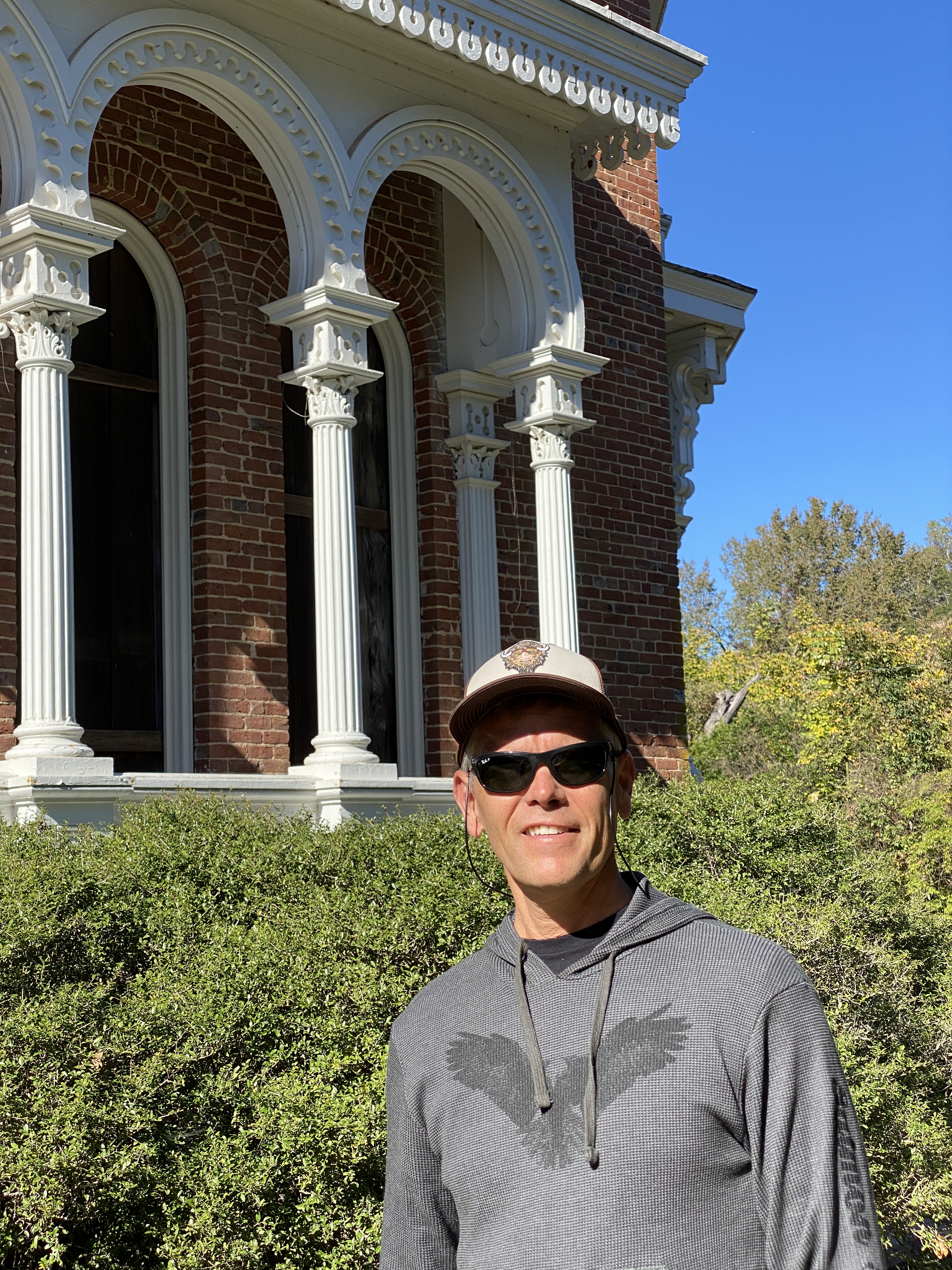
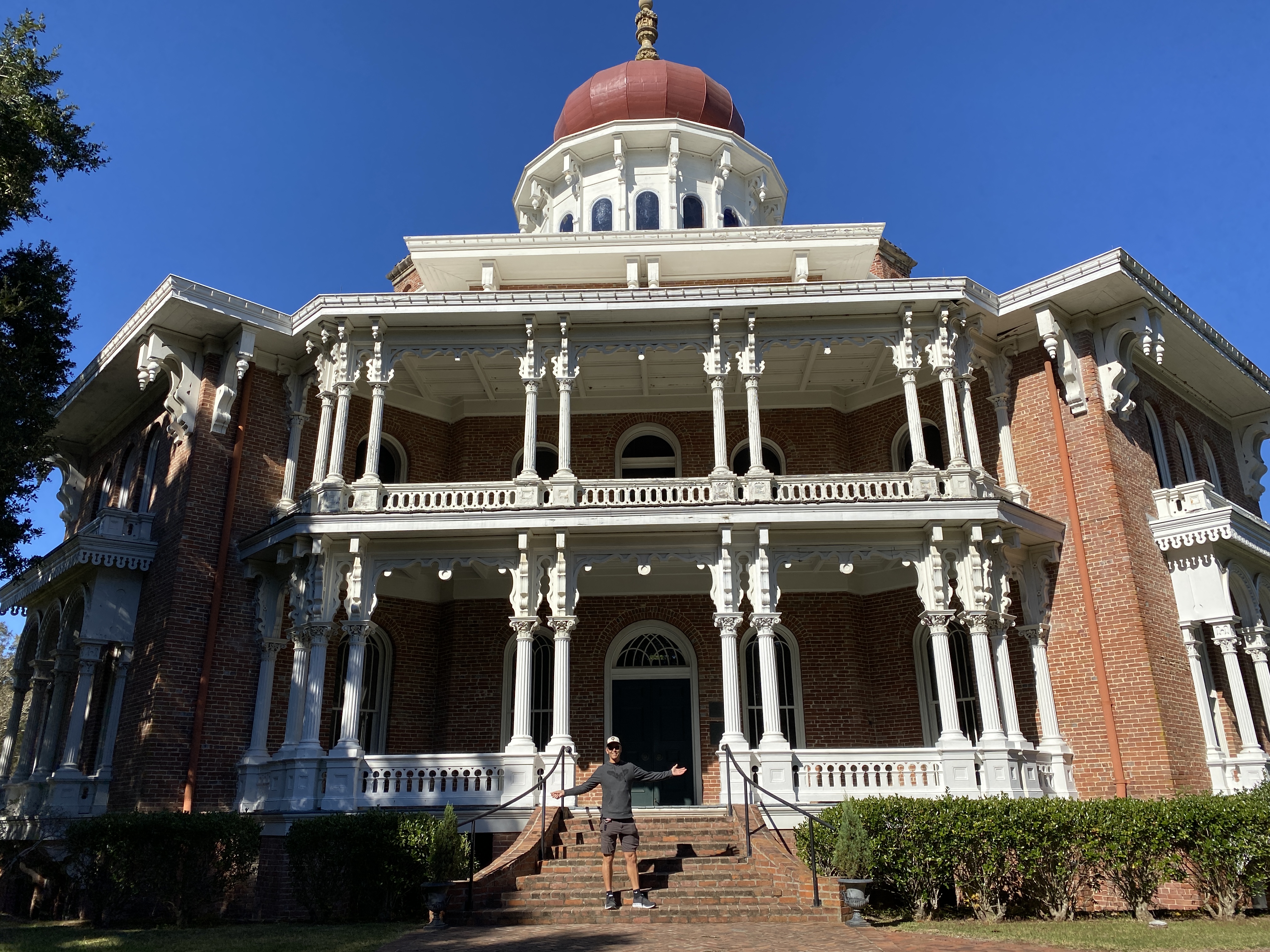
We took a tour of the historic Longwood Mansion, which was built in 1860. The construction of the eight-sided mansion was interrupted by the Civil War and the structure was never completed, yet generations of the Nutt family lived in the first floor until the 1960s. From the unfinished second floor you can see up six levels to the unfinished cupola. 

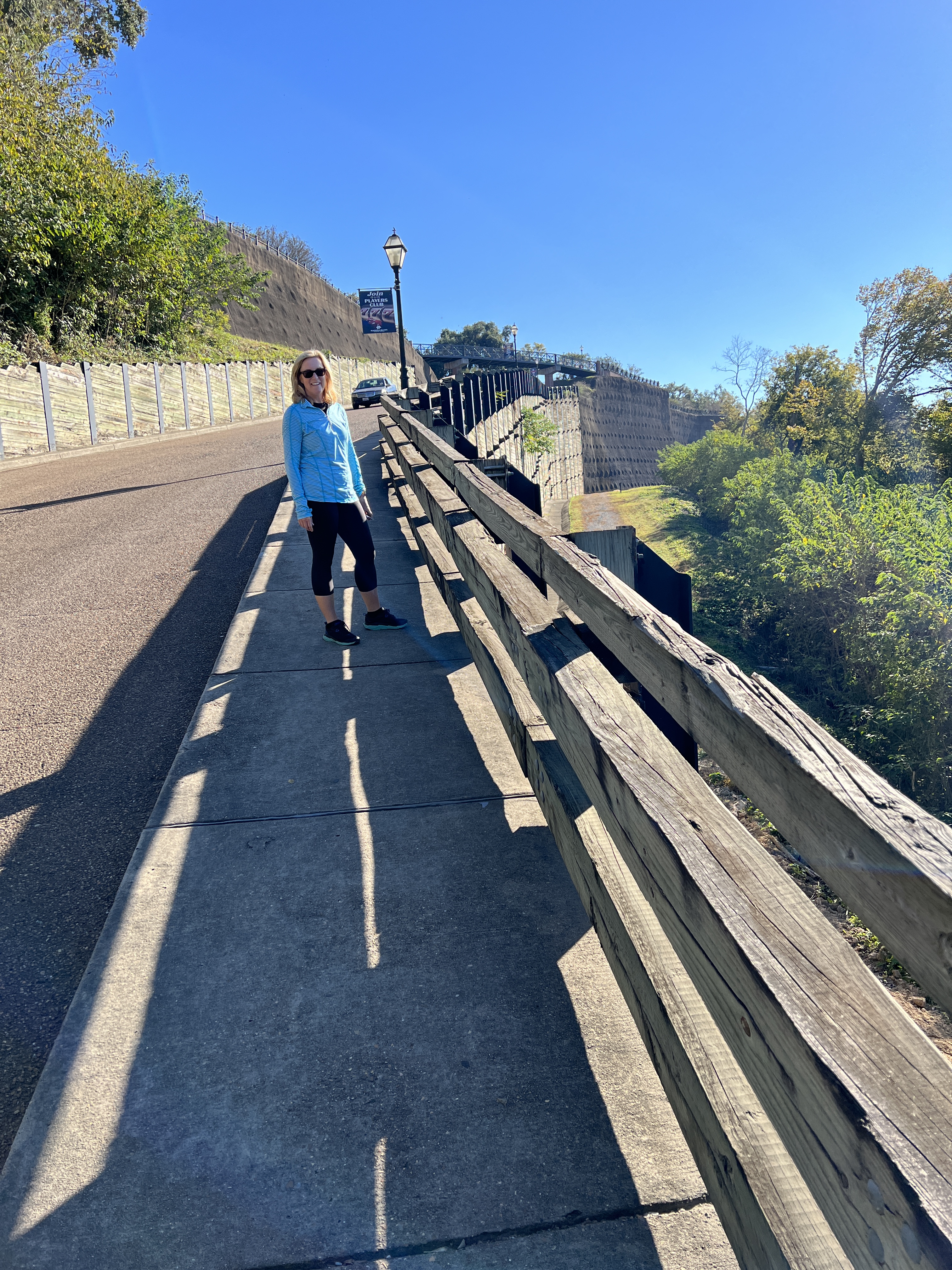
Natchez is a pretty city, situated alongside the Mississippi River. We enjoyed strolling around the town, reading interpretive signs about the town’s rich history.

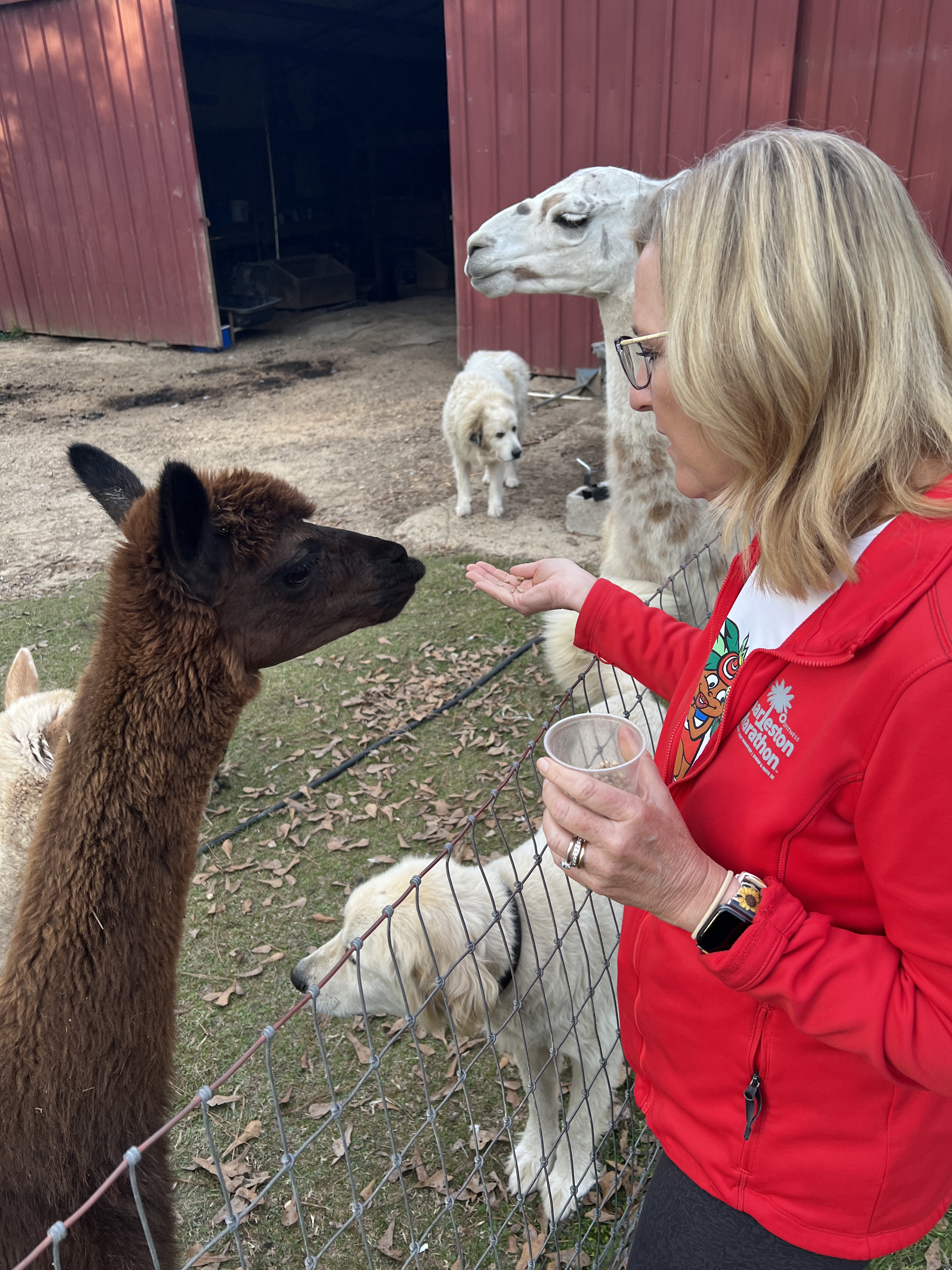
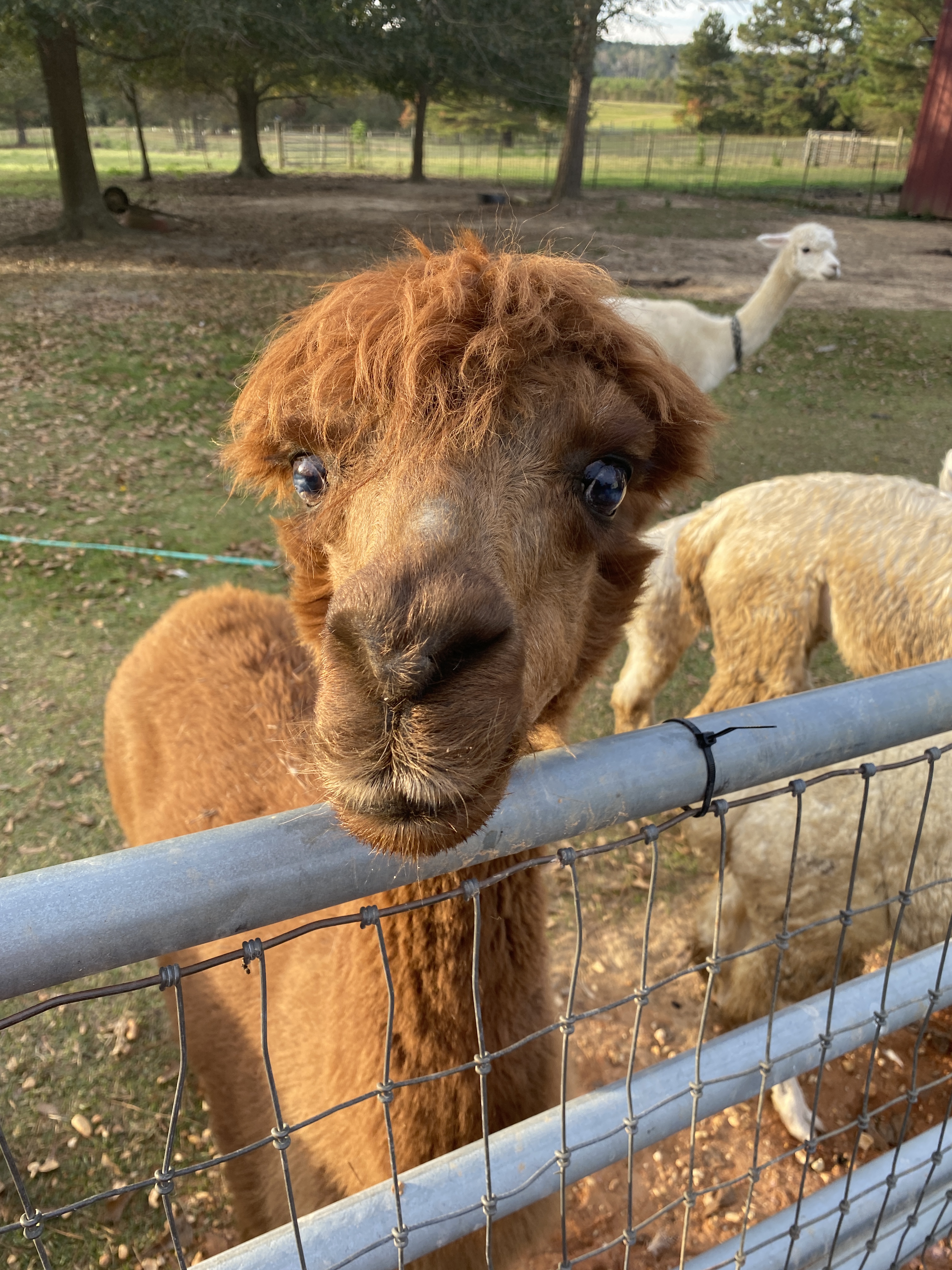
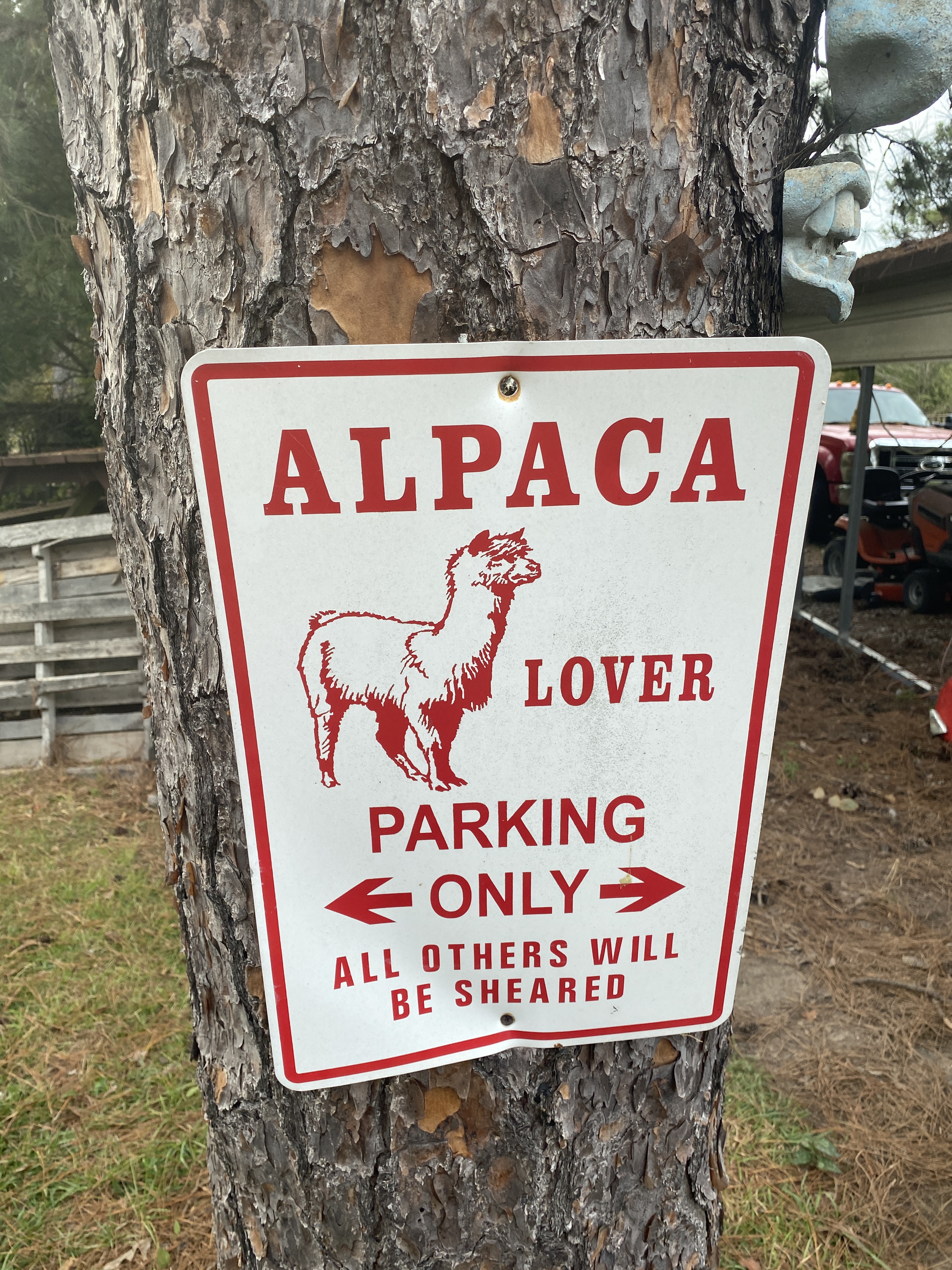
On our way to the Gulf Coast we spent one night at a Harvest Host. This time we stopped in Stringer, Mississippi and A-Stroka-Genus Alpaca Farm. The small family farm has 35 alpacas, one llama, four Great White Pyrenees dogs, 30+ chickens, ducks, guinea hens, and a pair of very loud miniature donkeys.

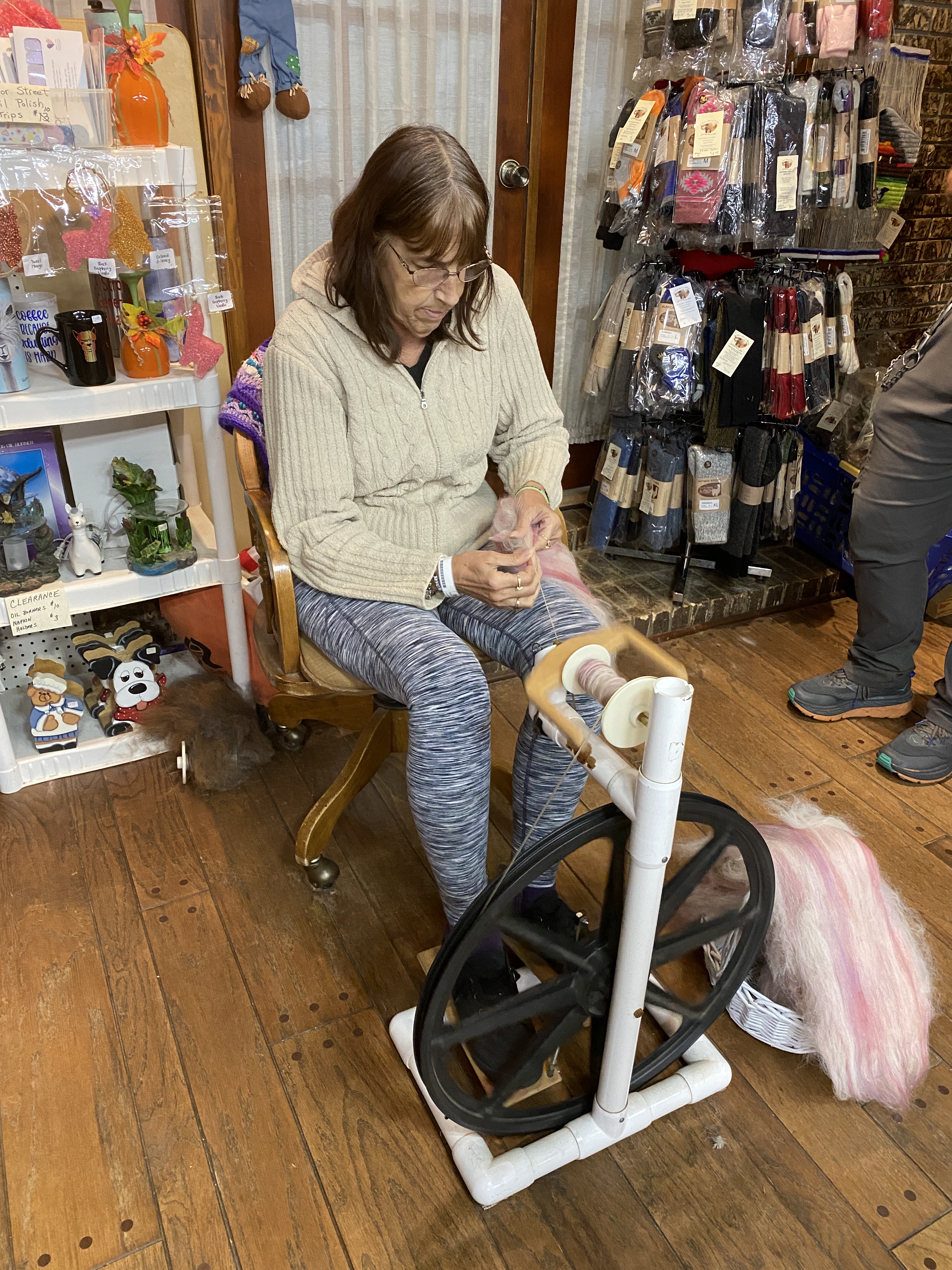
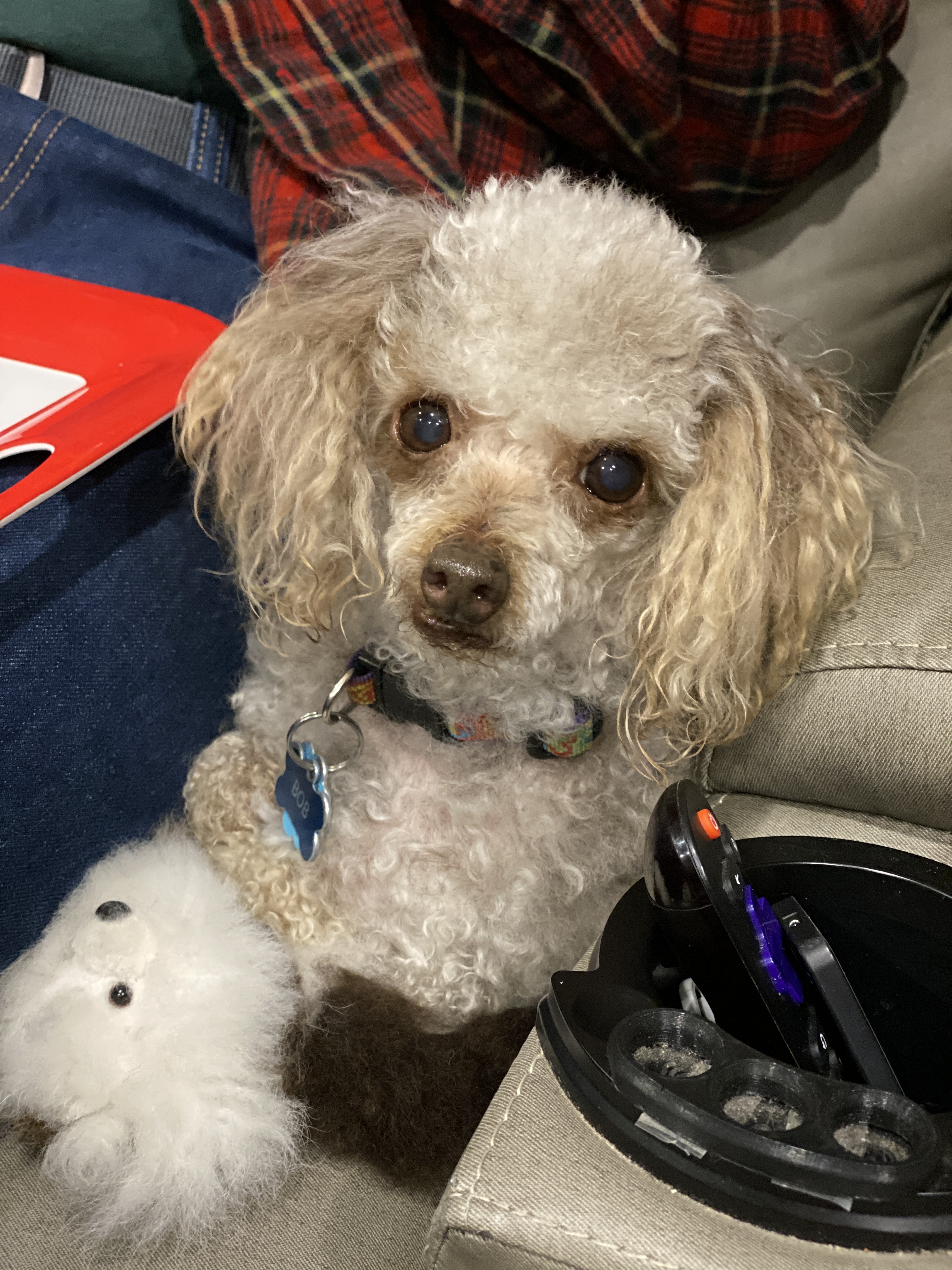
Mary Ann gave us a tour of the farm and allowed us to feed the animals. She then demonstrated how she spins the alpaca wool into the skeins of yarn she sells in the small, onsite store. Bob got a new alpaca hide toy out of the deal too! As always, Harvest Host delivered a great experience. 

We’re on to the beach next!

Harvest Hosting our Way West

After five months of eastward movement we turned back towards the West with the ultimate goal of reaching home in Arizona by the end of April. We’re taking our time. And we are using this part of the journey to explore new places using our Harvest Host membership. We’ve mentioned Harvest Host in the past, and this post will highlight three very cool locations.

Harvest Host is a membership program that provides overnight locations for self-contained RVers at wineries, breweries, farms, museum, and other sites. Harvest Host now has over 2000 hosts in the network, and they are adding more every day. We’d never be able to enjoy them all, but we’ve found a few good ones!

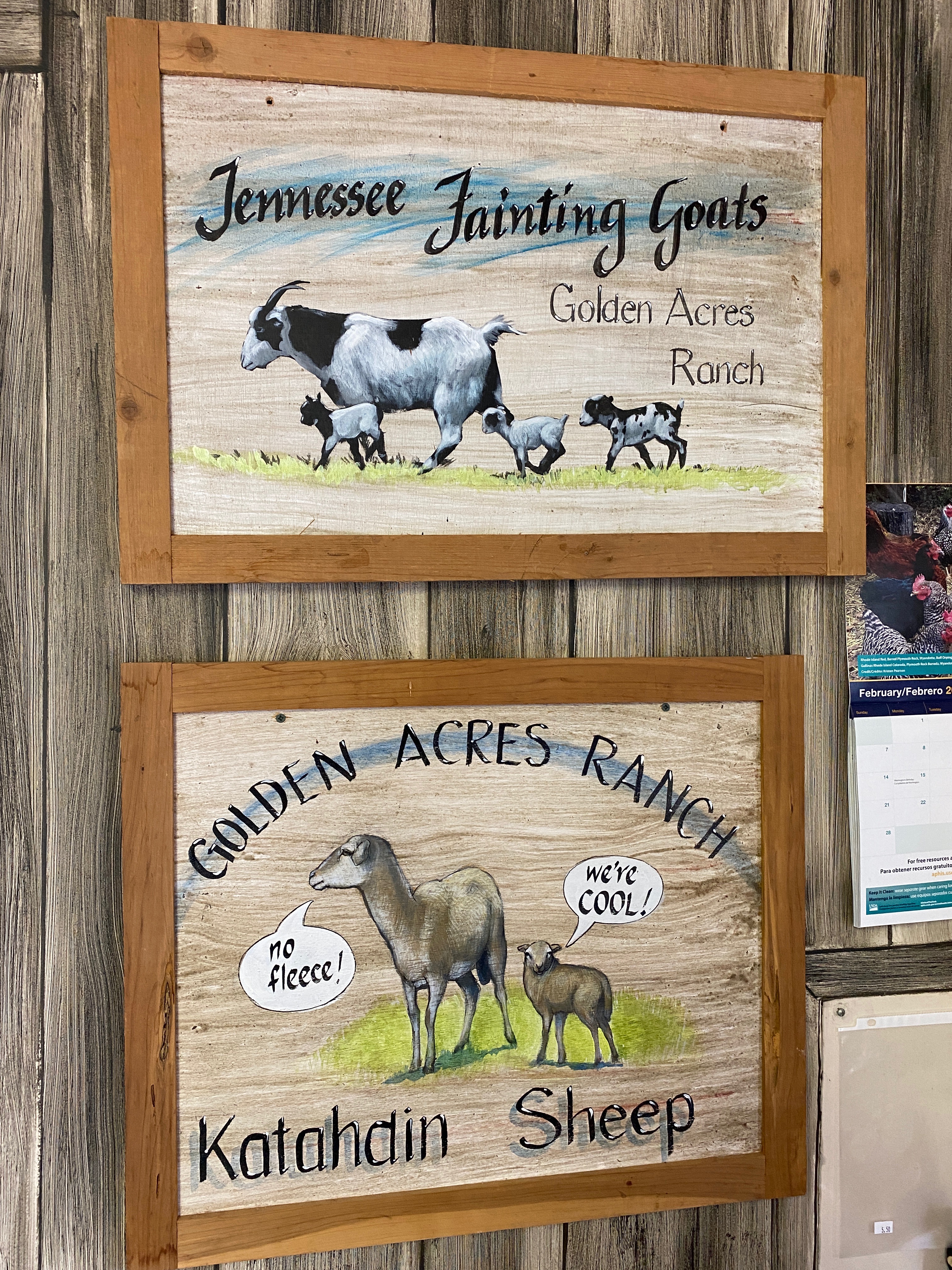
For example, after leaving Georgia we stopped for a night at Golden Acres Ranch in Monticello, Florida. At the ranch we were introduced to their friendly herd of Tennessee Fainting Goats and a number of other farm animals including sheep, chickens, guinea hens, and the sweetest pregnant dog, Honey.

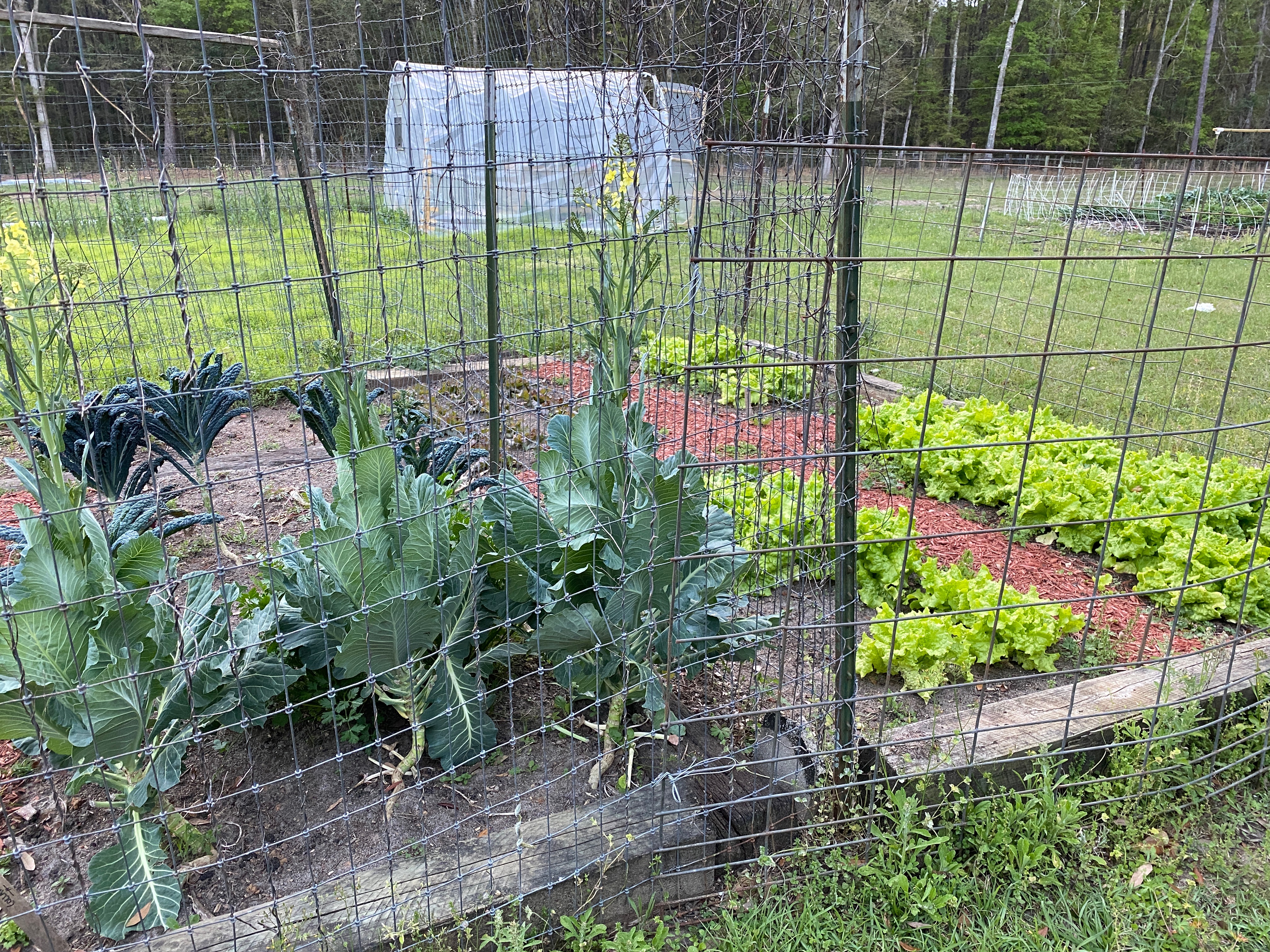
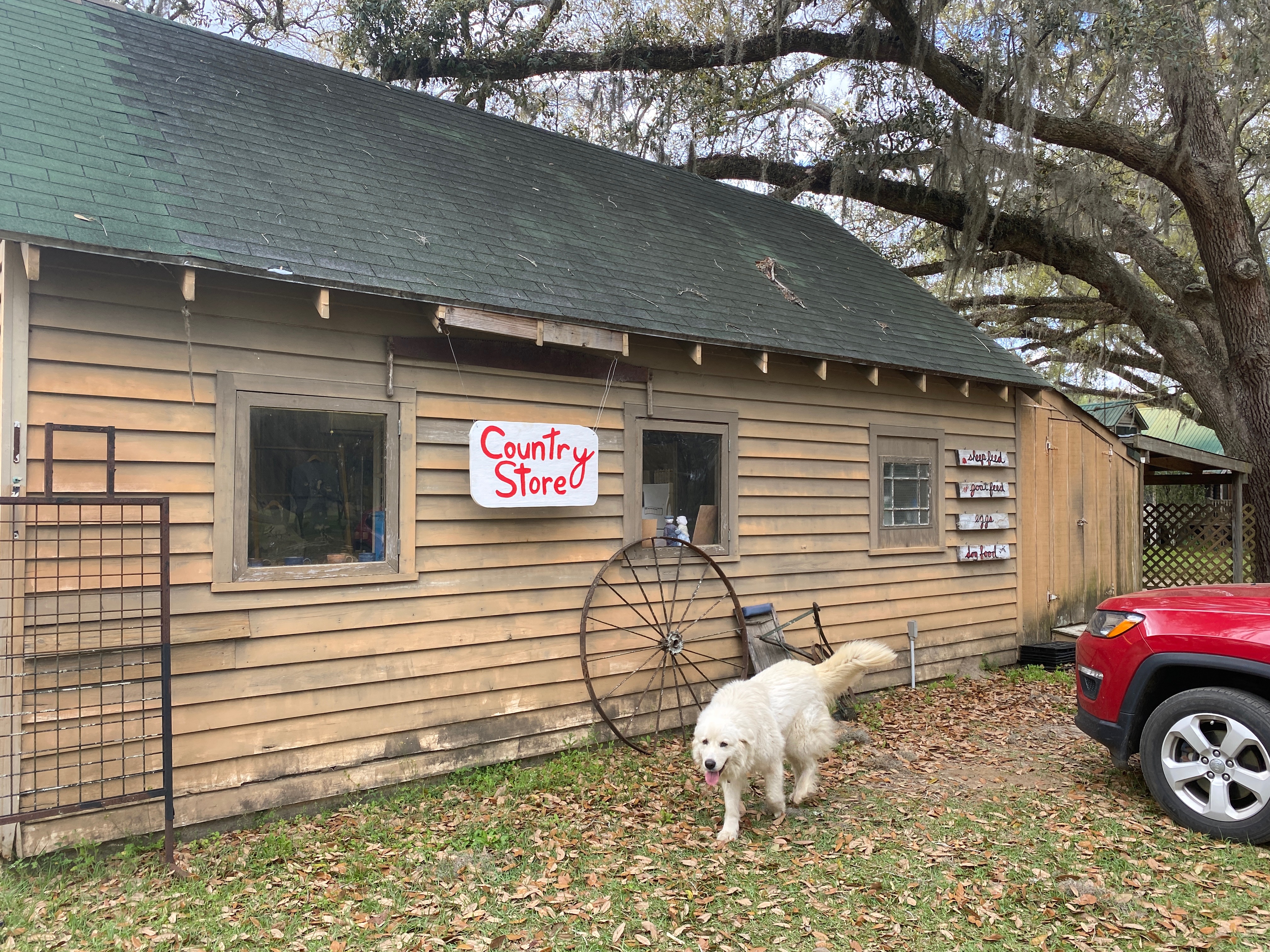
We shopped the cute country store, checked out the garden, fed the goats, and chatted with fellow RVers who were also parked in the large pastures. 

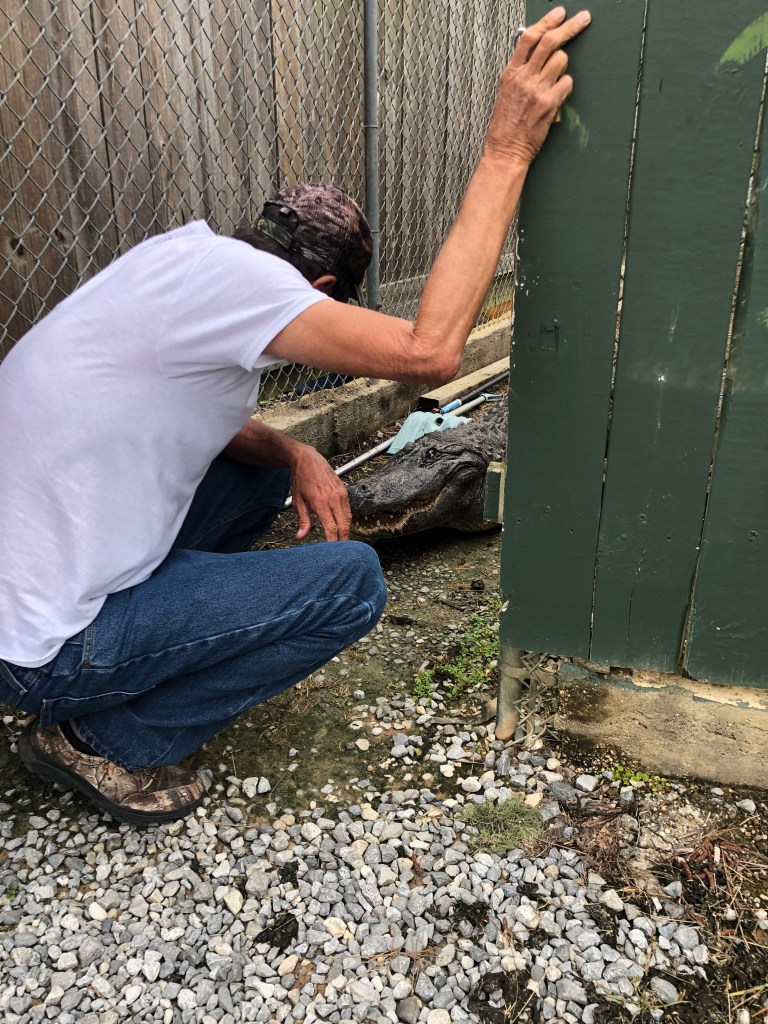
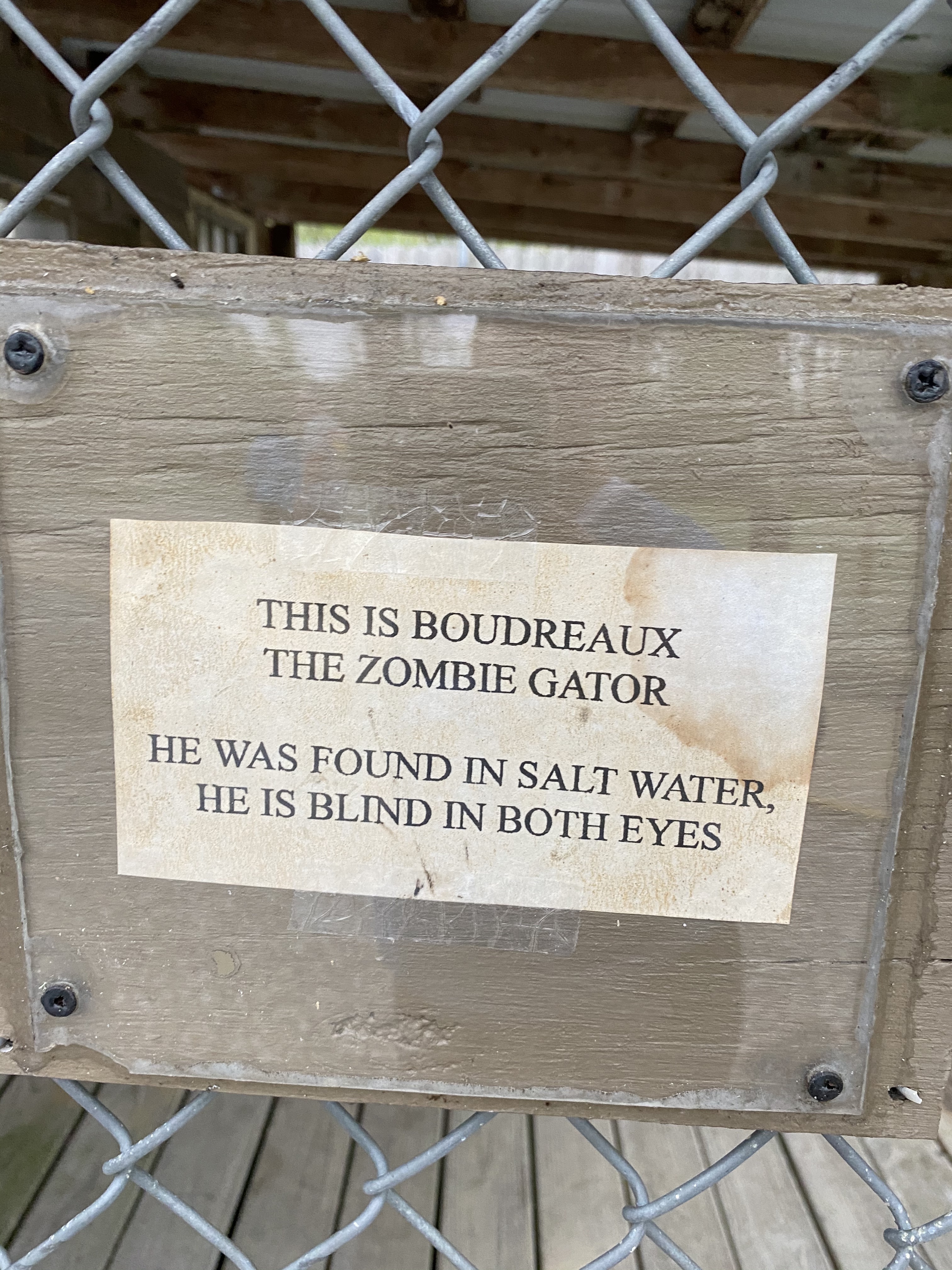
A few days later, while continuing our traverse westward, we stopped for the night at Gulf Coast Gator Ranch in Moss Point, MS. Yes, we parked right next to Boudreaux’s enclosure, home of the 13 foot alligator. It was a bit disconcerting until we learned he was “friendly” and blind.

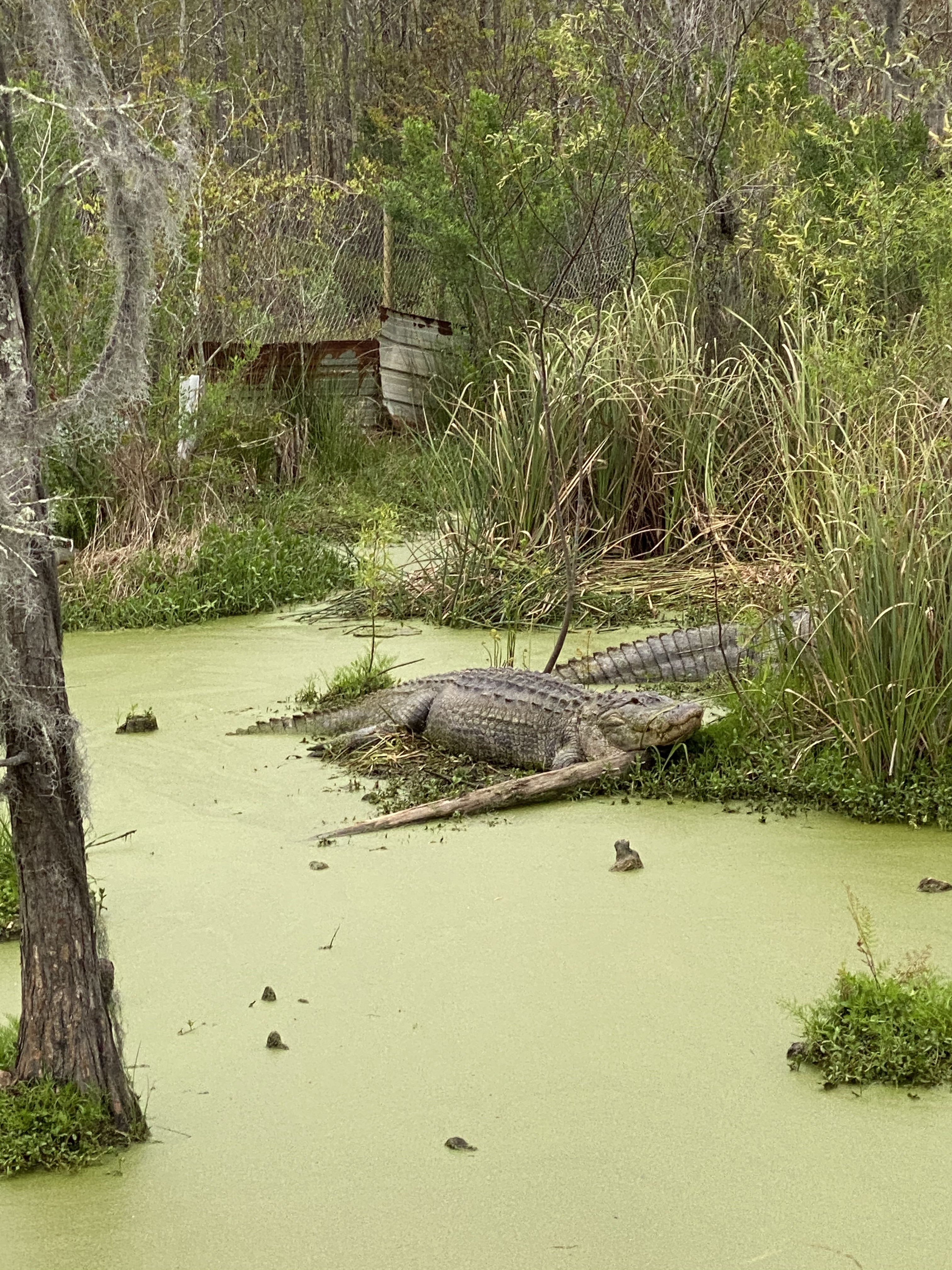
Because we were there after-hours, we were given private access to the property and strolled the gator grounds on our own. The ranch holds 60 adult gators in the main pond and another 20-30 juveniles in tanks.

At one time they had several hundred but many were washed away during Hurricane Katrina. The goal now is to build the population to about 100. Once a true farm for alligators, the facility now focuses on conservation and education. 

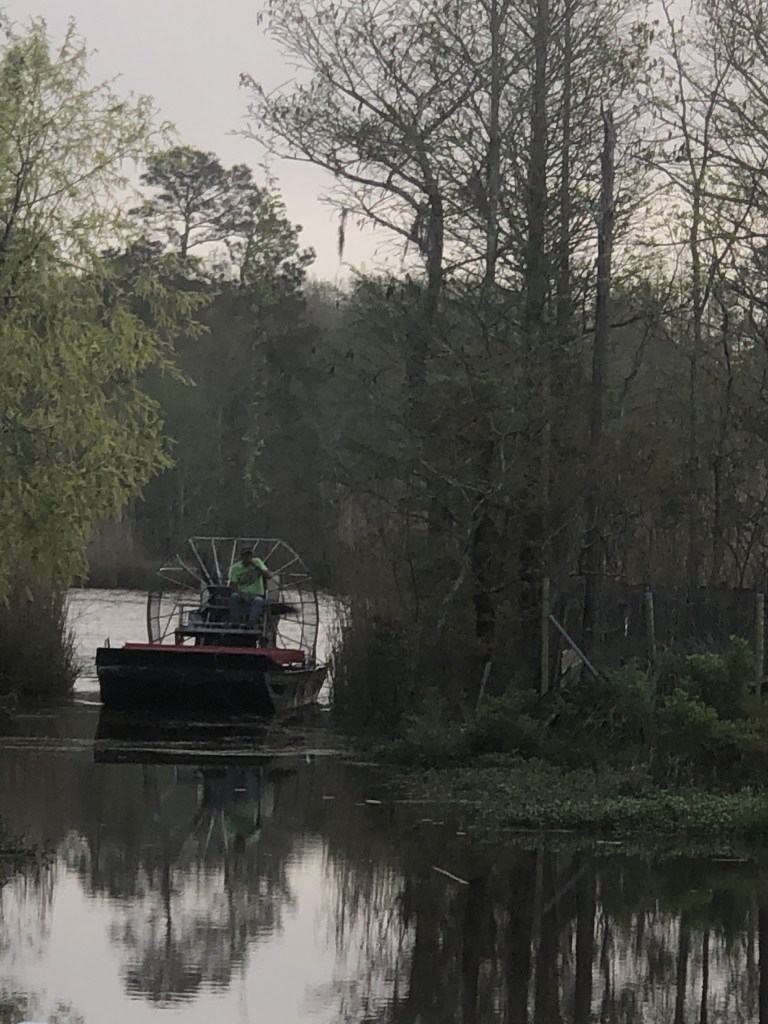
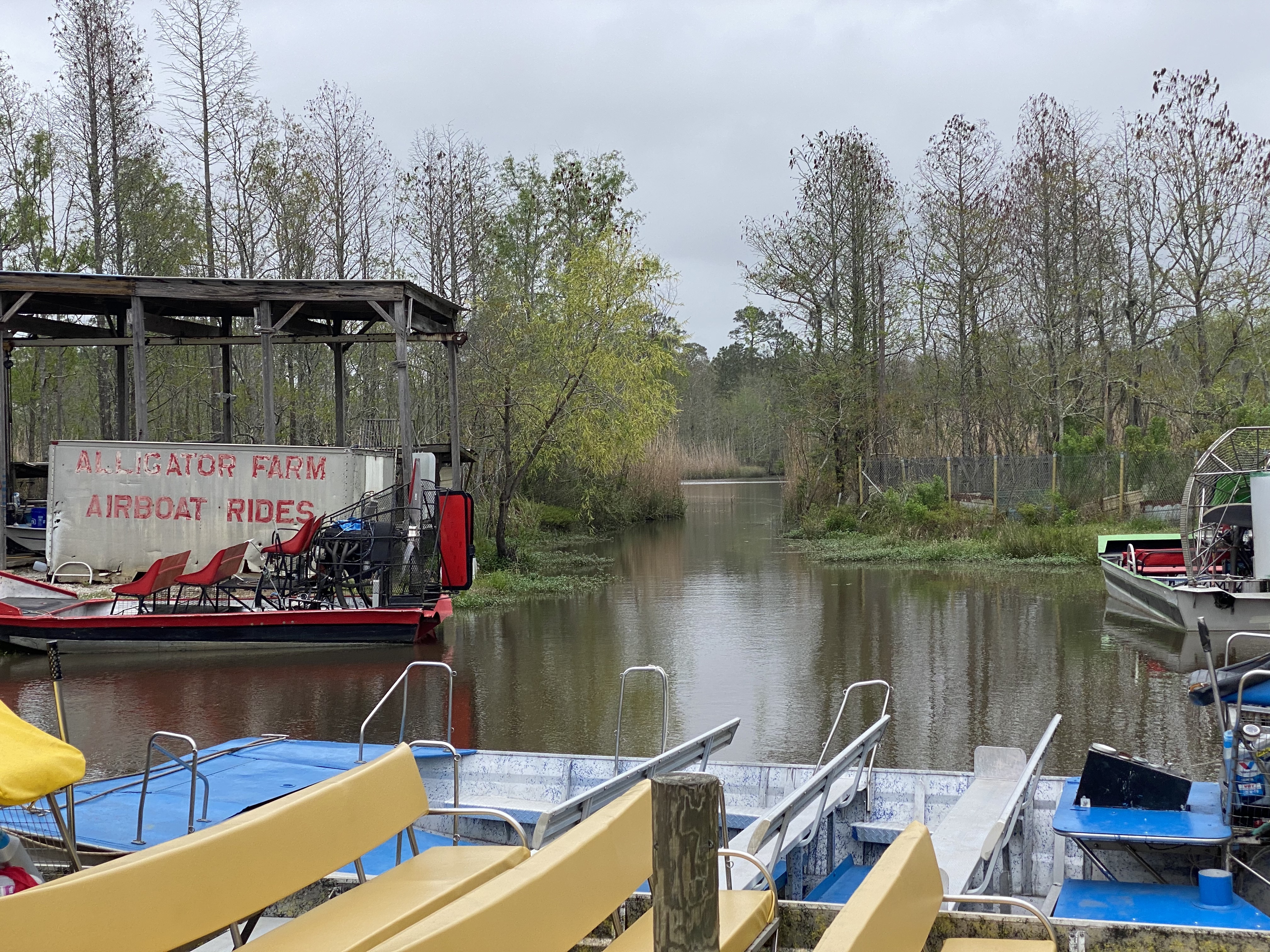
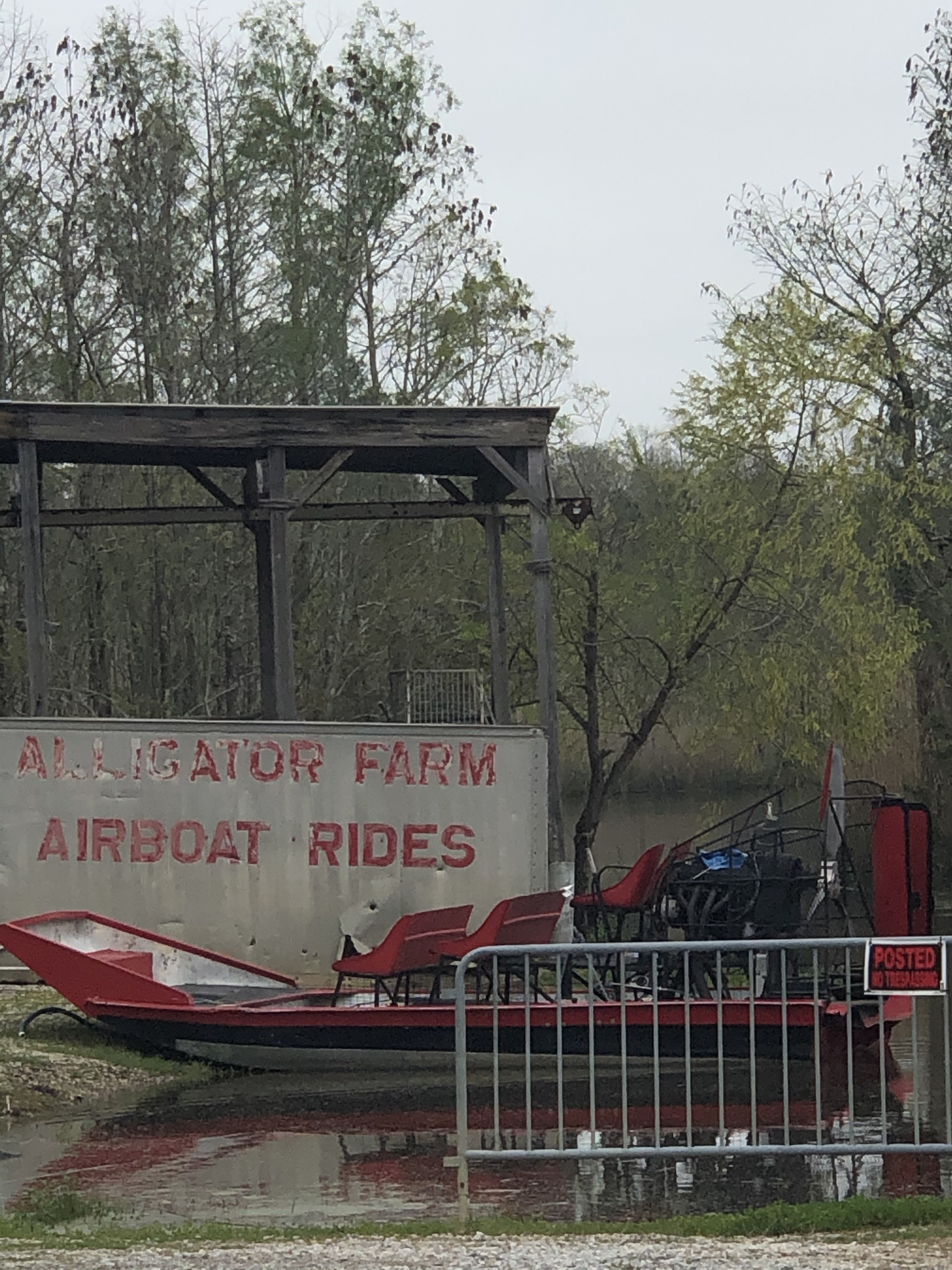
The next morning we joined Captain Tim (aka In-Tim-i-Gator) for a tour of the property via airboat. We spotted a few alligators and drew them closer with marshmallows.

Tim also took us on a fast, wild ride in the swamp on the airboat. What a thrill! This Harvest Host location was probably the most unique one to date. 

But then we stopped at the International Petroleum Museum, aka The Rig Museum in Morgan City, LA. The facility is a tribute to the offshore oil and gas industry and its impact on the world.

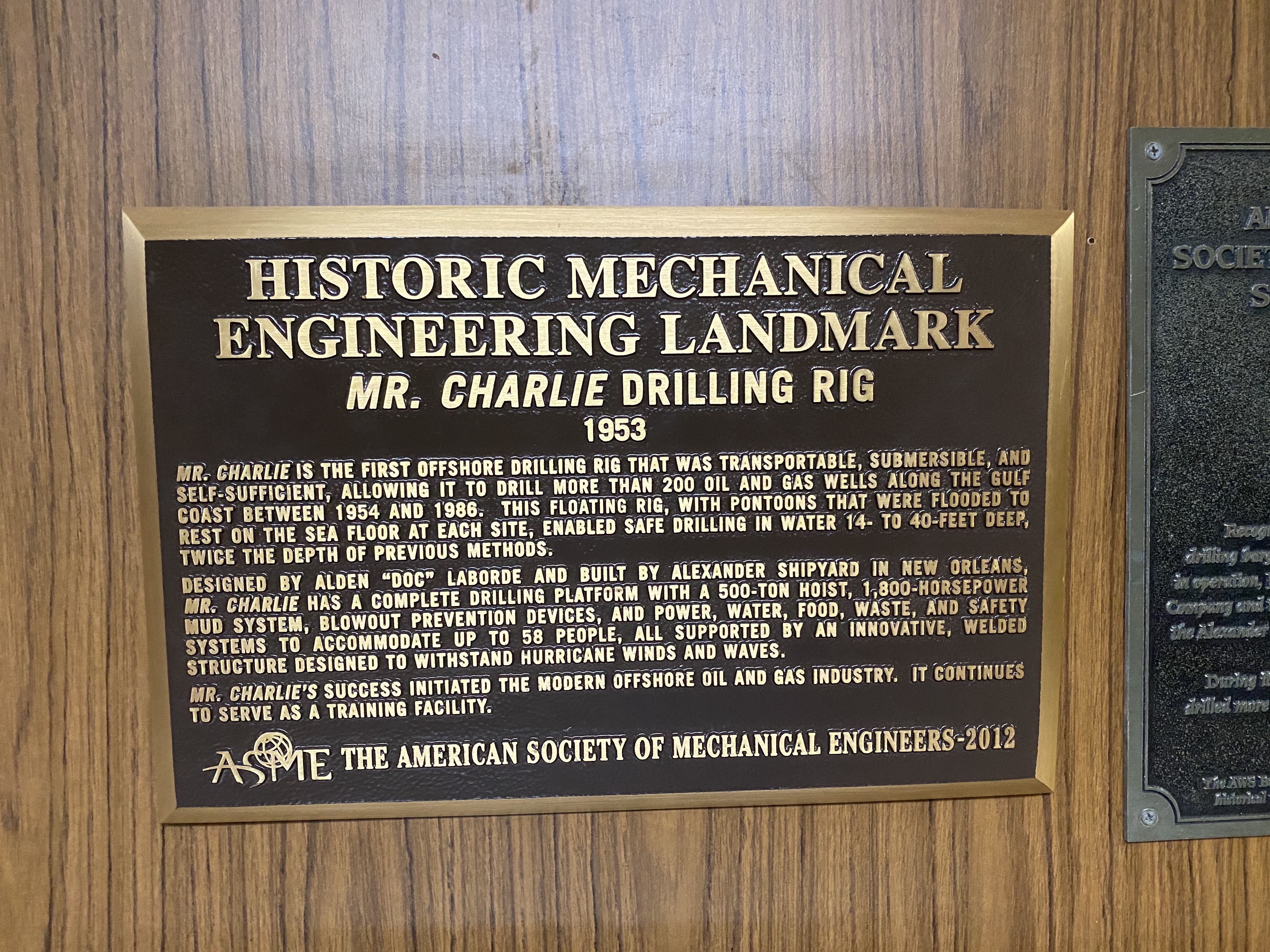
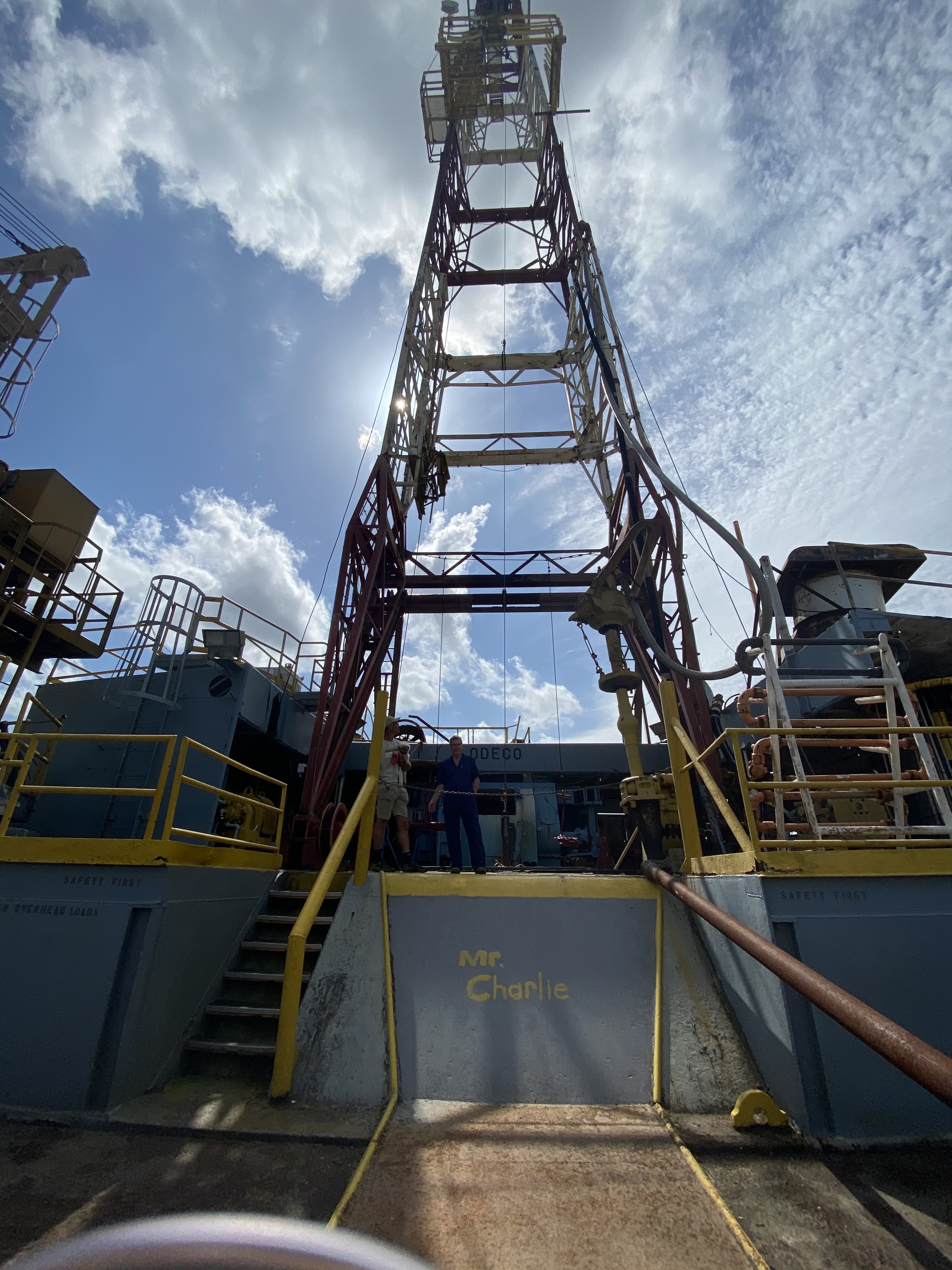
“Mr. Charlie” is the first offshore drilling rig that was transportable, submersible, and self-sufficient, allowing it to drill more than 200 oil wells along the Gulf Coast between 1954 and 1986. Mr. Charlie was the first moveable rig and has been preserved for training and educational purposes. 

We were lucky enough to get a personal tour of Mr. Charlie by Virgil Allen, the museum’s founder. While telling us about the history of the museum it was apparent that Mr. Allen was a visionary when he lobbied to save the rig when it was slated for scrap. Now The Rig Museum is an educational place where Harvest Hosters like us can expand our horizons. 

We’re headed for Lafayette, LA, the heart of Cajun country and can’t wait to share our experiences in the next post.