The Bears of Katmai

If you only have one thing on your bucket list, might we suggest it be a visit to Katmai National Park to see the bears at Brooks Falls? It’s been on our list since we found the live webcam of the bears. We’ve checked in on these bears occasionally for awhile and couldn’t wait to finally meet them in person. 
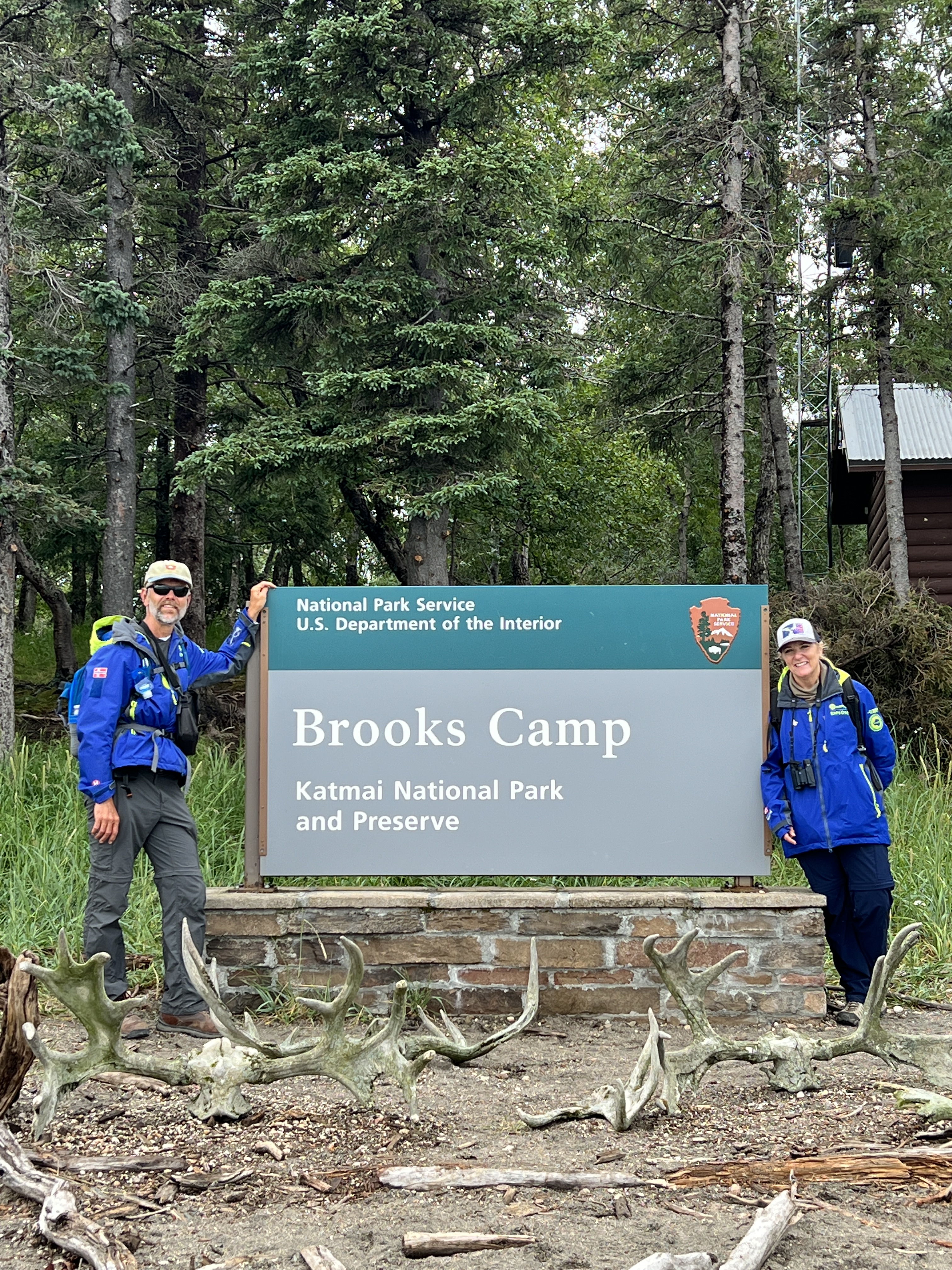
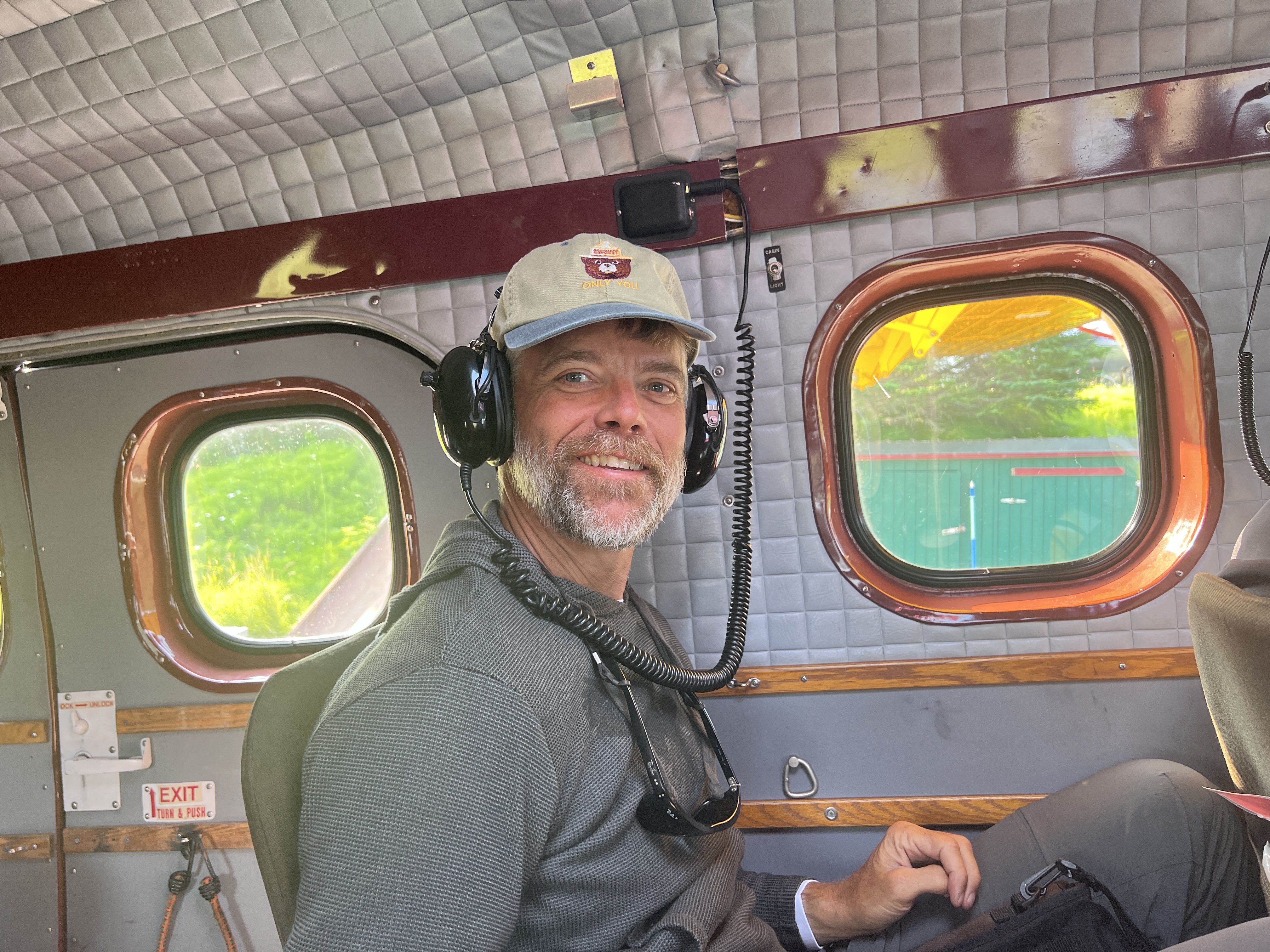
Our adventure through Bald Mountain Air took us via floatplane from Homer to the shores of Brooks Camp. We landed on the water and walked the beach to the nearby ranger station.

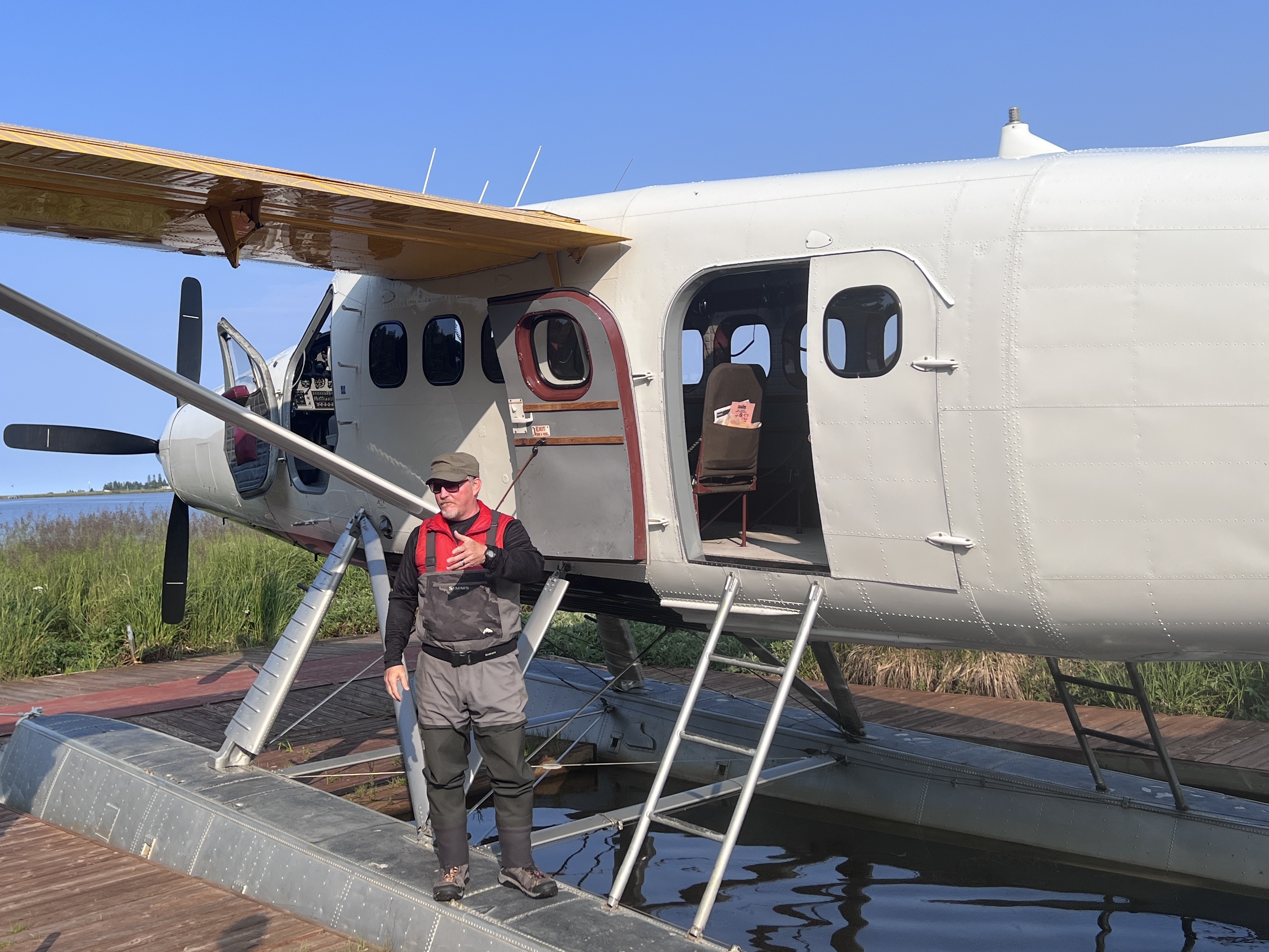
There we attended Bear Watching 101 class and earned our passage into the park. We needed to know how to stay safe in a wilderness where over 2,200 bears roam free.

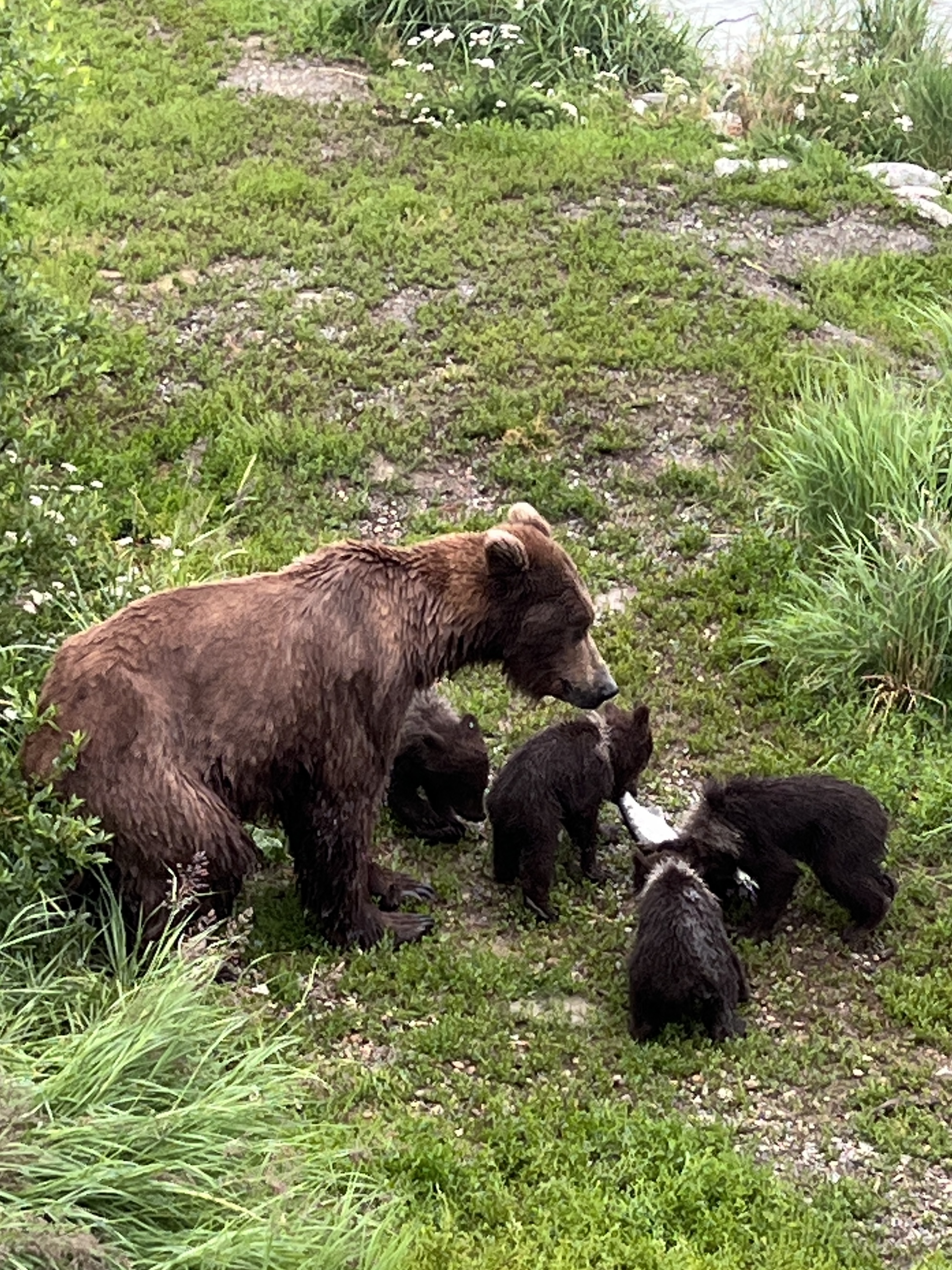
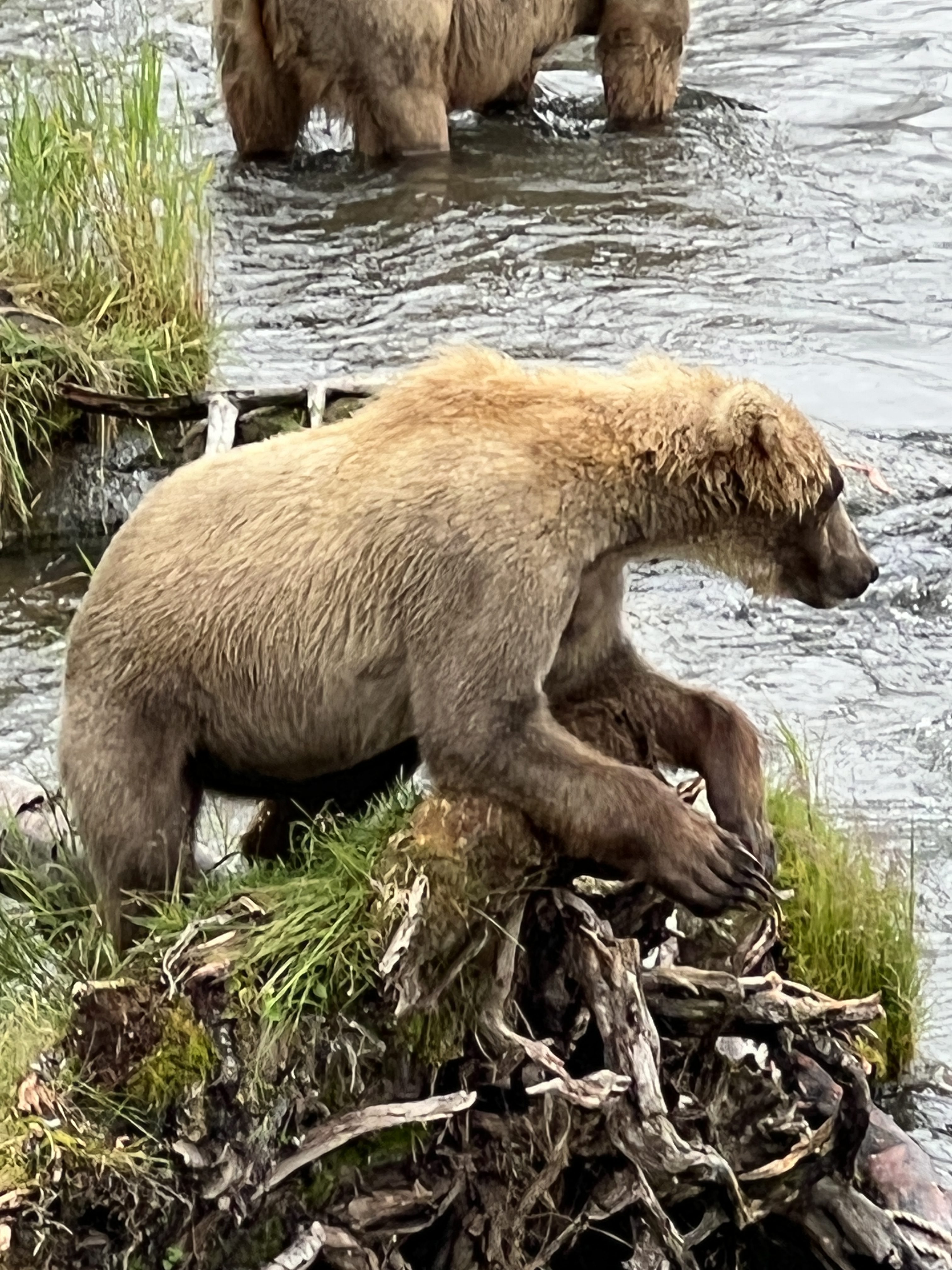
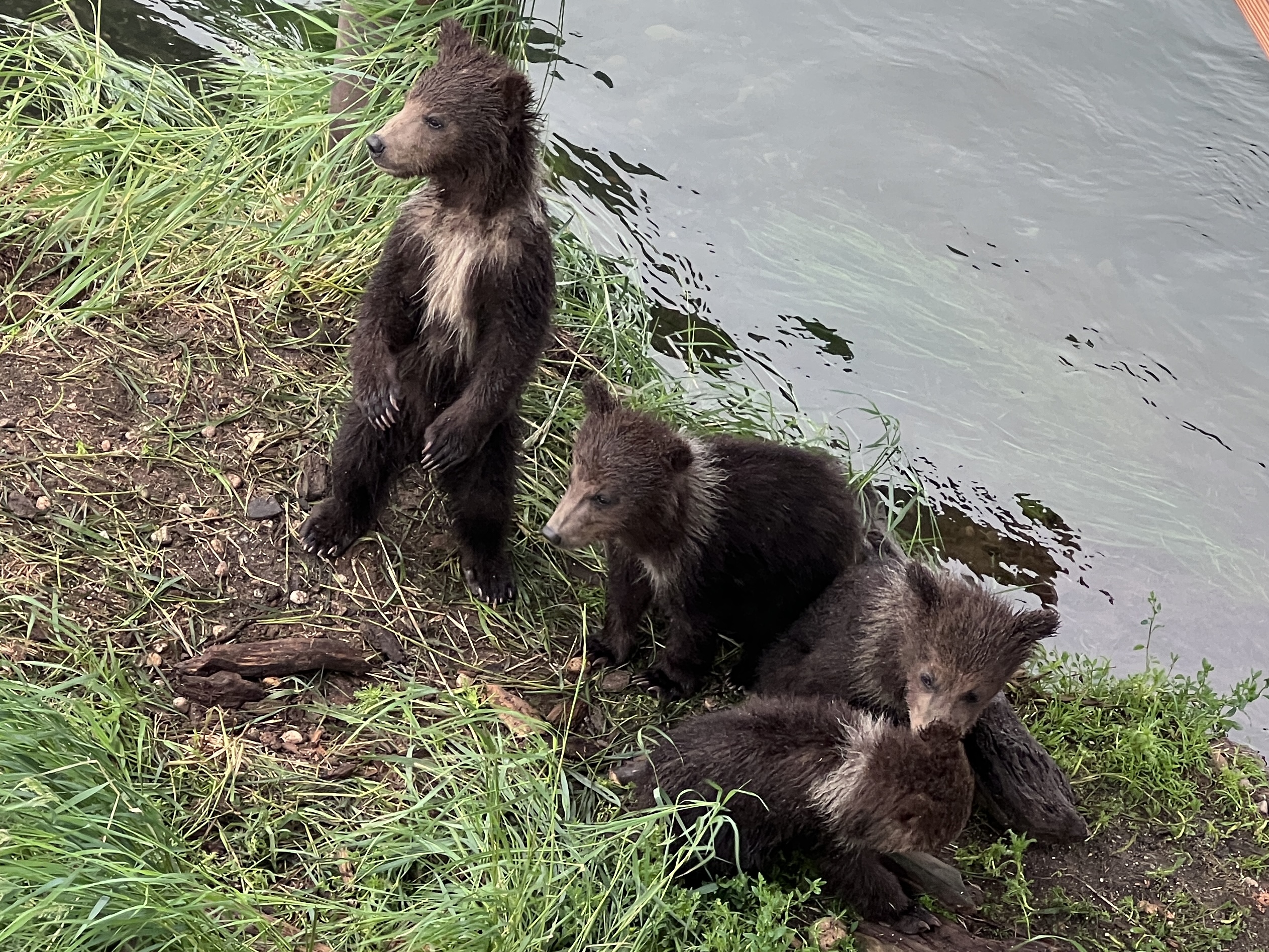
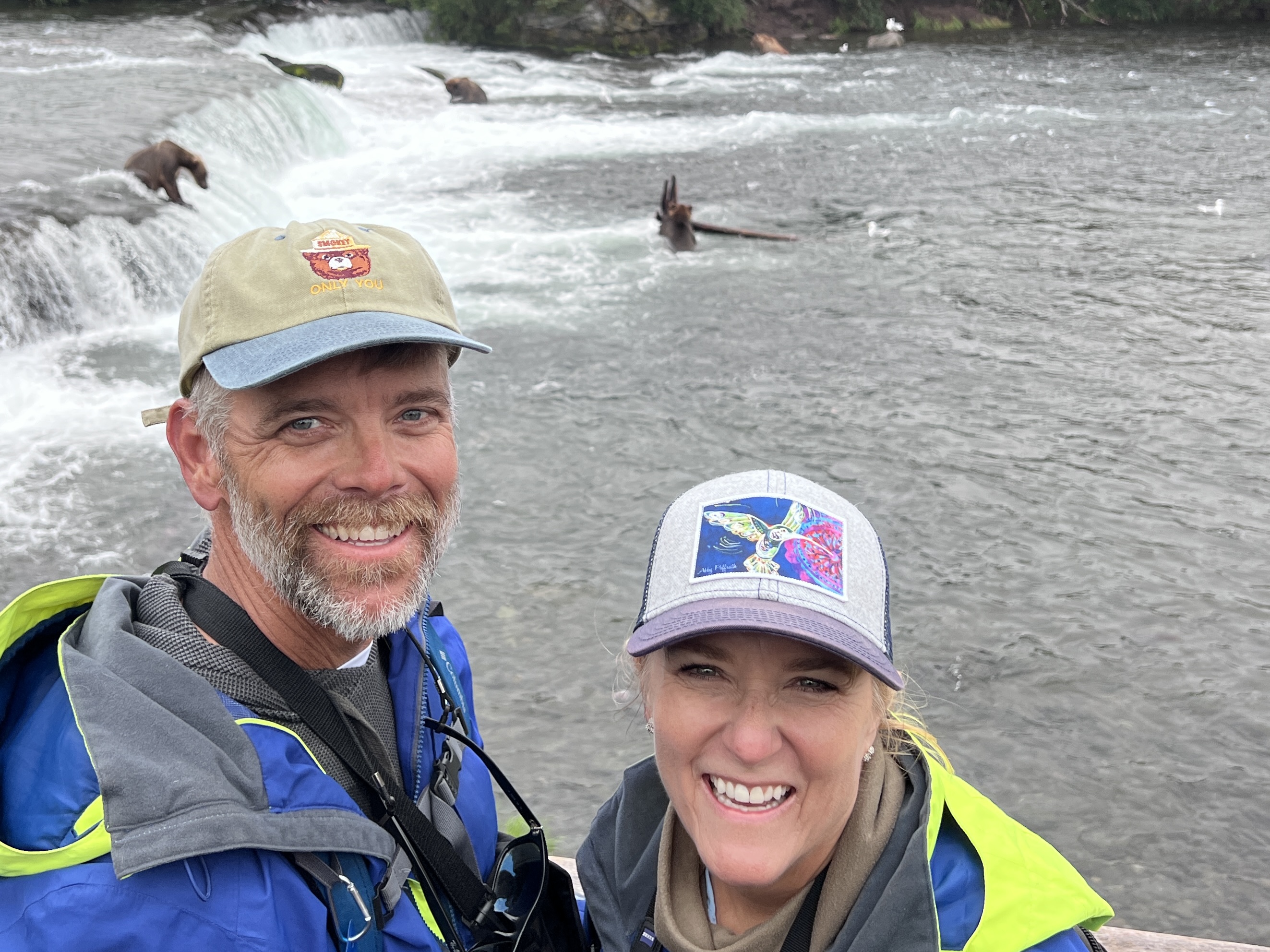
We walked about a quarter mile before we saw our first bears—mama and her FOUR cubs! We watched as the mama bear caught a fish, brought it to her cubs, and the cubs fought over it. It was nothing short of incredible. 
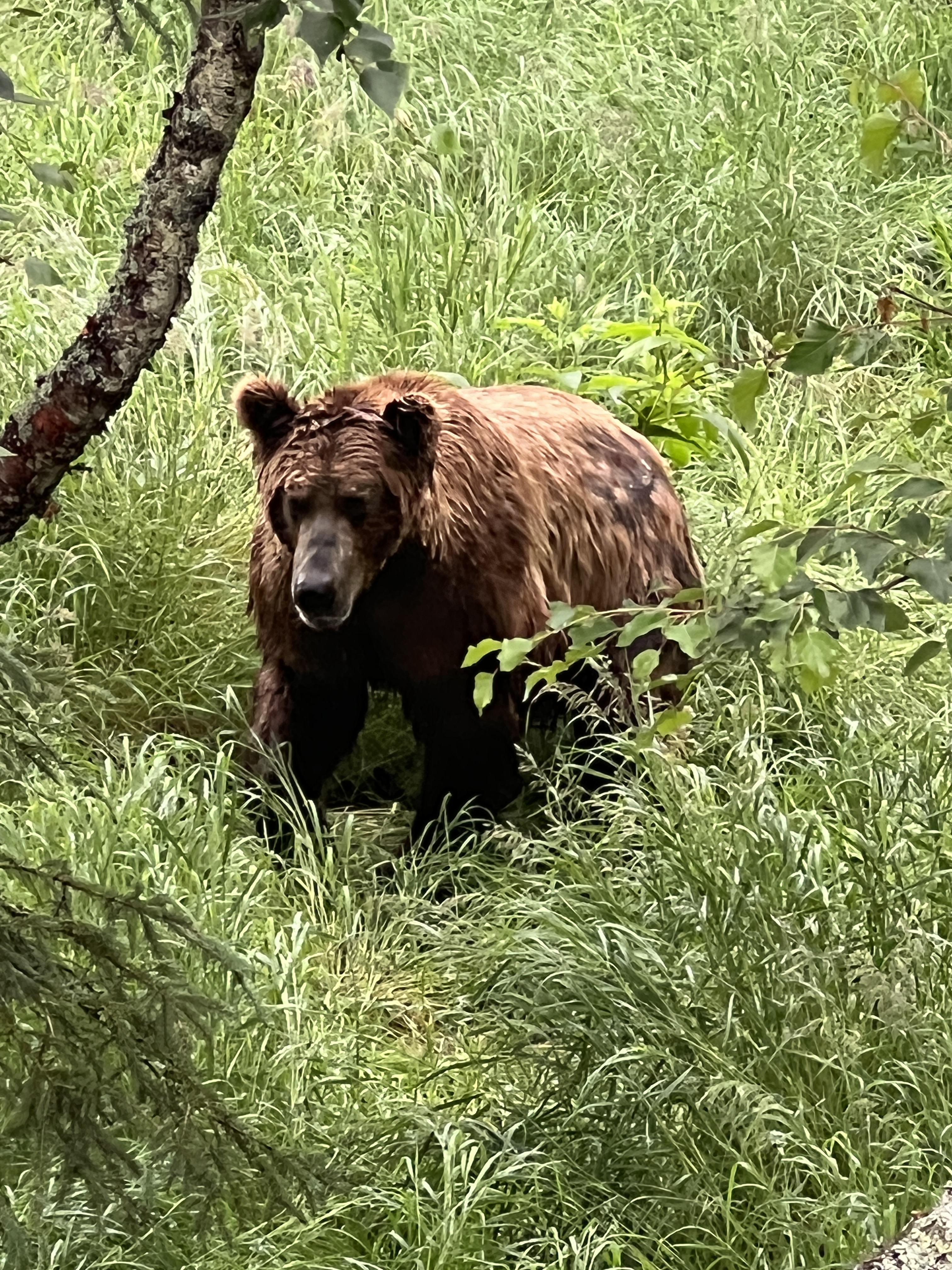
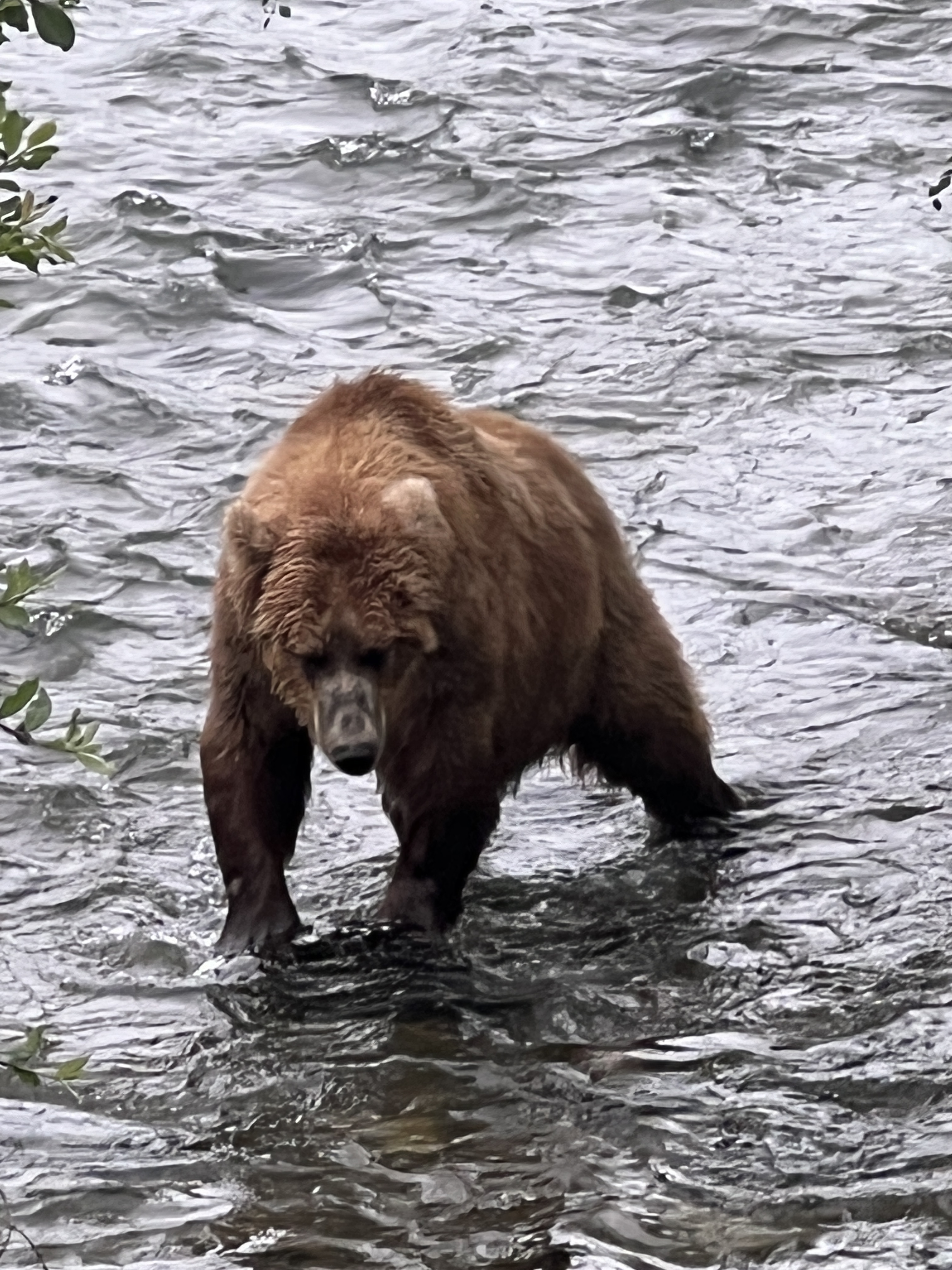
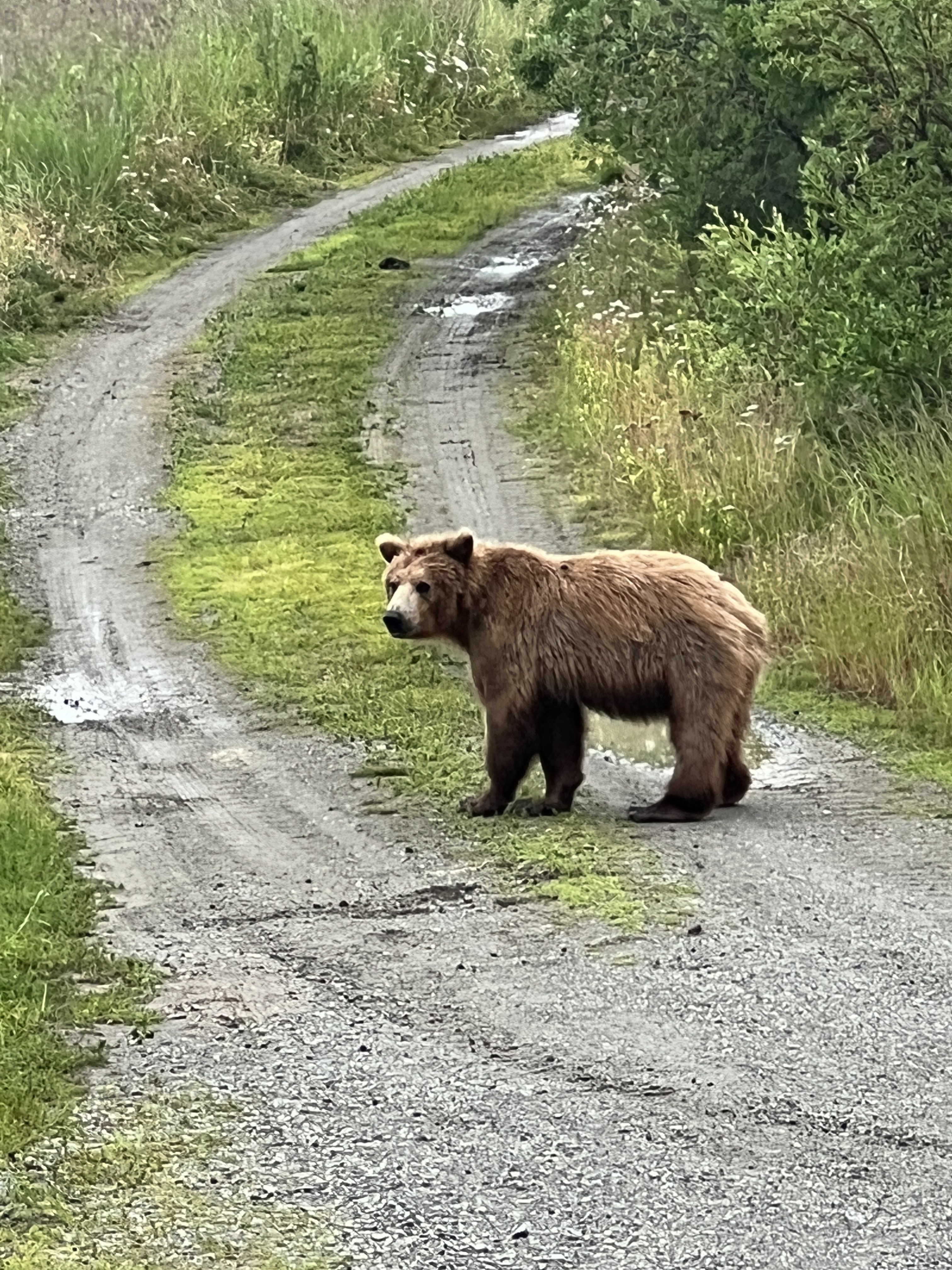
From there we walked across the Brooks River and had to stop our progress to let another big one pass by.

After about a mile walk to the official viewing platforms we watched the action for several hours. 
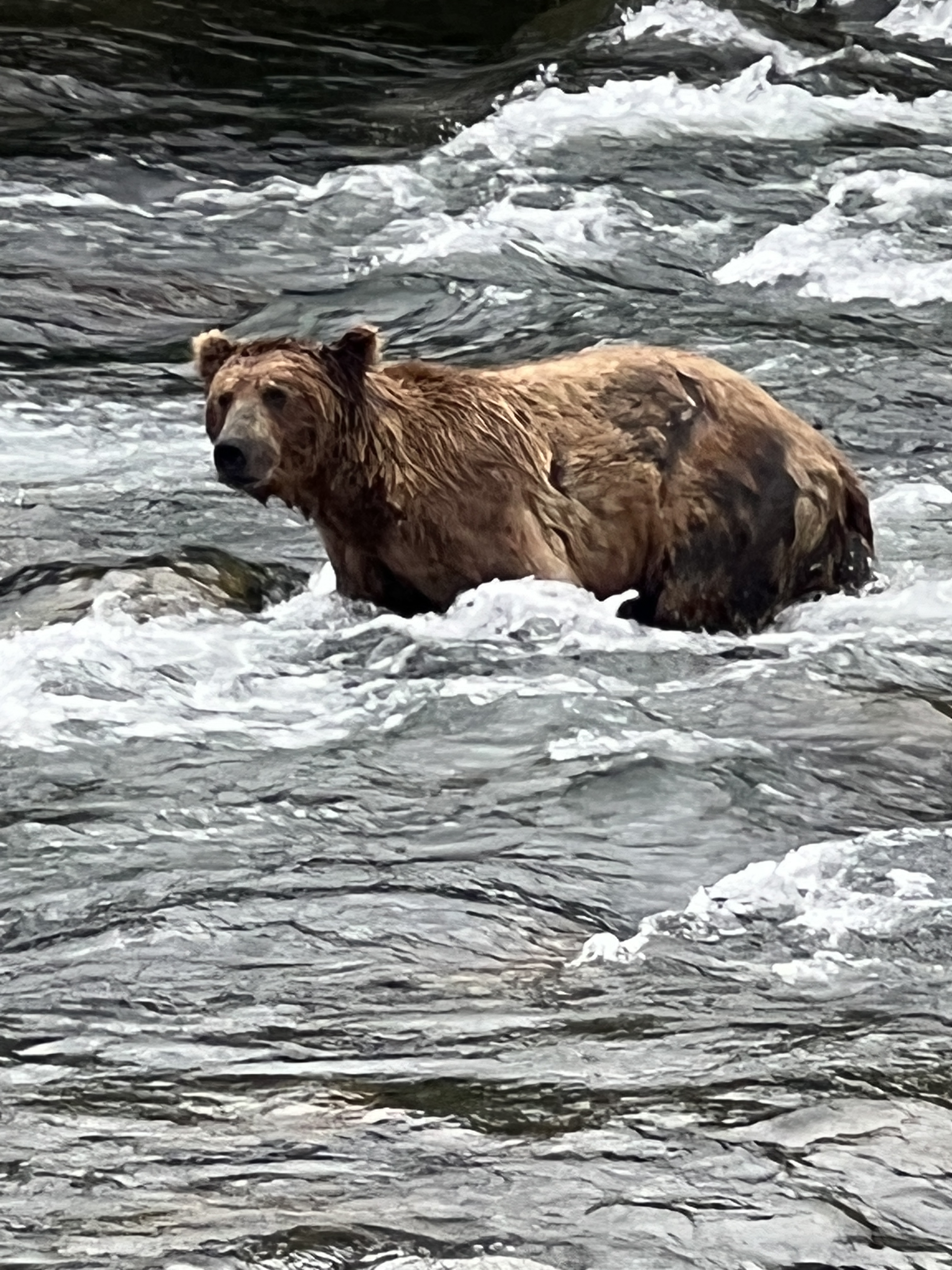
We learned so much about bears while in Katmai. Here are a few facts that we found interesting:

  • All grizzly bears are brown bears but not all brown bears are grizzlies. Technically, the difference is in what they eat and their proximity to the coast. The bears in Katmai are coastal brown bears.
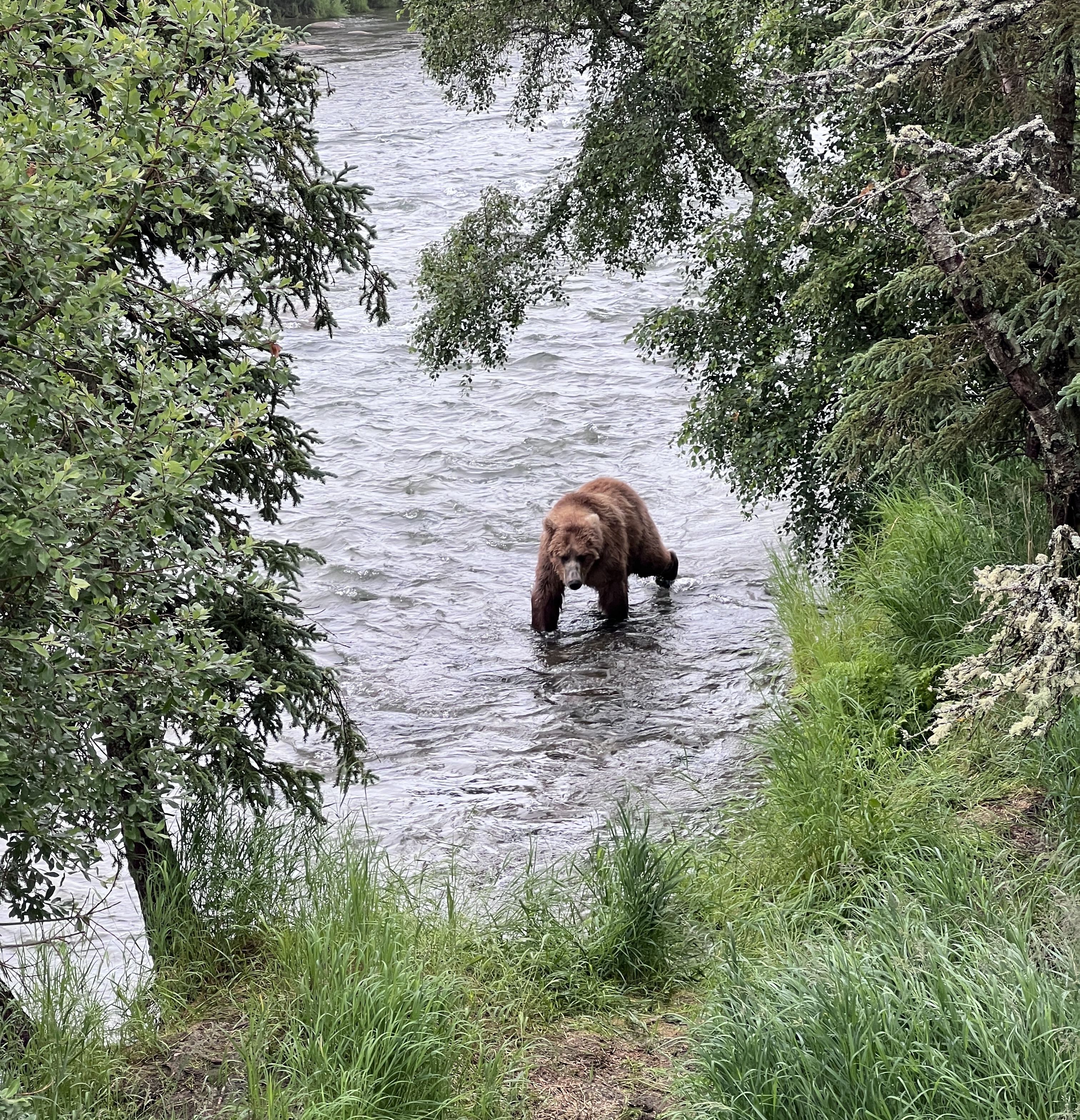
  • The bears come to Brooks Falls because of the large number of salmon that move through the river. July is the best time to see the bears because this is when the salmon numbers are highest.
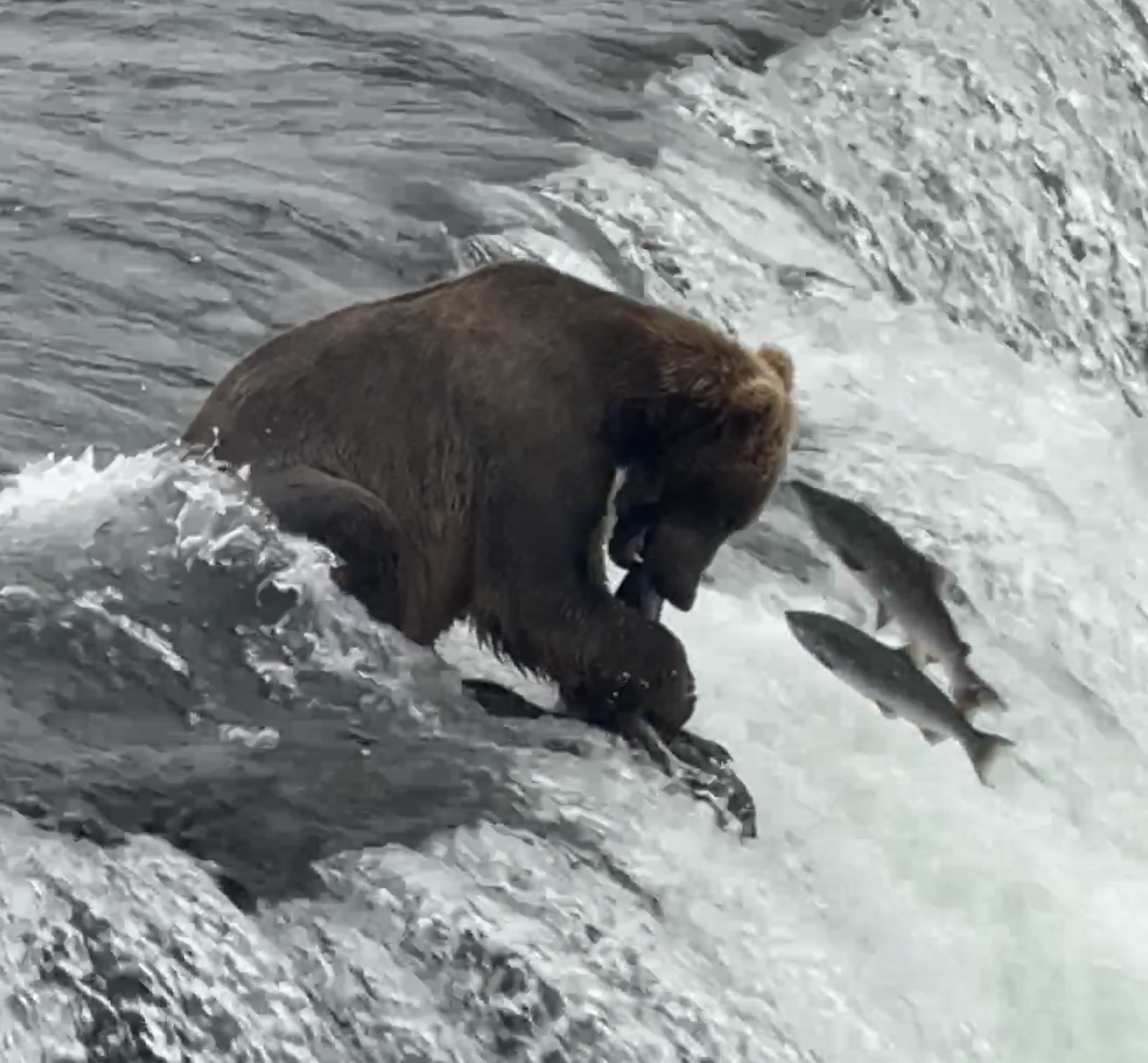
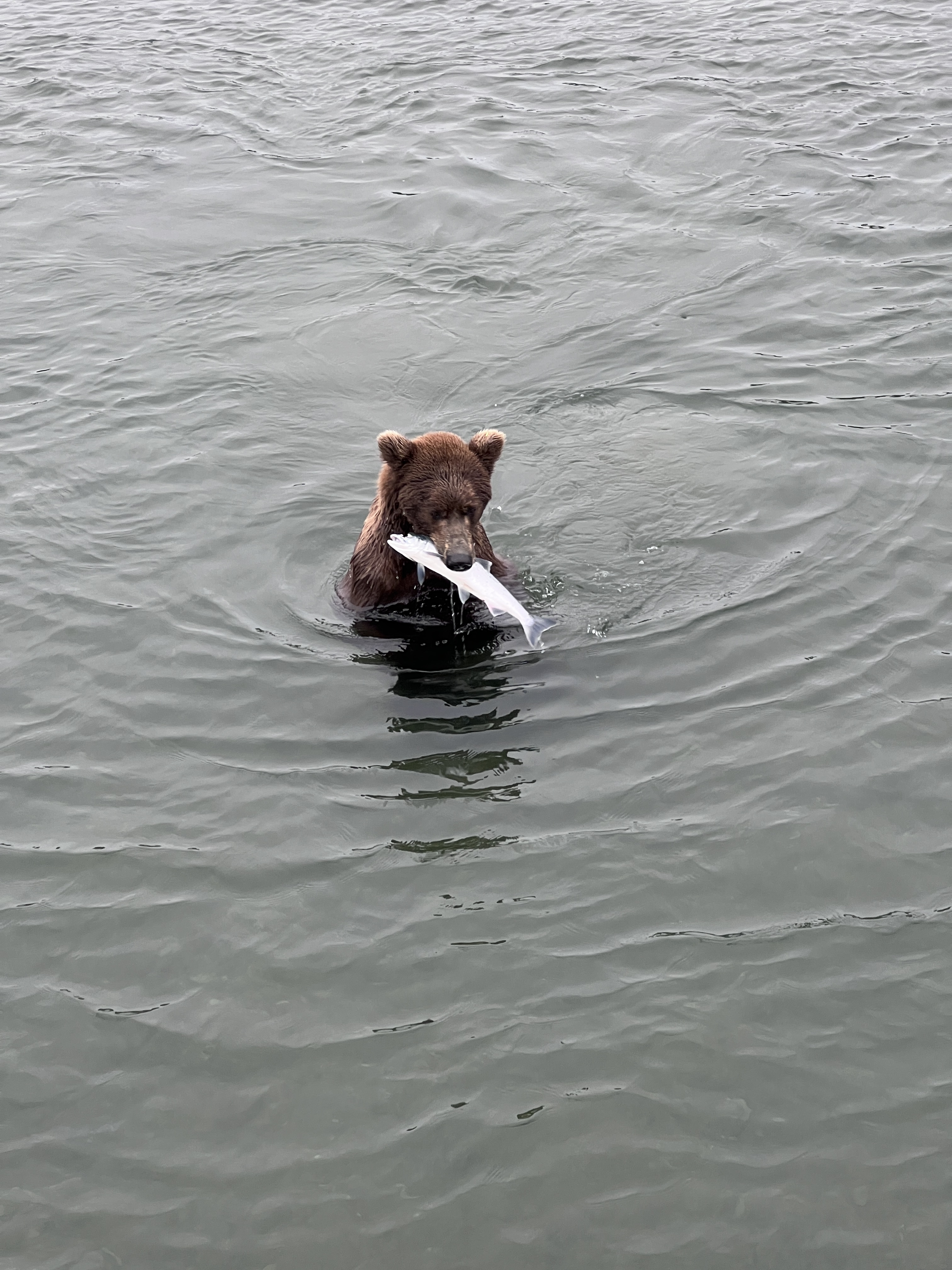
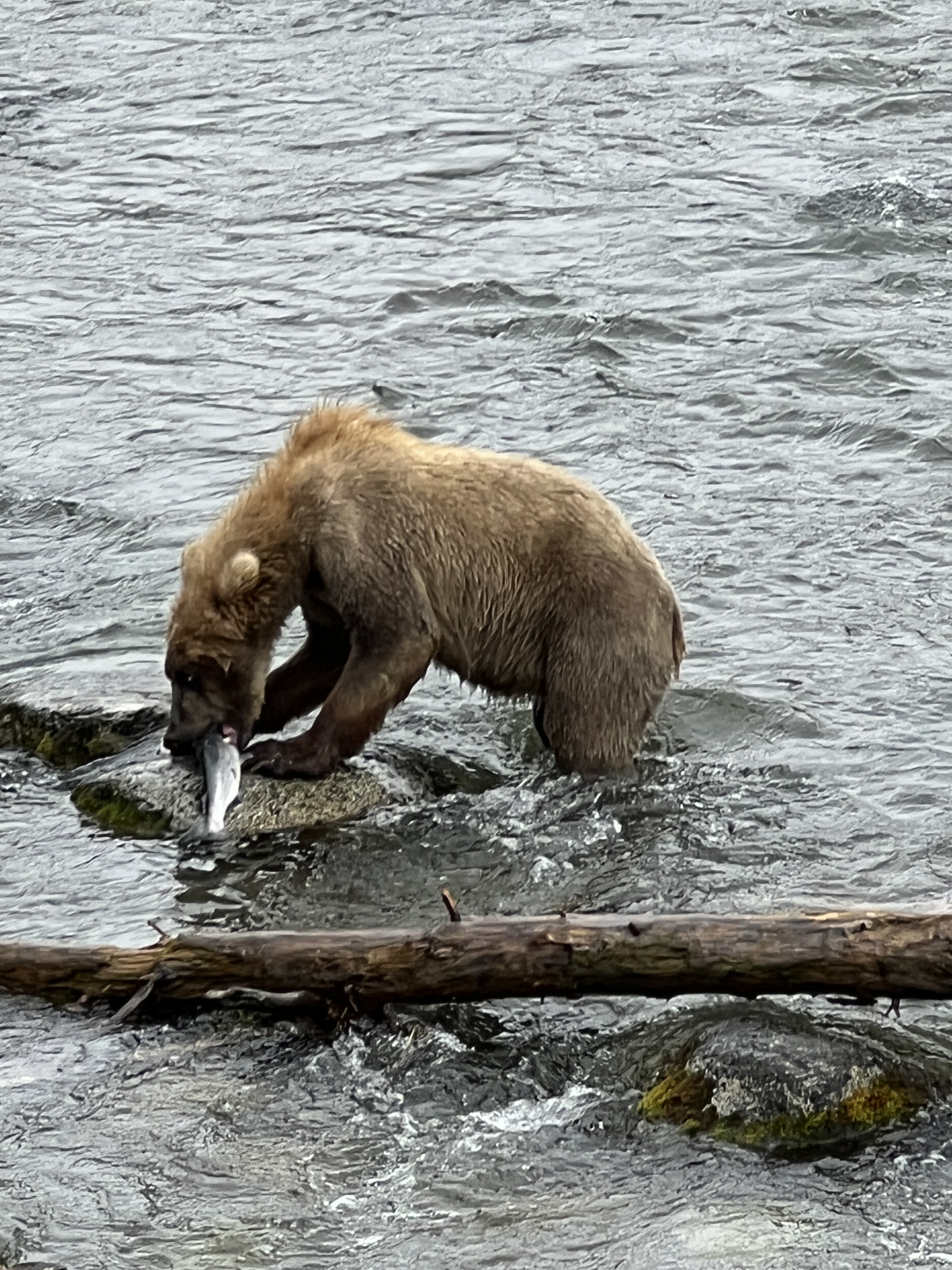
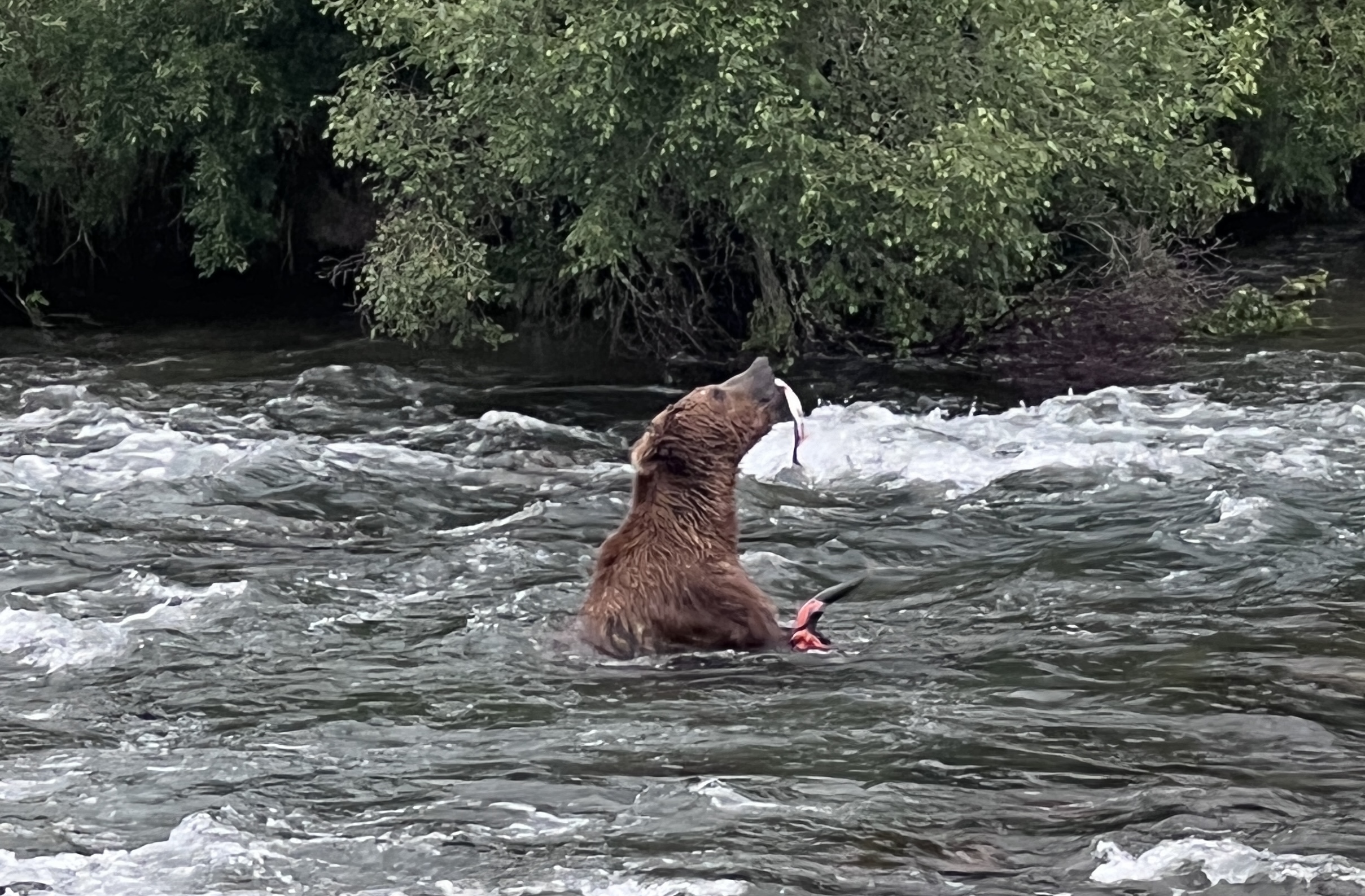
  • The bears have different fishing styles. A few examples are “stand and wait,” “sit and wait,” “snorkeling,” and “diving.” Here’s a video of the “stand and wait” method.
  • Bear cubs stay with their mothers for 2.5 years. During the first year they are called “springs” (born in the spring) and in the second year they are called yearlings. We watched a mother nurse her two yearlings, right under the viewing platform. 
  • Katmai’s bears typically only eat the skin, brains, and eggs of the salmon, which are the fattiest parts. This allows them to maximize the calories while managing their energy output. 

Even though this excursion took all day, our time at Brooks Falls was way too short. We would love to return again someday to spend more time with these magnificent creatures. In the meantime, we’ll be watching the bearcam regularly!
Birdseye View of Wrangell-St. Elias

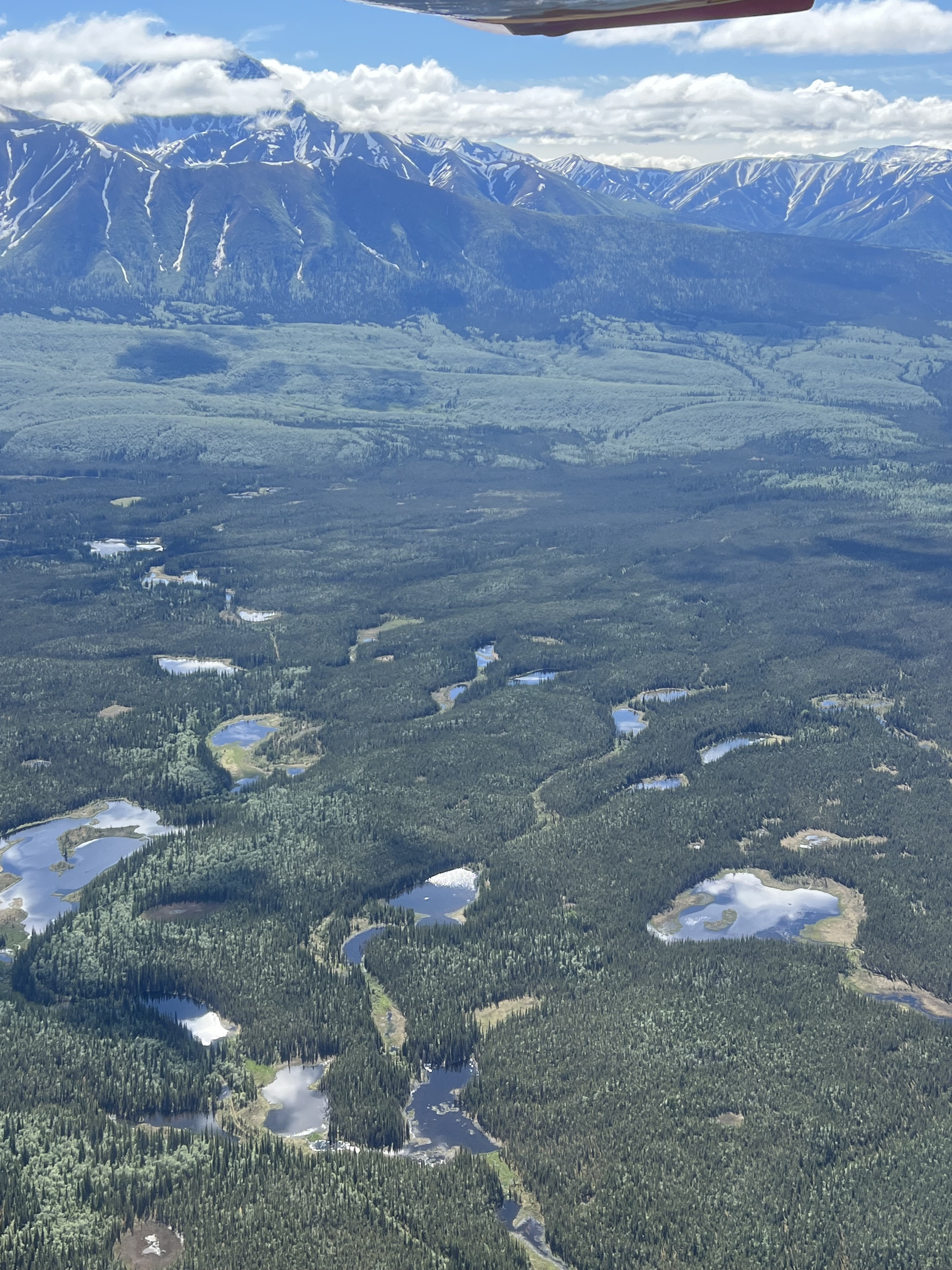
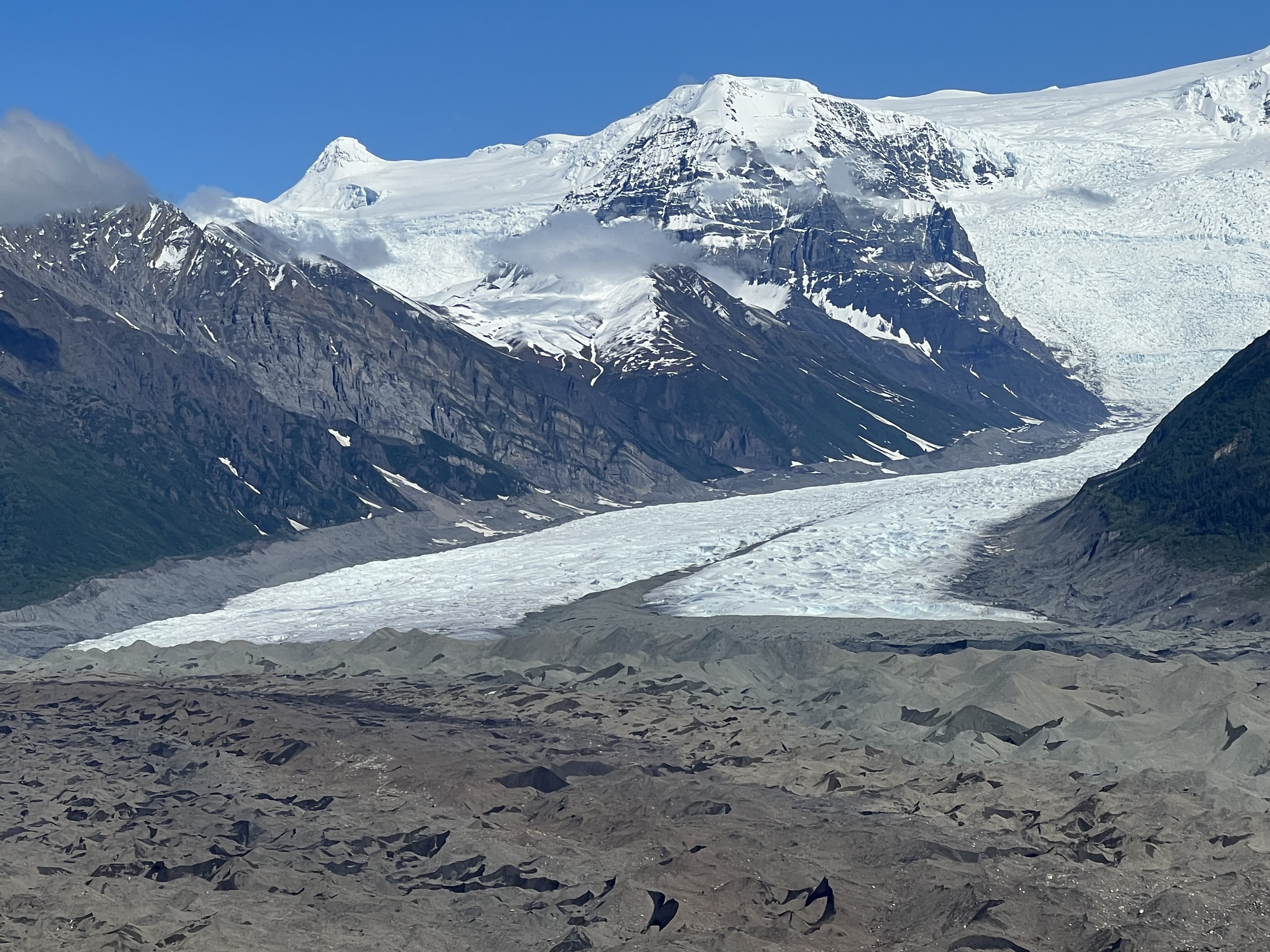
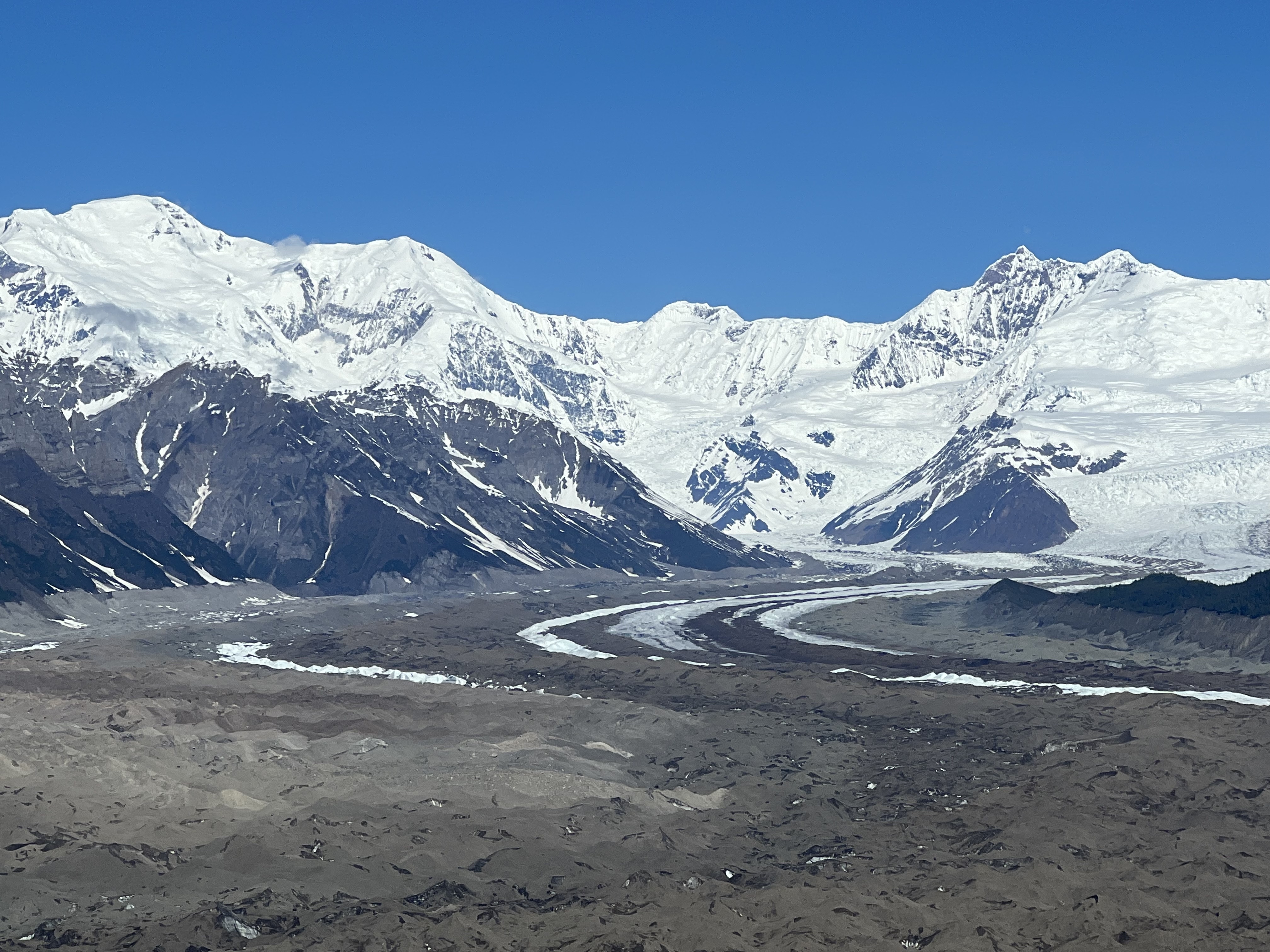
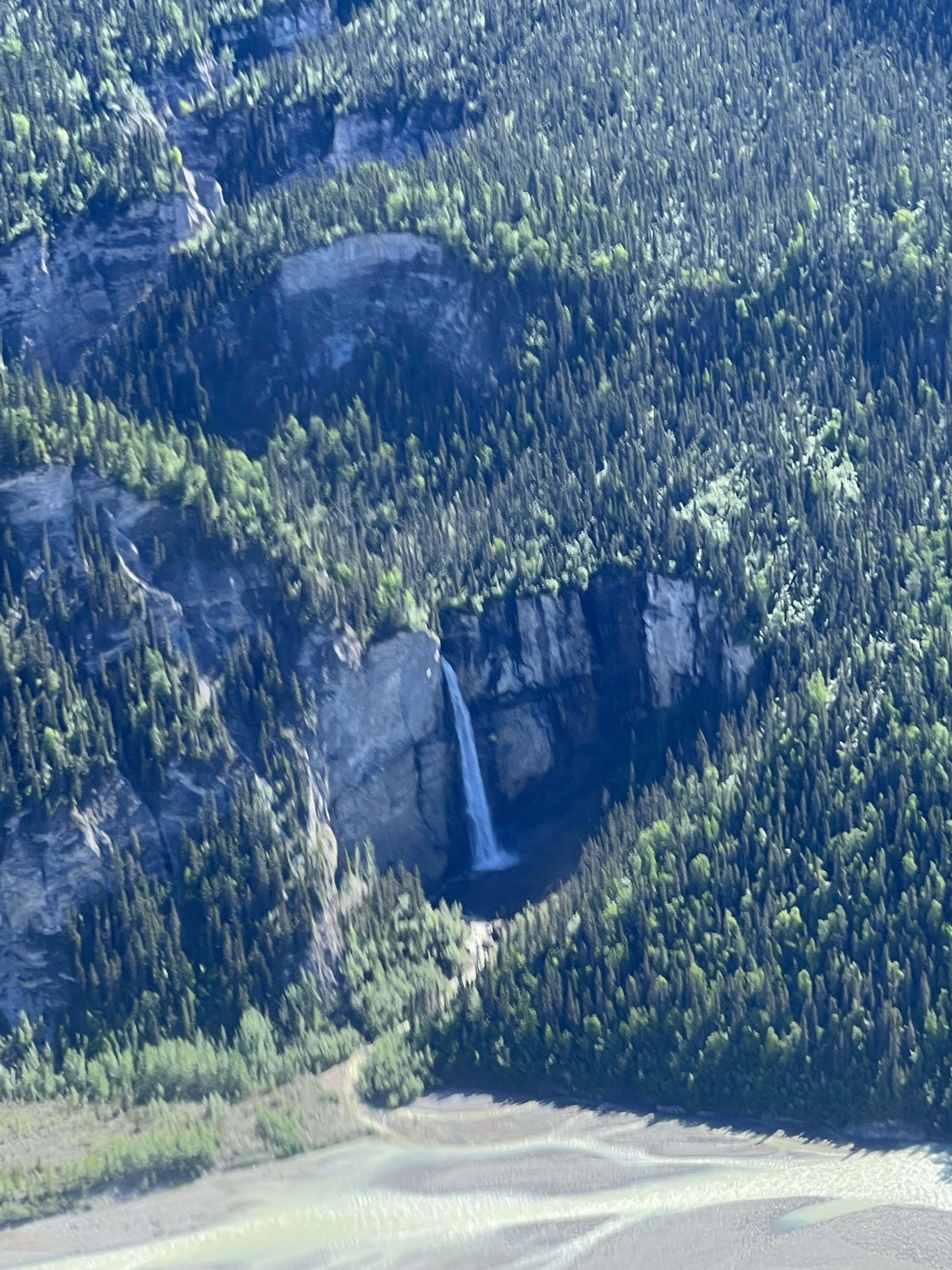
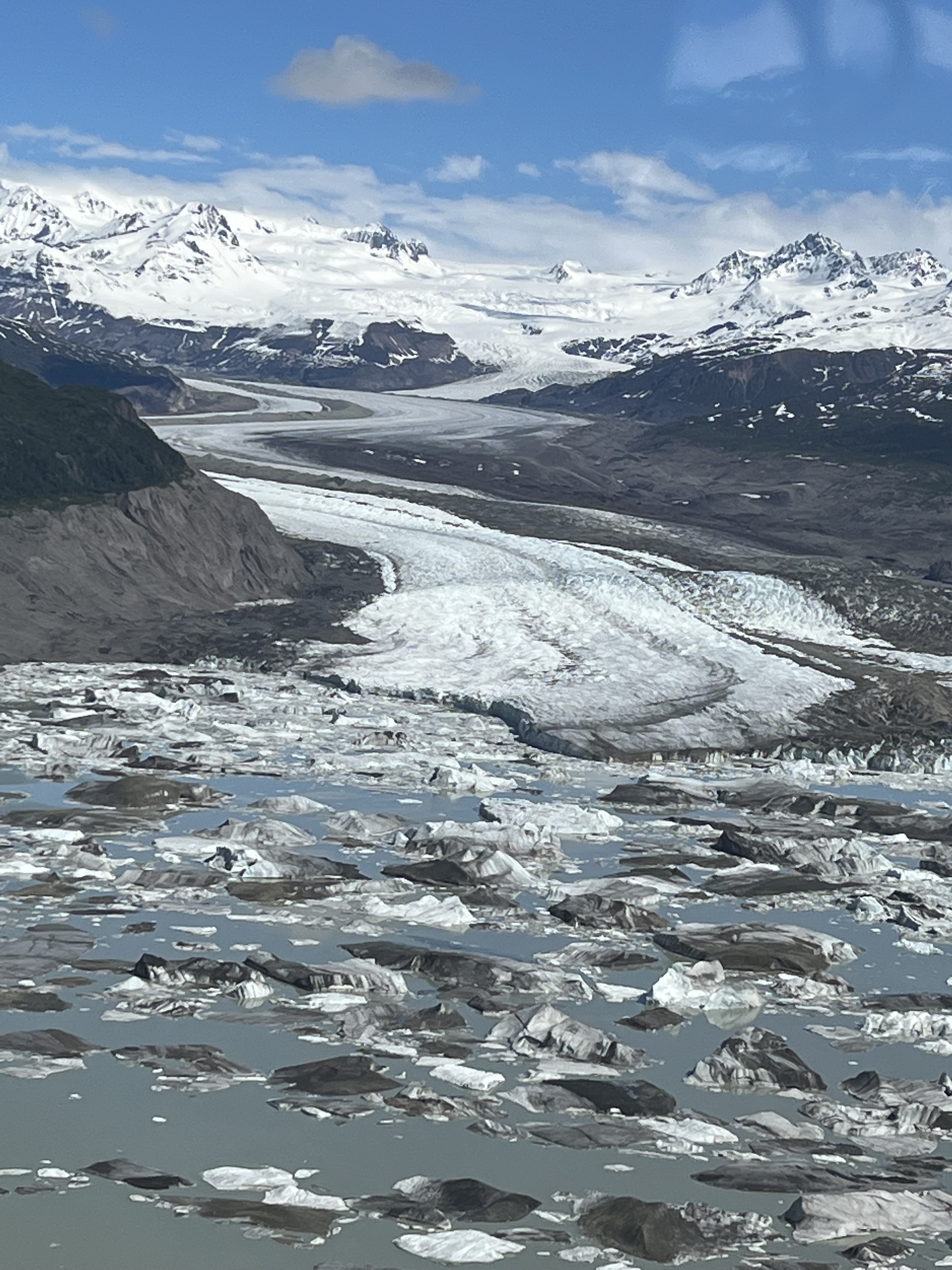
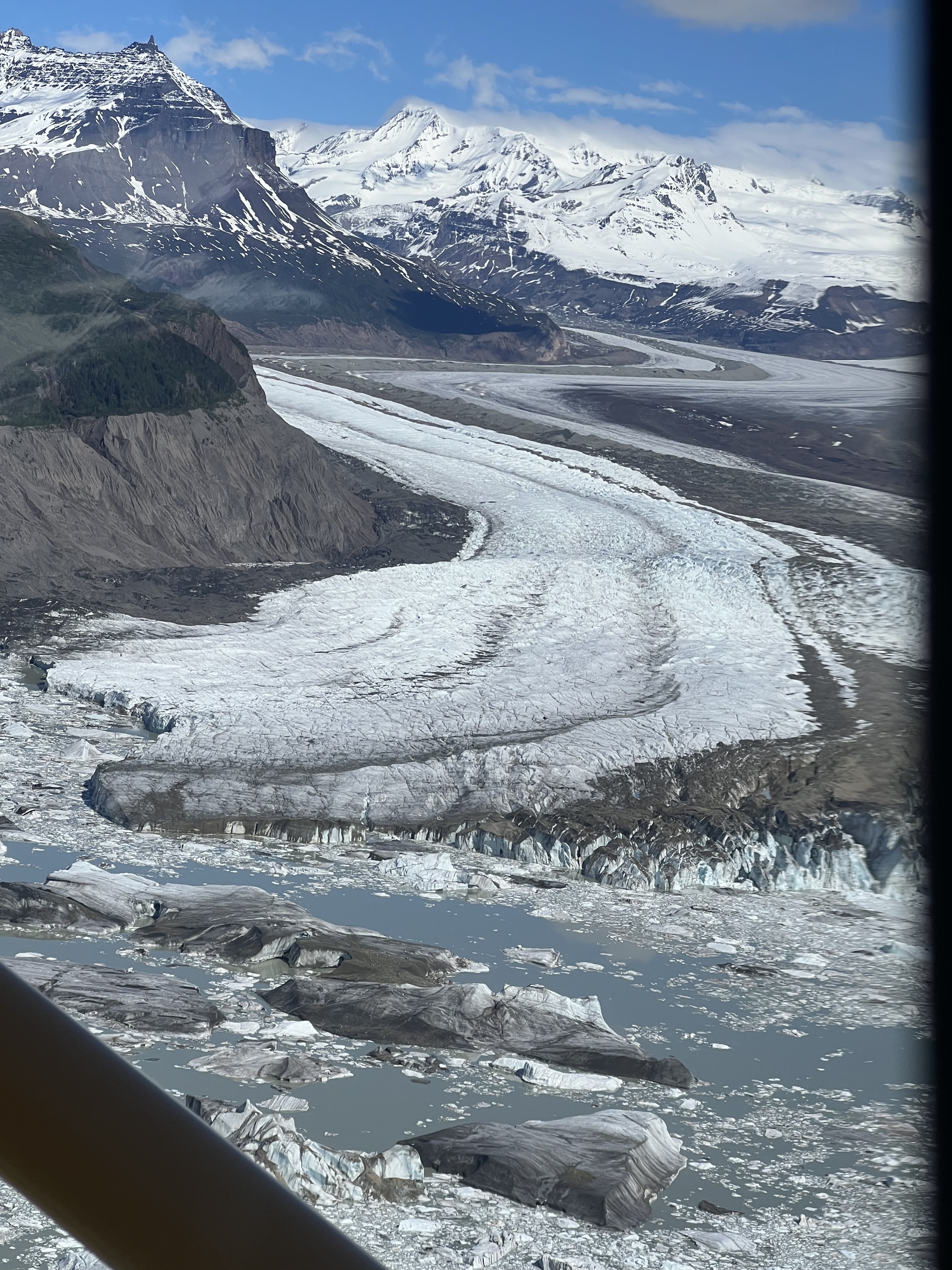
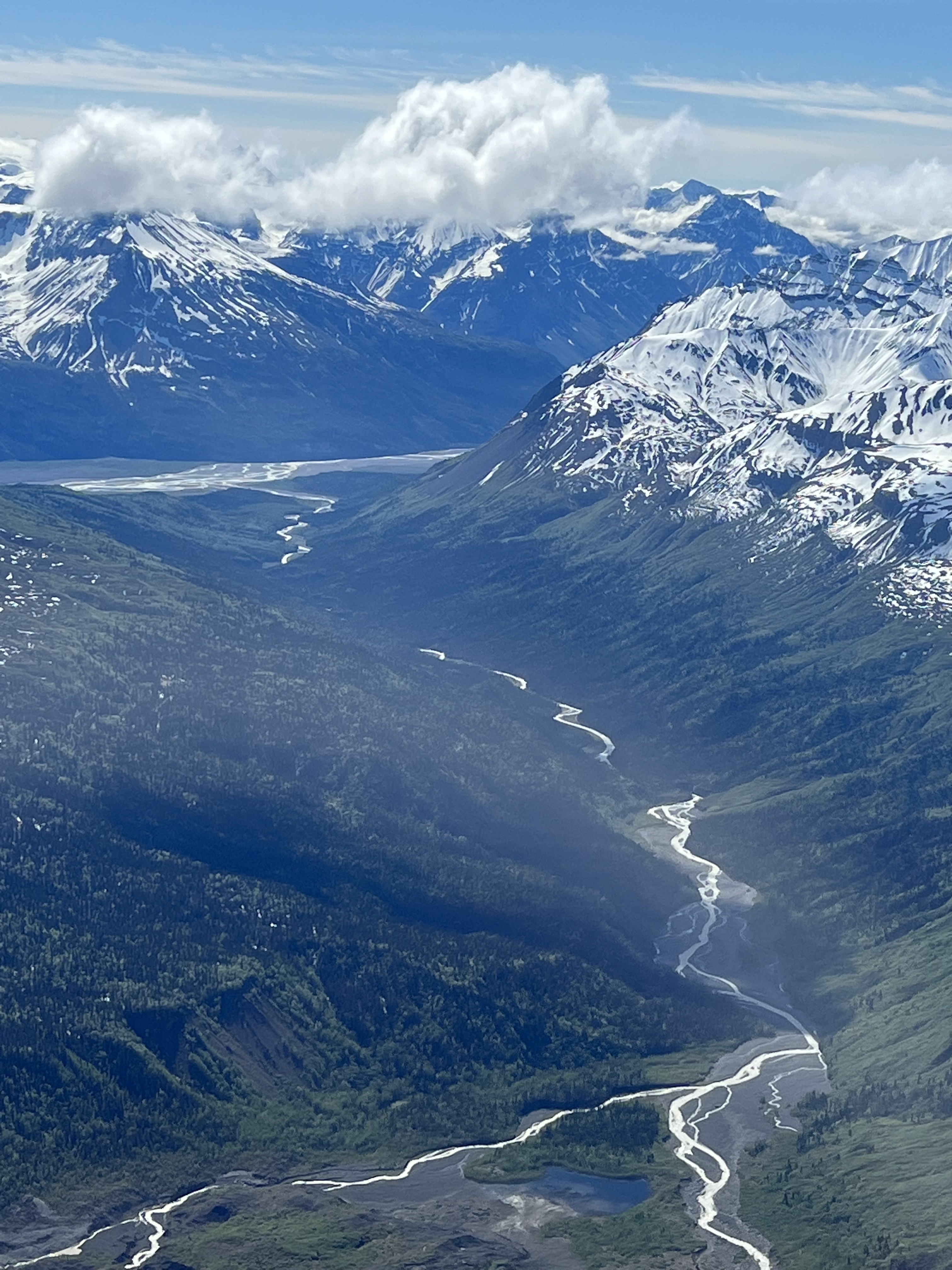
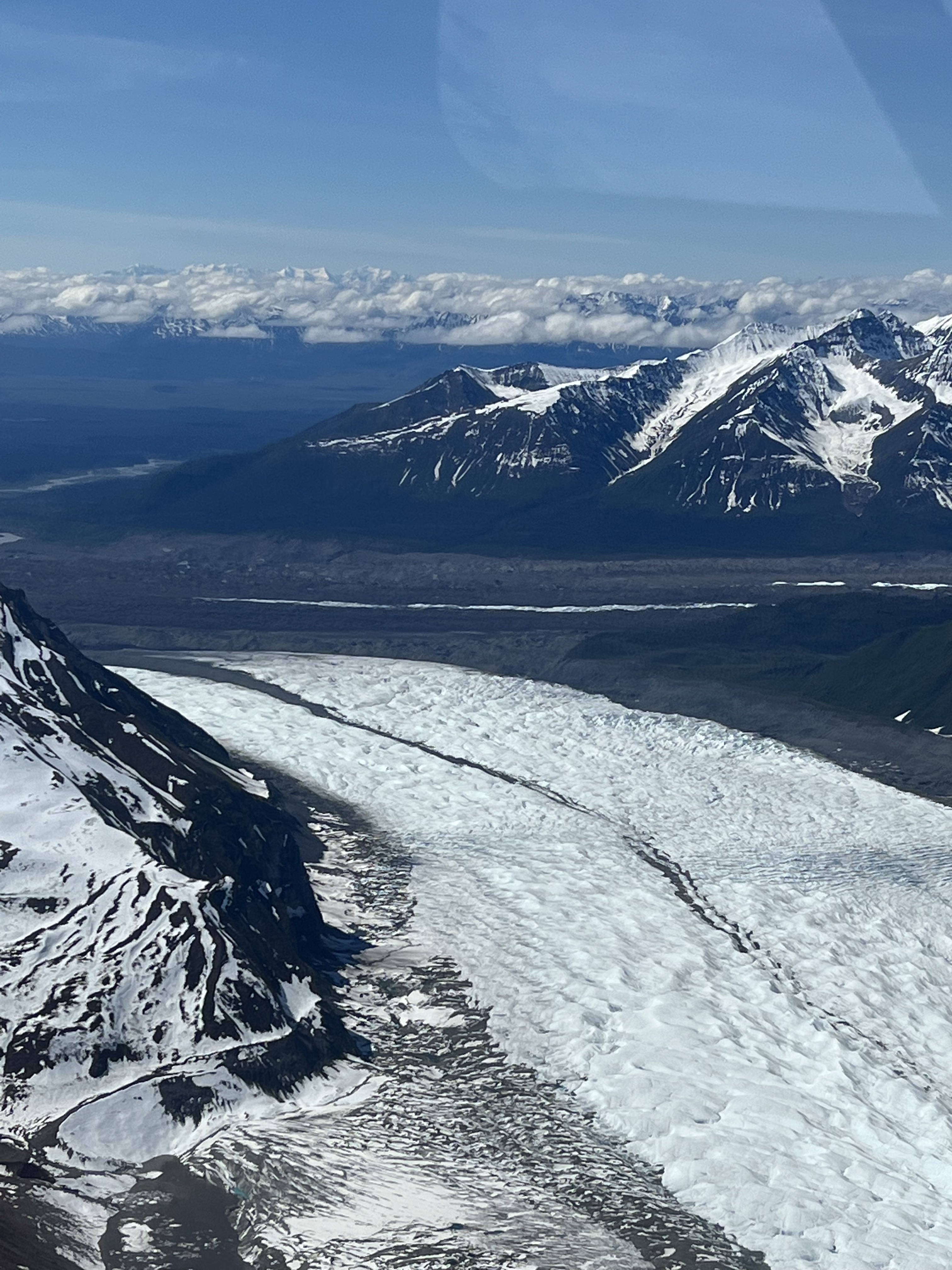
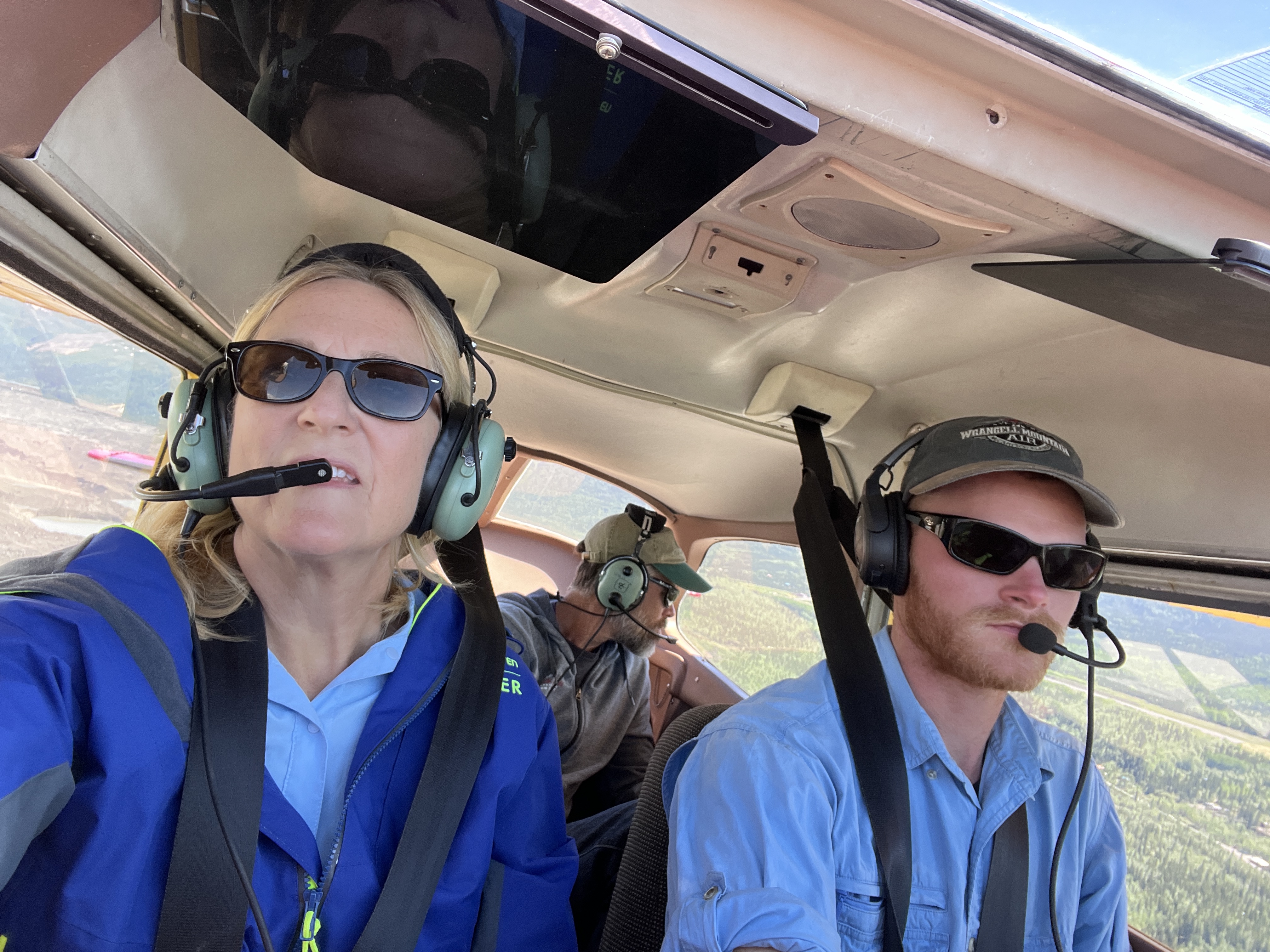
In our last post we reported on our hike on the Root Glacier. It was incredible to say the least. However, we seem to have topped it with a flightseeing excursion with Wrangell Mountain Air. Wrangell-St. Elias National Park is a completely different world from the air.

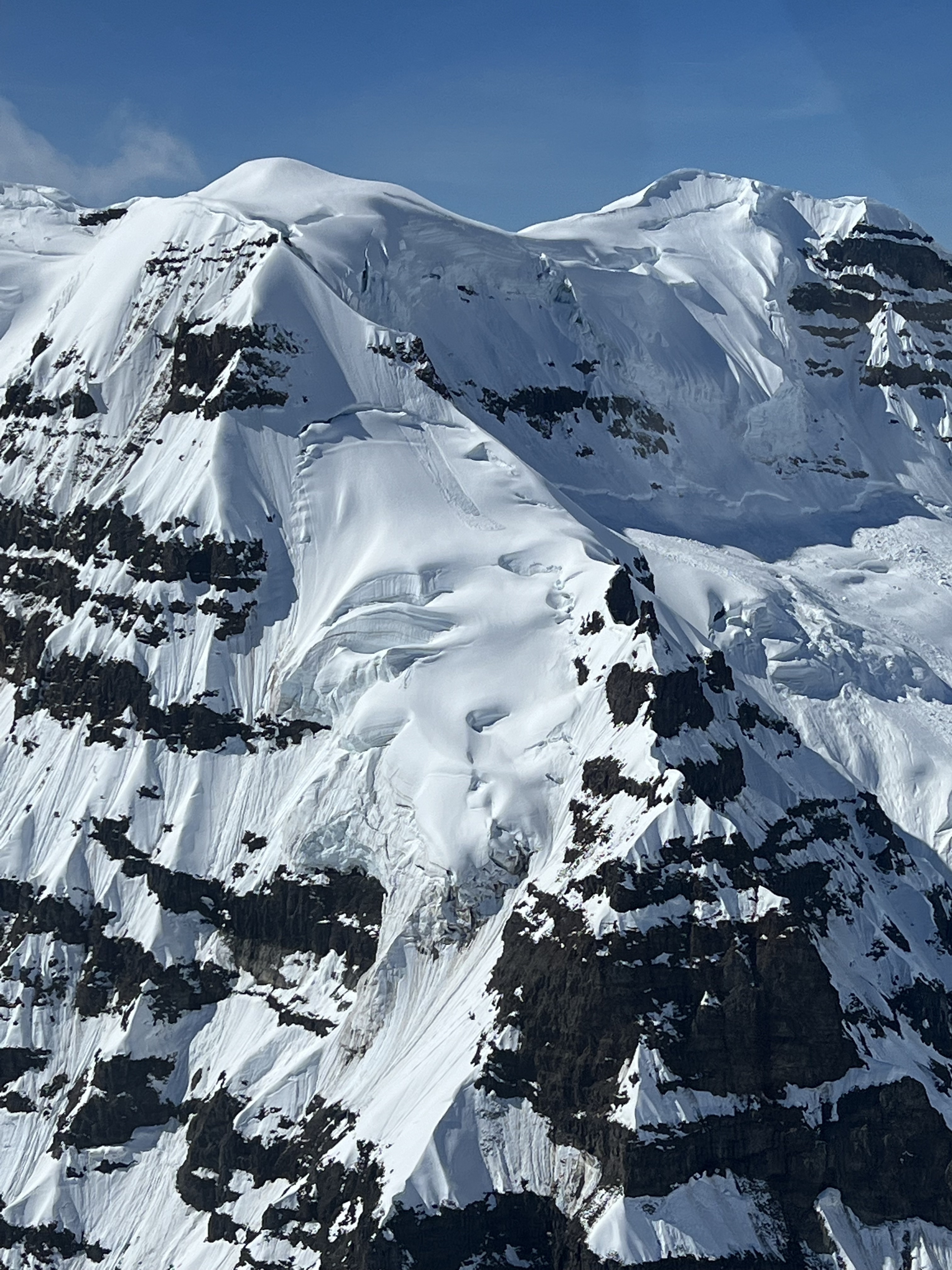
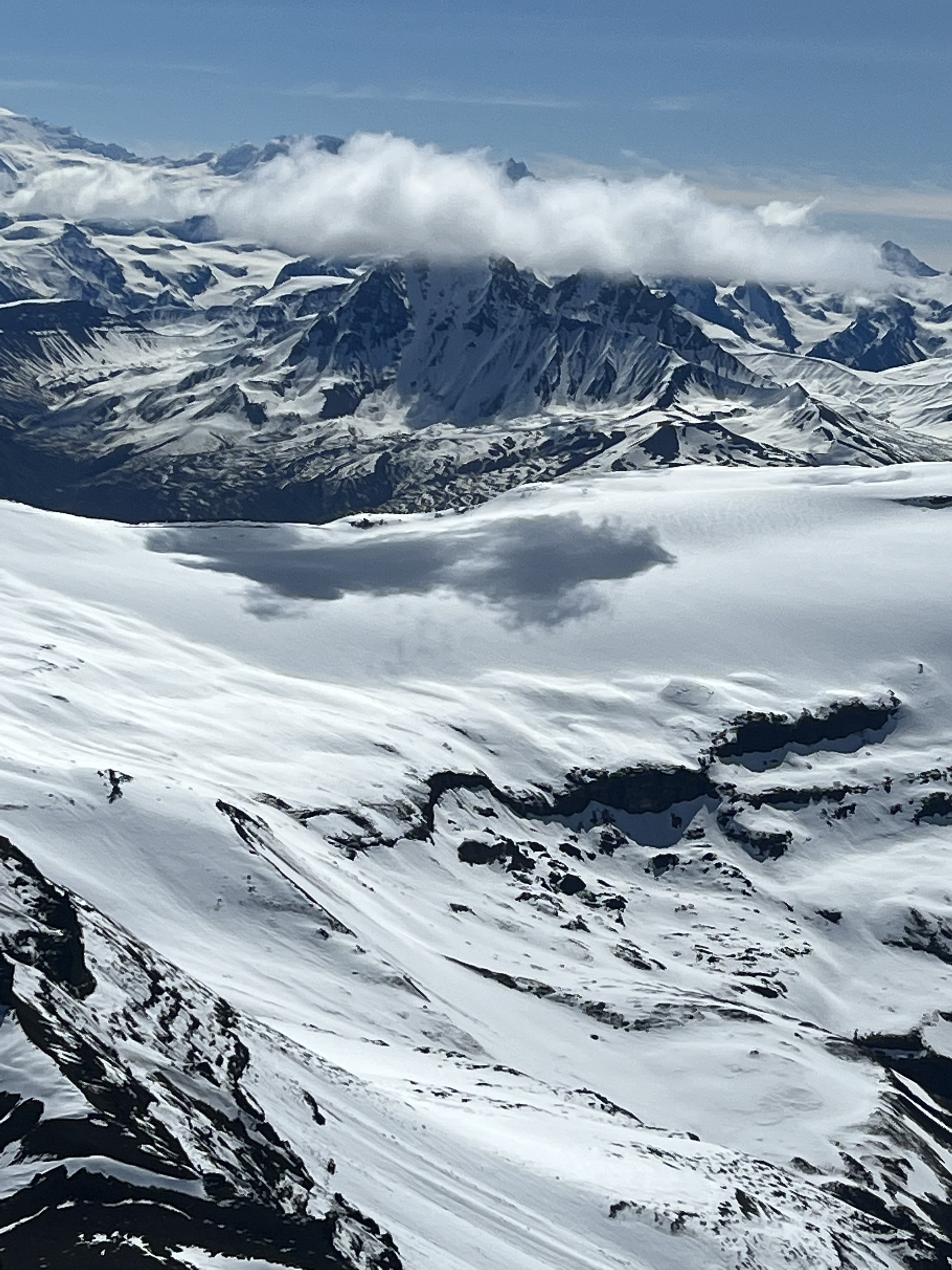
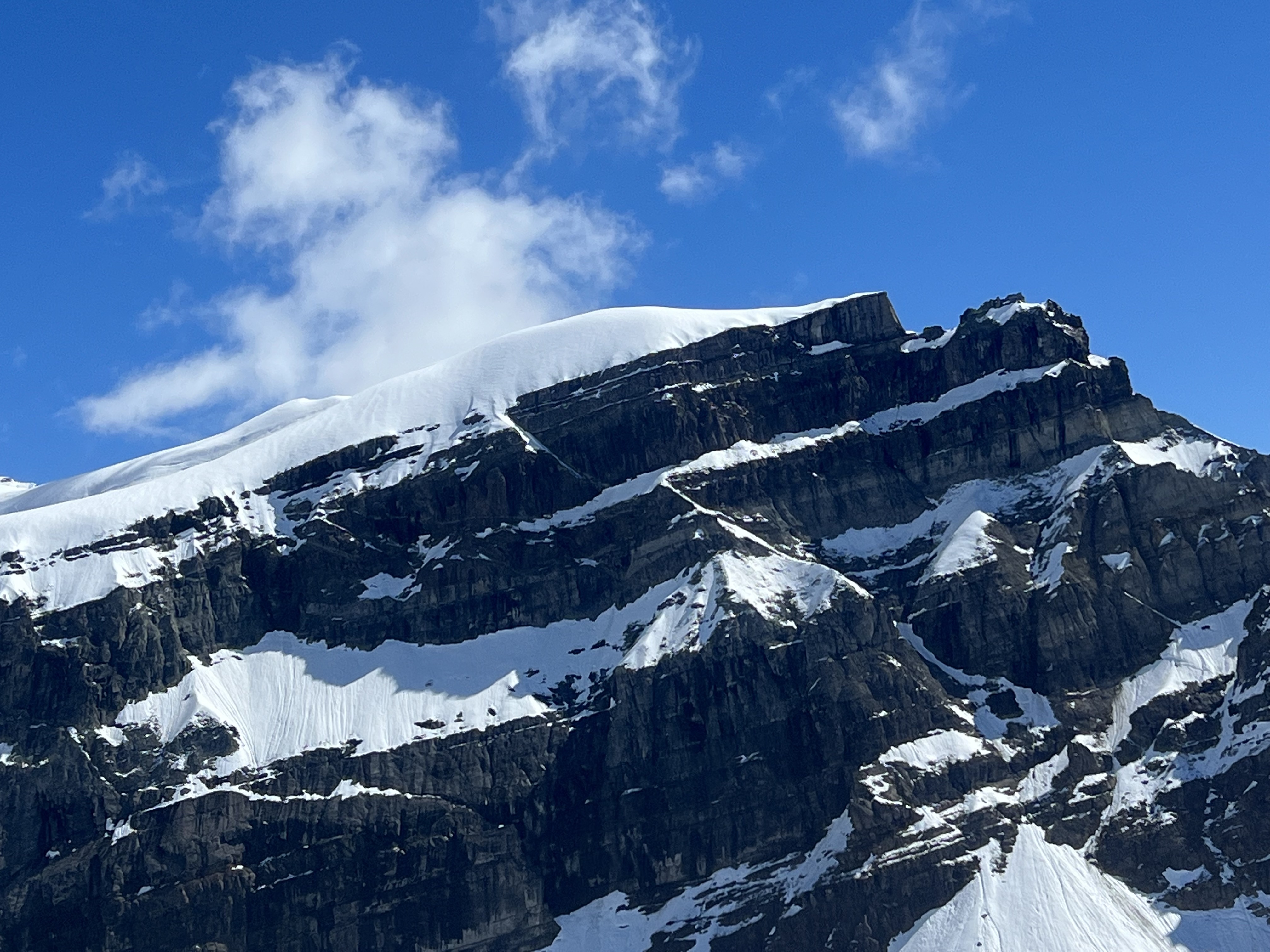
We joined our pilot Oren in the little three seater plane for a fifty minute flight over the snow covered peaks surrounding McCarthy.

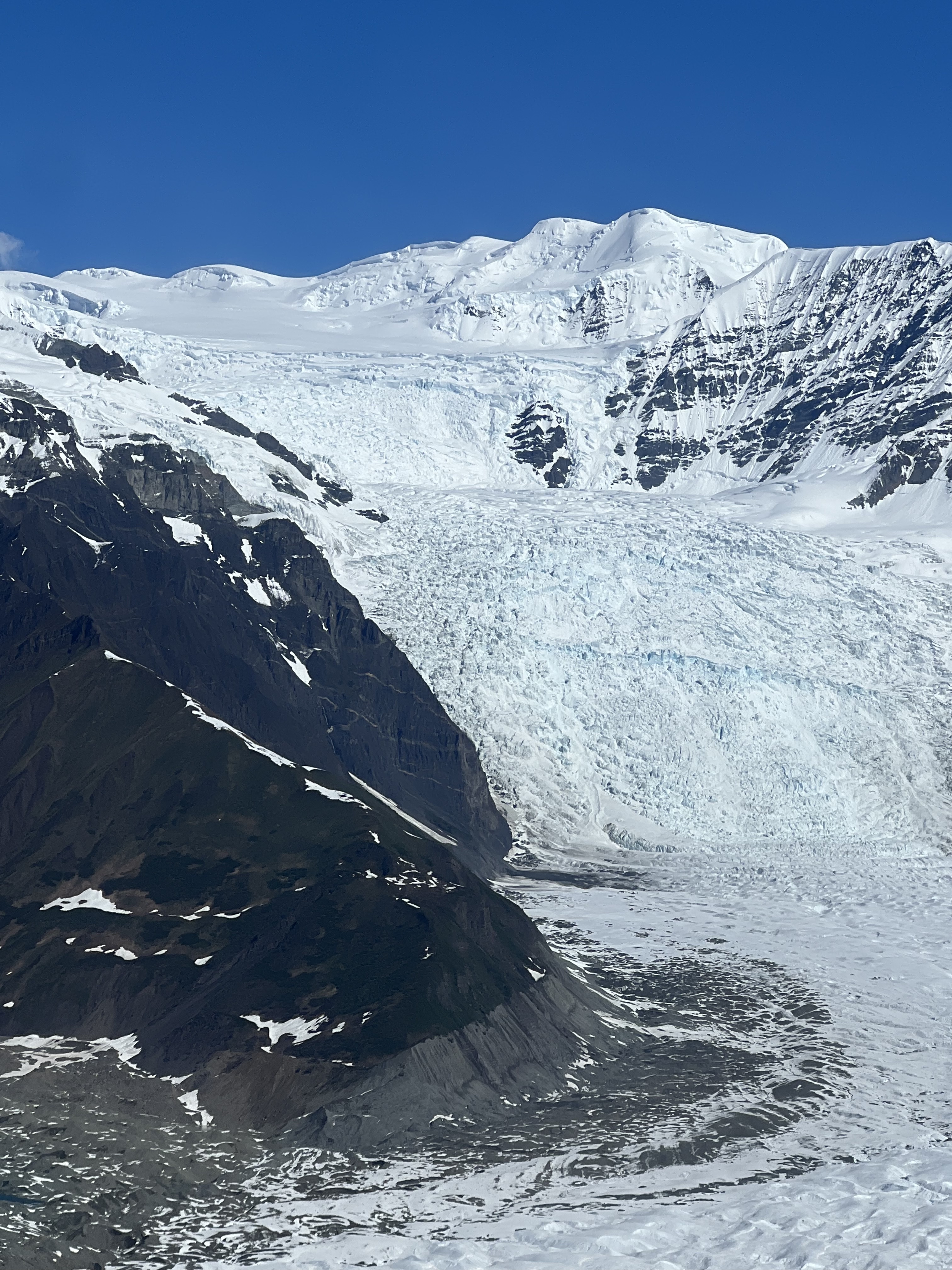
We flew over braided rivers like the Nizina and glaciers including the Regal, Kennicott, and Nizina. There are an estimated 150 glaciers throughout the Wrangells. One of them, Malaspina, is larger than Rhode Island.

With the massive Root Glacier’s Stairway Icefall as our finale, we were blown away by the vastness, the ruggedness, and the absolute beauty all around us. The photos don’t even come close to describing the incredible Wrangell Mountains.

The perspective you get from the air illustrates just how small we really are in a  landscape like this. Just Wow!
We were sad to leave the Wrangells, especially after a tour like this. However, there’s much more to Alaska and we plan to see as much as possible. Stay tuned for more adventures soon!

Hiking the Root Glacier

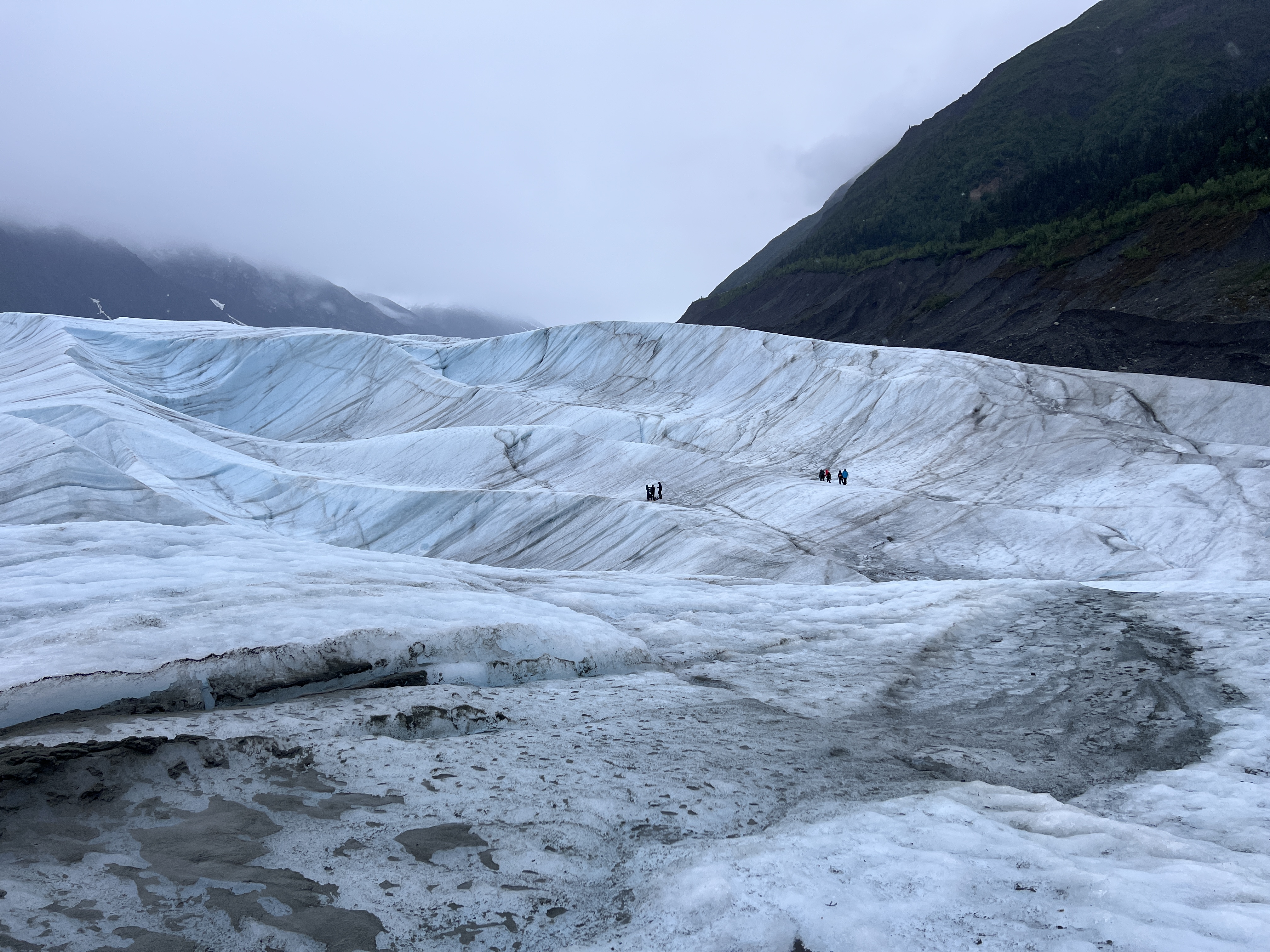
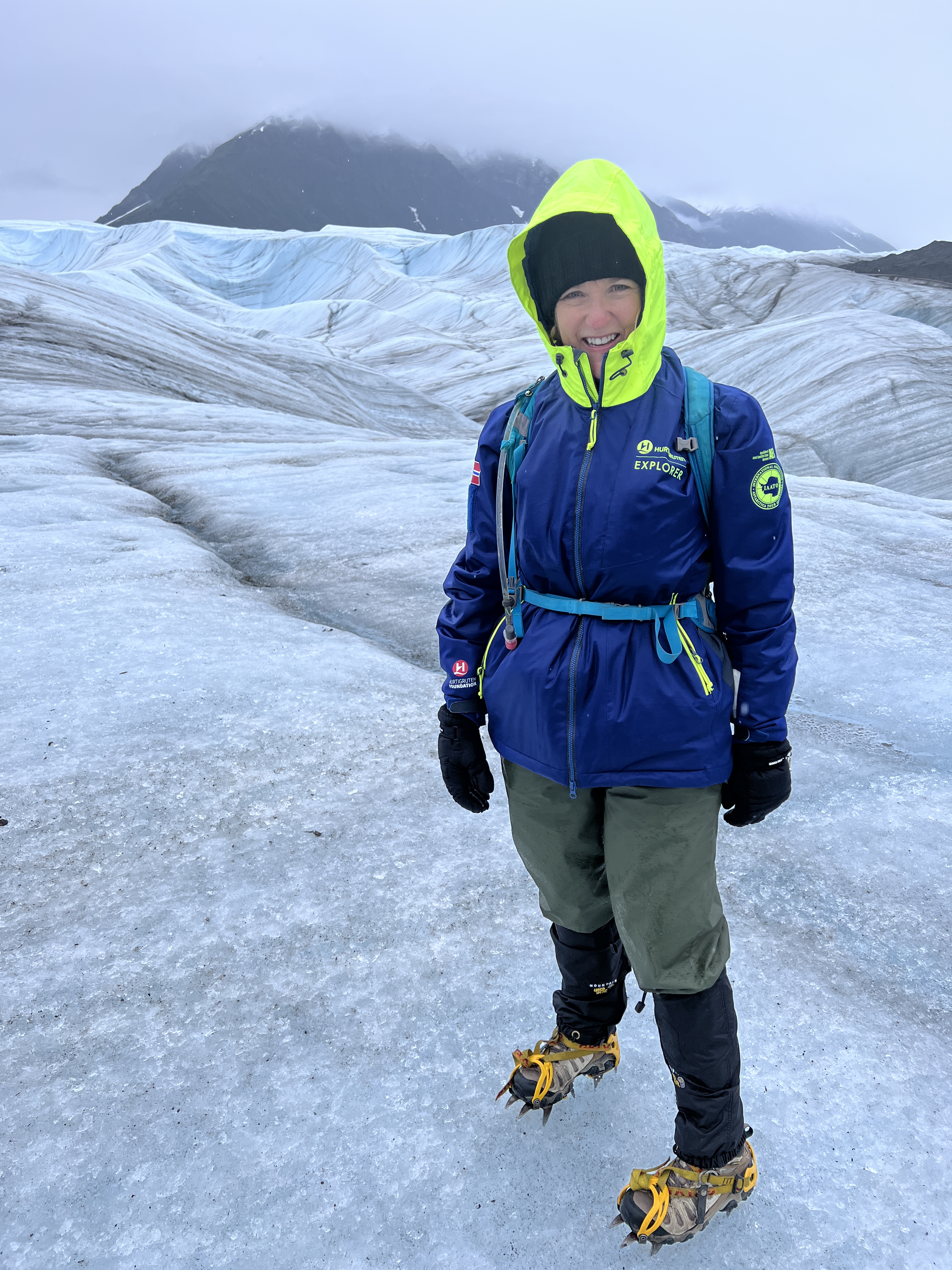
Hiking on a glacier is a once in a lifetime experience. The Root Glacier is as good as it gets. In all honesty, however, the Root was not our first. We ice trekked on Perito Moreno Glacier in Argentina and have hiked up to the Mer de Glace in the French Alps. Still, we’d never experienced as much time and covered as much ground as we did on the incredible Root Glacier.

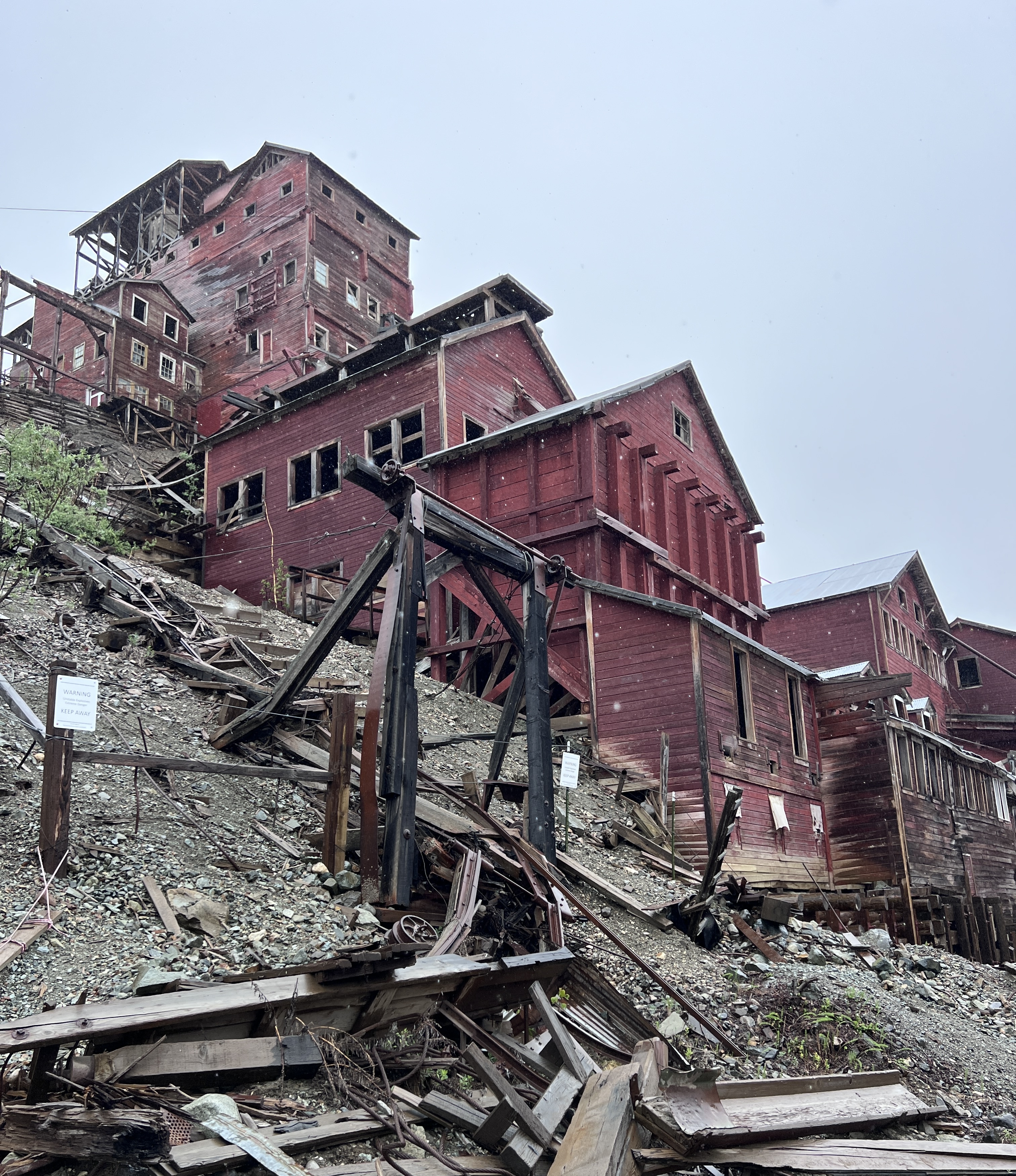
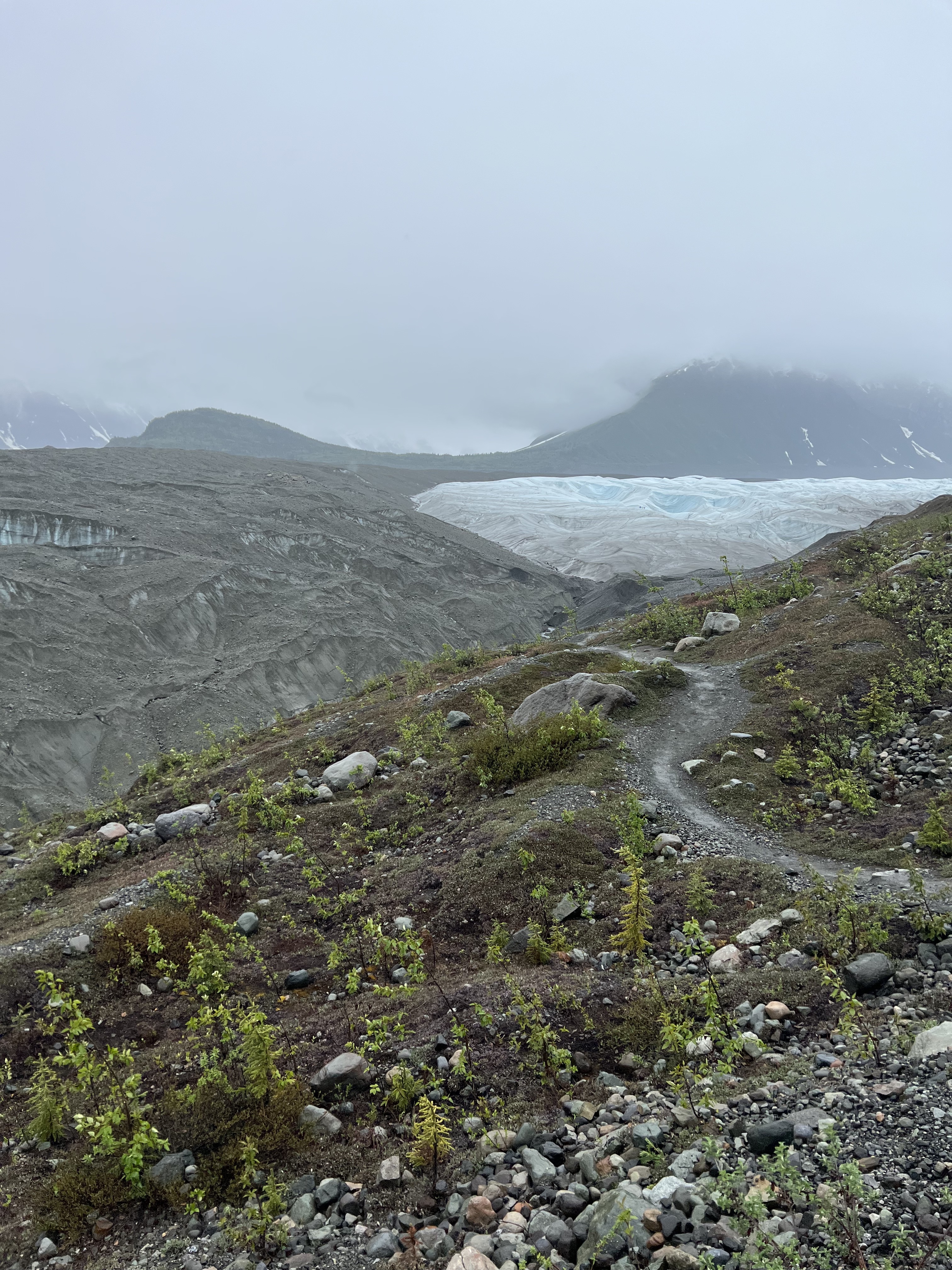
We joined our guided hike with Kennecott Wilderness Guides in the historic mining town of Kennecott. After being fitted for crampons we hiked through the ruins of the mine and onto the two mile trail that led to the tongue of the glacier.

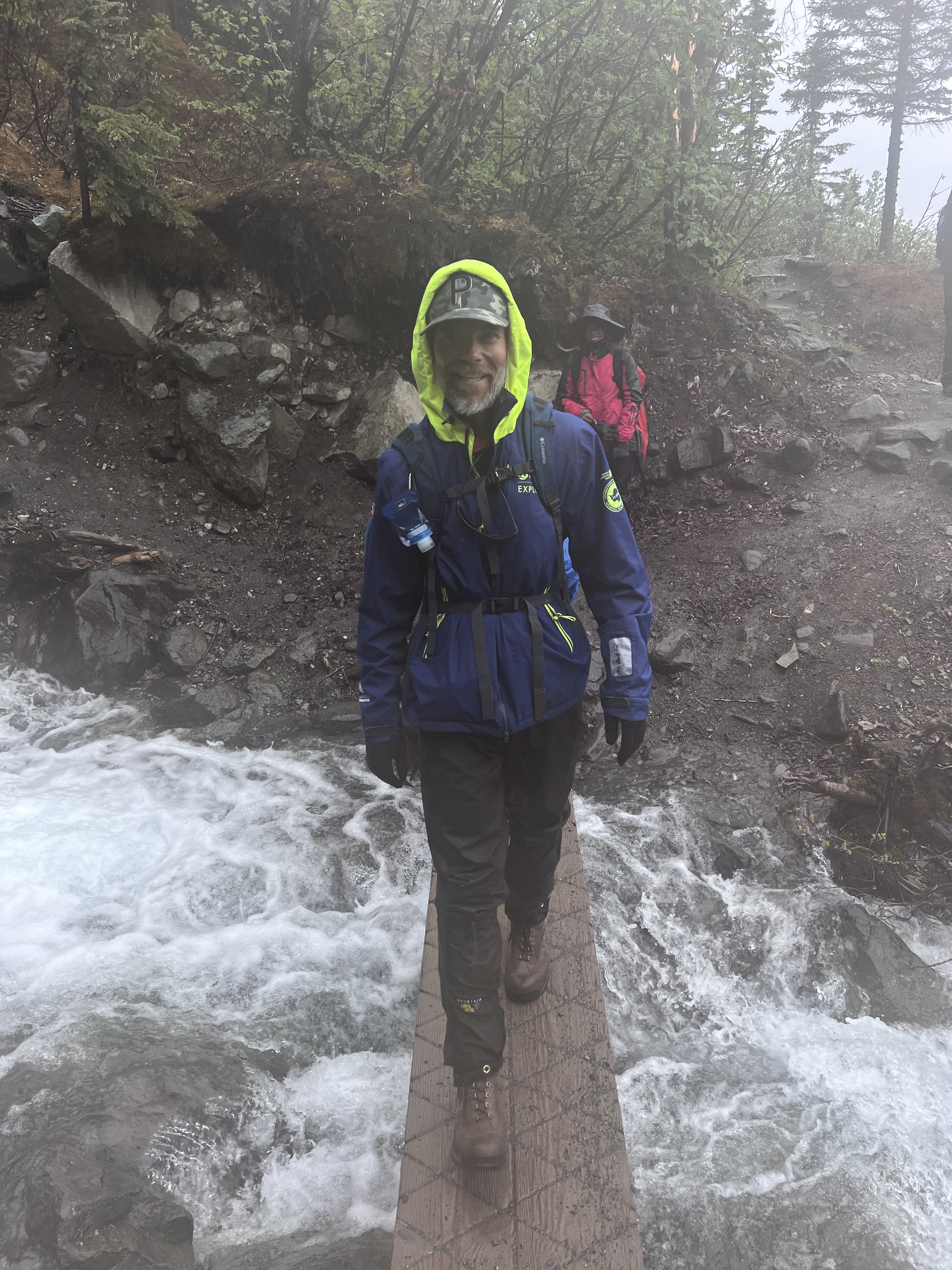
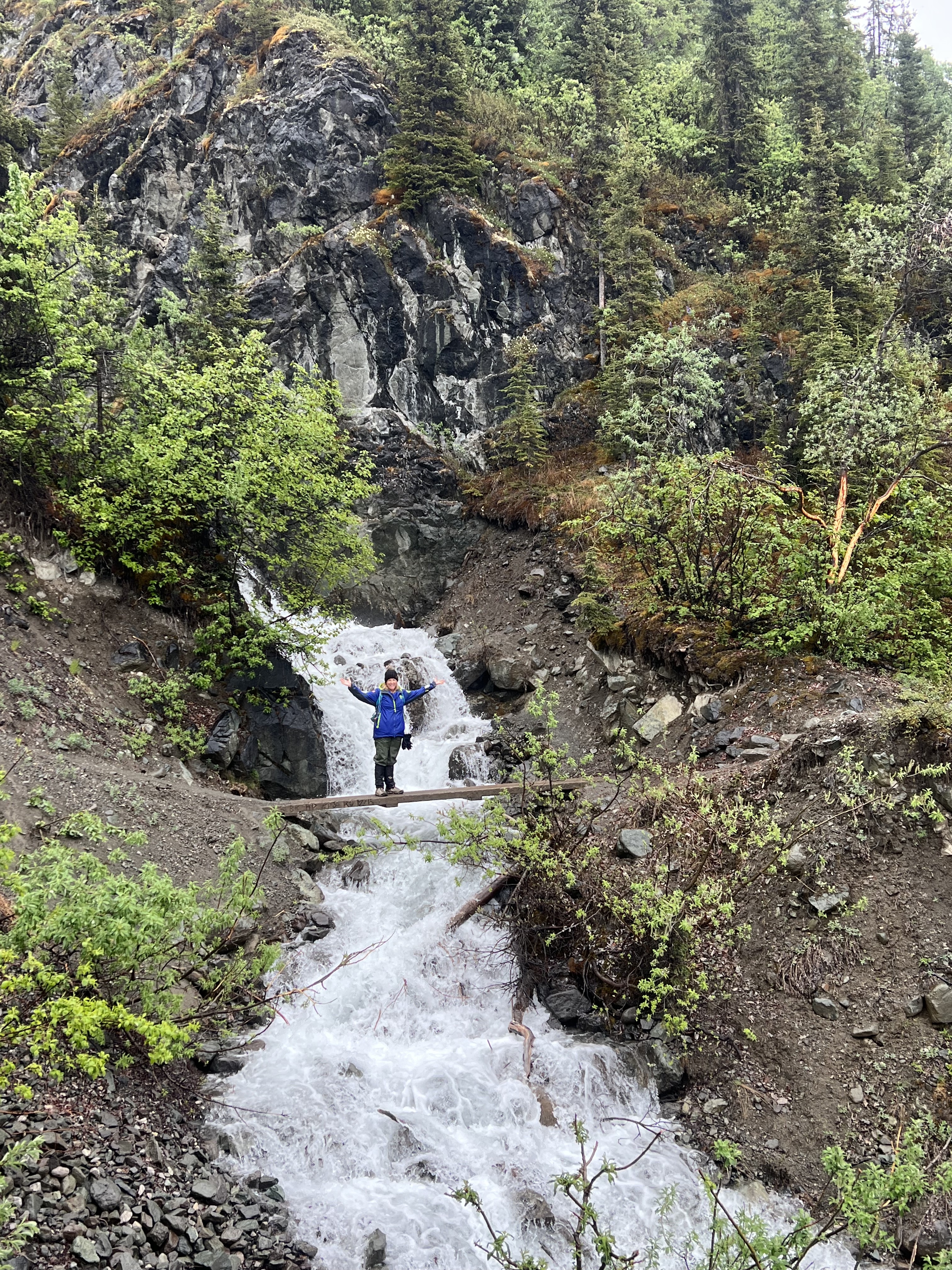
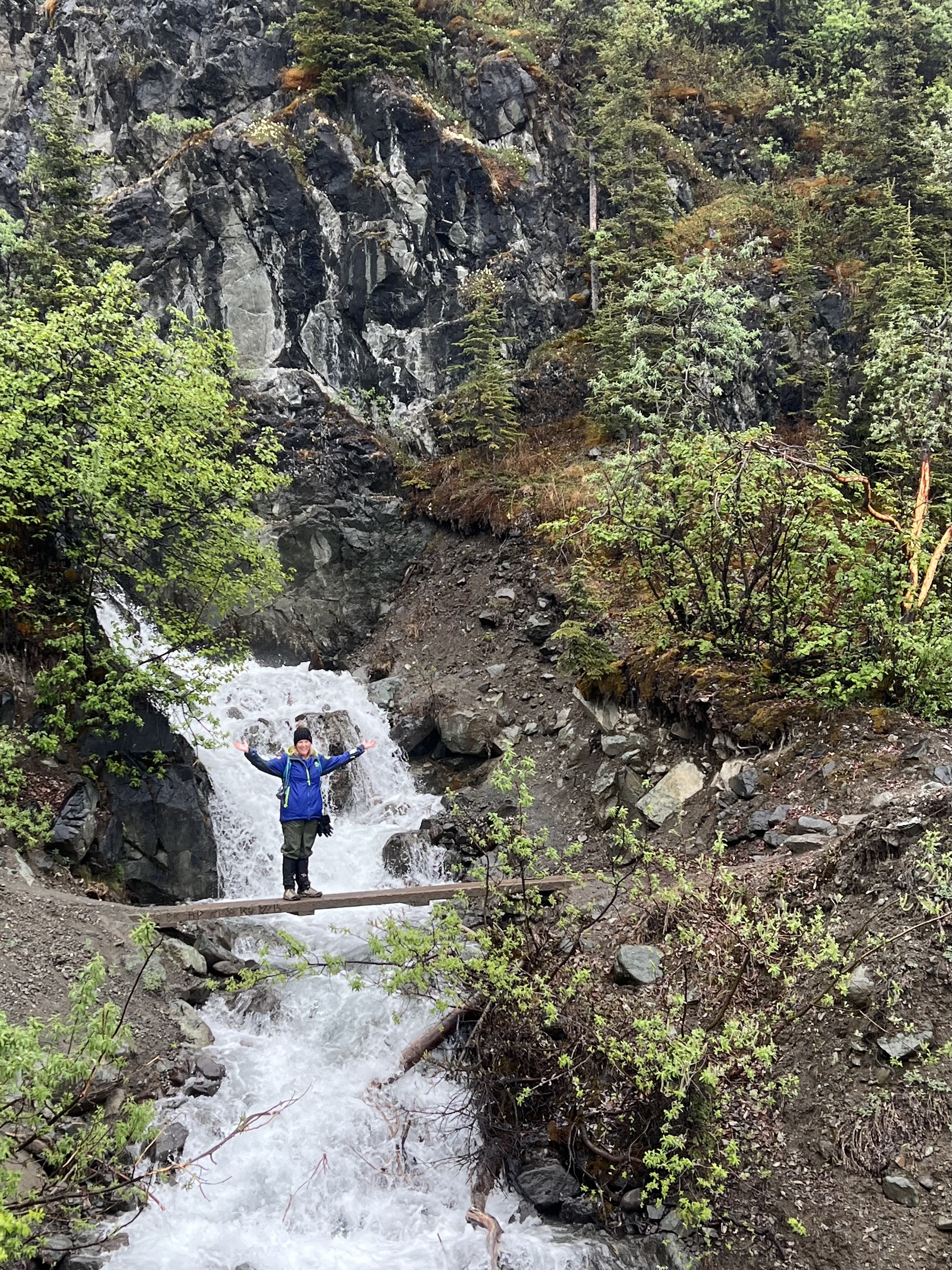
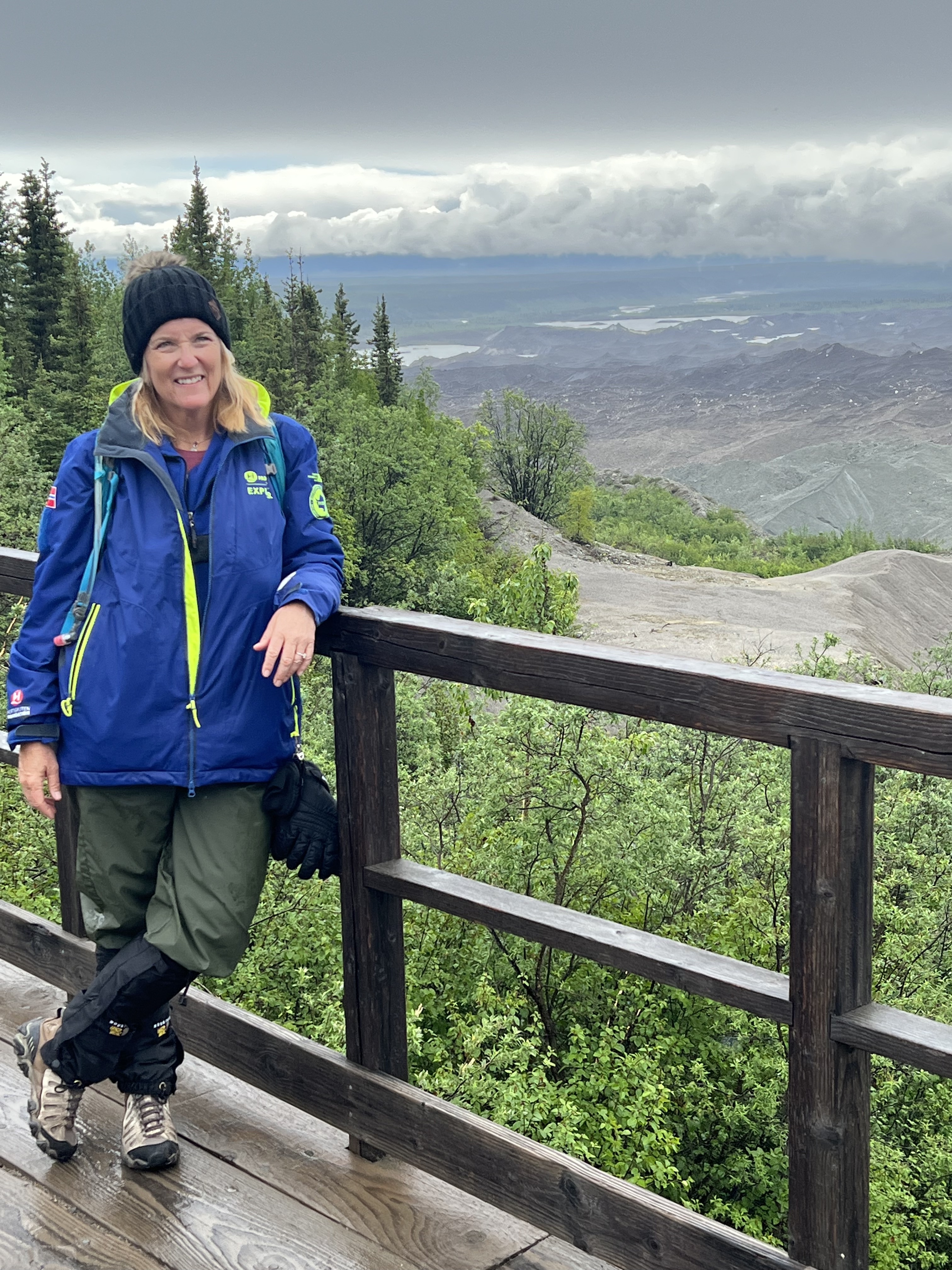
Along the way we crossed rushing streams and had expansive views across the moraines.

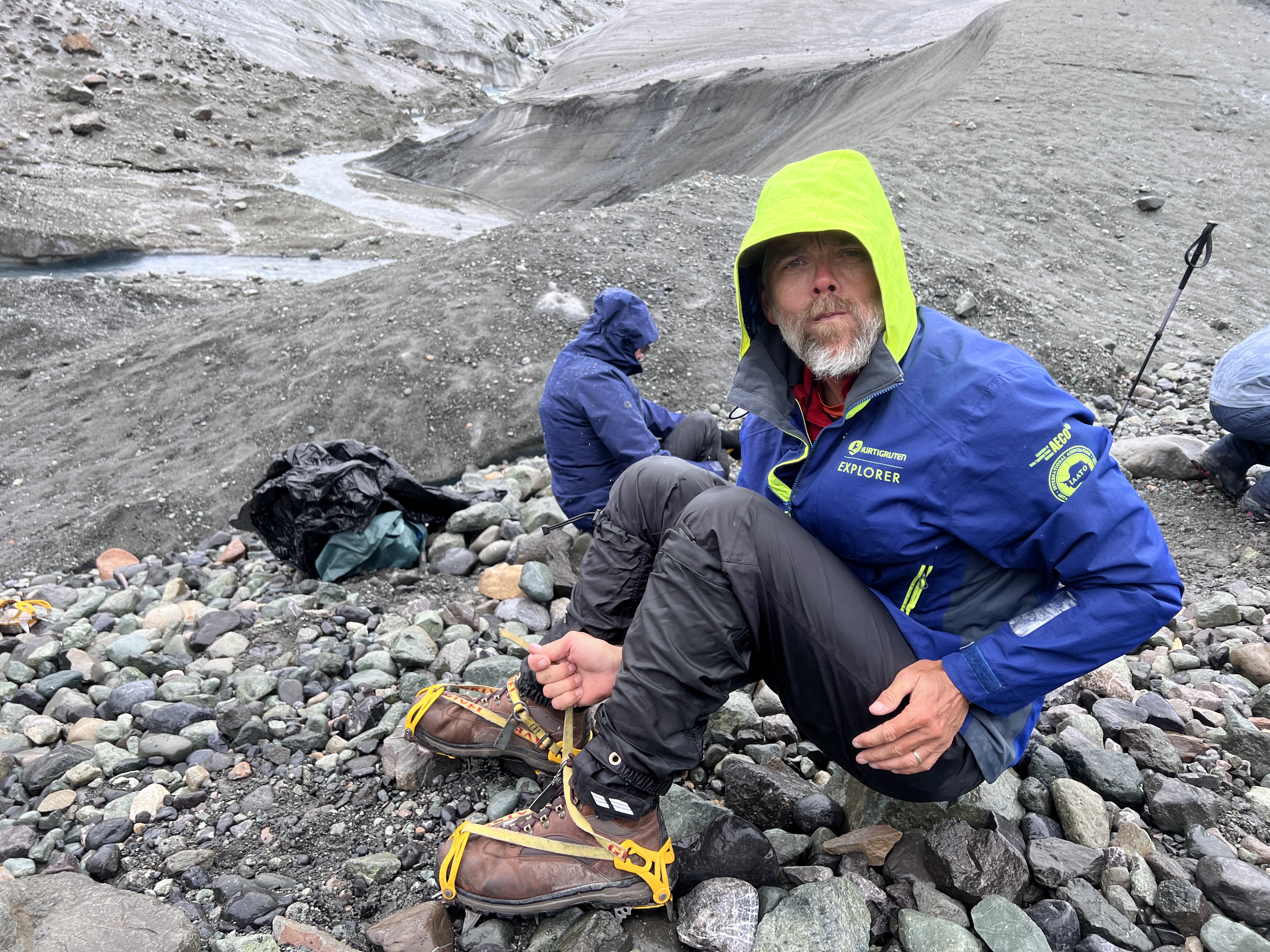
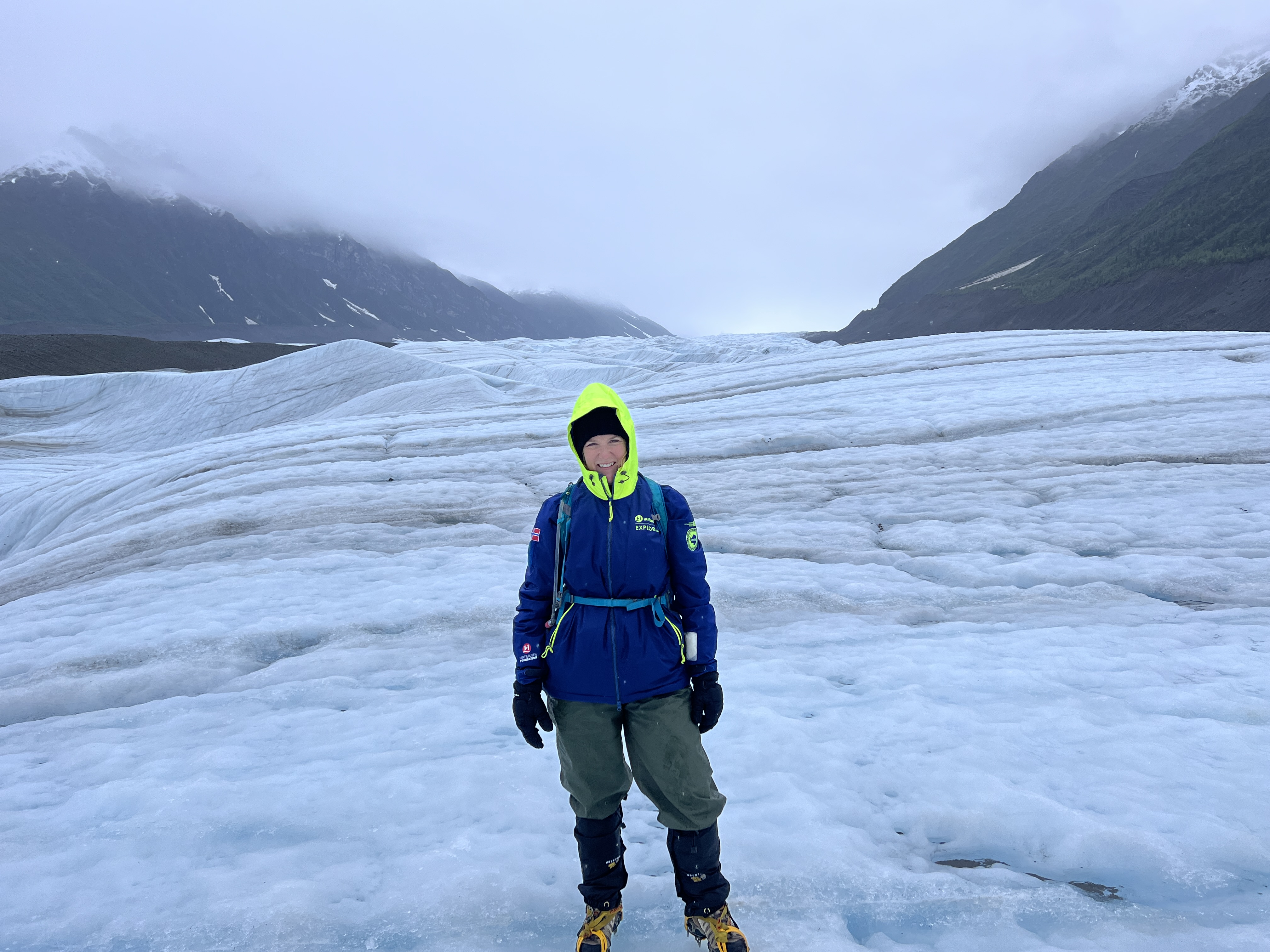
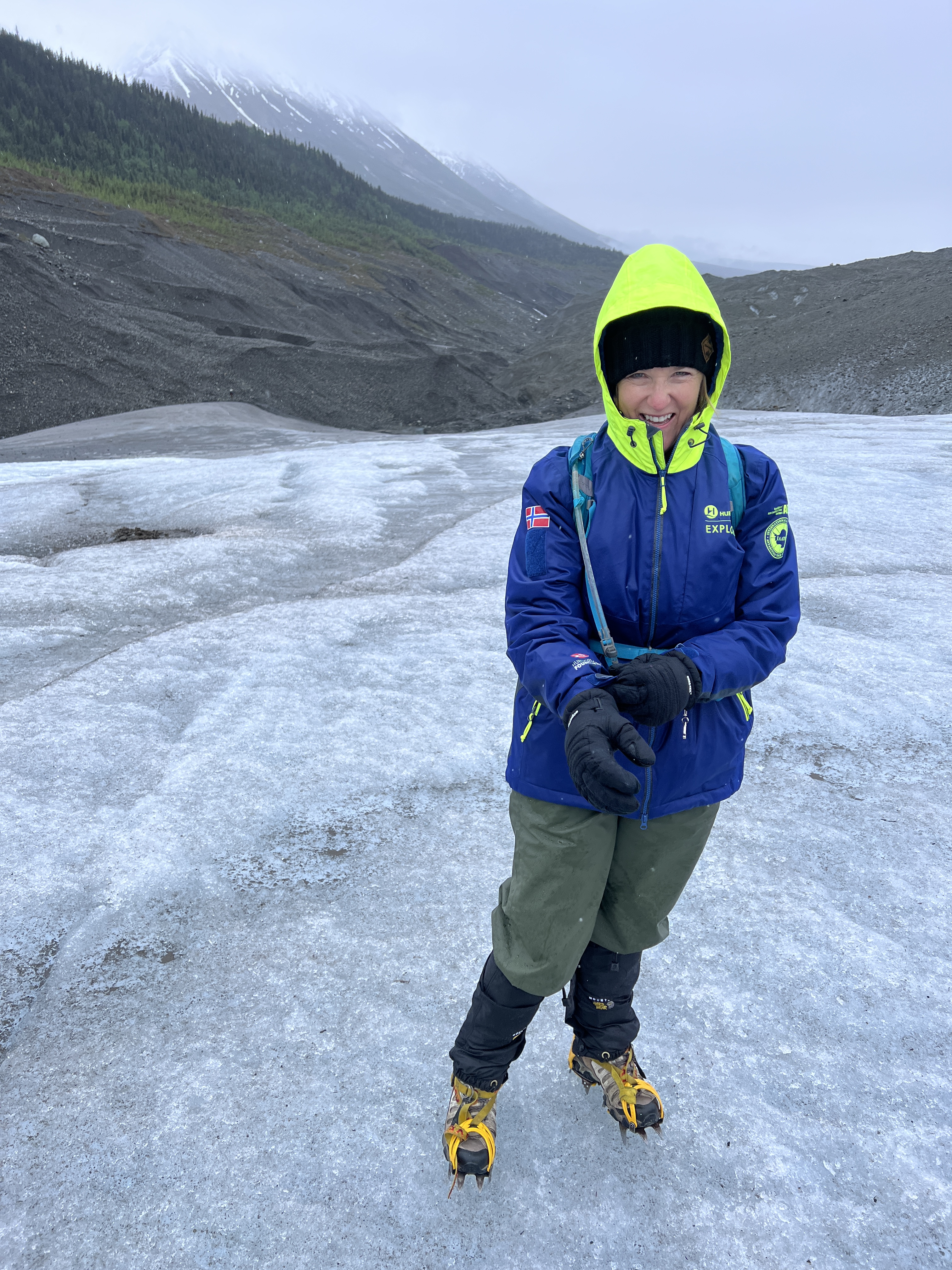
Once we reached the glacier we put on our crampons and began our walk out onto the ice. I was a bit worried about the ice breaking apart but we were assured that the ice was solid, up to 600 feet deep.

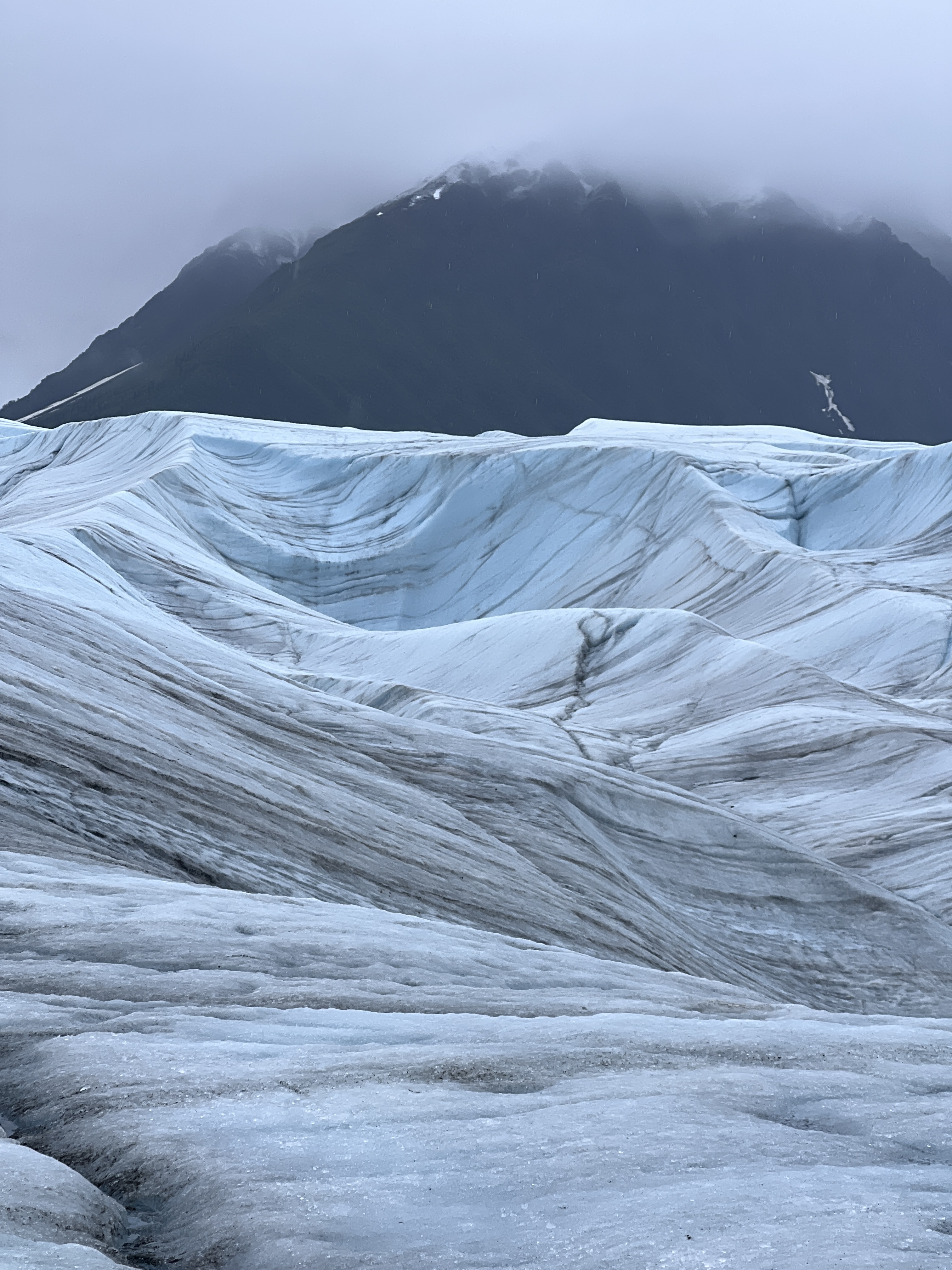
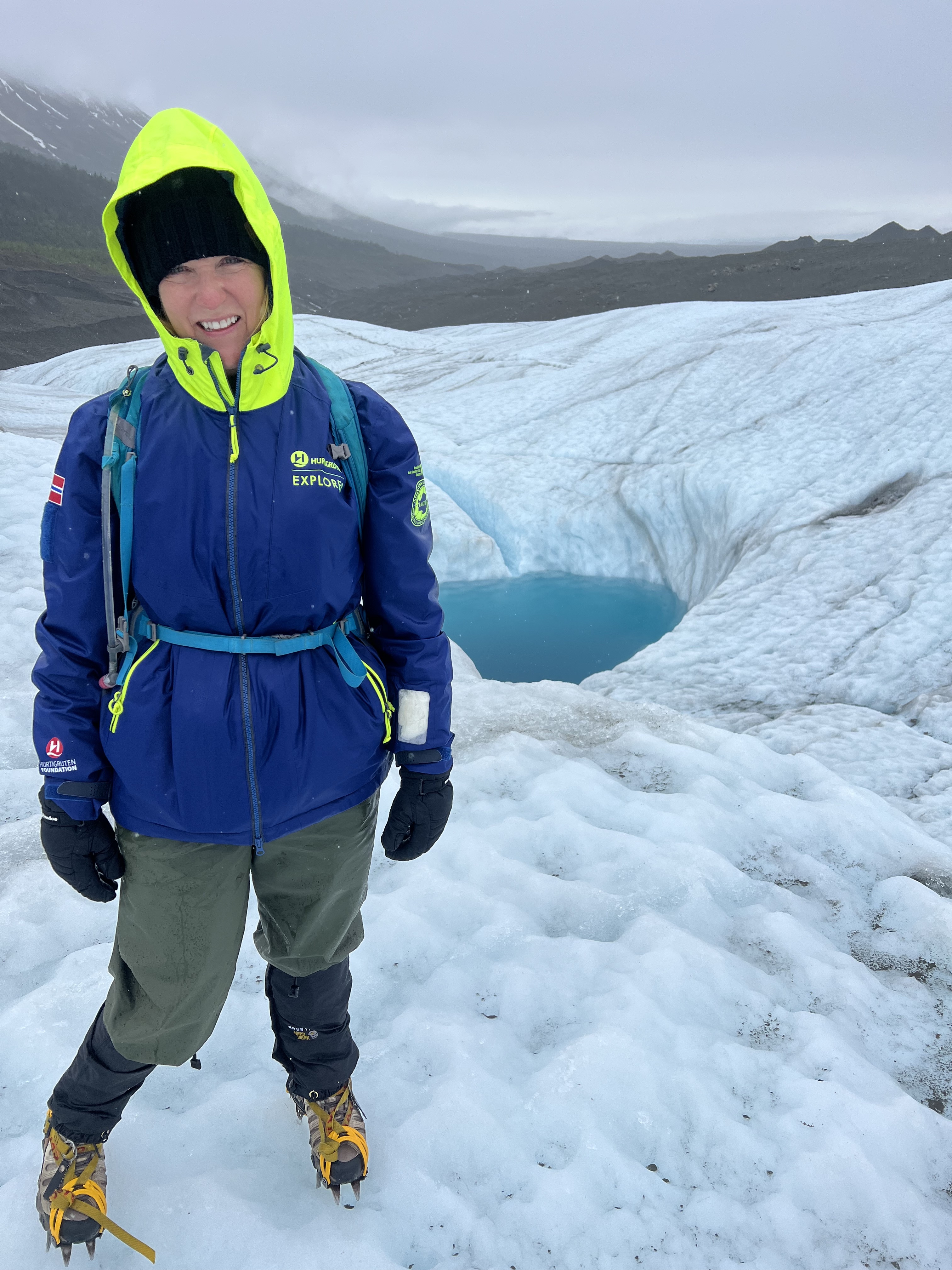
We spent several hours walking on solid ice and learning about glacier features like mulans, ice falls, and crevasses. We got pretty good at traversing the glacier with the help of crampons, those sharp spikes that strapped to the bottom of our boots.

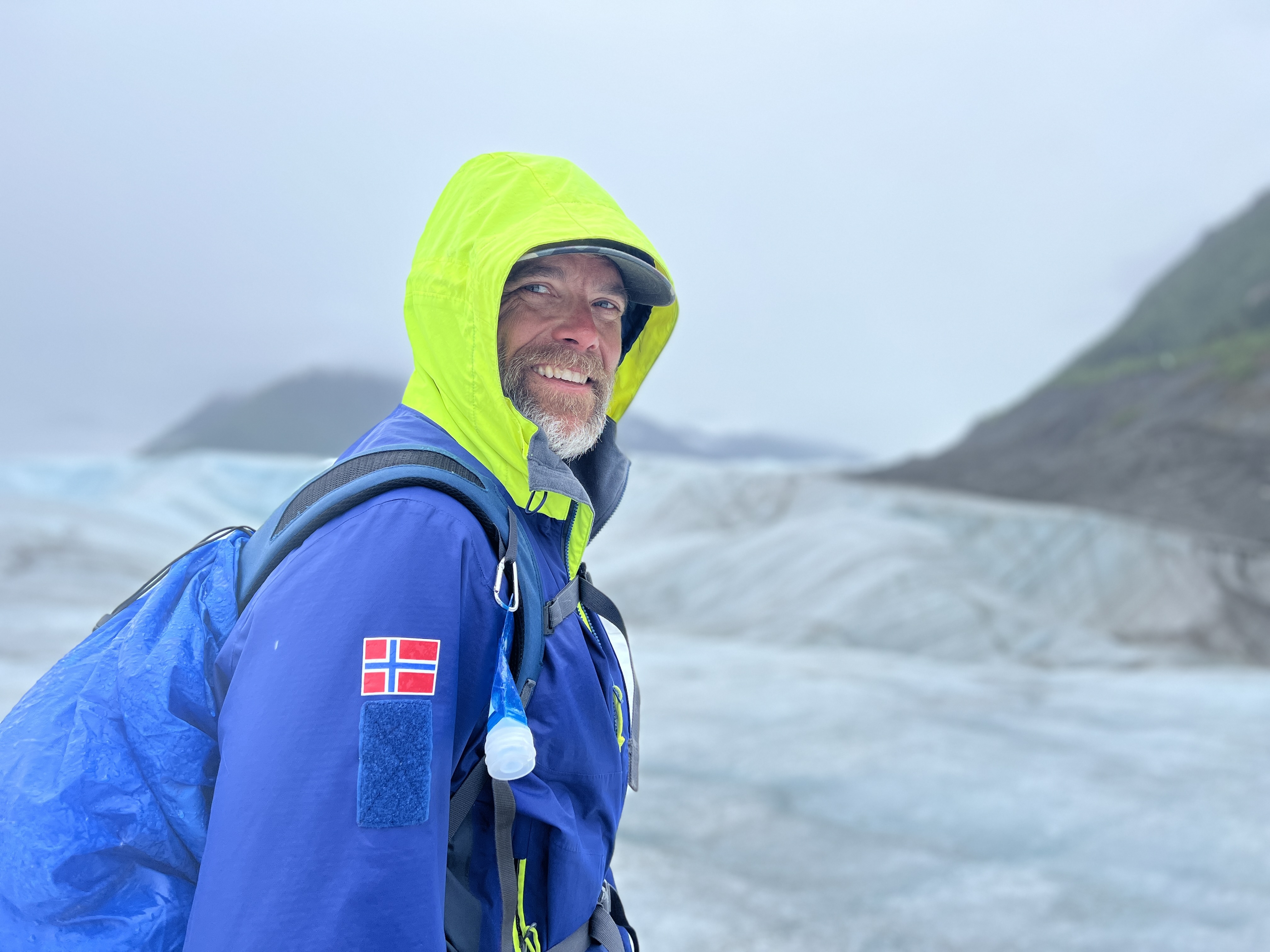
In all we covered about seven miles with about half of that using the crampons. We would have never seen or learned as much without the help of our guide, and the pictures don’t really capture the vastness or the incredible beauty found when standing in the middle of a glacier. While it was a cold and rainy day, we were prepared with warm clothes and rain gear. The cloudy conditions were actually welcomed as the blue hues of the ice were more vibrant without the glaring sun.

People say this is a highlight of an Alaskan vacation. We still have a lot of territory to cover but it’s going to be tough to top this one.