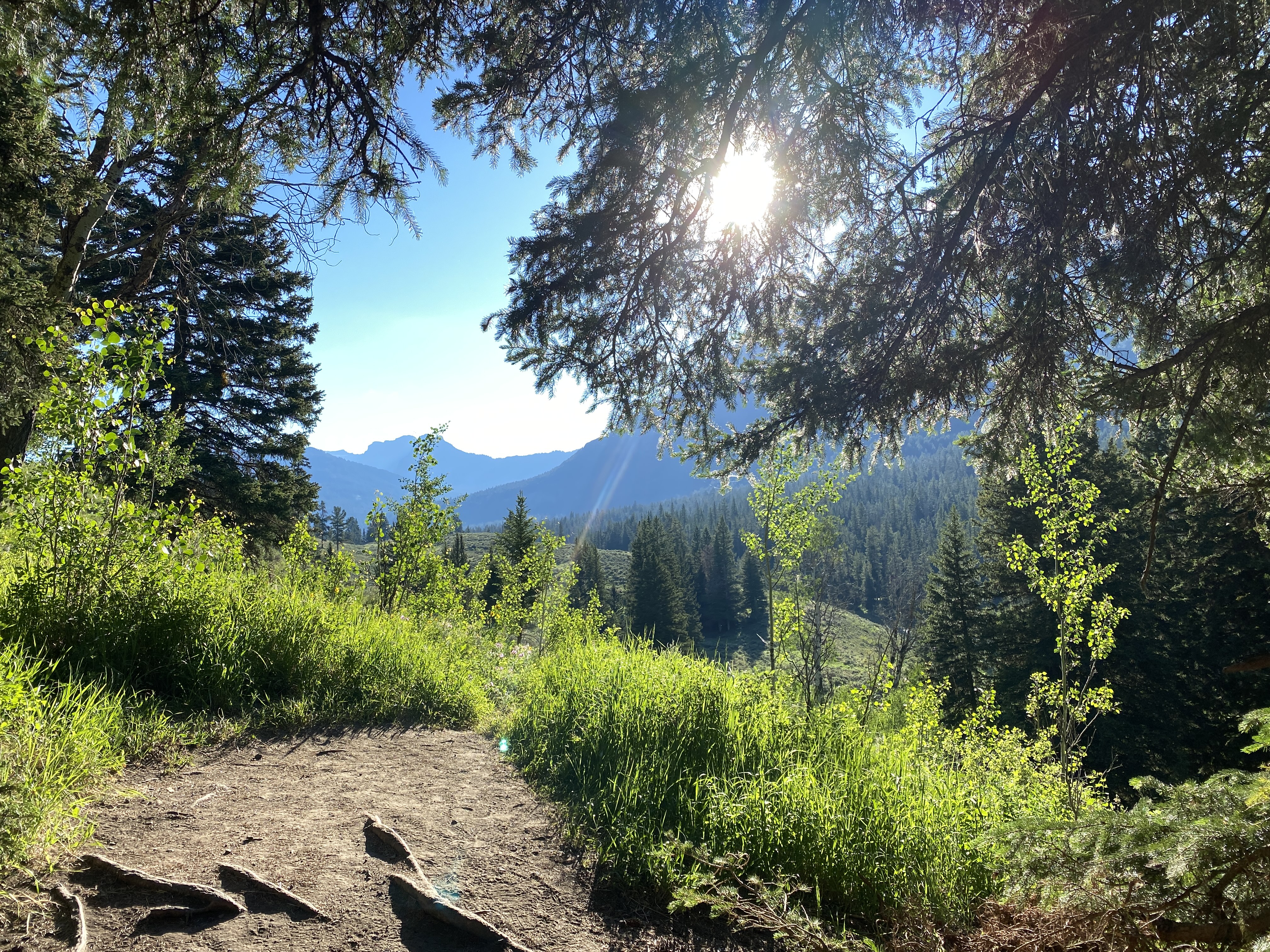
Theodore Roosevelt and the Maah Daah Hey

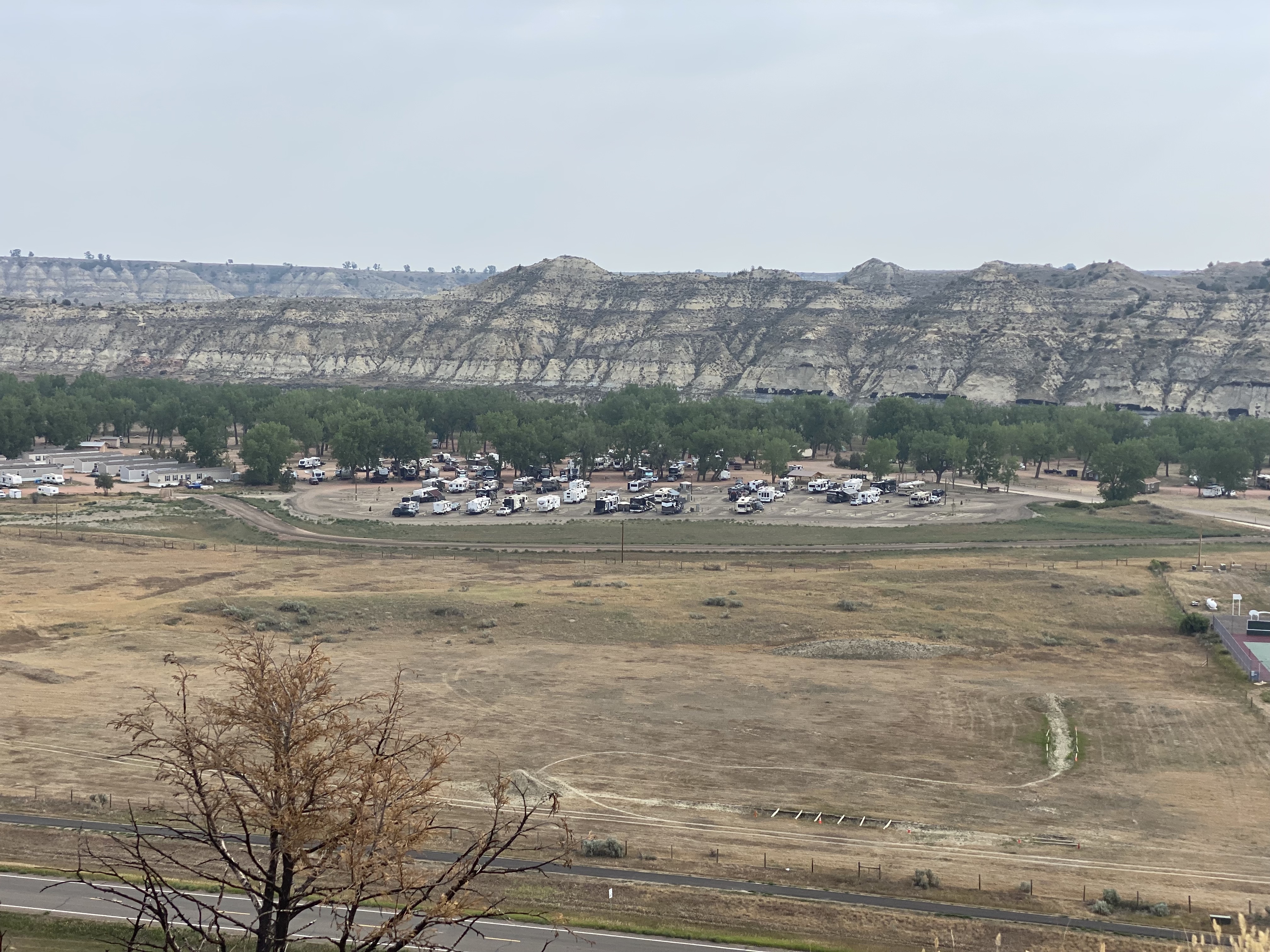
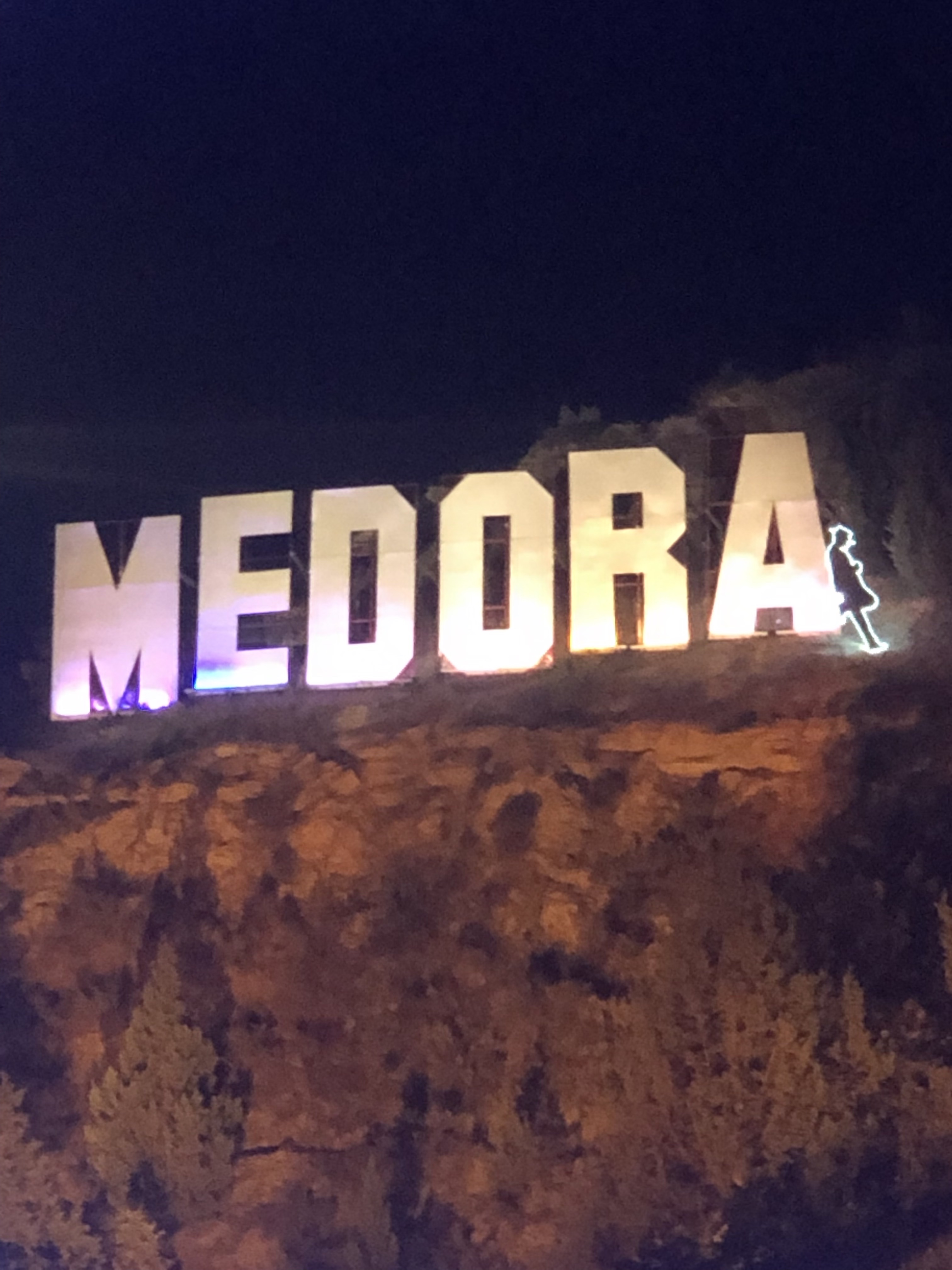
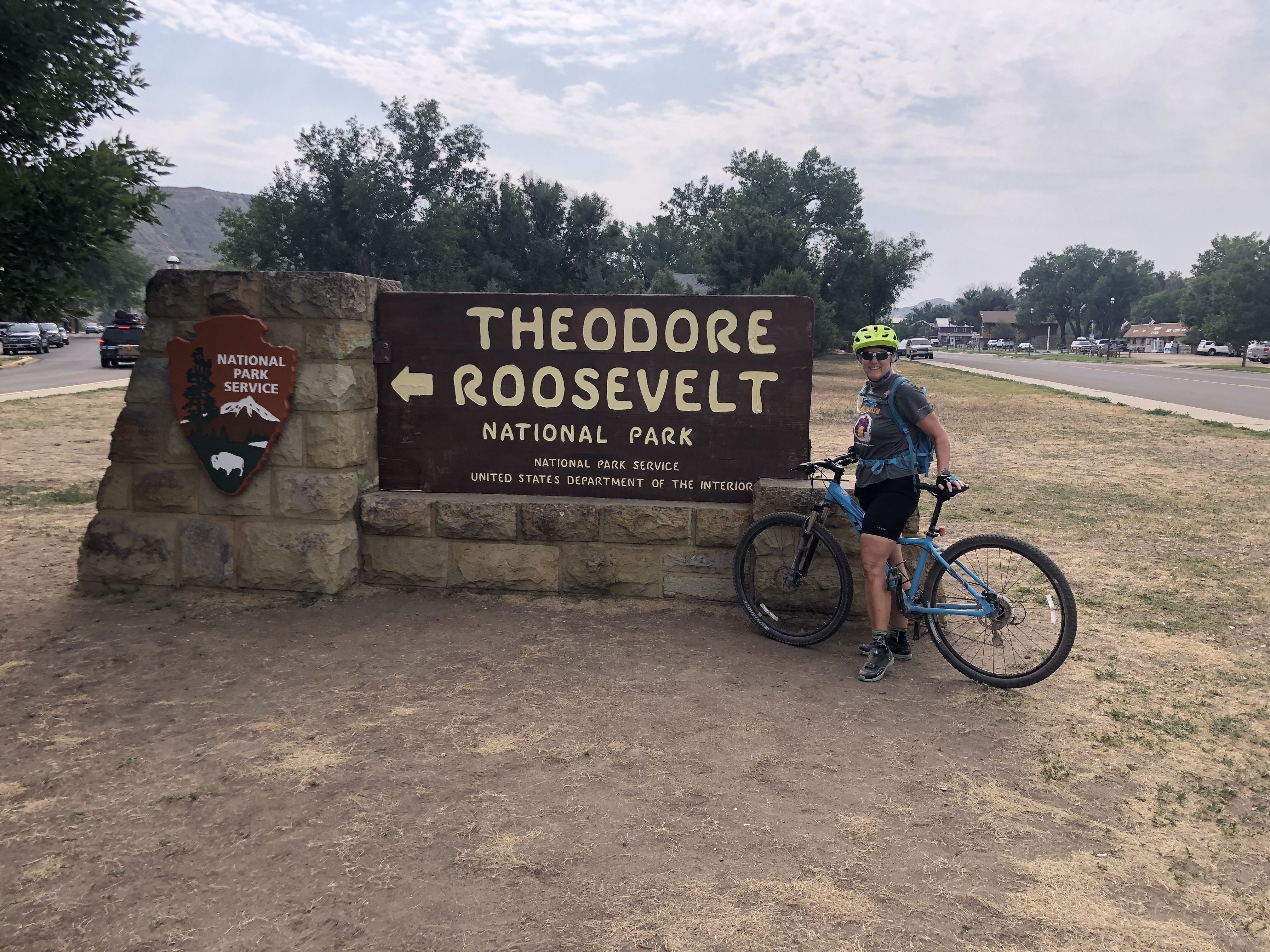
It’s a little out of the way compared to other western national parks, but we highly recommend a trip to Medora, North Dakota to explore the town, its history, and Theodore Roosevelt National Park (TRNP). We spent six days in Medora and loved every minute. The Maah Daah Hey Trail Runs brought us here to begin with but the scenery, the park, and Teddy Roosevelt’s story kept us enthralled.

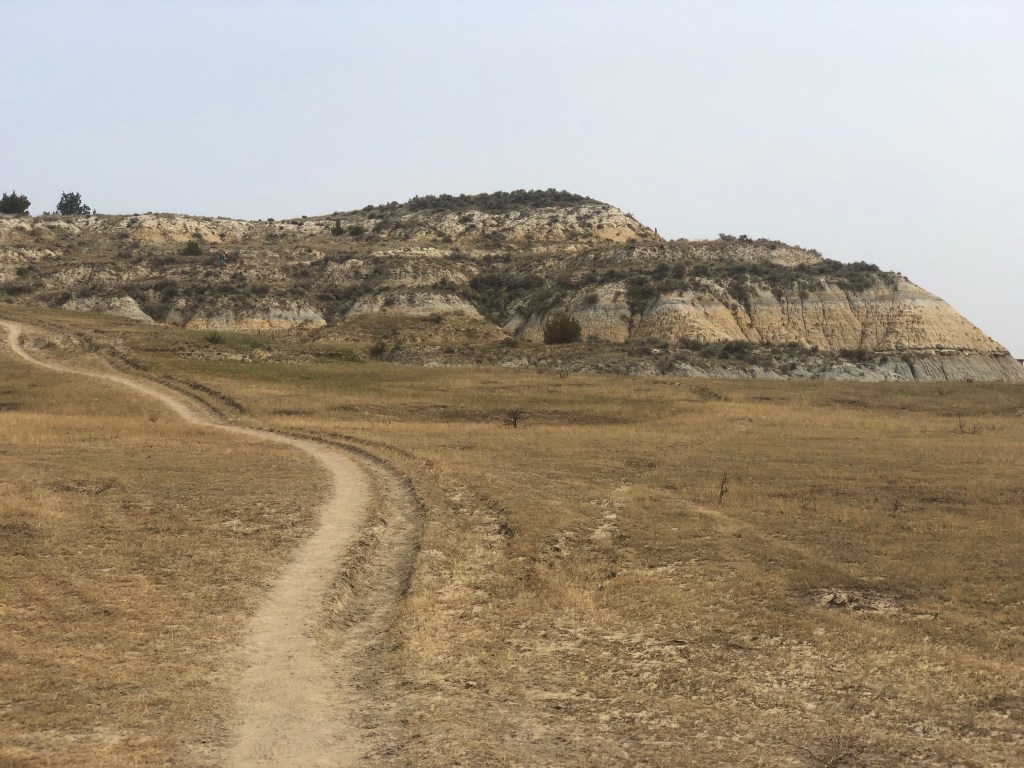
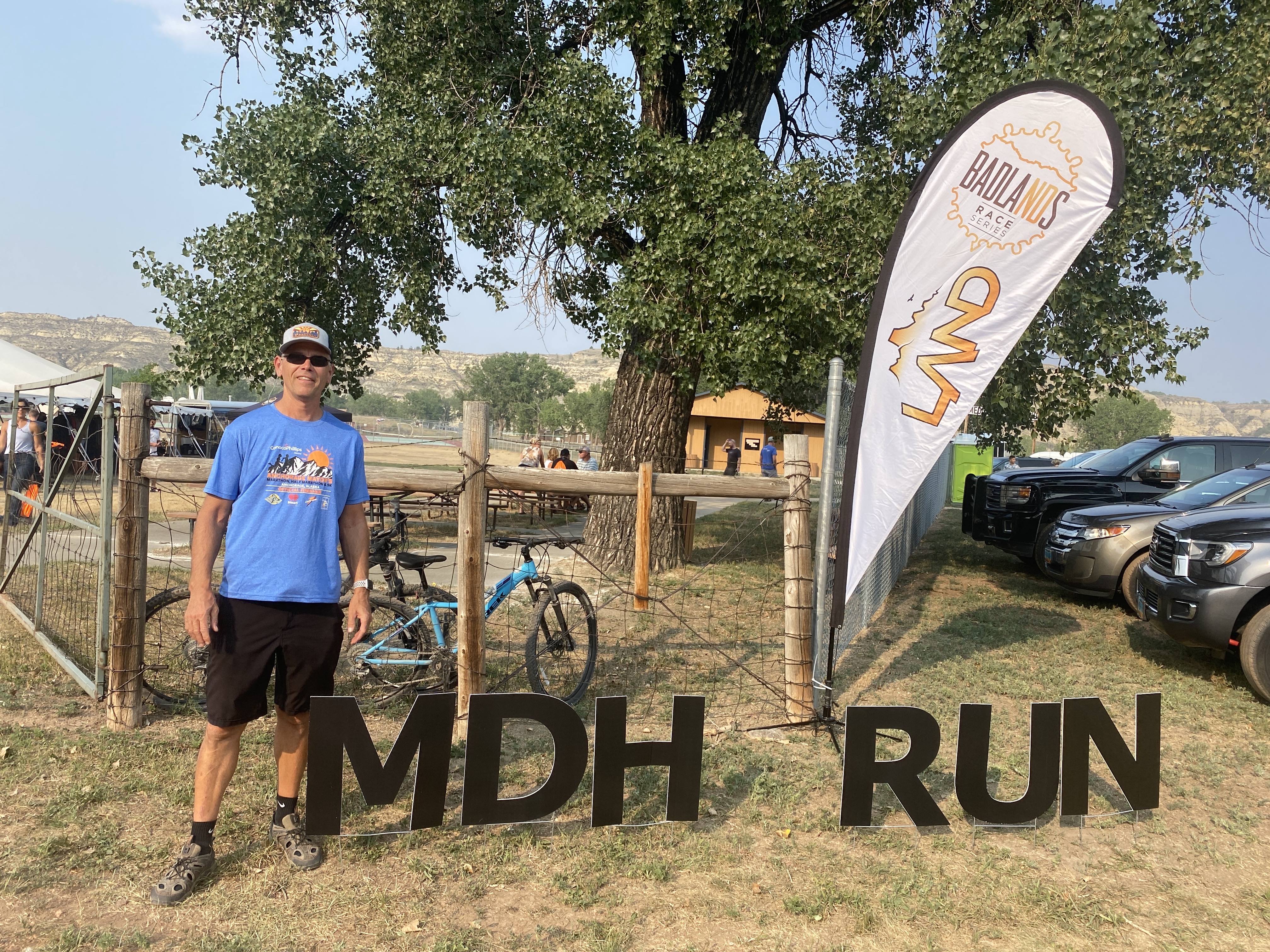
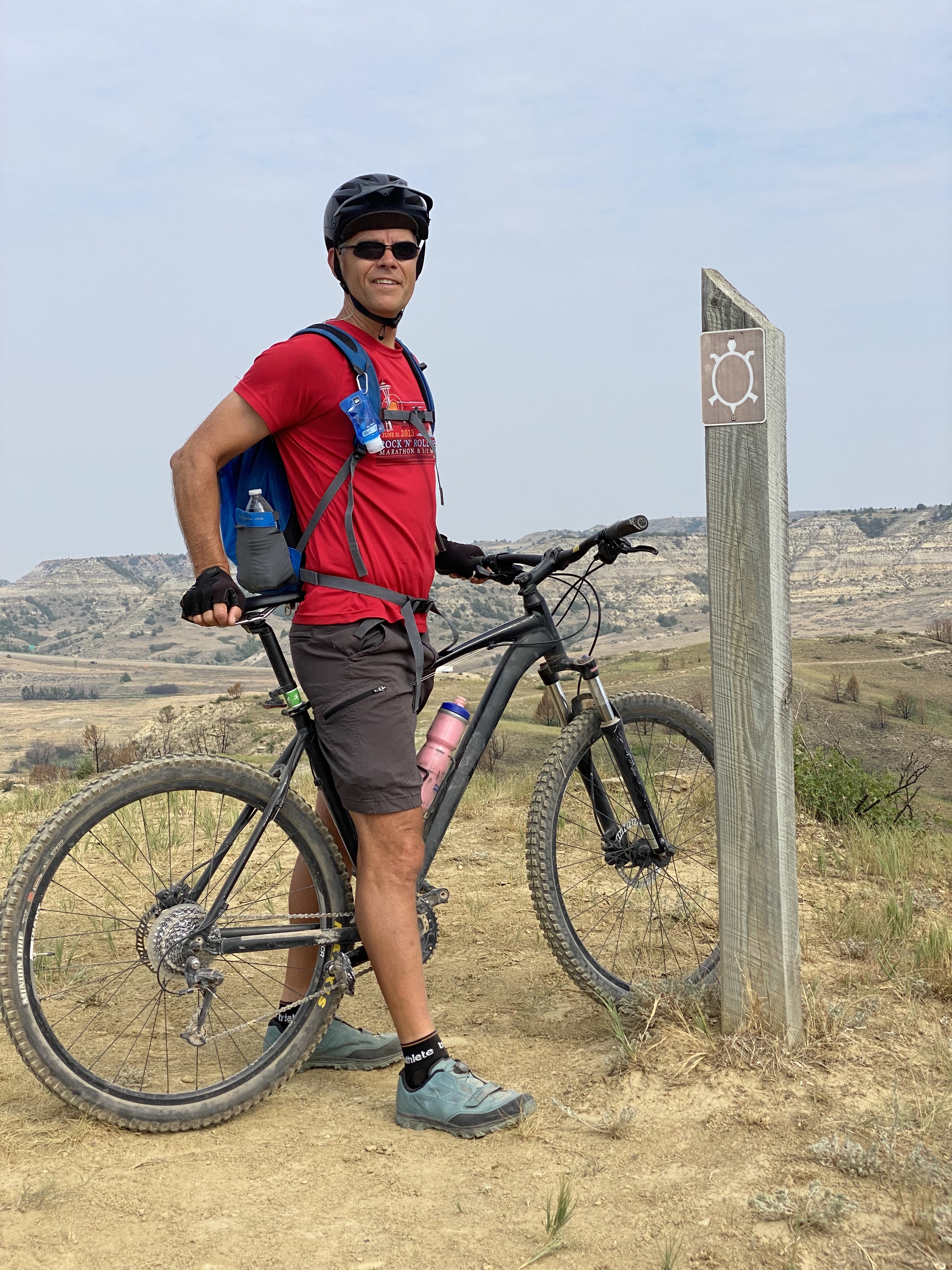
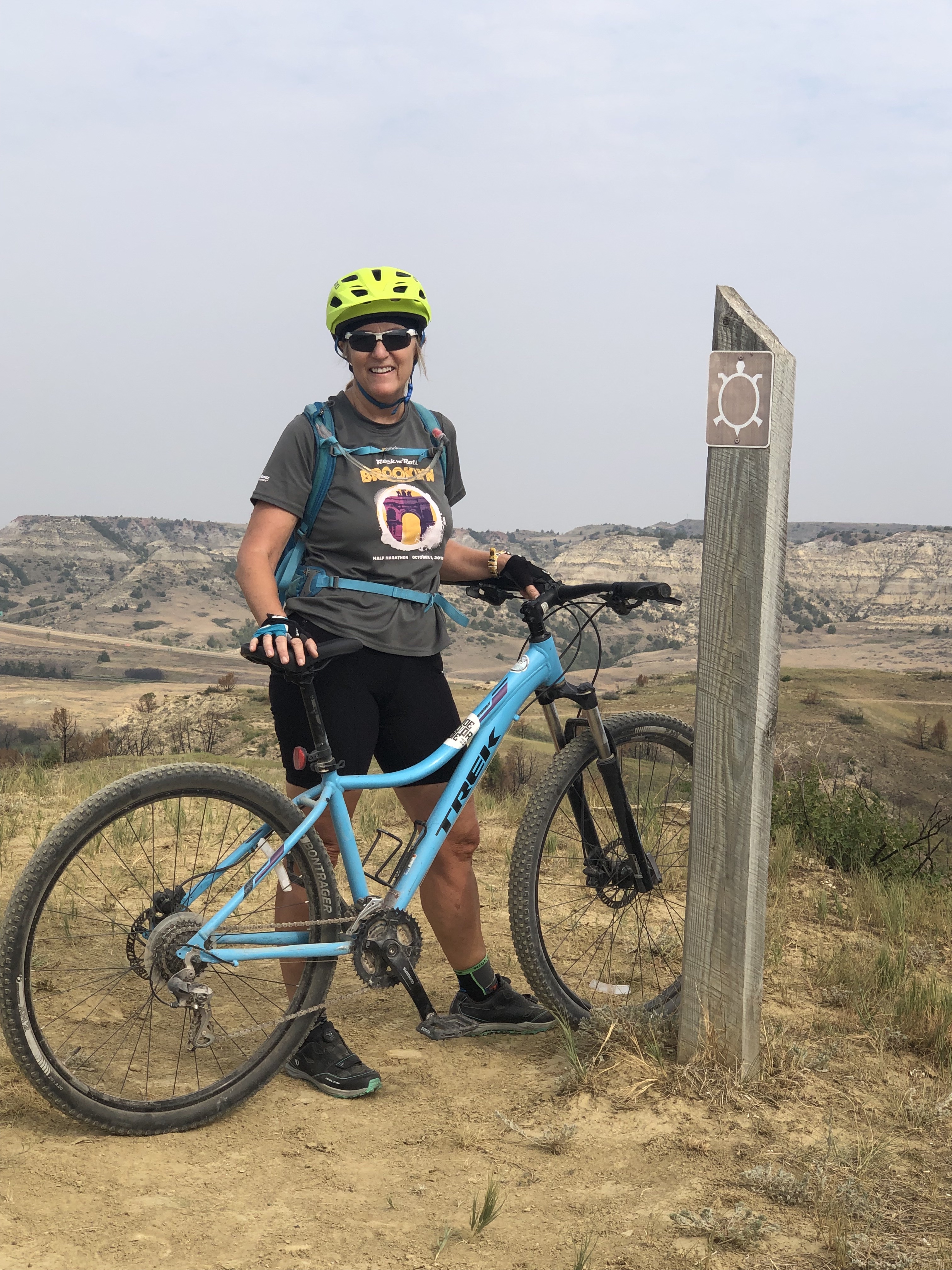
To continue Steve’s pursuit of running a marathon in all 50 states, we made the Maah Daah Hey (MDH) Trail marathon our first priority.  The MDH trail runs a total of 144 miles from the north unit through the south unit of TRNP. The trail markers for the MDH is a turtle, which symbolizes patience, determination, and steadfastness, all of which are required when you run on this trail.
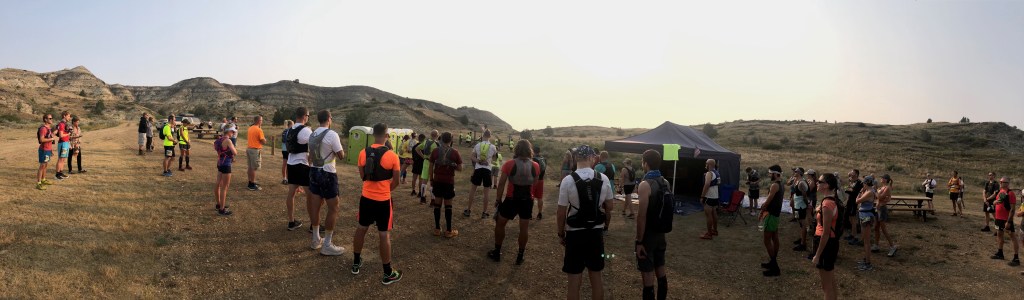
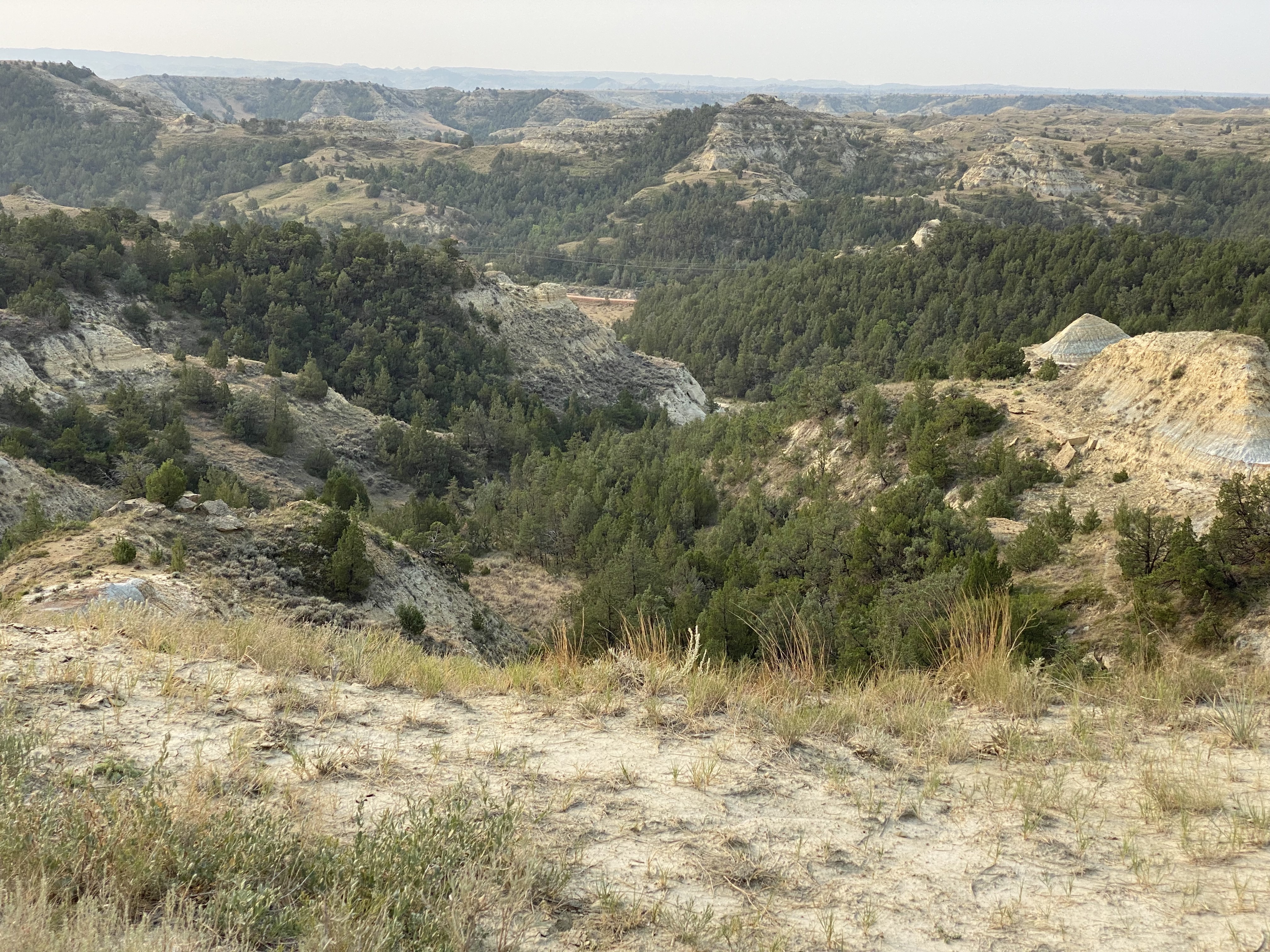
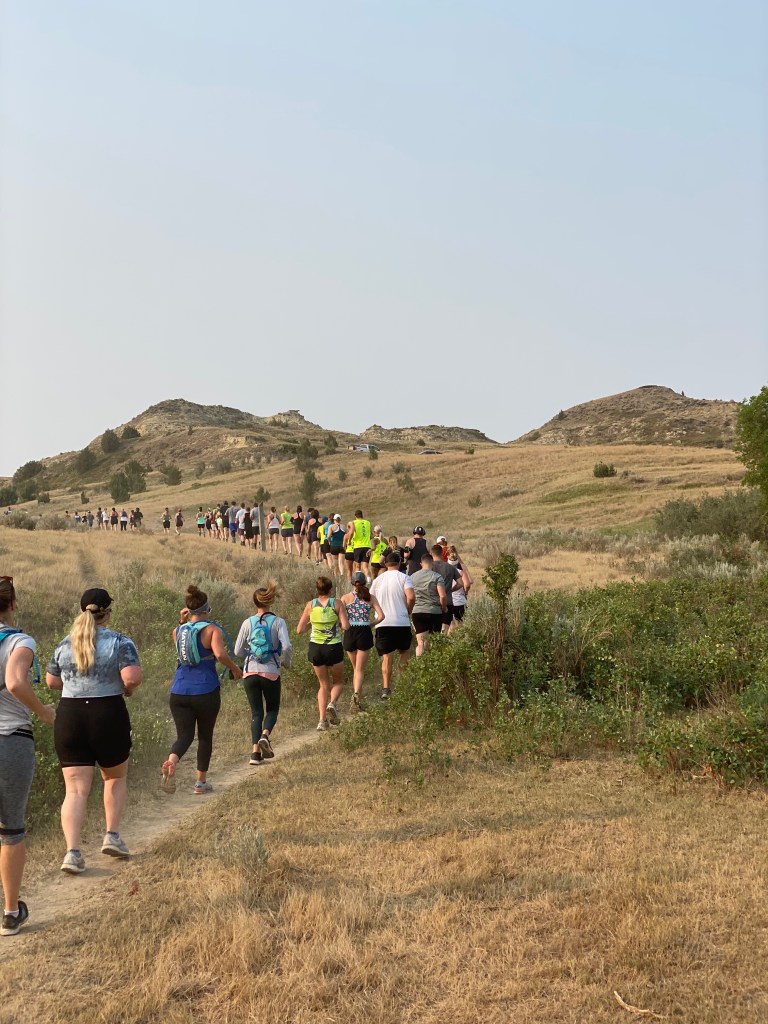
Steve ran the 27 mile race fast enough to win his age group. Yep, he beat all the other guys aged 50-59! I ran the 10K, which was closer to seven miles, through the beautiful and rugged Badlands. The race itself was enough of a draw but there was so much more!

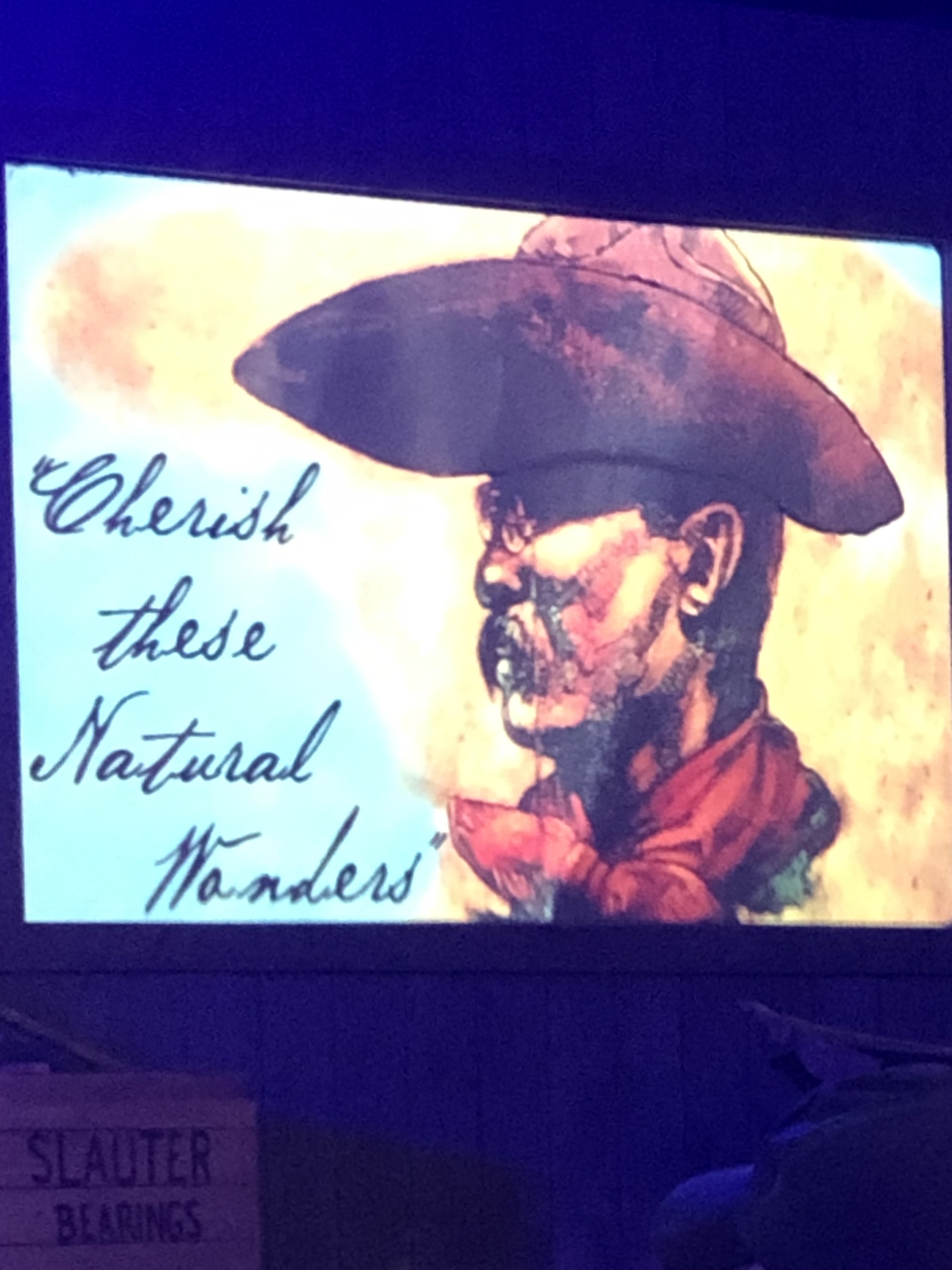
TRNP, the only national park named after a U.S. president, was established to honor his contribution to conservation, having preserved and protected an estimated 230 million acres of land including 18 national monuments, five national parks, 150 national forests, and dozens of federal reserves. As national park geeks, we really like Teddy!

The park itself includes three units covering over 70 miles. Roosevelt ranched in this area in the 1880s and artifacts from his time are on display at the visitor center, including rifles and ranch clothing. We immersed ourselves in all things Teddy while we were here and enjoyed seeing his original cabin and the land he loved. 
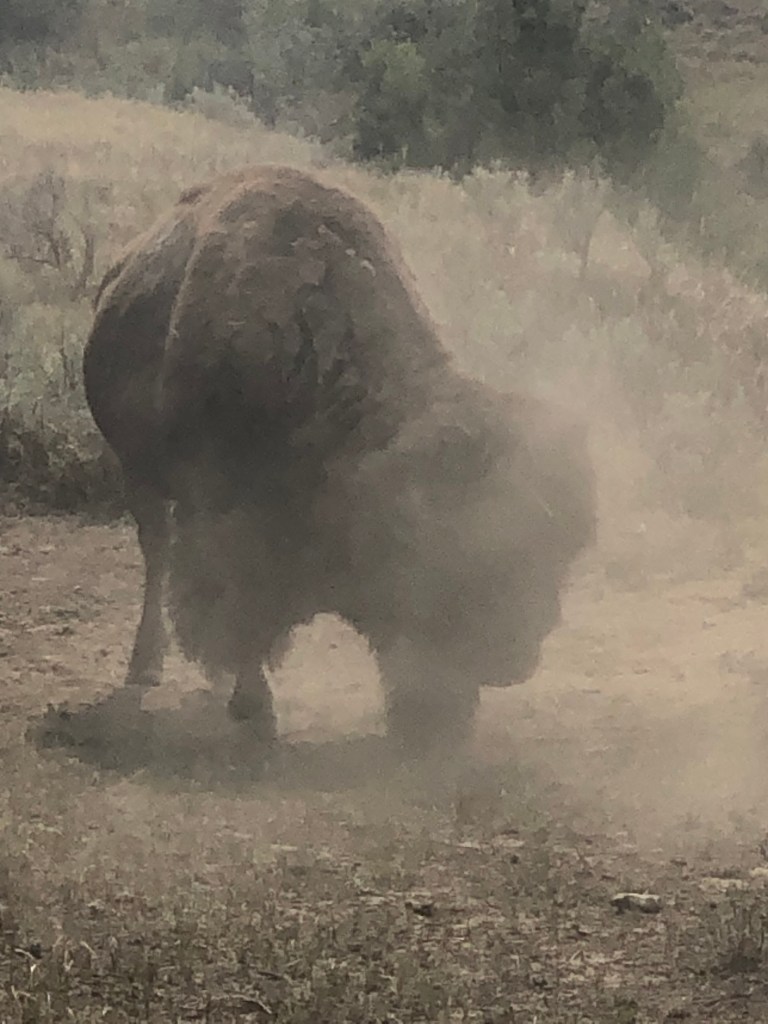
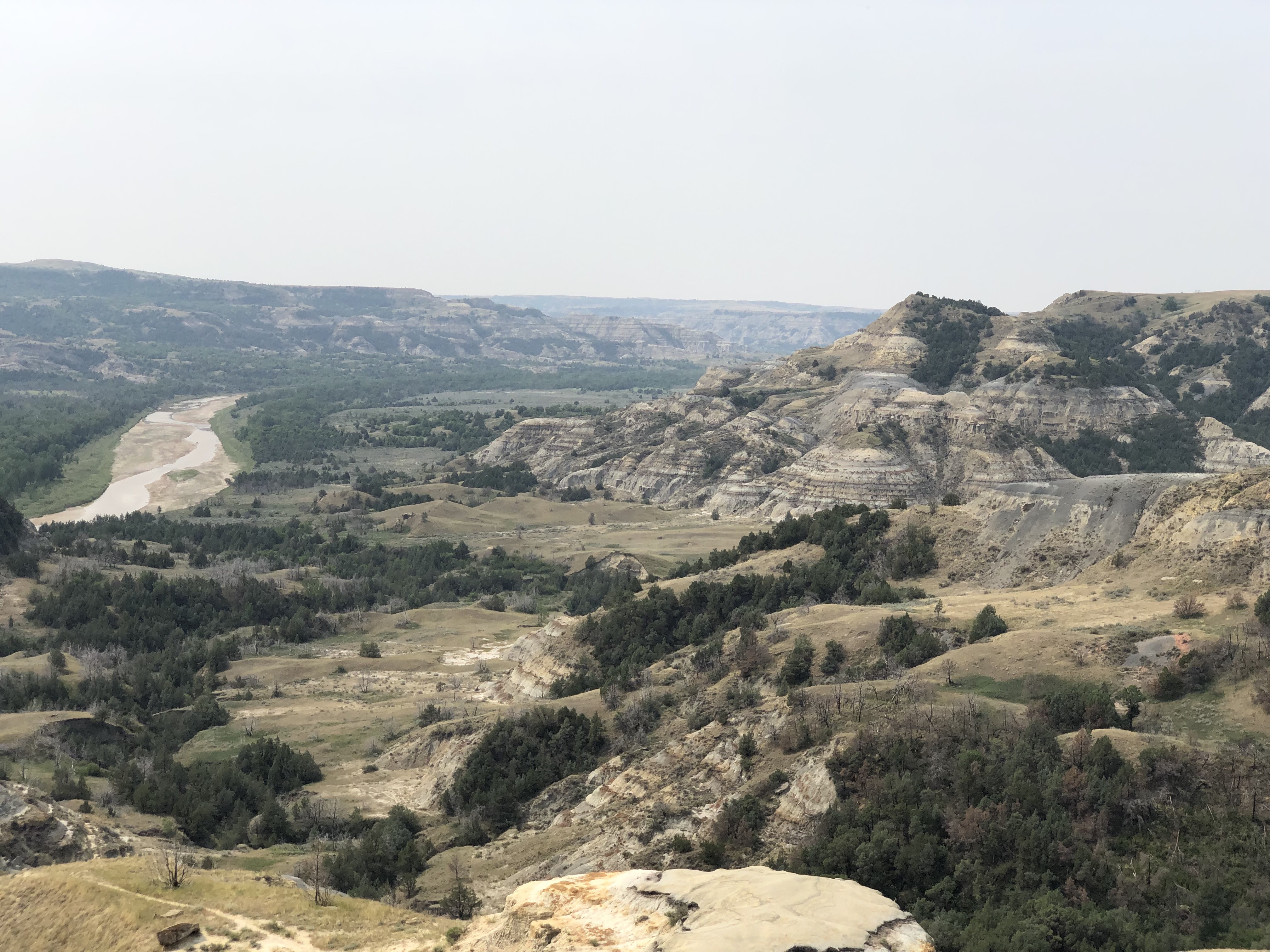
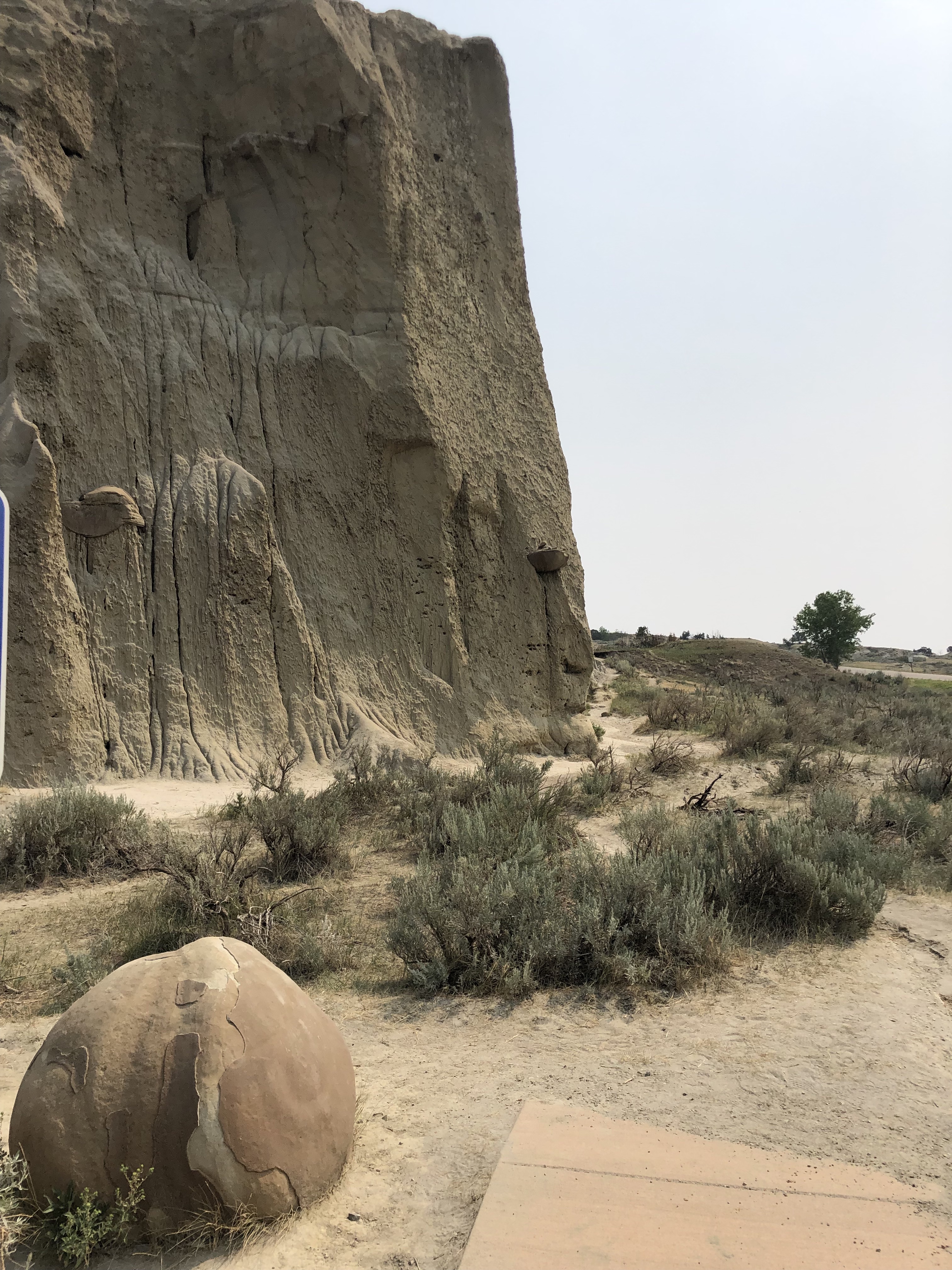
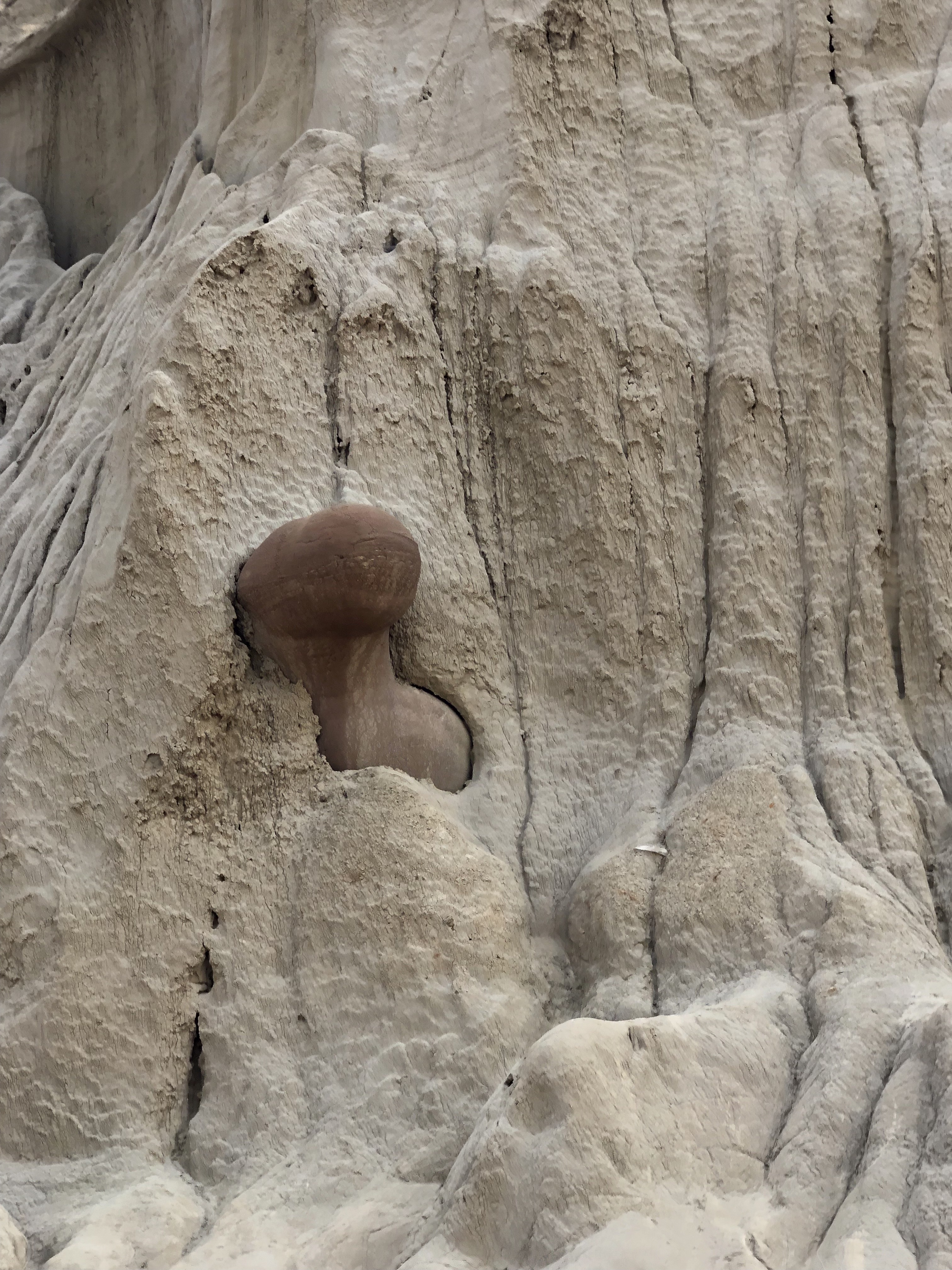
In the park itself we drove the South Unit’s 36-mile scenic drive and took in the park’s numerous prairie dog towns, numerous bison, and the park’s herd of wild horses. In the North Unit, we took the 14-mile scenic drive and learned about the unique rock formations called cannonball concretions, created by erosional forces. The badlands are rugged, desolate, and yet, beautiful in many ways. 

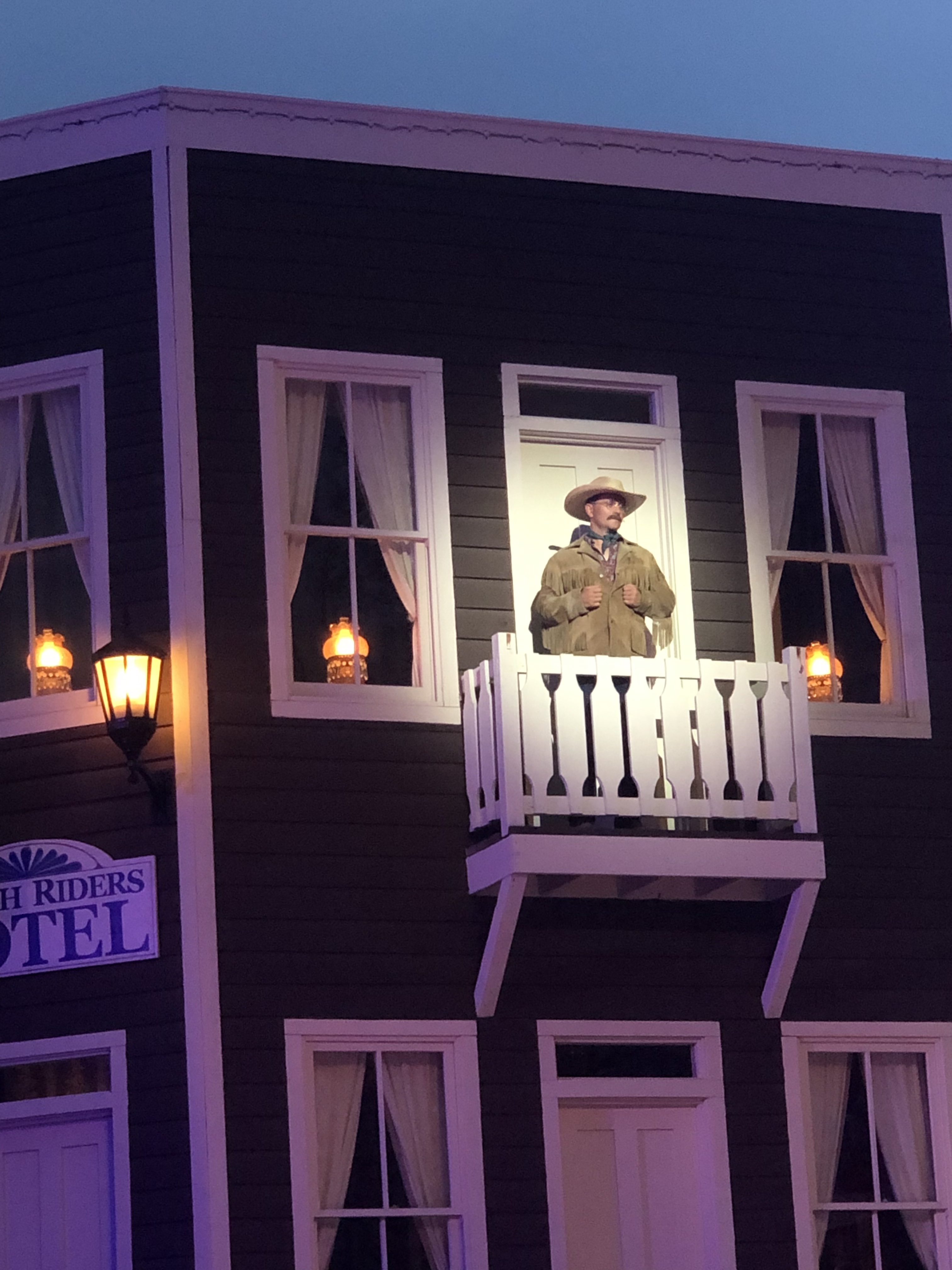
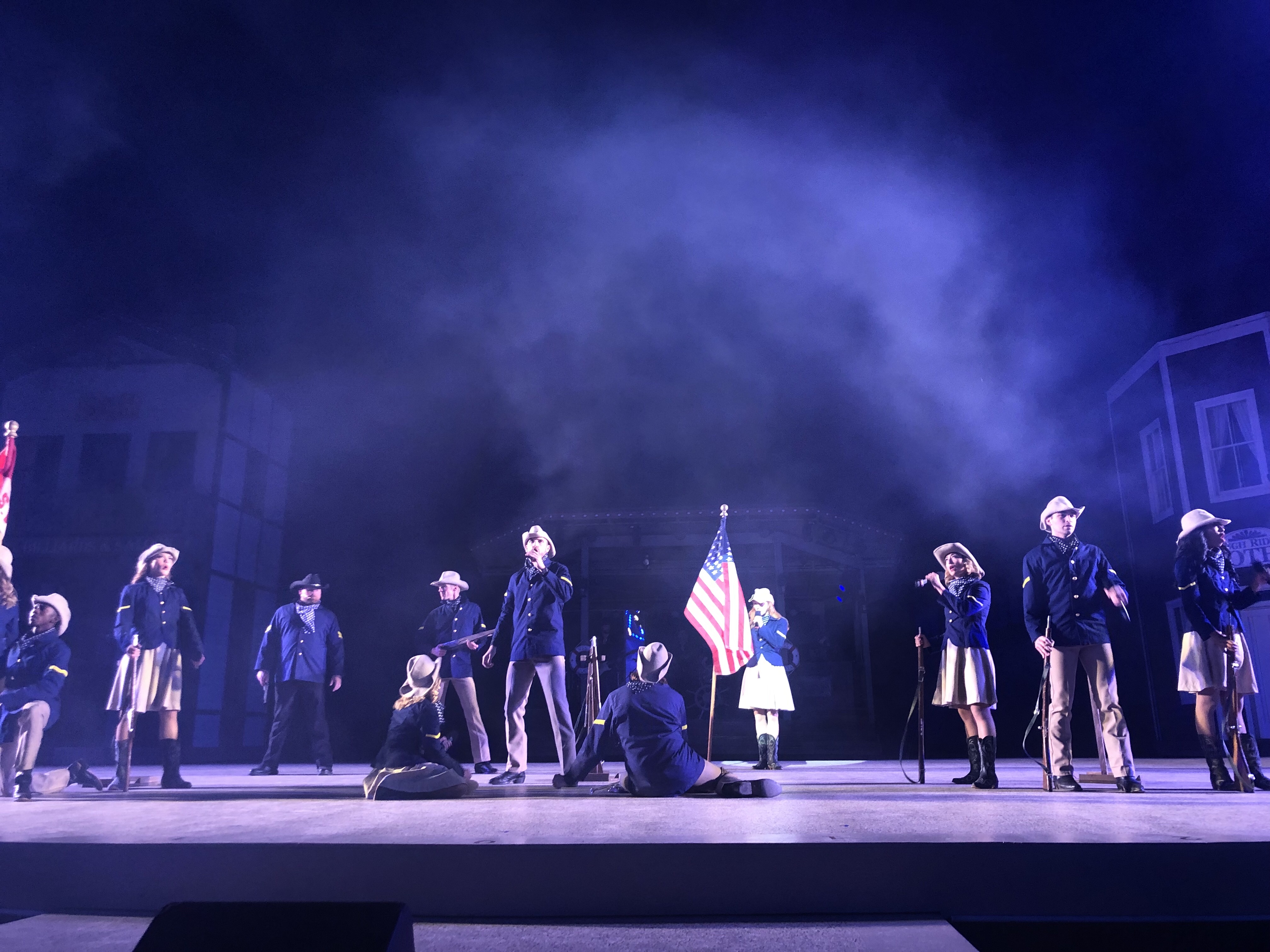
The town of Medora is a living tribute to our 26th president. In fact, much of the neat town and its attractions are run by the Theodore Roosevelt Medora Foundation. We attended two afternoon shows that paid tribute to T.R. and taught us about his impact on Medora. He came here to find solace after the death of his first wife and his mother on the same day. His ranching days here were short-lived, but his love of North Dakota endured. 

The Medora Gospel Brunch is also worth checking out when you visit Medora. In fact, all of the entertainment in town was top-notch. High quality singers and musicians, polished re-enacters, and New York-level productions. We were really impressed.

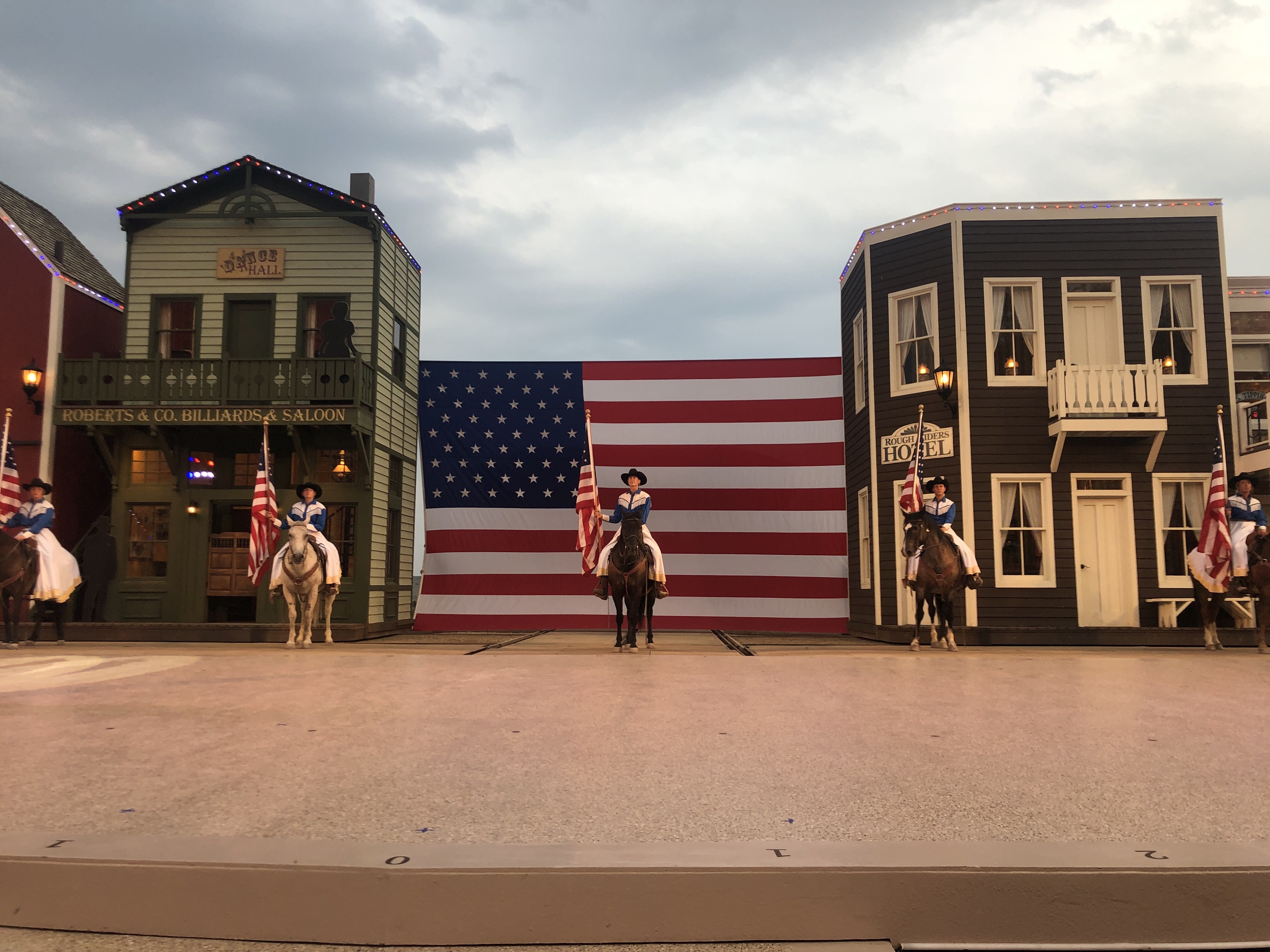
The star of the Medora entertainment scene is the Medora Musical which has been running since 1965. Set in a striking outdoor amphitheater with sweeping views of the badlands, the musical pays tribute to Medora’s history and the legacy of Theodore Roosevelt.
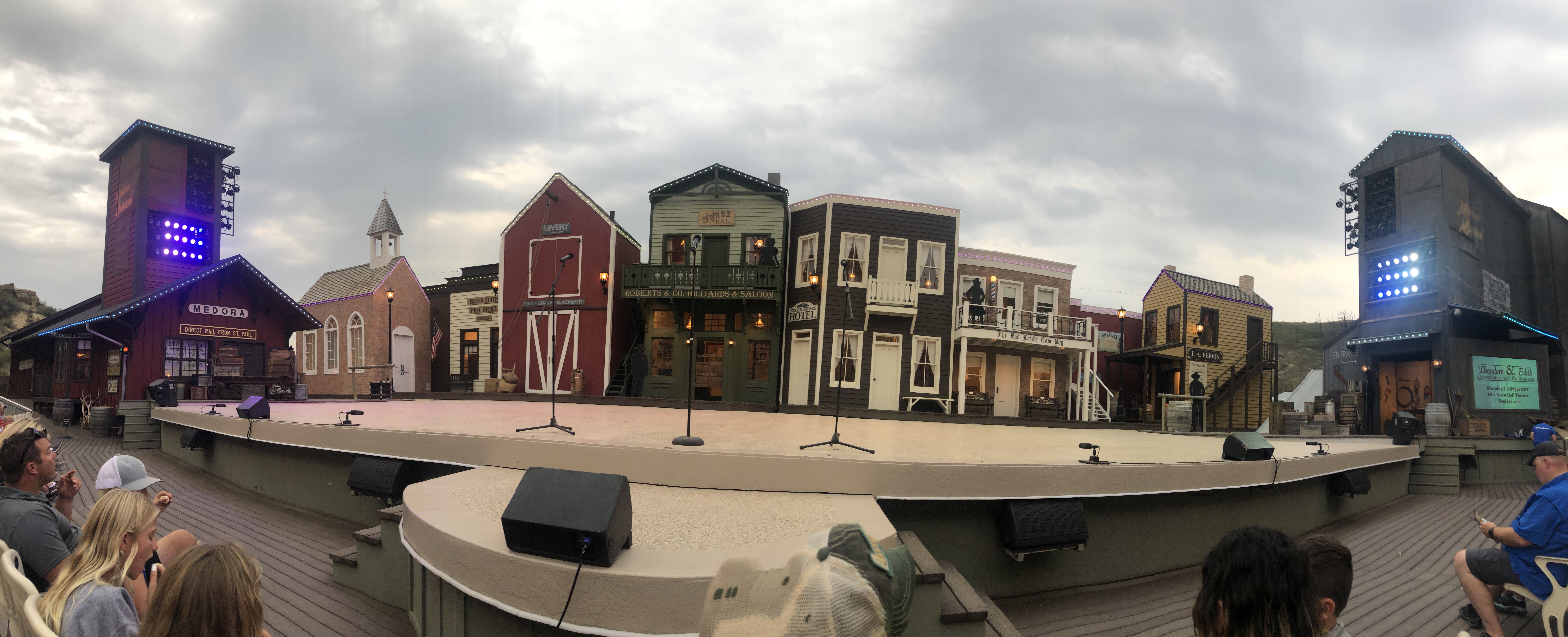
With a mix of classic country music and original tunes, the company sings, dances, and rides with high energy for a full two hours. In our second row seats, we had a great view of the action.  The Medora Musical is a not-to-miss event in Medora.
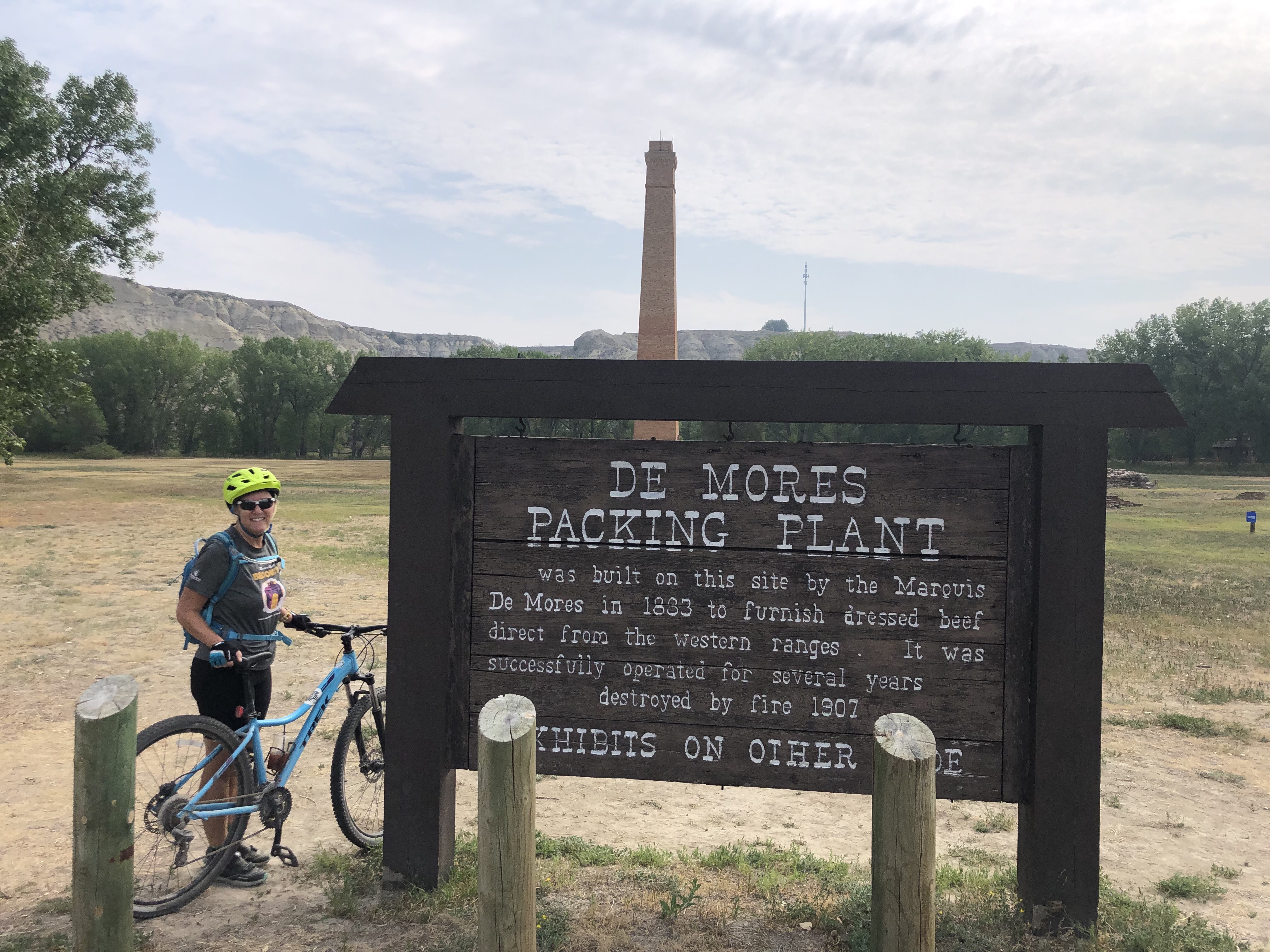
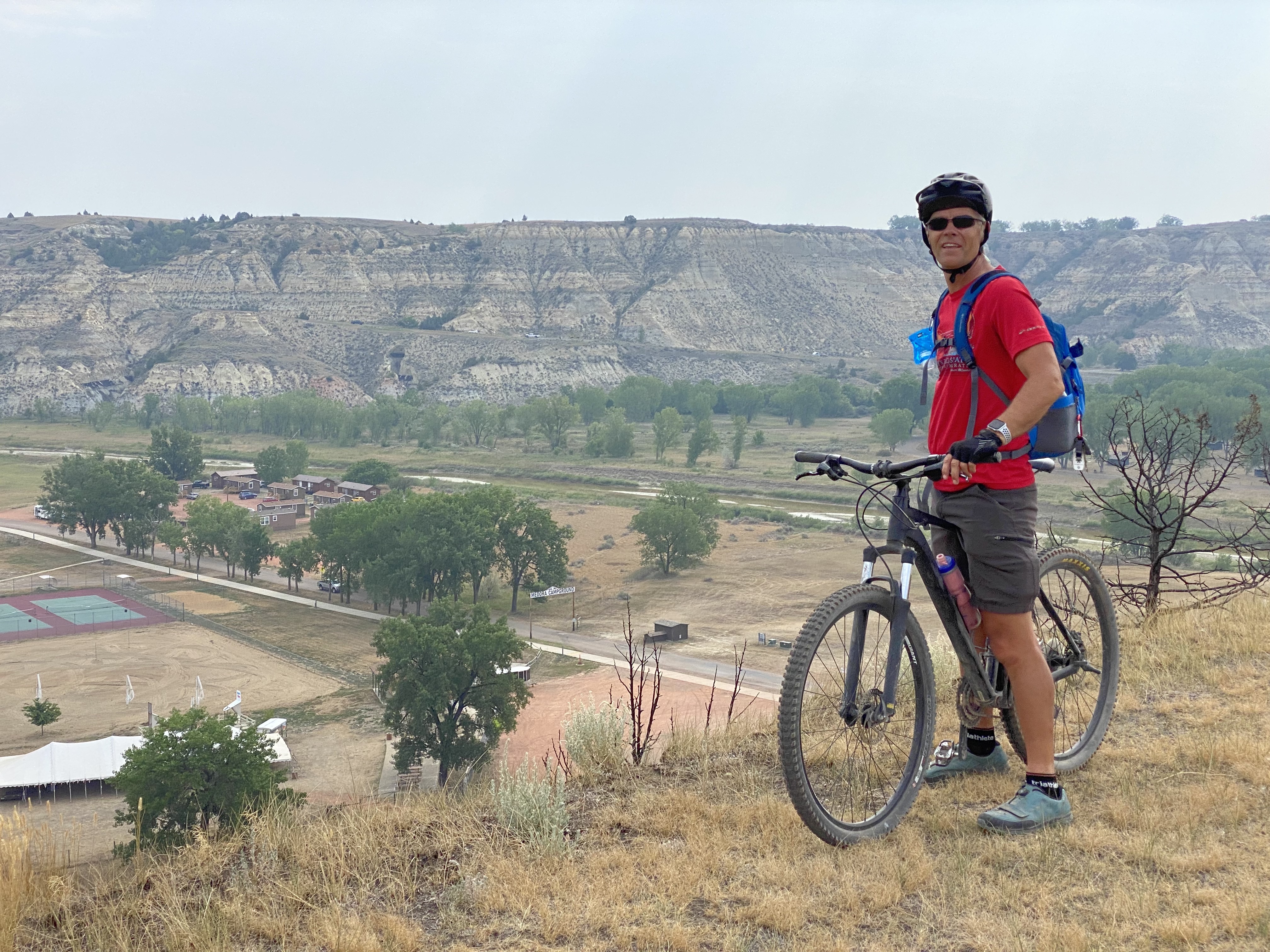
Of course we went back out on the Maah Daah Hey trail a bit on our bikes and just enjoyed being in this unique place. Beautiful views, a well-groomed trail, and sunshine always make for a good day.
We hope to return in 2025 once the Theodore Roosevelt Presidential Library is opened. 
Glacier National Park

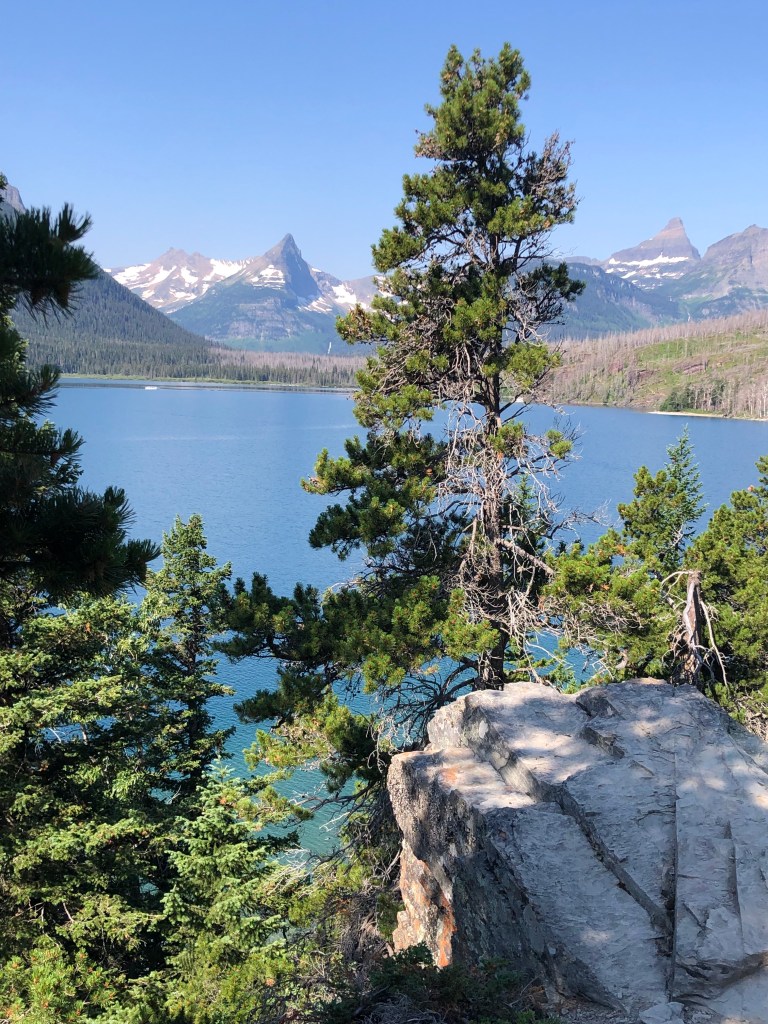
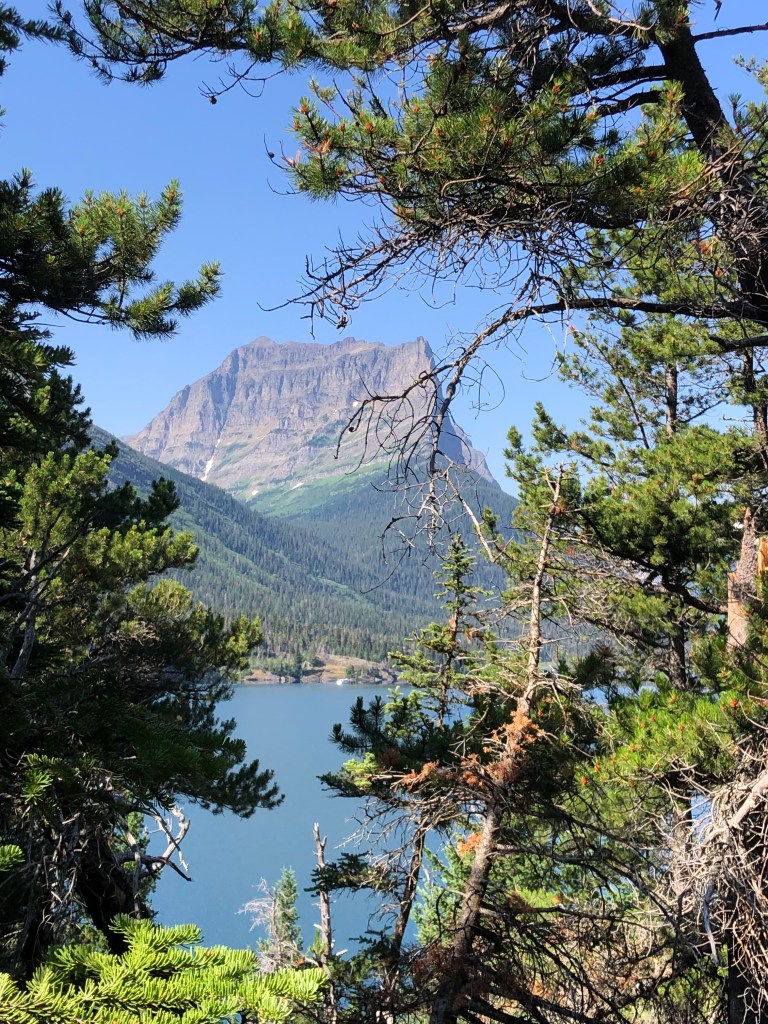
Wow!  Glacier National Park (GNP) knocked our socks off!  Gratefully we had a full week to enjoy the area and we really only scratched the surface. 

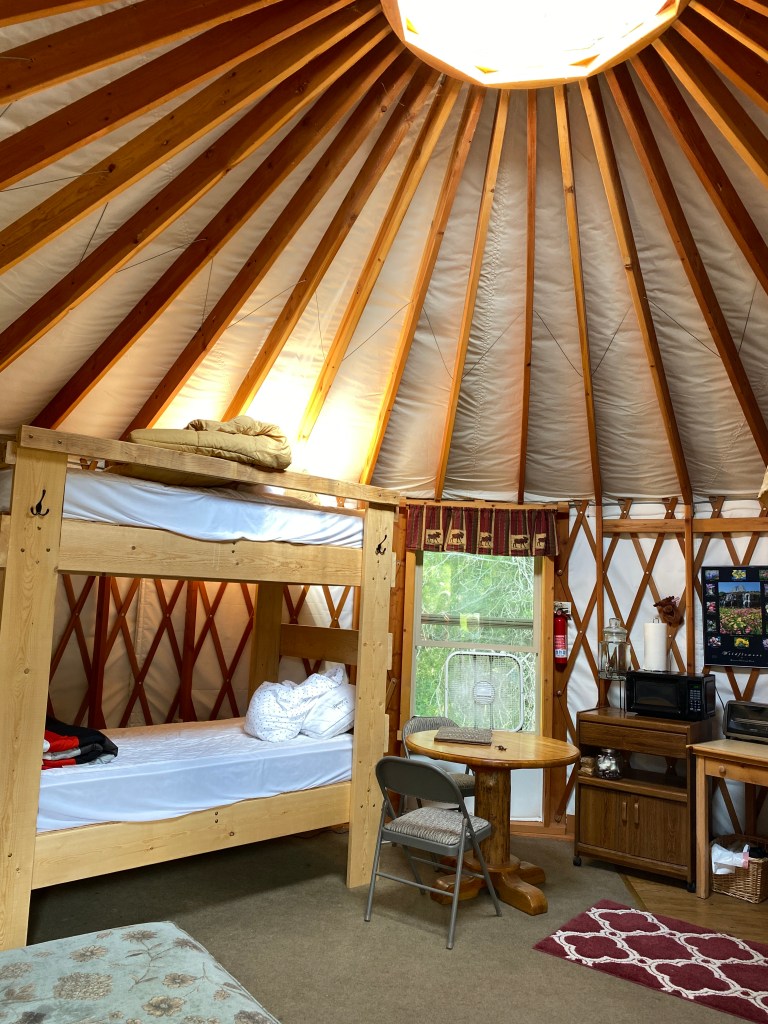
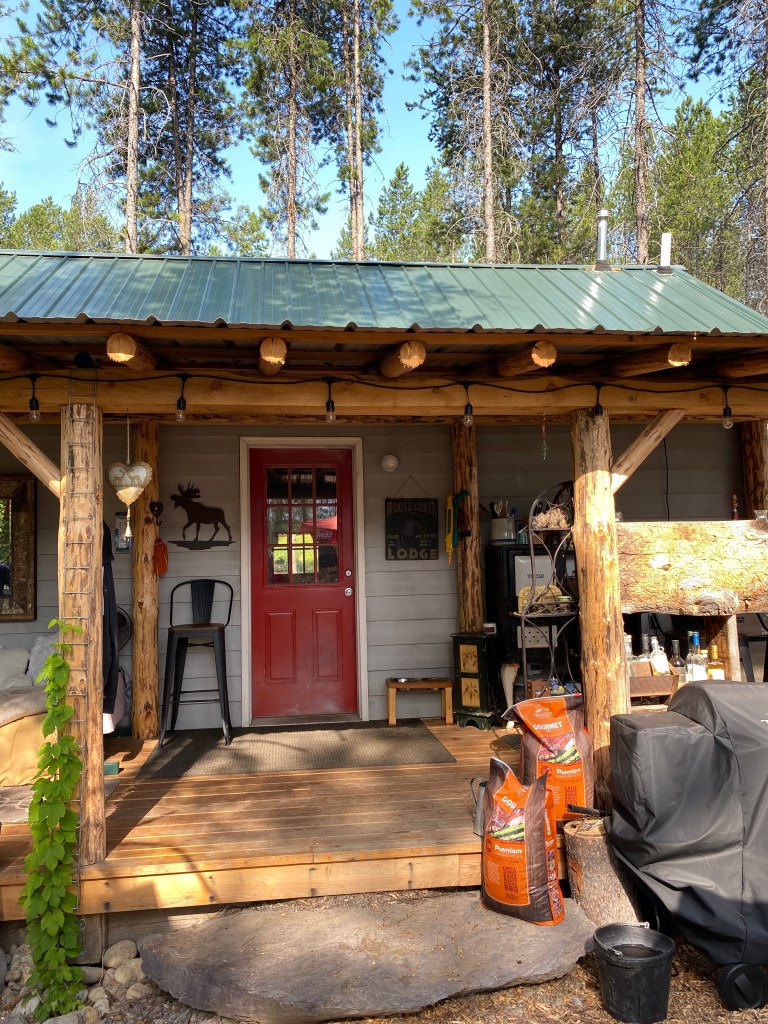
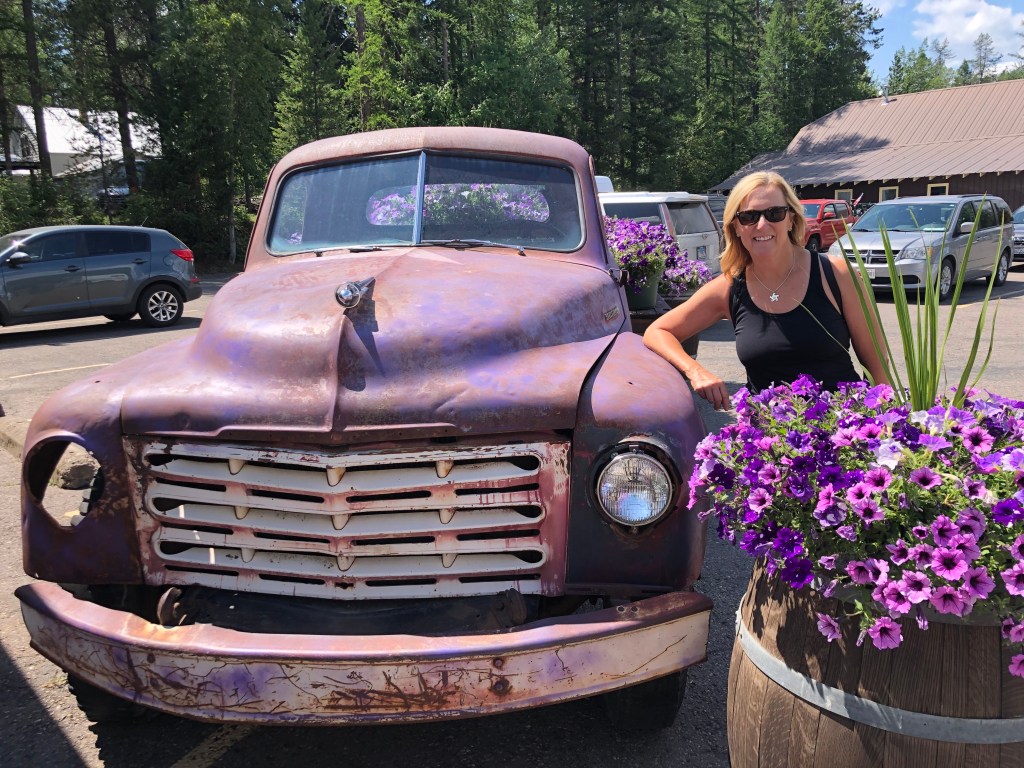
First we explored the surrounding area of West Glacier/Coram, beginning with a visit to the Mooshroom Yurt Retreat and Campground. Five years ago our friend Terri Eckel bought nine acres just a few miles outside of the entrance to the national park and has developed the property into a destination for adventurers and nature lovers.

Her yurts and primitive campsites draw people from around the world. It was fun to catch up and see the little piece of paradise she’s created.
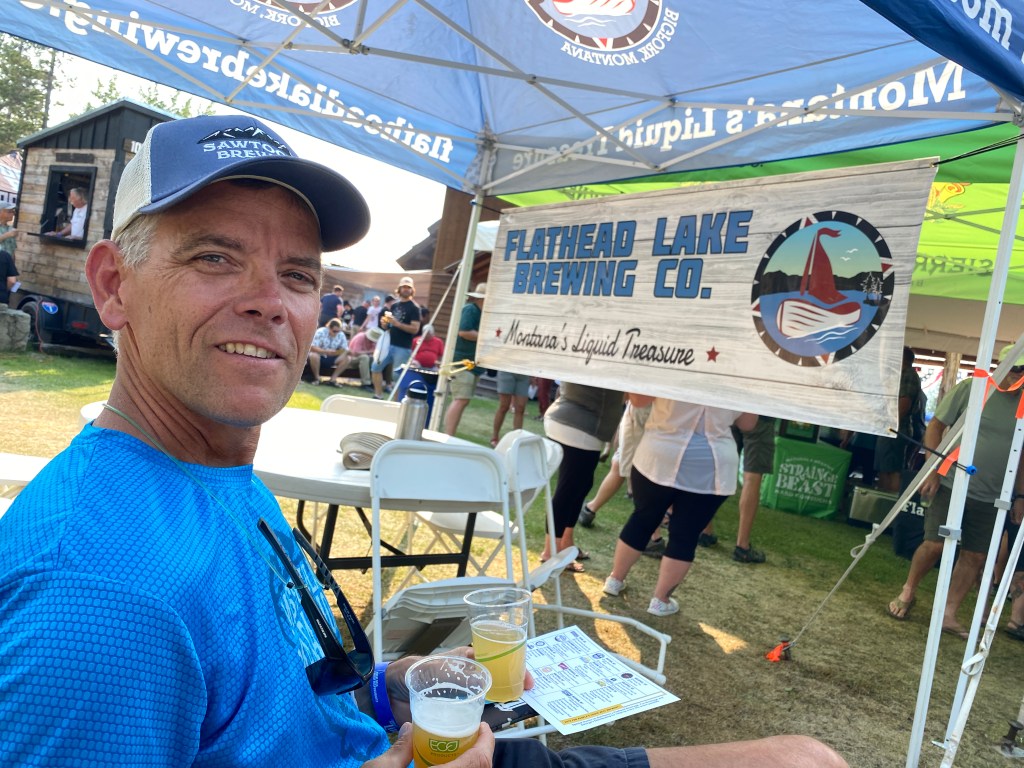
One evening we supported the community effort, Gateway to Glacier, by attending their charity Pints for Paths brewfest. A paved bike path runs from Columbia Falls to West Glacier and connects the local communities to open spaces. We were happy to support the effort by tasting plenty of Montana craft brews.

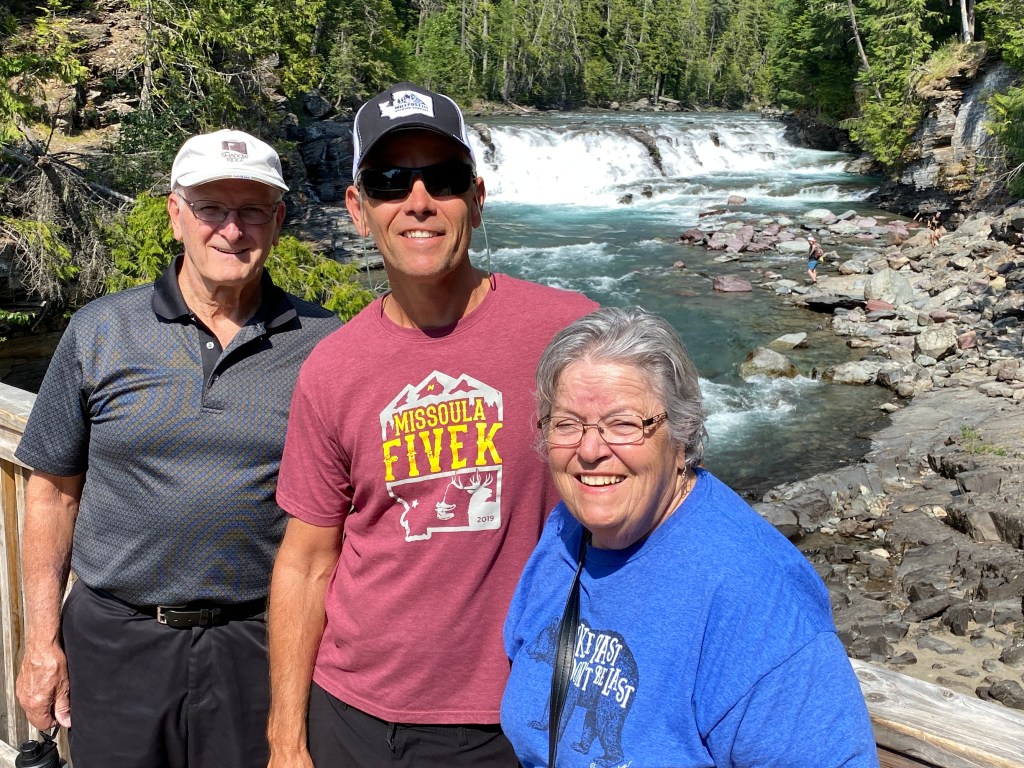
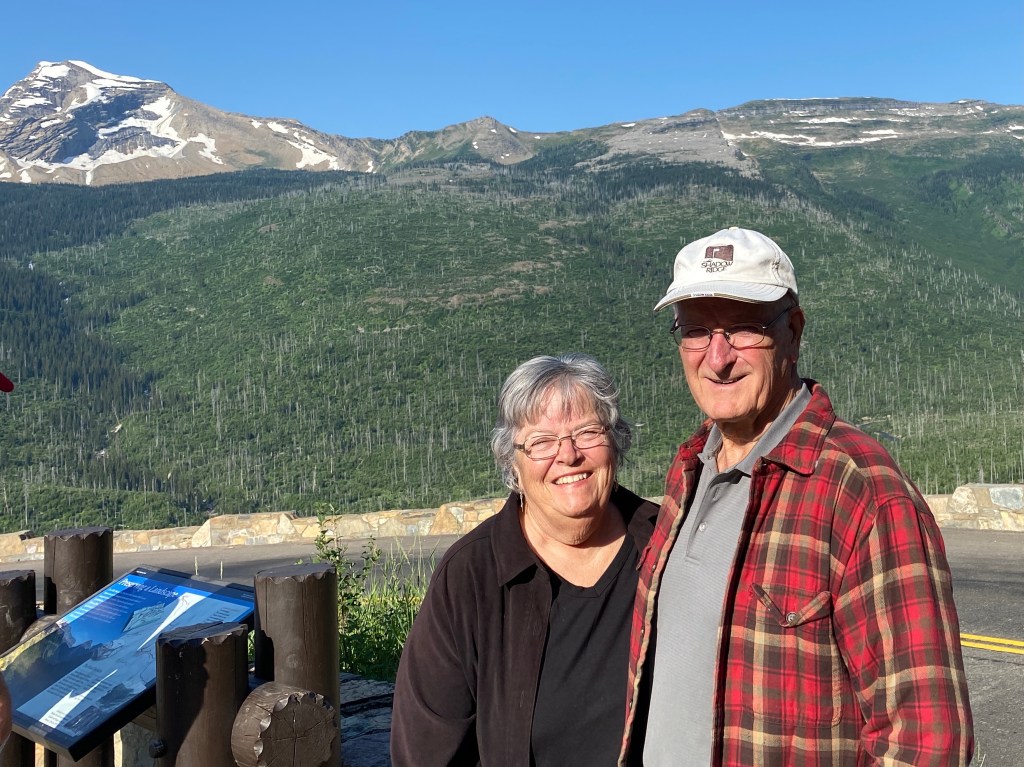
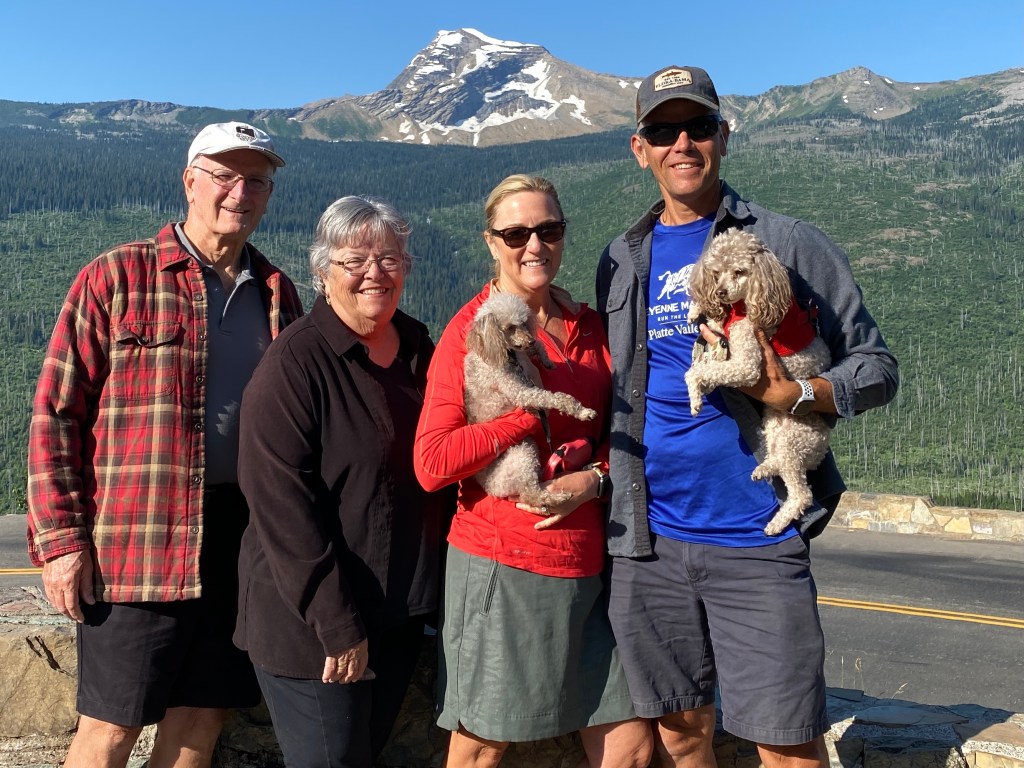
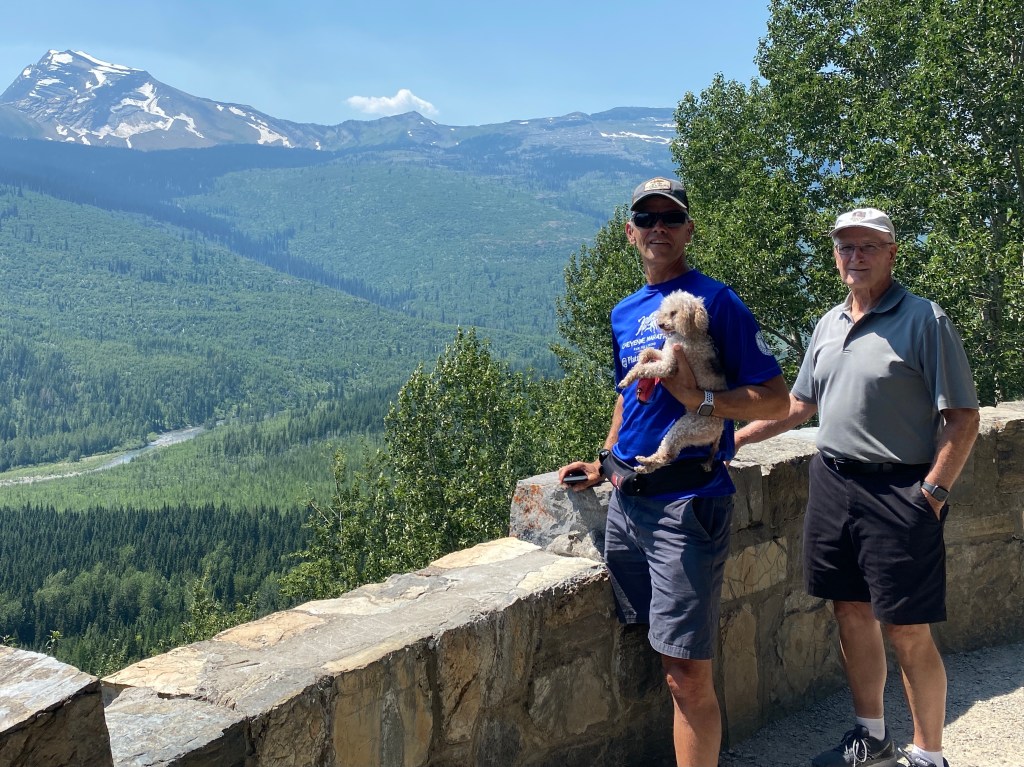
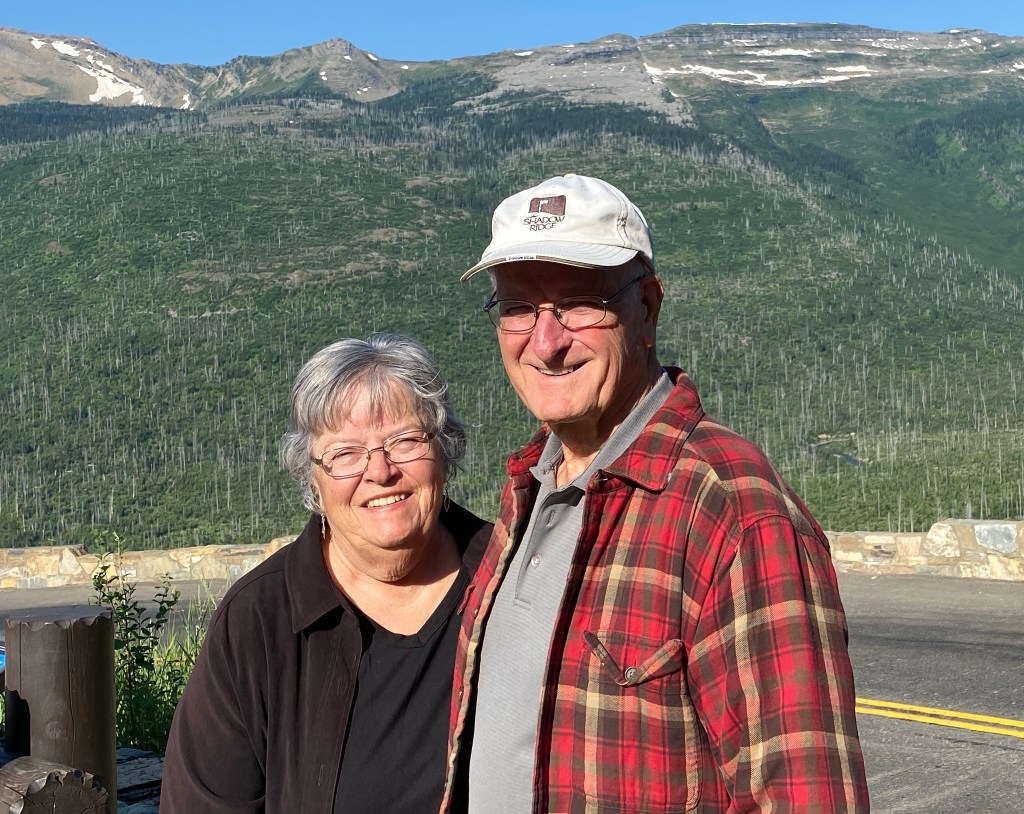
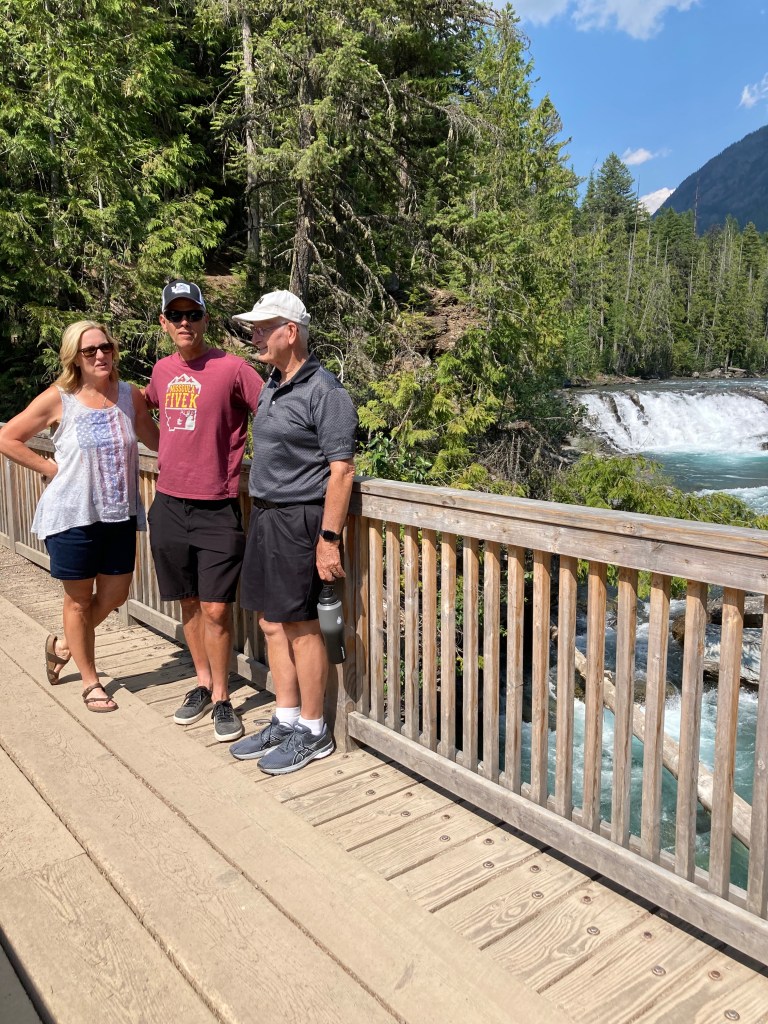
Midway through our stay we were happy to welcome Steve’s parents, Judy and Larry, to Montana. Together the four of us explored GNP. It was fun to have them with us as we collectively were awed by this part of the world.
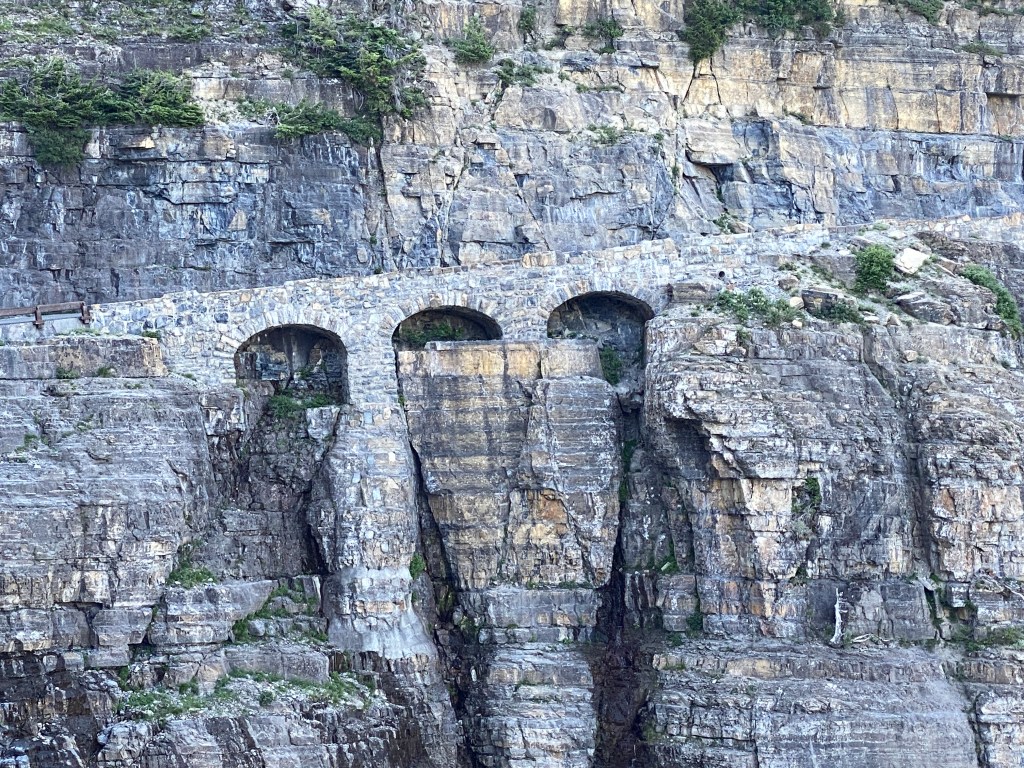
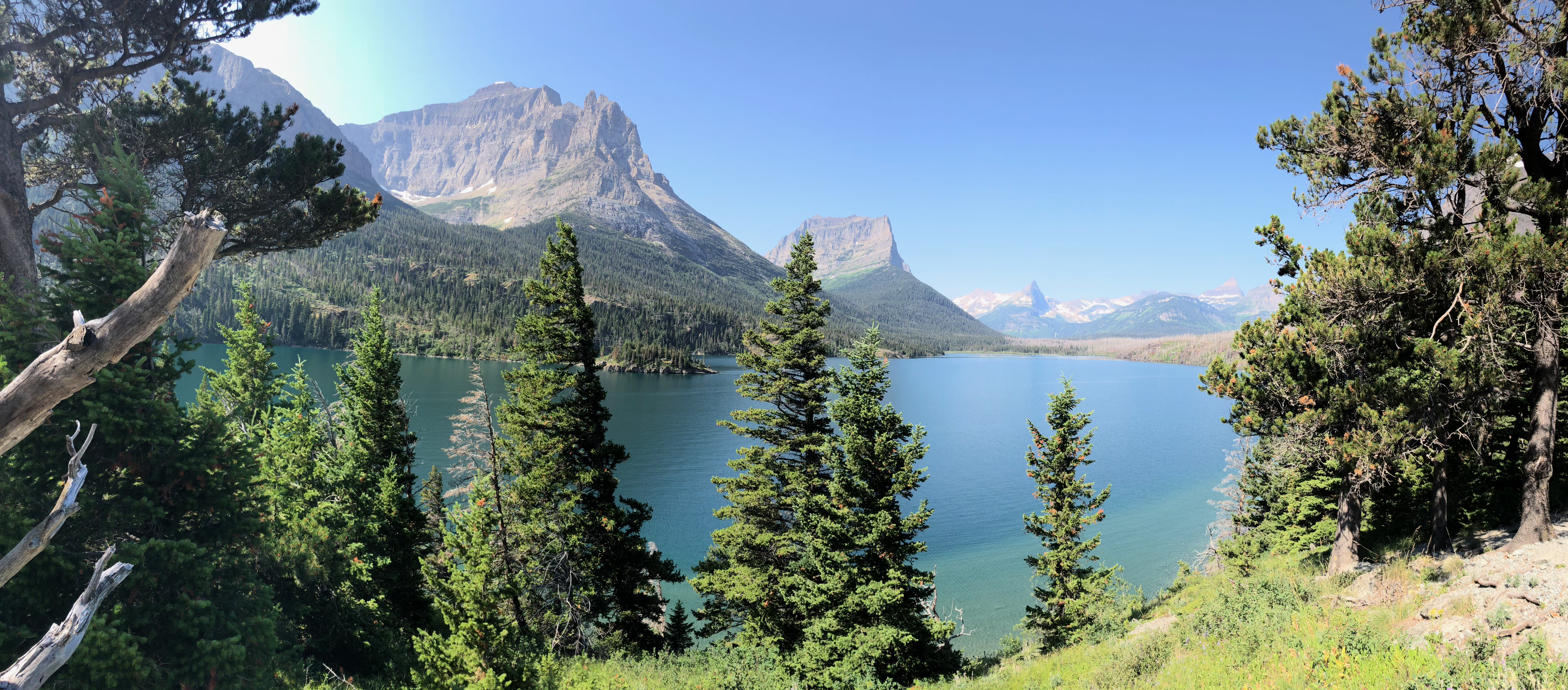
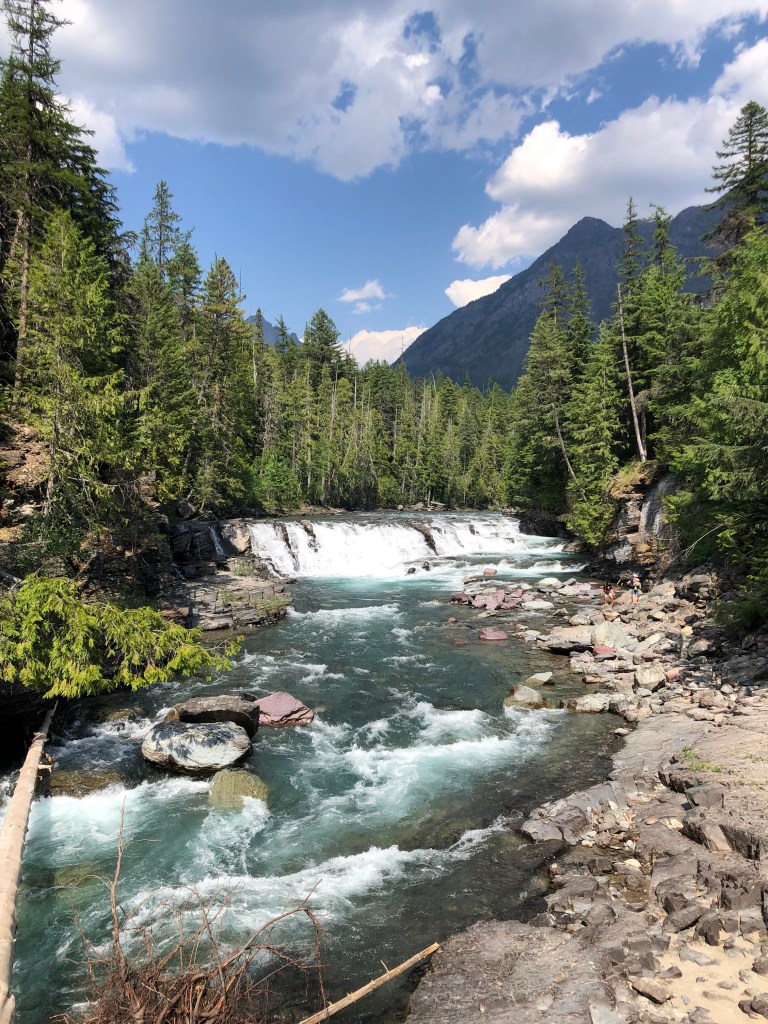
The one don’t-miss attraction is the Going to the Sun road. Built between 1921 to 1932, the roadway is a 52-mile engineering marvel, crossing the Continental Divide. Built strictly for sightseeing purposes, the road is the primary way to access the park’s trails and lakes. 

We took our time, stopping at overlooks, waterfalls, and short trails. Using an audio guide from Gypsy Guide, we enjoyed learning about the road, the park, and the ecosystems along the way. Even though we started fairly early and had the required timed-entry ticket, the crowds made it hard to find a parking space at the popular stops. Luckily we weren’t in a hurry and were there just to enjoy the spectacular views. 

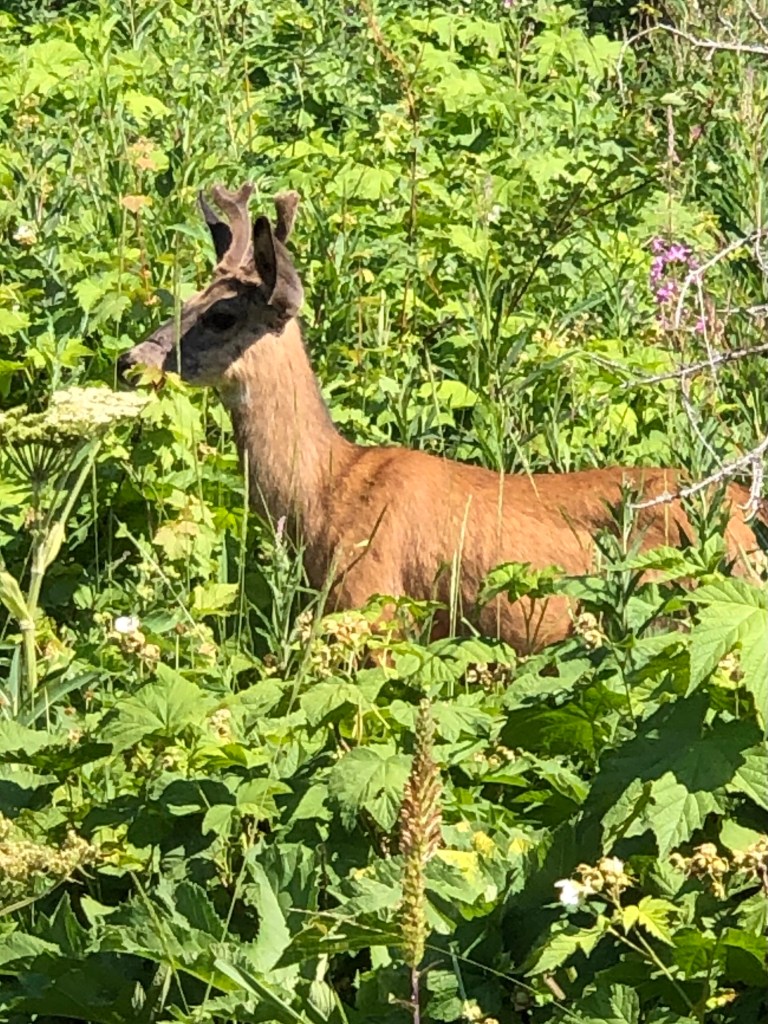
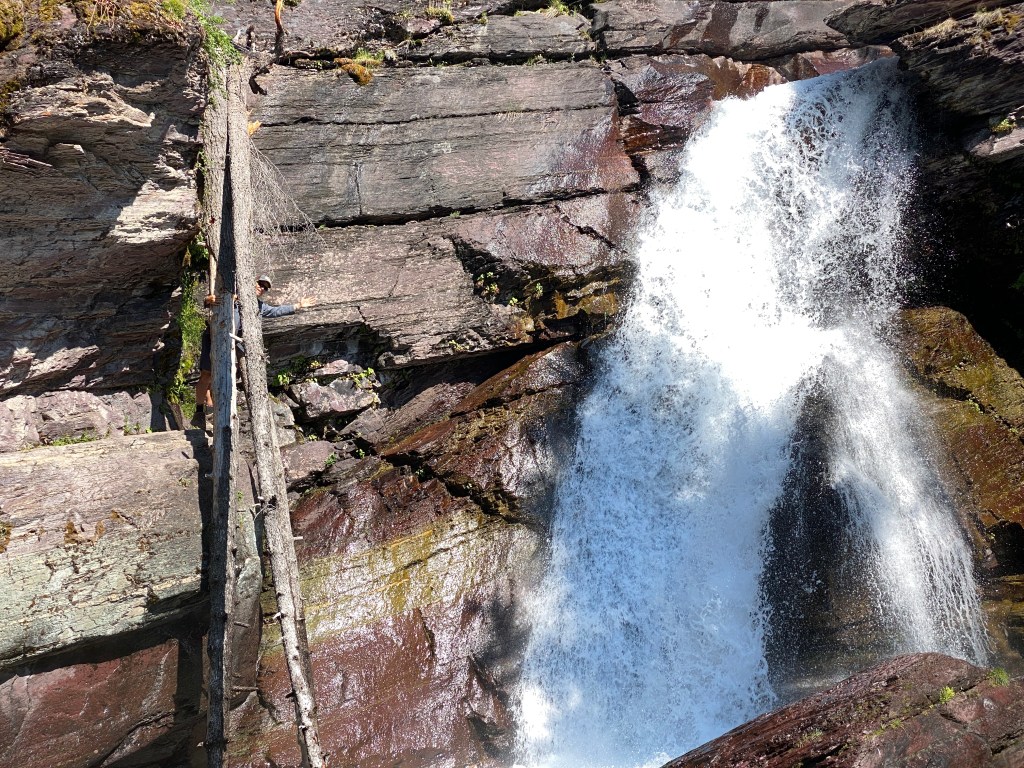
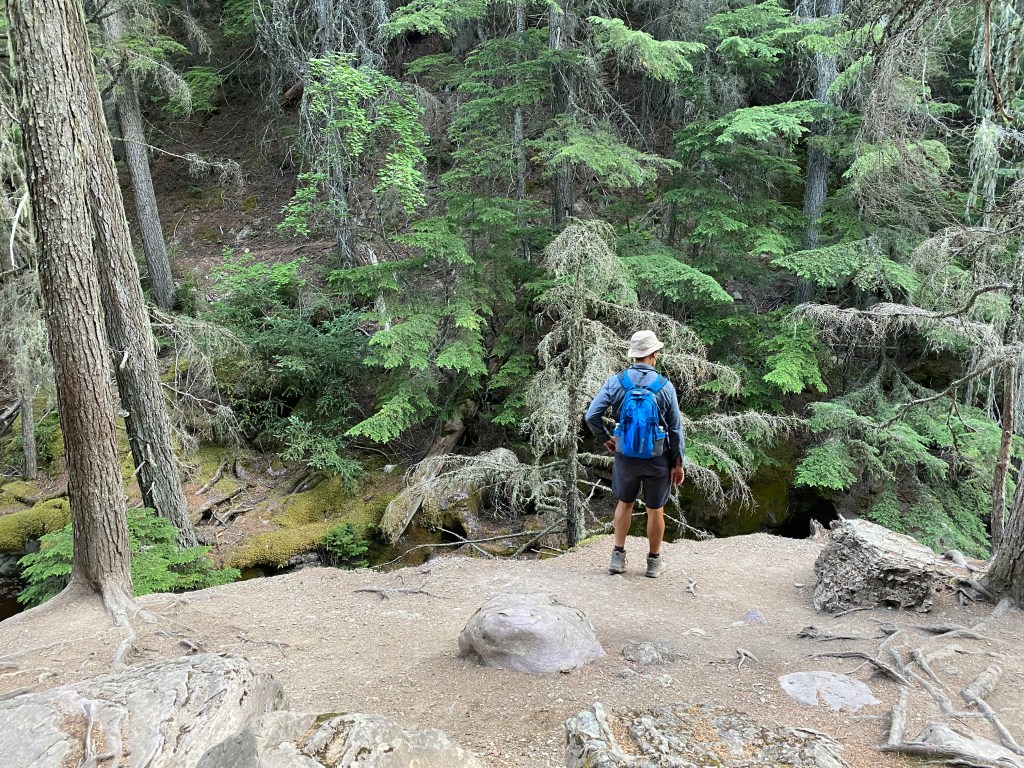
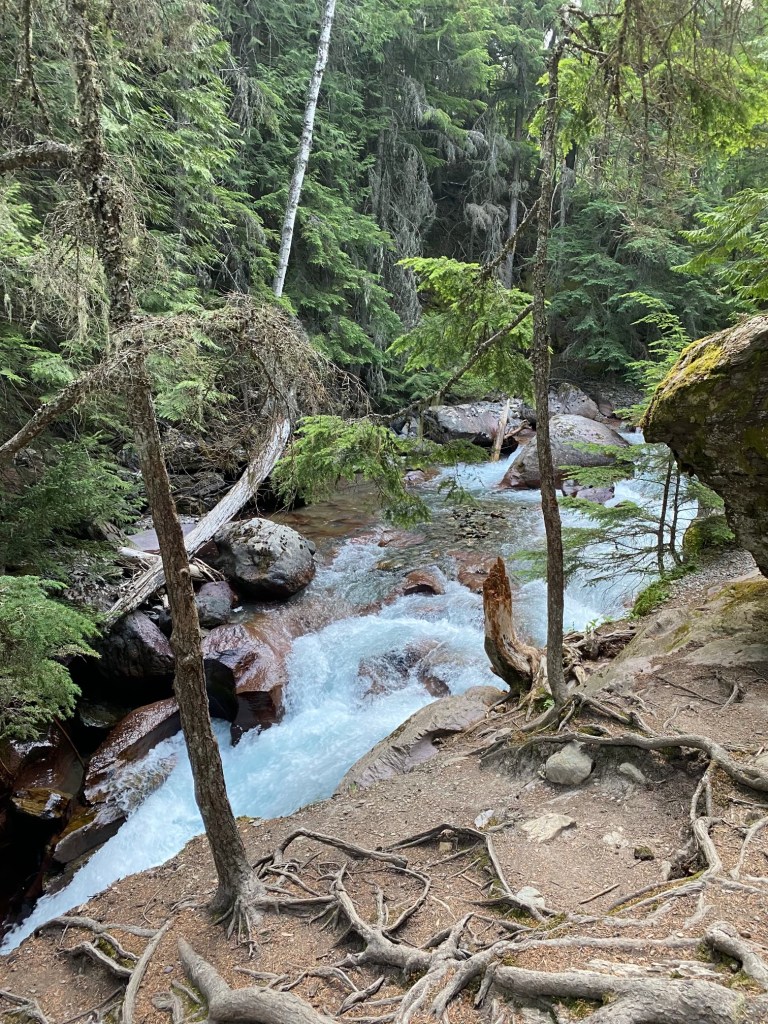
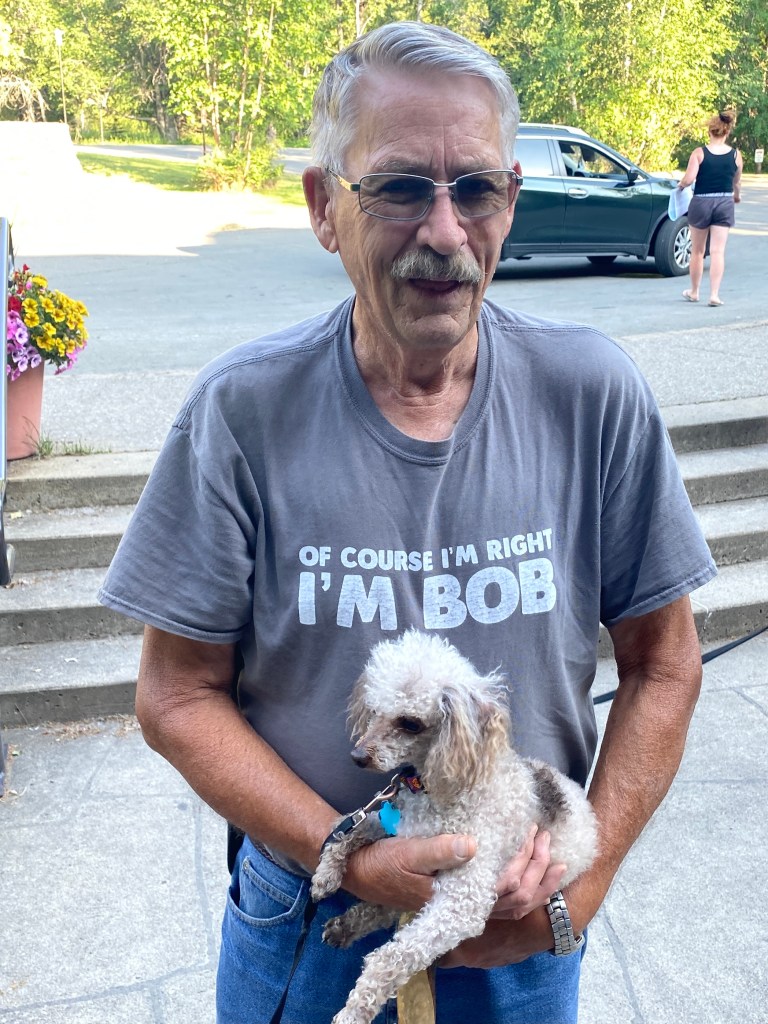
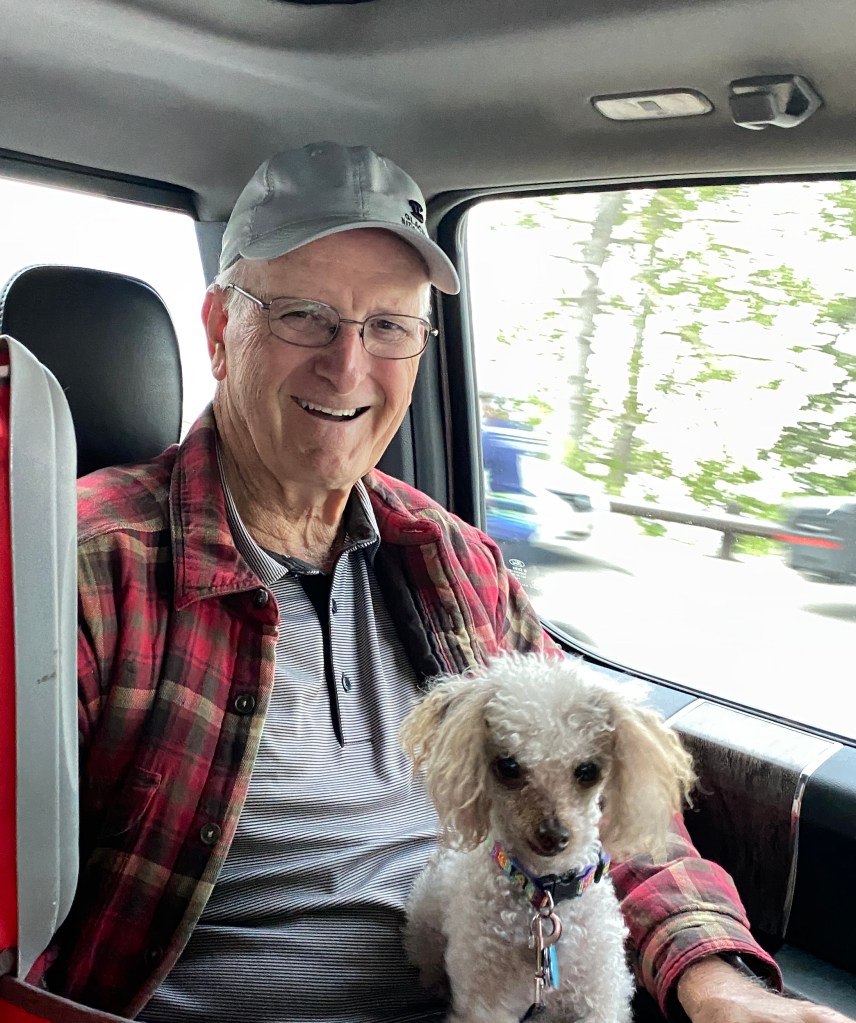
Thanks to Judy and Larry, we were able to take a few short little hikes and not worry about Mia and Bob. Here are a few photos from our hike to Baring Falls, which included an encounter with a cute deer we named John. Can you find Steve in the bottom photo of this section?

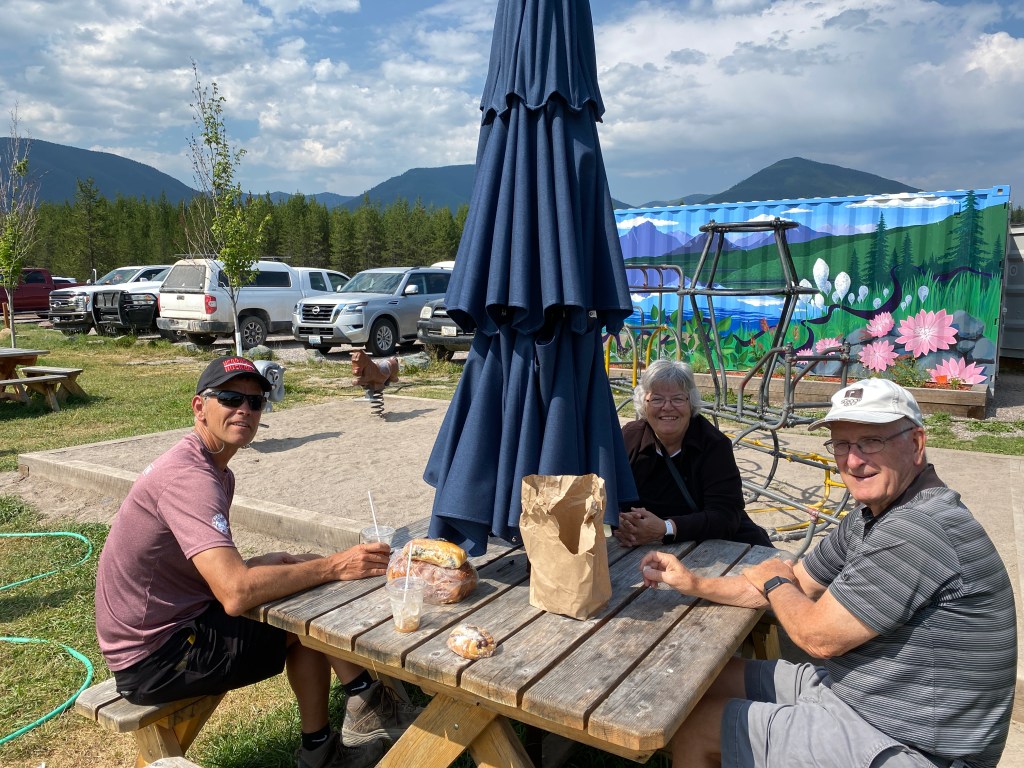
Another popular day-trip is the drive to Polebridge, a small, remote town on the west side of GNP. The rough road along the North Fork of the Flathead River was an adventure in itself. Once we arrived to Polebridge we went straight to the Mercantile and bought their famous breads and pastries. We had huckleberry bearclaws, cinnamon rolls, and chocolate poppyseed danish. WOW! It was worth the drive just for the yummies.

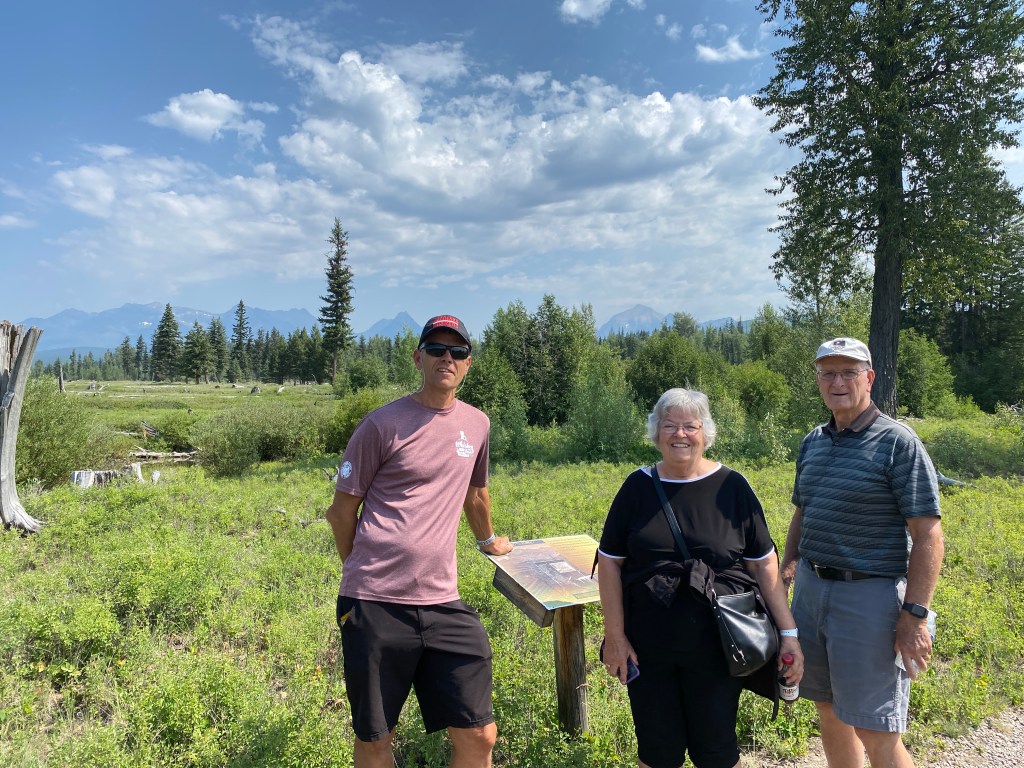
In Polebridge there’s a short nature trail with interpretive signs that informed us about the family who settled the valley in 1814. It was nice to stretch our legs and work off a little of those pastries.

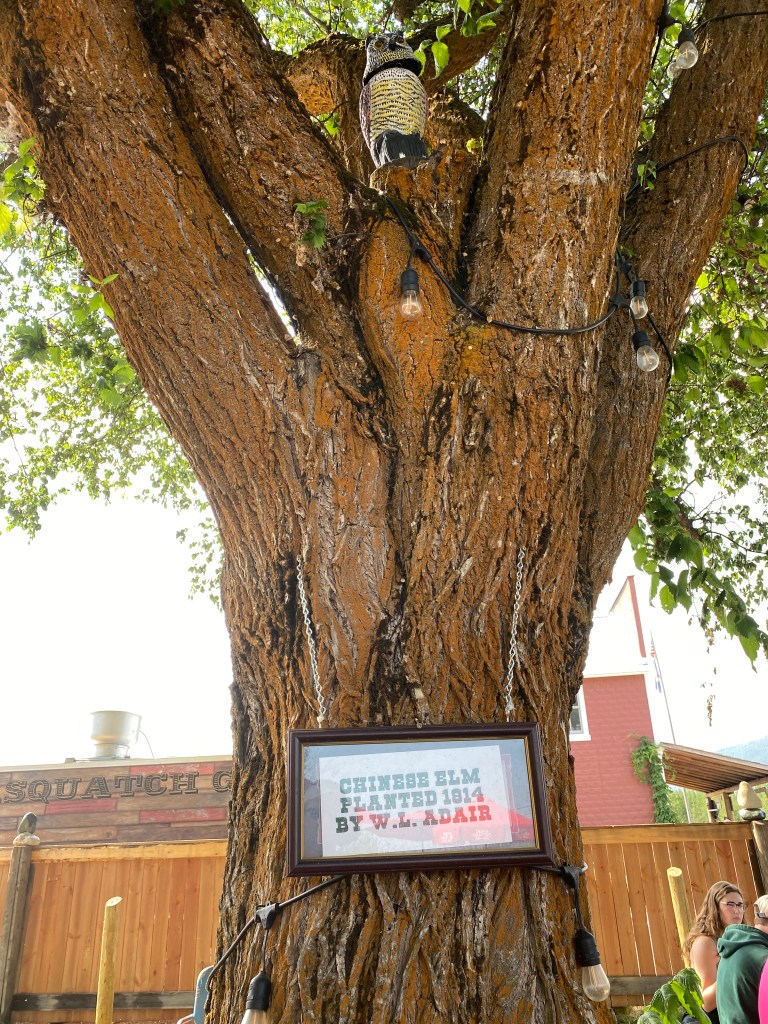
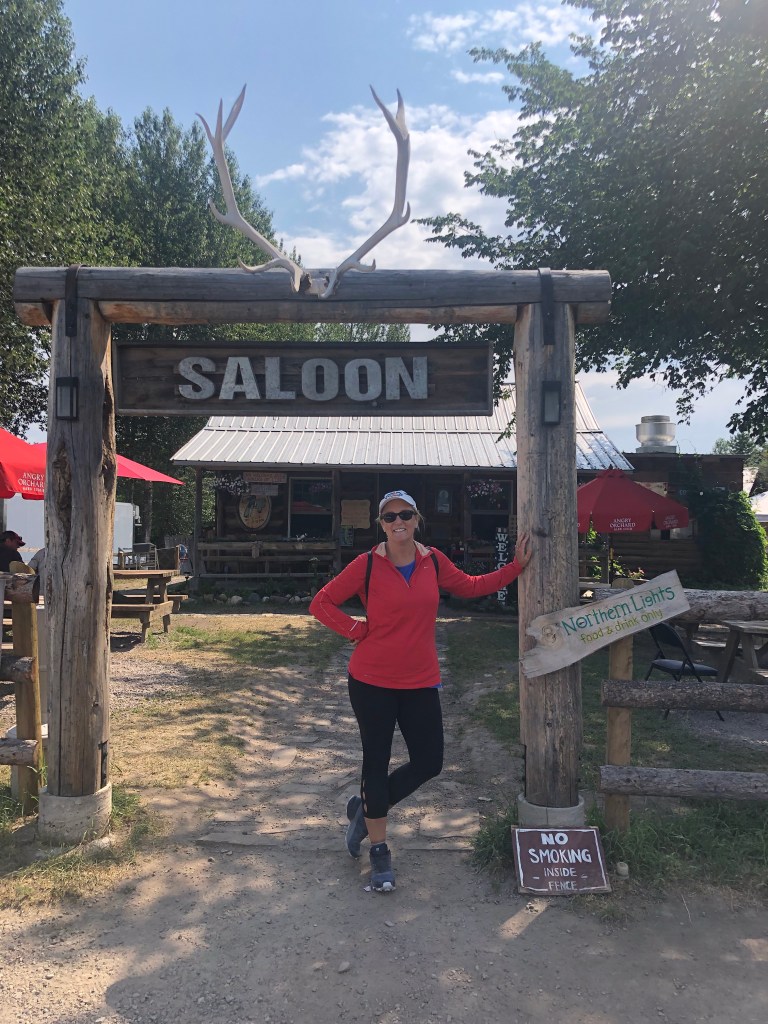
The saloon in Polebridge still serves drinks from the original settler’s cabin and just outside is a Chinese Elm that was planted in 1814. Talk about history!

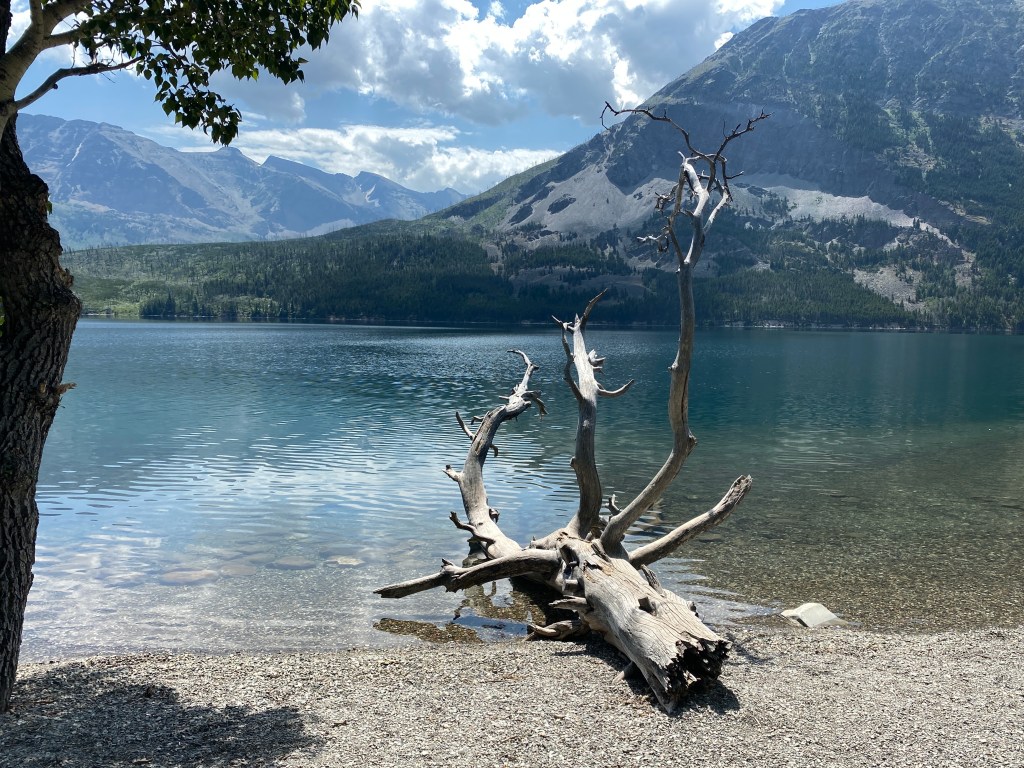
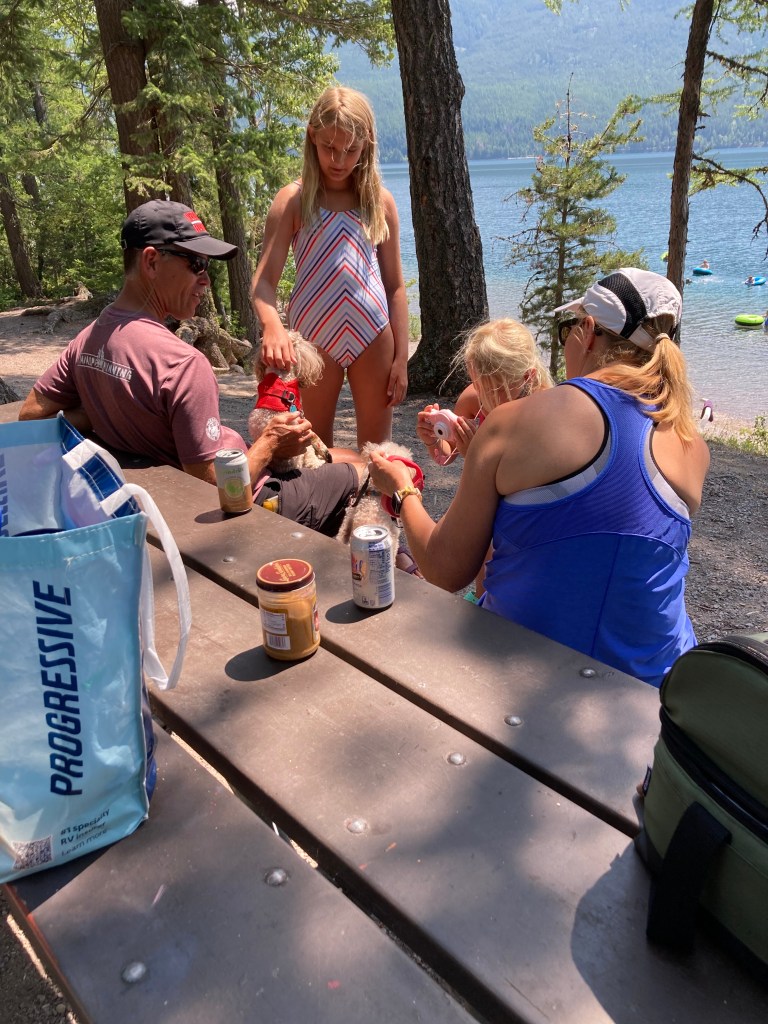
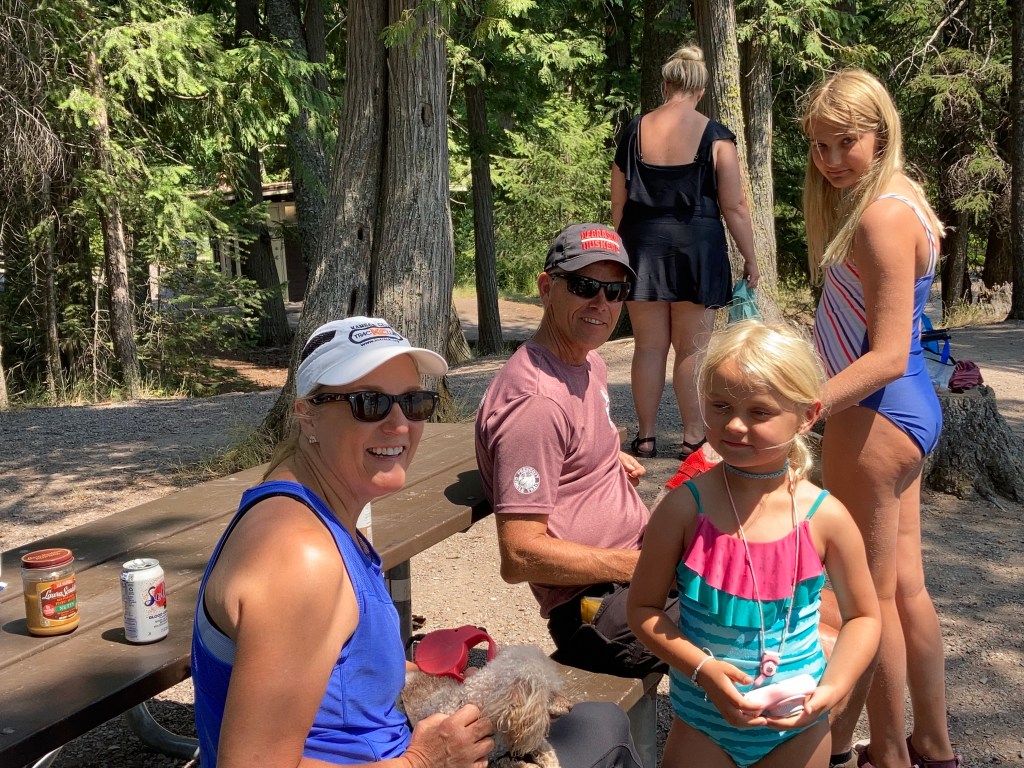
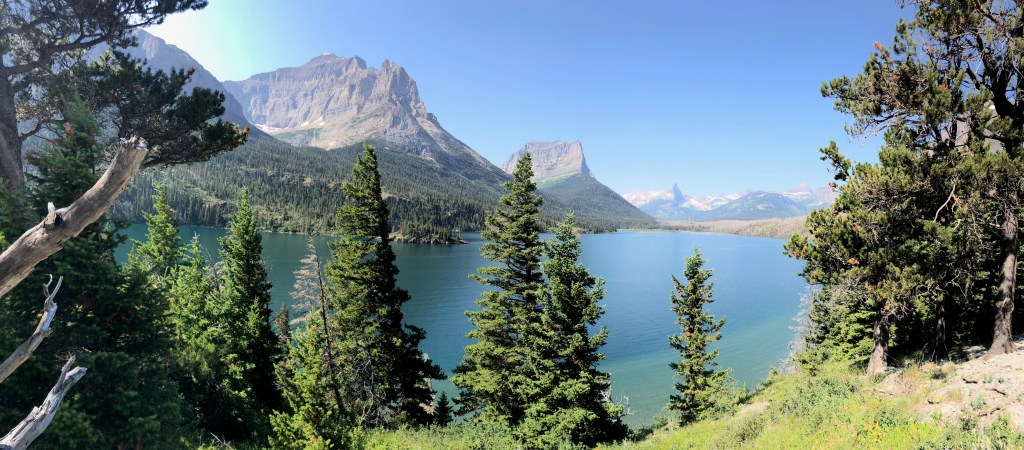
We try to find a special place for lunch each day and the Fish Creek Picnic Area on the north shore of Lake McDonald was the perfect place. We enjoyed the cool of the shade and a breeze off the lake and met a nice Arizona family in the process!

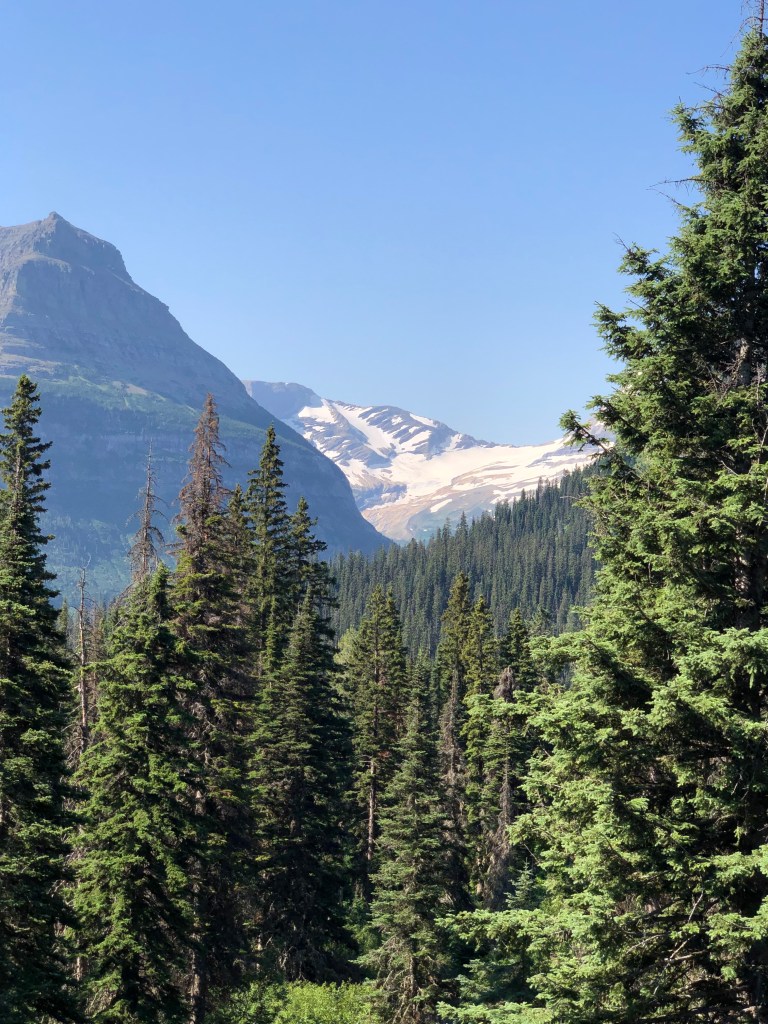
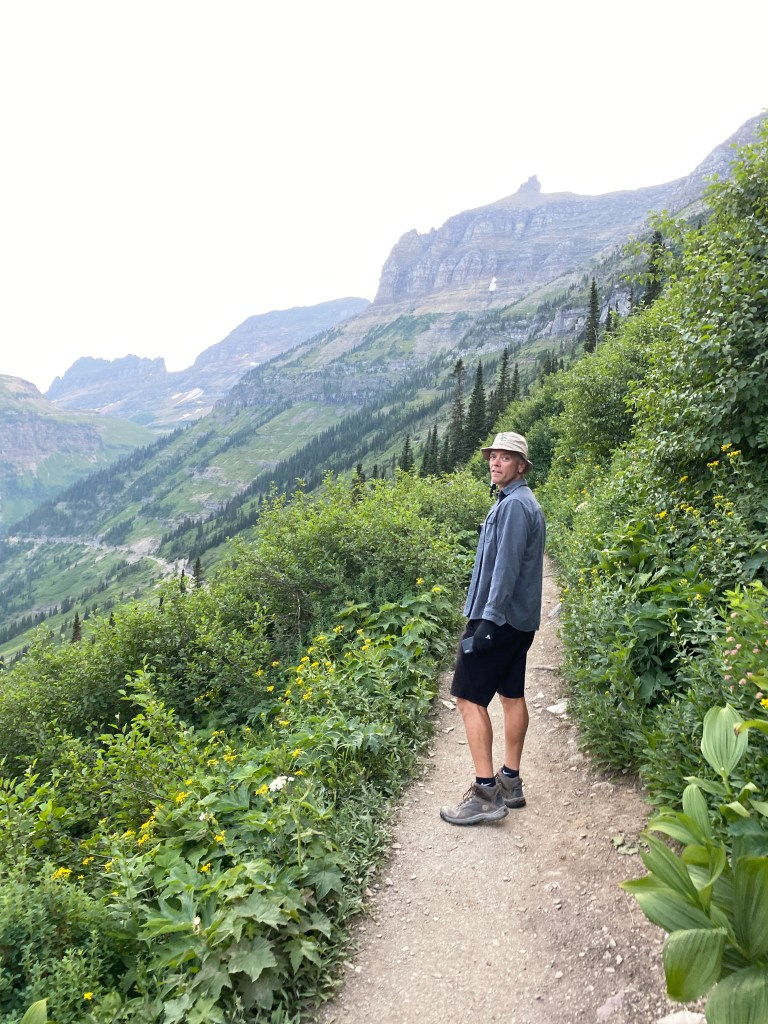
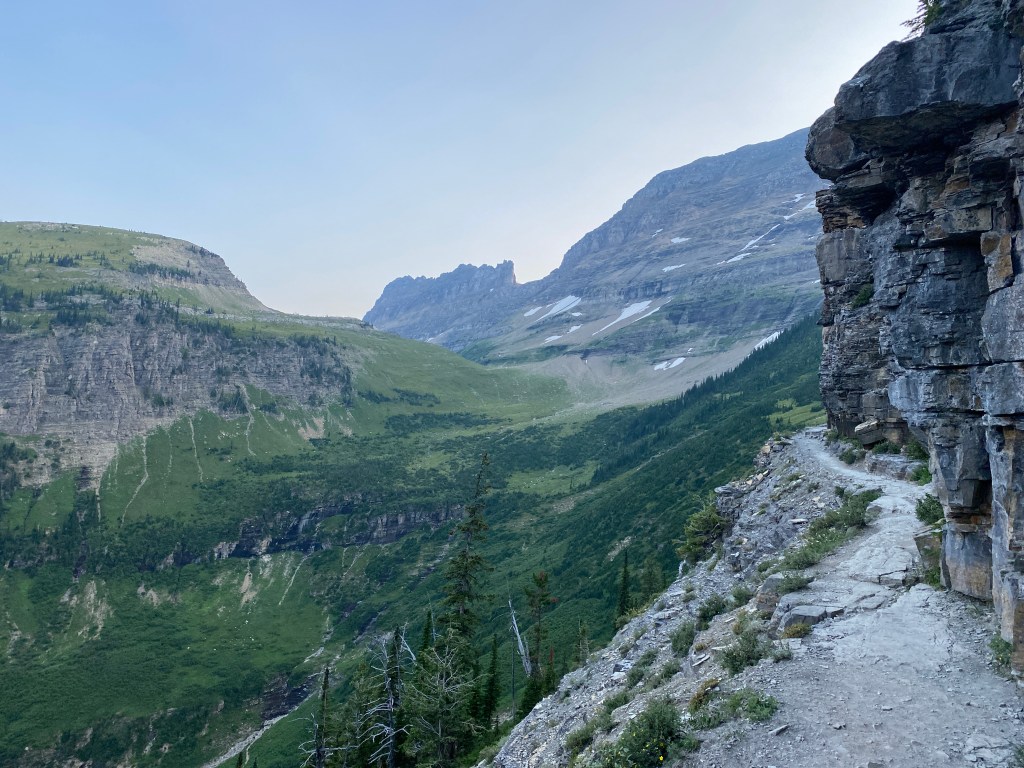
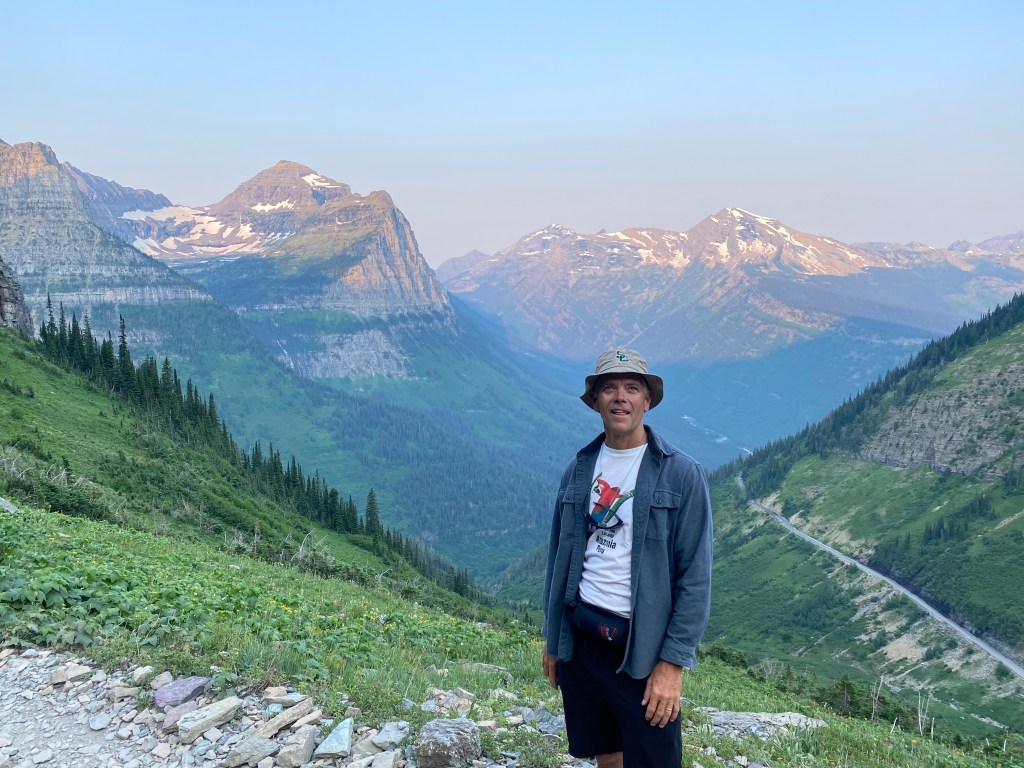
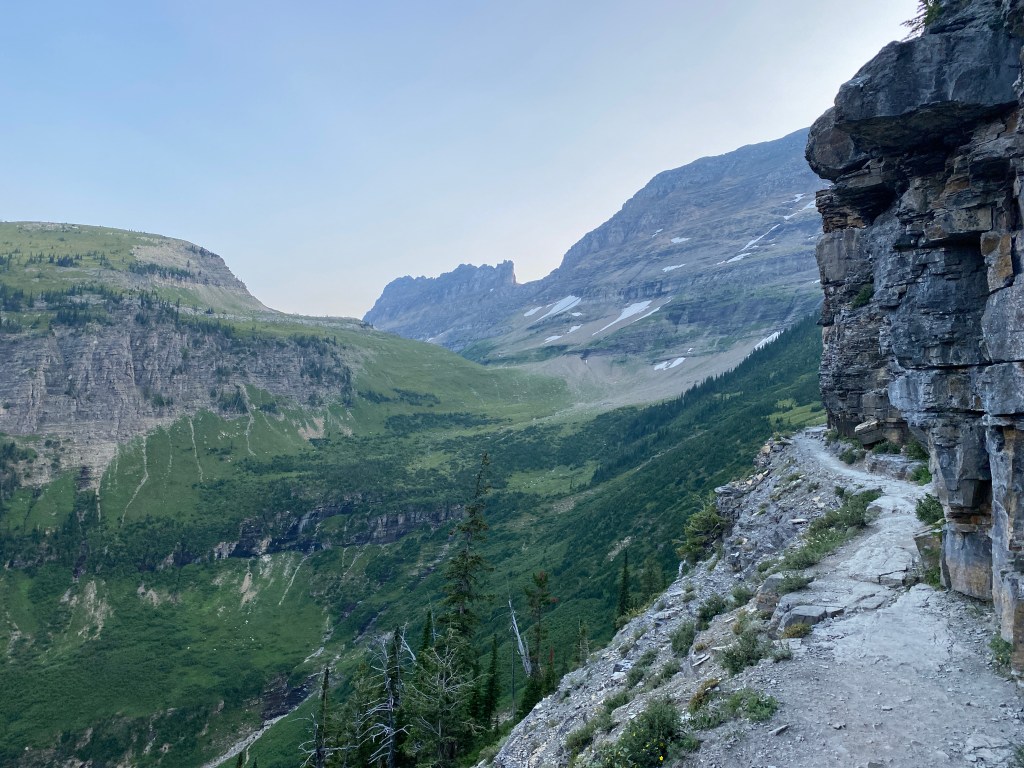
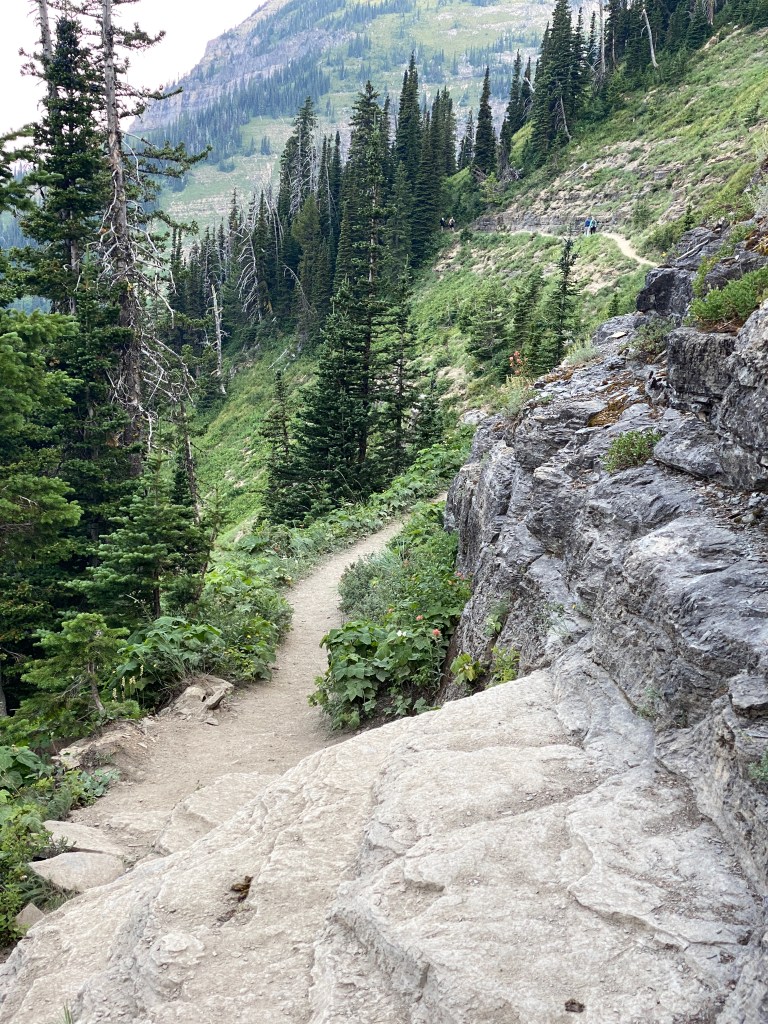
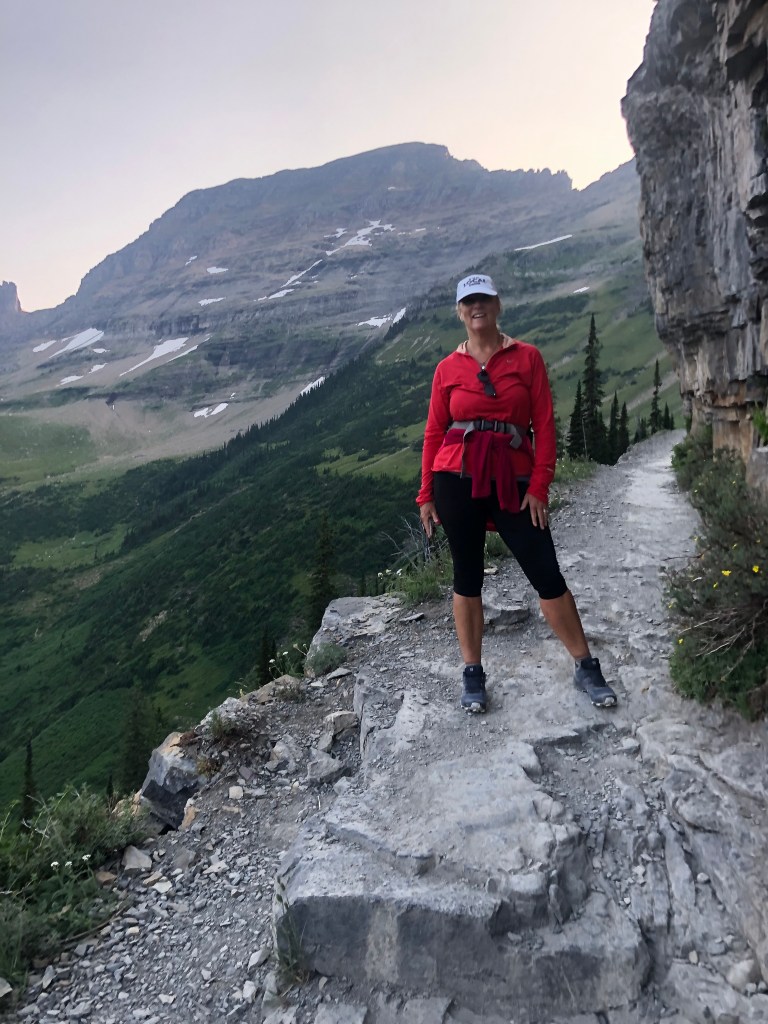
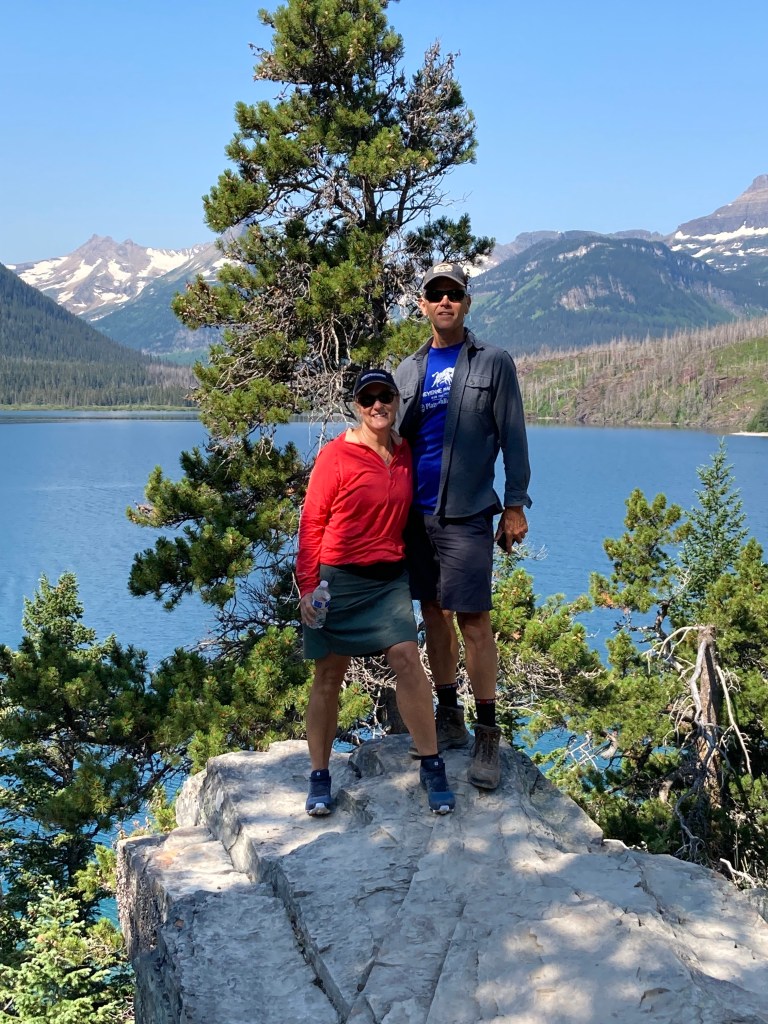
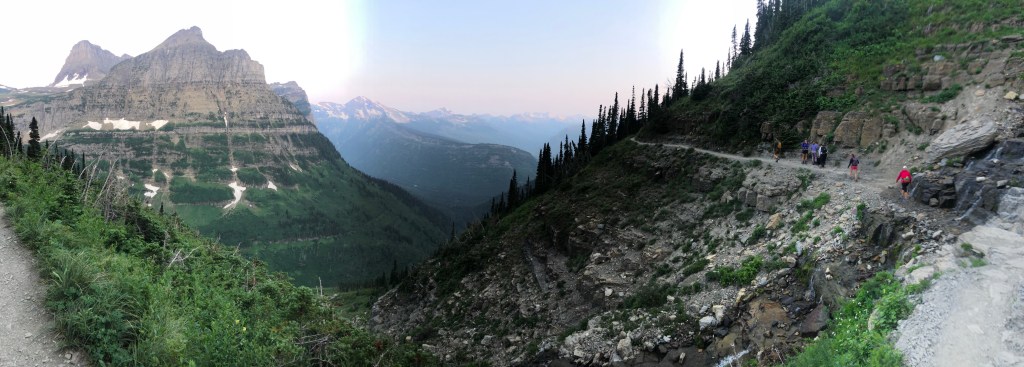
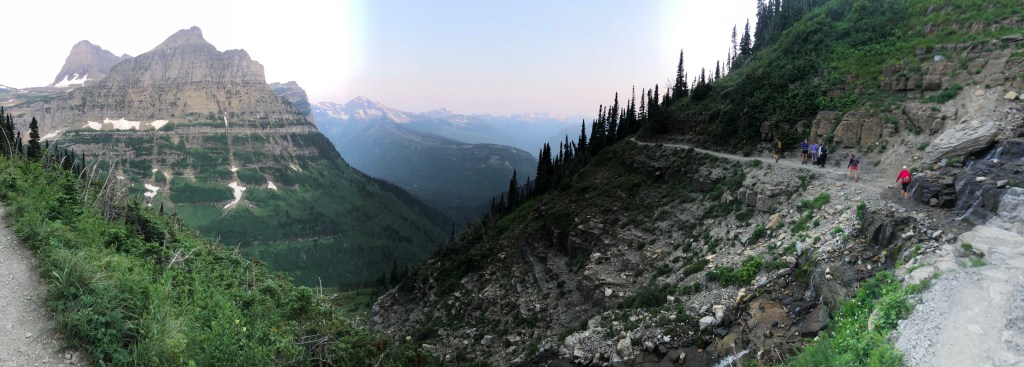
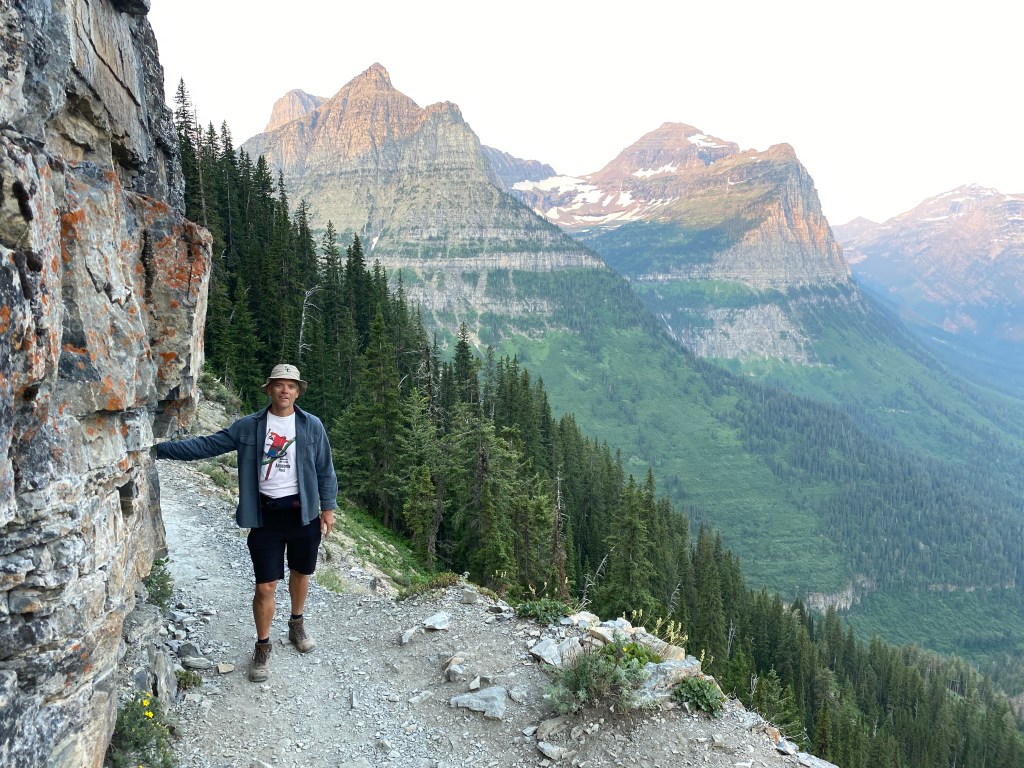
One of Glacier’s premier hikes is the Highline Trail, an alpine path that provides out-of-this world views of Glacier’s peaks and valleys. The entire trail is 20+ miles long to the northern reaches of the park. Because we had limited time, we opted for a shorter version, about 5 miles round trip.

Even though we didn’t do the whole enchilada, we got a good feel for why this is considered a “must do.” As in the past, we started early in order to get a parking spot at Logan’s Pass and are grateful that Judy and Larry hung with the dogs while we explored. 
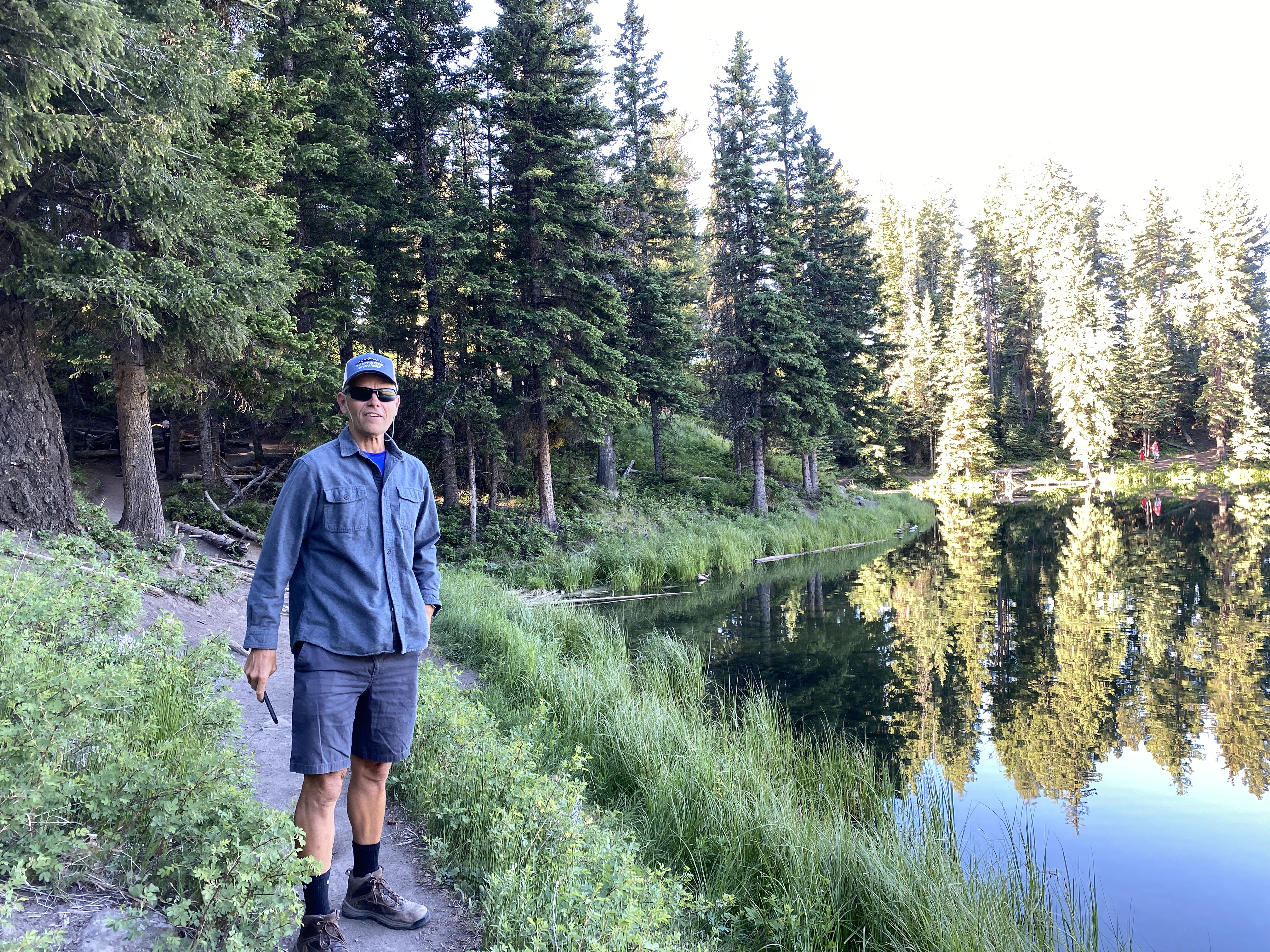
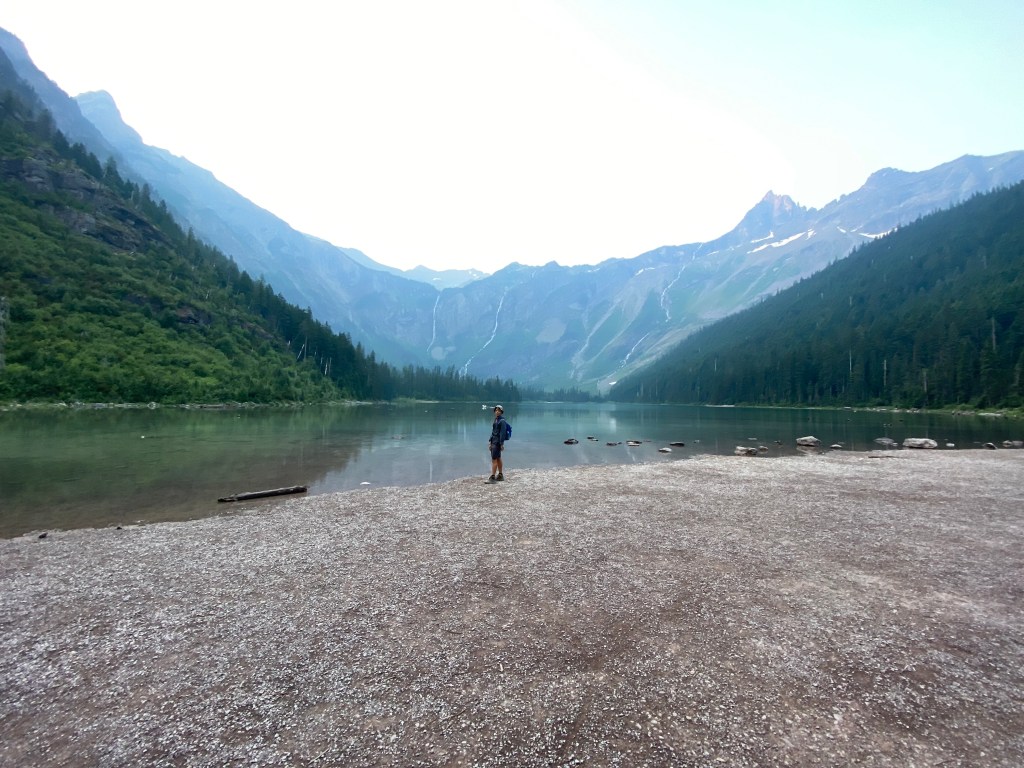
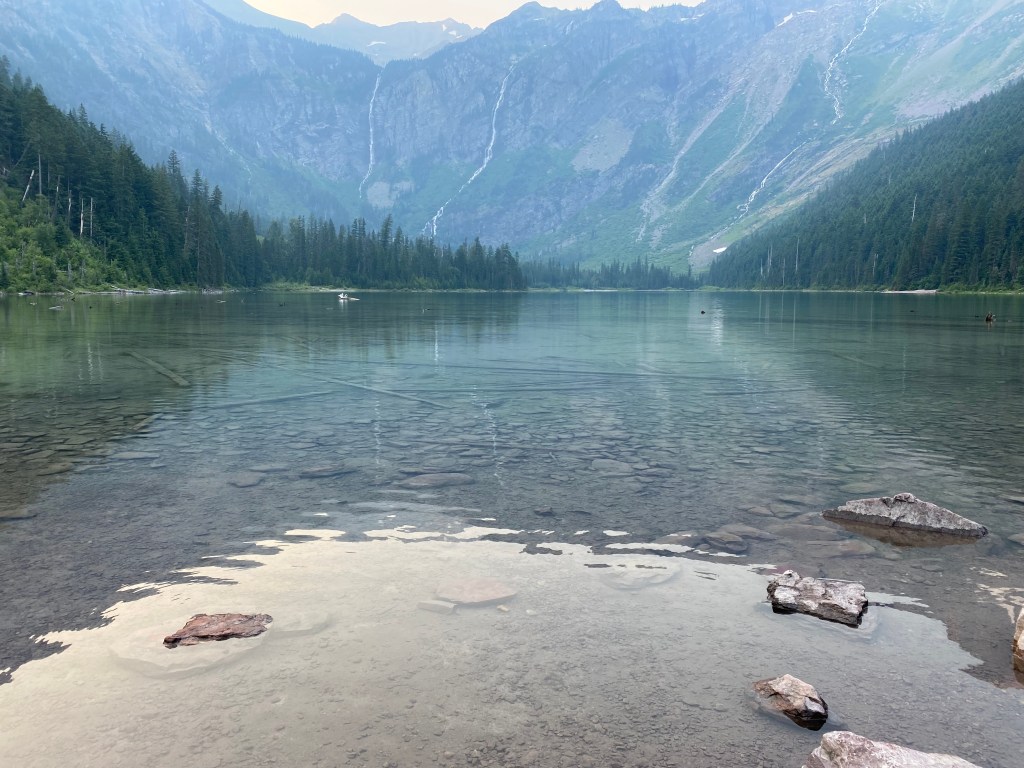
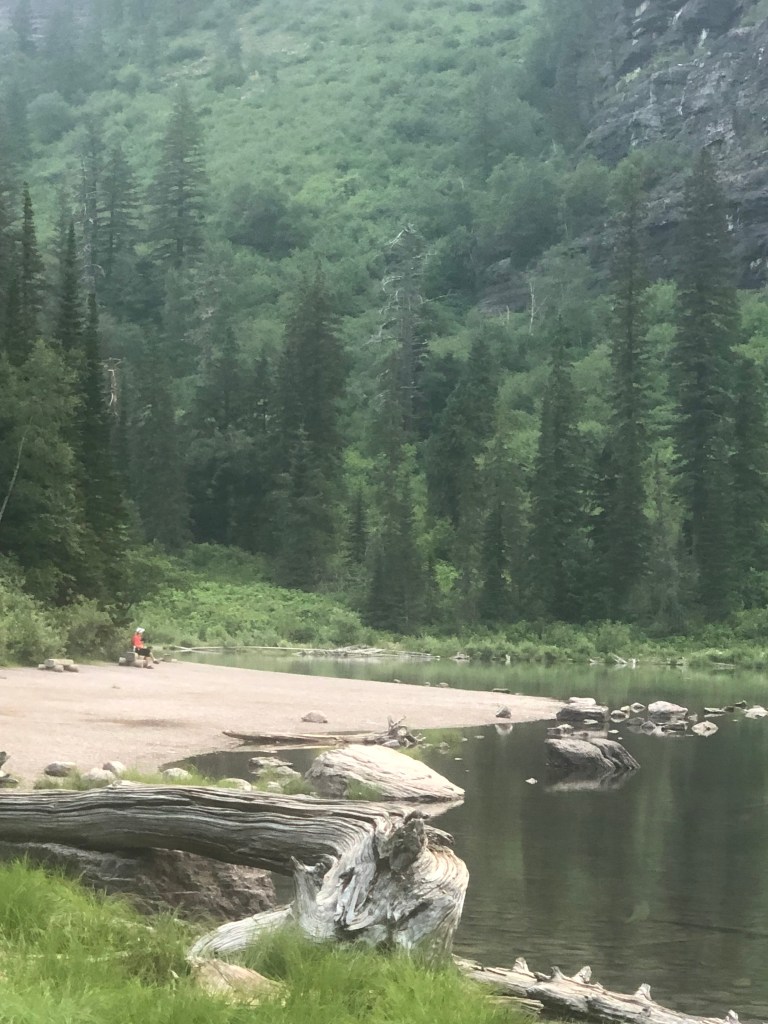
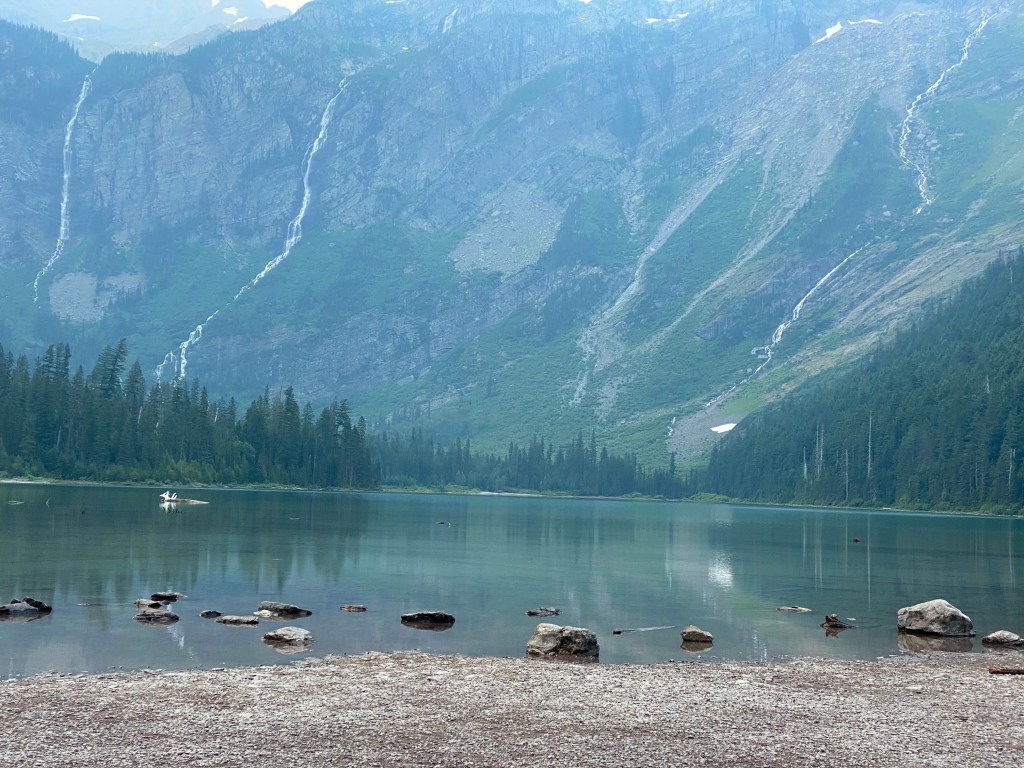
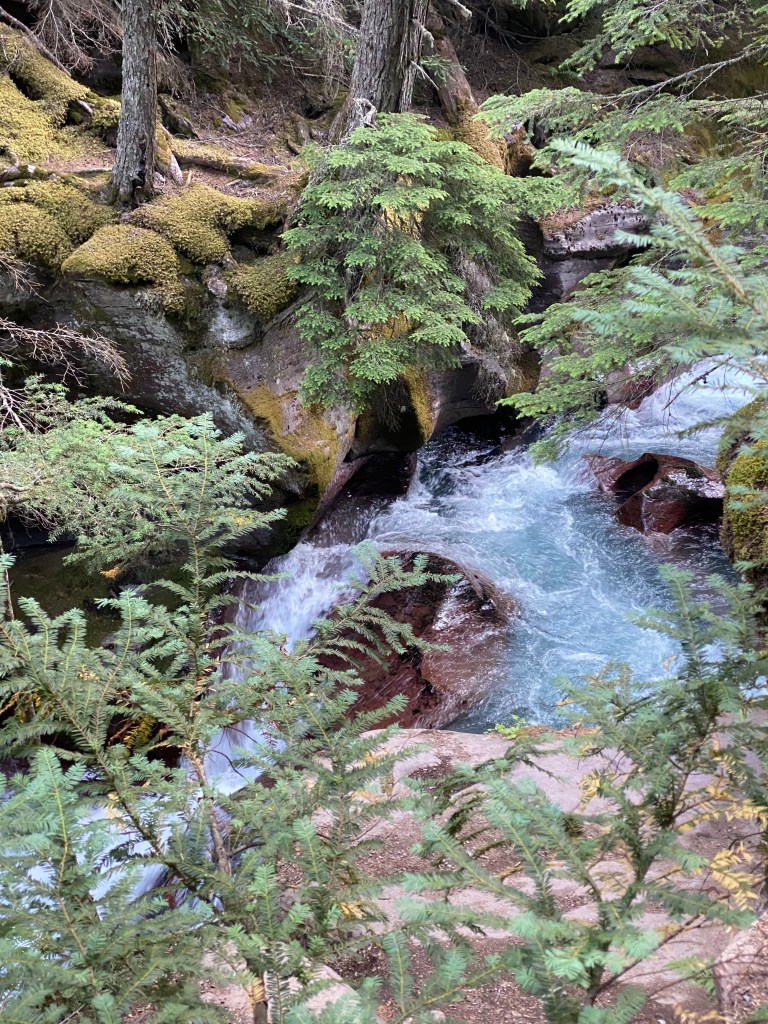
Another popular hike in Glacier is the Avalanche Lake Trail. Every time we passed the trailhead, the parking lot was full. So, once again we got up early and hit the trail by 6:00 a.m. The two mile, one-way trail was all ours, and we were rewarded with 15 minutes of complete solitude at the lake during sunrise. No one else was there!

Three waterfalls in distance, serene water, and complete quiet except for the birds made this one of the most special 15 minutes we’ve had in a long time. By the time we began our hike back to the trailhead there were crowds of people making their way to the lake. We considered ourselves lucky for what we experienced. 
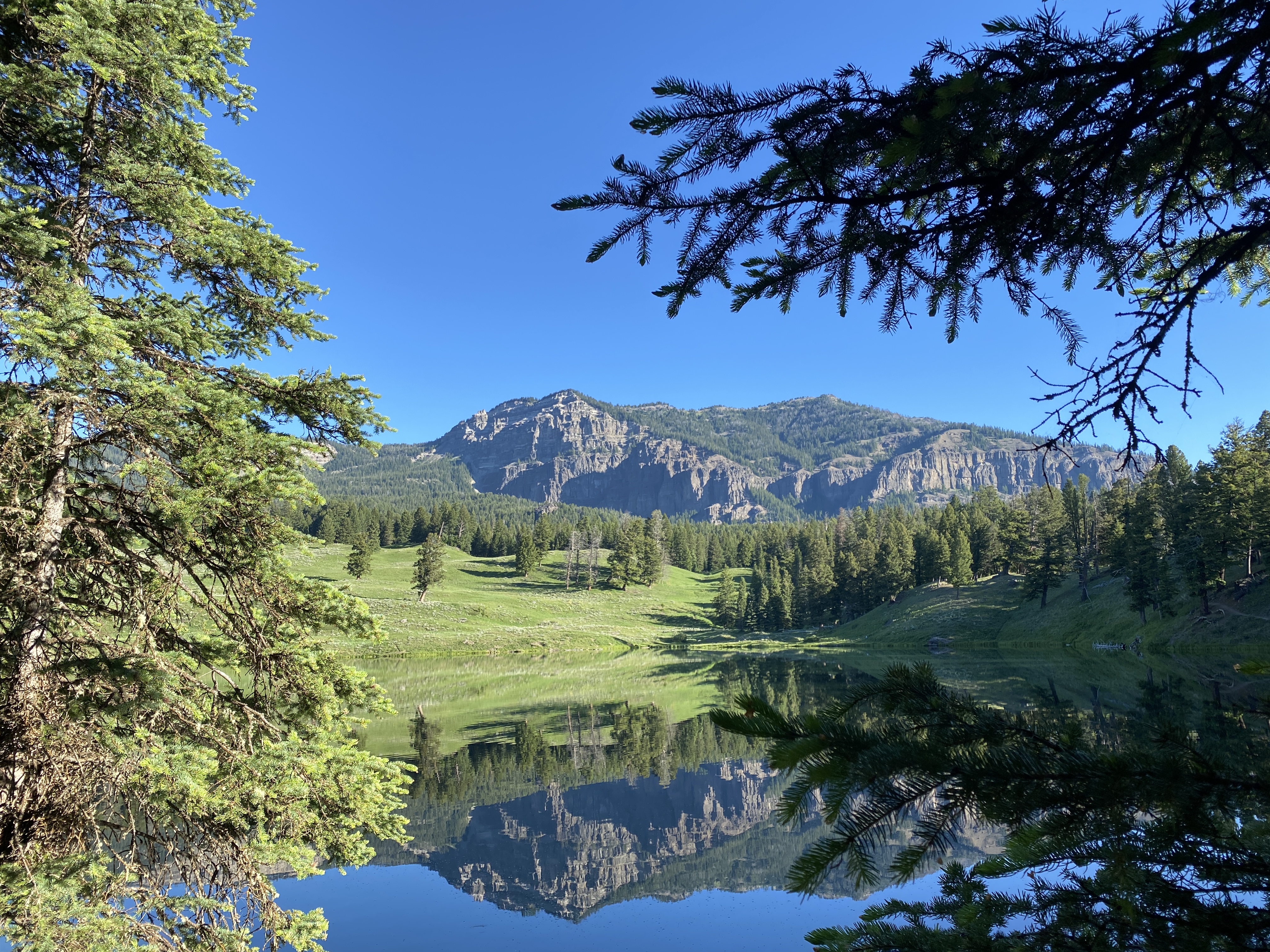
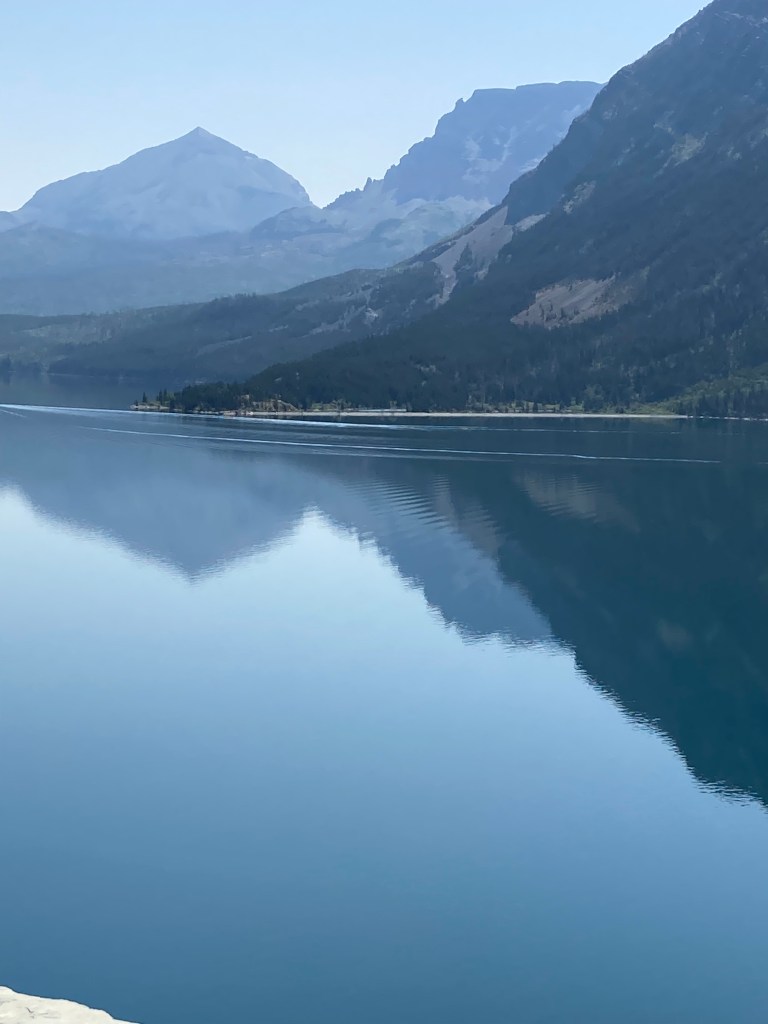
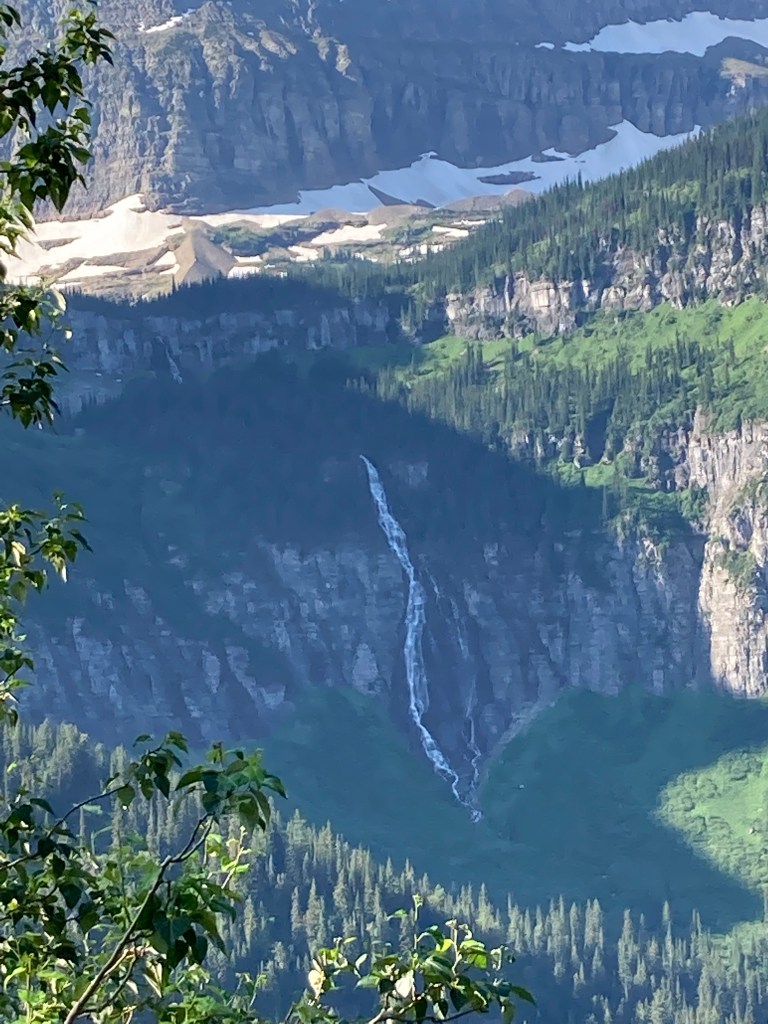
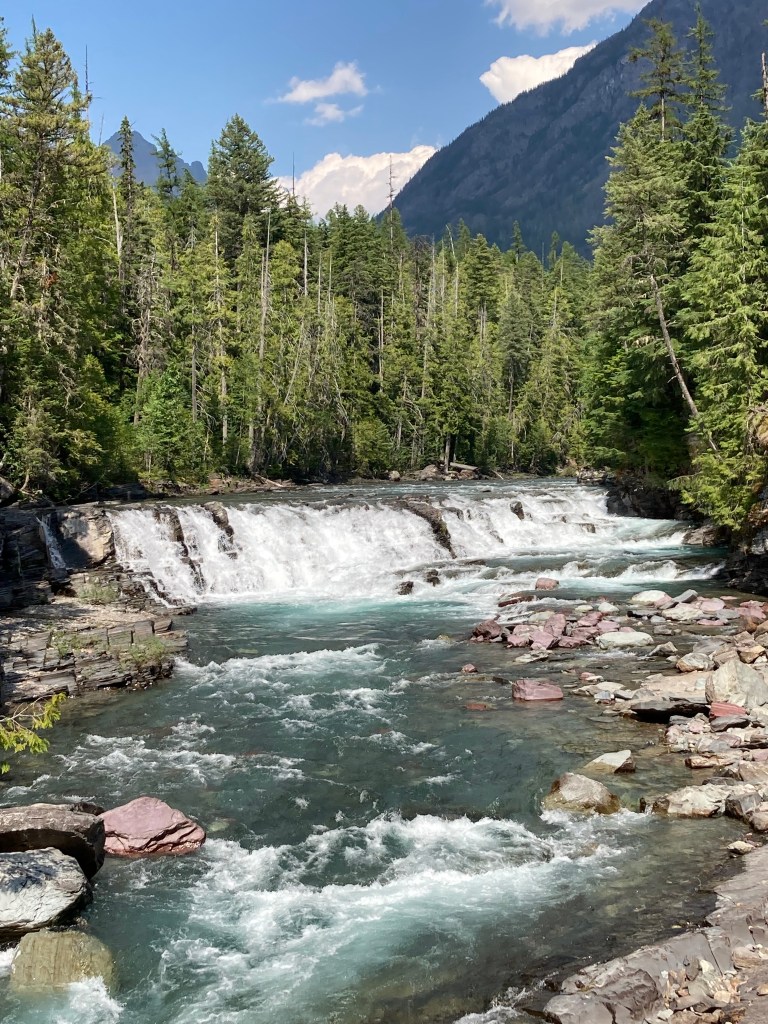
We could have easily spent much more time in GNP, exploring the lakes and trails. Unfortunately our schedule is forcing us to move on to new adventures. Still, we took A LOT of pictures! Here’s a slide show that displays the majesty that is Glacier National Park.

Yellowstone: West and North

We’ve already posted three blogs on our time in Yellowstone National Park, and we still have a bunch to share. We’ll try to fit everything in this posting, since you’re probably tired of hearing about how beautiful Yellowstone is! In this post we’ll share a few of our adventures outside of the park in West Yellowstone, Montana, and we’ll fill you in on our days in the northern part of the park, including the Lamar Valley which has been called the “Serengeti of North America.”

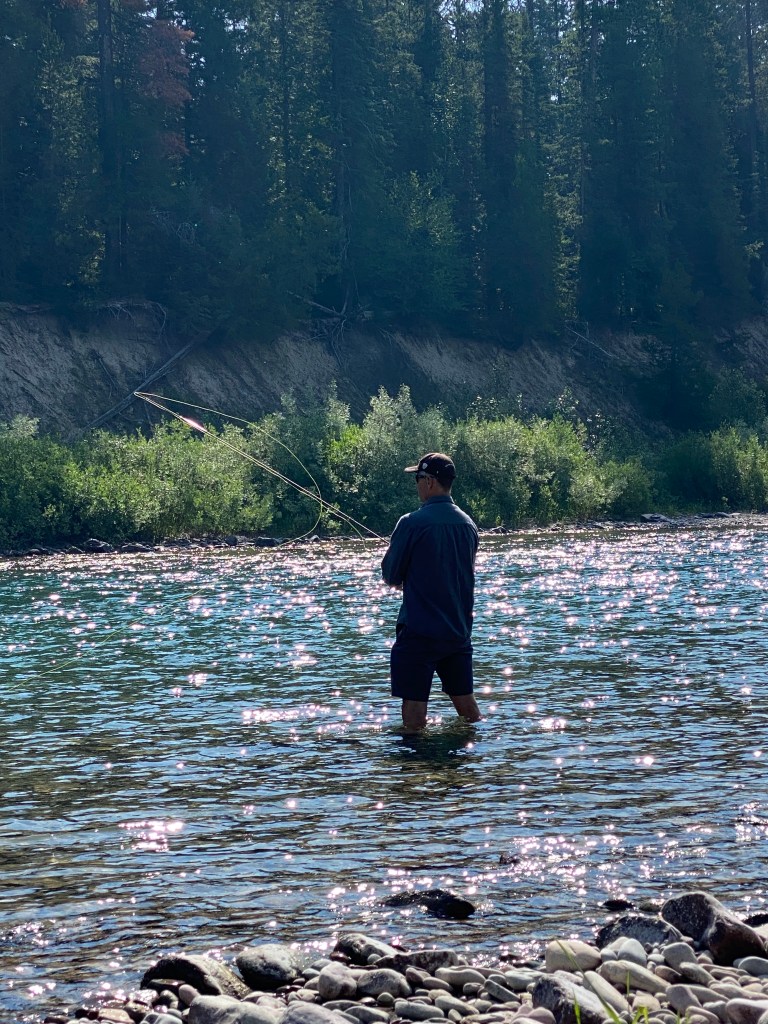
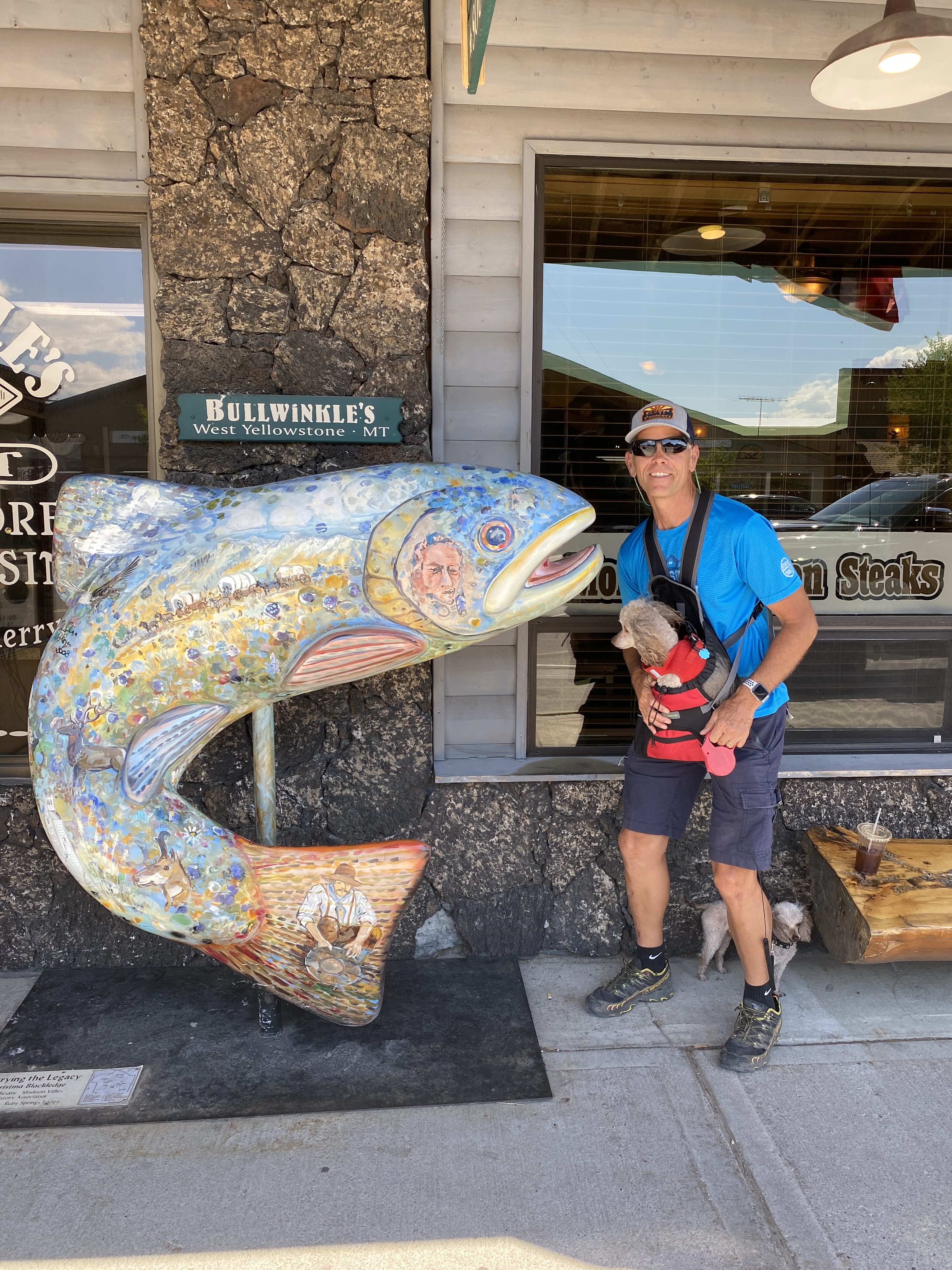
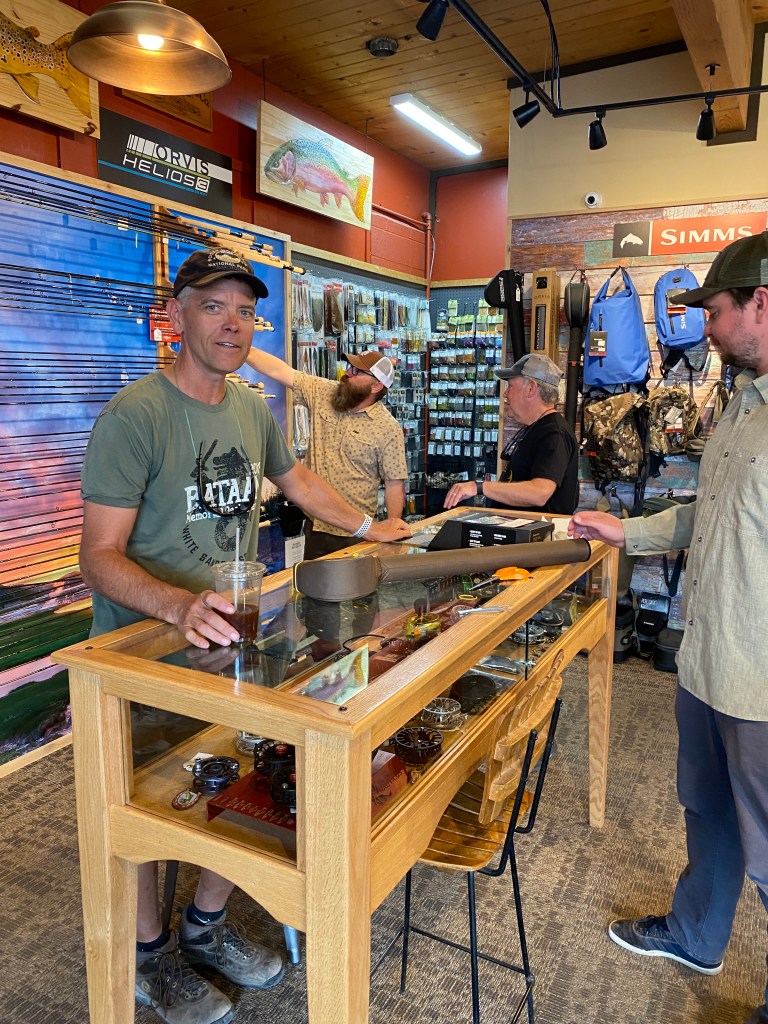
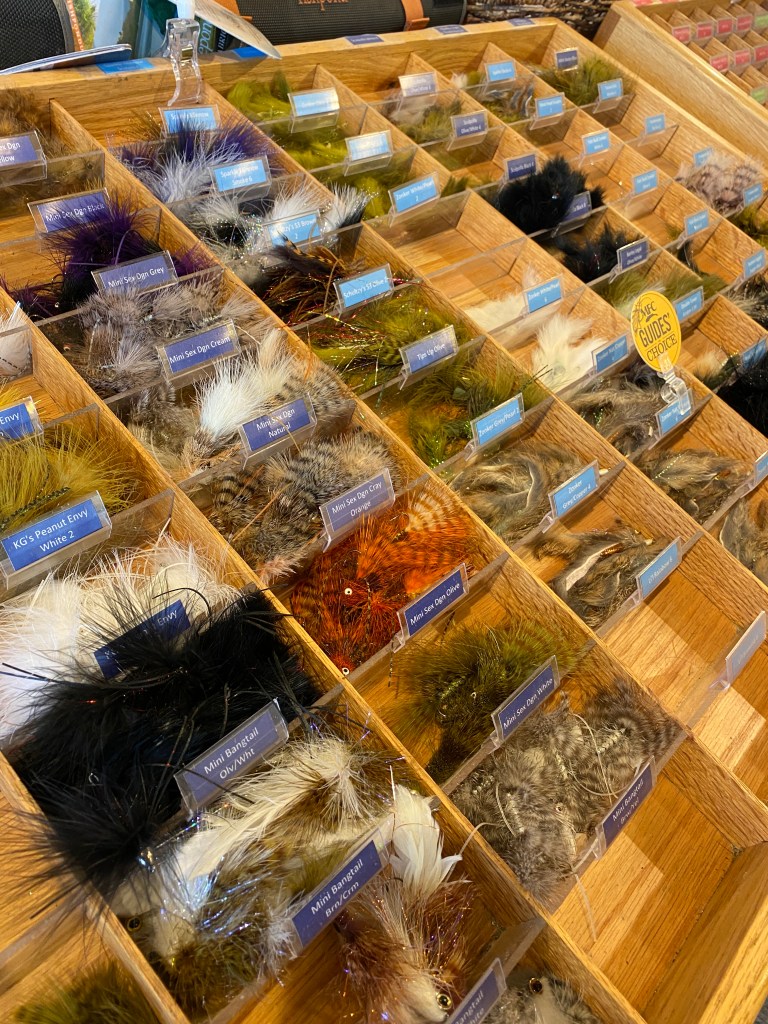
We spent about six days in and around West Yellowstone and the west entrance to the national park. While in the area we strolled the cute shops in the tourist town, and Steve made a few purchases. He’s decided to take up fly fishing so time in the fly shops was included in our explorations. Who knew there was so much to learn about this very-Montana way of fishing?

Cliff Lake

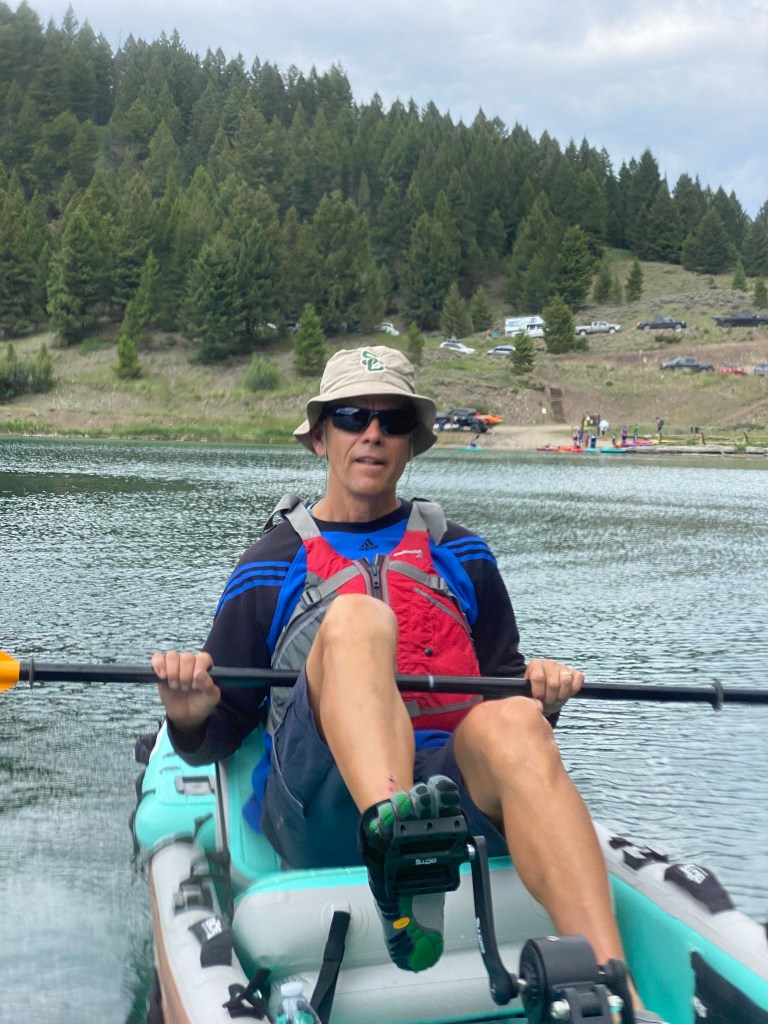
Just before starting this trip we purchased two Botē inflatable kayaks, which we plan to use later this year when we return to the Florida Keys. However, we figured, “why wait?” We scouted out a sweet little mountain lake about 30 minutes outside of West Yellowstone. Cliff Lake was perfect place to launch the kayaks and paddle around. Steve even threw out a line and got a bite.

Wild West Yellowstone Rodeo

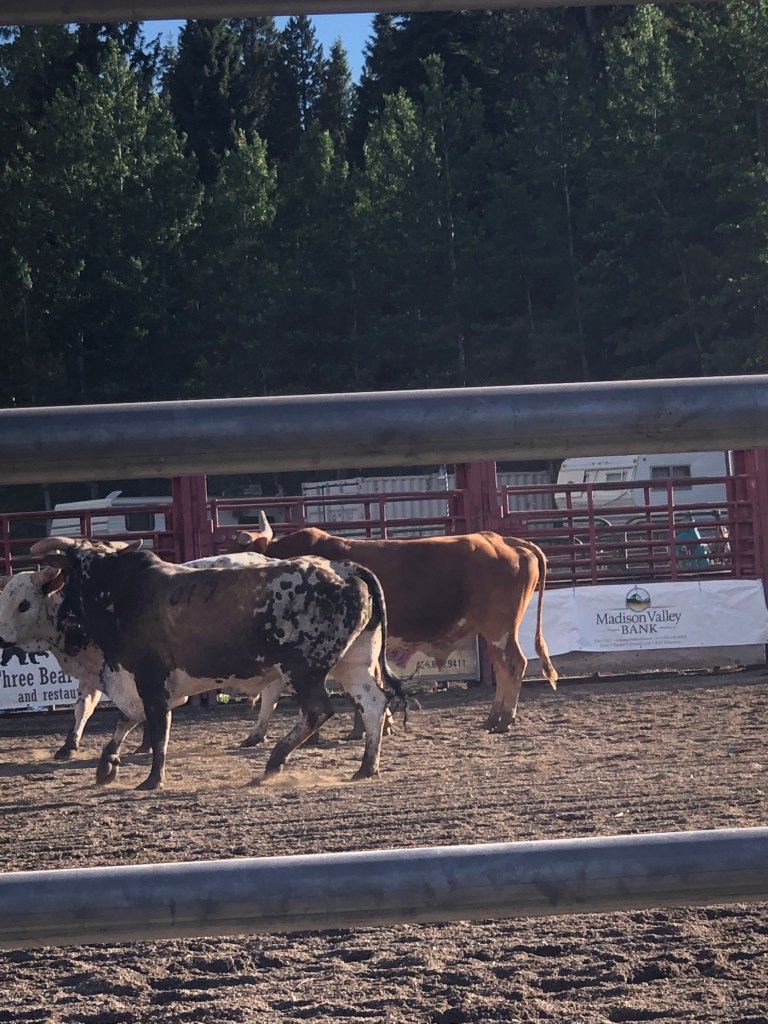
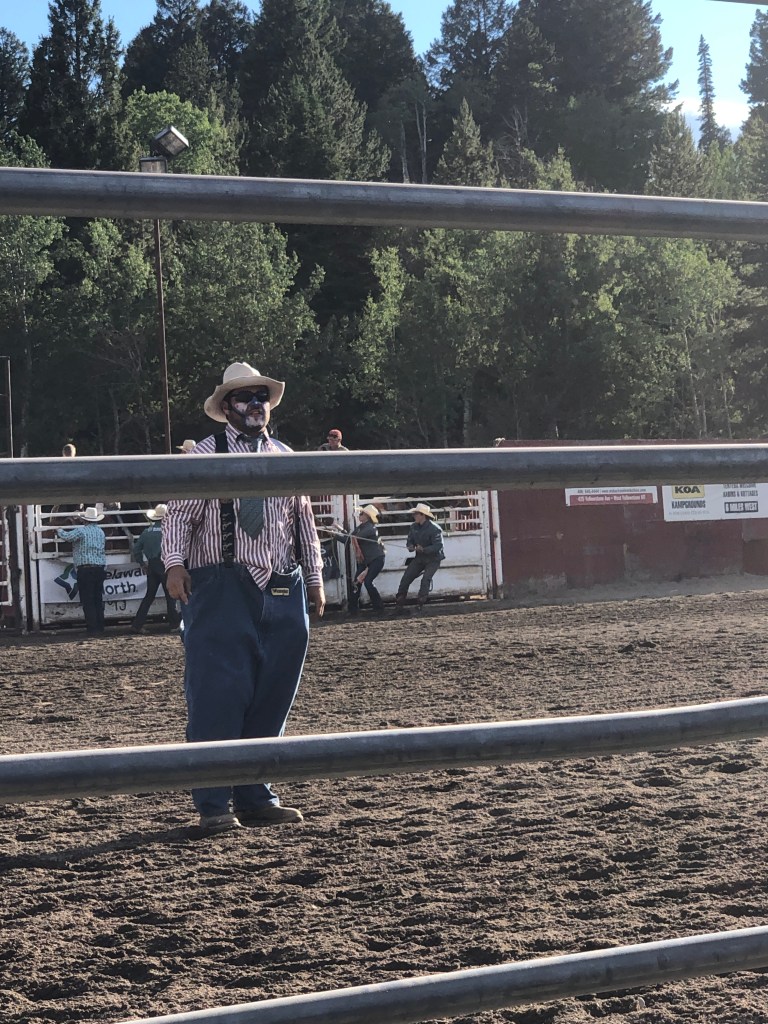
After our time at the lake we took in the local rodeo, the Wild West Yellowstone rodeo. It was really a display for tourists, not comparable to Prescott’s Rodeo, but we enjoyed the show from our camp chairs right up on the railing.

Mammoth Hot Springs and the North

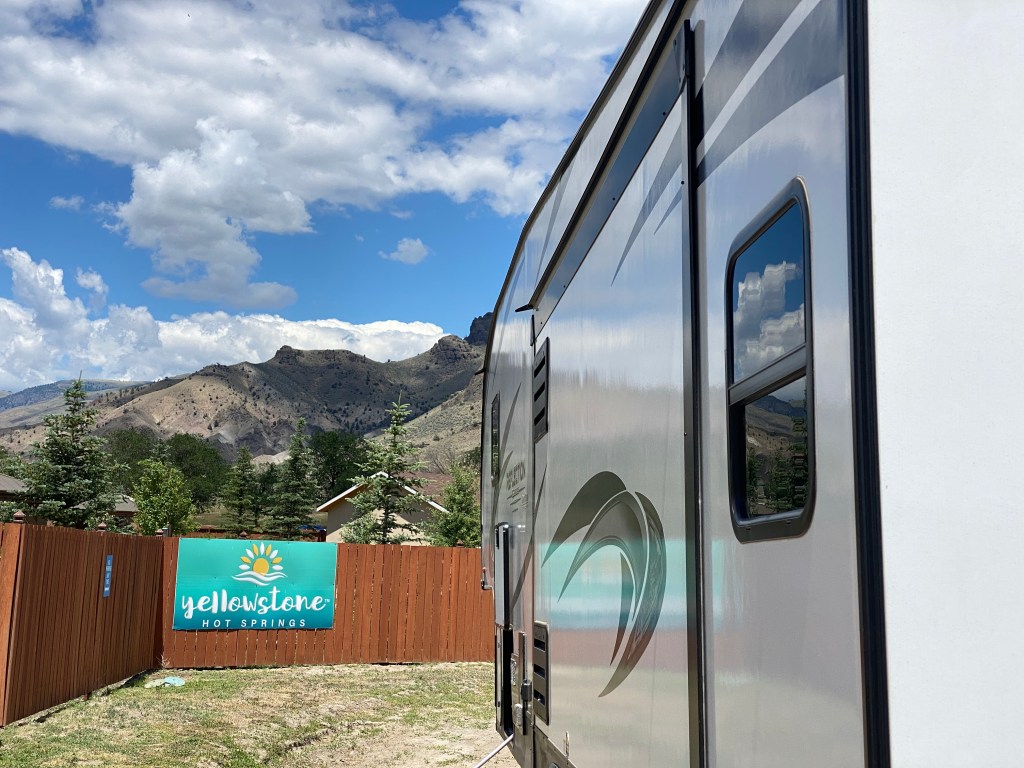
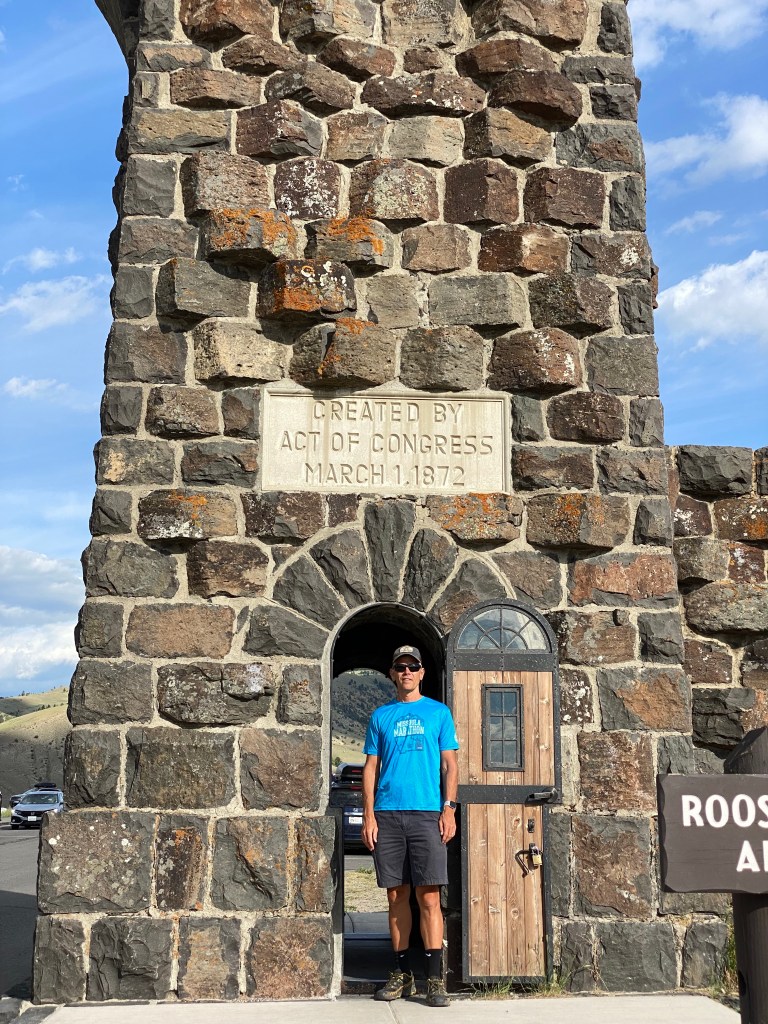
After six days of exploration from West Yellowstone, we made our way through the park to a new campsite just outside of Gardiner, MT. We based ourselves at an RV park poised aside the Yellowstone River, which gave us easy access to the north gate and the historic arched entrance.

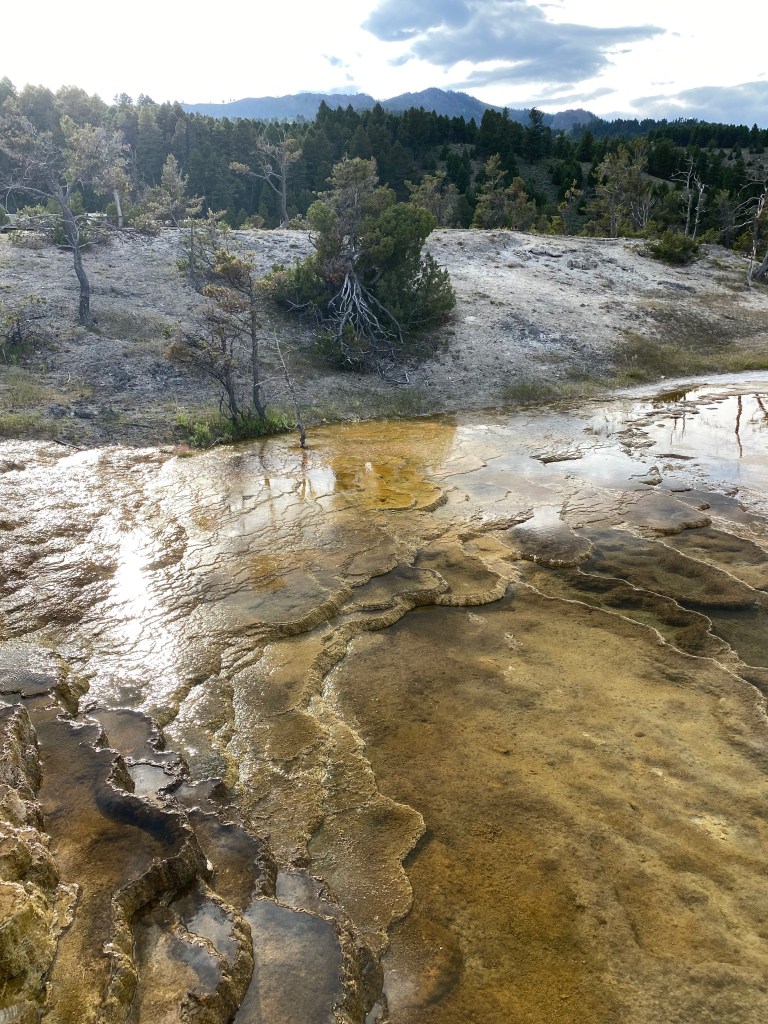
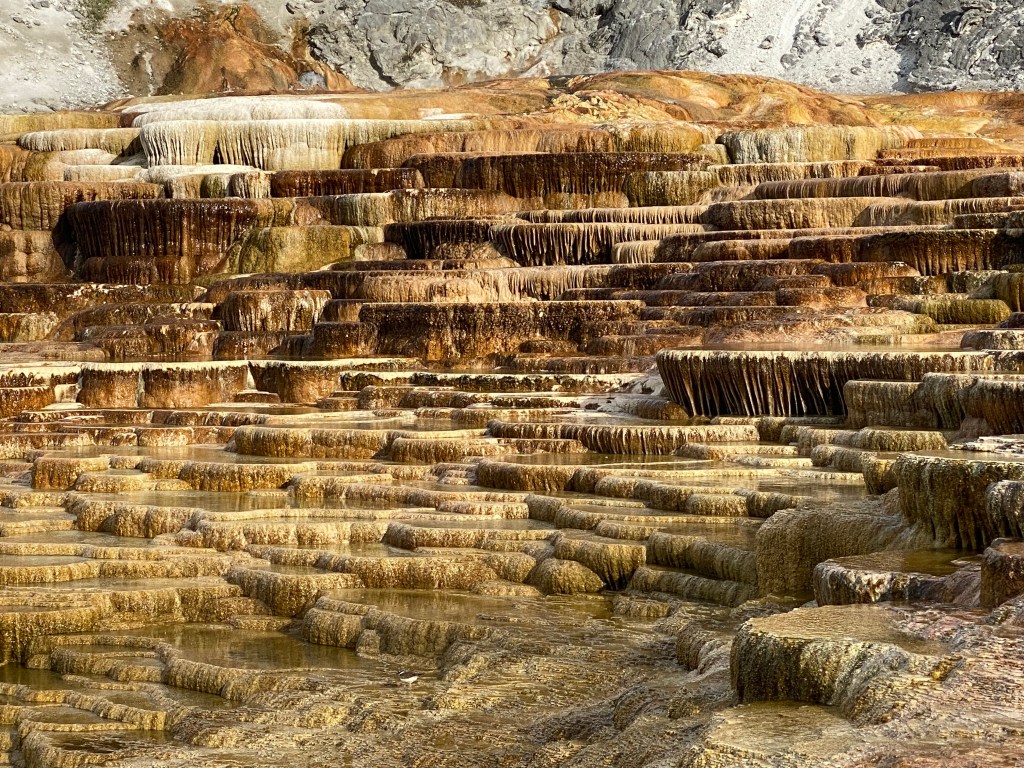
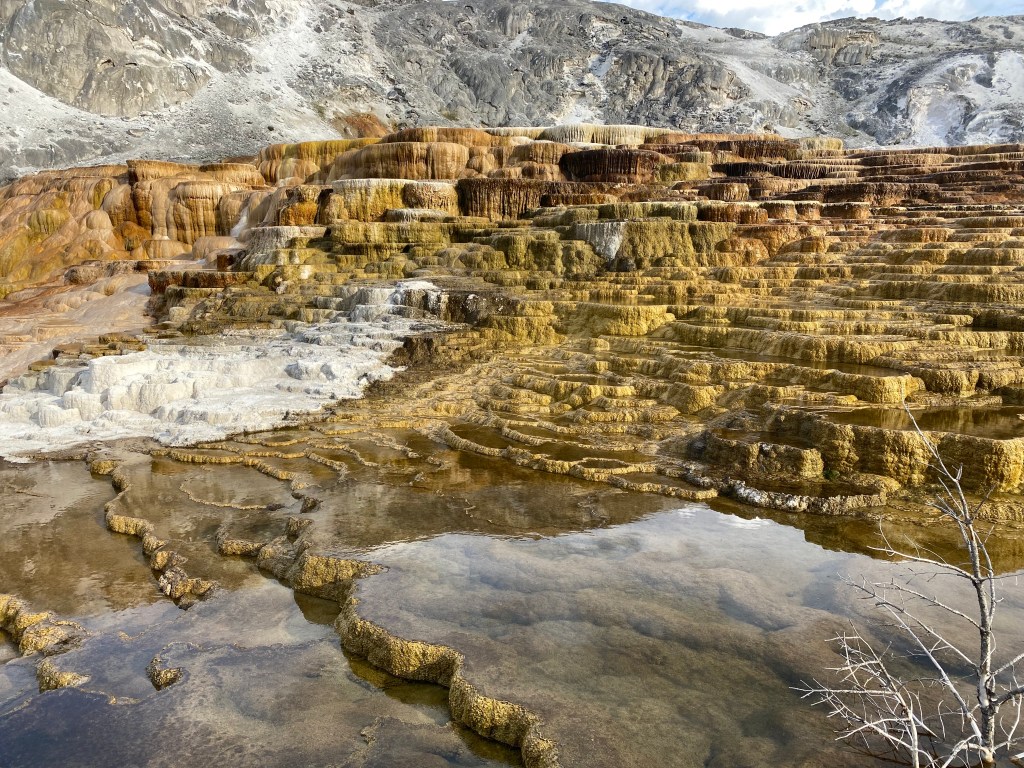
The north entrance to the national park is anchored by Mammoth Hot Springs. Mammoth Hot Springs consist of terraces of travertine over which hot spring waters run.

As a result, the springs emit steam and colorful pools that have drawn tourists since the park’s founding in 1872. We toured the springs on a cool evening and enjoyed the walk through the boardwalks.

Animals!

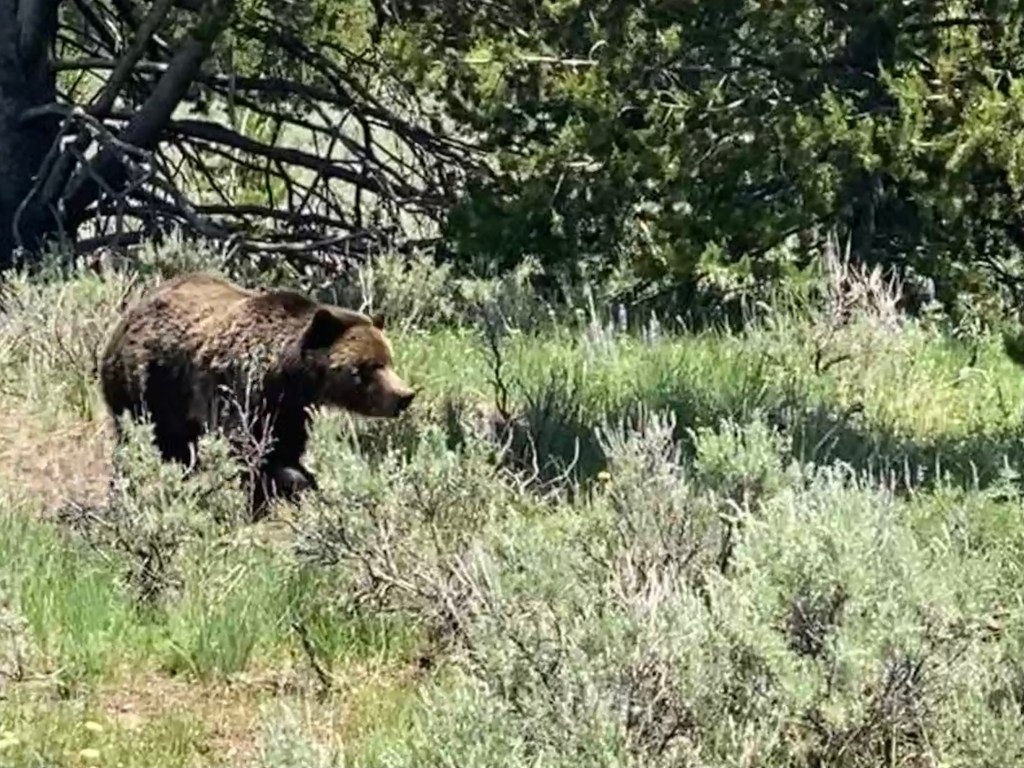
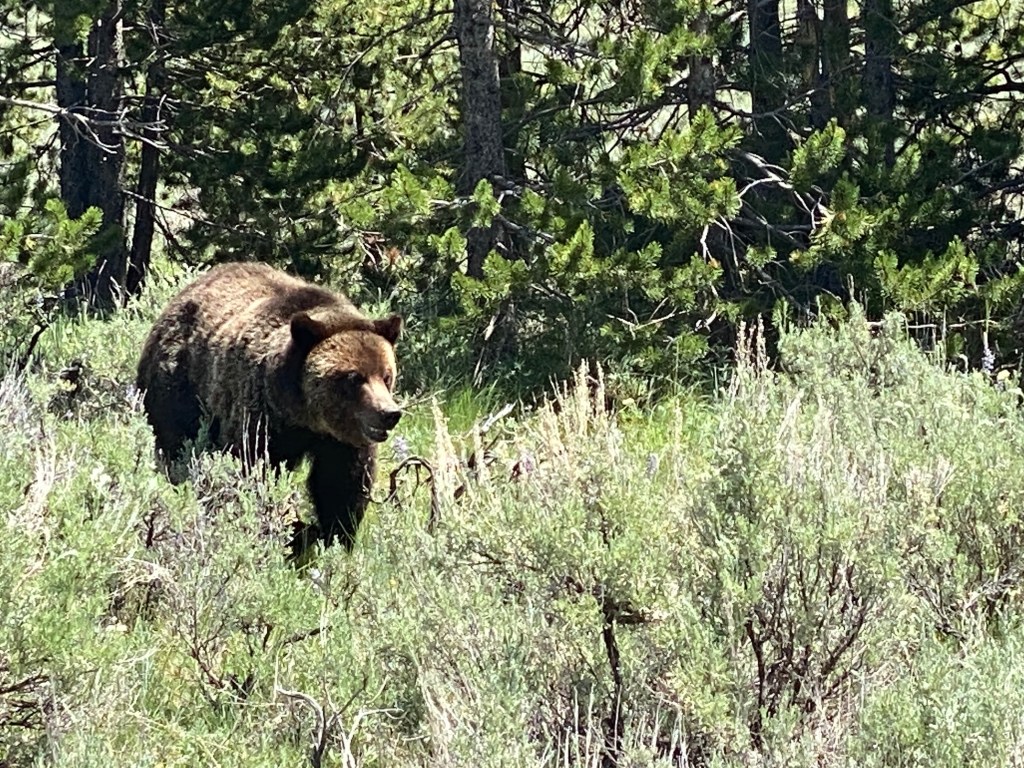
A visit to Yellowstone would not be complete without some extensive wildlife watching. Fortunately we found ourselves in a bear jam at one point during our explorations, and the bear came right up beside the truck! I rolled down the window to get a good picture, and Steve grabbed his bear spray. It was thrilling!

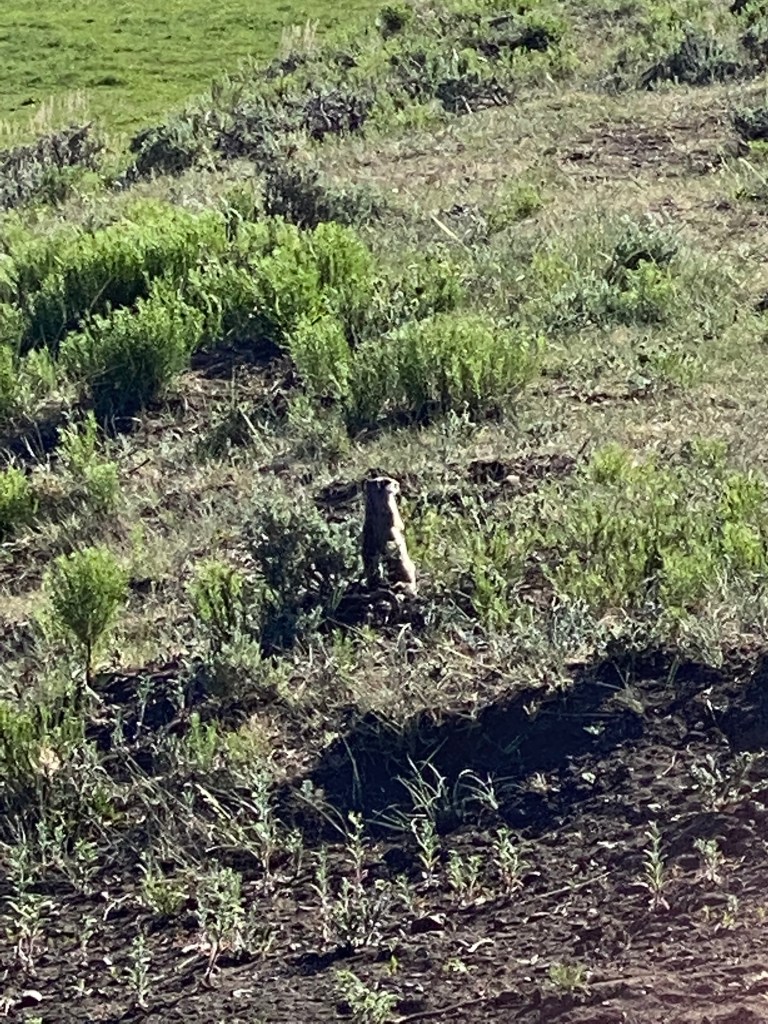
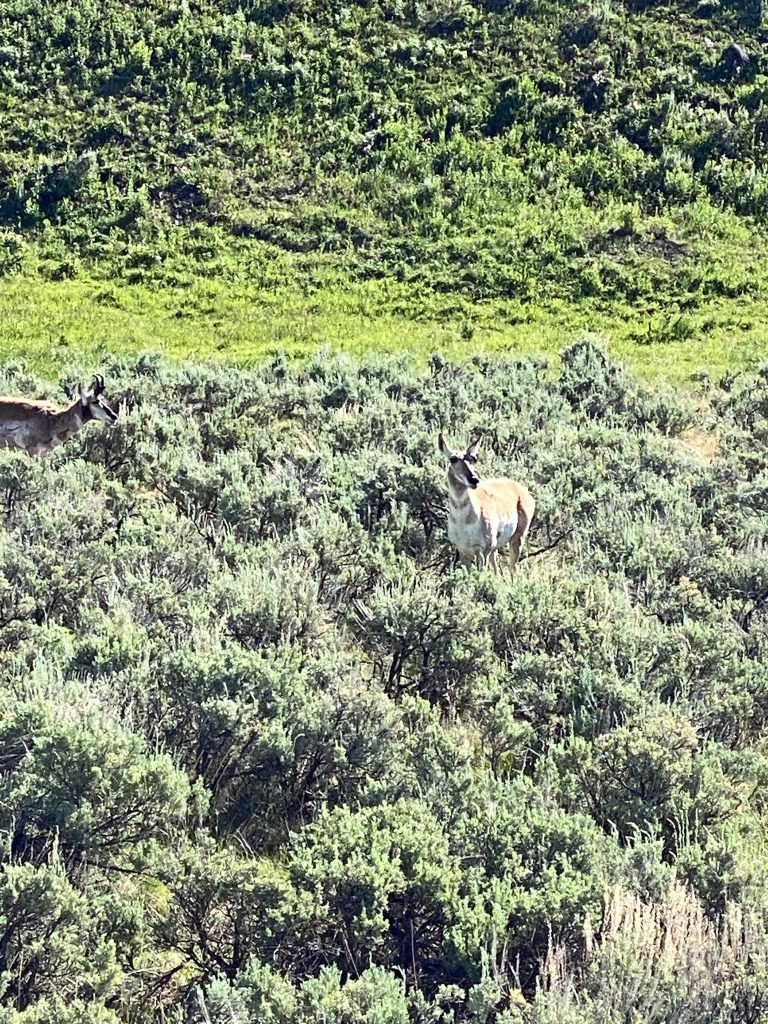
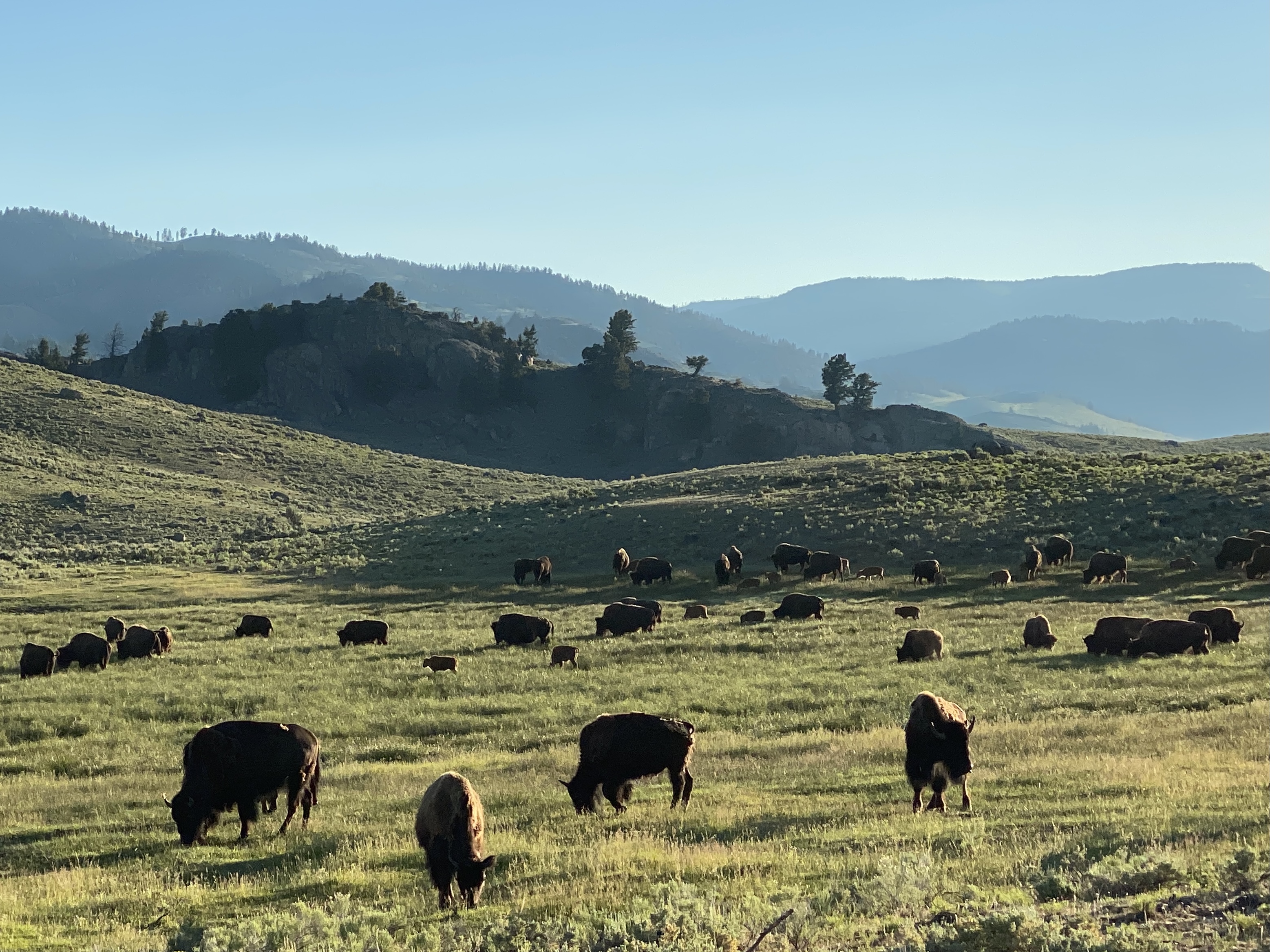
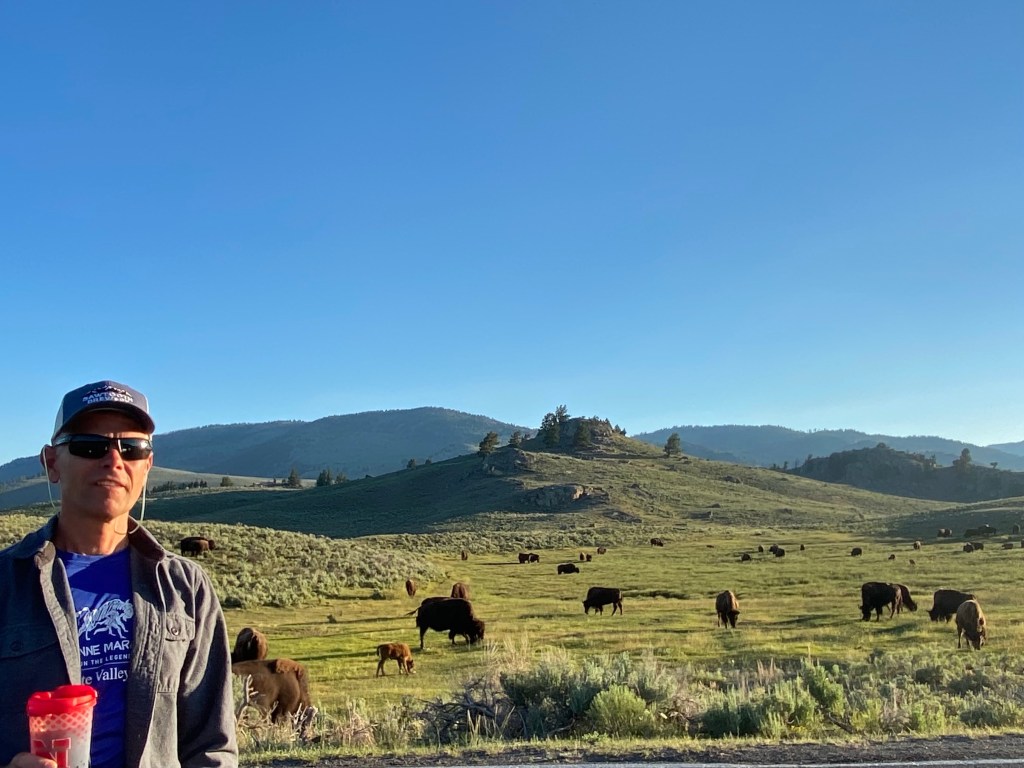
However, the best place to see wildlife is in the expansive Lamar Valley in the northern part of Yellowstone. We headed out on another early morning in search of animals and were not disappointed.

Of course we saw bison…everywhere. The best parts of the bison herds were all the babies that were tagging along with their moms.

In fact, we saw babies of all kinds including baby elk, baby badgers, baby pika, and baby wolves. Yes, we saw wolves but didn’t get photos since they were so far away, and a monocle was necessary to see the den. Thanks to a local guide, we were able to see the mama with her seven puppies. Even from a distance, it was super cool to get a glimpse of these animals that were once wiped from the area.

Of all the places we explored in Yellowstone, the Lamar Valley was the place that most exceeded our expectations. We found a beautiful hike, saw incredible scenery, and met a multitude of Yellowstone’s animal residents. If you go to Yellowstone, don’t miss the Lamar Valley!

We’re now on to parts north and will soon have more adventures to share. Happy Fourth of July!

P.S. Yes, Steve caught his first trout in the Yellowstone River. 🐟