Our Texas tour continued in the Hill Country town of New Braunfels. Just 30 miles north of San Antonio, New Braunfels allowed us to further explore the Hill Country while also putting us close enough to San Antonio for Steve’s next marathon. It was a fun few days.
New Braunfels is at the confluence of the Guadalupe and Comal rivers, and activities like fishing and tubing are very popular. It was too chilly for us to get in the water, but we did enjoy a visit to nearby Canyon Lake and the eye-popping River Road.  Lined with camps, parks, and homes, the road looked like the place to be when the weather turns warmer. We’d love to come back.
We also loved this area because of the variety of bars, breweries, and live music. We visited the Phoenix Saloon.

Established in 1871, it was the first bar in Texas to serve women, and they claim it’s where chili powder was invented. The noontime live show was really great and Steve loved the chili! The Phoenix Saloon was just one of several establishments we visited while in New Braunfels. At Guadalupe Brewing we enjoyed a brew beside a fire and met new friends. At the Grapevine we listened to some authentic Texas music while watching children play behind the stage.


New Braunfels is super family-friendly, vibrant, and rapidly growing. There’s new construction everywhere, reminding us of the rapid growth we saw in Gilbert AZ in the past few years.
When you’re in New Braunfels, you can’t miss the historic district of Gruene (pronounced “Green”). Established in the 1840s, Gruene, which means “Green” in German, fell into disrepair during the Great Depression. In the 1970s Gruene was resurrected and today is a bustling shopping, dining, and drinking destination. In fact, we visited the area three times and loved listening to the live music and watching the Texas Swing dancers at Greune Hall, Texas’ oldest continually operating and most famous dance hall.
Over the weekend Steve completed his first marathon of 2020 in San Antonio. We spent Saturday checking out a few of San Antonio’s highlights, including the Riverwalk, the Alamo, and the Pearl Farmer’s Market.


Steve and I had been here ten years ago when we did the San Antonio Rock and Roll race. Steve ended up in an ambulance at mile 25 in that race and the DNF (Did Not Finish) result has haunted him ever since. Here’s the photo from that race many years ago: He was set on redemption and the Run the Alamo race was his opportunity. After a few months of no races, lots of training, rest, and my pasta dinner the night before, he was well prepared. And HE WON!!


Steve came in first place in his age group and 24th overall! How encouraging it was to know that preparation and focus leads to success!
We celebrated with another visit to New Braunfel’s music and drinking establishments and Mia was happy about that. We’re now in Austin for what was supposed to be the big event: South by Southwest (SXSW). The event has been cancelled, along with the Chris Stapleton concert for which we had purchased tickets. We’ll post another blog related to this craziness.
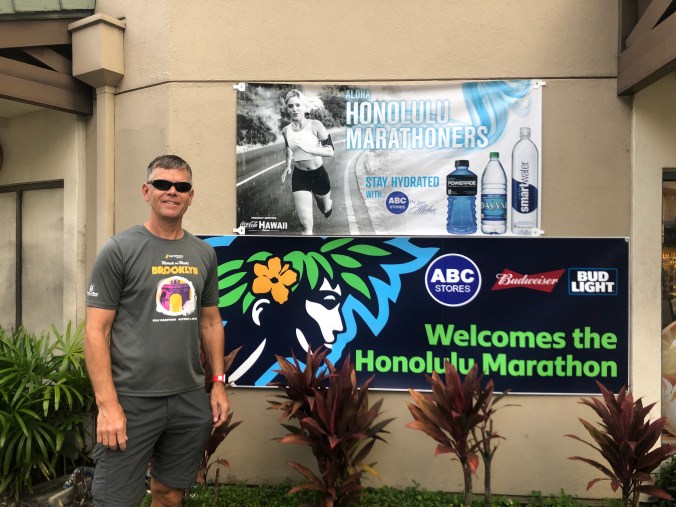 This time we were joined by our neighbor and dear friend Sheri, and Sheri and I did the 10K while Steve took on the 42K/26.2 mile marathon.
  Of course the festivities began with the race expo where we picked up our race numbers and shopped for running-related stuff. This expo was unique as there were many featured products from Japan, where more than half of the registered runners come from.
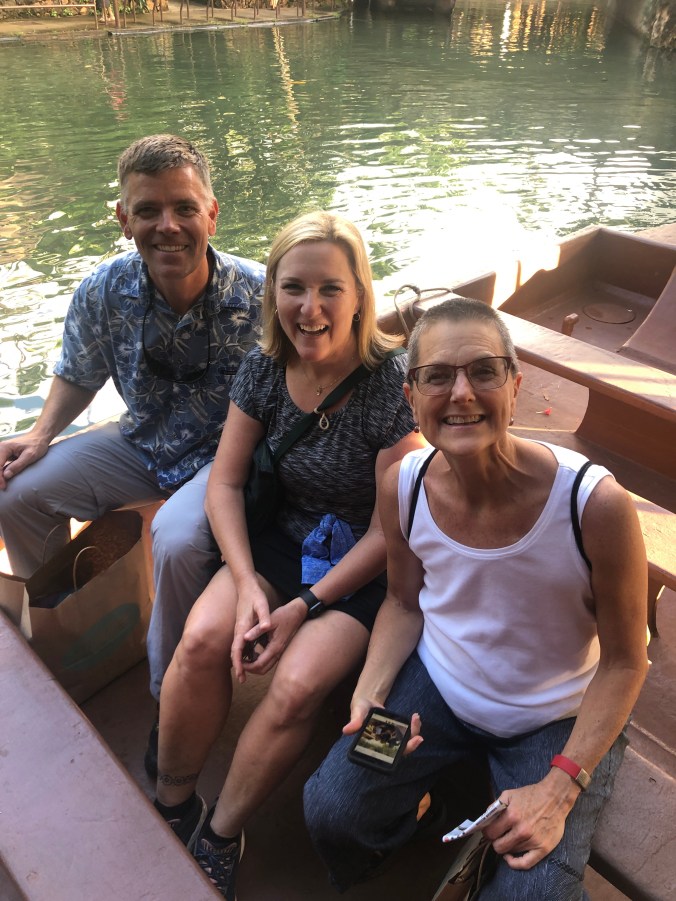 The immaculate park showcases cultures from around the Pacific and allowed us hands-on experiences like poi tasting, canoe rides, fake tattoos, and lots of hula. It was a long day, but worth the exploration.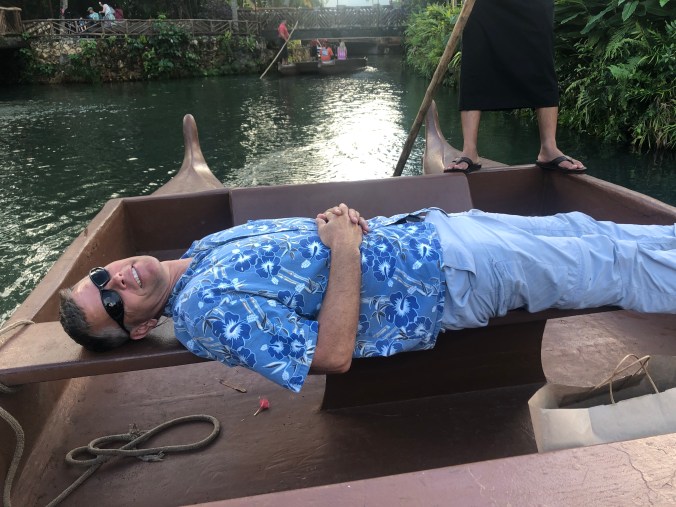
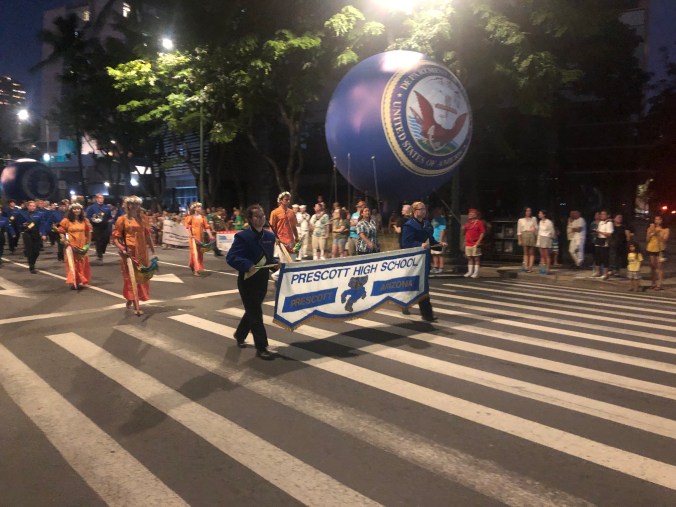





 Here are a few observations from our time on the island.
  The US-based currency exchange would not take the money and after asking at least a dozen Cuban-Americans working in the airport if they would like the money


 We tried really hard to understand the systems but concluded some things are better left misunderstood.


 Marnie and Steve Travel