A1a Marathon and Colorful Little Havana

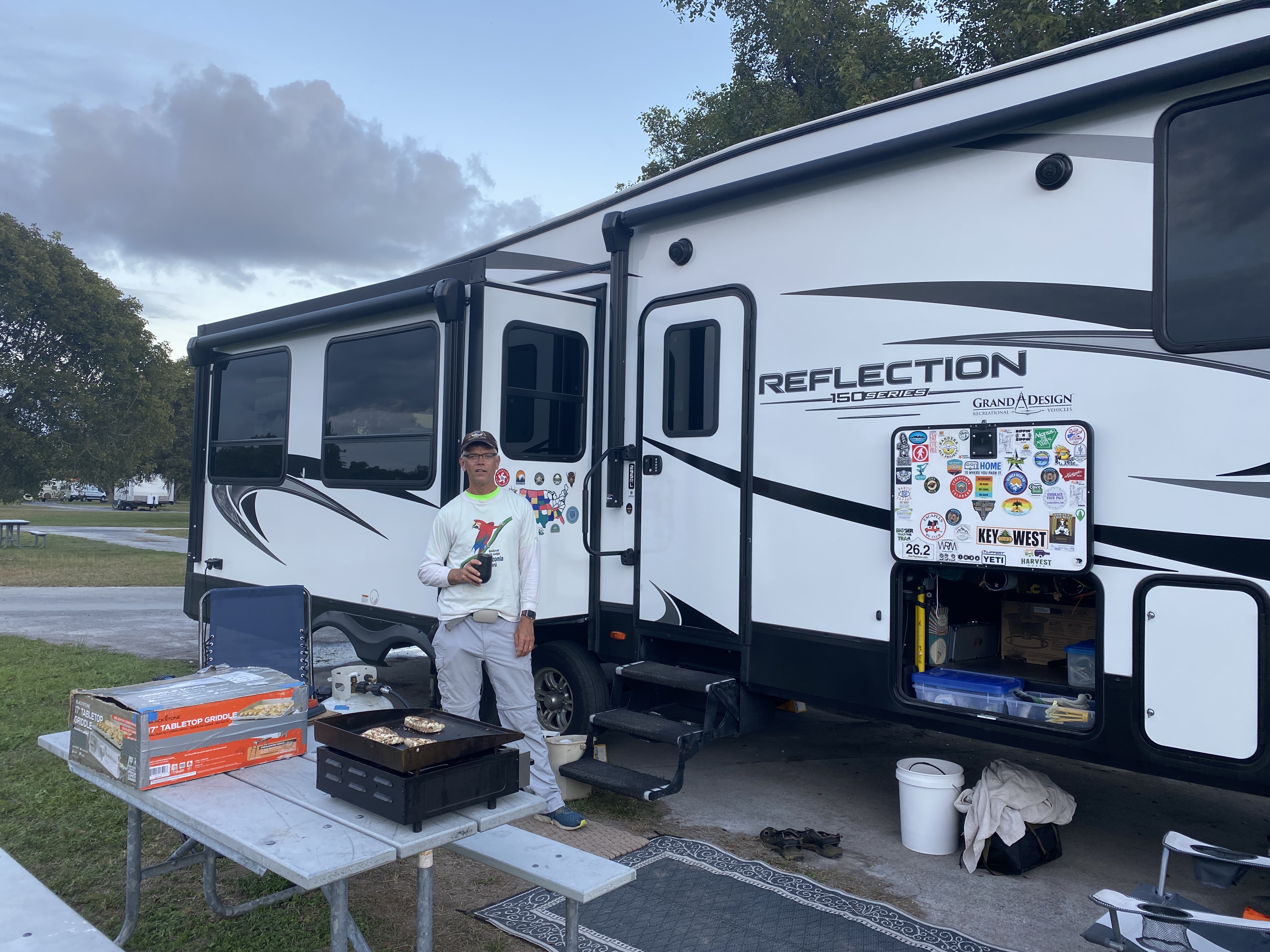
This weekend we made a stop in the Fort Lauderdale/Miami area so that Steve could rack up his Florida marathon. While camping at one of the worst KOAs on earth, we did a little exploration, a little shopping, and enjoyed the nice warm weather that south Florida offers up in February.

First, the KOA. We regularly stay at KOA campgrounds when another option isn’t available. In the Miami area there are very few options for RVs, so we jumped on booking this one so that we could easily get to the race. Unfortunately the place was a dump.

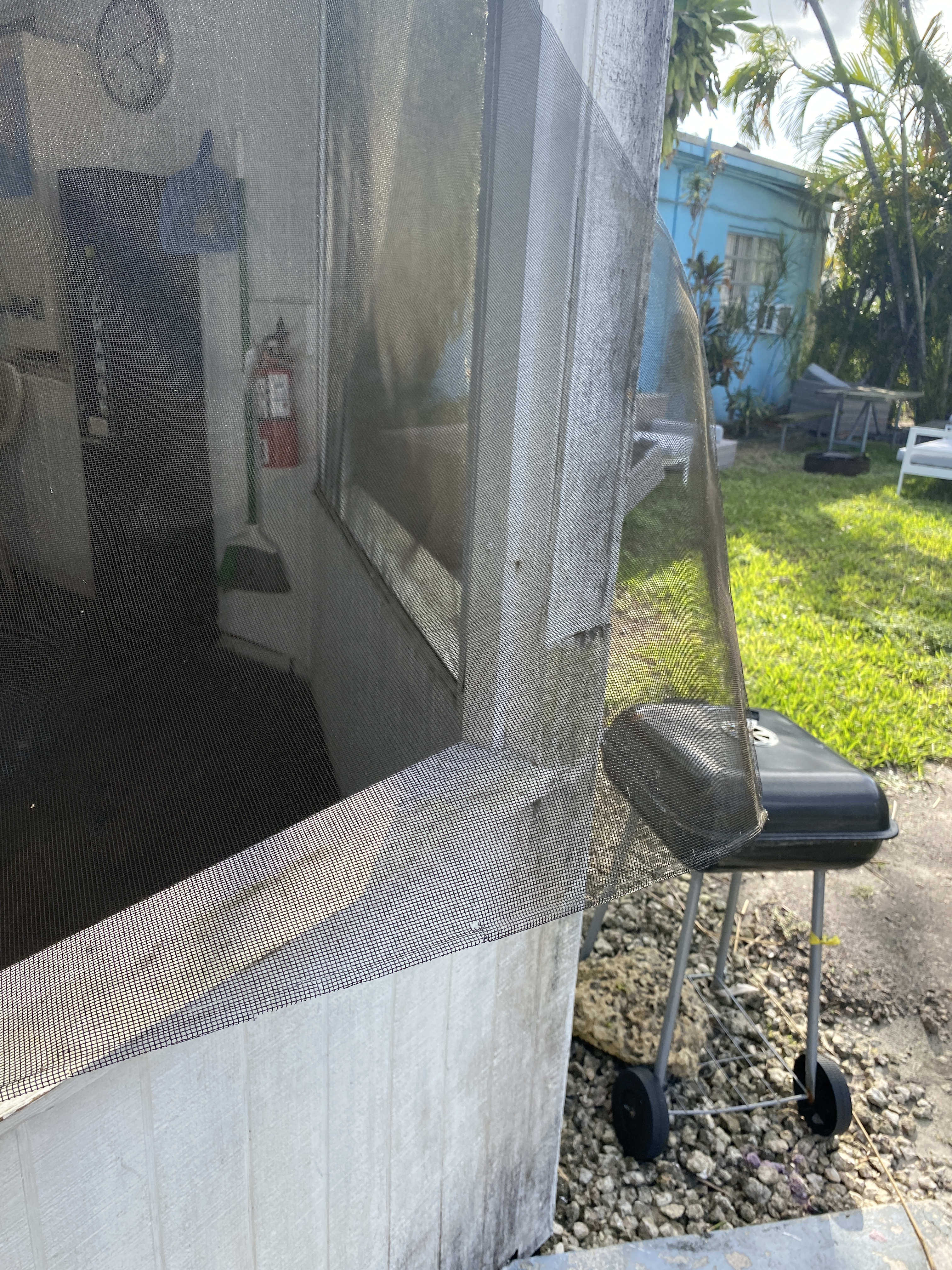
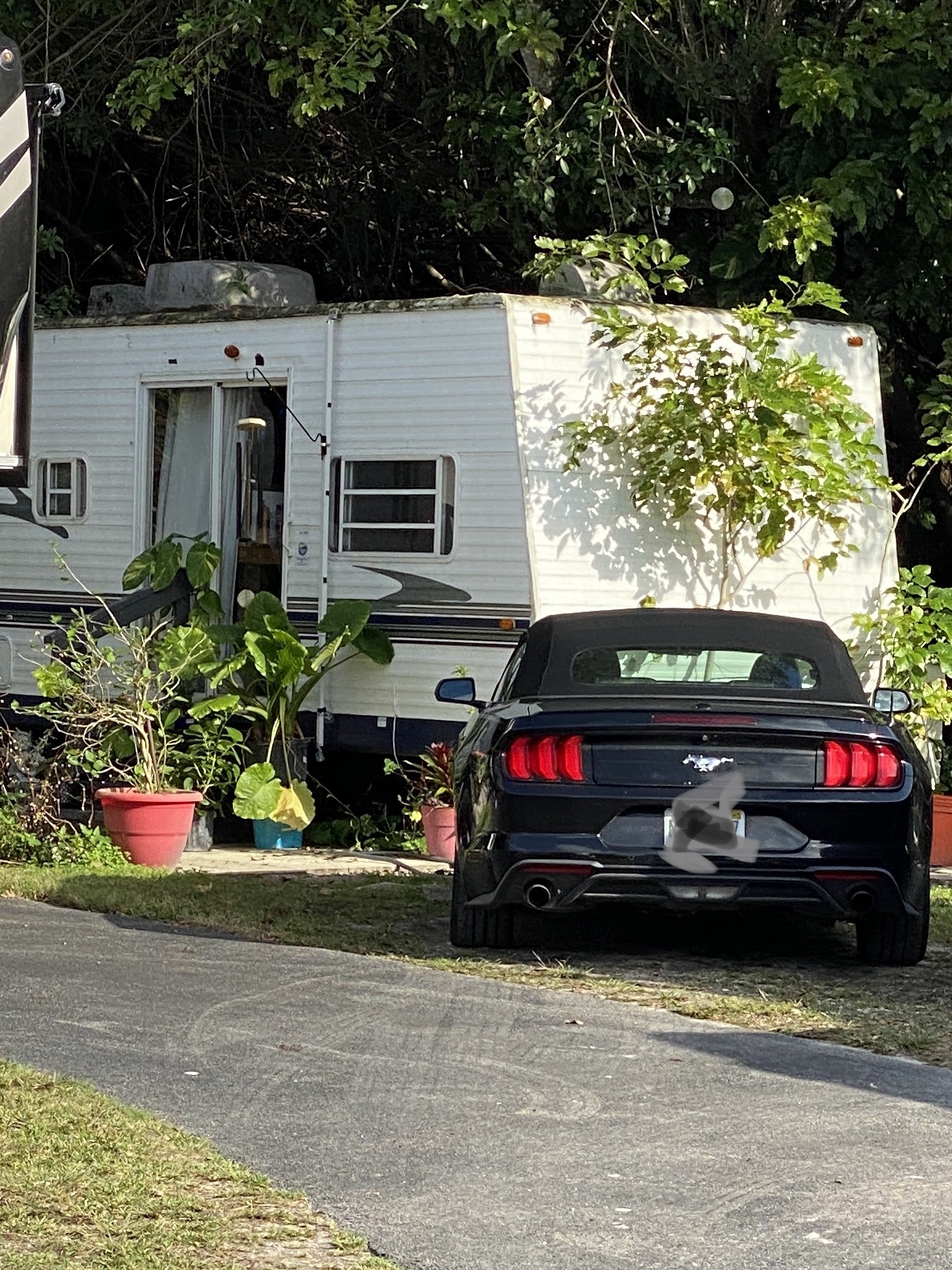
What was once, a long time ago, maybe a decent place was decrepit and crowded, littered with ramshackle trailers and a dried up pond. Every time we took a walk we found more reasons why this park didn’t deserve to be under the KOA umbrella. We’ll be writing some reviews. Still, we met some nice people here, and it’s kind of par for the course when you travel via RV. Win some, lose some.

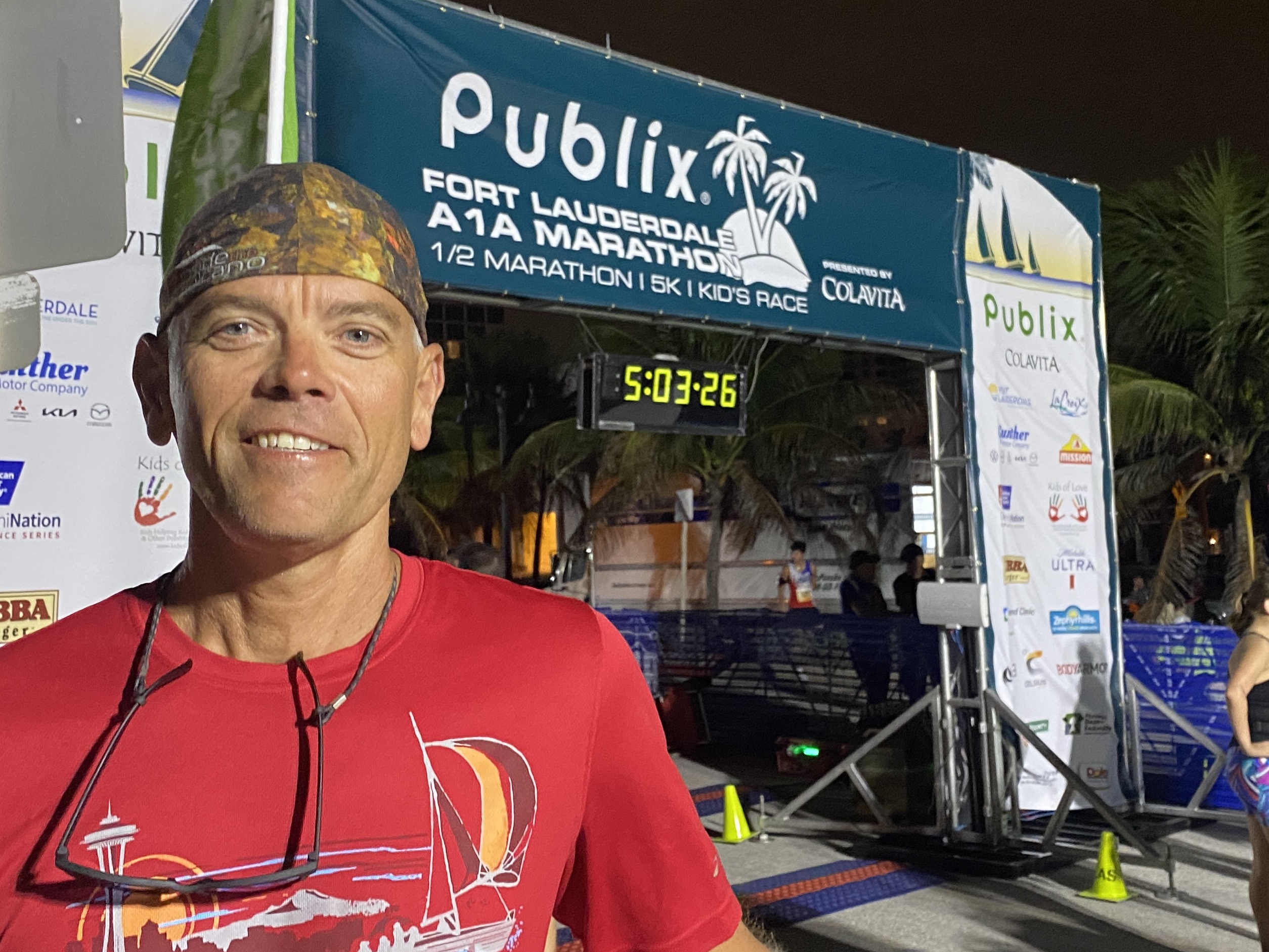
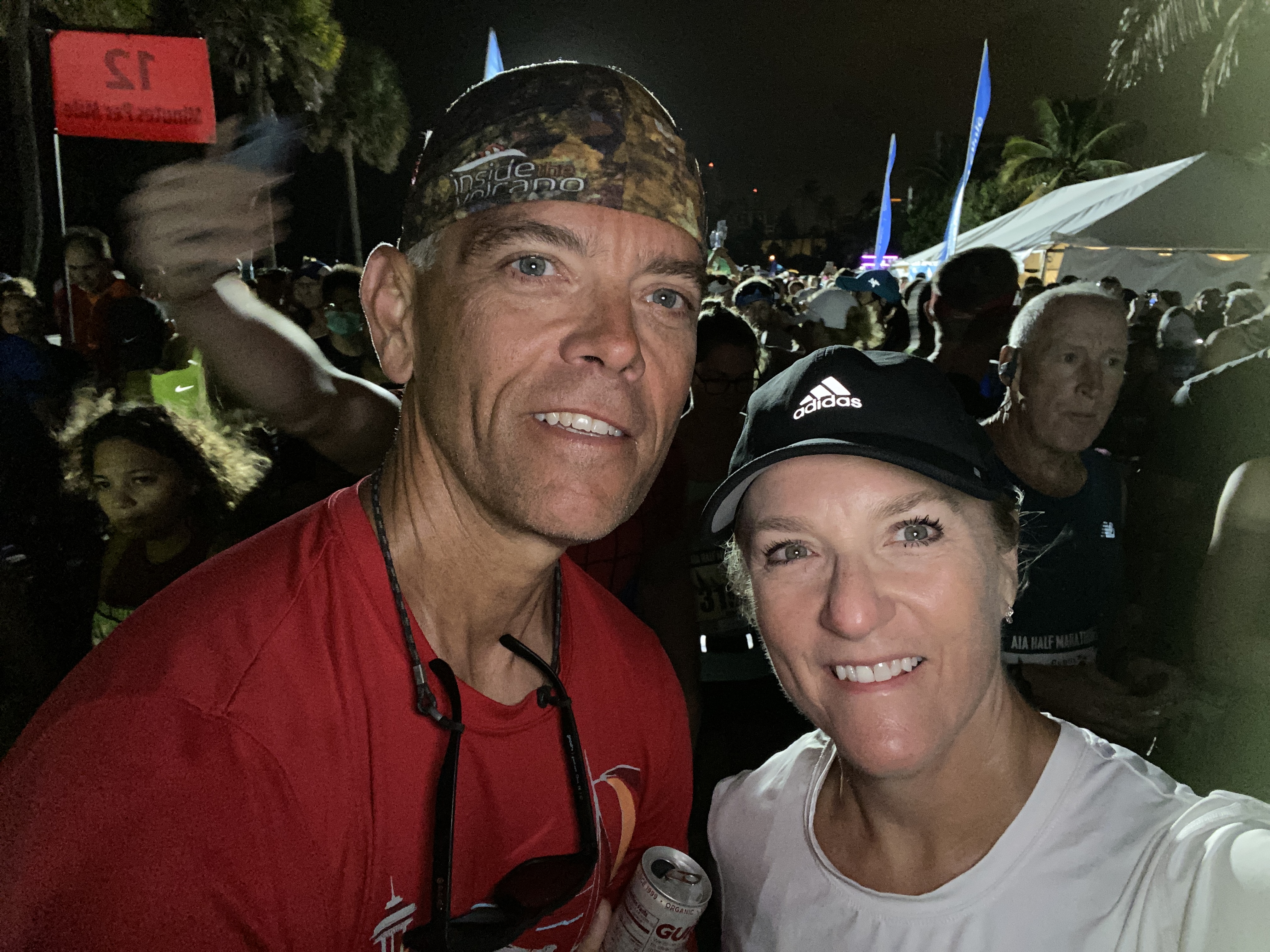
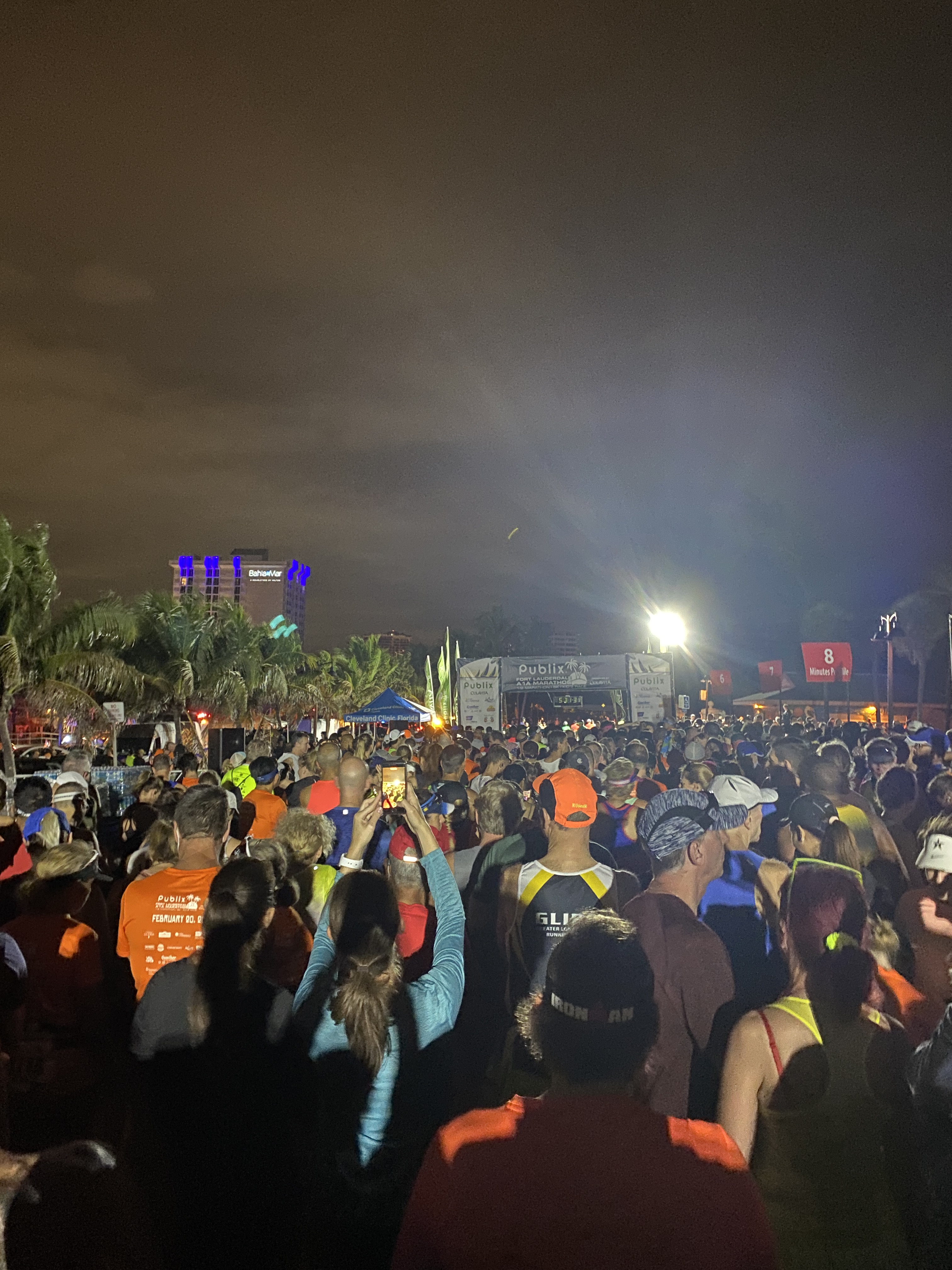
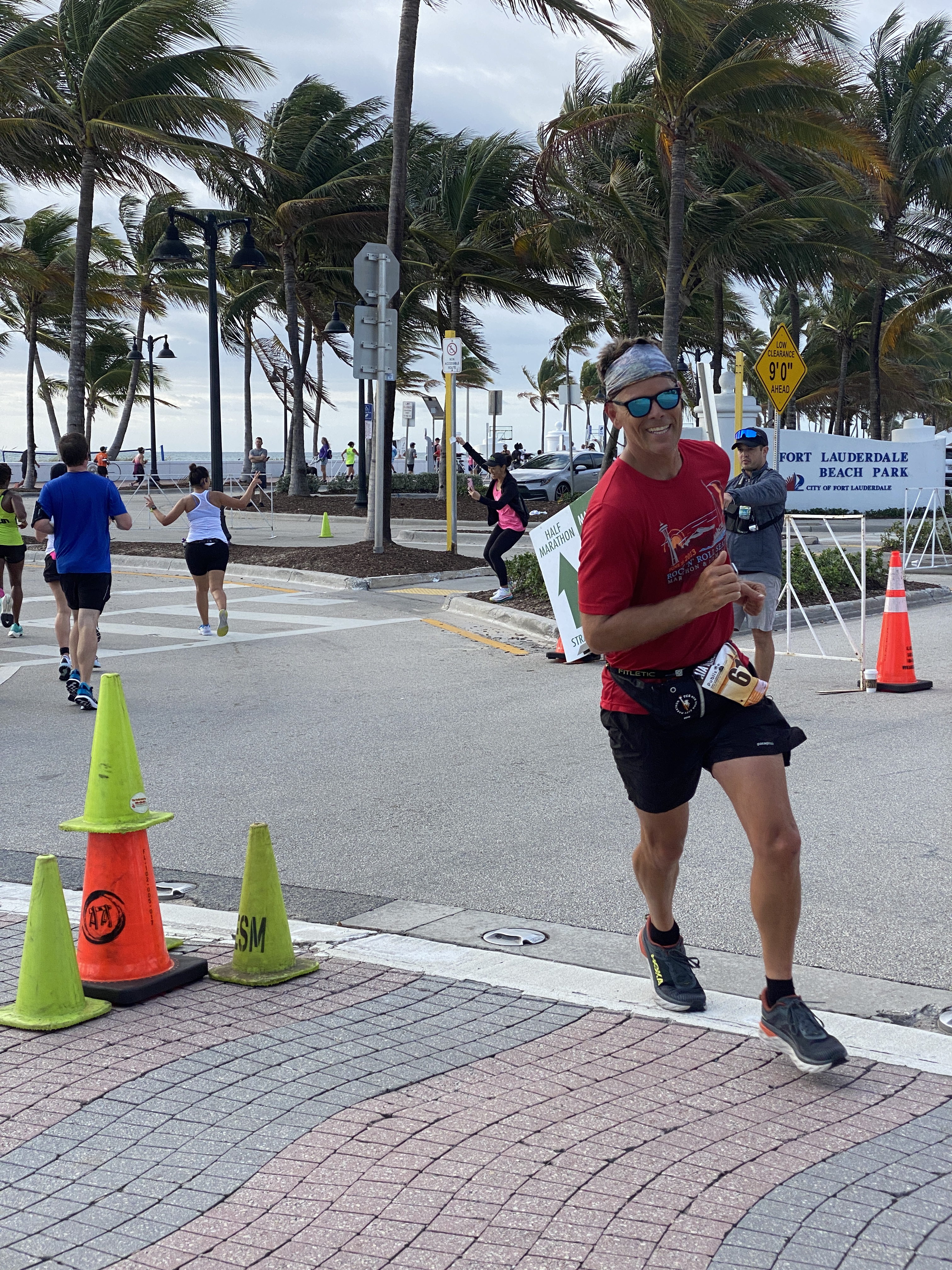
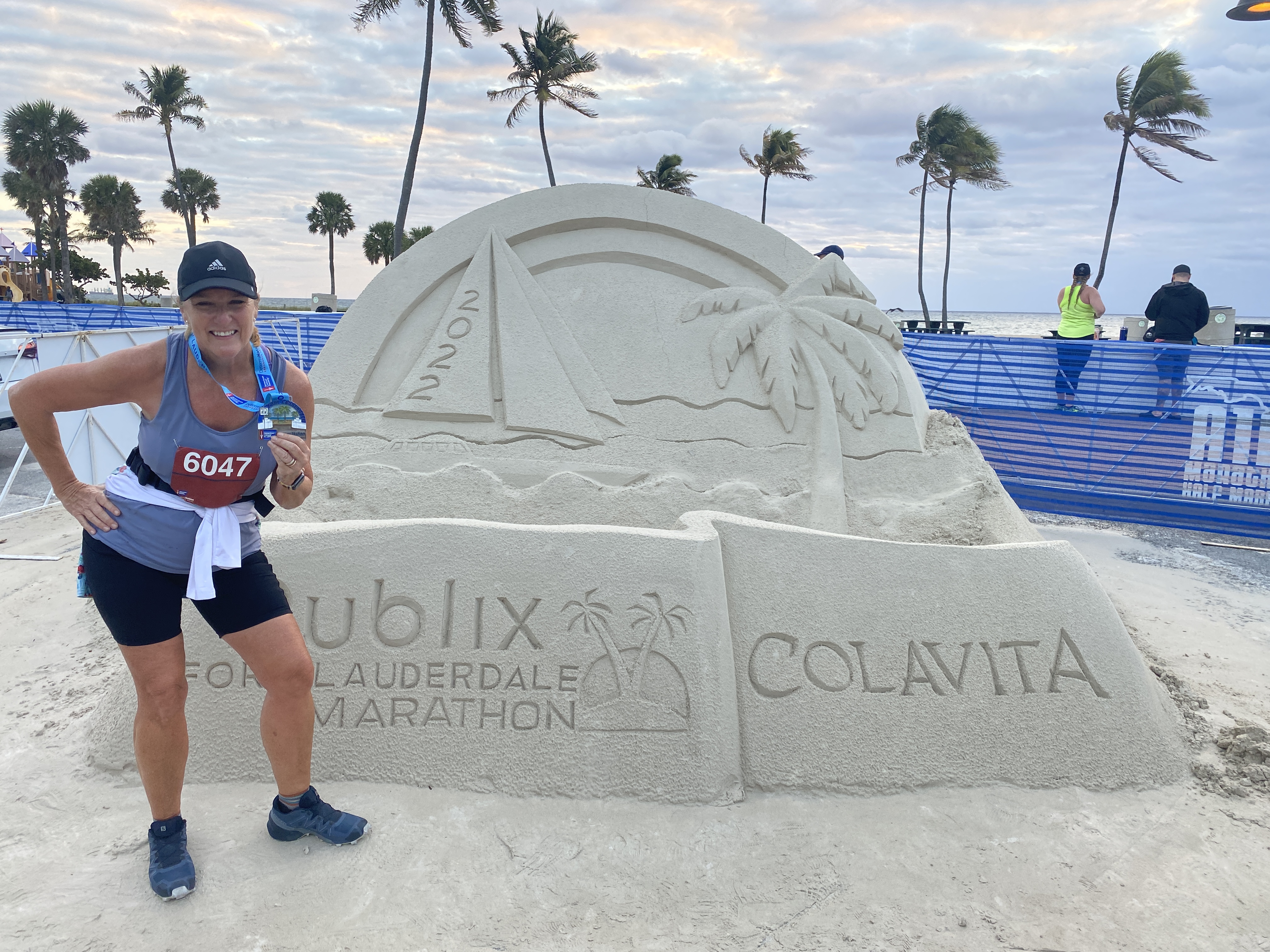
The real draw to this large metro area was the Publix A1a Marathon, which ran alongside the beach in Ft. Lauderdale.

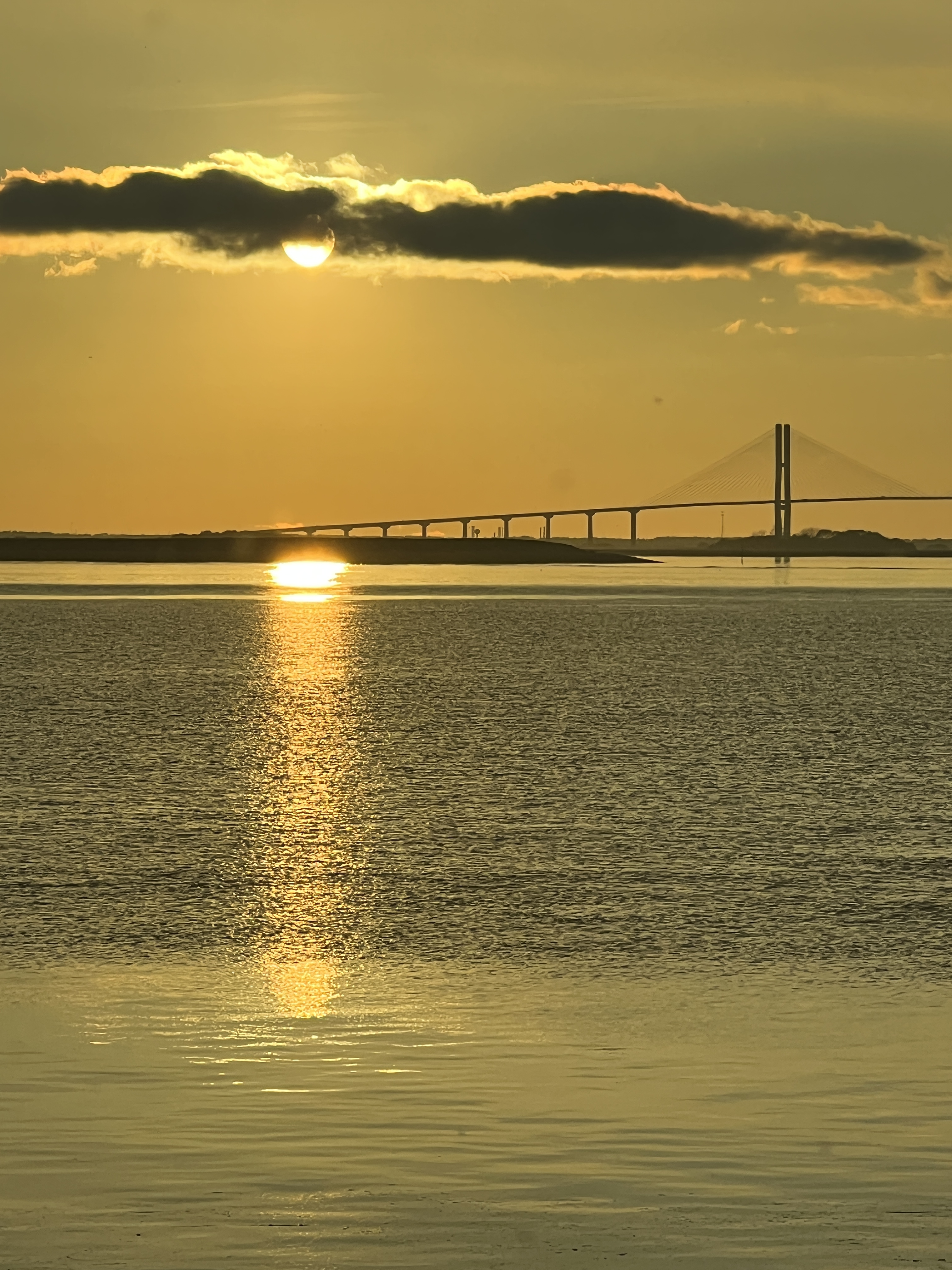
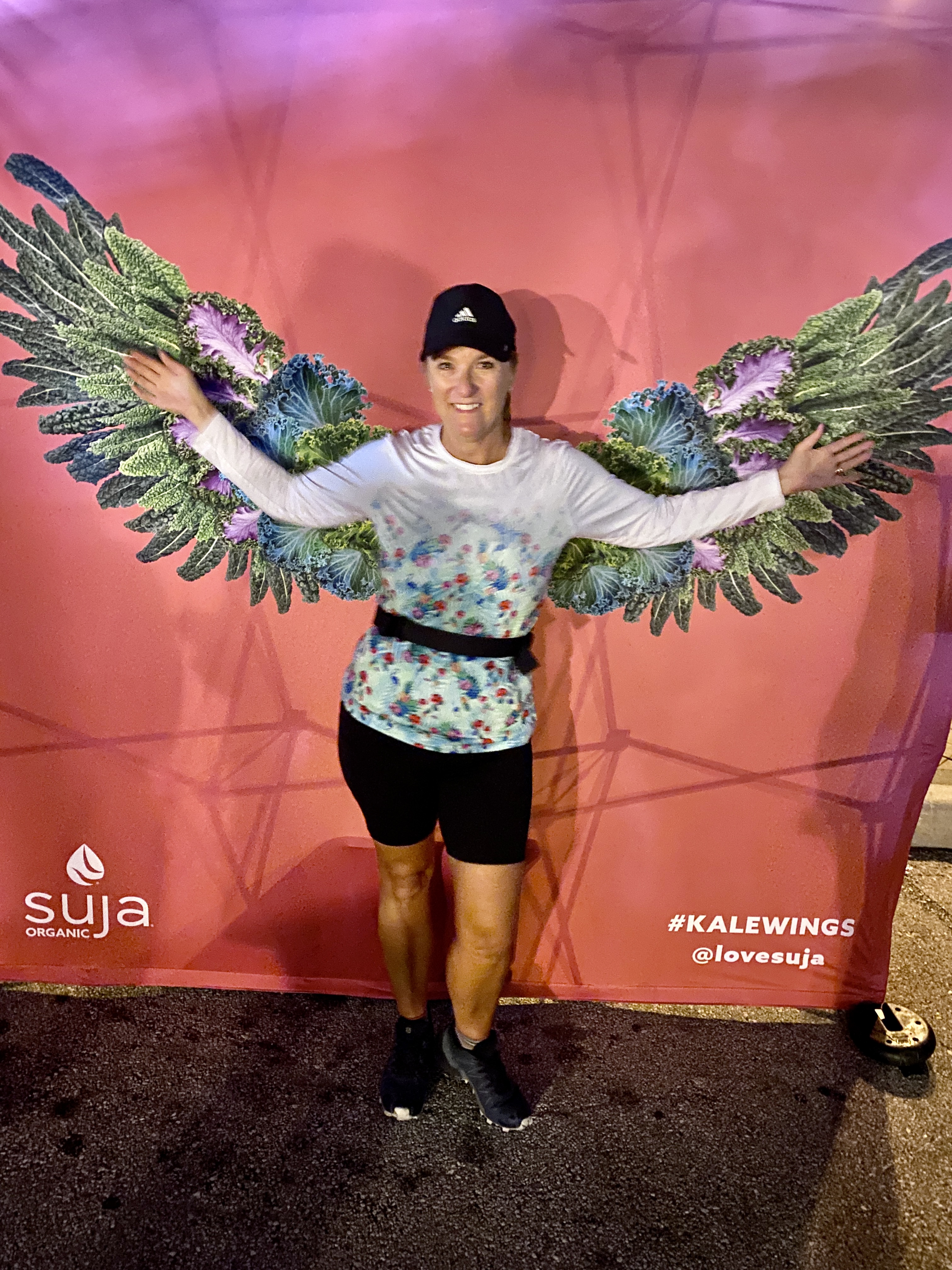
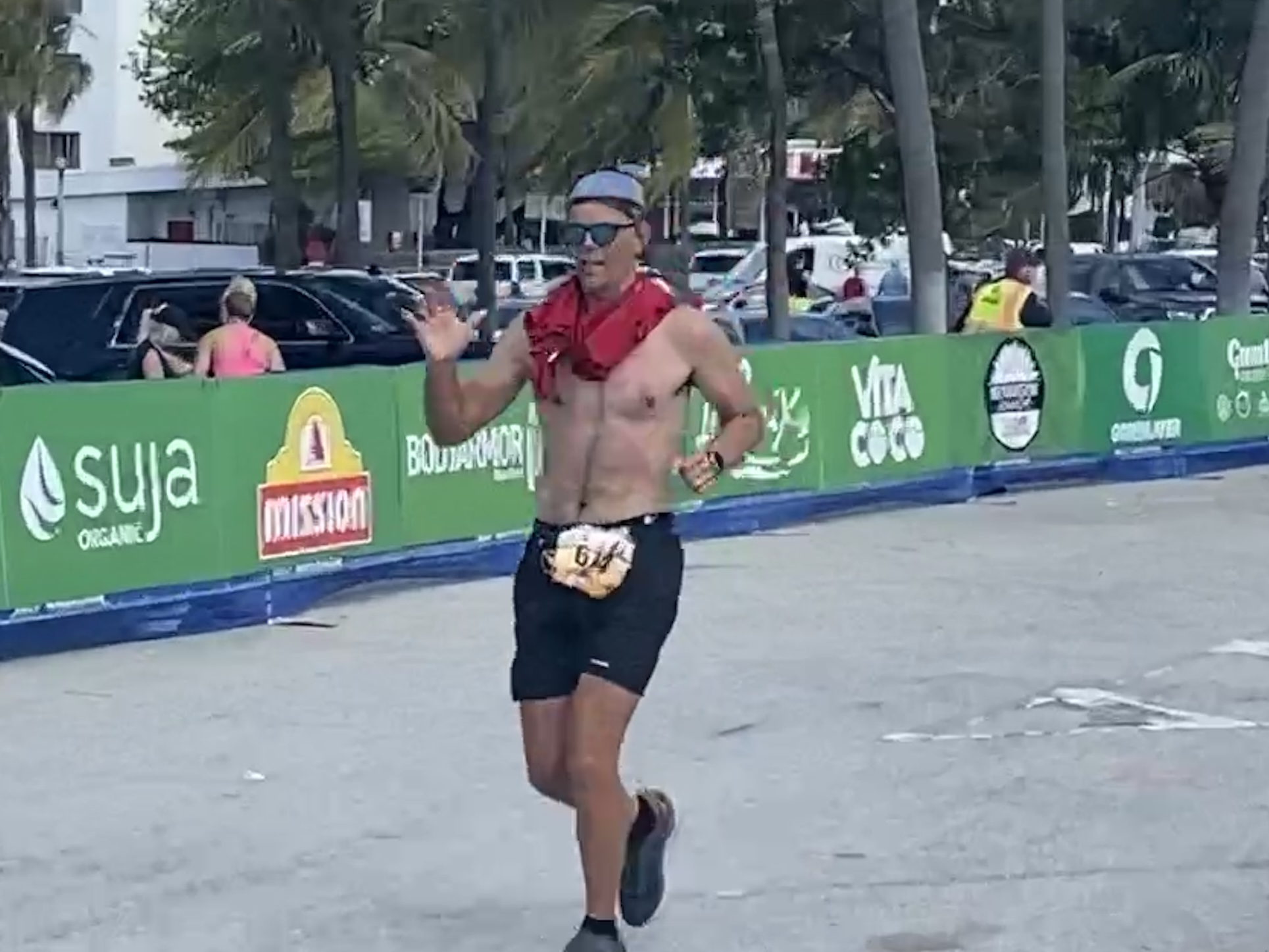
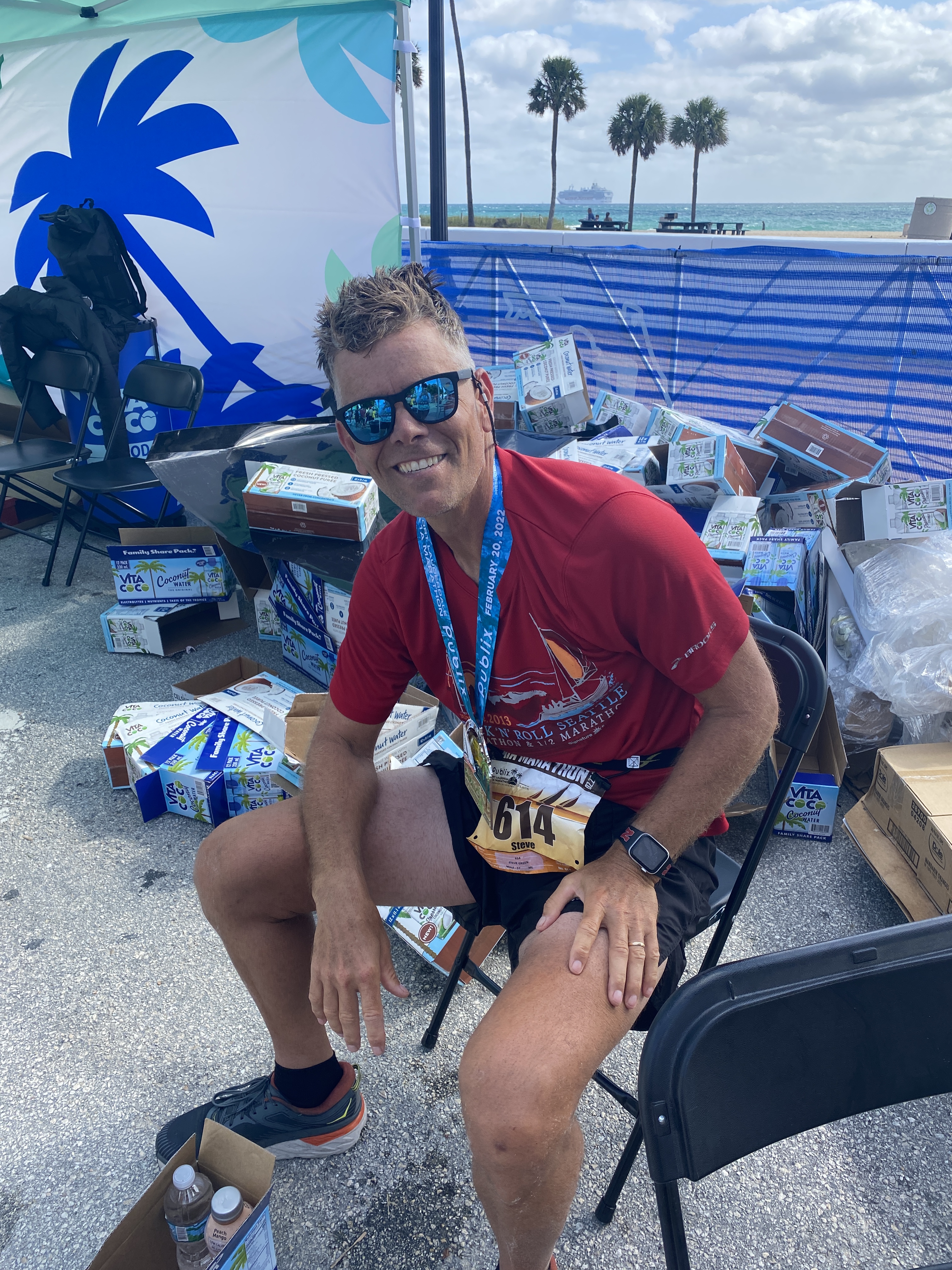
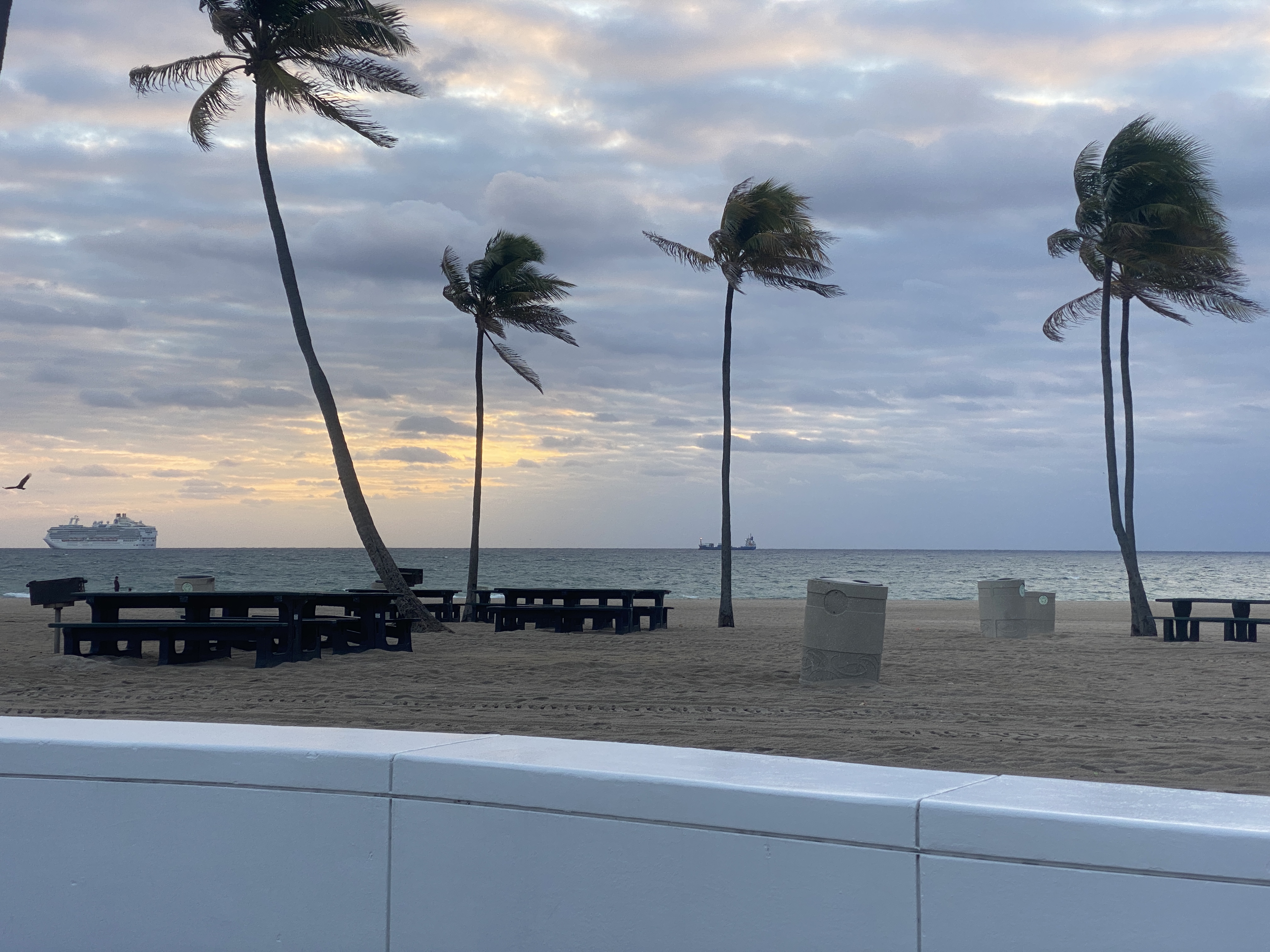
Steve ran the 26.2 miles in just over four hours, and I completed the accompanying 6K (just under four miles) race. It was a beautiful morning punctuated by a sunrise over the Atlantic, a flat course, and relatively cool and breezy weather.

As you may recall, Steve’s goal is to complete a marathon (or more) in every state. This was state number 23 and his 33rd marathon overall. It was a great way to knock Florida off the list.

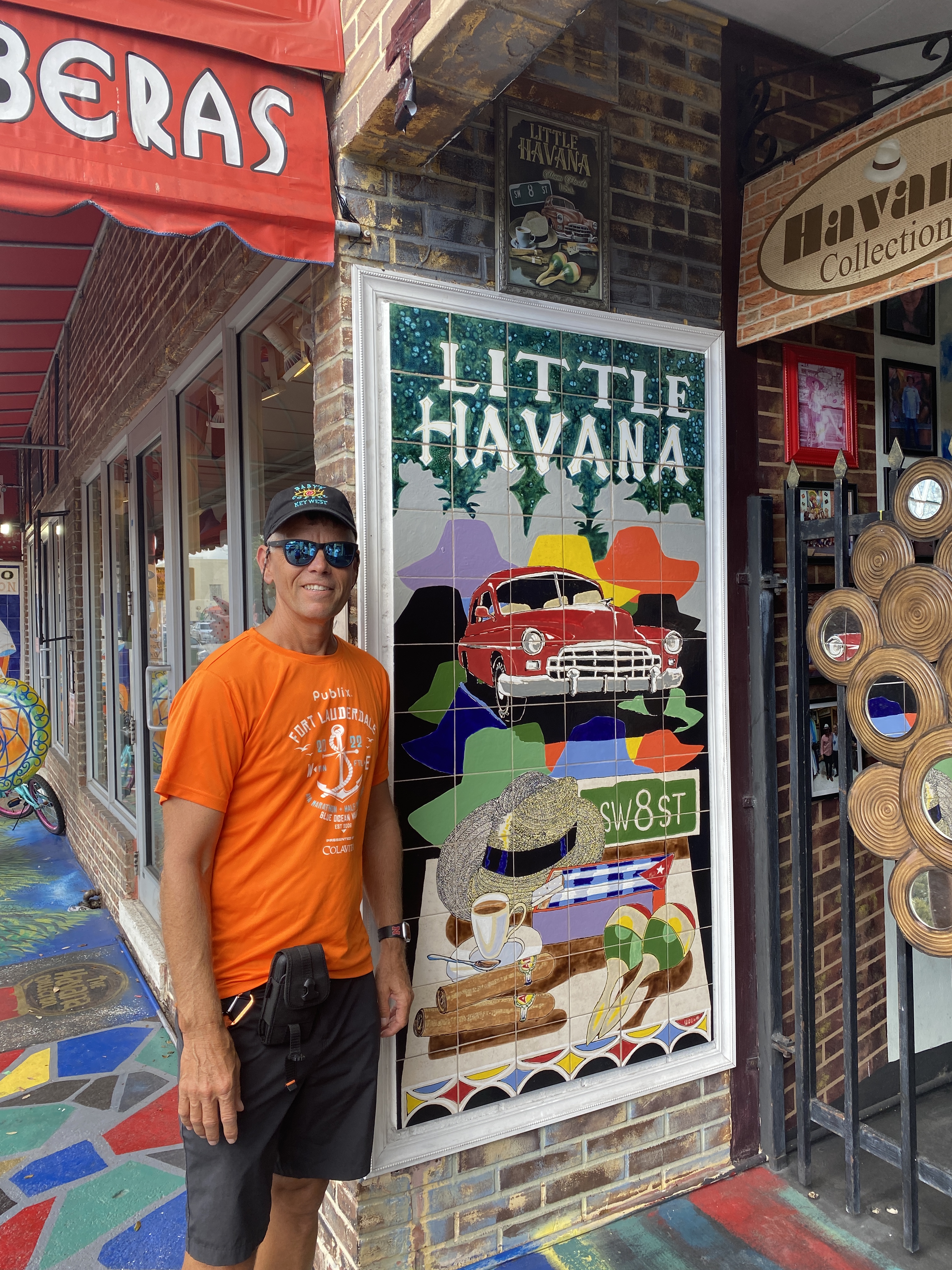
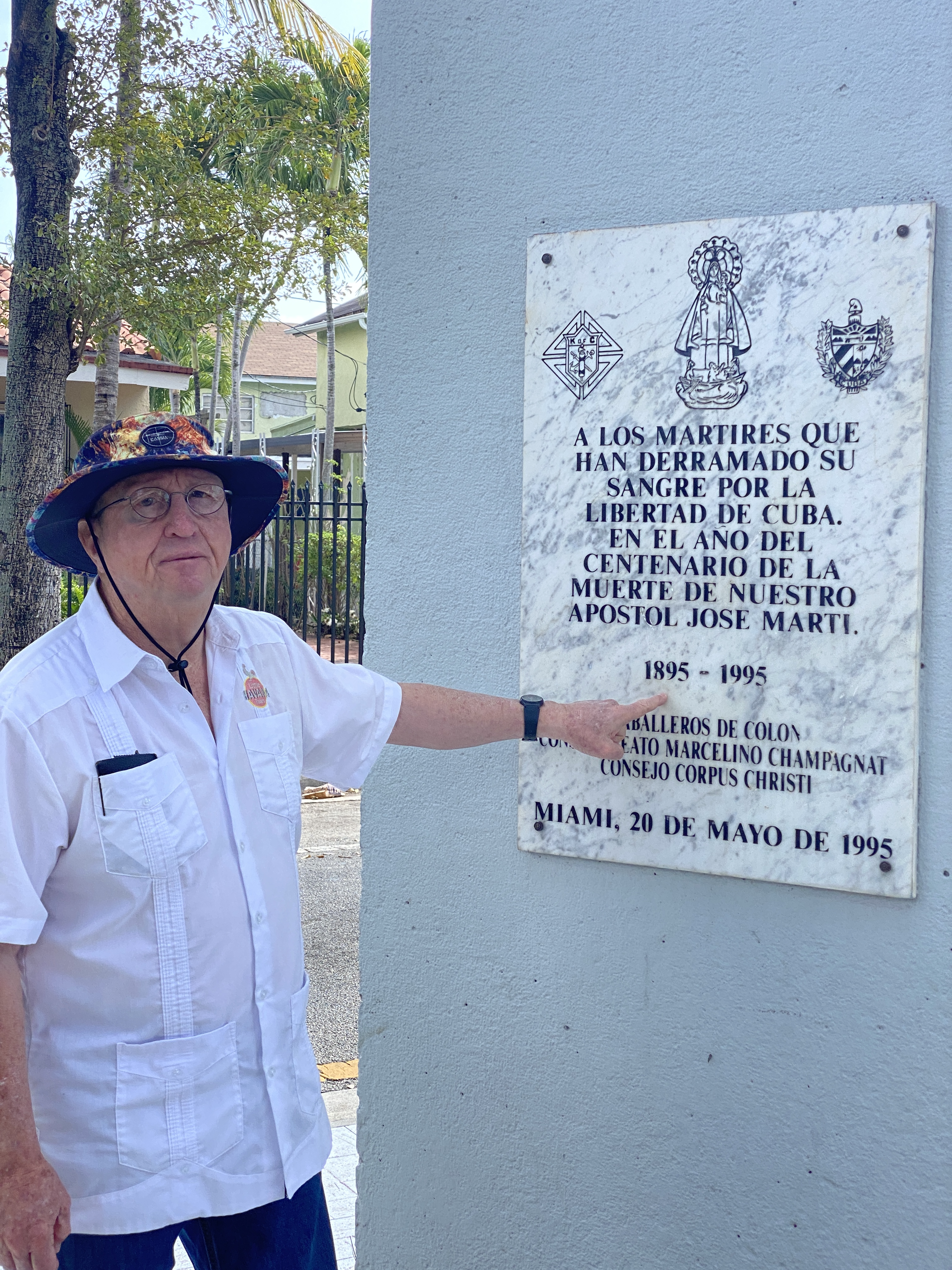
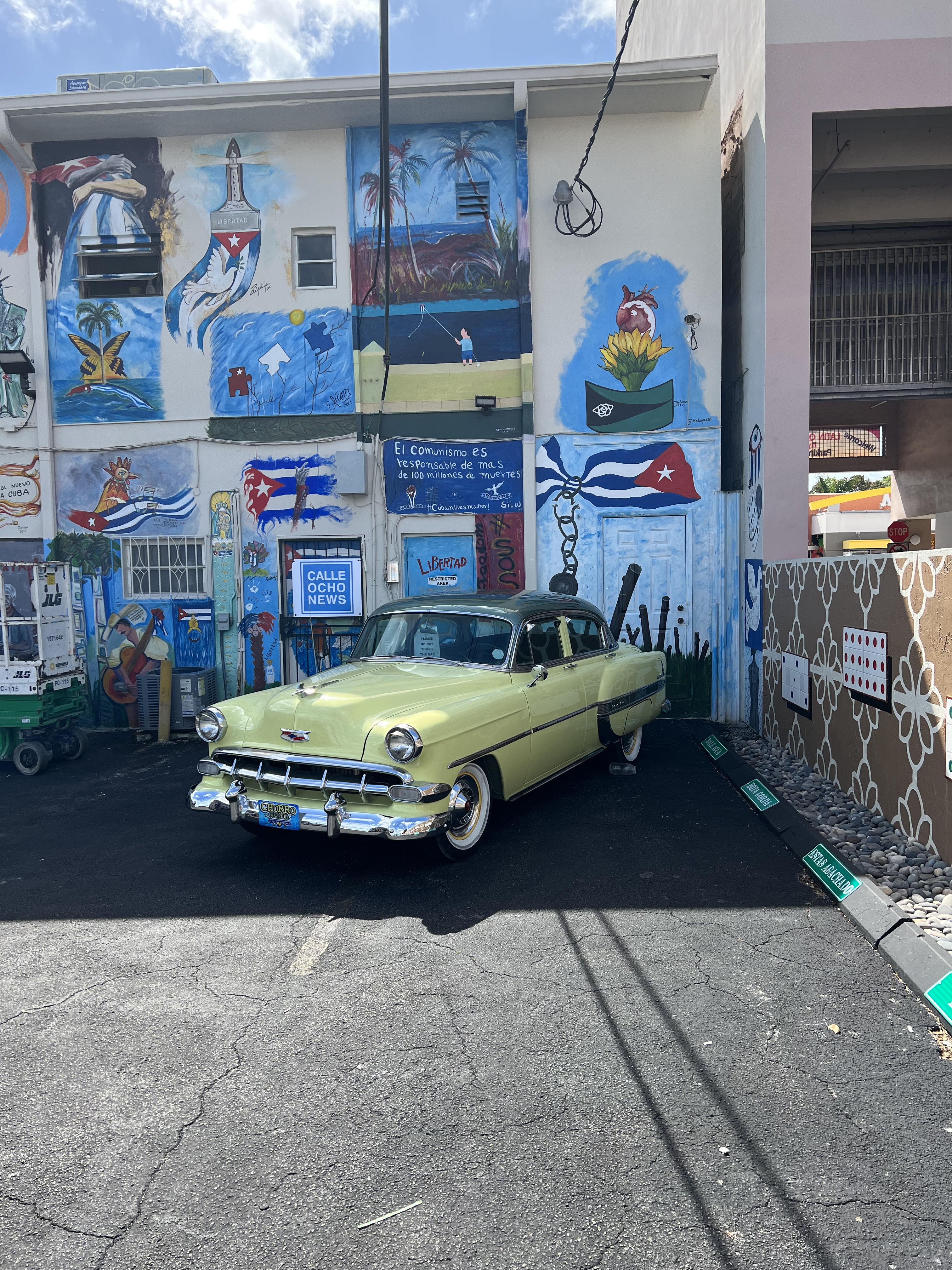
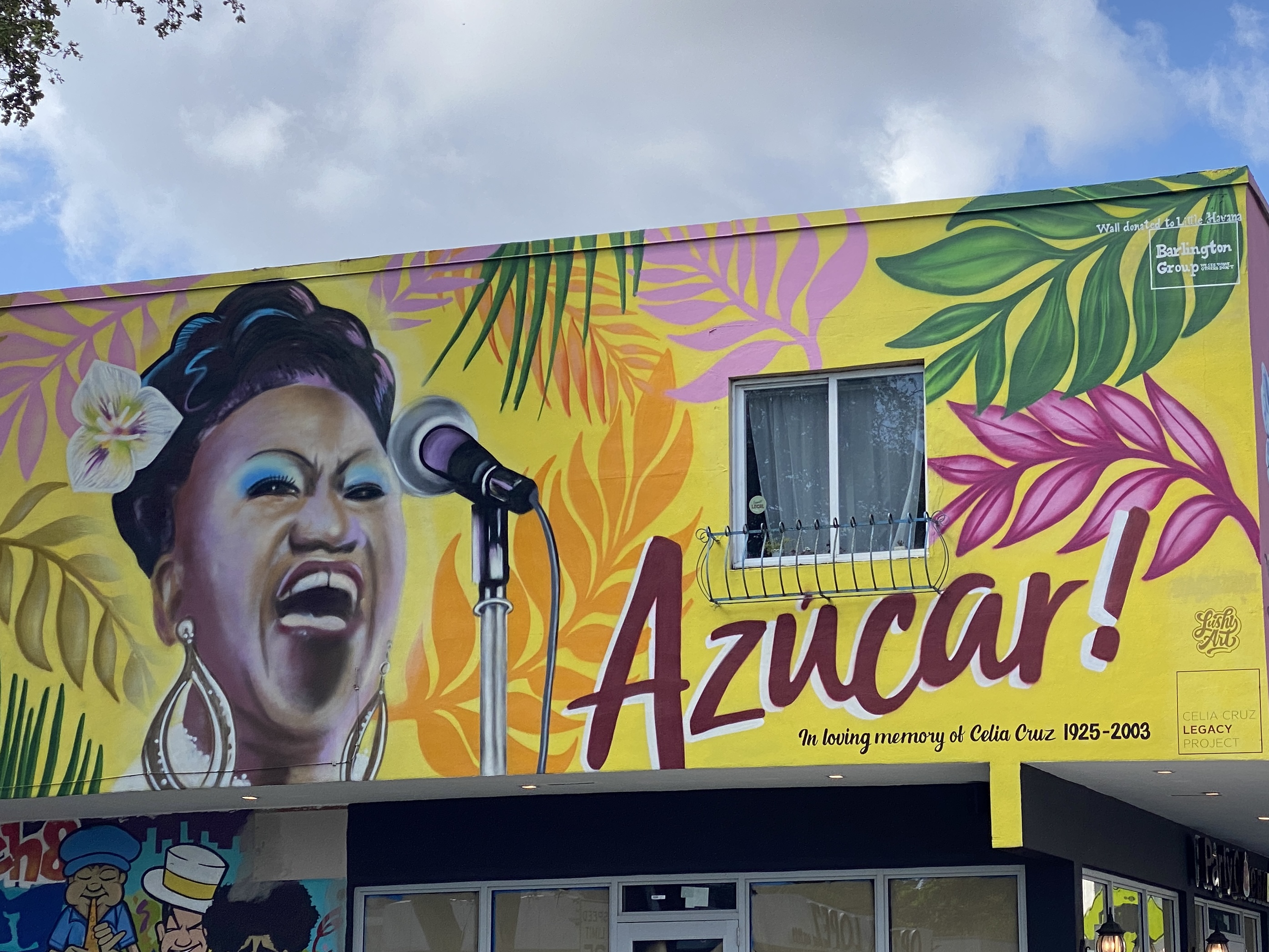
While in this area we also signed up for a tour of Little Havana, a distinct cultural neighborhood in Miami.  Since we’d been to Cuba in 2019 we have an interest in the history, culture, and political evolution of this nearby island.

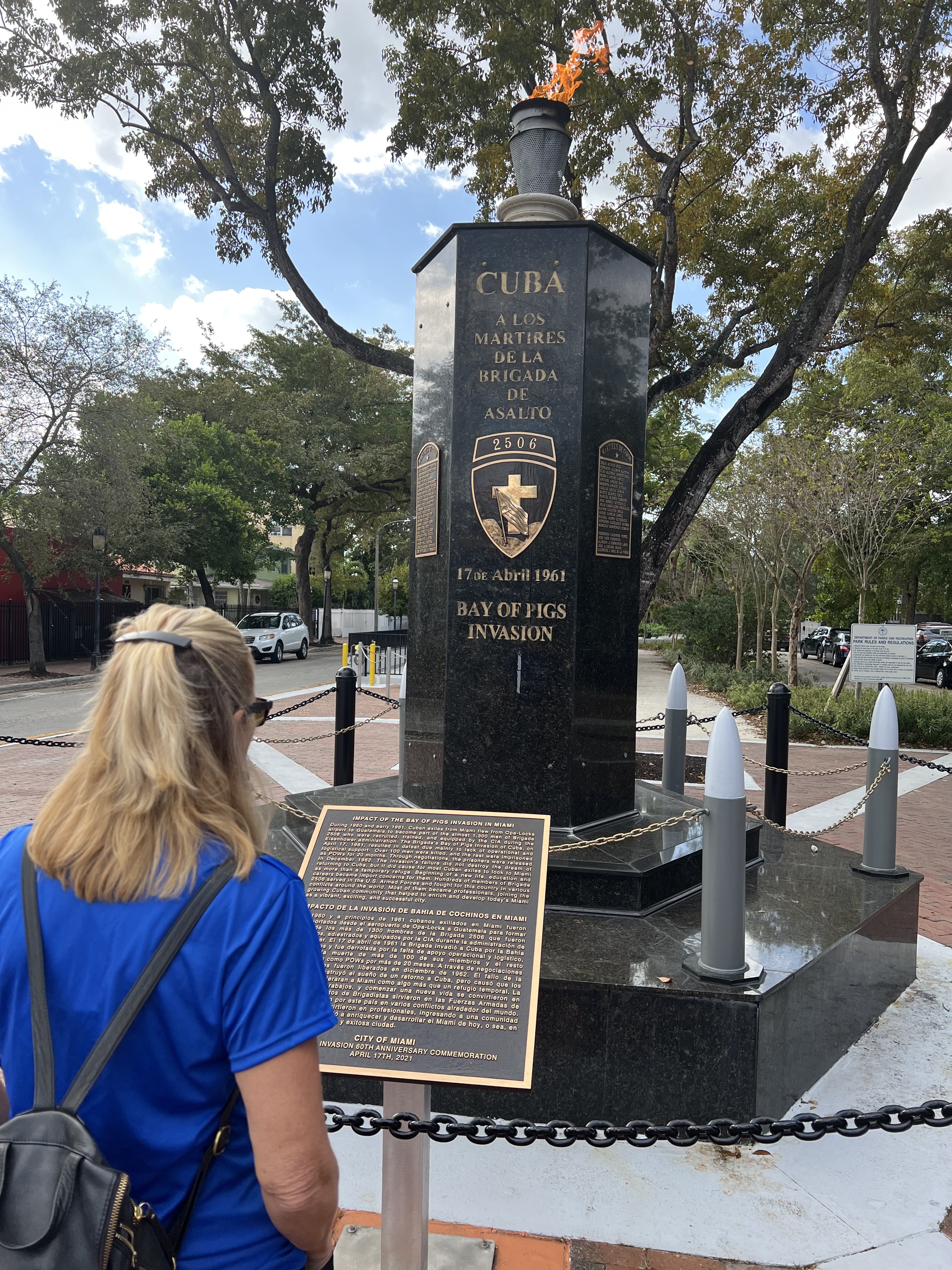
Our tour guide Danny has lived in Little Havana most of his life and easily rattled off significant historical events that brought Cubans to the United States and to this region of south Florida. He told us about the political, economic, and social factors that have influenced US/Cuban relations and gave us a great history lesson on the Bay of Pigs Invasion.

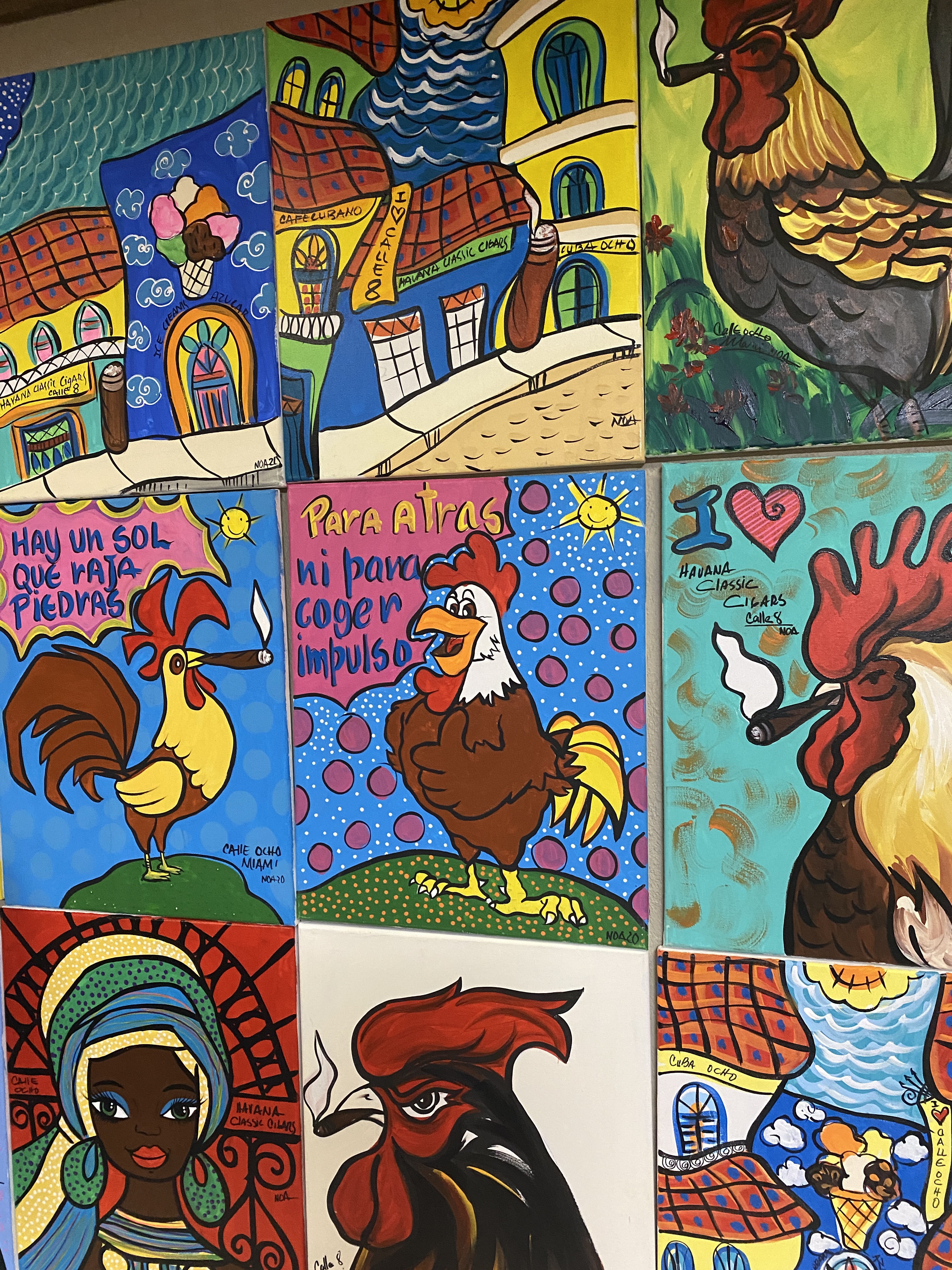
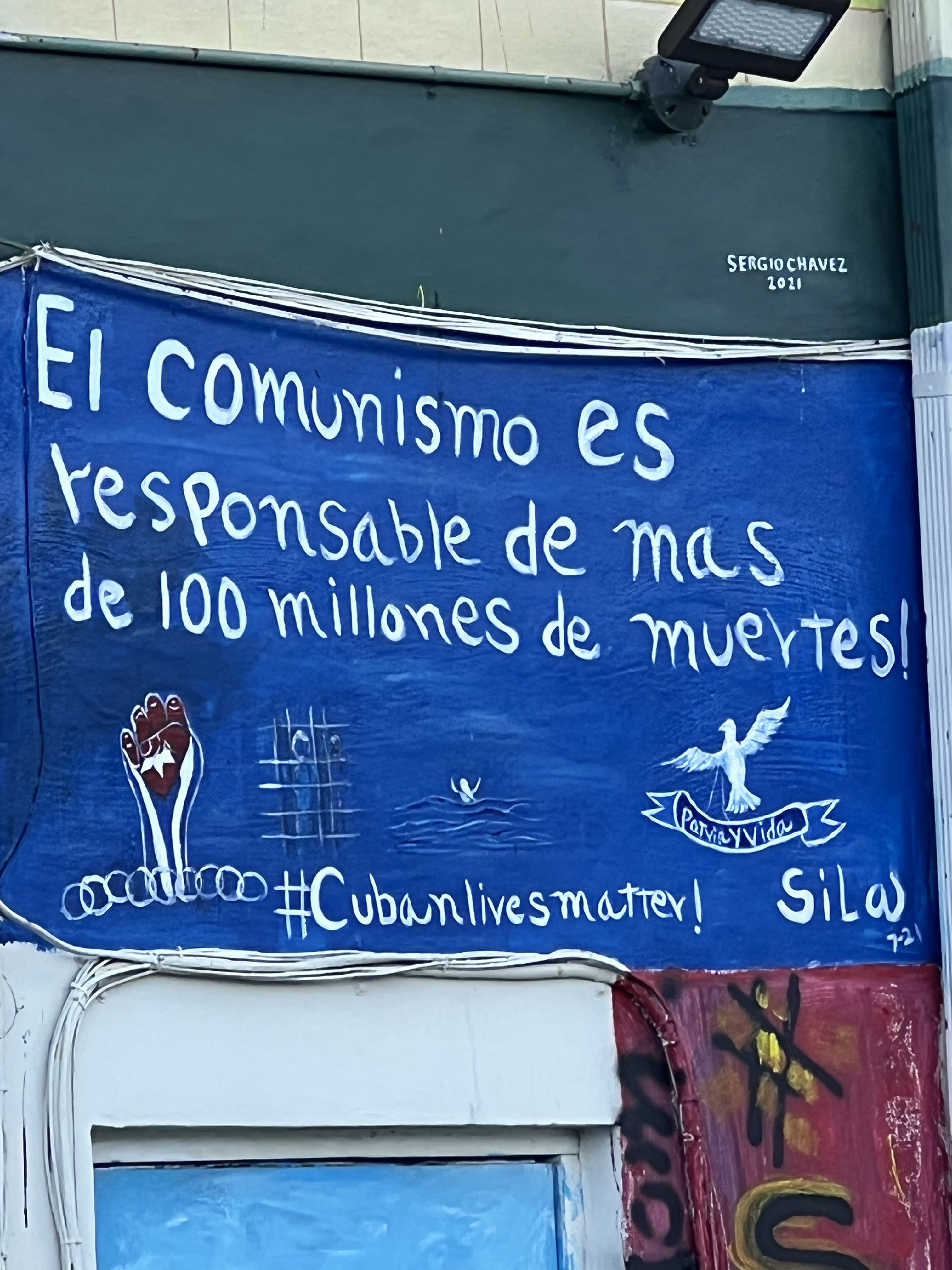
In contrast to our visit to Cuba, where Fidel Castro’s picture is often displayed in restaurants and businesses, Little Havana is blatant about its hatred for the communist regime, even expressing that hatred in the name of an ice cream flavor (chocolate with cayenne pepper).

The perspective in Little Havana, established by Cuban exiles who have suffered under the Castros, is clearly on the side of freedom.  

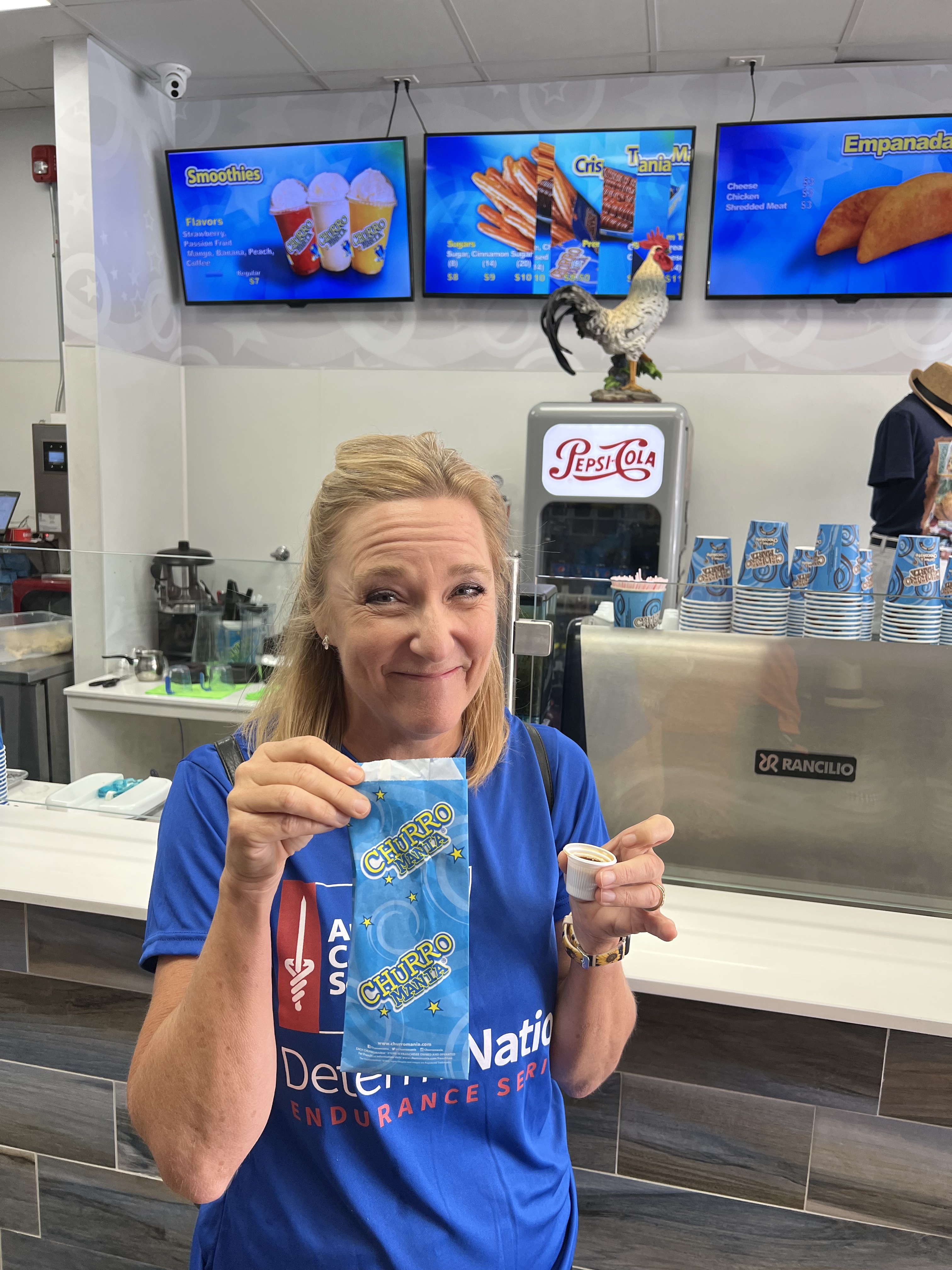
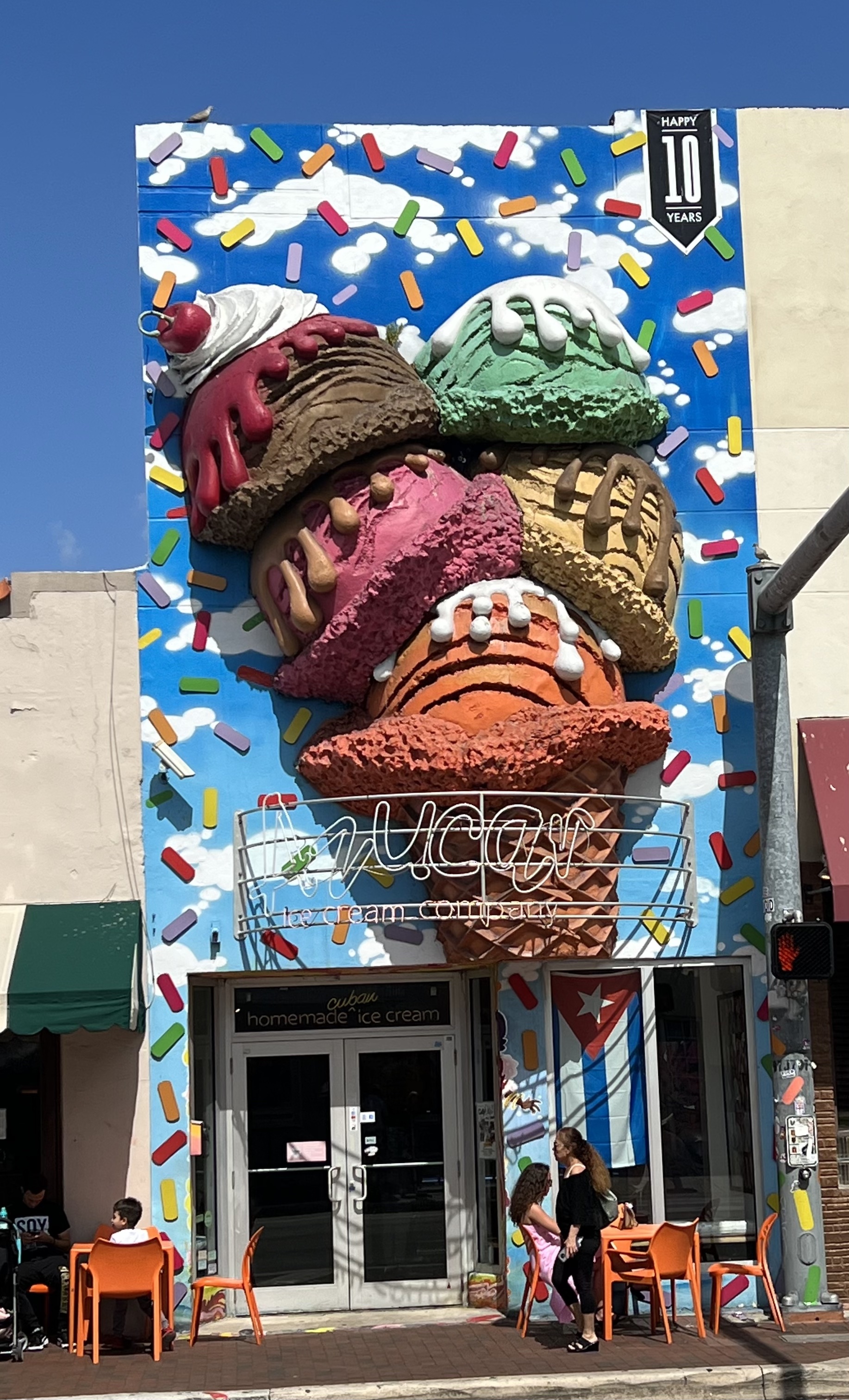
After Danny showed us the serious part of the district, he introduced us to all that is great about Cuban food. On our walking tour we tried pressed sugar cane juice, Cuban coffee, churros, Cuban ice cream, and then enjoyed a traditional Cuban lunch. If you get to Miami and are looking for an activity where you learn while you eat, this colorful tour is for you!
Since our time in the Ft Lauderdale area was short, there’s so much more we need to see and do. At least we know that the next time we visit we won’t be bored (and we won’t stay at the KOA!)

Everglades National Park – Flamingo Campground

Last year we spent a few days dipping our toes into the Everglade’s waters. This year we wanted to dive deeper into this unique and incredible place, so we booked ourselves four nights at the Flamingo Campground, right in the middle of the National Park. 

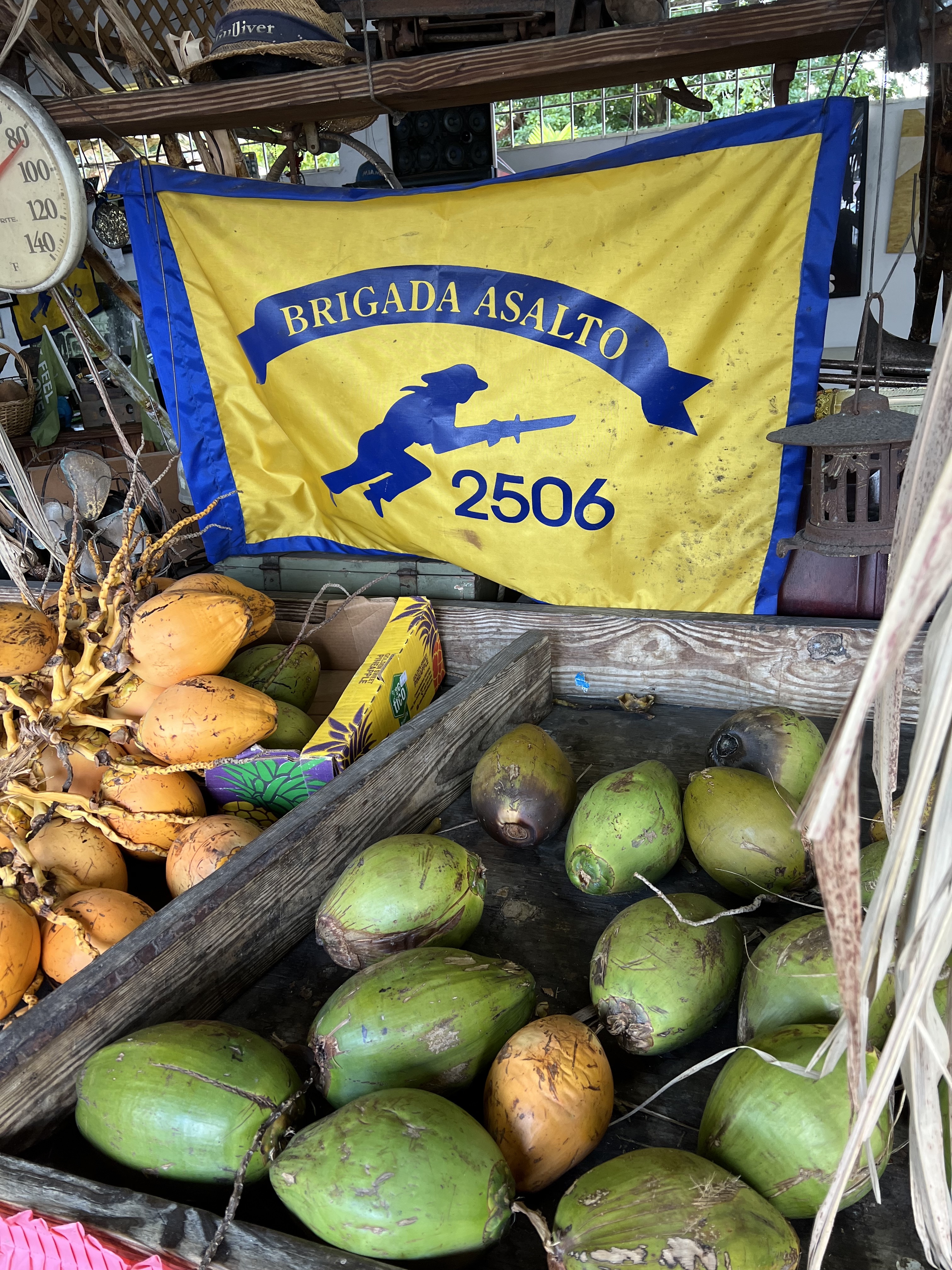
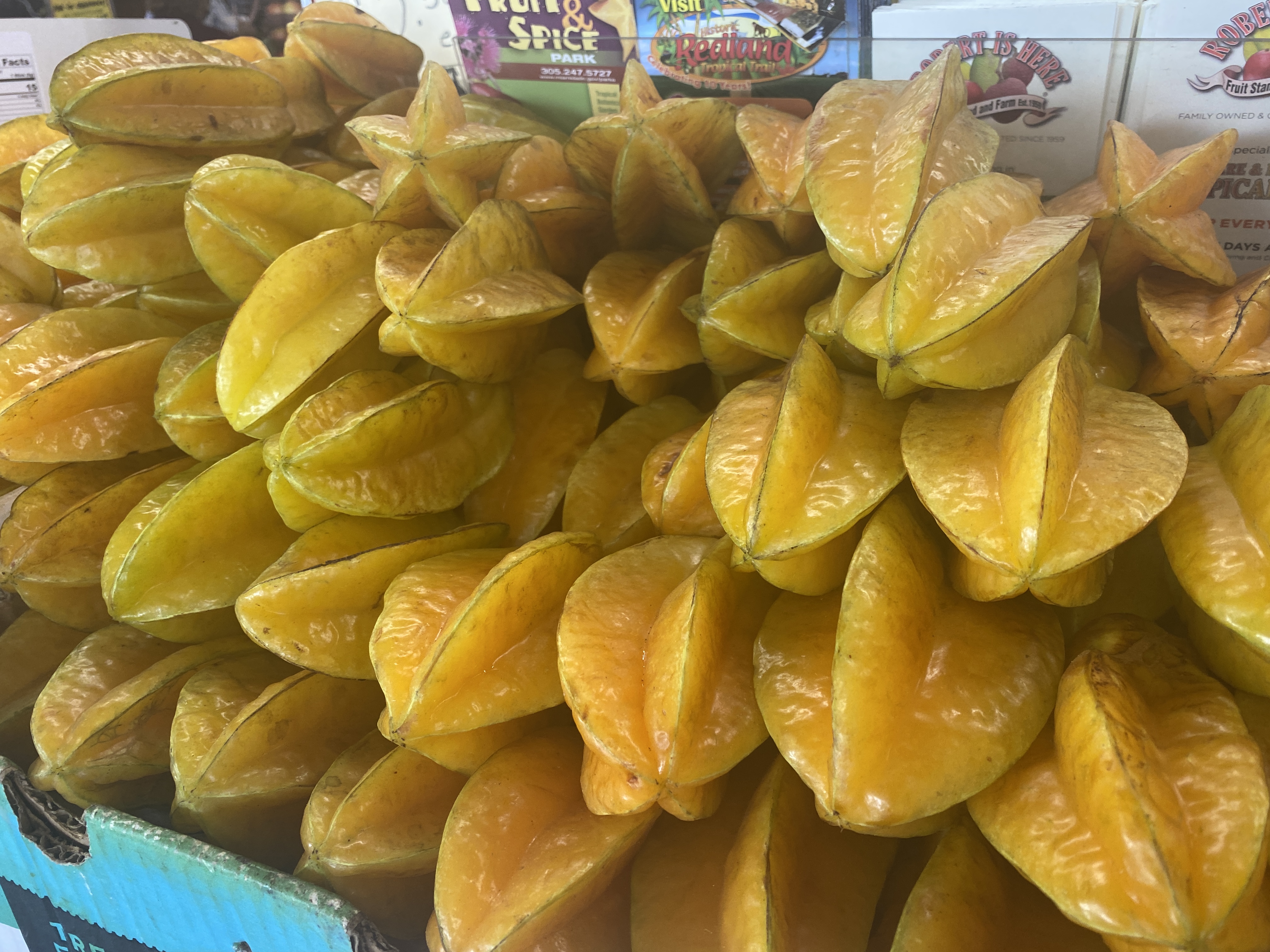
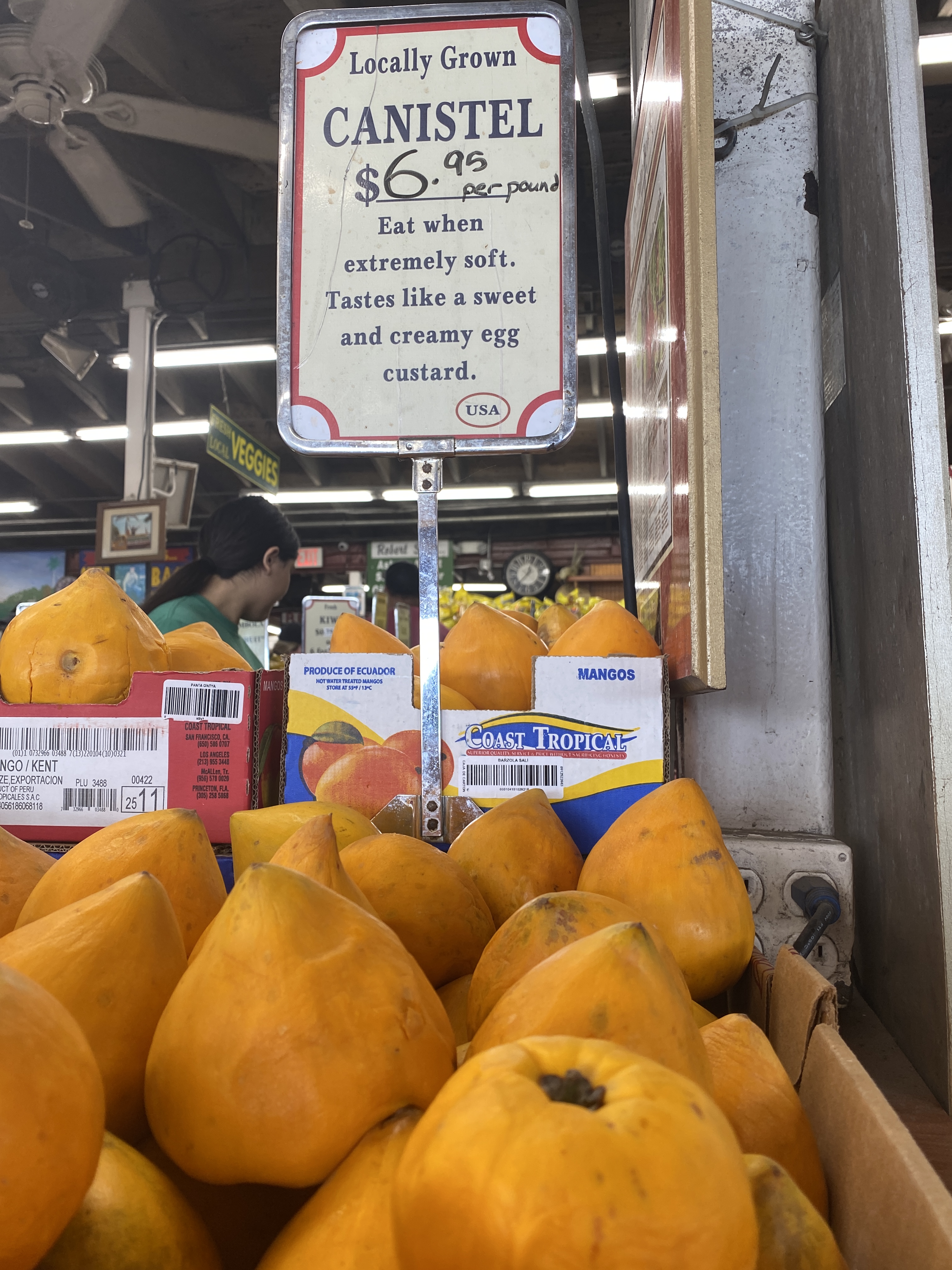
On the way into (and out of) Everglades National Park we made the obligatory stop at Robert is Here. This famous fruit stand sells every kind of tropical fruit you can think of, and many you didn’t know existed.

The place was packed on the Sunday we headed into the park, so we skipped the line for the milkshakes. Luckily the lines were short when we stopped back through on our way out!

Flamingo Campground is located at the southernmost tip of the Florida peninsula within the vast Everglades National Park. The 35 mile drive from the main visitor center in Homestead to Flamingo takes you off the grid to a remote and wild place situated along Florida Bay. Our campsite, one of only a handful with electrical hook ups, provided us with 24-hour access to the park, which few get to experience.

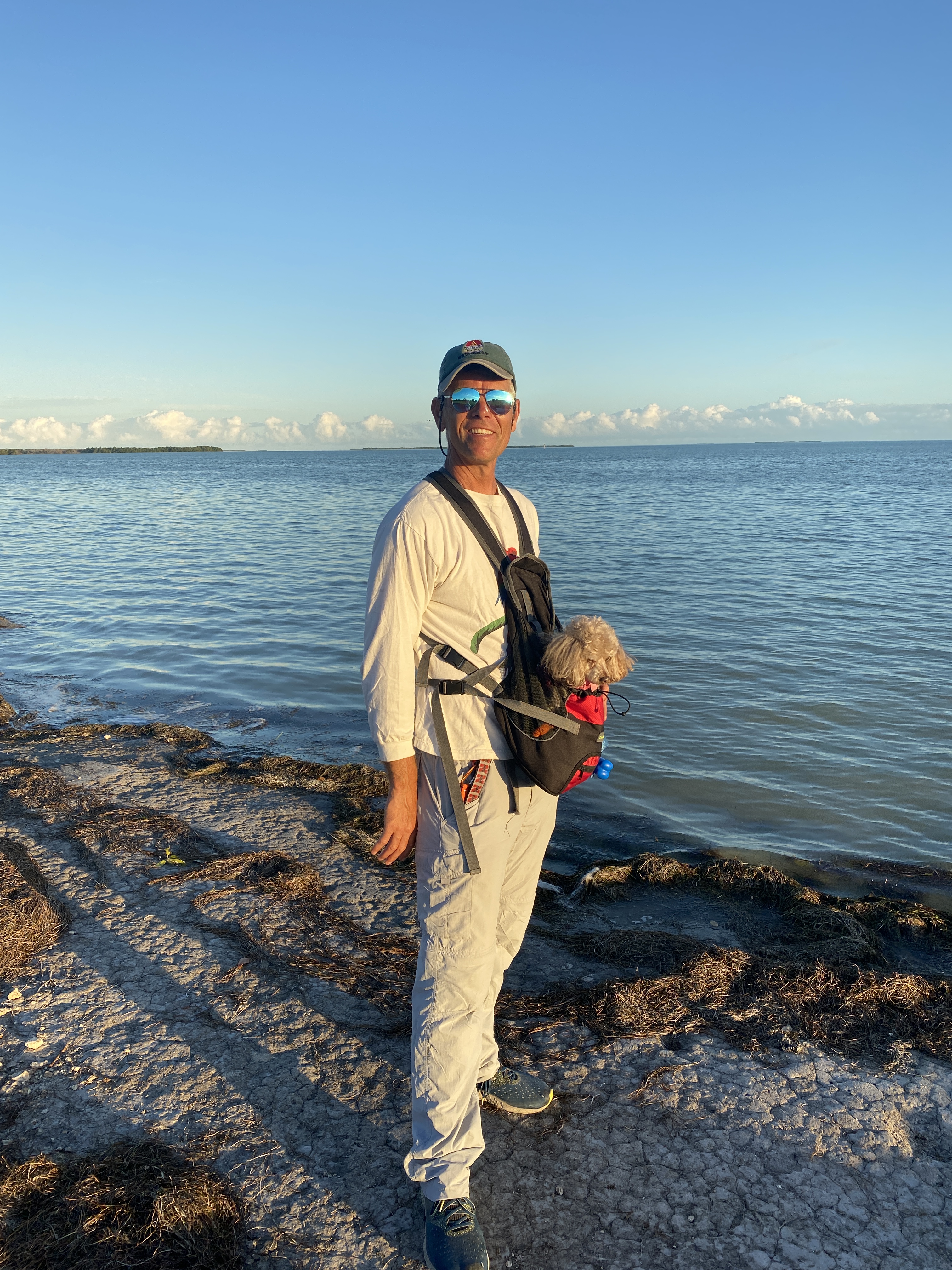
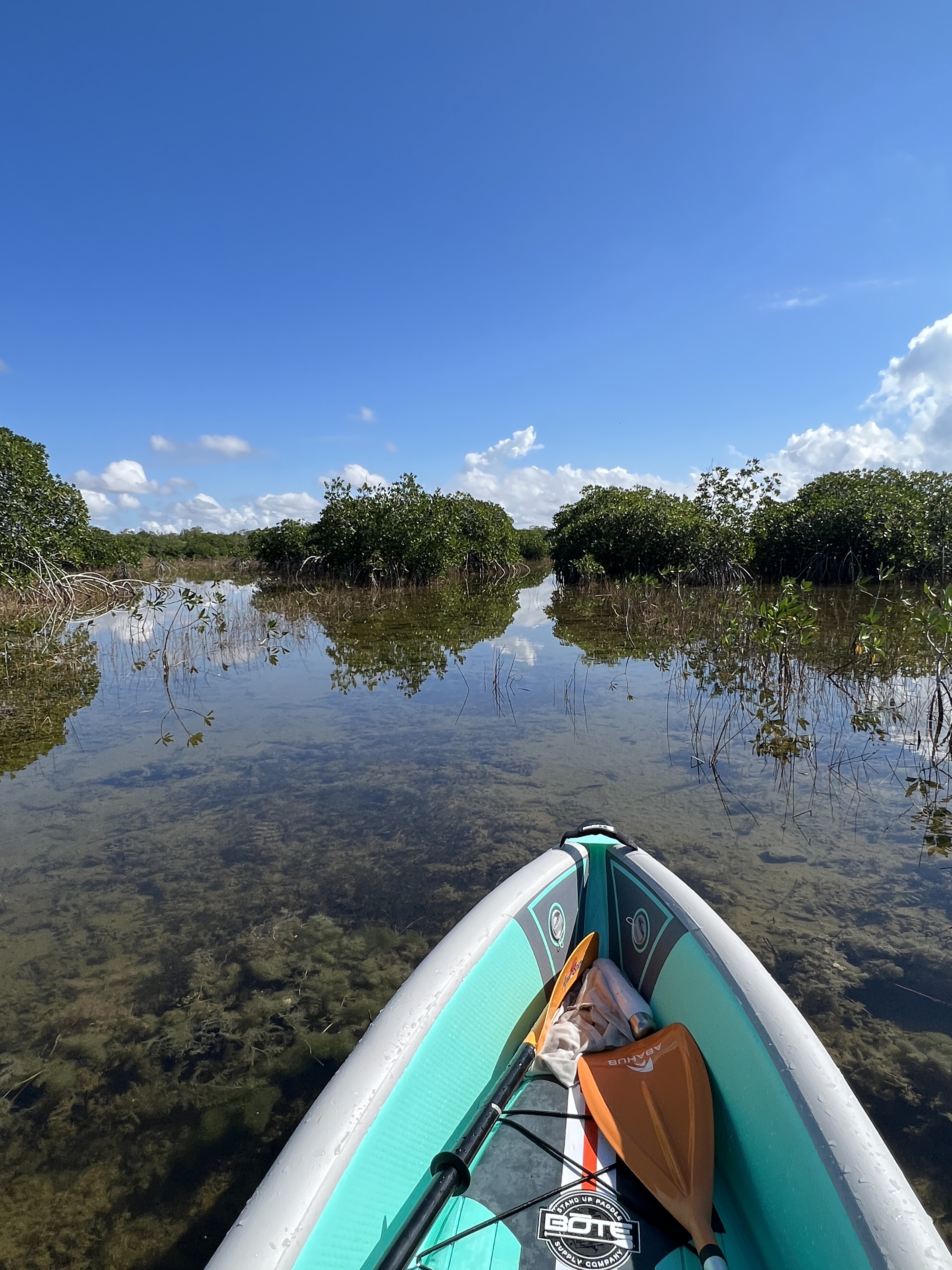
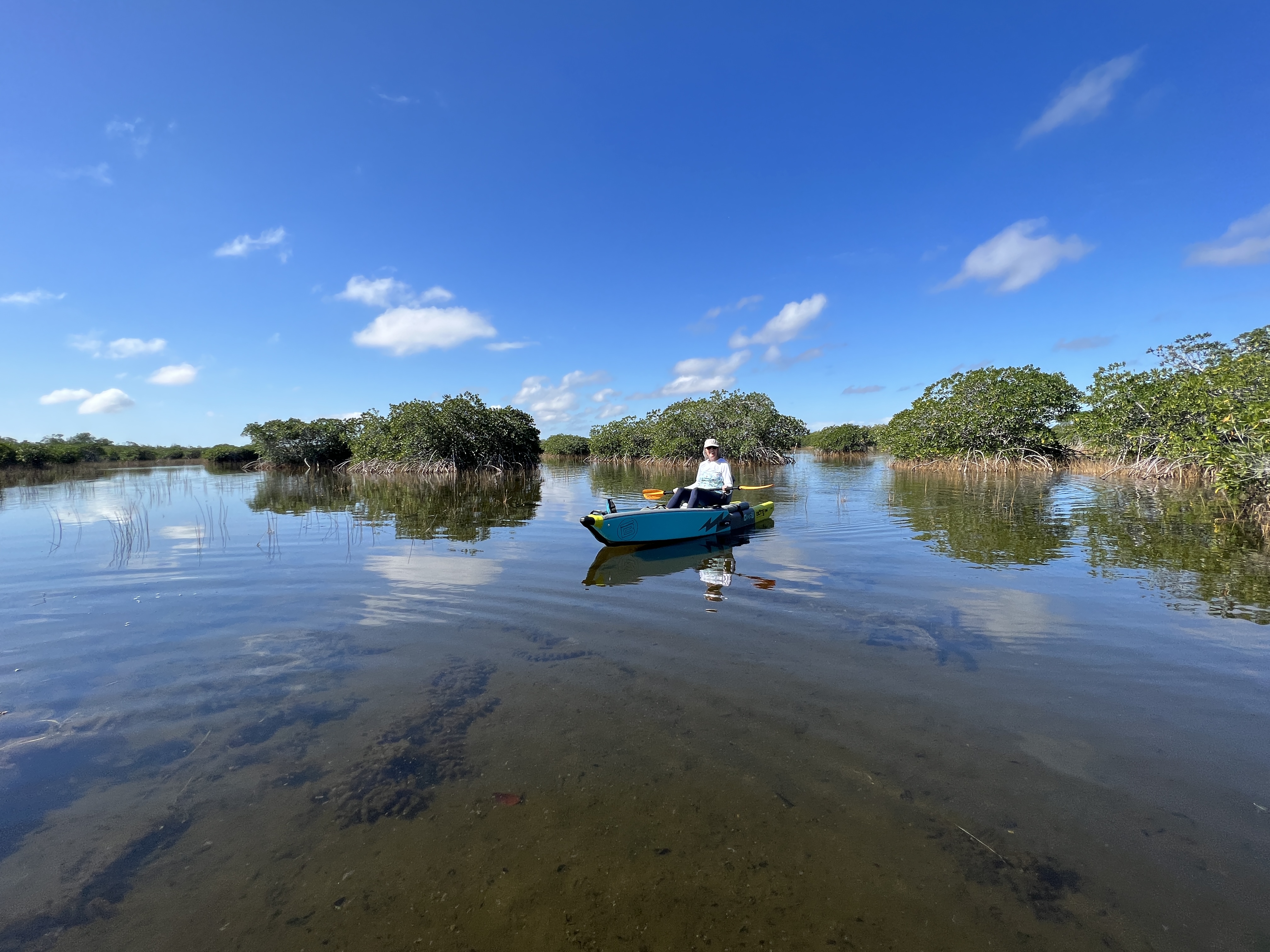
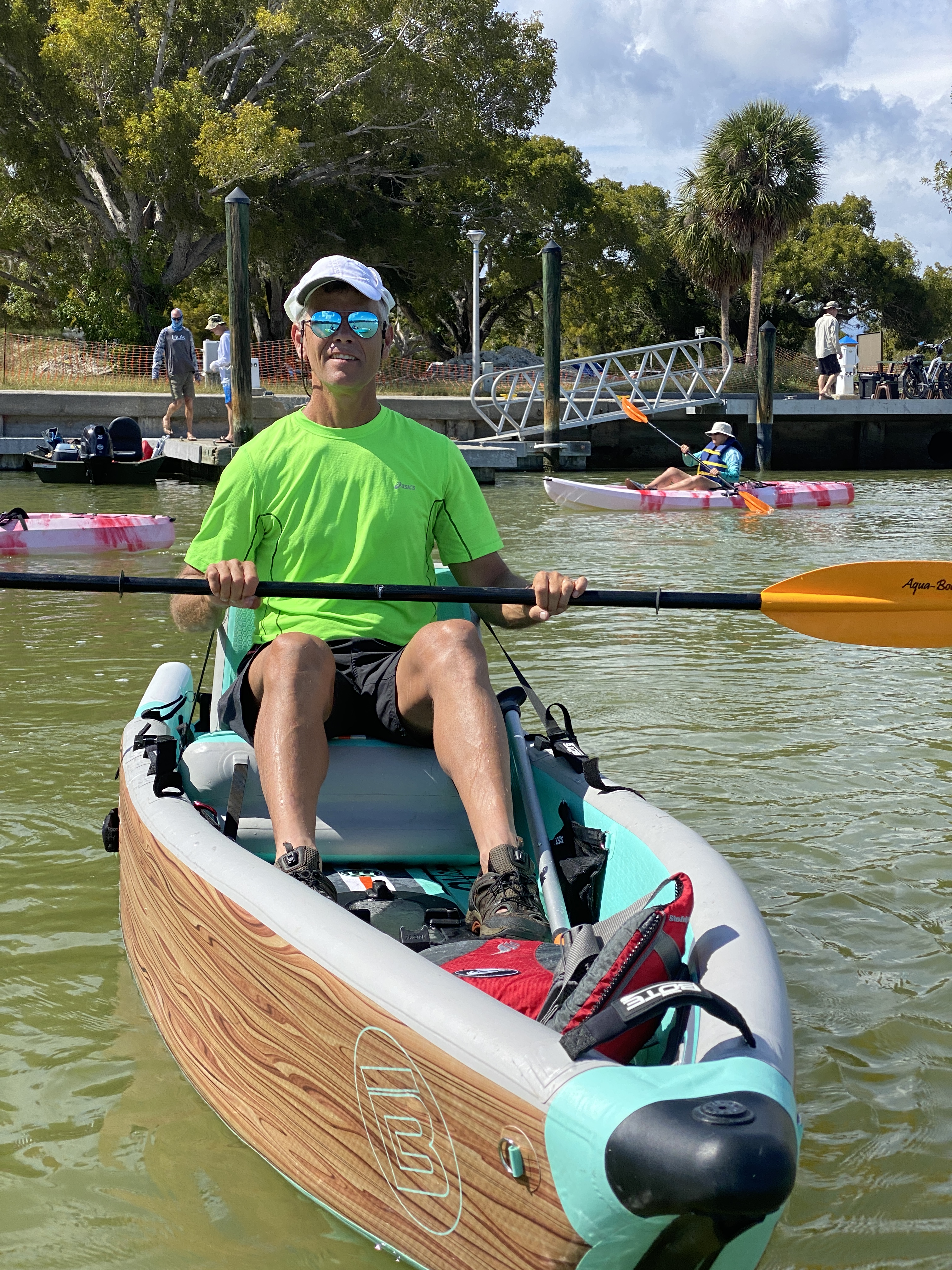
When we were here last year we rented kayaks and explored the centrally located, easy to access Buttonwood Canal. This year, with our Botē kayaks, we were prepared to explore a little more off the beaten path. Our first stop was the Nine Mile Pond.

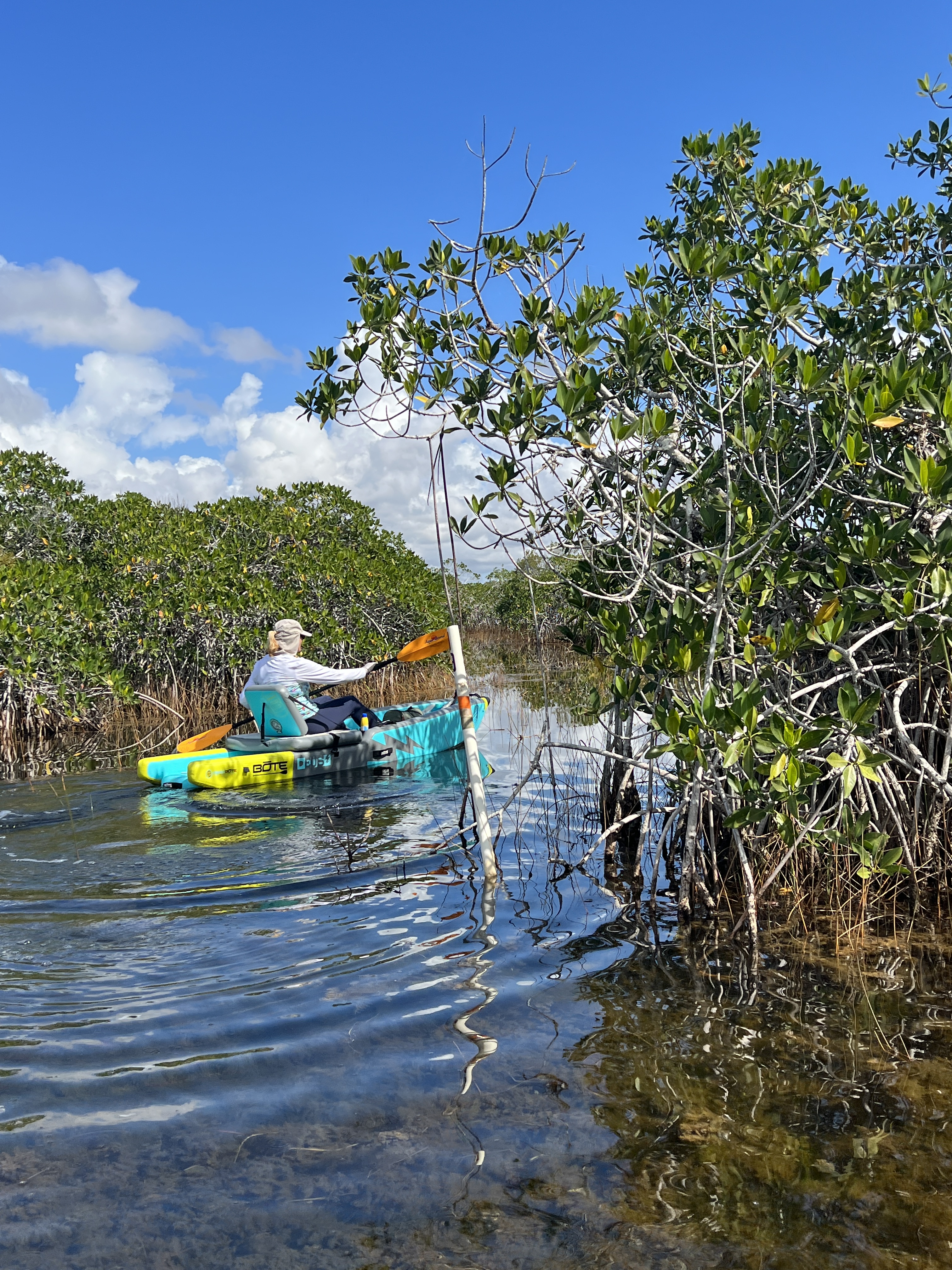
Most people just drive by and look at the lagoon at Nine Mile Pond, Chevy Chase “Vacation-“ style. We went deeper! Paddling across the pond took us to a 3 mile canoe trail which passes through shallow grassy marsh and scattered mangrove islands. Expecting to see alligators, crocodiles, or other scary creatures, we settled for a sea of grass and lots of sea life below. 

We followed the trail by paddling from marker to marker. These numbered PVC pipes became a beacon in the often disorienting swamp. In fact it kind of became a game to paddle to one and then look for the next. Our two hours on the water, complete with a lunch break, was one of the highlights of this year’s visit to the Everglades.

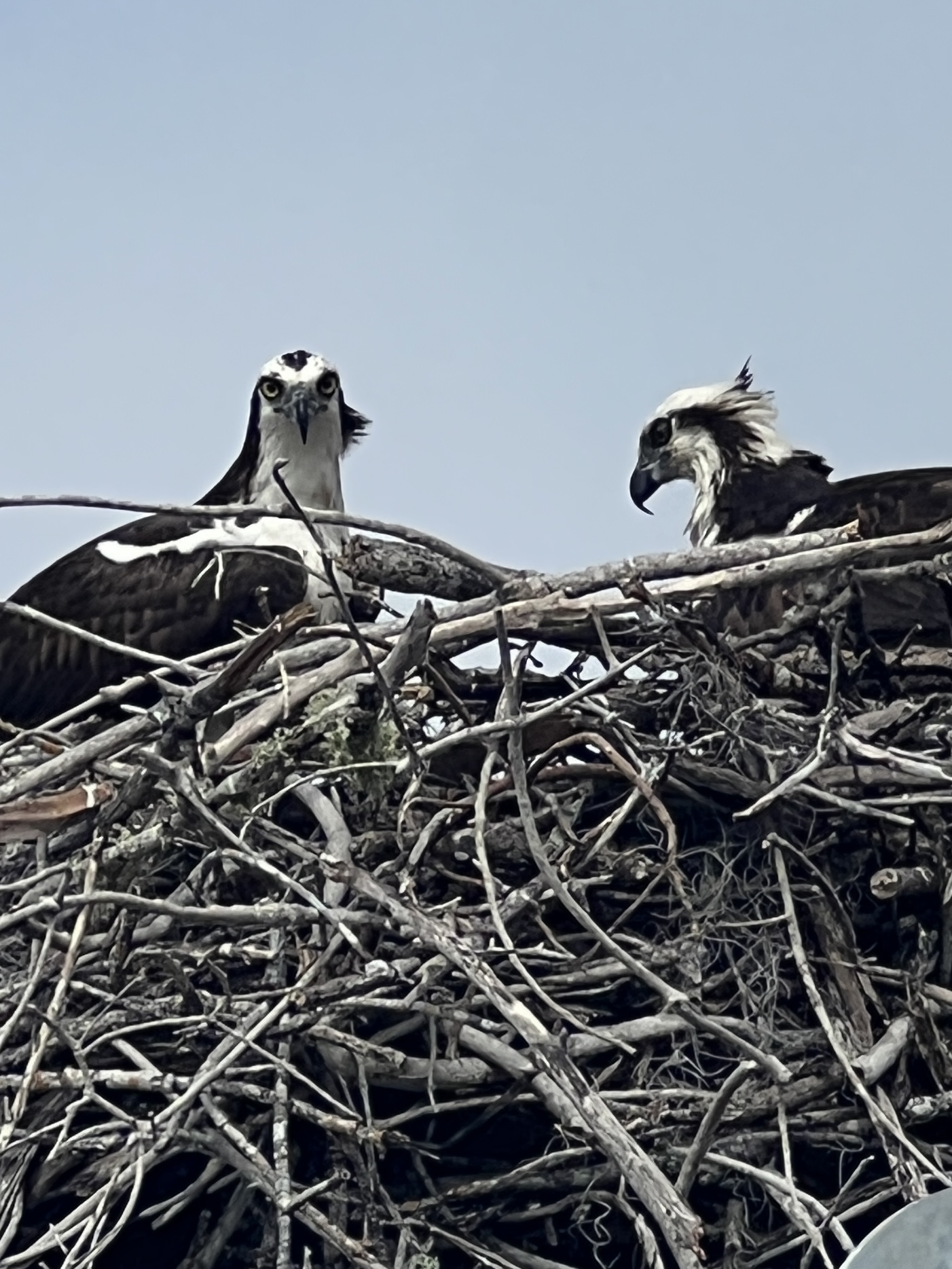
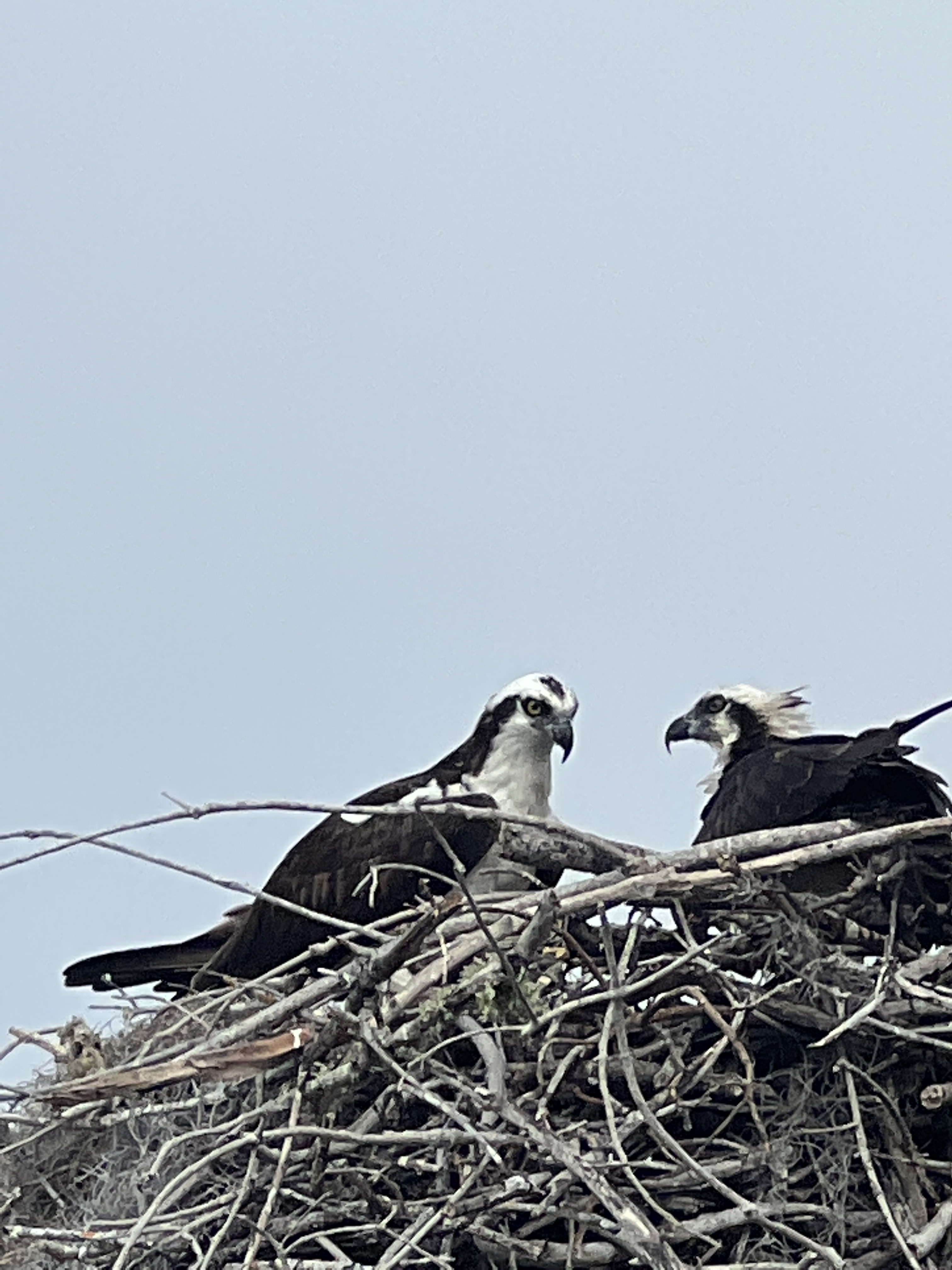
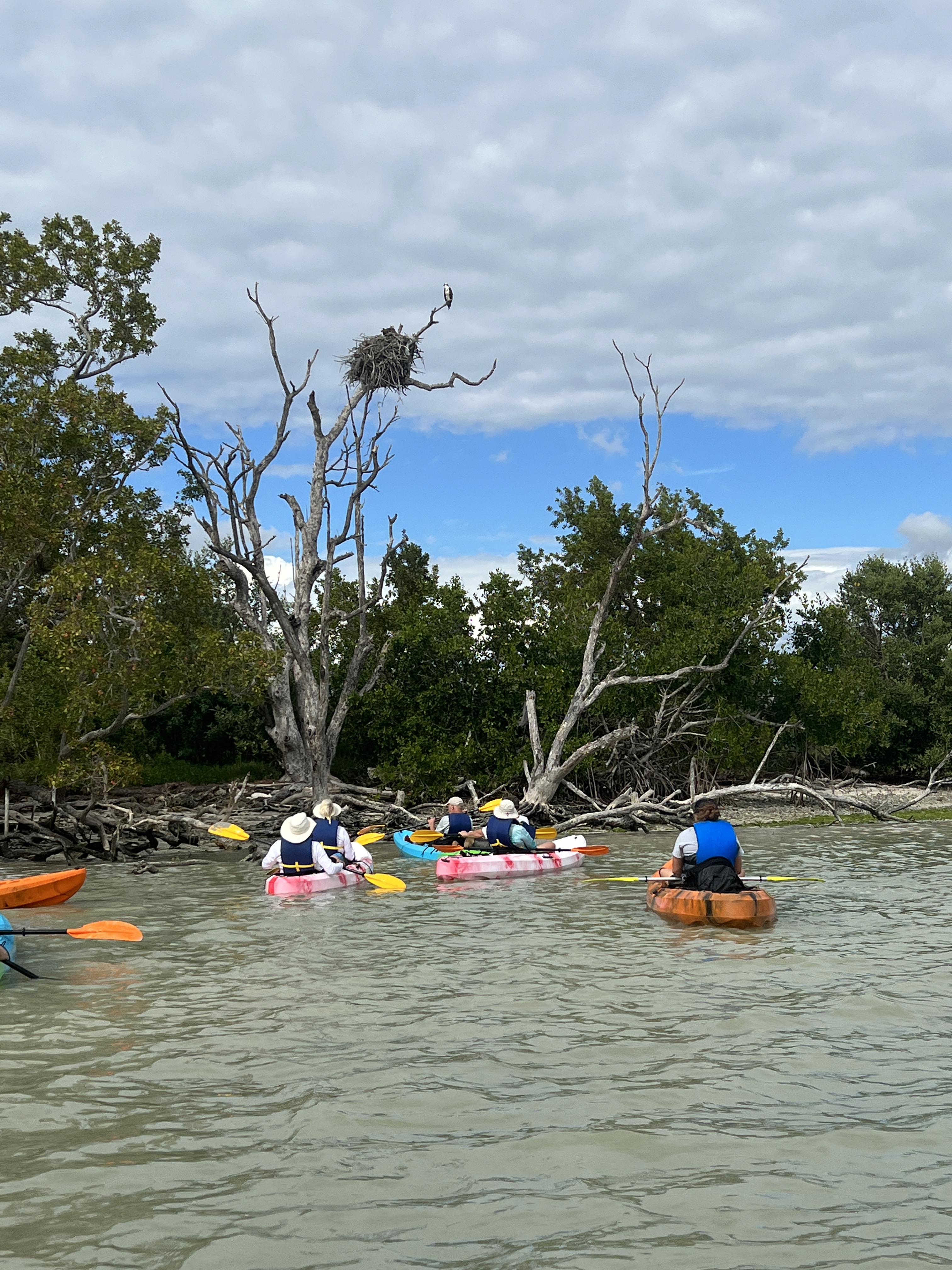
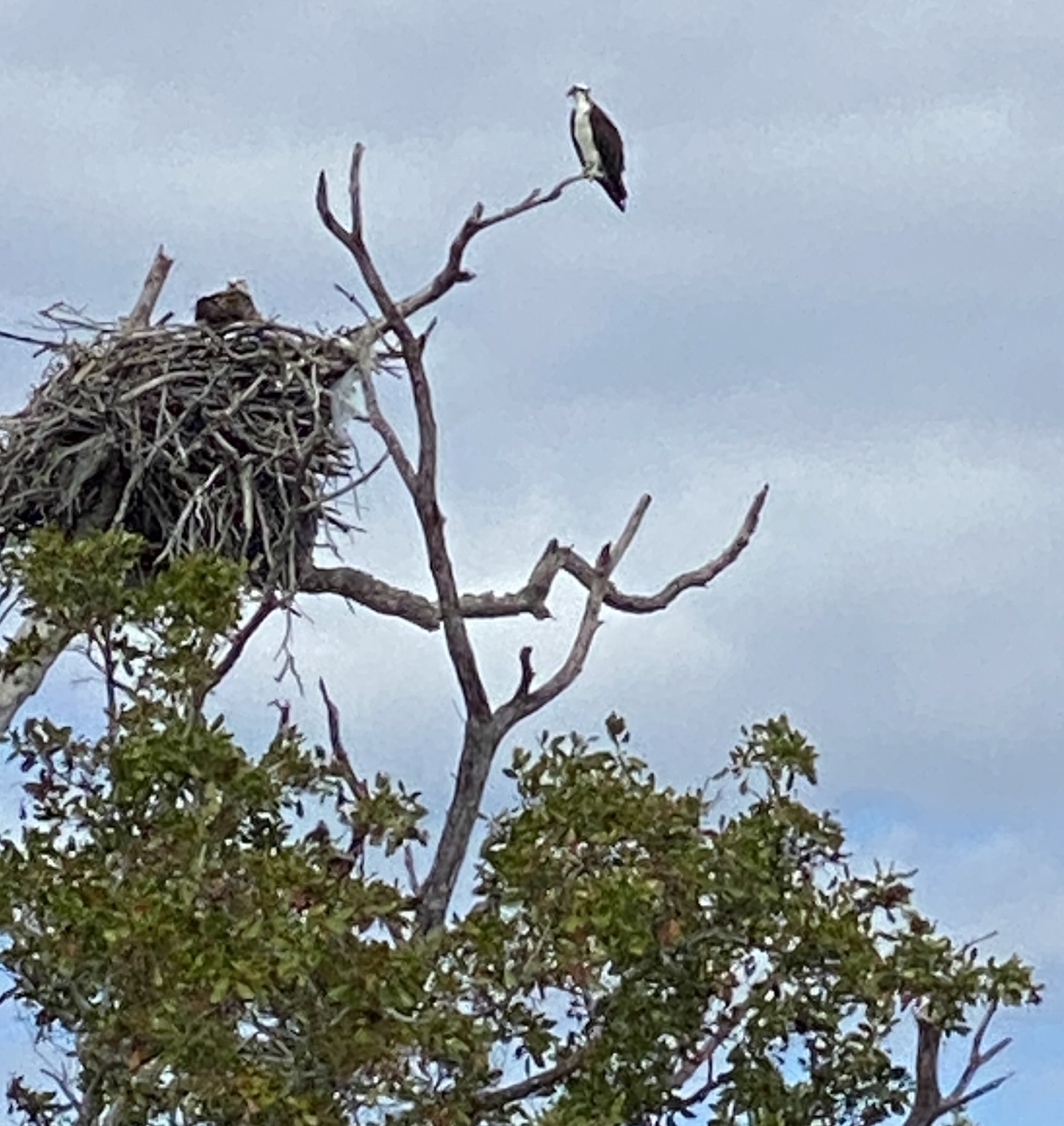
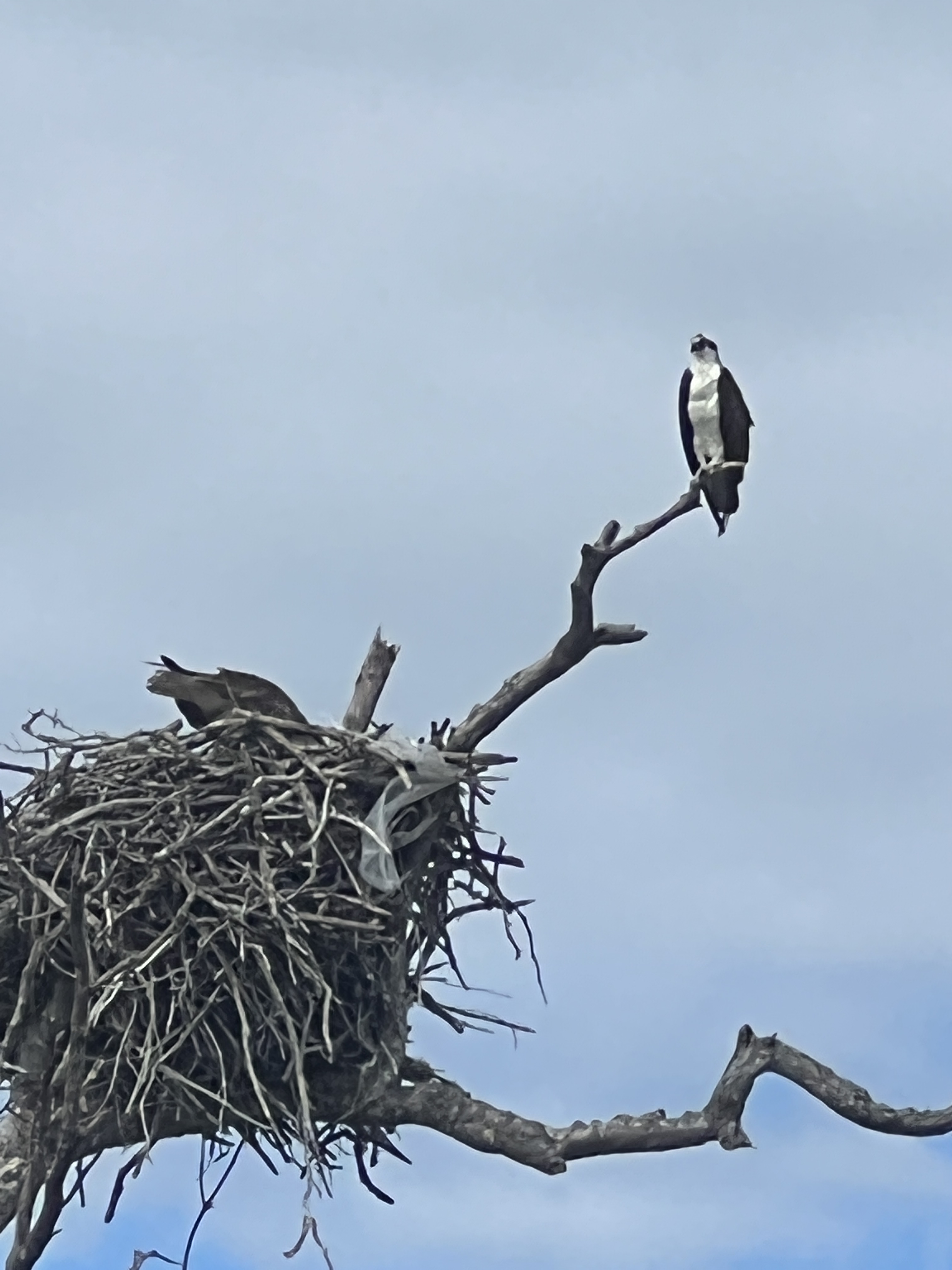
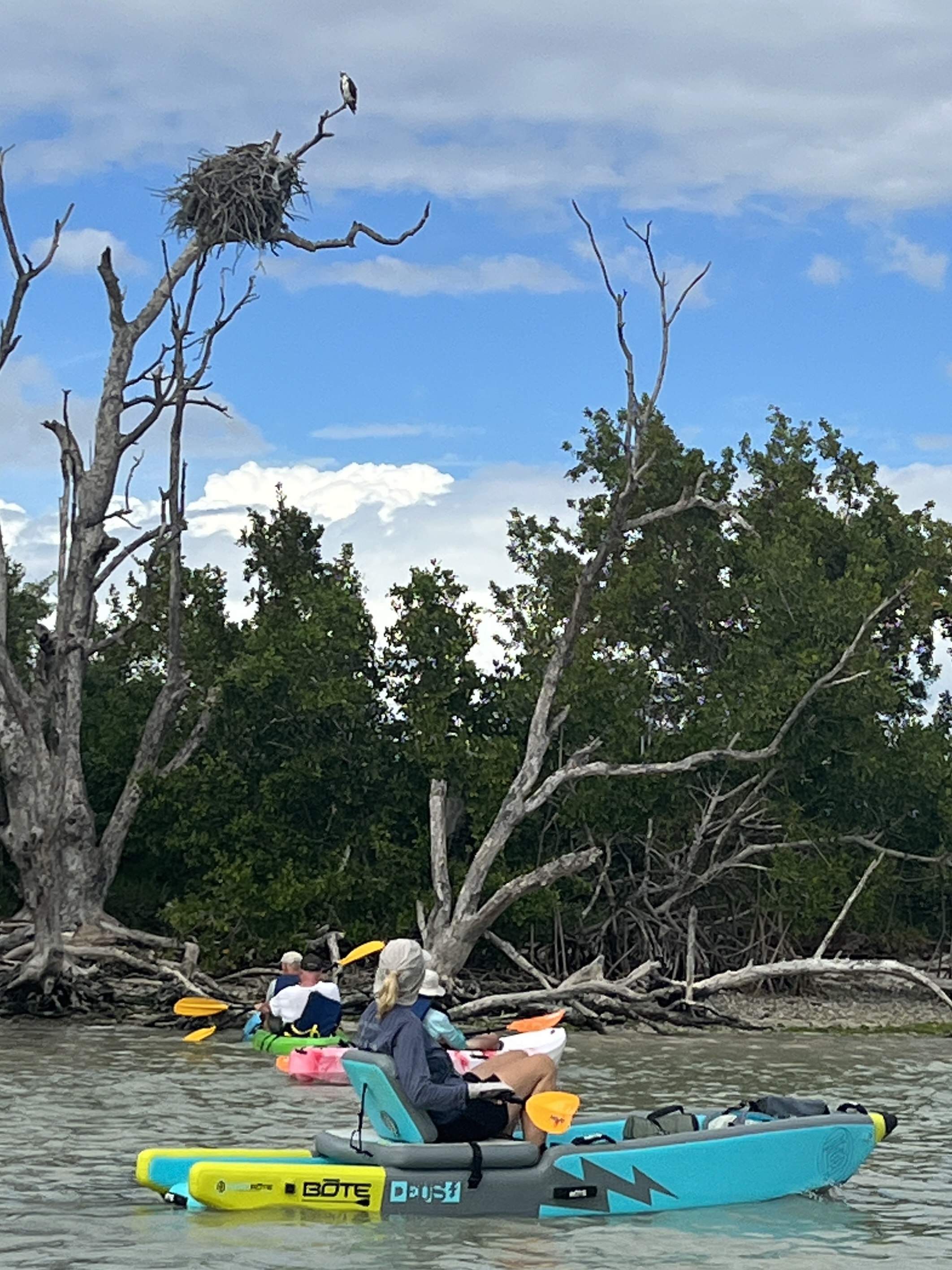
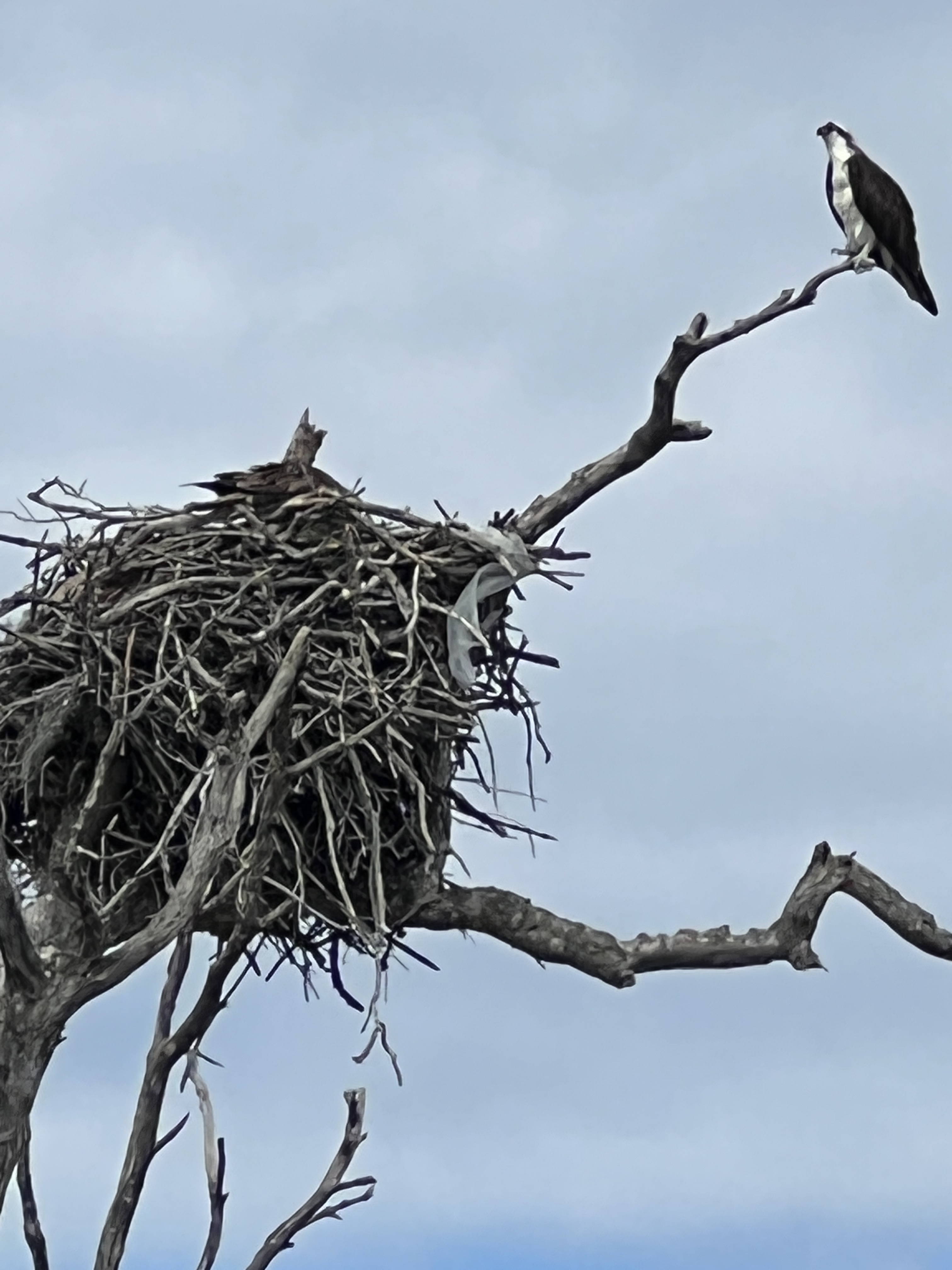
Because we camped so close to the Ranger Station we were able to take advantage of several Ranger-led programs. First we learned about the osprey that populate the park. Once we knew a little more about these giant birds, we saw them and their massive nests all over. 

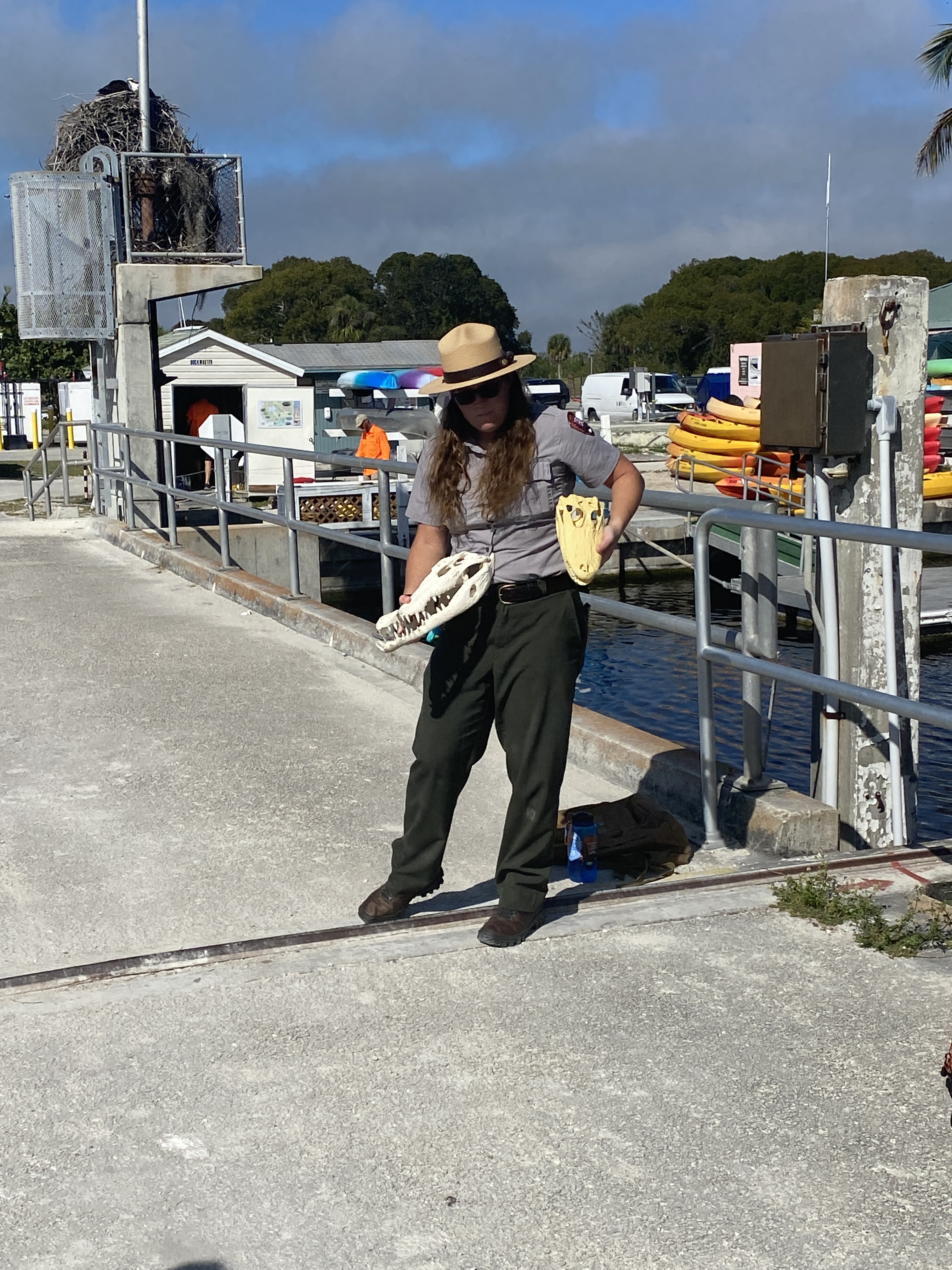
We also learned about the American Crocodiles that live in the Everglades. South Florida is the only place where this species coexists with the American Alligator. Yes, the crocodiles are much bigger than the alligators! 

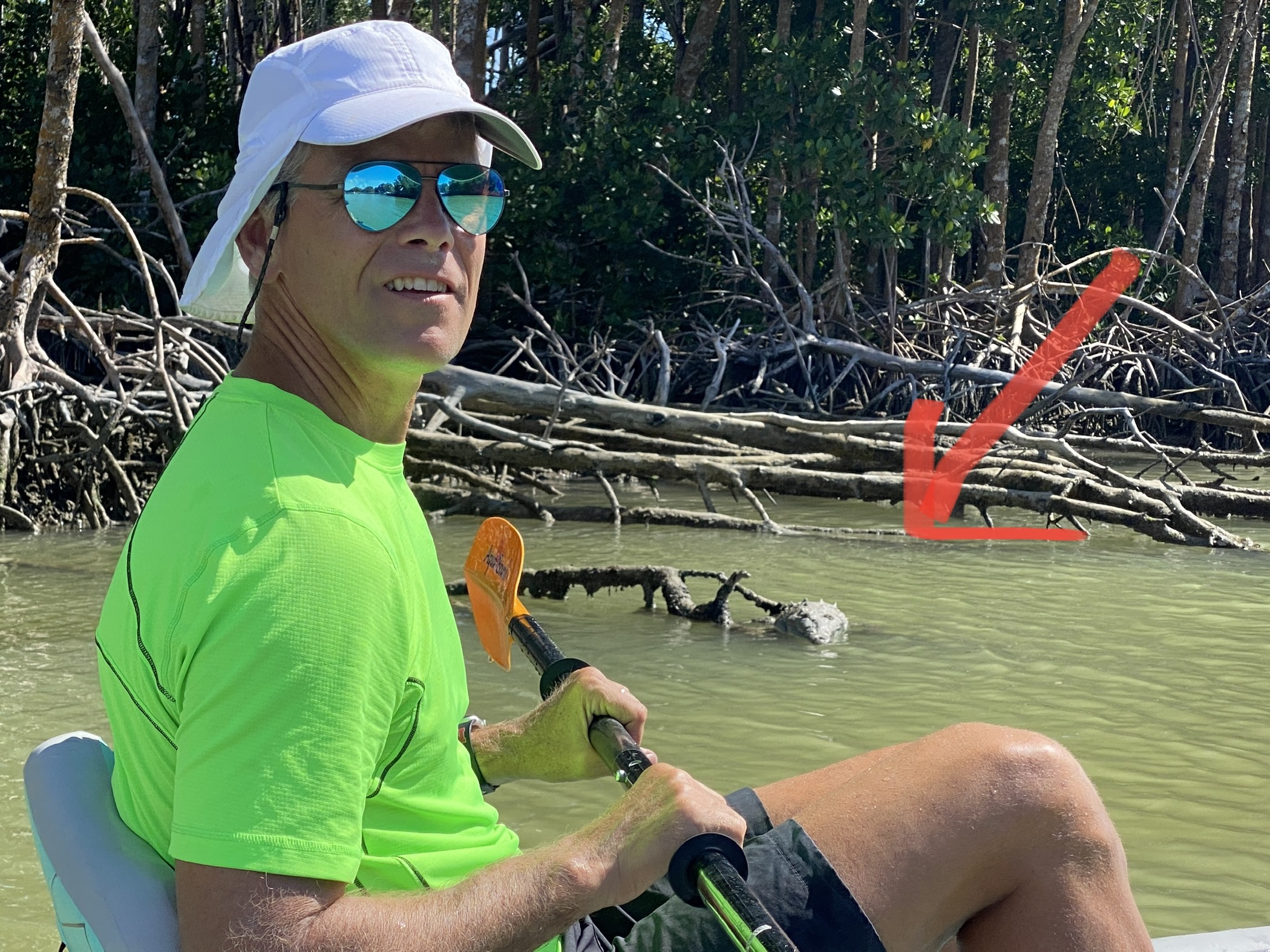
On our afternoon kayak out to Florida Bay we paddled past a 13 foot crocodile sunning itself near a branch. We snapped a quick picture but then left the big guy to do his thing. 

During our kayak we joined another Ranger-led program. The park offers this free kayaking tour of Florida Bay almost every afternoon, and it books up immediately each morning. Luckily they let us tag along since we had our Botēs.  

We learned about the mangroves that line much of south Florida, about the history of the town of Flamingo, and more about the osprey. From the water we had a great vantage point to watch the osprey defend their nest from marauding crows who were after the eggs nestled within the nest. 

We spent one day here watching the rain fall and the clouds roll over. While the weather prevented us from kayaking or biking, it didn’t stop Steve from putting in 19 miles in preparation for his next marathon. 

We’re back to the Keys next!

Jonathan Dickinson State Park

When you score two weeks at a Florida State Park in January, you jump on it. After our busy week in Tampa at the RV Supershow, two weeks of sitting in one place sounded great. Jonathan Dickinson State Park (JDSP), located just north of Jupiter, Florida, is a perfect place to chill.

This state park is located just across from Highway 1 and the Intercoastal Waterway and backs the Loxahatchee River. Complete with history, a varied ecosystem, and lots of trails, we kept busy for a full two weeks.

Most days we started with a run or bike ride through the park. With paved paths, single track, and very quiet roads, we had plenty of room to roam. Along the way we saw wildlife including deer, otter, and tortoises. Hard to believe there’s so much wildlife so close to the city.

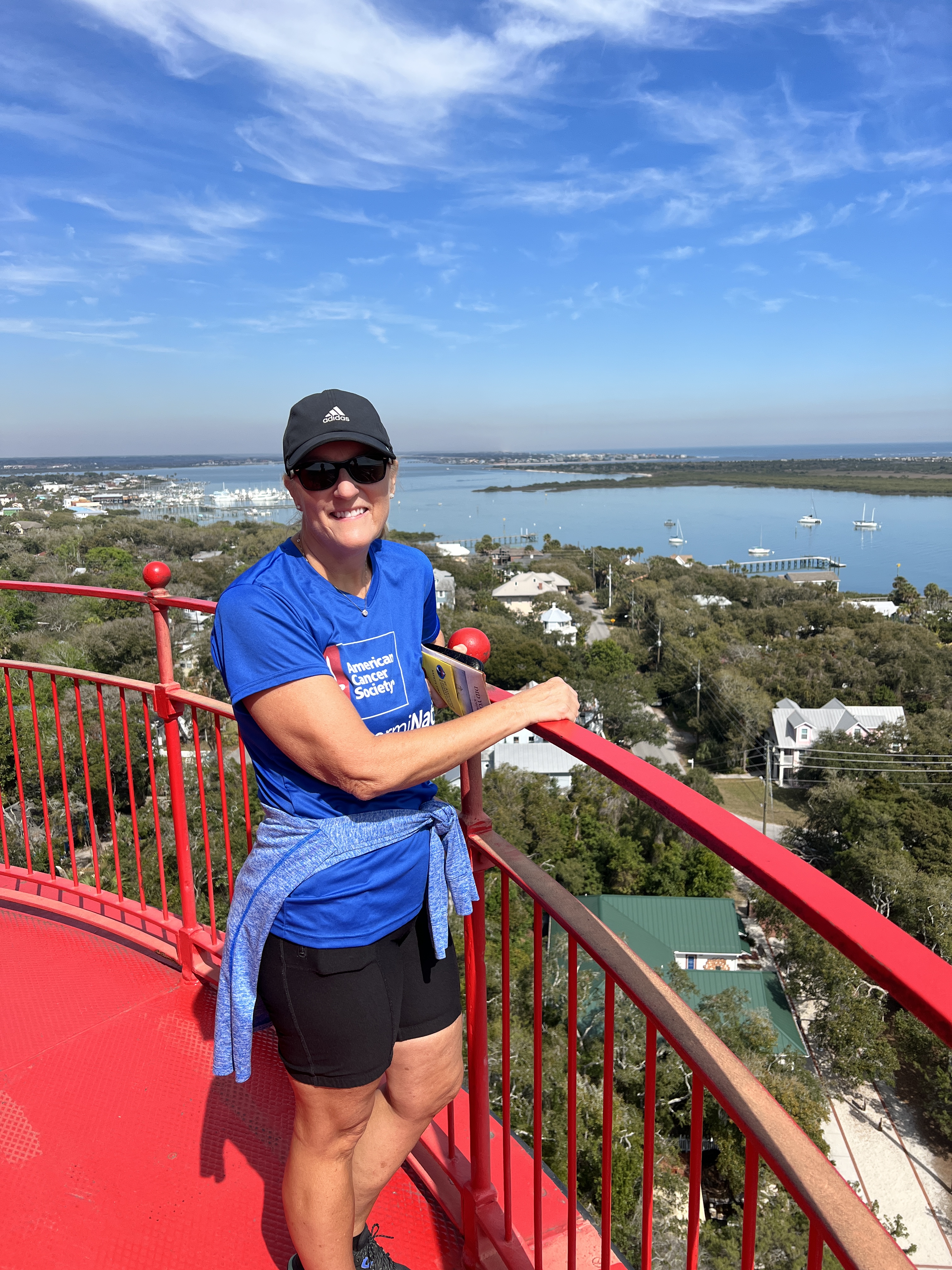
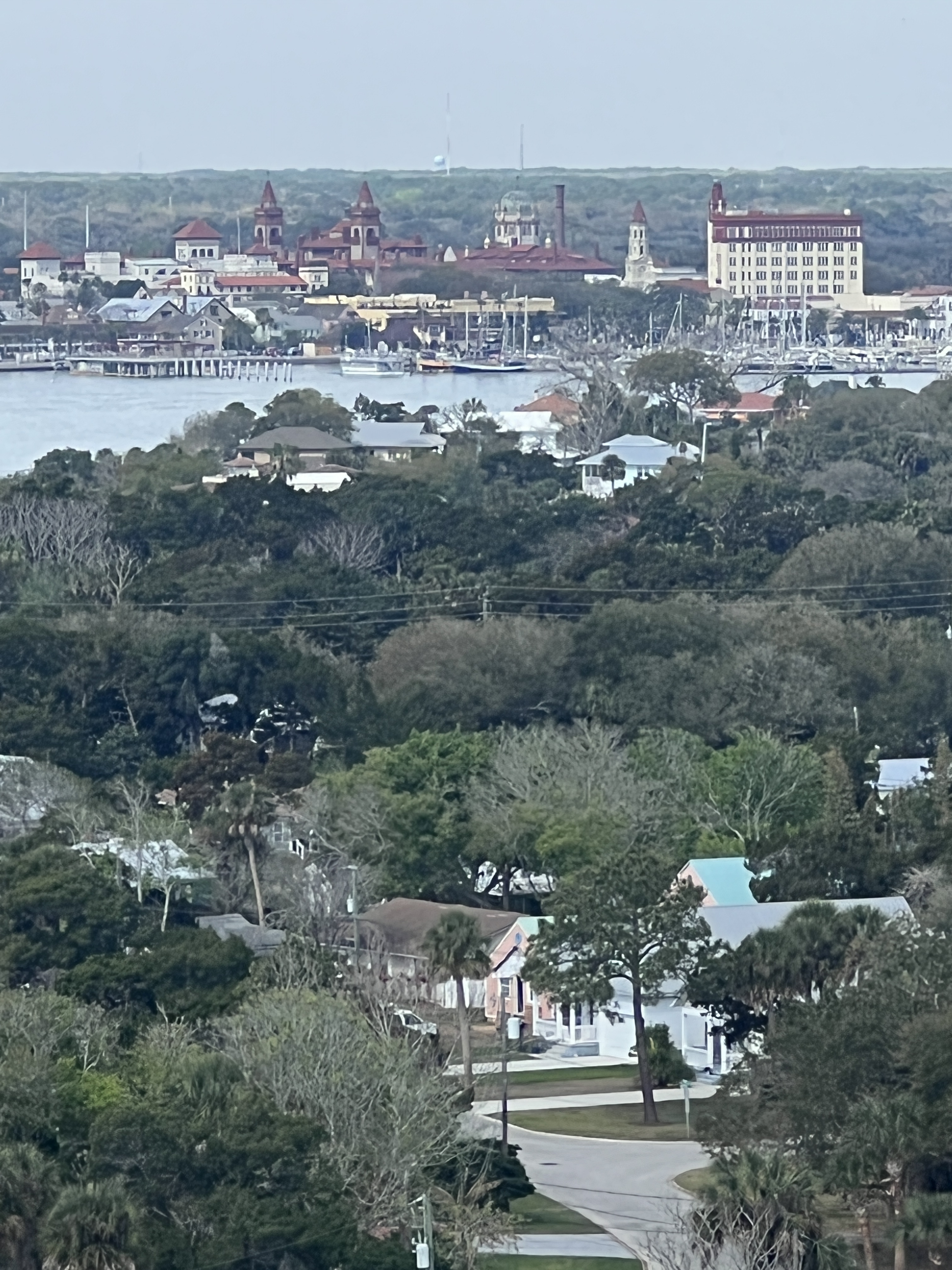
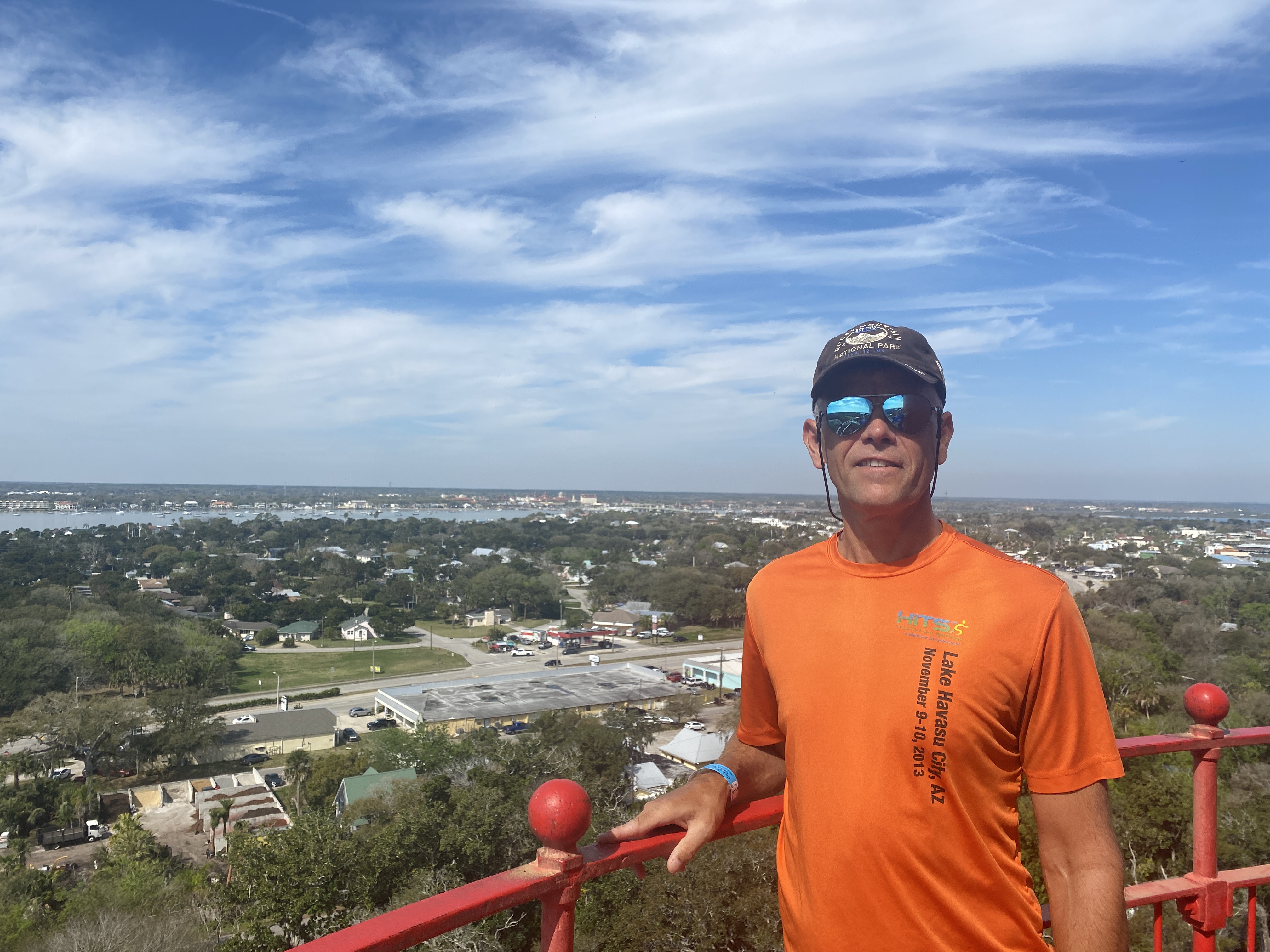
There’s lots of history in the area as well. Our first exploration was of the 1860s-era Jupiter Inlet Lighthouse where we climbed the 105 steps to the top for sweeping views of the coastline and surrounding area. We even got a certificate for reaching the top!

The Jupiter area is home to large estates, including one owned by Tiger Woods. We enjoyed driving the A1A and peering through the hedges to catch glimpses of the mansions of the rich. Is that creepy?

On the one cold and blustery day we had we drove north to Vero Beach to meet up with our friends Jennifer and Cliff, who we met at Tampa RV Supershow. For some reason we didn’t get any photos of our group at American Icon Brewery but we did get a few shots out at the beach. 

Back near the park we found Blowing Rocks Preserve, a Nature Conservancy site that protects the unique rock structures along the coastline. We wandered up the beach to watch the waves crash up and through the rocks, which made for some good photos and a nice morning.

Jonathan Dickinson State Park is located about 30 minutes north of Palm Beach. With a little research we learned about the Lake Trail, a walking and biking trail along the Intercoastal Waterway that backs the massive mansions that populate Palm Beach. Have you ever seen so many yachts? 

The trail passes the palatial Flagler Museum and a majestic kapok tree that hints to the preservation that allows this area to flourish. 

Also in Palm Beach we strolled the famous Worth Avenue, which is kind of like Rodeo Drive. Filled with swanky restaurants and exclusive boutiques, we fit right in wearing our bike gear.

Then, because we enjoyed Palm Beach so much, we returned to visit what was voted the country’s best farmers market, the West Palm Beach Greenmarket. The large, waterfront market features a huge selection of produce, baked goods, and just yummy stuff. Beauty abounds in this affluent area of Florida. 

Our time on the Treasure Coast was filled with lots of time reading, cooking, and just relaxing, just what we all needed after the Supershow. But the adventures continue and we’ll have more to report soon. 

Everybody enjoyed the rest of Jonathan Dickinson State Park!