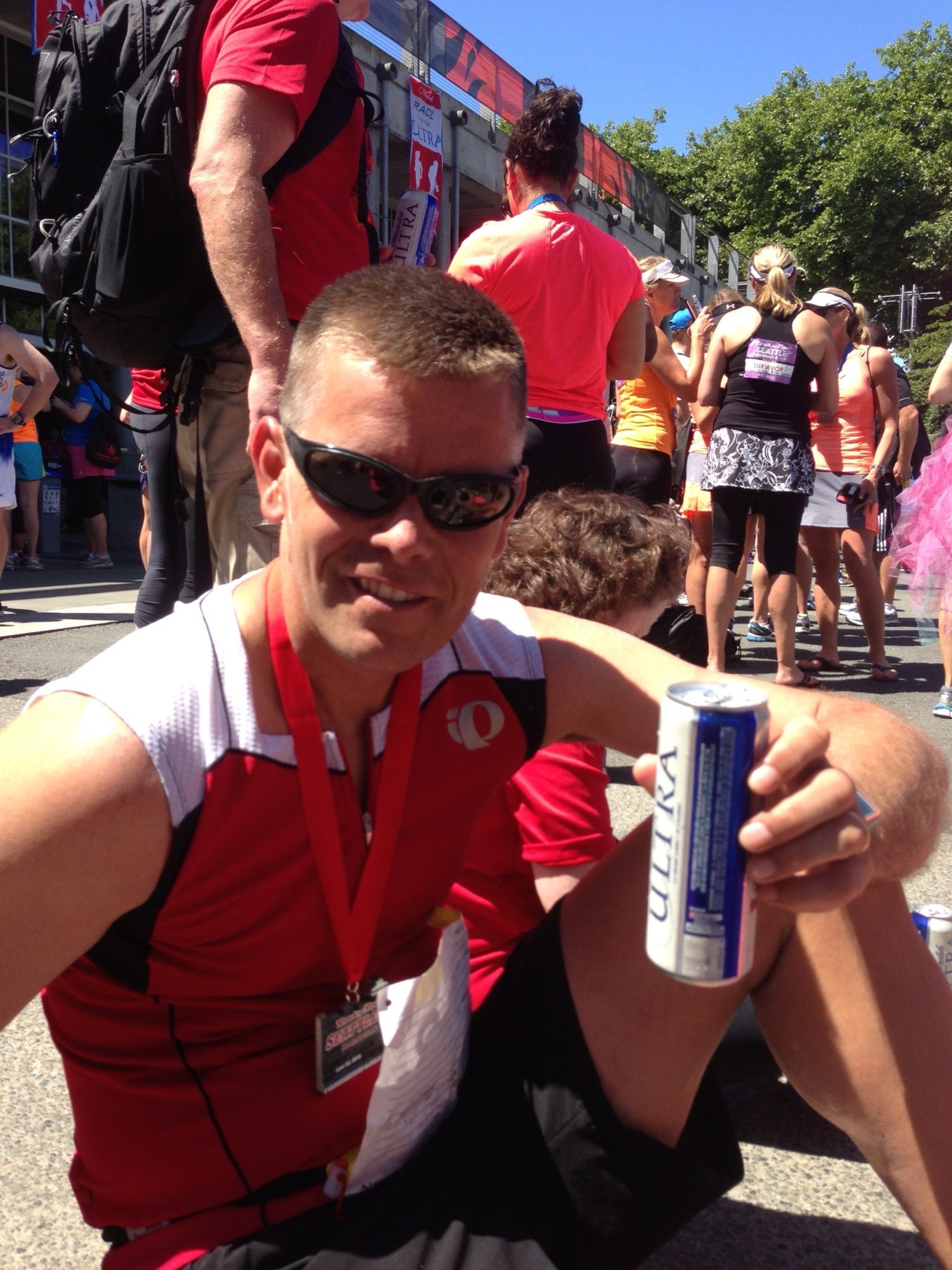
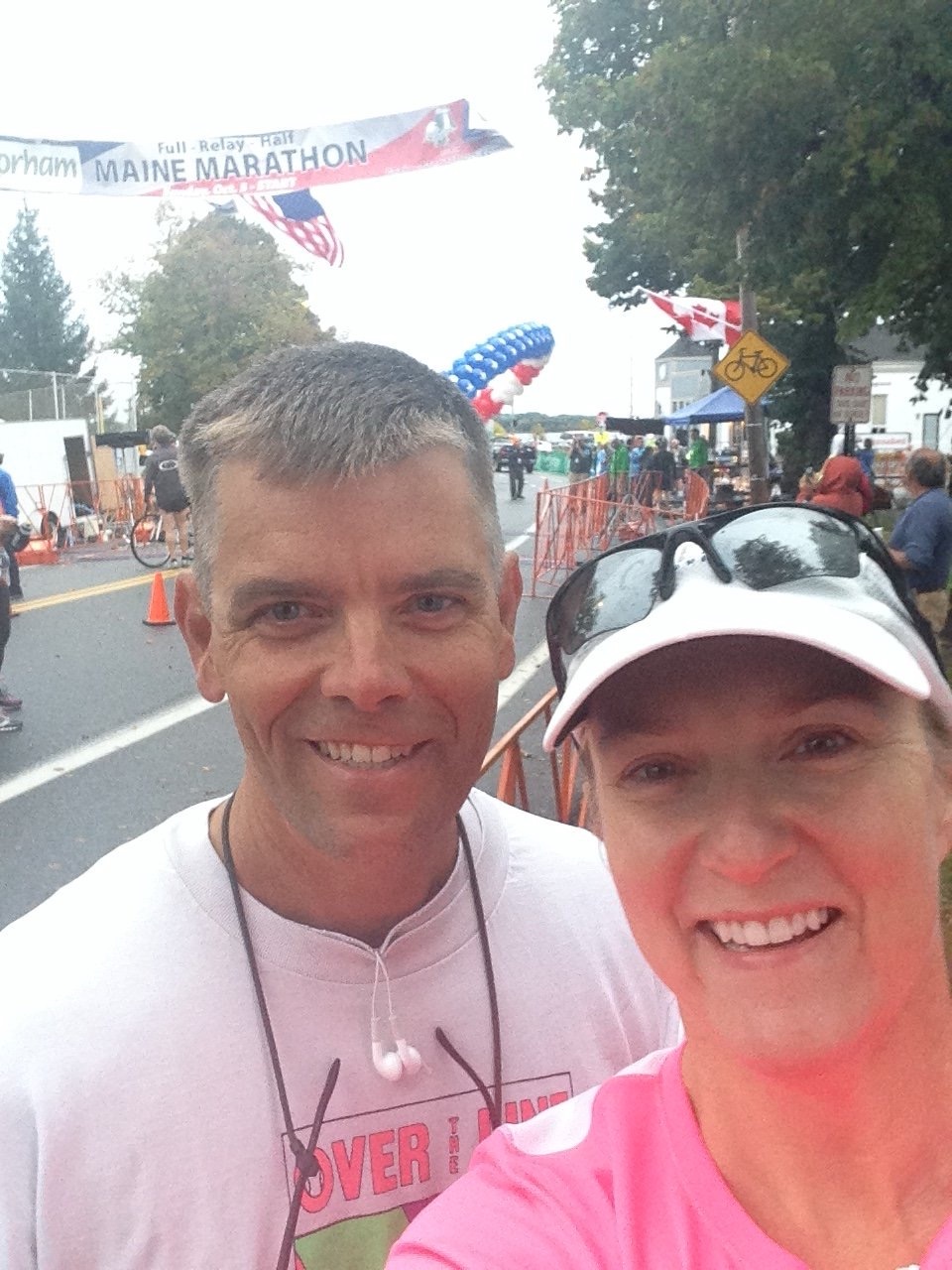
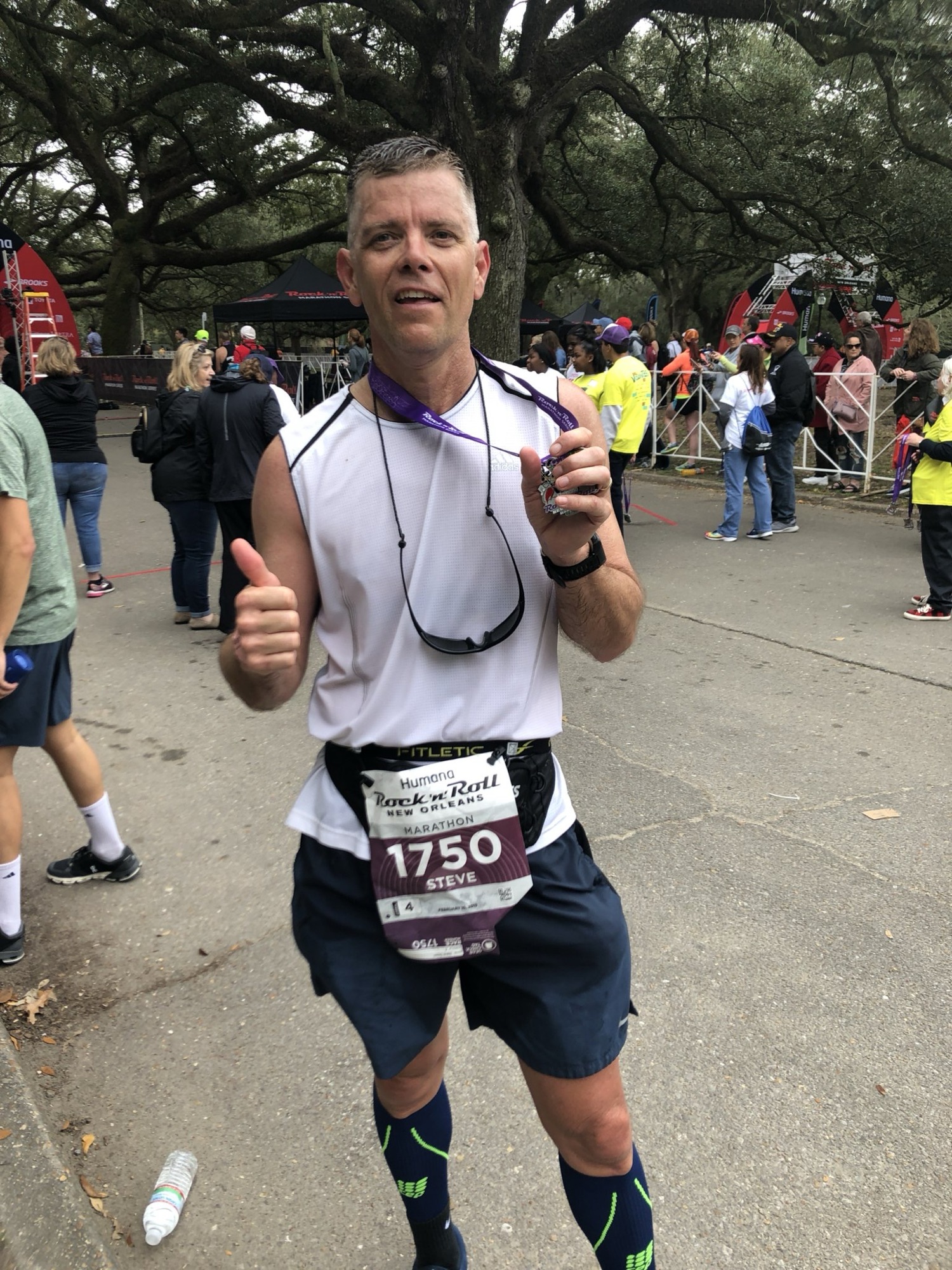
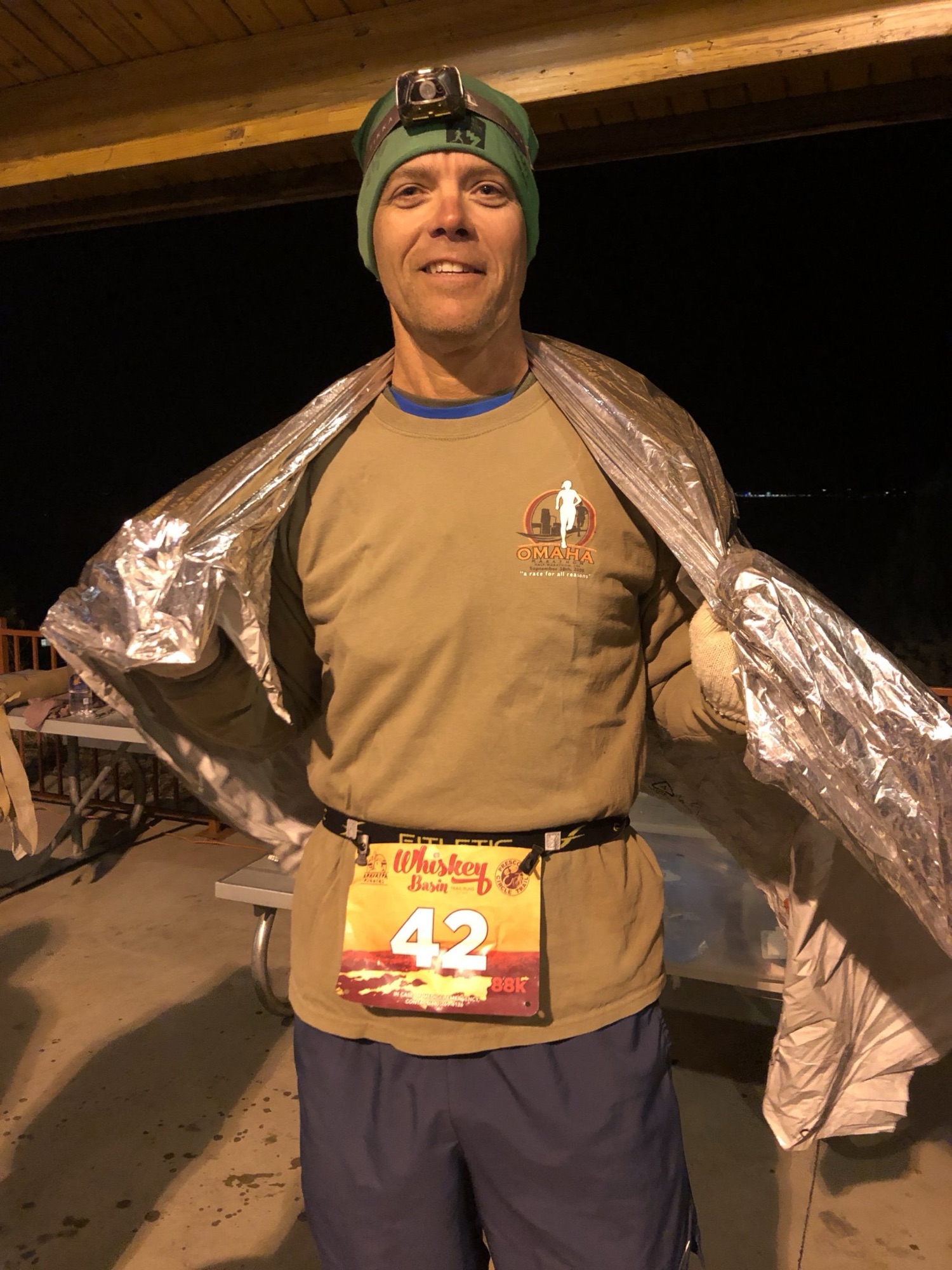
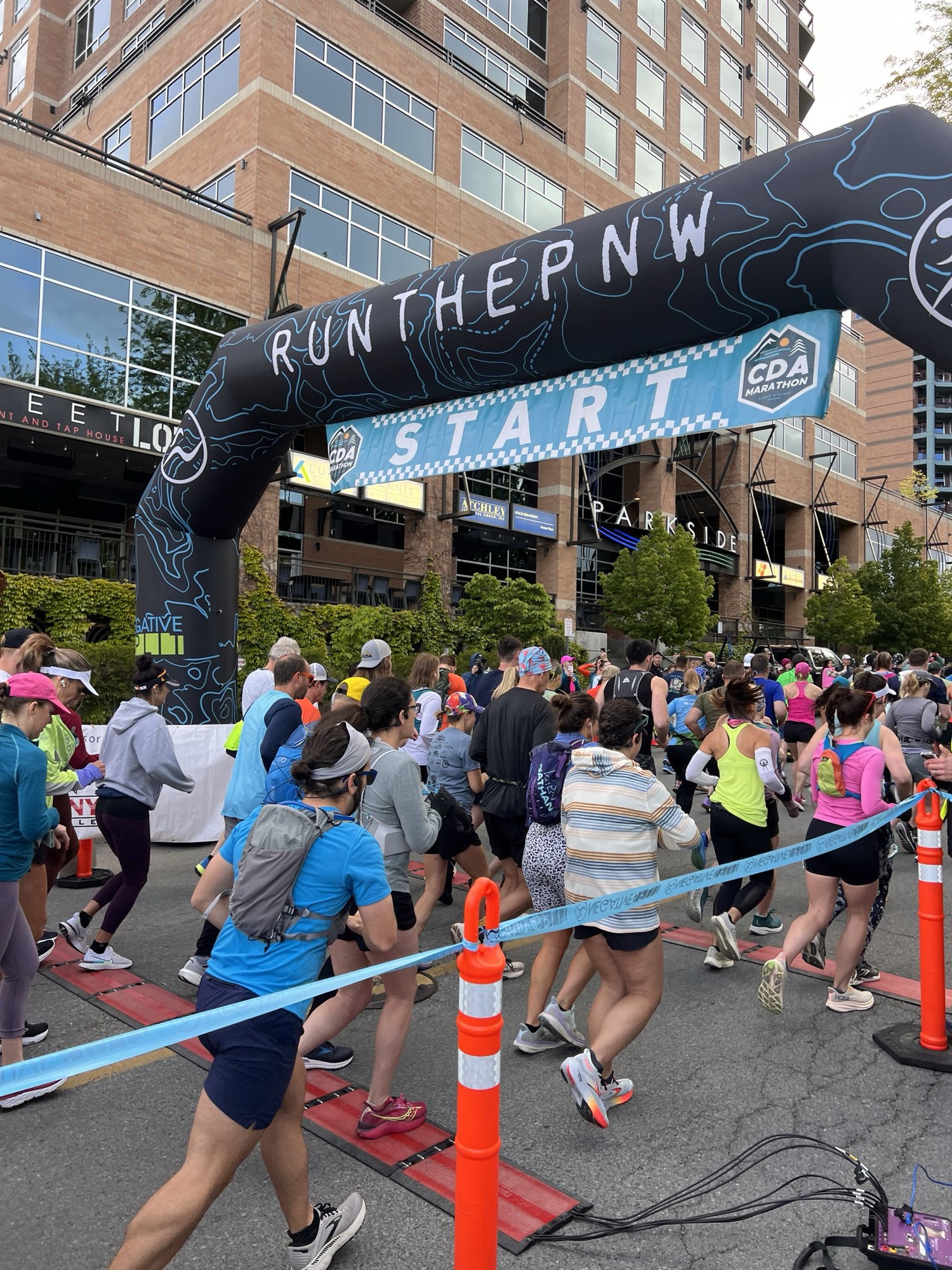
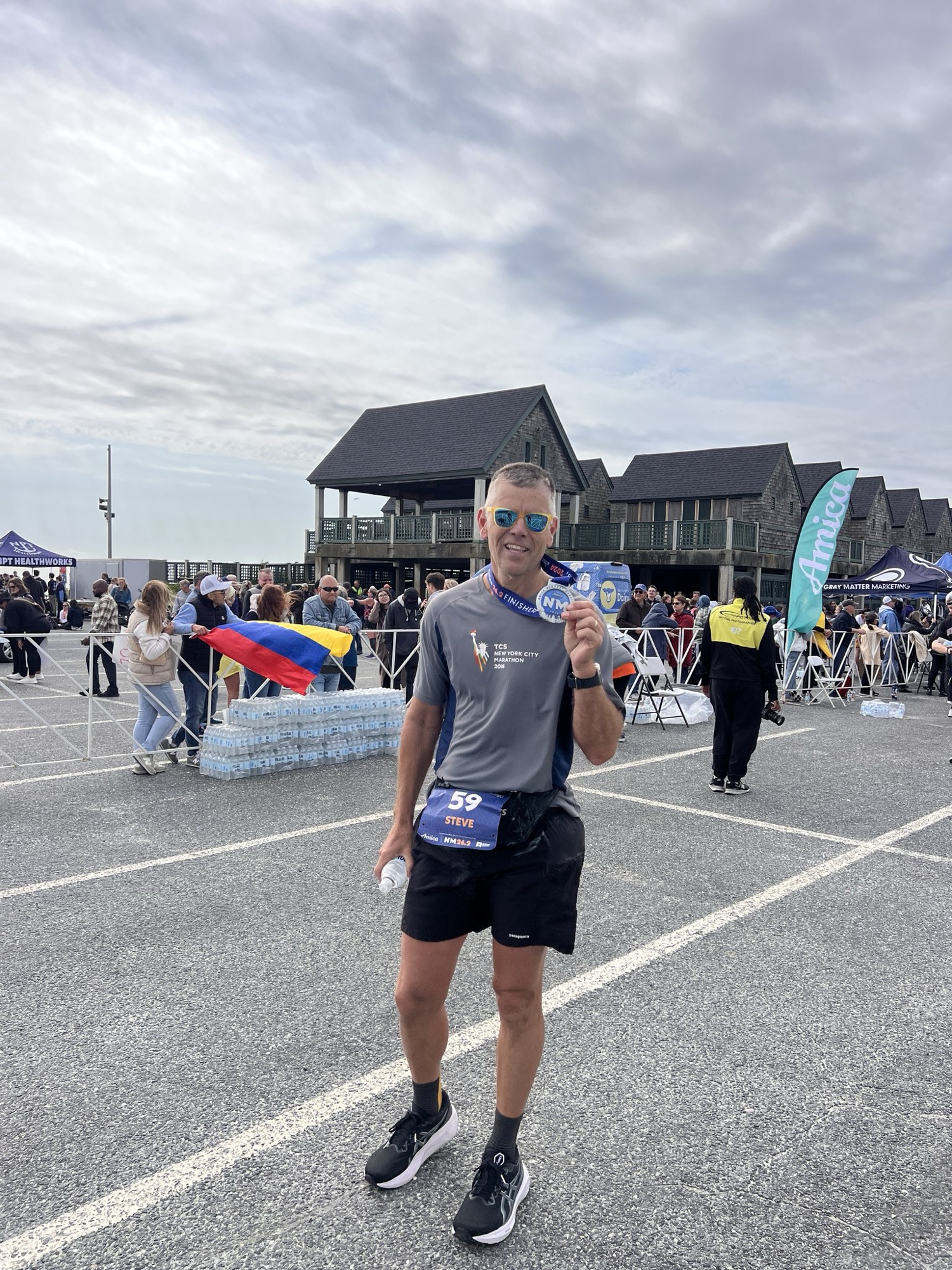
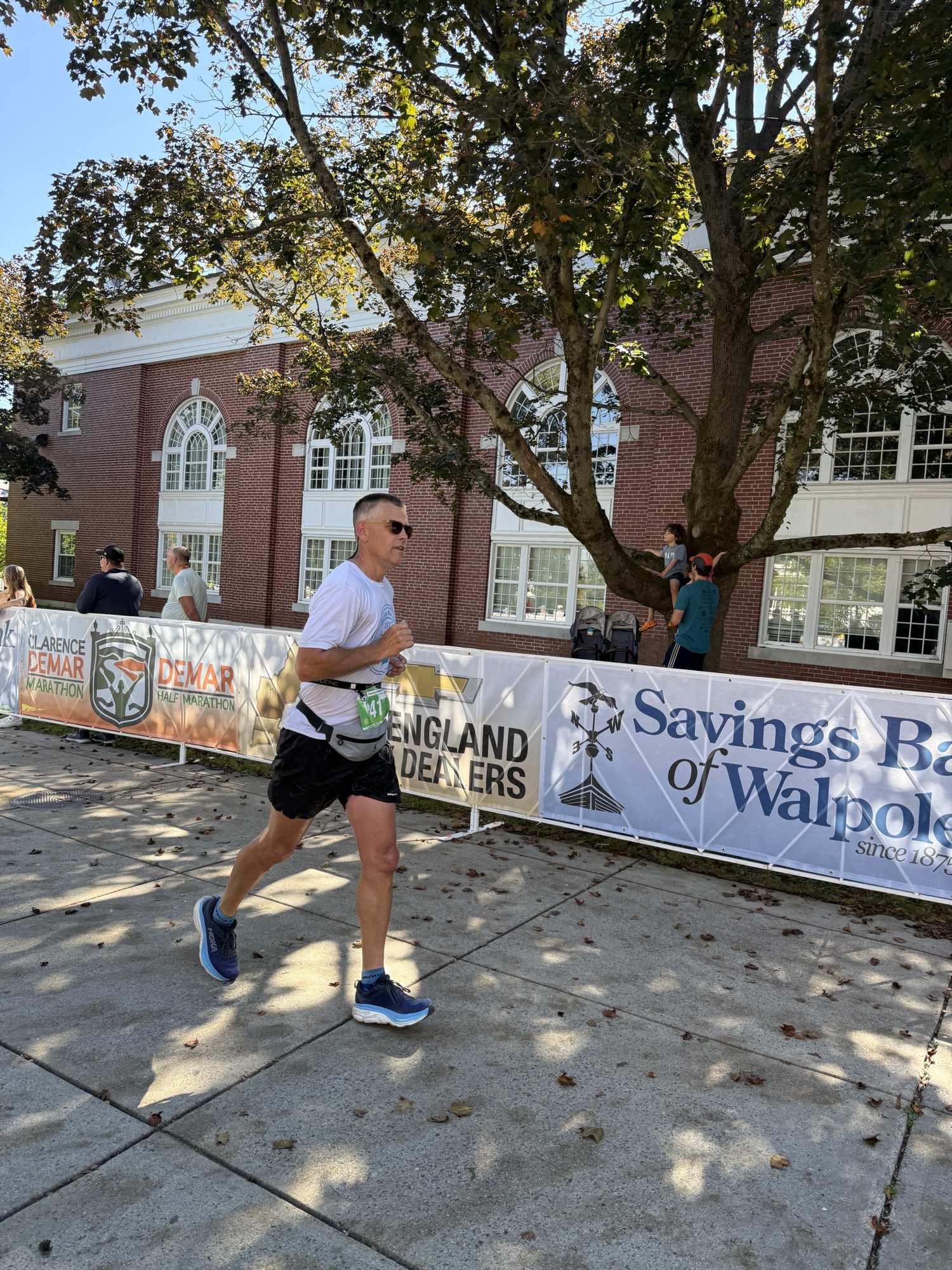
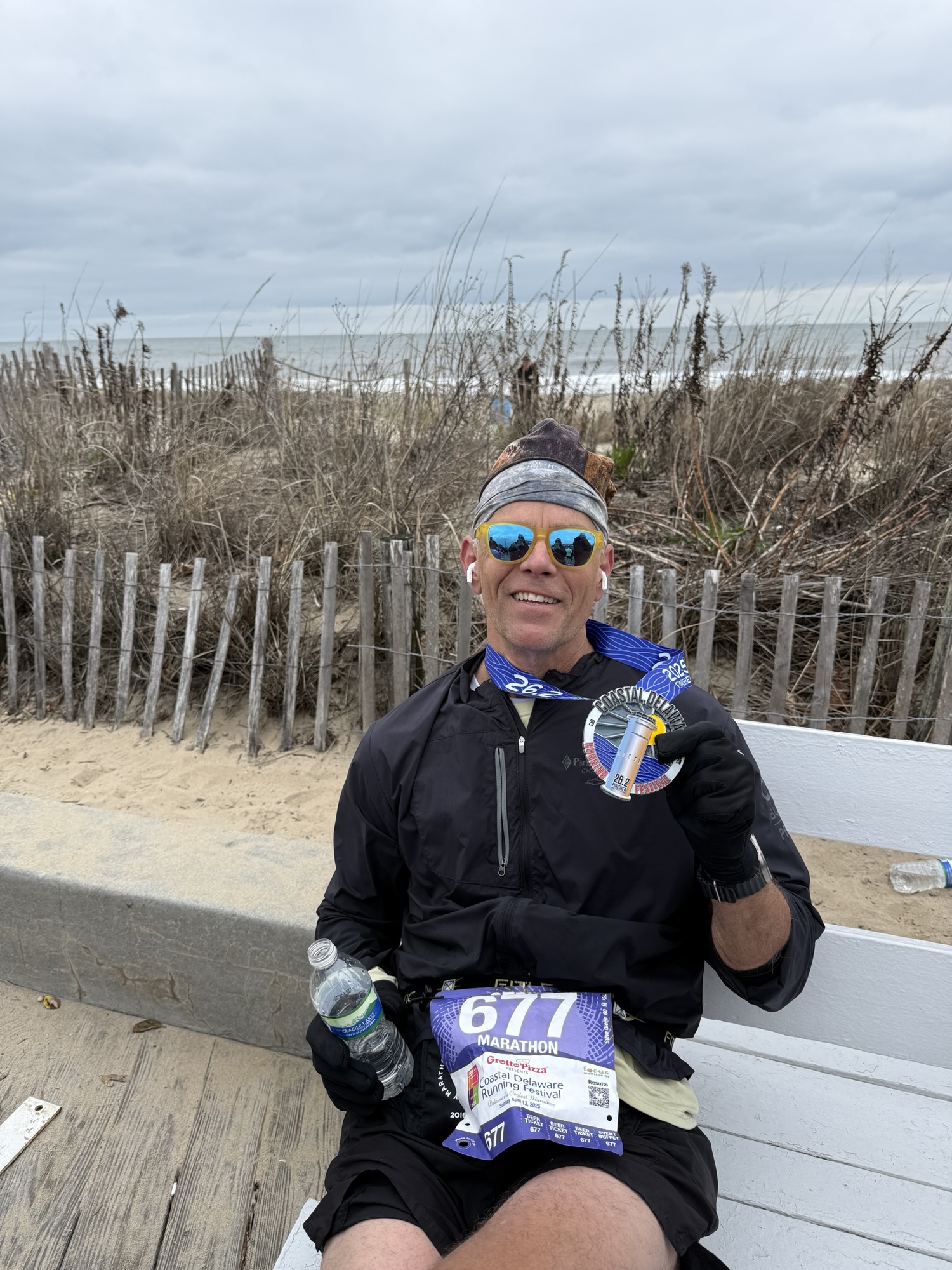
26.2 x 50: Steve Runs a Marathon in Every State

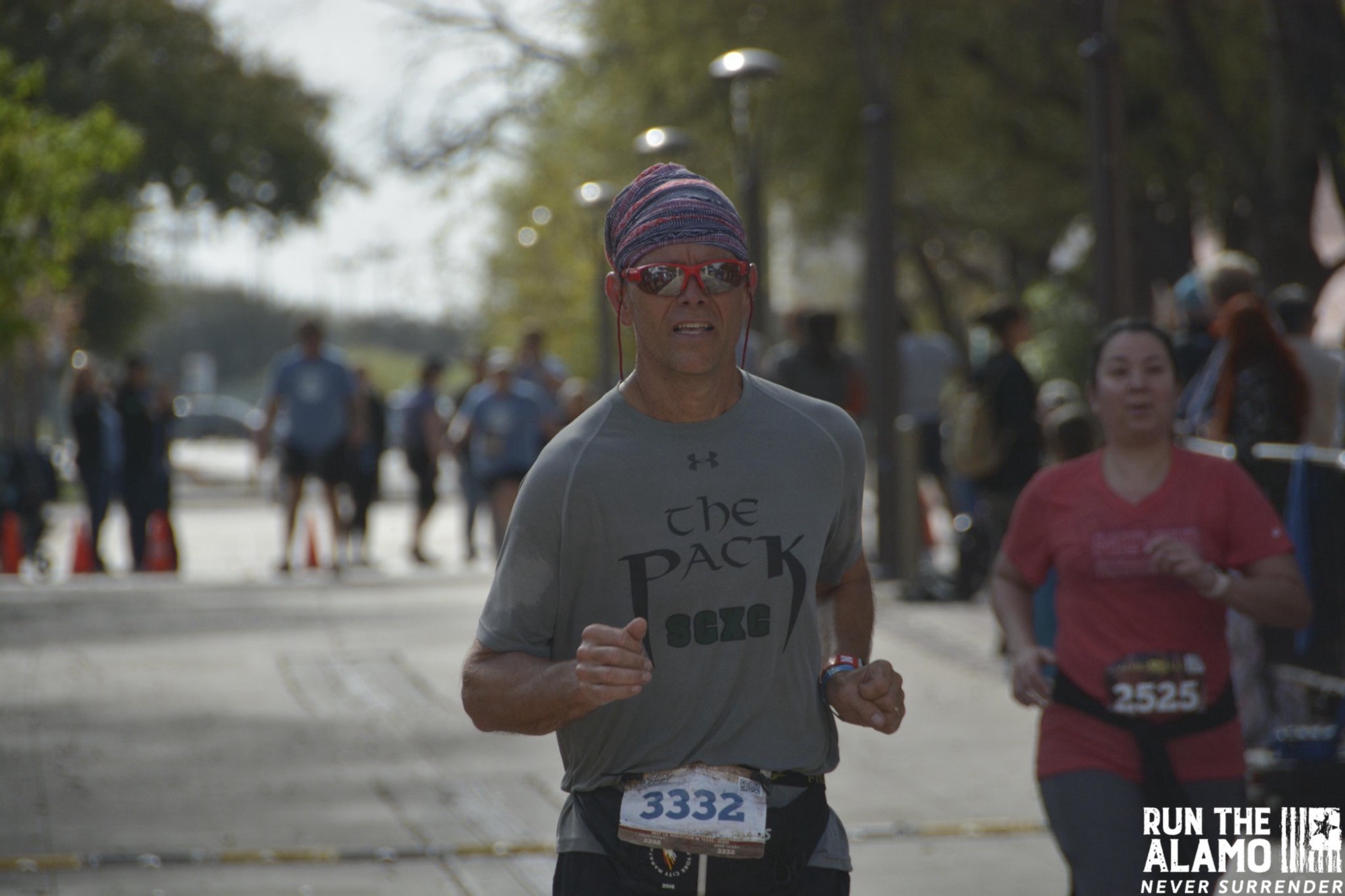
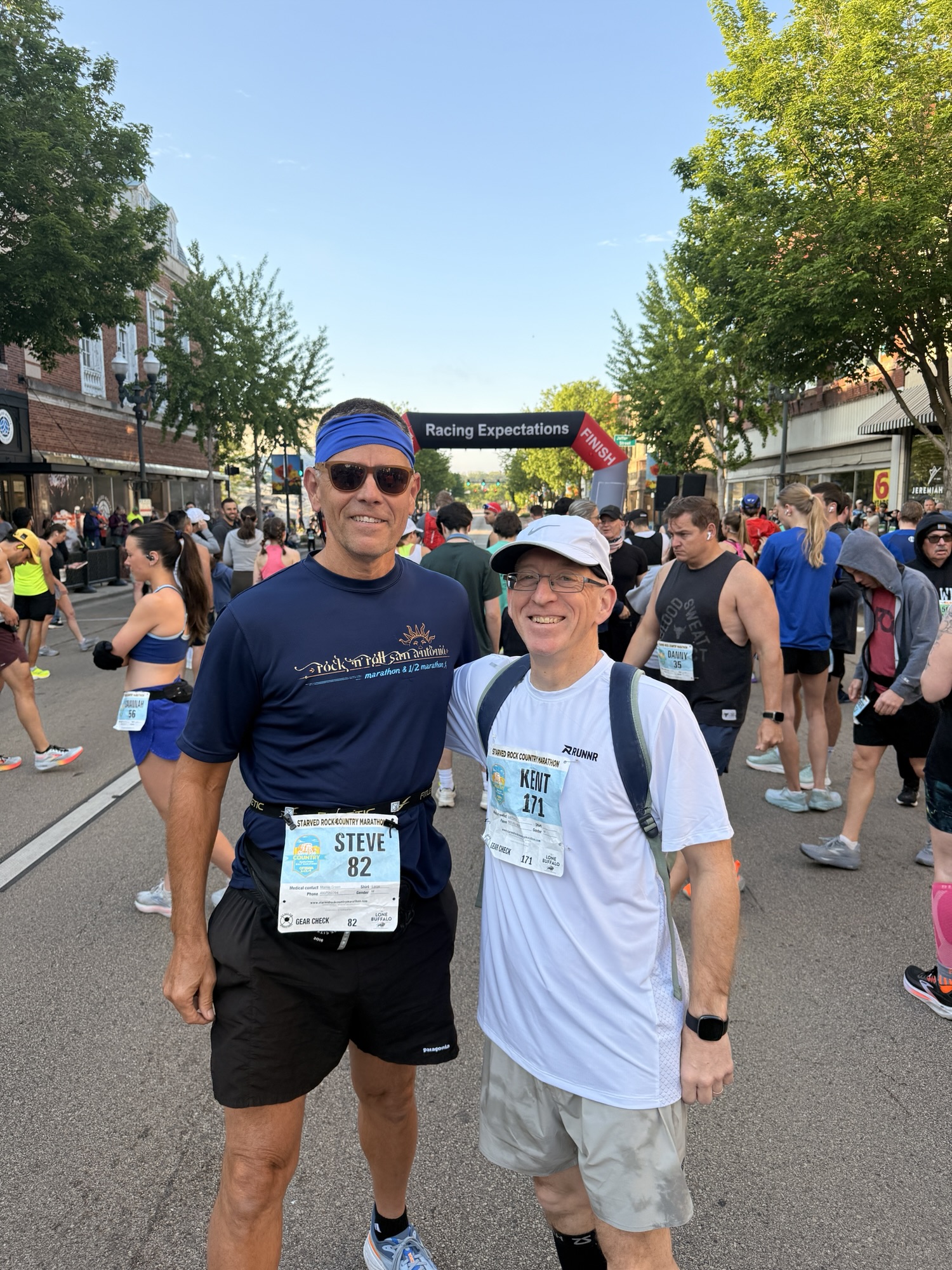
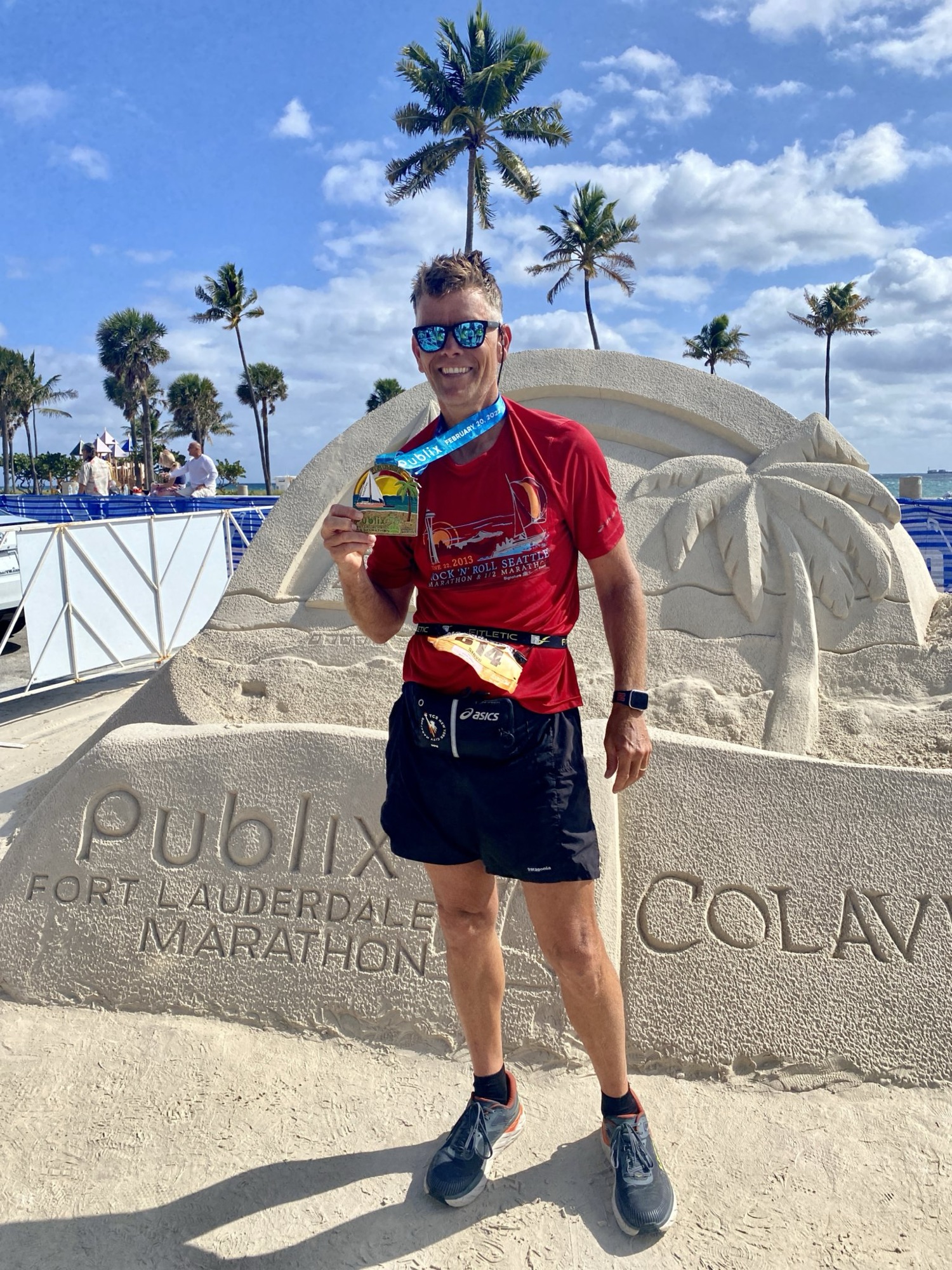
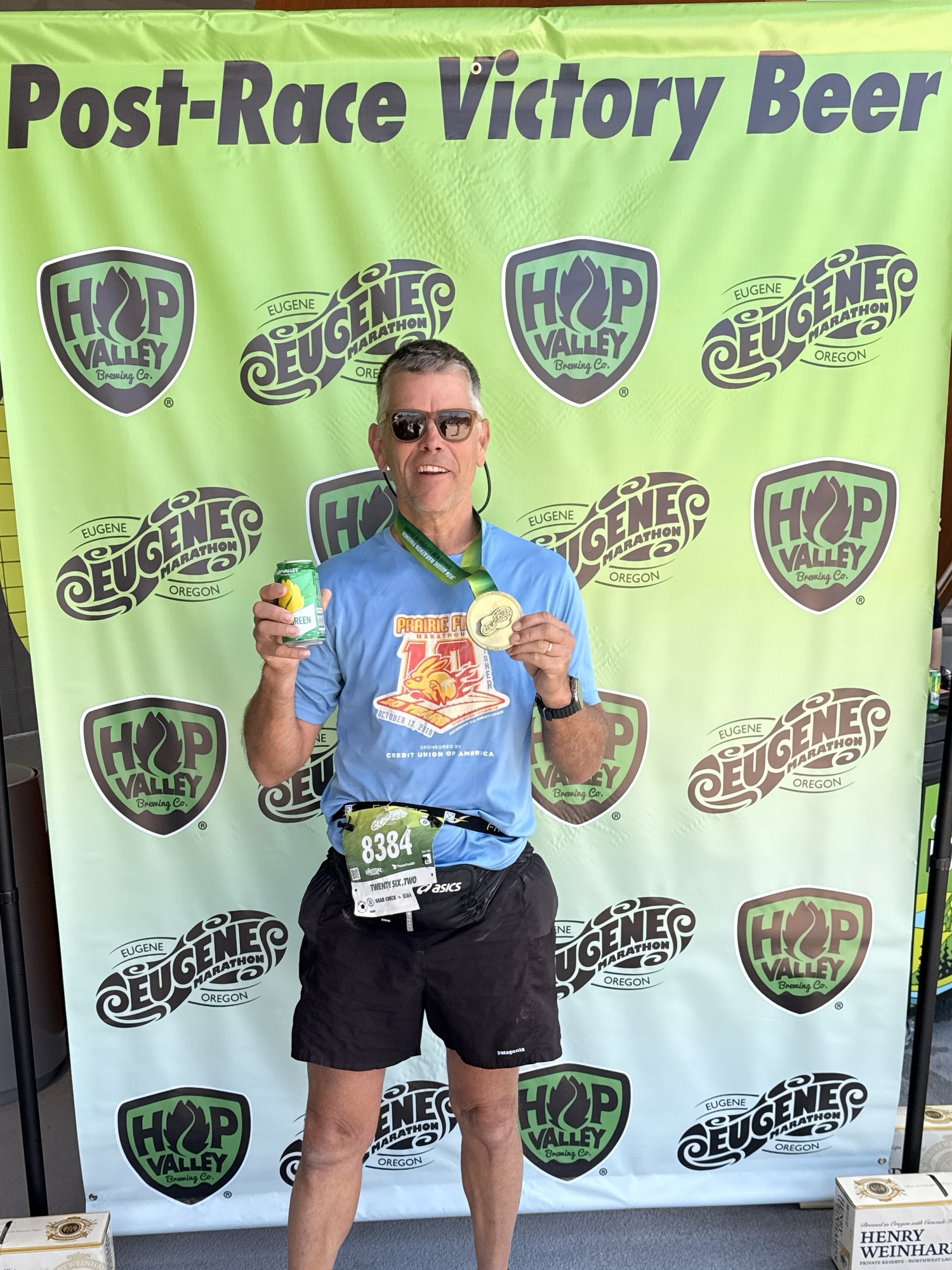
Steve has always been a runner. He ran cross country in high school with his buddy Kent Ferris. He ran his first half marathon in the 80s while in college. But his greatest athletic accomplishment, running a full marathon of 26.2 miles in all 50 states, didn’t begin until he was in his 40s. 
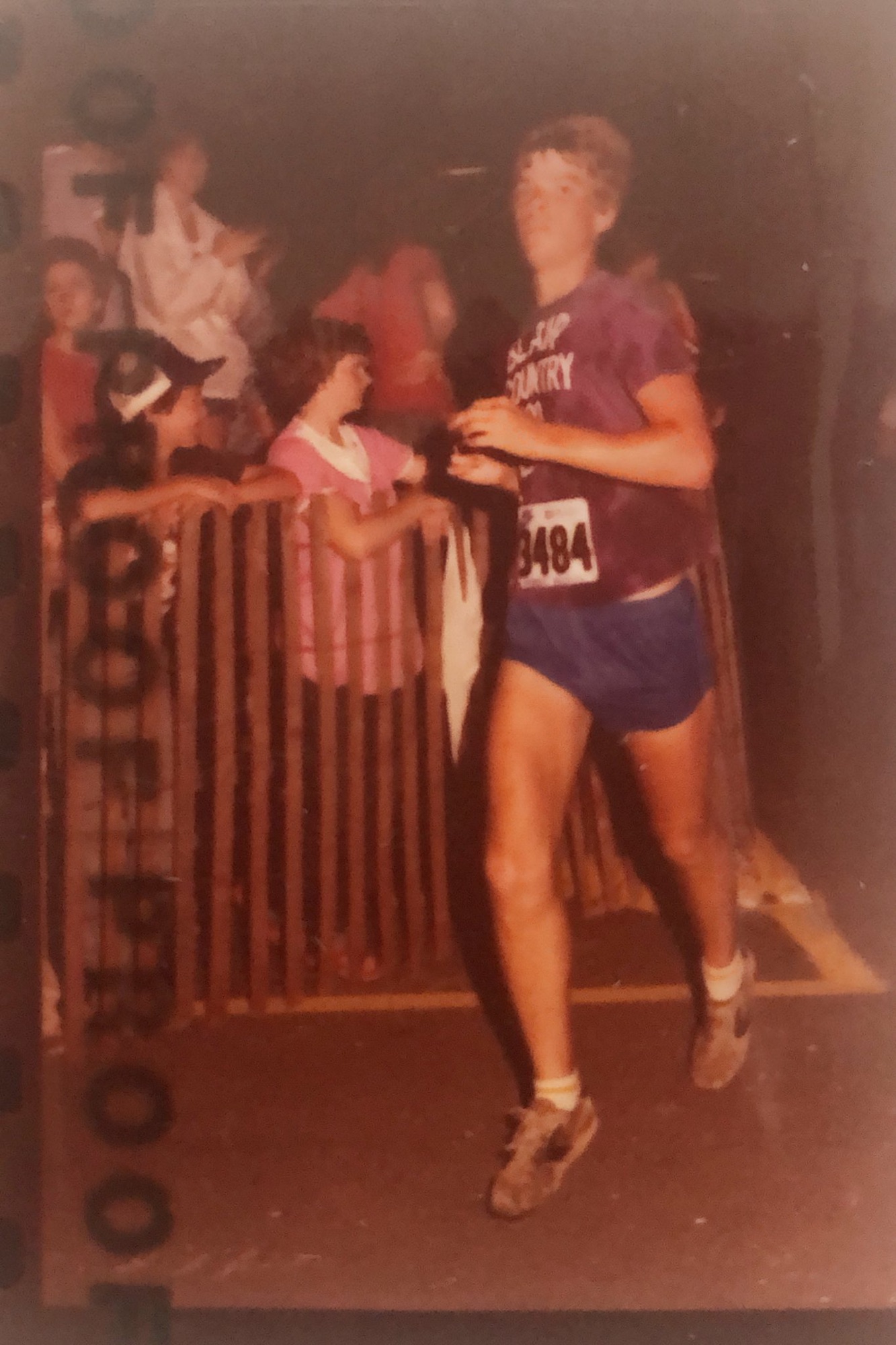
In 2008 he joined his colleague and friend Steve Hogen for his first out of state marathon in Utah. Work and other commitments limited the time for training, so future races were few and far between. The majority of the 50 marathons were completed after he retired in 2016. 

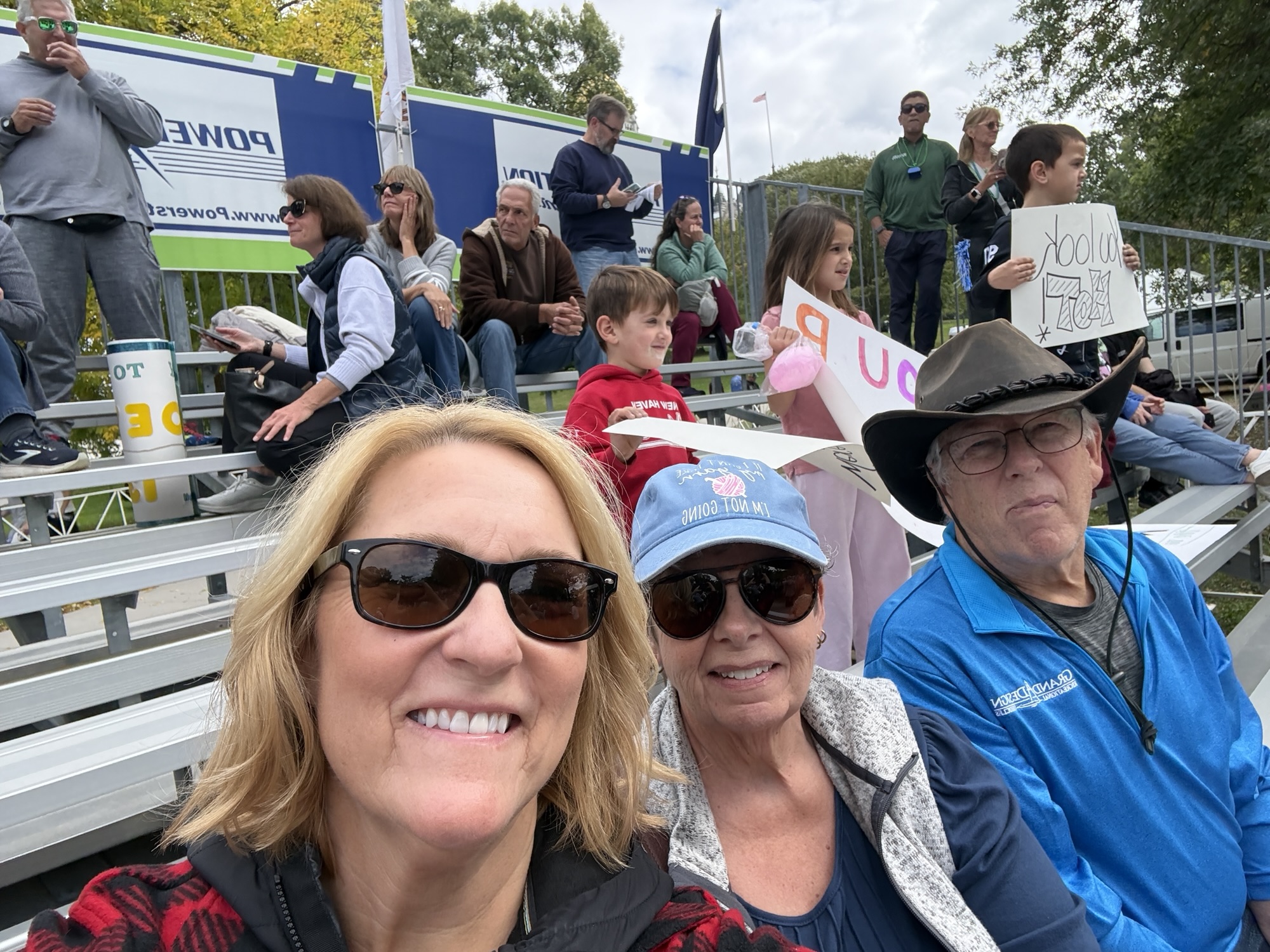
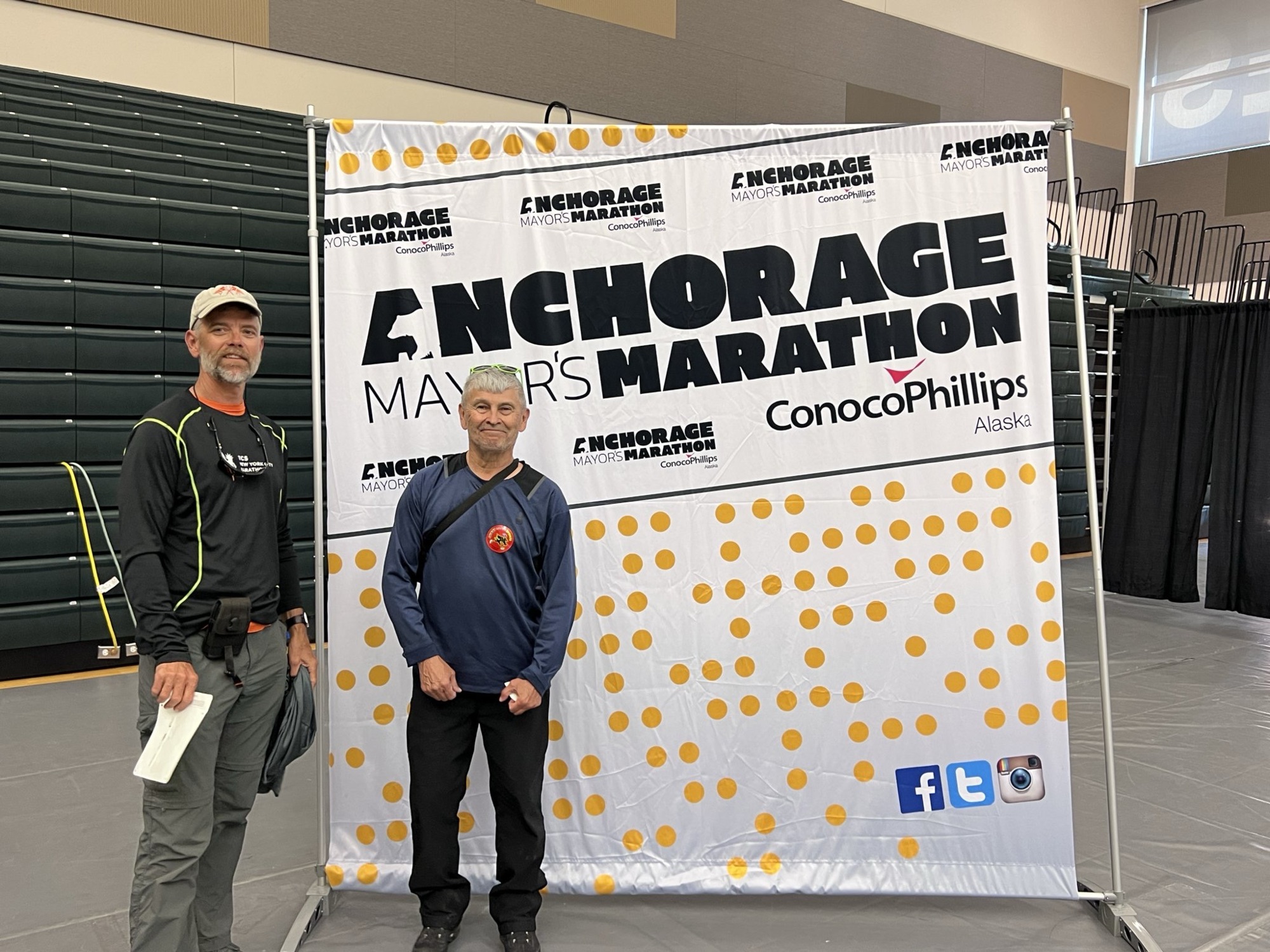
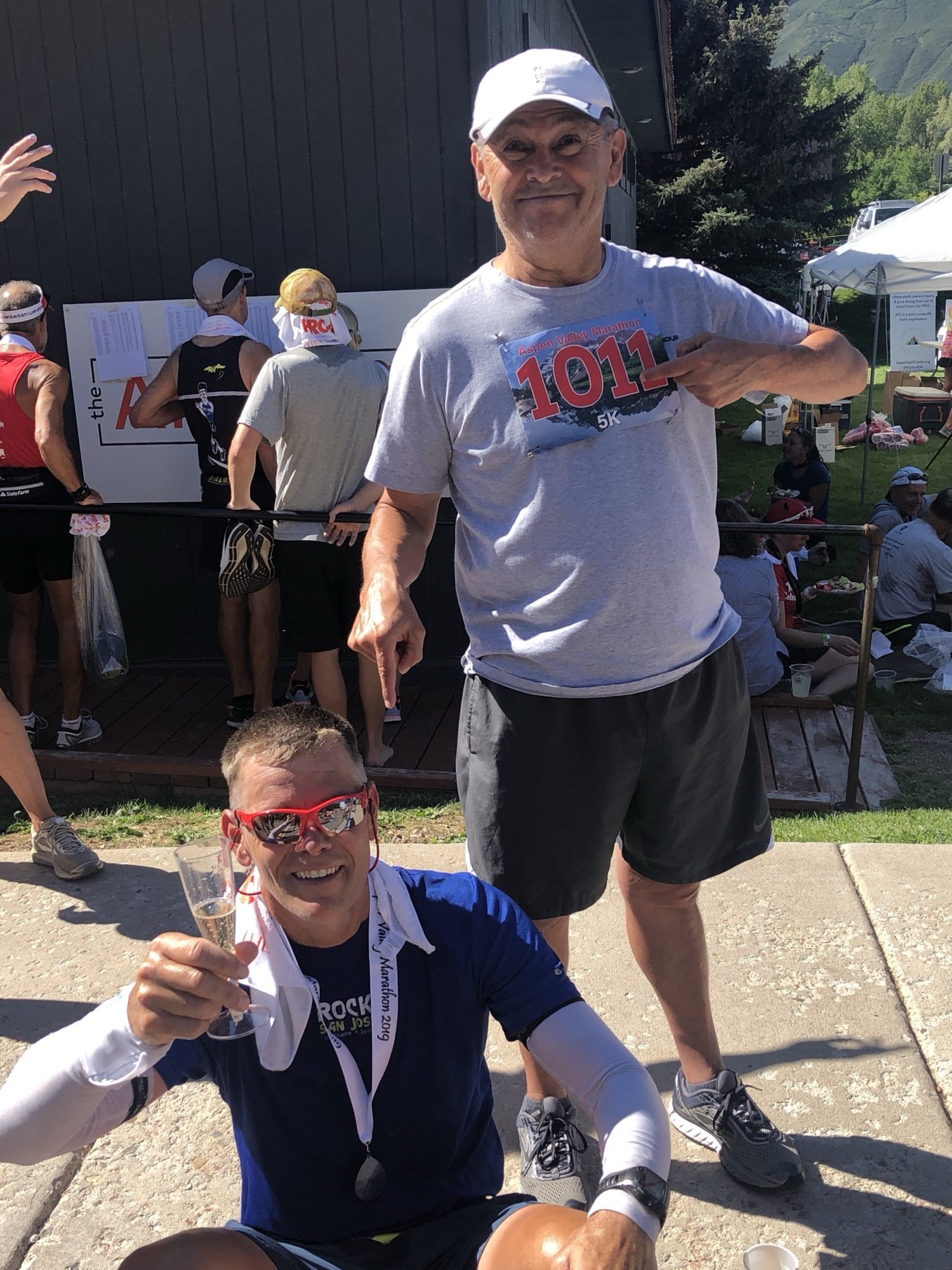
The quest to run in every state led us on an adventure that was shared with our closest friends and family. In Colorado and Alaska, Sam was there to cheer him on.
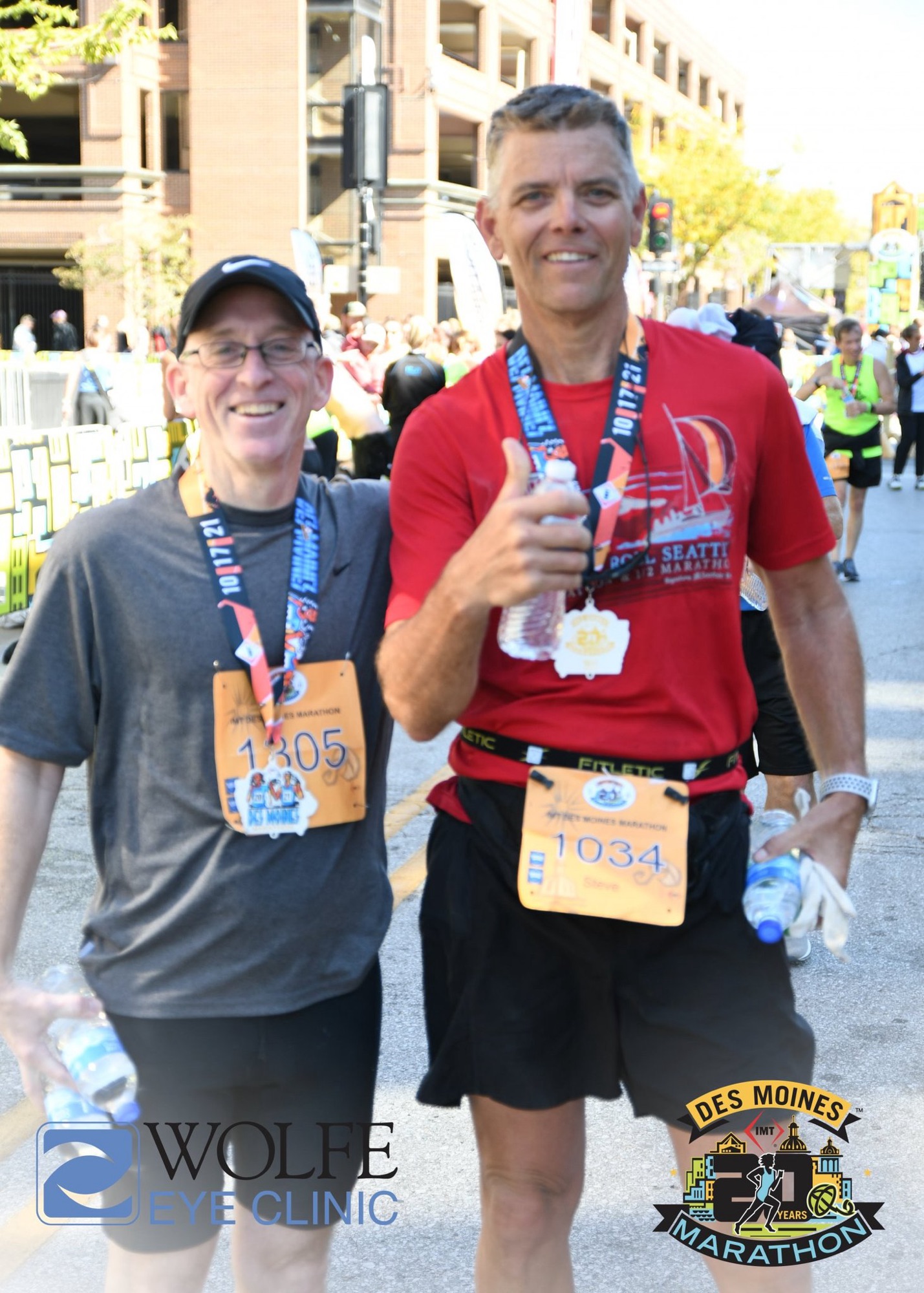
Kent ran two marathons (Iowa and Illinois) beside Steve.
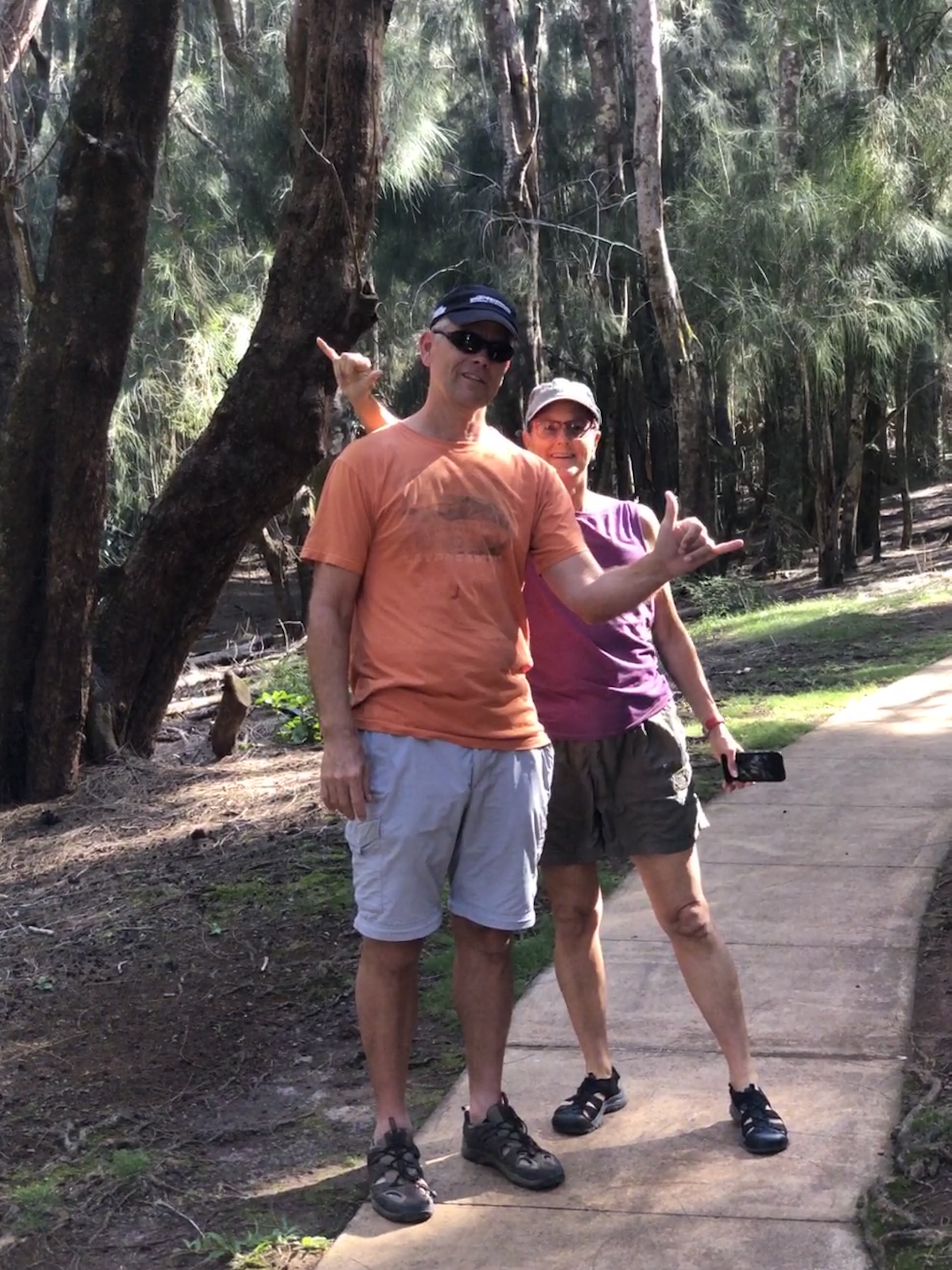
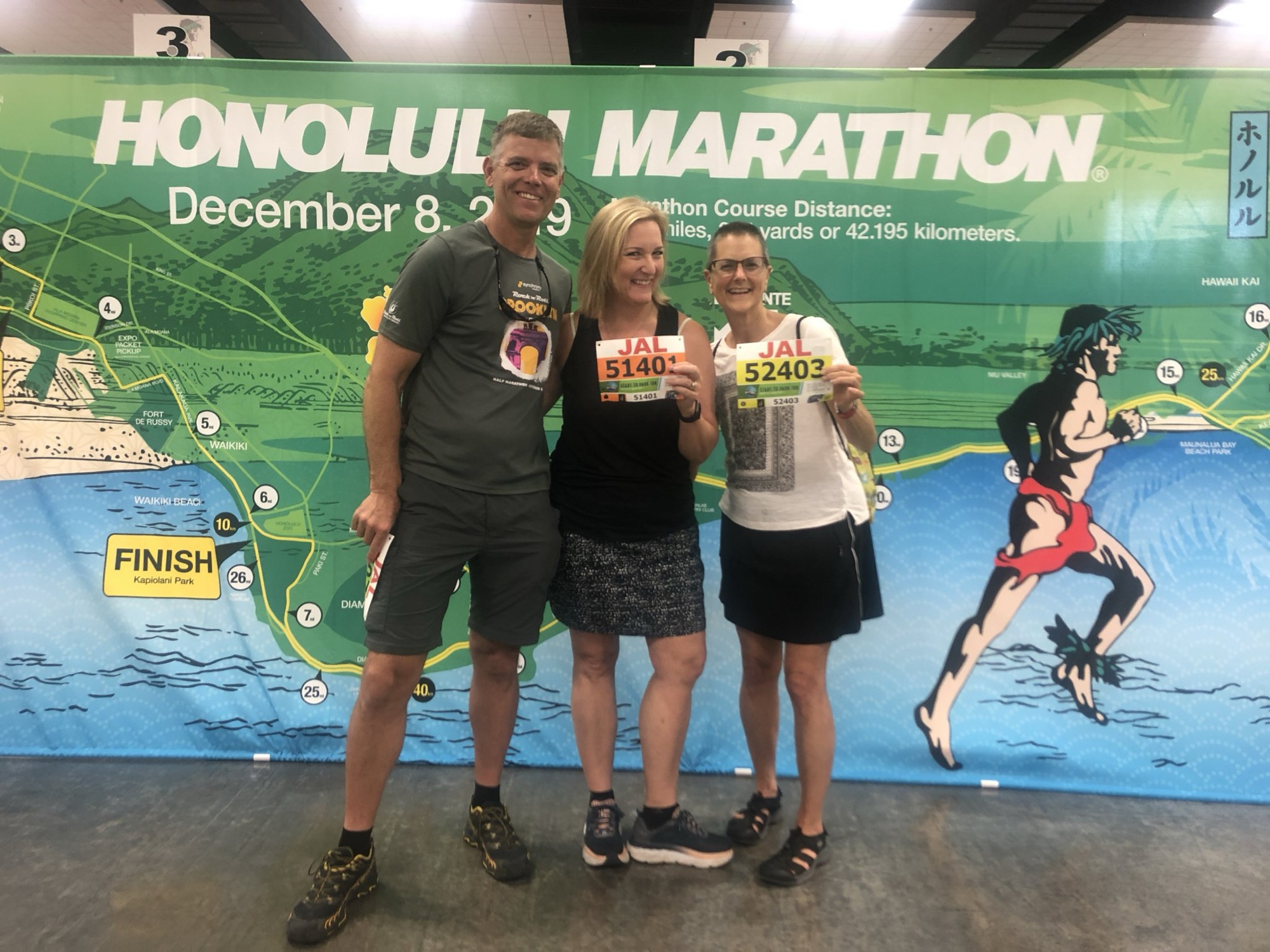
Our friend Sheri joined us in Hawaii. Gary was there for the celebrations in Kansas, Missouri, Nebraska, and Massachusetts.
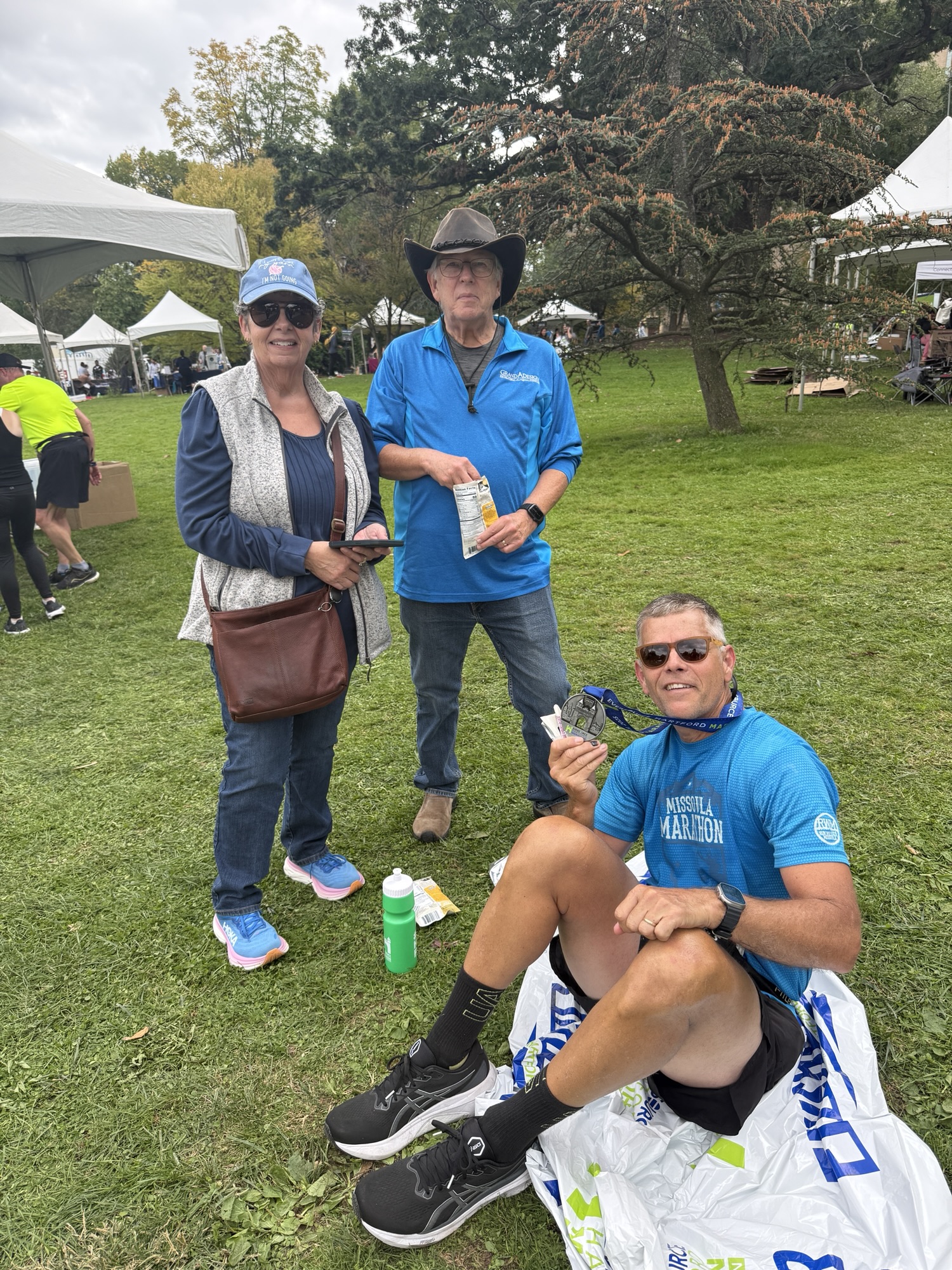
Our RV buddies Gail and Jeff were at the finish line in Hartford.
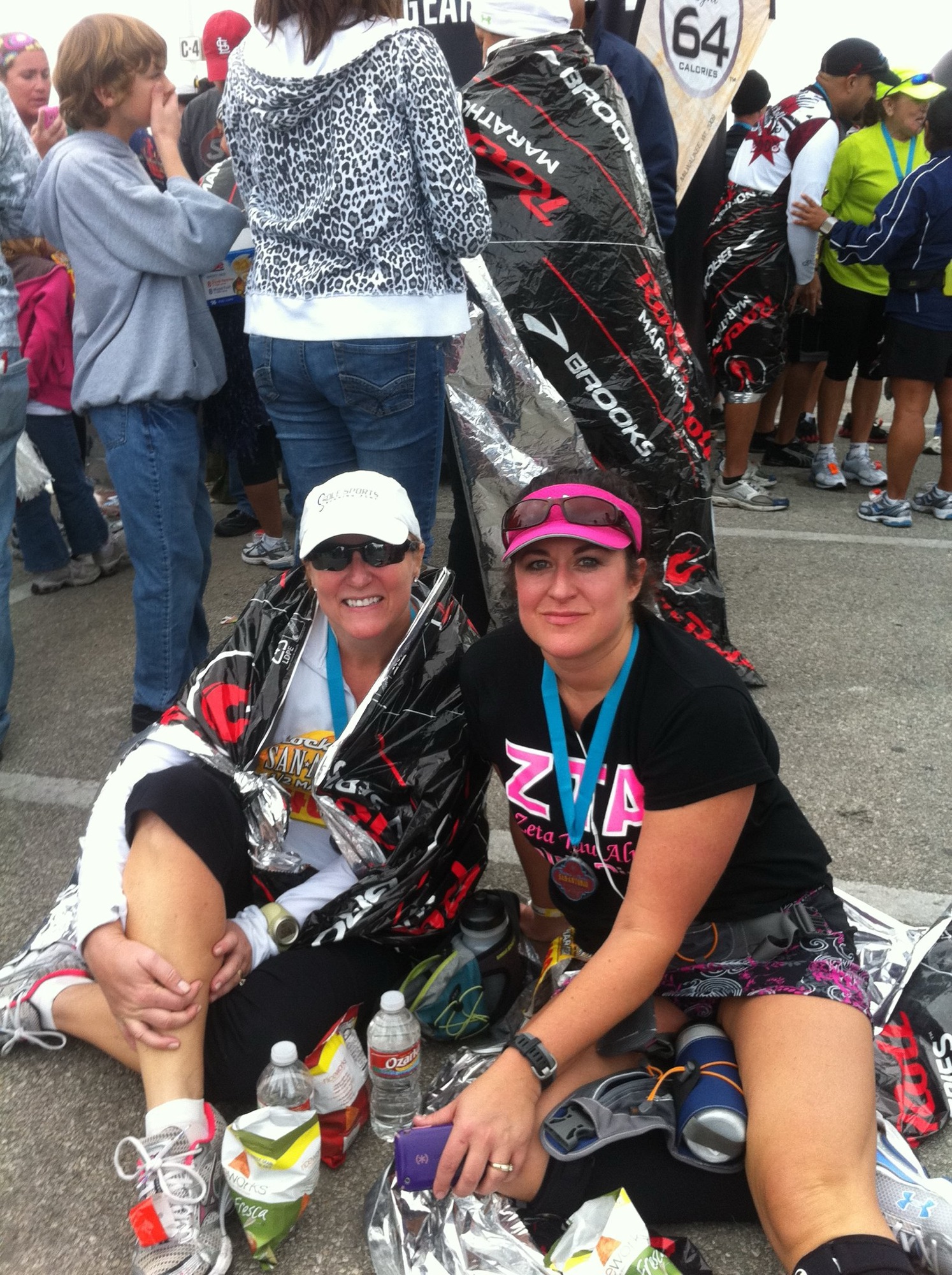
The Lawsons joined us in San Diego and San Antonio, where Tina and I did the half while Steve did the full.

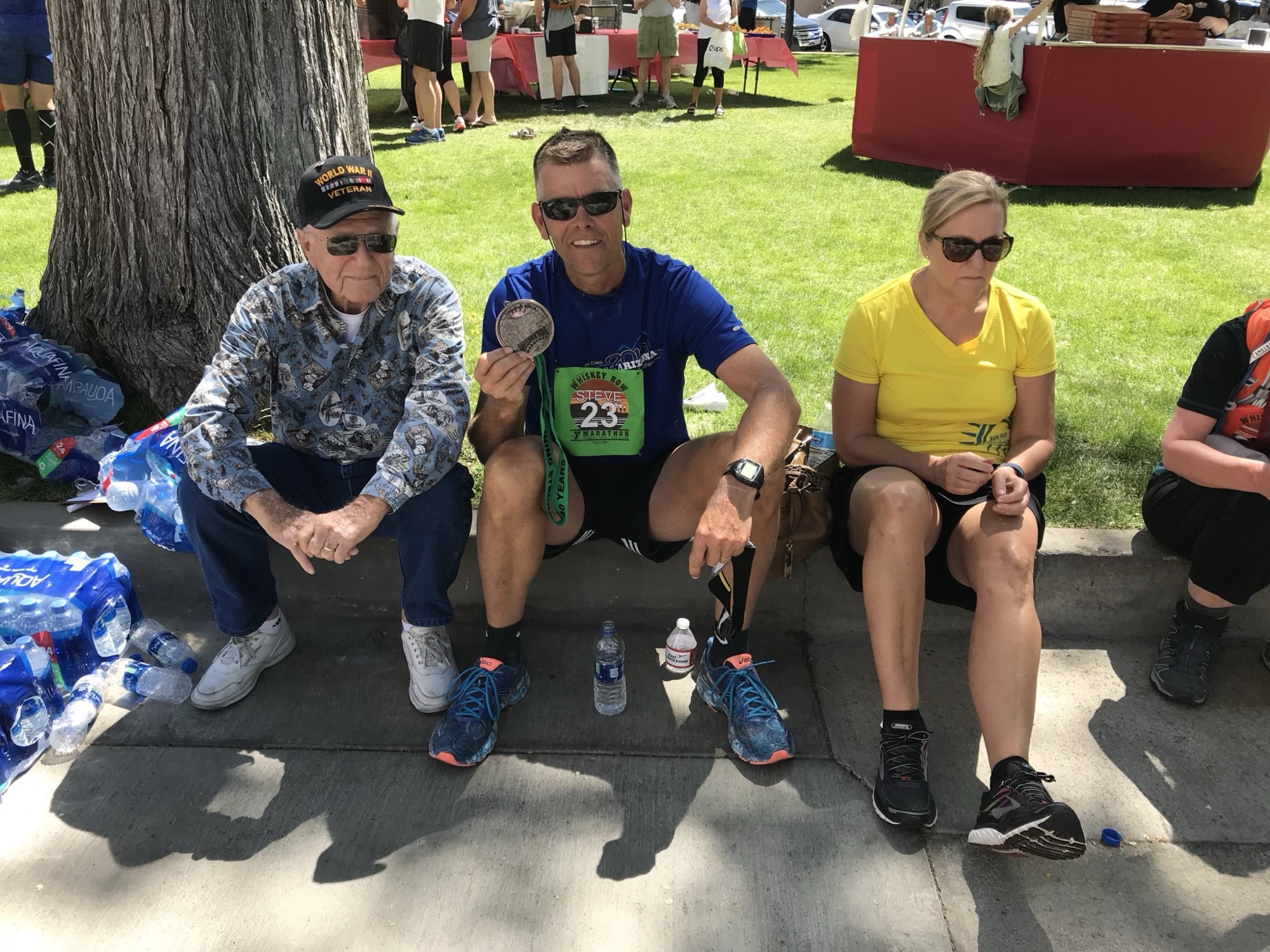
My Dad cheered him on in Prescott for the end of the Whiskey Row Marathon.
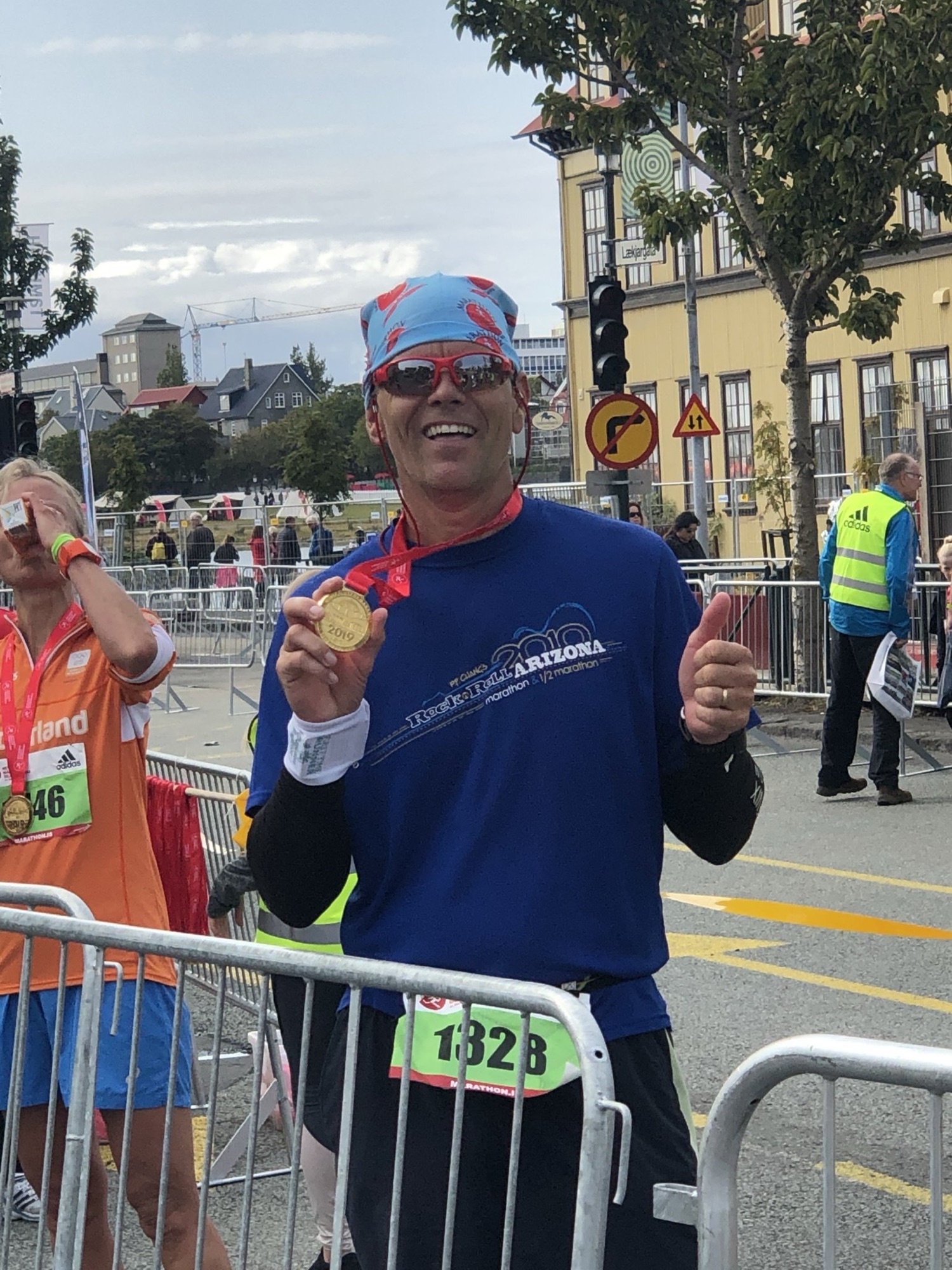
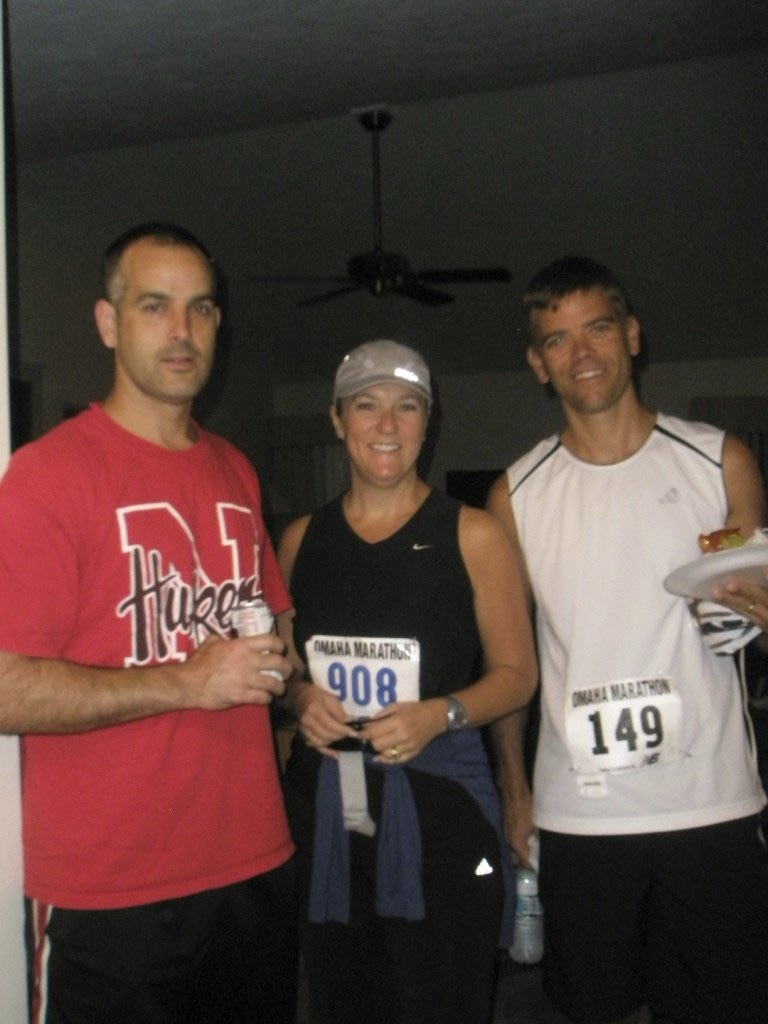
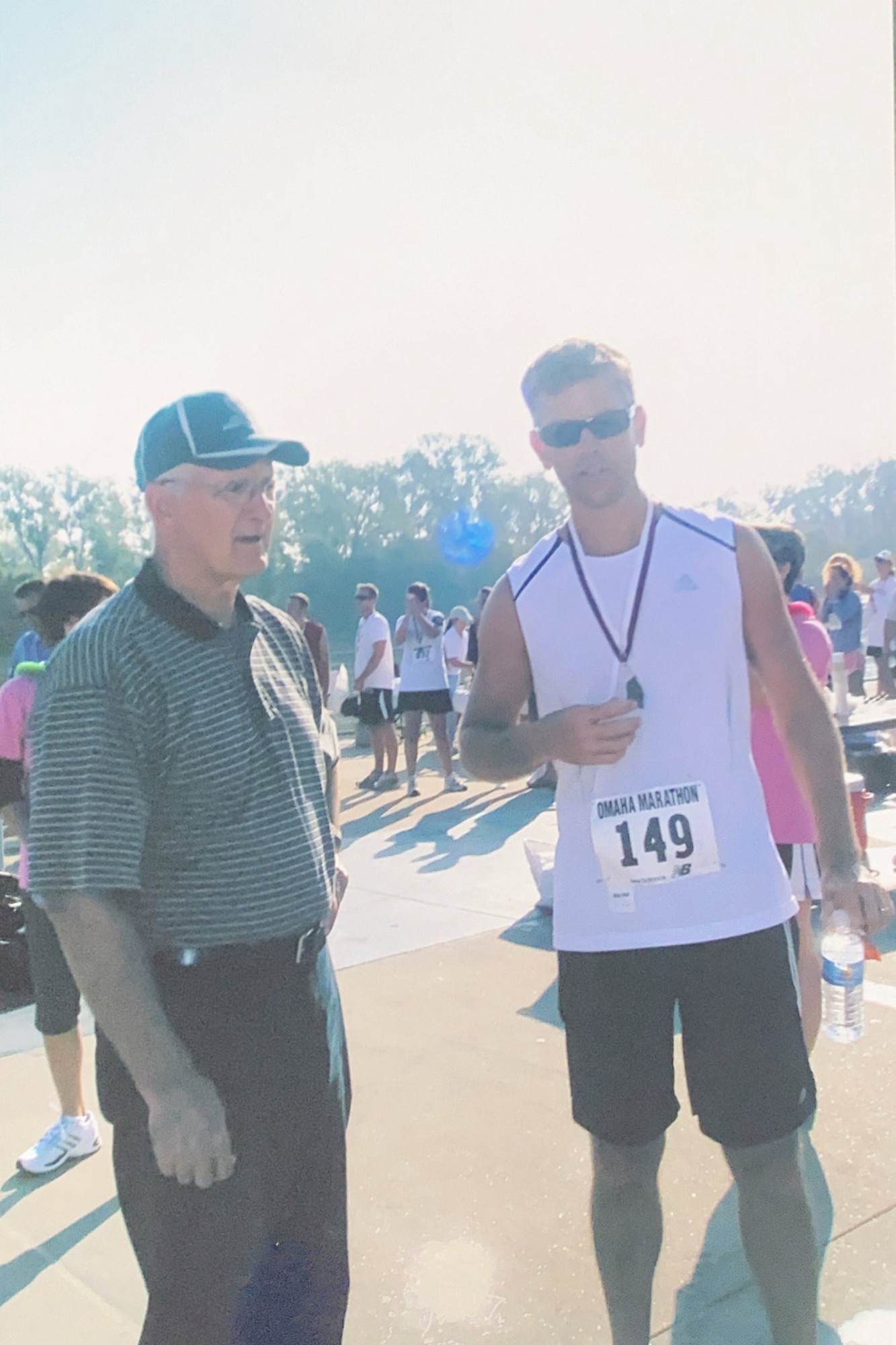
Steve’s parents were there in Omaha and Kansas City, and Steve’s mom, cousins and I did the half at the Rock and Roll Arizona while Steve met us all at finish after the full. 
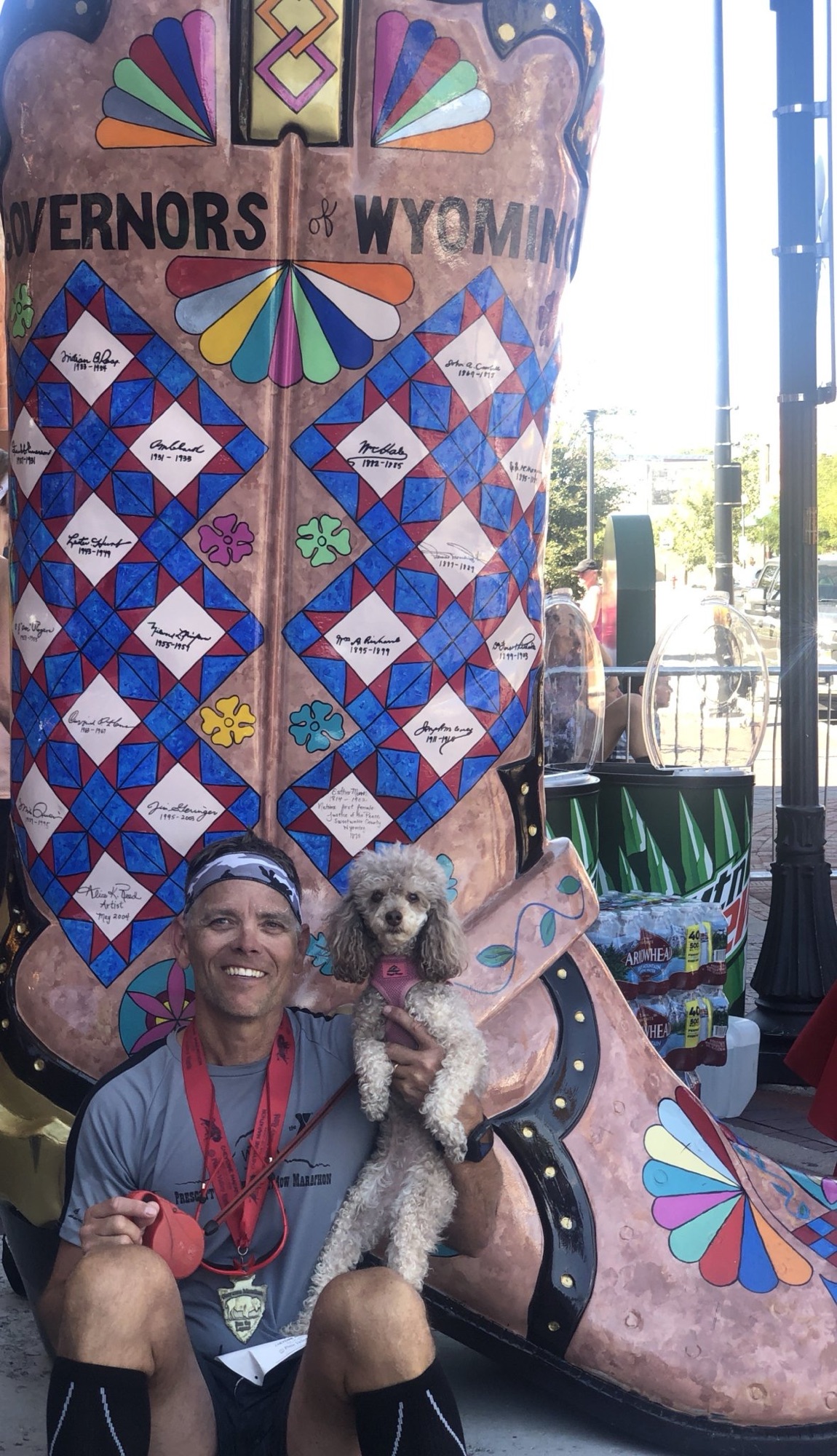
Finally, our sweet girl Mia crossed the finish in Steve’s arms at the Cheyenne Marathon. Marathoning is indeed a team sport!
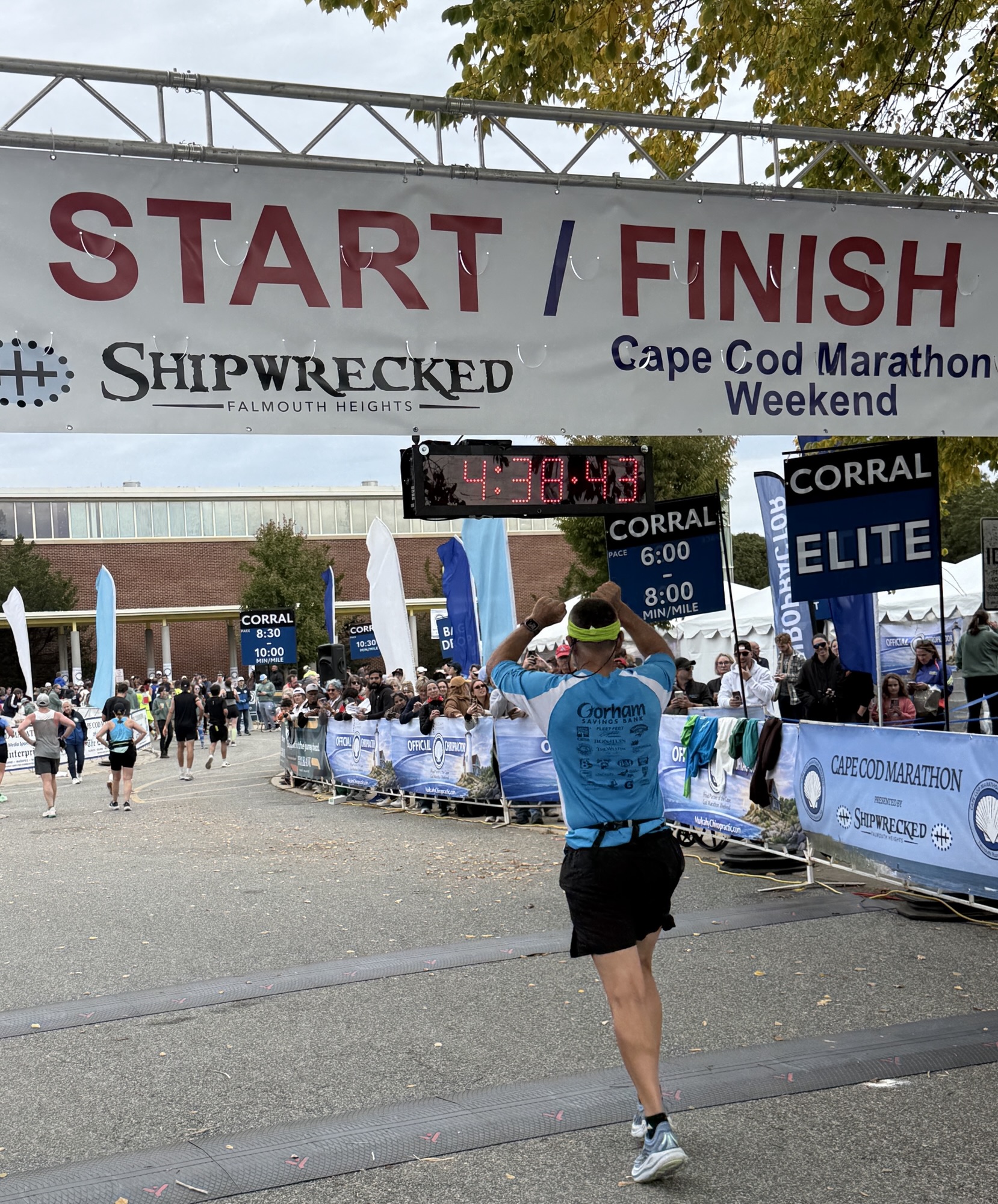
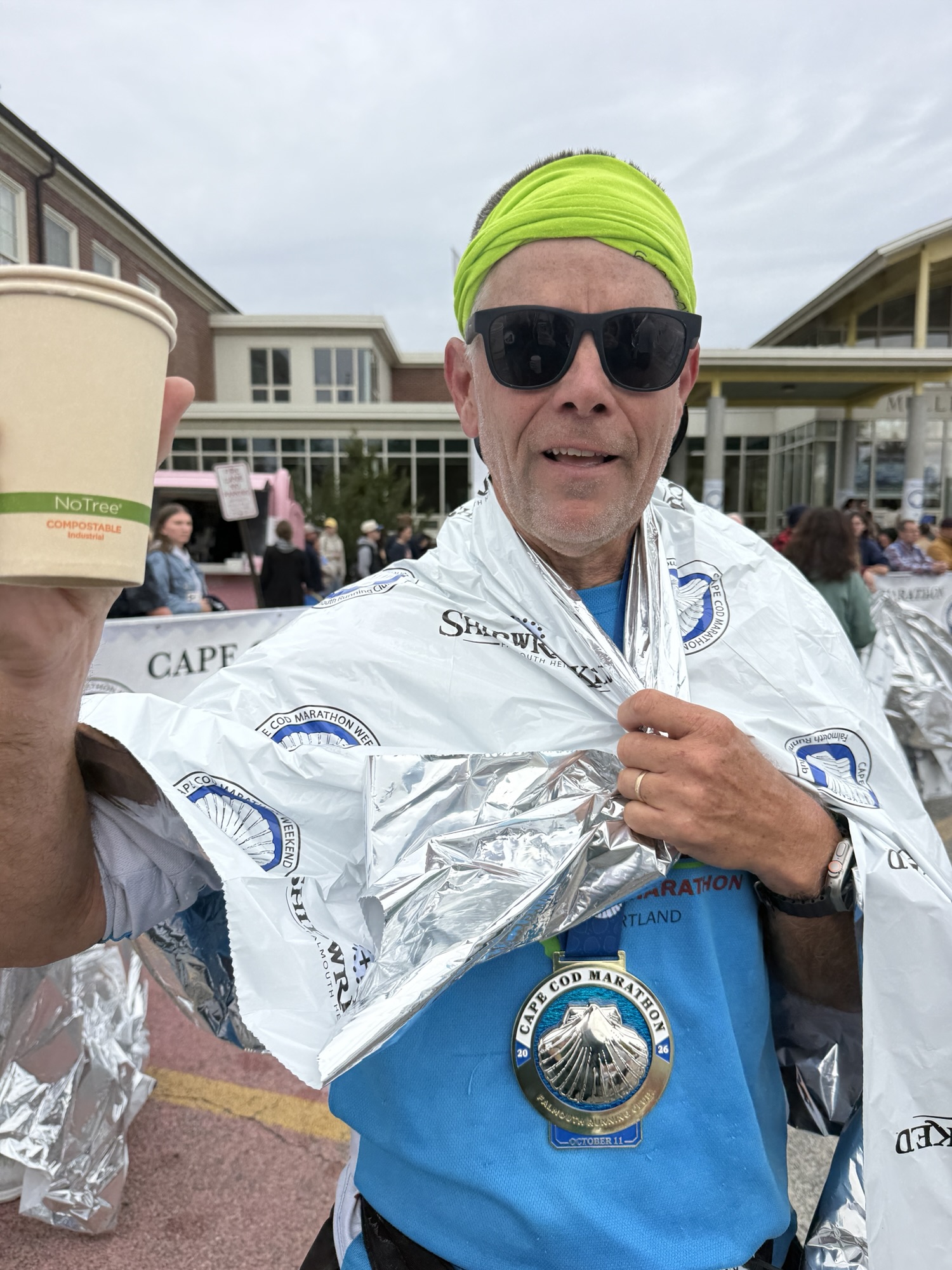
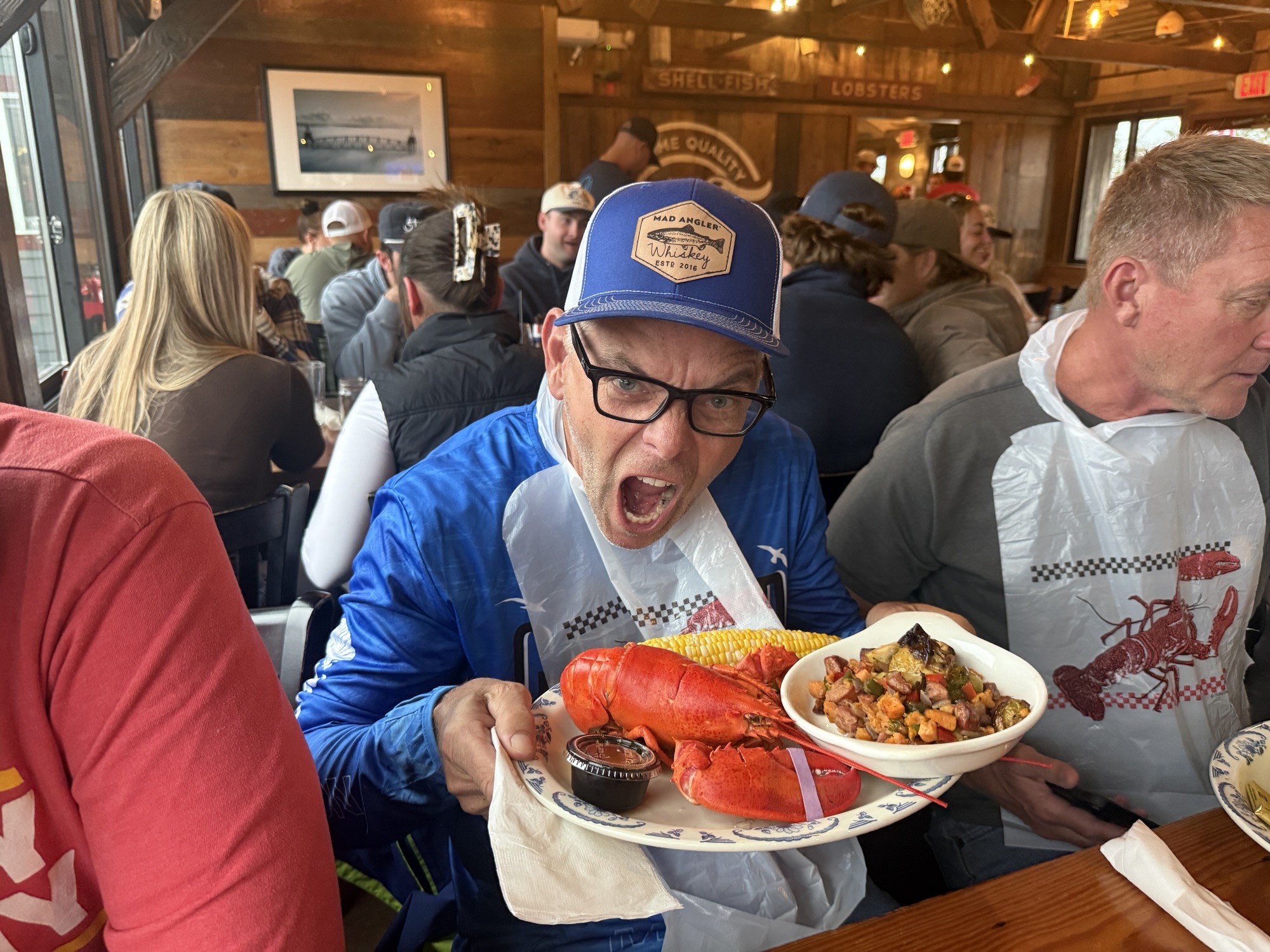
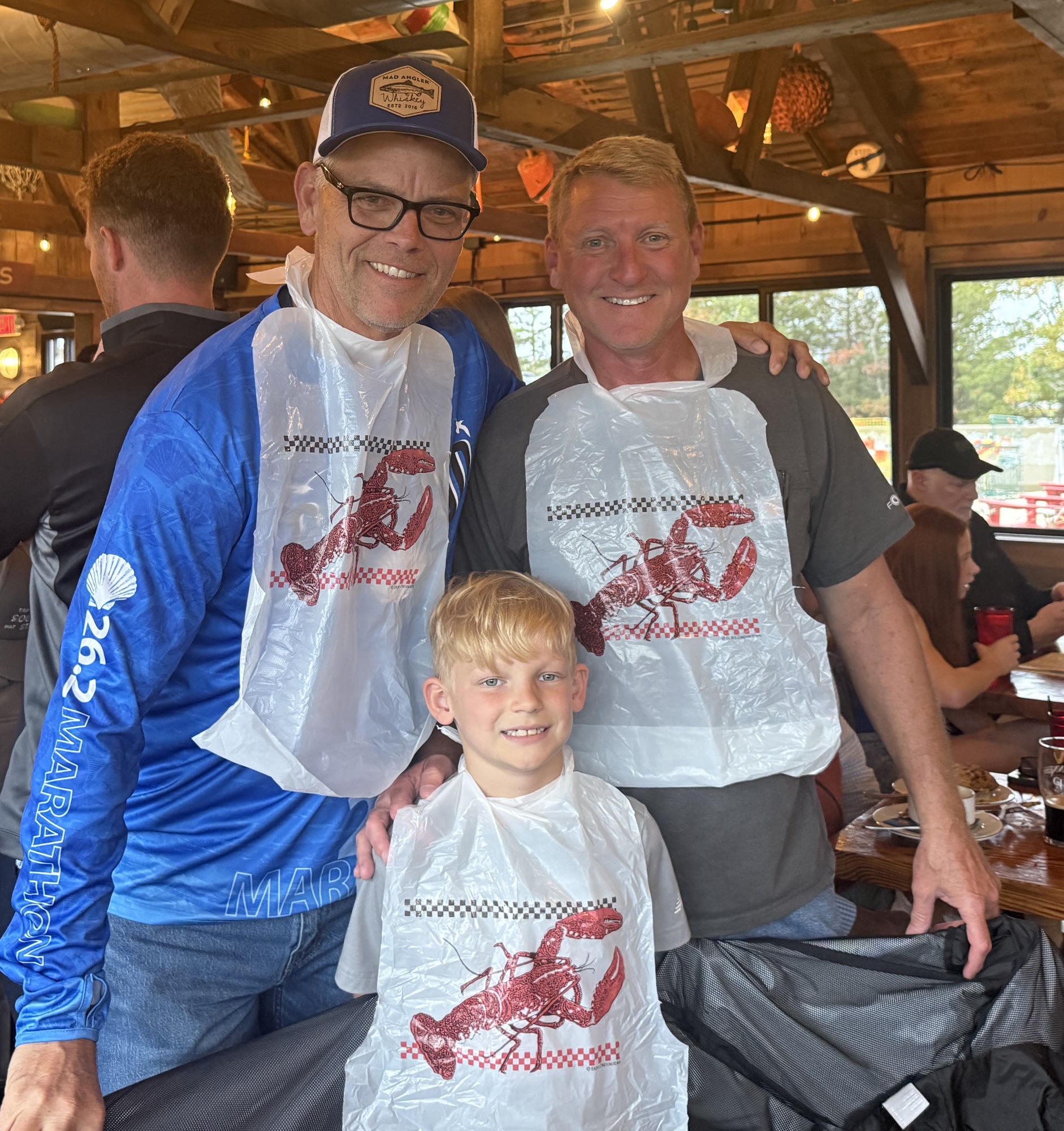
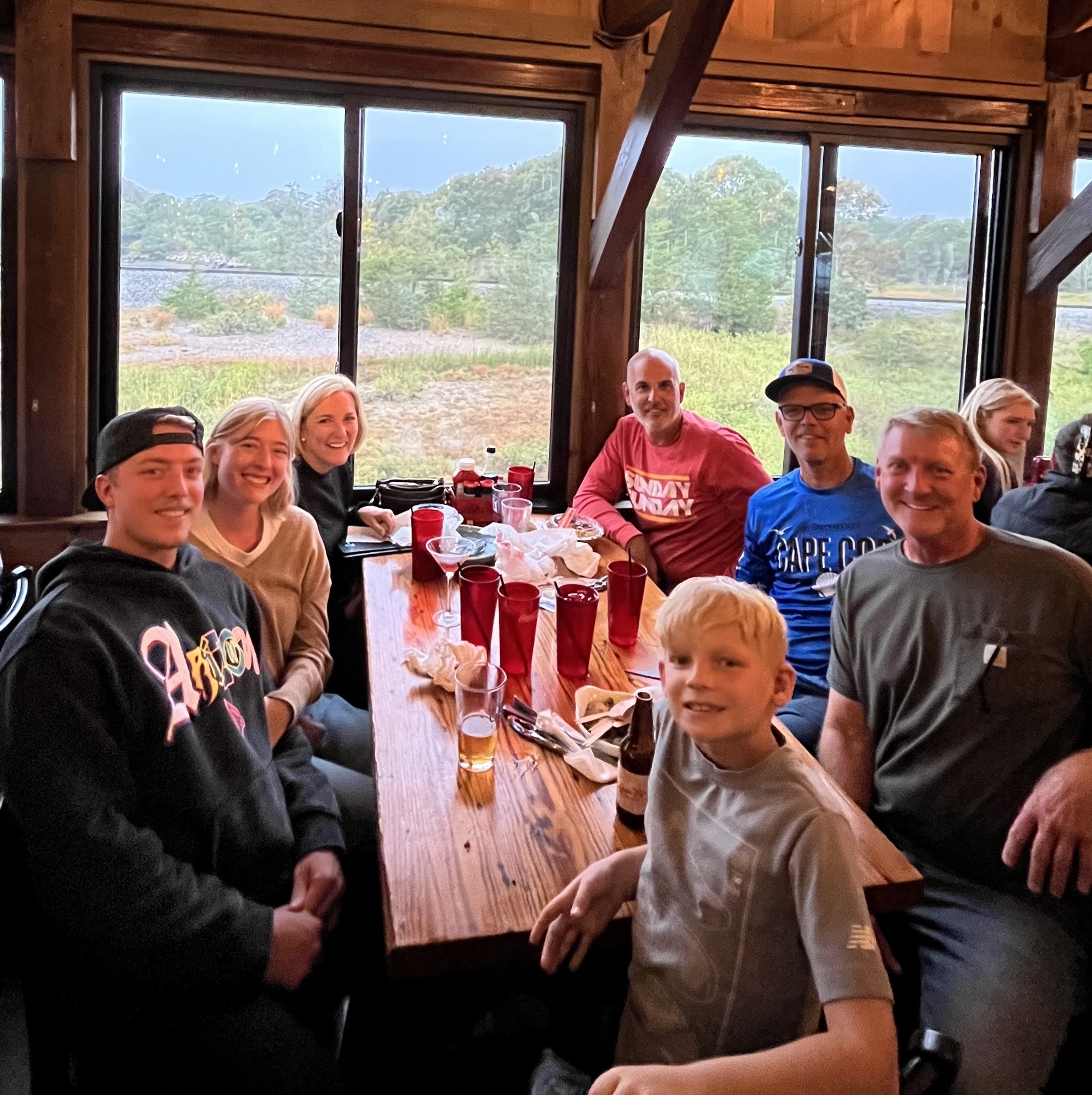
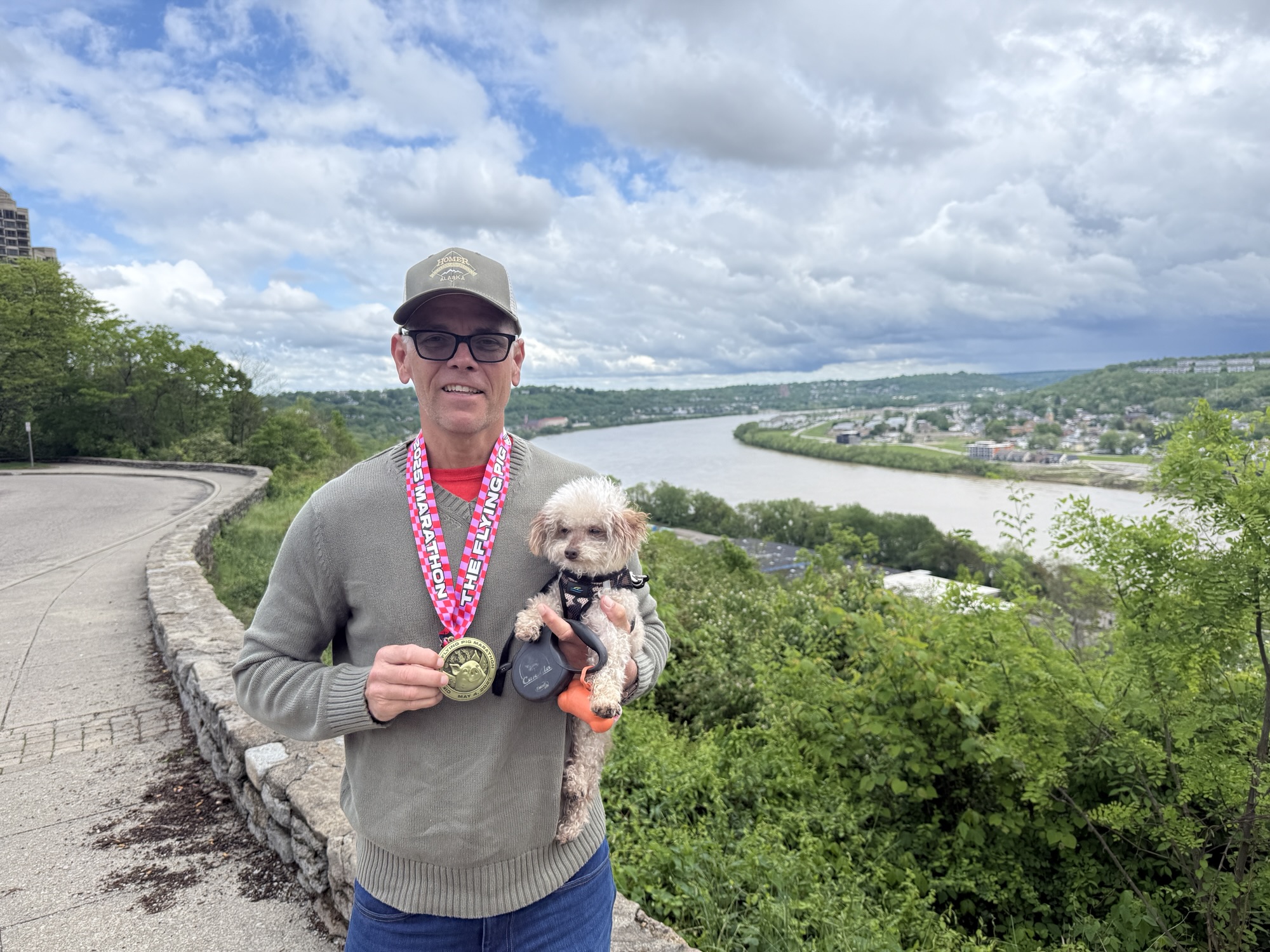
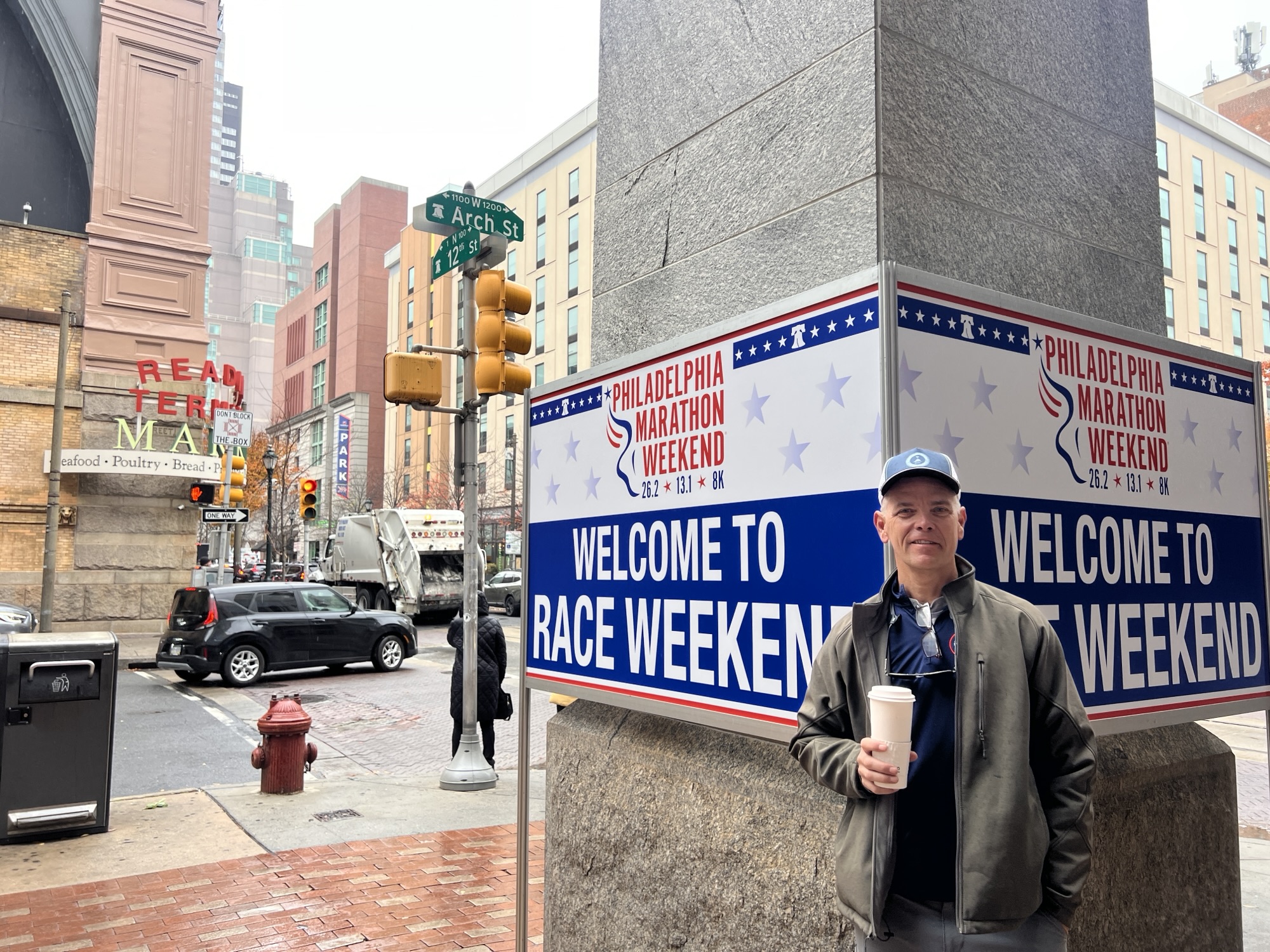
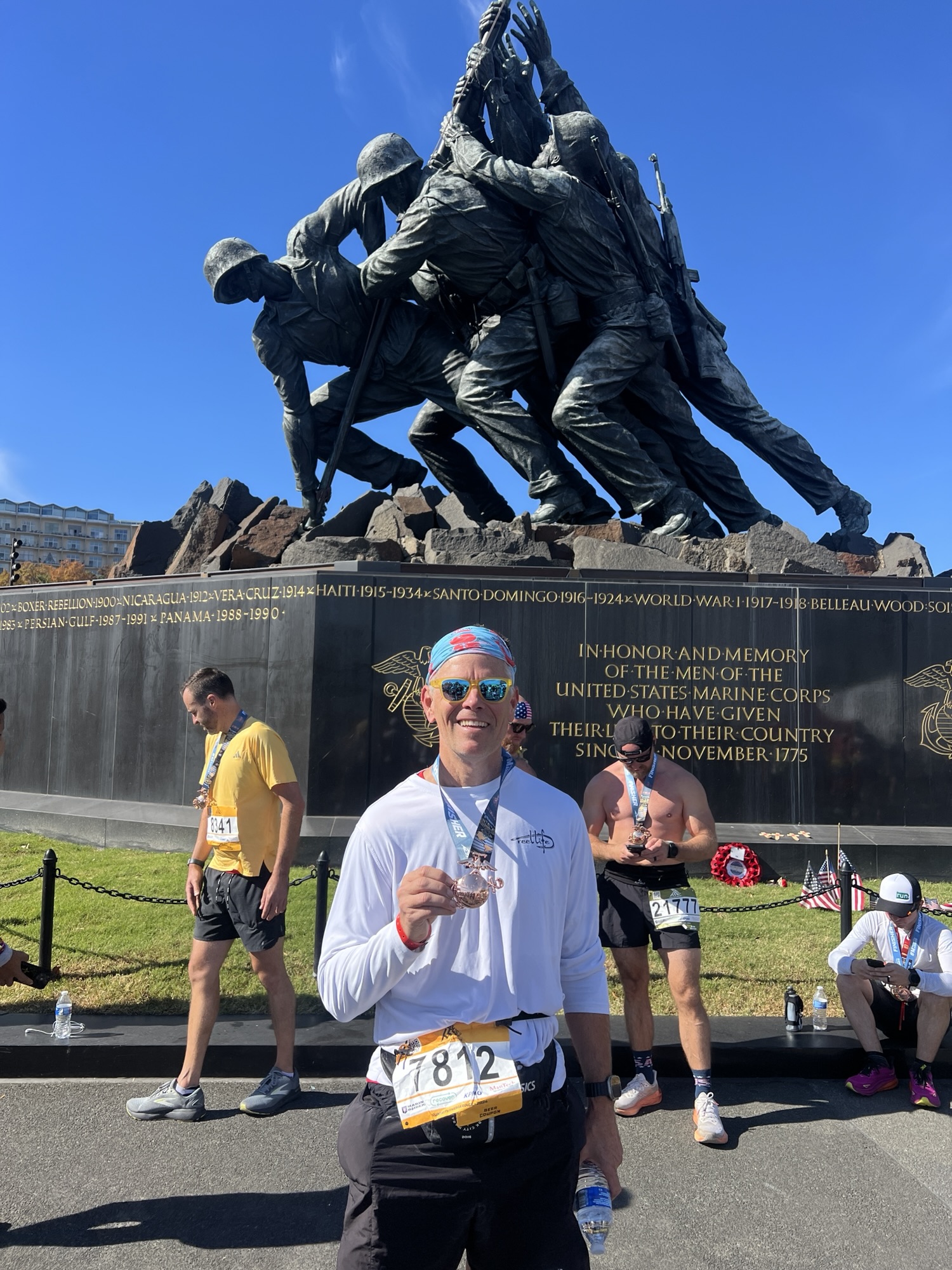
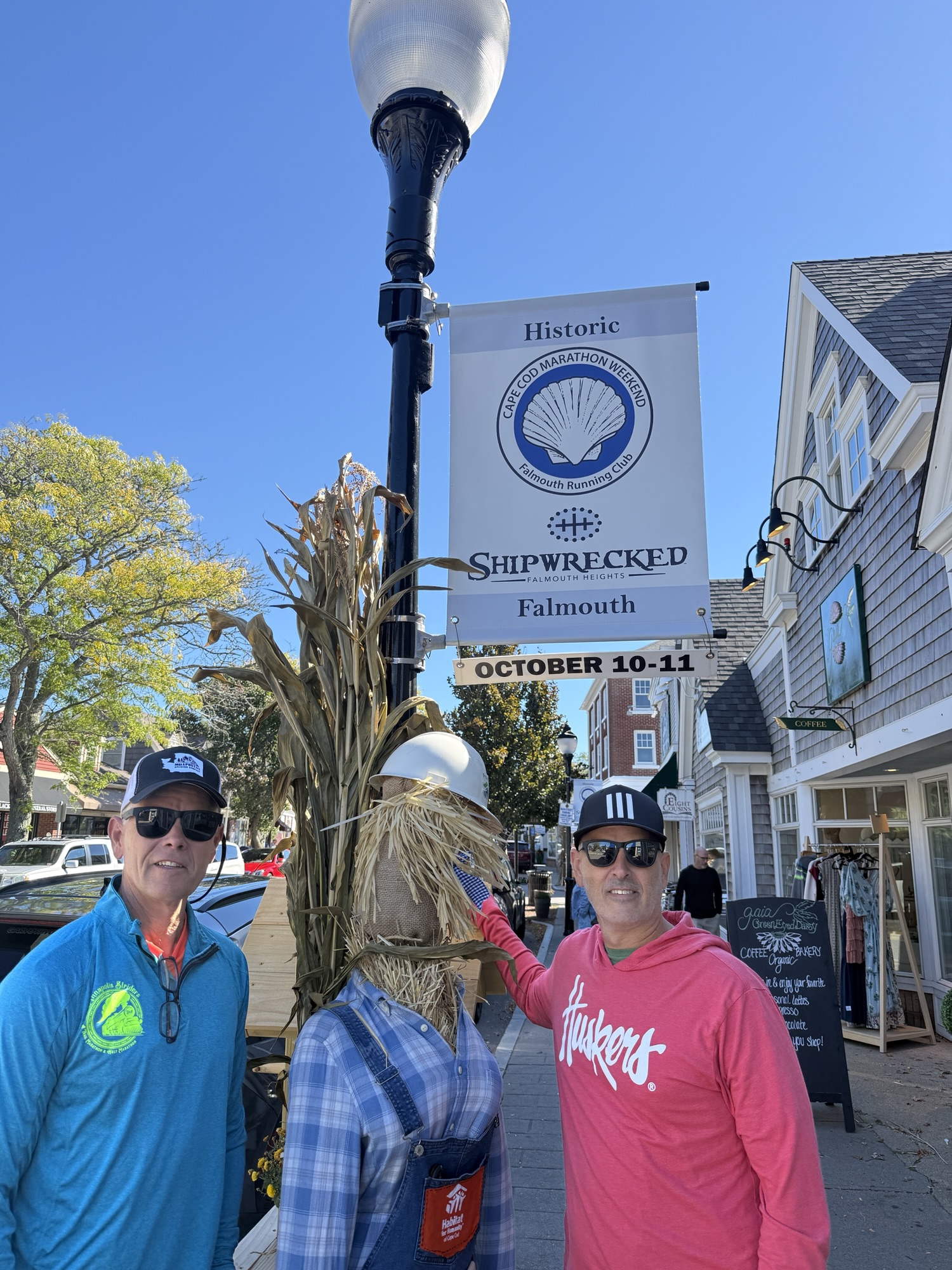
Steve finished his 50th 26.2 mile race in Cape Cod, Massachusetts on October 11, 2026. We celebrated with Gary, Mitch, Lauren, Caleb, and Will with a lobster dinner and plenty of toasts to our Superman. 
We’ve polled friends as to what the next challenge should be. Steve doesn’t have any plans to continue racing but he is considering his options . His favorite idea so far is “visit a distillery in every state.”  Time will tell what’s next for our runner. 

Along the way, people have asked a lot of questions about this venture. Here are Steve’s response to the most frequently asked questions:

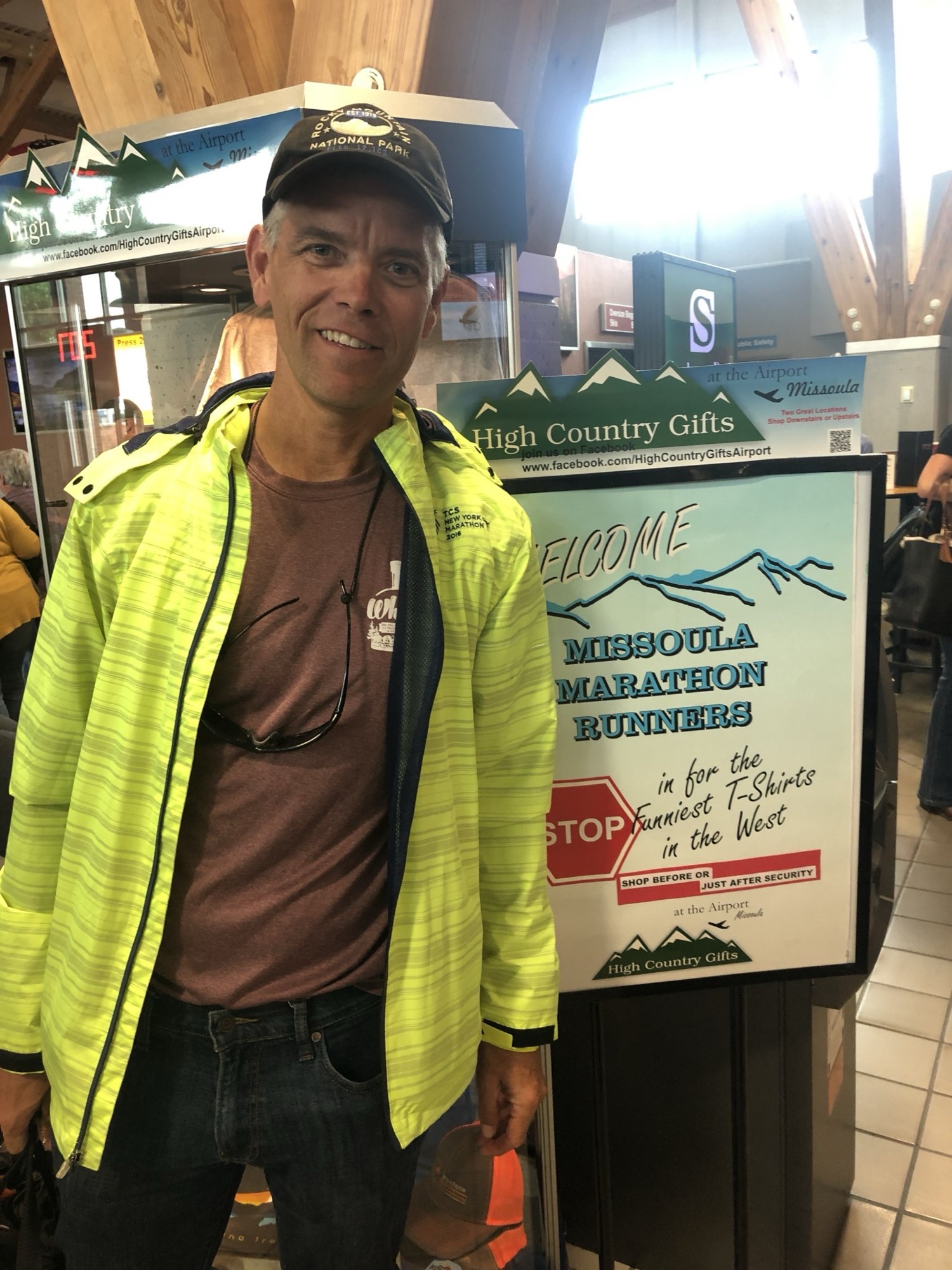
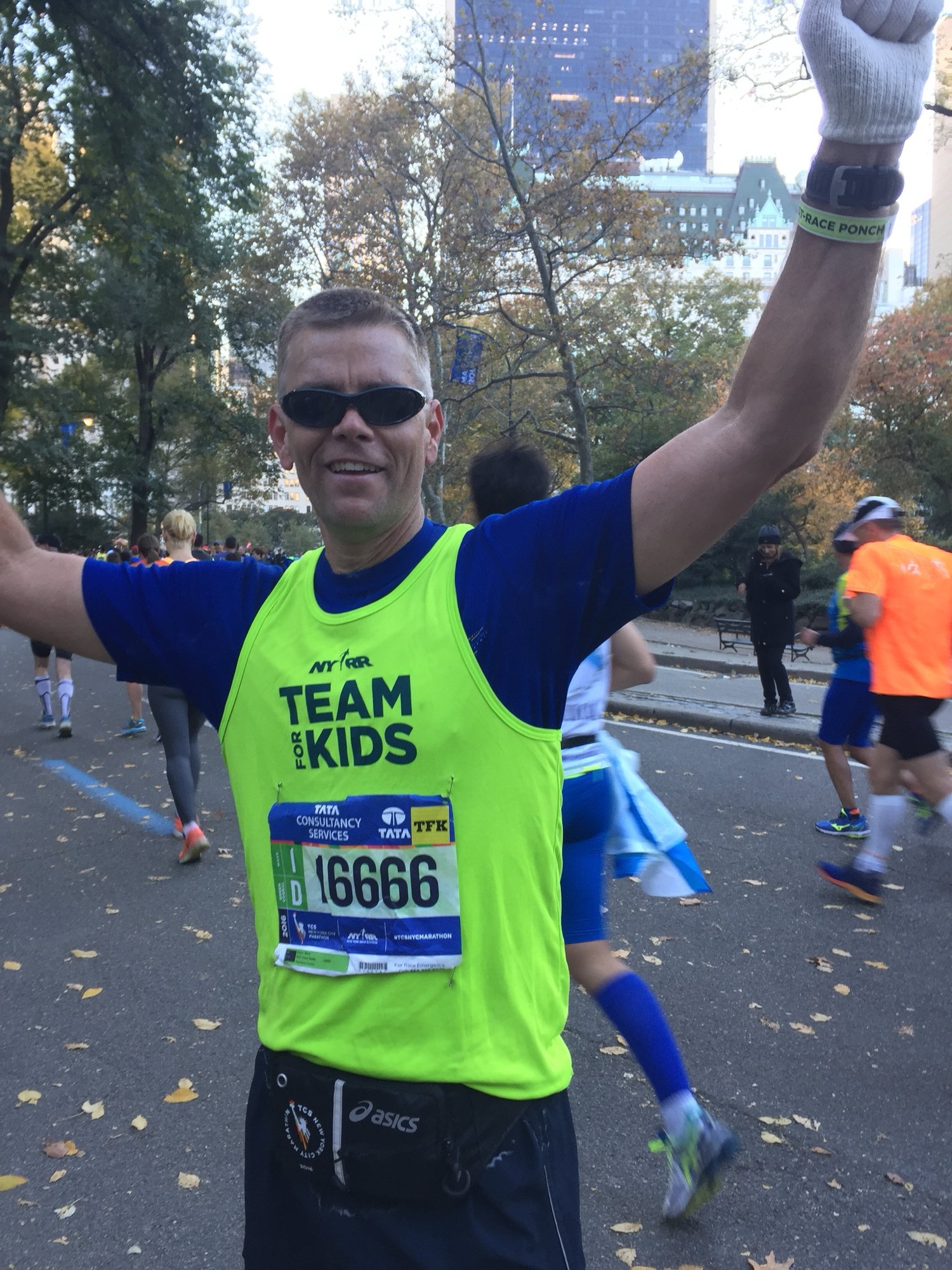
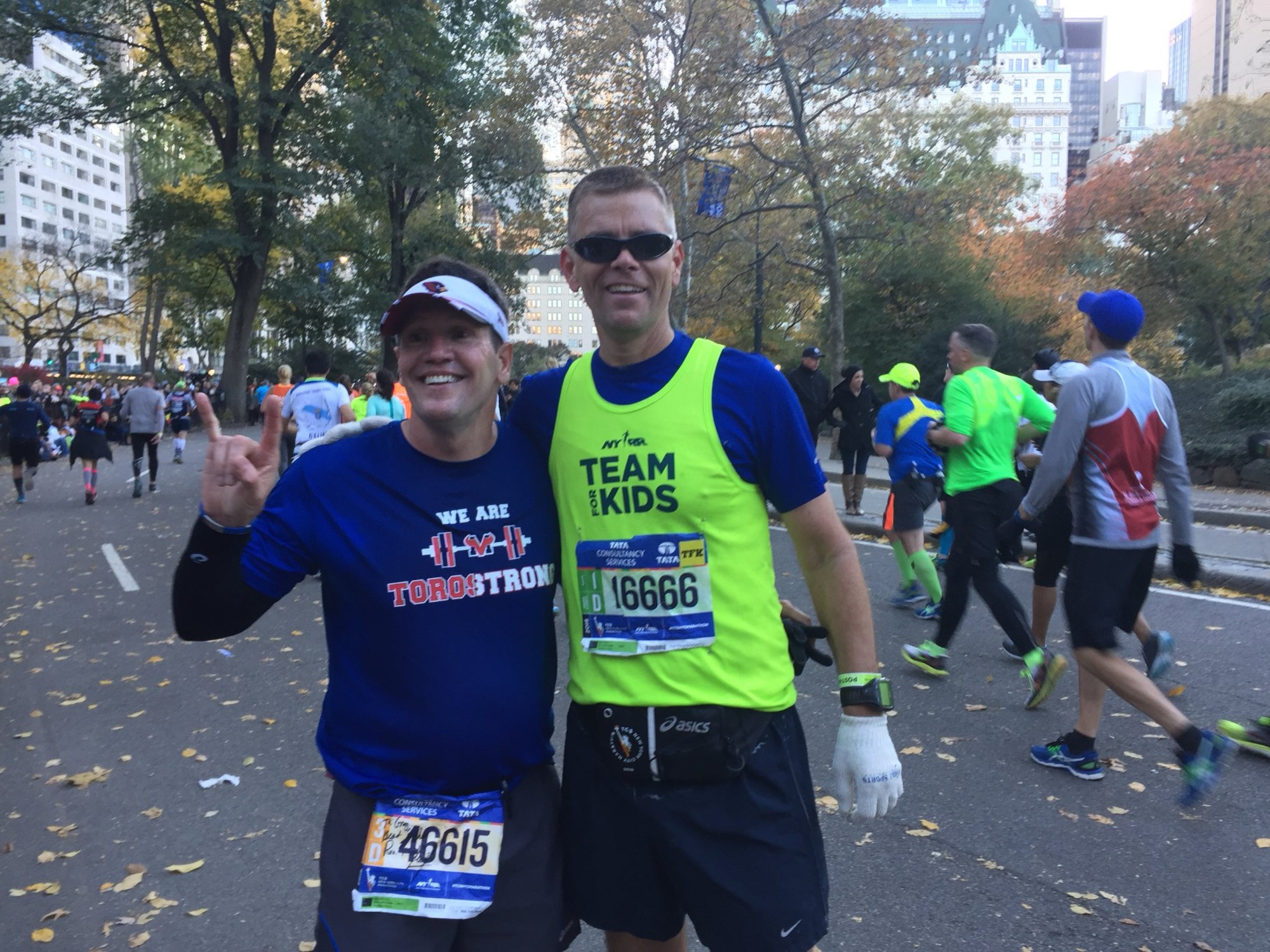
What was your favorite race? They are all unique but the New York Marathon, with over 50,000 participants and millions of spectators along the route, stands out as one of the most memorable. Fellow high school principal Greg Milbrandt joined Steve for this epic race.
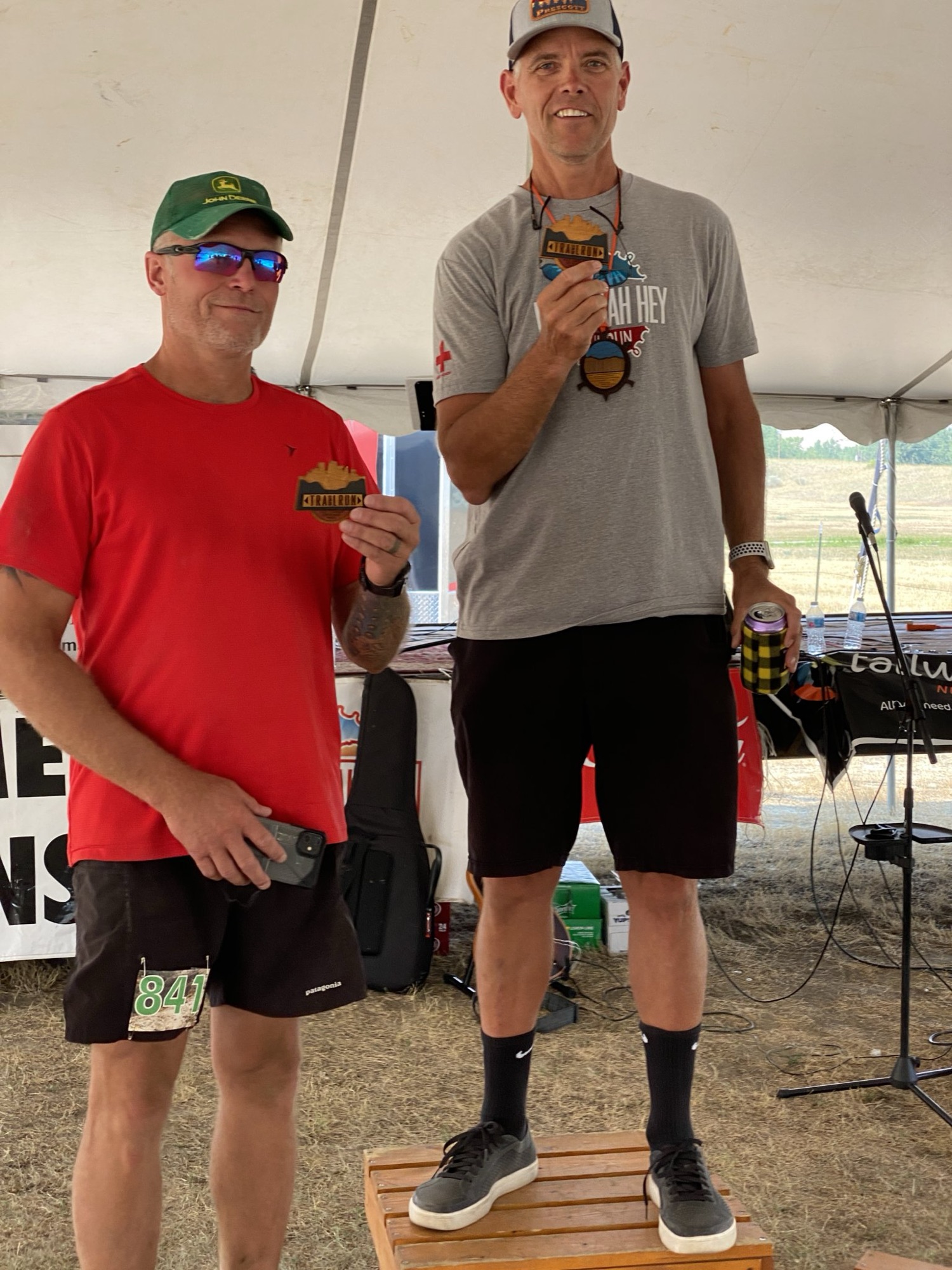
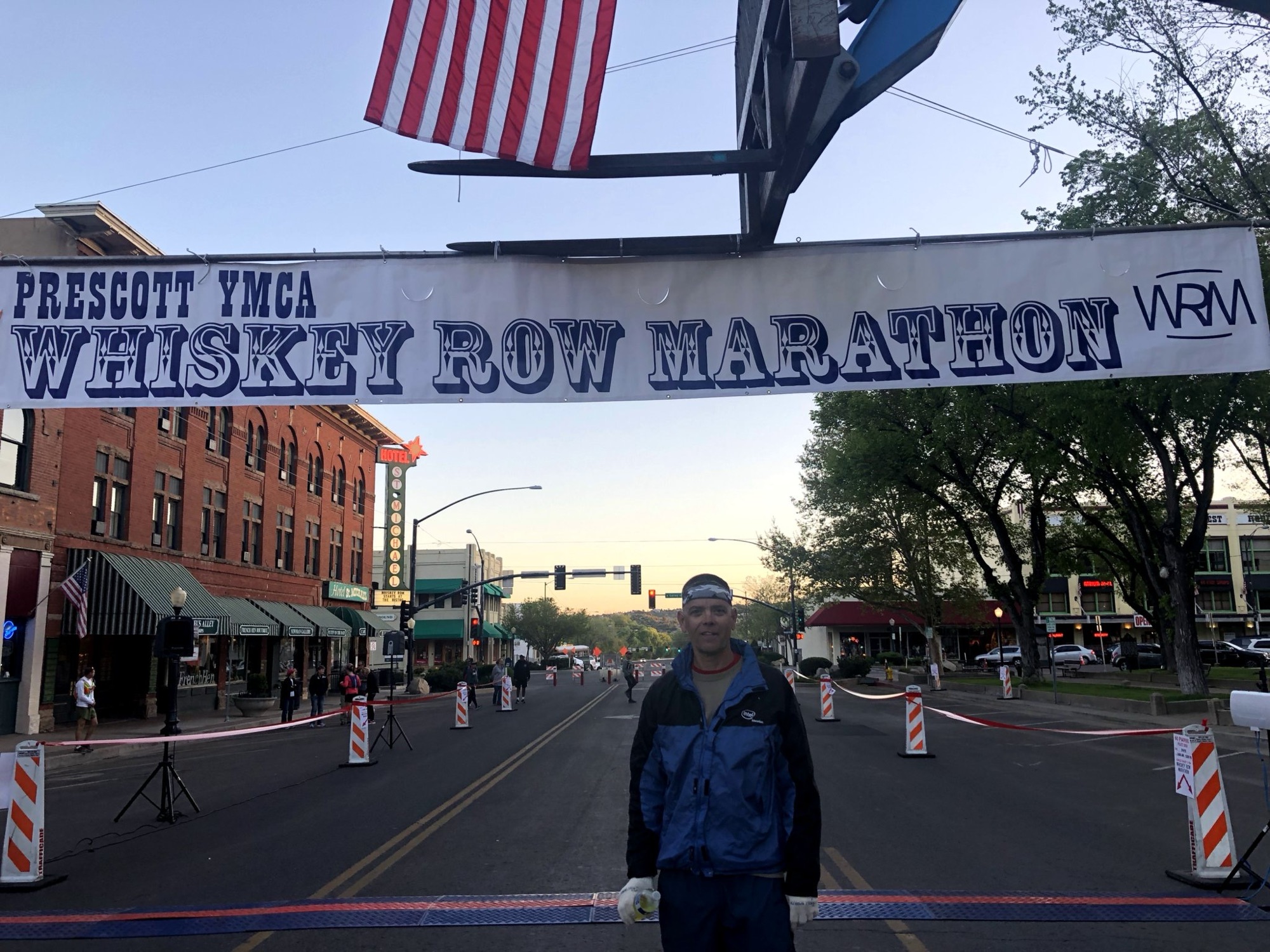
What was the hardest race Right in our backyard, the Whiskey Row marathon was one of the most challenging. It has over 3,000 feet of climbing at elevations of 5,200 to over 7,000 feet. Steve has finished this race twice.
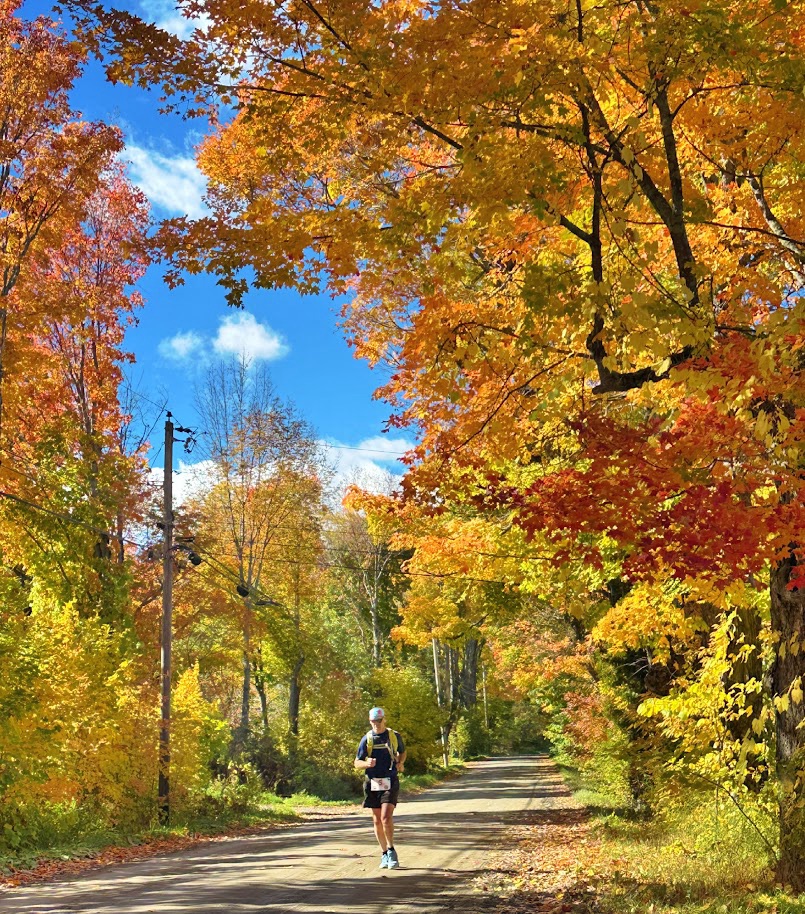
What was the most beautiful course? The Fly to Pie Marathon in Vermont’s Northeast Kingdom, run during peak leaf change season, couldn’t be beat. 
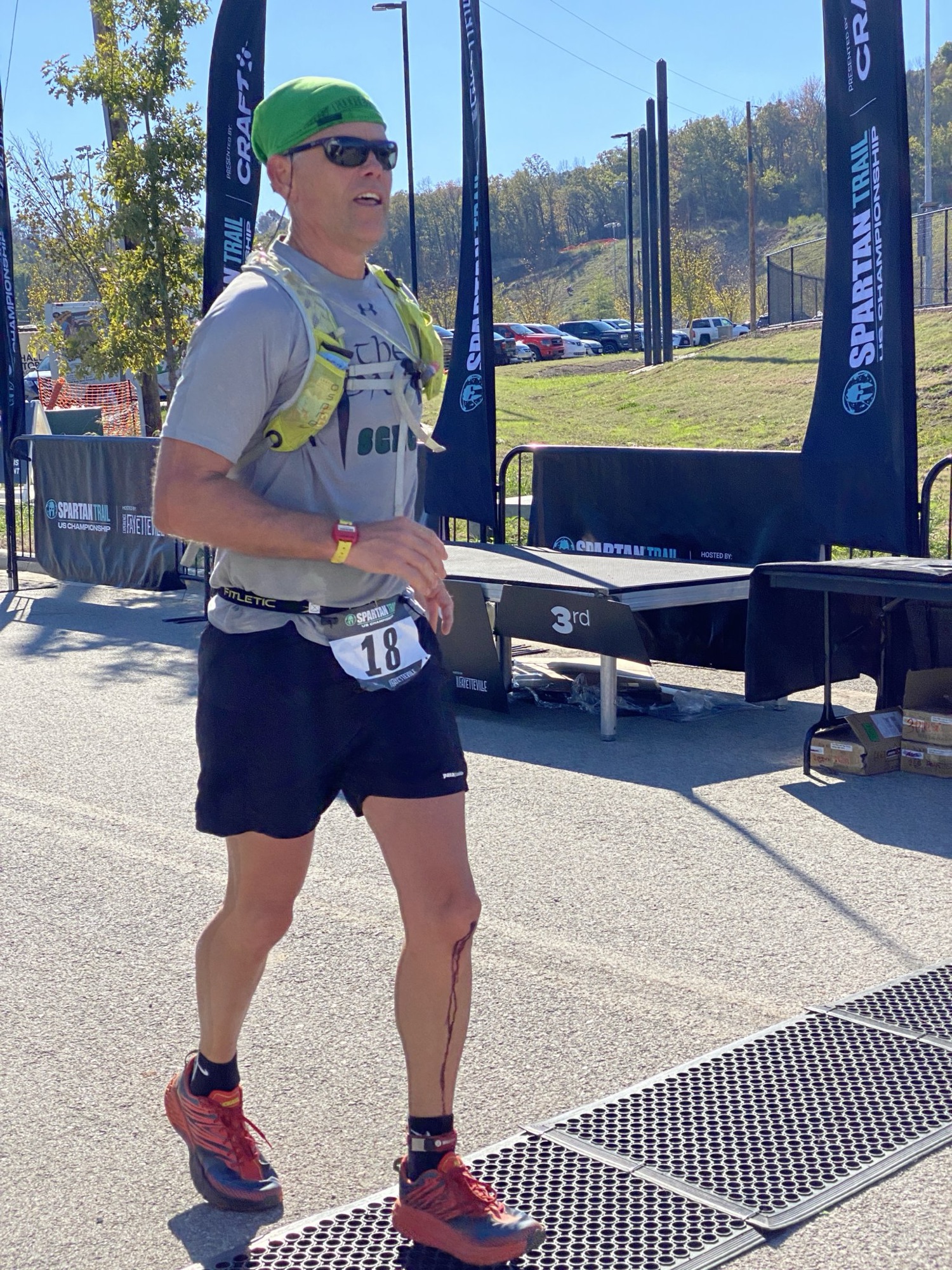
Were they all 26.2 miles? Actually, Steve’s rule was that the race had to be 26.2 miles or more. Three of the races he completed, Arkansas, North Dakota, and Oklahoma, were considered ultra-marathons, over 26.2 miles each. 
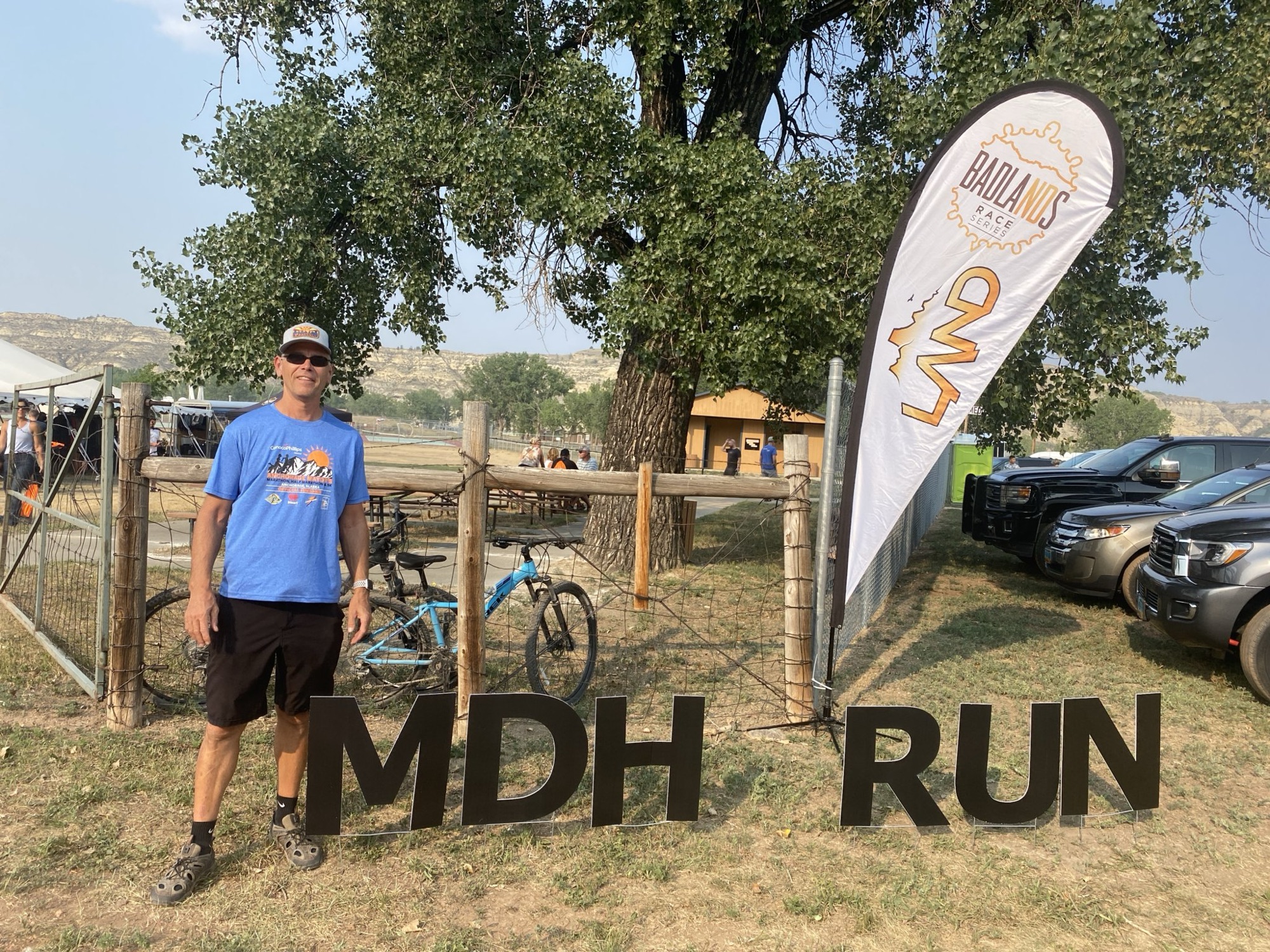
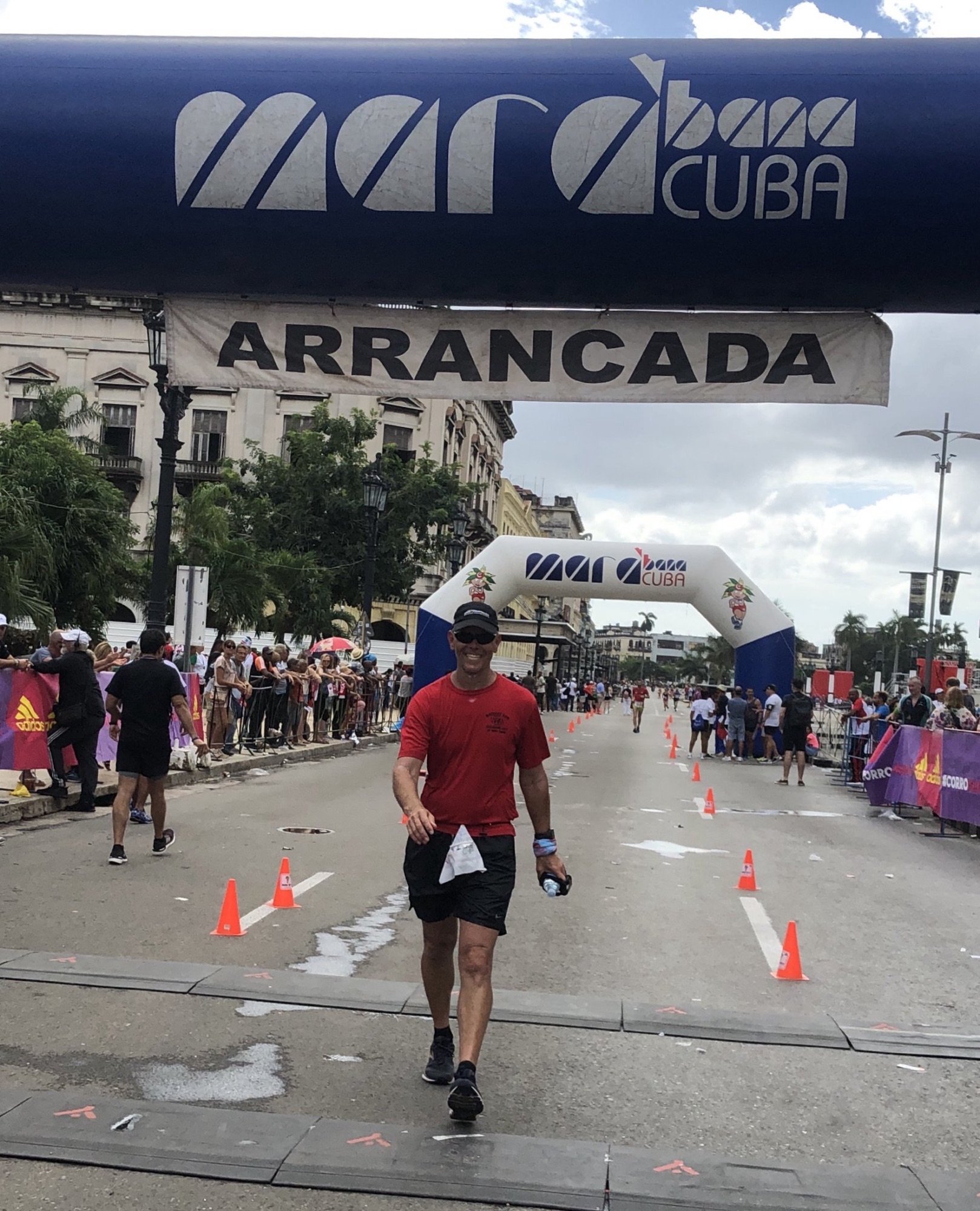
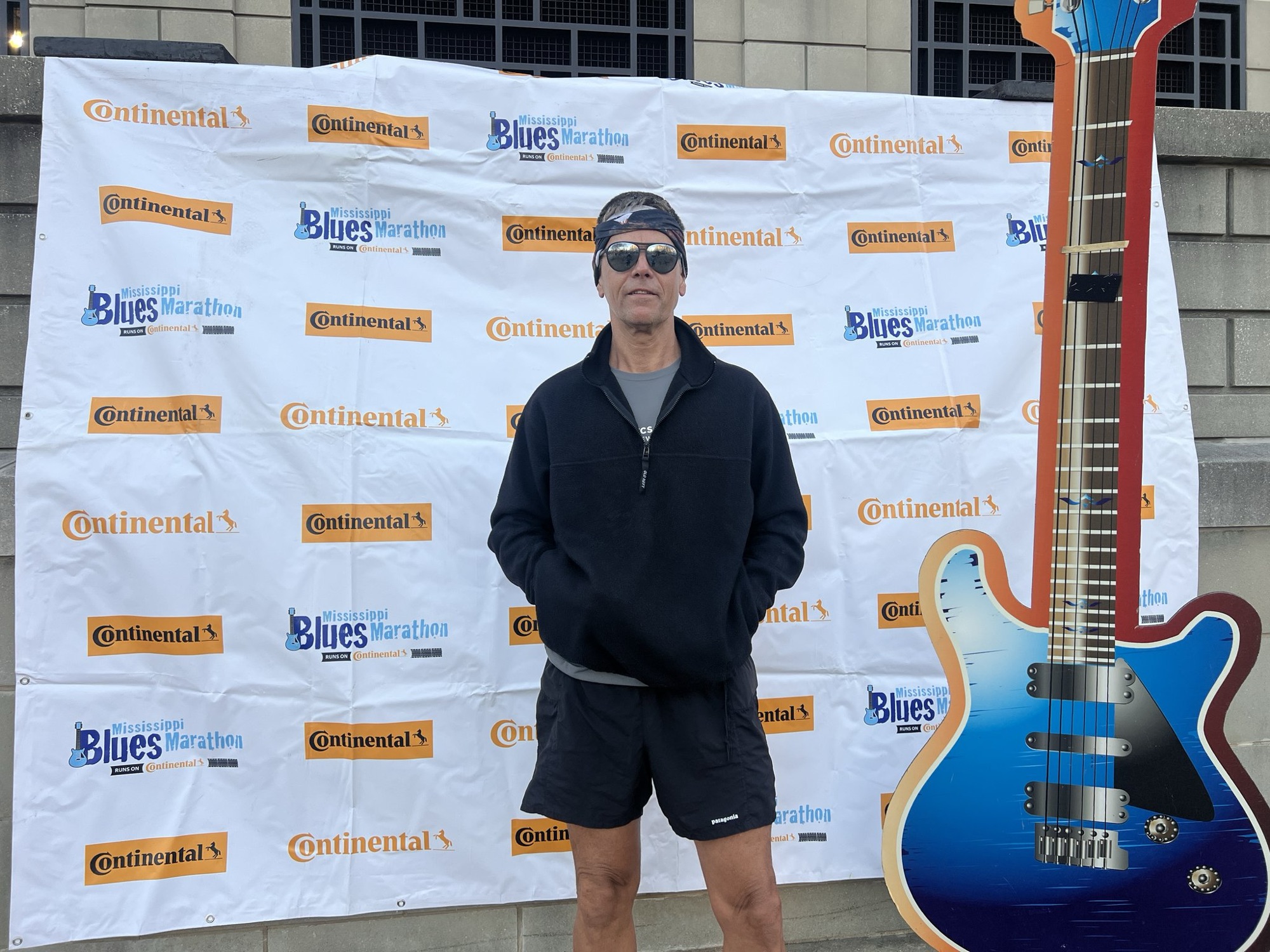
You’ve really run 50 marathons? Well, he’s really run over 60 marathons. Those extras include multiple Arizona and Nebraska races, three international marathons (Greece, Iceland, and Cuba), and two races where he did not finish. 
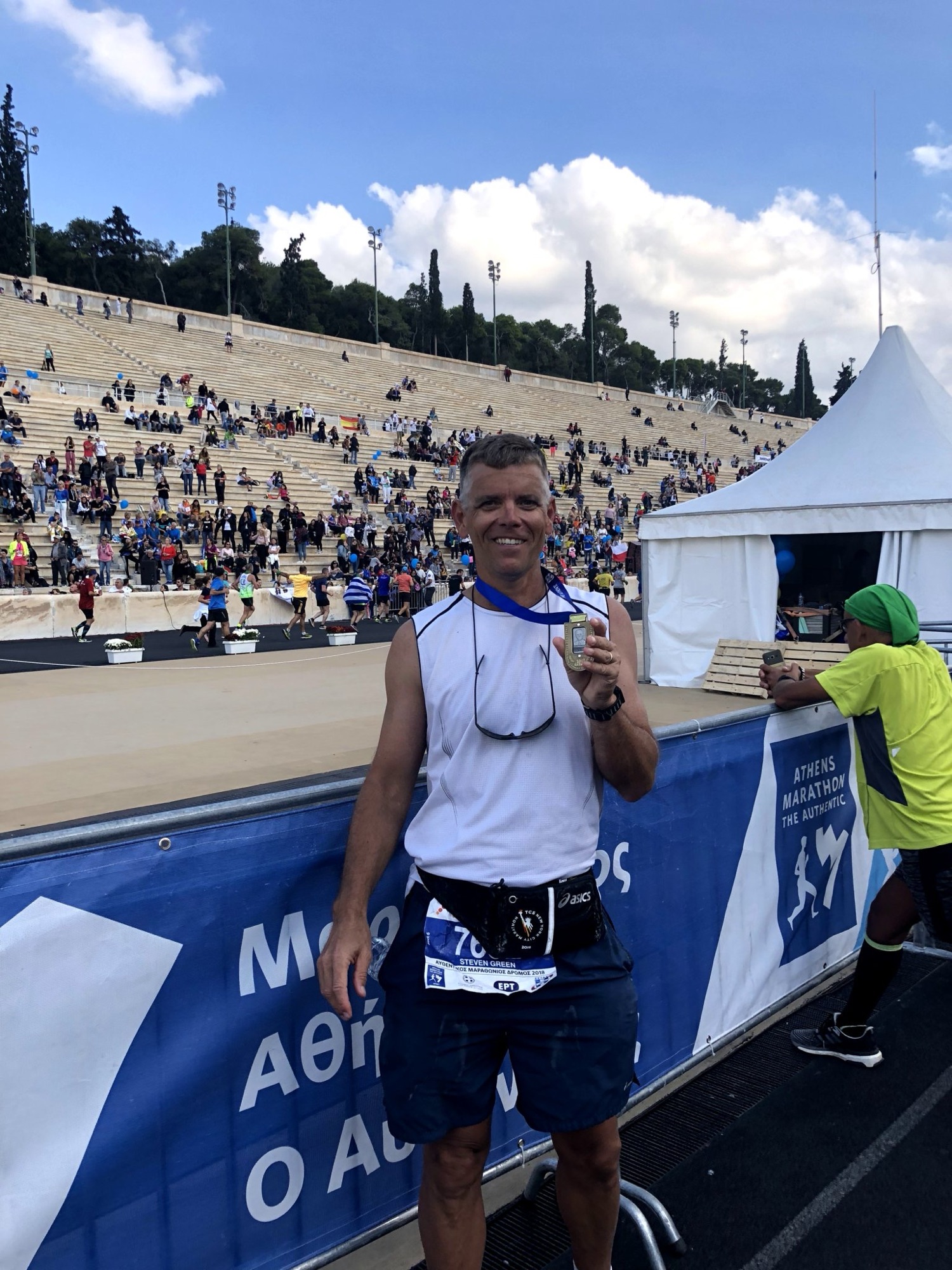
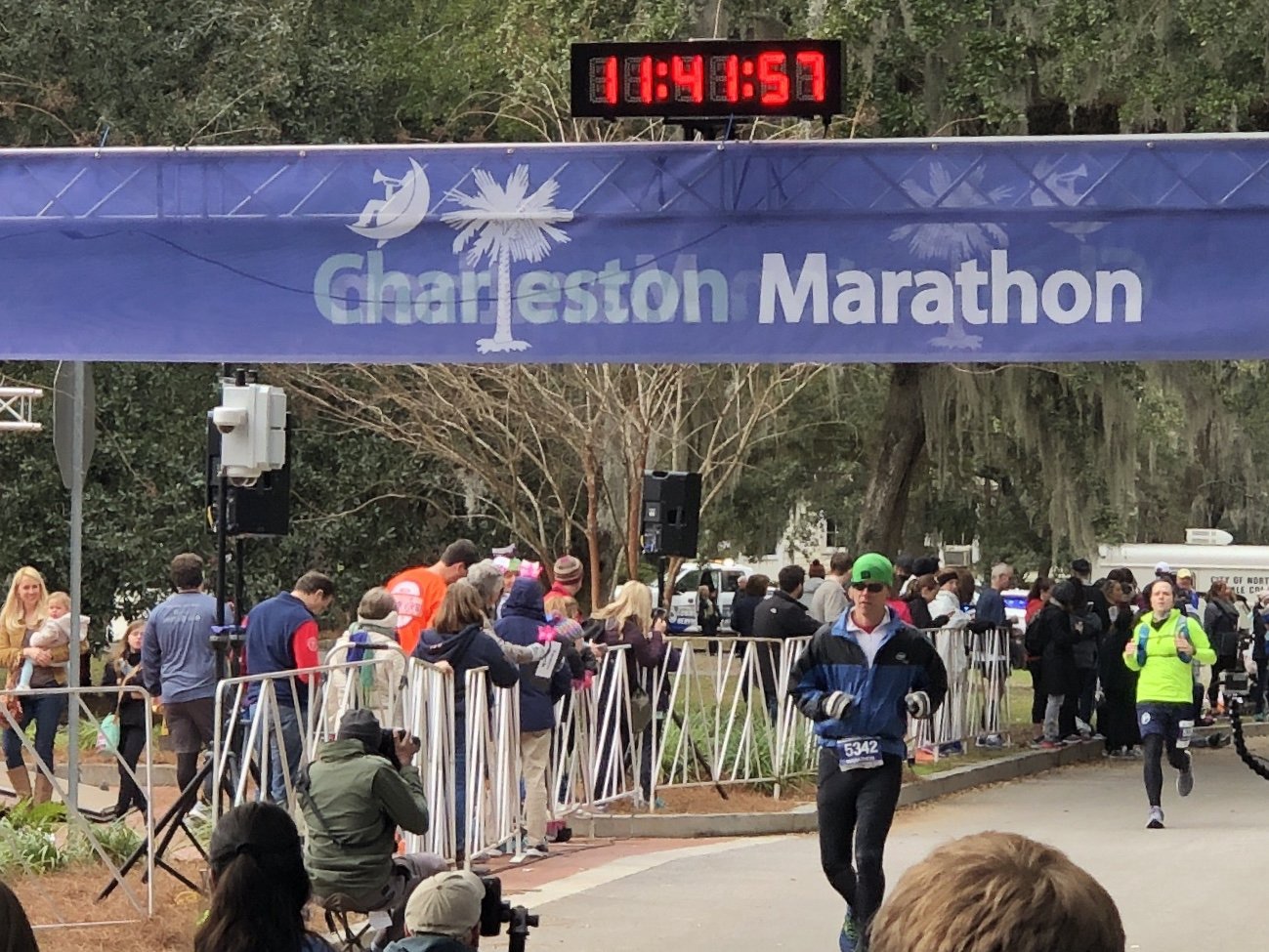
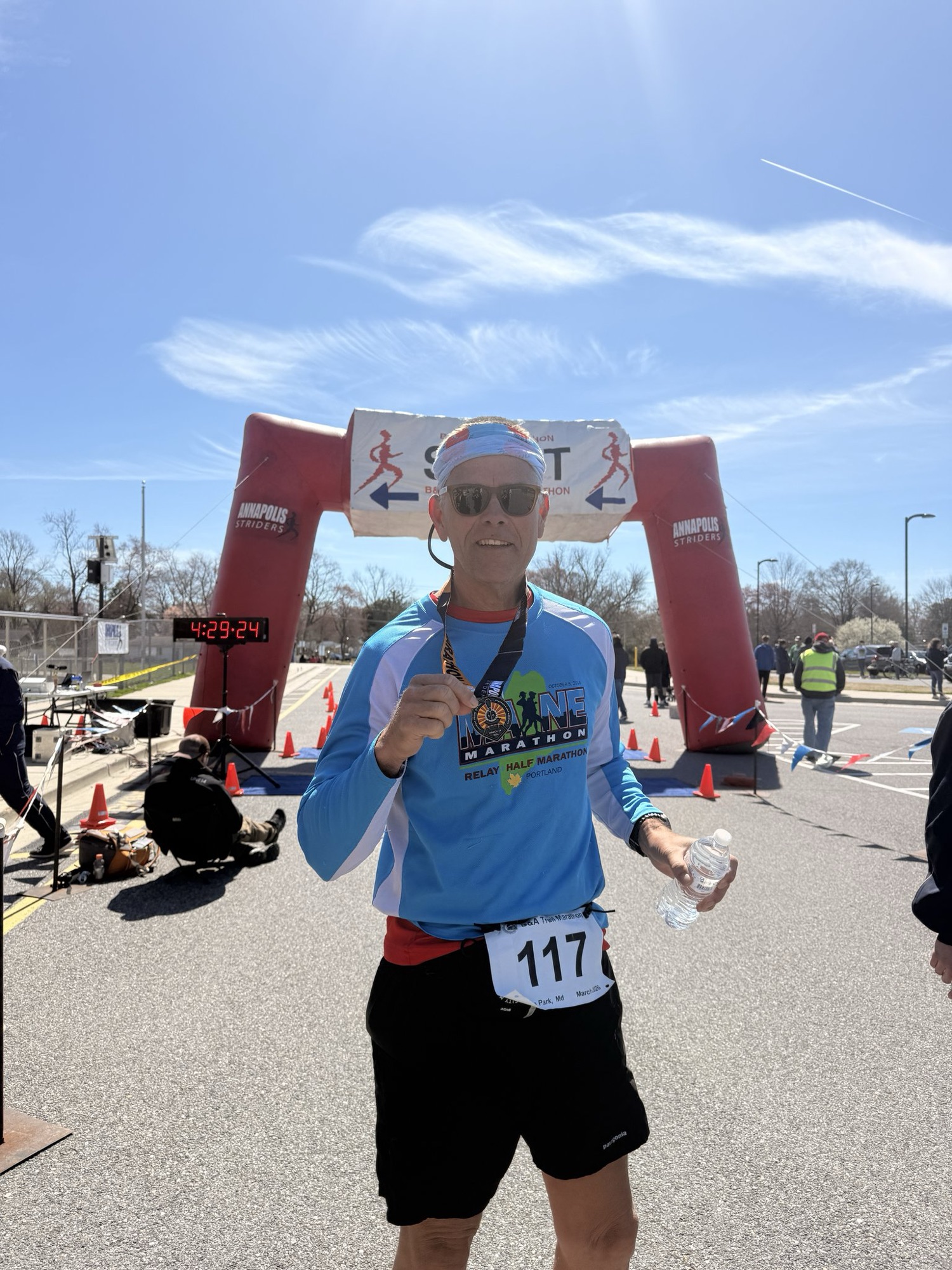
We have many race-related photos and will post many of them below, mostly so we can remember each experience more clearly. Steve says thanks to all the people who showed up to support him, who checked in when he struggled through injuries, and who cheered him on via Facebook. The accomplishment is even more sweet sharing it with all of you. 
Molokai

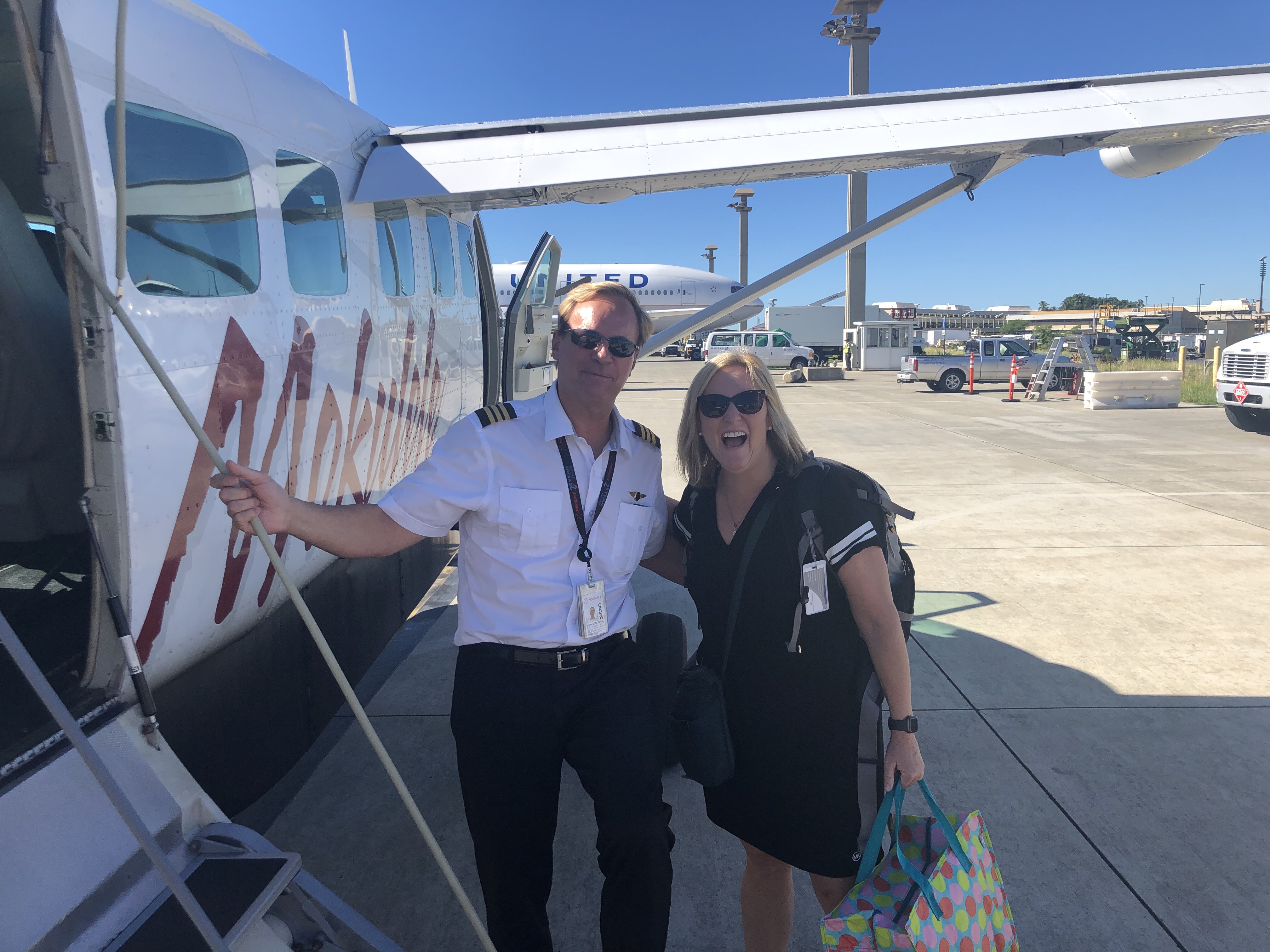
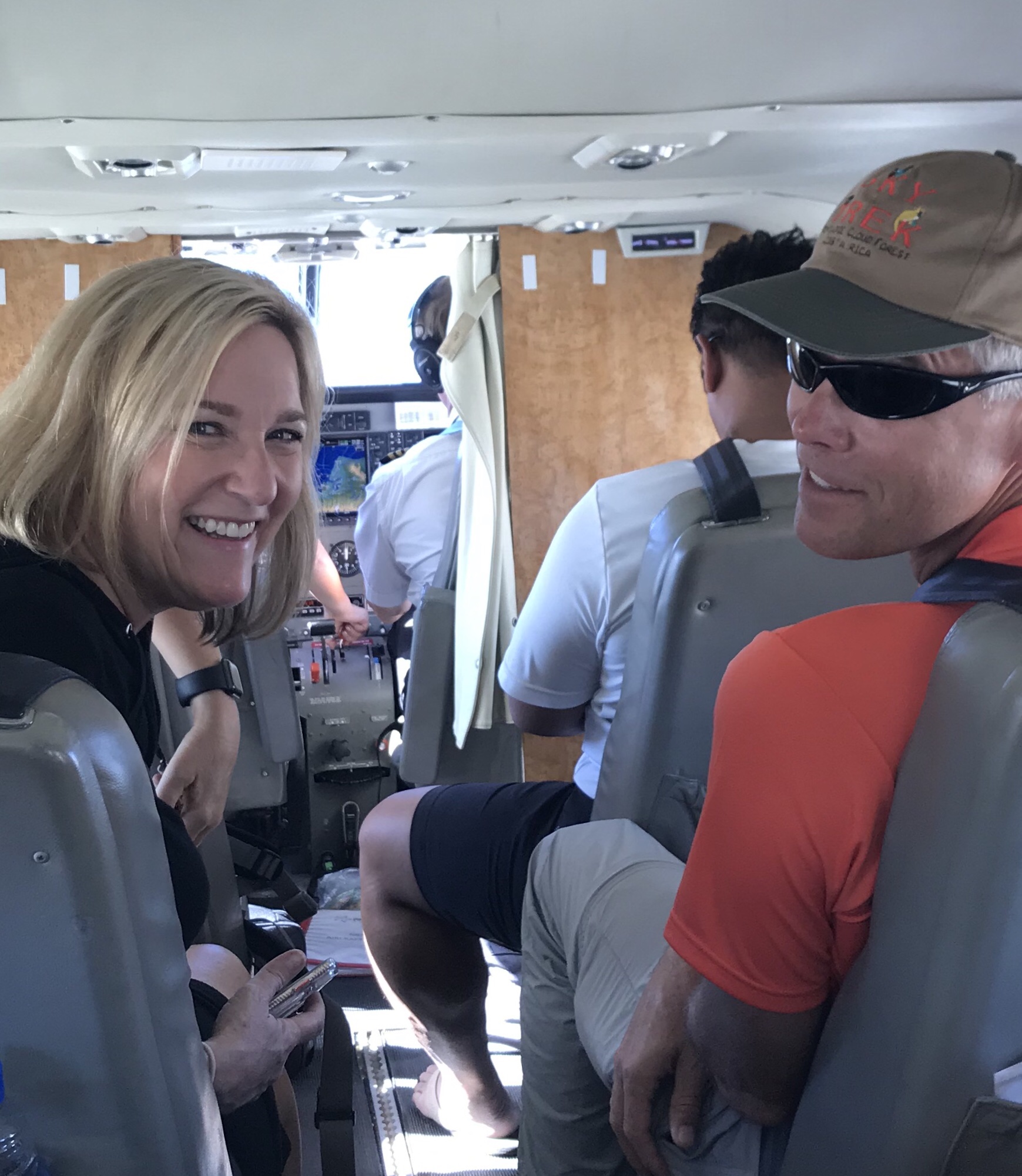
Every island in the Hawaiian chain is beautiful in its own way. We’ve explored the main ones: Oahu, Kauai, Maui, and Hawaii. They all have unique qualities and highlights. Molokai is like no other. After our time in Honolulu for the marathon we flew on a very small plane to “the friendly island.”

We booked a nice condo through Airbnb on the island’s west end. Molokai is just 35 miles long and 10 miles at its widest. So, even though we were out on the far end, it didn’t take more than 15-20 minutes to get to where we needed to be.

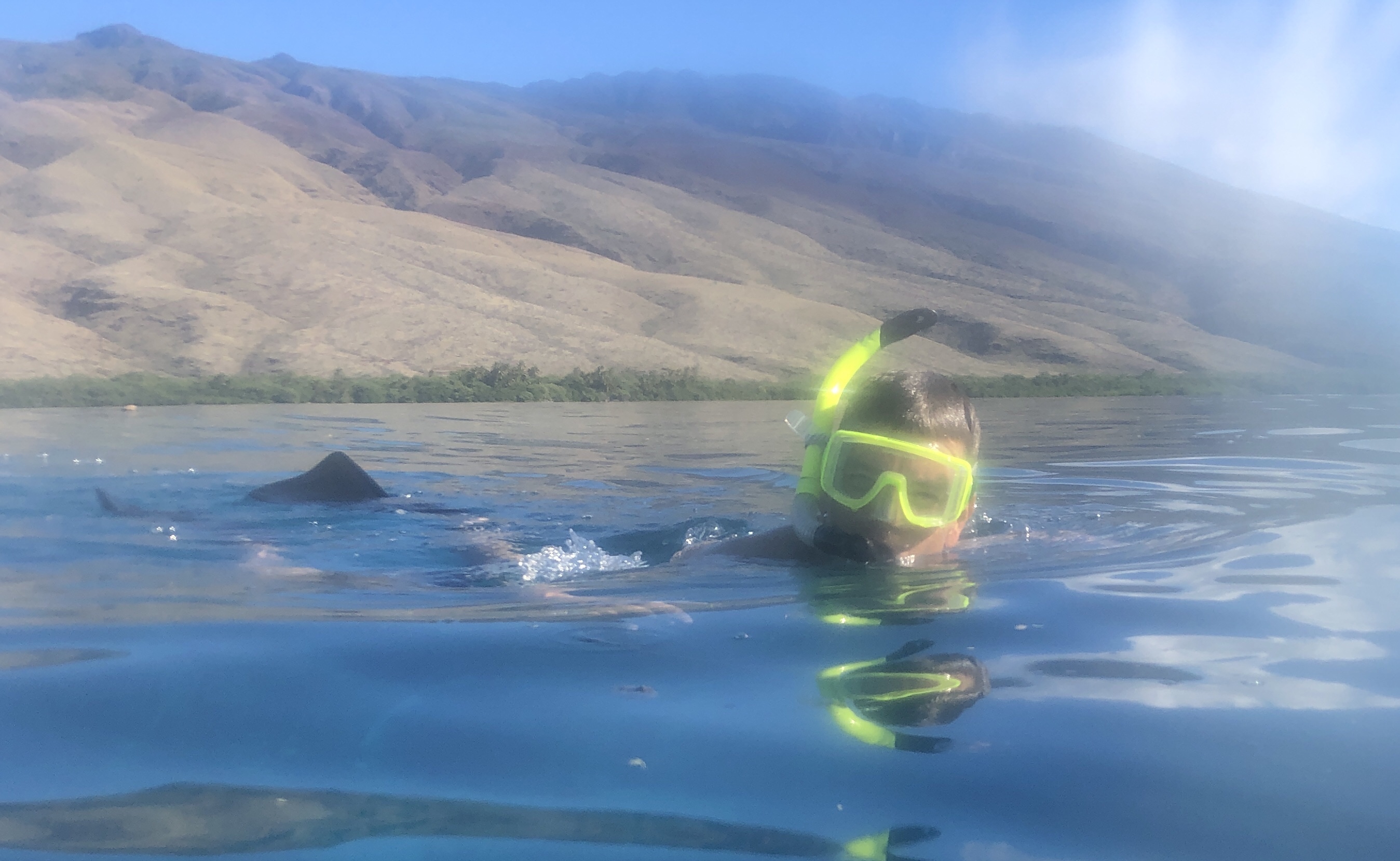
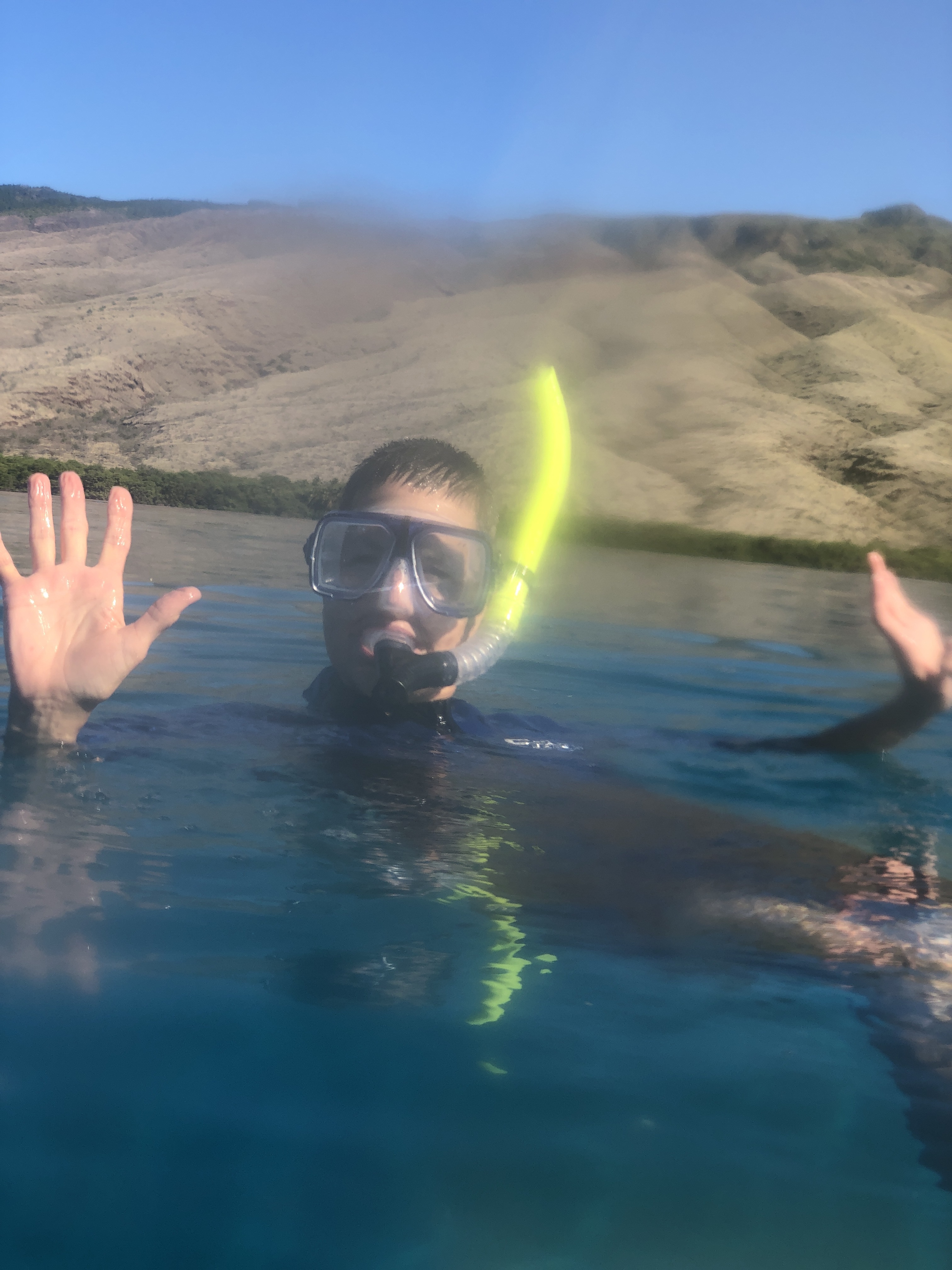
Our first big event was snorkeling on Molokai’s 30+ mile coral reef. It’s the biggest in Hawaii and there was no one there! We were the only boat on the water and we had crystal clear calm waters all to ourselves.

The underwater photos didn’t turn out but trust me, we saw LOTS of turtles, along with colorful fish and coral. Few people come to Molokai, so the snorkeling here is kind of a best kept secret.

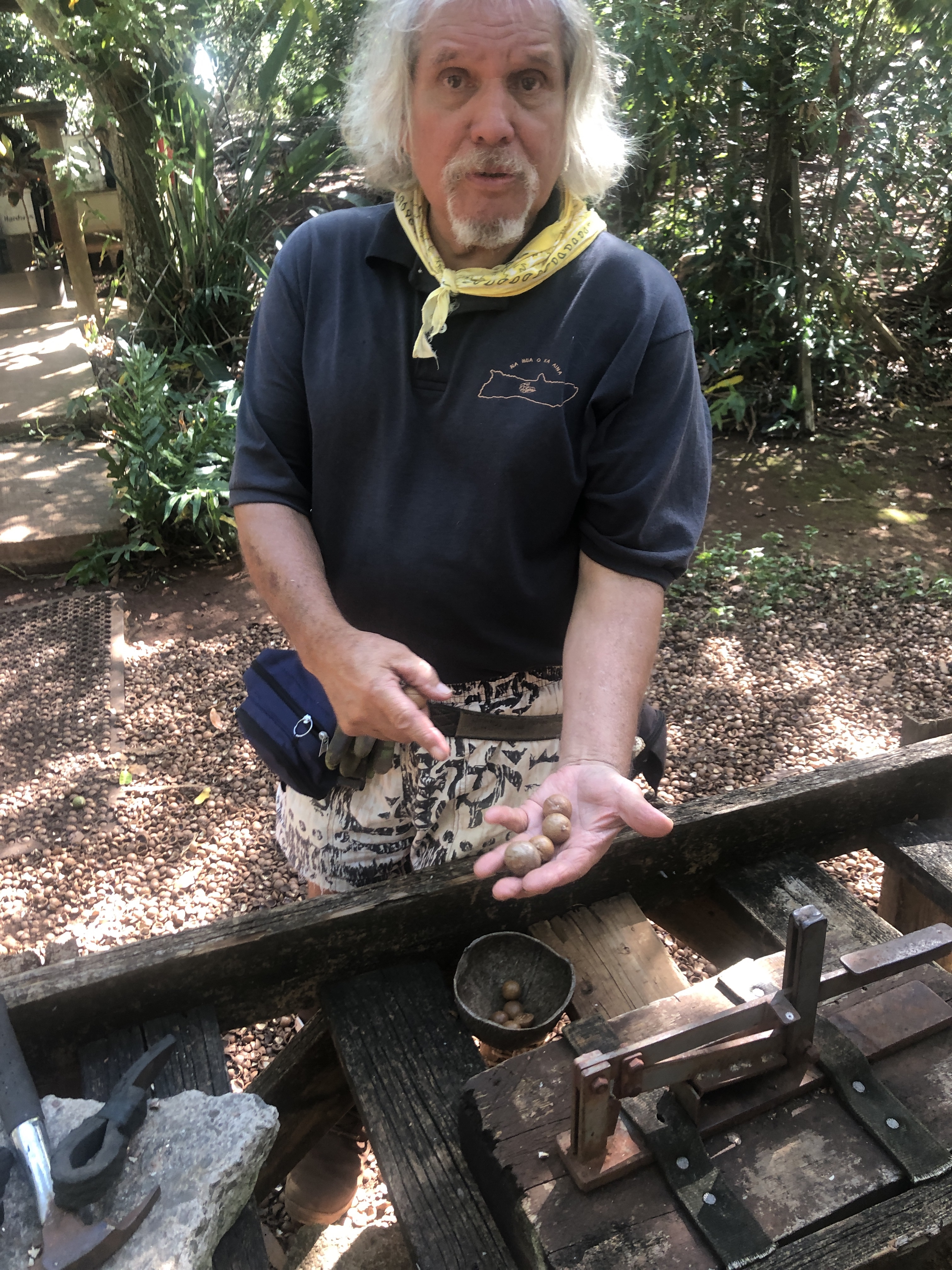
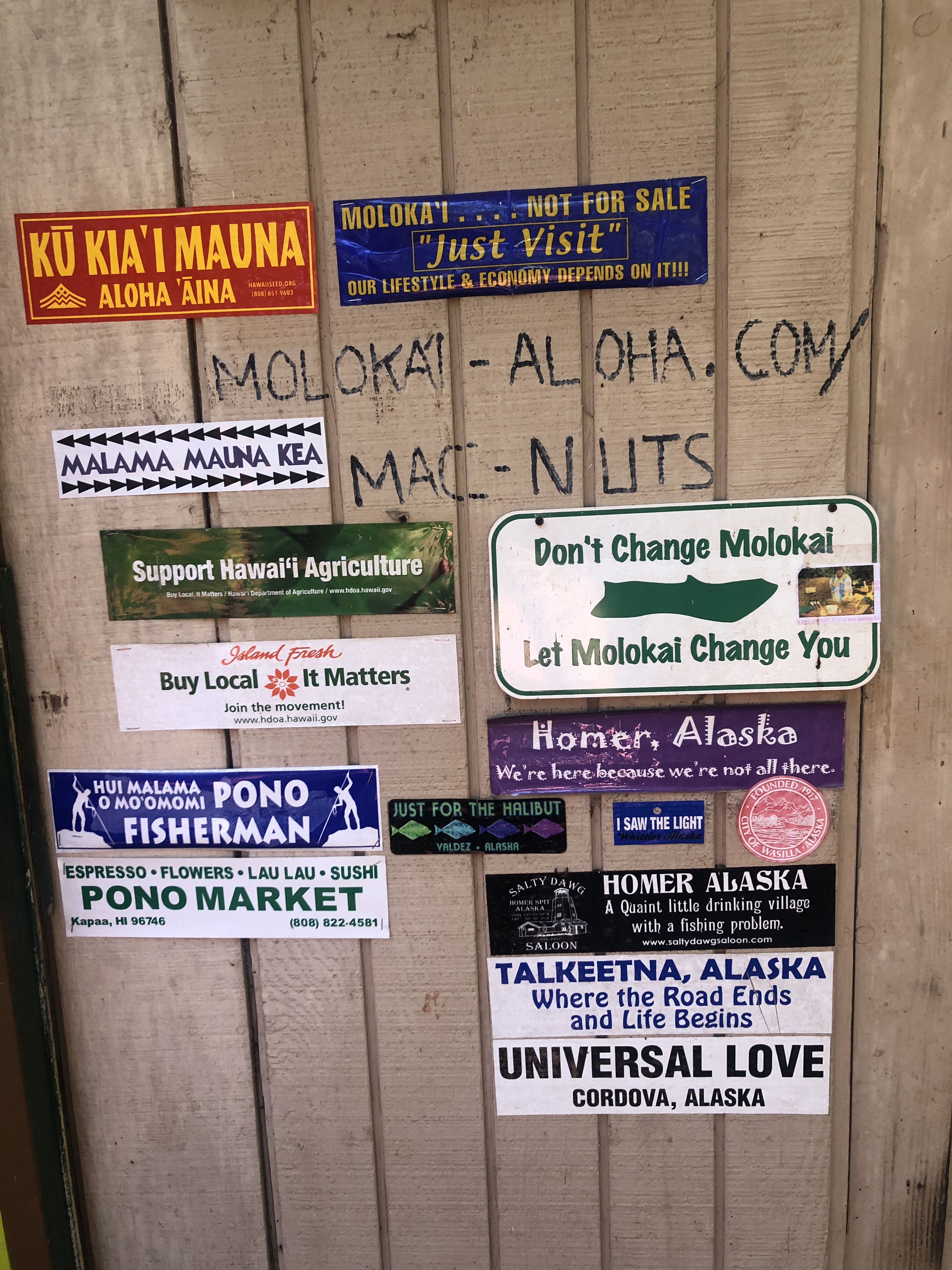
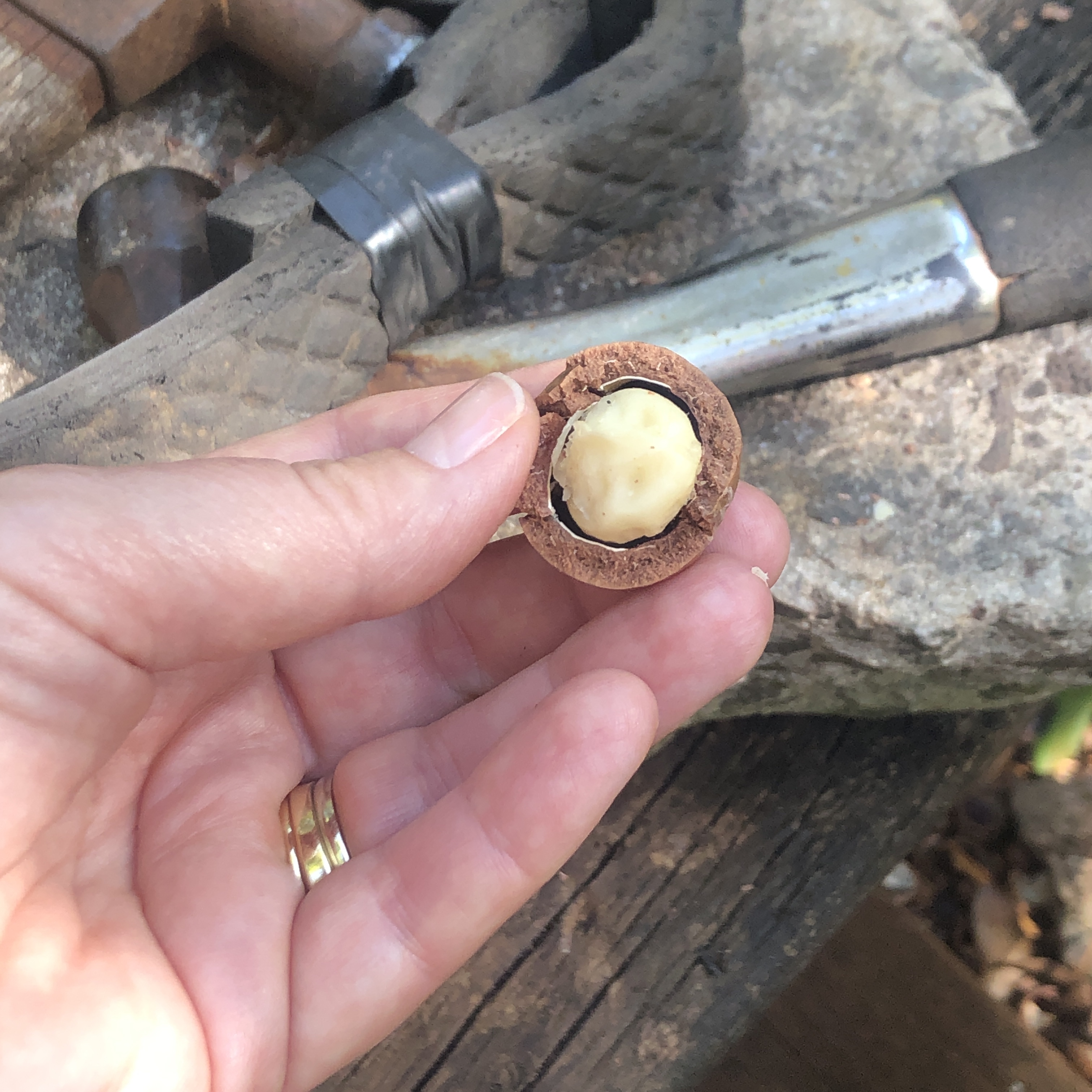
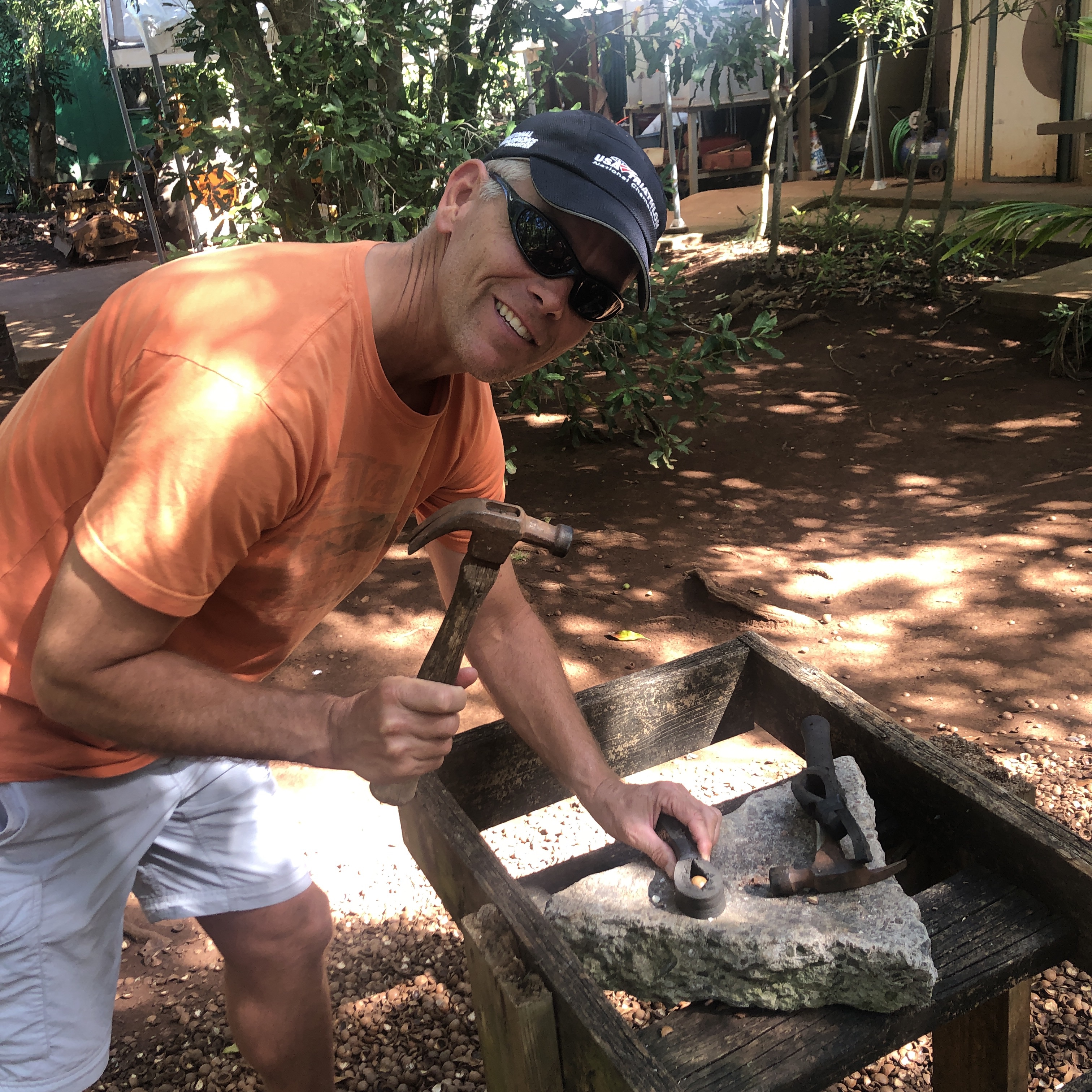
Following our water-based excursion and a fabulous lunch of fresh mahi-mahi at the local food truck we headed inland to learn about nuts. Purdy’s Natural Macadamia Nuts is the place. Here Tuddie showed us how they harvest, shell, crack, and roast the fresh nuts.

The best part was eating the raw nuts right from the shell! Yum! It was a quirky place and definitely worth a stop.

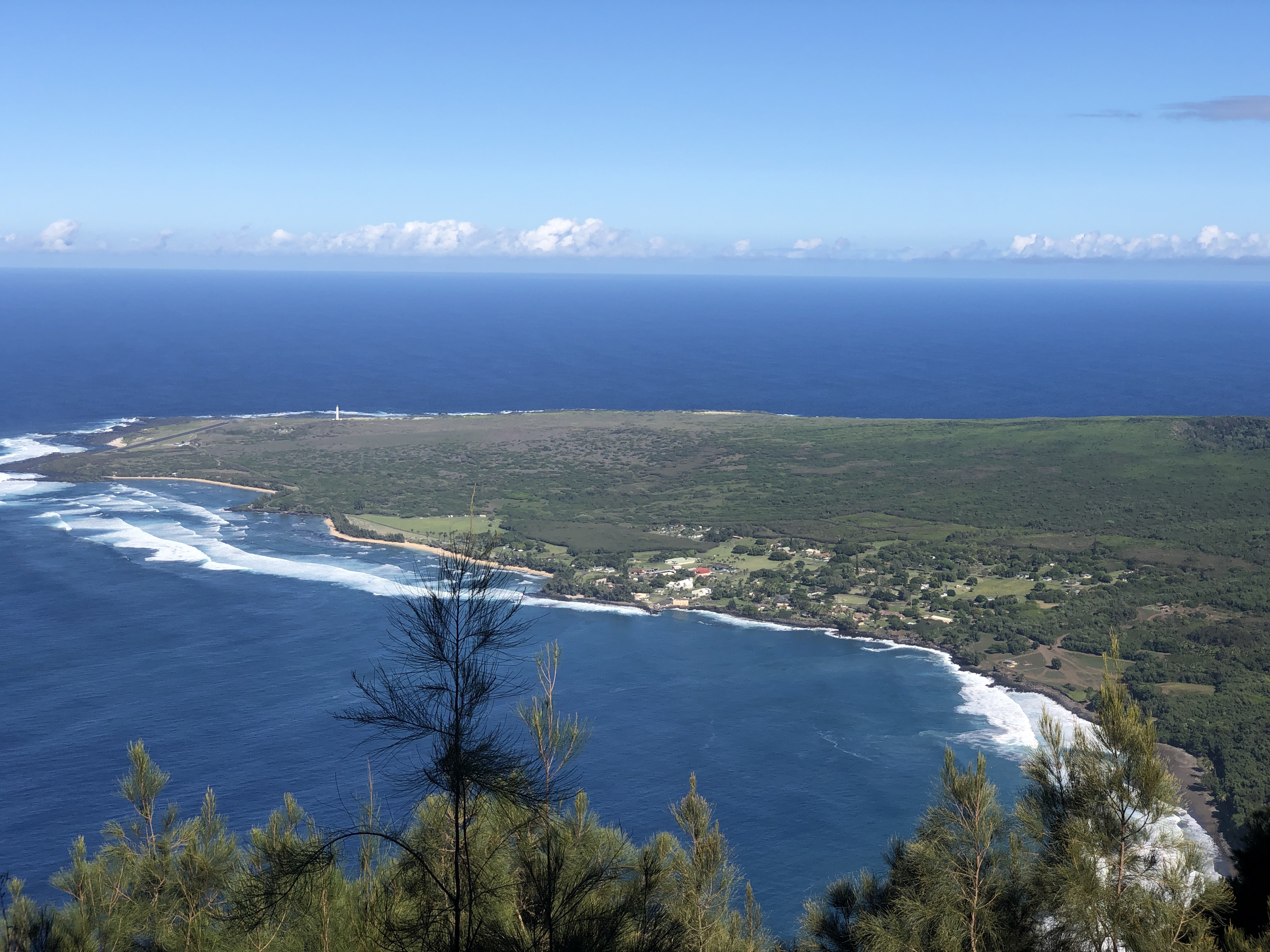
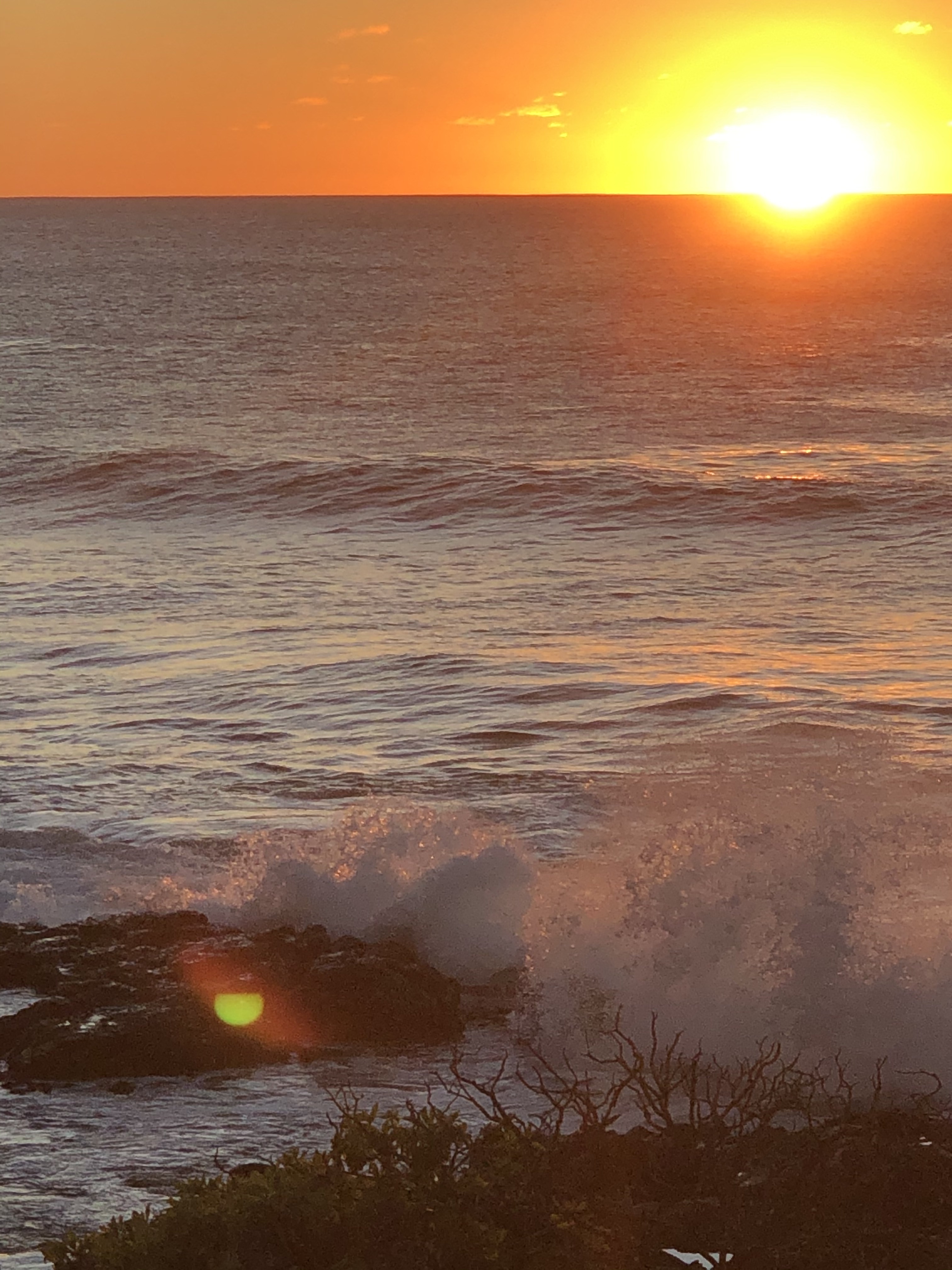
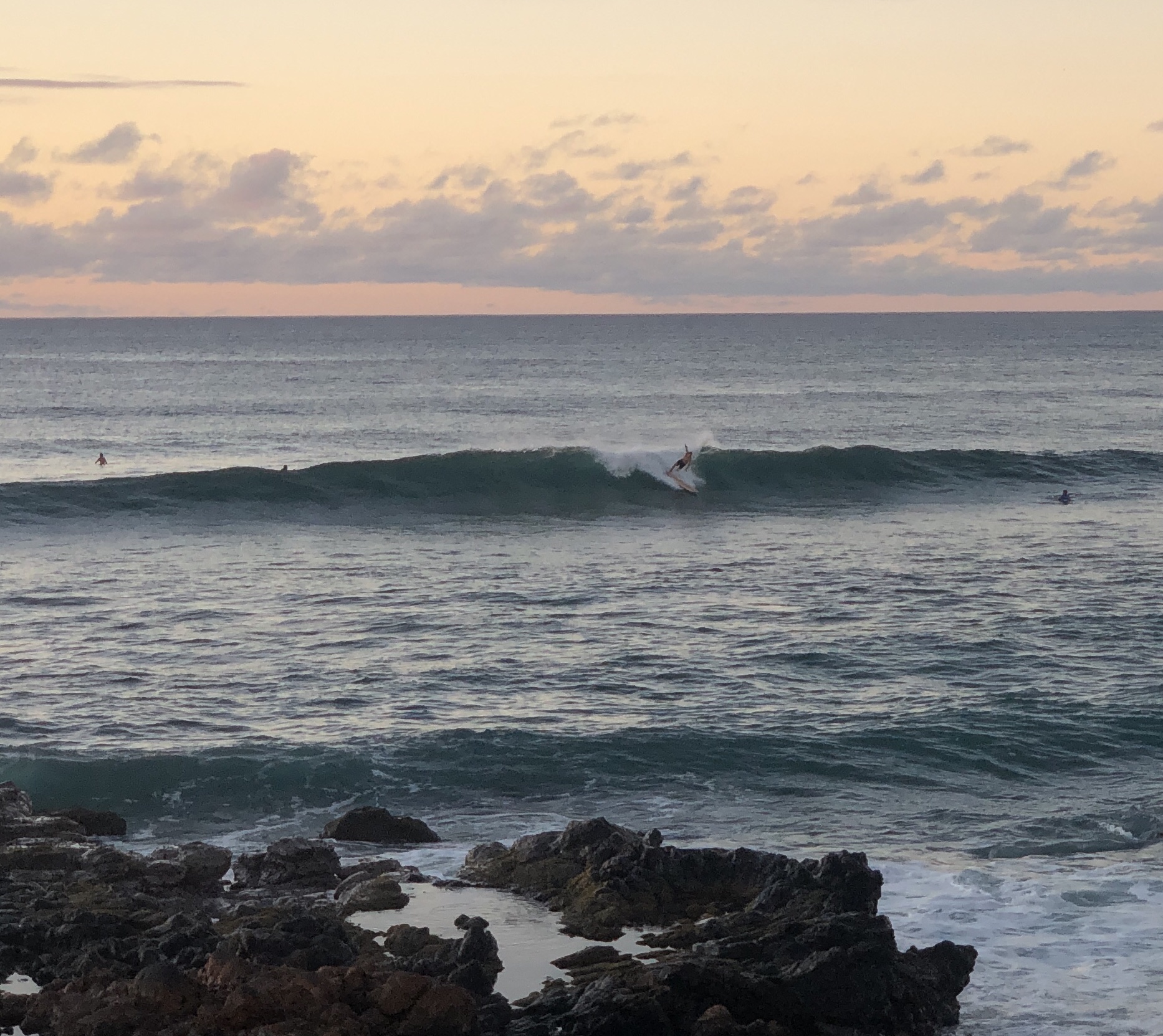
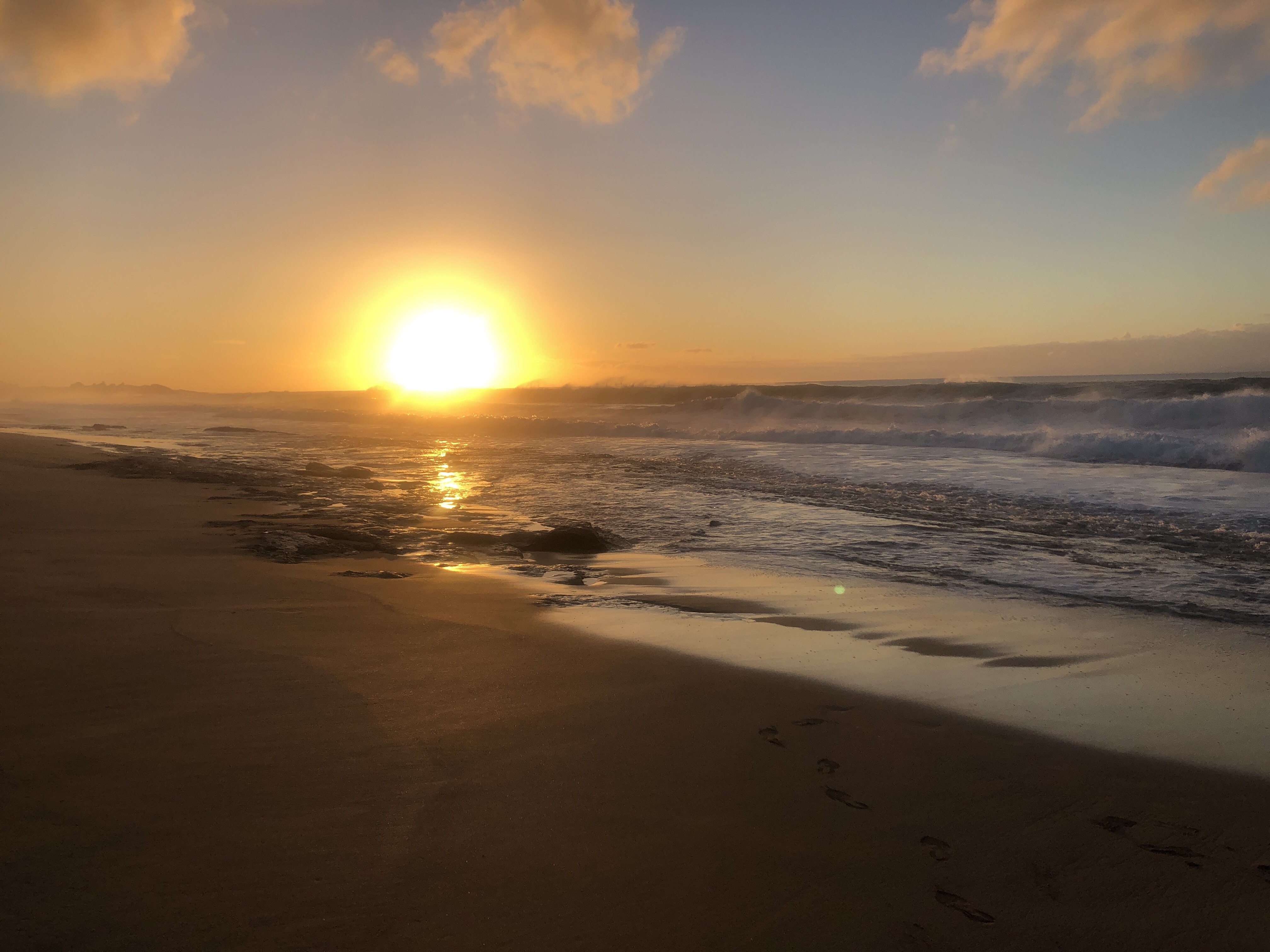
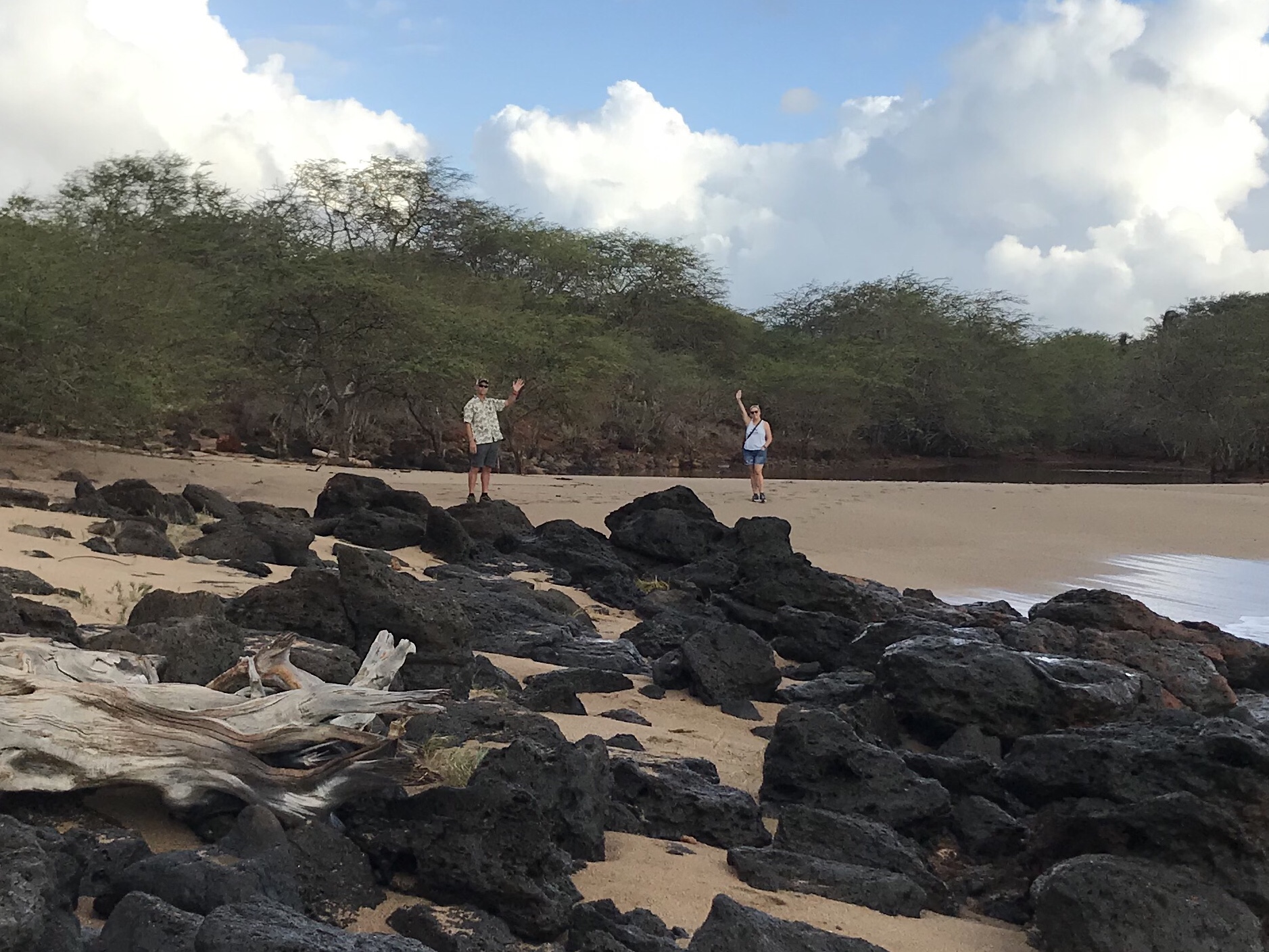
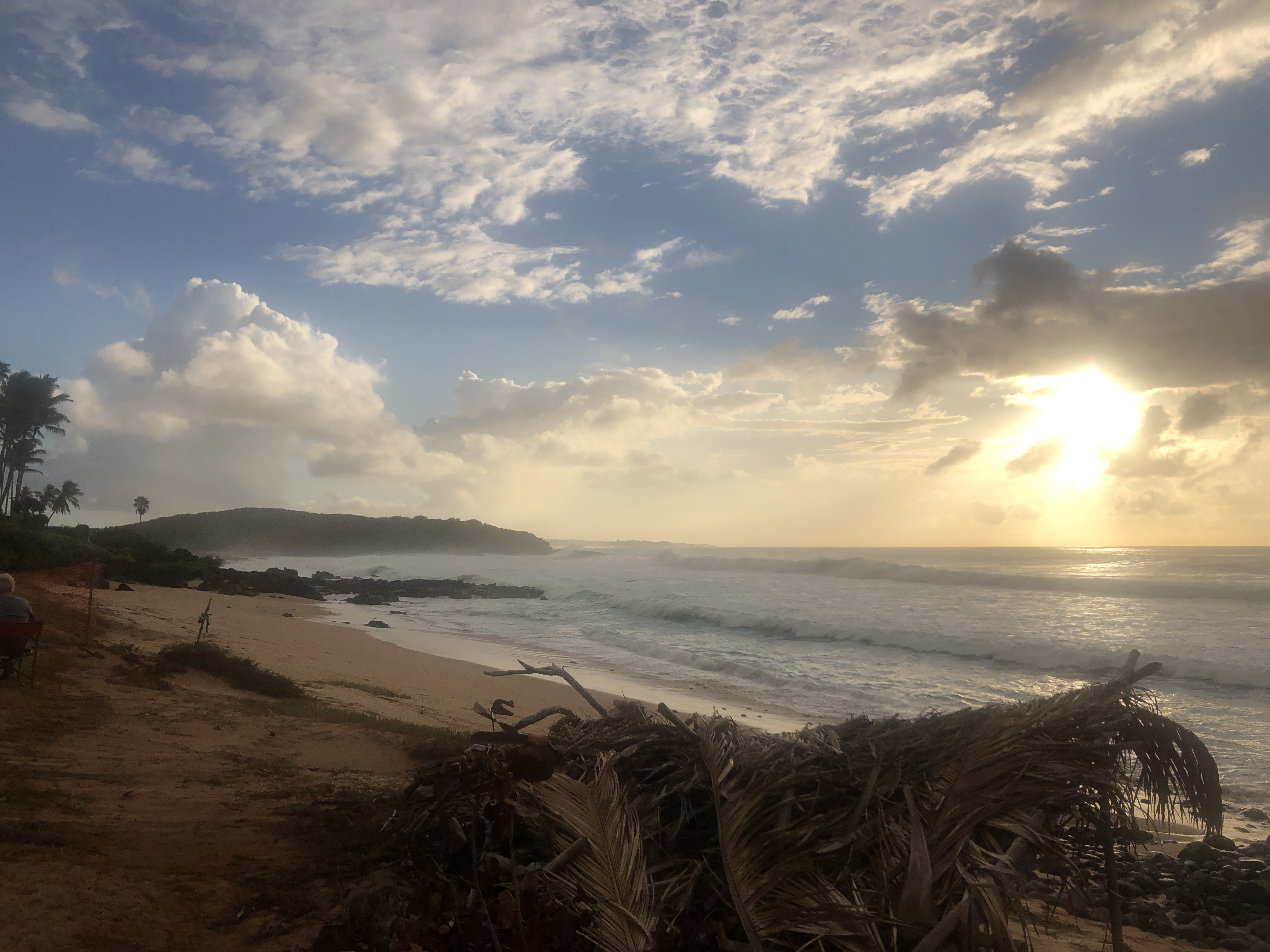
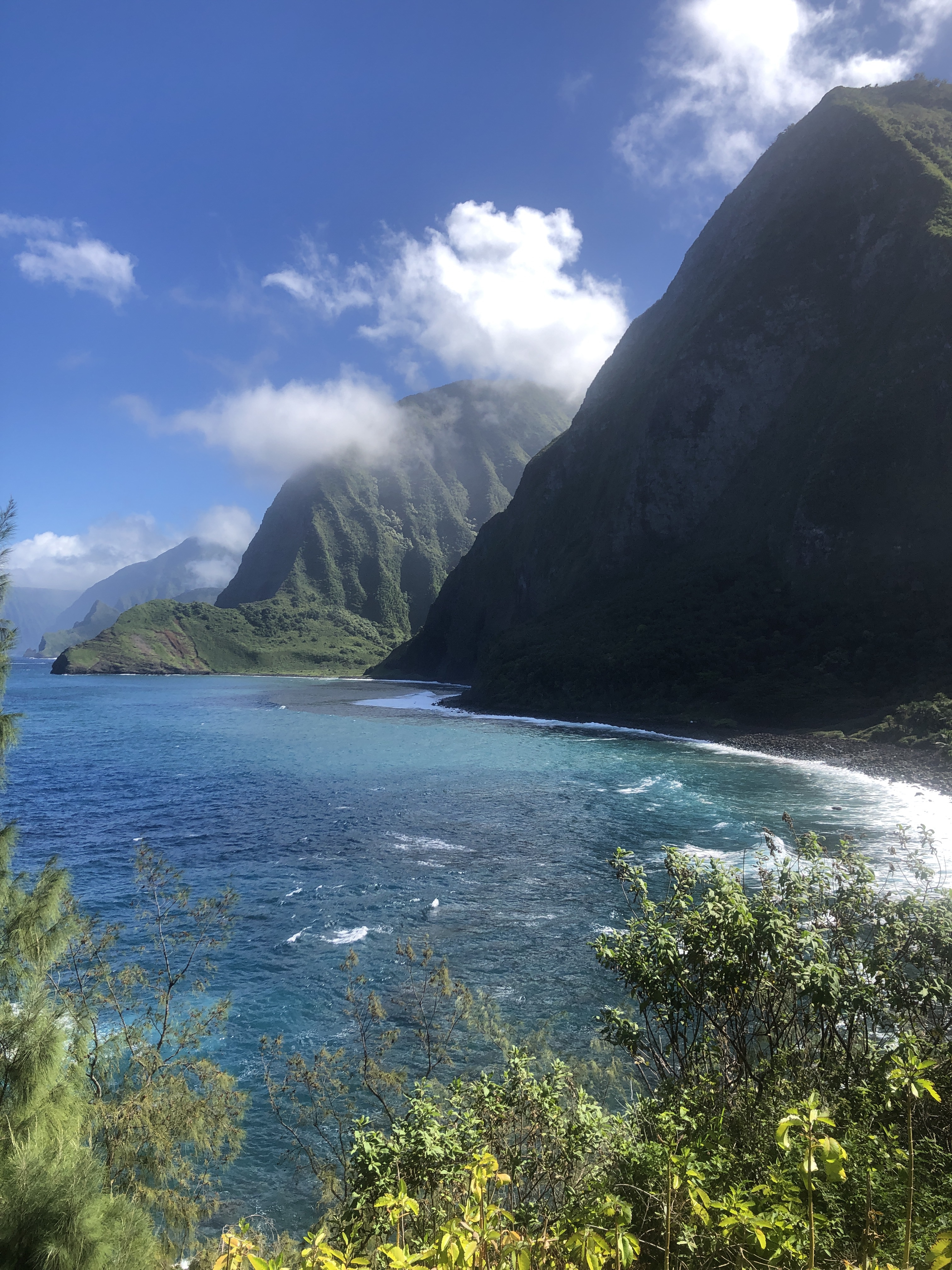
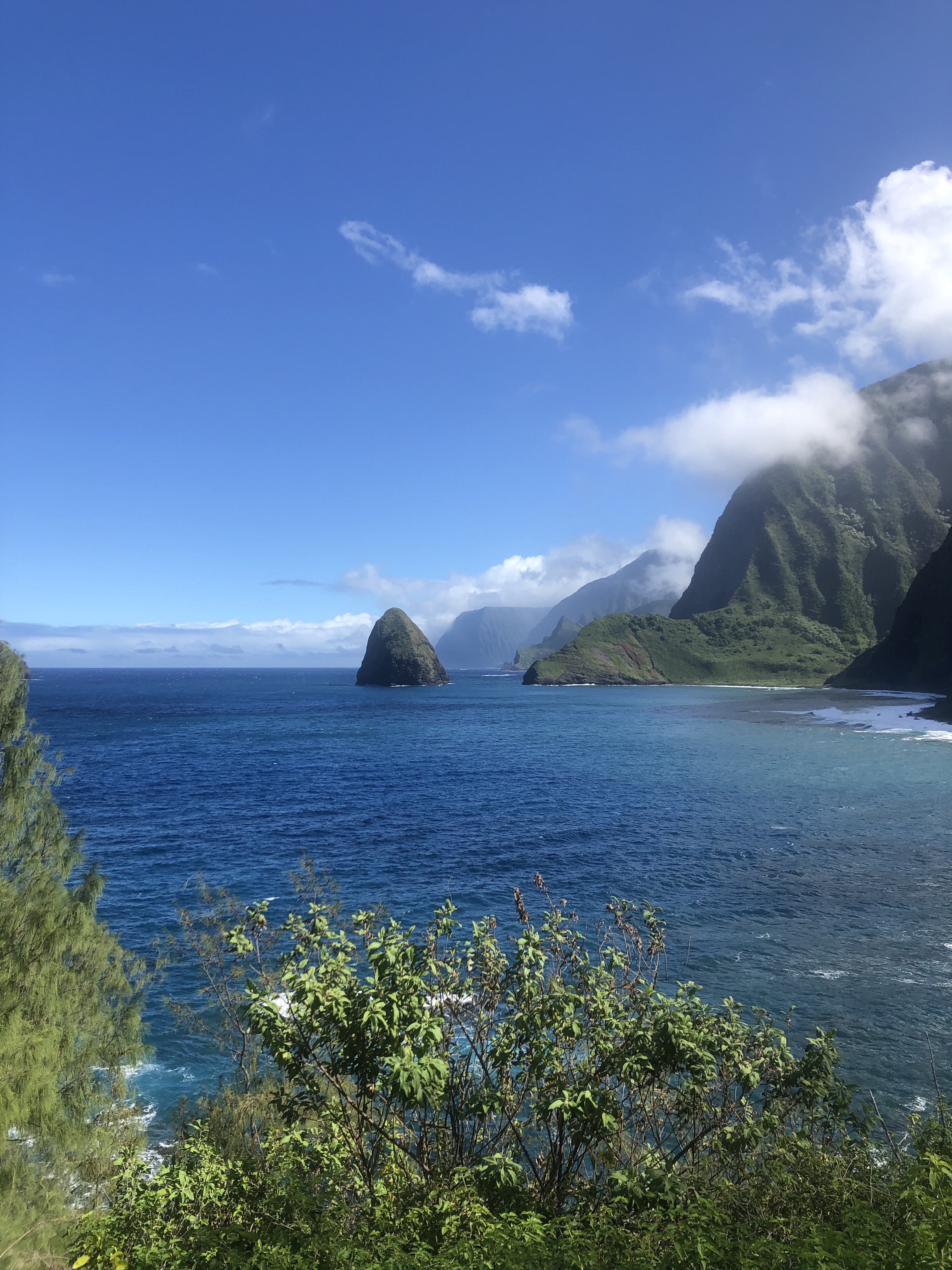
From Purdy’s we headed to the Kalaupapa Overlook, a point perched high on the cliffs overlooking the peninsula. It’s hard to believe that such a strikingly beautiful place could hold such tragic tales. See our blog post on our visit to Kalaupapa National Historical Site for details. Each evening here in Molokai you can’t help but be mesmerized by the sunsets. Here are a few of our better shots of what Mother Nature shared with us while on the island.

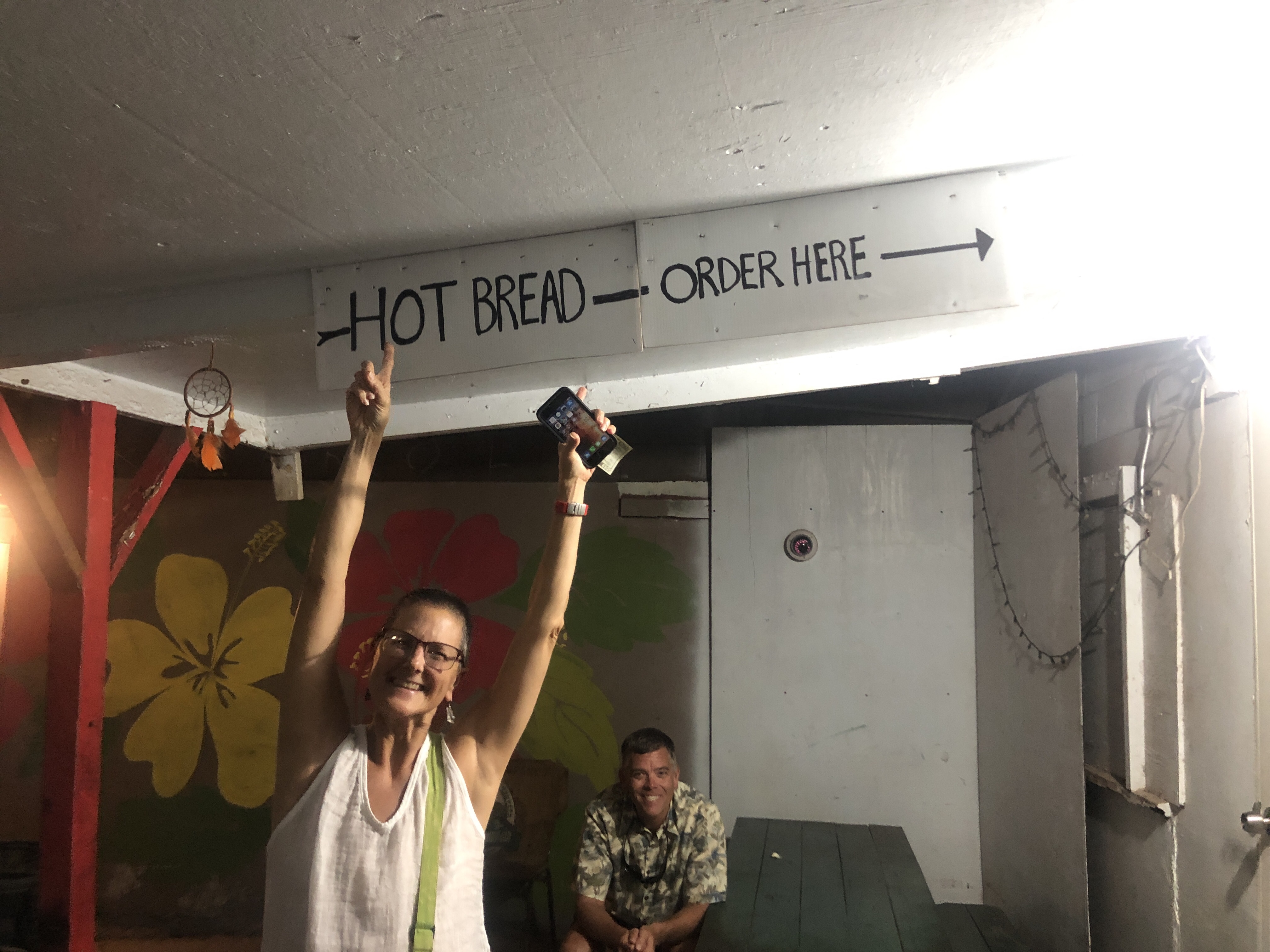
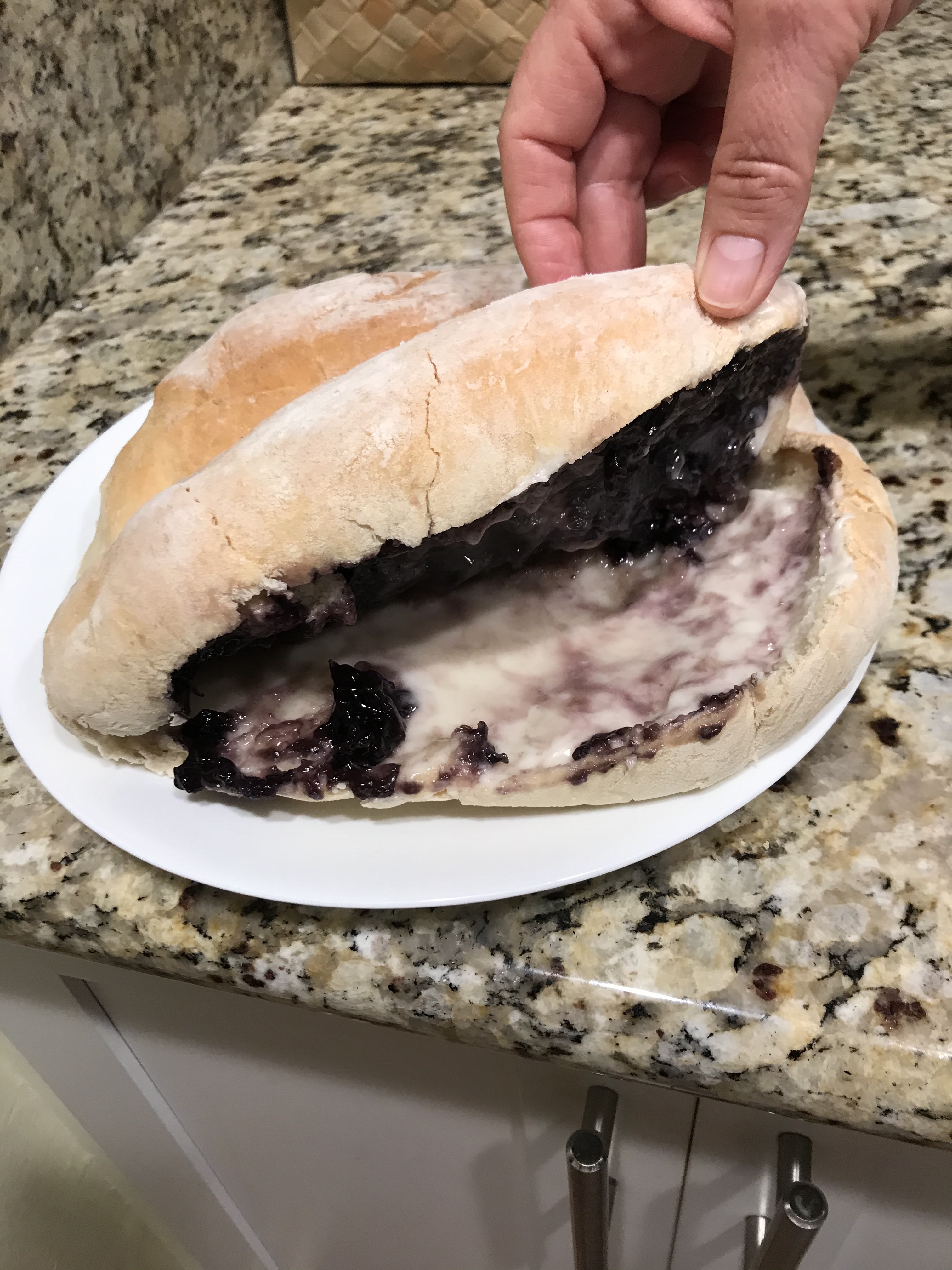
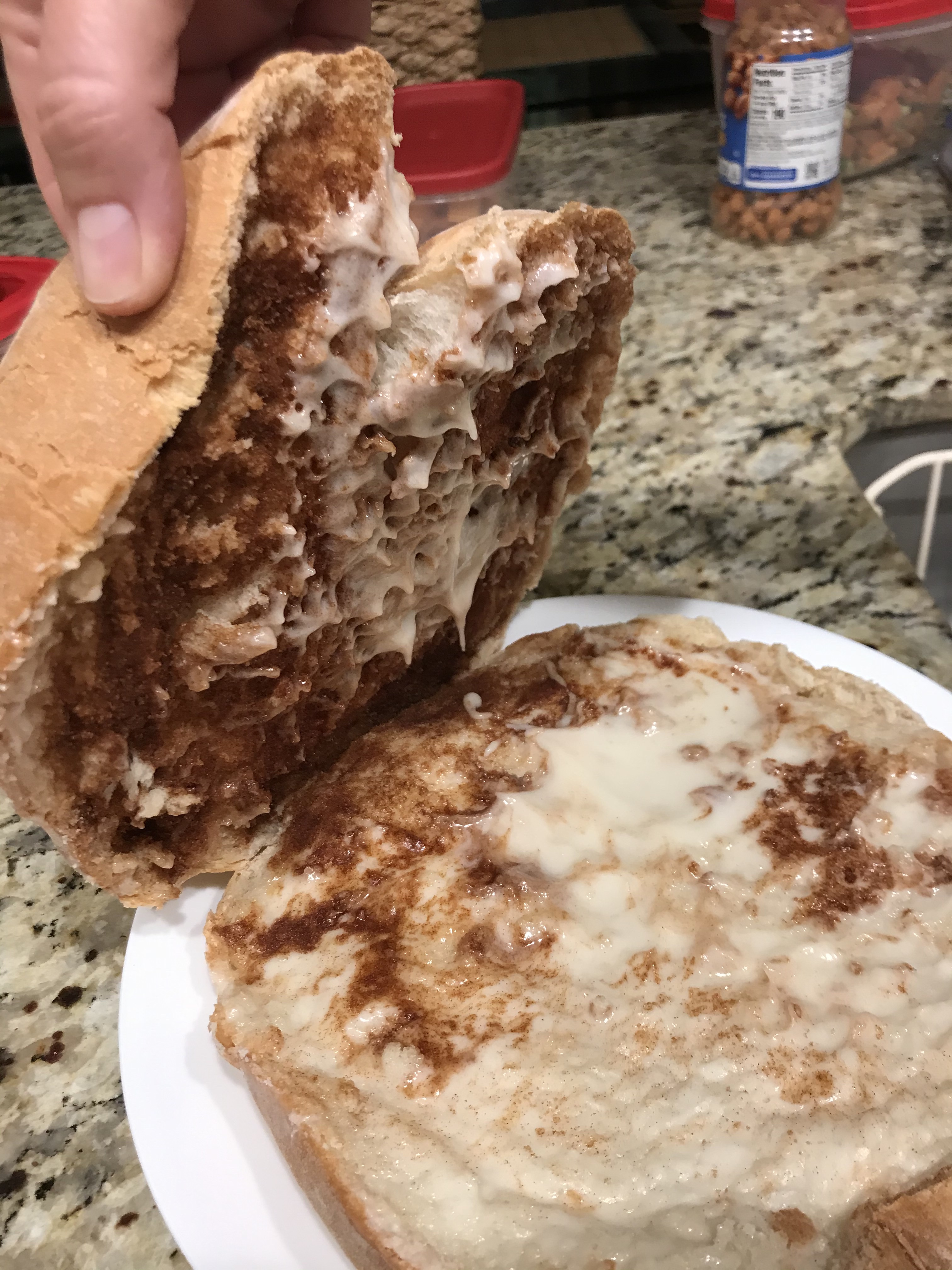
One “must do” on Molokai is to get hot bread in the evening from the bakery in the alley. The local bakery, Kanemitsus only sells this delight from 7:30 -10:00pm and only from the window hidden down an alley off the main street in town. What is hot bread?

We’ll, it’s a large pillow of soft bread stuffed with your choice of fillings, usually with cream cheese. We got one with blueberry and one with cinnamon and sugar.

Like the other Hawaiian islands, Molokai is filled with natural beauty and unique experiences. What makes it different from the other islands is its small population (less than 8,000 residents), its dramatic history, and its very slow pace. If you think you know Hawaii but you haven’t been to Molokai, you really don’t have the full Hawaiian picture. Check it out!

Kalaupapa

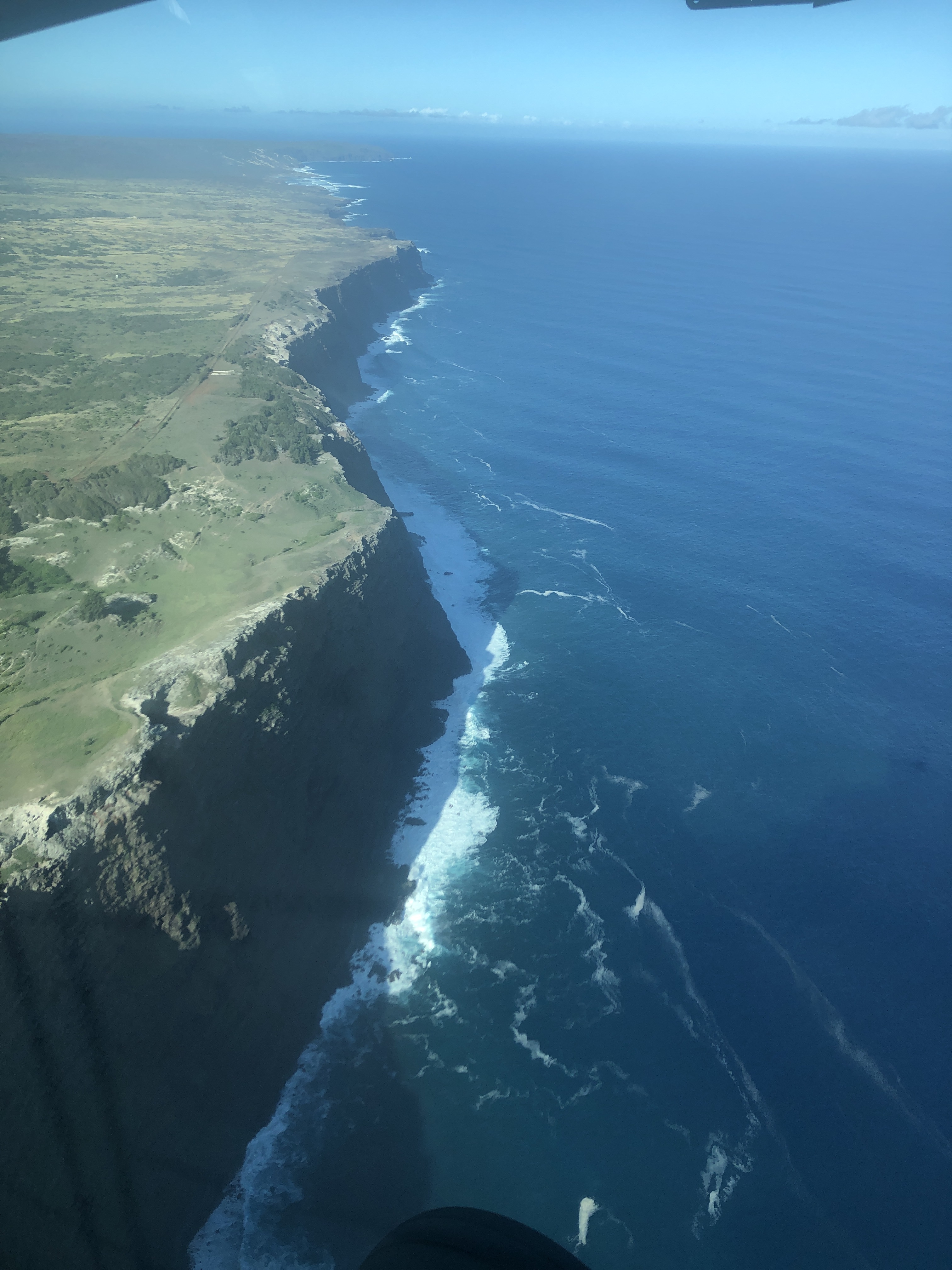
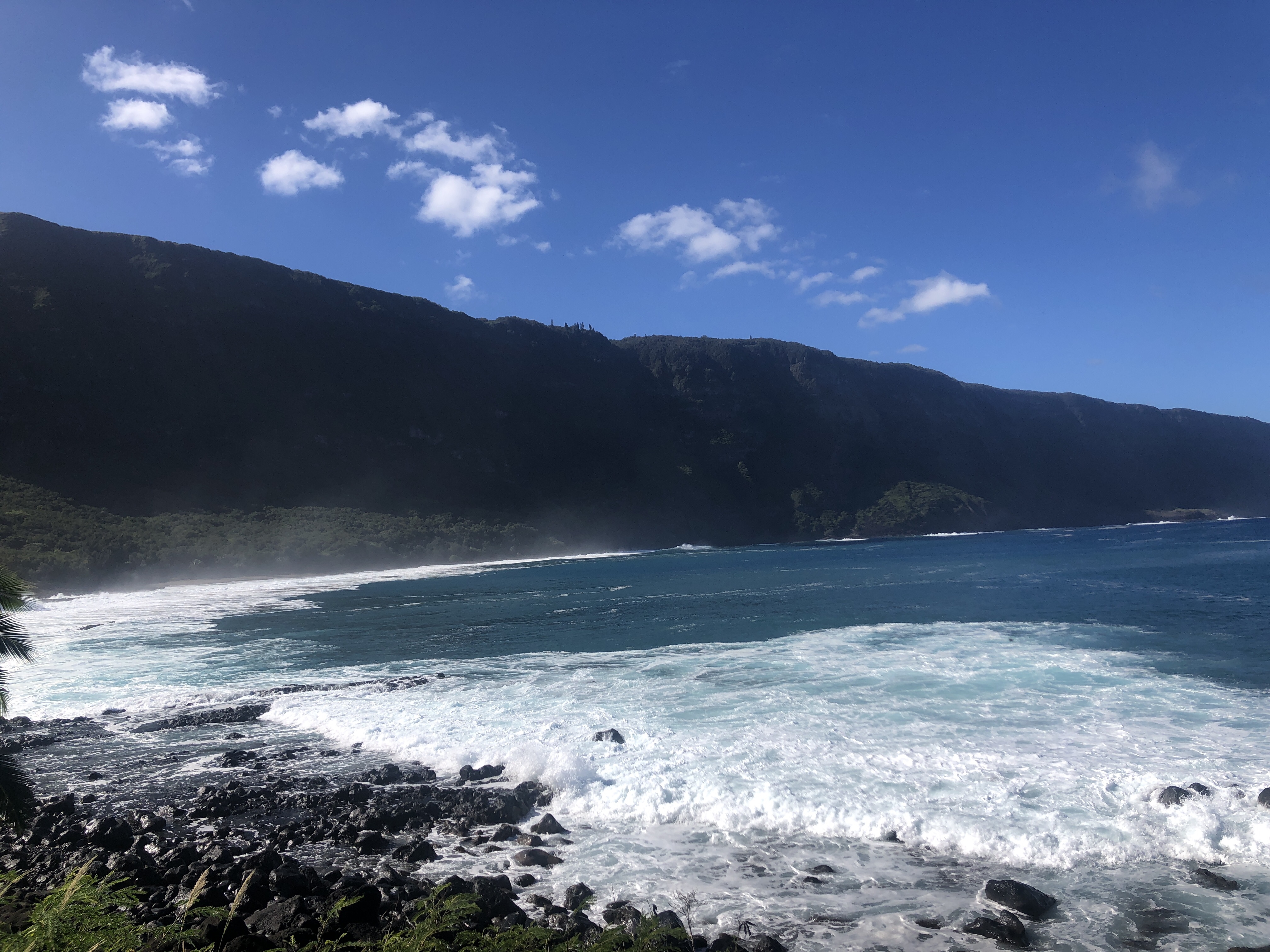
In early 1865 King Kamehameha V signed “the Act to Prevent the Spread of Leprosy,” a desperate attempt to control the disease which was spreading throughout the islands. As a result, thousands were forced into exile on the remote Kalaupapa Peninsula of Molokai and over 8,000 are buried throughout the area. We set out to learn more about this tragic story set in one of the most beautiful places on Earth.

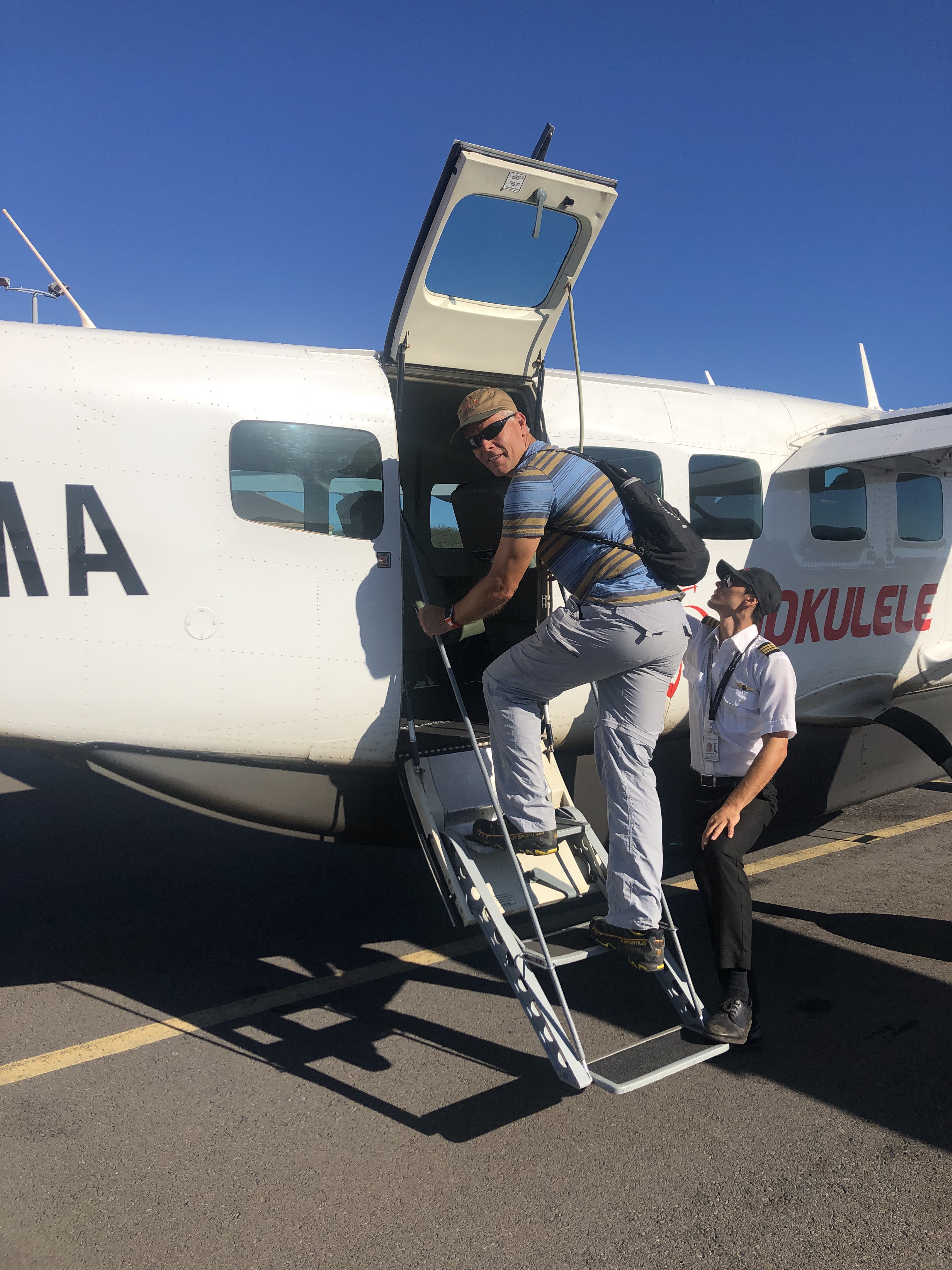
To reach Kalaupapa National Historical Park today, you must fly in from either “topside” Molokai, Maui, or Oahu. Our flight from the Molokai airport took six spectacular minutes.
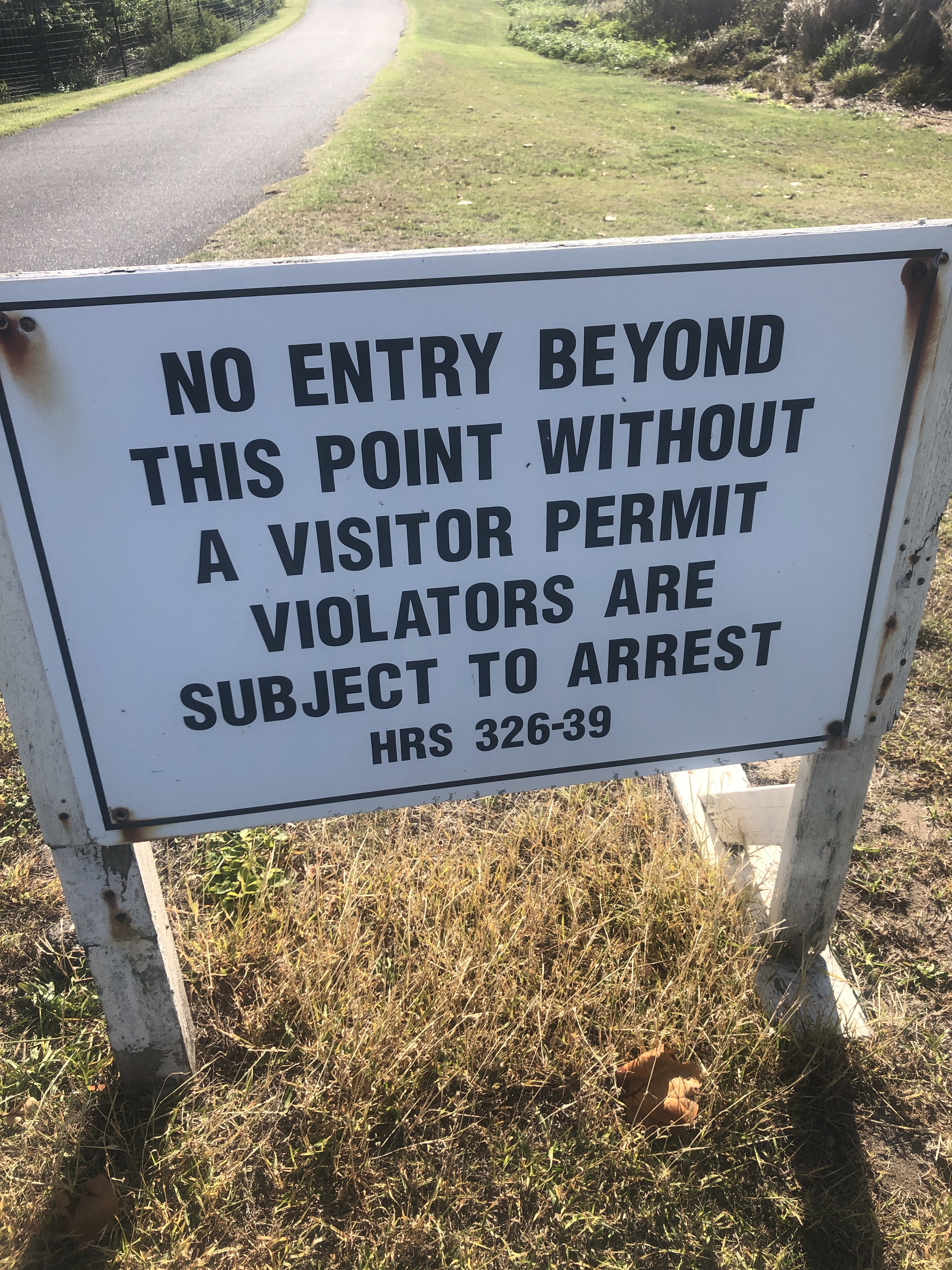
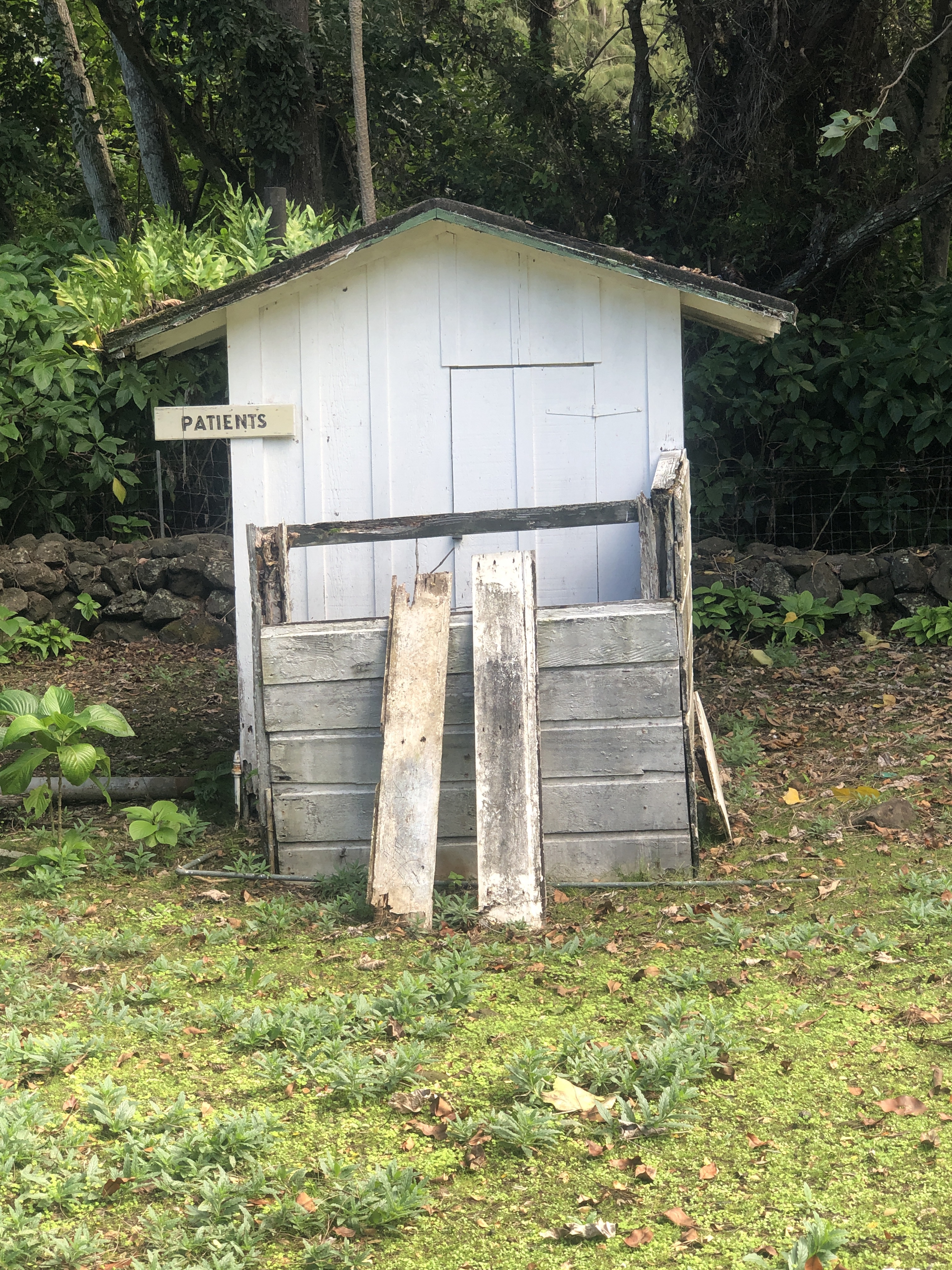
Currently there are still six remaining residents/patients in the colony, and access to the settlement is restricted to those with a permit. Our permit was included in our tour price.

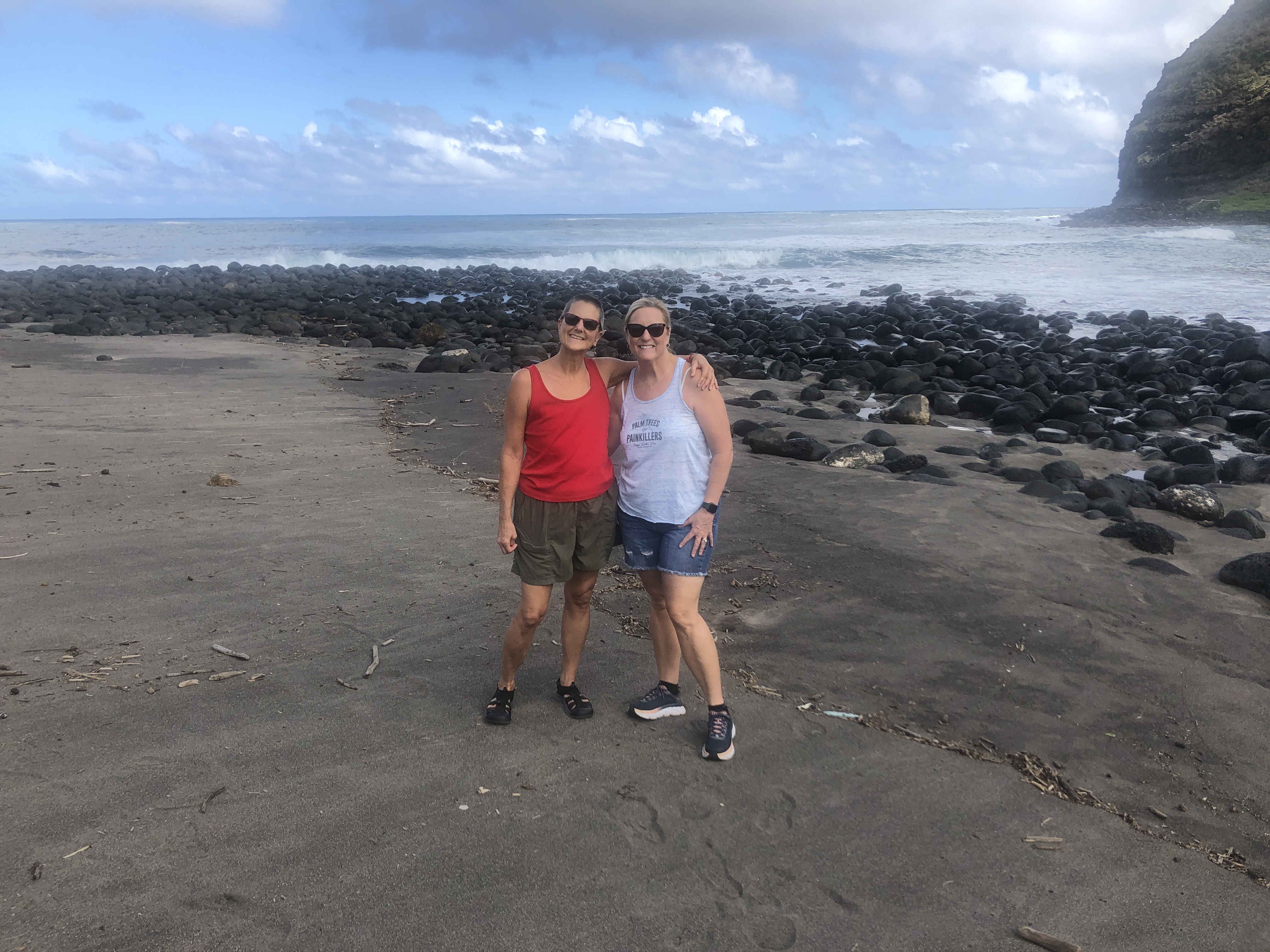
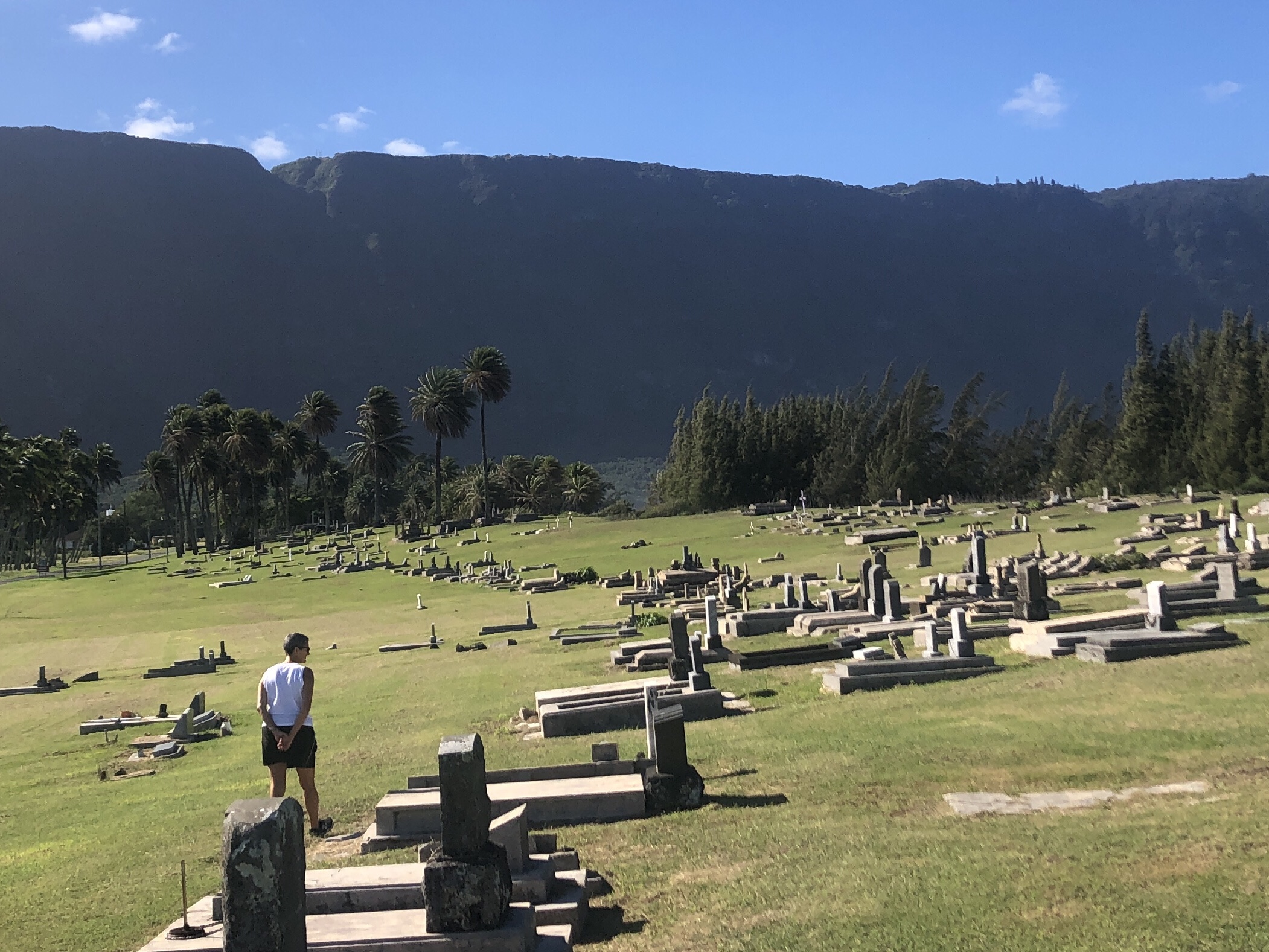
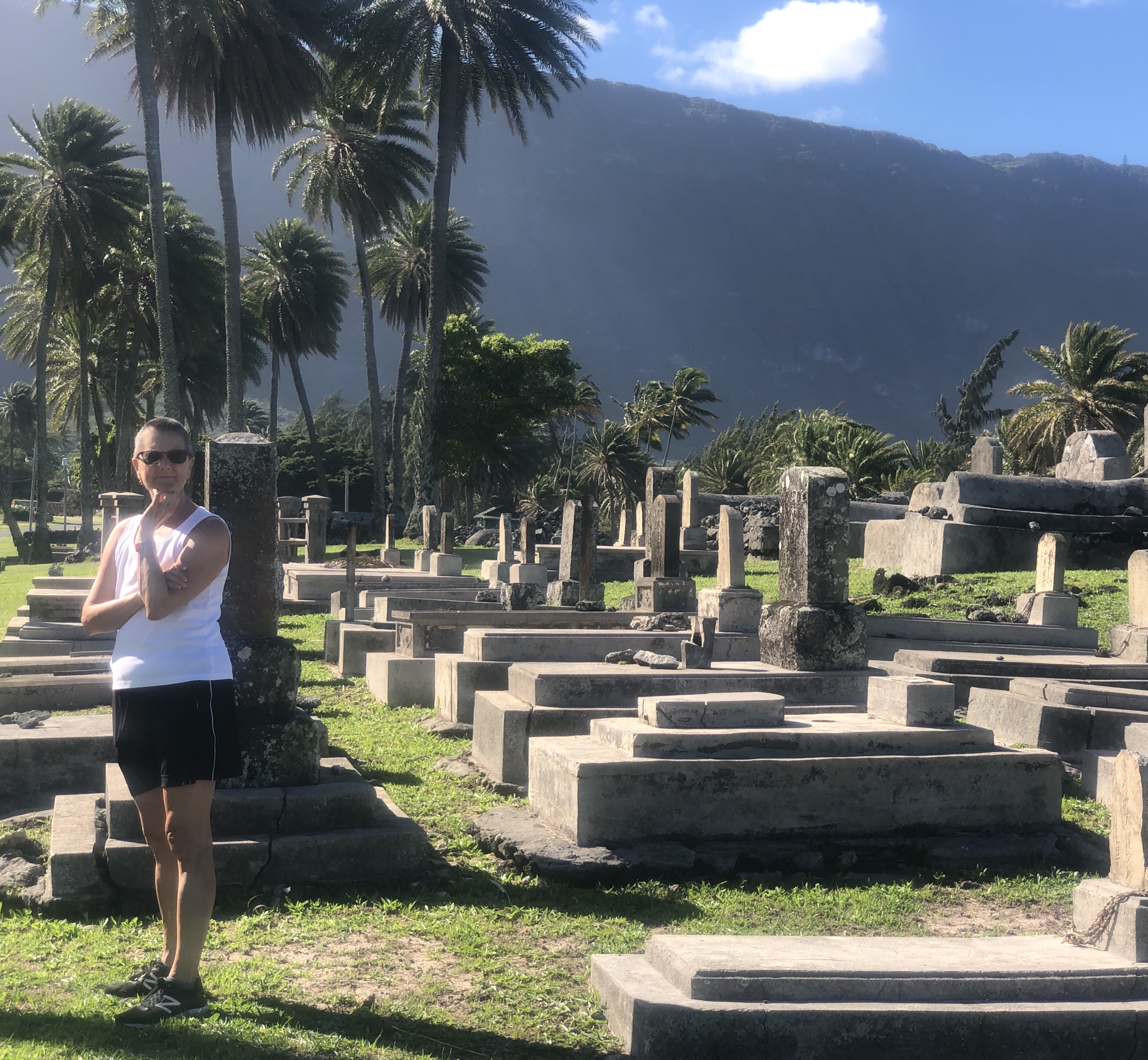
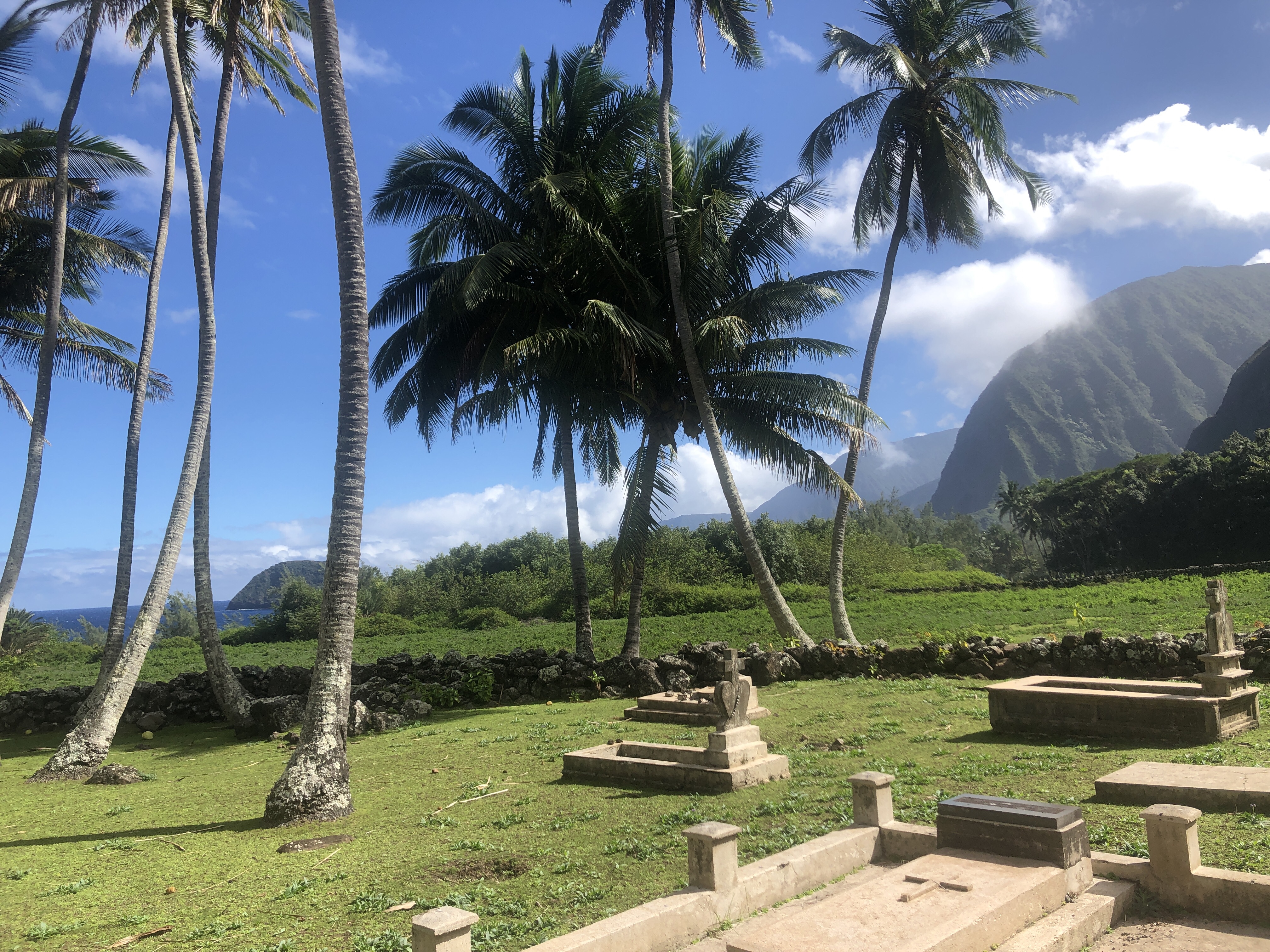
Our first stop was striking…the main cemetery that holds the remains of nearly 6,000 Hansen’s Disease (leprosy) victims. None had a choice about coming to Kalaupapa, and many were ripped from their families when suspected of having the disease.

On January 6, 1866, 12 men and women were forced to swim ashore and begin their forced exile, a certain death sentence. Over the next 103 years, thousands more were sent to Kalaupapa to live out their lives away from the general population. Without medical care, housing, or other types of support, they were essentially sent to die. While it’s a beautiful setting, the story is tragic.

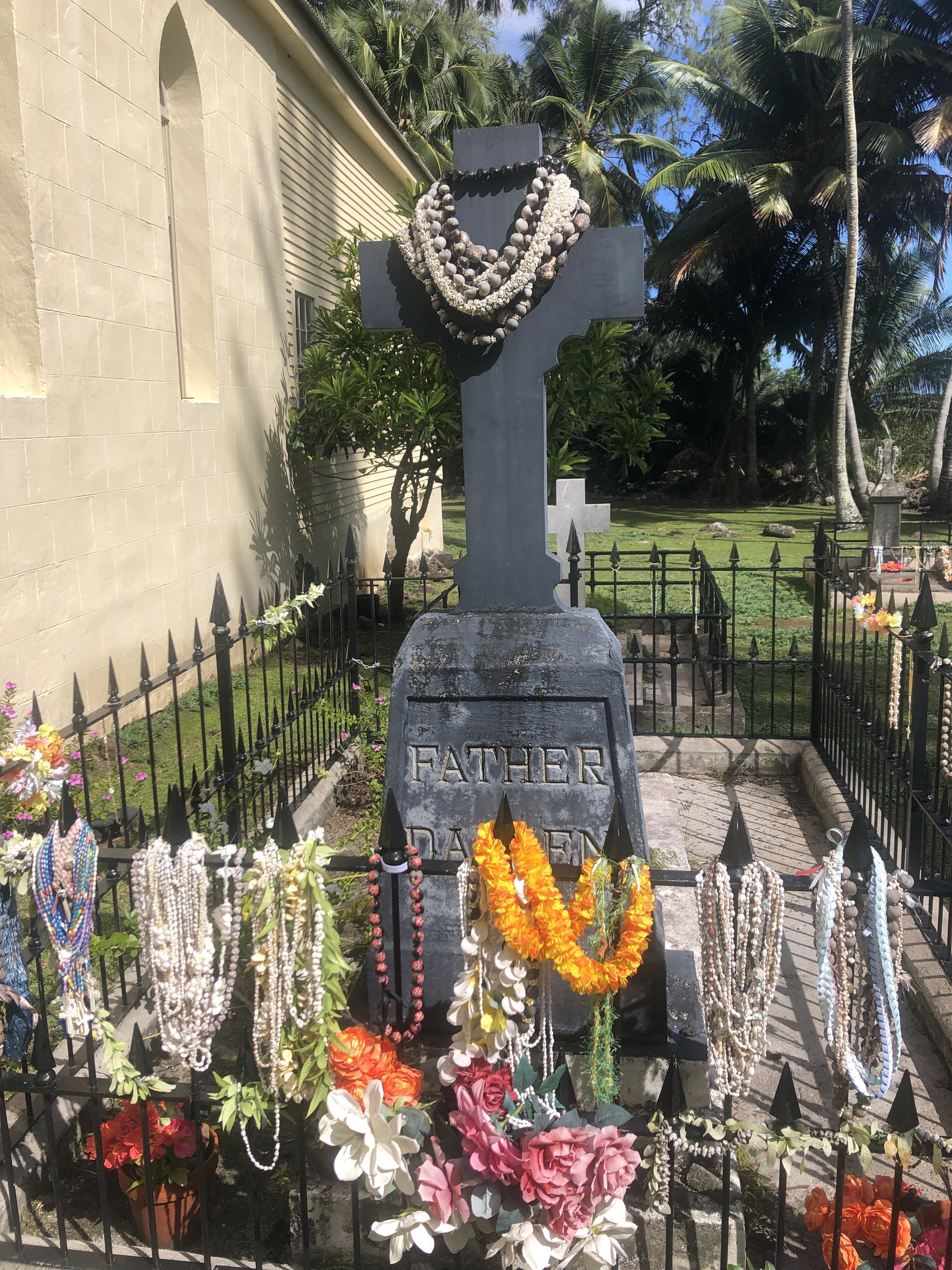
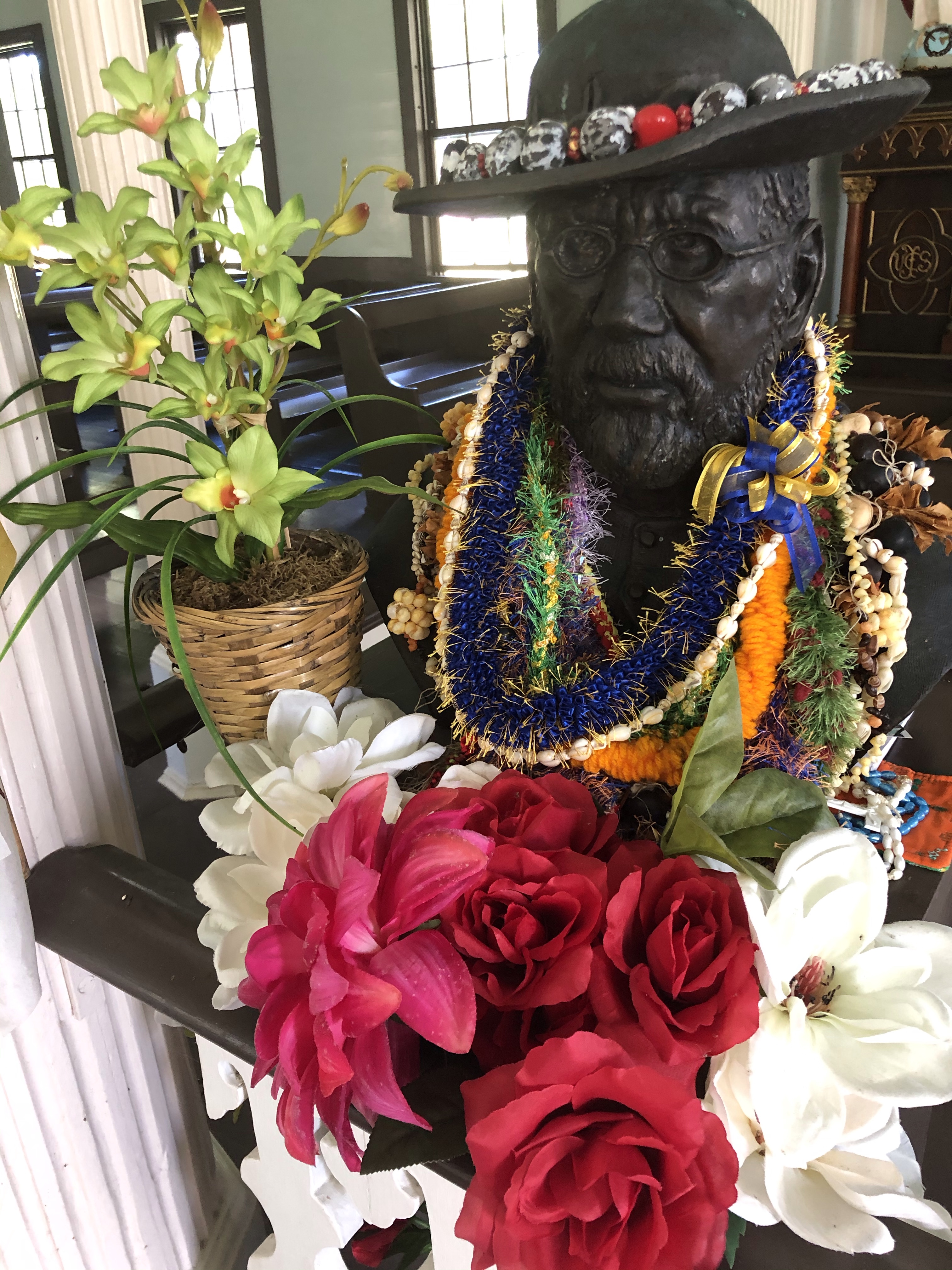
The plight of those exiled drew the attention of religious orders and eventually drew the canonized Father Damien to their aid. He played a prominent role in developing the first infrastructure in Kalaupapa while also promoting the dignity of those afflicted.

While exploring the original settlement and the “newer” facilities built in the 1920s we learned that Hansen’s disease, for centuries past and well into the early years at Kalaupapa was a certain death sentence. Today it is easily curable with medication discovered in the 1940s.

Still, Hawaii’s forced isolation policy was not abolished until 1969. Current residents have been free to leave since then, yet choose to stay. What was once a prison is now a refuge for the remaining residents.

We booked our tour through muleride.com. While we highly recommend a visit to Kalaupapa, we would suggest a different company as our tour guide was not very effective. Still, the history and beauty of the place overpowered the lack of a good guide. Special thanks to our friend Sheri for joining us on this adventure. We’ll have a full post on our other Molokai adventures next.