Vicksburg and Natchez

There’s a mystery about this part of our country…the Great River Road, Civil War battlefields, Antebellum mansions. It’s a new world to us but the history of the area dates back to the 1700s and before.

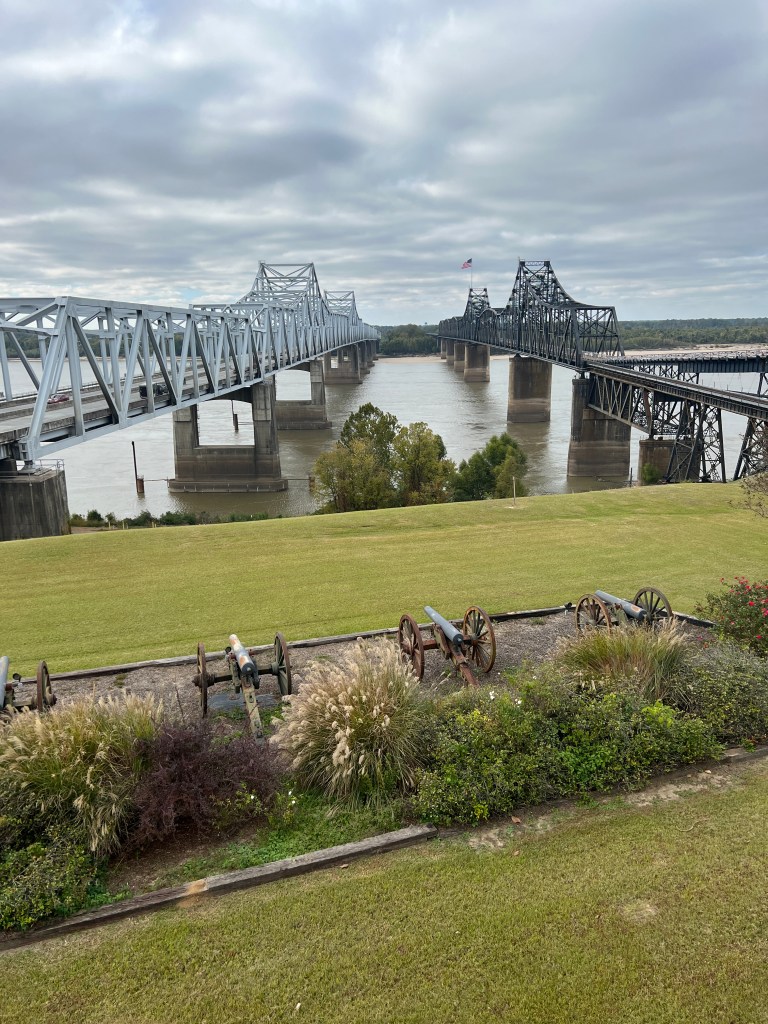
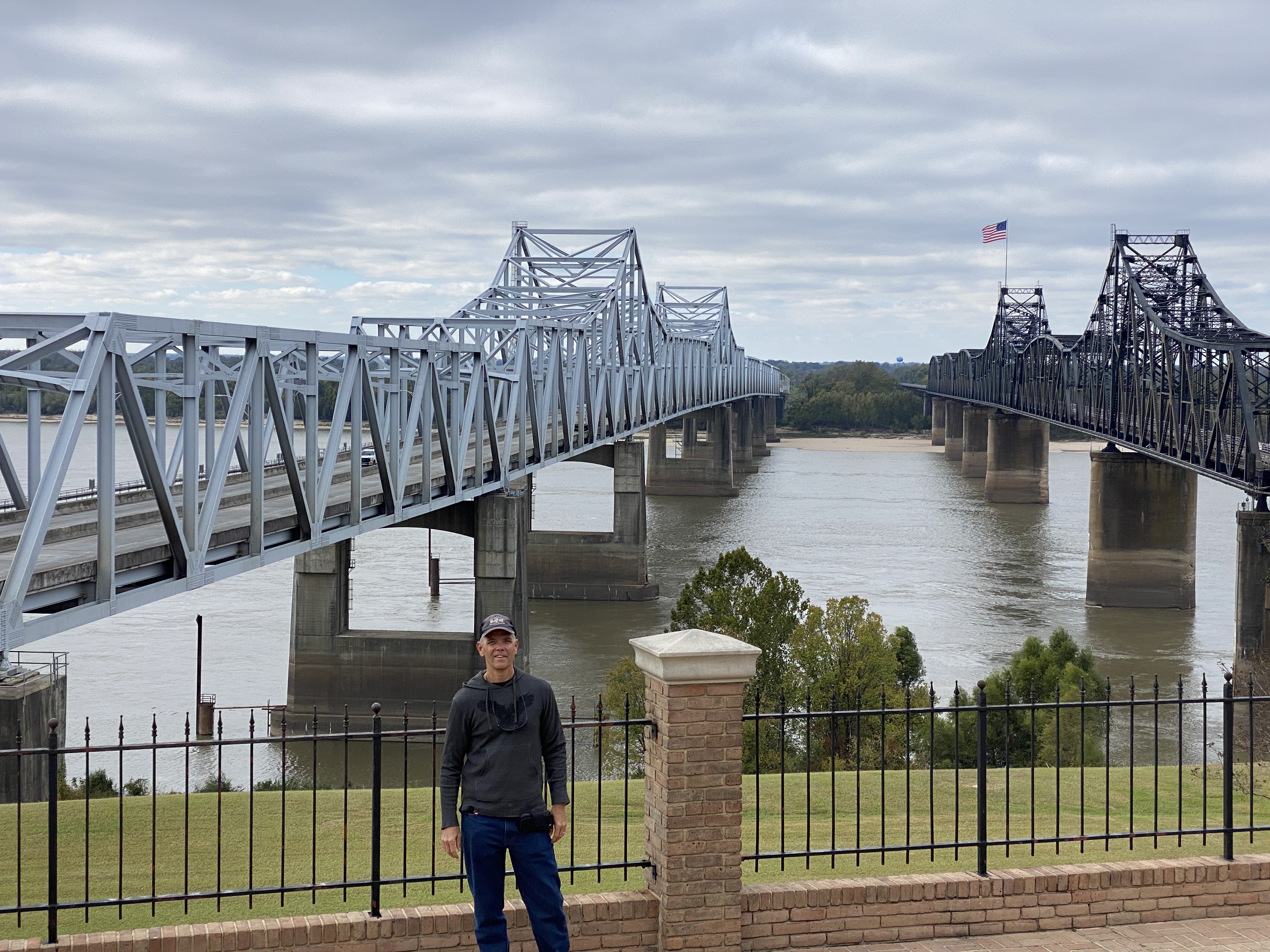
During the Civil War, Vicksburg’s strategic location on the Mississippi River made it critical for both the Union and the Confederacy. After the 47 day siege, the Confederacy surrendered and the defeat marked a major turning point in the war.

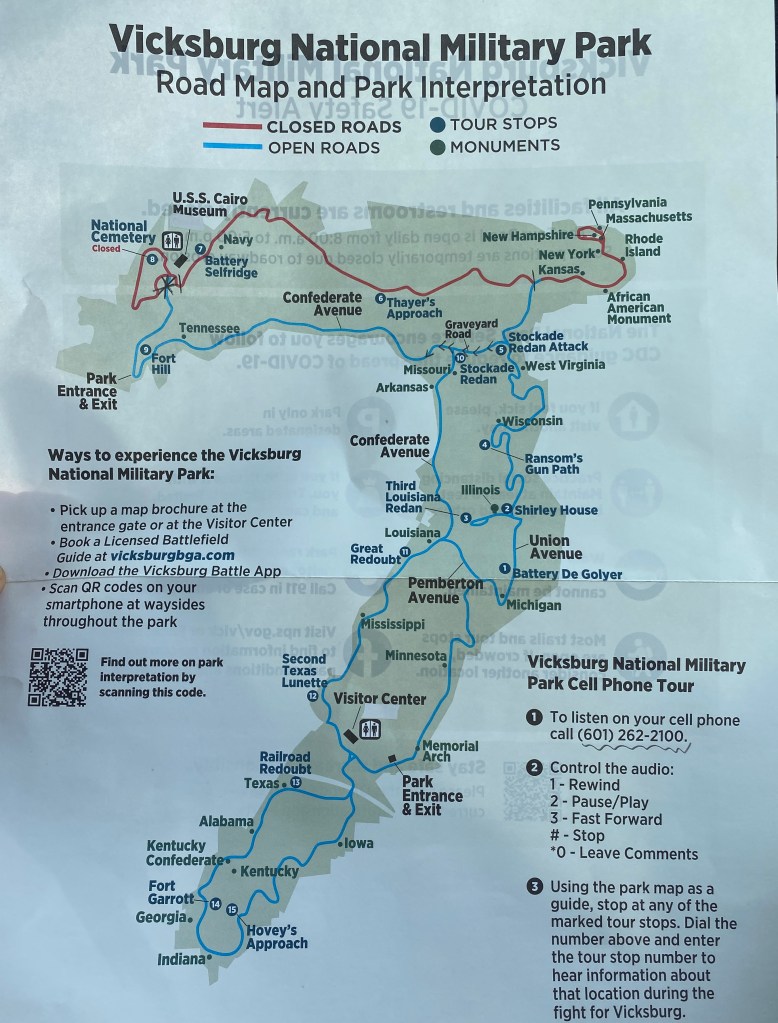
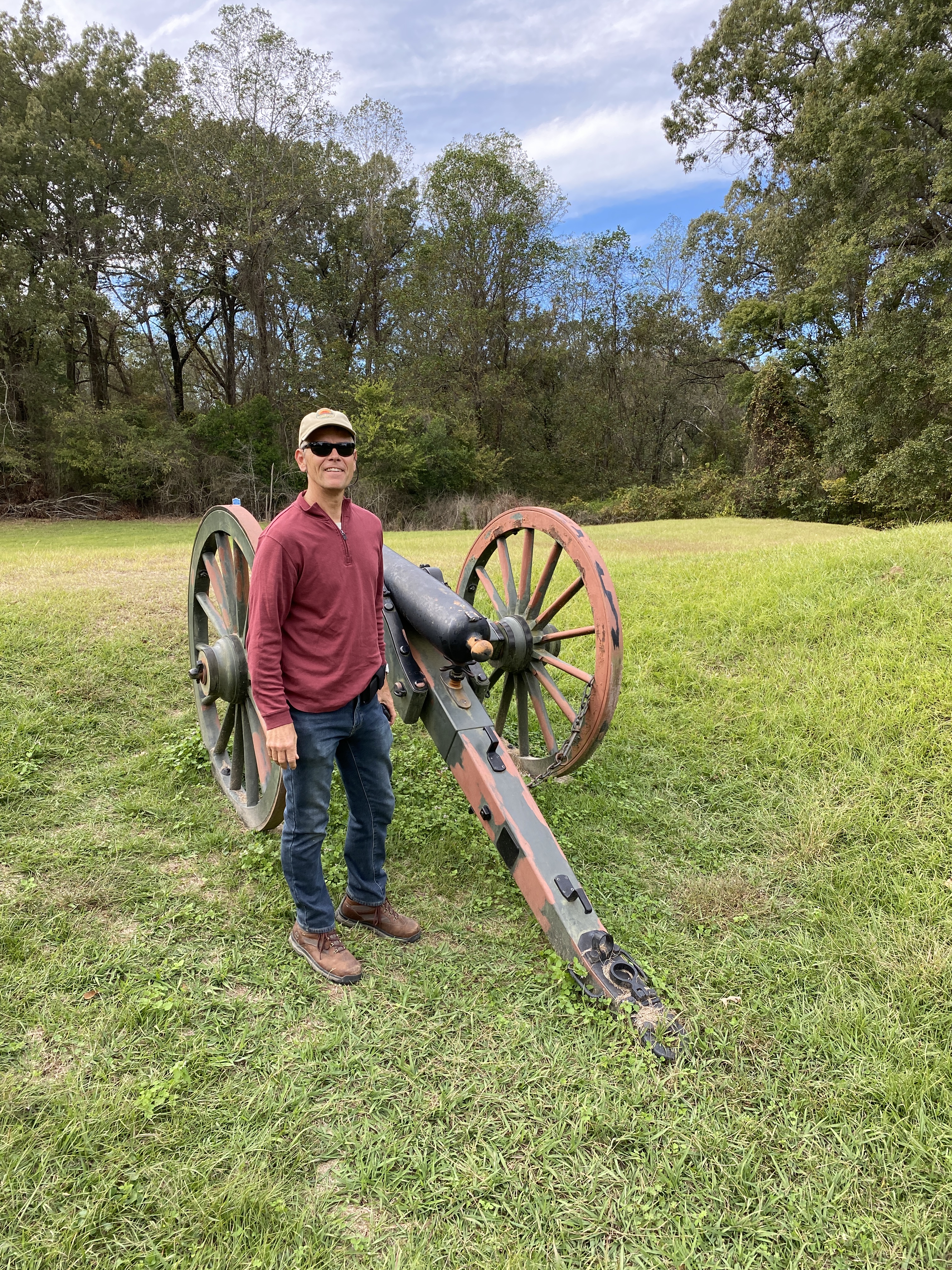
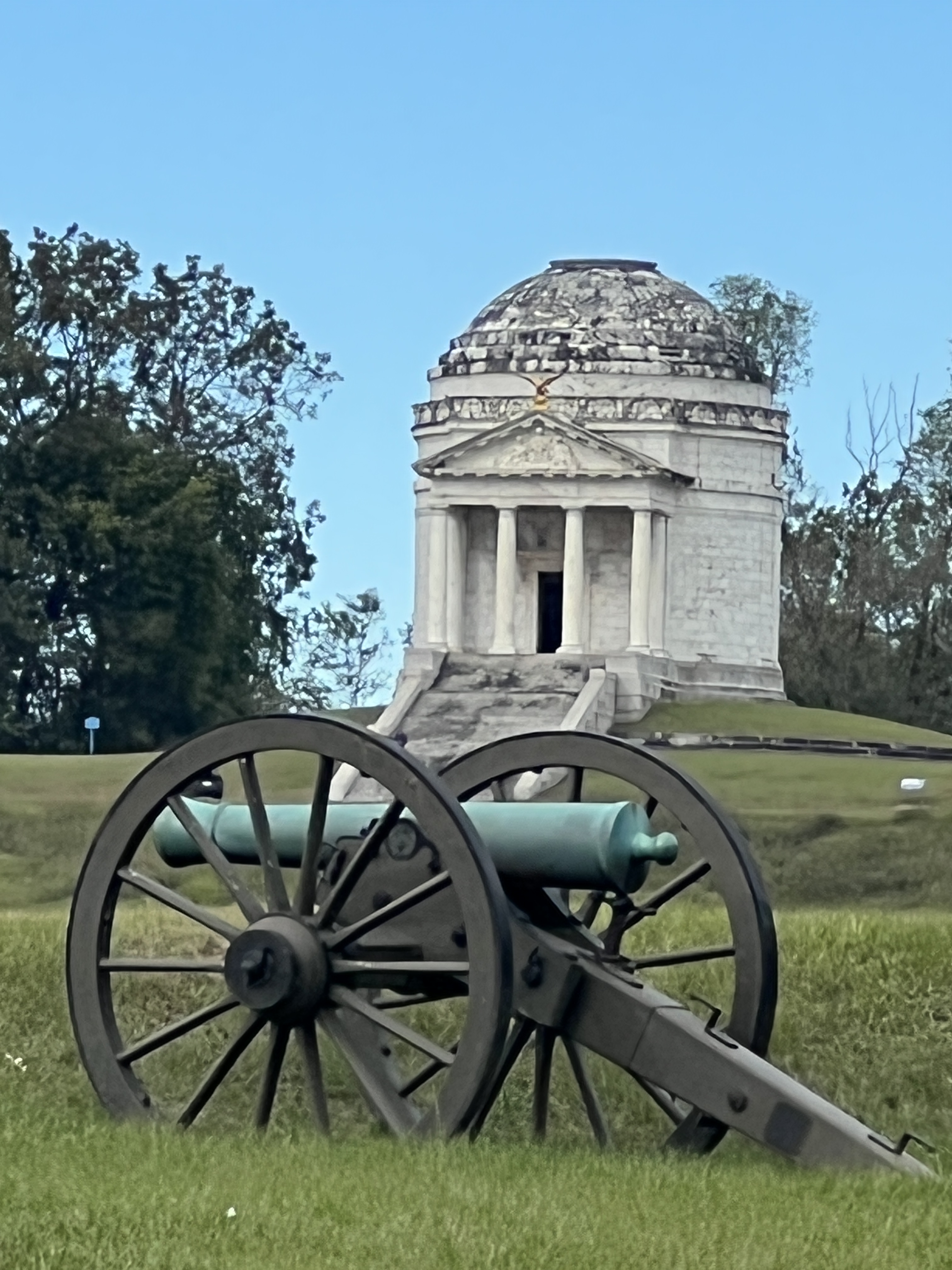
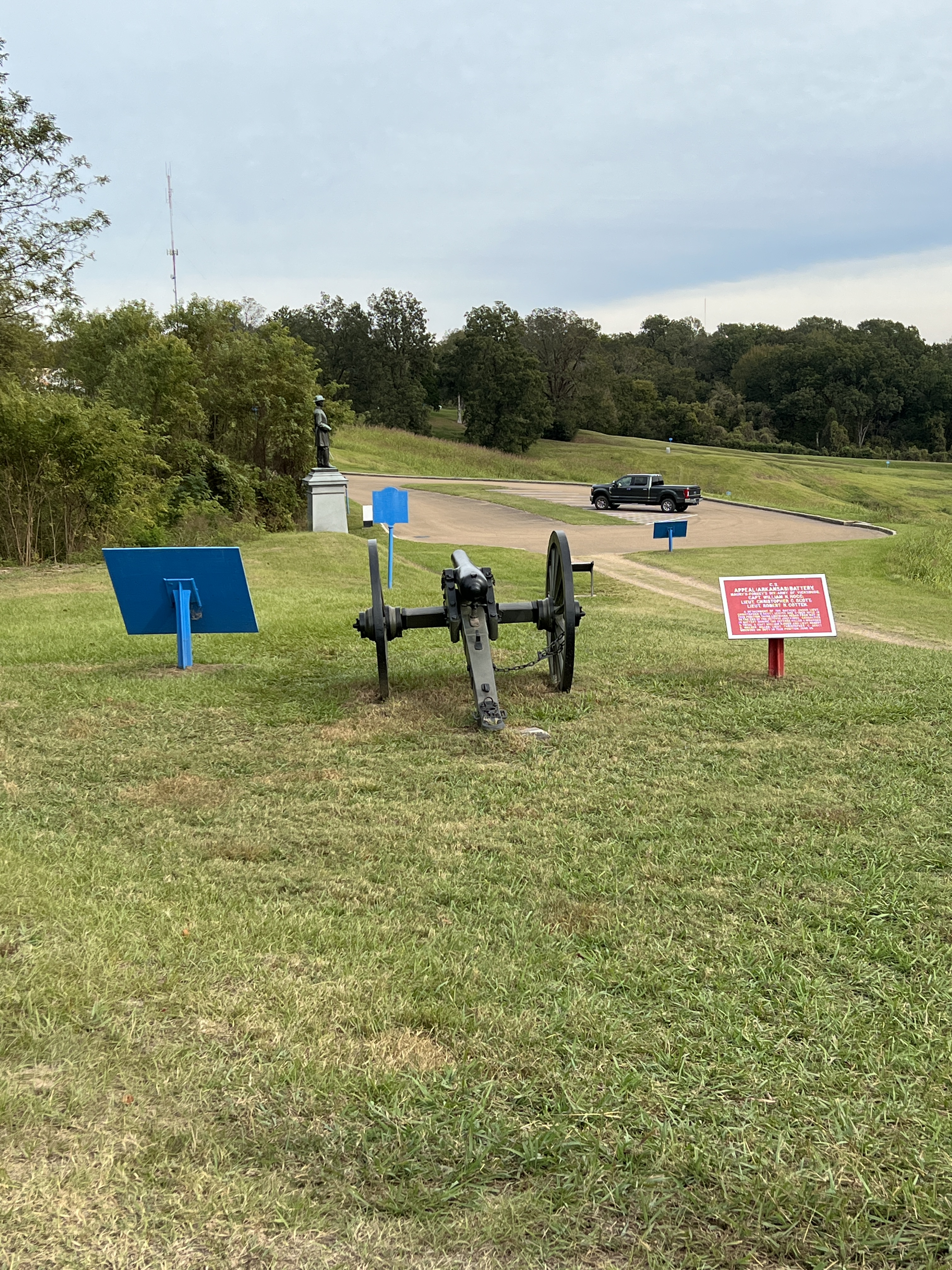
The Vicksburg National Military Park covers over 2,500 acres and features over 1300 monuments honoring those who fought. On our first day we drove the Union Avenue portion of the park and explored the Union lines (marked by blue signs) and key strategic positions. On the next day we focused on Confederate Avenue and the highlights of the defense (marked by red signs). The National Parks Service offers an audio guide that narrates details about the battle as you drive through the large expanse. 

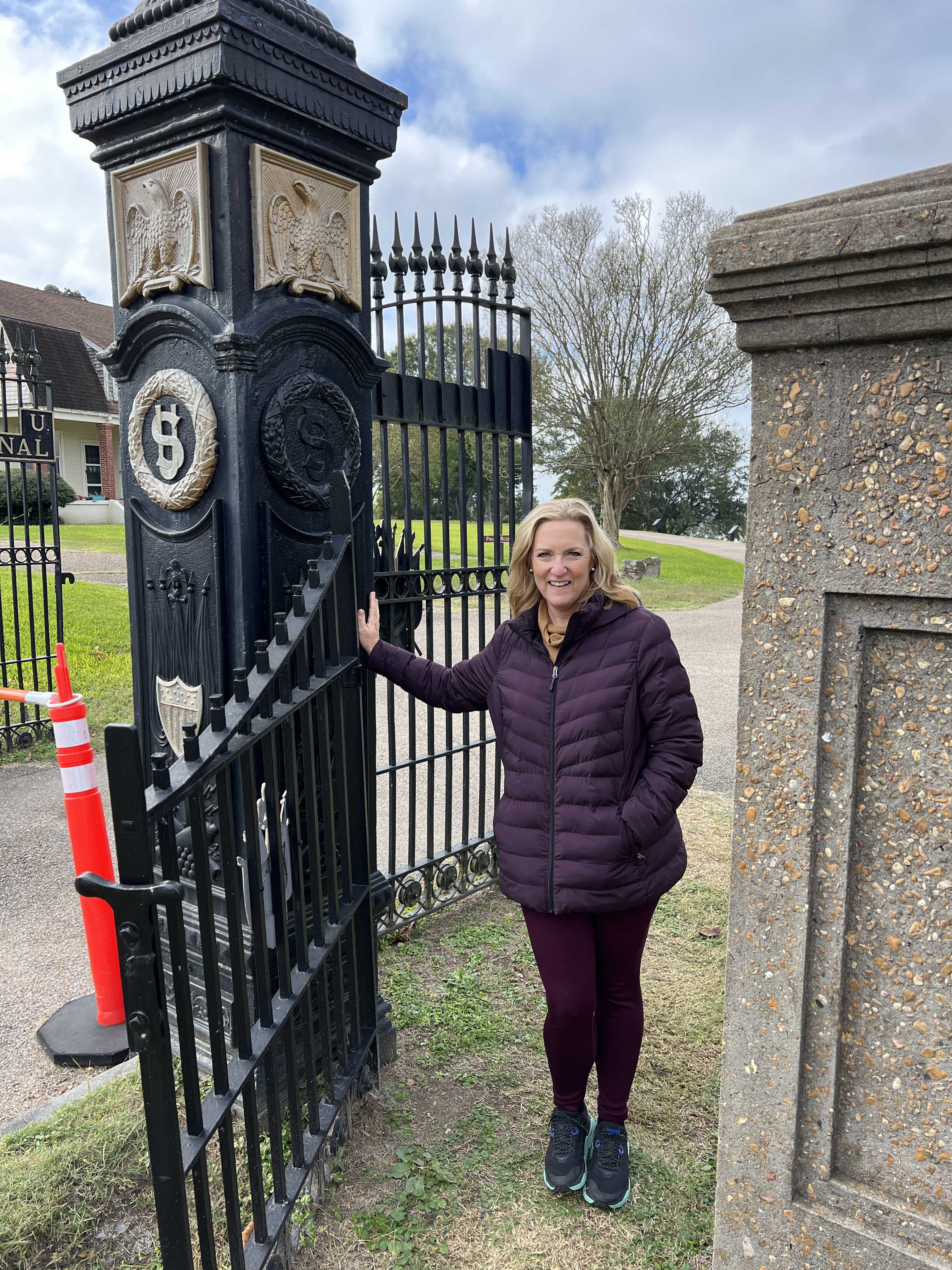
In the north portion of the park is the National Cemetery which holds the remains of 17,000 Union soldiers, more than any other national cemetery. 

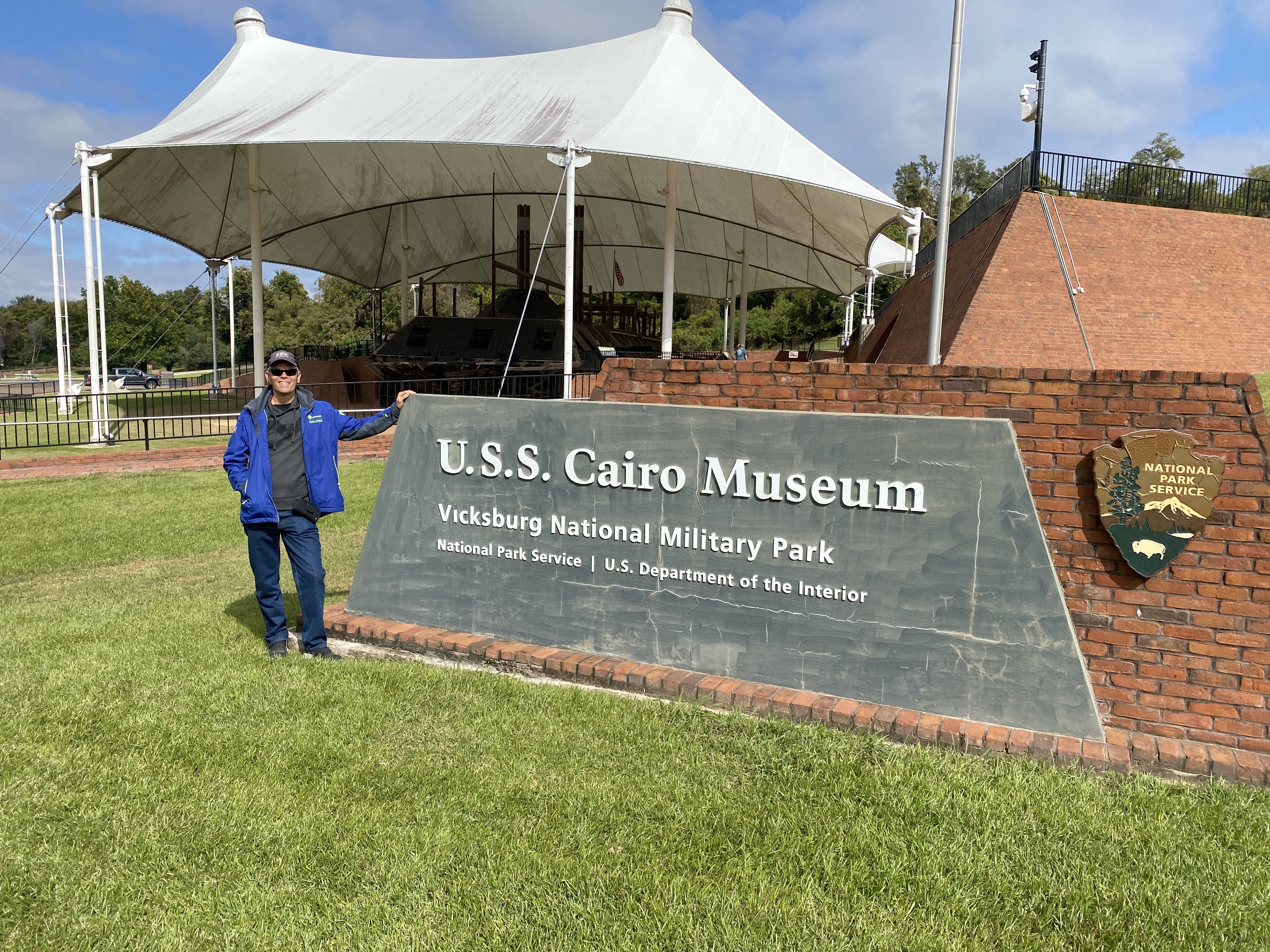
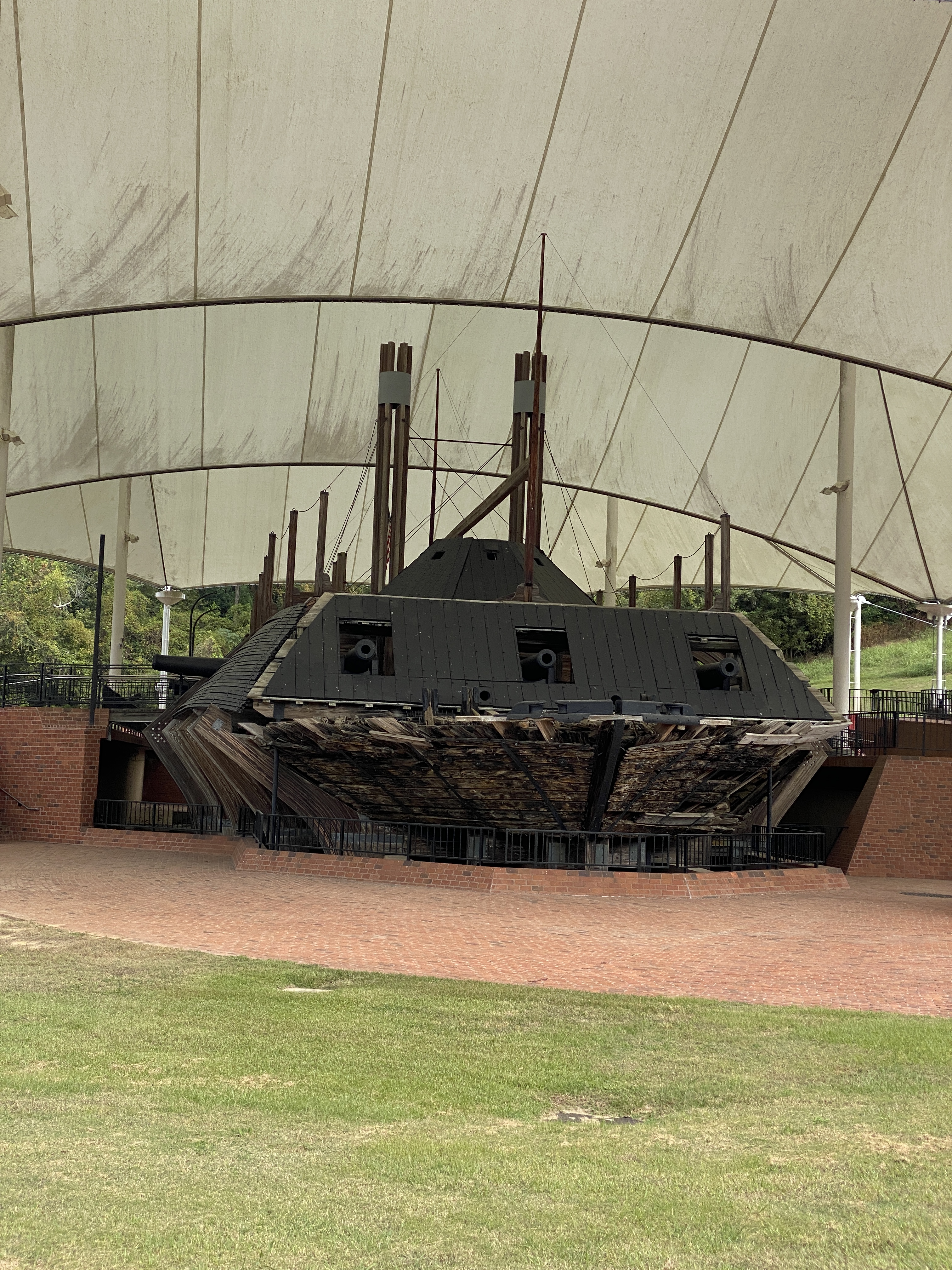
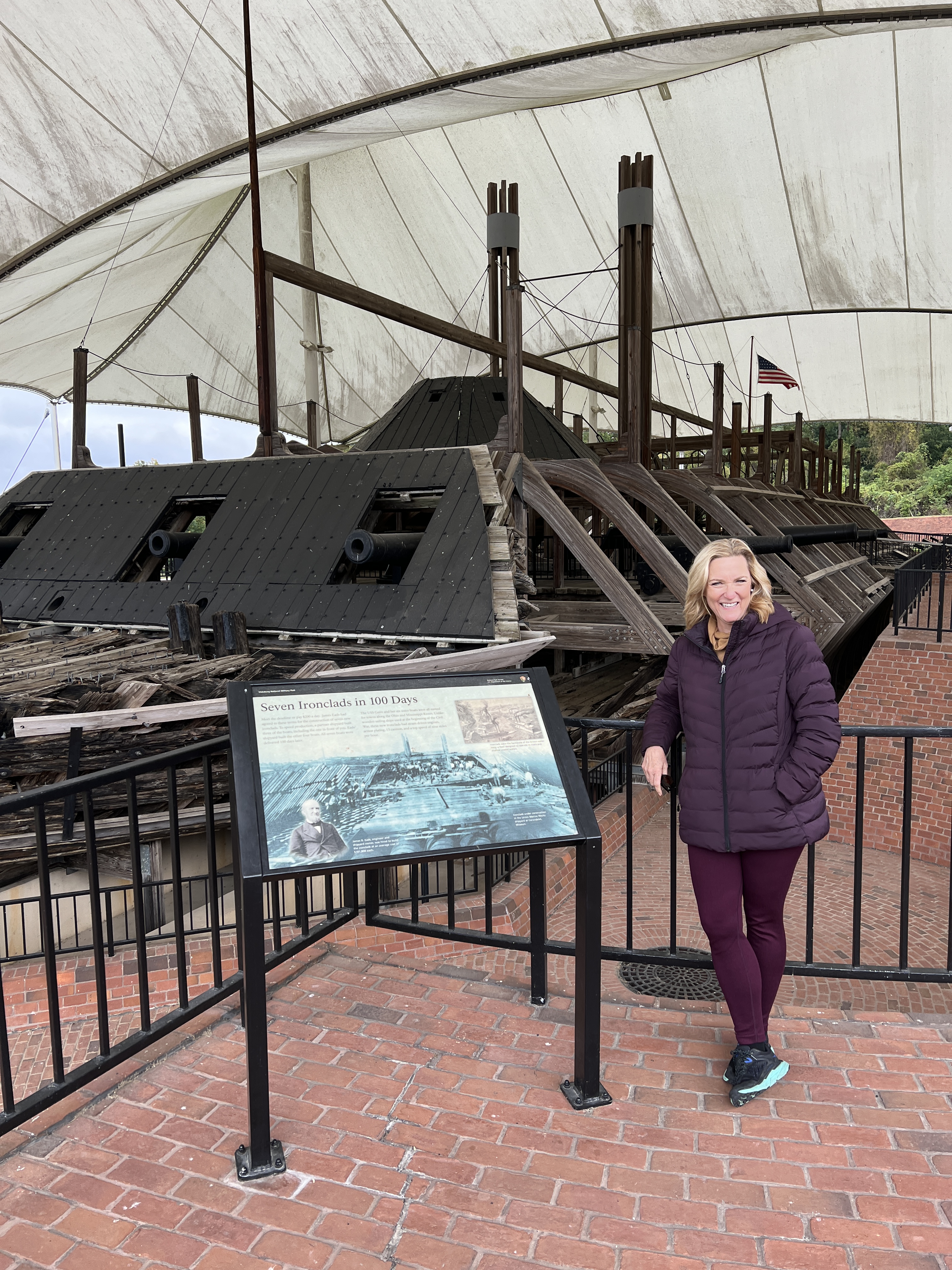
The U.S.S. Cairo Museum is also on the site and features the recovered ironclad ship that sank in the Yazoo River in 1862. The Cairo (pronounced KAY-row, unlike Cairo in Egypt) was found in 1952 and was salvaged and restored, creating an interesting display. The adjacent museum includes many artifacts that were recovered from the ship, indicating what life was like for the soldiers of the time.

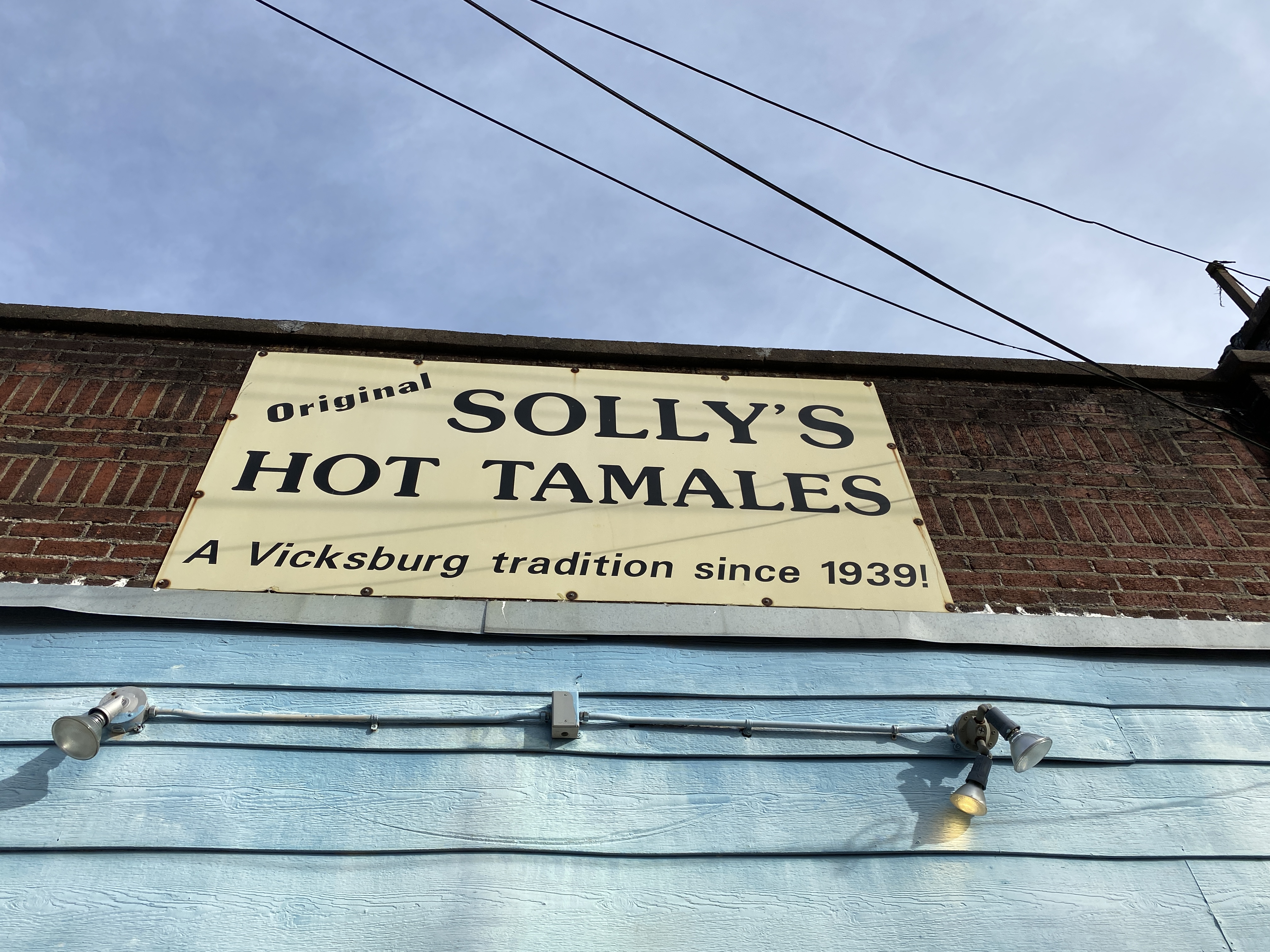
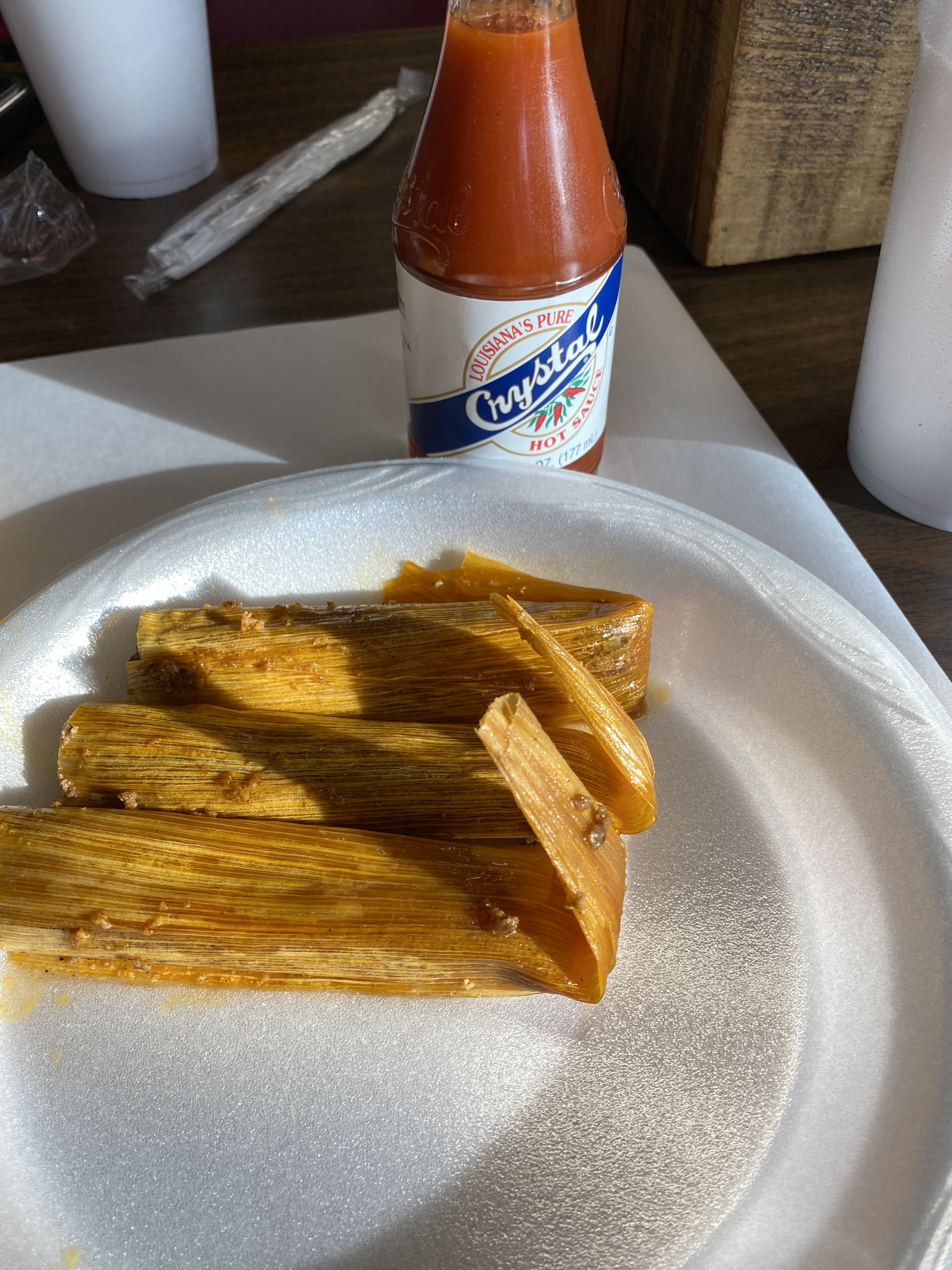
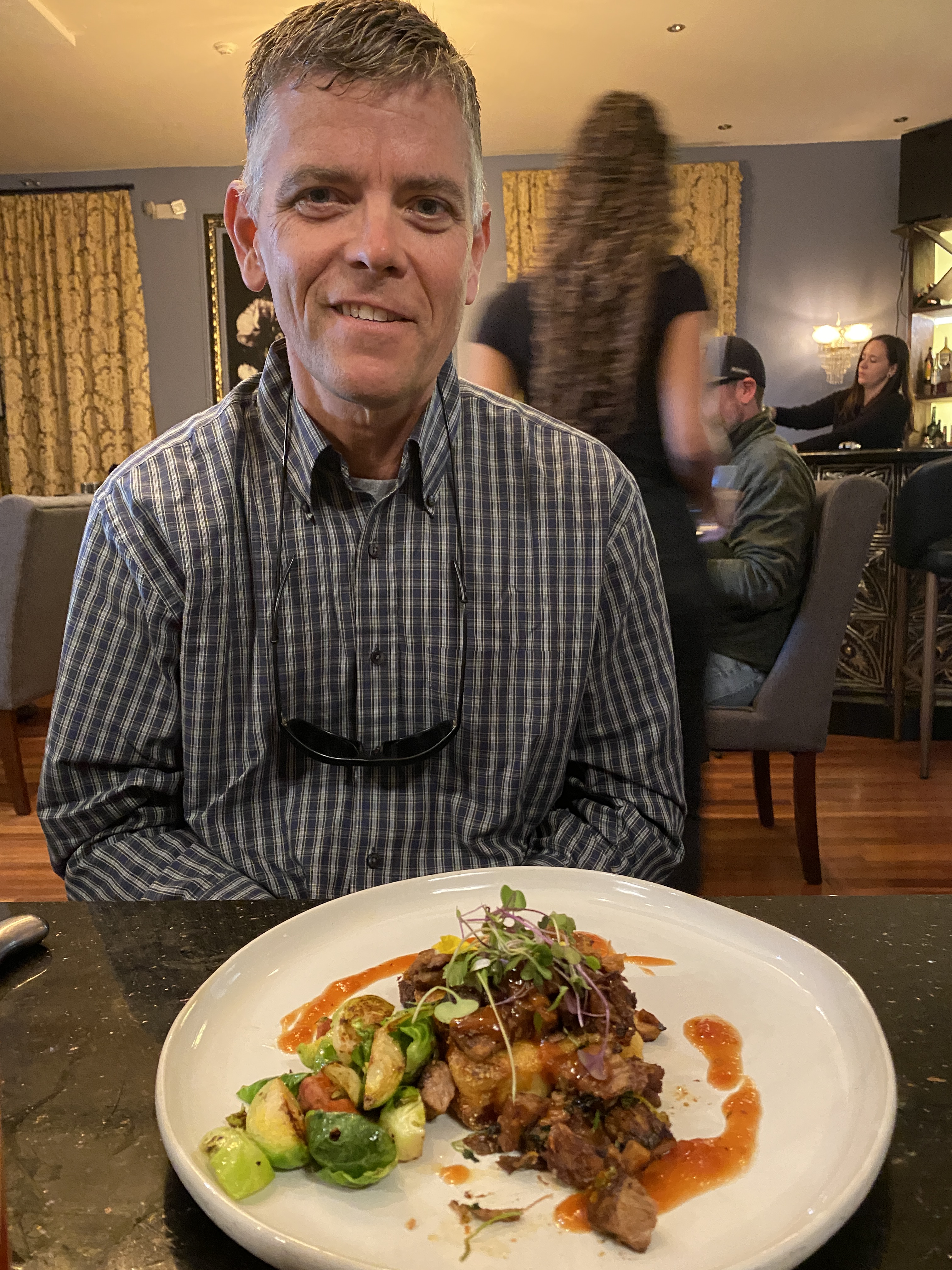
Besides the military park, we checked out historic Vicksburg and soaked in the history. One mandatory stop in Vicksburg is Solly’s Hot Tamales. Tamales in these parts are not like the tamales we are used to in Arizona. These tasty little things are filled with a mix of ground beef and meal and are served in portions of three or six. We easily polished off six plus some fries. This isn’t the kind of meal we eat regularly…but boy was it good!

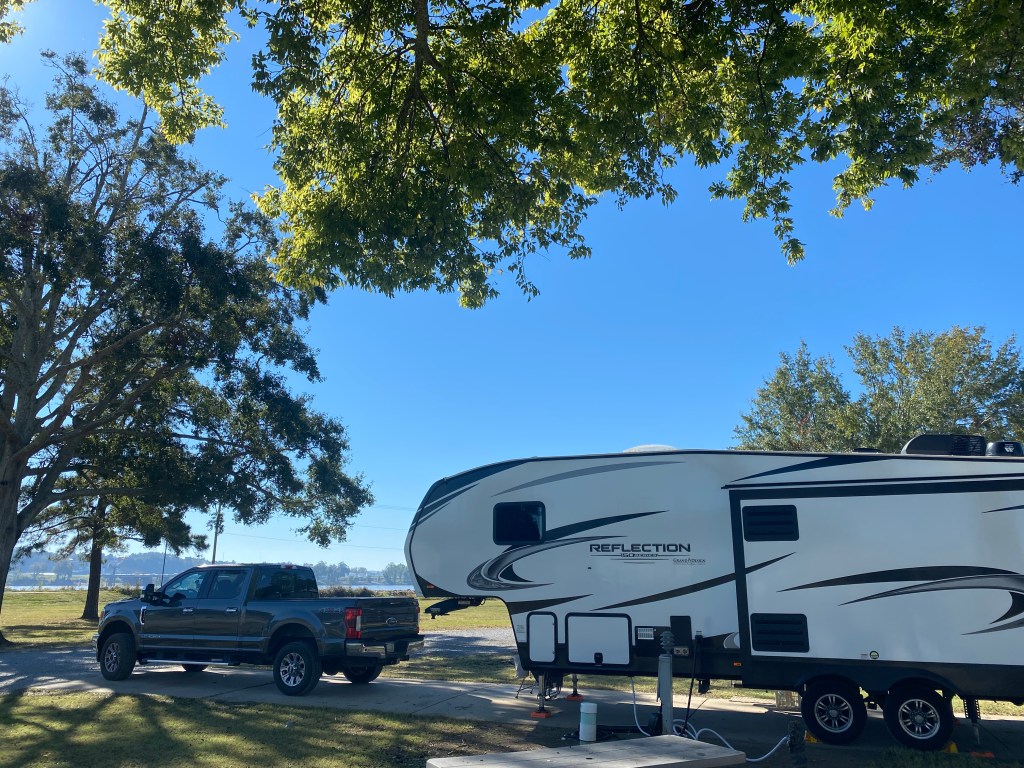
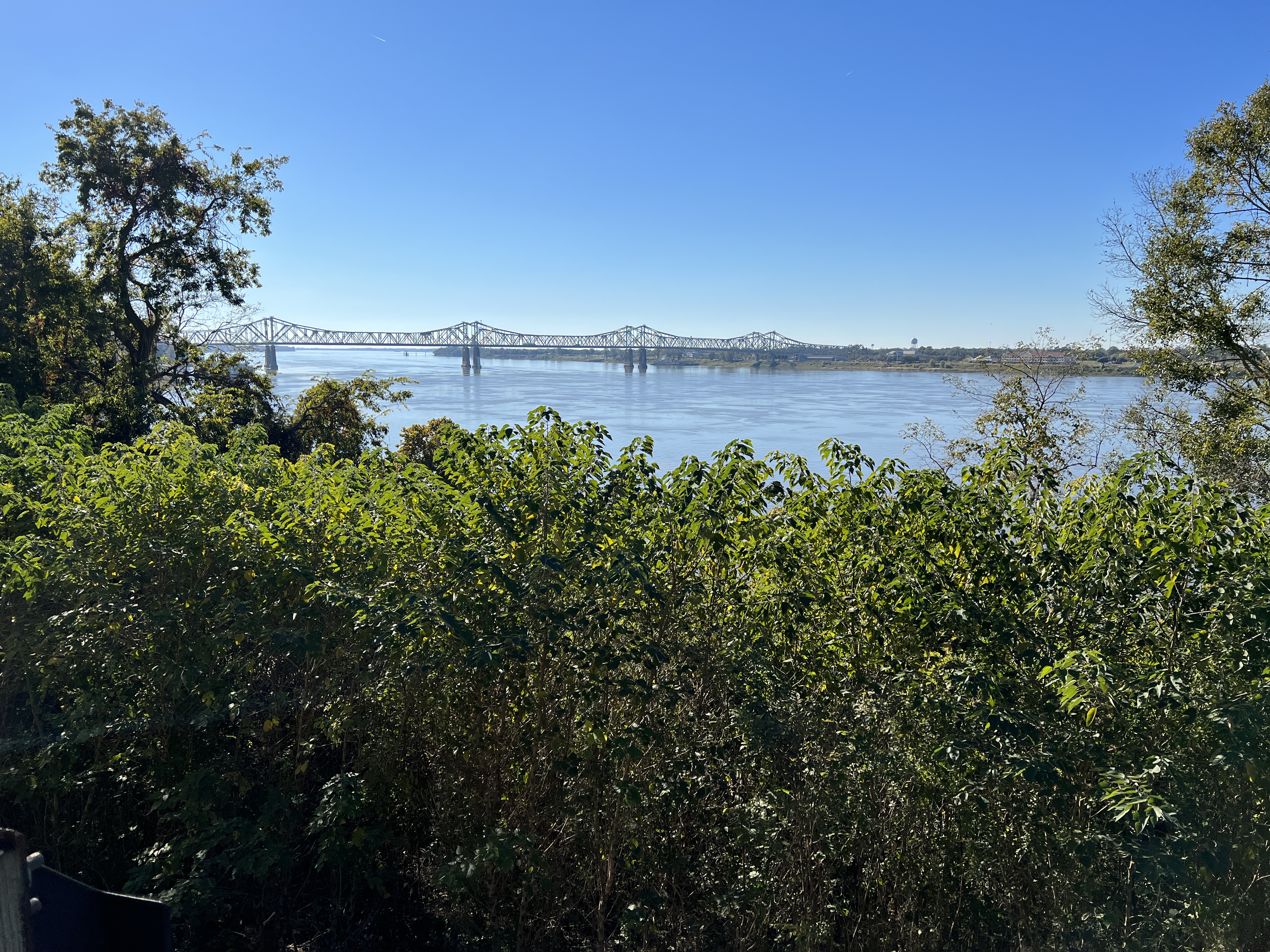
From Vicksburg we traveled about 70 miles south along the Mississippi River to Natchez. Another city with a deep history, Natchez was mostly spared destruction during the Civil War and has more Antebellum homes, over 300, than any other city in the south. We enjoyed our stay at an RV park right along the river, visiting a historic home, and trying out a few of the area’s great restaurants and bars. 

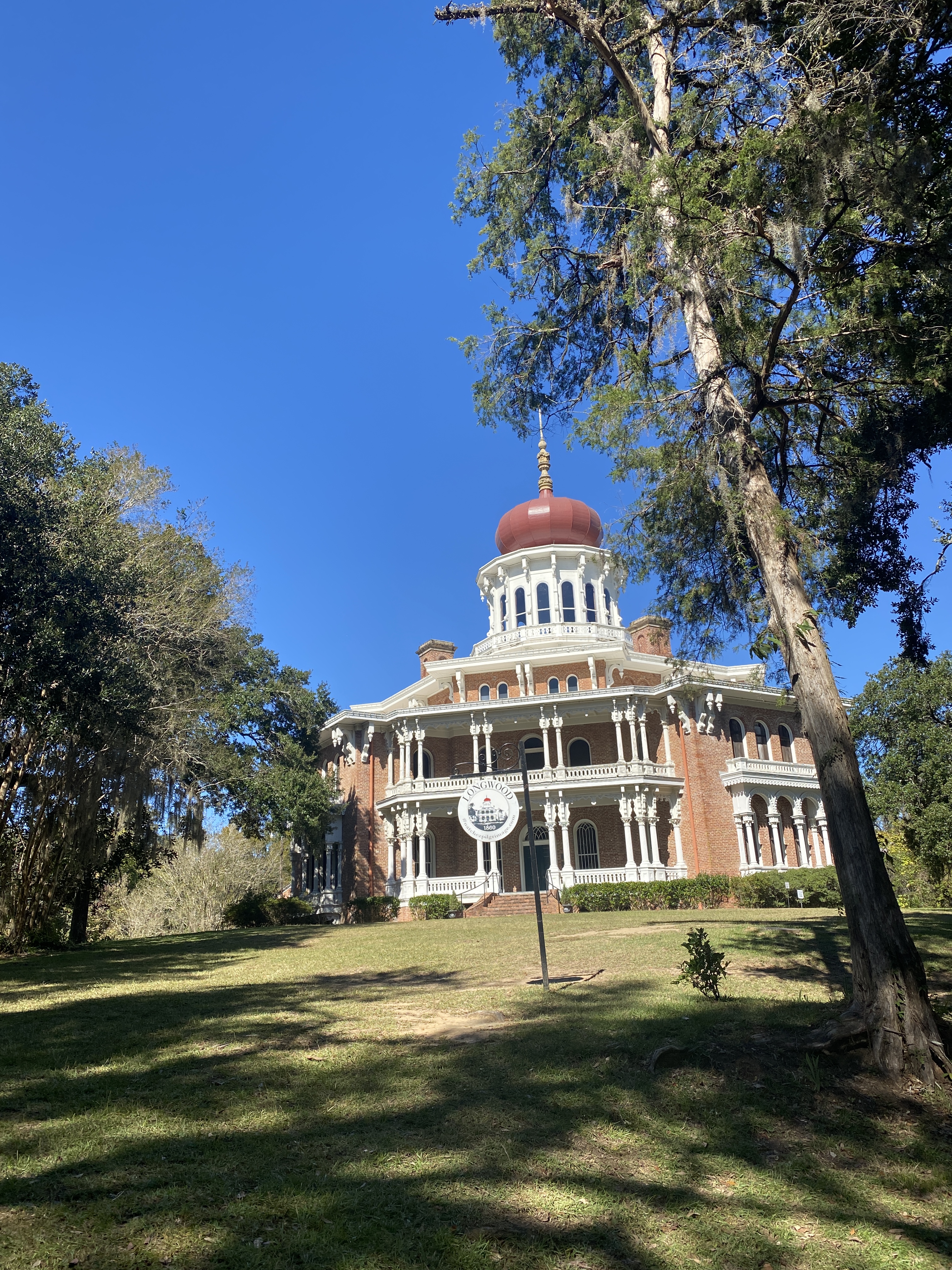
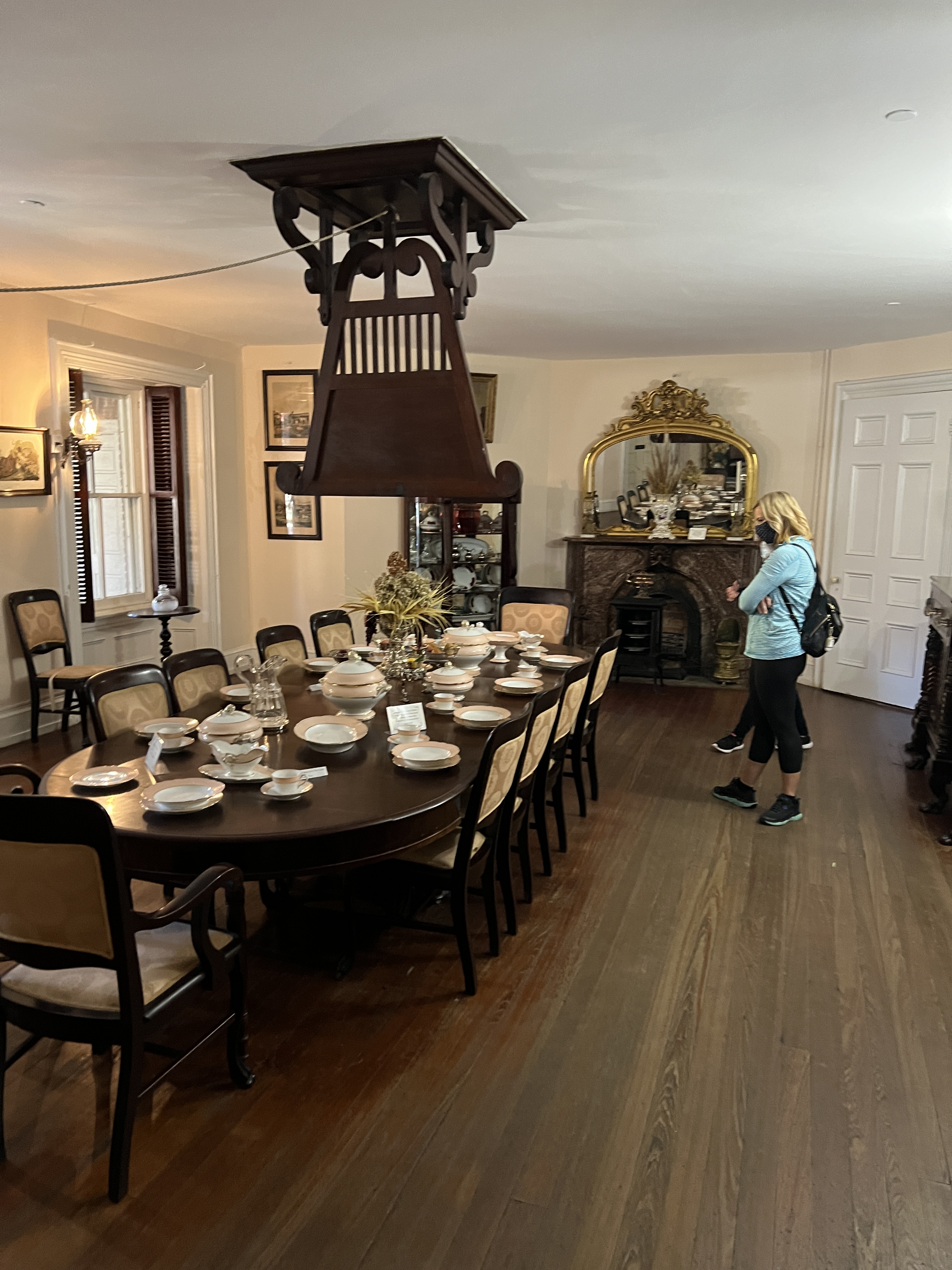
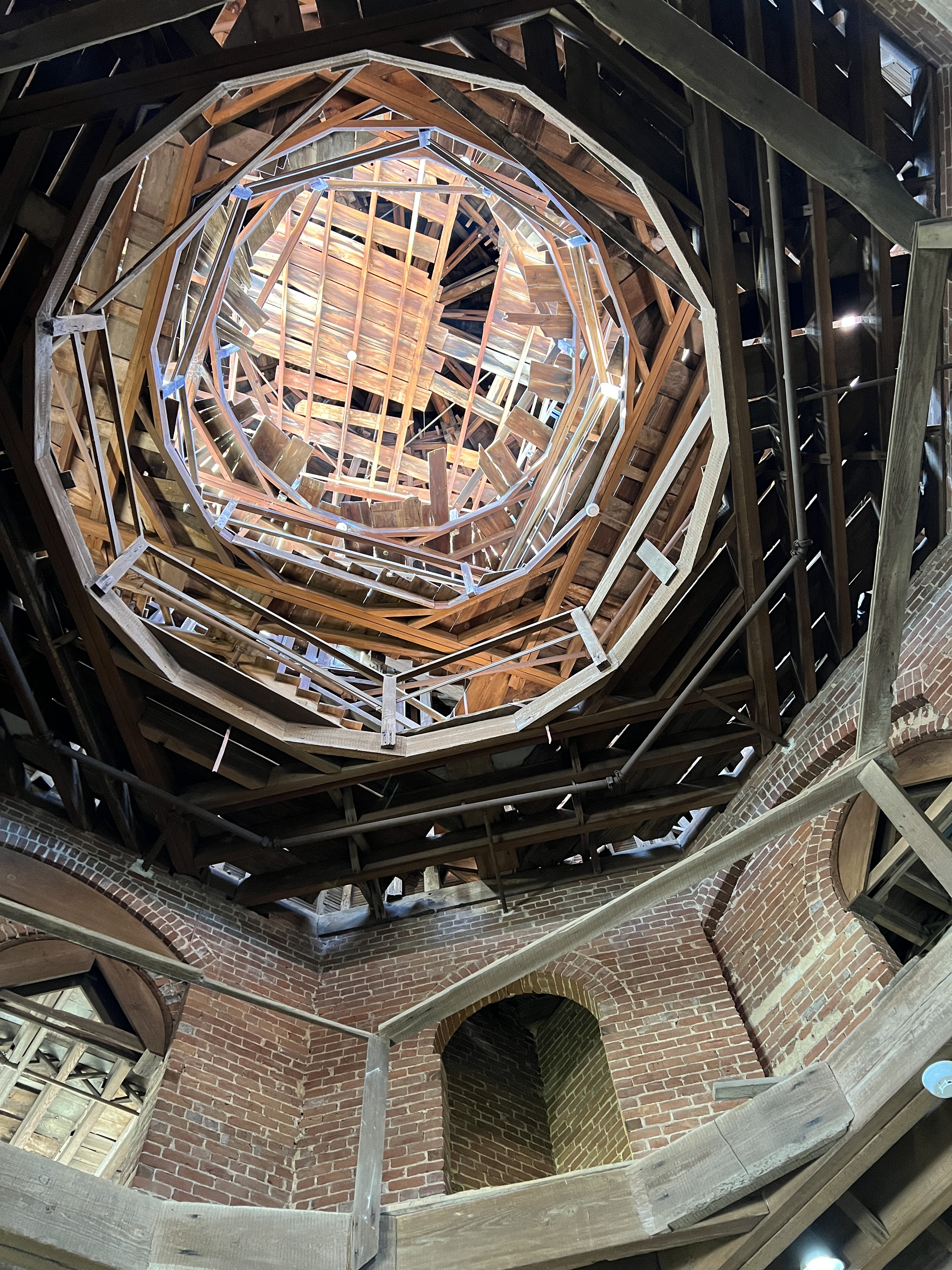
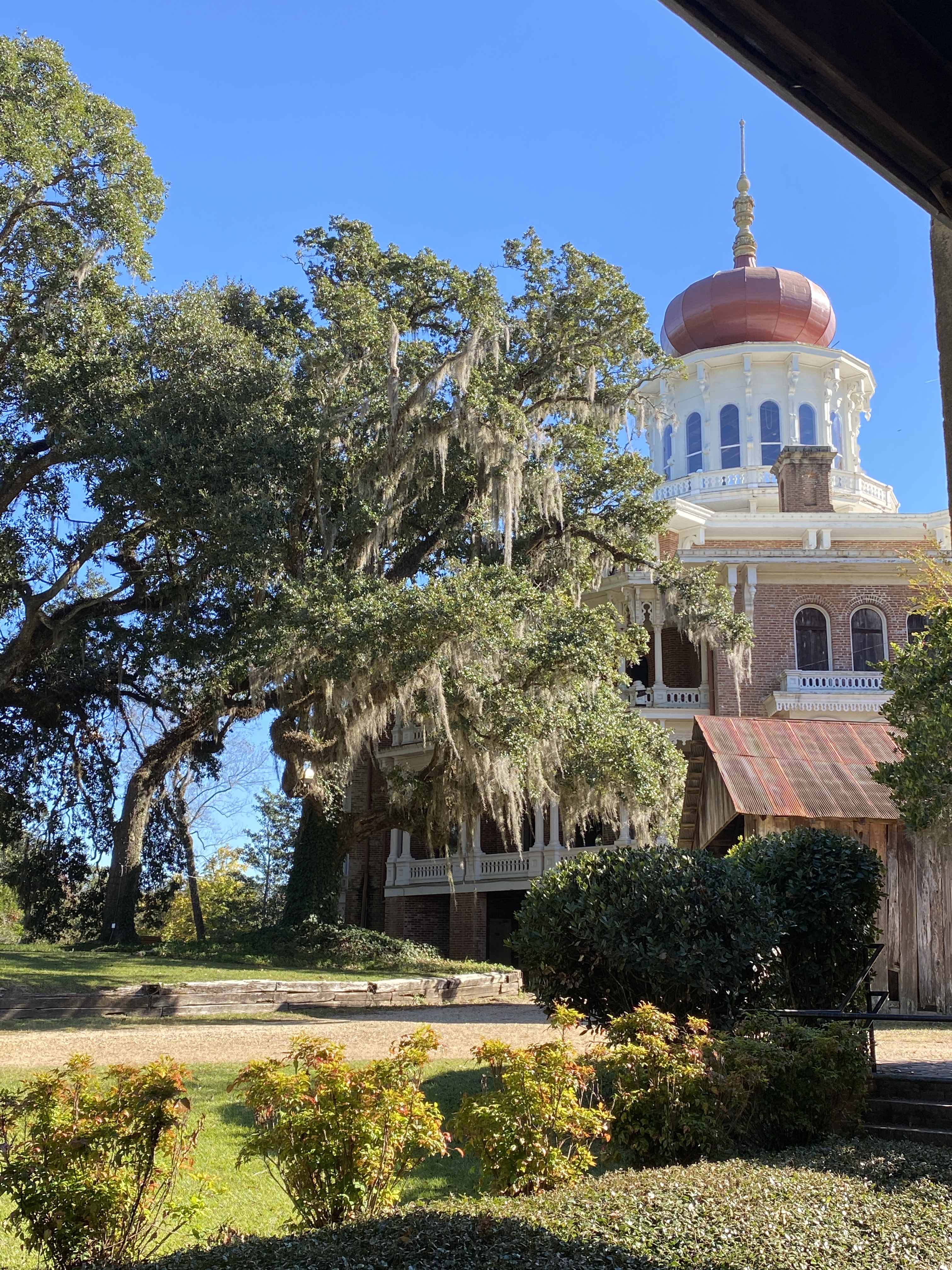
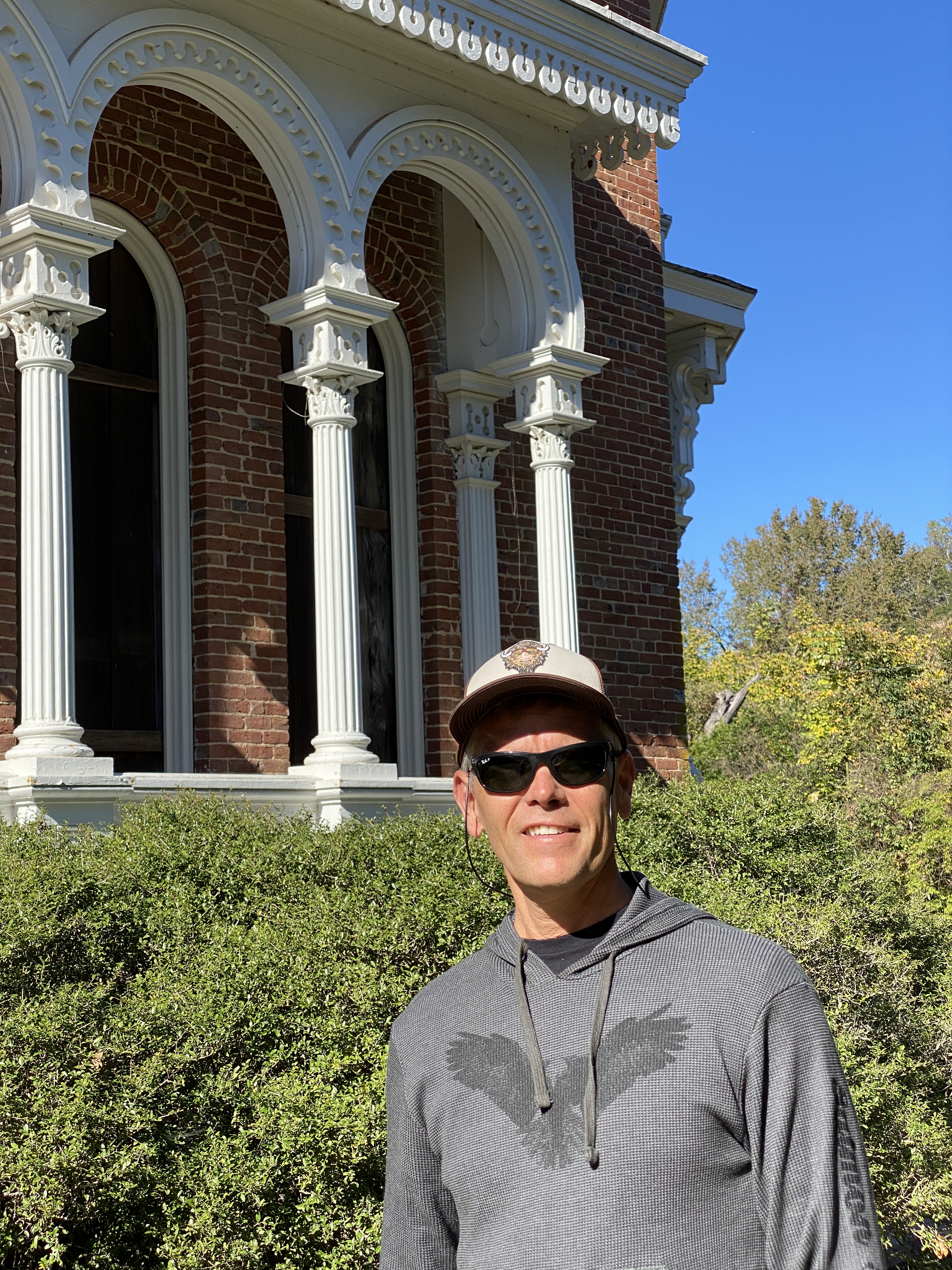
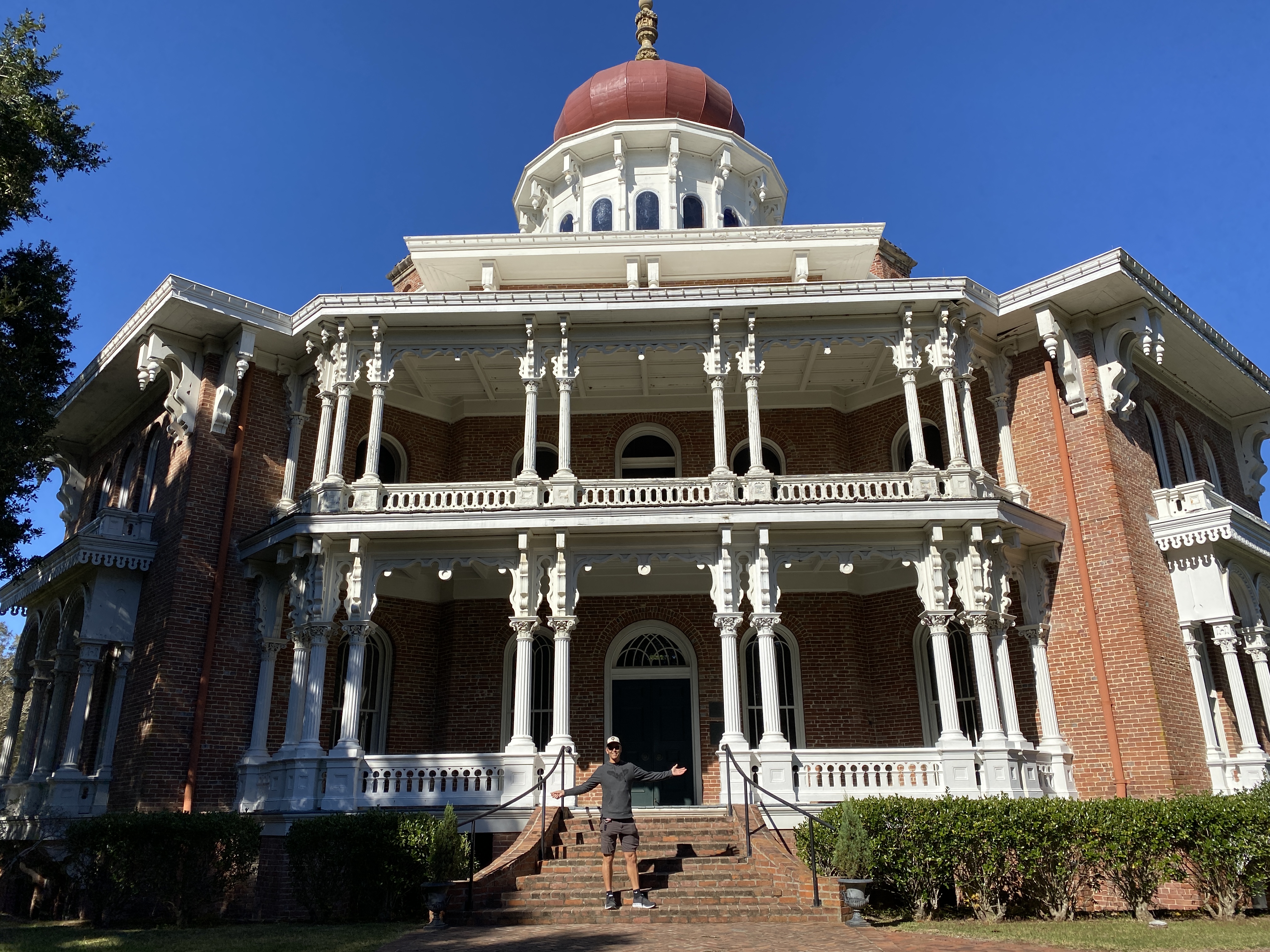
We took a tour of the historic Longwood Mansion, which was built in 1860. The construction of the eight-sided mansion was interrupted by the Civil War and the structure was never completed, yet generations of the Nutt family lived in the first floor until the 1960s. From the unfinished second floor you can see up six levels to the unfinished cupola. 

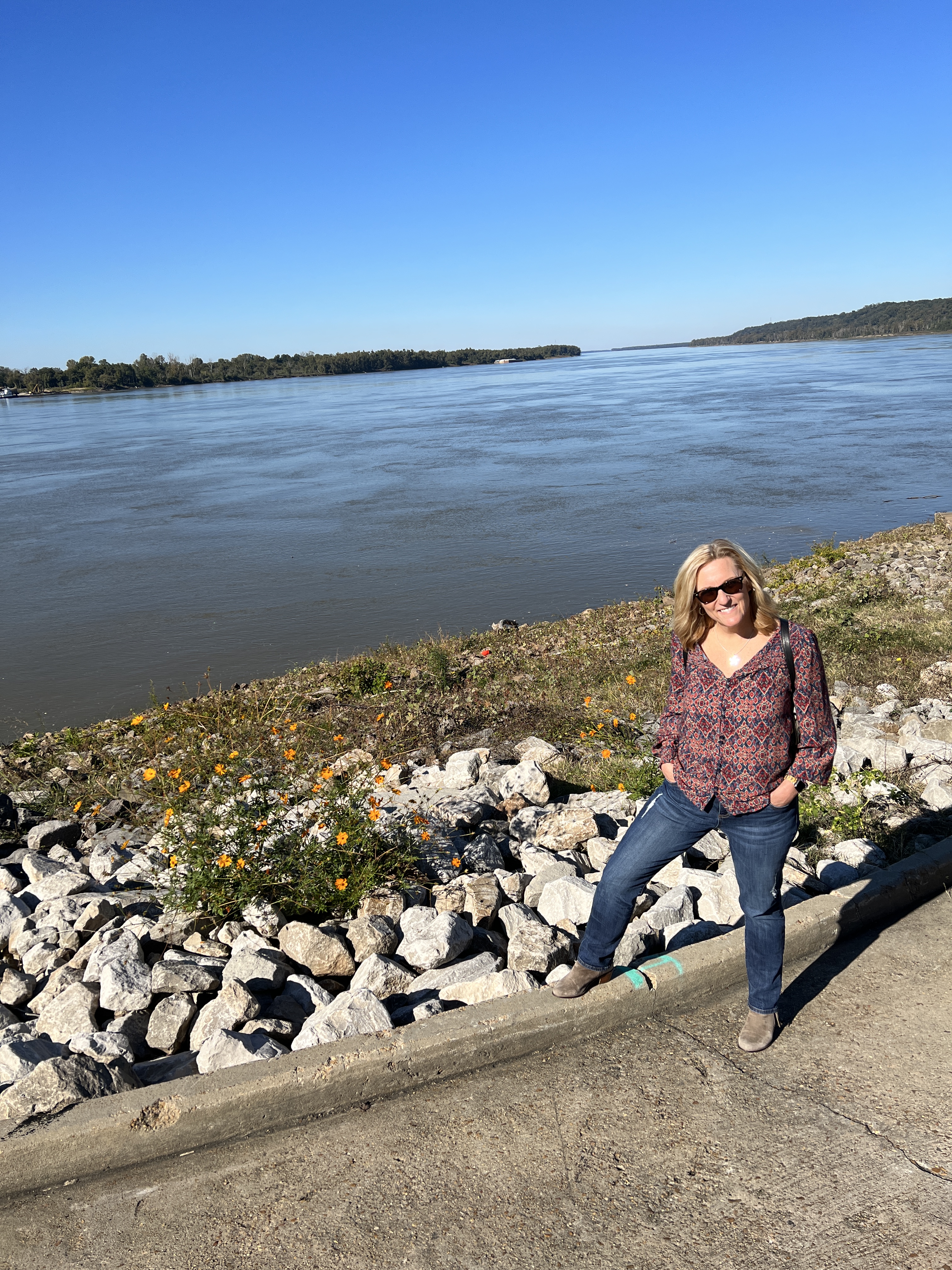
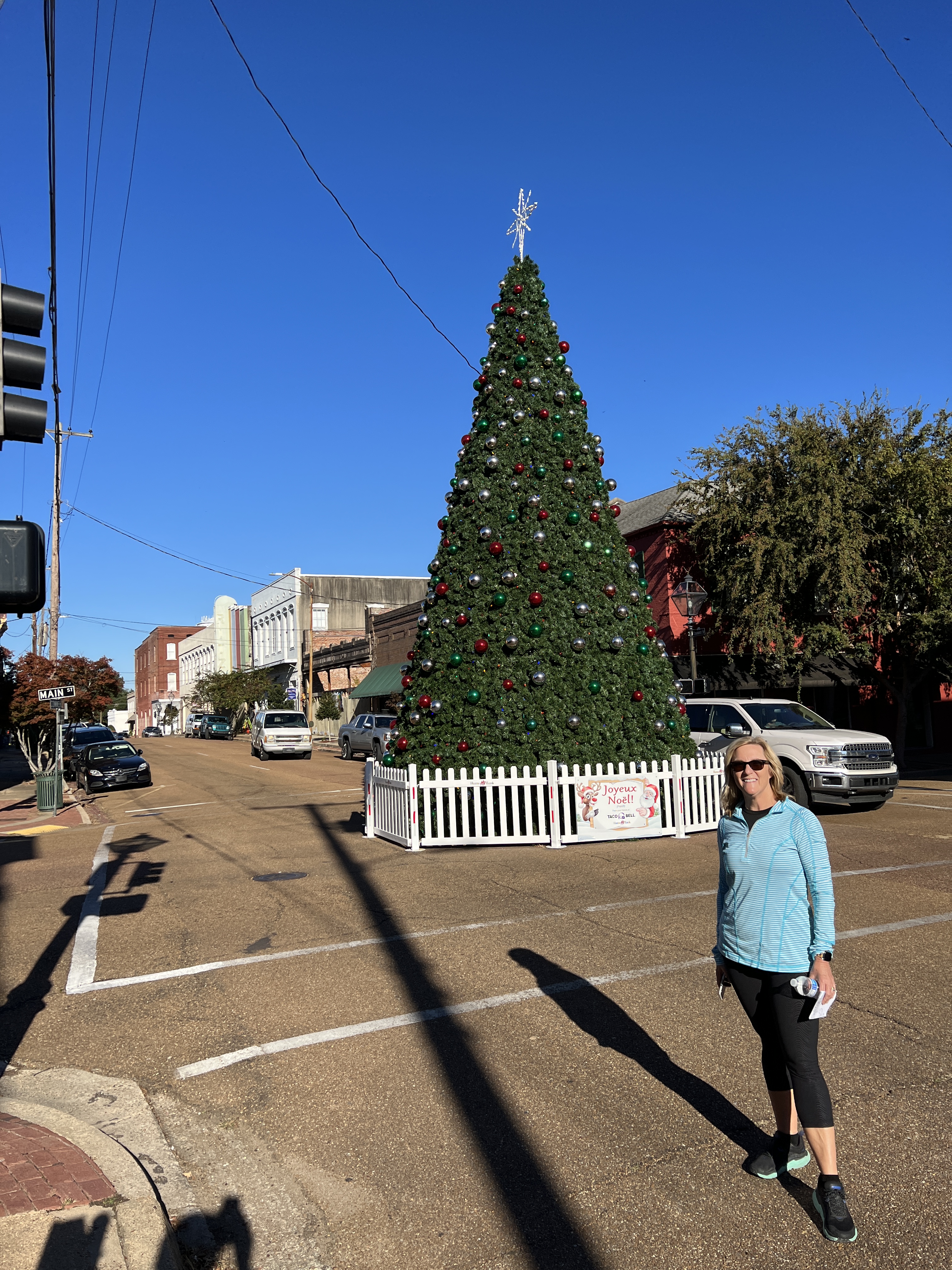
Natchez is a pretty city, situated alongside the Mississippi River. We enjoyed strolling around the town, reading interpretive signs about the town’s rich history.

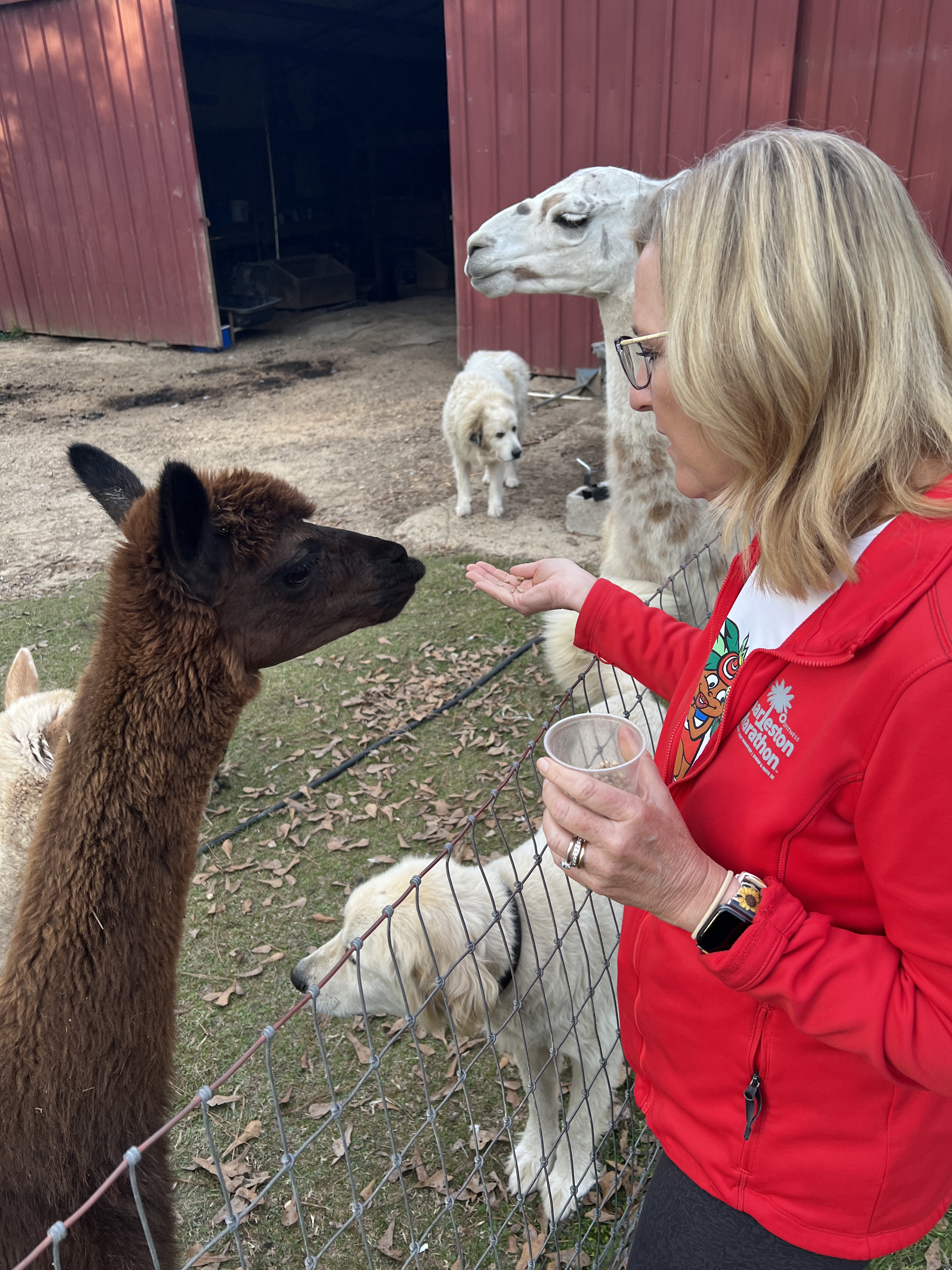
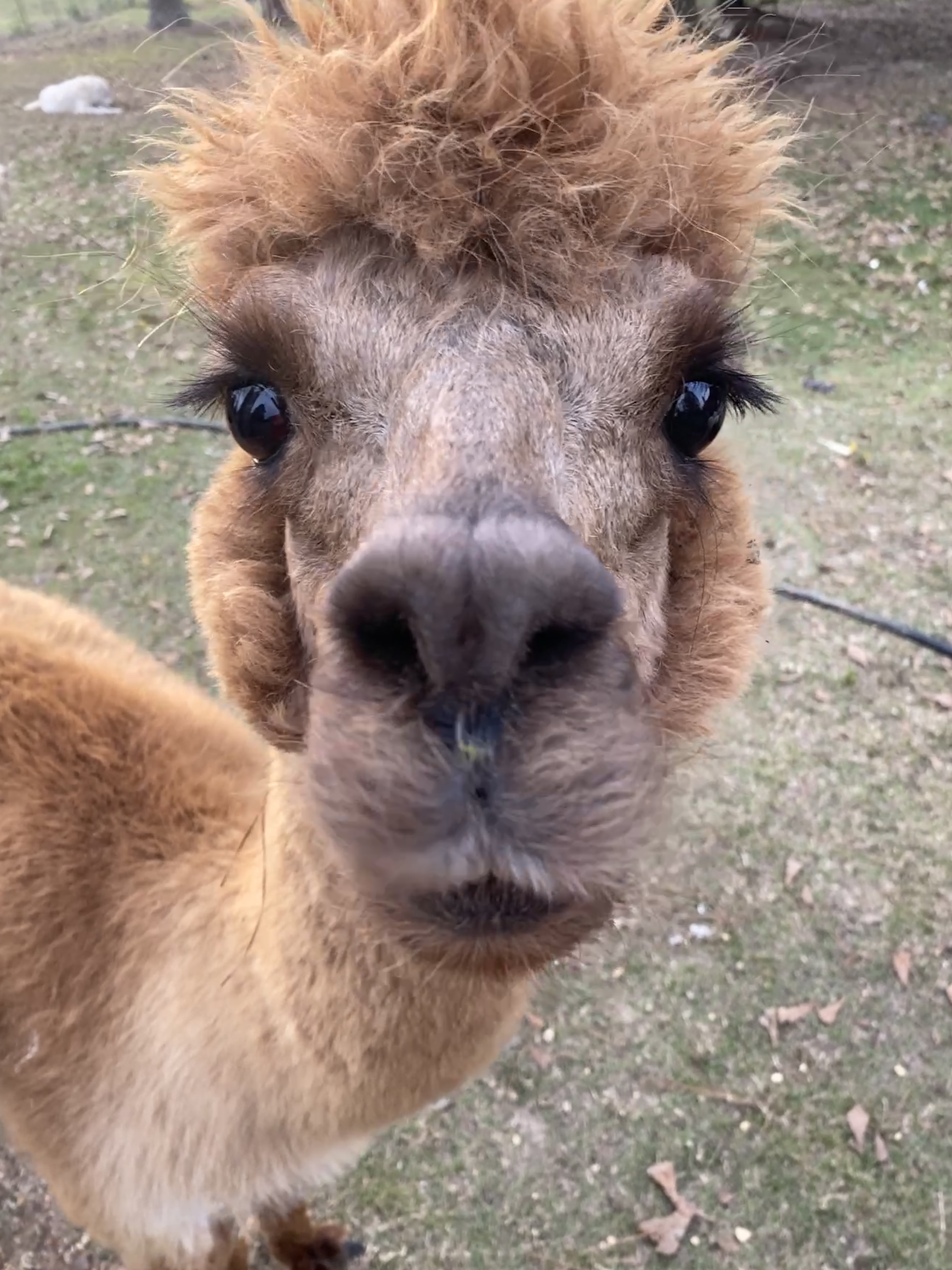
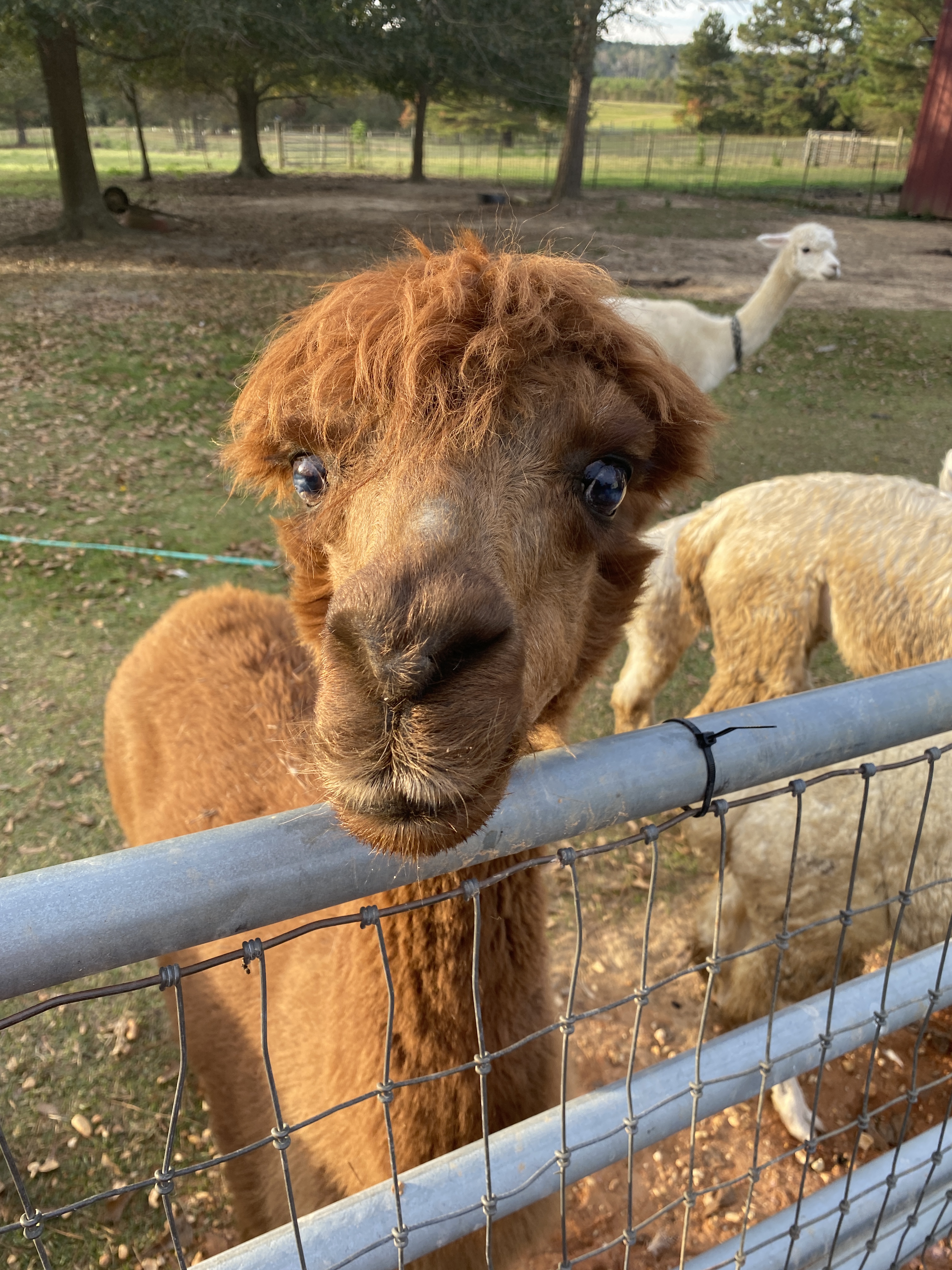
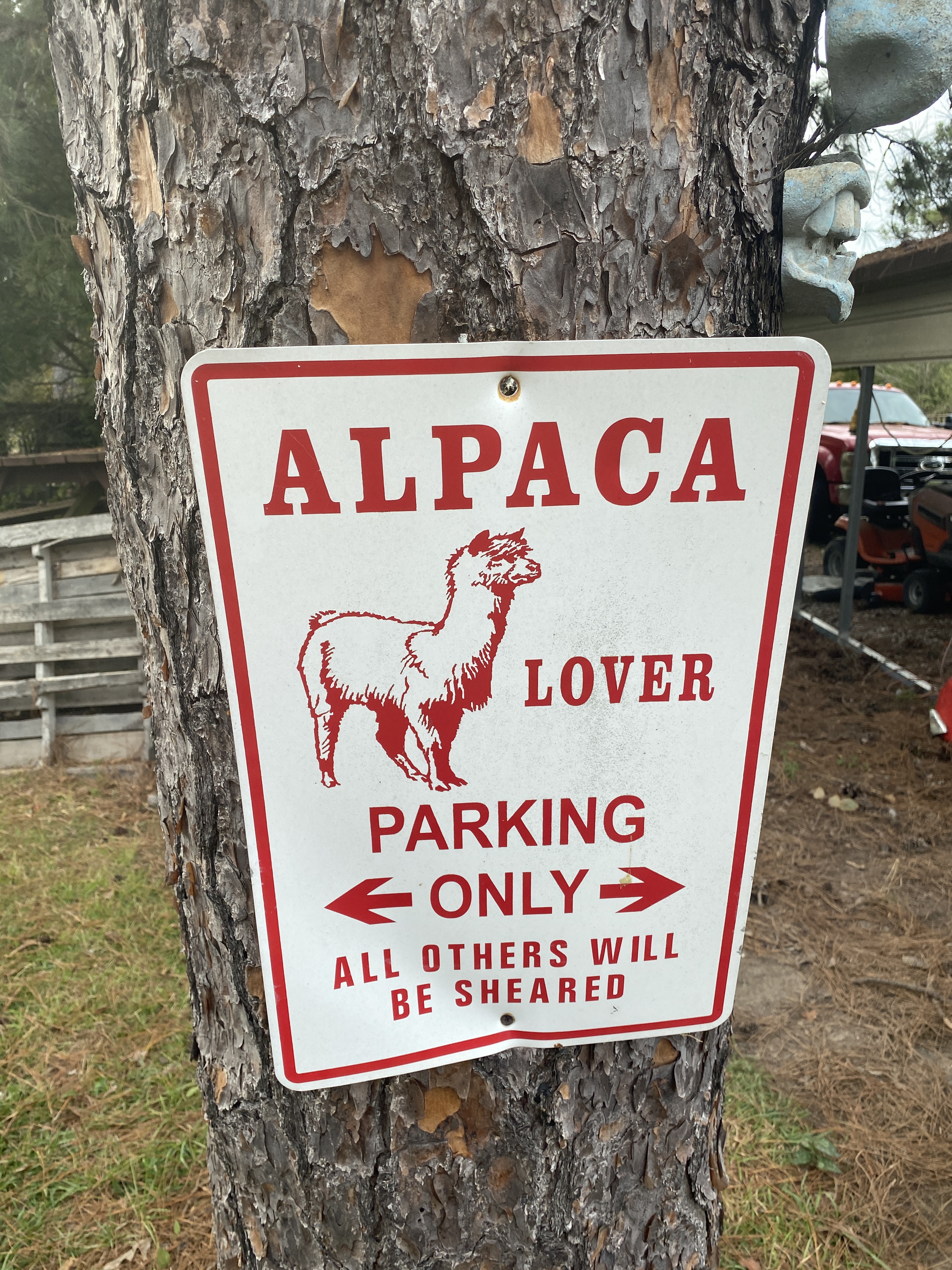
On our way to the Gulf Coast we spent one night at a Harvest Host. This time we stopped in Stringer, Mississippi and A-Stroka-Genus Alpaca Farm. The small family farm has 35 alpacas, one llama, four Great White Pyrenees dogs, 30+ chickens, ducks, guinea hens, and a pair of very loud miniature donkeys.

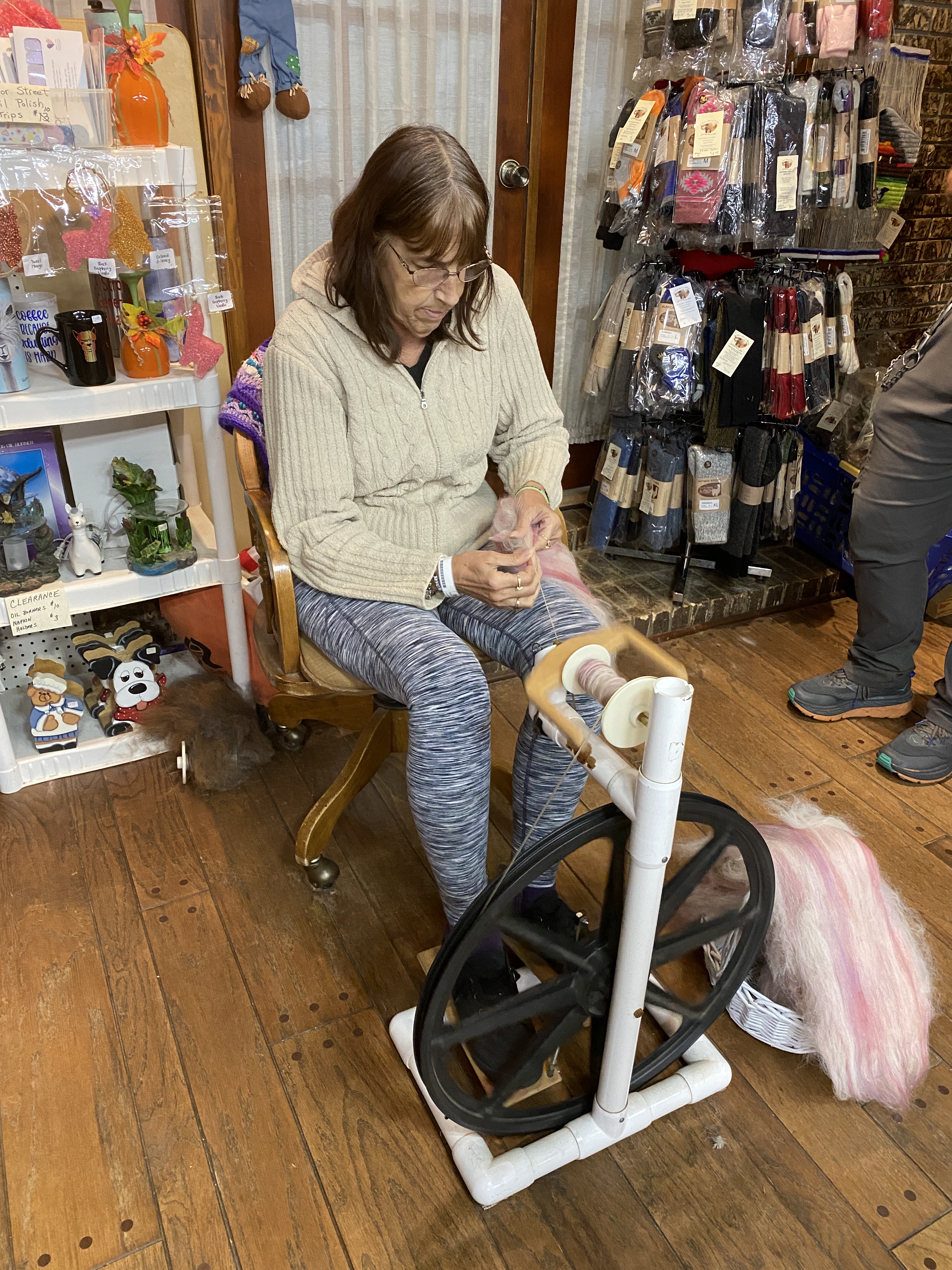
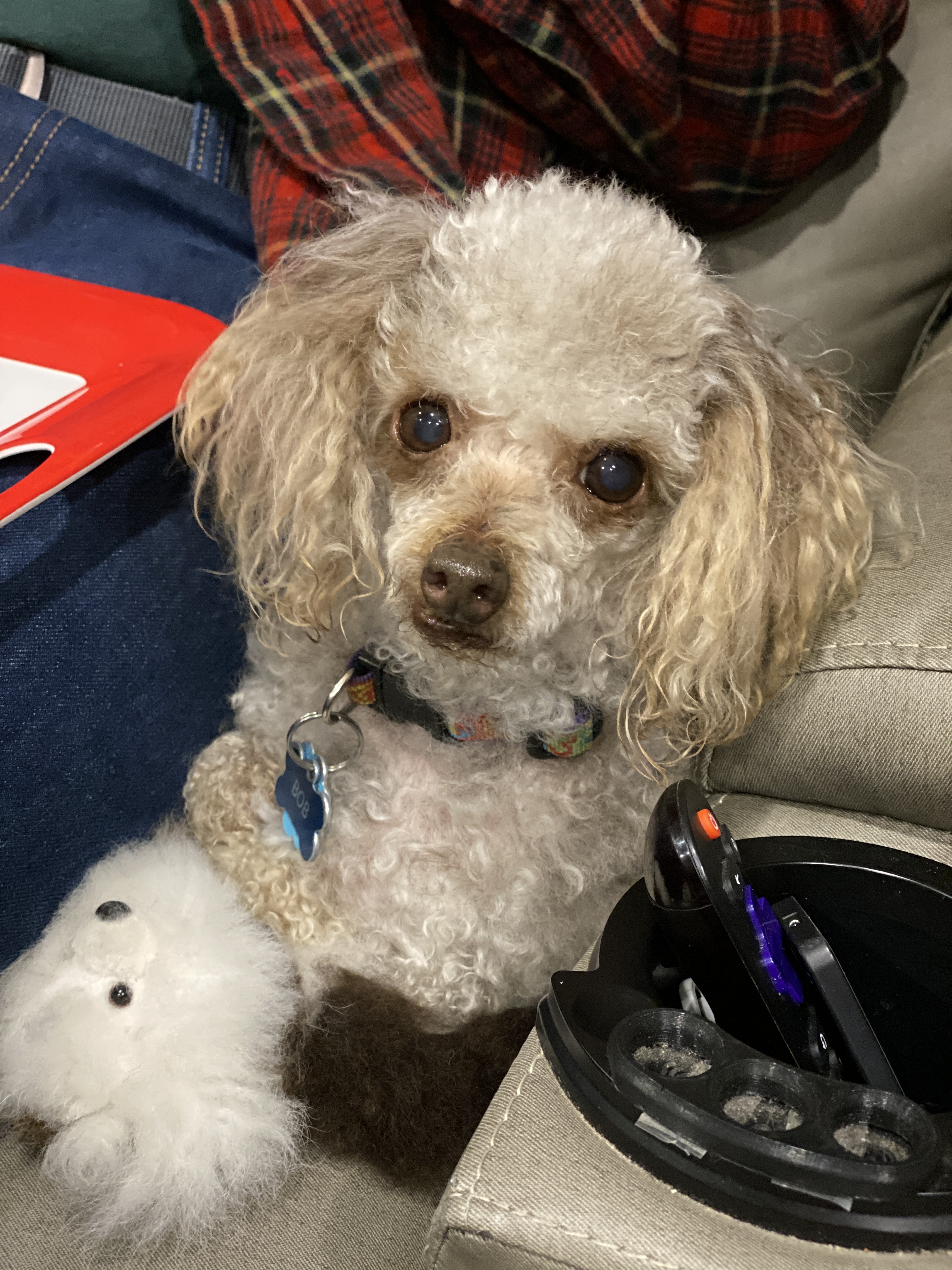
Mary Ann gave us a tour of the farm and allowed us to feed the animals. She then demonstrated how she spins the alpaca wool into the skeins of yarn she sells in the small, onsite store. Bob got a new alpaca hide toy out of the deal too! As always, Harvest Host delivered a great experience. 

We’re on to the beach next!

Hot Springs National Park

As we work our way south towards the Gulf Coast we wanted to cross one more National Park off the list. Hot Springs National Park (HSNP) was along the way and it’s easy to do in a day.

From the beginning, the waters drew those with disabling conditions seeking to ease their pain in the thermal waters. Over time settlers built cabins and lured travelers to the famed springs.  In 1876, the US Supreme Court ruled against private land claims and made the thermal waters available to all. Once the federal government began regulating private bathhouses the building began. By the 1900s, Hot Springs was among the most visited health and wellness resorts in the country. Promoted as a place “where crutches are thrown away,” the area attracted actors, athletes, politicians, and the rich and famous. Notable patients included Will Rogers, Andrew Carnegie, Herbert Hoover, Helen Keller, and Jack Dempsey.

Today only two of the original bathhouses still operate. Others have been transformed for other purposes including the National Park Visitor Center, a cultural center, and a brewery.

We lucked out by getting a full hookup campsite at the park’s Gulpha Gorge Campground. We don’t often drive somewhere without a reservation, but when we arrived, there were several spots available, and we grabbed one. Those who arrived later in the day were not so lucky.

Just behind the campground runs Gulpha Creek, and the park’s 26 hiking trails link together just across the creek. We set out for a nice hike to explore the Hot Springs Mountains, following the Oertel Trail across the mountain and into the historic town of Hot Springs.

The trails were originally established as part of the park’s exercise program and are color-coded based on difficulty. The Grand Promenade runs directly behind Bathhouse Row and served as the most easily accessible of the fitness trails, often prescribed as part of a visit. Our four and a half mile walk through the forest and along the Promenade was a great way to start the day.

The National Park Visitor Center is located in the Fordyce Bathhouse. The 1915 structure has been restored to its original, elegant state. On three floors you can see treatment rooms, the gymnasium, and the parlors that served as “America’s First Resort.” Though the waters held no magical cure, the treatments offered some relief for patients who were suffering and in desperate need of help.

The facilities in Hot Springs at one time rivaled similar bathhouses in Europe. At the Fordyce Bathhouse the men’s bath hall features a large domed skylight containing 8000 pieces of glass arranged to represent Neptune’s daughter, mermaids, dolphins, and fish in swirling water.

In the Hubbard Tub Room non-ambulatory patients were lowered into the tub by the overhead wooden stretcher, allowing for therapies designed to treat polio, arthritis, and paralysis. 

The gymnasium was state of the art for the time and included dumbbells, traveling rings, and parallel bars. These facilities were popular with major league baseball players at the time, including Babe Ruth.

The historic area of Hot Springs is a typical tourist area with souvenir shops, restaurants, and bars. There was a gangster presence here during prohibition, and some of that history is reflected in the area.

We strolled the avenue, browsed a bit, but didn’t indulge in anything but a coffee. While it’s possible to receive spa treatments in two of the historic bathhouses, you must book ahead and we passed on that opportunity.

Hot Springs National Park isn’t one you go out of your way to see and you certainly don’t need days to explore. It is, however, an interesting glimpse into a part of American history. 

Fayetteville is My Favorite ‘Ville’

Fayetteville is very cool! Our primary draw to this area was to attend the US Trail Running Conference and participate in the Spartan Trail US championship races. But there’s so much more. 

We camped at a new campground, Hog Valley RV & Treehouse Resort, just 10 minutes from downtown Fayetteville, which gave us easy access to the University of Arkansas, a great downtown area, and Kessler Mountain Regional Park, which is well known for its hiking and biking trails. Kessler Mountain Park is where we started.

We hadn’t been here an hour before we set out on the trails to explore where our races would be held the following weekend. The fall colors made for a spectacular hike. And check out those bike trails! We are certainly not in Prescott anymore!

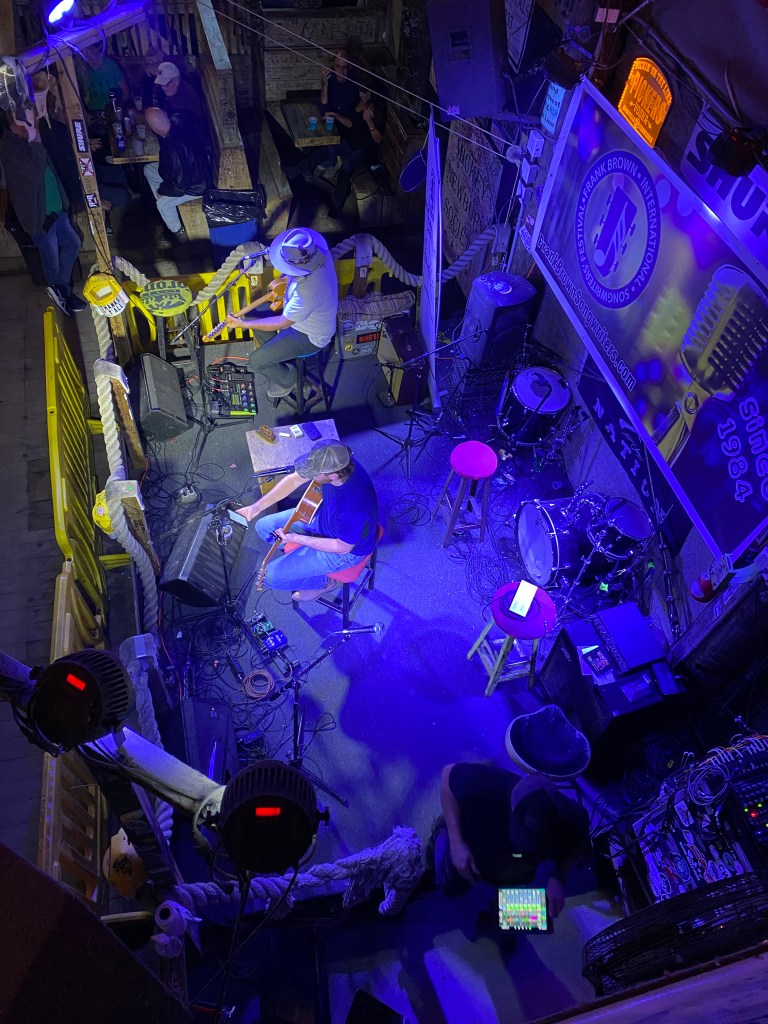
We had a few good days during the week in which to explore Fayetteville, and we took in some live music at George’s Majestic Lounge, which seems to be the place in town. In the process we discovered a great new band, The Arcadian Wild. Check them out!

Then the rain began. It rained and blew and turned cold for three days. We enjoyed one day in the trailer just listening to the rain, reading, and hanging out.

Rain and more rain…Brr…

By the second day we were ready to explore. Despite the weather we headed up to Bentonville where we visited last year. Crystal Bridges Museum of American Art is one of the most incredible art museums we’ve ever seen, and a rainy day was the perfect invitation to explore it again.

Luckily, the bad weather cleared for the weekend and our race activities. On Saturday we attended a conference for trail runners, which provided us with some new perspectives about the sport.

The big event was Sunday morning which greeted us with clear skies and cool but tolerable weather. I ran the 10K and while I wasn’t fast, I wasn’t last. It feels good to be able to take on challenges like this again after two foot surgeries last year. 

Steve took on the challenge of the 50K, which is about 31 miles of running on trails. He’s done one race like this before, the Whiskey Basin Trail Run in Prescott which is 54 miles.

Still, the Arkansas hills, with many rocks, roots, and wet leaves proved to be a challenging event. He finished the course in about 7 1/2 hours and only suffered a skinned knee and some sore muscles. Now Arkansas is counted as another state where he’s finished a marathon or more. Only 27 more states to go! Next up is a marathon in Florida in a few weeks!