As we return to the USA we are overwhelmed with memories that make us still wonder, “what the heck just happened?” Cuba is probably one of the most “foreign“ places we’ve ever visited.  Here are a few observations from our time on the island.
- Cuban pesos (CUP) are only used by Cubans. Tourists deal in the Cuban Convertible Peso (CUC), which is 20 times more valuable than the peso. Both currencies are impossible to trade outside of Cuba. When we returned to Miami we discovered 40 CUC in our pockets.
 The US-based currency exchange would not take the money and after asking at least a dozen Cuban-Americans working in the airport if they would like the money (free money!), no one wanted it! We thought someone might be able to use it, but no one wanted to take the money! Sidenote: if you are going to Cuba soon, let us know. We can sell you some convertible Cuban pesos!
- We take so much for granted in the USA. One big example is the availability of clean drinking water. We were advised not to drink from the tap; however, our search for bottled water often turned up nothing. In fact when we stopped at a rest stop on the highway and attempted to buy water, the only beverage available to purchase was rum!
 We stood in line at a store called Agua y Jabon for awhile until we looked in the window and only saw soap (jabon) on the shelves. No agua to be found!
- Cubans are master mechanics. The old US-made cars are really everywhere, and they’re all still running. How can they do it and yet, in the US, if we drive a car over 10 years old we’re really in need?


- Cuba has no advertising. On the highway and in the cities the signs you see are all in support of the revolution and the government.Most display the faces of Fidel Castro and/or Che Guevara. I guess we’re all subject to advertising in one way or another.


- Why question? When we asked our guides questions about Cuban life, we were often met with unclear answers. We asked, “can you move to another city to escape the crowds in Havana?” The answer was yes, but it’s very difficult and no, there are some places you can’t go, and well, no. Huh?“Does the government provide your housing?” No, but housing is free and the people in Las Terrazas got their homes for free. Huh? There are no mortgages but you can own your home. Huh?


 We tried really hard to understand the systems but concluded some things are better left misunderstood.
 - Some things are free and some are impossibly expensive. Healthcare, education and housing are provided by the government. Buying a car could cost as much as $85,000 for a used sedan or $250,000 for a Peugeot.

- People are essentially the same everywhere. We found the Cuban people to be warm, friendly, fun-loving.And, like in every other part of the world we’ve visited, they are searching for the same things we are. We all want to be recognized. We all want to be safe. We all want to be loved. It’s no different in Cuba.


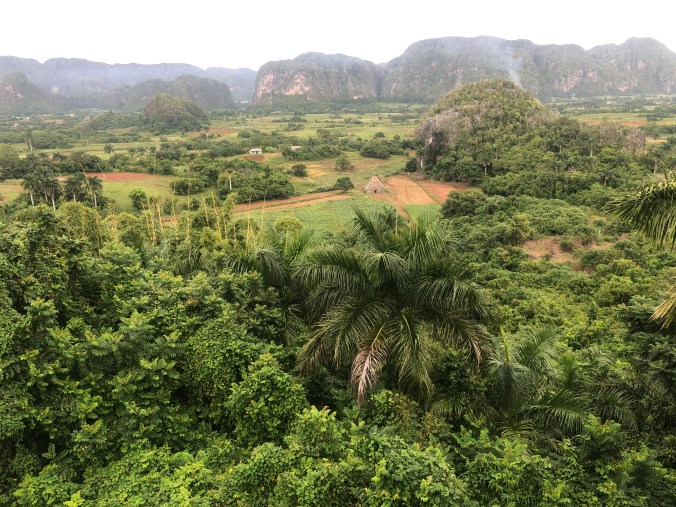
Cuba is an enigma. It’s vibrant, colorful, beautiful place with happy welcoming people. Because it’s so different makes it that much more worth exploring.
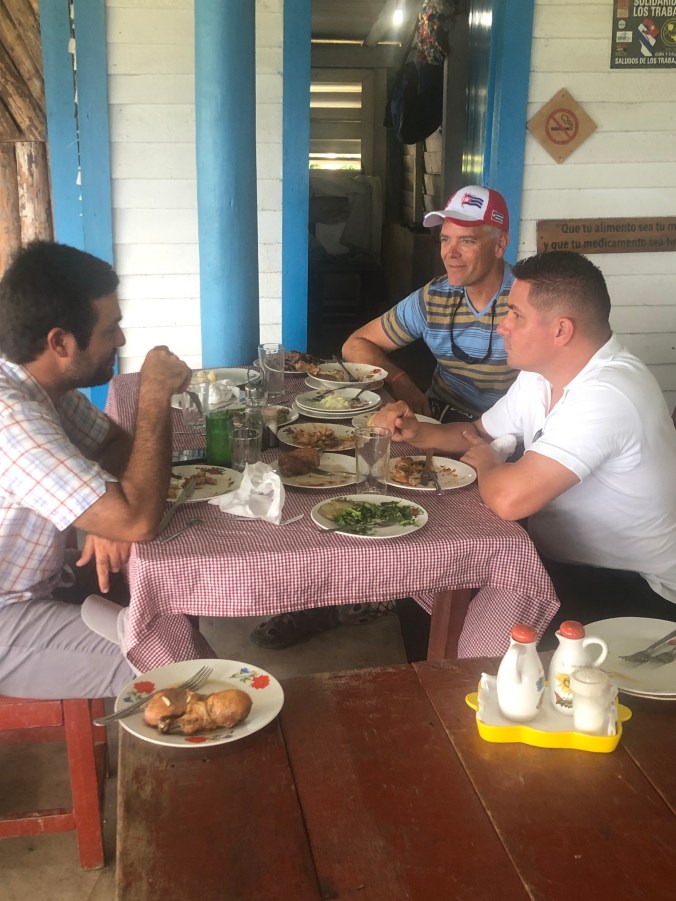
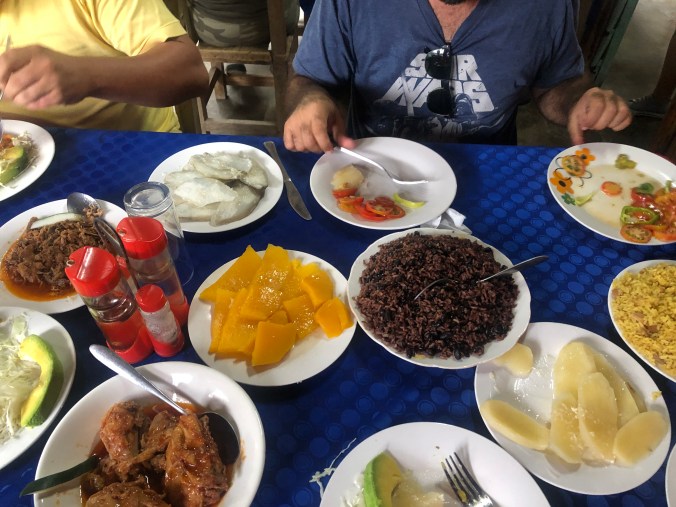
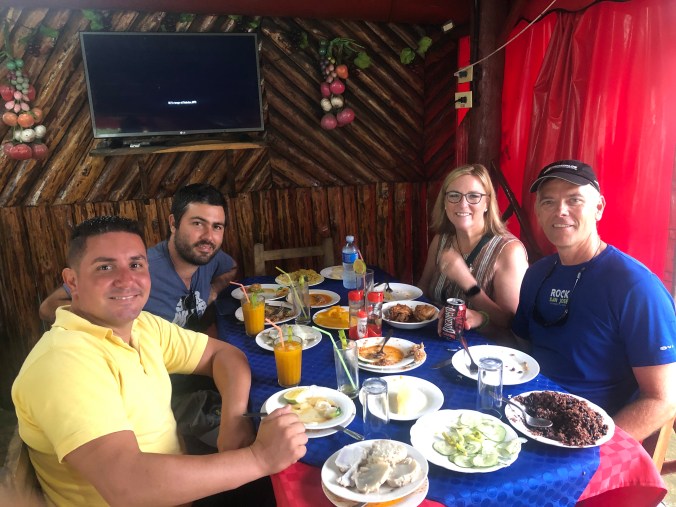
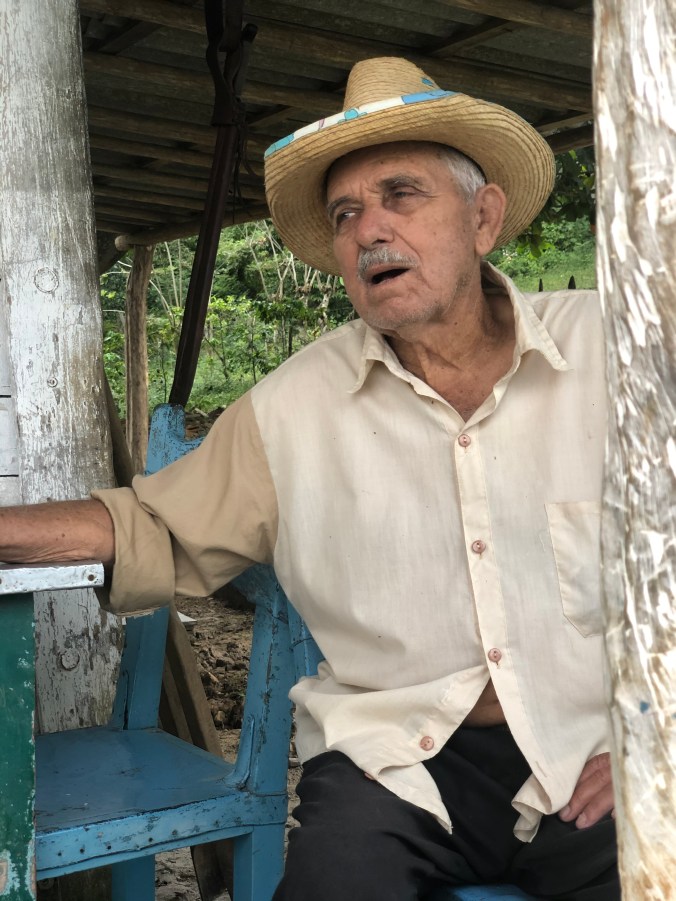

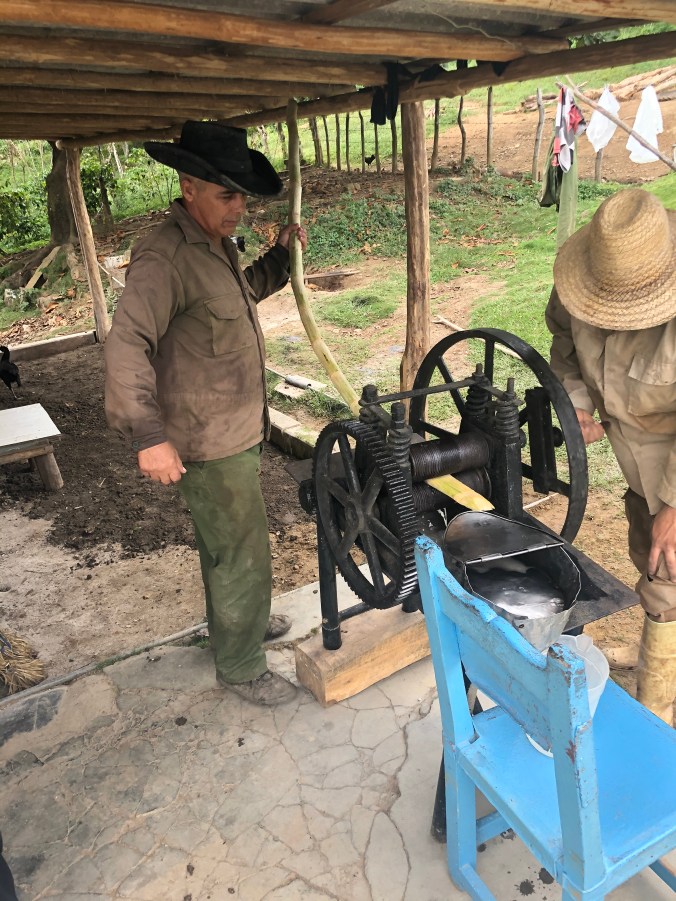
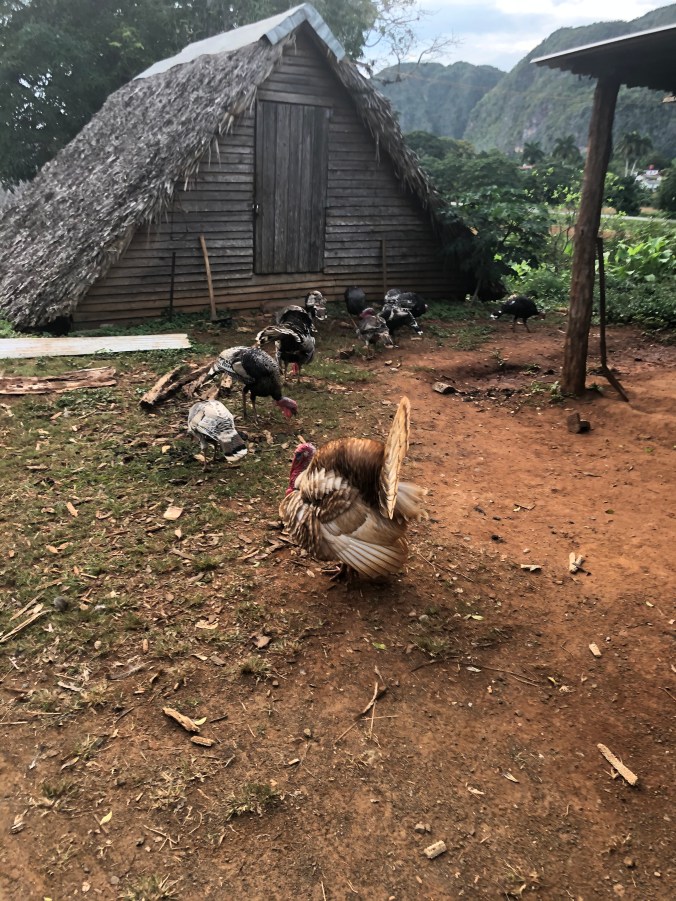
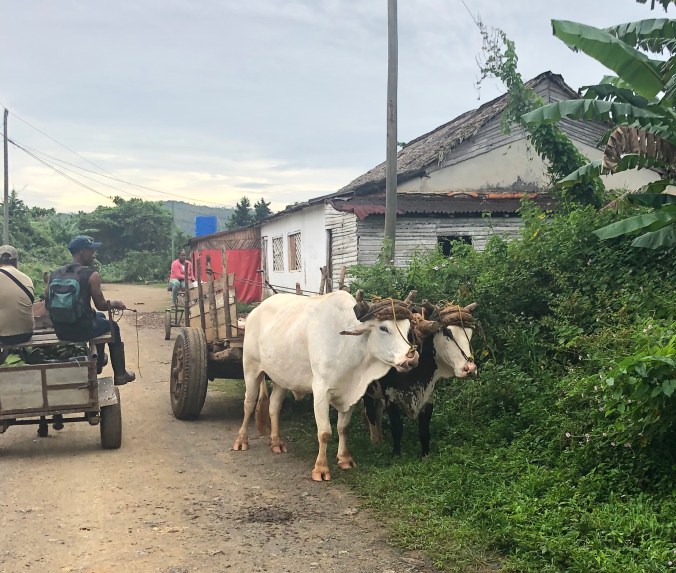
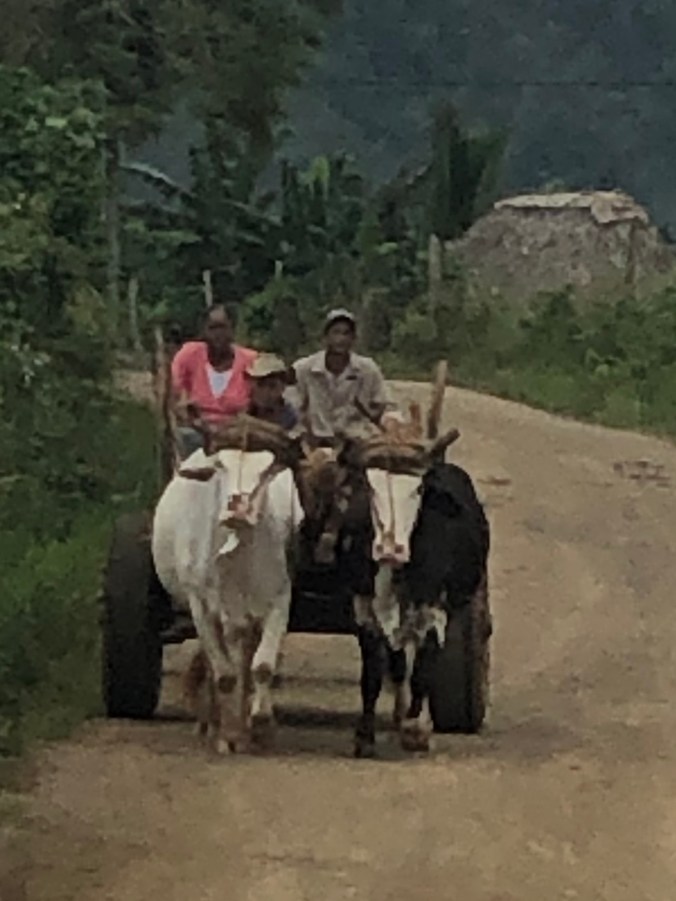


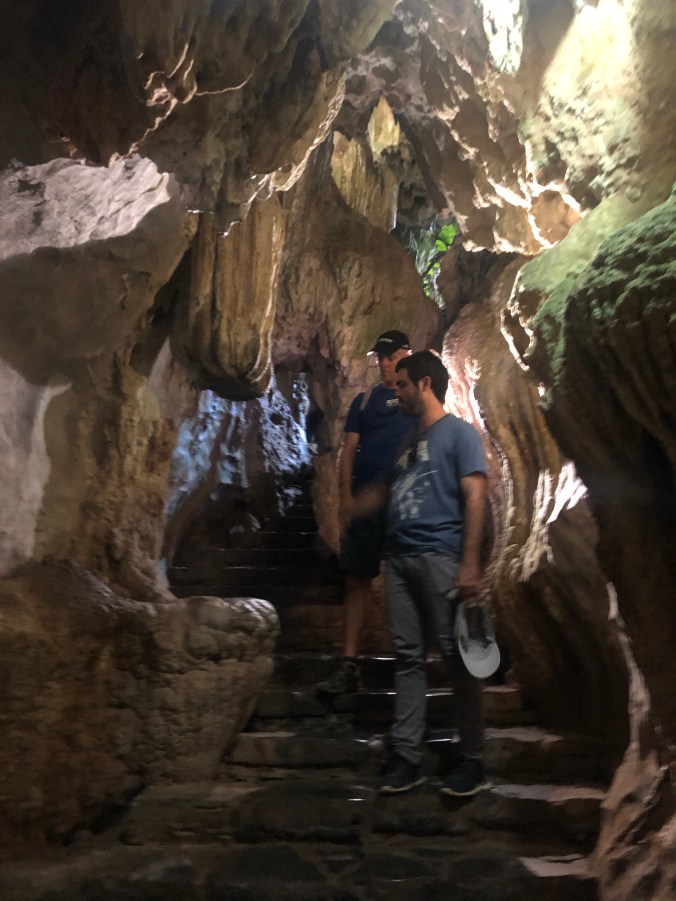
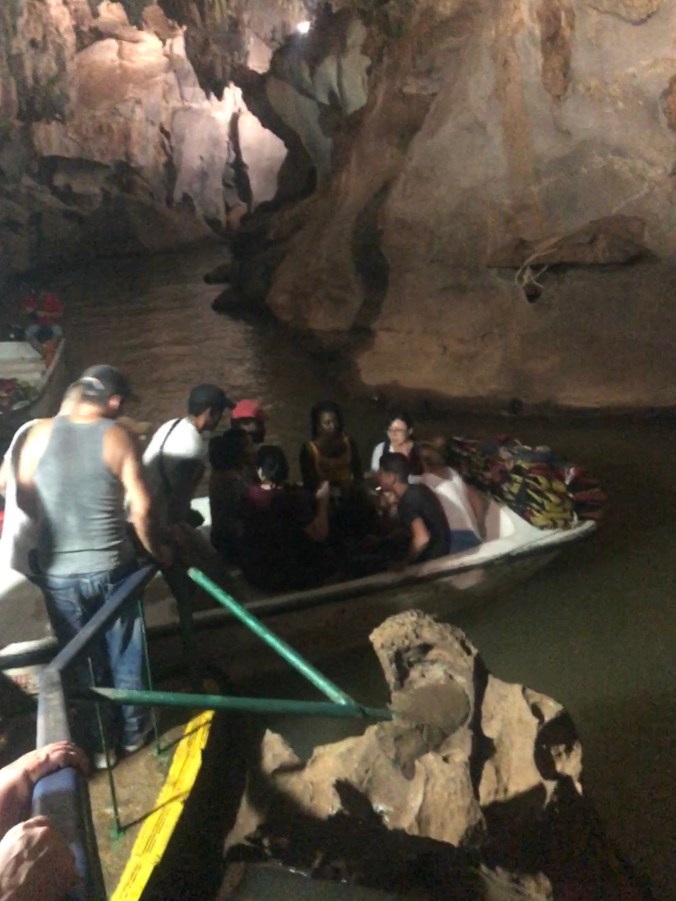
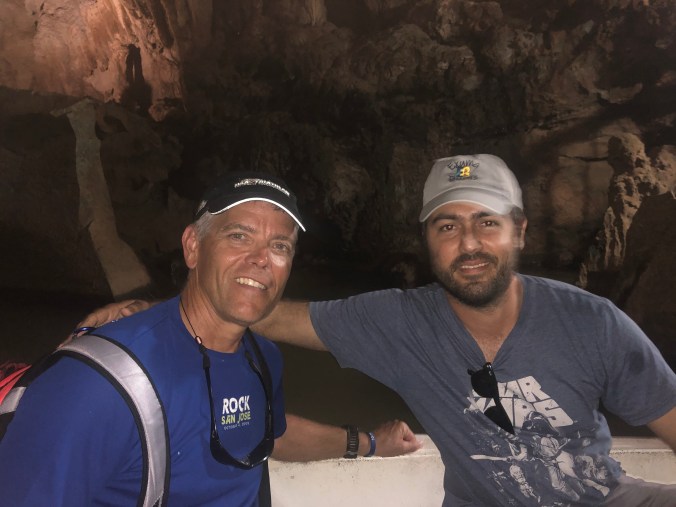
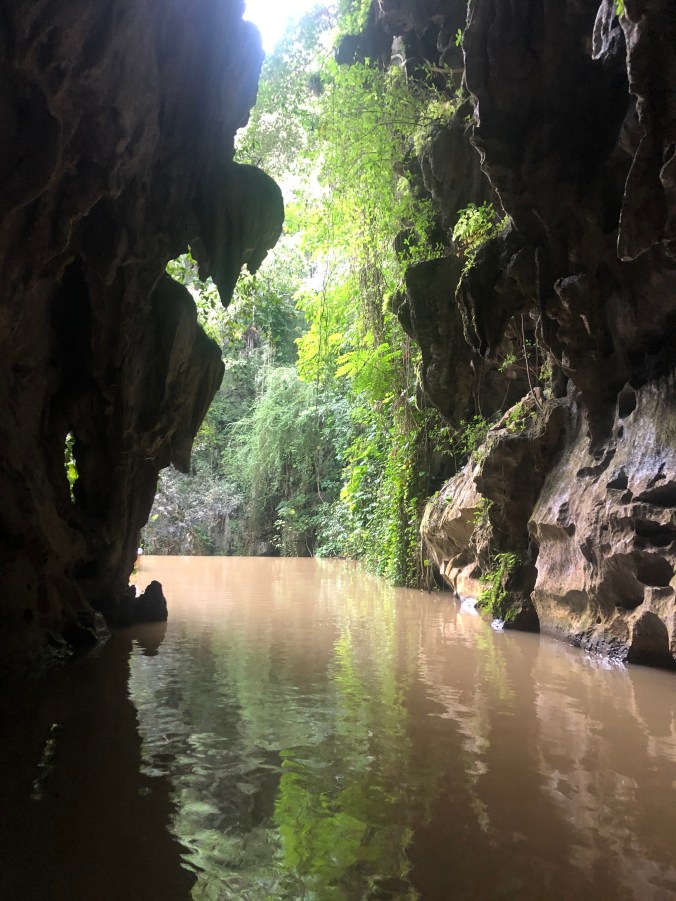
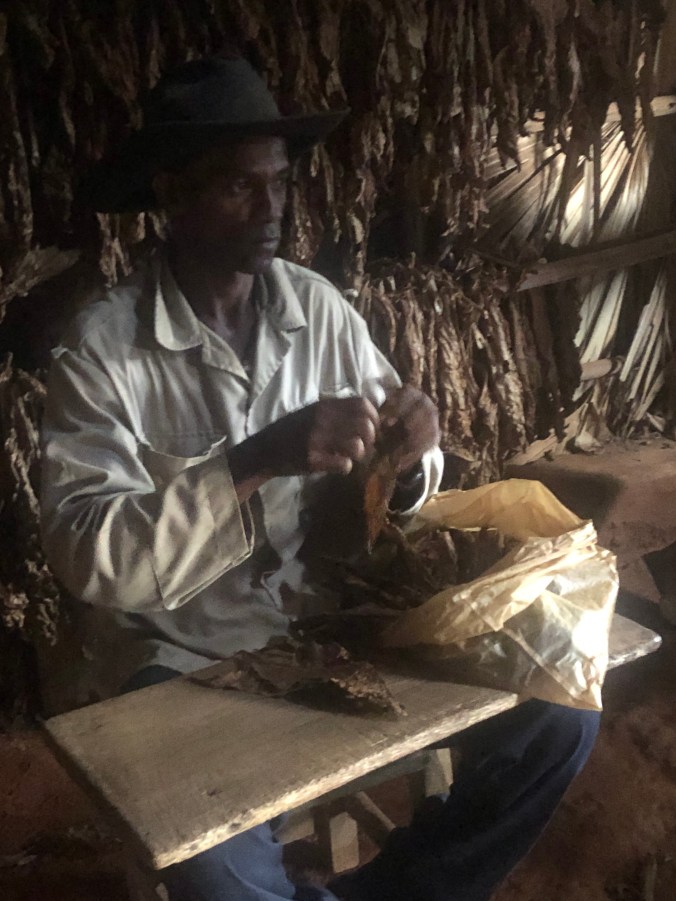


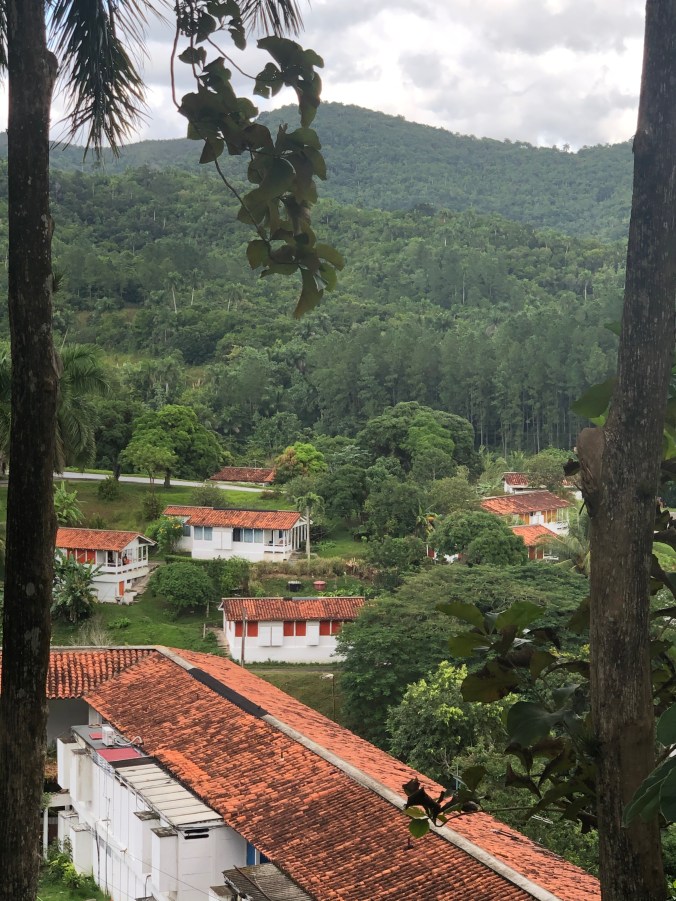


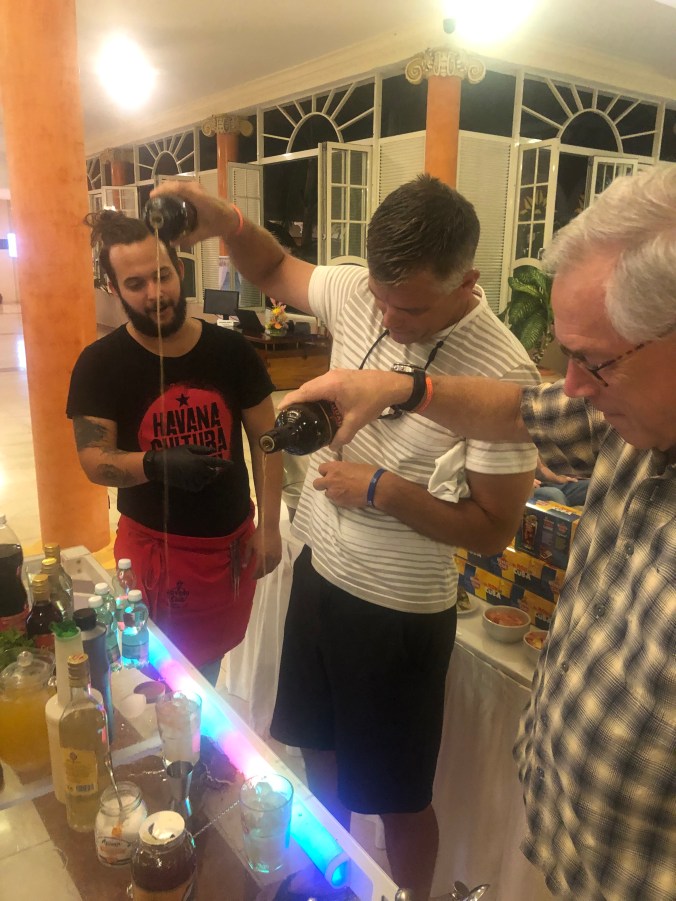 The cool thing is that we are still on “program” with Marathon Tours which means we have one or two excursions per day available to us that allow us to “support the Cuban people.” This is where the real fun is.
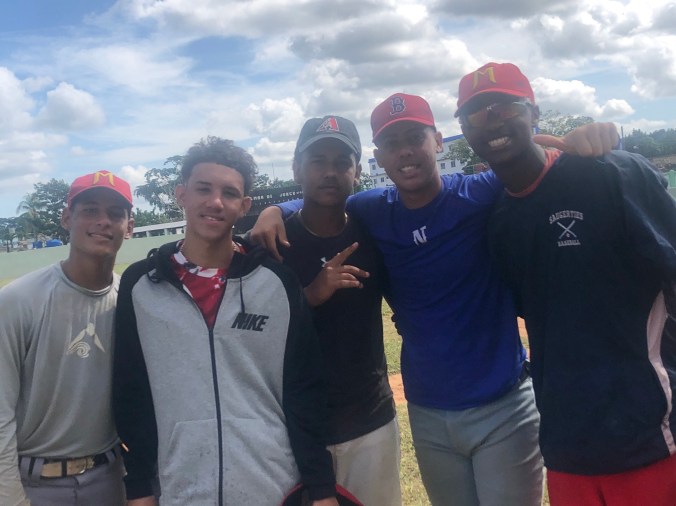
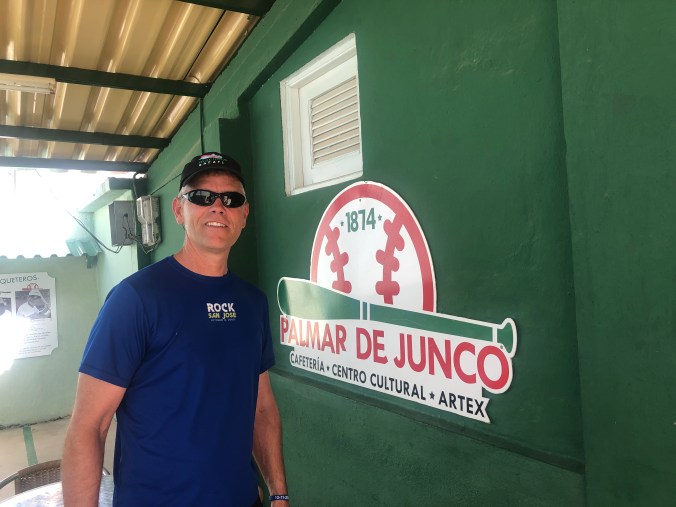 It’s also home of the newly created Cuban Baseball Hall of Fame. Baseball is huge here, and we were able to meet a Hall of Famer, Jose Estrada Gonzales, “Pepito” and get our picture taken with him, along with a signed ball.



 Marnie and Steve Travel