Niagara Falls Iconic Attractions

We finally made it to one of the most famous tourist destinations in the world. Niagara Falls has been on our list and now it has a ✔️ next to it. We left Traverse City after a wonderful summer and crossed into Canada at Port Huron. From there we ventured across southern Ontario and camped at a KOA on the Canadian side of the falls. 

They say you have to see the falls from both sides, so we did. Early on our first day we crossed back into the USA and set out to explore Niagara Falls State Park, the country’s oldest state park. From the park we were able to access our top priorities: Maid of the Mist and Cave of the Winds. 

Maid of the Mist

The iconic Maid of the Mist first launched in 1846 to operate as ferry across the Niagara River for stagecoaches and carriages.

Now the all-electric vessels shuttles over 1.5 million visitors each year to the base of Horseshoe Falls. We donned the signature blue rain slicker and still got pretty damp. The mist from the falls is no joke. 

Cave of the Winds

After our experience on the water, we walked across the park and onto Goat Island. Here we found the next attraction: Cave of the Winds.

The original cave behind Bridal Veil Falls was discovered in 1834 but was destroyed in a 1954 rockfall. Now you go through a tunnel and elevator and walk on a boardwalk that takes you right up to the base of Bridal Veil Falls. 

Honestly we were not prepared for how wet you get on this attraction and the flimsy yellow slickers didn’t help much. Still, we loved climbing the wooden stairs up to the Hurricane Deck which is the closest you can get to any of Niagara’s three waterfalls, with powerful winds and water crashing around you. Our shoes were sopping when we finished but the exhilaration was worth it!

Video from the Hurricane Deck

Skylon Tower

On the Canadian side you get a direct view of the falls as opposed to a side view from the US. We opted to view the natural wonder from above.

Skylon Tower was built in 1965 and shows its age. Still, the revolving restaurant at the top provides some of the best views as well as a great deal on an early bird fixed-price dinner.

While enjoying a three course meal featuring prime rib for Steve and salmon for me, we slowly rotated roughly 52 stories above the falls. As you can see we got some great photos! We highly recommend seeing the falls from Skylon whether you have dinner (make reservations early) or just head up to the observation deck. 

There’s a ton more to do in this area including wine tasting around Niagara-on-the-Lake. But we have a few more stops to make before Steve’s next race.

New River Gorge National Park

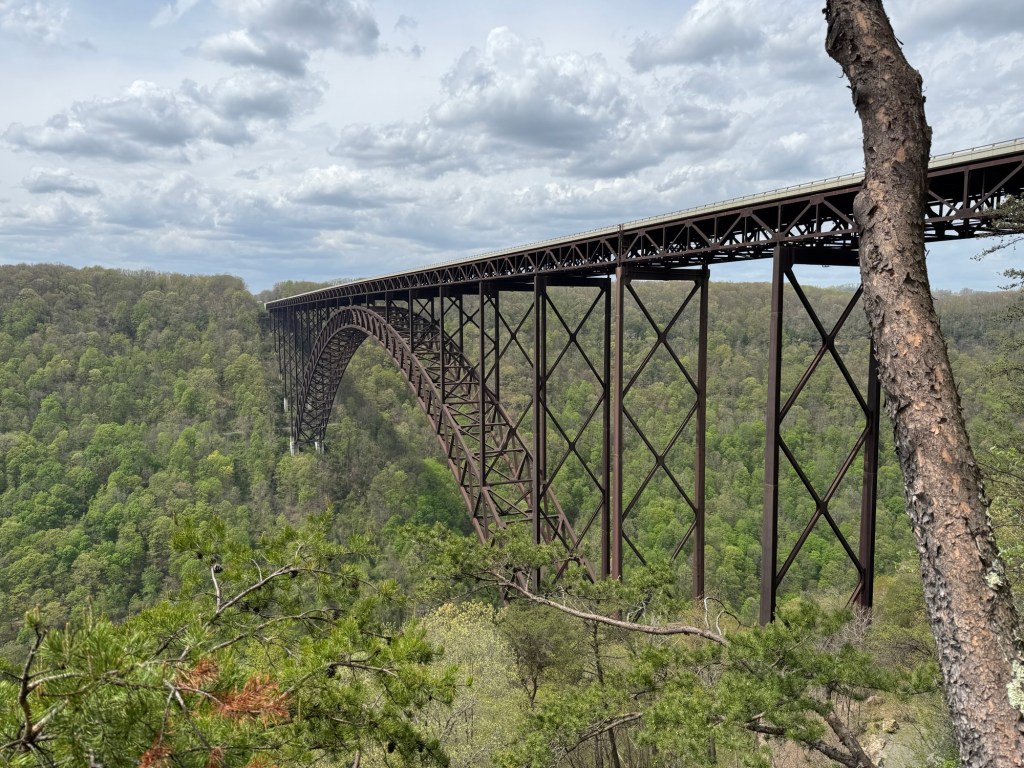
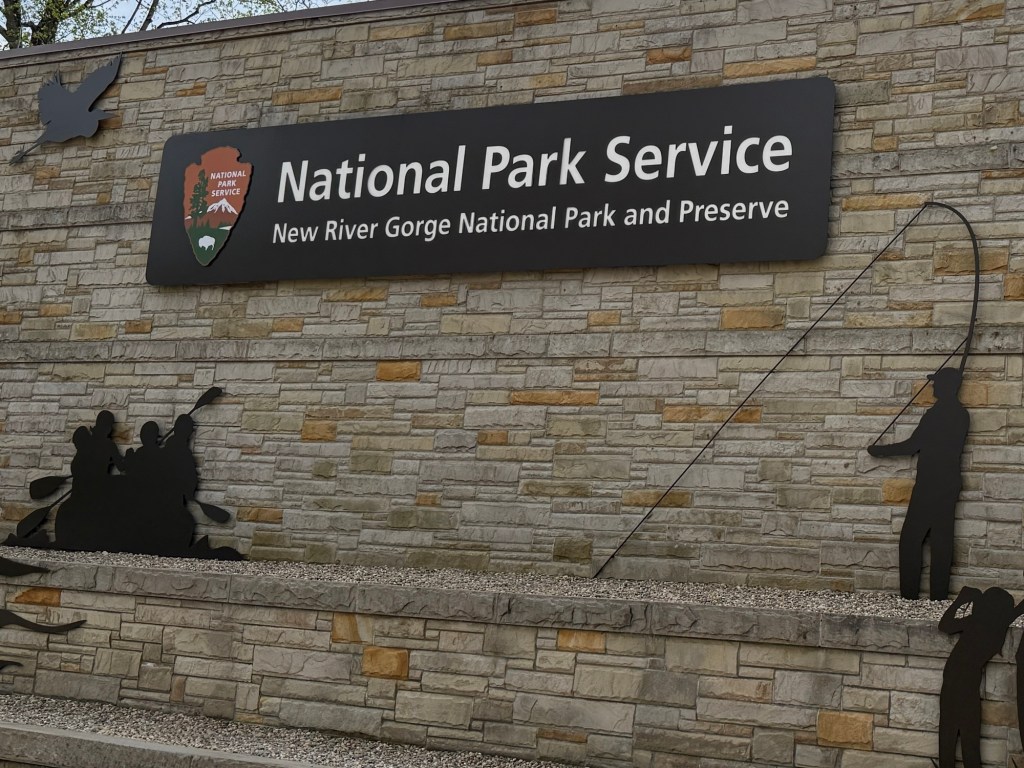
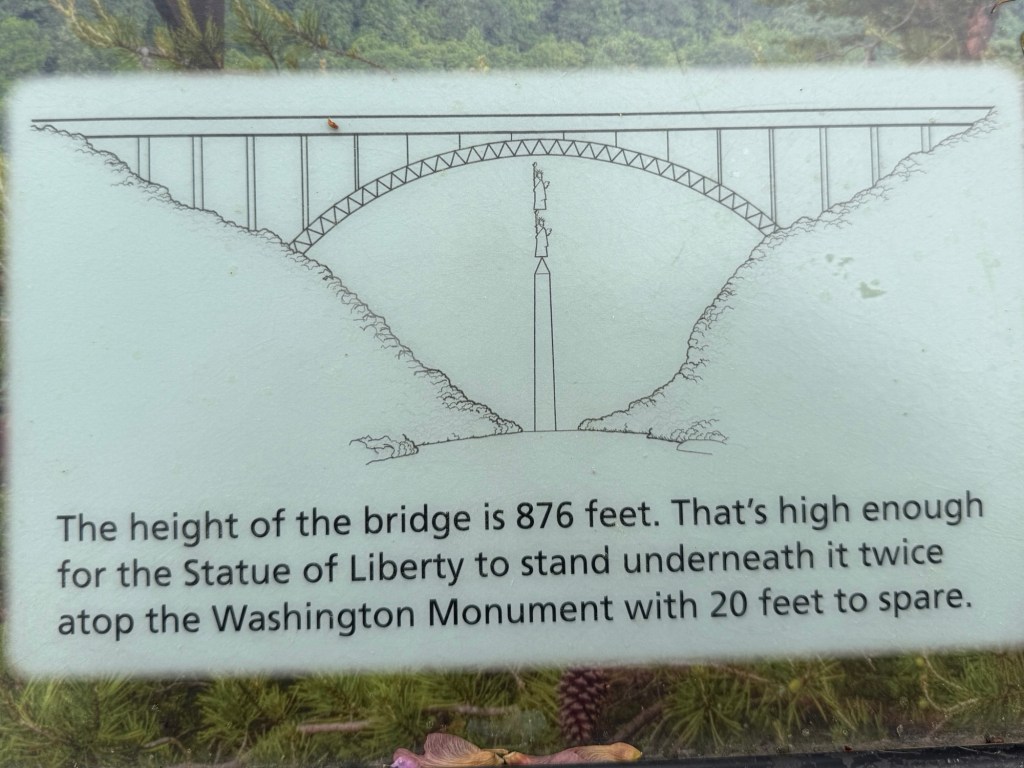
New River Gorge National Park is America’s newest national park, established in 2021. However, the river is not new at all. In fact, it’s one of the oldest rivers on the planet. We spent three days exploring the area and learning about this beautiful area of West Virginia. 

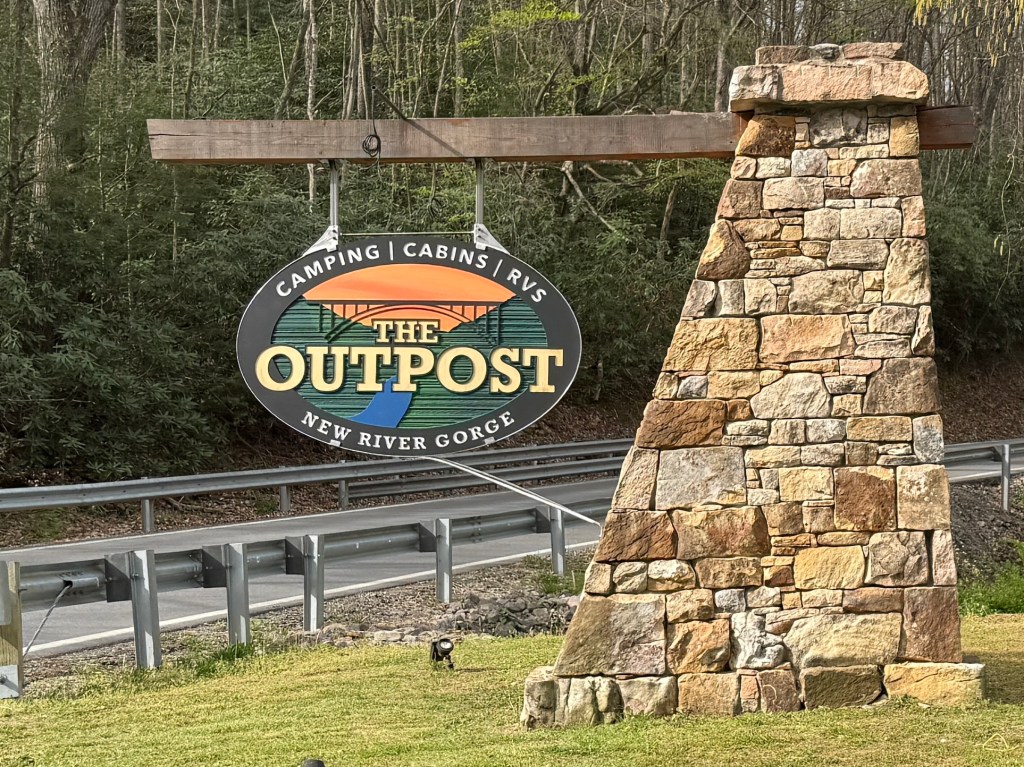
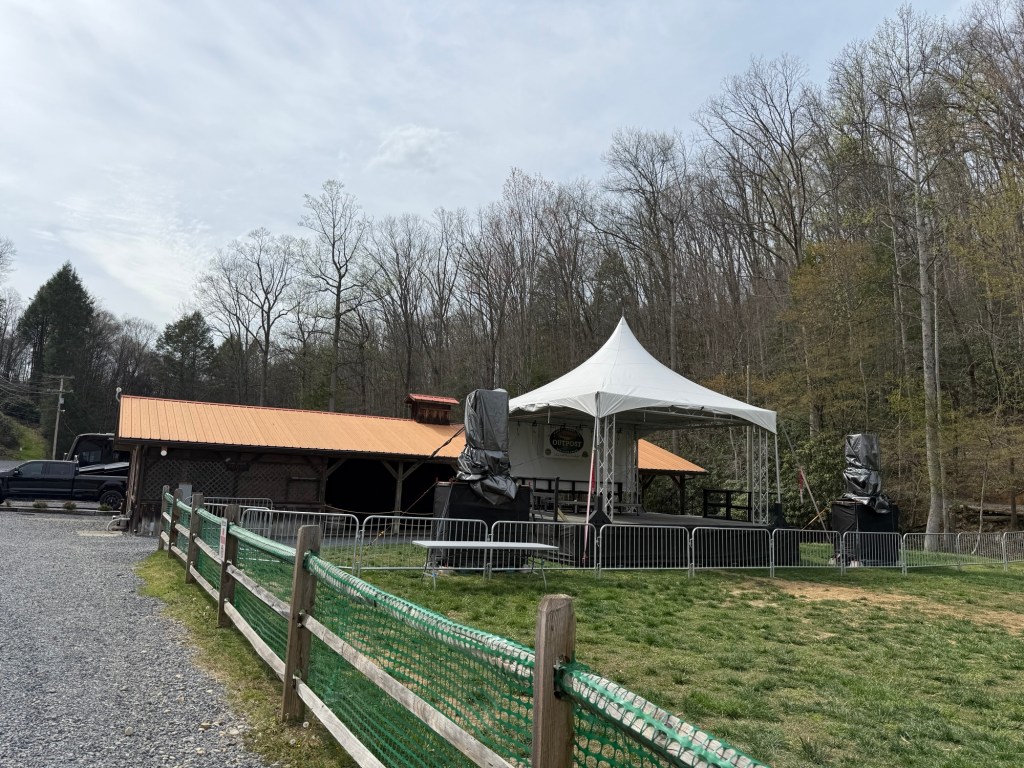
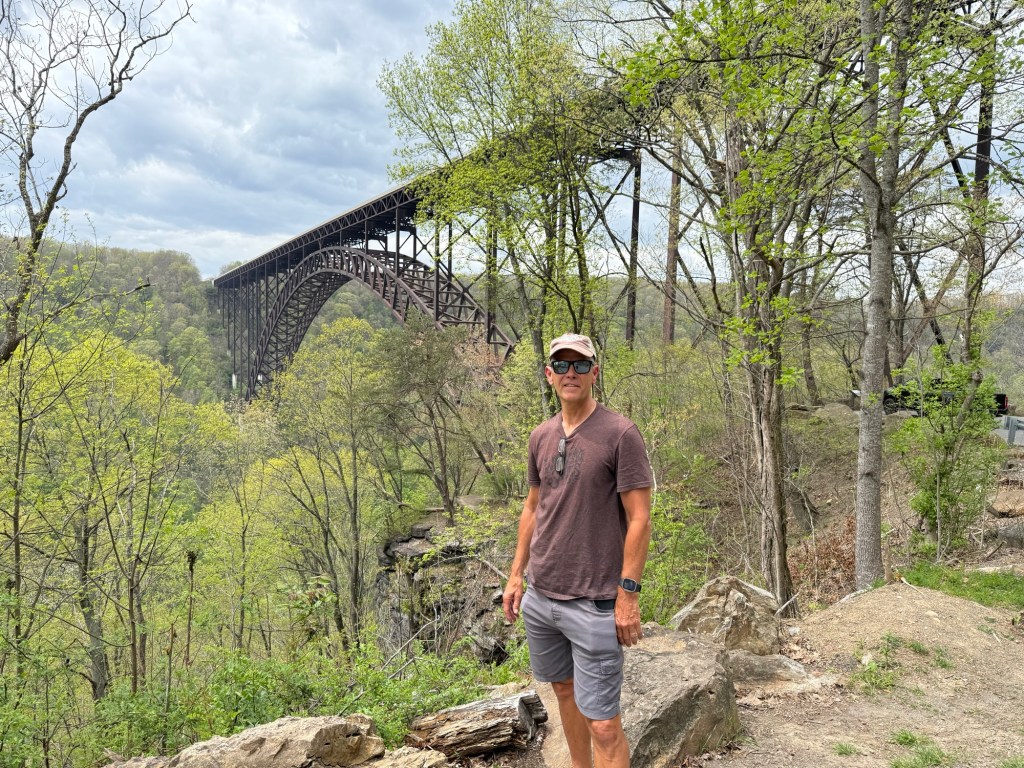
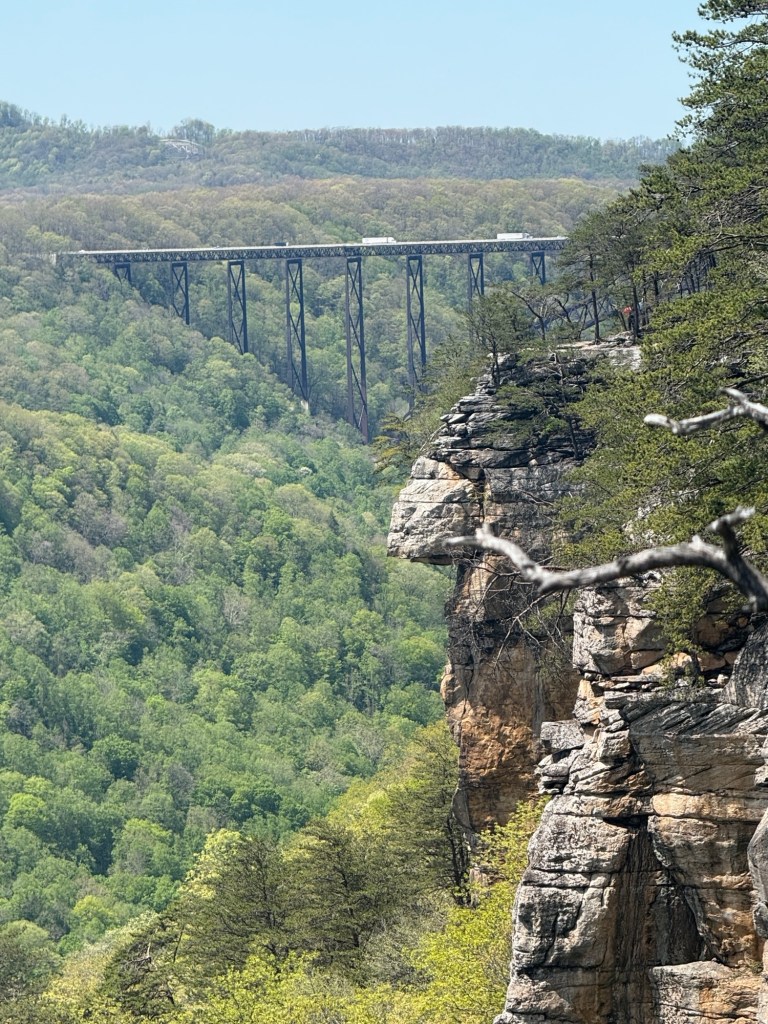
We based ourselves right outside the park boundaries at The Outpost, a cool RV, music, adventure hub. In a short hike we were able to reach the famed New River Gorge bridge. 

The park’s visitor center offers great views of the bridge and a fun hike down to see the bridge up close. 

Waterfalls are a major draw to New River Gorge area. Throughout our time here we couldn’t avoid the beautiful cascades. They even have an official waterfall trail. 

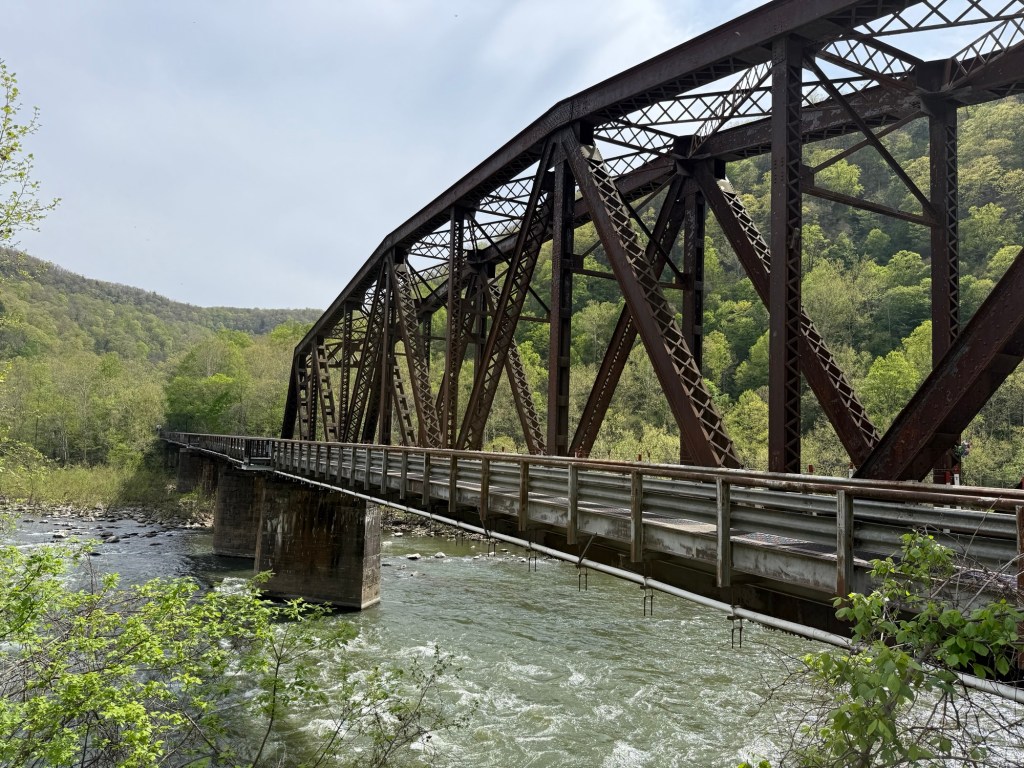
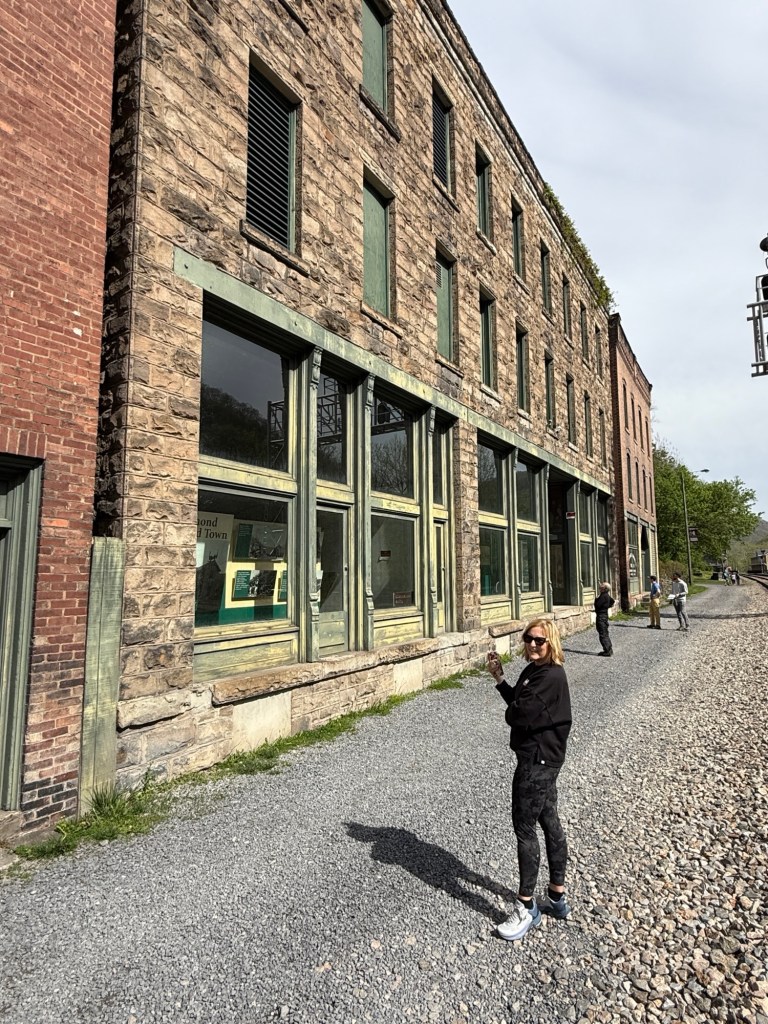
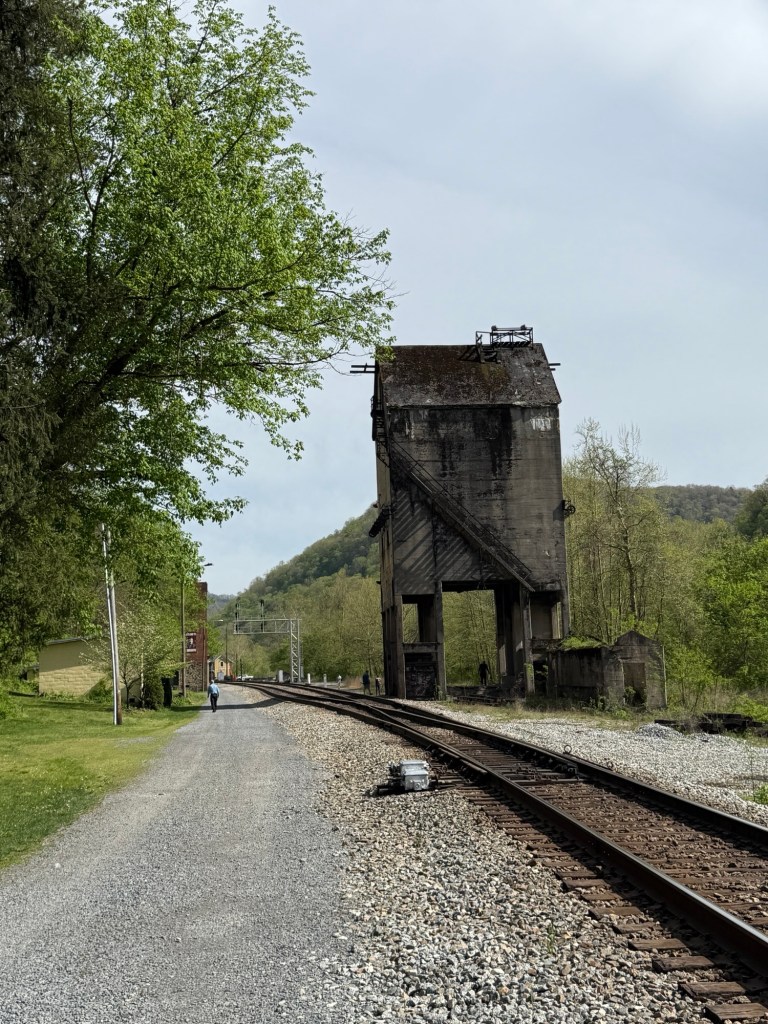
While the area abounds with natural beauty, it wasn’t always this way. For over 80 years, railroads carried coal out of the area to fuel the Industrial Revolution. Over 50 coal communities were linked by rail in the New River Gorge. Today, the town of Thurmond is one of the few towns that still exists and is preserved by the National Park Service.

We explored the town’s structures including the old coal tower that fed the rail cars that carried the coal out of the gorge. 

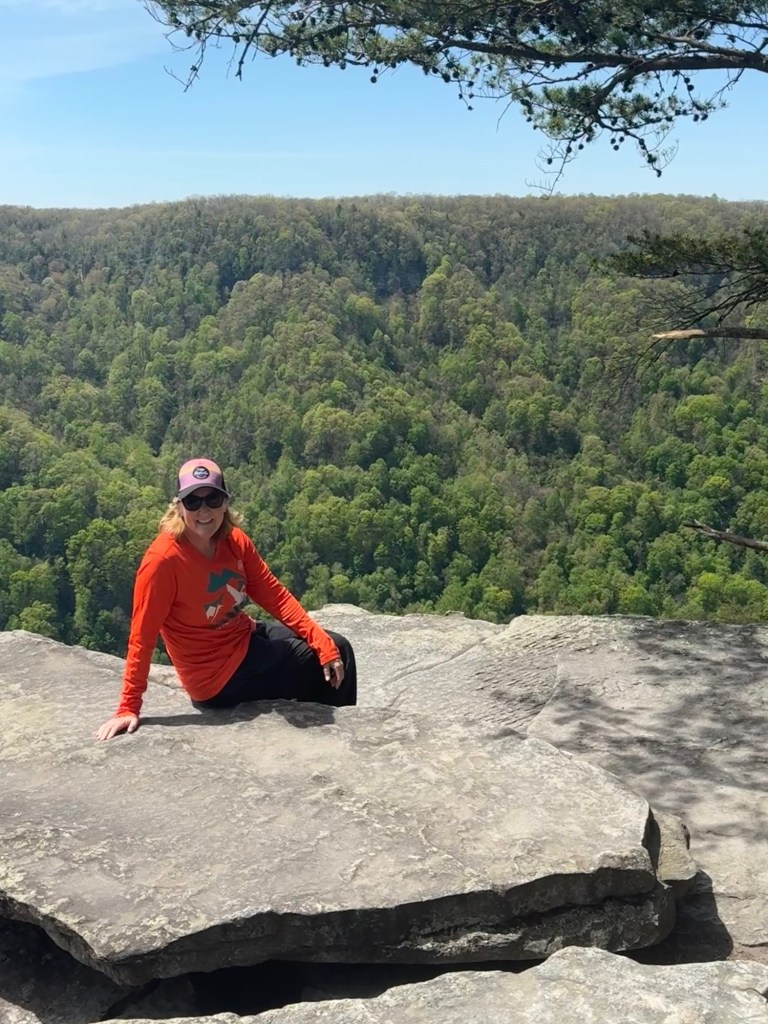
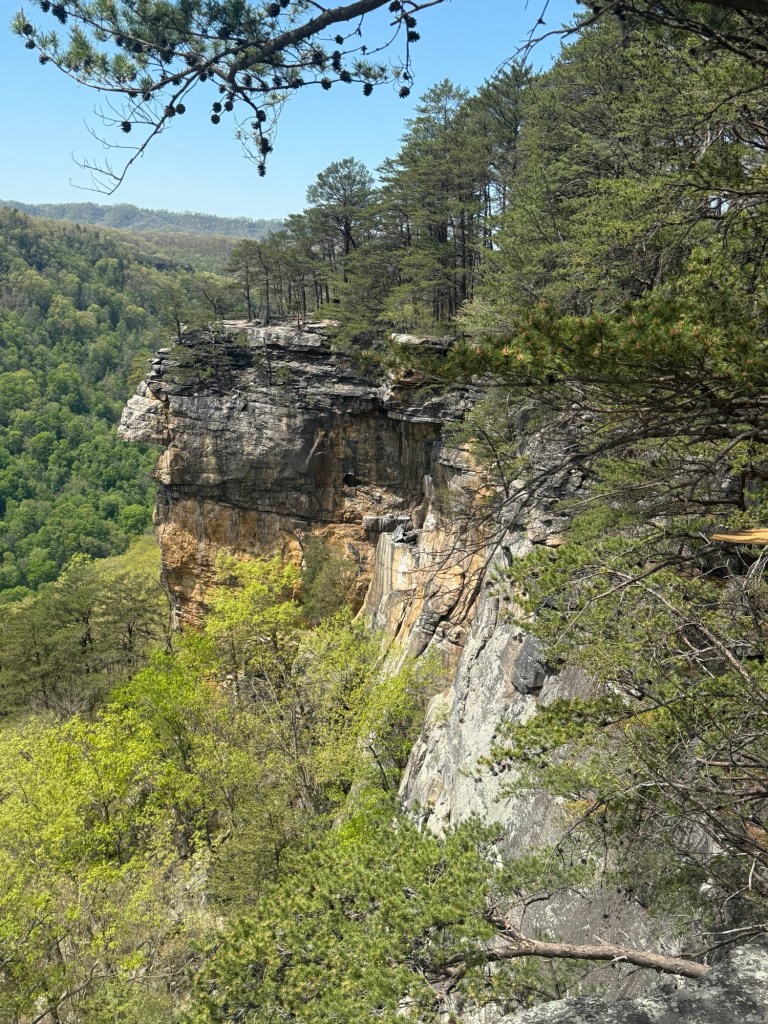
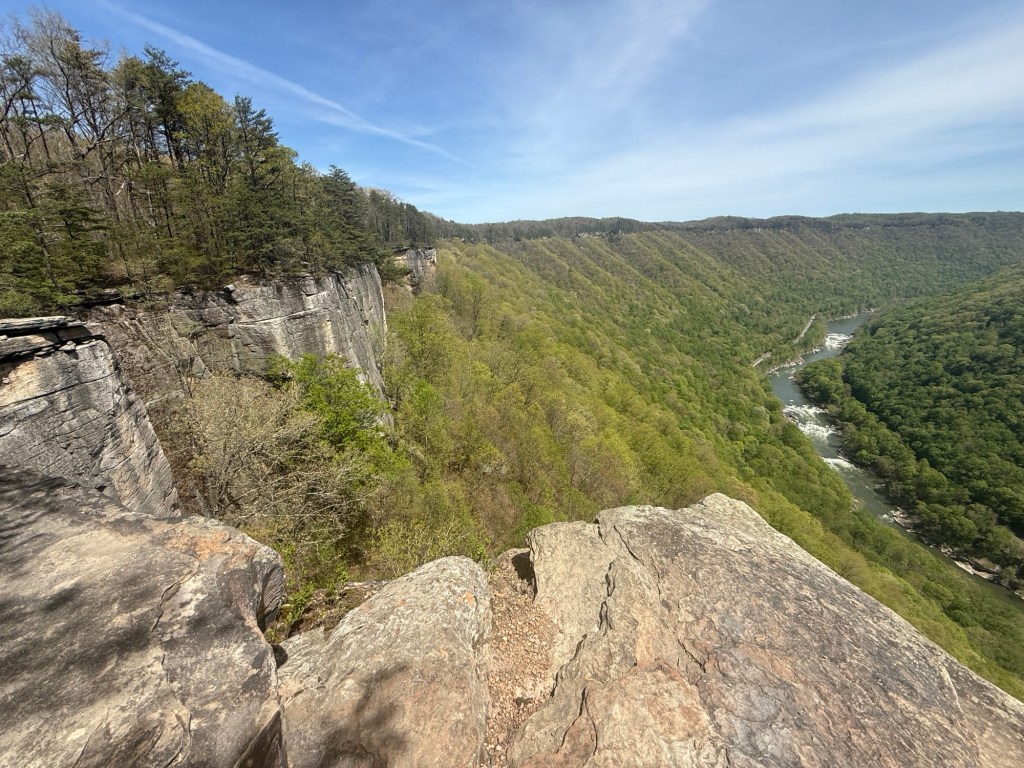
The Endless Wall Trail is one of the park’s most popular. After about a mile we reached the Diamond Point Overlook where we watched whitewater kayakers and rafters way below. And what views!! 

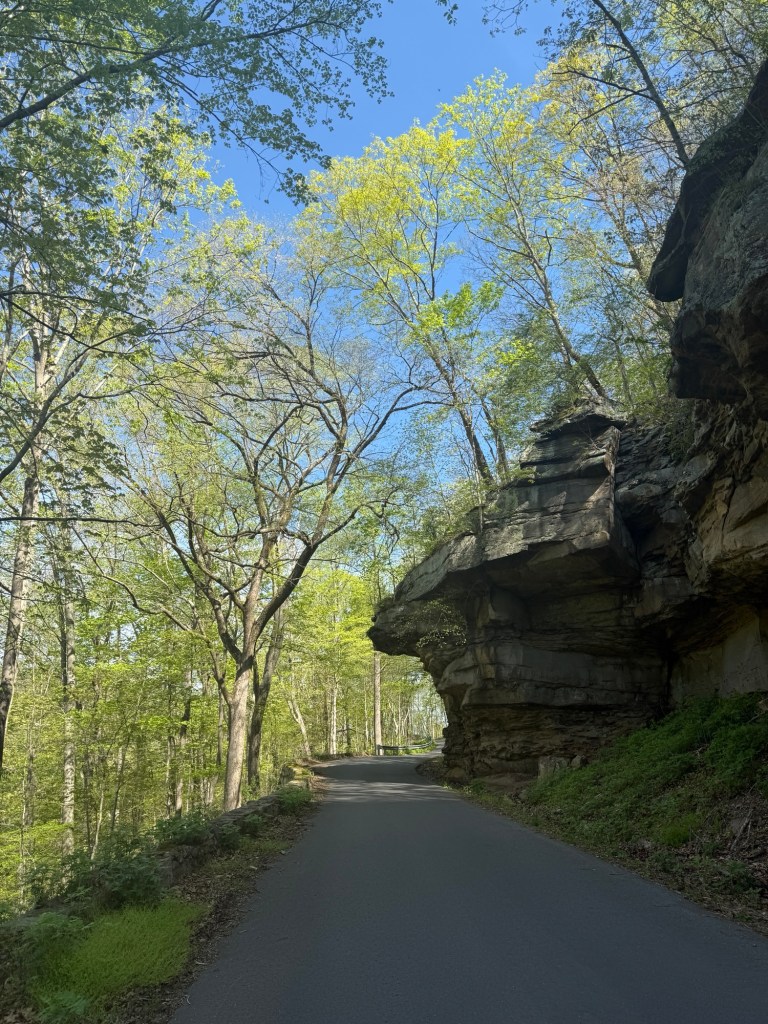
New River Gorge National Park is worth it for the winding country roads and sweeping views. With this we crossed one more national park off our map and it was a good one!

Bouncing Around History

After Steve finished the Marine Corps Marathon we had about a month before his next race in Philadelphia. What would you do with a month in this part of the country? We decided to make it a learning experience, visiting the area’s many historic sites and natural highlights. Here’s a brief rundown on our many stops.

Colonial Williamsburg

We started our history lessons with the revolutionary war era at Colonial Williamsburg and nearby national park sites Jamestown and Yorktown. At Jamestown we walked the site of the first English settlement, dating 1607. From a Colonial Williamsburg reenactor we learned the role slavery played in our country’s early years and how one slave influenced the outcome of the conflict. Colonial Williamsburg recreates the atmosphere and lifestyle of 18th-century Virginia. At Yorktown we followed the battlefield where the revolutionary war was brought to a conclusion. The siege of Yorktown was in 1781, so our learning at this stop spanned 174 years of our nation’s history.

Charlottesville

Our quick stop in Charlottesville, VA allowed us to visit another iconic site in American history. Look on the back of a nickel. That’s Monticello! It was Thomas Jefferson’s primary plantation and the location of a lot of history. During our tour of the house we learned about Jefferson’s lifelong interest in architecture, about the slaves that worked in the mansion, and about life during Jefferson’s time. While there we also visited the Monticello Cemetery where Jefferson and his descendants rest. 

Shenandoah National Park

While we enjoy a good historic tour, the mountains are really more our style. From Charlottesville we traveled west just a bit to visit Shenandoah National Park. Over a few days we traversed the park’s 105-mile Skyline Drive, which affords views to the east and the west at the same time. We also fit in a few hikes. Most notably we hiked to the partially restored Rapidan Camp which was Herbert Hoover’s presidential fishing estate. 

Hagerstown

After a few days in the mountains we headed north a to a KOA in Hagerstown, Maryland. From there we were able to dive into the Civil War by visiting the battlefields at Antietam and the historic town of Harpers Ferry. The C & O Canal also runs through the area and operated for nearly 100 years. It was a lifeline for communities along the Potomac River as coal, lumber, and agricultural products floated down the waterway to market. Today it is a pathway for recreation and provided for a good bike ride.

Gettysburg

Our Civil War education continued next in Gettysburg. The Battle of Gettysburg was a turning point in the war with the Union victory after three days of battle. Gettysburg was the Civil War’s bloodiest battle and was also the inspiration for President Abraham Lincoln’s immortal “Gettysburg Address.” Over 1,300 monuments, memorials, and markers dot the countryside, a constant reminder of the sacrifices made on both sides of the conflict. 

Amish Country

After three days of the Gettysburg battlefields, we were ready for a change of scenery. Our final stop before arrival in Philadelphia was the Pennsylvania Amish region of Lancaster County. Over five days we visited farm markets, quilt shops, goat farms, and creameries. Our campground, Country Acres, offered a free two-hour tour of the area, and we took them up on it. We learned so much about the variations of Amish way of life by driving around with a knowledgeable guide who could tell us what we were looking at. 

About 45 minutes from Lancaster is the town of Hershey, home to Hershey’s chocolate. It was an obligatory tourist stop that resulted in a bag of candy we don’t need! We did take a fun tour at Chocolate World which made the visit worthwhile. 
This was a great survey of a part of the country that was completely new to us. The origins of our great country were seeded here and learning about that history helped us understand how our nation has evolved.