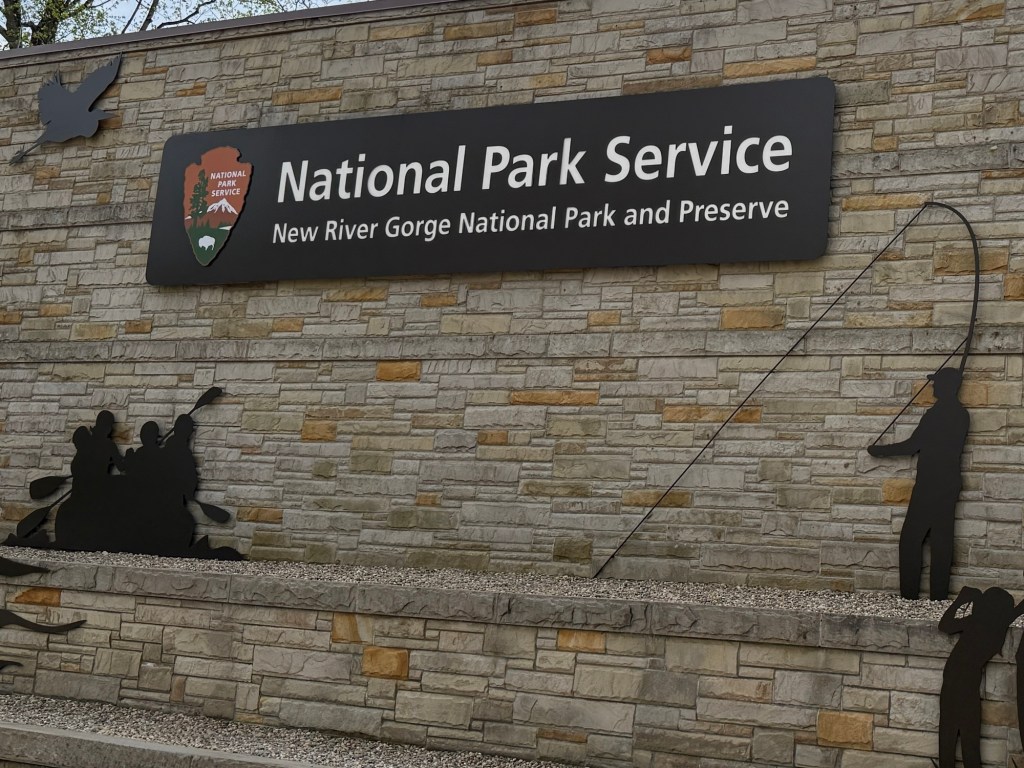
New River Gorge National Park is America’s newest national park, established in 2021. However, the river is not new at all. In fact, it’s one of the oldest rivers on the planet. We spent three days exploring the area and learning about this beautiful area of West Virginia.
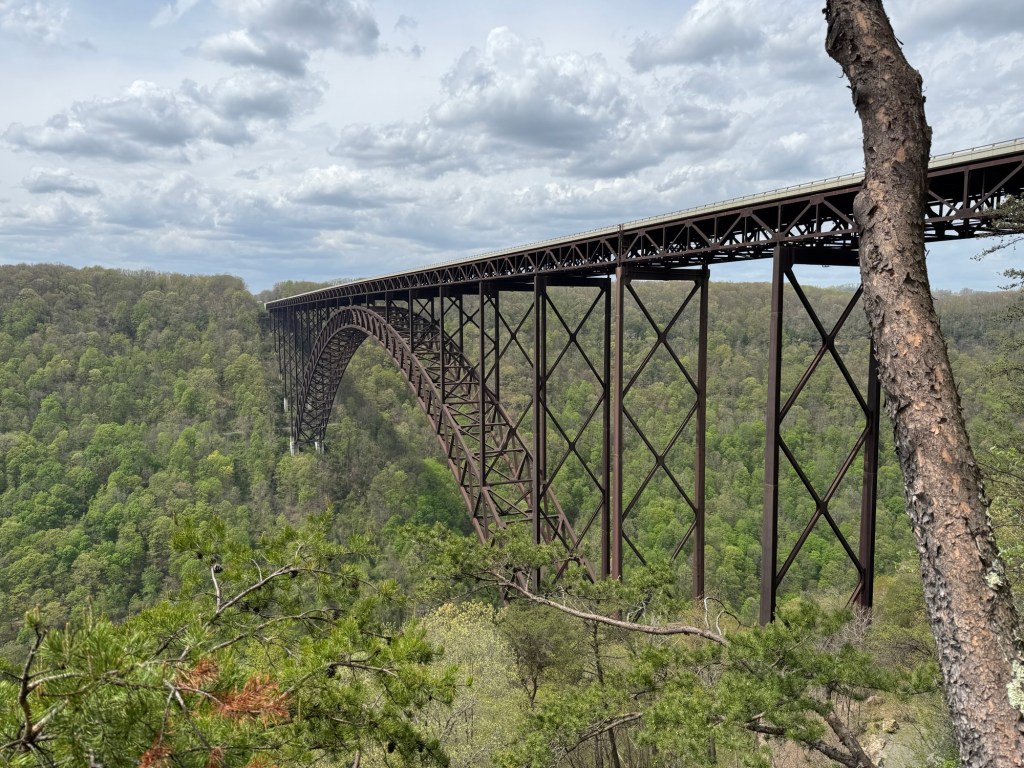
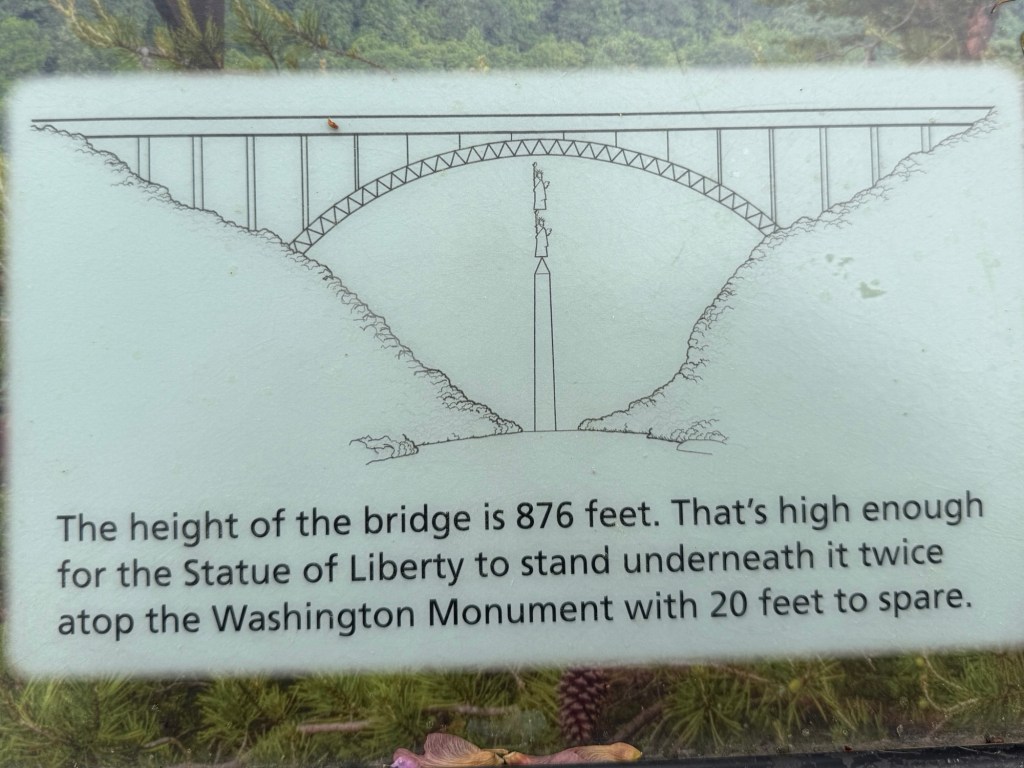
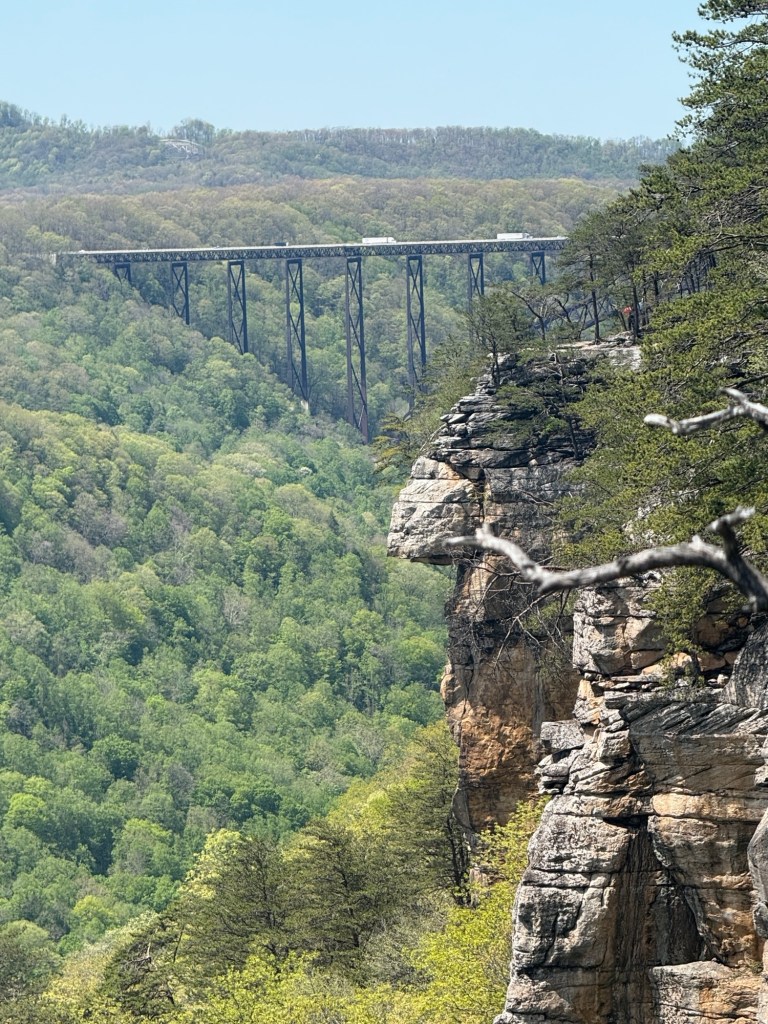
New River Gorge BridgeThe Gorge
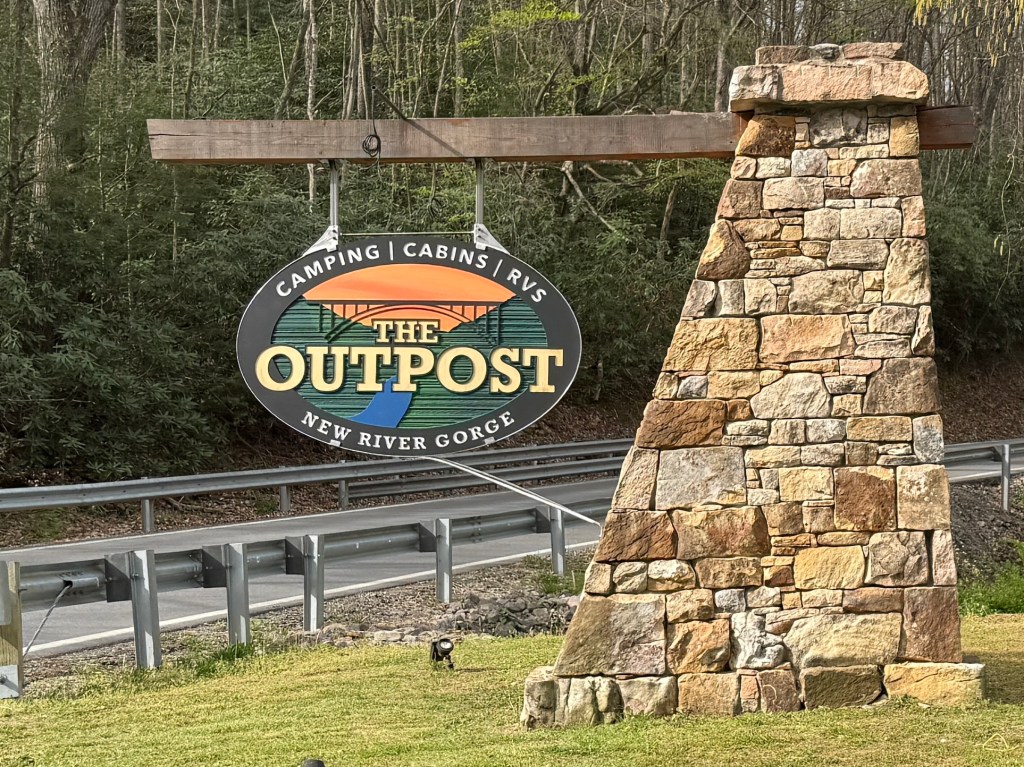
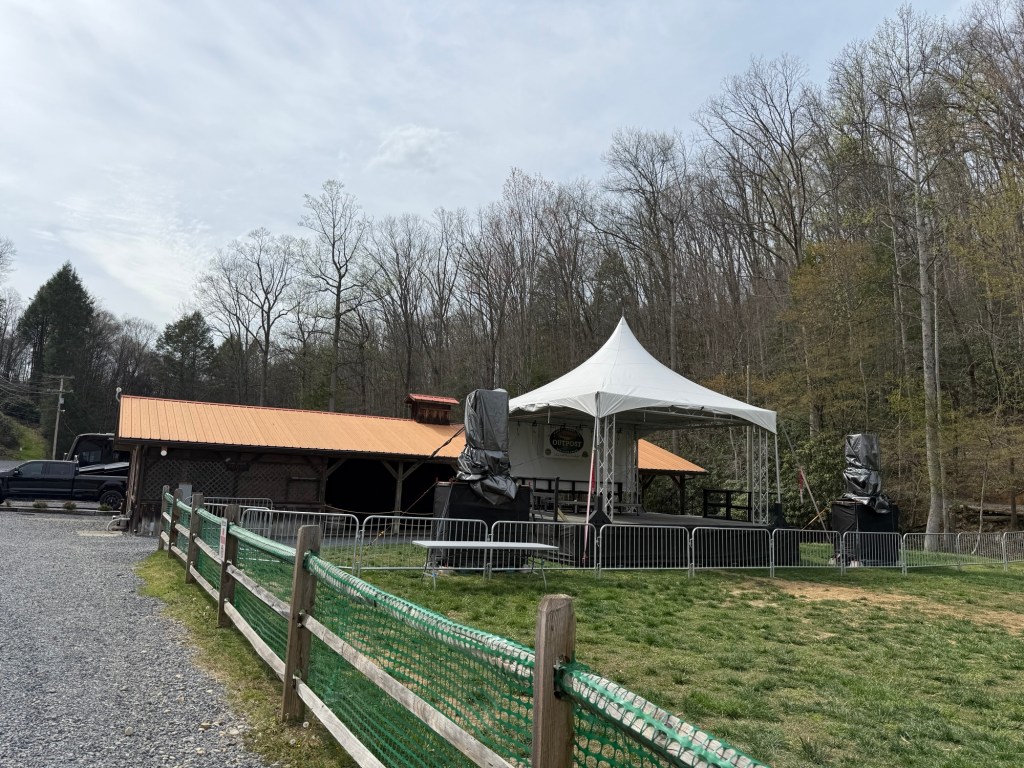
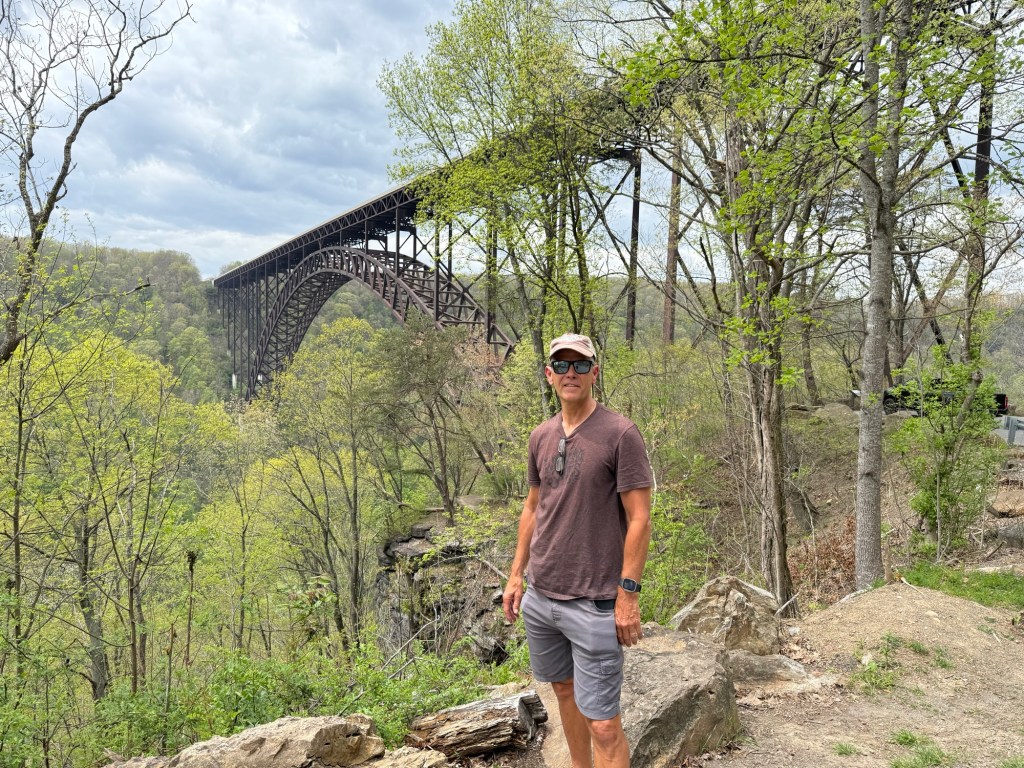
We based ourselves right outside the park boundaries at The Outpost, a cool RV, music, adventure hub. In a short hike we were able to reach the famed New River Gorge bridge.
Home Sweet HomeBob’s Site at The OutpostMusic StageTent PlatformsHike from The Outpost
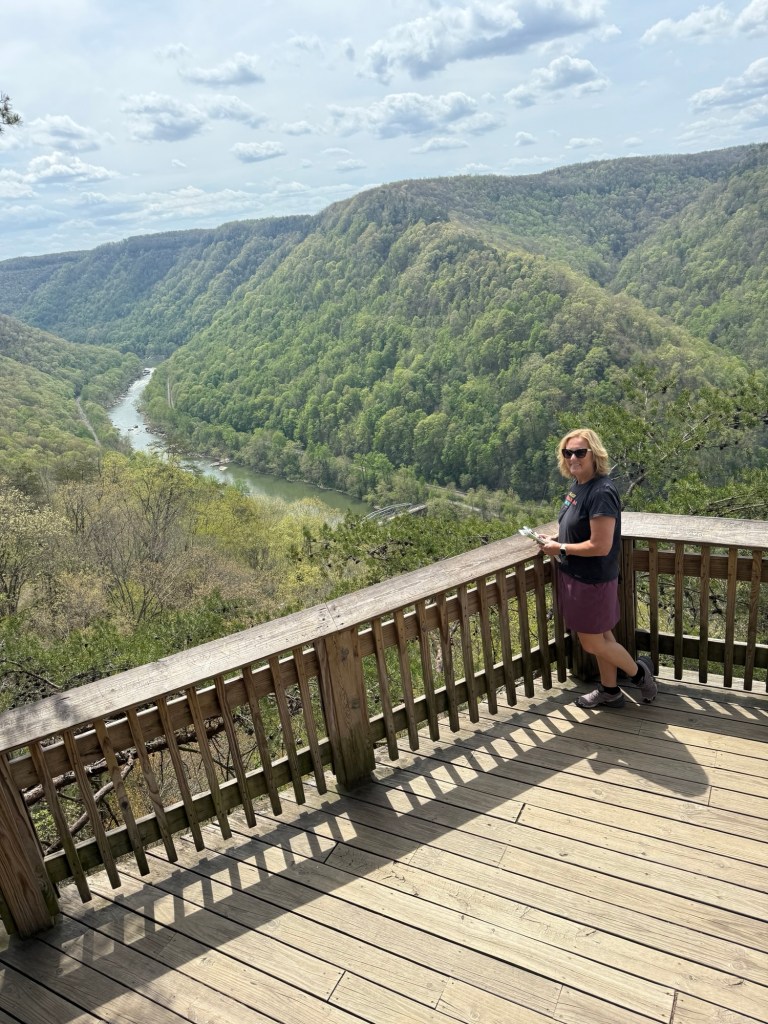
The park’s visitor center offers great views of the bridge and a fun hike down to see the bridge up close.
Visitors CenterGorge OverlookWalking the Visitor Center boardwalk The bridge is hugeFirst views
Waterfalls are a major draw to New River Gorge area. Throughout our time here we couldn’t avoid the beautiful cascades. They even have an official waterfall trail.
So. Many. Waterfalls.
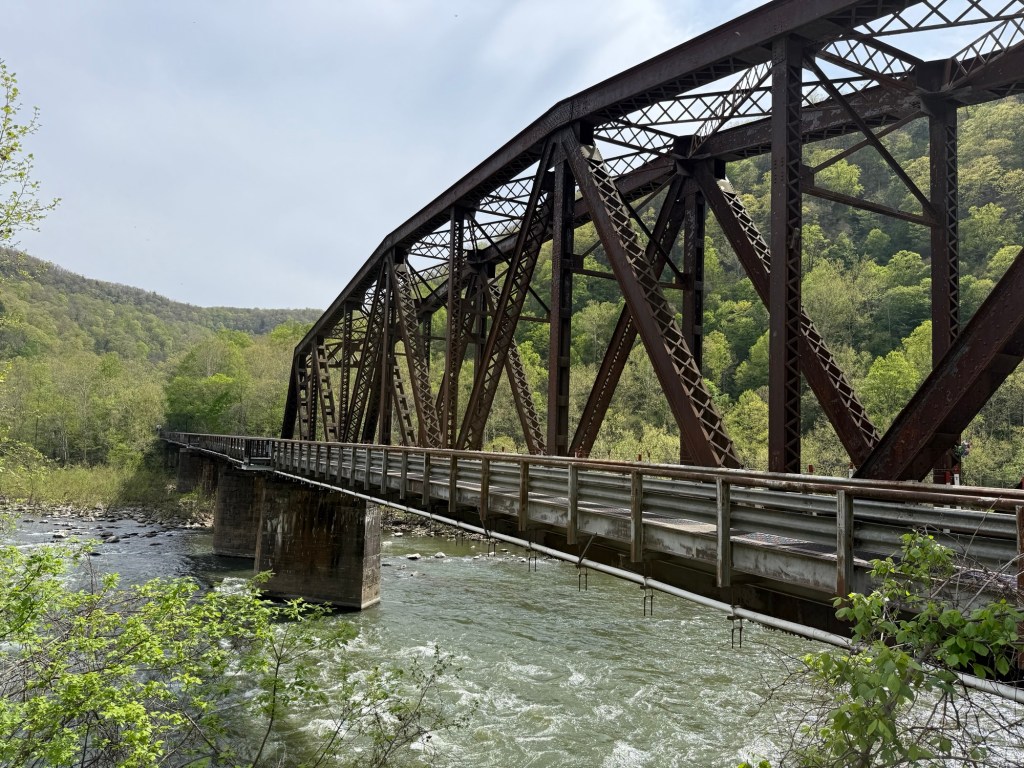
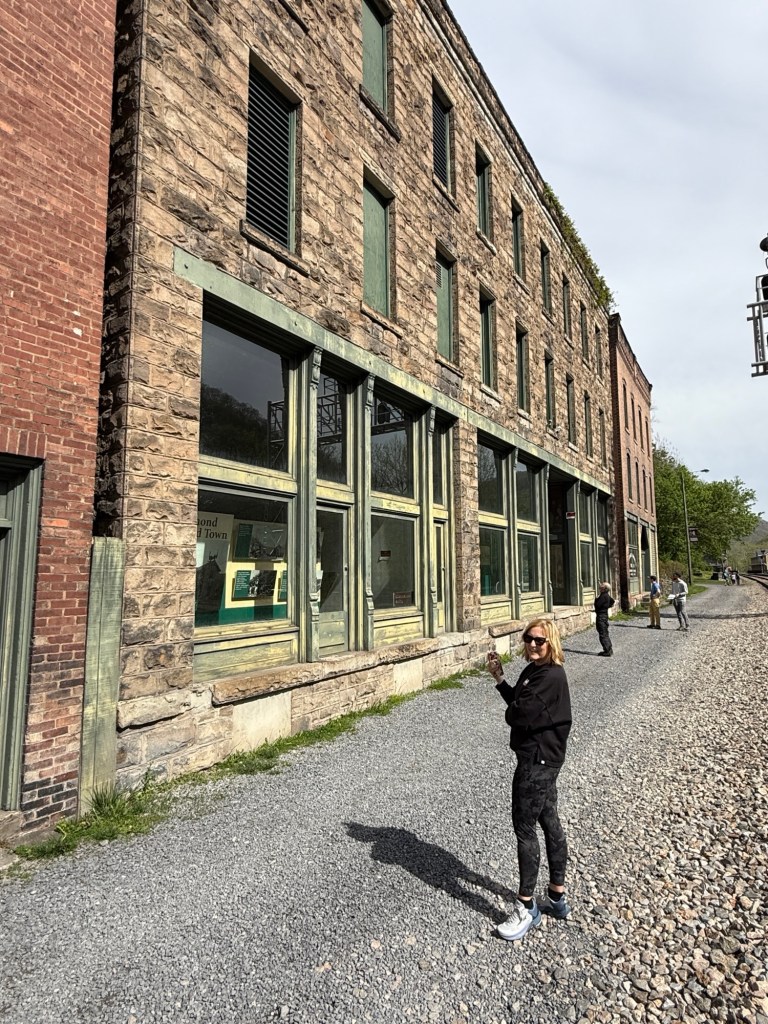
While the area abounds with natural beauty, it wasn’t always this way. For over 80 years, railroads carried coal out of the area to fuel the Industrial Revolution. Over 50 coal communities were linked by rail in the New River Gorge. Today, the town of Thurmond is one of the few towns that still exists and is preserved by the National Park Service.
Bridge to ThurmondThurmond StationFalls on the way to Thurmond
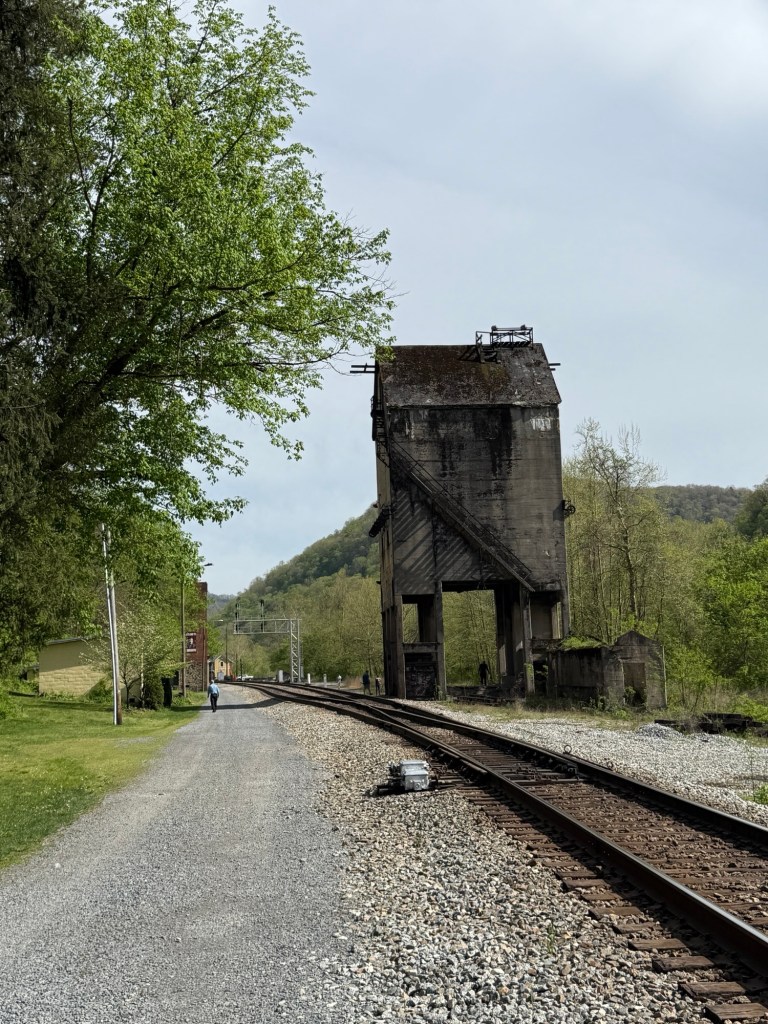
We explored the town’s structures including the old coal tower that fed the rail cars that carried the coal out of the gorge.
Coal ToweThurmond’s industrial history Downtown ThurmondCoal Tower
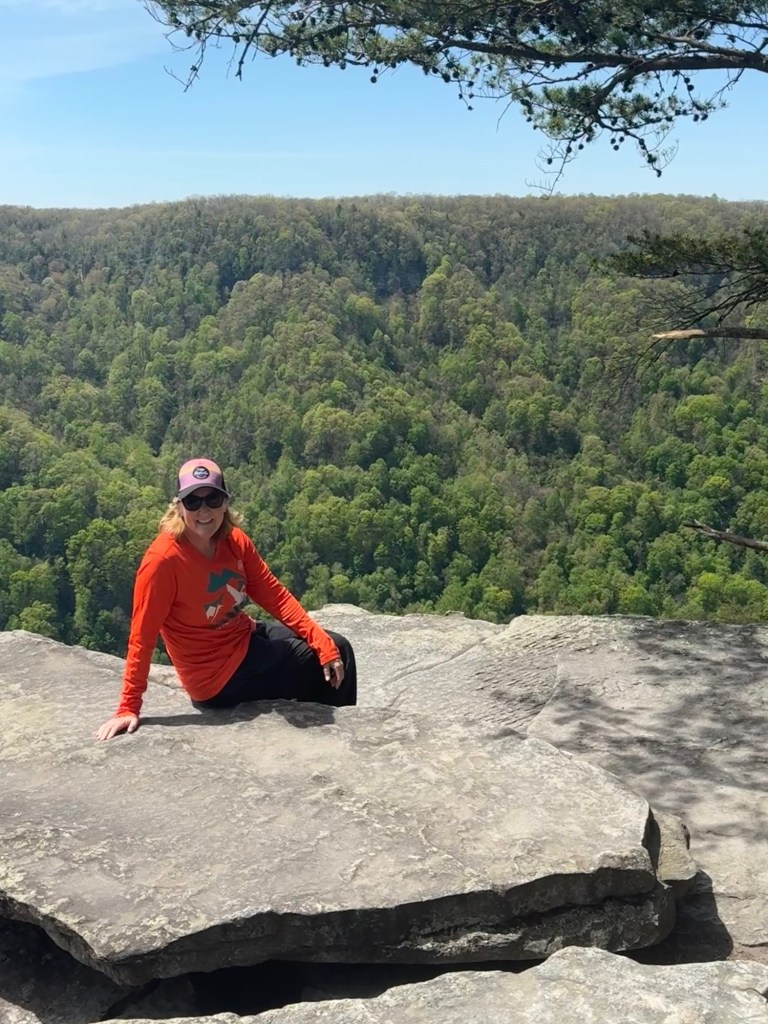
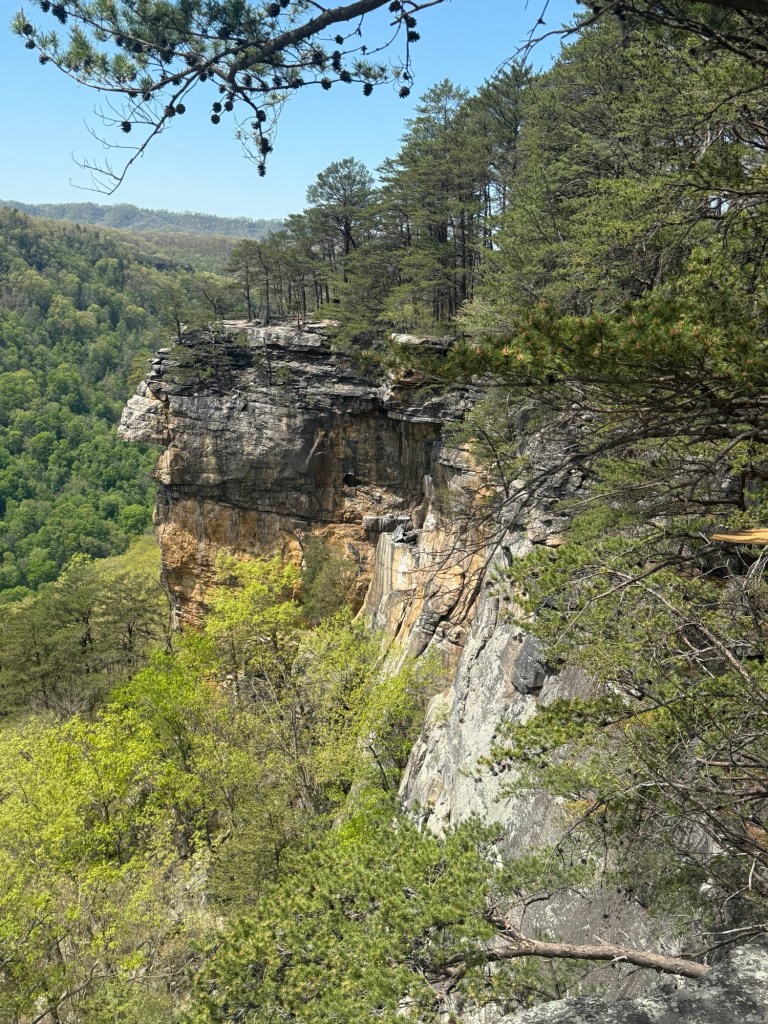
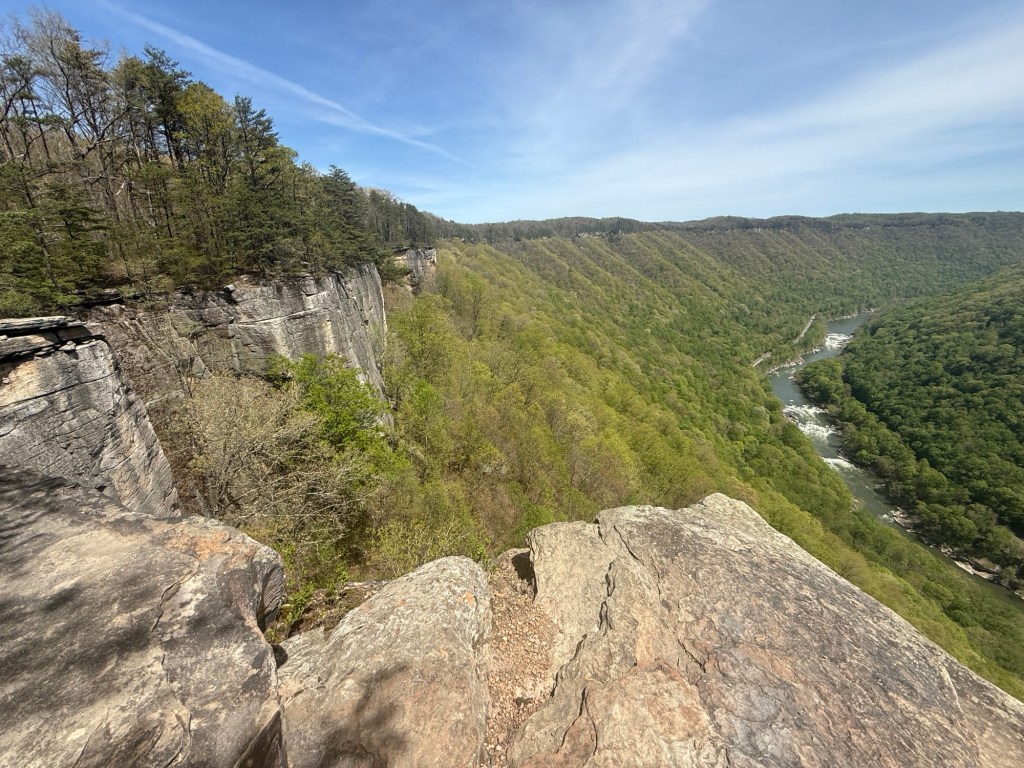
The Endless Wall Trail is one of the park’s most popular. After about a mile we reached the Diamond Point Overlook where we watched whitewater kayakers and rafters way below. And what views!!
Trailhead. Bob’s ready!Views foreverBob made it!On the edgeBridge views from the wallClimbers love this areaEndless Wall
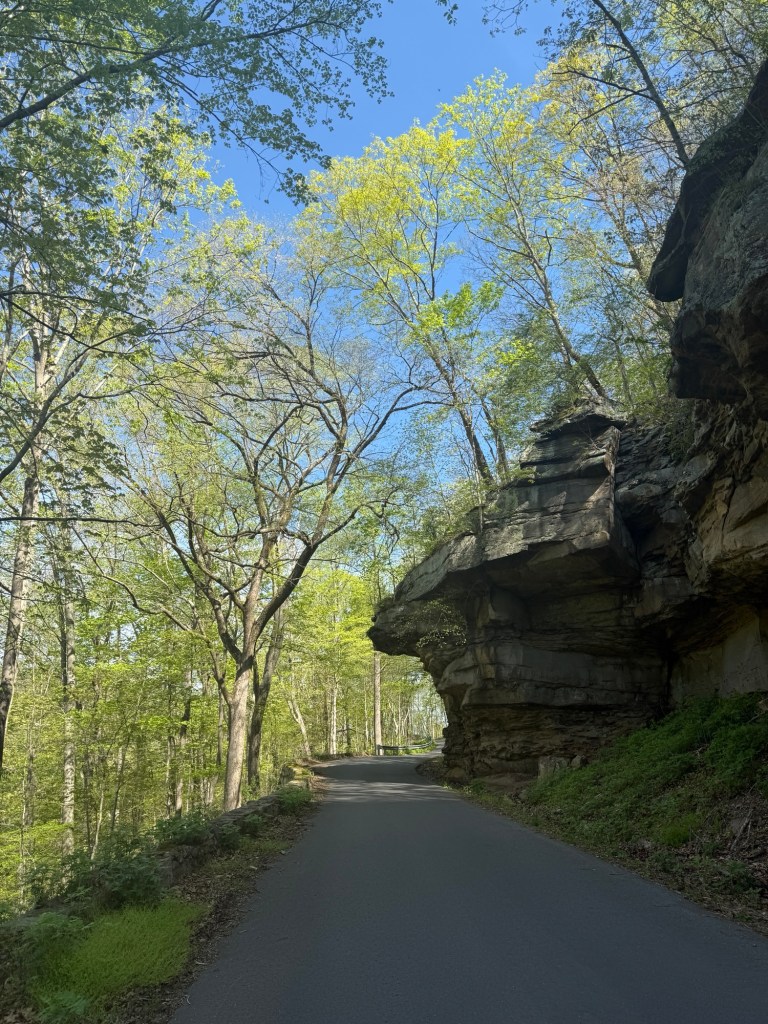
New River Gorge National Park is worth it for the winding country roads and sweeping views. With this we crossed one more national park off our map and it was a good one!
After Steve finished the Marine Corps Marathon we had about a month before his next race in Philadelphia. What would you do with a month in this part of the country? We decided to make it a learning experience, visiting the area’s many historic sites and natural highlights. Here’s a brief rundown on our many stops.
Colonial Williamsburg
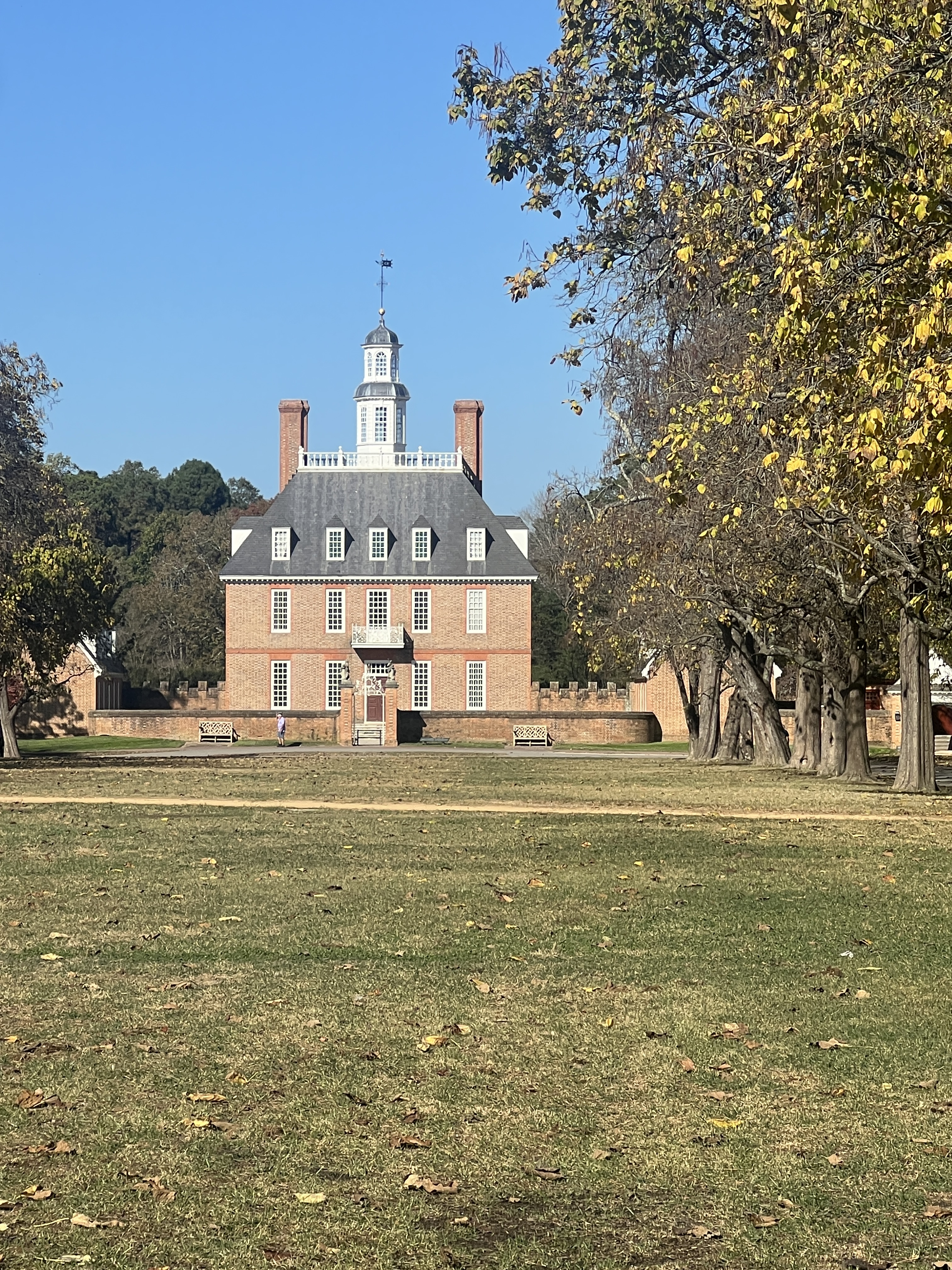
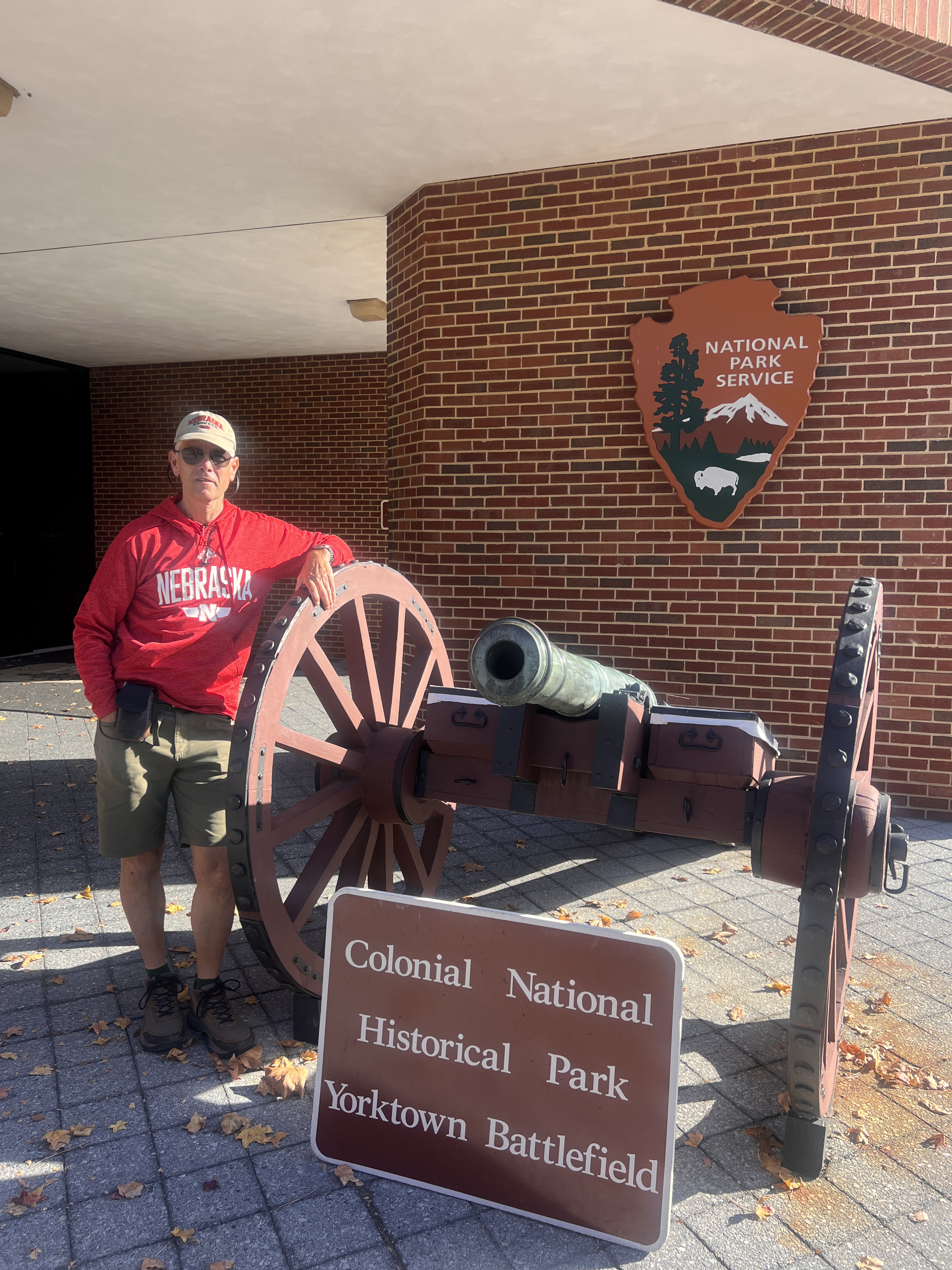
We started our history lessons with the revolutionary war era at Colonial Williamsburg and nearby national park sites Jamestown and Yorktown. At Jamestown we walked the site of the first English settlement, dating 1607. From a Colonial Williamsburg reenactor we learned the role slavery played in our country’s early years and how one slave influenced the outcome of the conflict. Colonial Williamsburg recreates the atmosphere and lifestyle of 18th-century Virginia. At Yorktown we followed the battlefield where the revolutionary war was brought to a conclusion. The siege of Yorktown was in 1781, so our learning at this stop spanned 174 years of our nation’s history.
Walking back in time to Colonial WilliamsburgSlaves played important roles in the Revolutionary WarIron forgingGovernor’s PalaceYorktown
Charlottesville
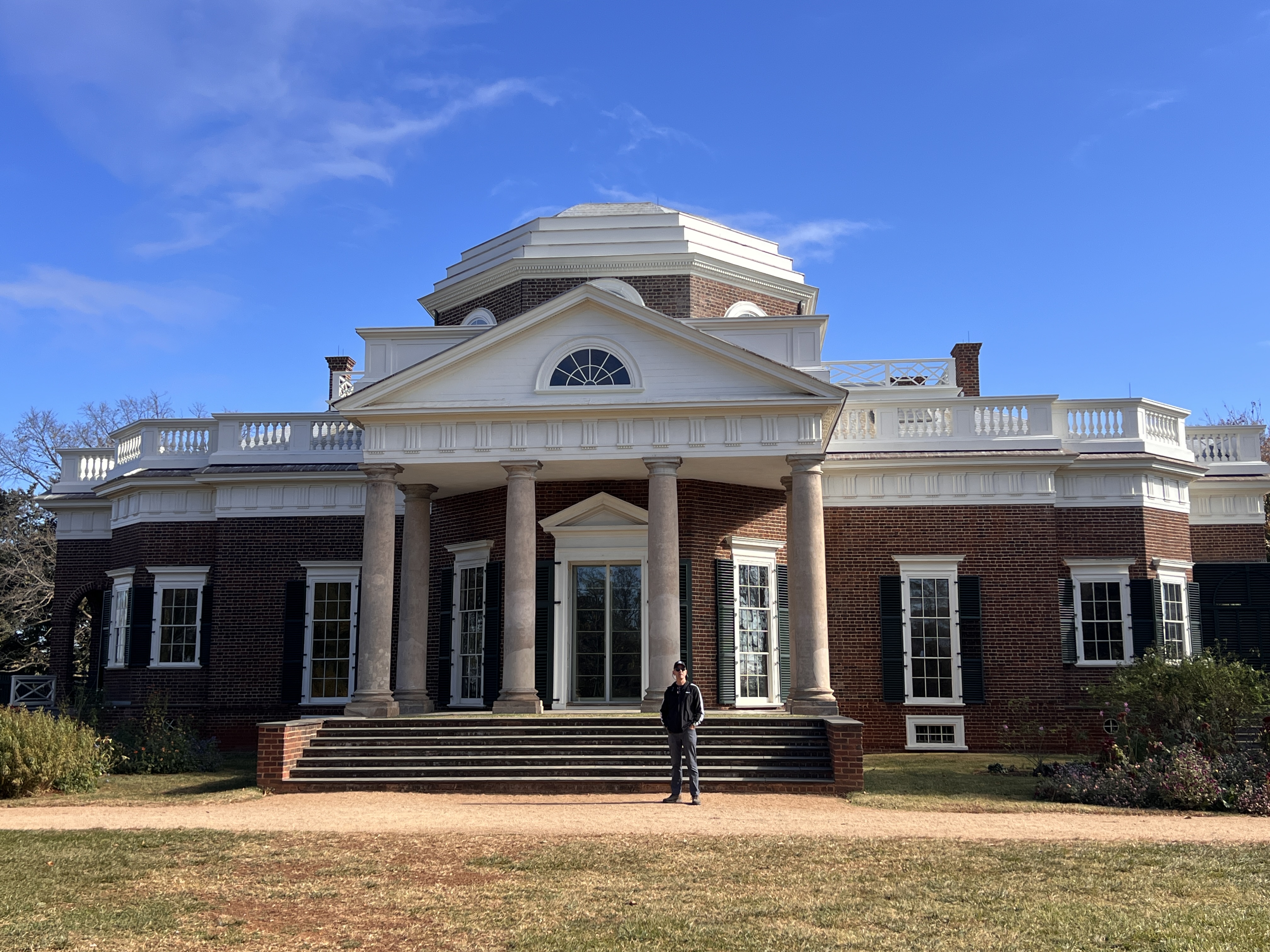
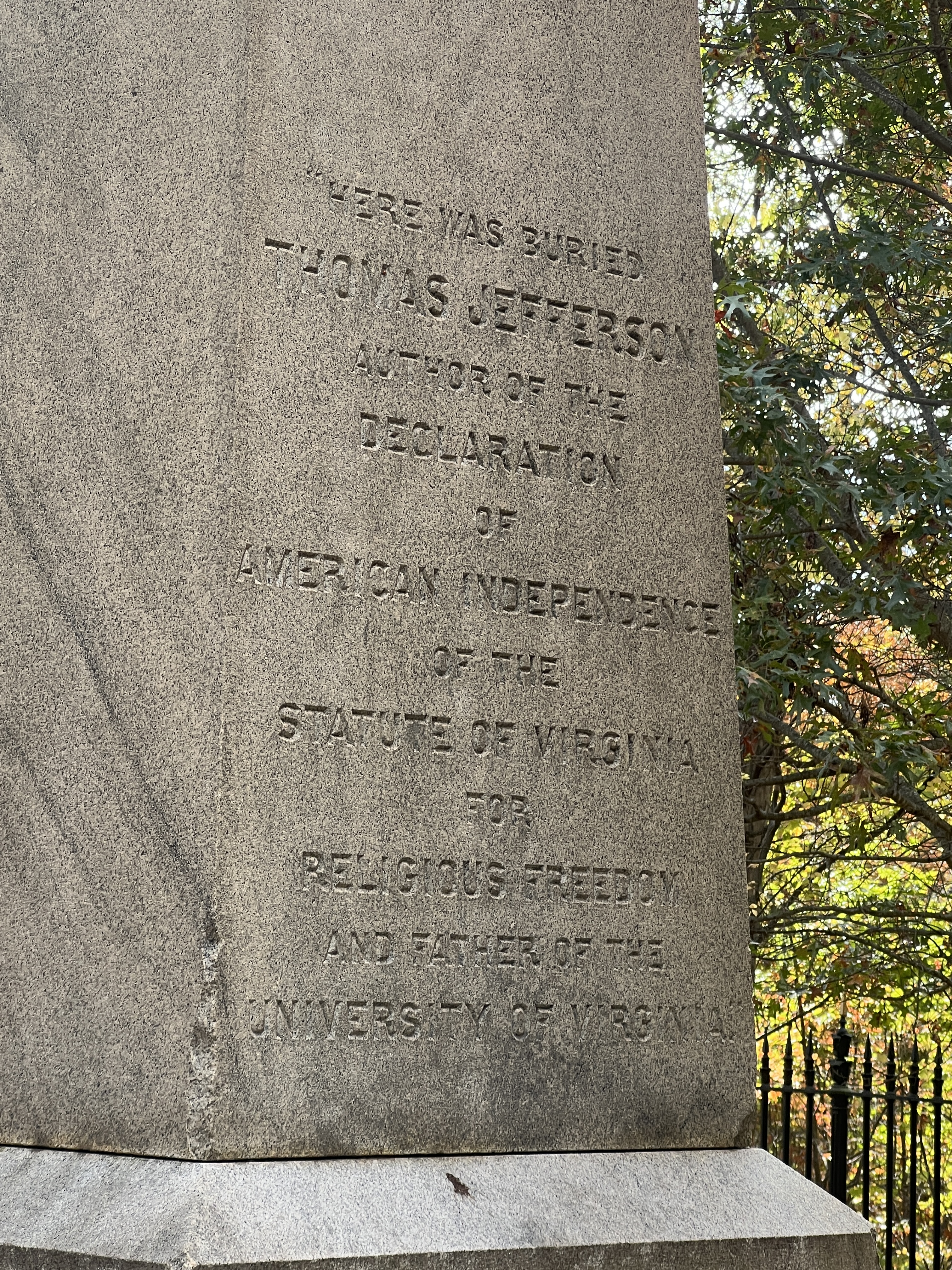
Our quick stop in Charlottesville, VA allowed us to visit another iconic site in American history. Look on the back of a nickel. That’s Monticello! It was Thomas Jefferson’s primary plantation and the location of a lot of history. During our tour of the house we learned about Jefferson’s lifelong interest in architecture, about the slaves that worked in the mansion, and about life during Jefferson’s time. While there we also visited the Monticello Cemetery where Jefferson and his descendants rest.
MonticelloThomas Jefferson’s resting place
Shenandoah National Park
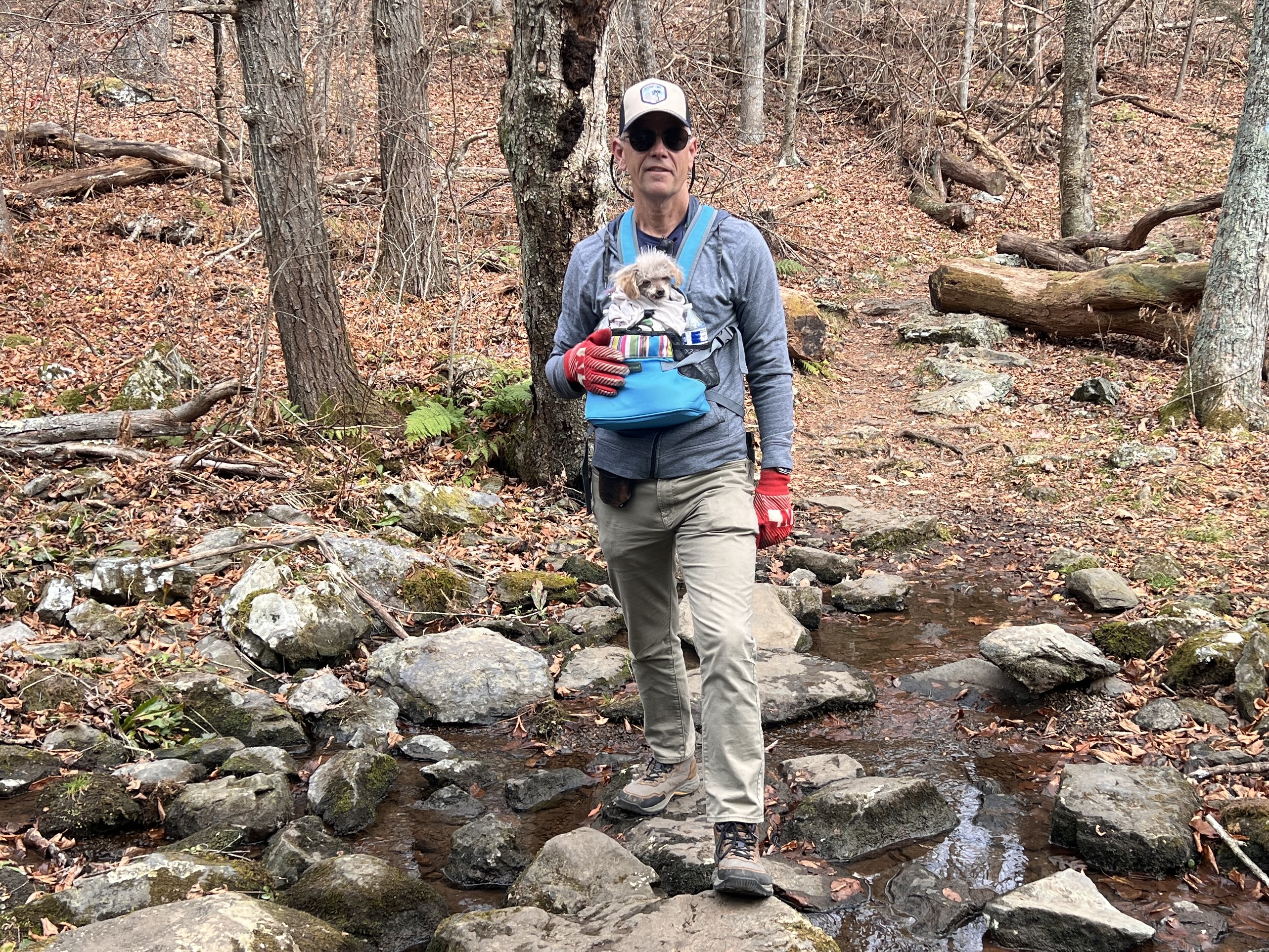
While we enjoy a good historic tour, the mountains are really more our style. From Charlottesville we traveled west just a bit to visit Shenandoah National Park. Over a few days we traversed the park’s 105-mile Skyline Drive, which affords views to the east and the west at the same time. We also fit in a few hikes. Most notably we hiked to the partially restored Rapidan Camp which was Herbert Hoover’s presidential fishing estate.
Beautiful time of year in Shenandoah National ParkBob “hiked” to Rapidan CampHoover’s Rapidan CampMore views in ShenandoahRewarding views from hikes in ShenandoahThe Appalachian Trail runs through Shenandoah NP
Hagerstown
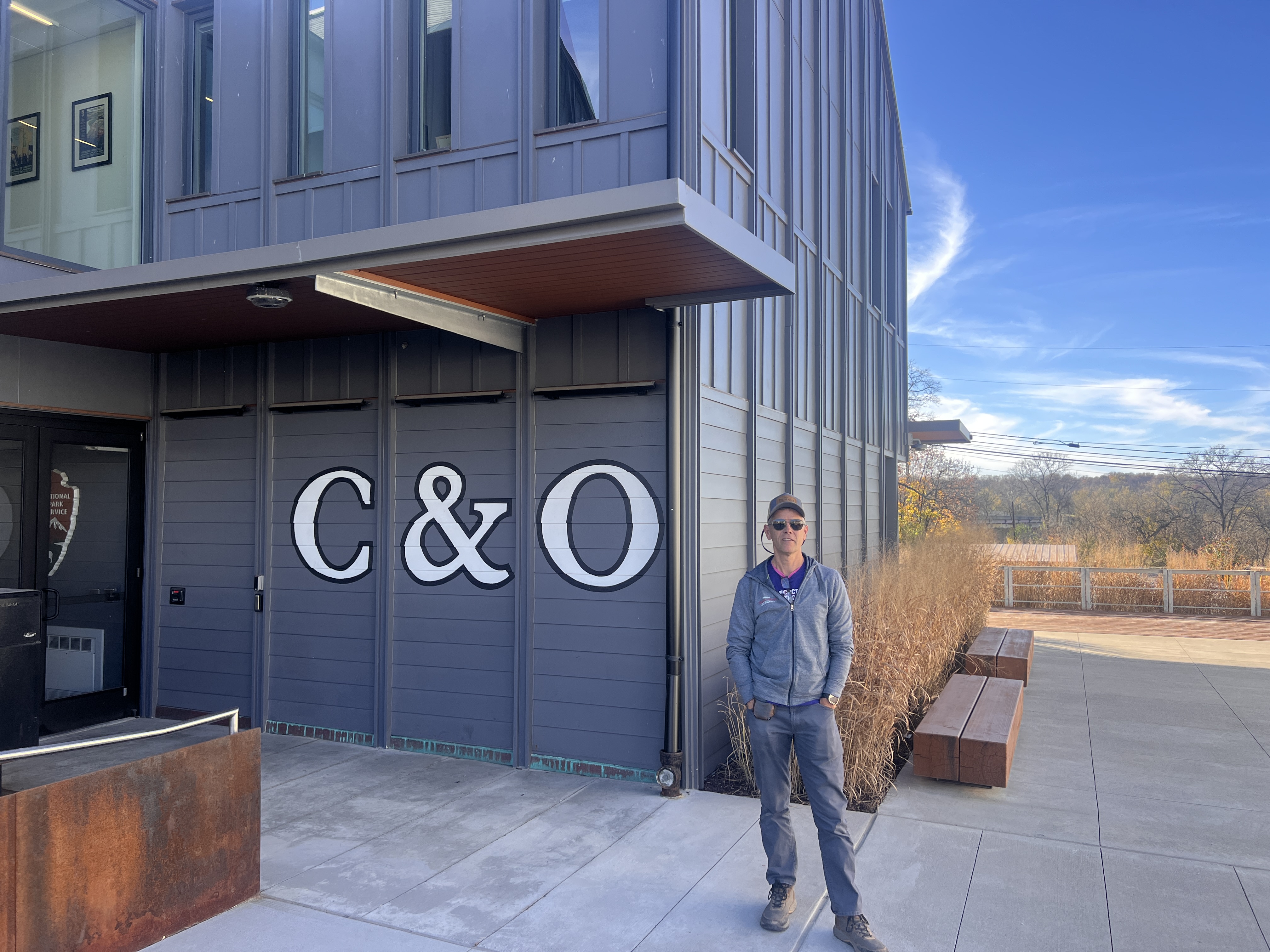
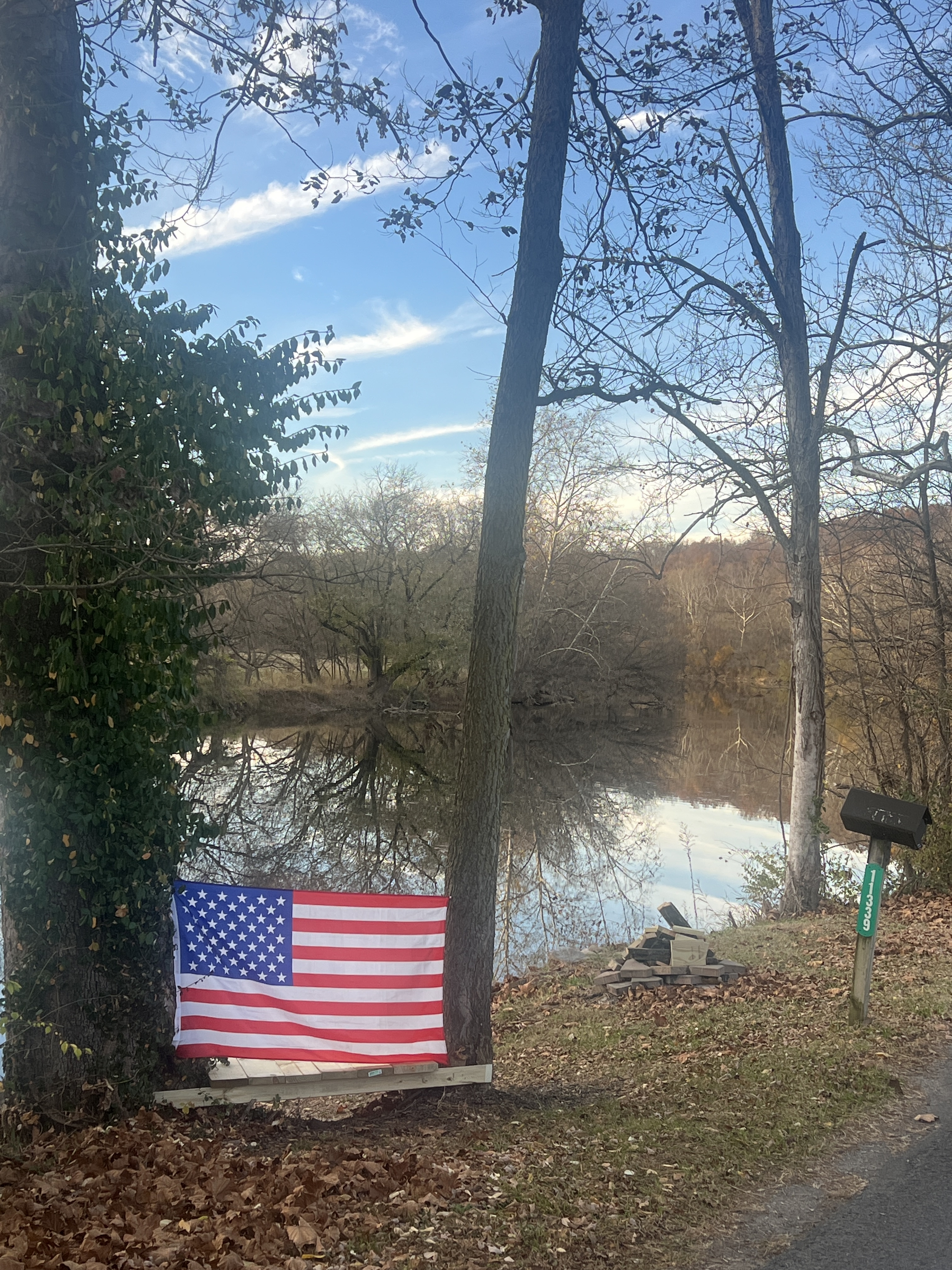
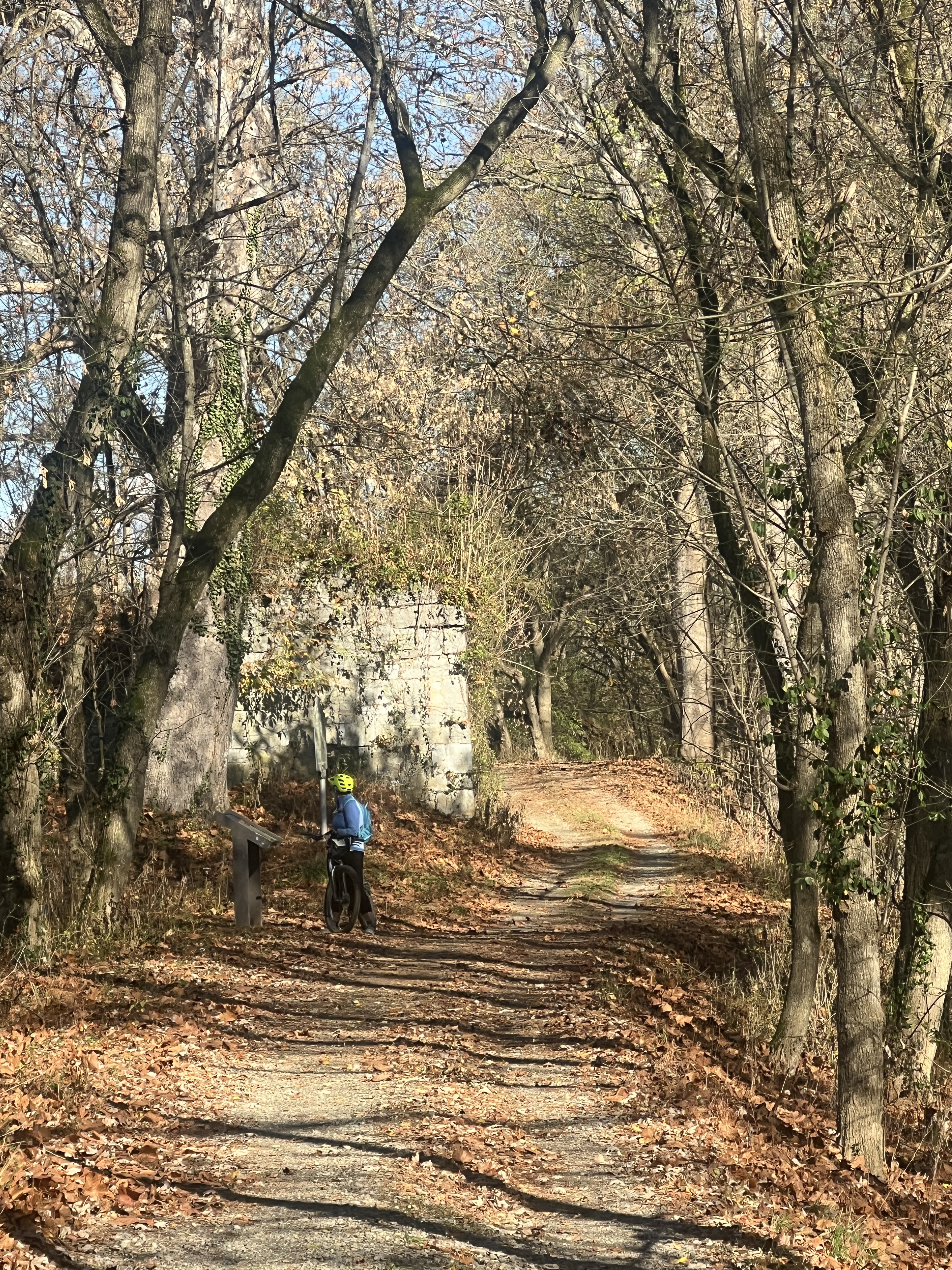
After a few days in the mountains we headed north a to a KOA in Hagerstown, Maryland. From there we were able to dive into the Civil War by visiting the battlefields at Antietam and the historic town of Harpers Ferry. The C & O Canal also runs through the area and operated for nearly 100 years. It was a lifeline for communities along the Potomac River as coal, lumber, and agricultural products floated down the waterway to market. Today it is a pathway for recreation and provided for a good bike ride.
Ruins in Harpers FerryChesapeake and Ohio CanalScenes from election dayBiking the C & O Canal
Gettysburg
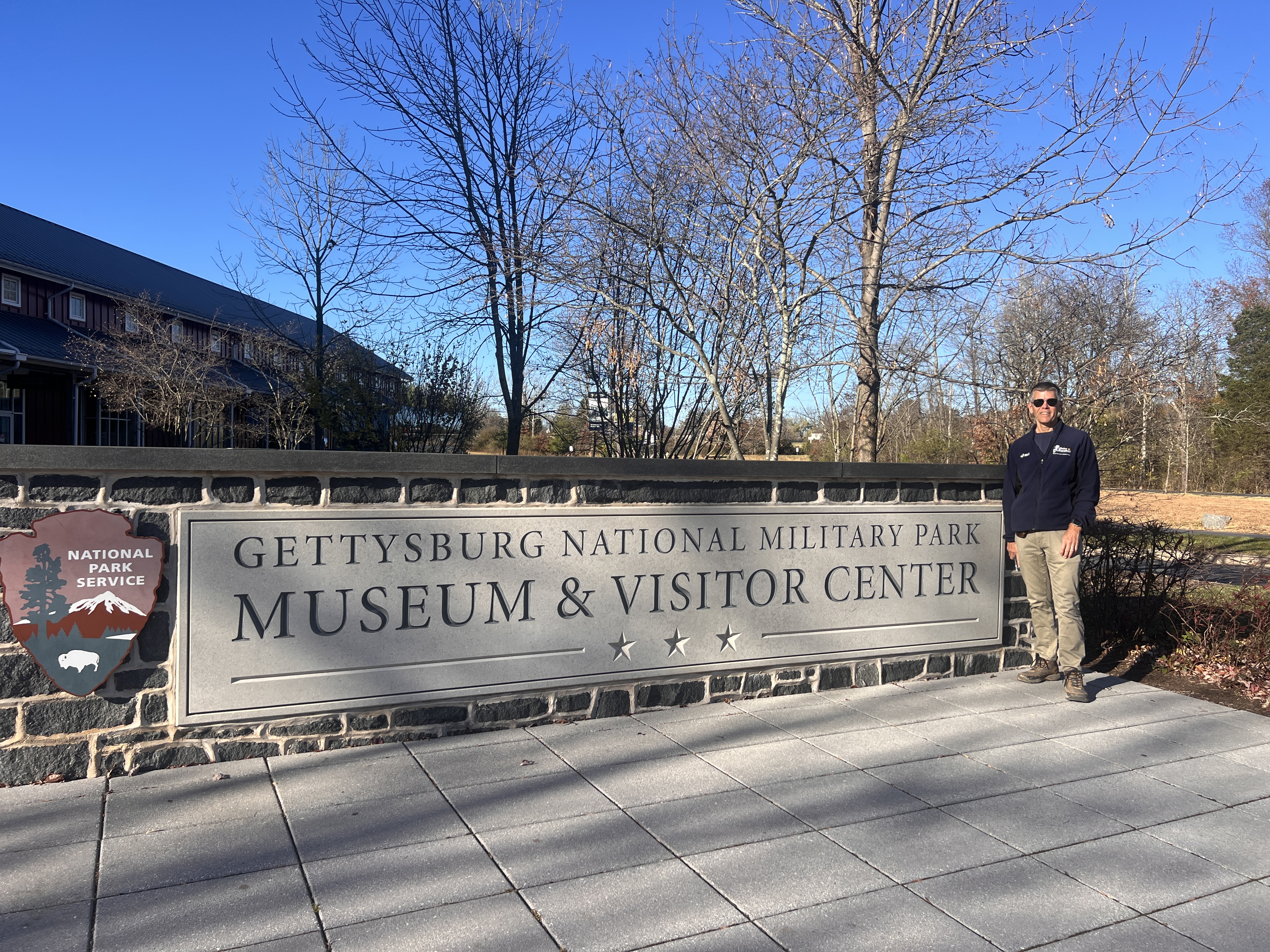
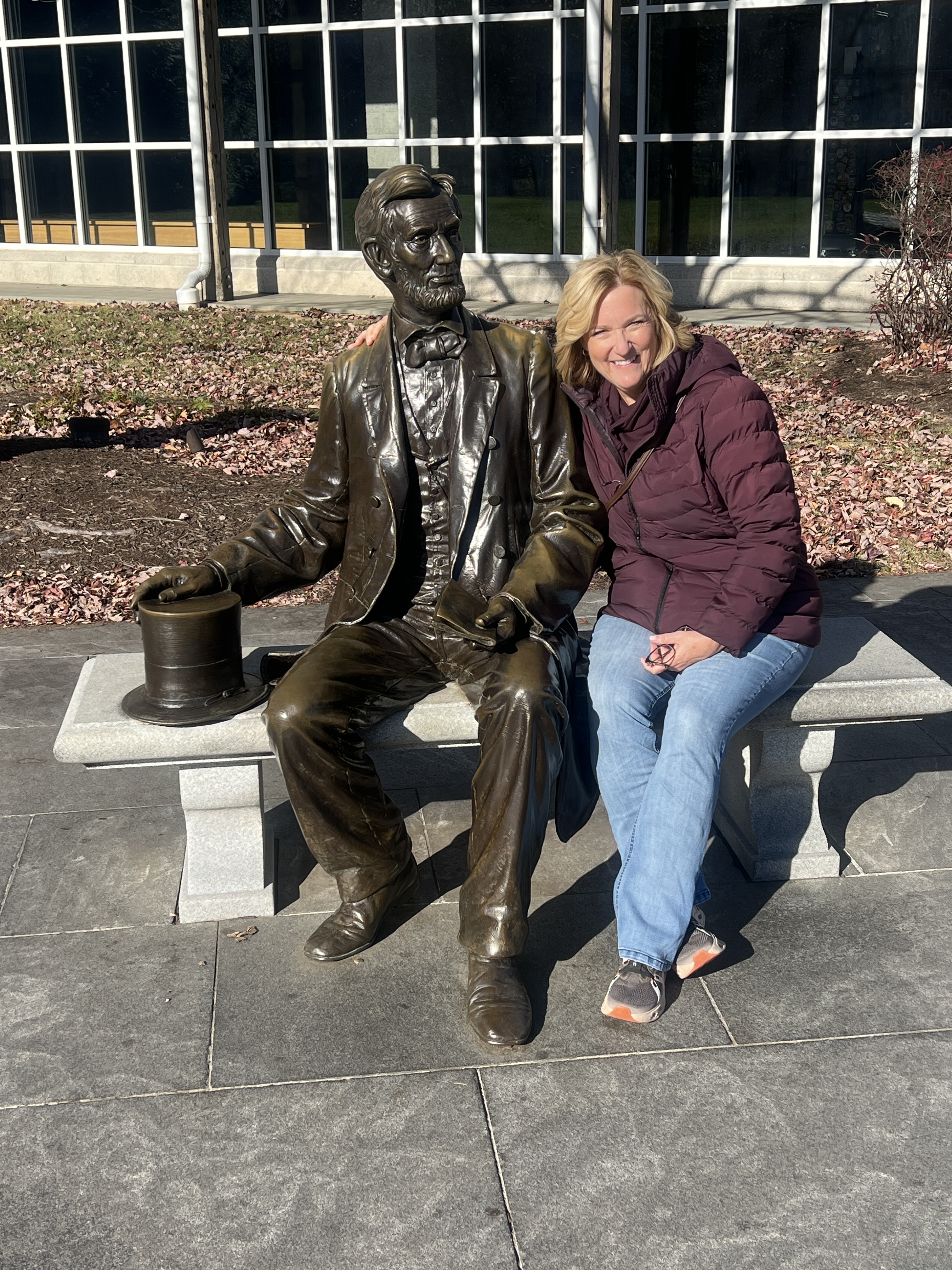
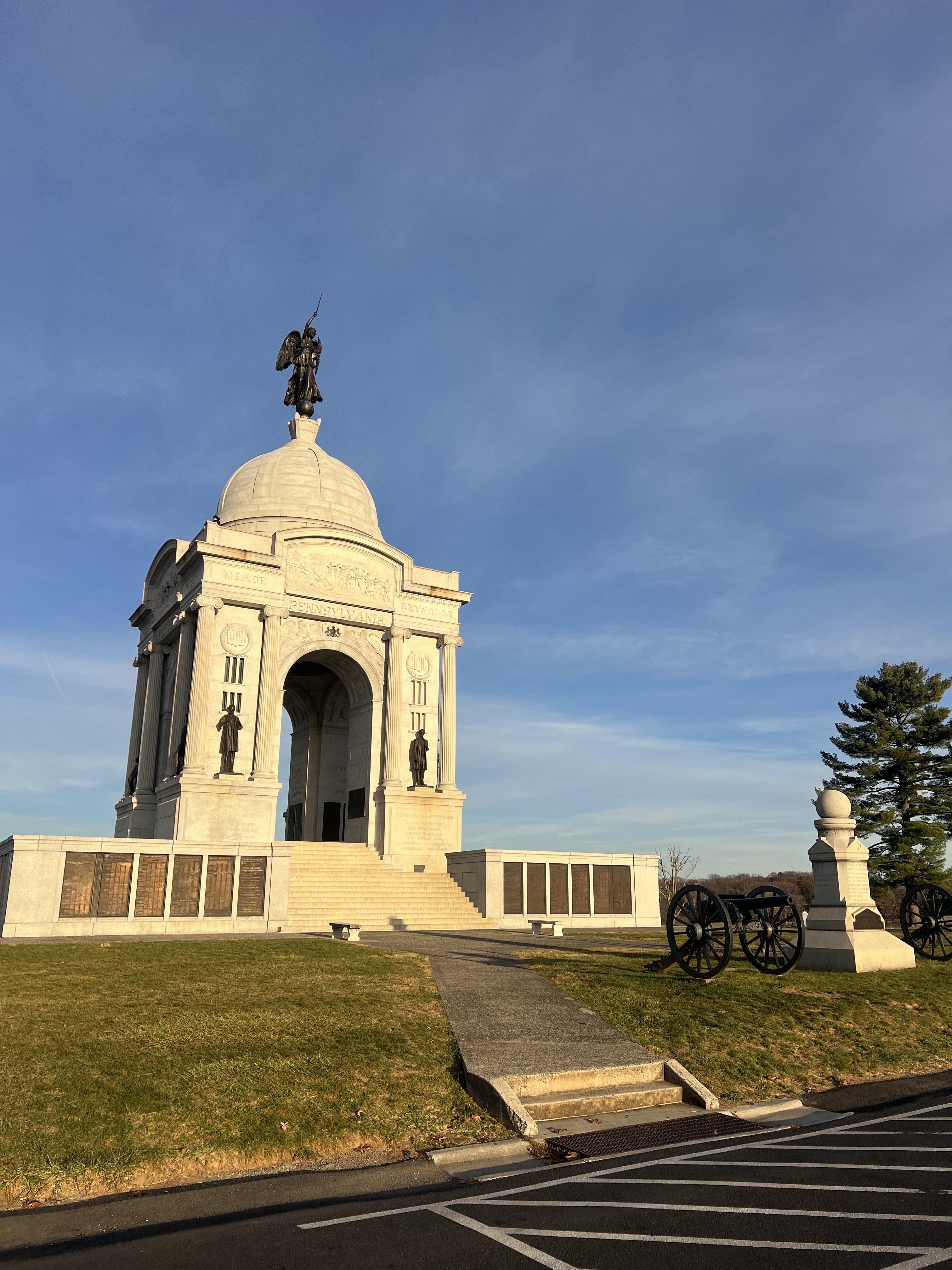
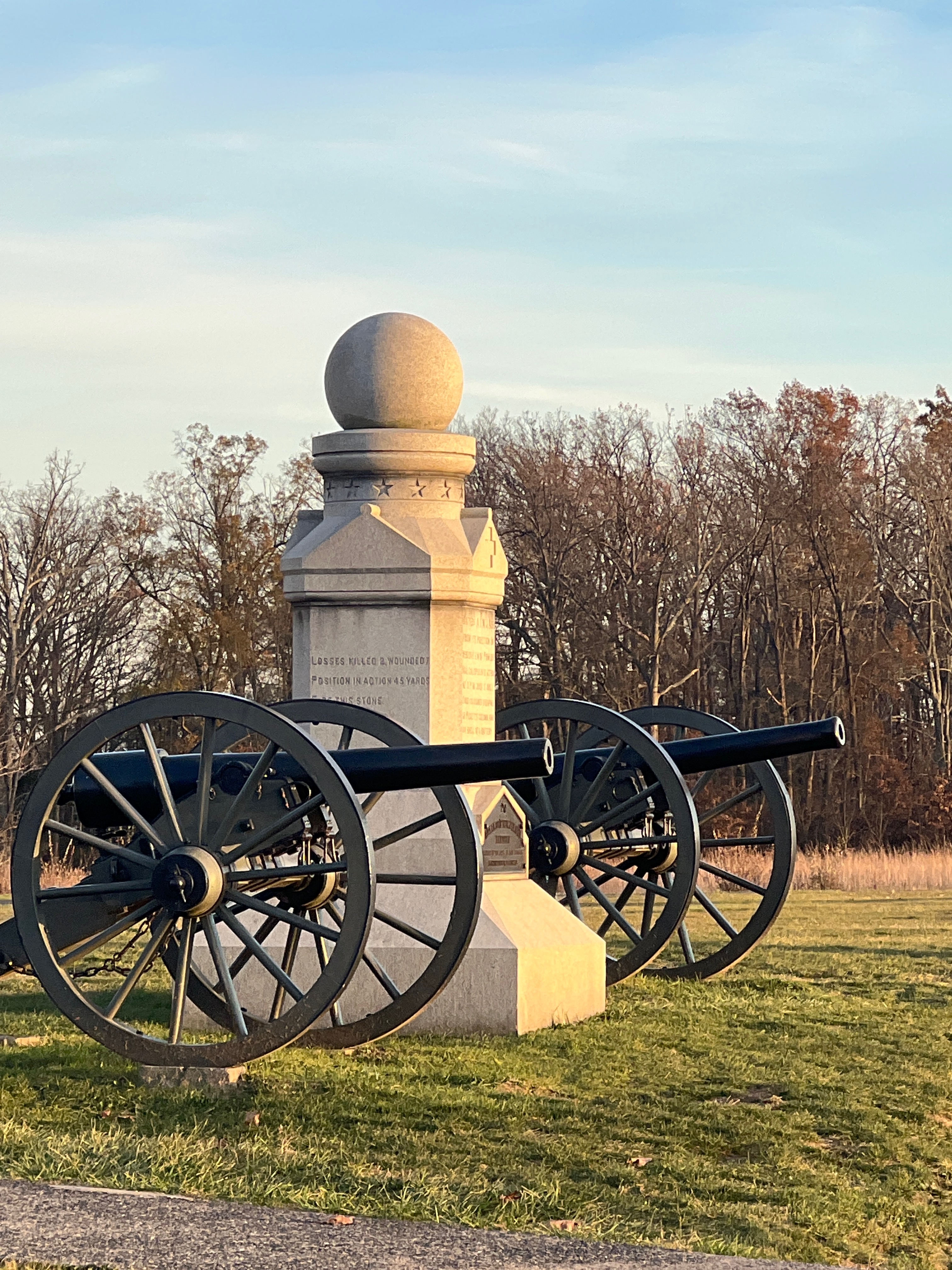
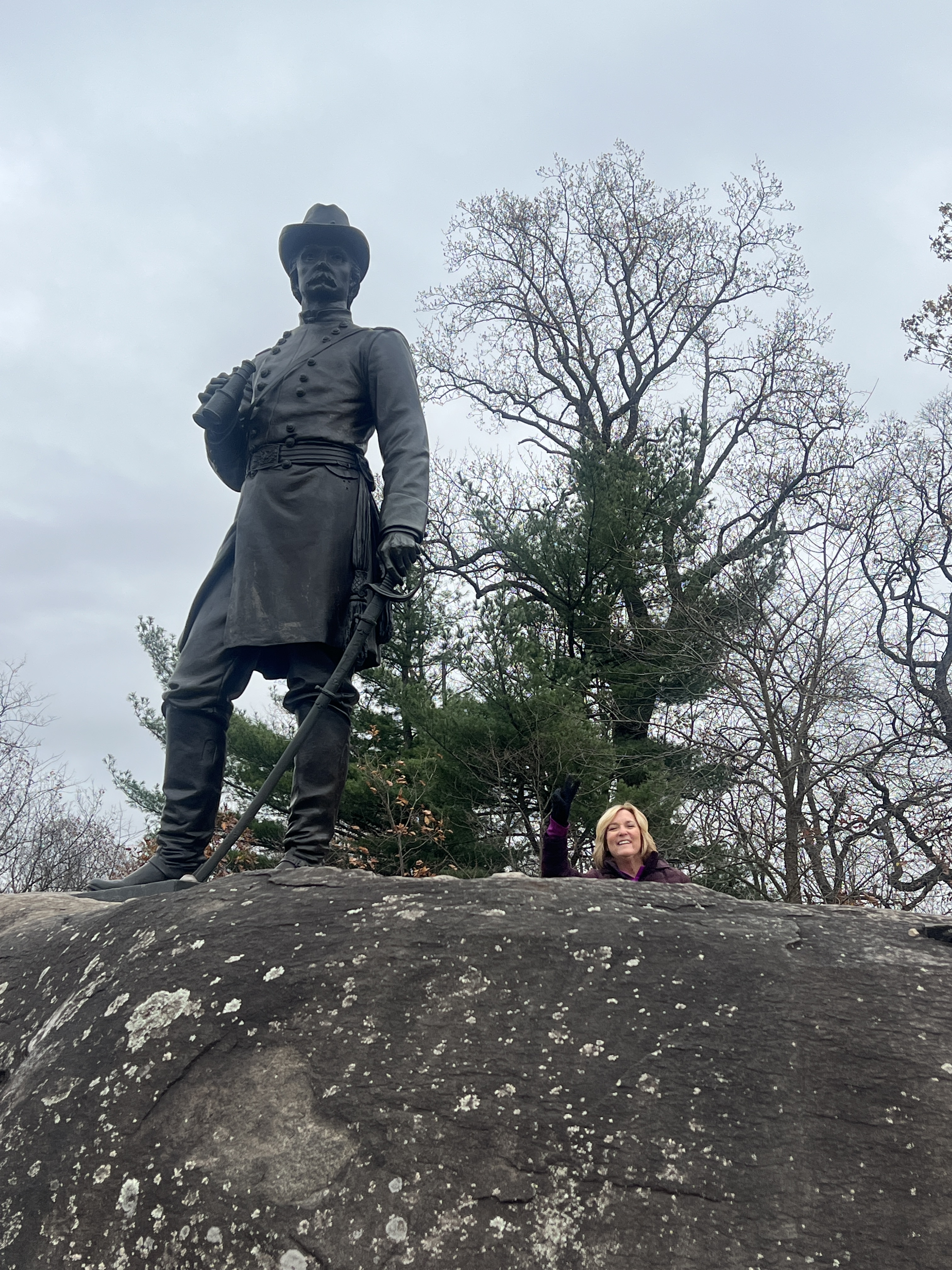
Our Civil War education continued next in Gettysburg. The Battle of Gettysburg was a turning point in the war with the Union victory after three days of battle. Gettysburg was the Civil War’s bloodiest battle and was also the inspiration for President Abraham Lincoln’s immortal “Gettysburg Address.” Over 1,300 monuments, memorials, and markers dot the countryside, a constant reminder of the sacrifices made on both sides of the conflict.
Me and AbeMonumentsMonumentsMore monumentsStill more monuments
Amish Country
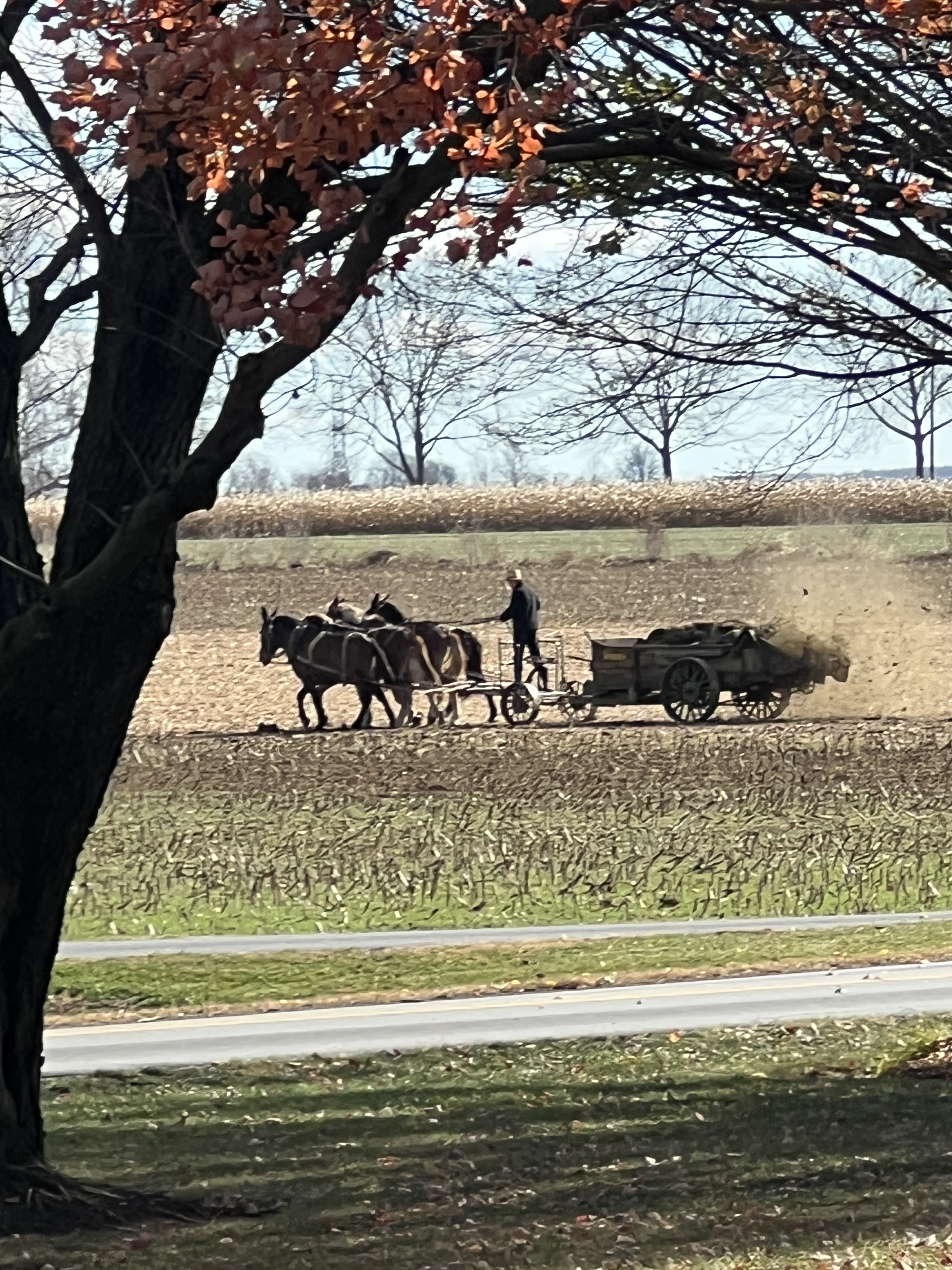
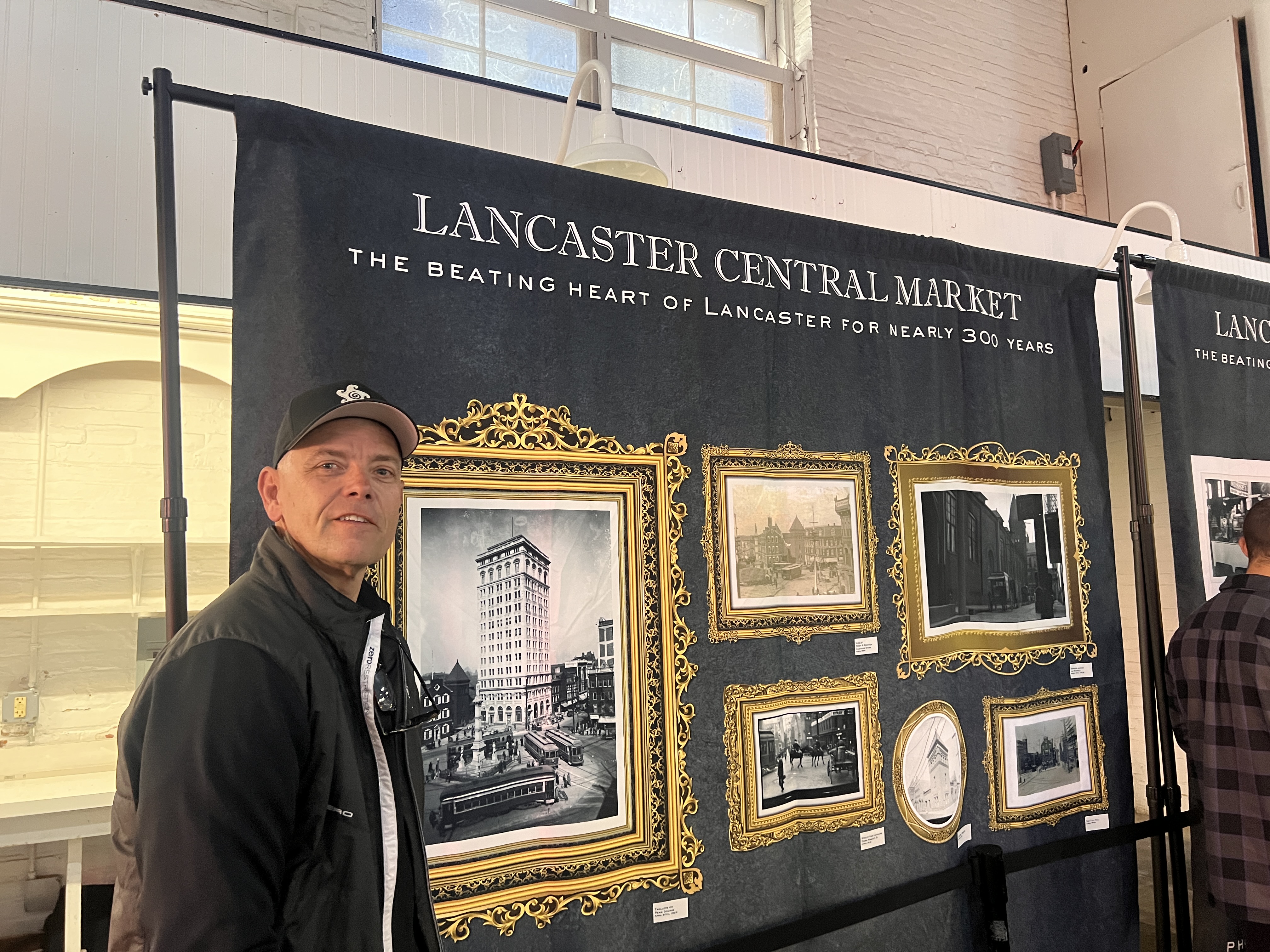
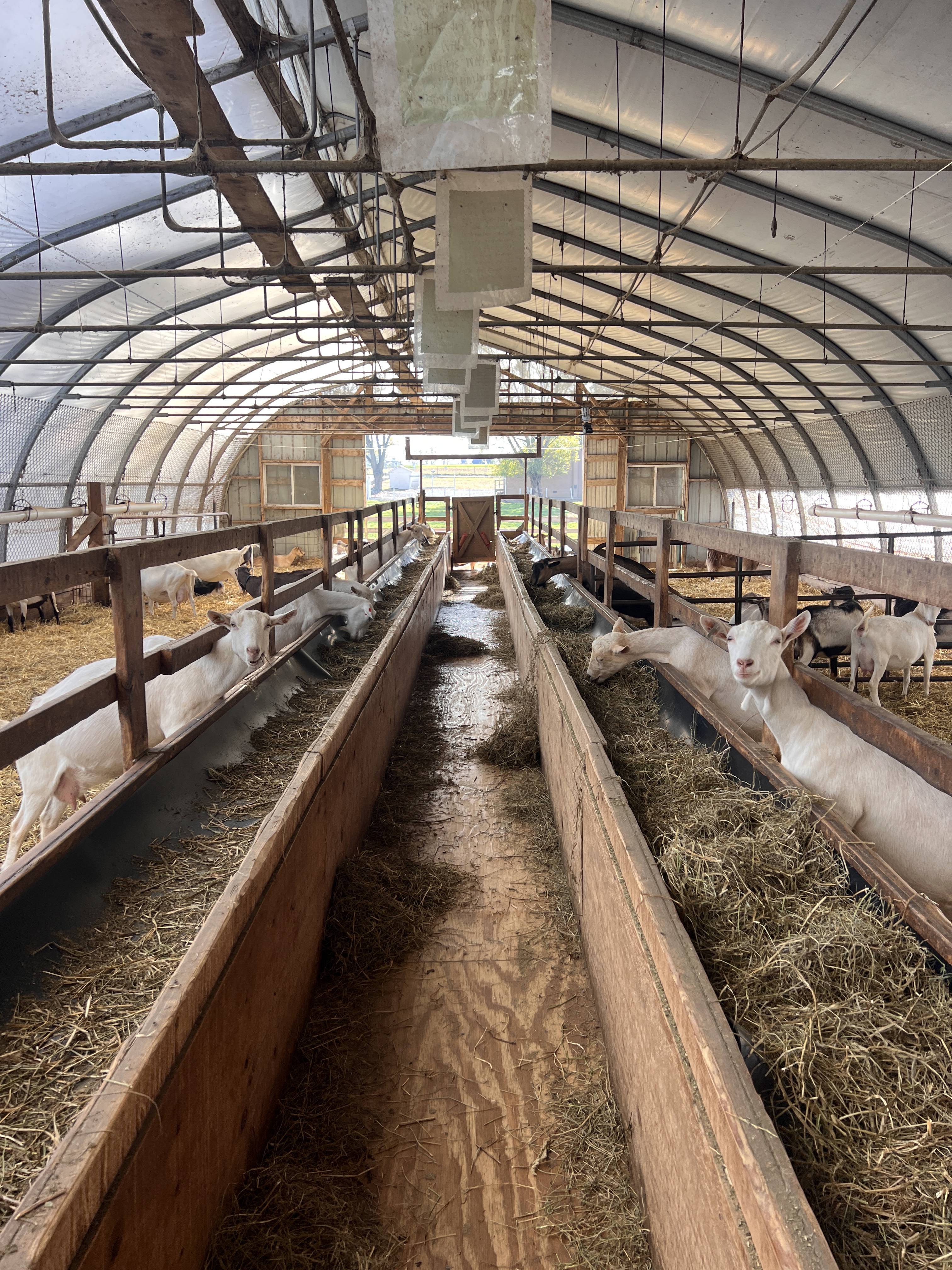
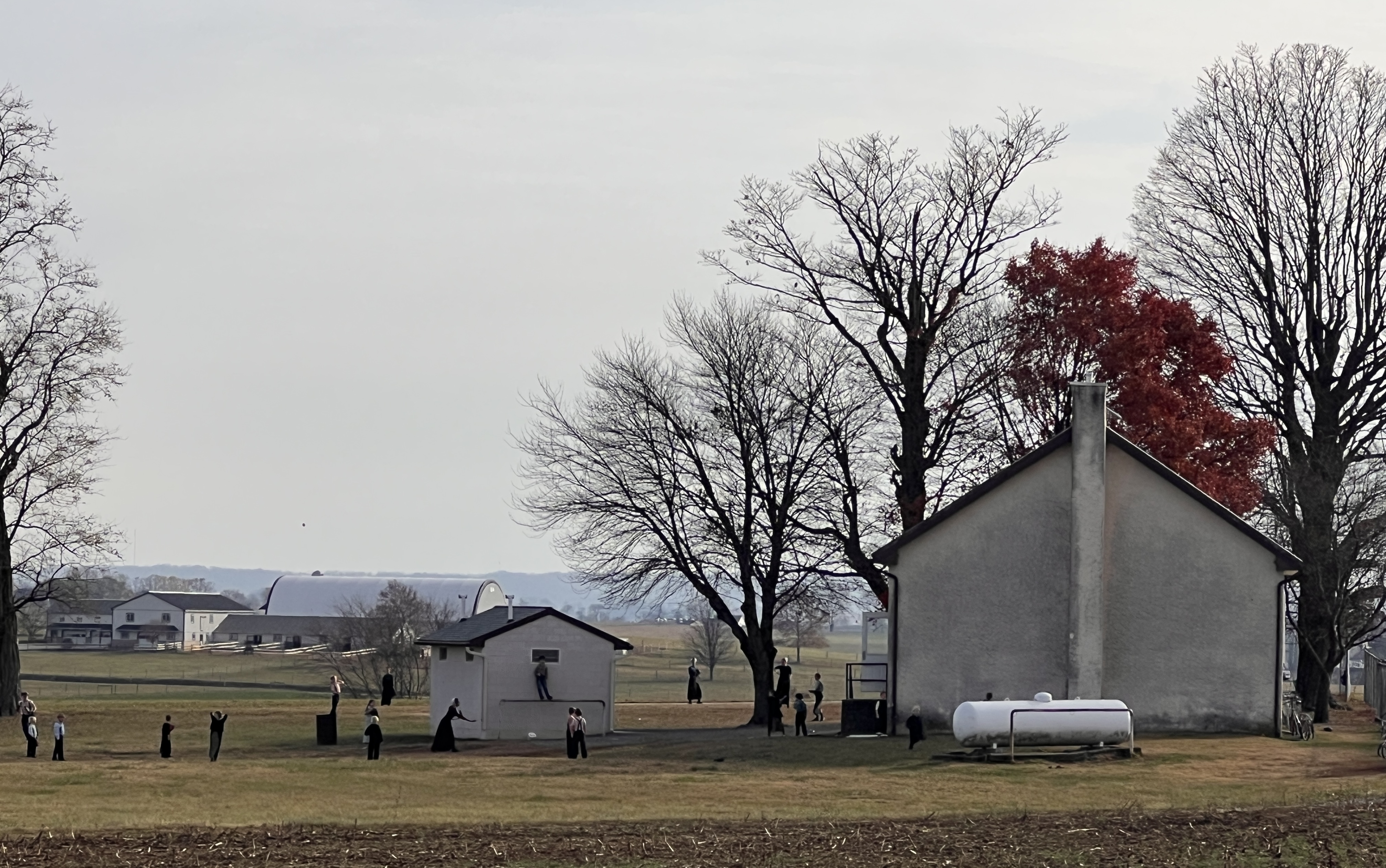
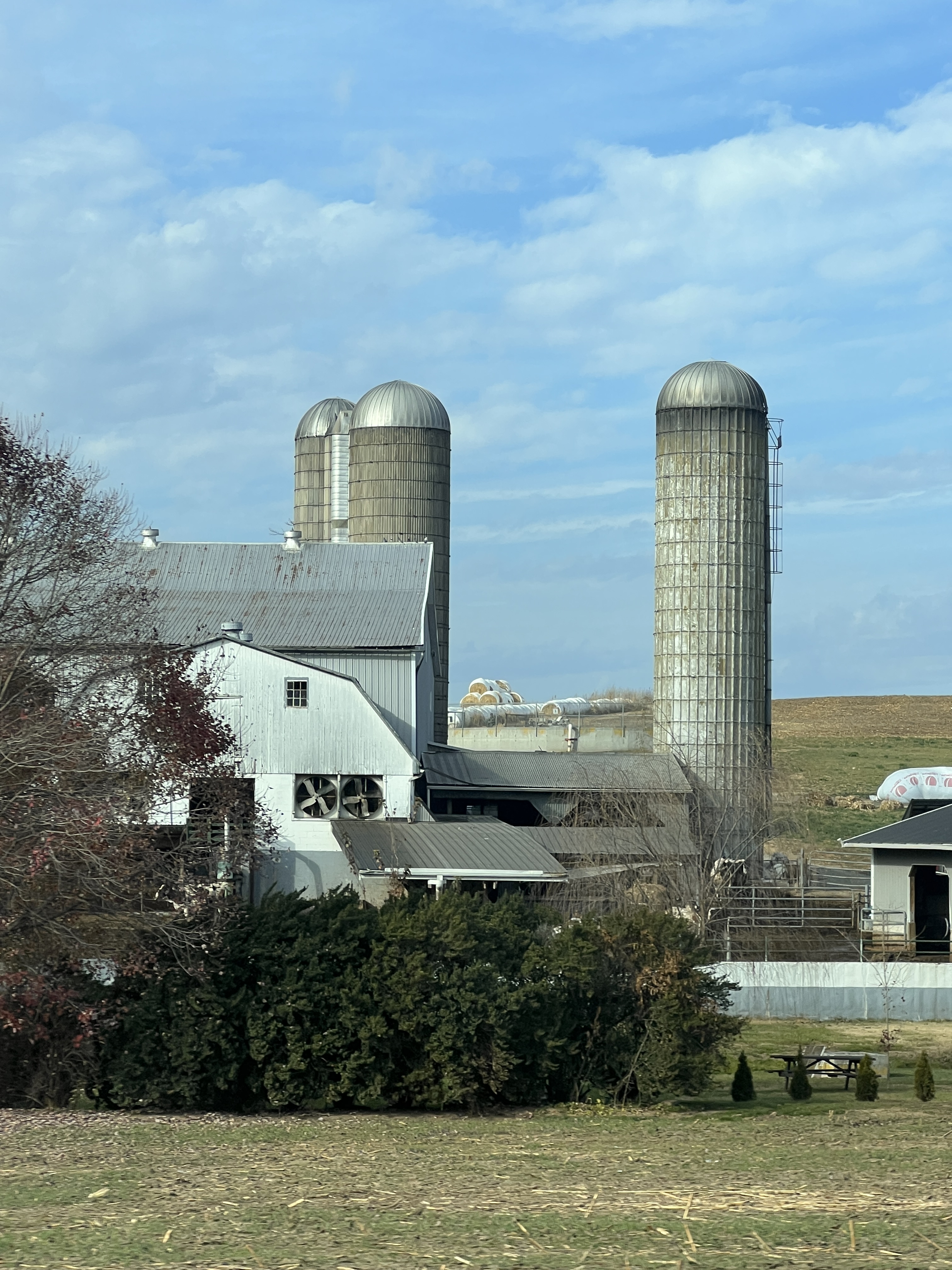
After three days of the Gettysburg battlefields, we were ready for a change of scenery. Our final stop before arrival in Philadelphia was the Pennsylvania Amish region of Lancaster County. Over five days we visited farm markets, quilt shops, goat farms, and creameries. Our campground, Country Acres, offered a free two-hour tour of the area, and we took them up on it. We learned so much about the variations of Amish way of life by driving around with a knowledgeable guide who could tell us what we were looking at.
Fertilizing the fieldsOldest farmers market in AmericaMisty Creek Goat DairyBird in Hand Farmers MarketOnce a week market and auctionChickens ready for auction at Root’s Amish schoolyardLarge Amish farmTechnology creeping into Amish lifeMost Amish in this area use scooters. Bikes are not allowed.Typical Amish transportation
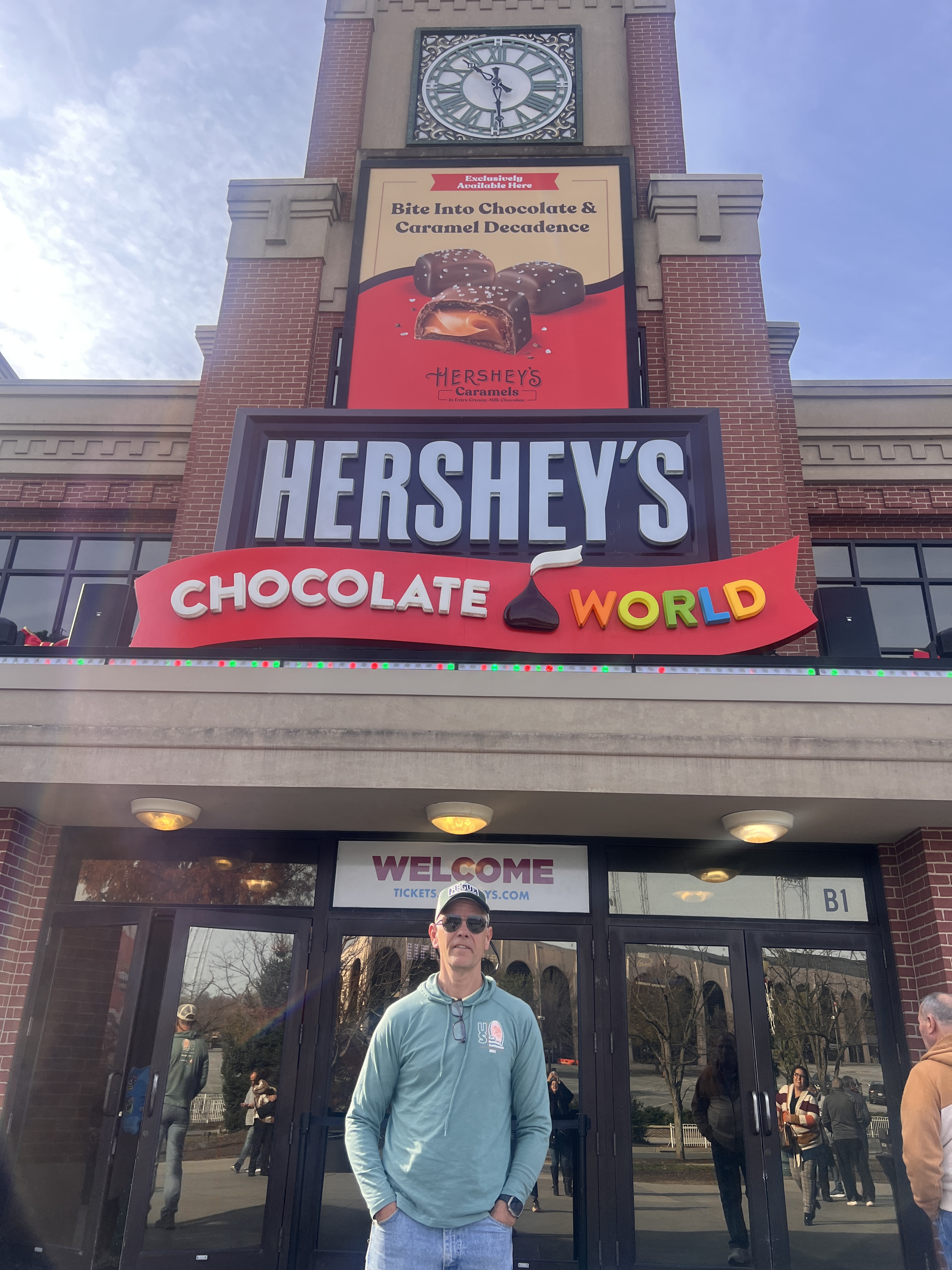
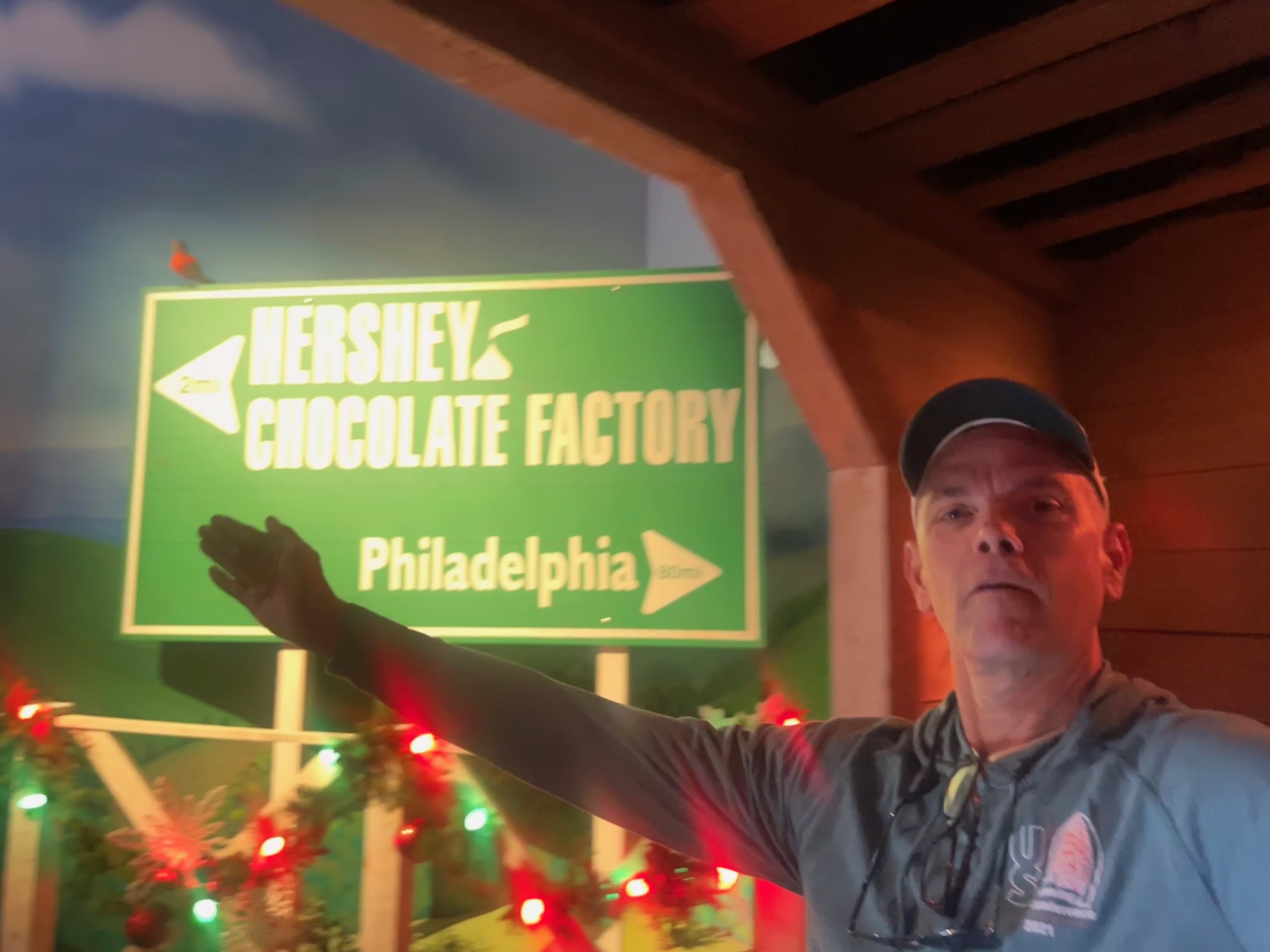
About 45 minutes from Lancaster is the town of Hershey, home to Hershey’s chocolate. It was an obligatory tourist stop that resulted in a bag of candy we don’t need! We did take a fun tour at Chocolate World which made the visit worthwhile.
Reese’s honored at Chocolate World Marnie with KissesHe made the right choice
This was a great survey of a part of the country that was completely new to us. The origins of our great country were seeded here and learning about that history helped us understand how our nation has evolved.
We are working our way eastward for Steve’s fall marathons. Along the way we’ve found some fun stops to entertain and educate us. This part of the country is new territory for us, so there is a lot to explore and learn. The changing leaves make it a perfect time for exploration.
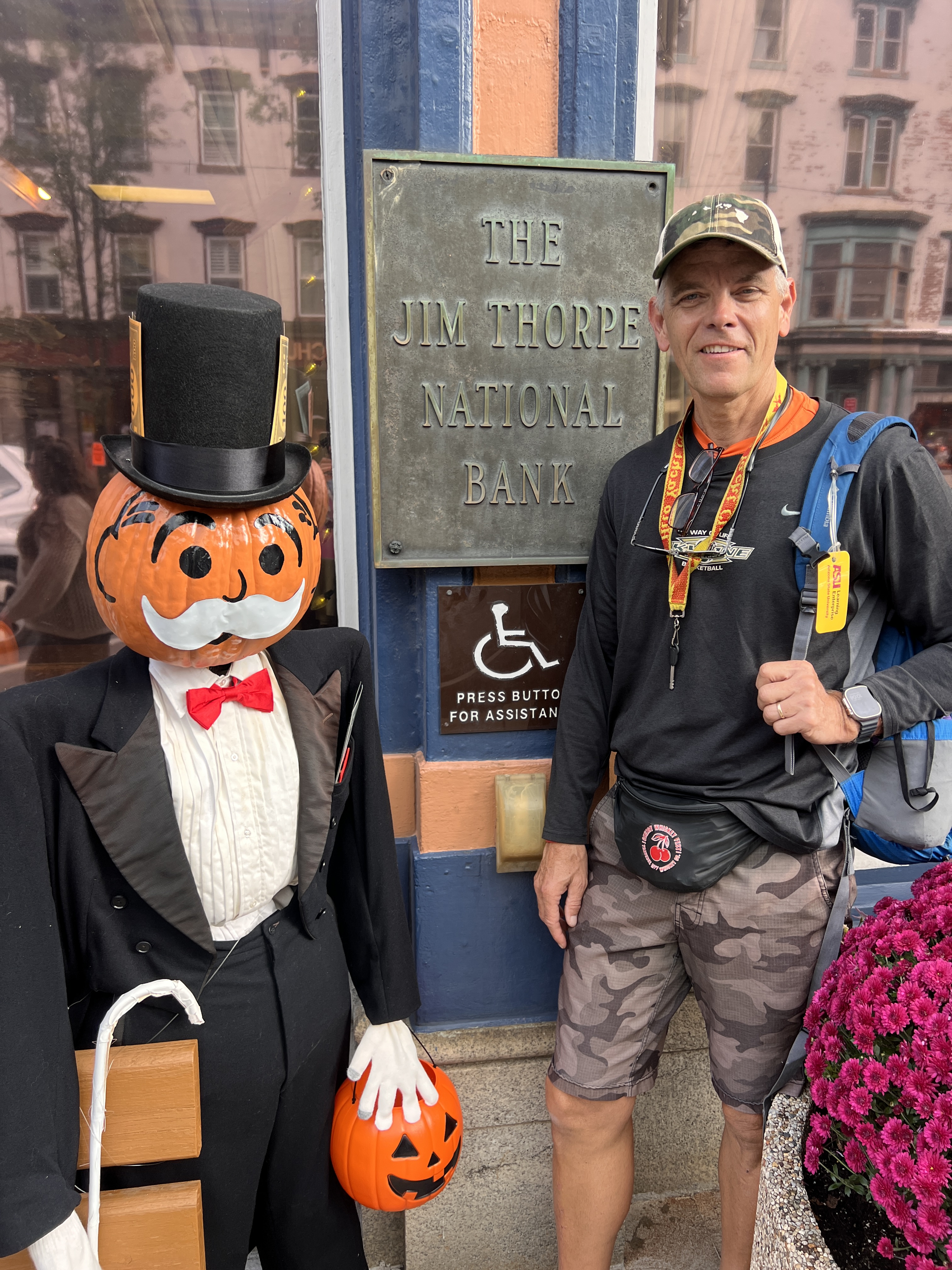
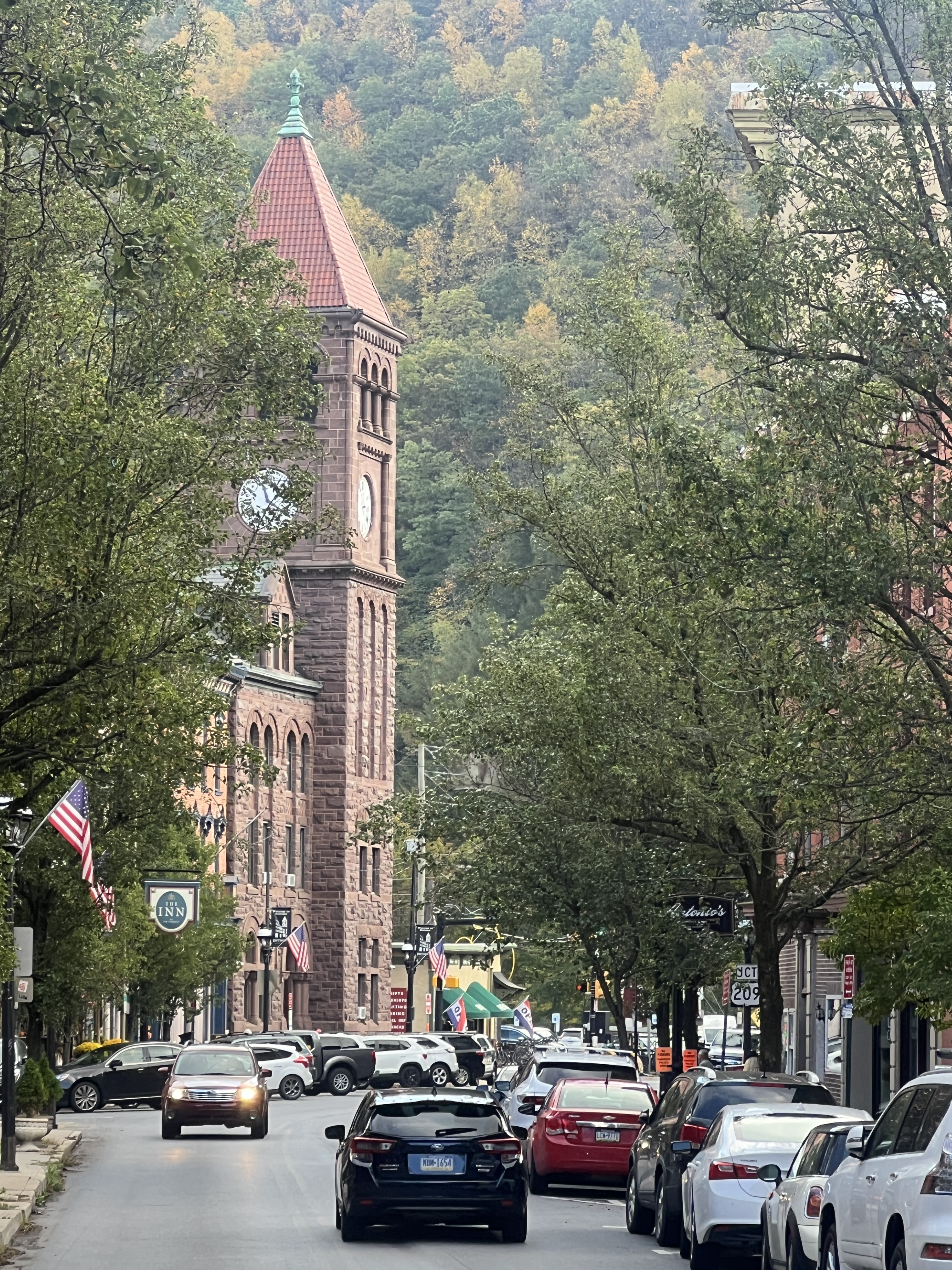
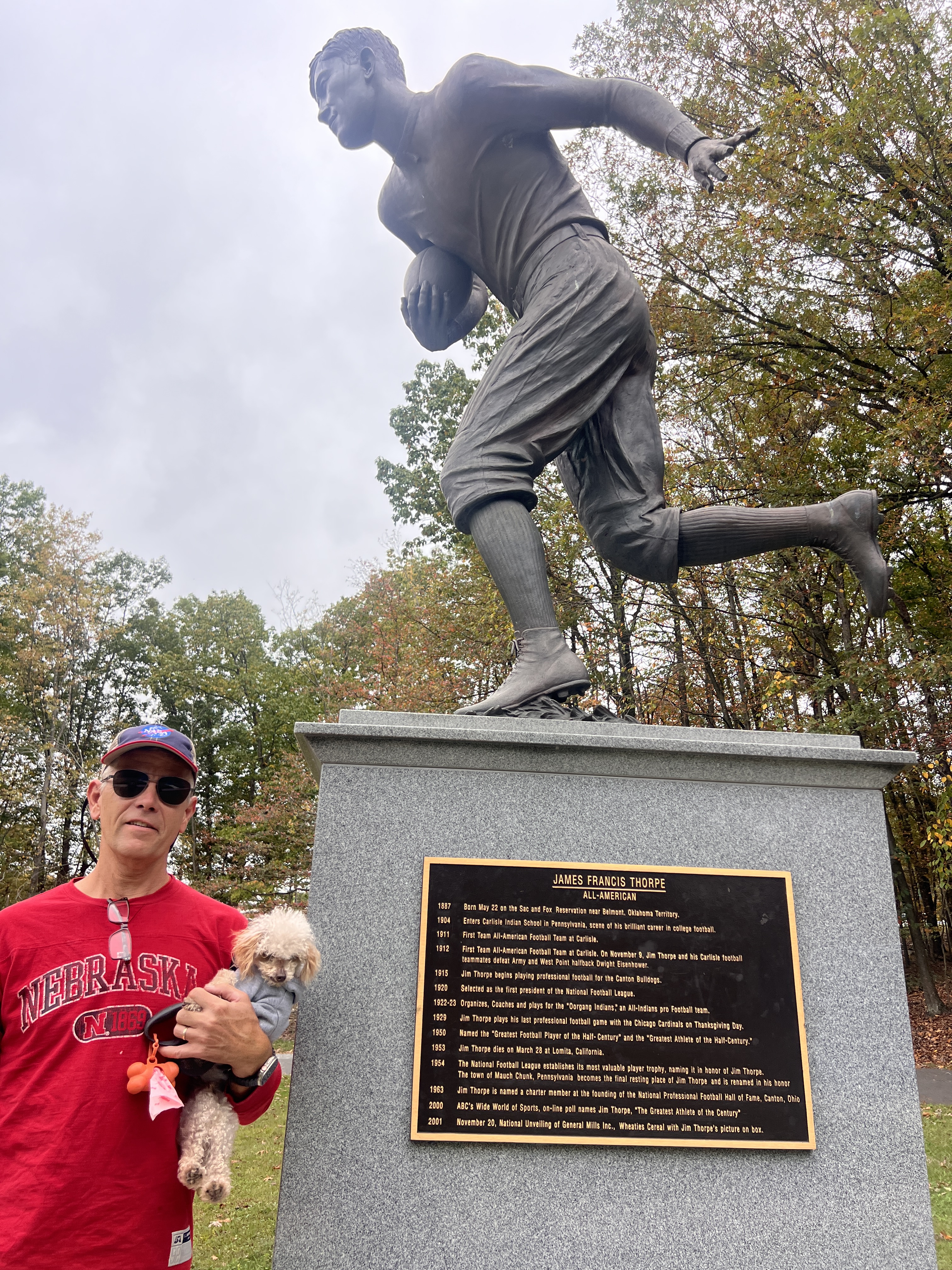
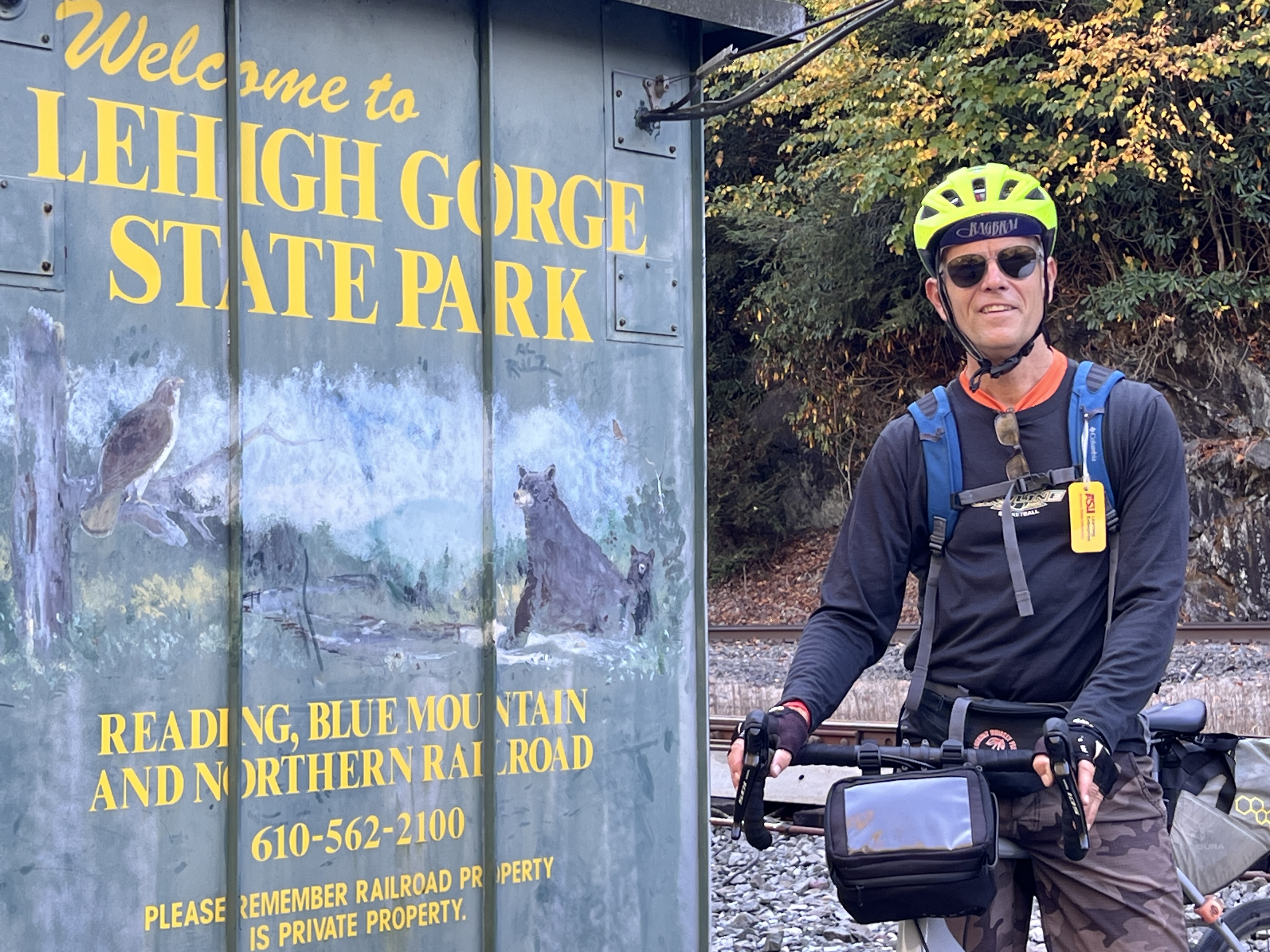
First stop was the Poconos in the northeastern portion of the Pennsylvania. When planning a roadtrip to places we’ve never been, we sometimes have to make a guess as to where to go. For this stop we decided the town of Jim Thorpe sounded good and we were not disappointed. This historic town, named after the greatest athlete of the 20th century, and referred to as the “Switzerland of America” is the gateway to the beautiful Lehigh Gorge.
Downtown Jim ThorpeMain Street Jim ThorpeHonoring the athlete Jim Thorpe
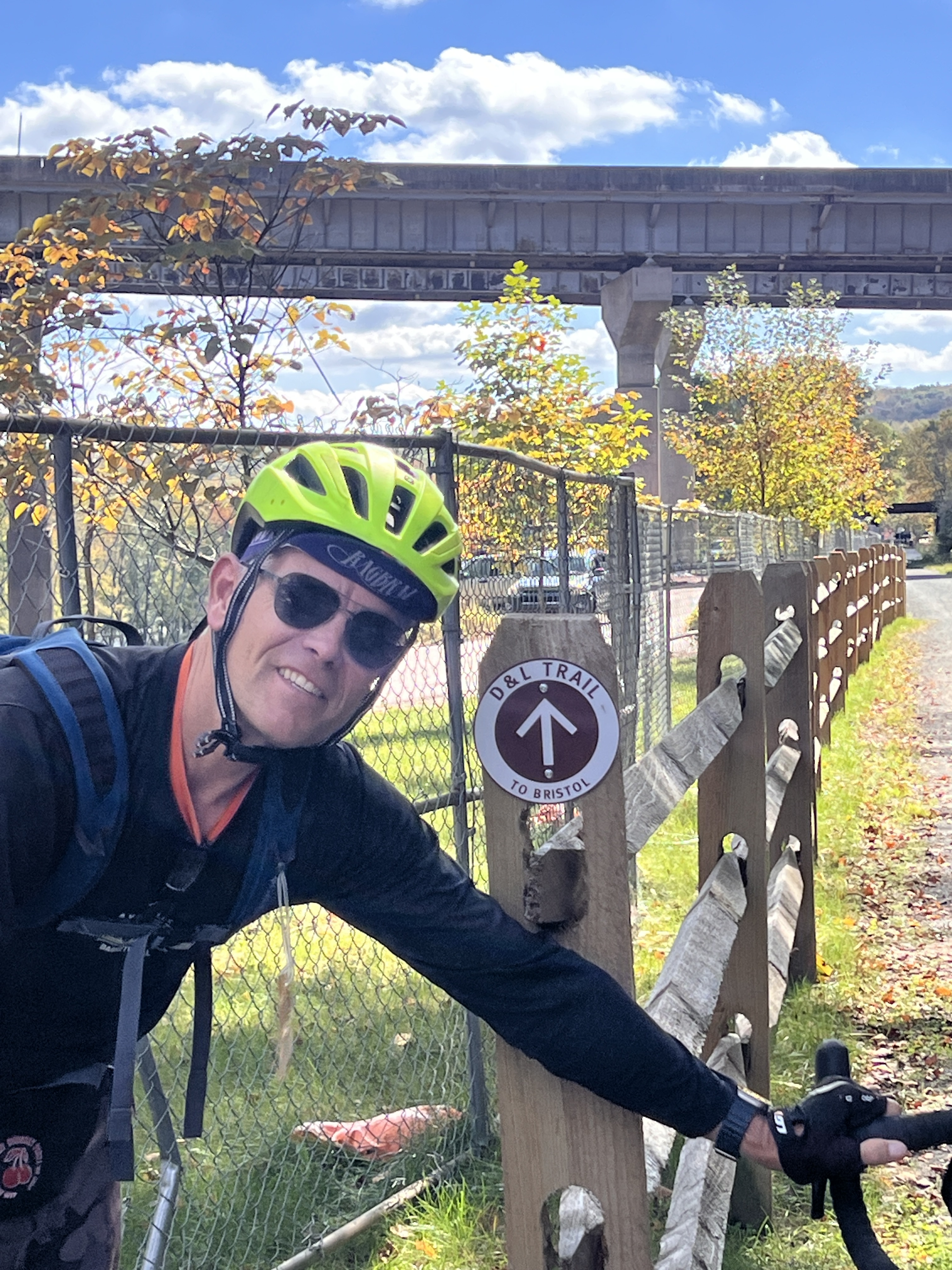
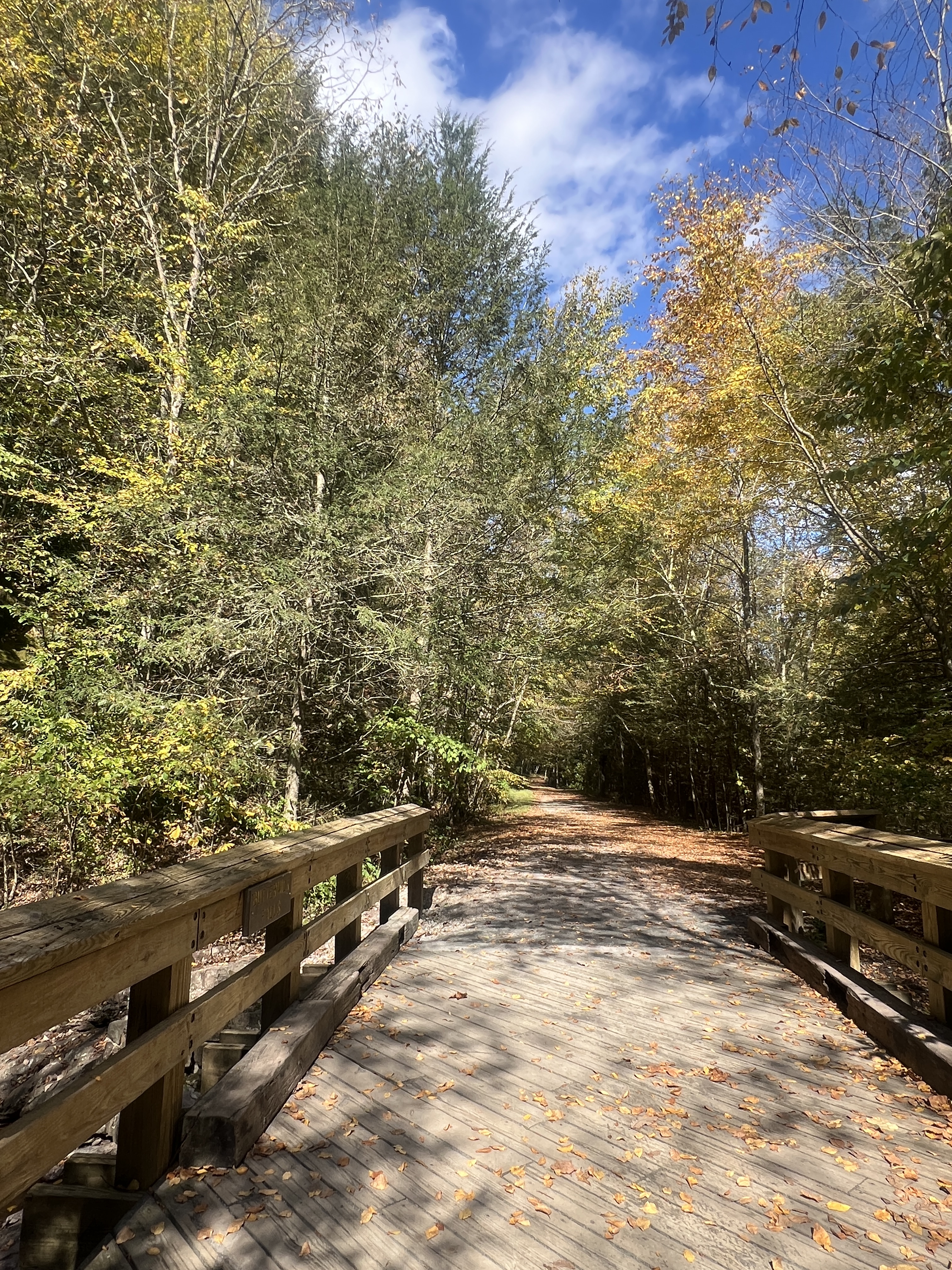
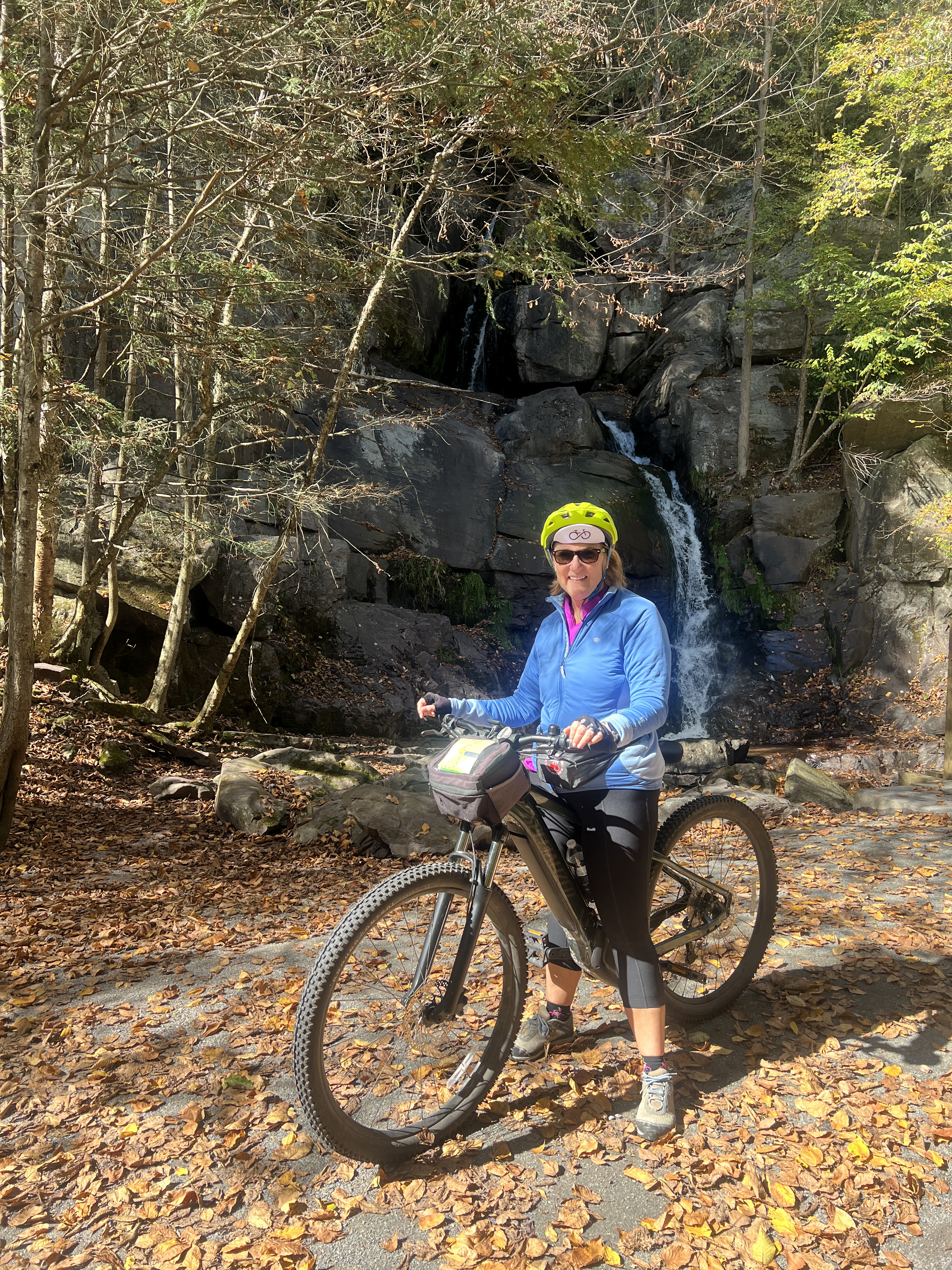
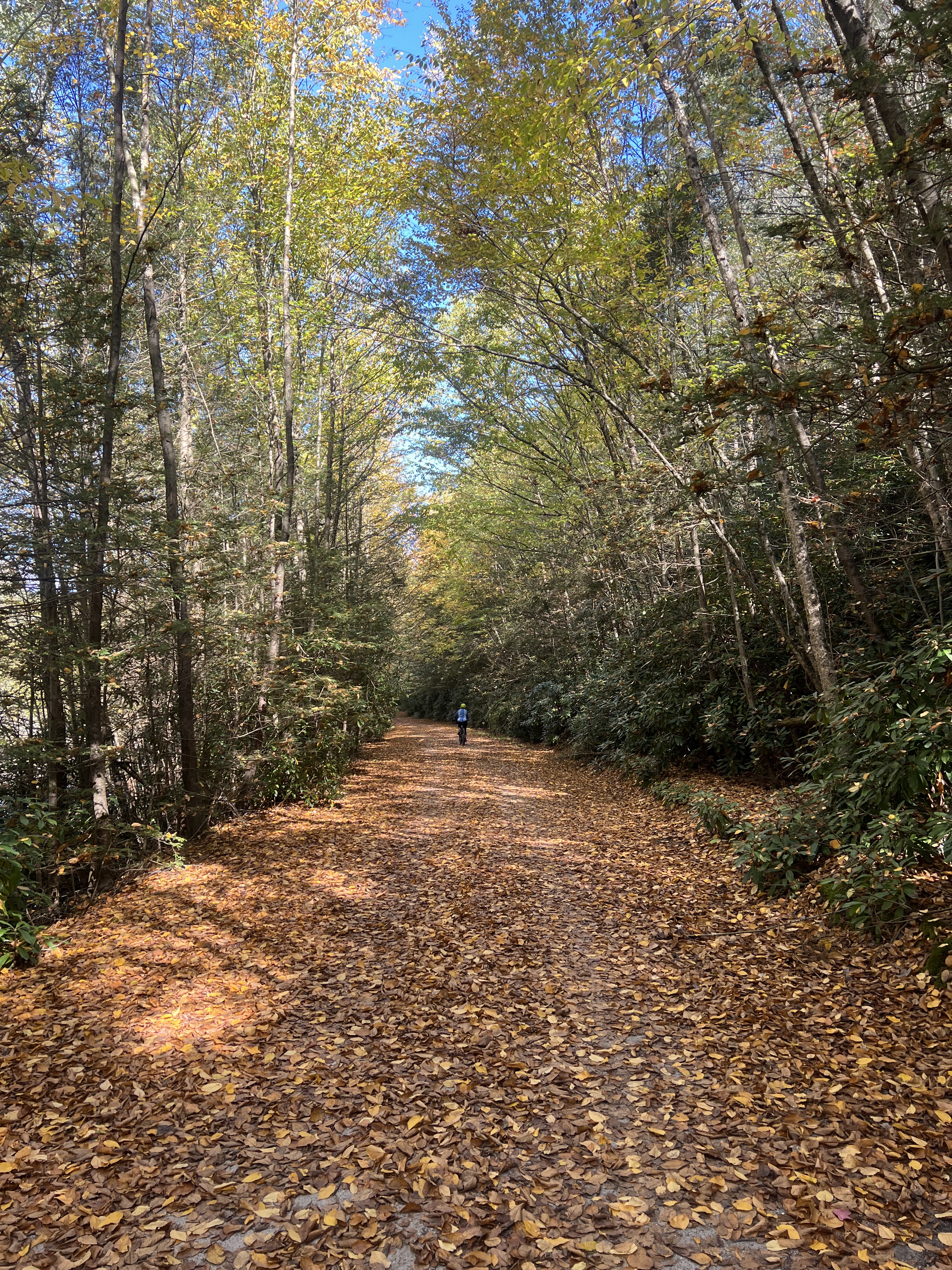
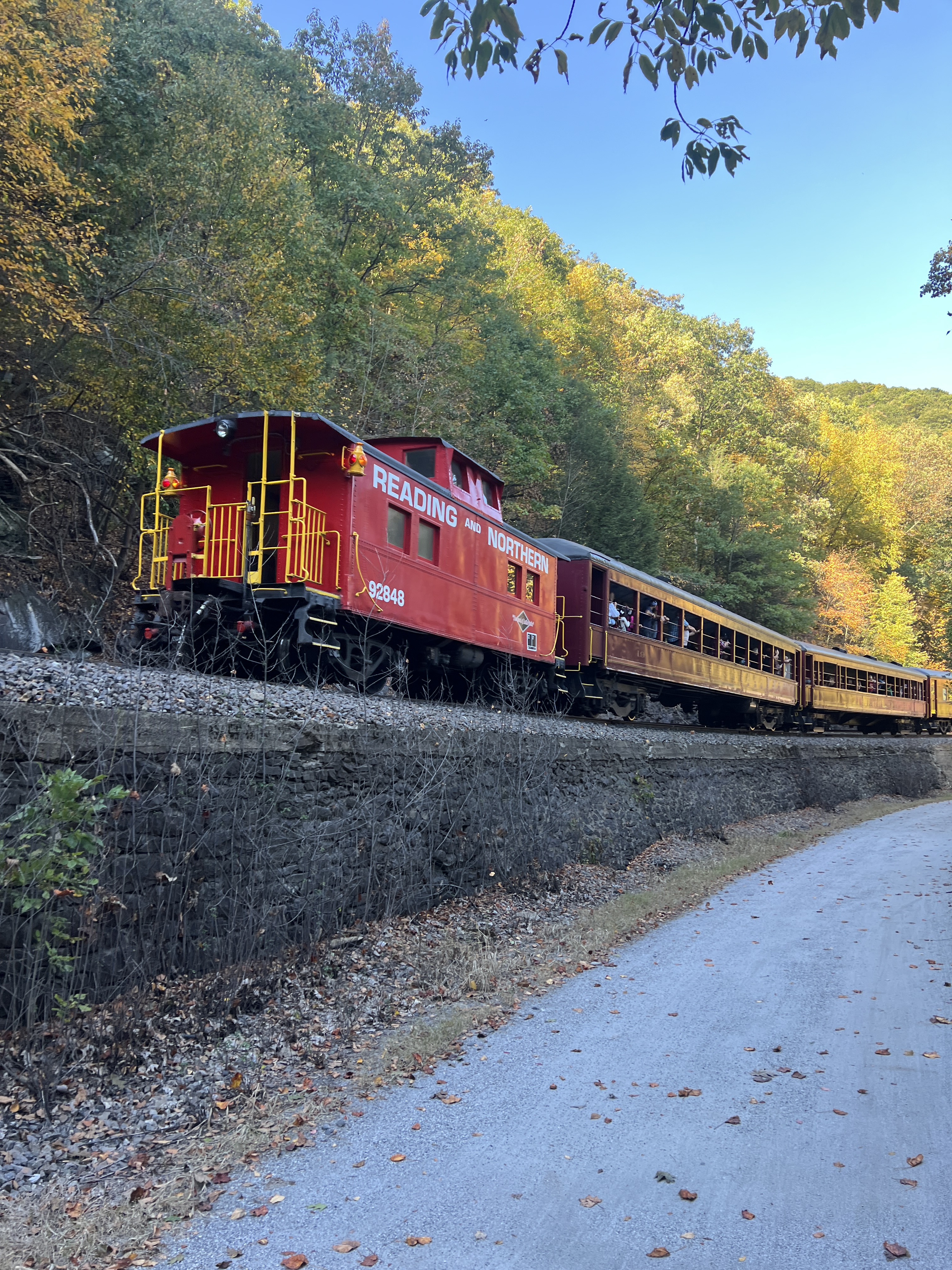
We explored the town and then took our bikes on a shuttle up the gorge and rode back to town along the Delaware & Lehigh National Heritage Trail. The 25 mile downhill route along the Lehigh River was spectacular.
Start of the trail in White HavenOn the trail with my new cycle capBeautiful trailButtermilk FallsTourist train passed us
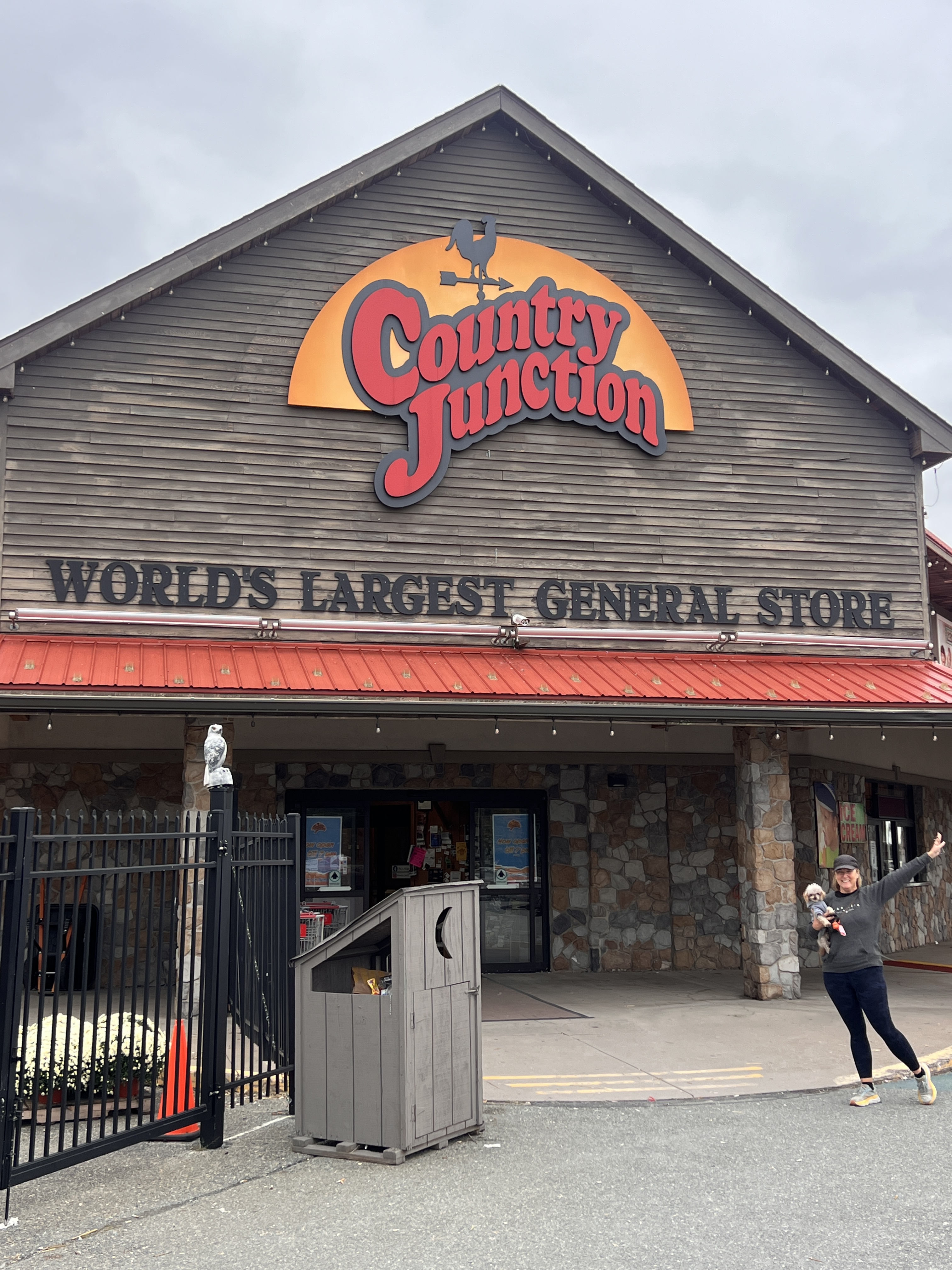
While in the Poconos we visited the World’s Largest General Store…at least that’s what the sign said. Fun to wander around with Bob.
Can’t pass up the “World’s Largest”Perfect sign for Bob
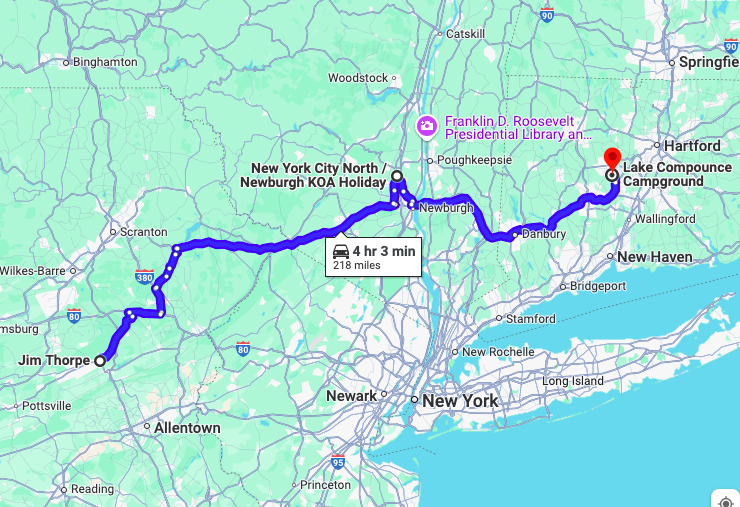
From the Poconos we traveled about 100 miles to the Hudson River Valley in New York. From our campground near Newburgh we were able to take in some fun, historic sites. First we did a tour of the U.S. Military Academy at West Point.
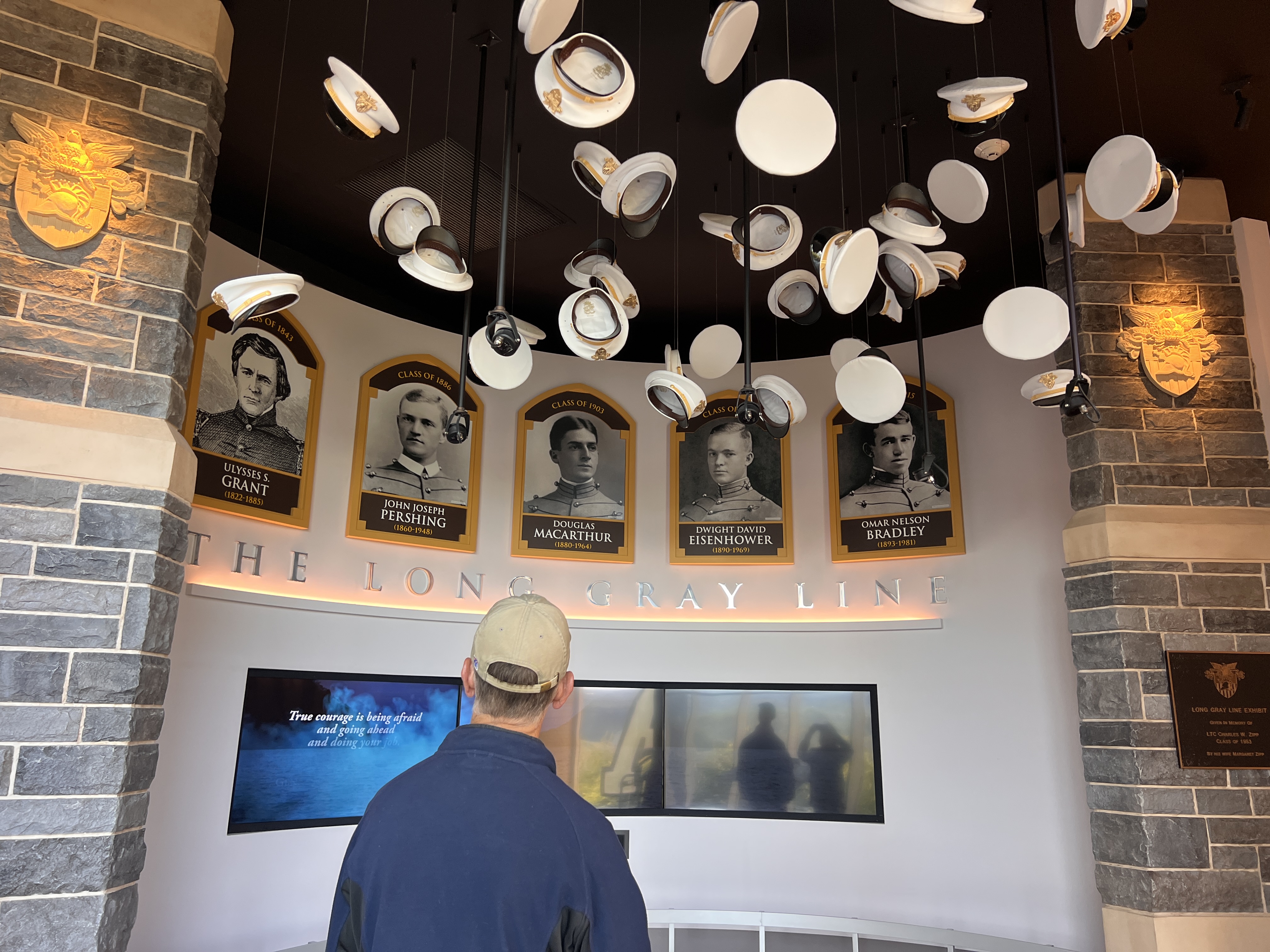
Inside the West Point museumOne of many statues on the campus. This one honors enlisted soldiers.
We learned about the founding of West Point in 1778 and about its current status at the premier training facilities for our country’s leaders. Notable West Point grads include Douglas MacArthur, George Patton, Dwight D. Eisenhower, Ulysses S. Grant to name a few. It’s a beautiful campus right on the river.
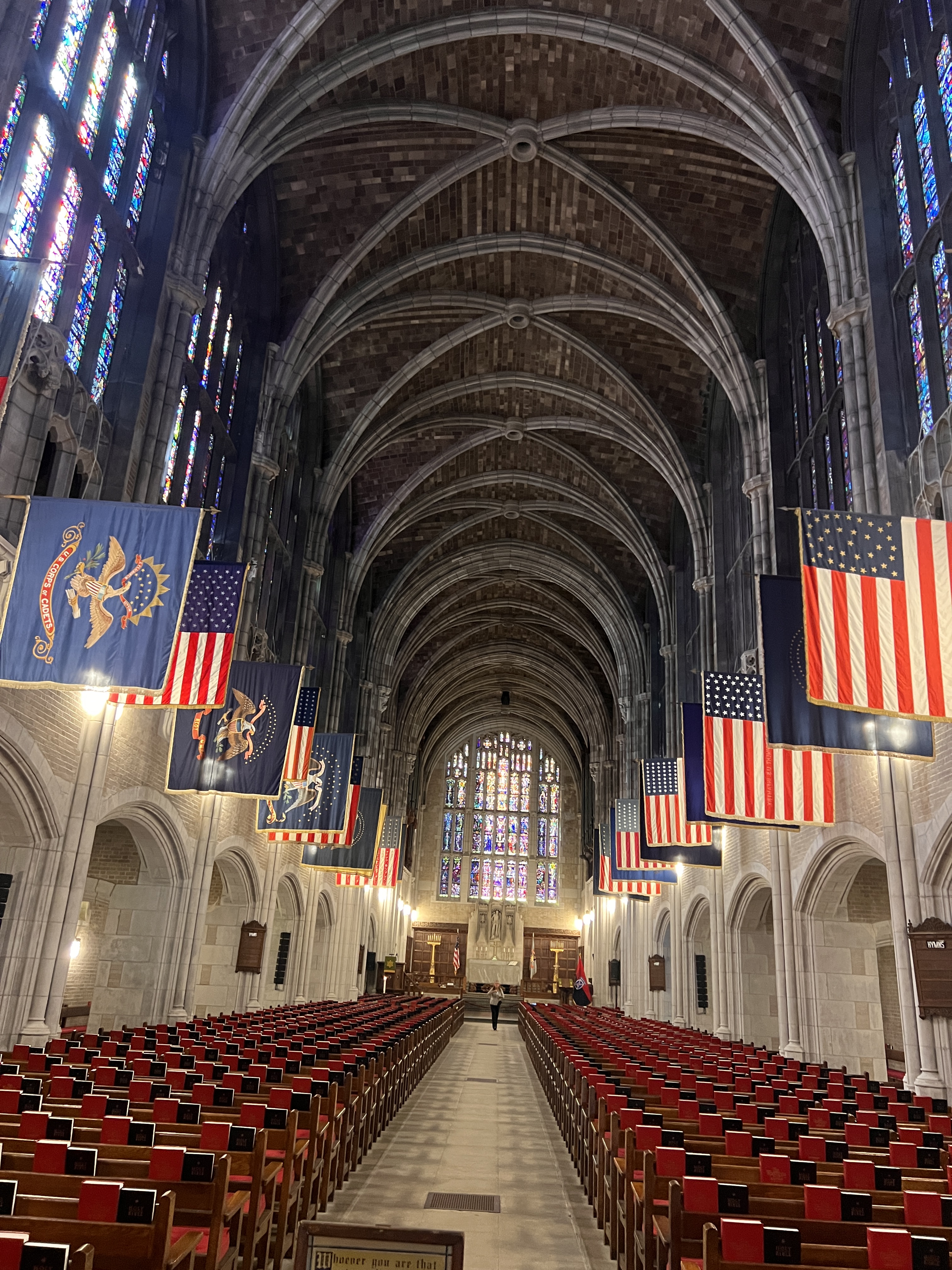
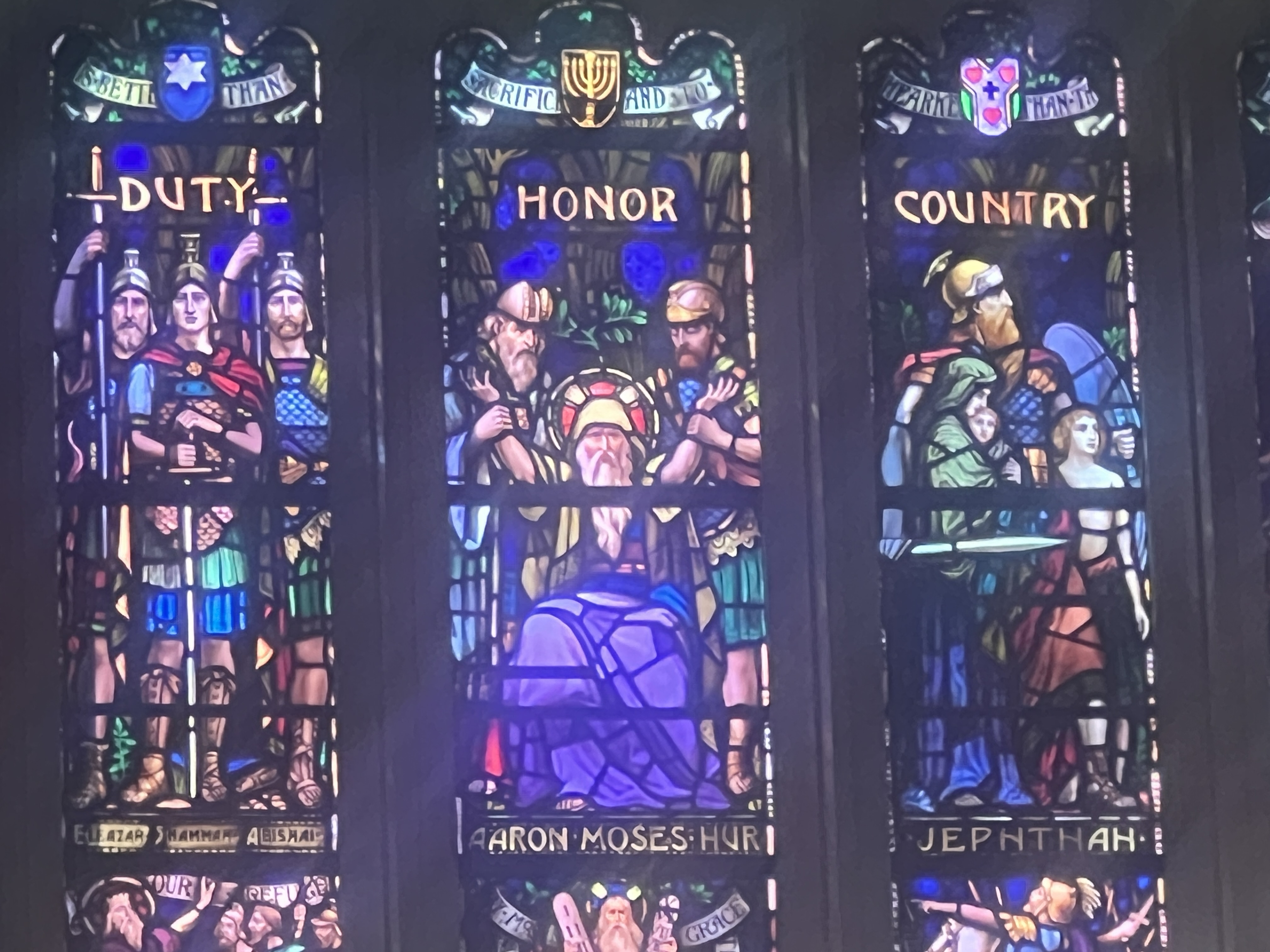
West Point ChapelOne of many stained glass windows in the chapelView of the Hudson from West PointChapel above the dorms
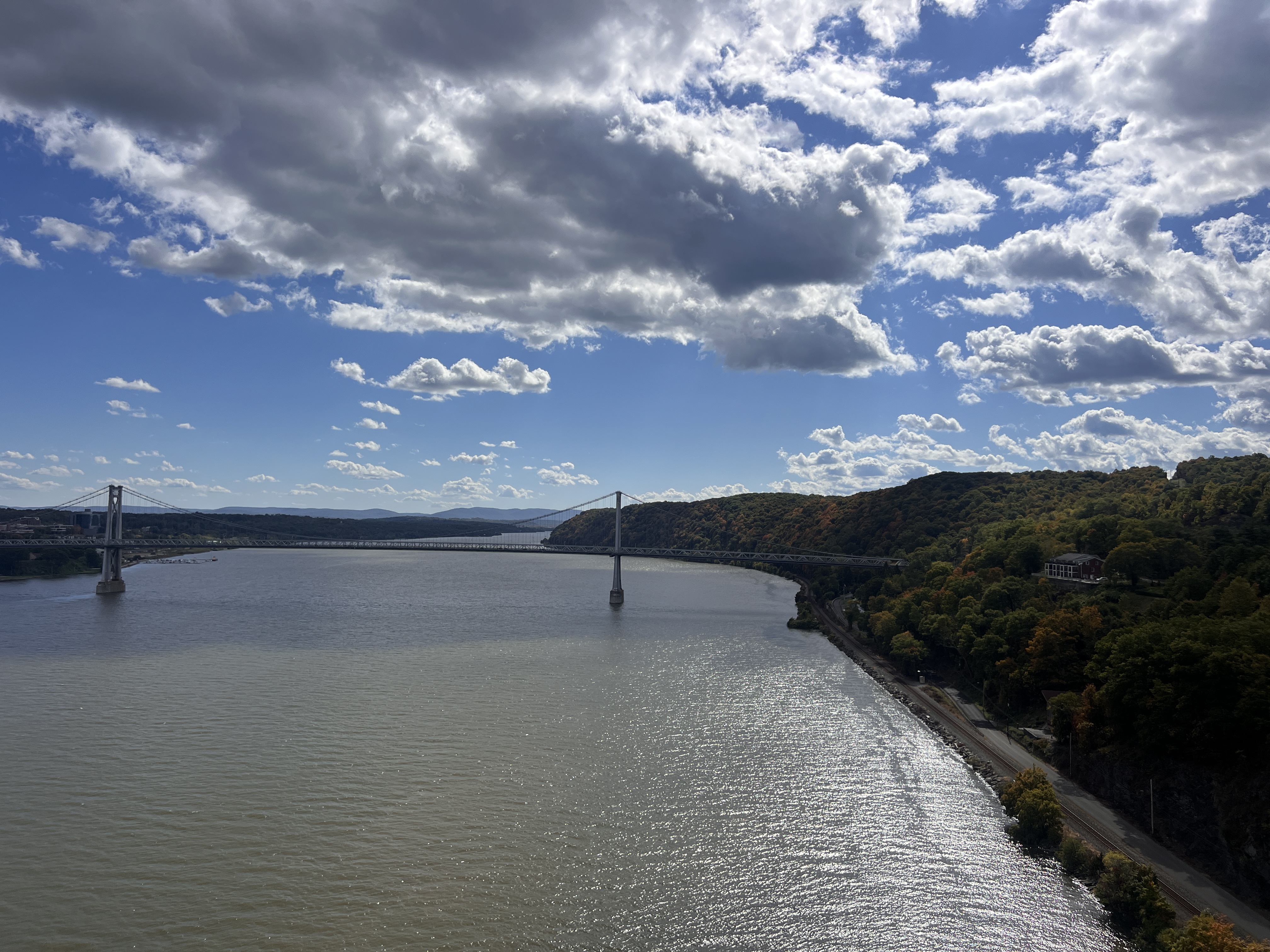
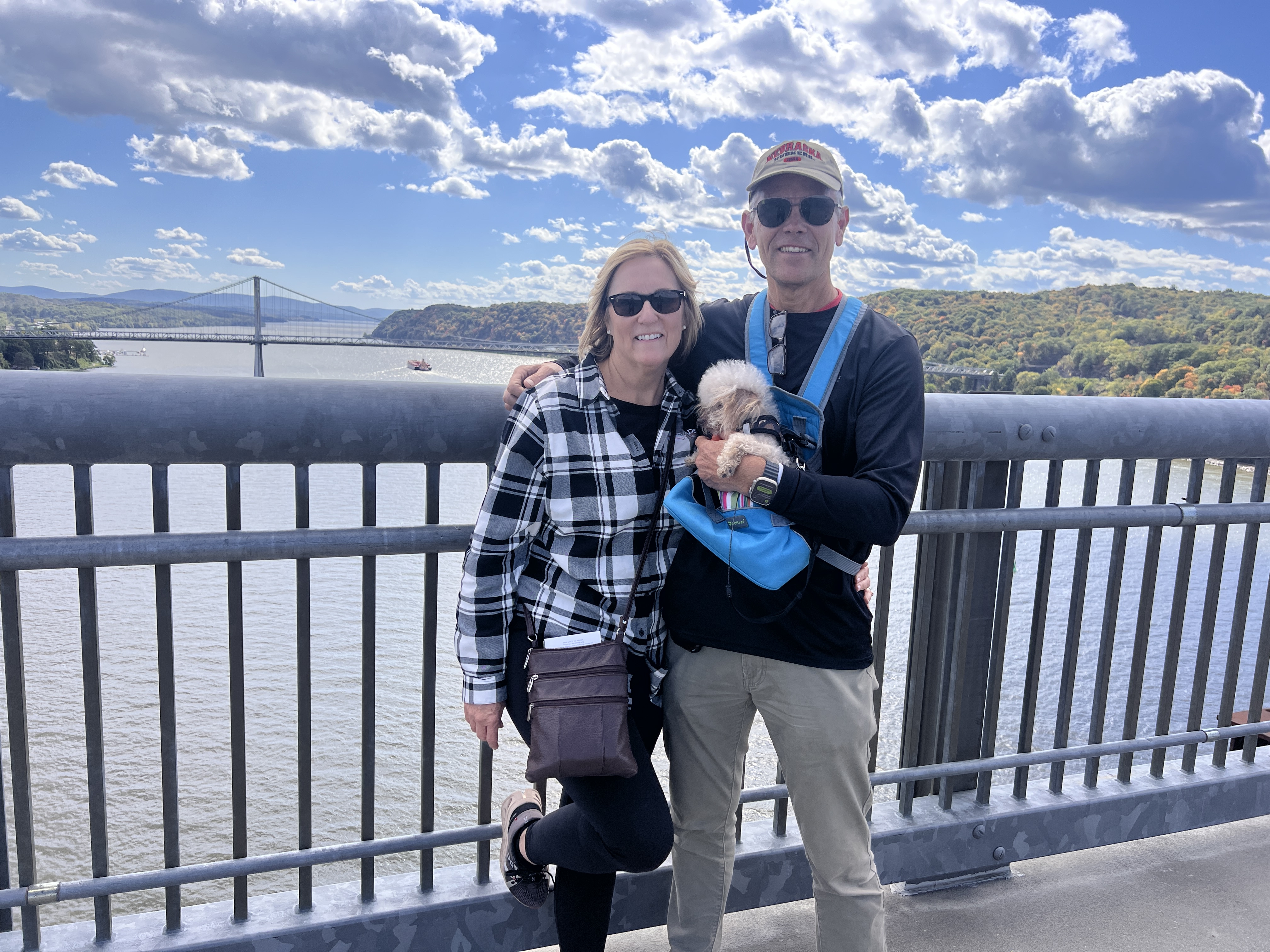
In Poughkeepsie we took Bob on a walk across the Hudson River at the Walkway Over the Hudson State Park. The world’s longest elevated pedestrian bridge spans 1.28 miles over the river. We walked from the park in Highland, NY to Poughkeepsie and back on a beautiful afternoon.
The Hudson looking southMidway across the HudsonThe beginning of leaf change
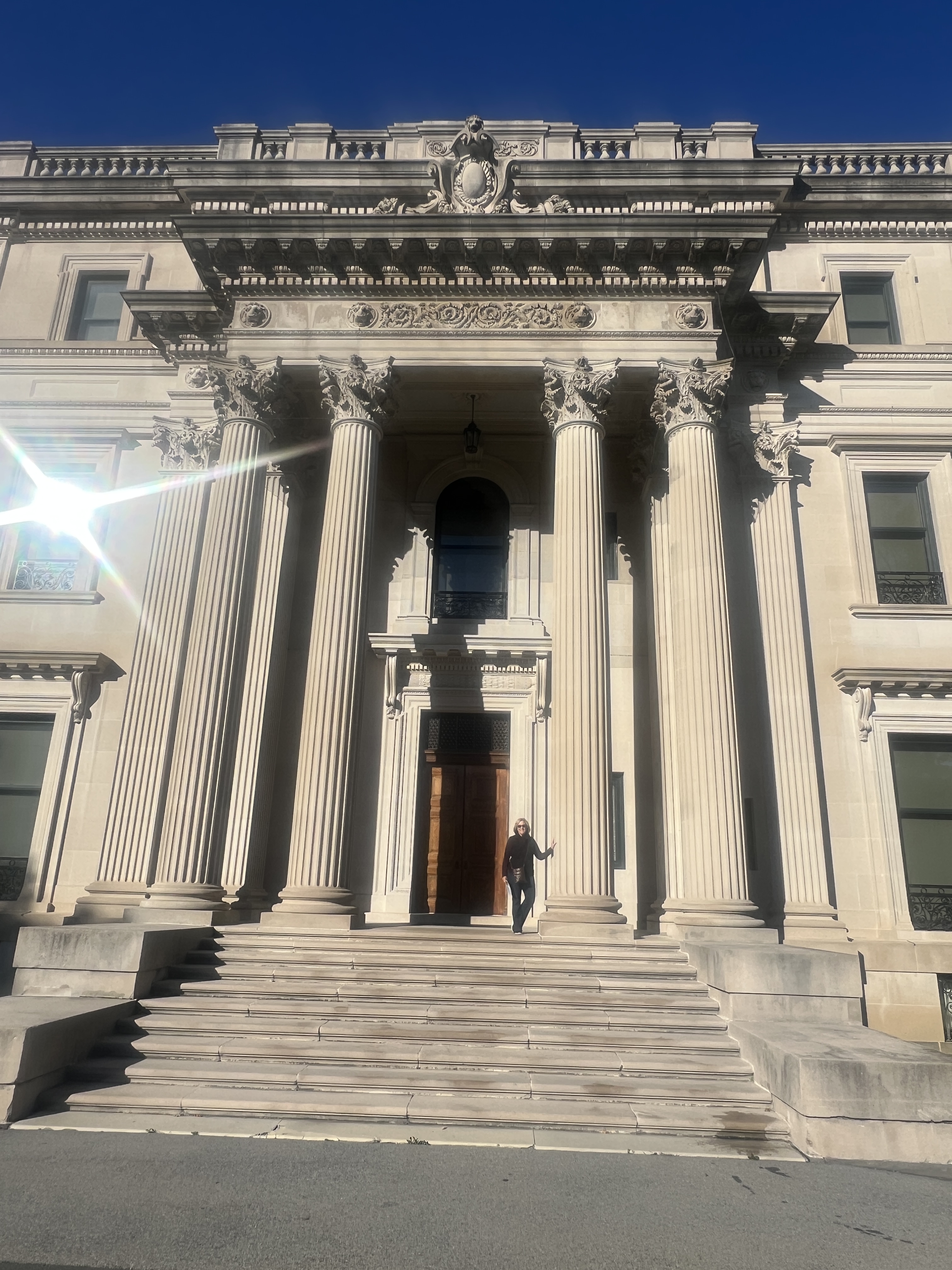
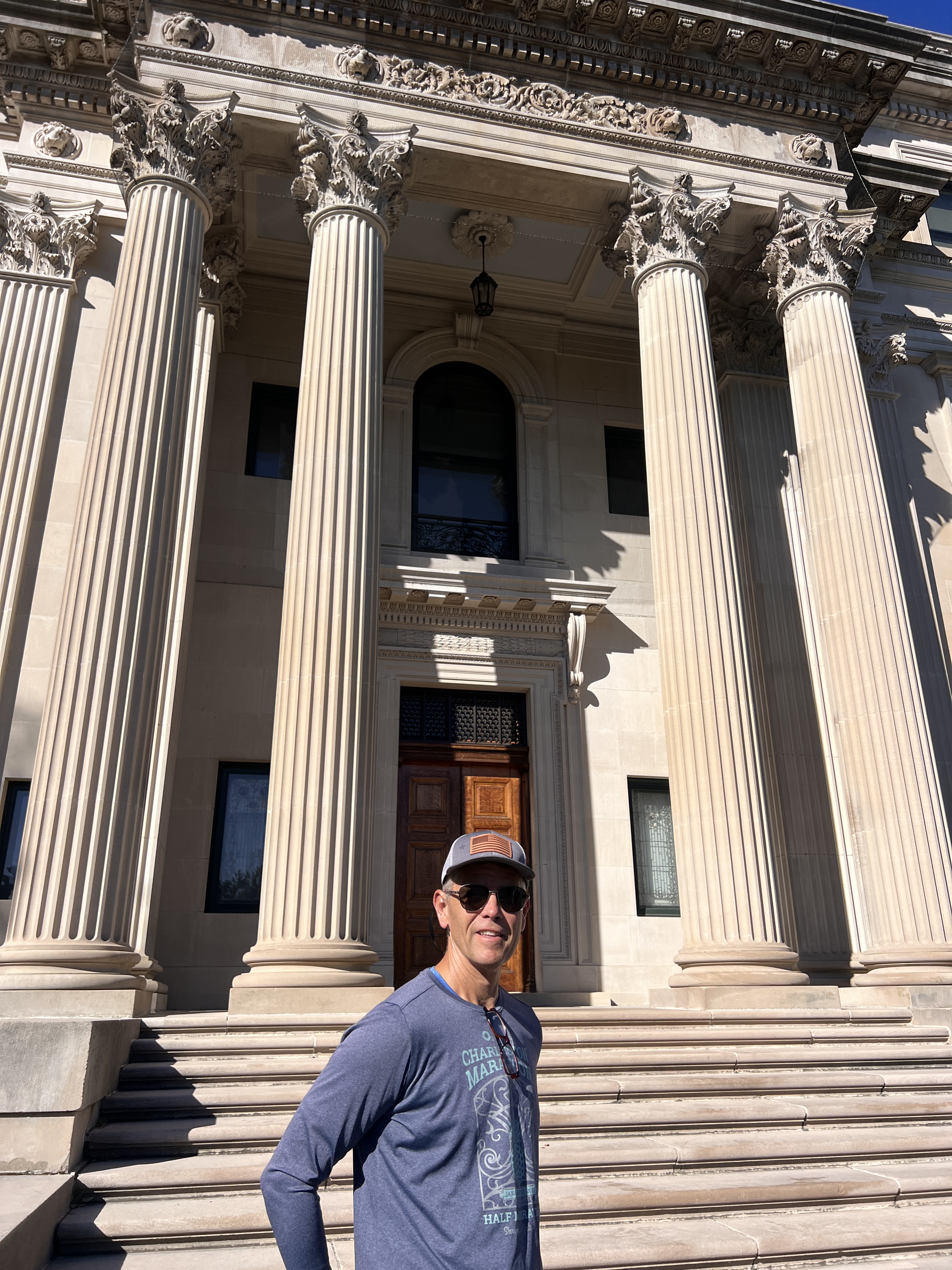
On our final day in the Hudson River Valley we visited a number of national park sites of historical significance in Hyde Park, NY. First we toured the Vanderbilt Mansion National Historic Park, built by Frederick Vanderbilt in 1895. Opulent and stately, the mansion served as a spring and fall escape for the family and their friends who would sail up the Hudson to get to the property.
Vanderbilt’s view of the HudsonVanderbilt’s front doorGuest bedroomLouise Vanderbilt’s bedroom with a “fence” around the bed
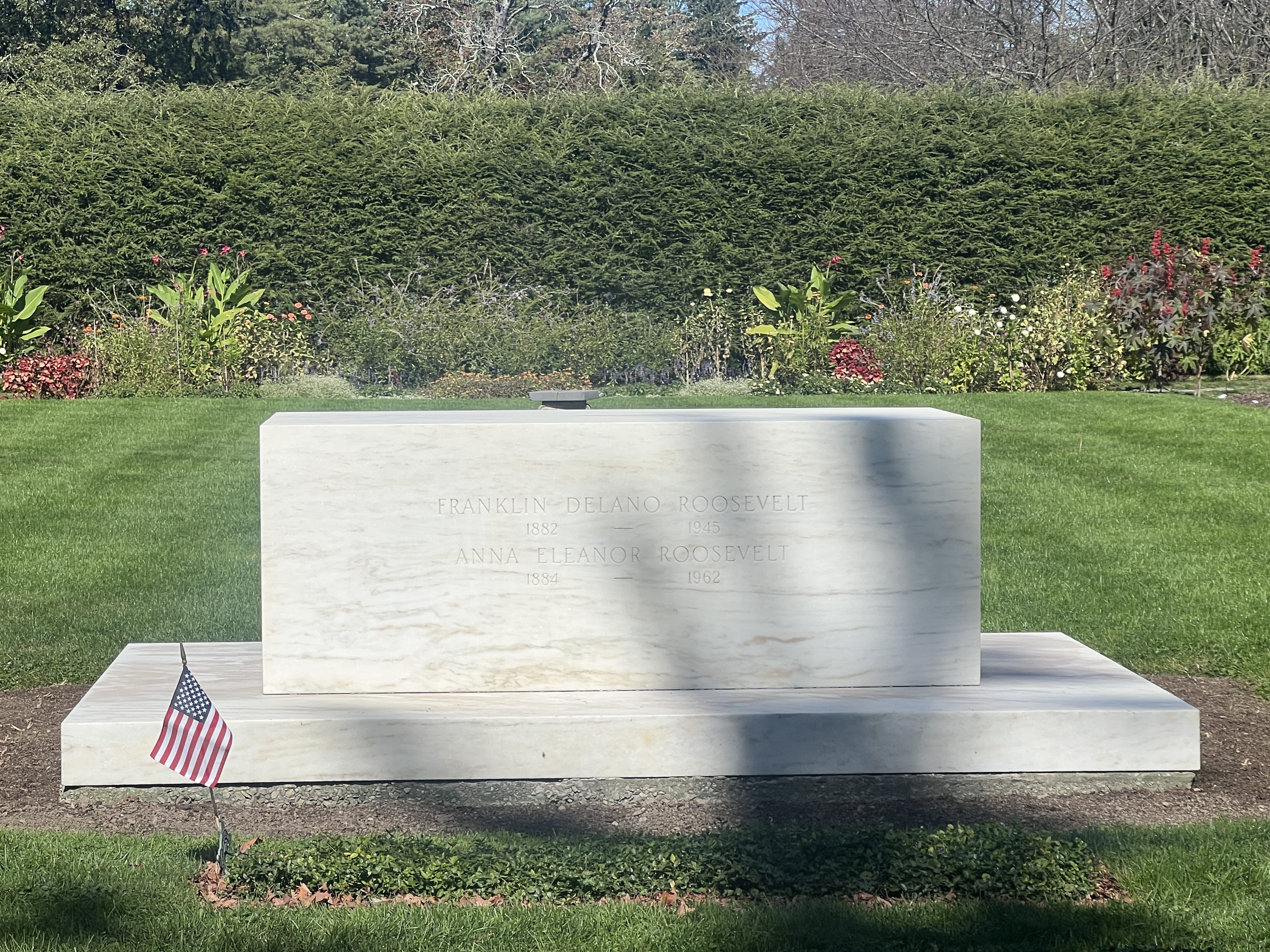
Just a mile down the road is the lifelong home of Franklin D. Roosevelt and his Presidential Library. We wandered the expansive property, admired the views of the Hudson below, paid our respects at the resting place of President Roosevelt and his influential wife, Eleanor. It was too much for us to see it all in just one day, but we walked away with a strengthened appreciation of the contribution our longest serving president had on our nation.
Resting place of FDR and EleanorOutside Eleanor’s house Val-KillOn the south lawn of Springwood, FDR’s home
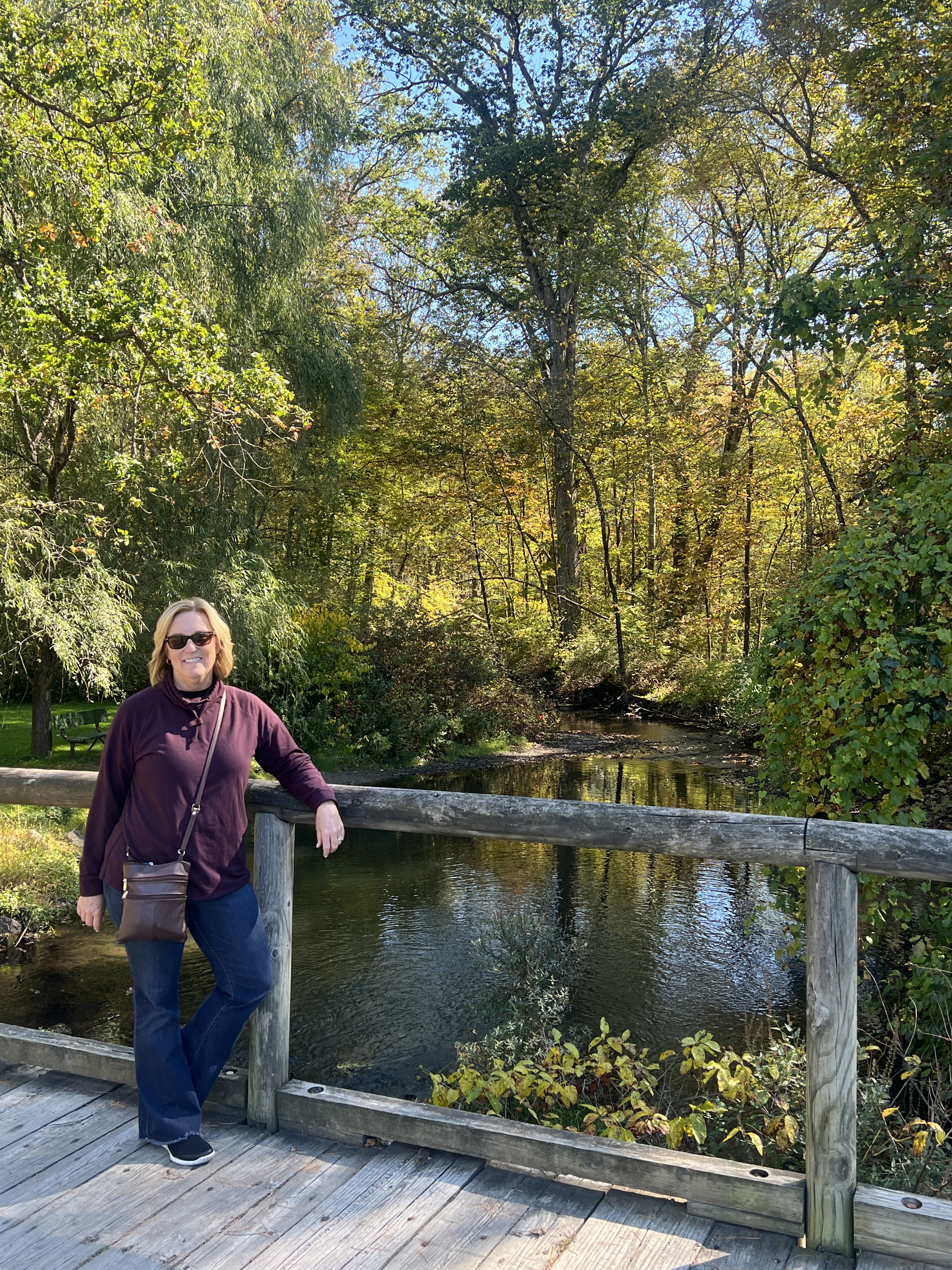
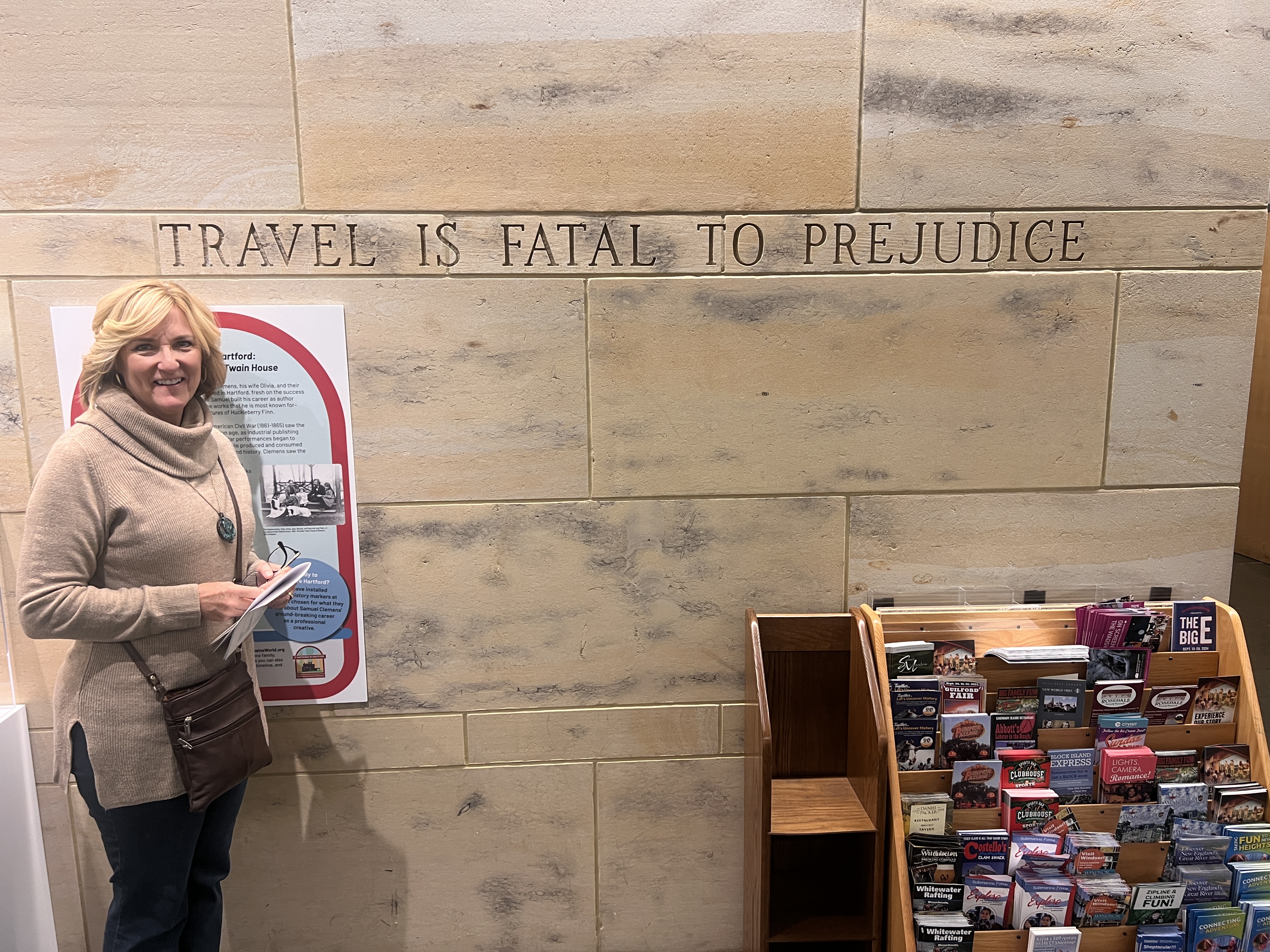
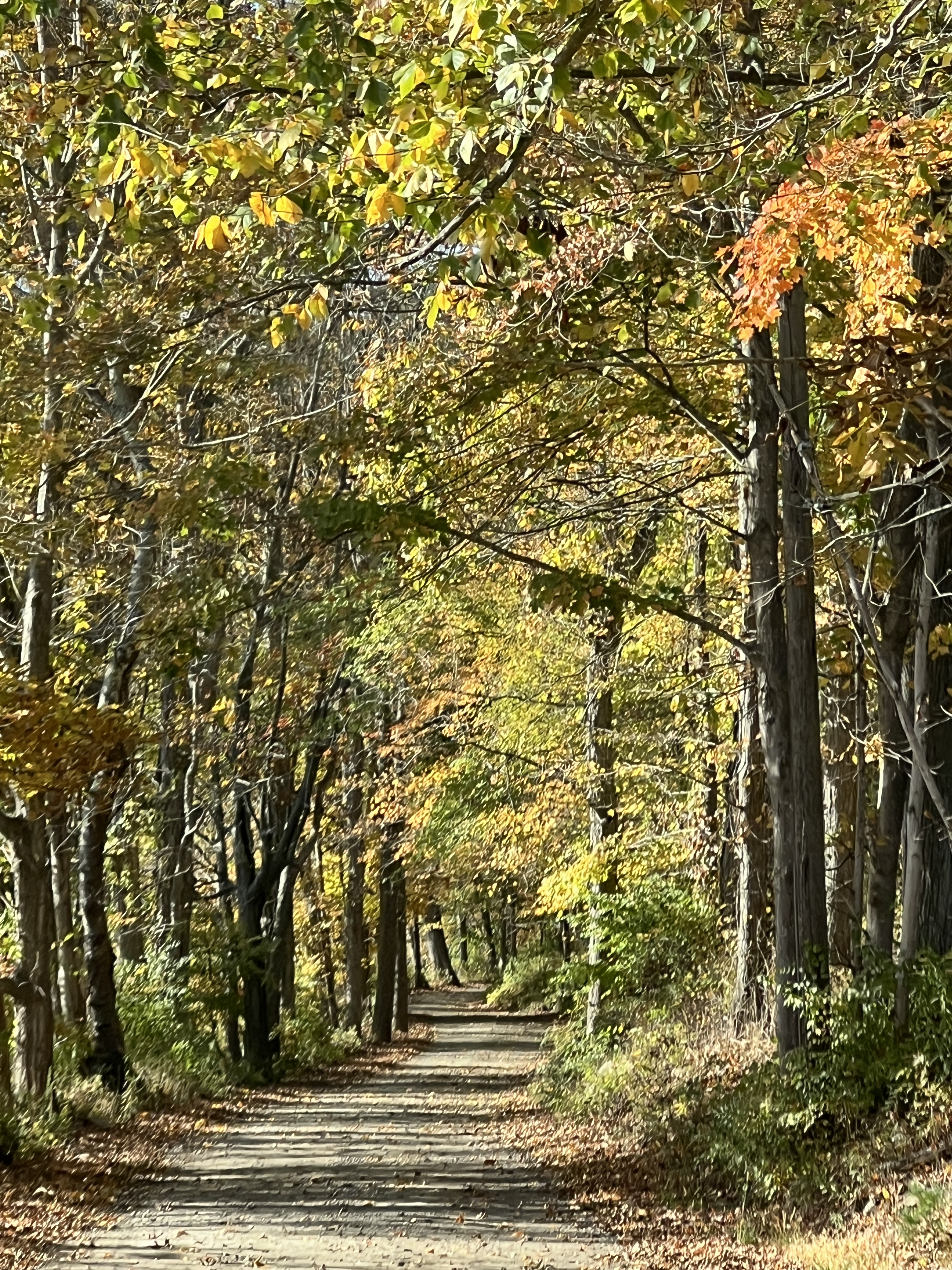
From the Hudson River Valley we traveled further east into Connecticut. We are here at the best time, with a chill in the air and the changing colors in the trees. But, the very best part of this stop was our day spent with our good friends Jeff and Gail. As Connecticut natives, they were generous in showing us the best of the Hartford area. First stop: Mark Twain’s house. We took a living history tour of the house where Samuel Clemens wrote his most famous works, including the Adventures of Huckleberry Finn.
My new favorite quote from Mark TwainLego TwainThe Mark Twain carriage house
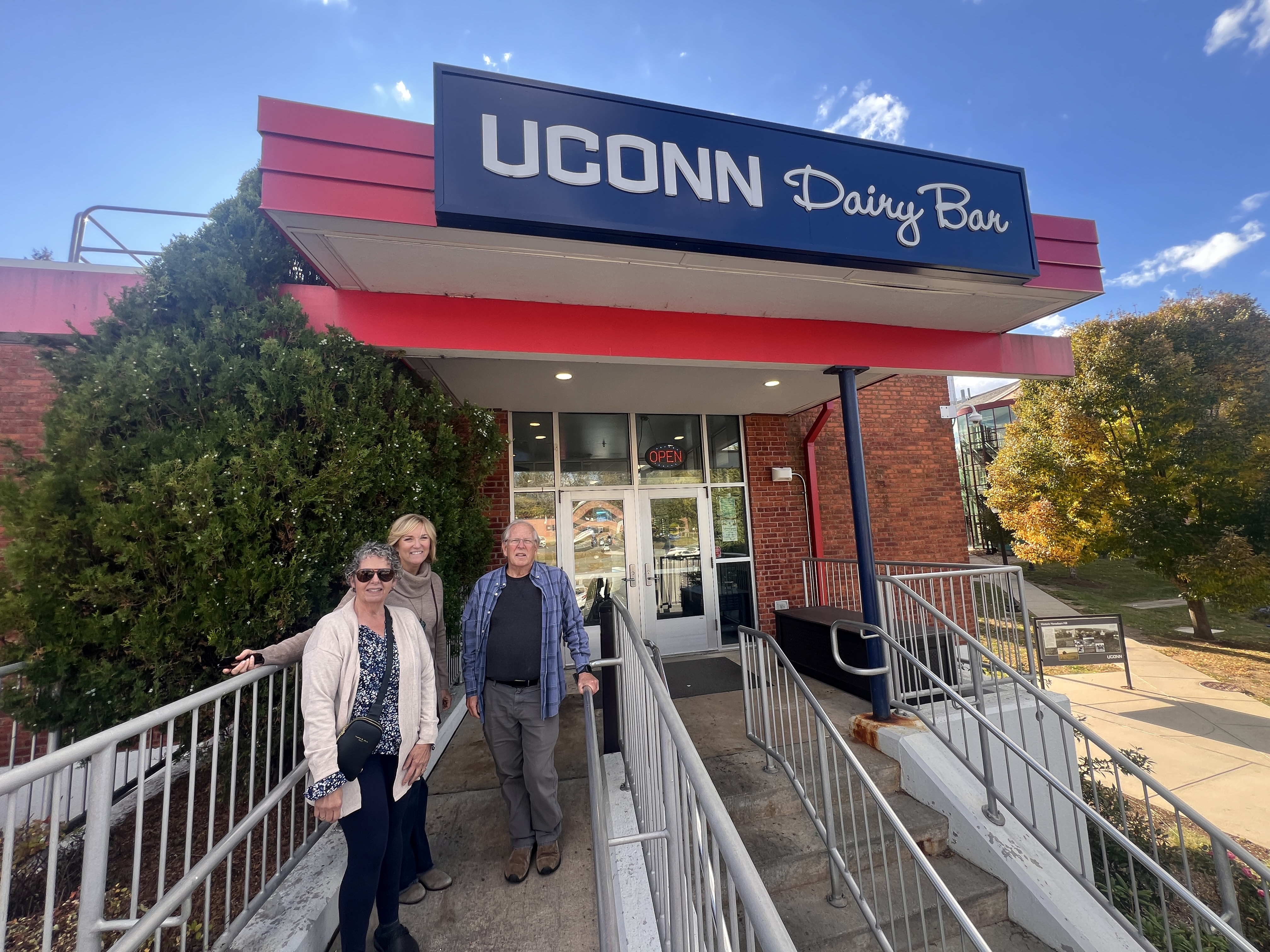
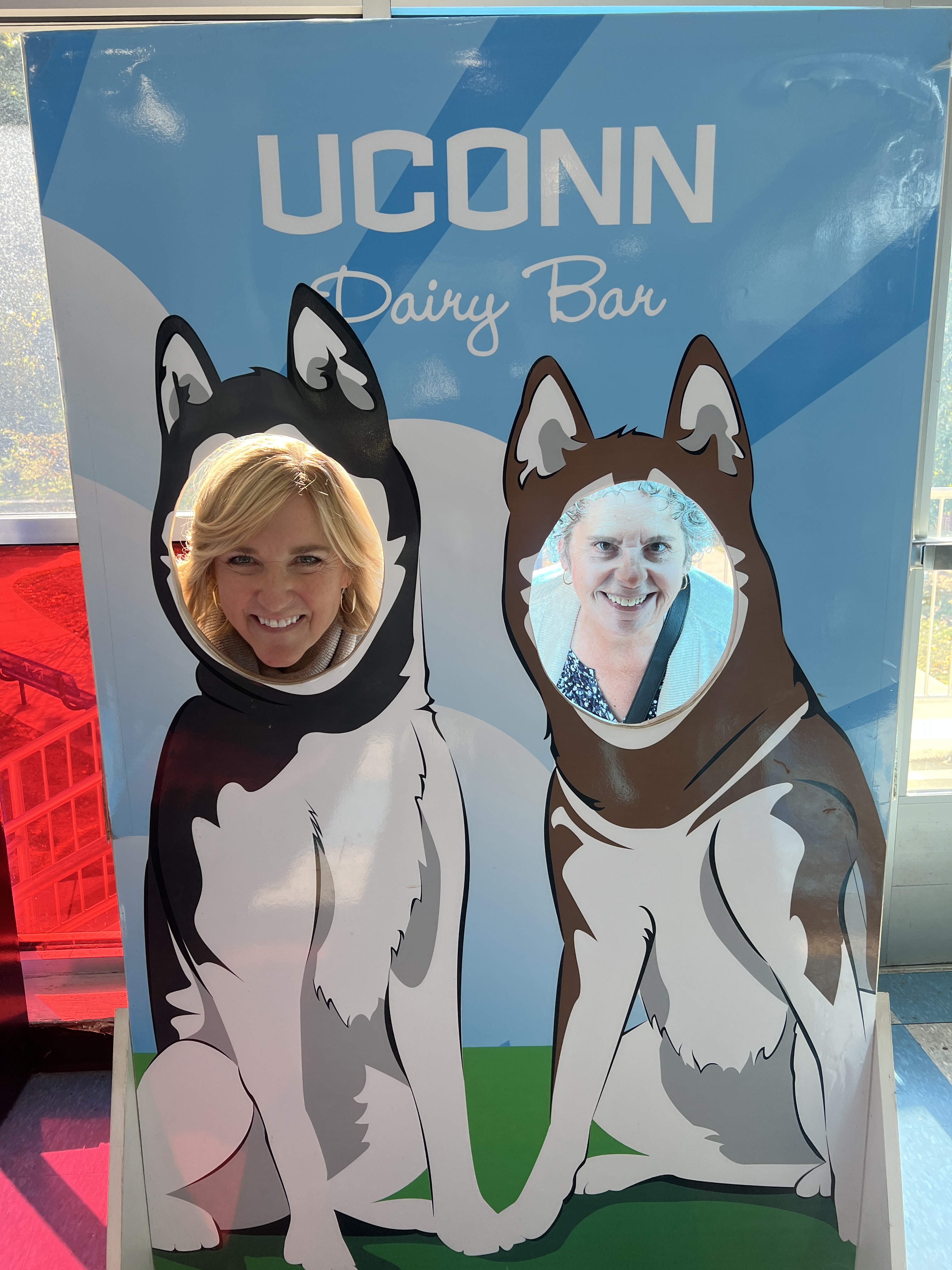
After learning about the incredible life of Mark Twain we headed to one of Connecticut’s best pizza shops: Sally’s Apizza. After a great lunch Jeff gave us a tour of his alma mater, the University of Connecticut in Storrs. The beautiful campus is topped off with its own dairy bar featuring some of the best ice cream we’ve ever had. We are so grateful for our RV lifestyle which has led us to great friends like Gail and Jeff.
We love the UConn Dairy BarUConn backroadsMarnie and Gail as Huskies
The next marathon on the fall calendar is soon upon us. Next up we’ll have a report from Rhode Island.









































 Marnie and Steve Travel