After Steve finished the Marine Corps Marathon we had about a month before his next race in Philadelphia. What would you do with a month in this part of the country? We decided to make it a learning experience, visiting the area’s many historic sites and natural highlights. Here’s a brief rundown on our many stops.

Colonial Williamsburg
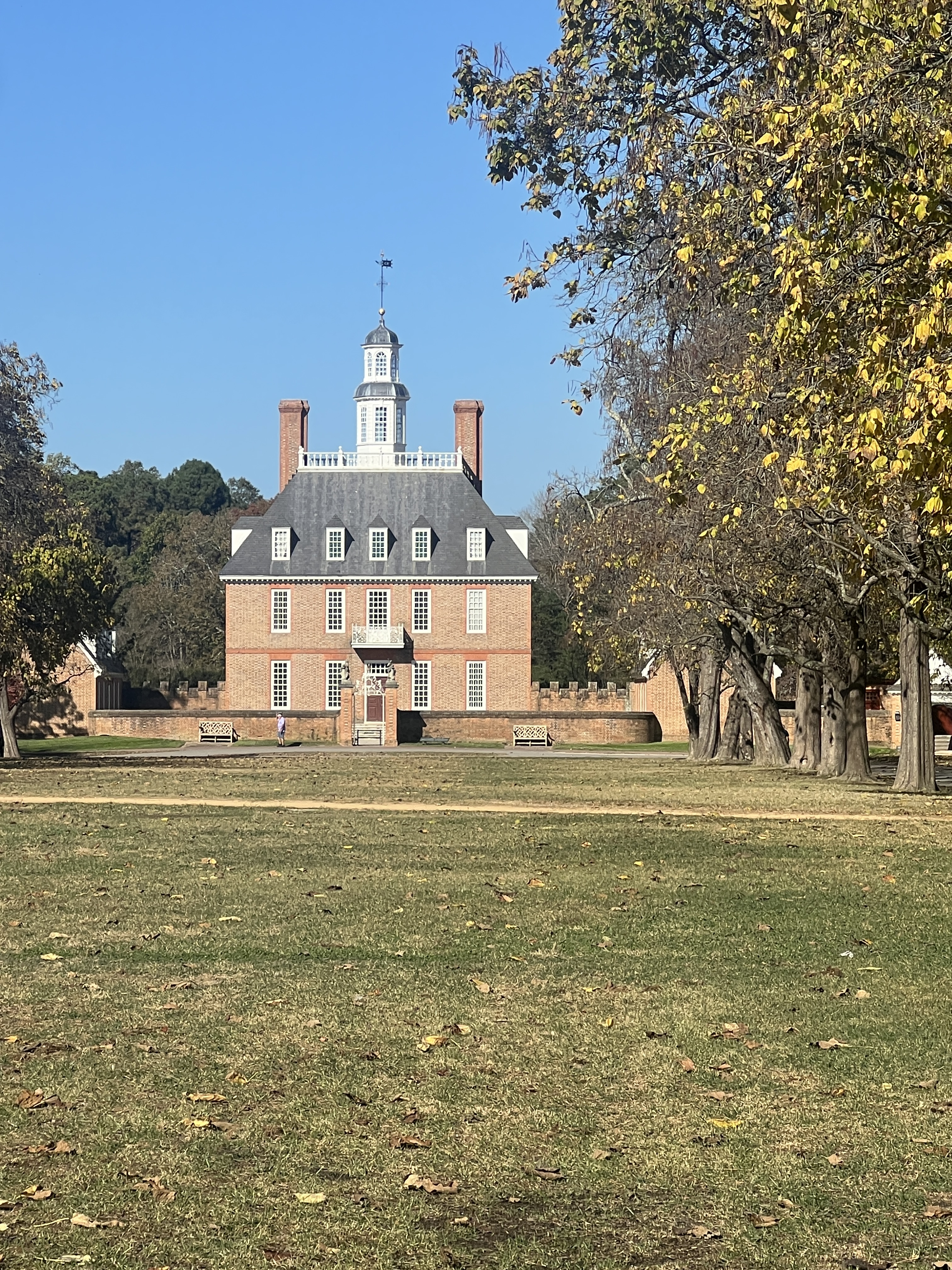
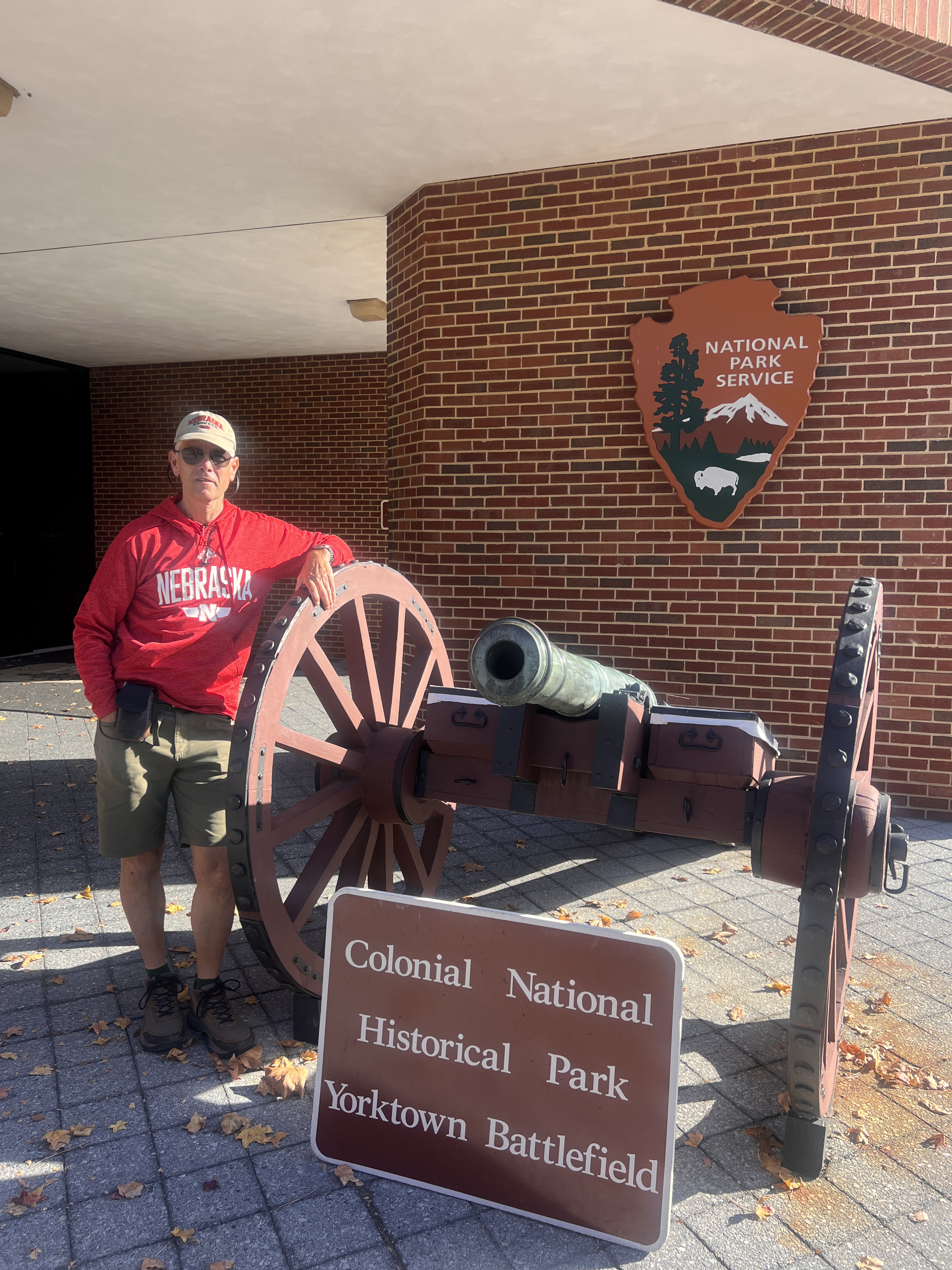
We started our history lessons with the revolutionary war era at Colonial Williamsburg and nearby national park sites Jamestown and Yorktown. At Jamestown we walked the site of the first English settlement, dating 1607. From a Colonial Williamsburg reenactor we learned the role slavery played in our country’s early years and how one slave influenced the outcome of the conflict. Colonial Williamsburg recreates the atmosphere and lifestyle of 18th-century Virginia. At Yorktown we followed the battlefield where the revolutionary war was brought to a conclusion. The siege of Yorktown was in 1781, so our learning at this stop spanned 174 years of our nation’s history.


Charlottesville
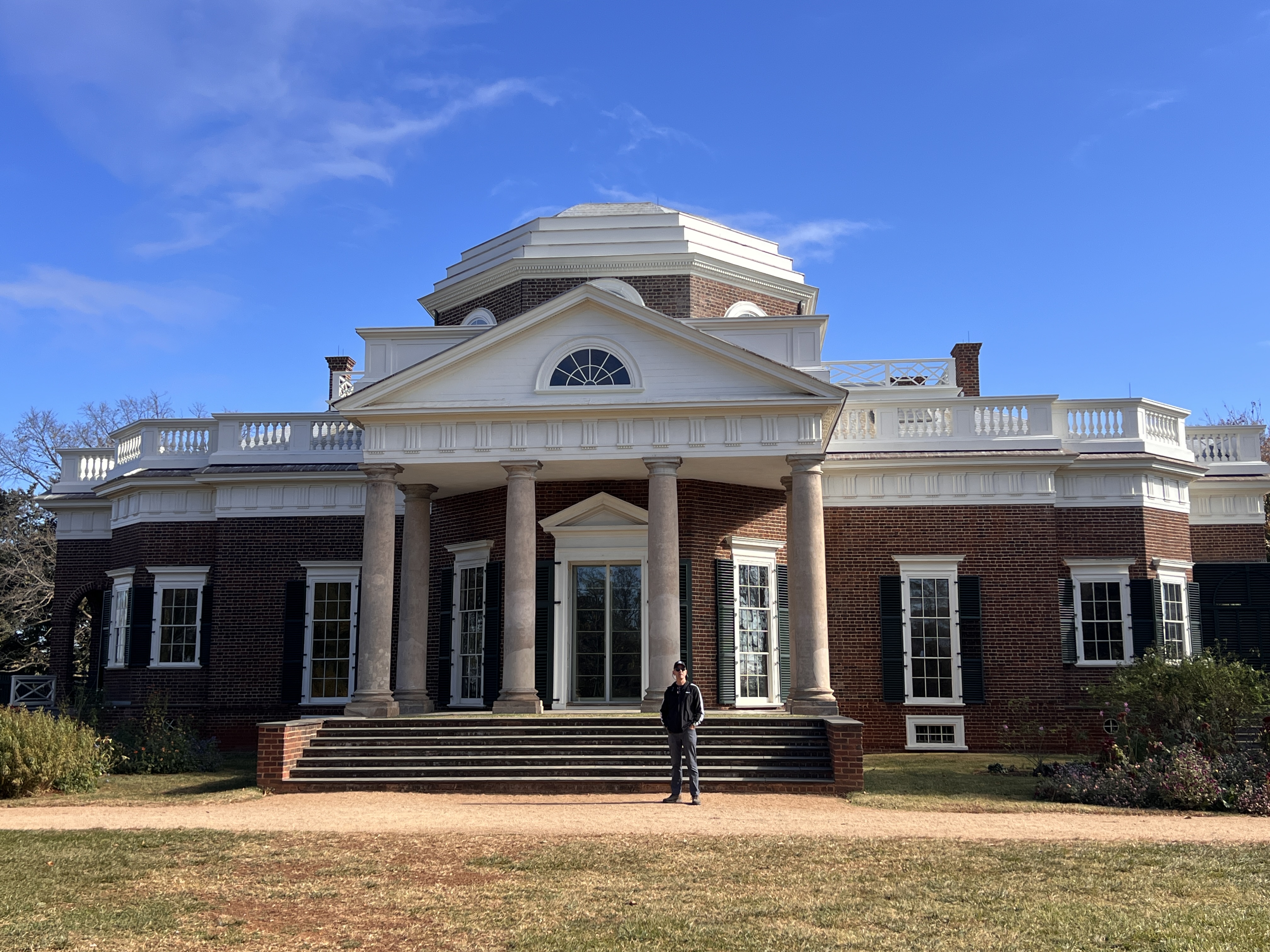
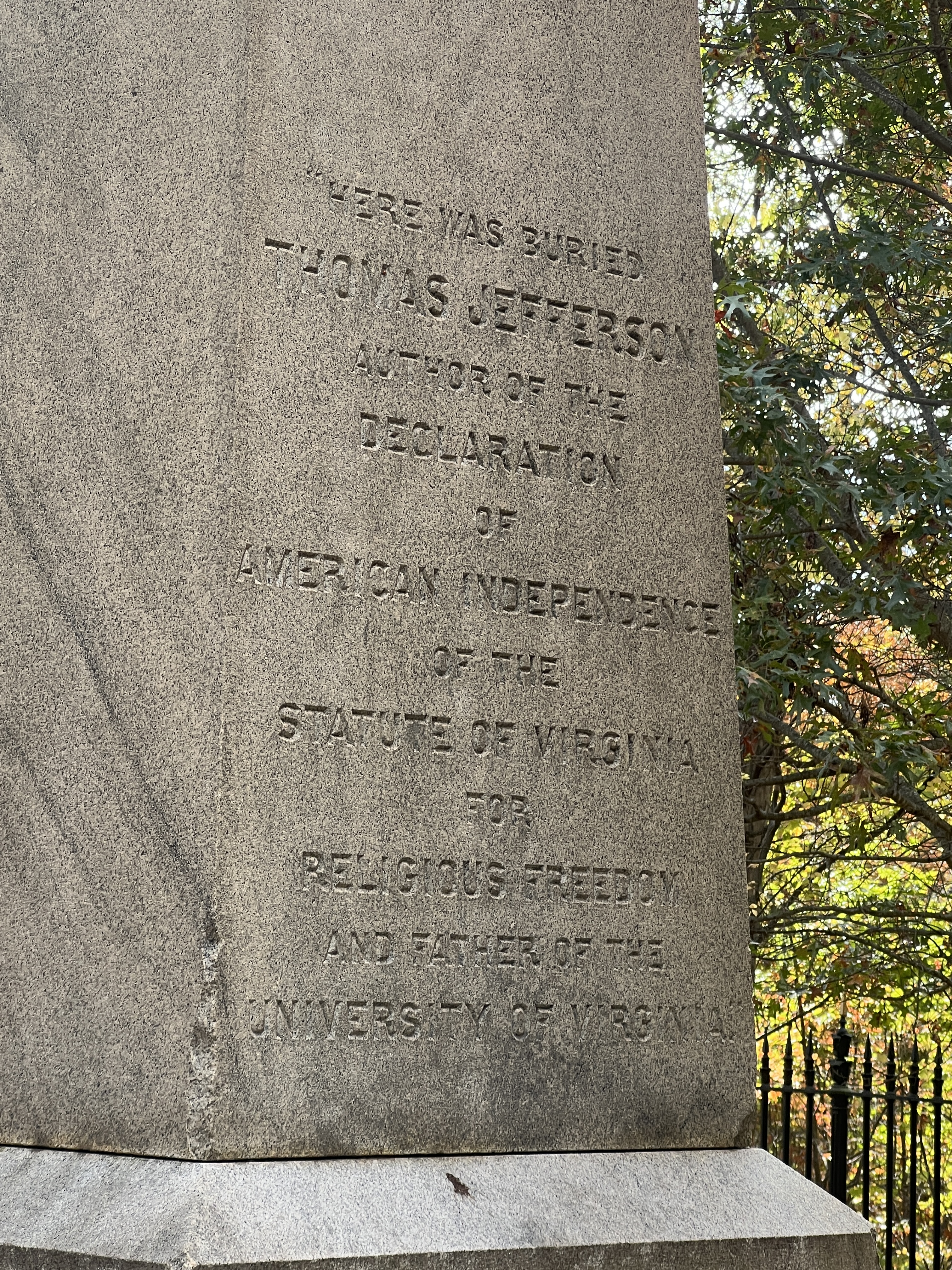
Our quick stop in Charlottesville, VA allowed us to visit another iconic site in American history. Look on the back of a nickel. That’s Monticello! It was Thomas Jefferson’s primary plantation and the location of a lot of history. During our tour of the house we learned about Jefferson’s lifelong interest in architecture, about the slaves that worked in the mansion, and about life during Jefferson’s time. While there we also visited the Monticello Cemetery where Jefferson and his descendants rest.
Shenandoah National Park
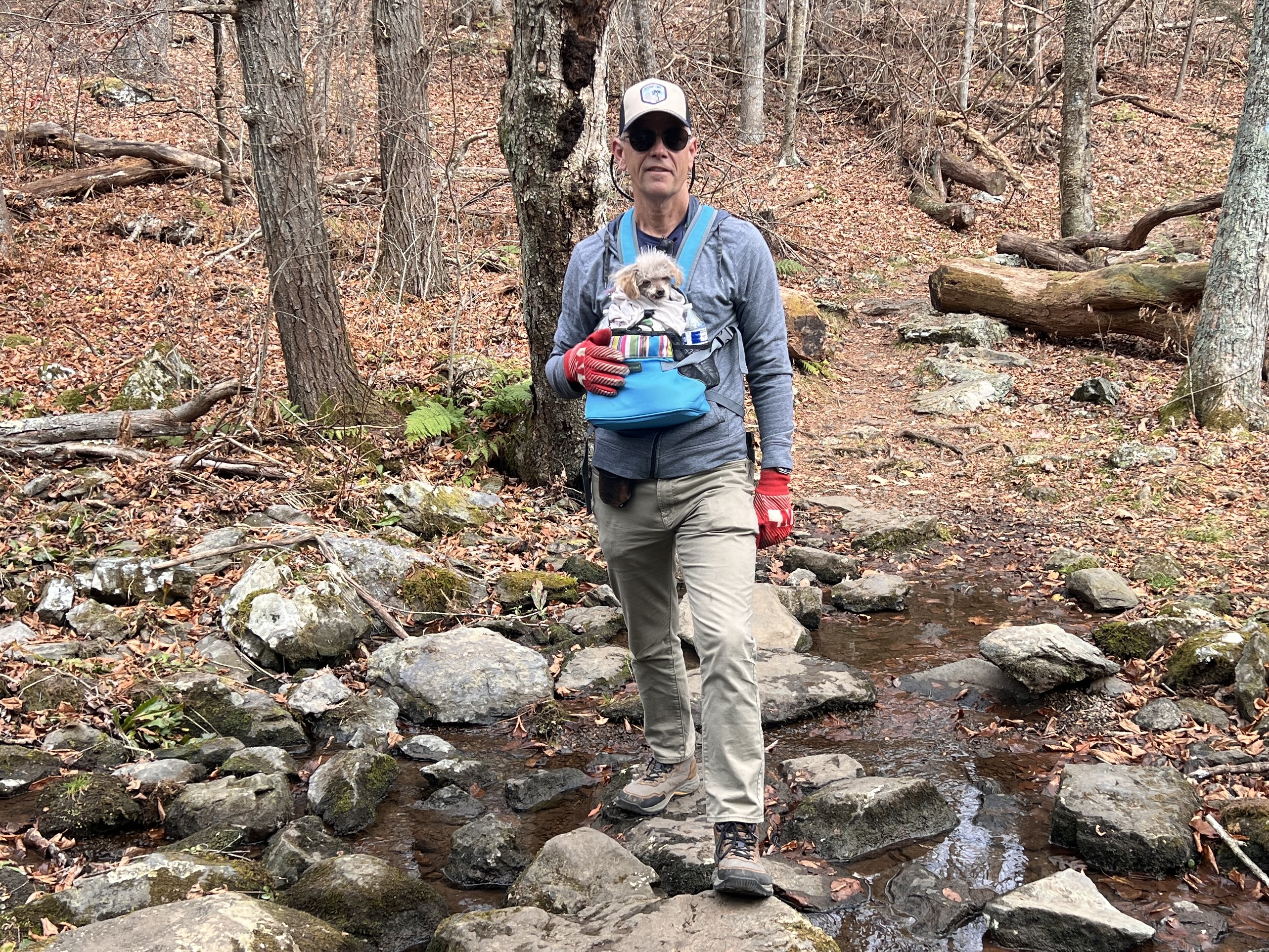
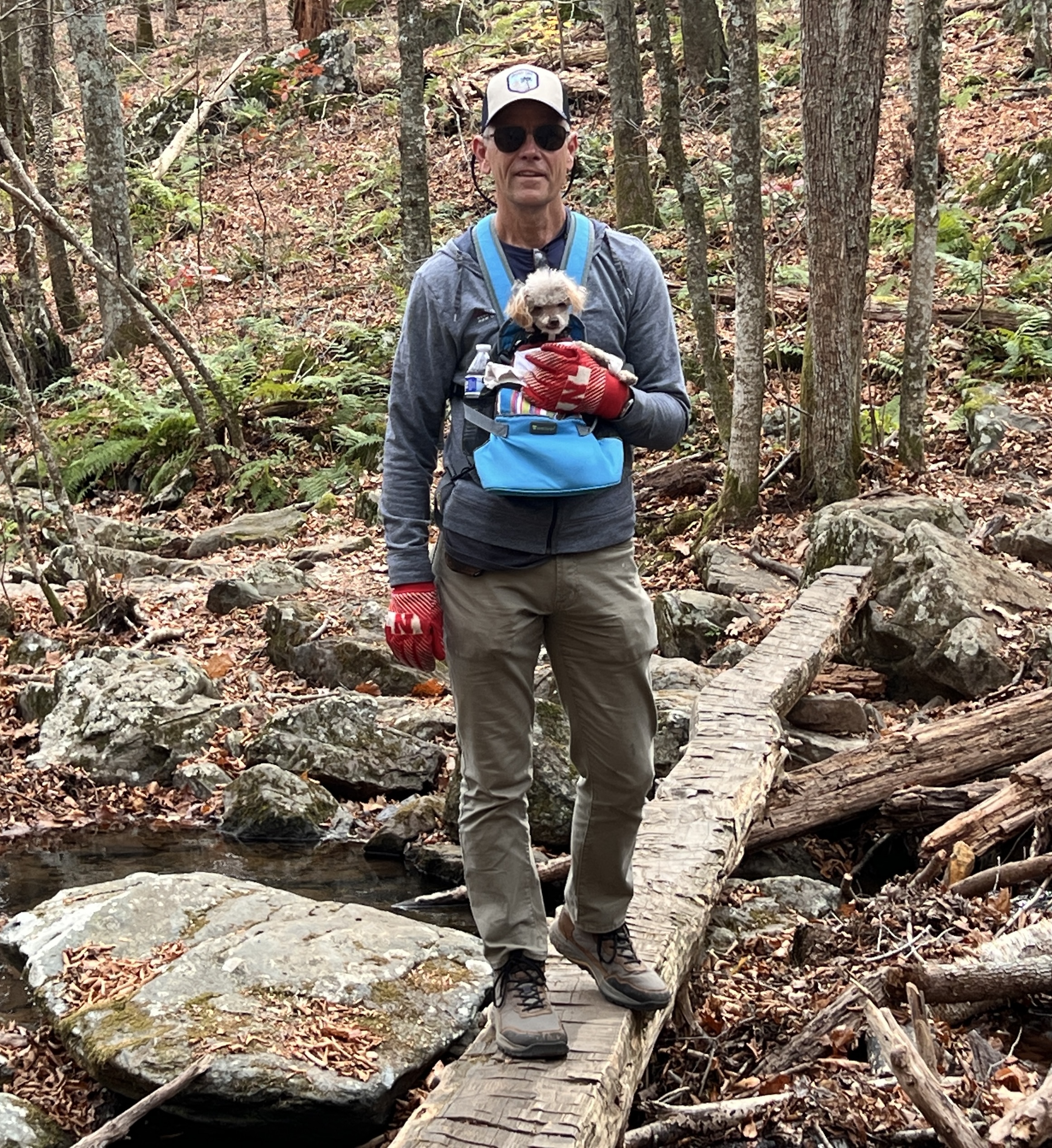
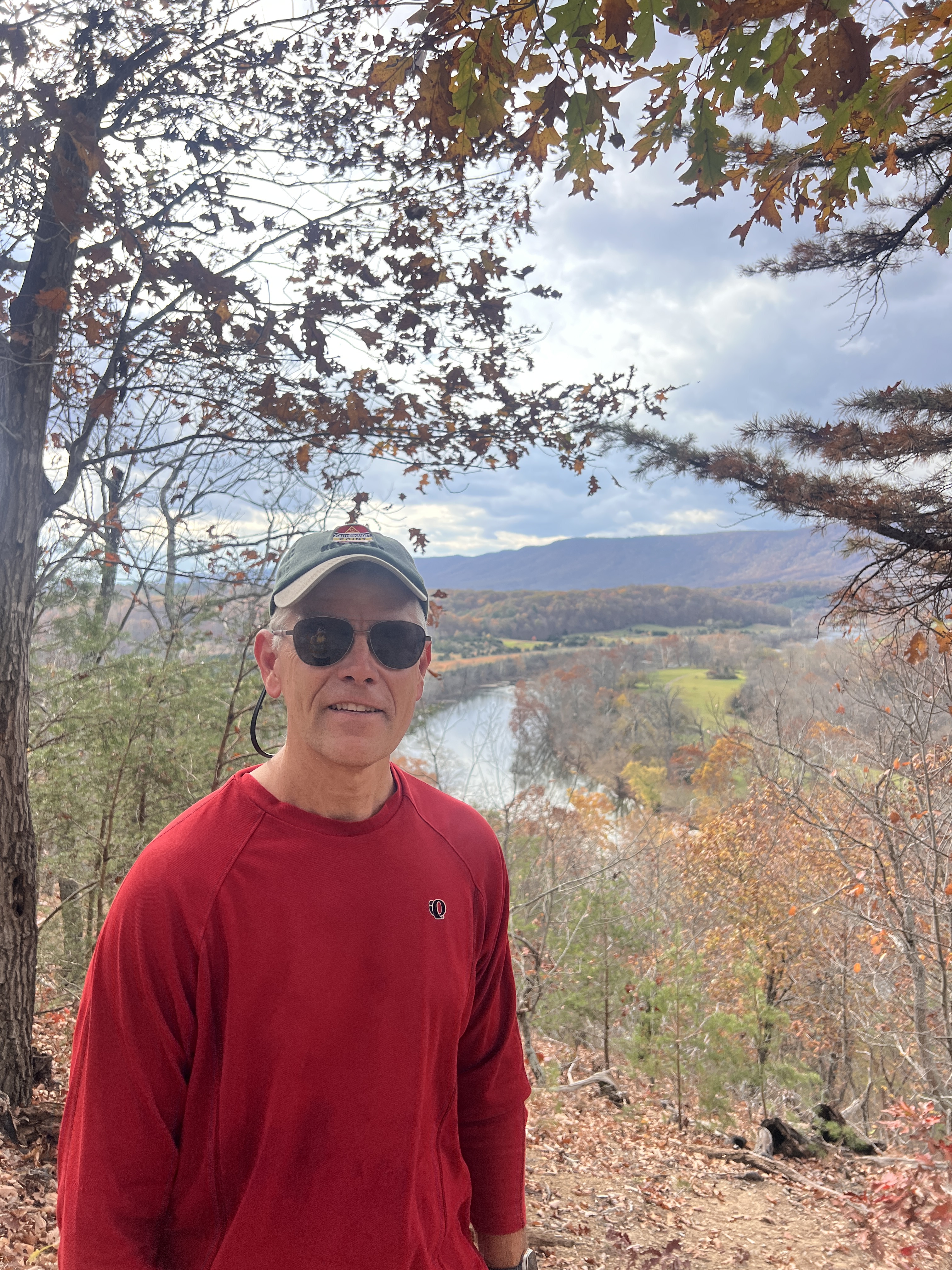
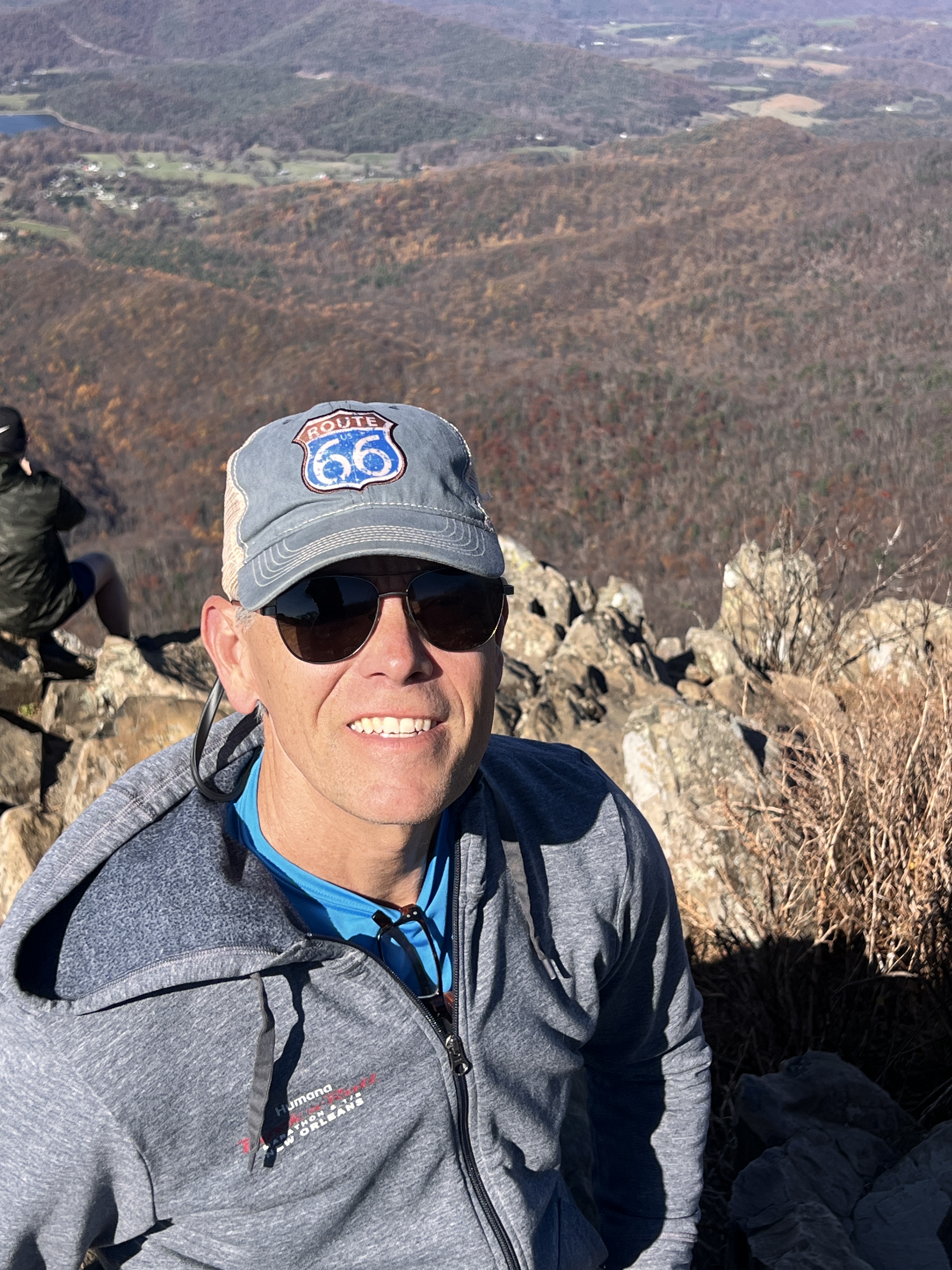
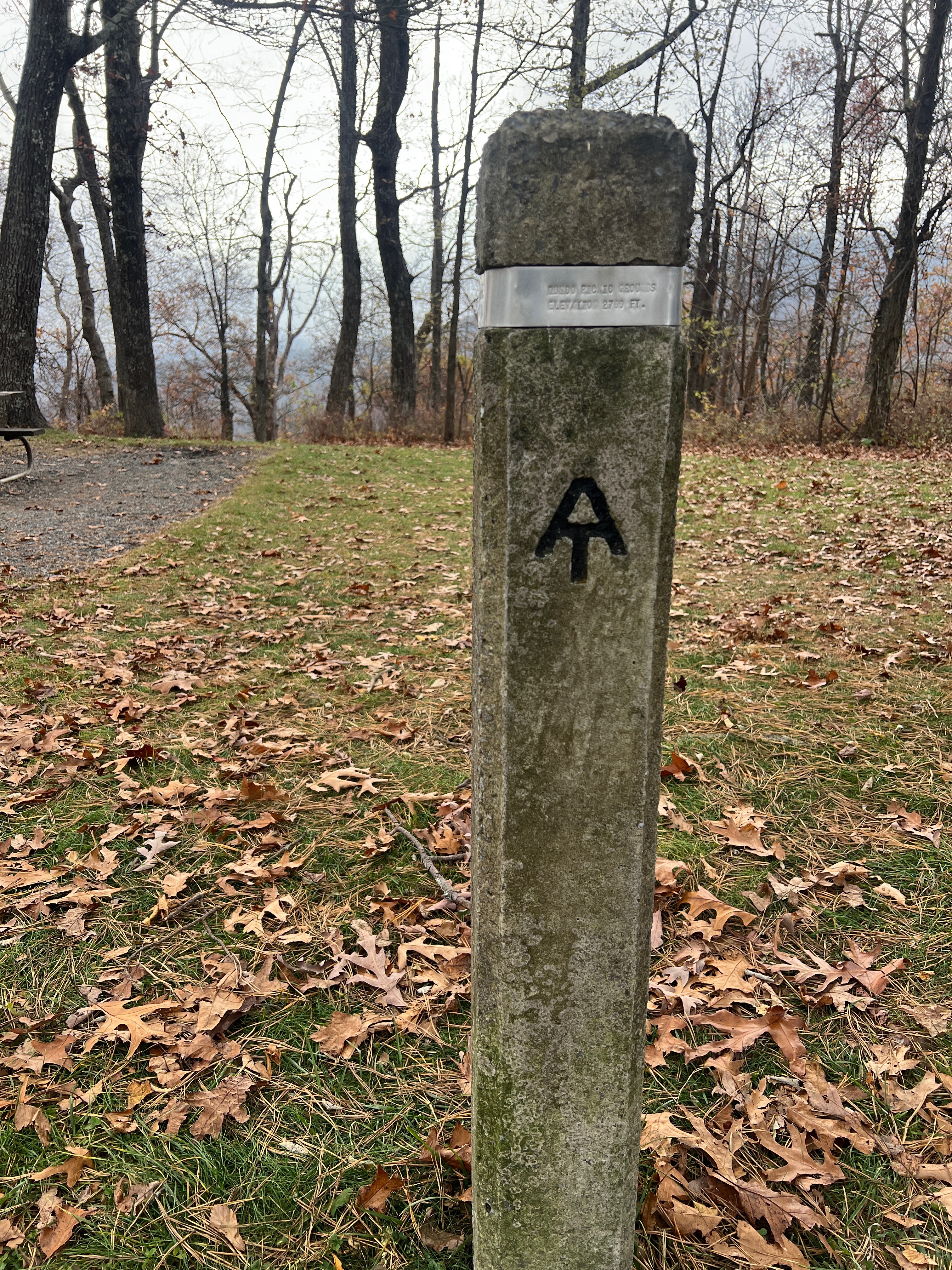
While we enjoy a good historic tour, the mountains are really more our style. From Charlottesville we traveled west just a bit to visit Shenandoah National Park. Over a few days we traversed the park’s 105-mile Skyline Drive, which affords views to the east and the west at the same time. We also fit in a few hikes. Most notably we hiked to the partially restored Rapidan Camp which was Herbert Hoover’s presidential fishing estate.




Hagerstown
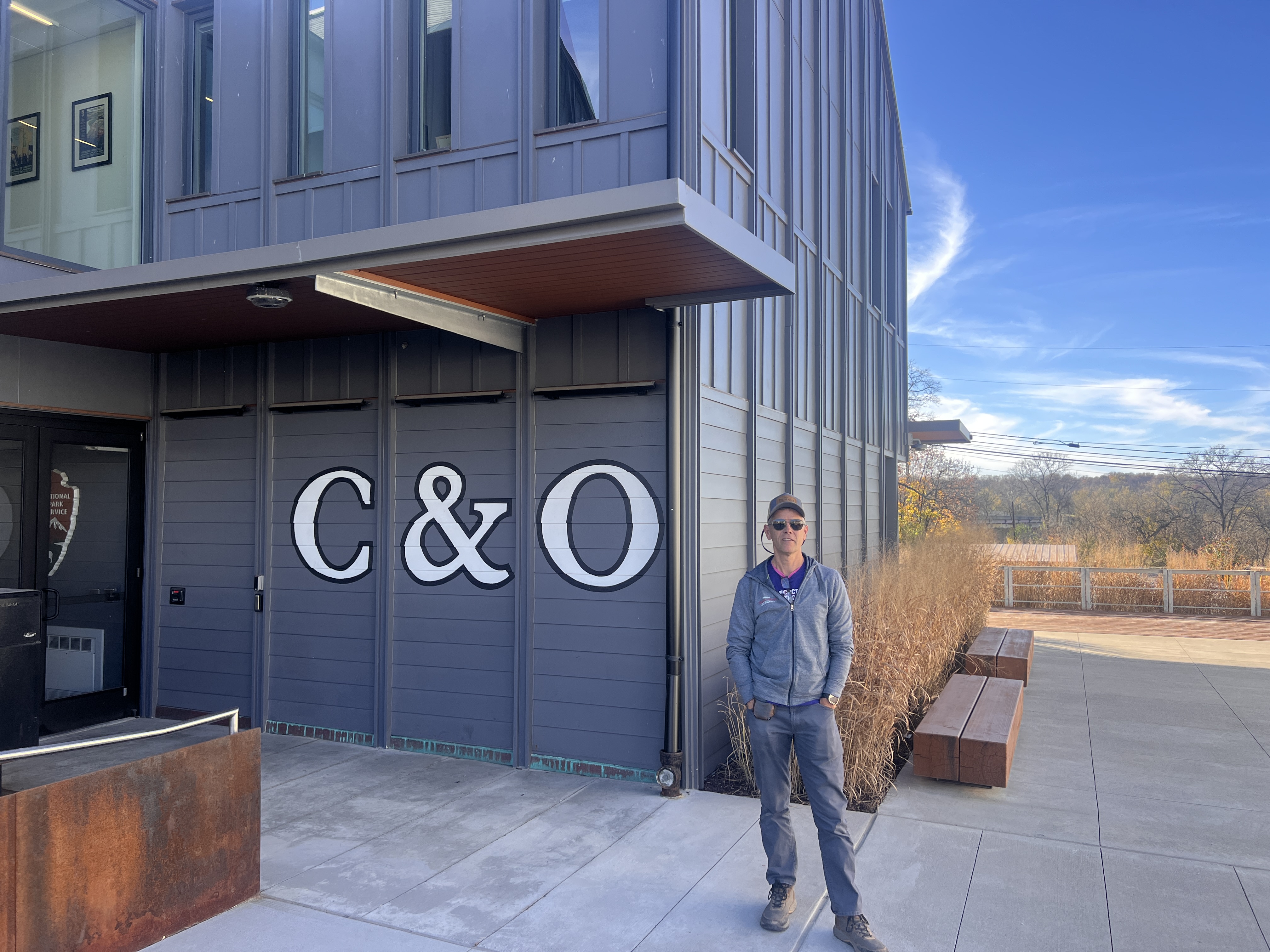
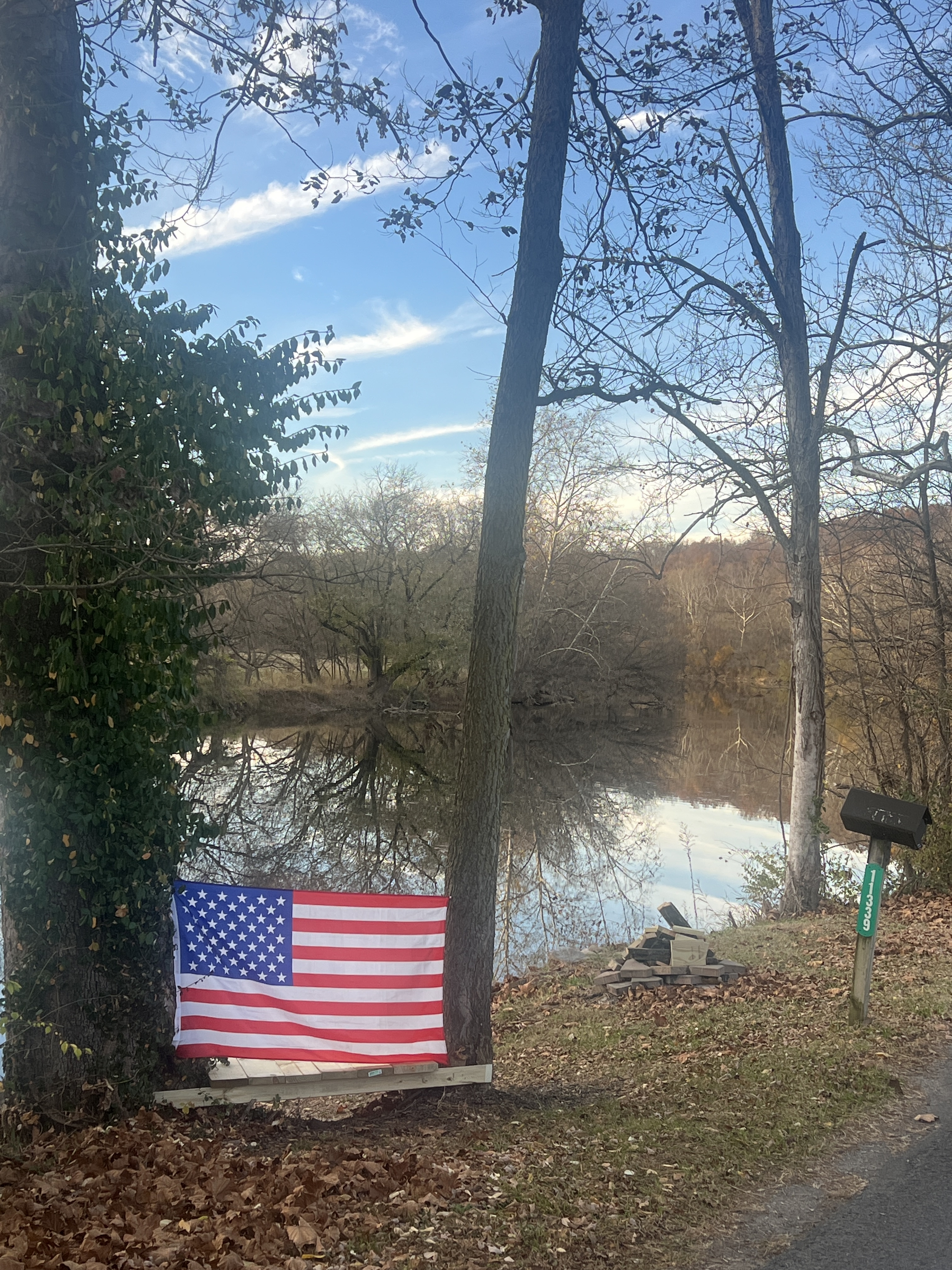
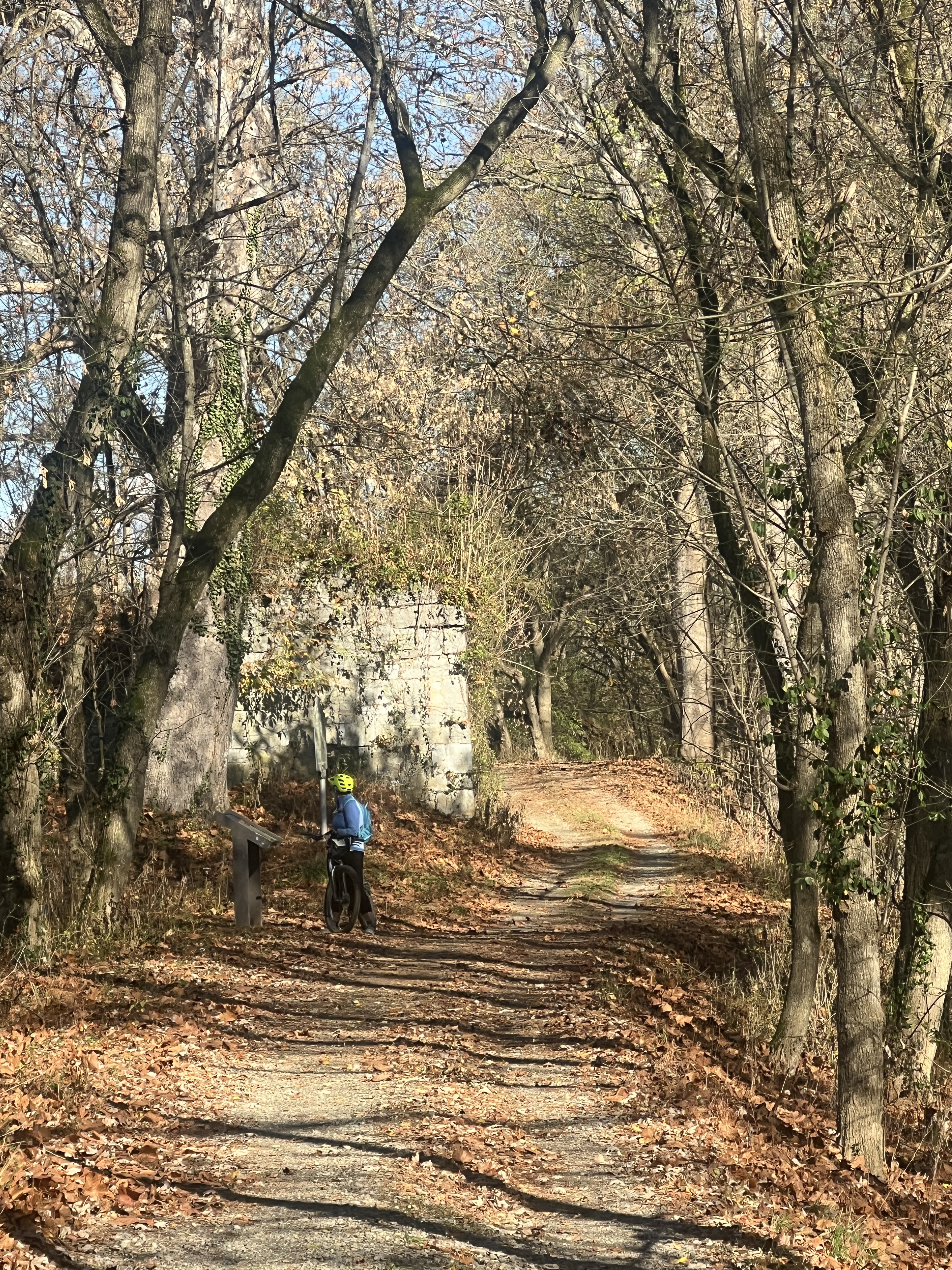
After a few days in the mountains we headed north a to a KOA in Hagerstown, Maryland. From there we were able to dive into the Civil War by visiting the battlefields at Antietam and the historic town of Harpers Ferry. The C & O Canal also runs through the area and operated for nearly 100 years. It was a lifeline for communities along the Potomac River as coal, lumber, and agricultural products floated down the waterway to market. Today it is a pathway for recreation and provided for a good bike ride.


Gettysburg
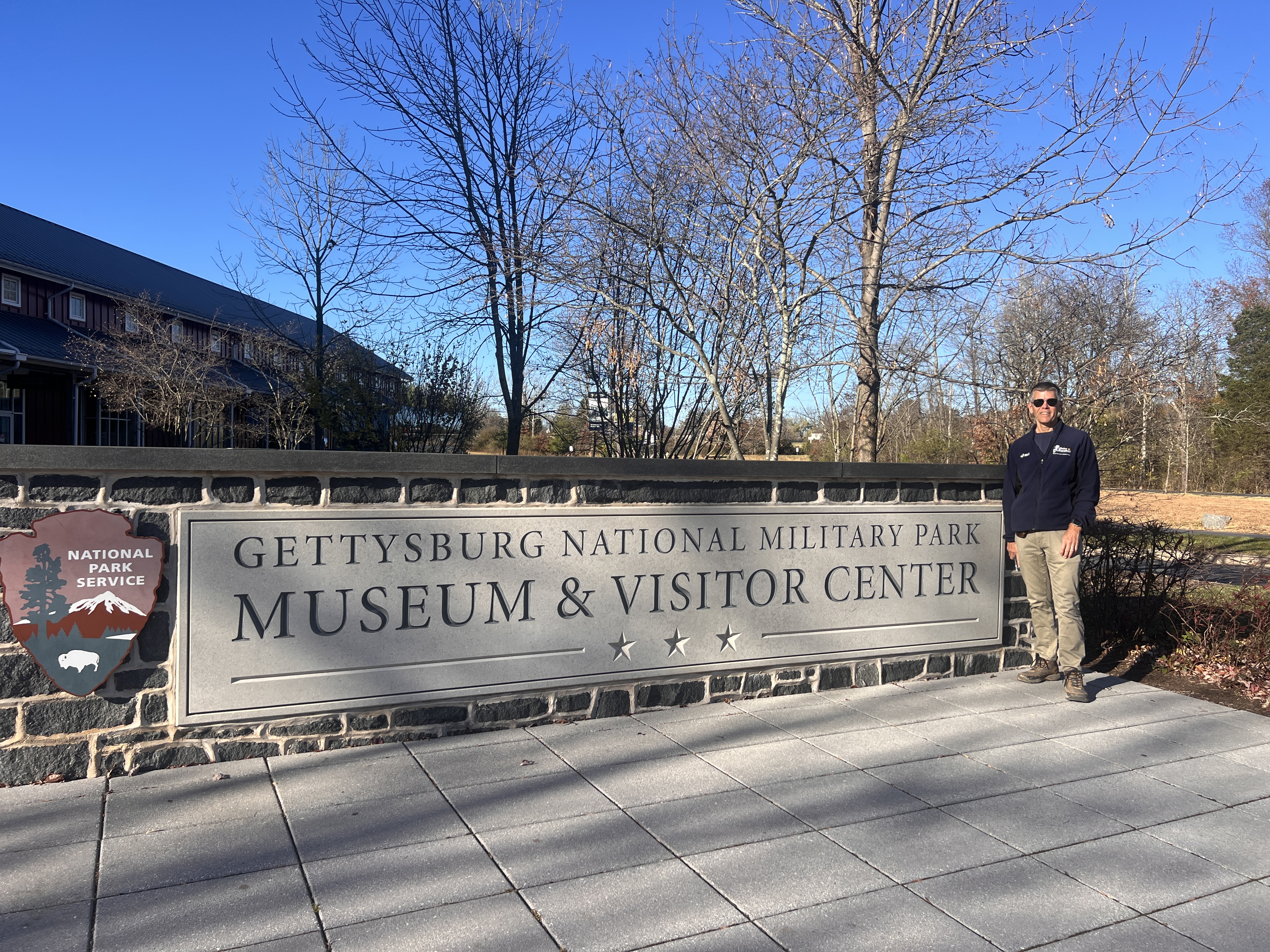
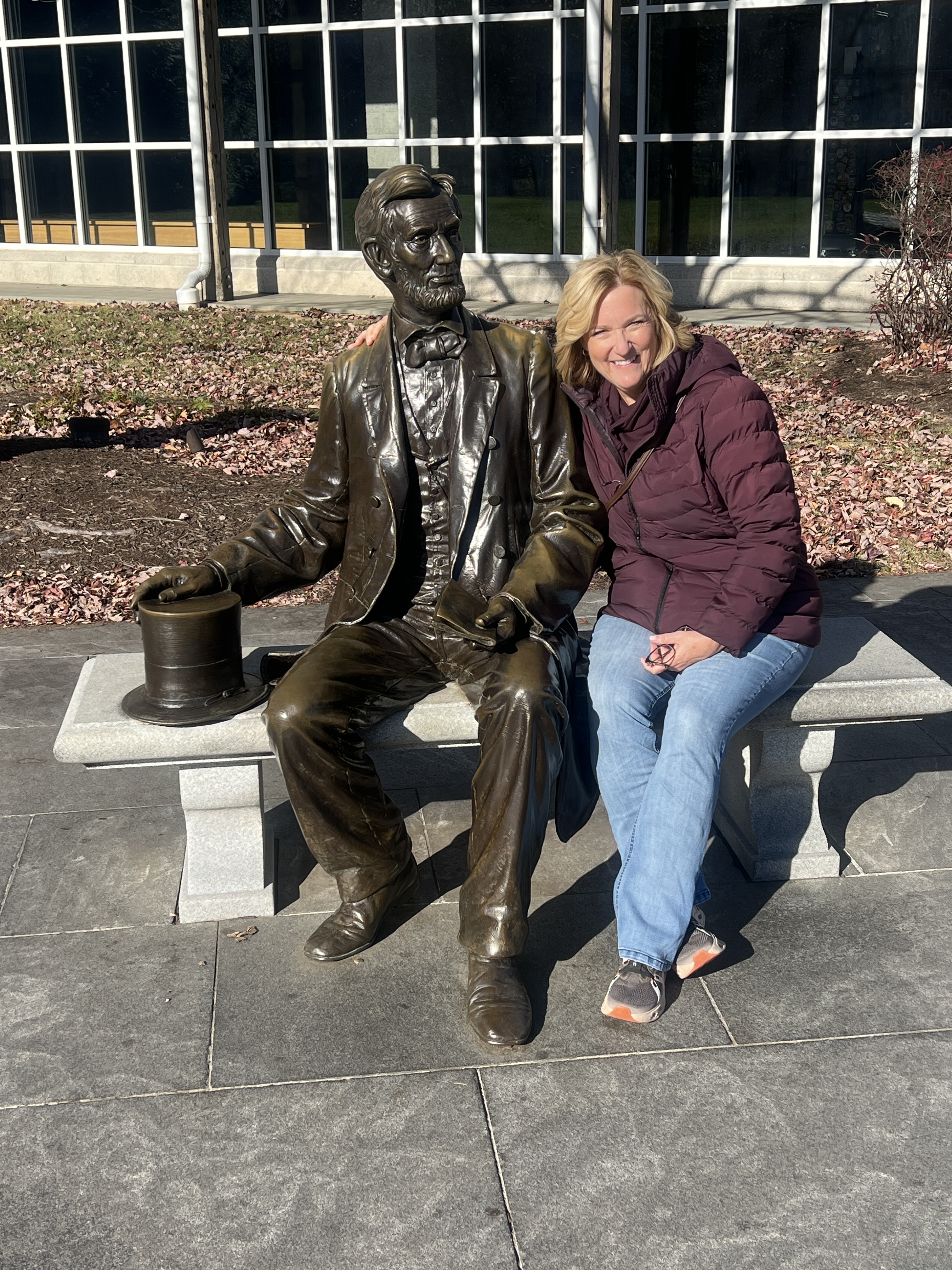
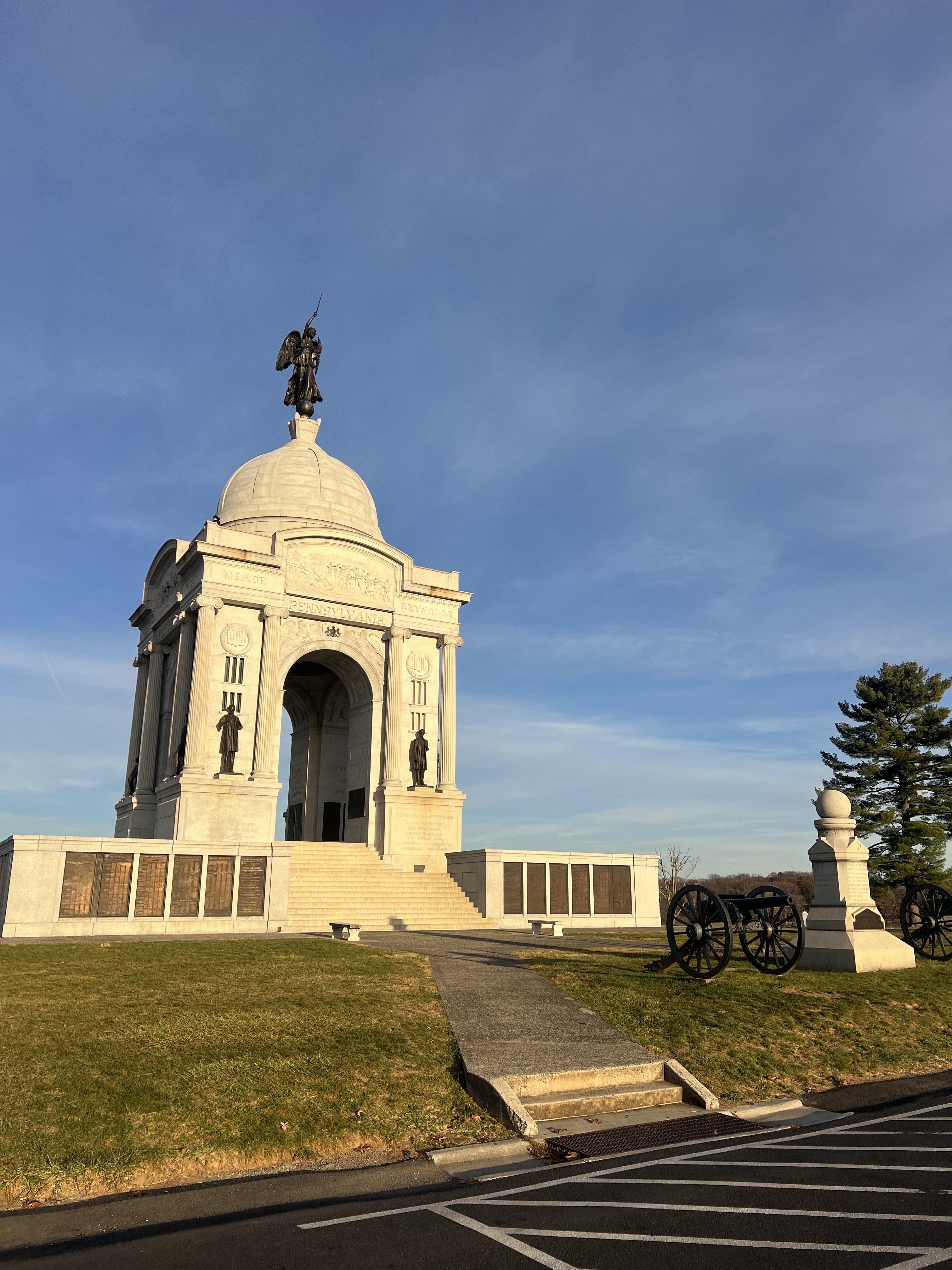
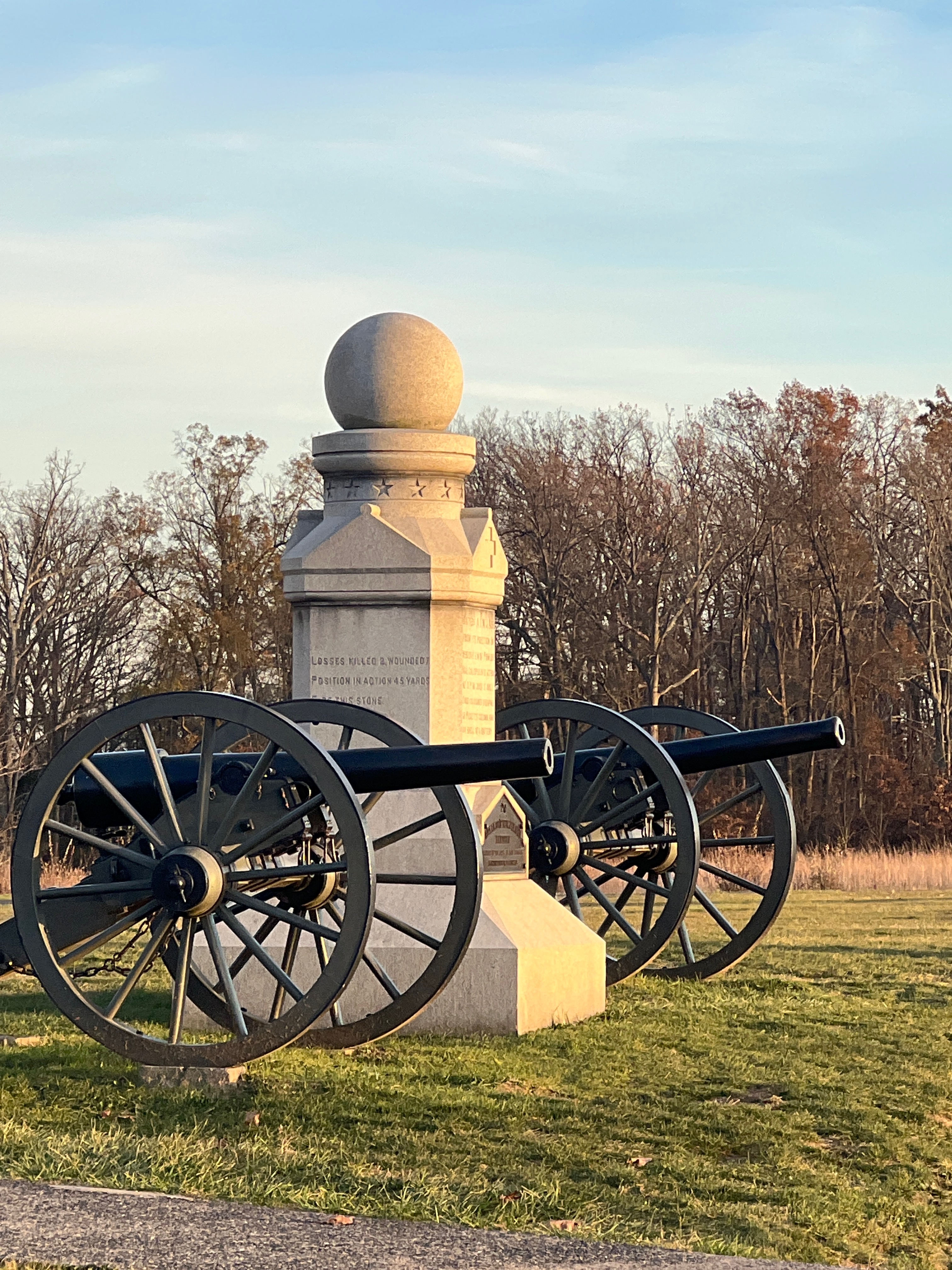
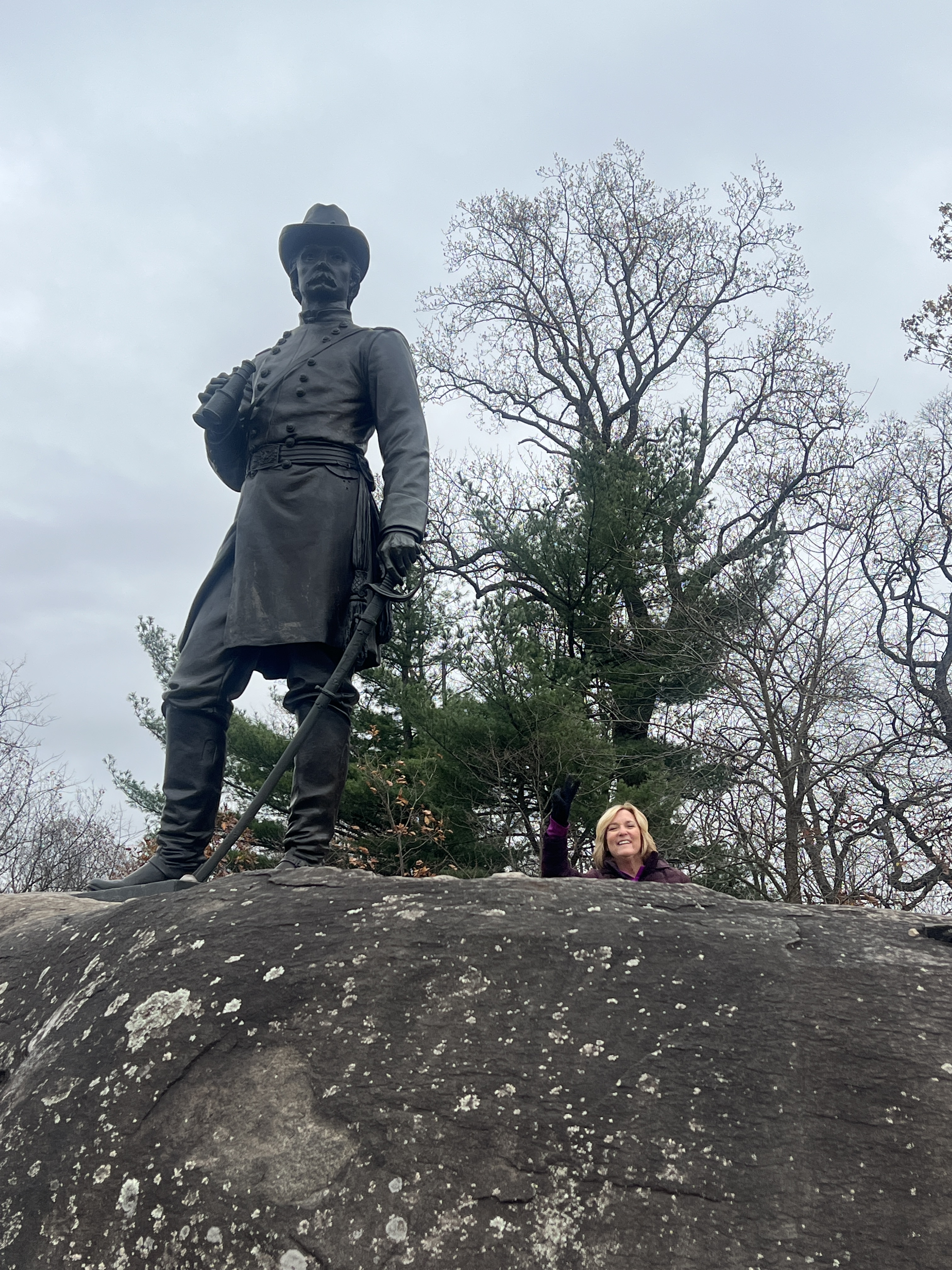
Our Civil War education continued next in Gettysburg. The Battle of Gettysburg was a turning point in the war with the Union victory after three days of battle. Gettysburg was the Civil War’s bloodiest battle and was also the inspiration for President Abraham Lincoln’s immortal “Gettysburg Address.” Over 1,300 monuments, memorials, and markers dot the countryside, a constant reminder of the sacrifices made on both sides of the conflict.

Amish Country
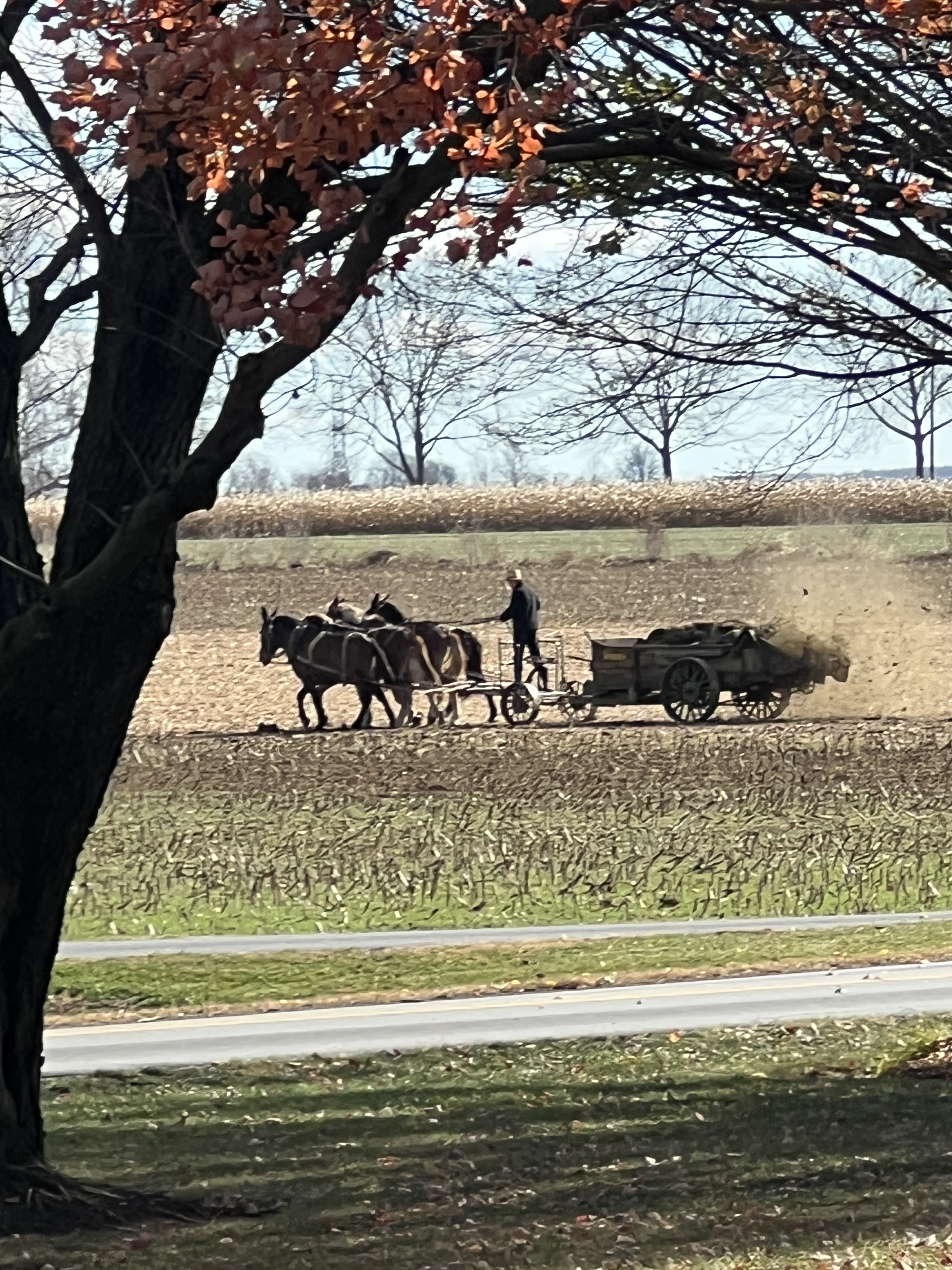
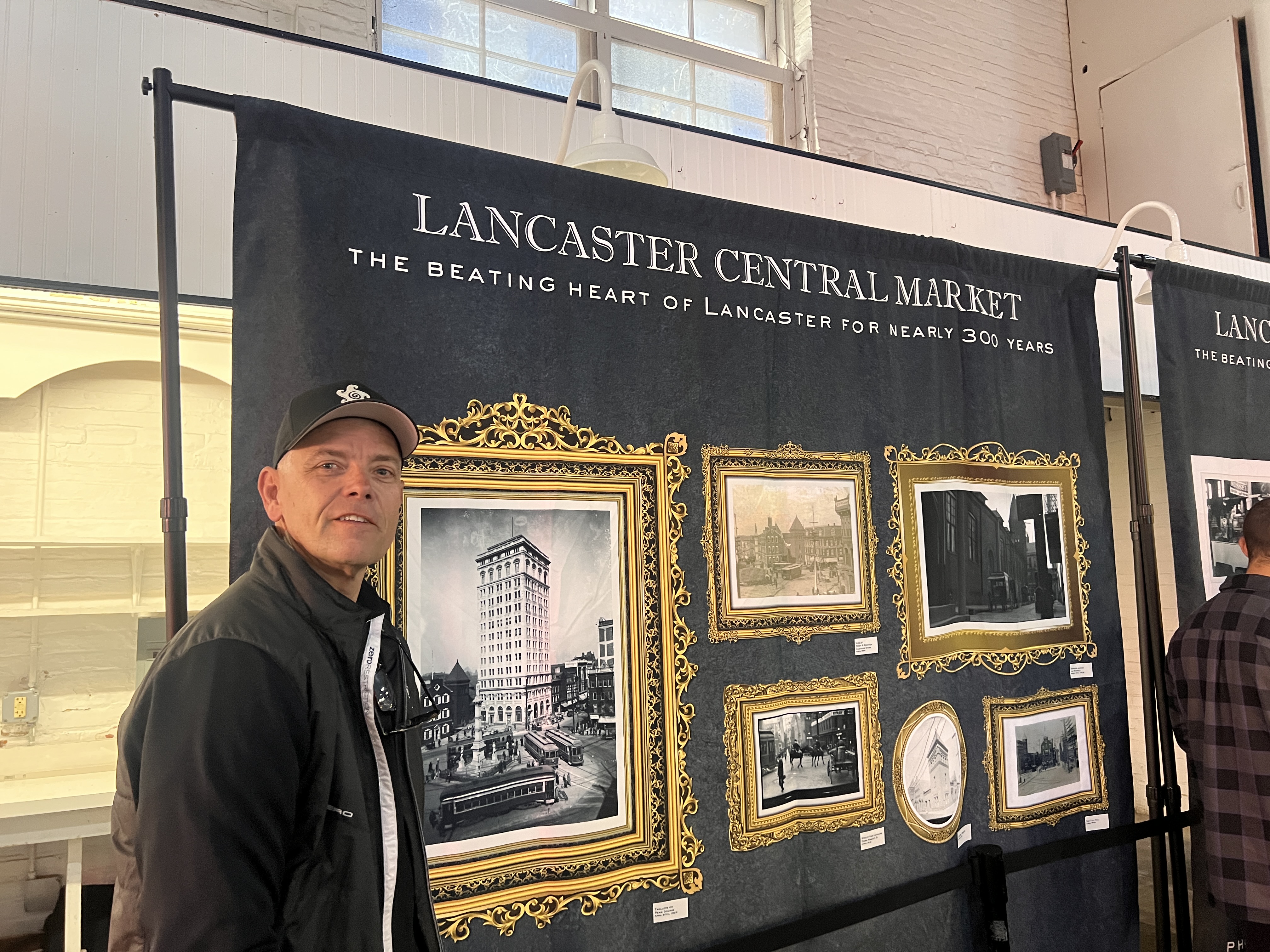
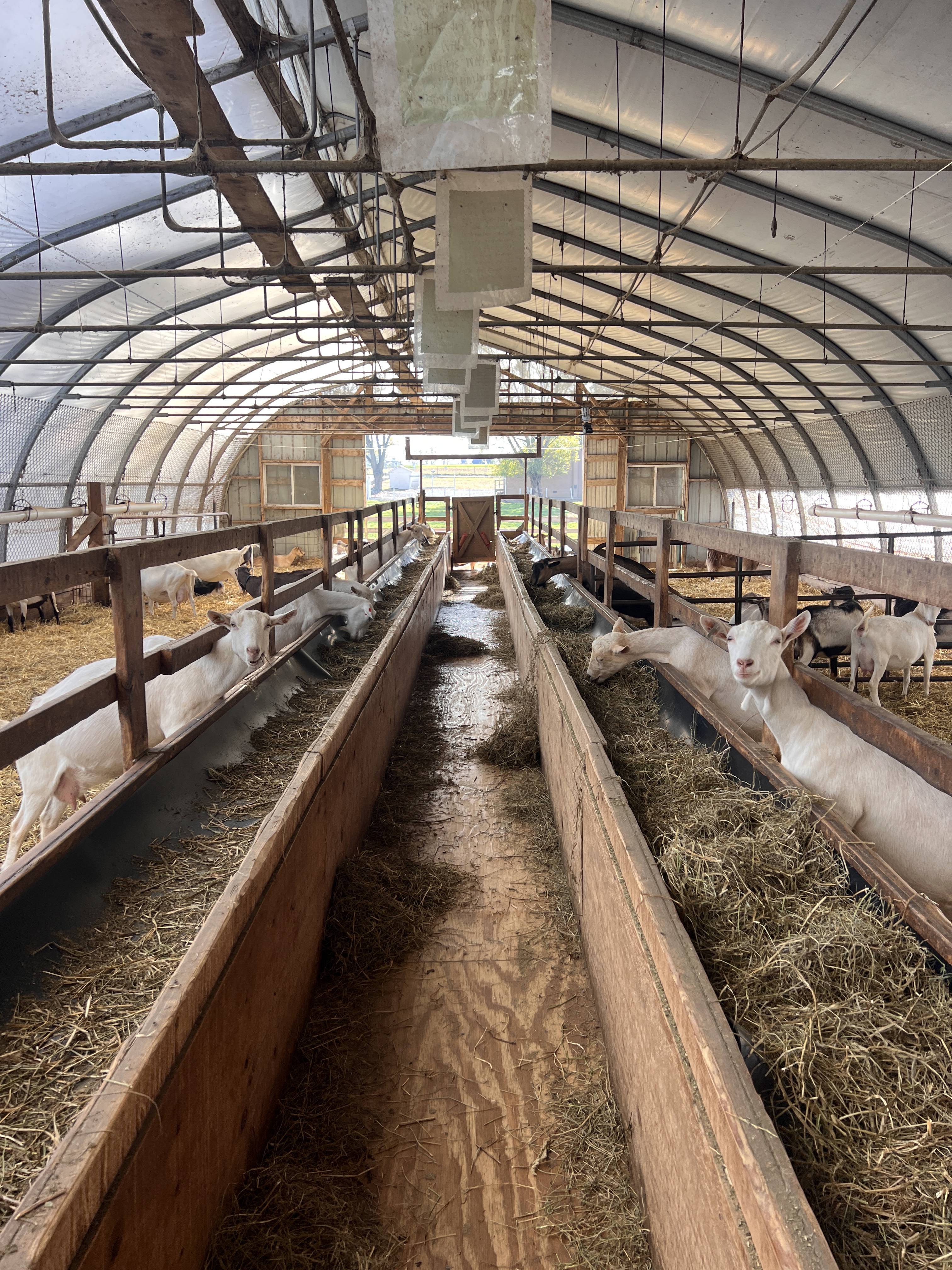
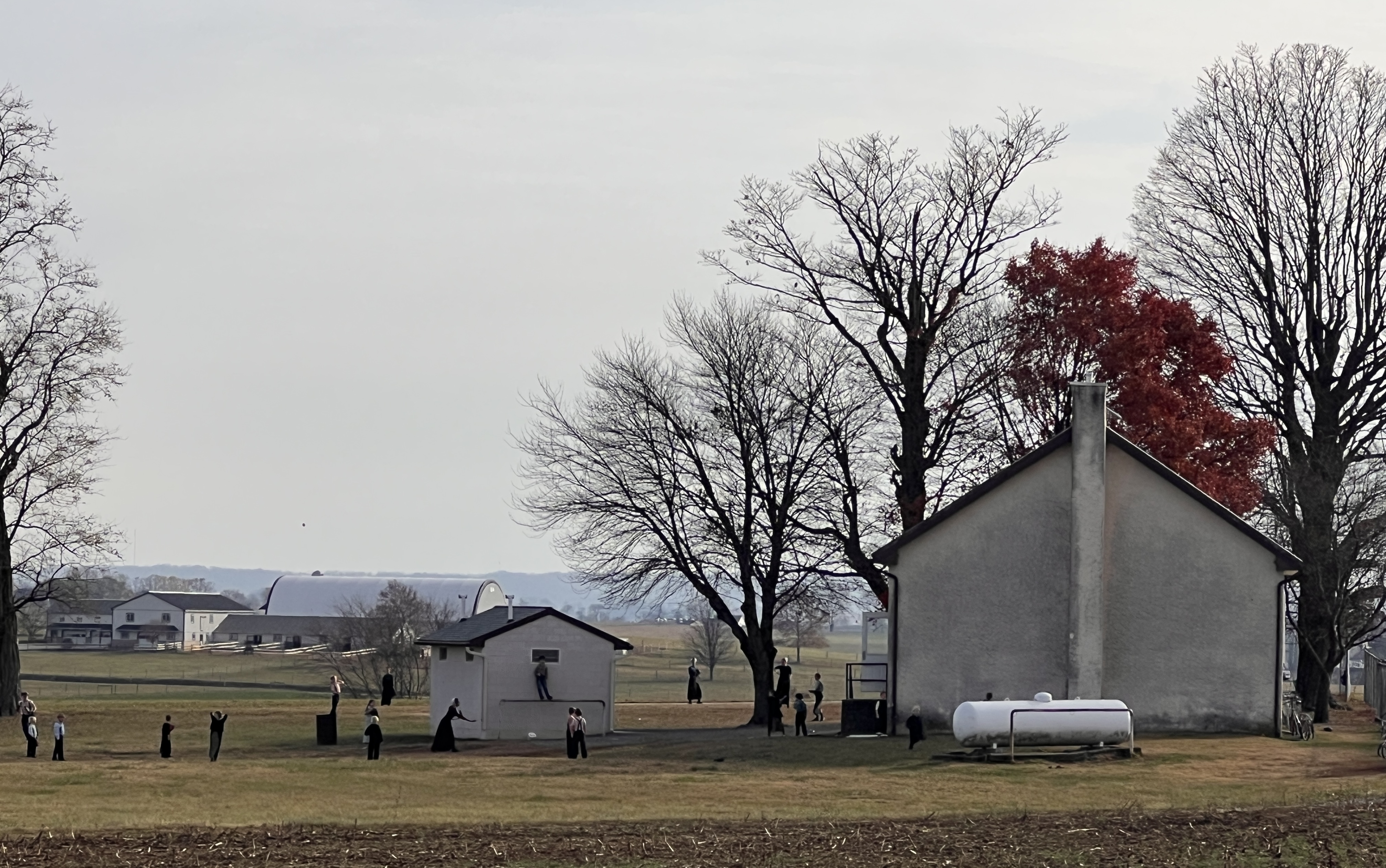
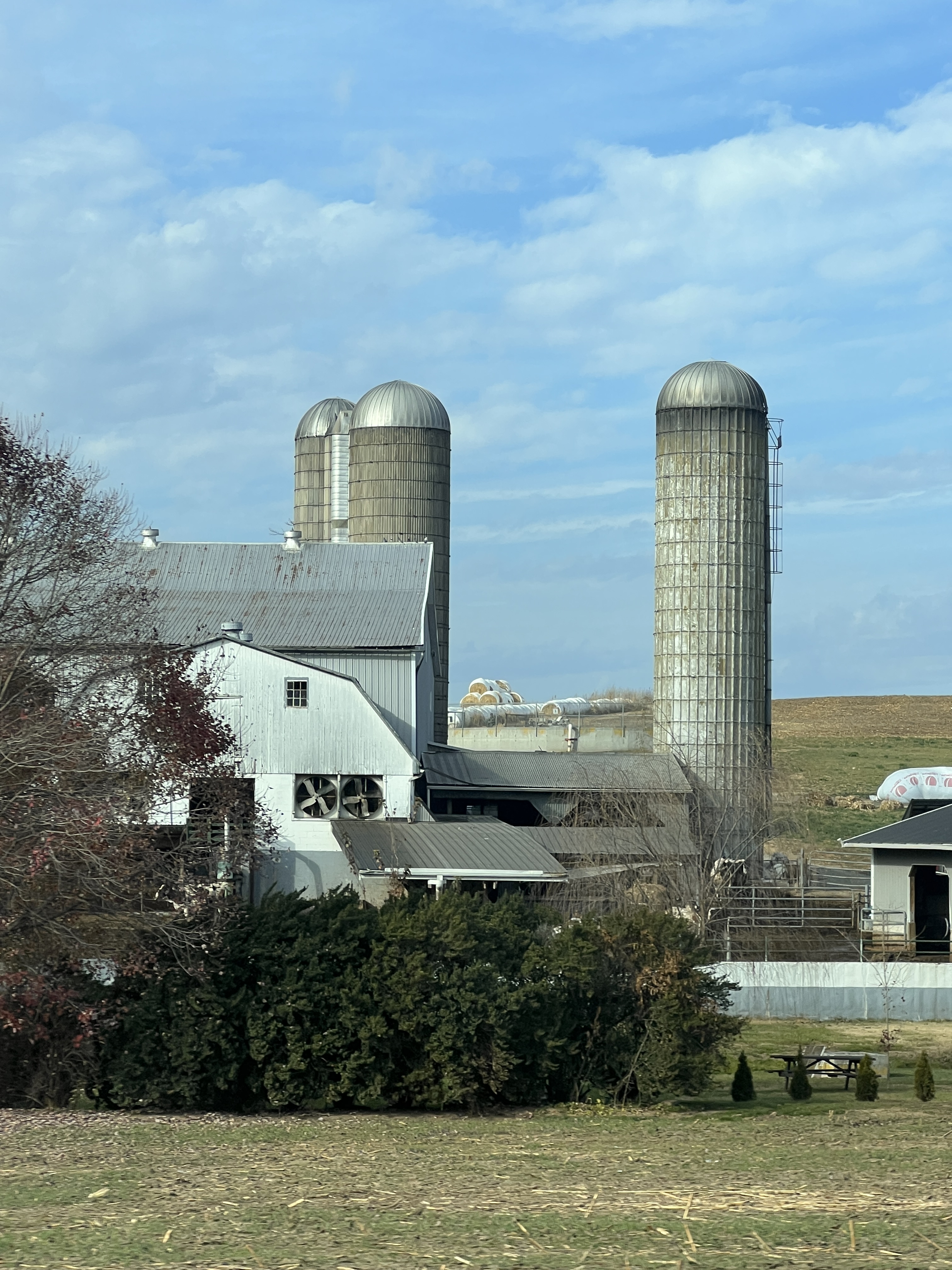
After three days of the Gettysburg battlefields, we were ready for a change of scenery. Our final stop before arrival in Philadelphia was the Pennsylvania Amish region of Lancaster County. Over five days we visited farm markets, quilt shops, goat farms, and creameries. Our campground, Country Acres, offered a free two-hour tour of the area, and we took them up on it. We learned so much about the variations of Amish way of life by driving around with a knowledgeable guide who could tell us what we were looking at.




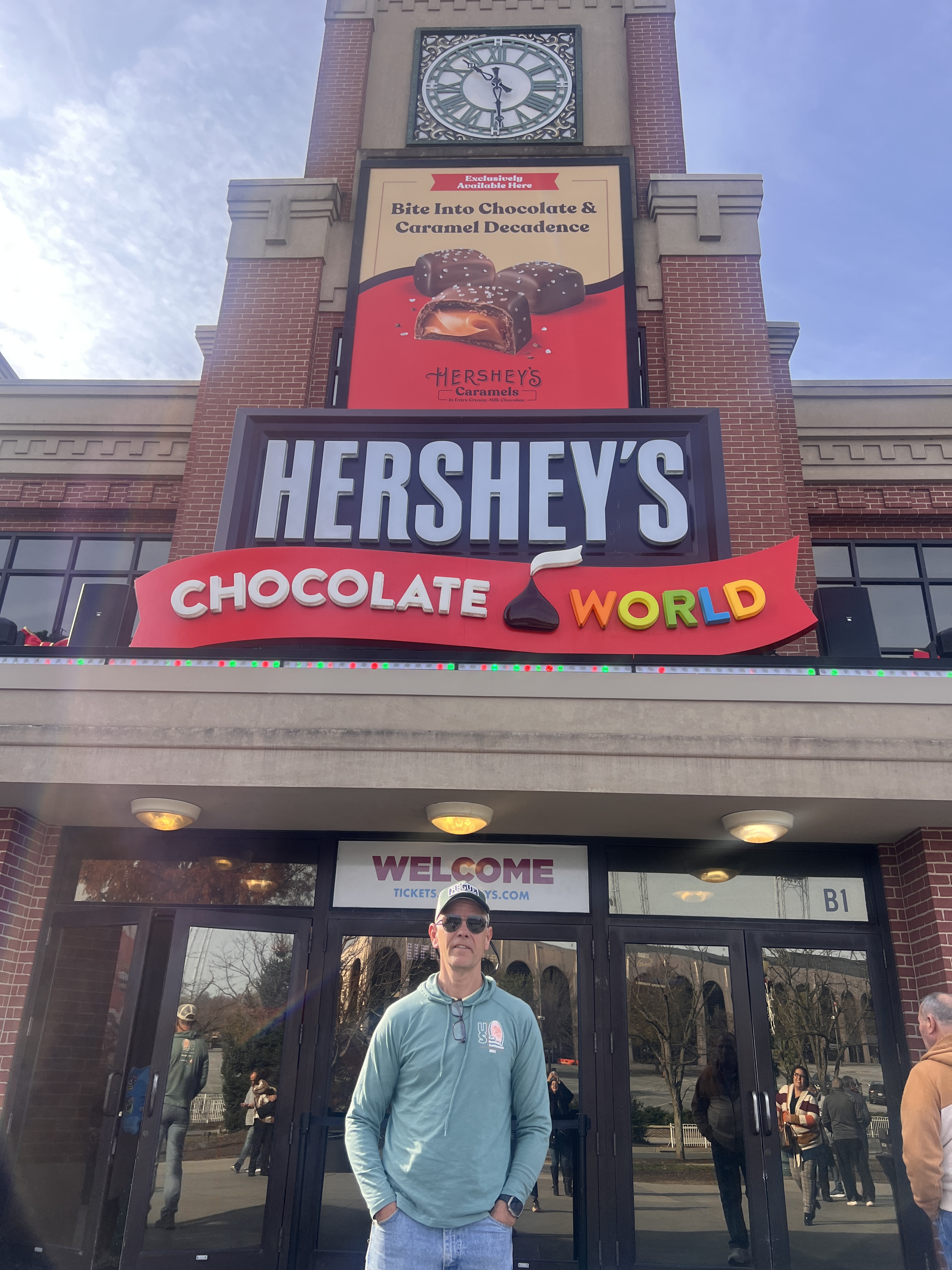
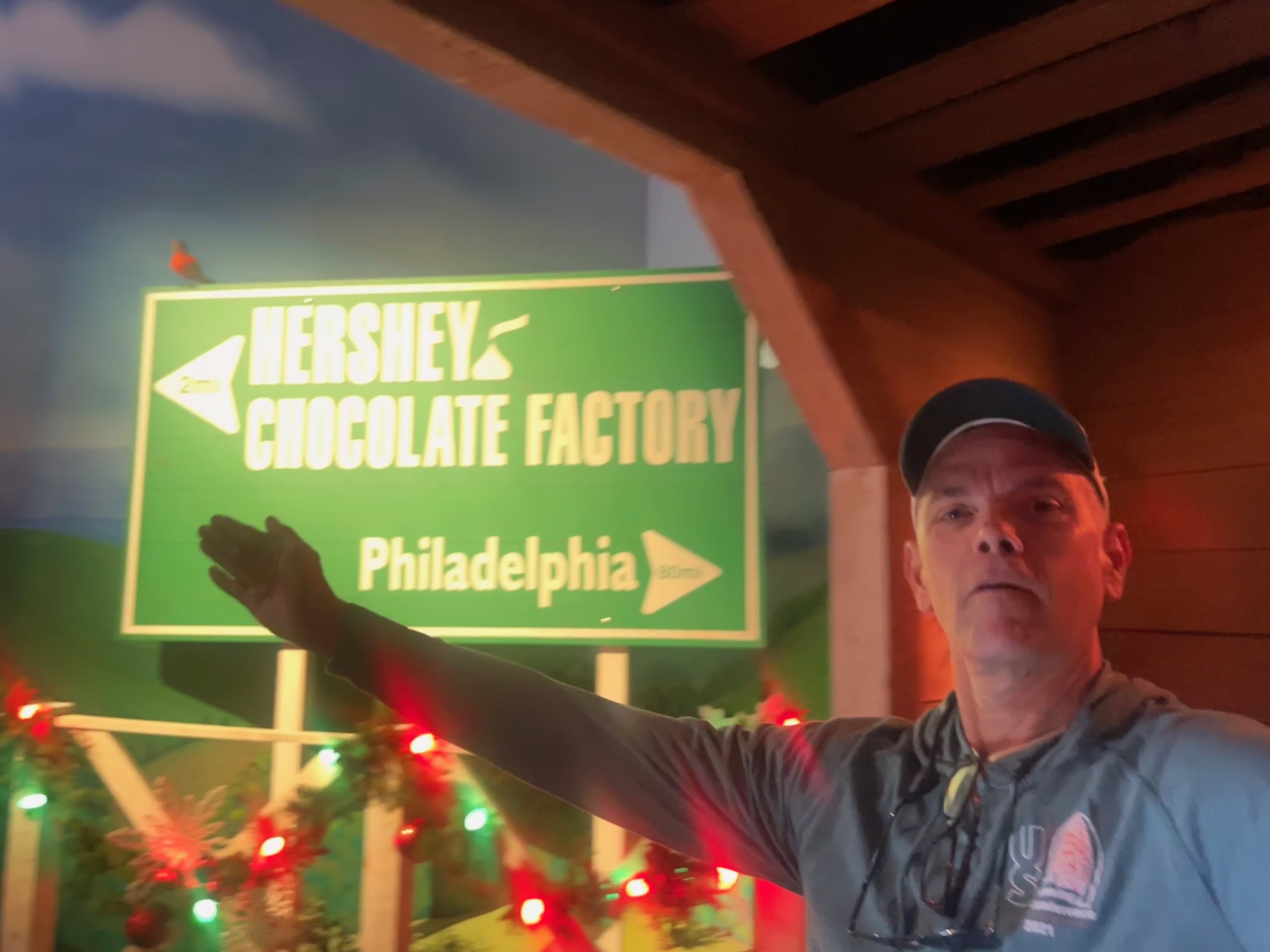
About 45 minutes from Lancaster is the town of Hershey, home to Hershey’s chocolate. It was an obligatory tourist stop that resulted in a bag of candy we don’t need! We did take a fun tour at Chocolate World which made the visit worthwhile.


This was a great survey of a part of the country that was completely new to us. The origins of our great country were seeded here and learning about that history helped us understand how our nation has evolved.













 Marnie and Steve Travel