We had been told that Michigan was a great place to spend the summer. We had no idea we’d have more to do than we had time! Over the past few weeks we’ve been checking out the highlights of northern Michigan, specifically the eastern Upper Peninsula and the most northern part of the Lower Peninsula. Here’s a quick rundown of the spots we’ve checked out.
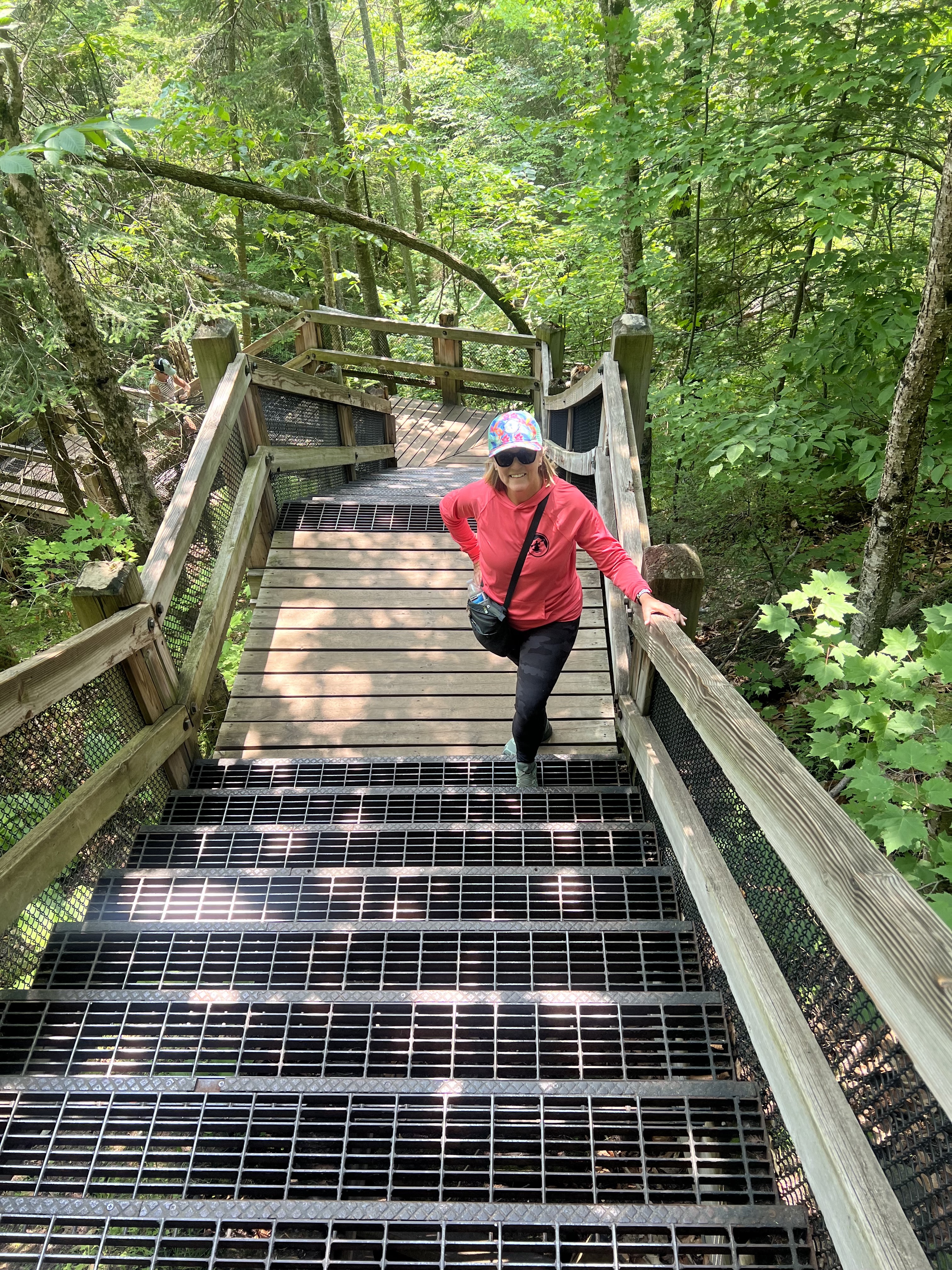
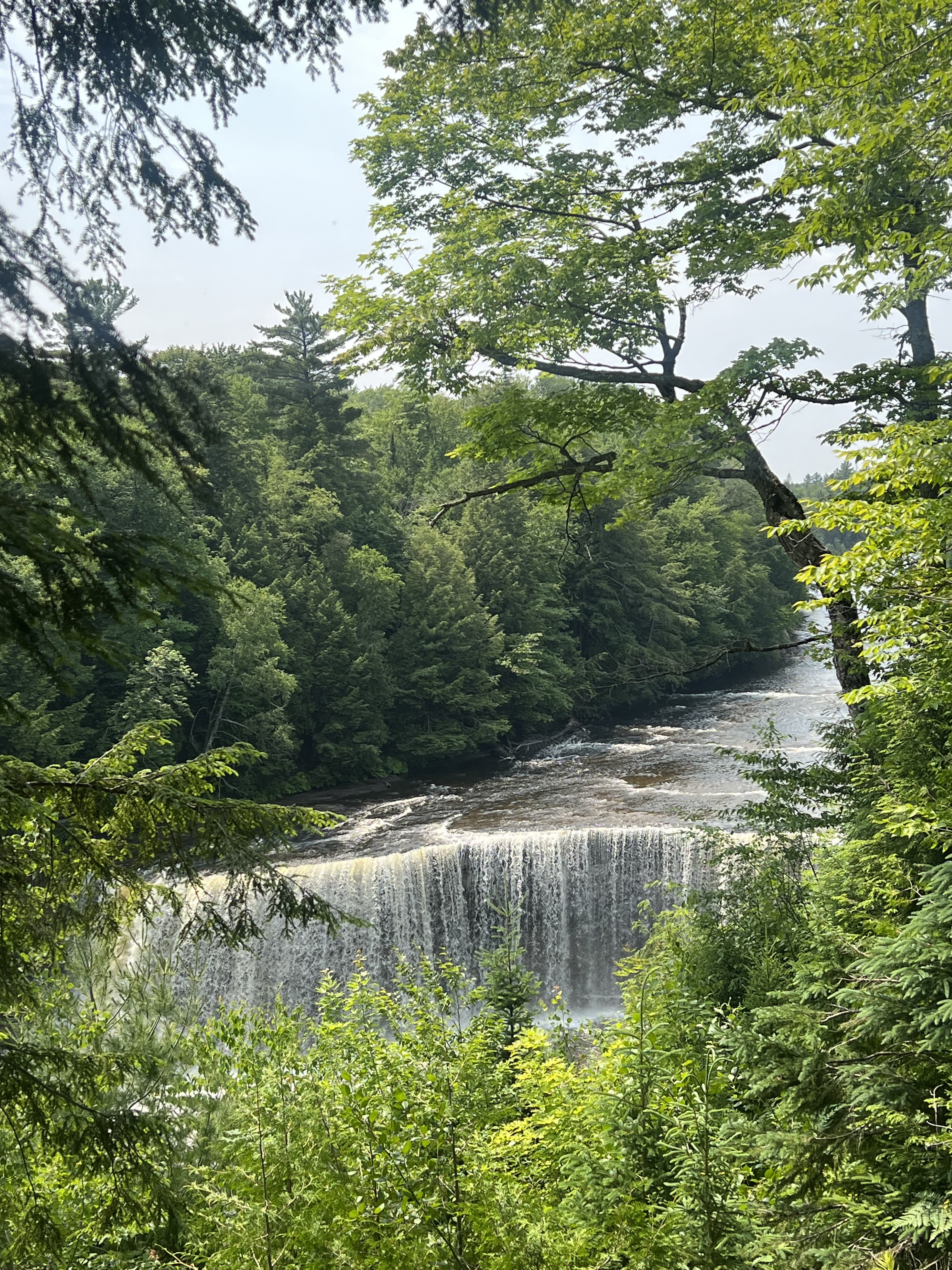
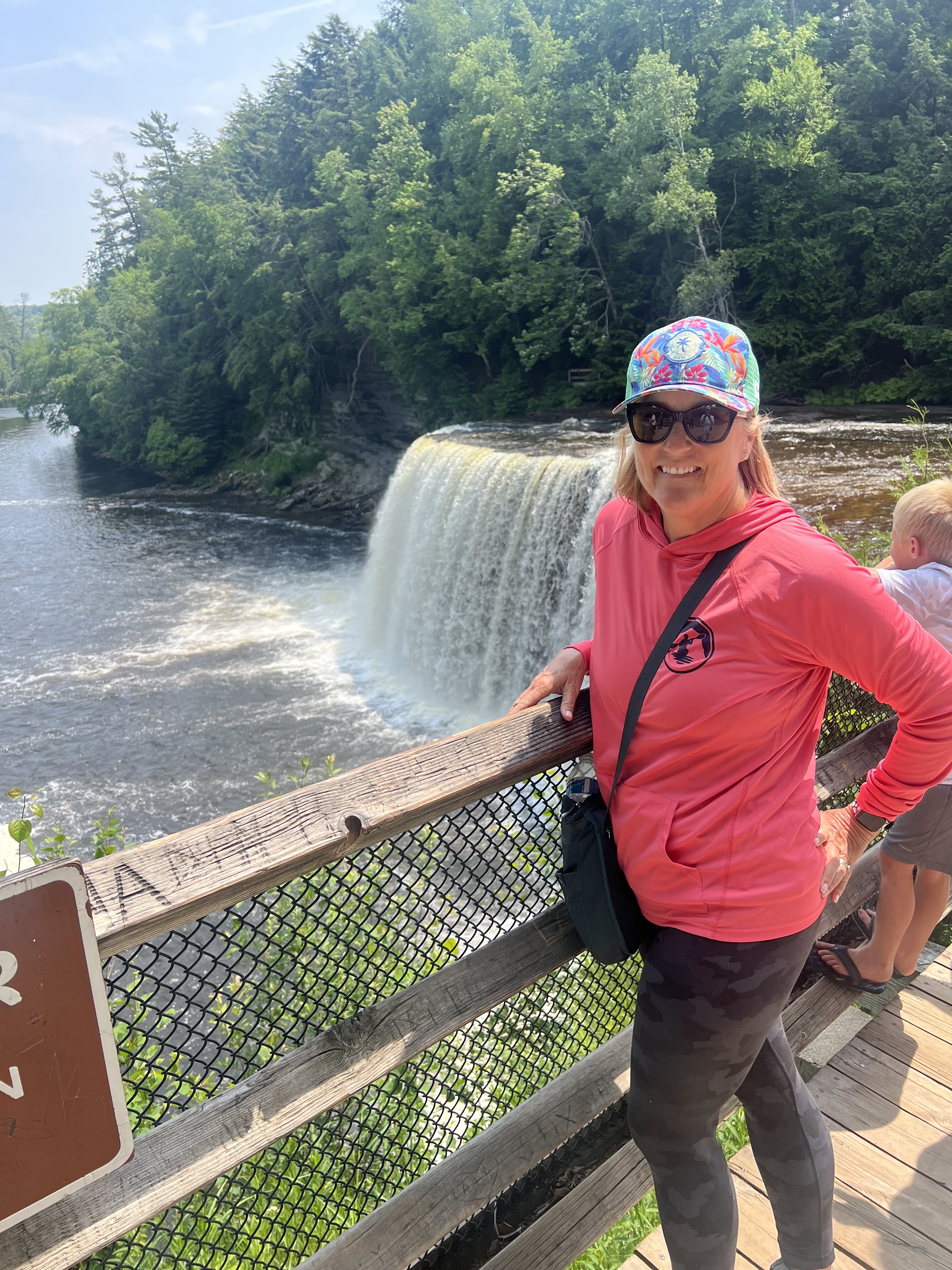
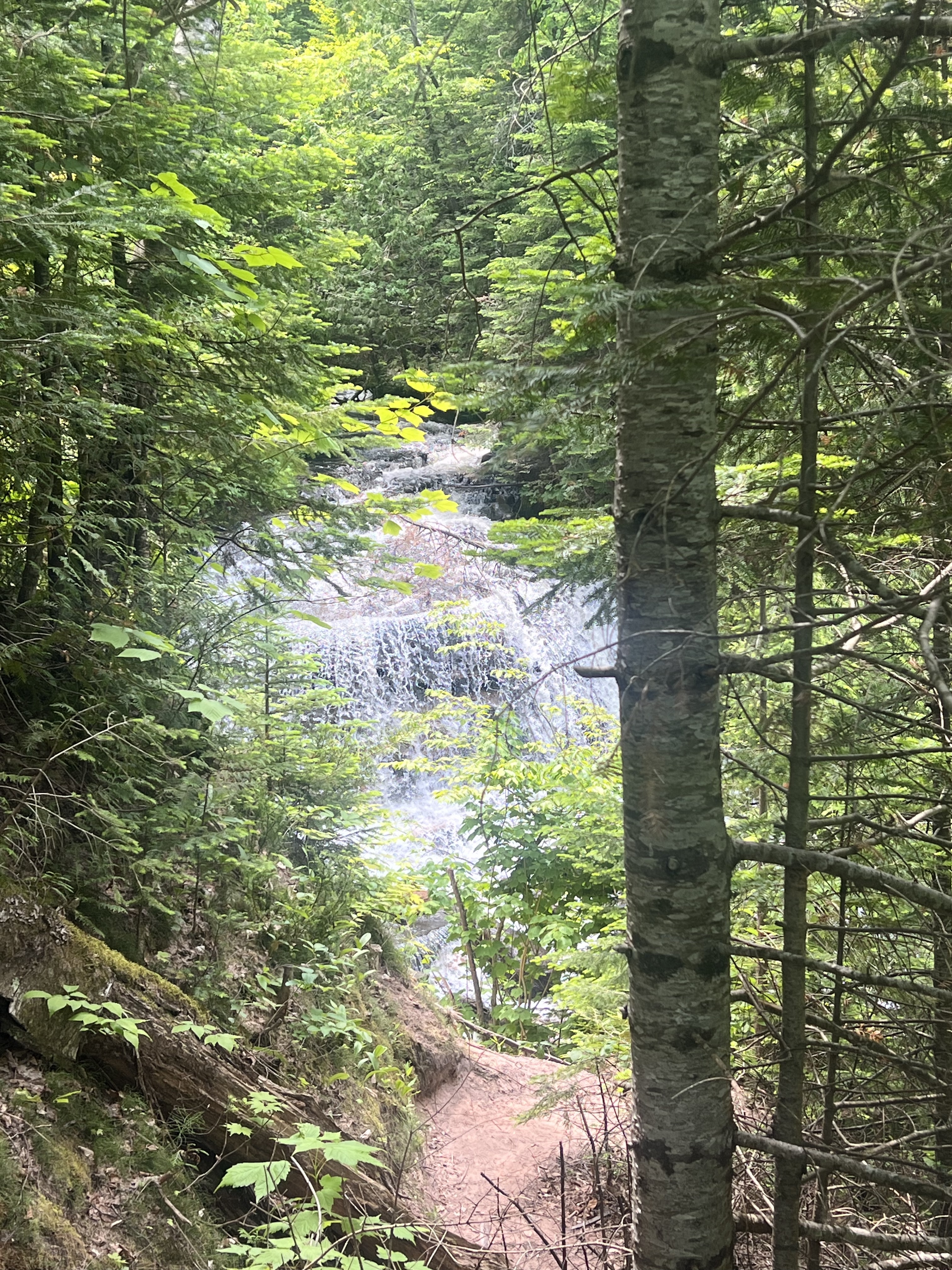
First up was Tahquamenon Falls State Park which features one of the largest waterfalls east of the Mississippi River. We camped inside the state park and were able to hike to the falls from our campsite.


Otherwise known as “root beer falls” because of its tannin-colored water, the falls were once used to transport logs down river to sawmills at the river’s mouth. Now it’s a popular tourist spot in the Upper Peninsula.


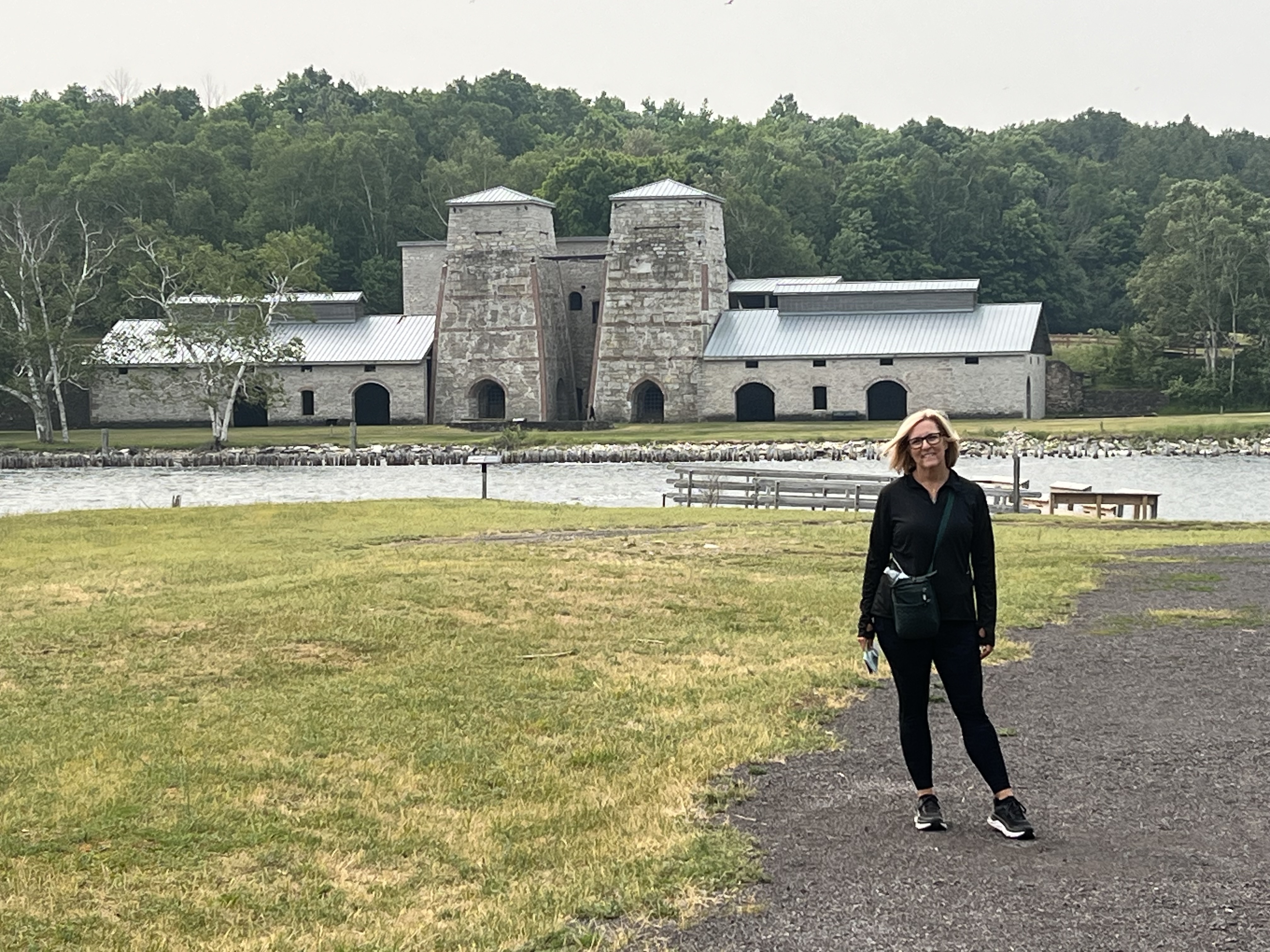
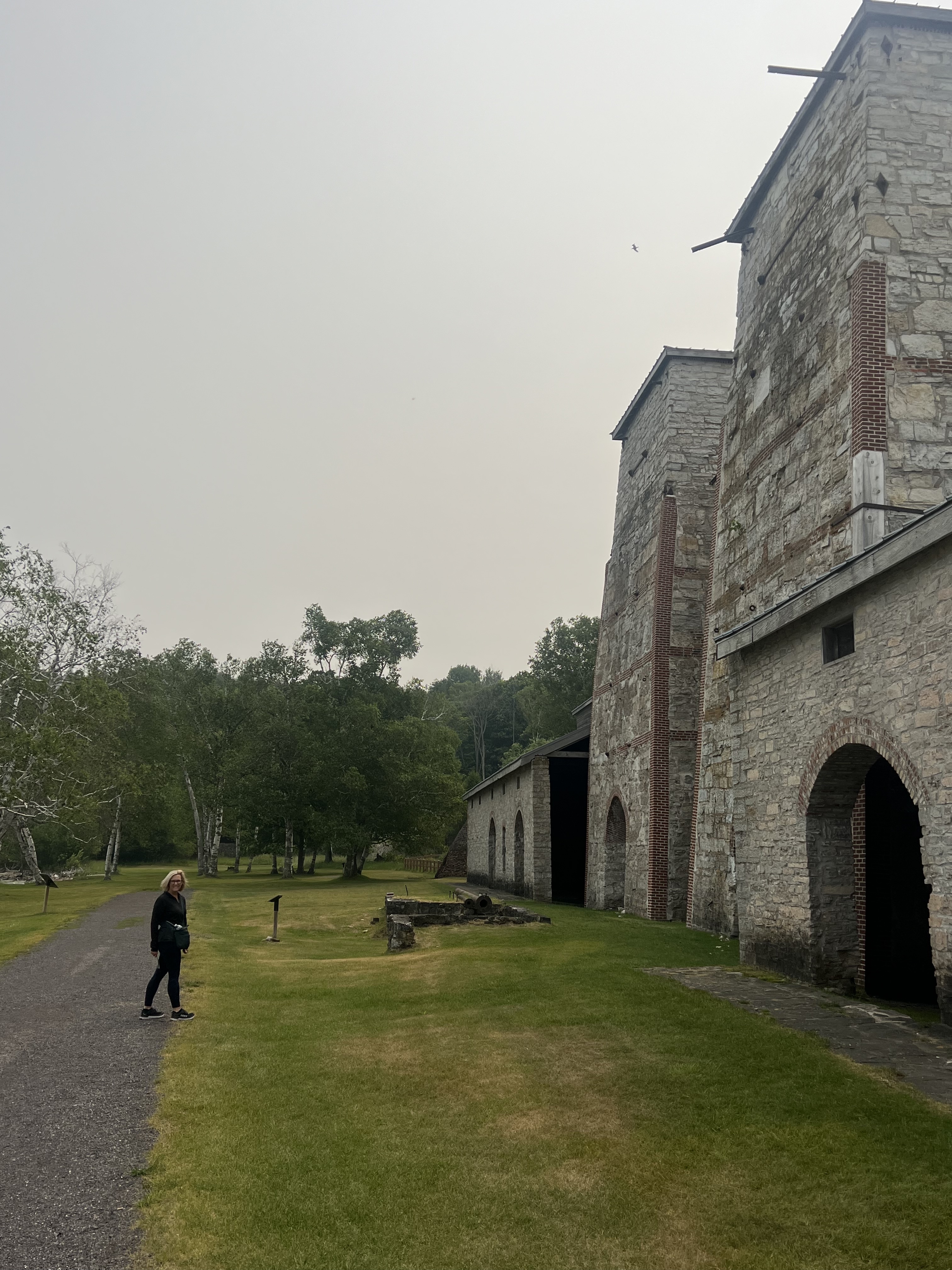
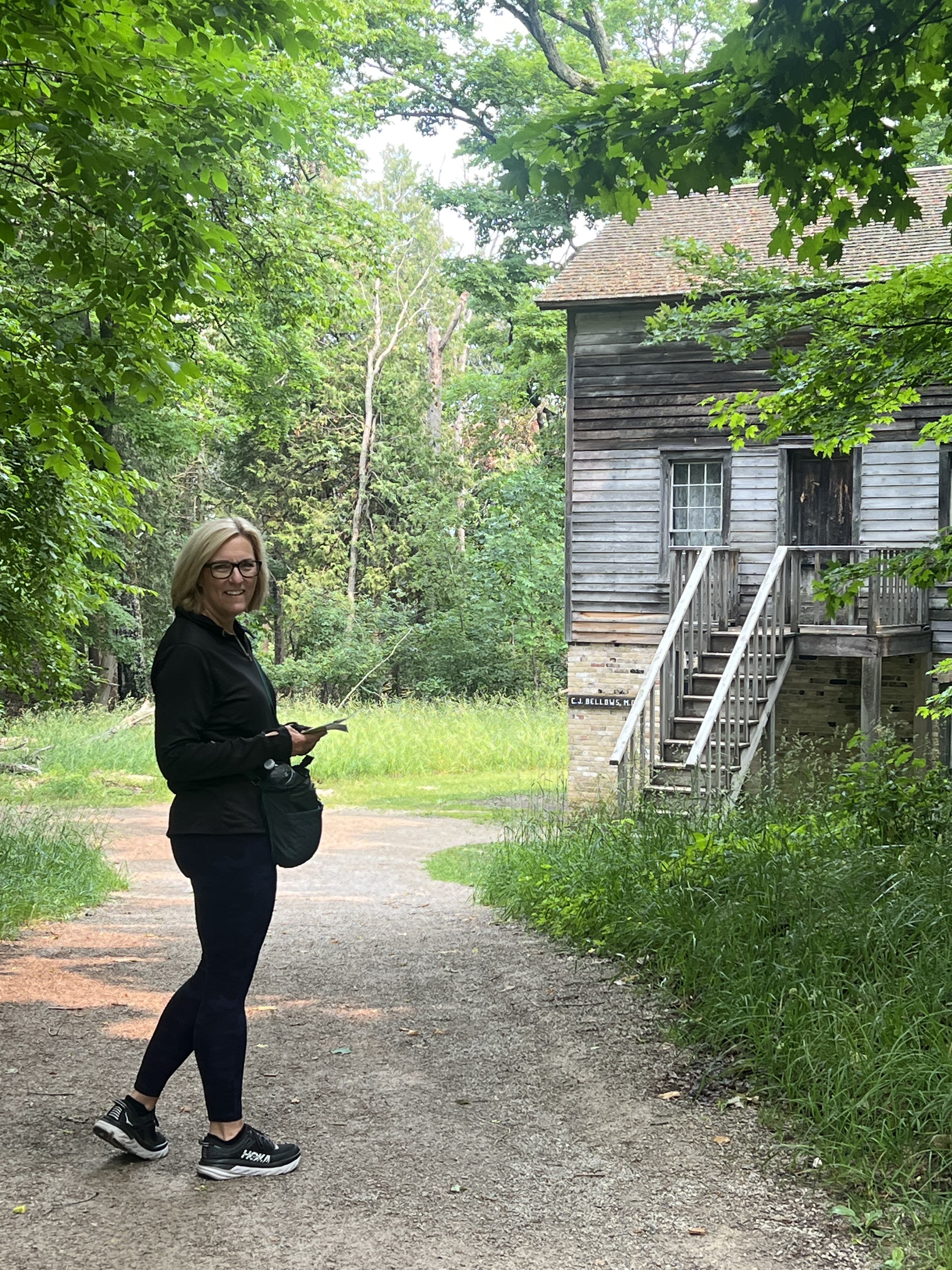
Not far from Tahquamenon Falls is Fayette State Historic Park, which features a restored industrial community that manufactured pig iron from 1867 to 1891. We walked through the restored buildings and learned about life during this era. We love to learn new things as part of this RV lifestyle.
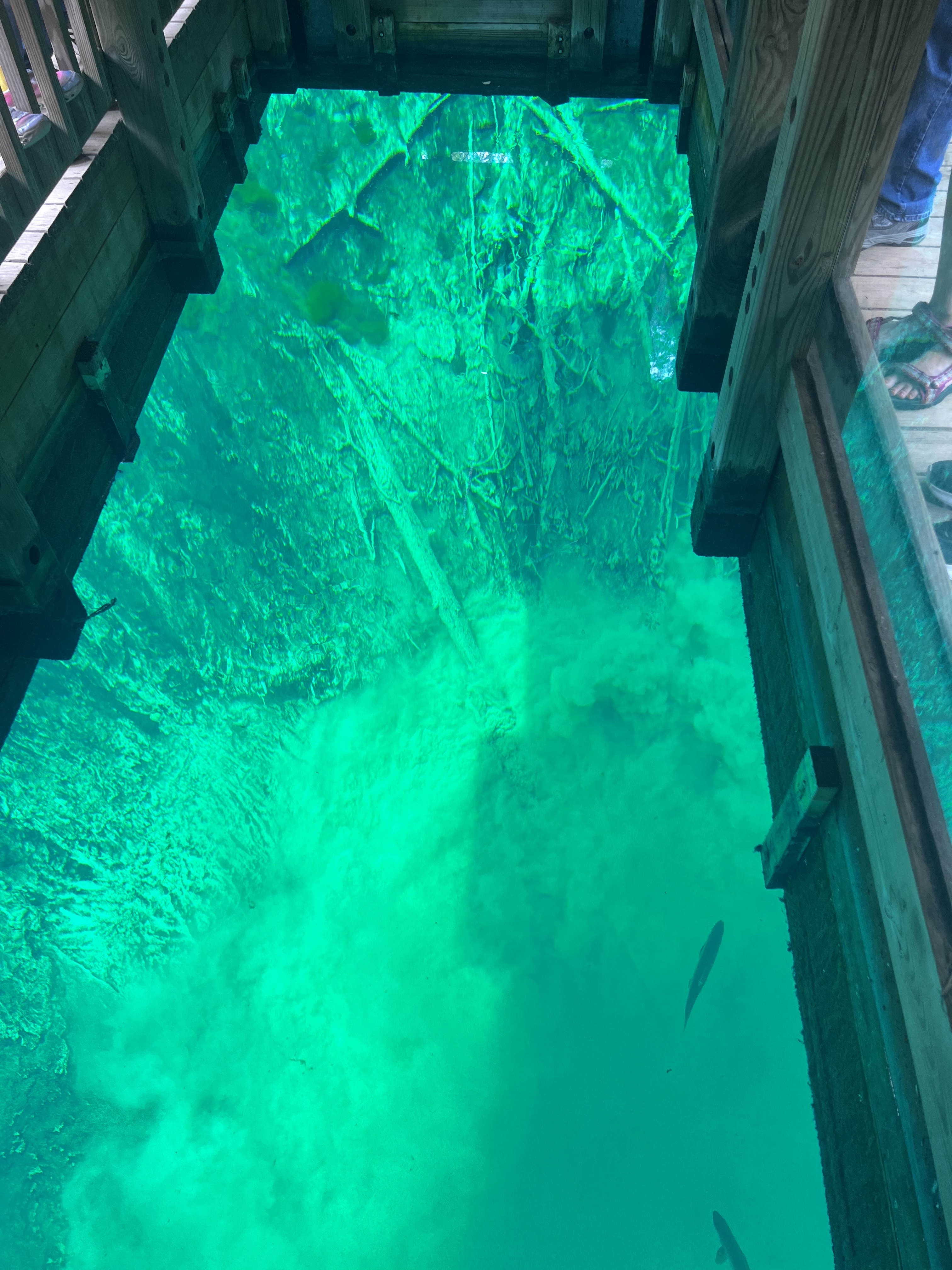
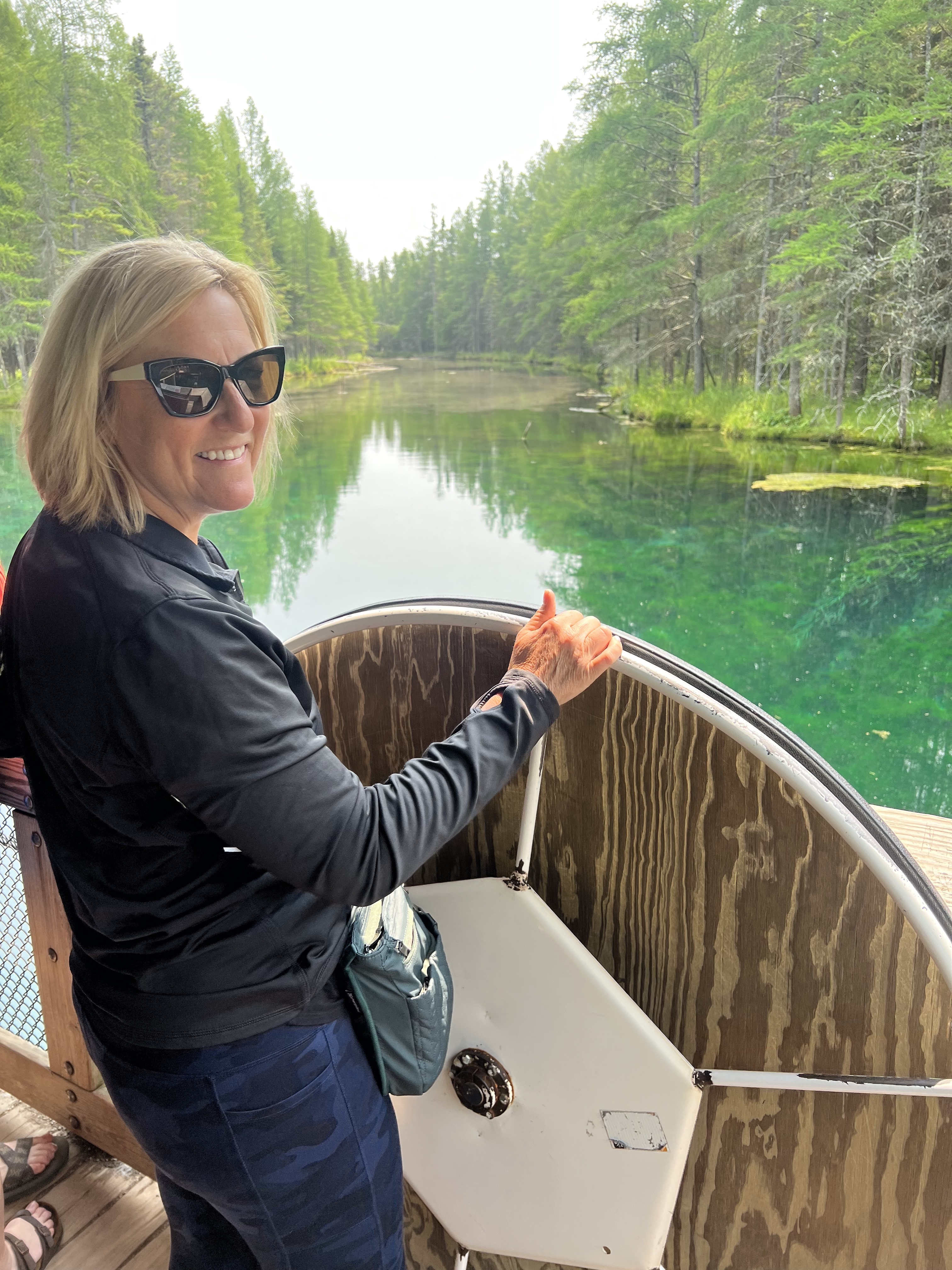
Our state park pass was also put to work with a quick stop at Kich-iti-kipi, Michigan’s largest natural spring. From fissures in the underlying limestone, 10,000 gallons of fresh water per minute seep out all year long. It’s cold water, so the best way to see it is in the self-operated observation raft that overlooks the underwater features. It was a quick stop but pretty cool.

The Great Lakes Shipwreck Museum, located at Whitefish Point, honors the over 550 ships that have been lost in the Great Lakes over the years. Known as “The Graveyard of the Great Lakes,” Lake Superior has taken more ships, most near Whitefish Point, than any other place in the Lakes. Wrecks were more common in the 1880s but there have been some notable wrecks in the 1900s too.
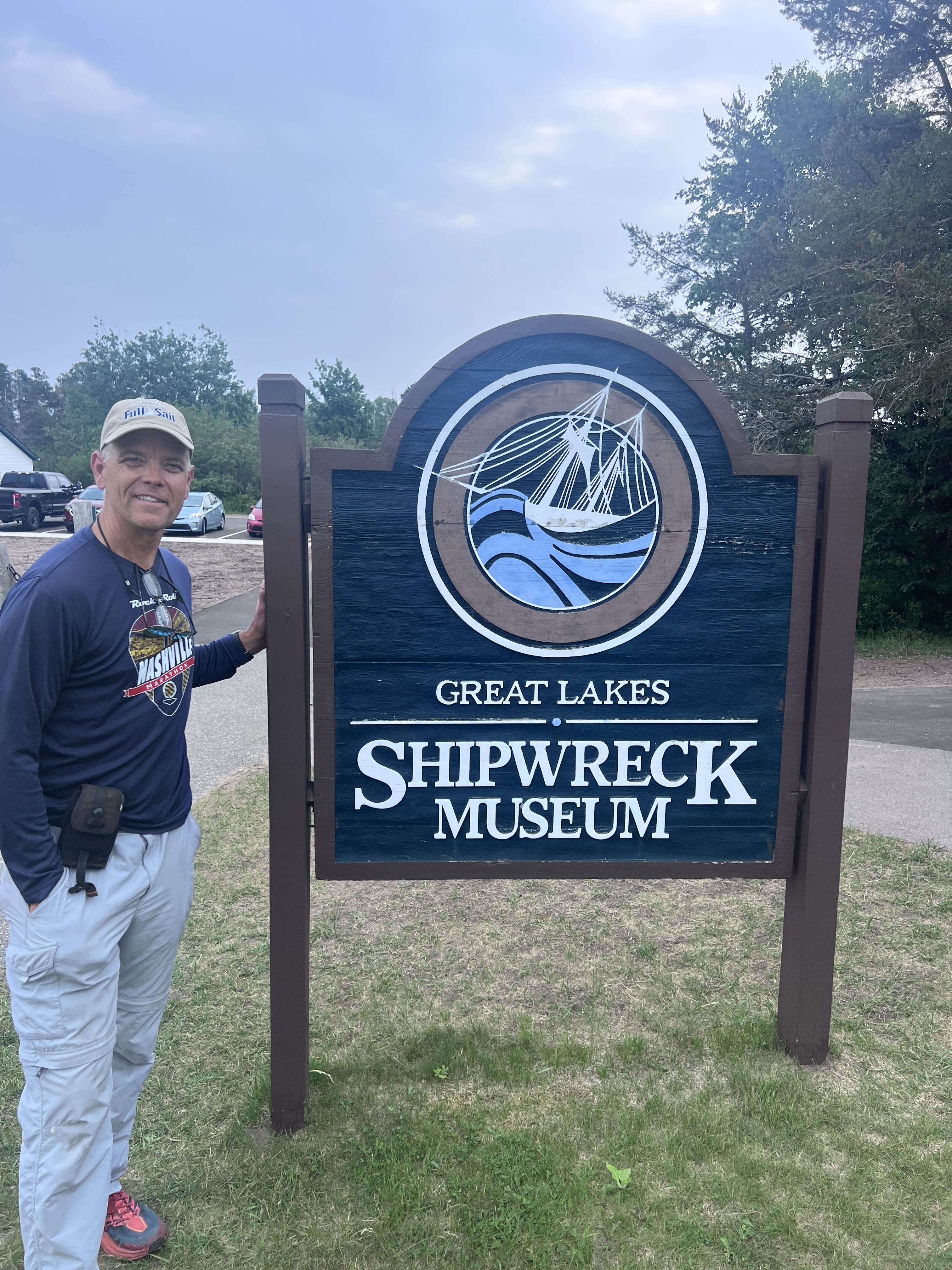
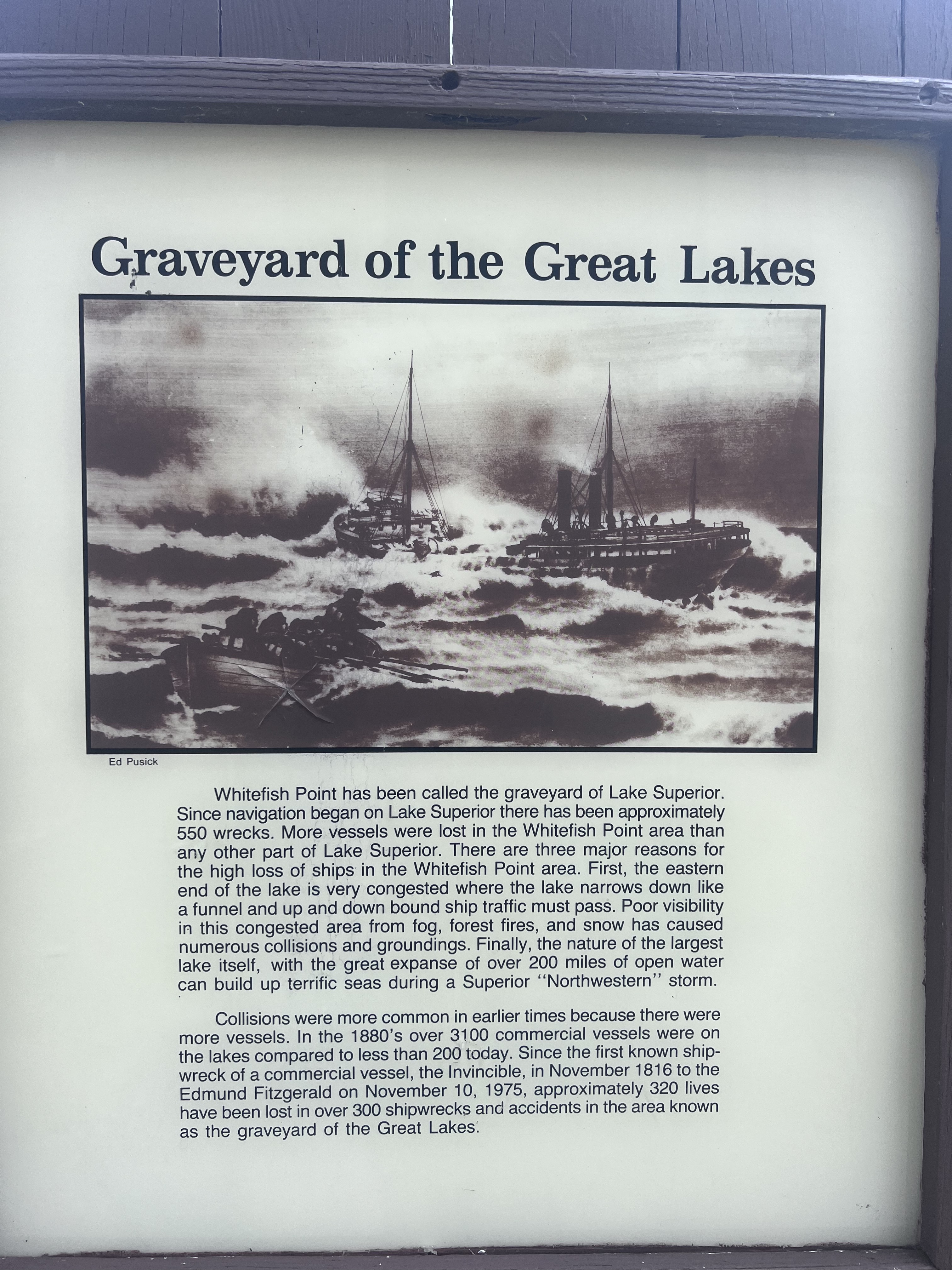
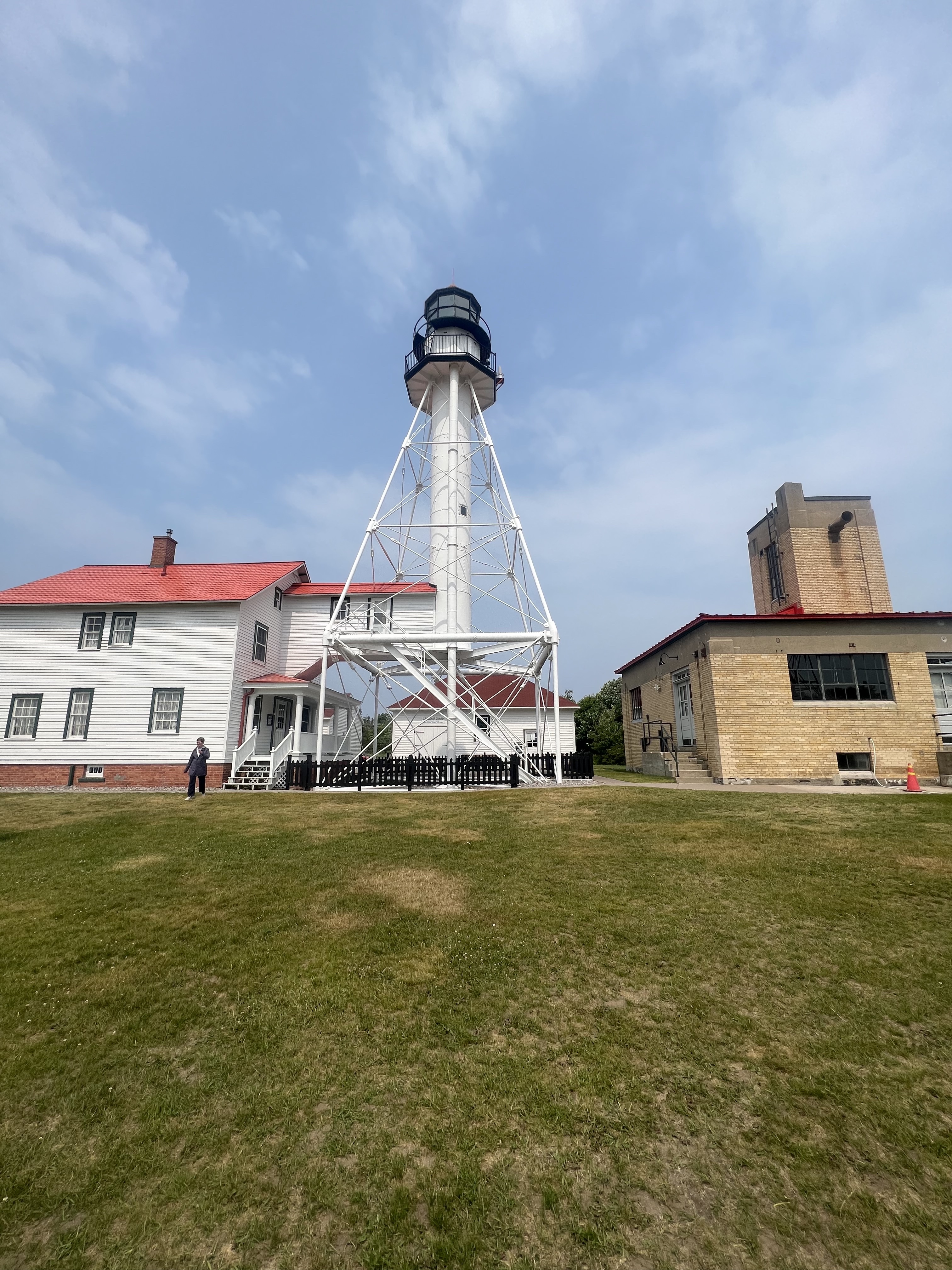
The Shipwreck Museum presents the stories of many of these wrecks and features a detailed exploration of the wreck of the Edmund Fitzgerald, which went down on November 10, 1972 and has been commemorated in the song by Gordon Lightfoot.


On our last day in the U.P. we took a rainy drive to Sault Saint Marie to check out the locks. We lucked out, timing our visit with the annual Engineer’s Day, which we were told is the city’s biggest day of the year. Numerous sites that are normally closed to the public were open for viewing, so we took advantage of as much as we had time for.
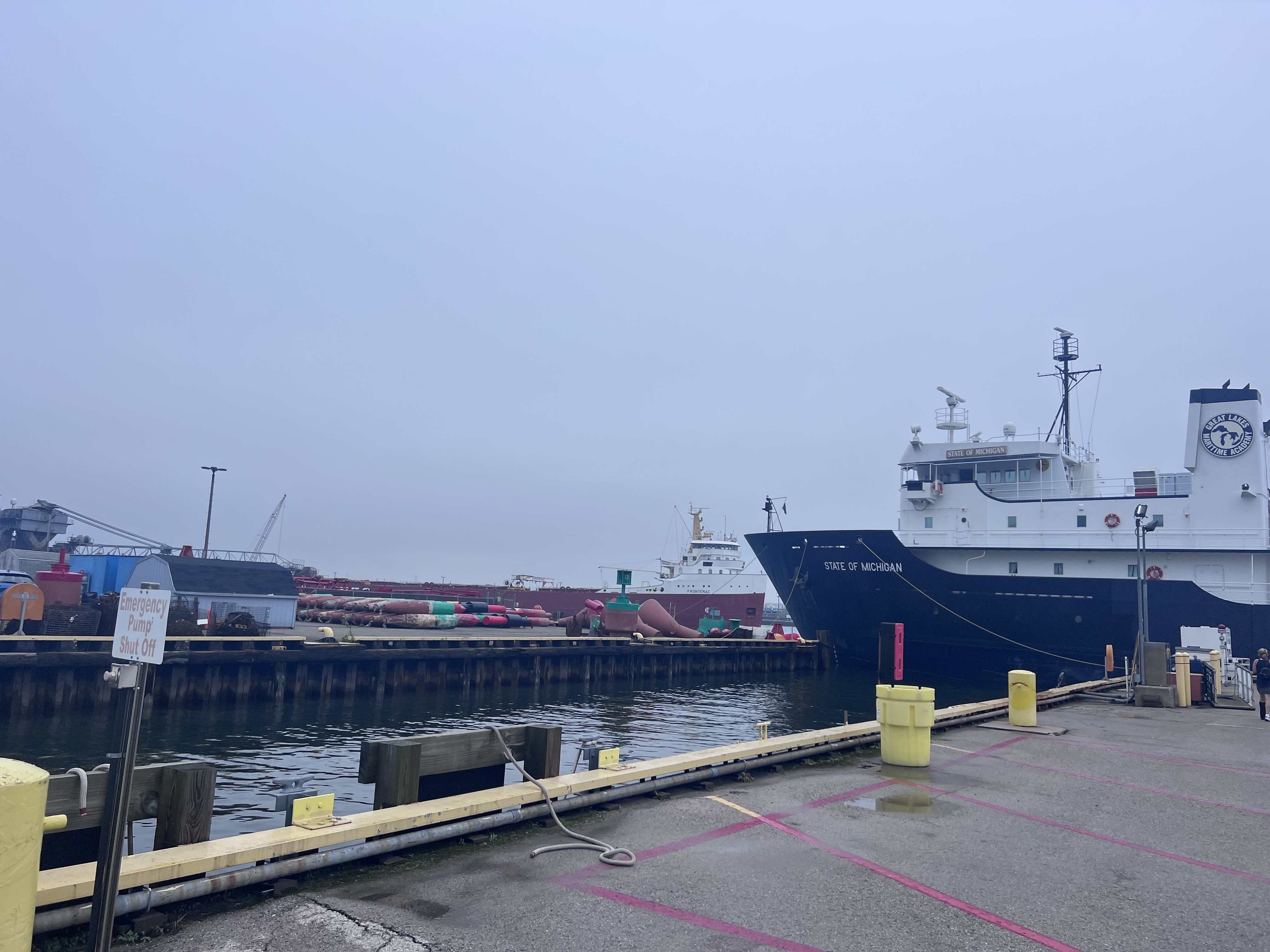

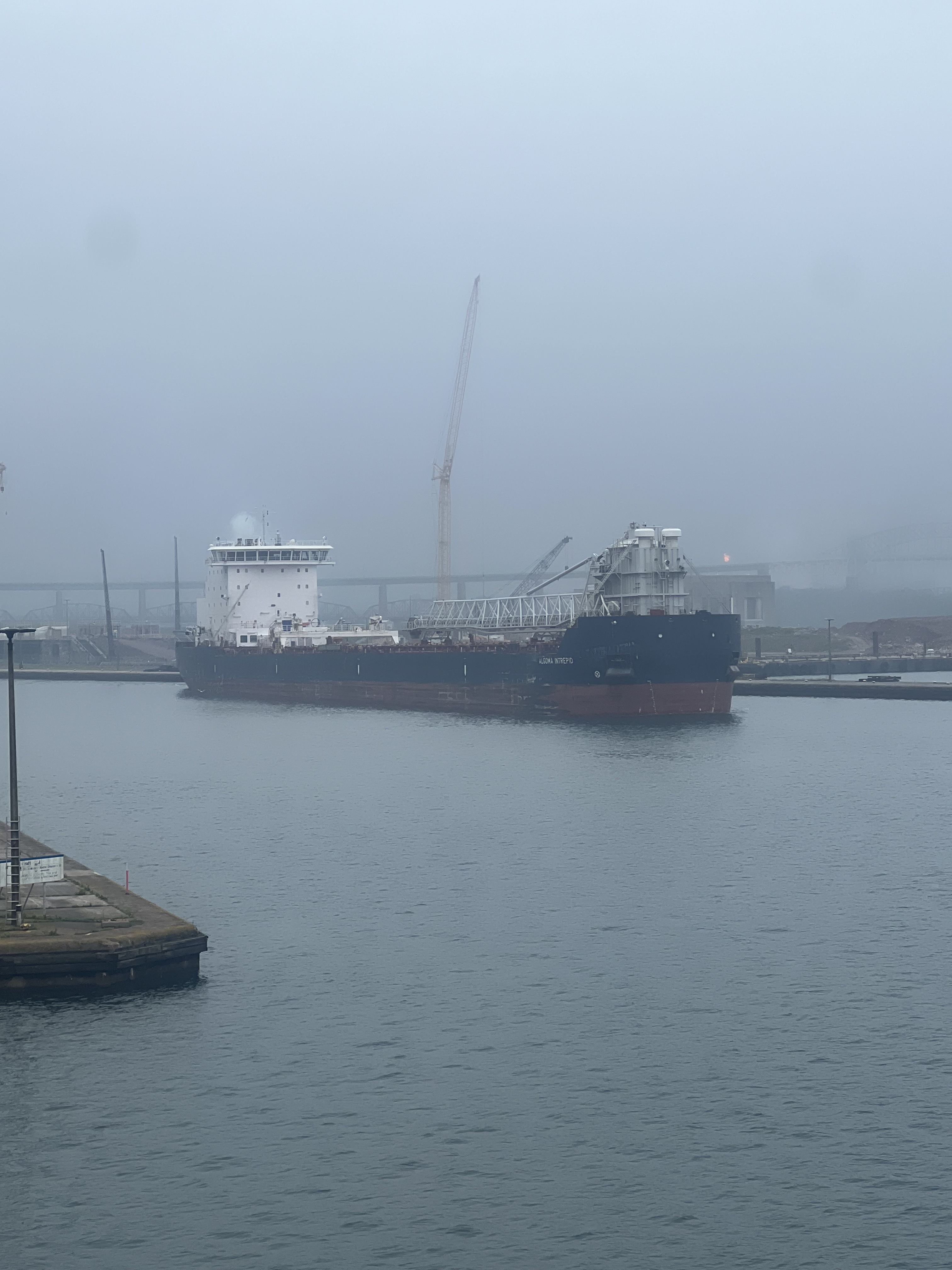
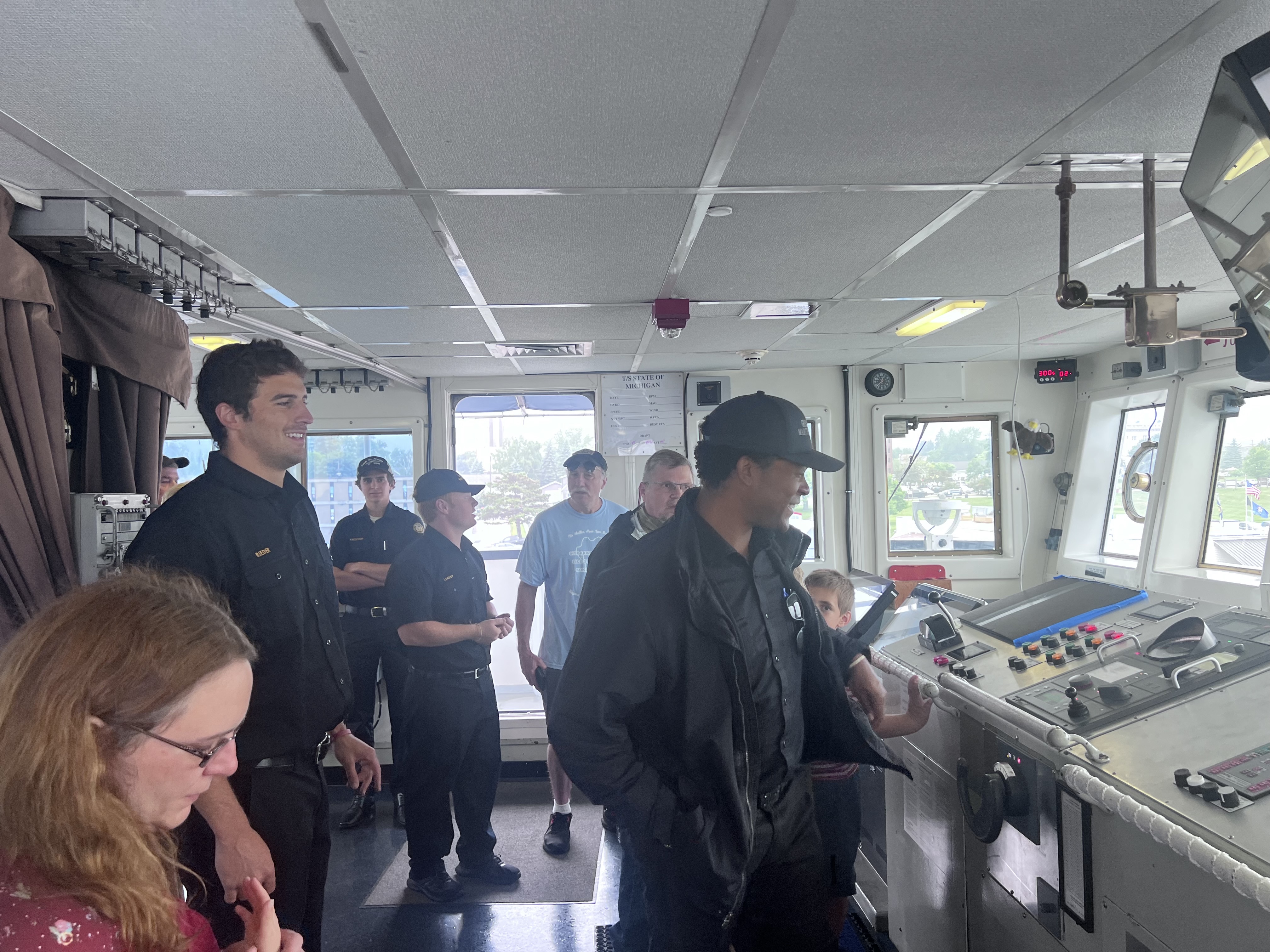
Most notably, we were able to enter the grounds of the U.S. Coast Guard station and tour their equipment and lifesaving boats. One boat was a training boat for merchant marines and the cadets gave us a tour. Seeing the ships from the inside out and meeting sailors was a surprise we didn’t expect when we headed out that rainy morning.
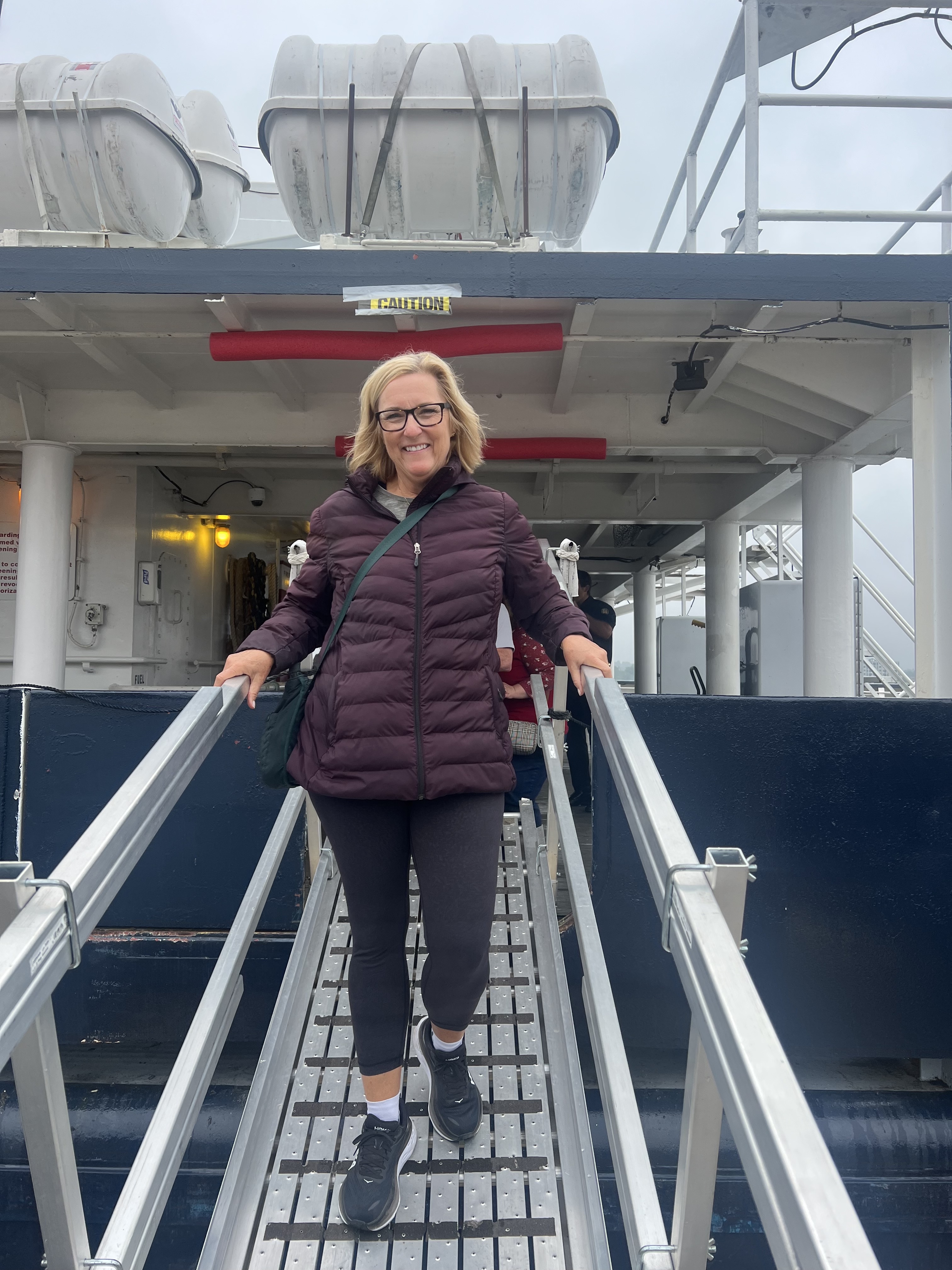
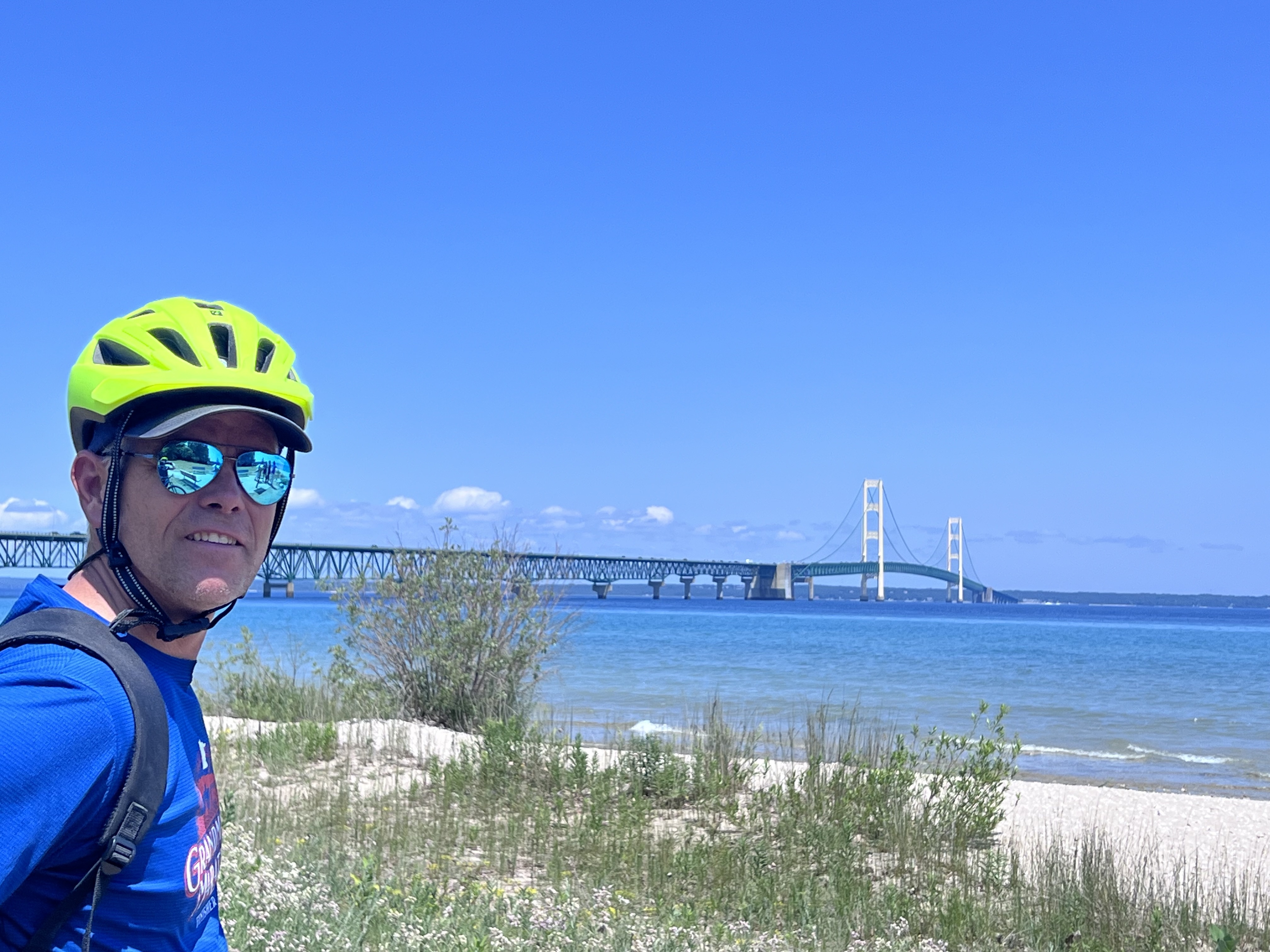
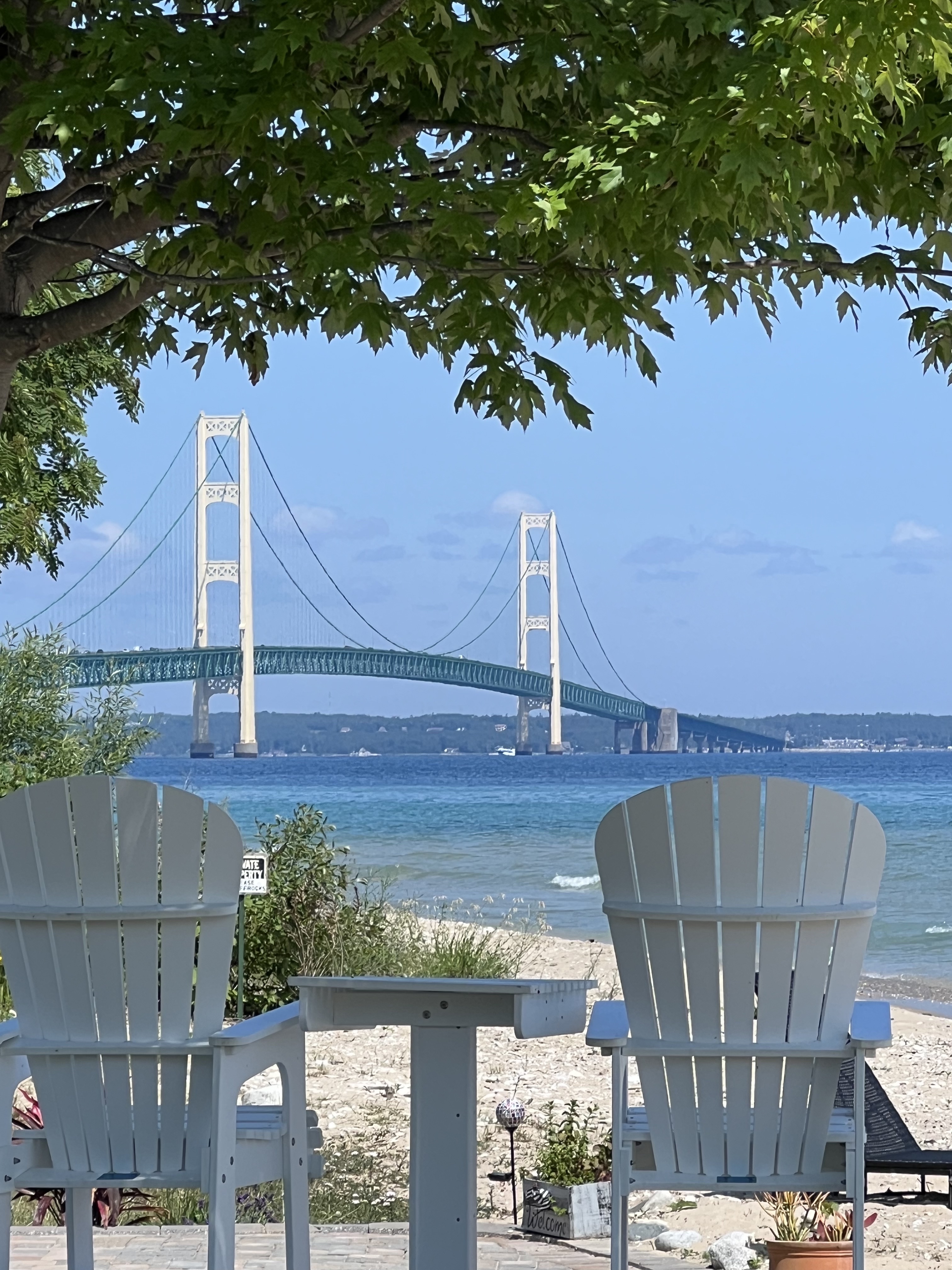
We were sorry to leave the beautiful U.P. but were welcomed to lower peninsula by the Mighty Mac. The Mackinaw Bridge is the fifth largest suspension bridge in the world and the longest in the western hemisphere. It crosses the Straits of Mackinac where Lake Michigan merges with Lake Huron. If your goal is to see the highlights of the USA, the Mighty Mac should be on that list.
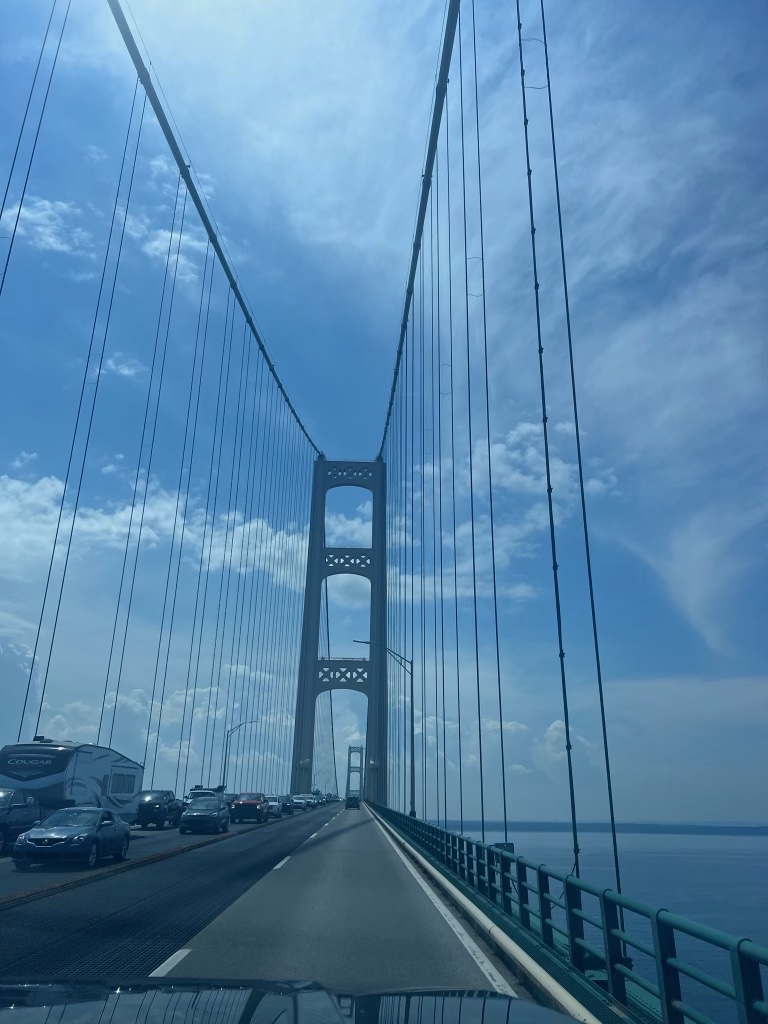
Once we crossed the bridge we settled into our campground in Mackinaw City and used our bikes to explore the area at the base of the bridge. Mostly a tourist town, Mackinaw City offers all the amenities we needed: bike trails, cute shops, and a pretty waterfront.
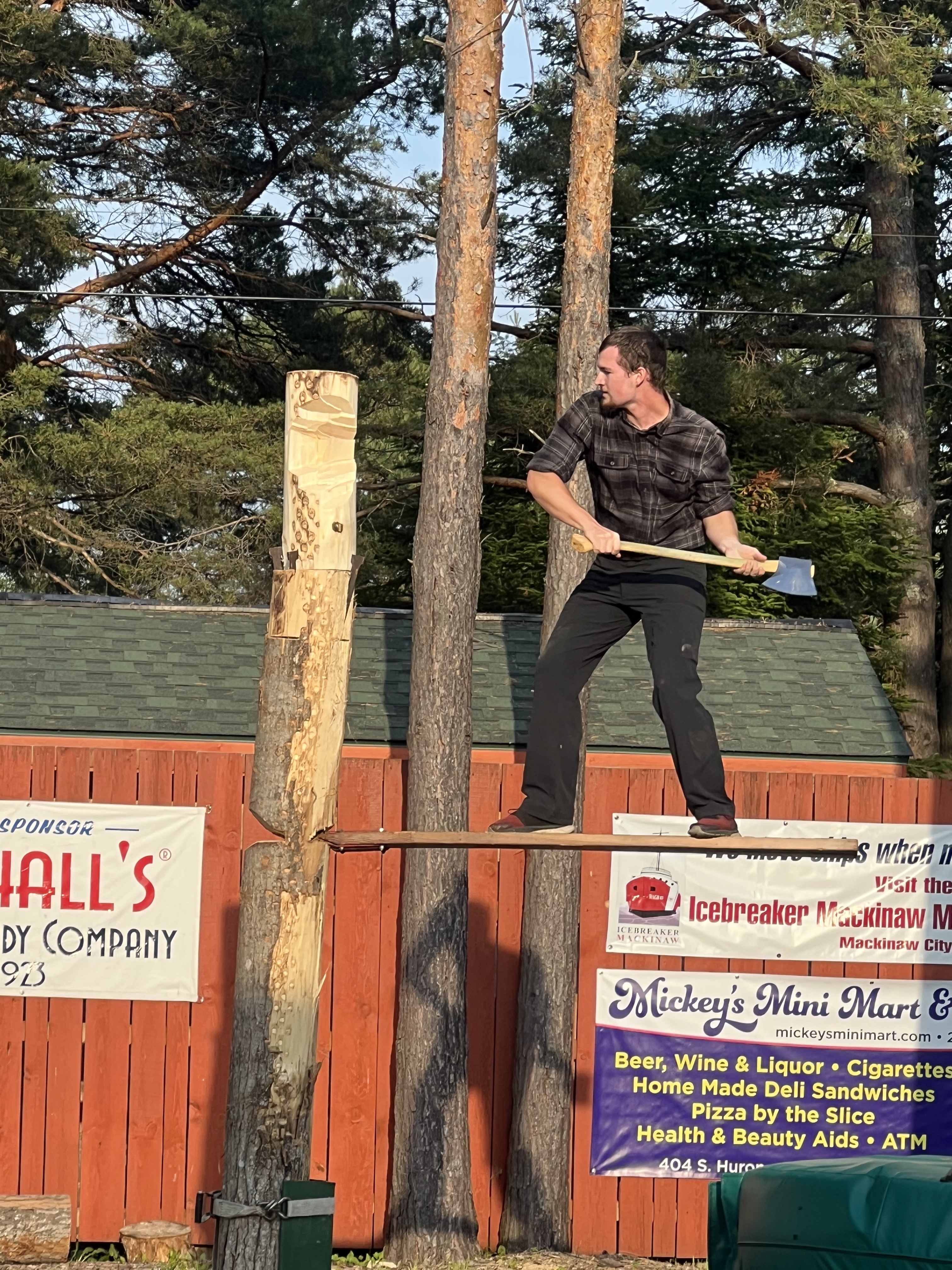
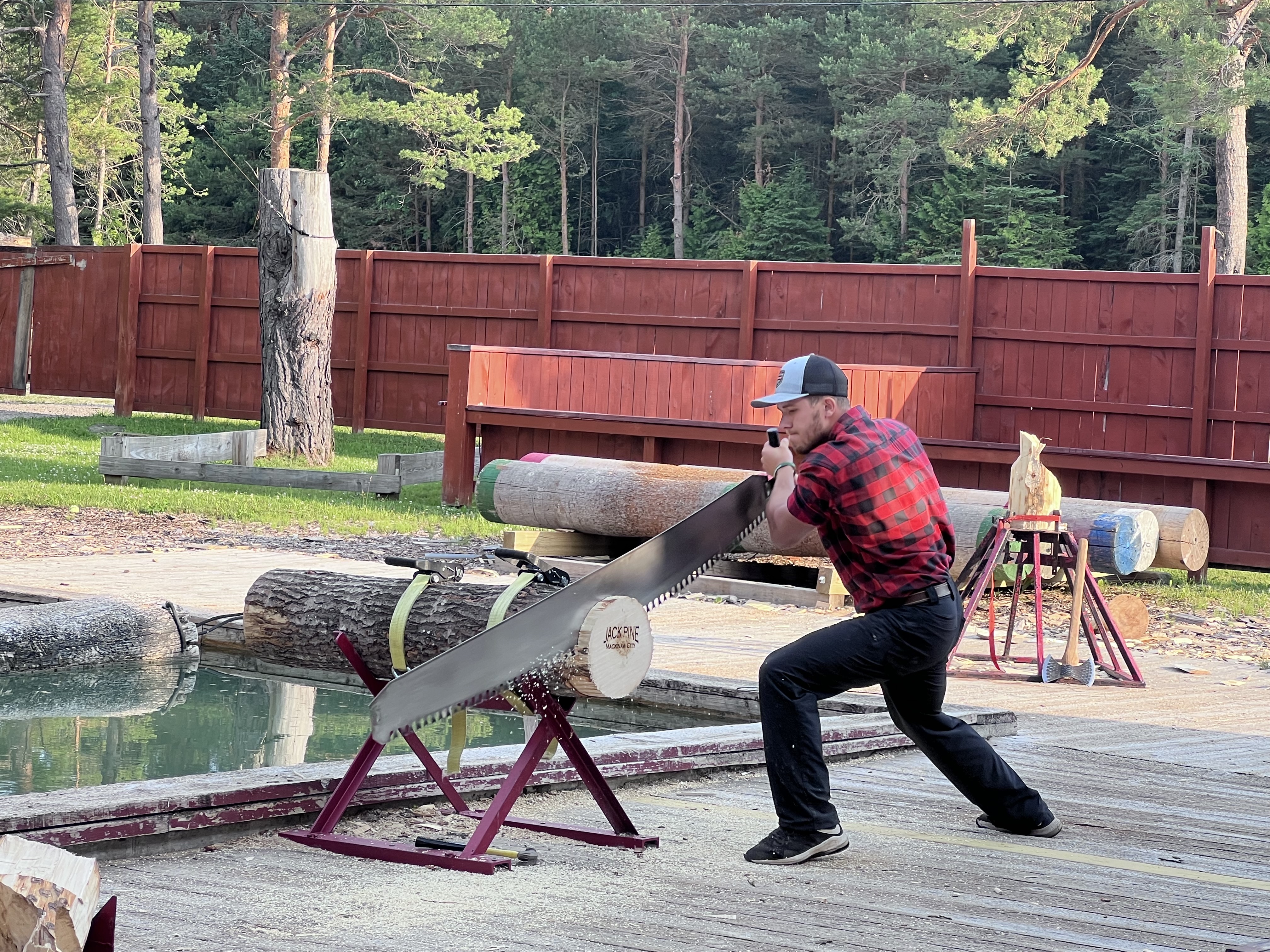
One of the tourist attractions in the area is the Jack Pine Lumberjack Show. We enjoyed watching two professional lumberjacks compete in a variety of events involving axes and logs. Super fun evening!


One day we went back across the bridge to explore St. Ignace, the northern anchor town for the bridge. It has a cute marina, a few tourist shops, and a weird attraction called Castle Rock. We fell for it, paid the $1 each, and climbed up the rock for a great view of the surrounding area.


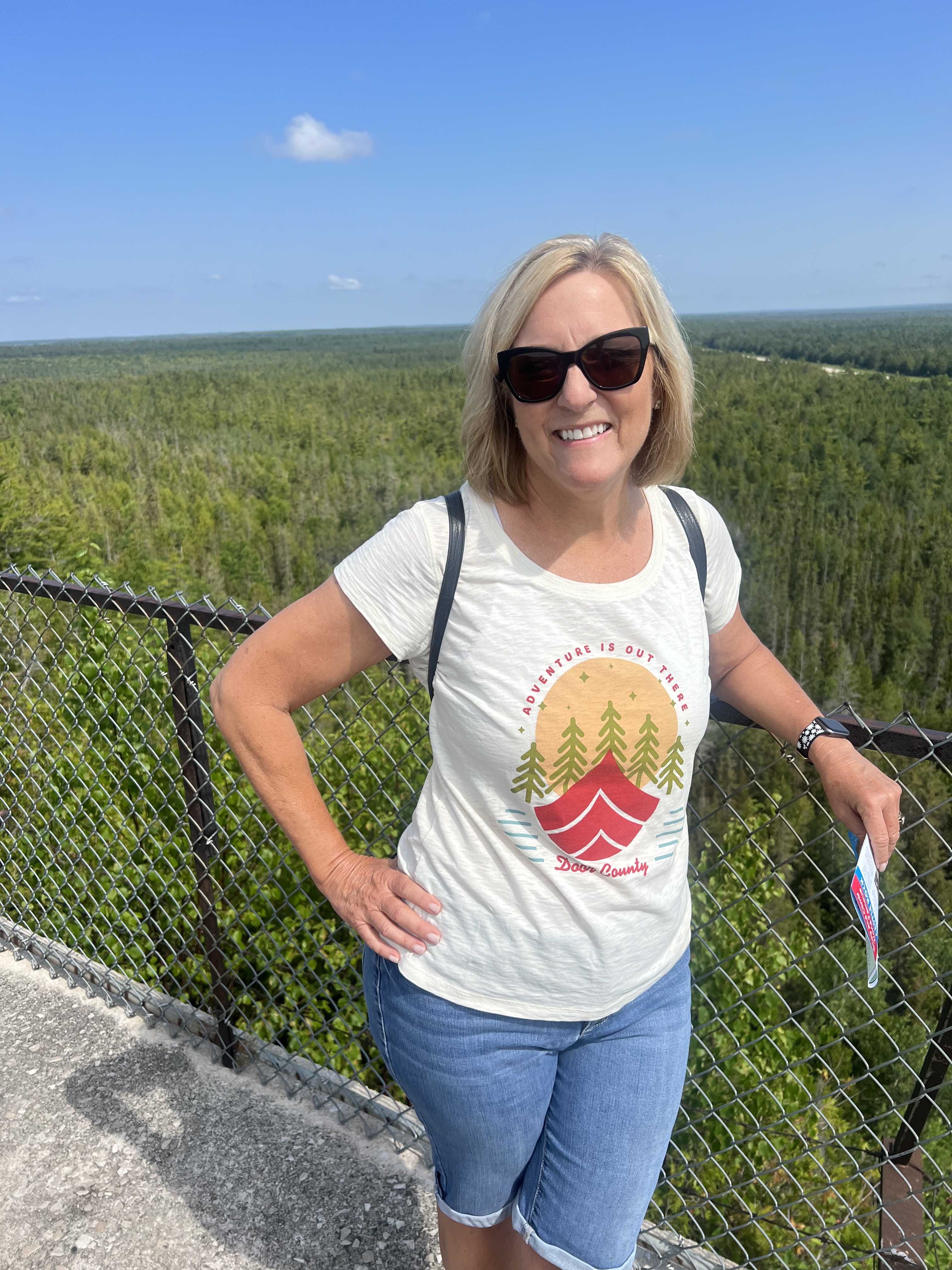

We couldn’t miss a day trip to the legendary Mackinac Island. We took our bikes with us on the ferry and spent most of the day riding around and through the historic place. The island has served as home to the Great Lakes American Indians, to French missionaries, to British soldiers, and to fur traders and commercial fishermen.
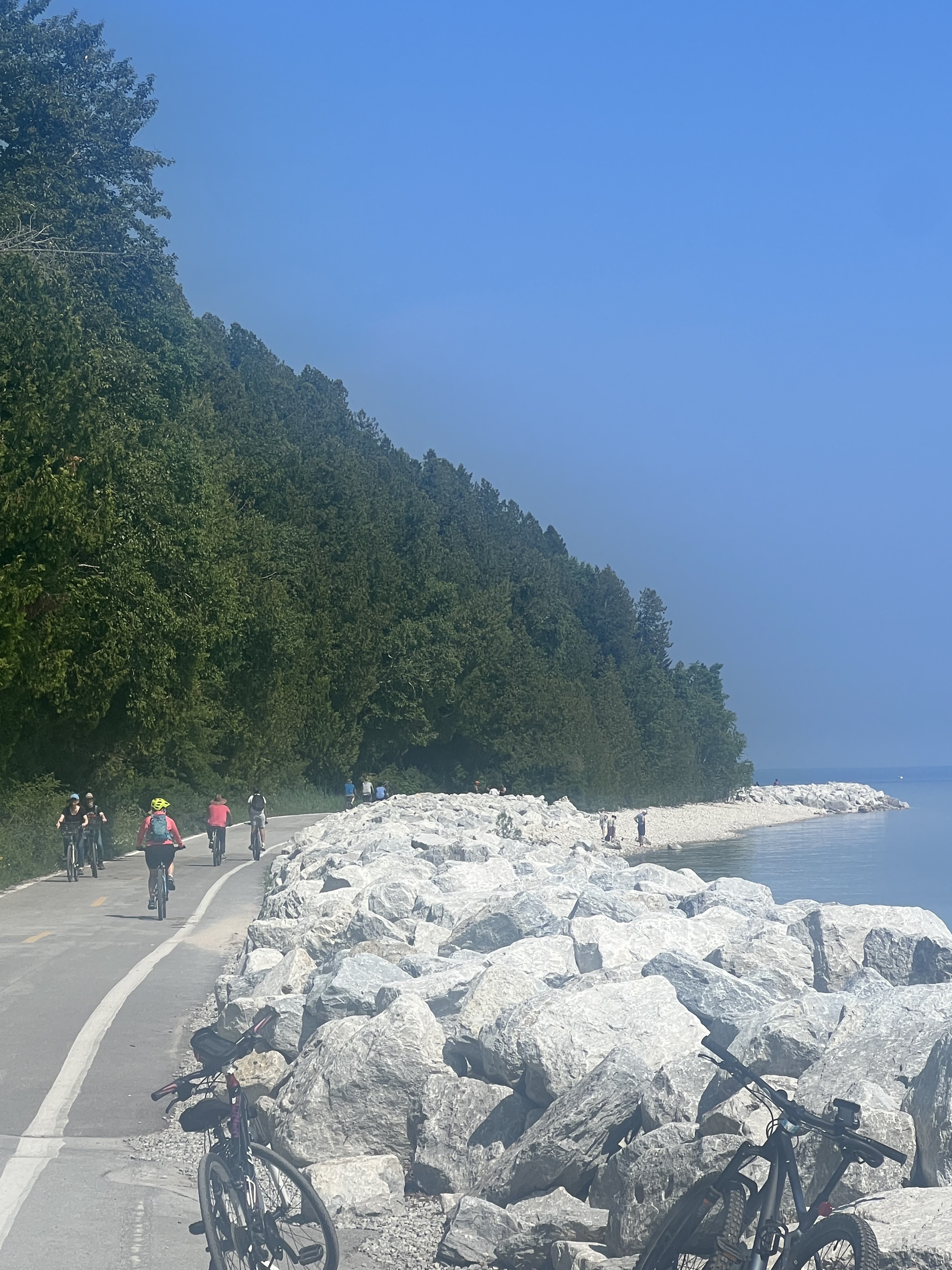


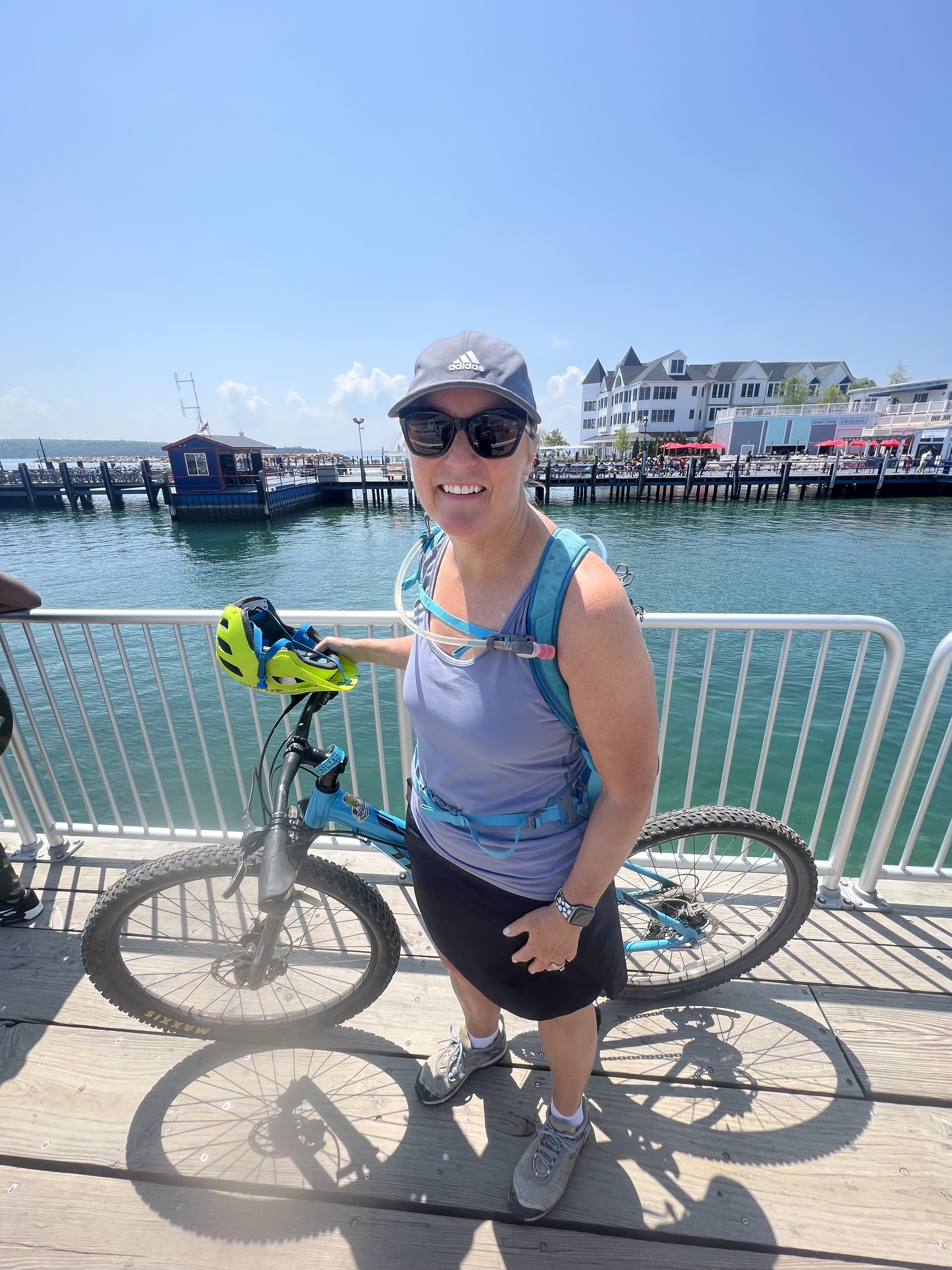

Since the 1880s it’s been a car-free, fashionable summer resort and home to some of the world’s best fudge. We tasted fudge at five of the 12 fudge shops on the island. The Grand Hotel was built in 1887 and has been the center of the island’s resort scene ever since. Next time we visit this will be my lodging!


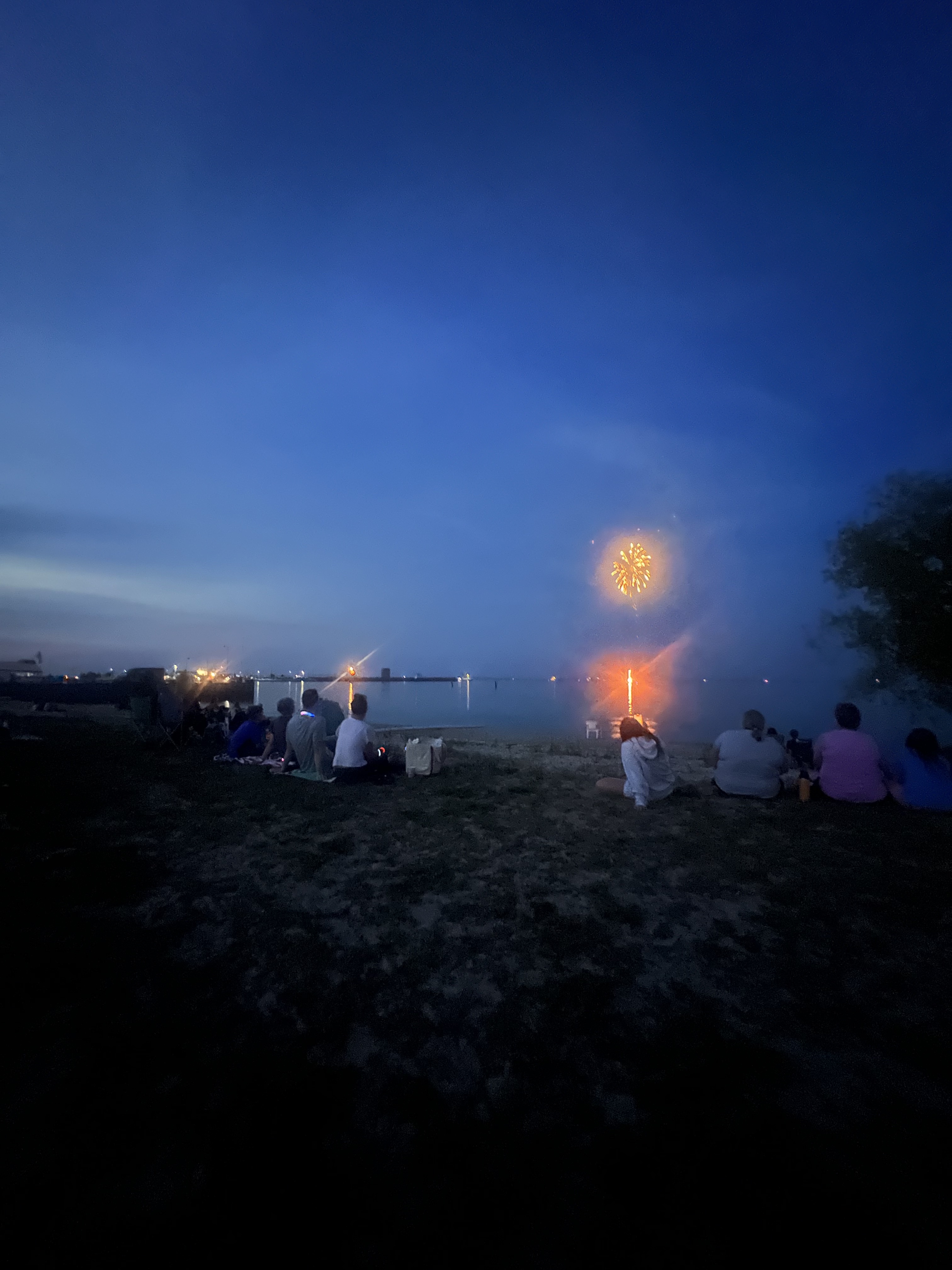
While we only spent one day on the island, we spent a week in the area, including the fourth of July. It was a festive, fun place to spend the holiday with a strawberry shortcake social in the park and fireworks over Lake Huron.
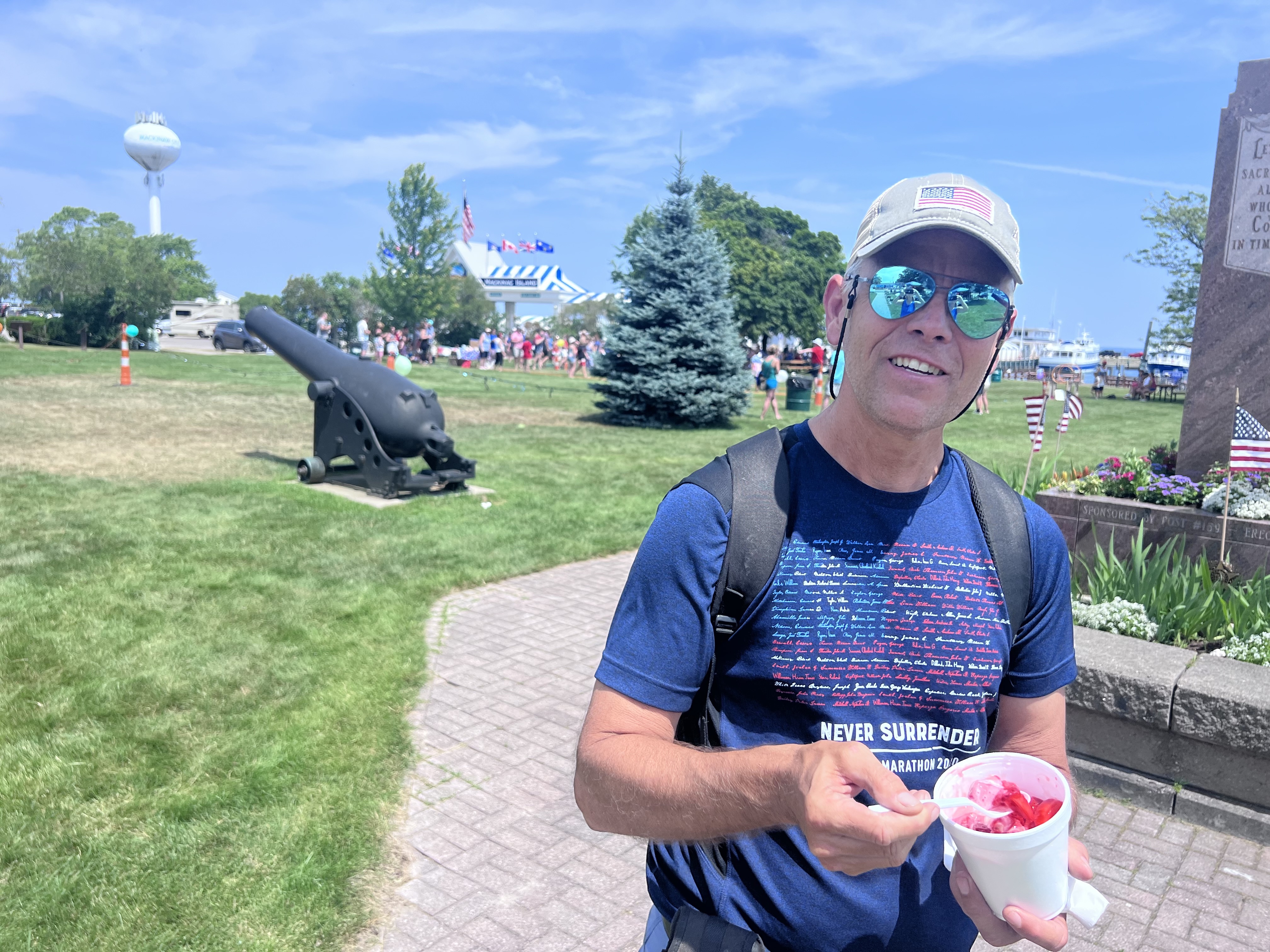

The weather here has been perfect with daily highs near 75 degrees. We almost feel guilty and certainly feel sorry for our friends and family back in Arizona who are enduring weeks of 110 degree plus temperatures.
Now we head south a little bit, but plan to continue to enjoy a quintessential Michigan summer. We’ll have more to report soon.






 Marnie and Steve Travel