Crater Lake was formed over 7,500 years ago when a large eruption caused Mount Mazama to collapse and then fill with rain and snowmelt. This was our 20th National Park visit.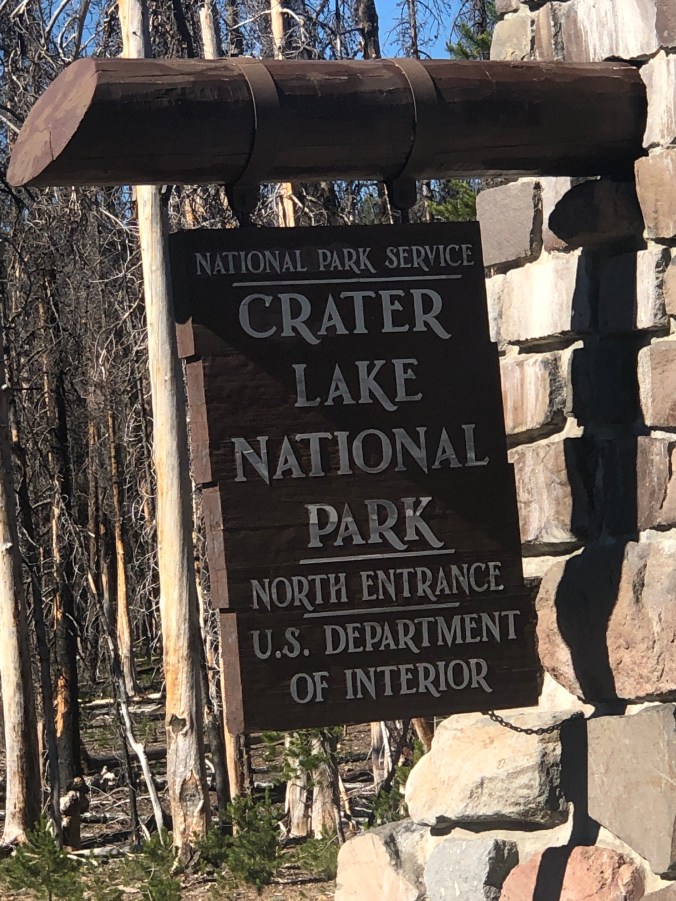 We took a day to explore the highlights of Crater Lake National Park and probably could have spent more time if the Visitors Centers and other amenities had not been closed due to COVID-19. The nice thing about visiting at this time is that the crowds are thin and it’s easy to get in and out of what would otherwise be crowded attractions. At some times we were the only people at the lookouts.
 We entered the park from the north where we are staying for a few days. The Lake Lemolo/Crater Lake North KOA has been a great base from which to explore the area. We are about 13 miles north of the National Park and right on the shores of a nice little reservoir in the middle of the Cascades.
 To explore the National Park we followed the advice of Michael Joseph Oswald who wrote the book Your Guide to the National Parks and drove the Crater Lake Rim Road in a clockwise direction. This gave us the opportunity to easily pull off to the right to see many views of the beautiful lake.


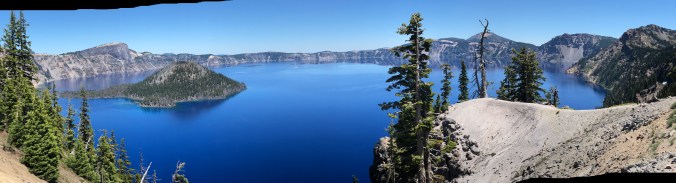
Crater Lake is America’s deepest lake at 1,943 feet. At one point the mountain that created it stood at over 12,000 feet, but it collapsed after a major eruption and created the crater that became the lake. And, yes, in mid-July there is still a bit of snow along the rim.


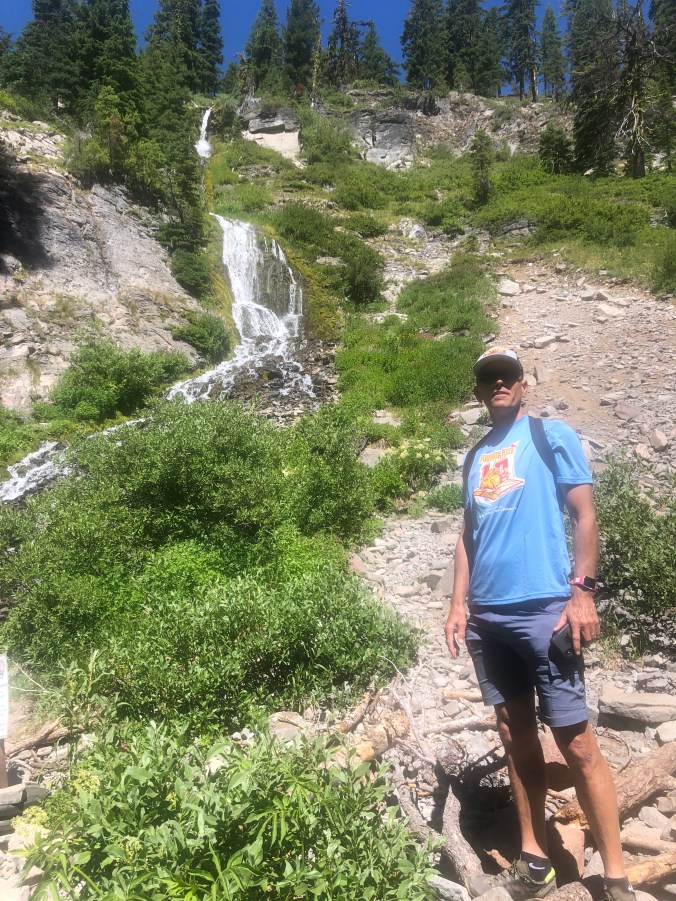
Why is it so blue? It’s not because of its depth or mineral content. Instead, it’s because blue wavelengths are reflected back instead of being absorbed by the depths of the lake. Sunlight is able to penetrate deeply into the water and the lake’s magnificent, intense blues are due to its great depth and clarity. We drove the 33 mile rim trail and stopped at all the highlights. There are waterfalls, overlooks and sweeping views.
  One side road took us to the Pinnacles, unique formations of pumice spires, created by erosion along a steep-sided canyon. Some of the cones are especially tall, tapering to a sharp point. Super cool.
  We also did a short hike, the Castle Crest Wildflower Trail, which featured the annual display of wildflowers that inhabit the area. It was only a half-mile trail, which was fine with us injured travelers.


We are picnic-lunching every day and it’s really fun to pack our food (Lentil Ceviche on the menu today) and find the perfect place to dine. Today we found a spot right on the rim where we set out our ground cover and enjoyed the views. Steve decided it was also a good place for a photo shoot.


There’s a lot more to explore at Crater Lake had we been up to hiking and/or biking at our usual pace. Considering Steve’s broken collarbone and my ailing foot, we took it easy and appreciated the views. We did spend a little time on the trails around the campground.


Steve is back to hiking and running slowly and I’m back on the bike a bit. Nothing crazy, but we are itching to get back to normal.


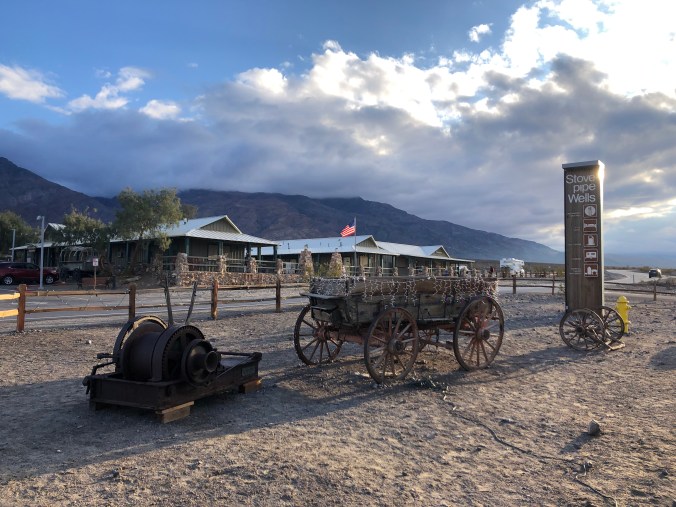 It didn’t really matter though since the power was out half the time we were there. Thank goodness for propane and batteries.
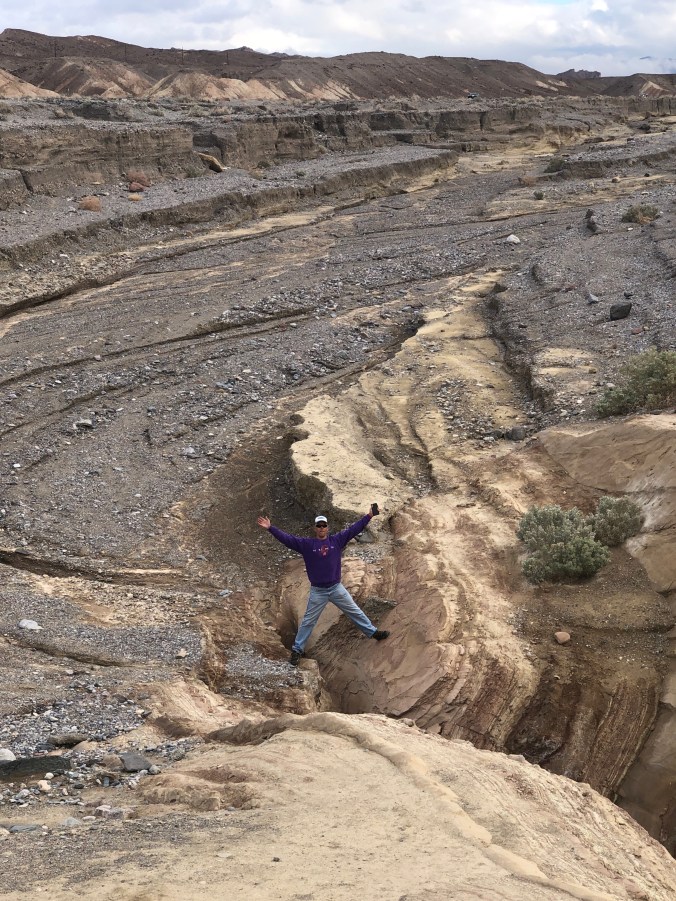
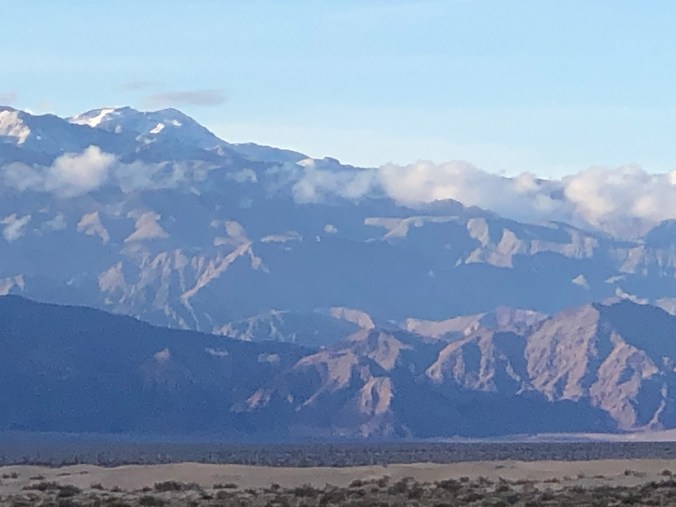
 The surrounding salt flats made for some incredible photos.
 From there we hit Devil’s Golf Course, where it was once said, “even the devil wouldn’t golf here,” because the hardened salt field is so rough and sharp. Even Mia checked it out.


 From there we checked out the Harmony Borax Works exhibit which is set in the ruins of Death Valley’s first successful borax mine.
 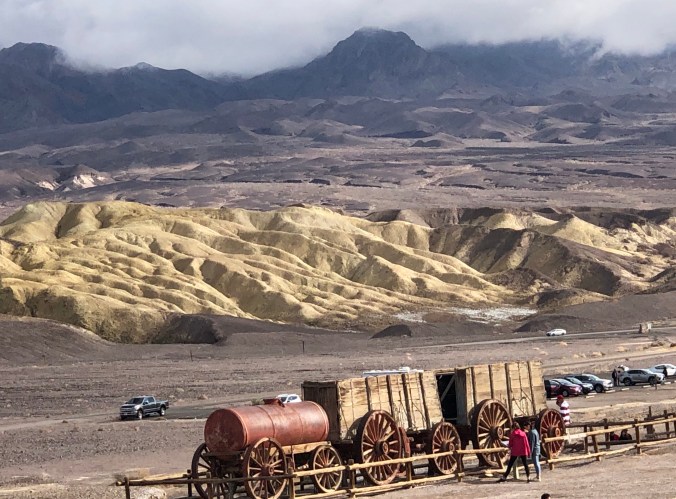 Twenty Mule Team Canyon is a short but thrilling drive on a narrow one-way road through striking badlands.

 On the way back down to sea level we stopped at the iconic Zabriske Point for another view of the landscape.



 Marnie and Steve Travel