We’ve been on Alaska’s Kenai Peninsula for almost two weeks, so there’s a lot of catching up to do.
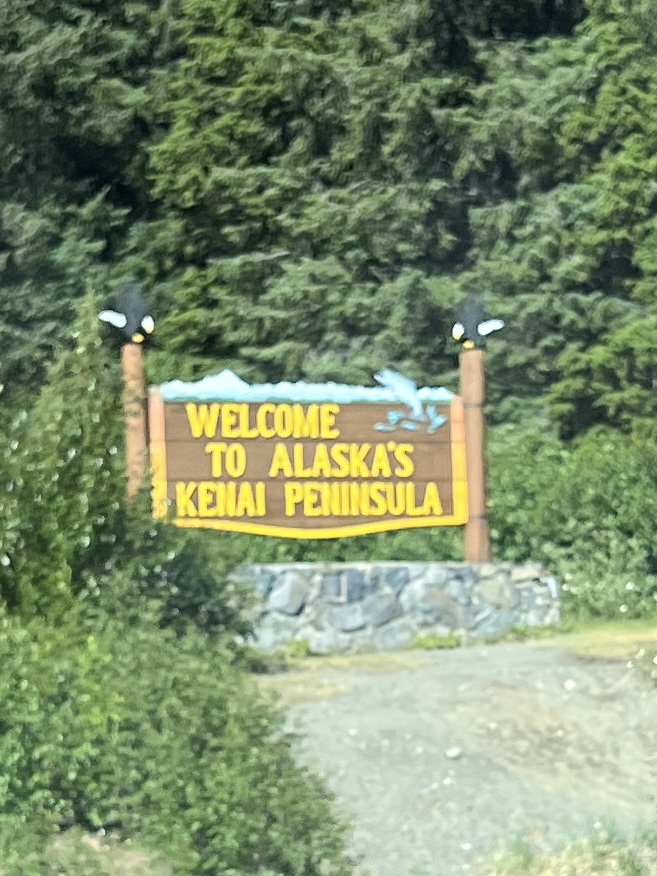
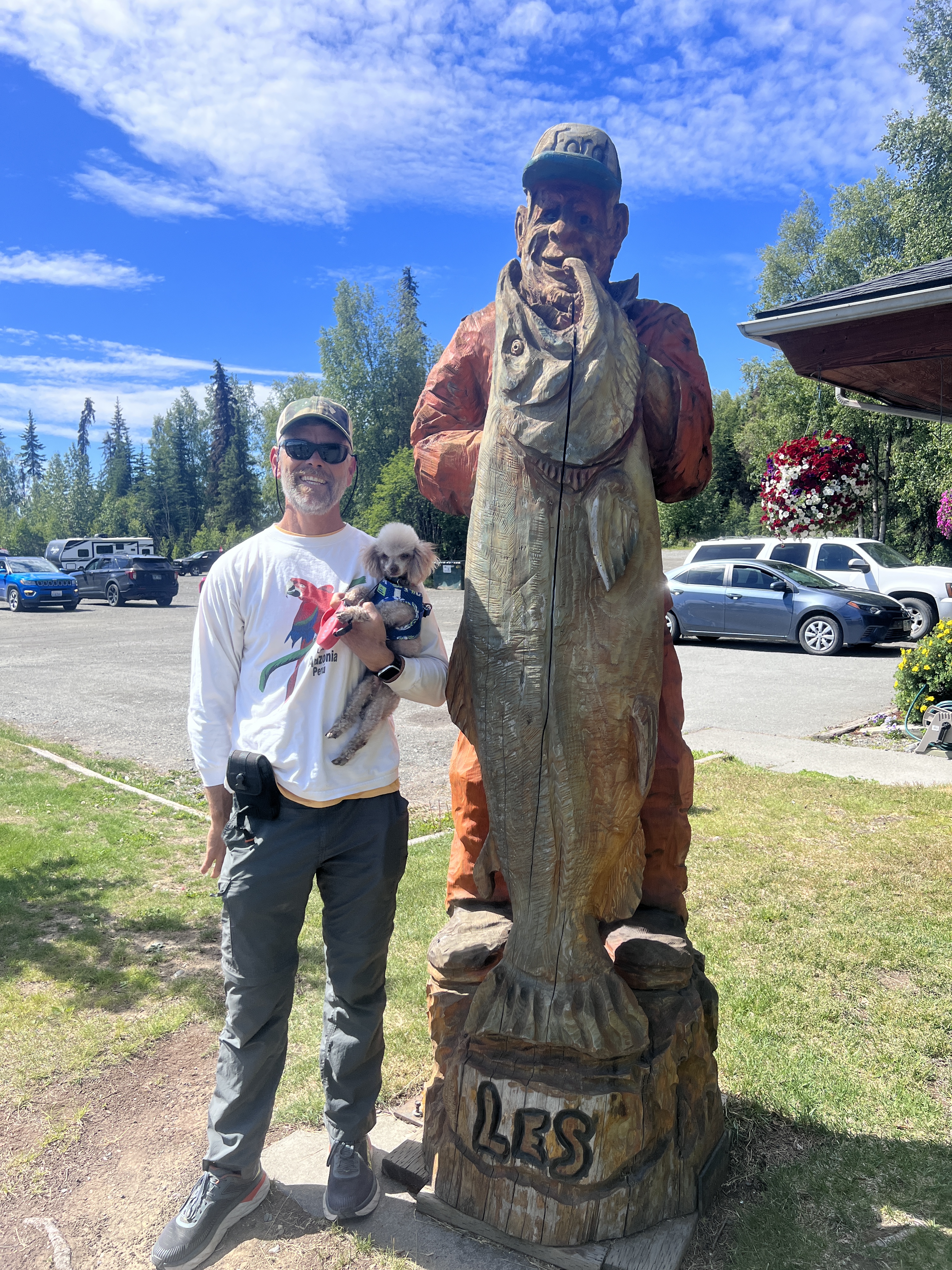
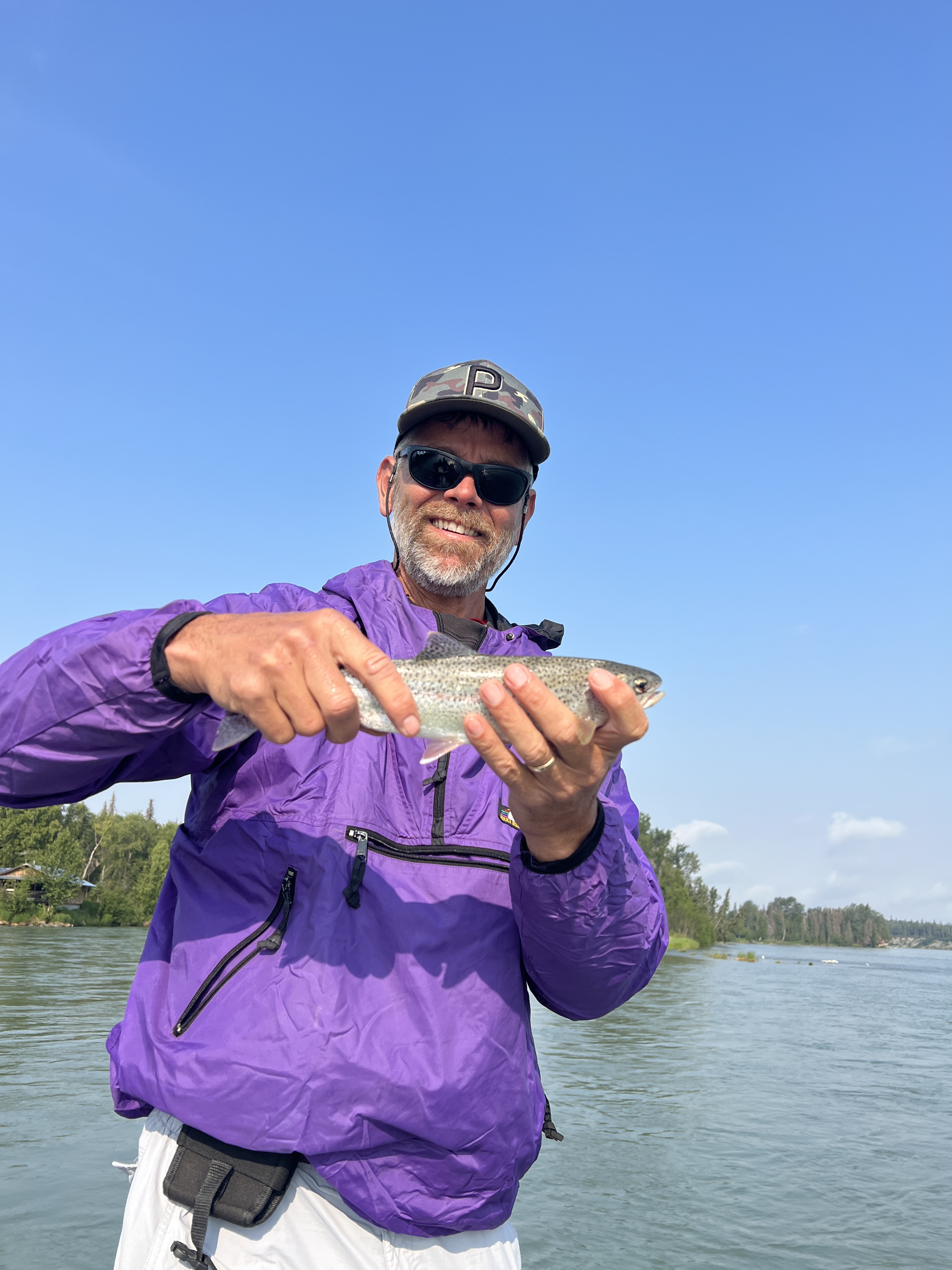
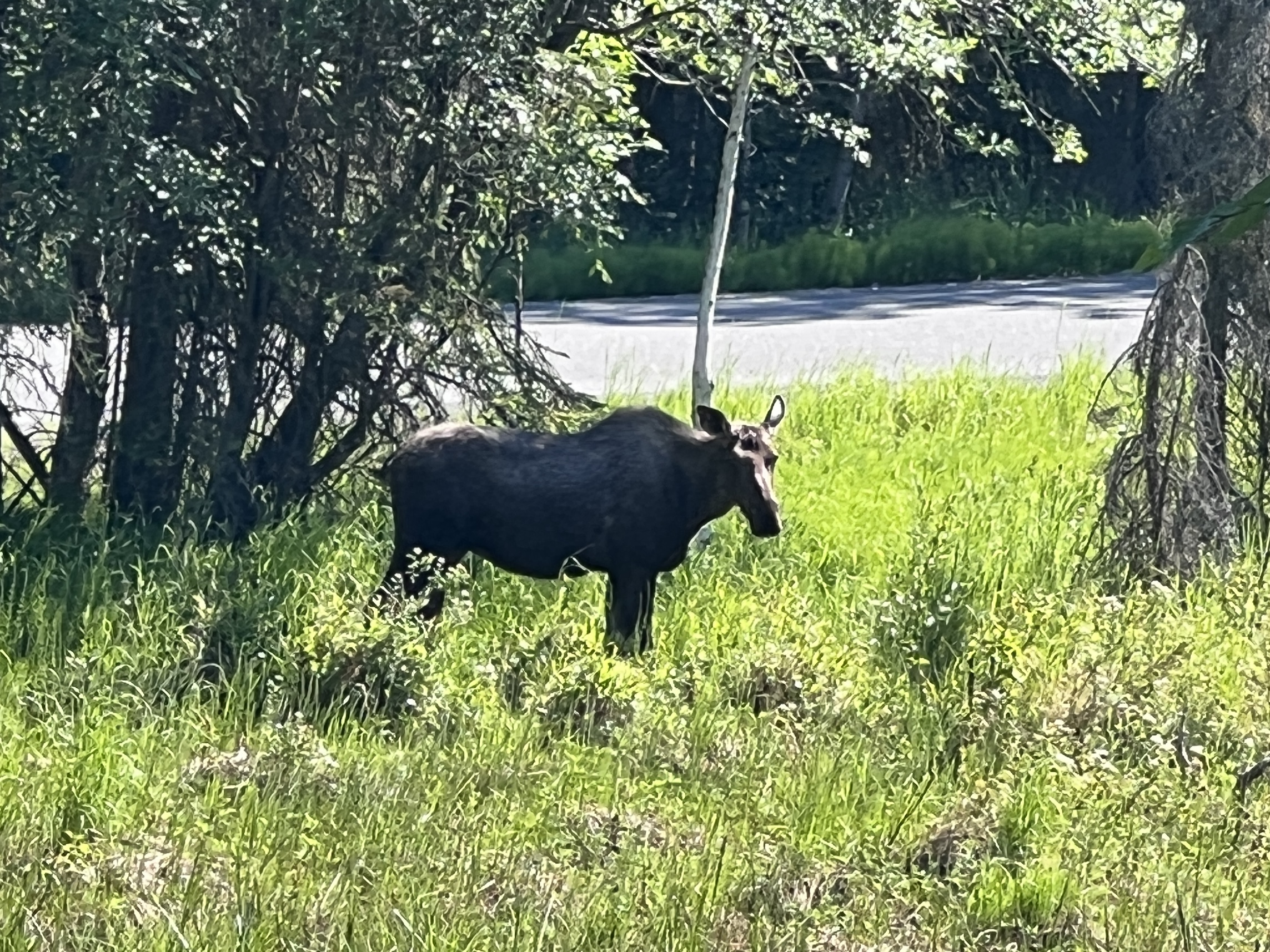
We began our exploration of the peninsula in Soldotna. Based at the Klondike RV Park, we could walk to the famed Kenai River. We had a week in this area, and the guys spent two days fishing with a guide. First they went out on the Kasilof River and then out on the Kenai. Unfortunately, the salmon run is late and light this year, and the guys were shut out (except for a too-small trout and a great moose sighting). We’re hoping the fishing improves as the summer moves along.

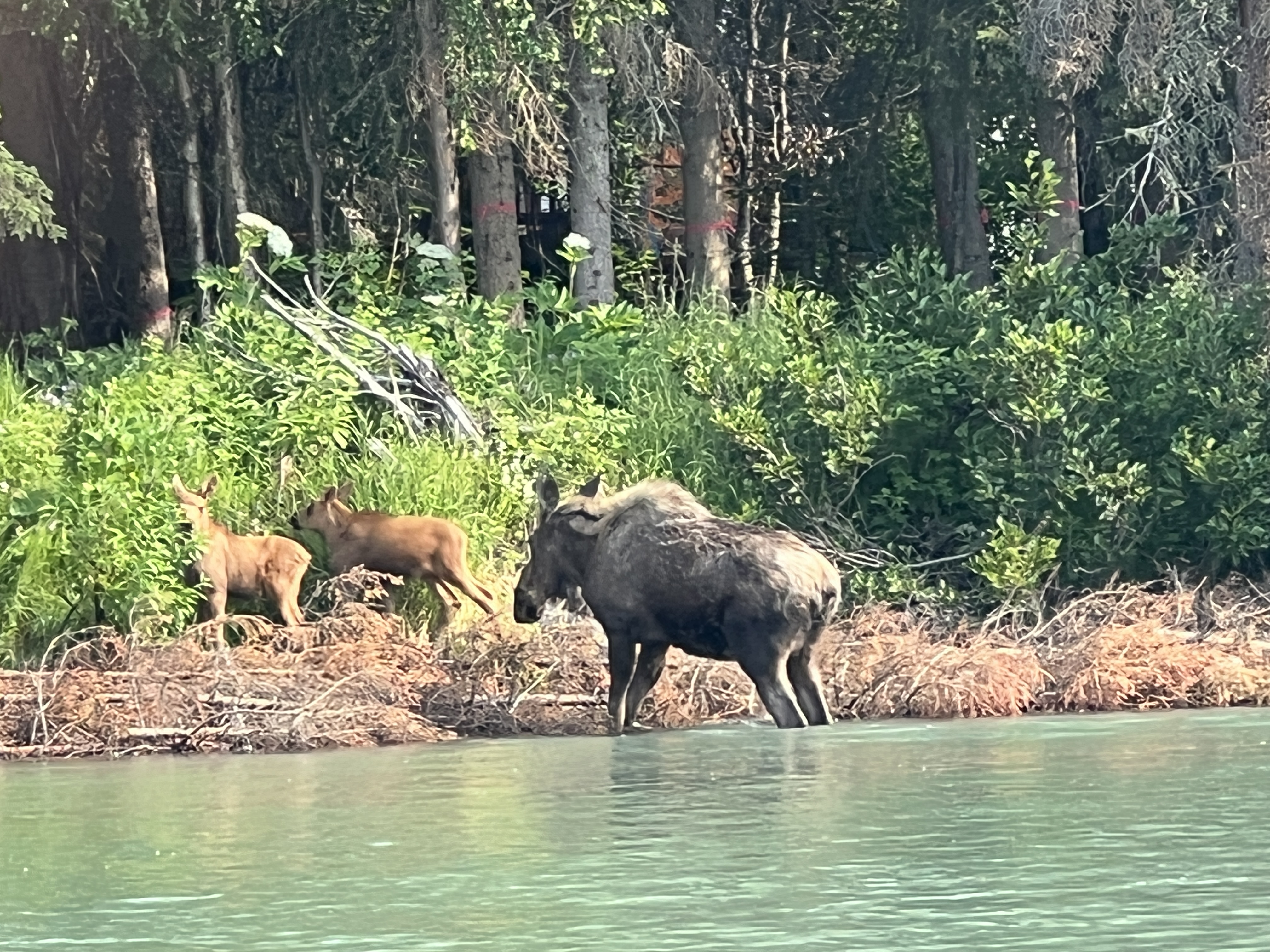
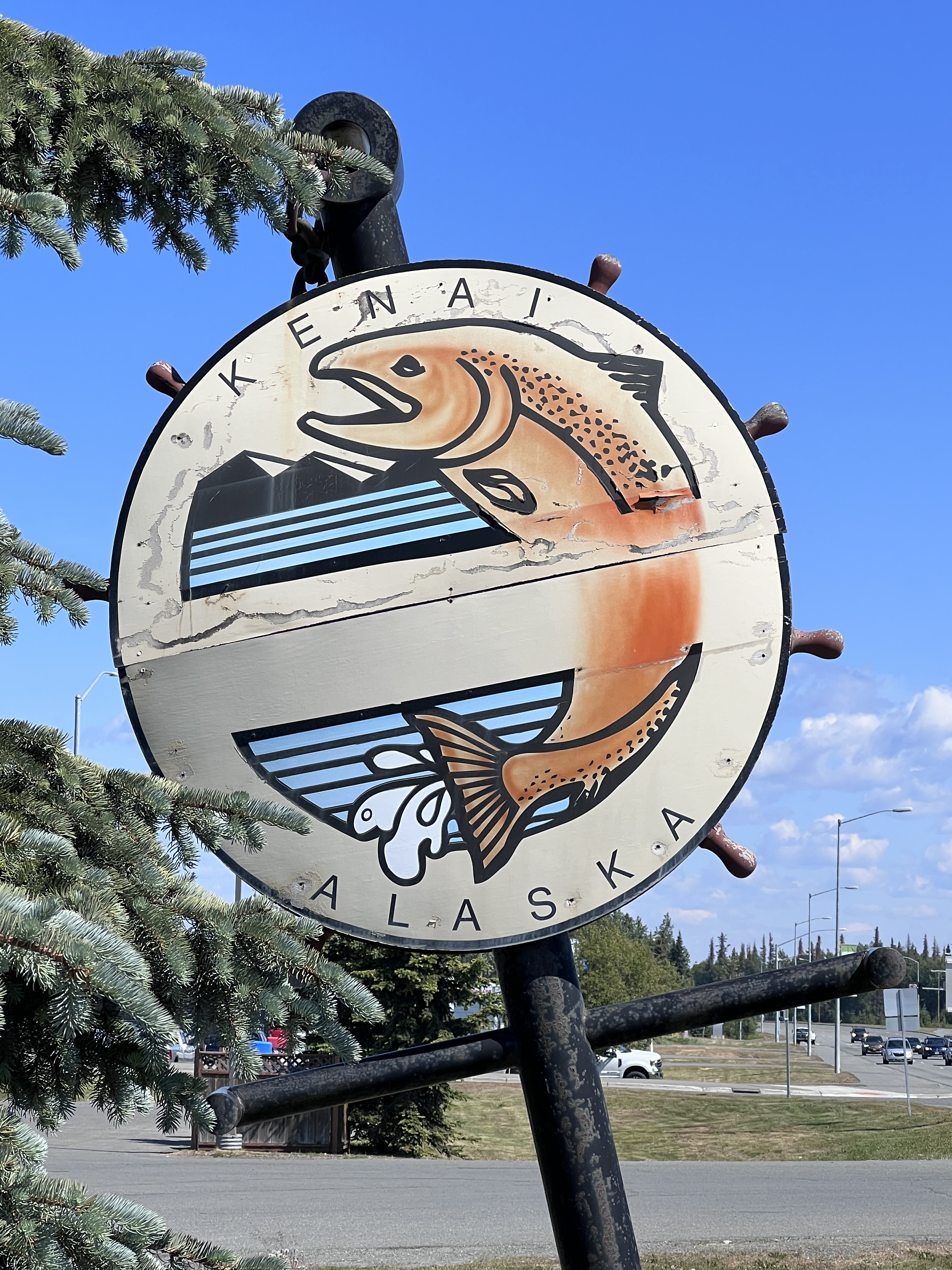
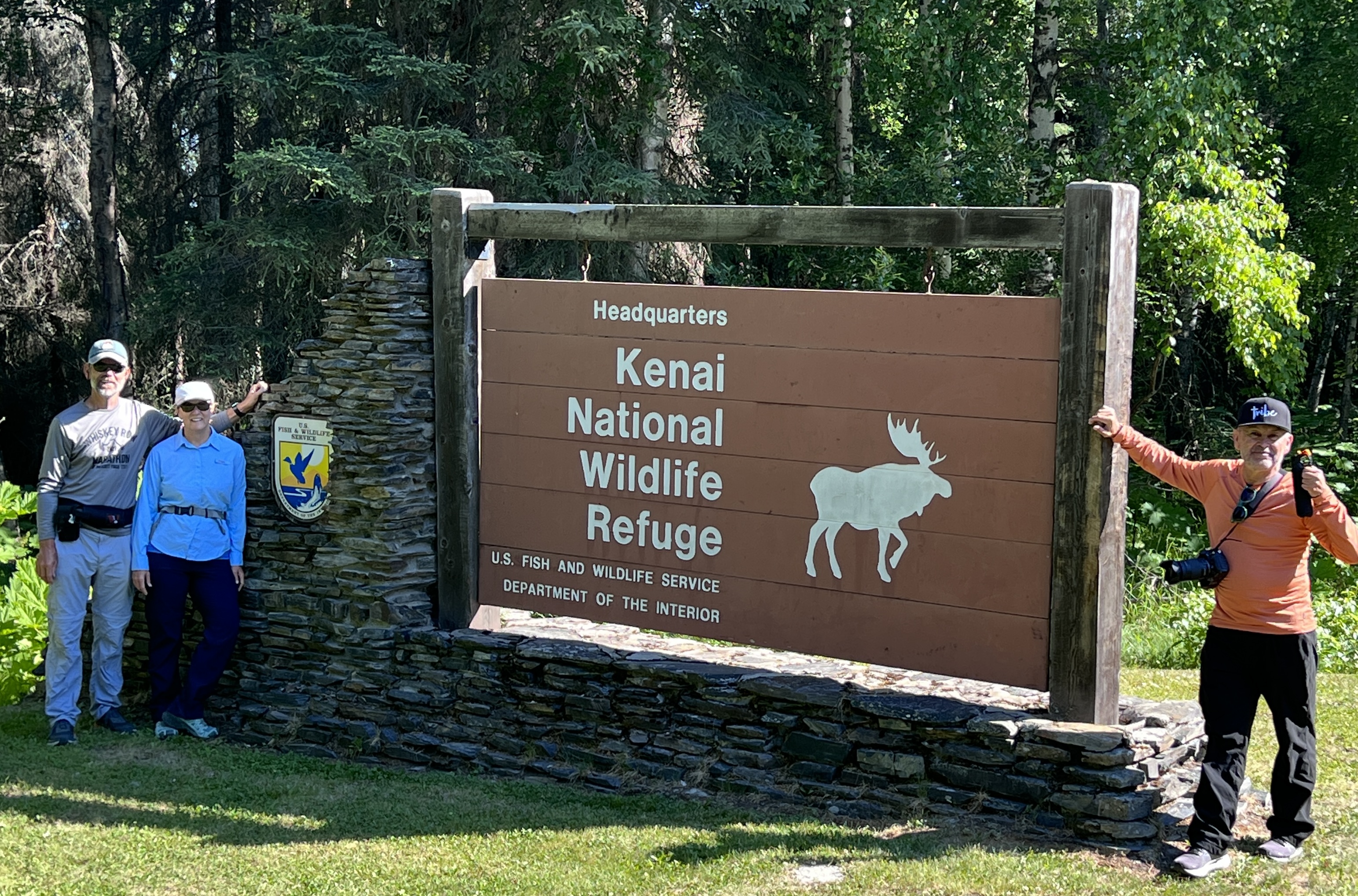
While in Soldotna, we enjoyed the local farmer’s market, hiked to the nearby Kenai National Wildlife Refuge Visitor Center, and saw several moose. We checked out the town of Kenai and its Russian roots.

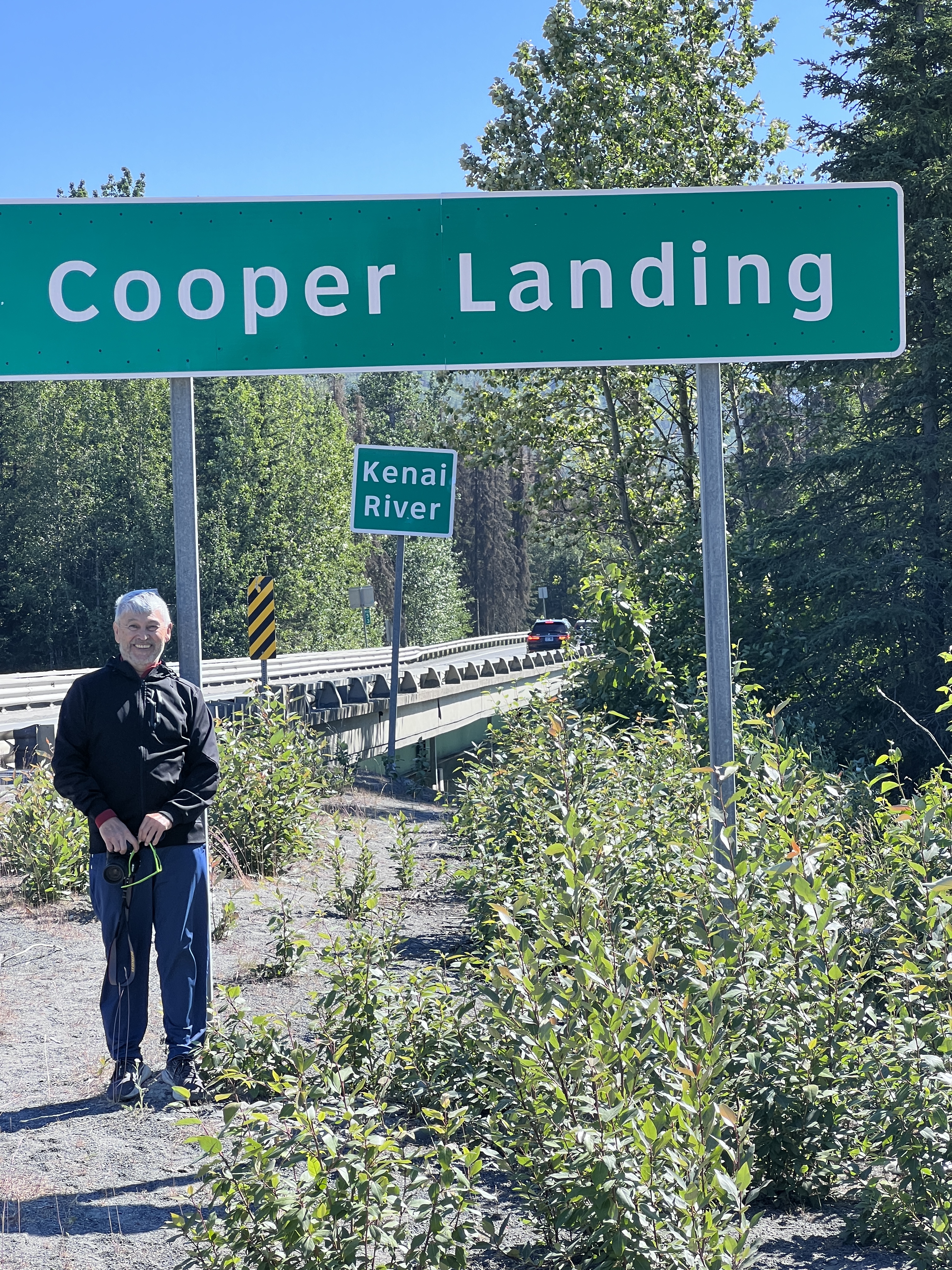
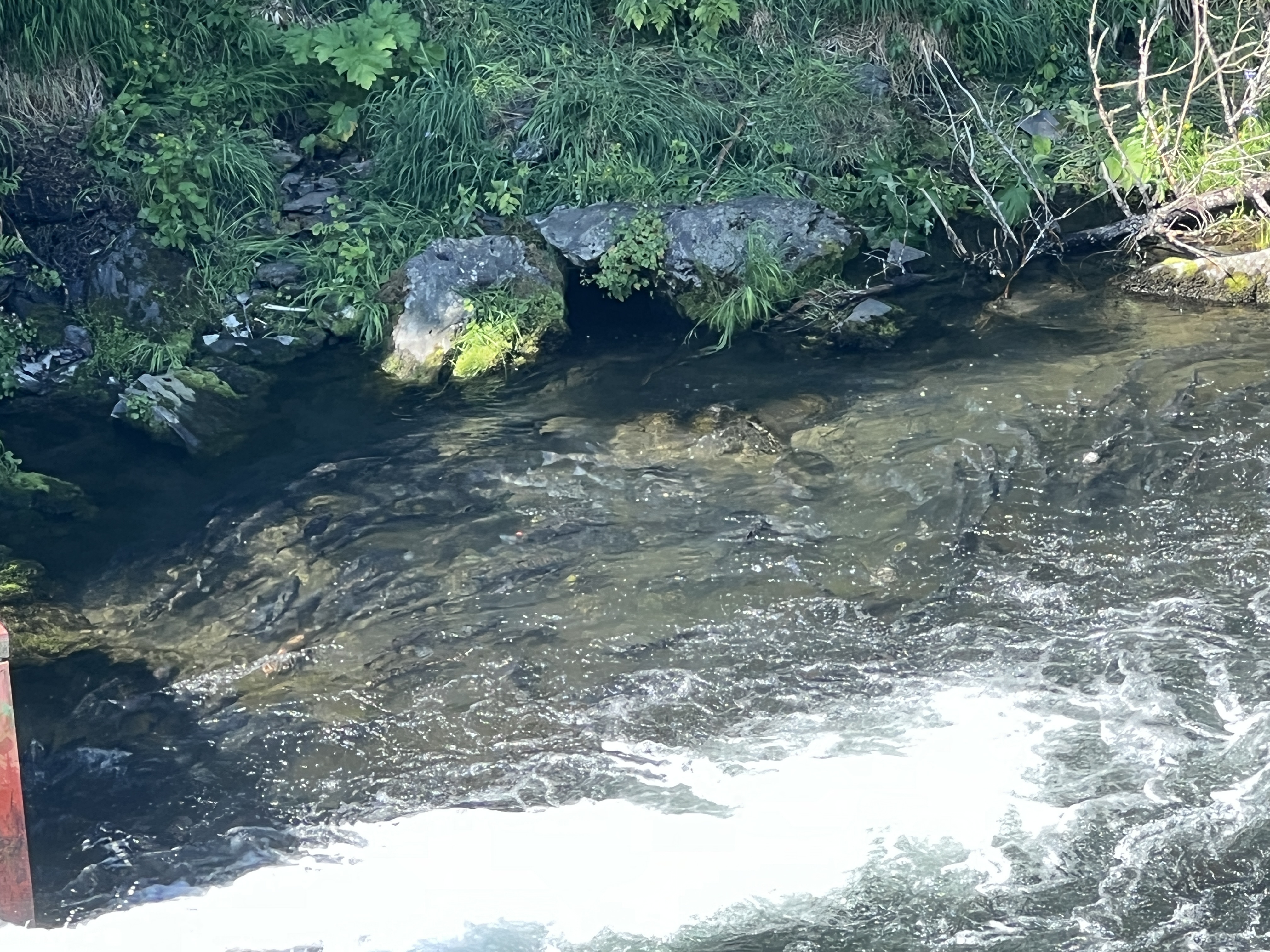
On another day we drove up to the Russian River and hiked to the falls to see the salmon. Of course, salmon fishing was not allowed in that area but there were a lot of those suckers trying to get up stream!
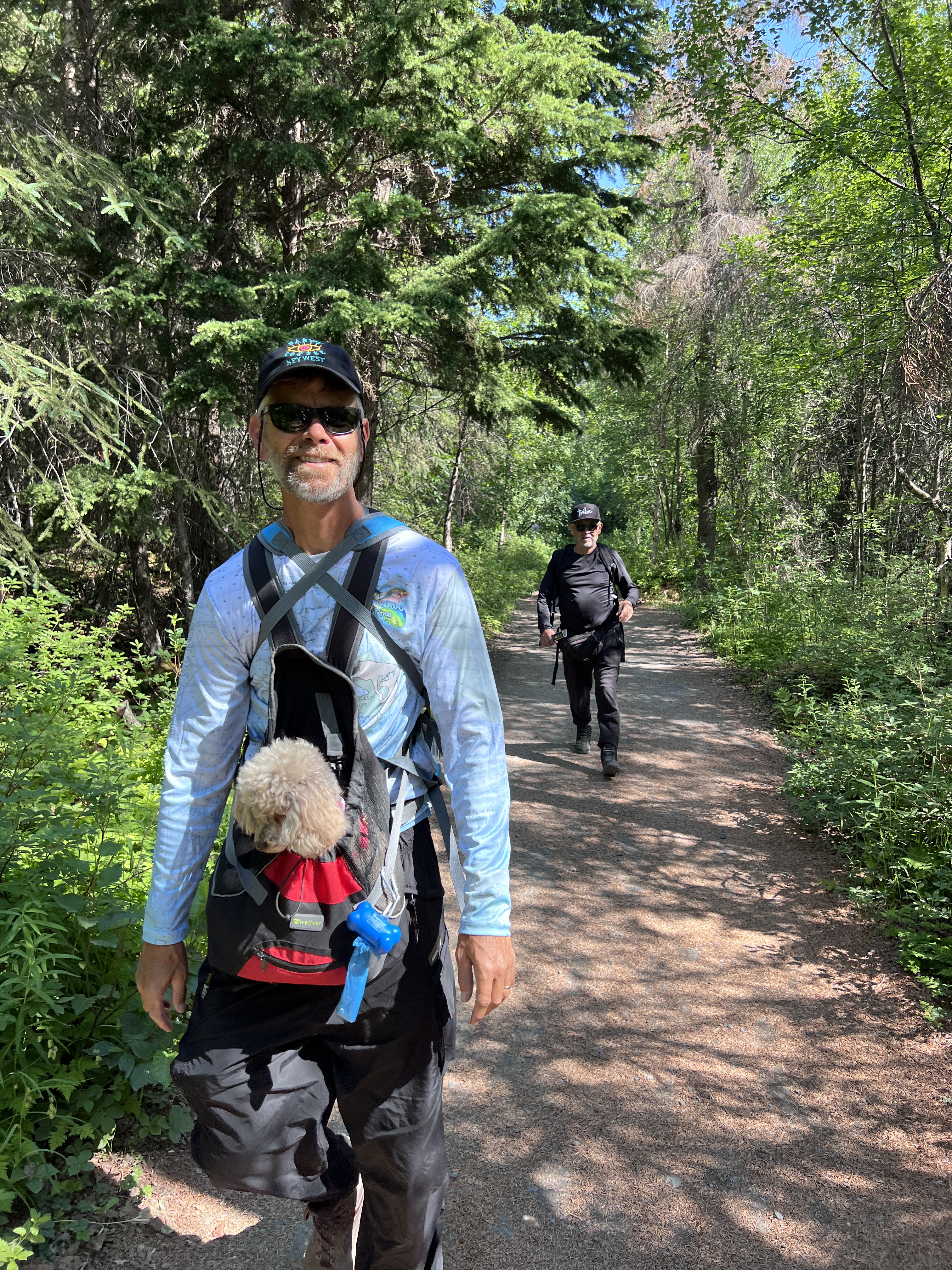
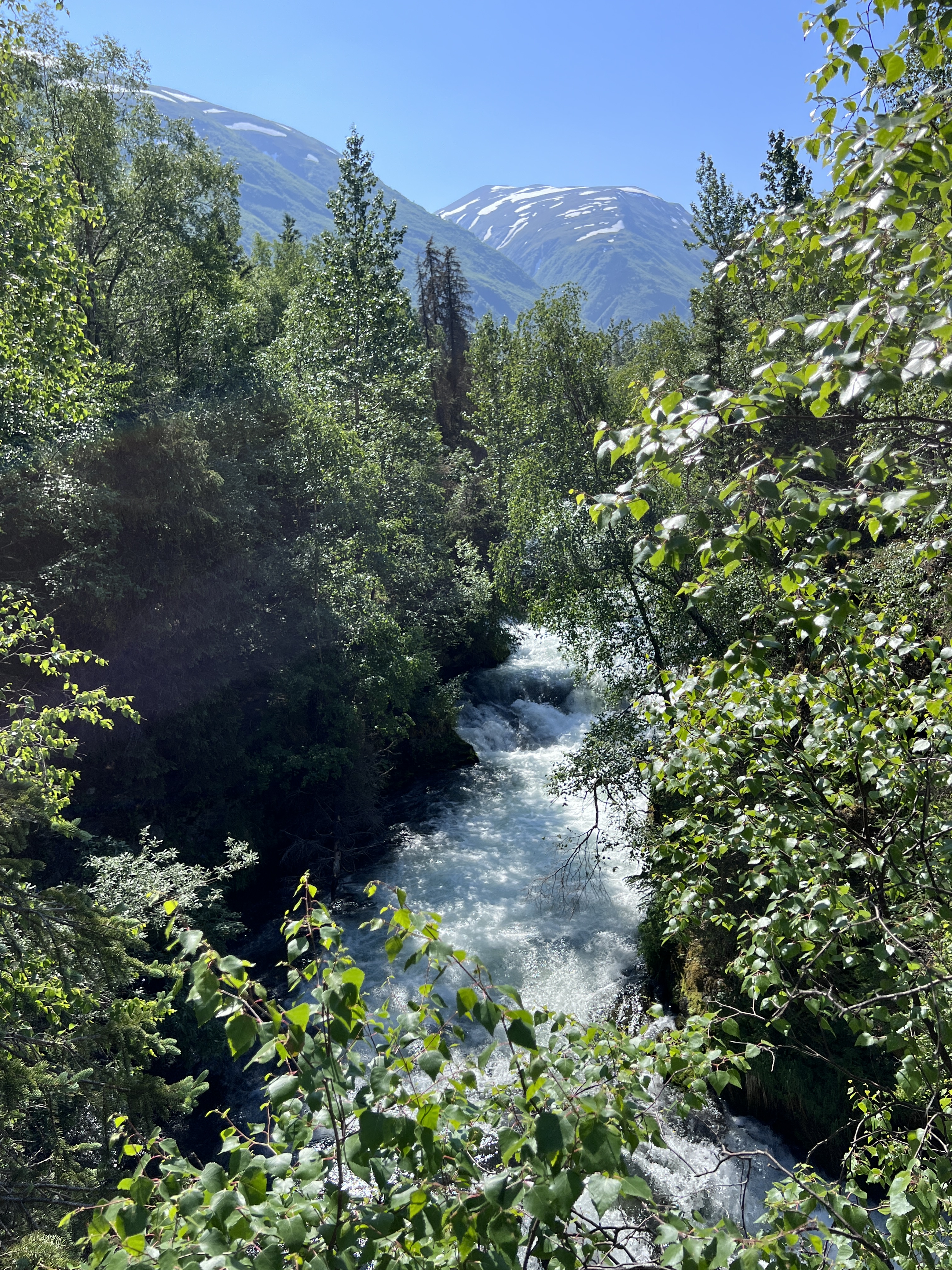


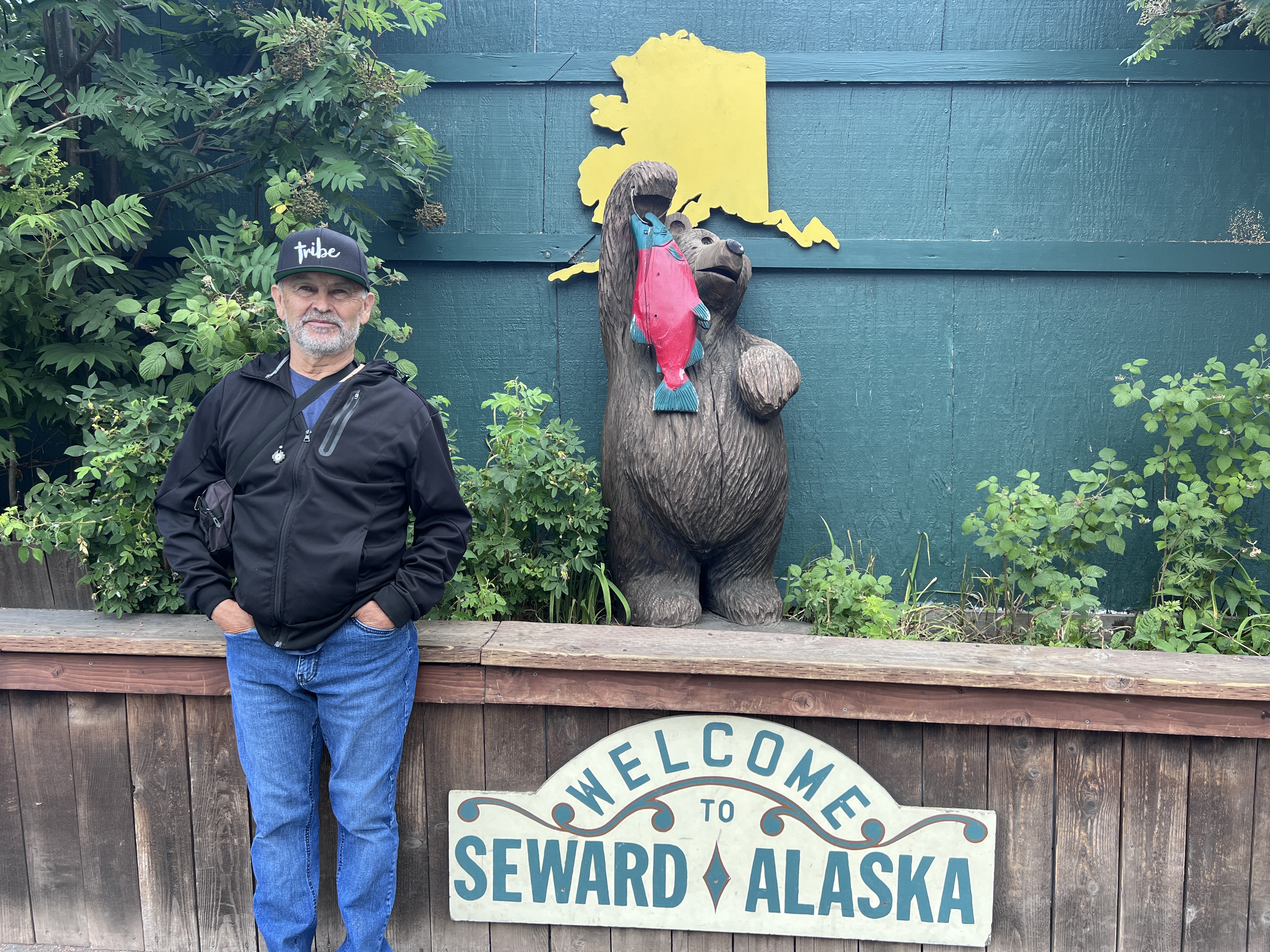
After a week we moved to the eastern side of the peninsula to the town of Seward. Kenai Fjords National Park is based here and is accessible mostly by boat. On our first full day we set out on a six-hour cruise to see what the park was all about. One word: whales!

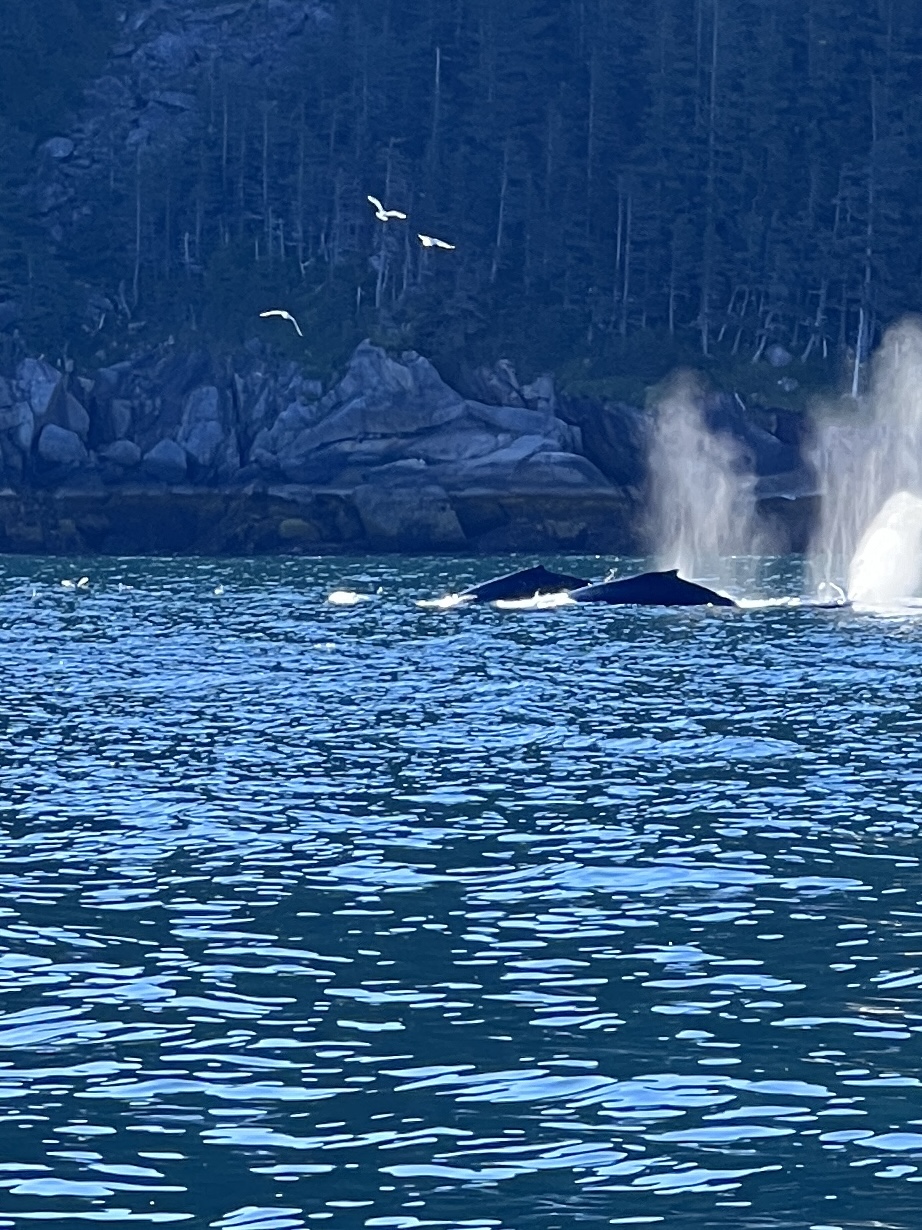
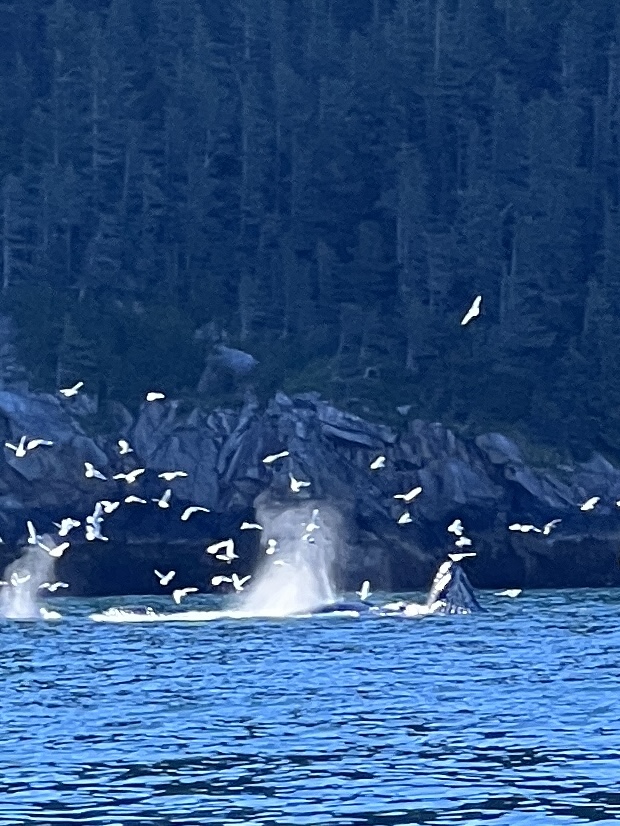
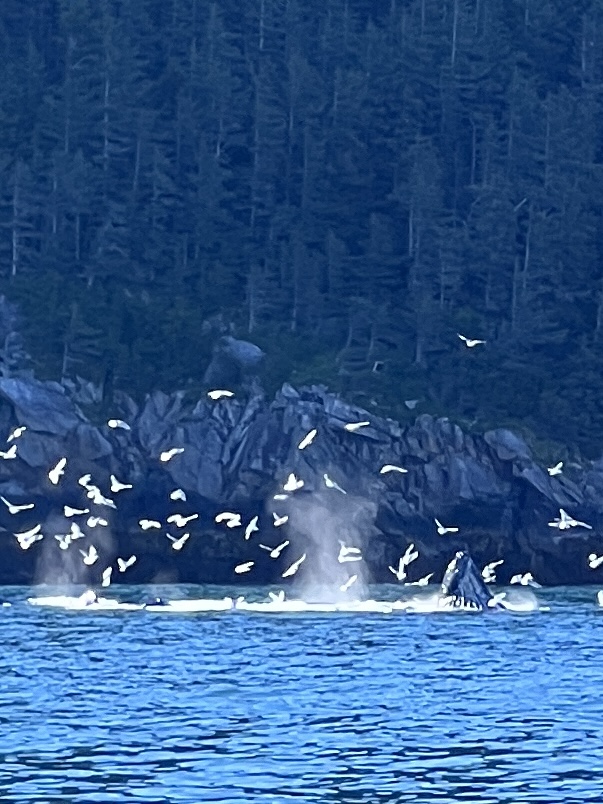
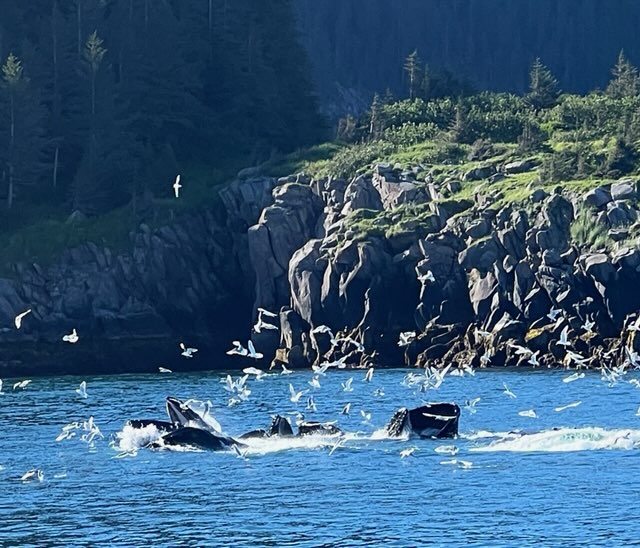
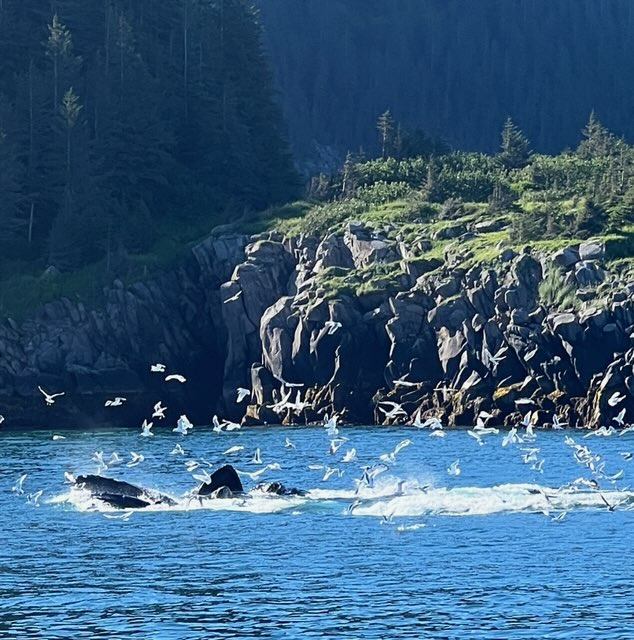
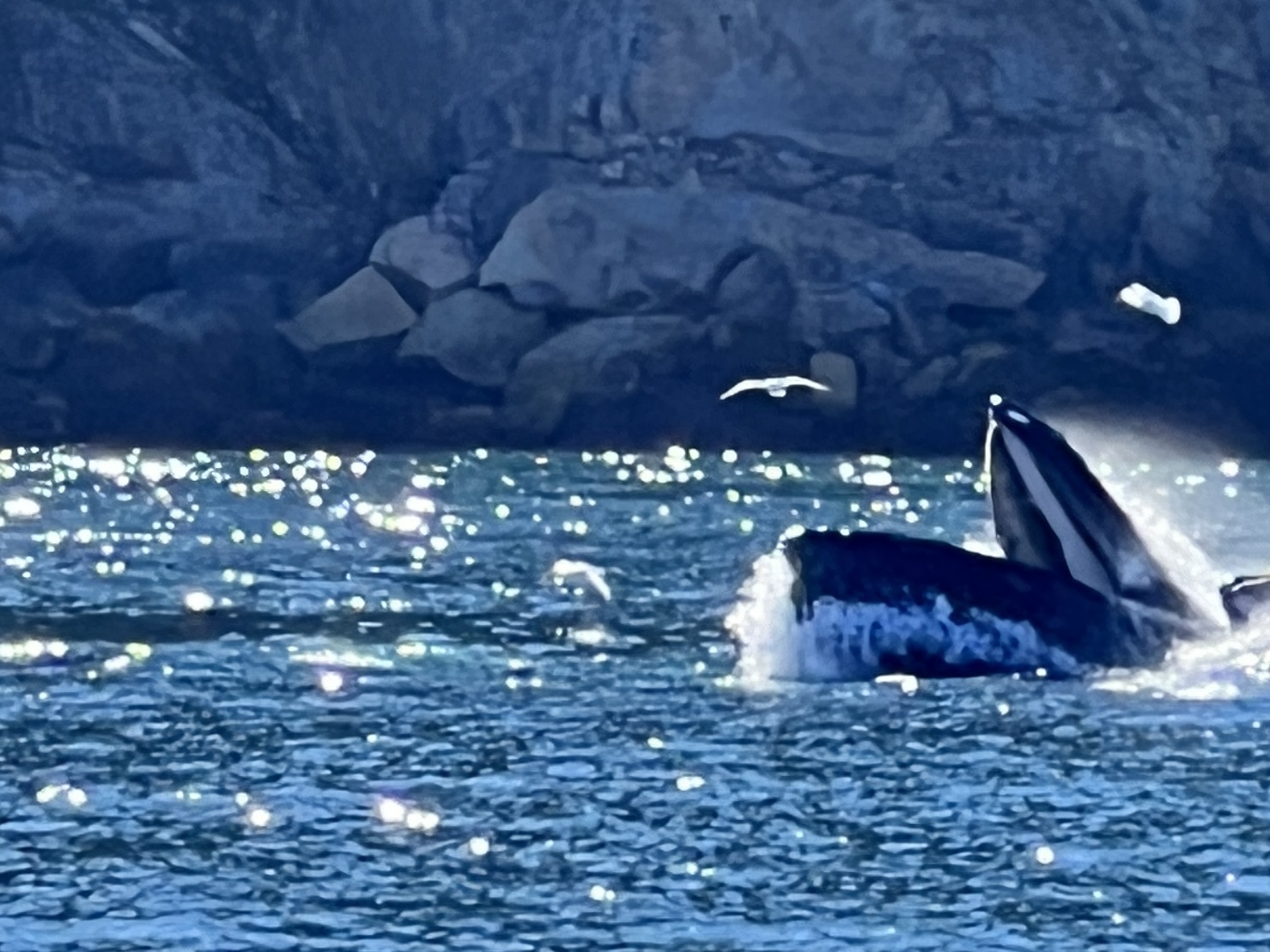
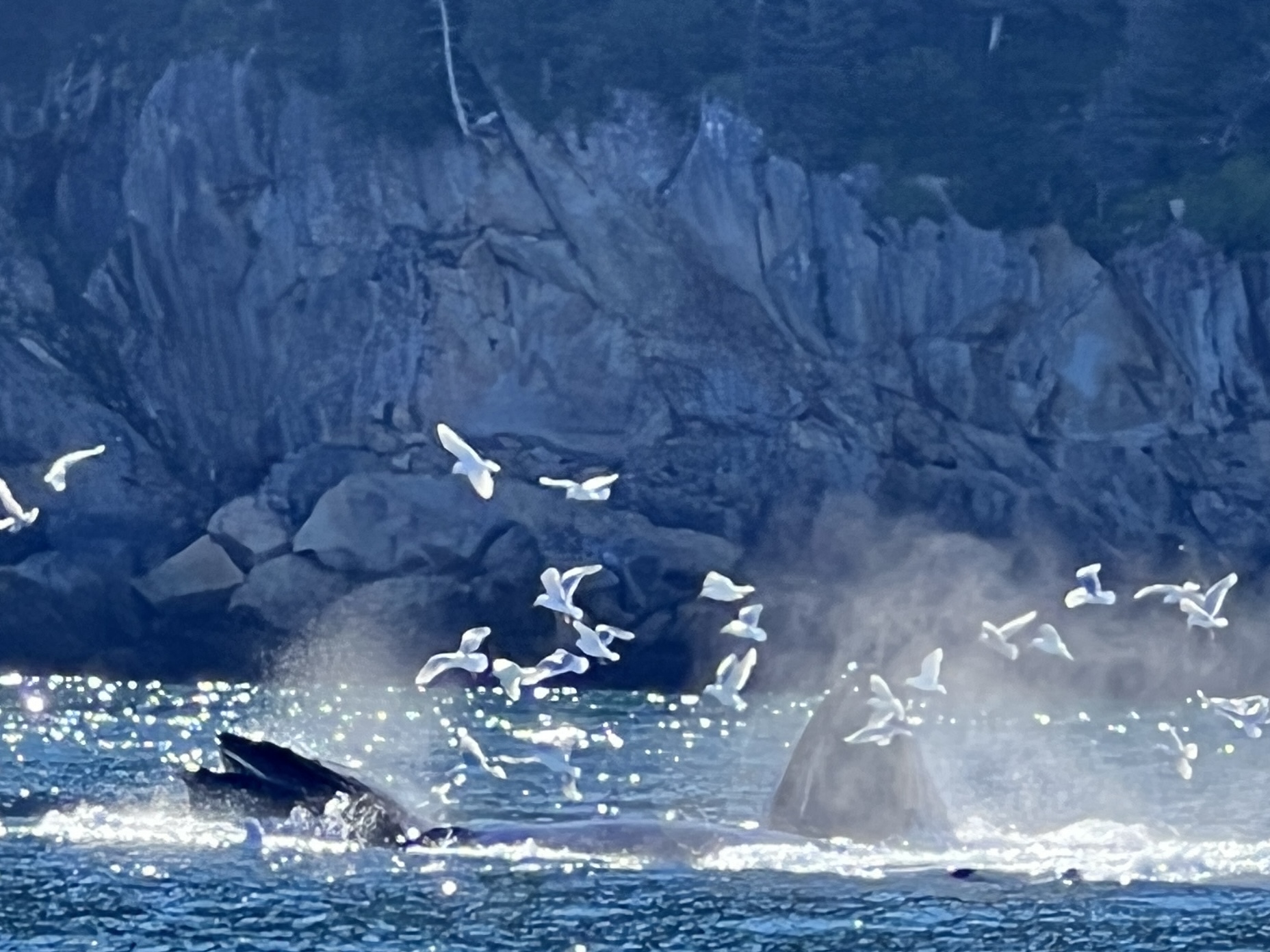
Within 20 minutes of setting sail, a gigantic Humpback surfaced right in front of the boat. Within 30 minutes we were watching a rare and exciting Humpback whale behavior: bubble-net feeding. Bubble-net feeding is a cooperative, learned feeding method where the whales circle a school of fish and together disorient and corral the fish into a “net” of bubbles. Once one whale sounds the feeding call, which we could hear with an underwater microphone, the whales swim to the surface at once. It’s quite spectacular, and we watched it happen about a half dozen times.

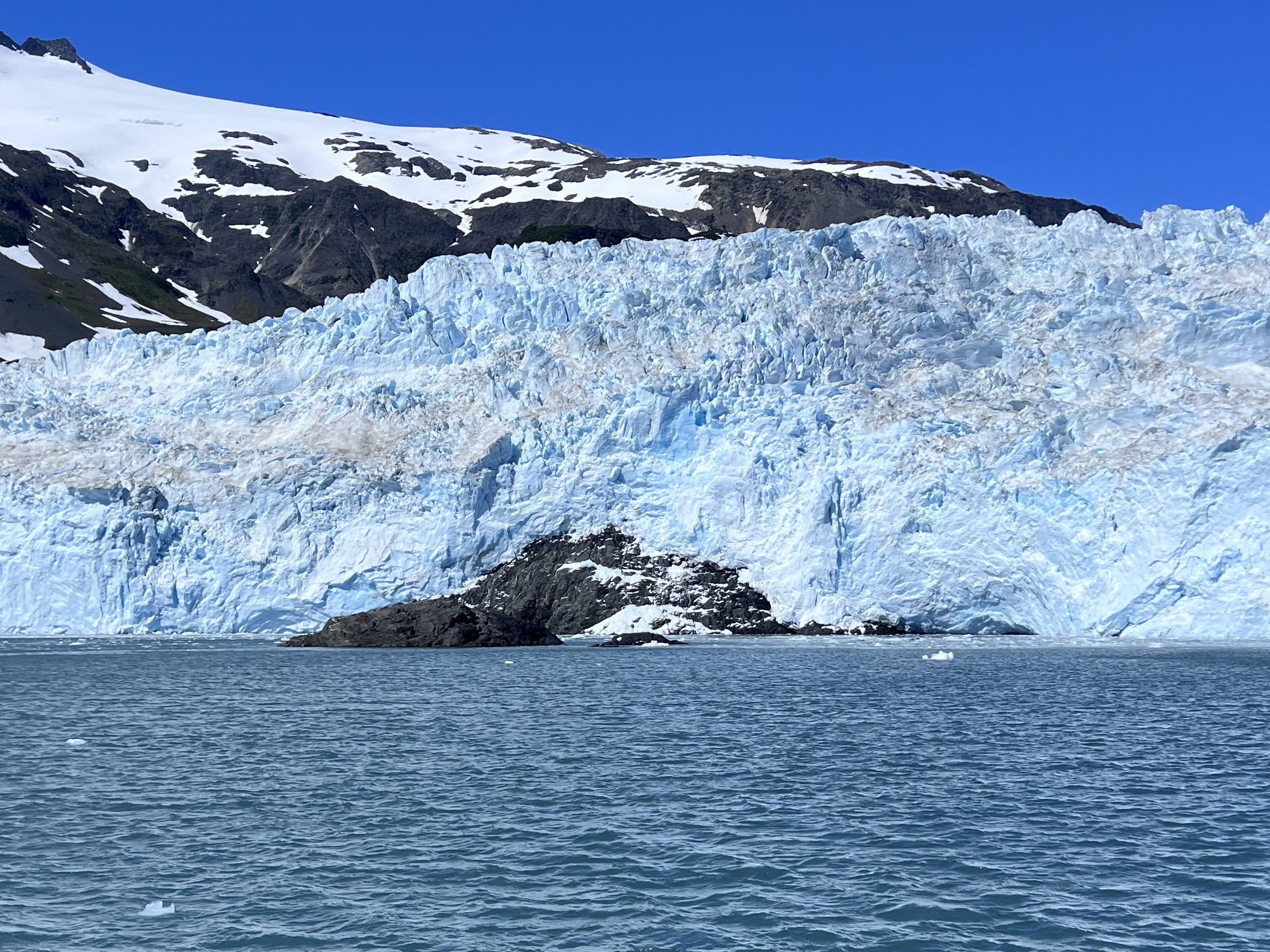
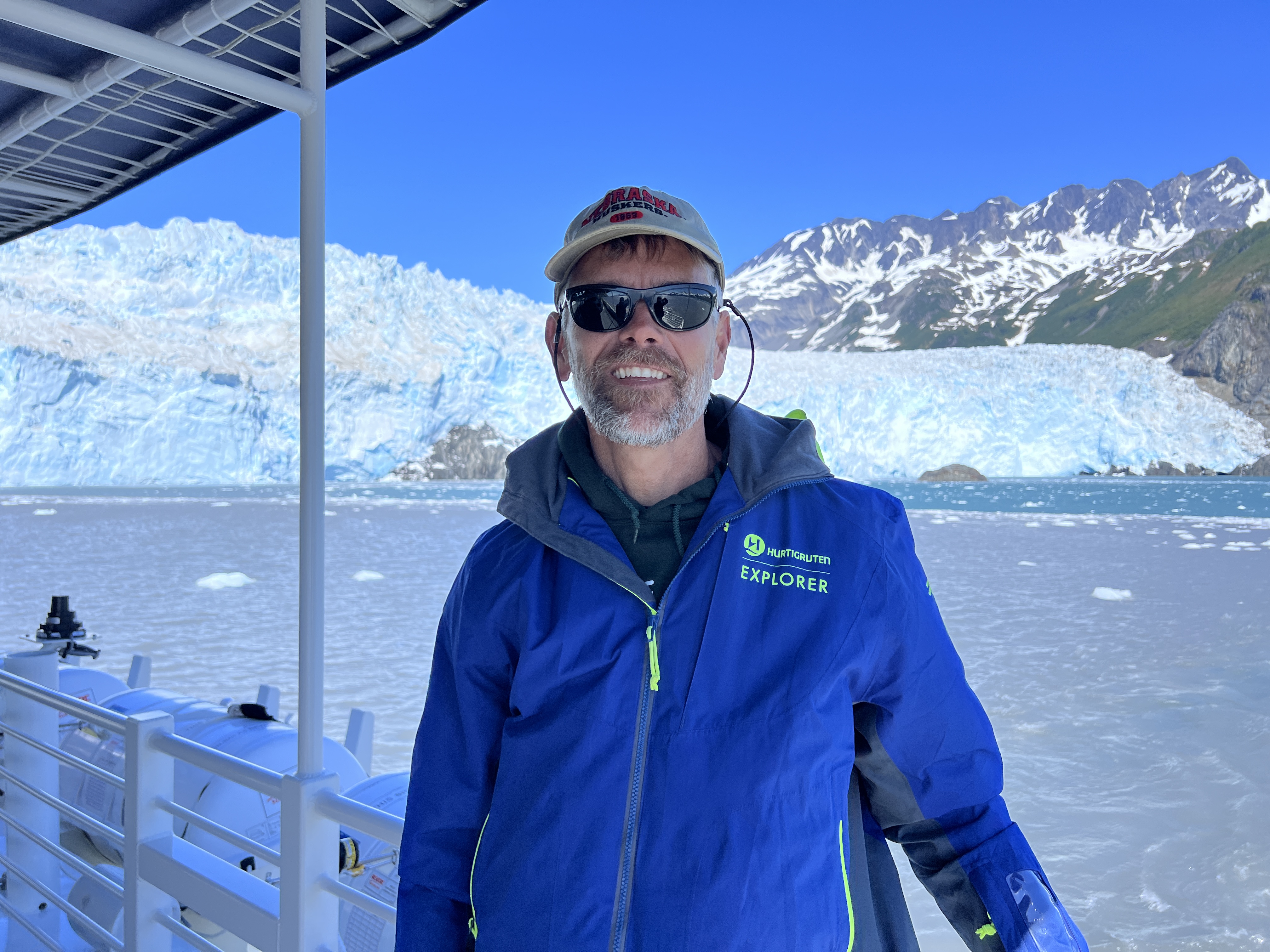
After this incredibly lucky start, we rounded out the day with Orcas, Stellar Sea Lions, a few Sea Otters, and the spectacular Aialik Glacier. If you ever find yourself in Seward and can do just one thing, we recommend the Major Marine cruise through Kenai Fjords National Park.


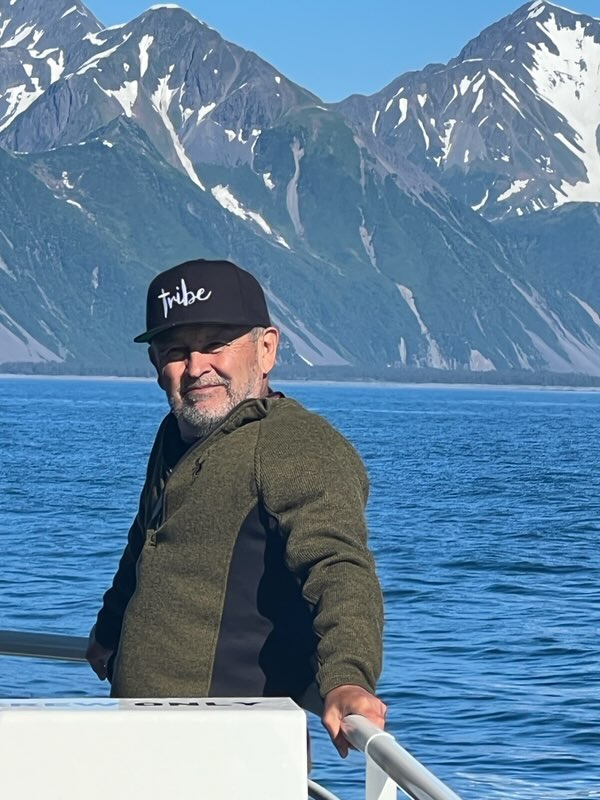


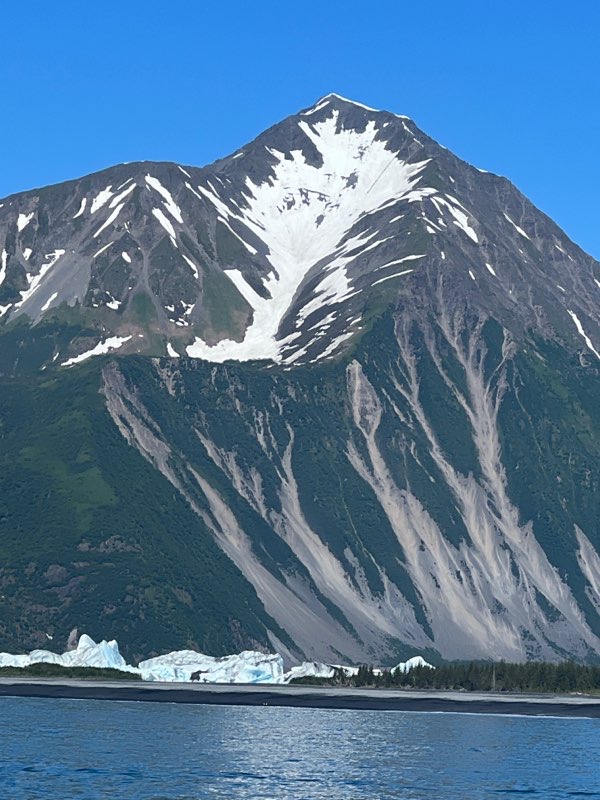
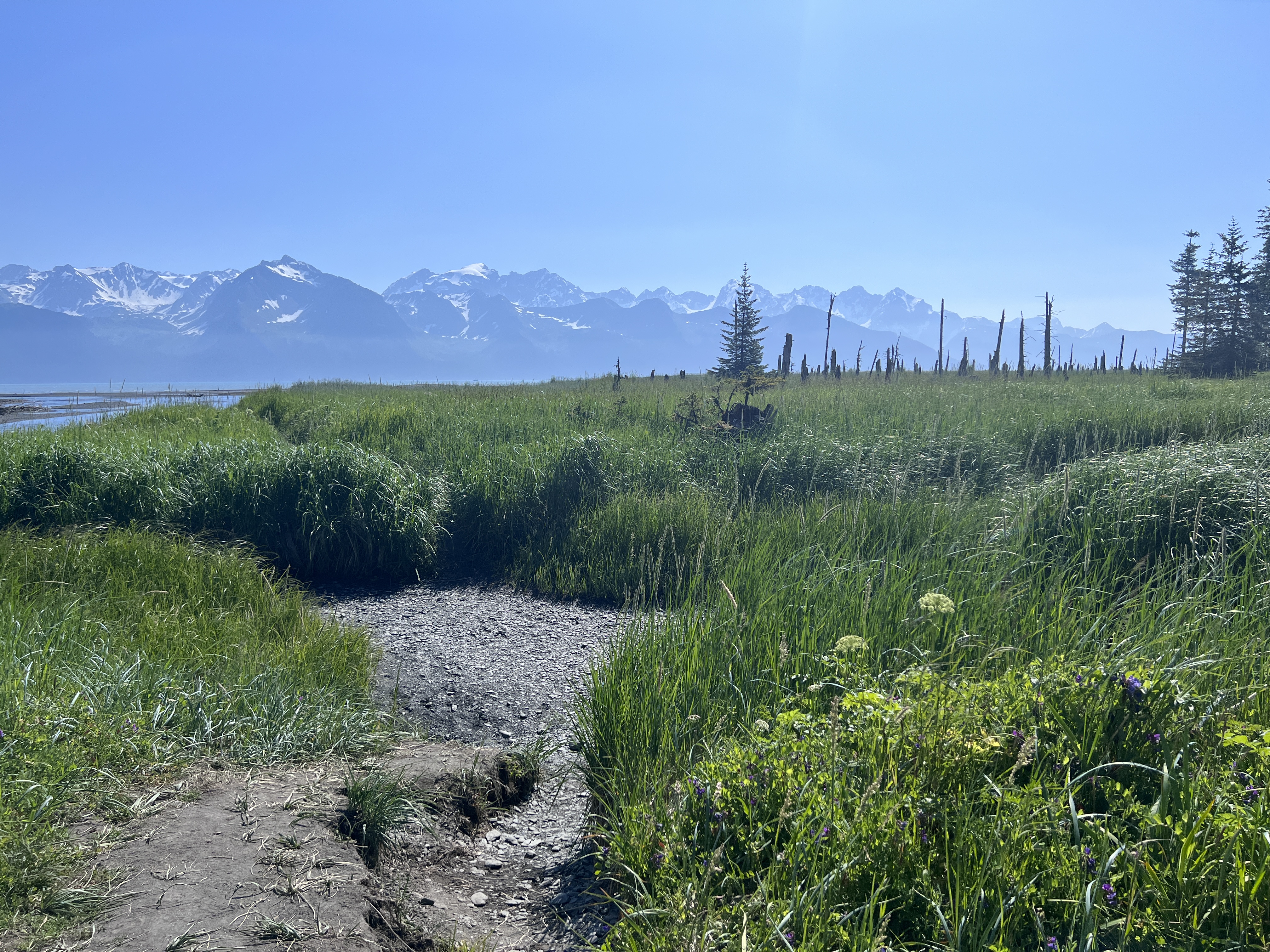
You know we like to hike, and the Tonsina Point hike to the beach at Resurrection Bay was a good choice. Over about four miles we passed through lush rainforests, all the while watching for bears (we didn’t see any).
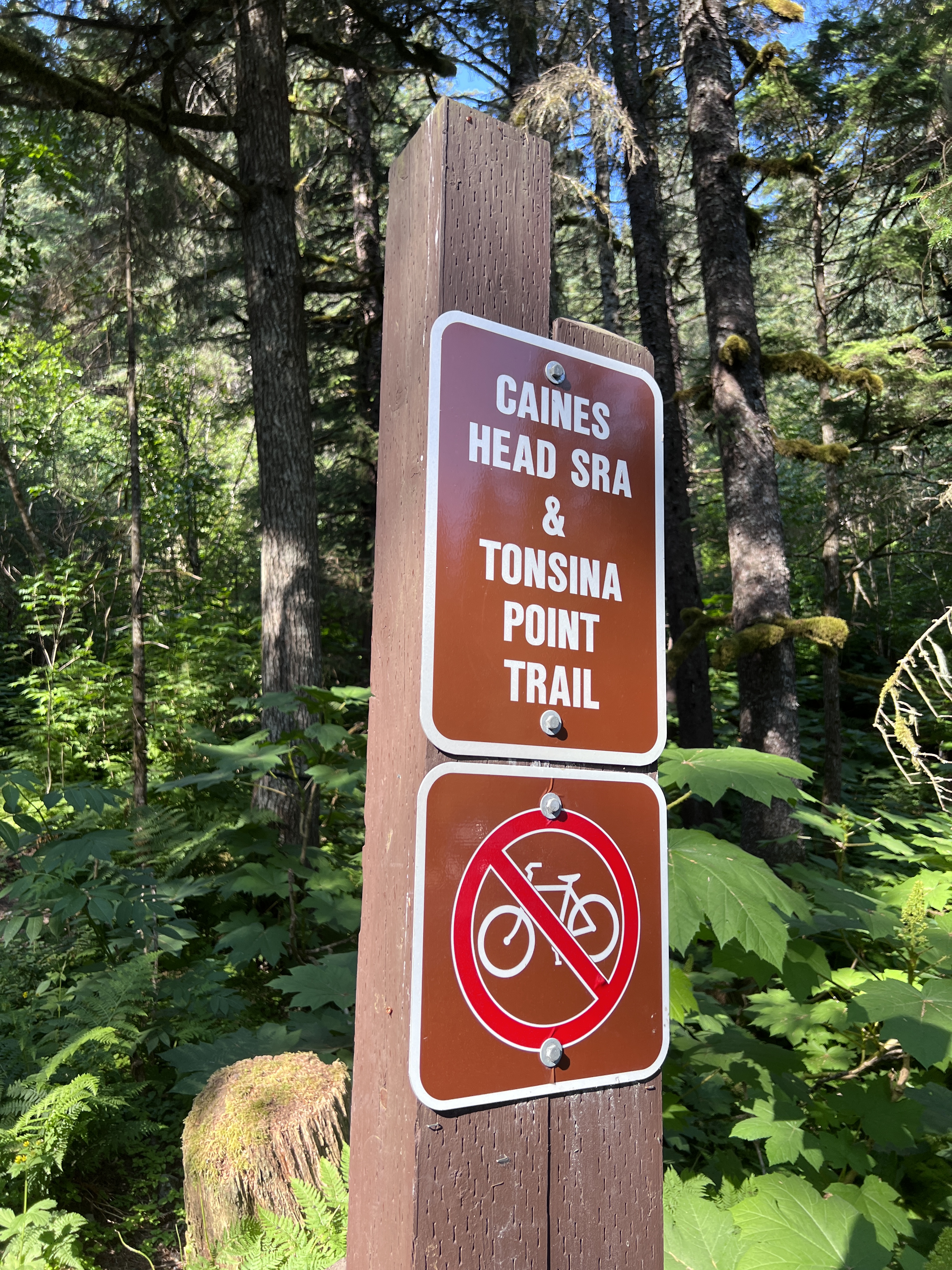
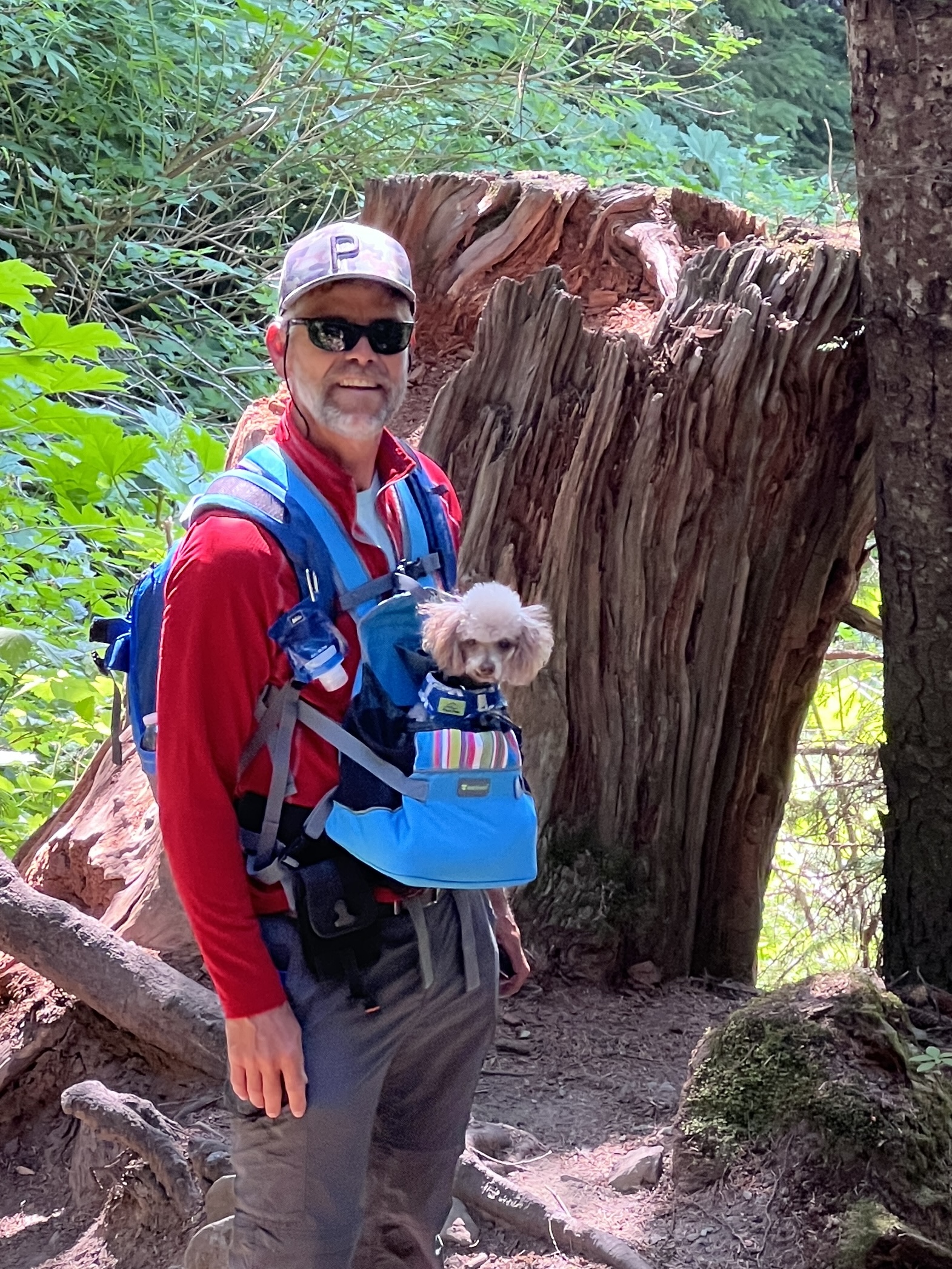
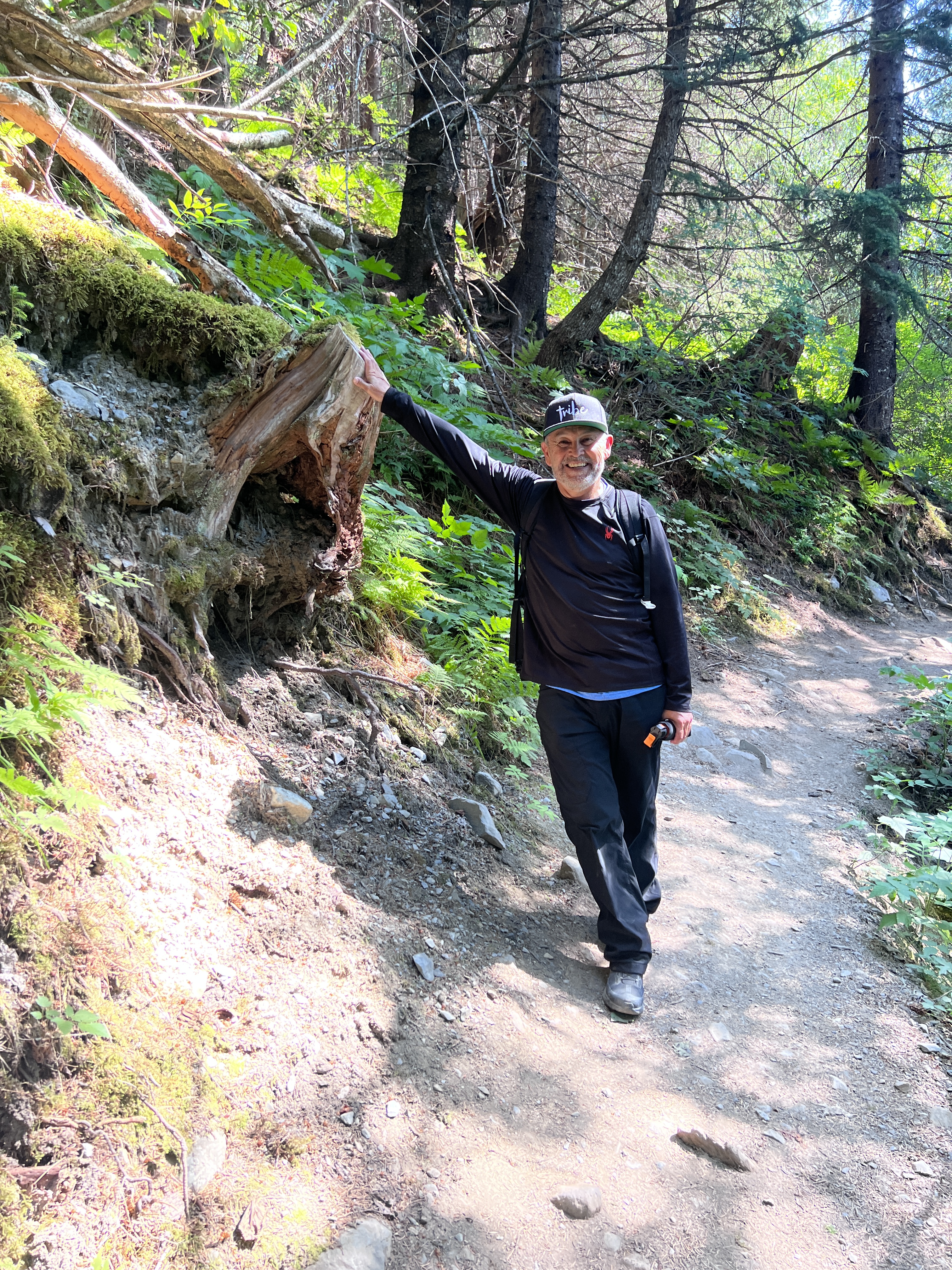
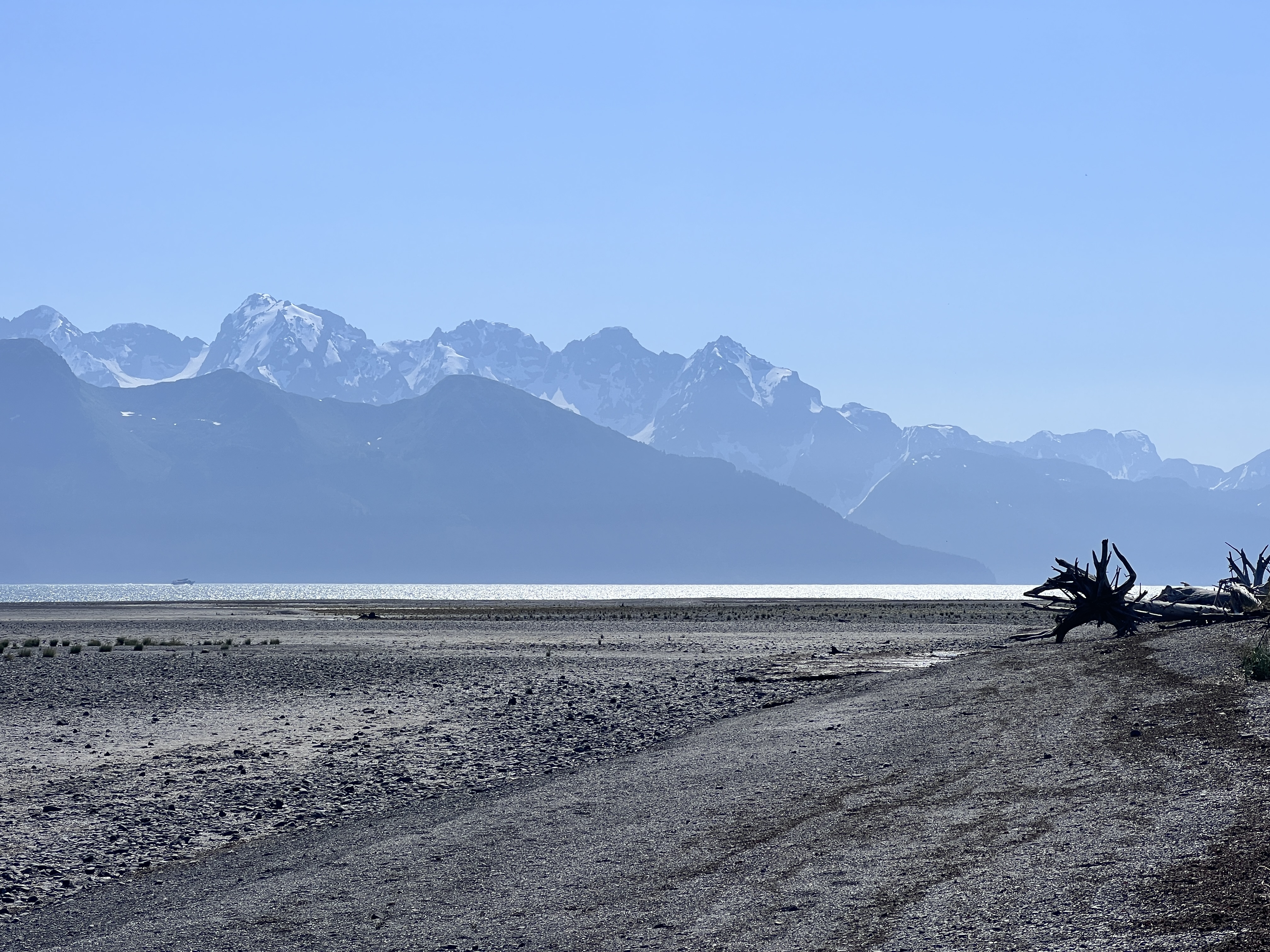
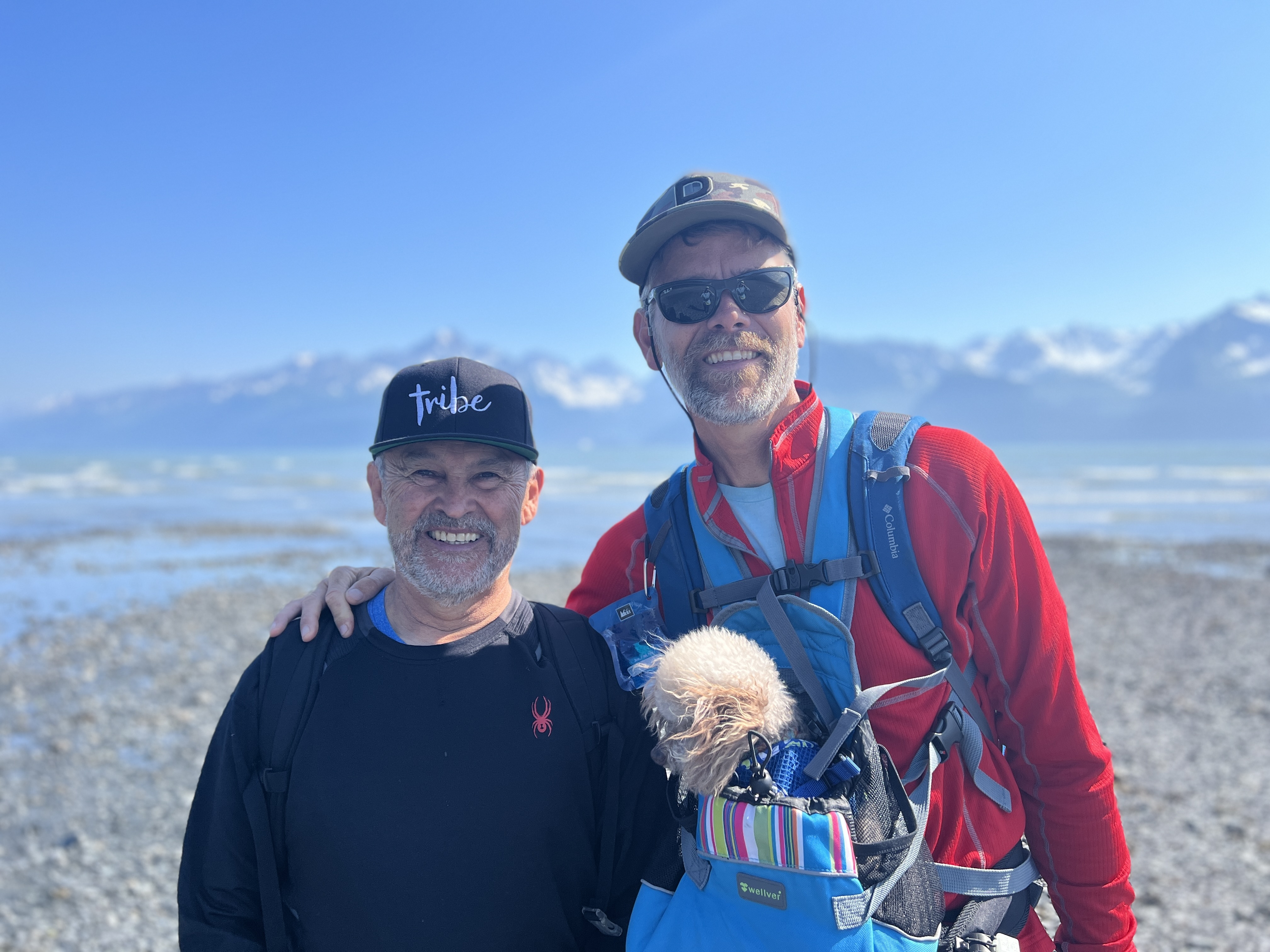
The trail ends at a vast black sand/gravel beach on Resurrection Bay, at right about the point where we saw the whales the day before. Ringed by snow-capped mountains, this view is about as good as it gets. Plus, Bob enjoyed the adventure, and it was pretty good exercise!
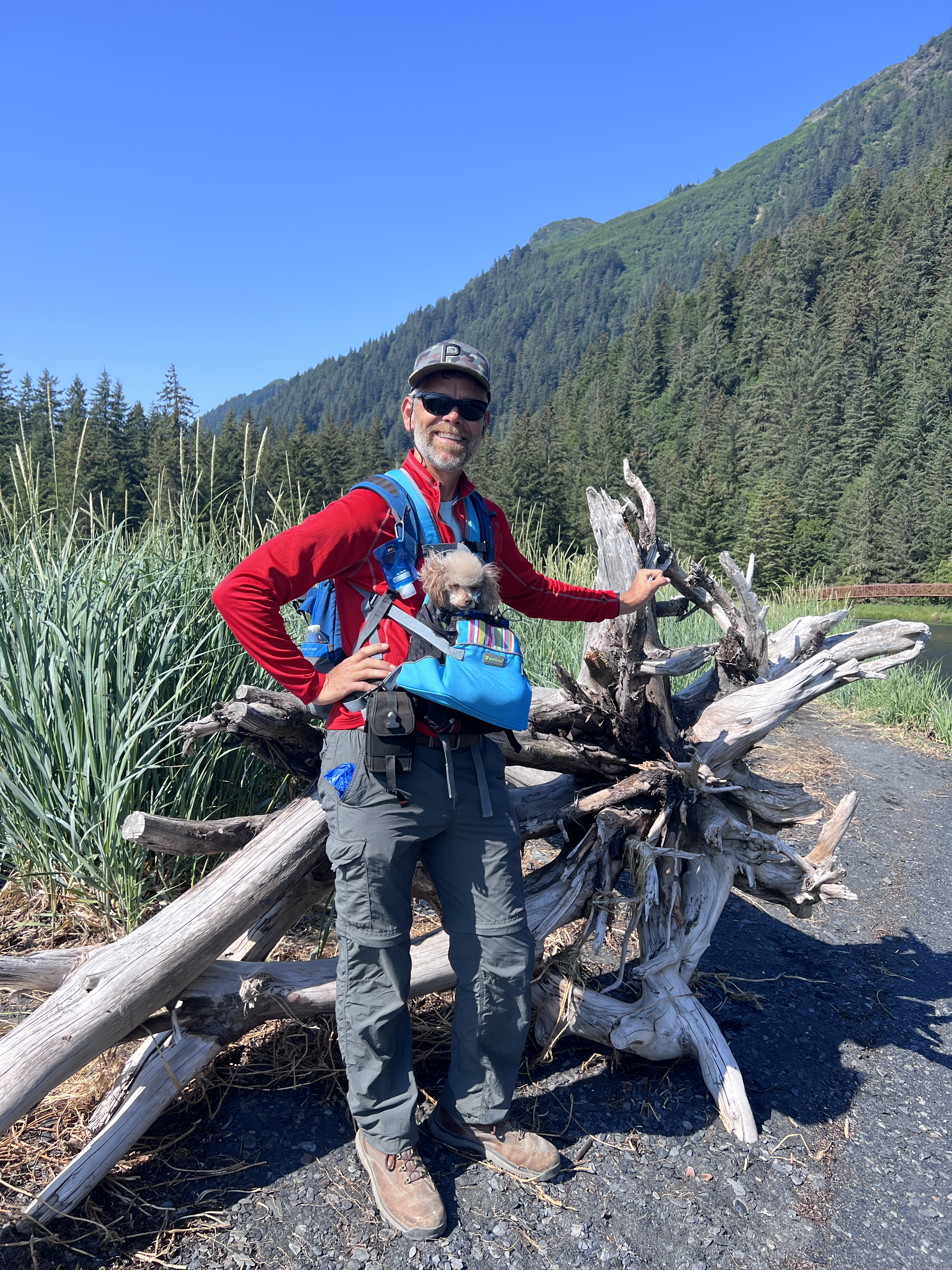
Kenai Fjords National Park is actually accessible by car in one place. Exit Glacier is rapidly receding, as indicate by the year markers along the road and trail.

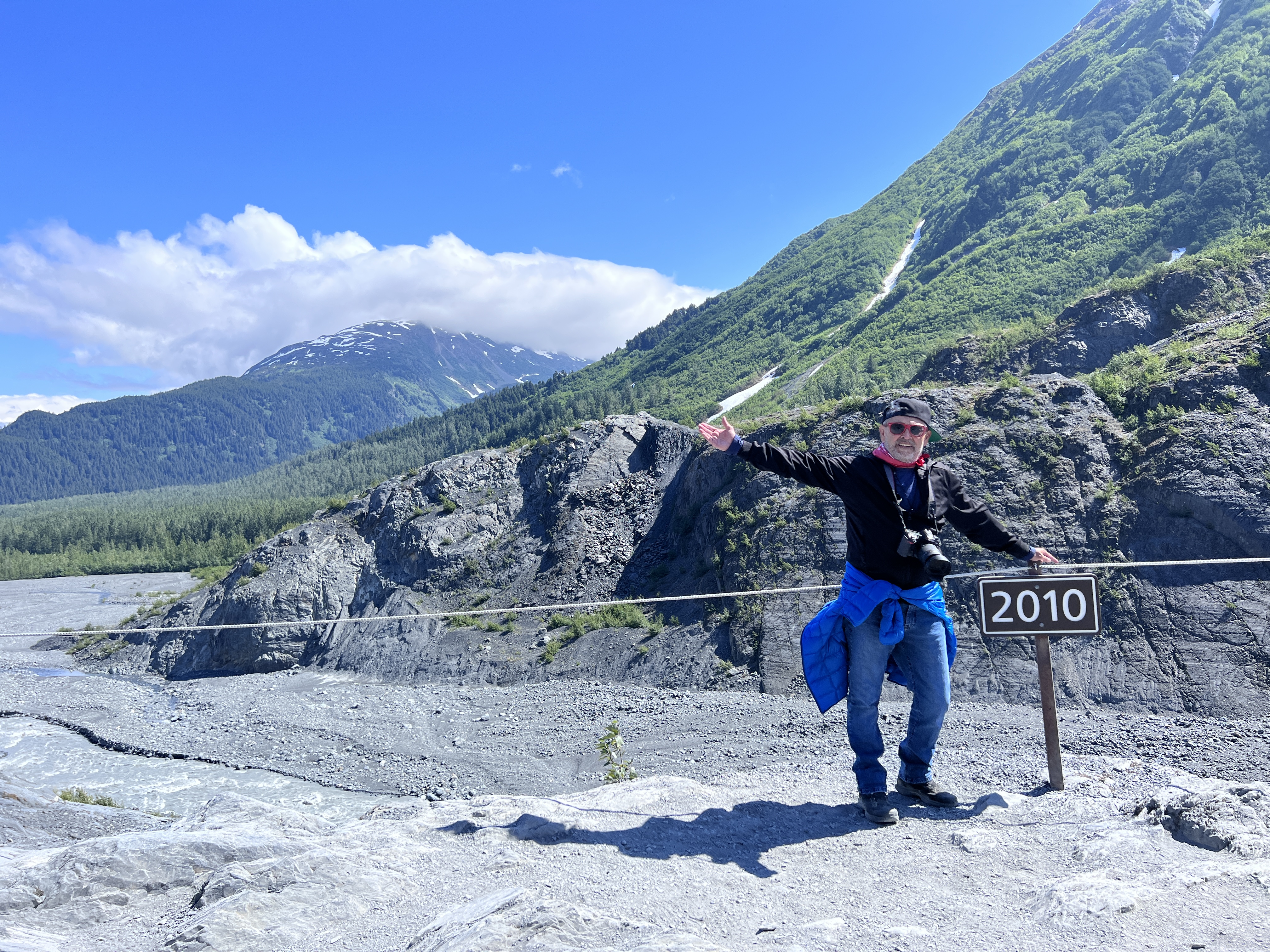
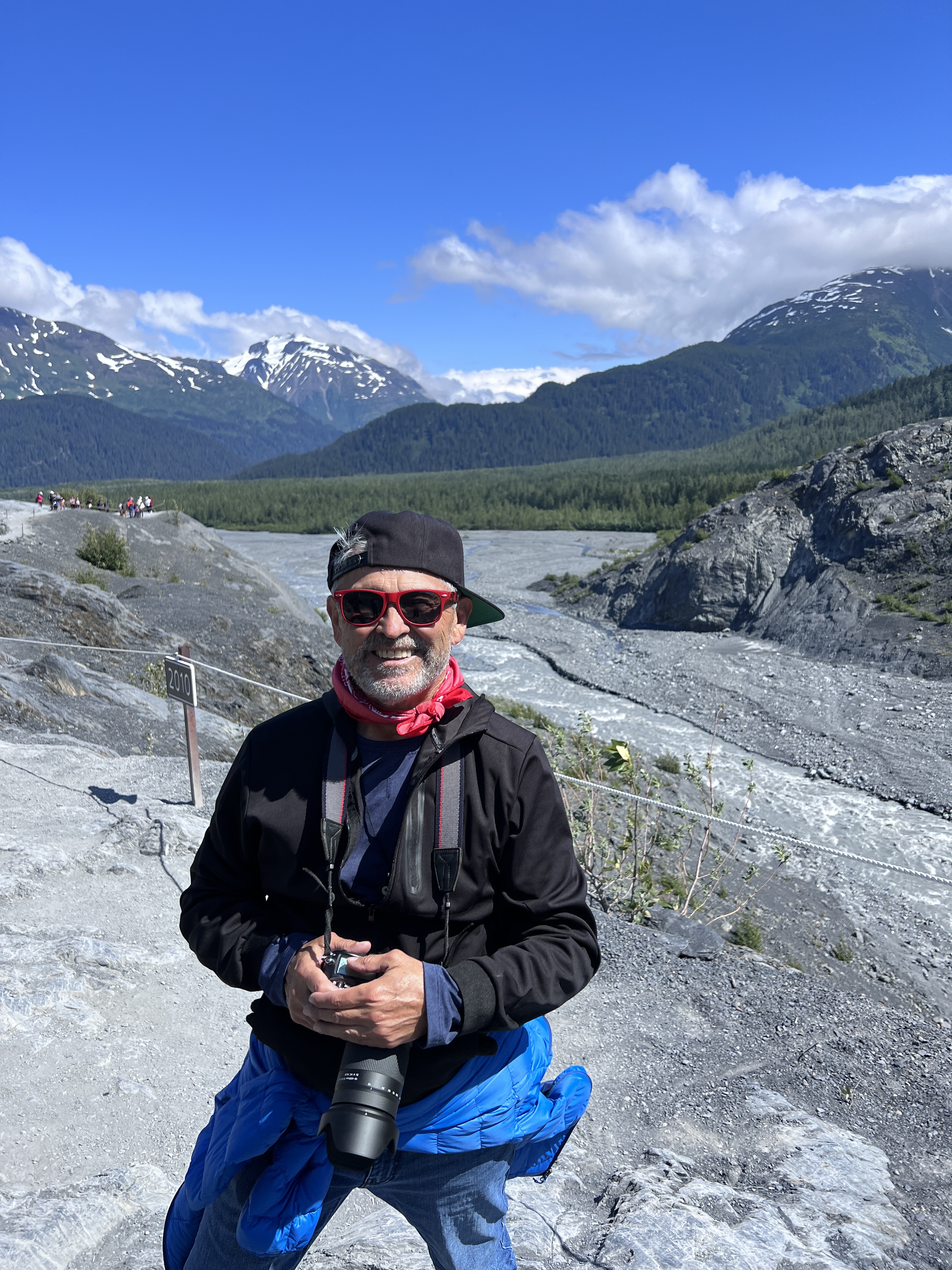
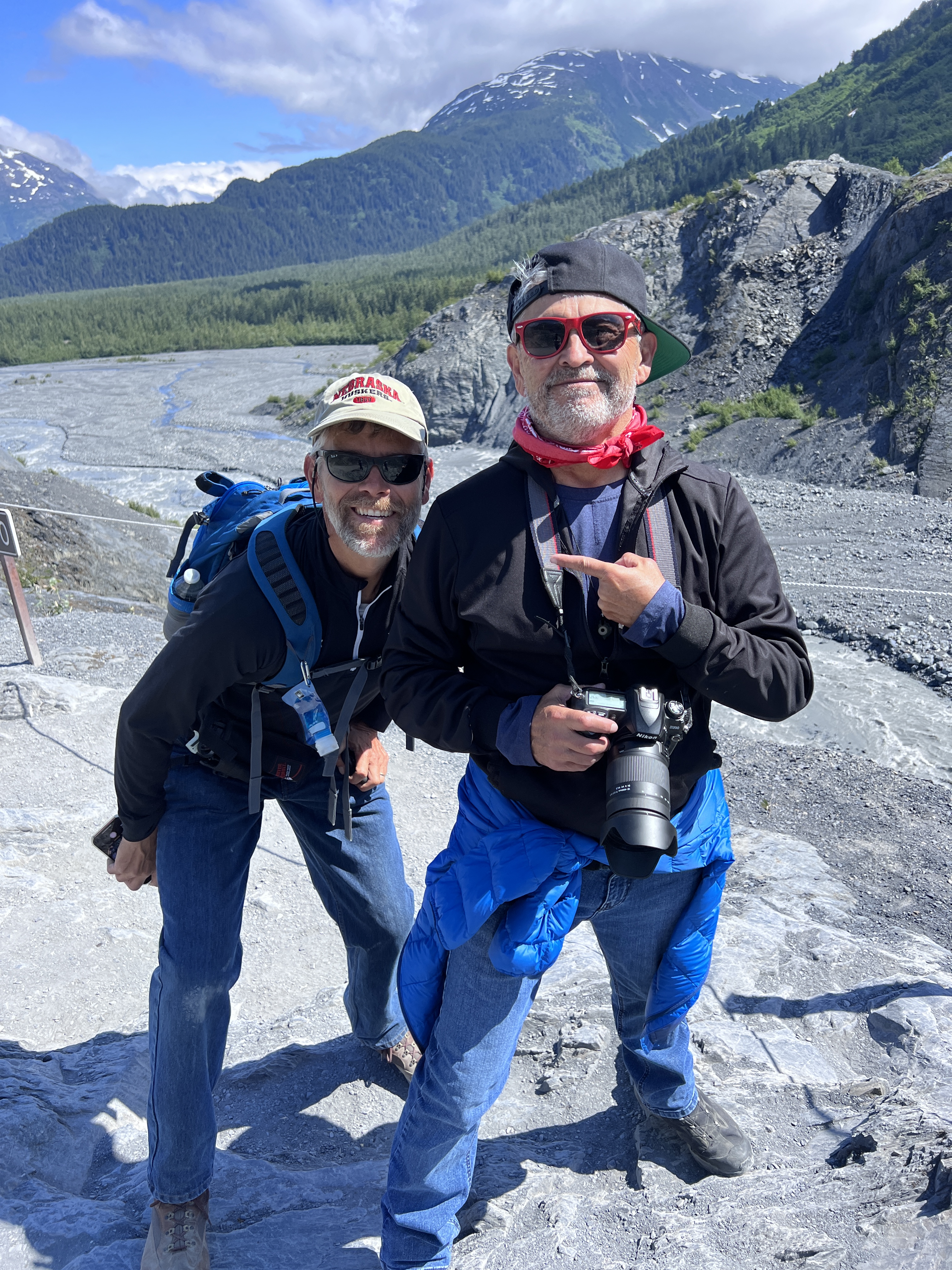
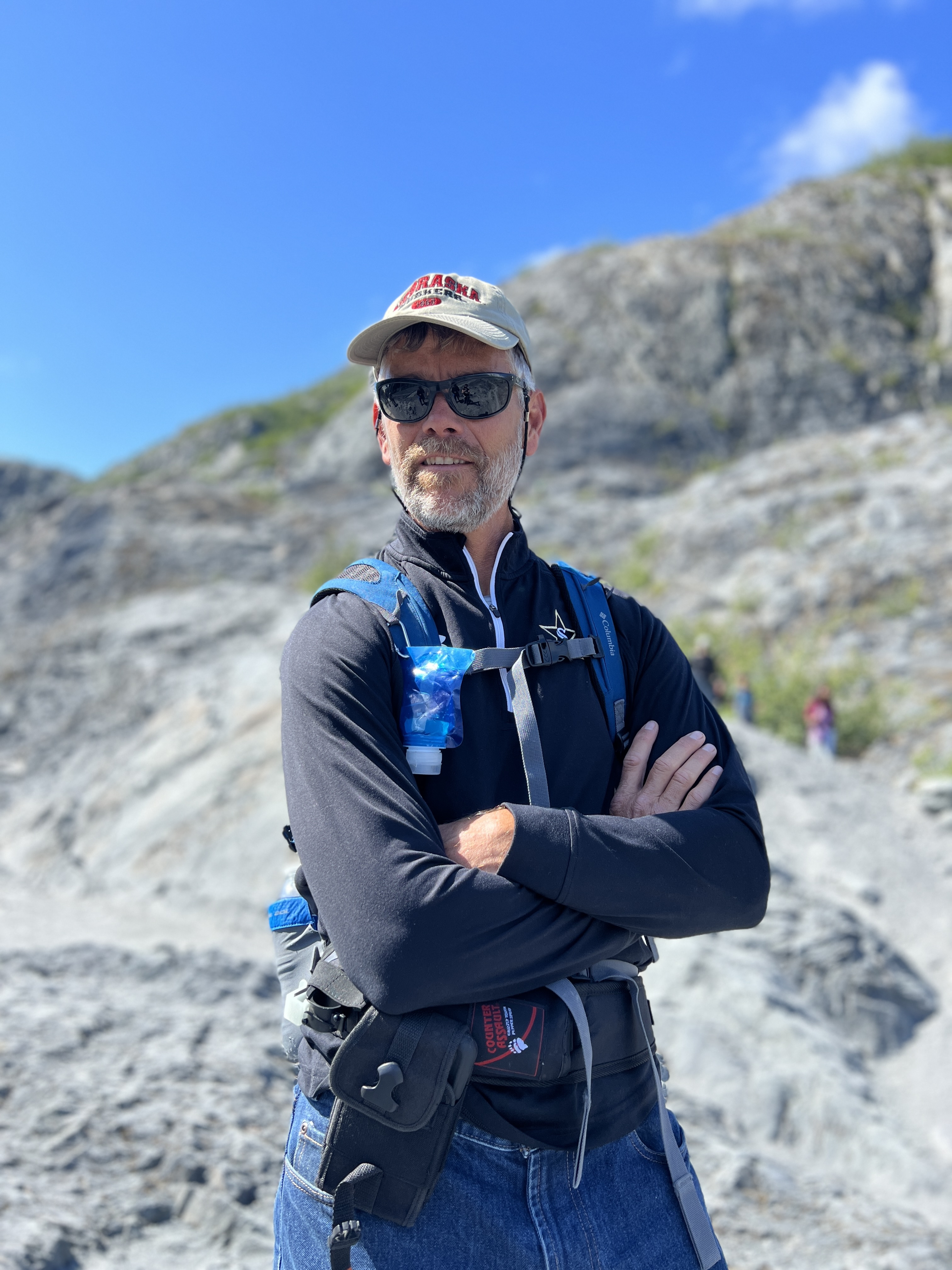
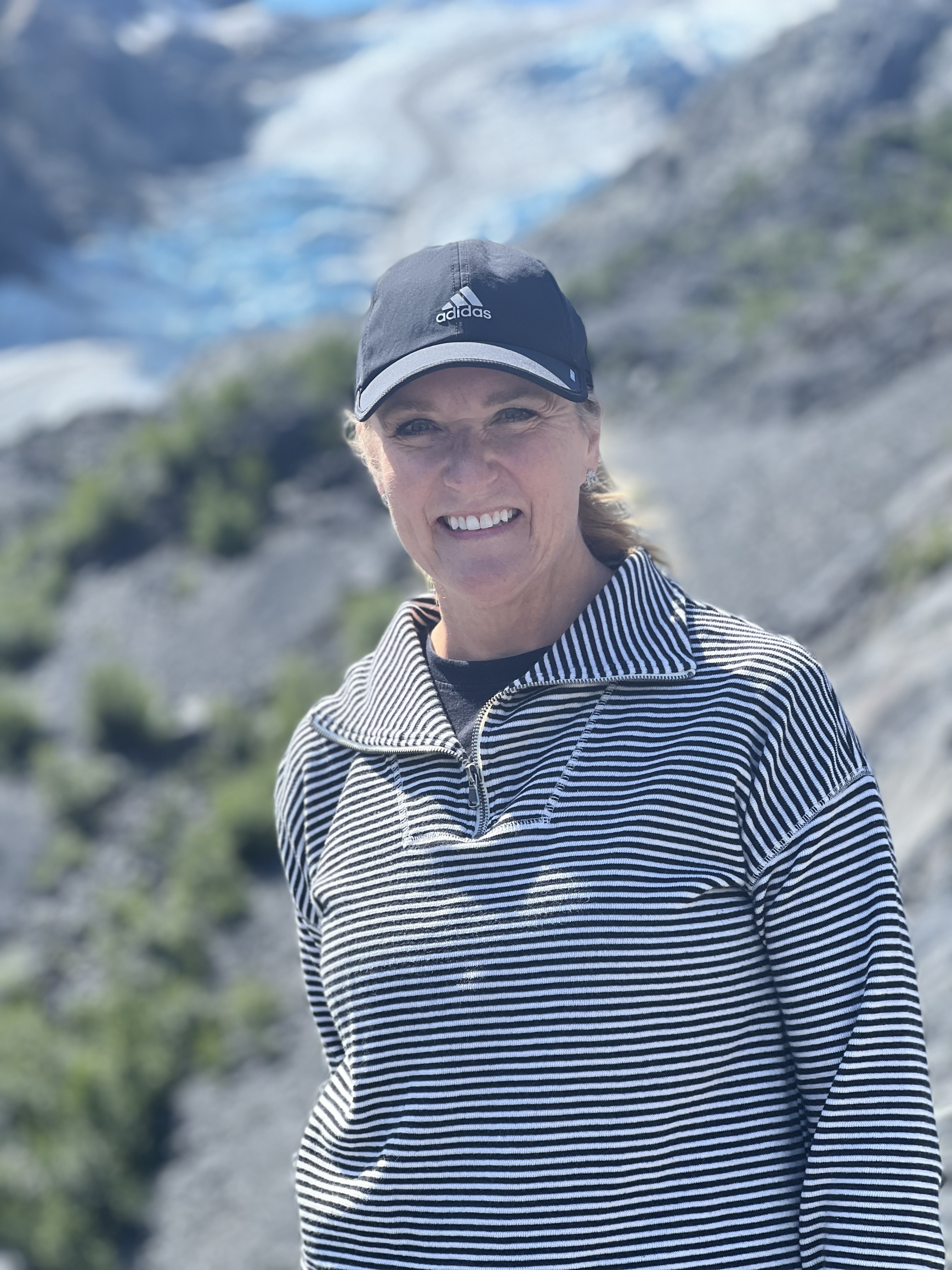
We walked to the overlook, which at one time was bordered by ice. Now it’s a bit of a distance to the icefield, but the landscape illustrates the power the ice has in carving canyons and rivers. We had a beautiful day for a photoshoot.

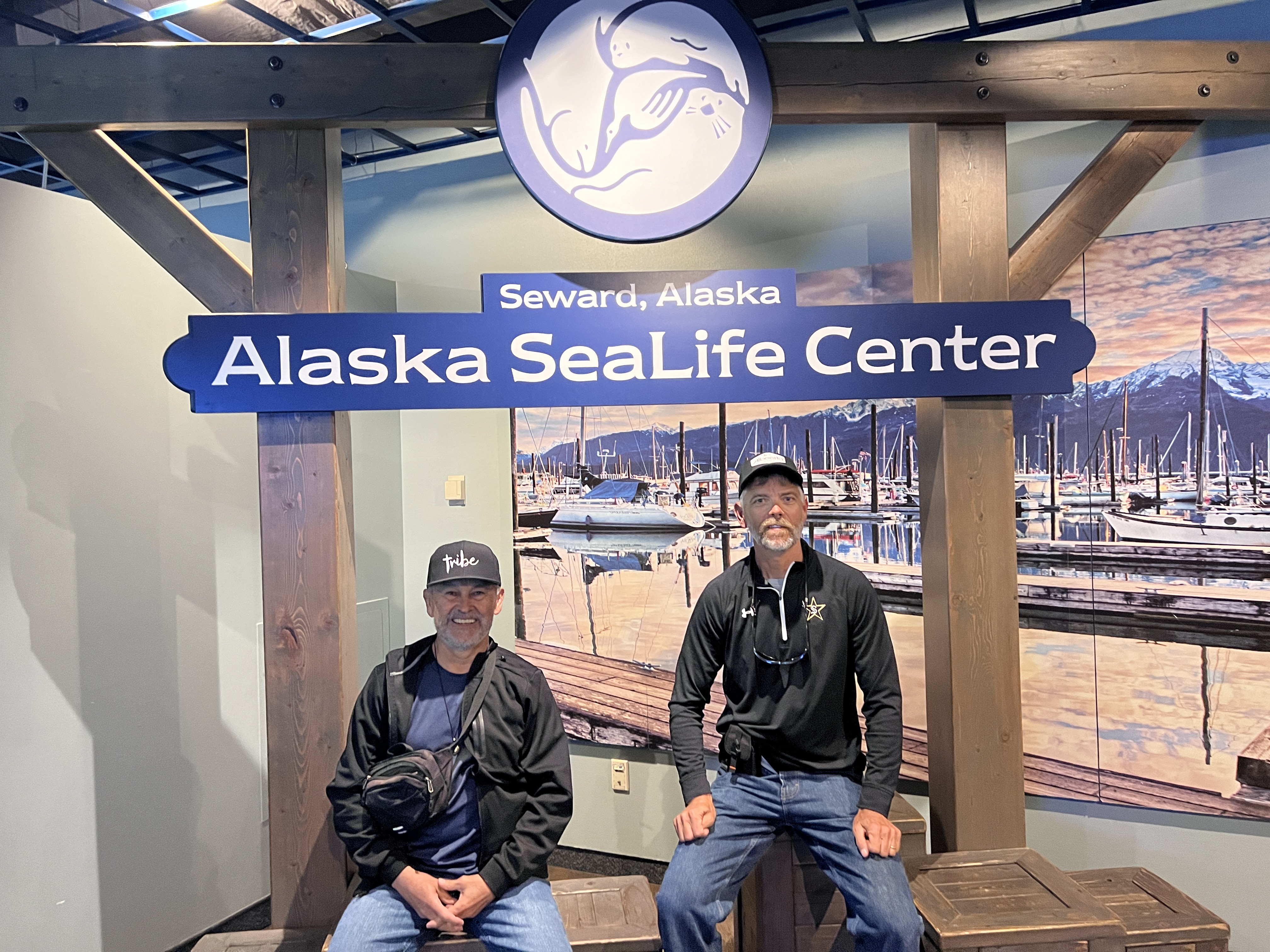
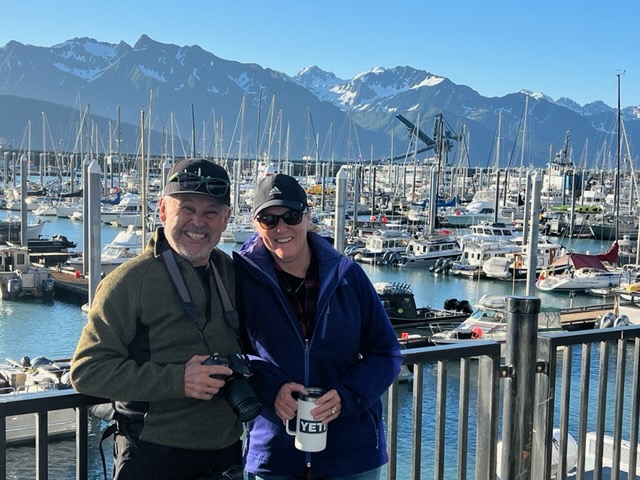
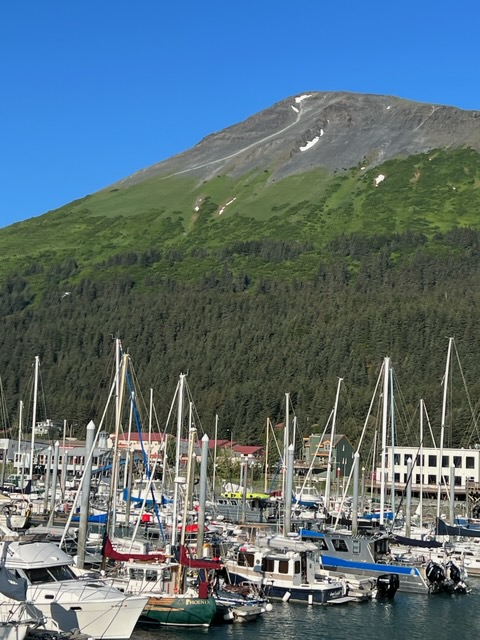
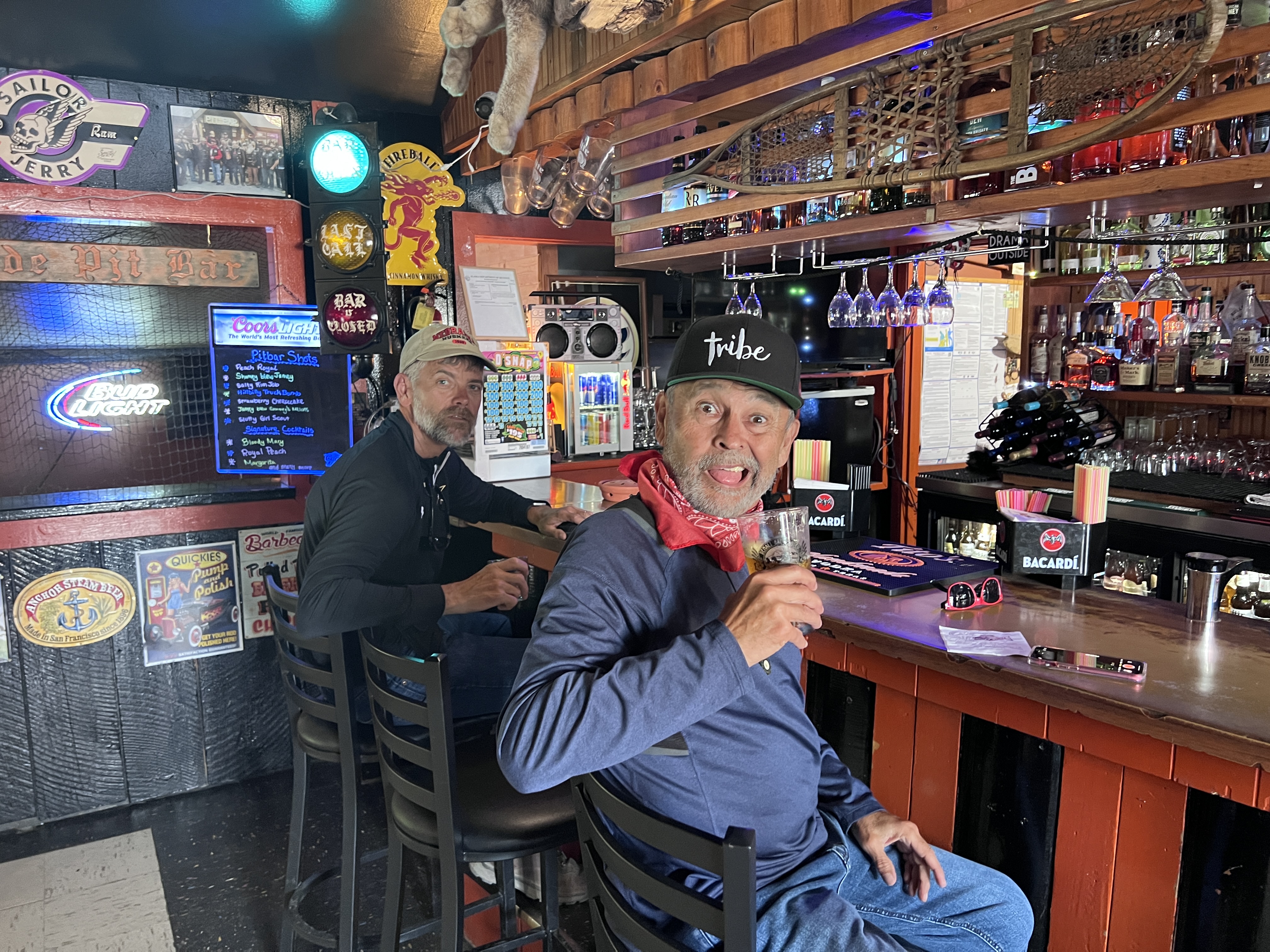
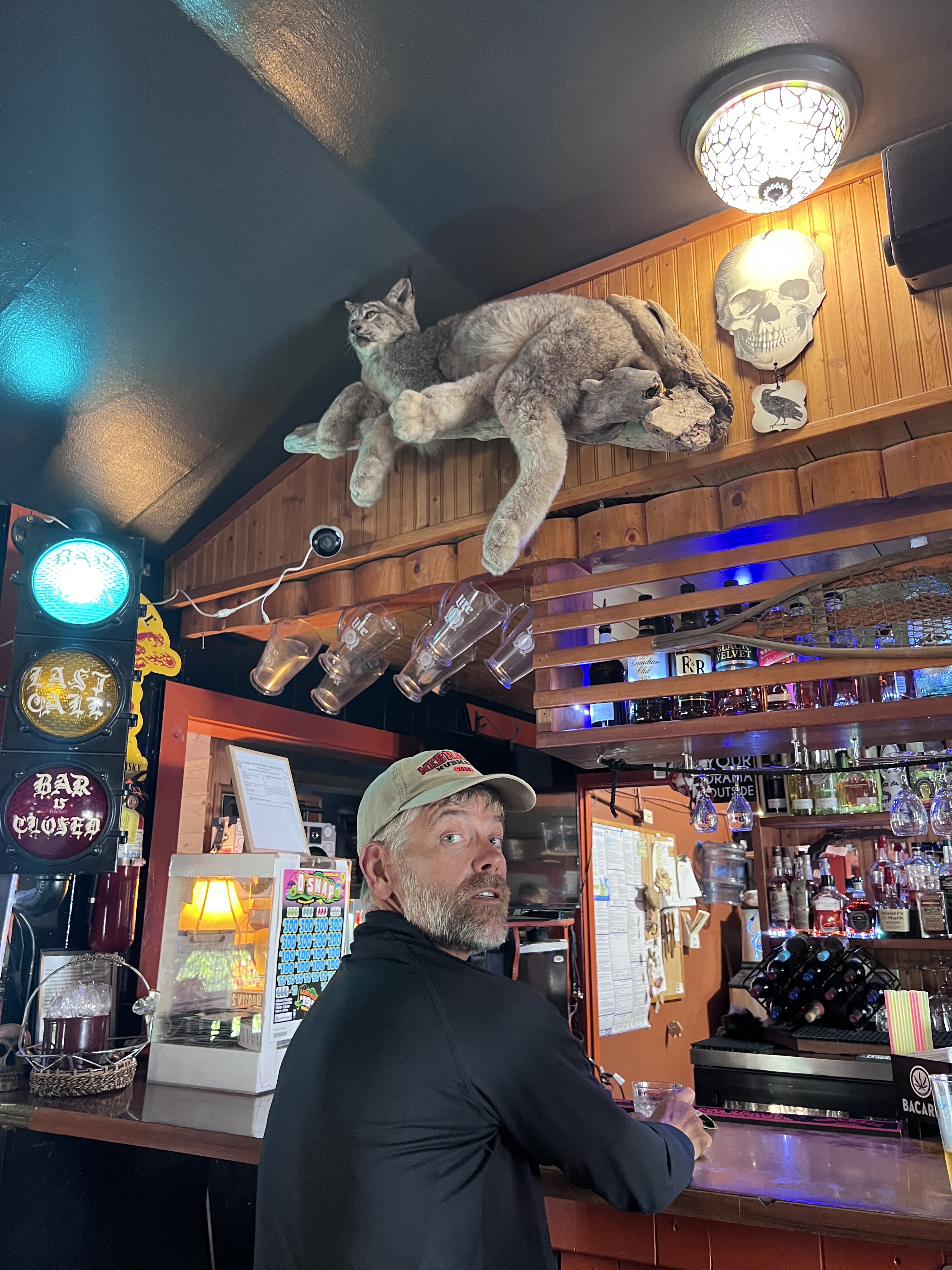
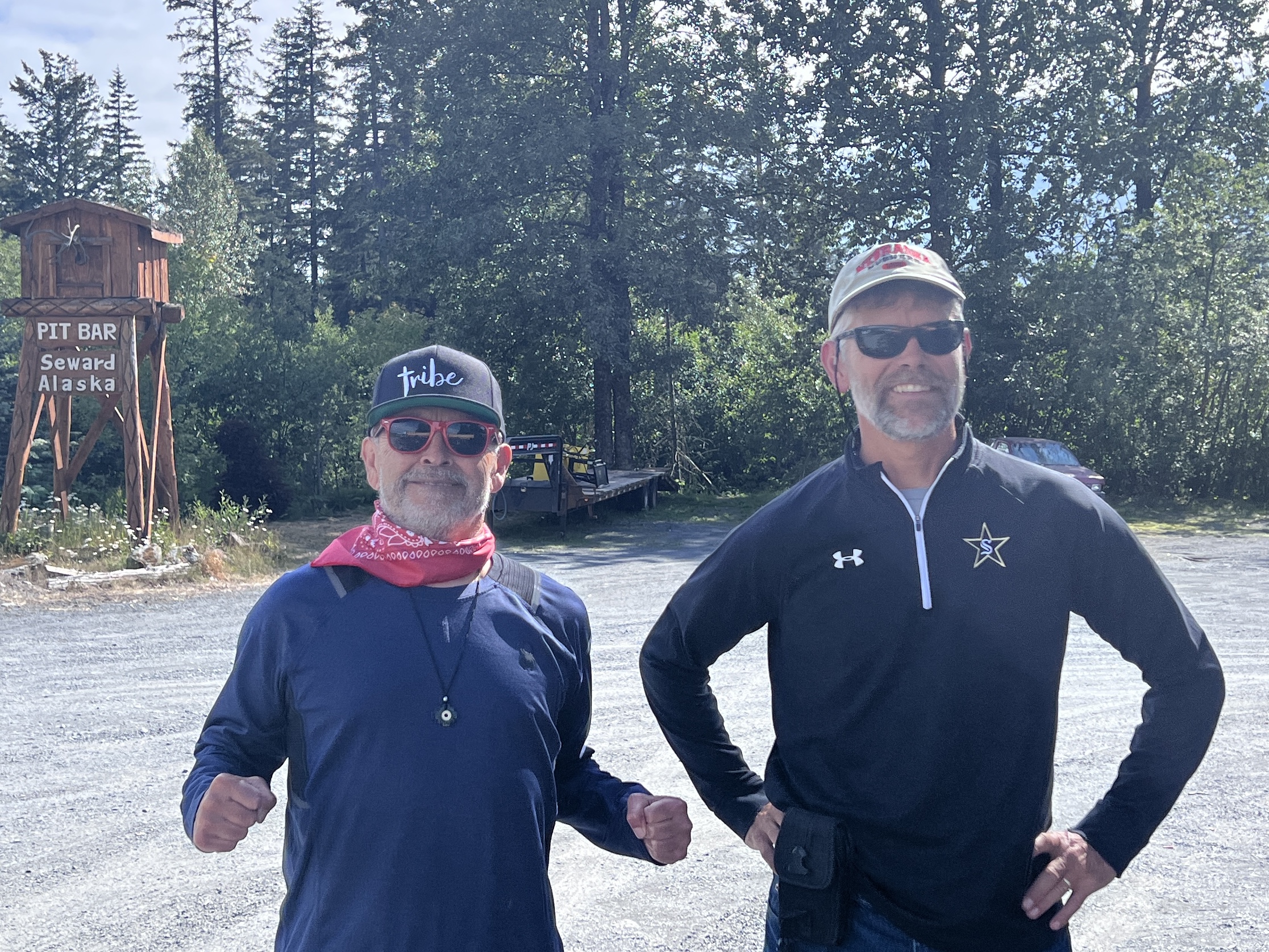
The town of Seward offers a lot of fun and we are checking it all out. One day we hit the Alaska Sealife Center to learn more about ocean creatures and efforts to preserve our environment. The boat harbor in Seward is very scenic and is ringed with shops, hotels, and restaurants, which we enjoyed. We also found a fun, hole-in-the-wall bar, called the Pit Bar, that is open until 5AM. Don’t worry… we were there for just a little bit one afternoon.



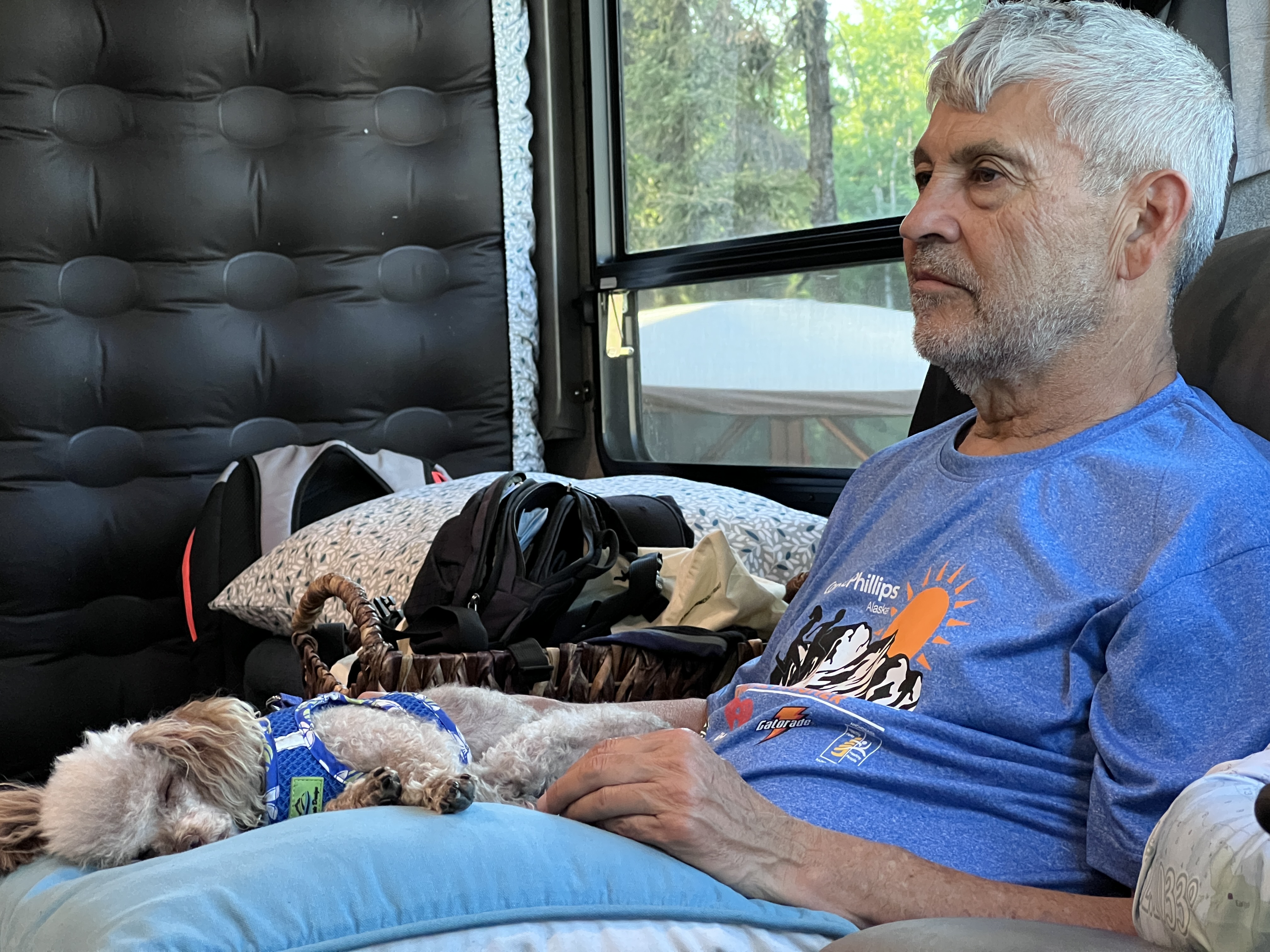
As you can see, Sam has easily settled into RV life. Everyone is so happy he’s here!
Today the guys are out on an all-day halibut fishing trip. We’re hoping today will be a big payday. Tune in next week when we’ll give you the results and a summary of Seward’s Fourth of July festivities. It’s supposed to be big!















 Marnie and Steve Travel