Asheville and the Biltmore Estate

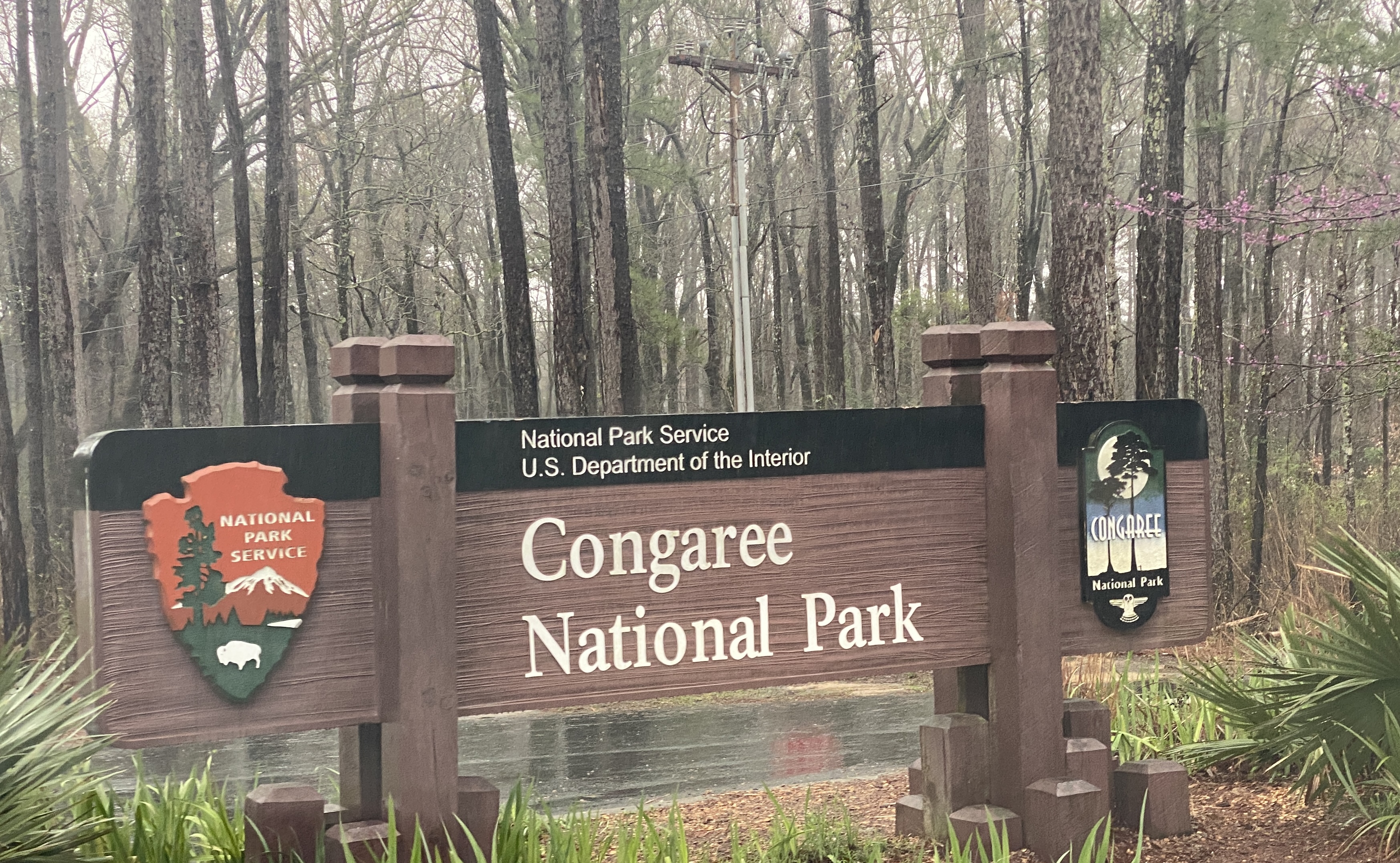
We’d heard Asheville was cool and the rumors were true. We made our way from Savannah, through South Carolina, and on to Asheville.  On the way we made a quick stop at Conagree National Park. Located just outside of Columbia, this relatively small park features the largest contiguous expanse of old growth hardwood forest left in the United States. A lot of cool stuff grows here!
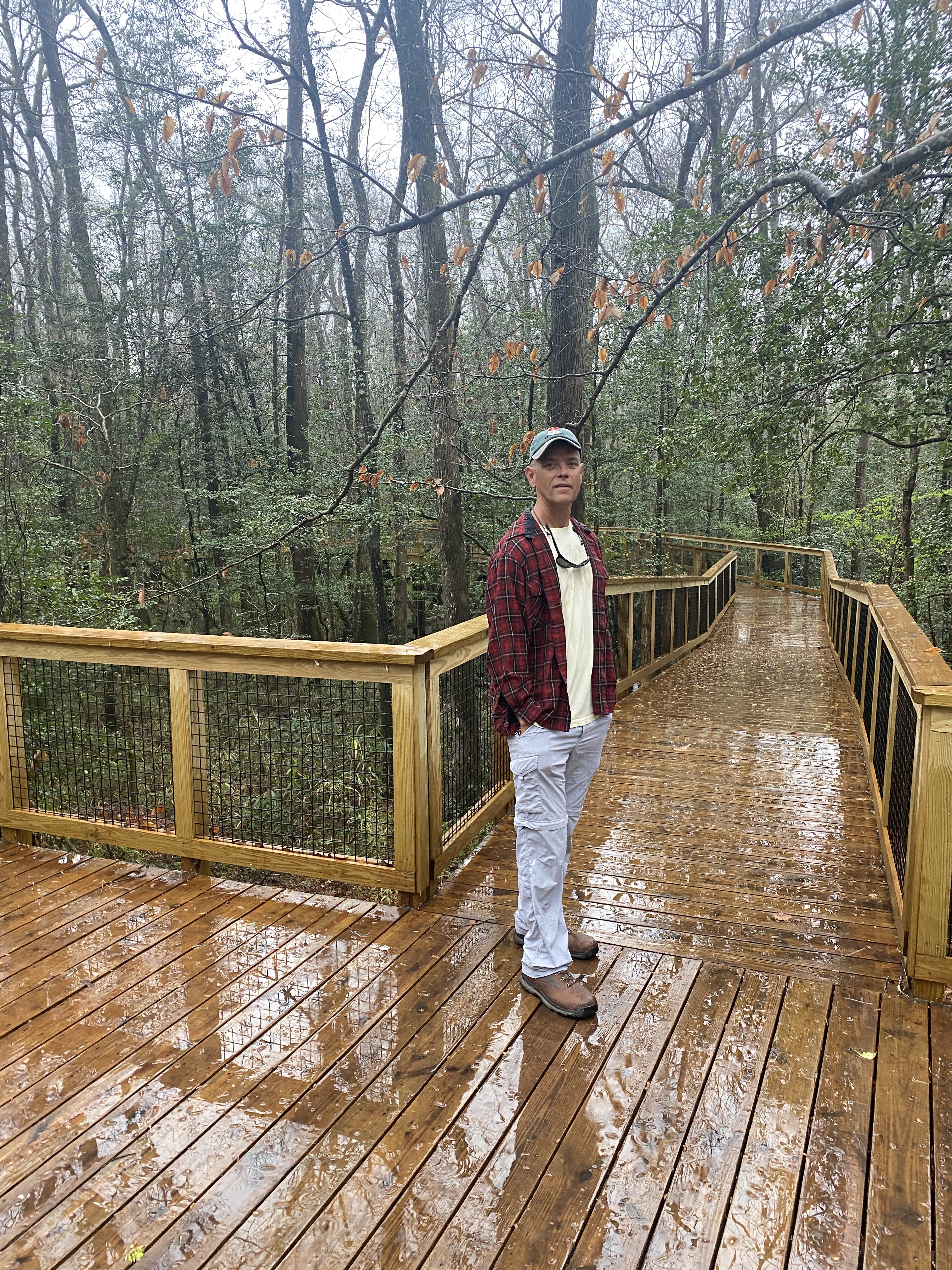
We did a quick walk on the raised boardwalk to get a feel for the landscape but the rain cut our time a bit short. Luckily, though, the bugs weren’t as bad as they could have been. We got another stamp in the NPS Passport book!
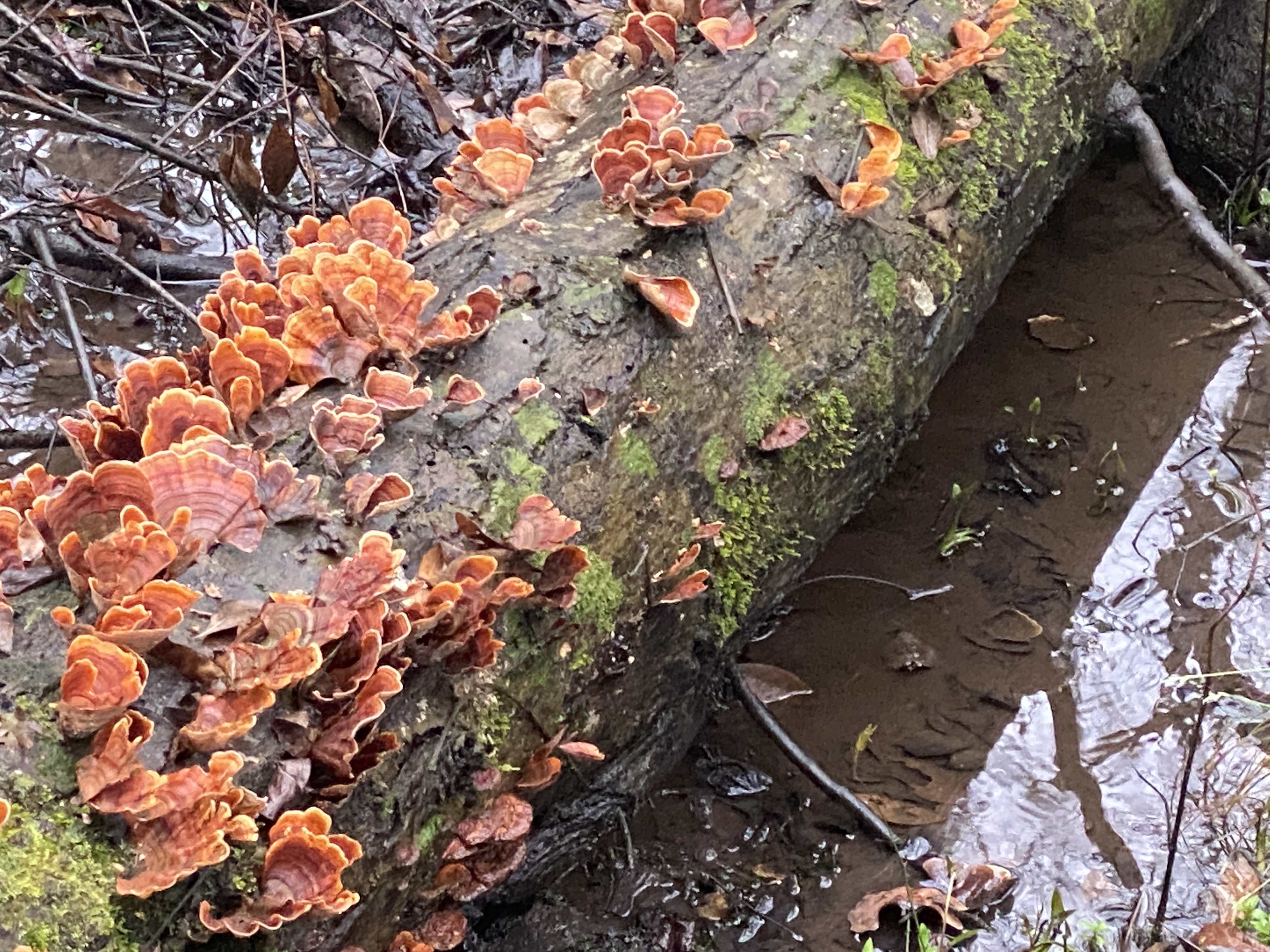
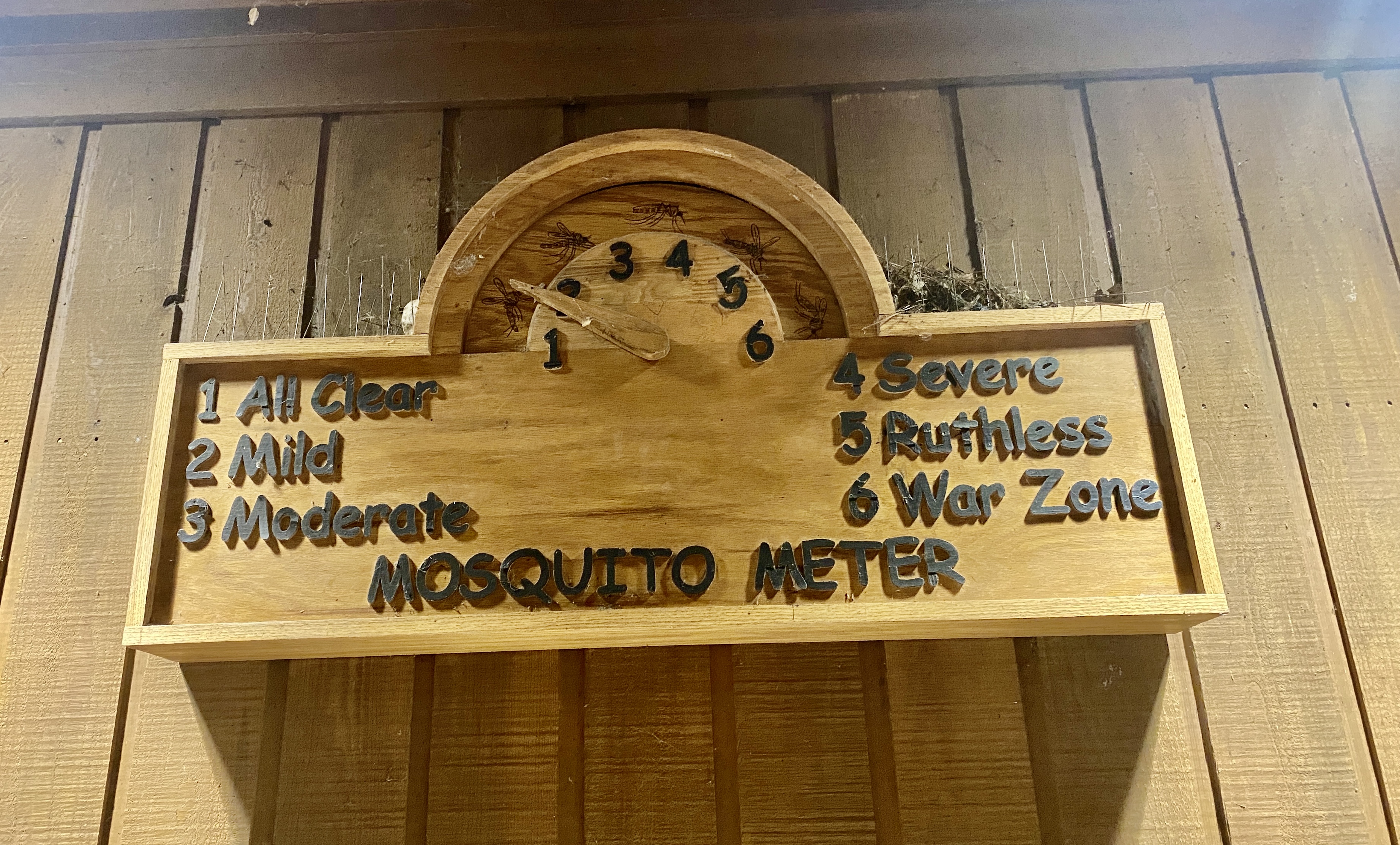
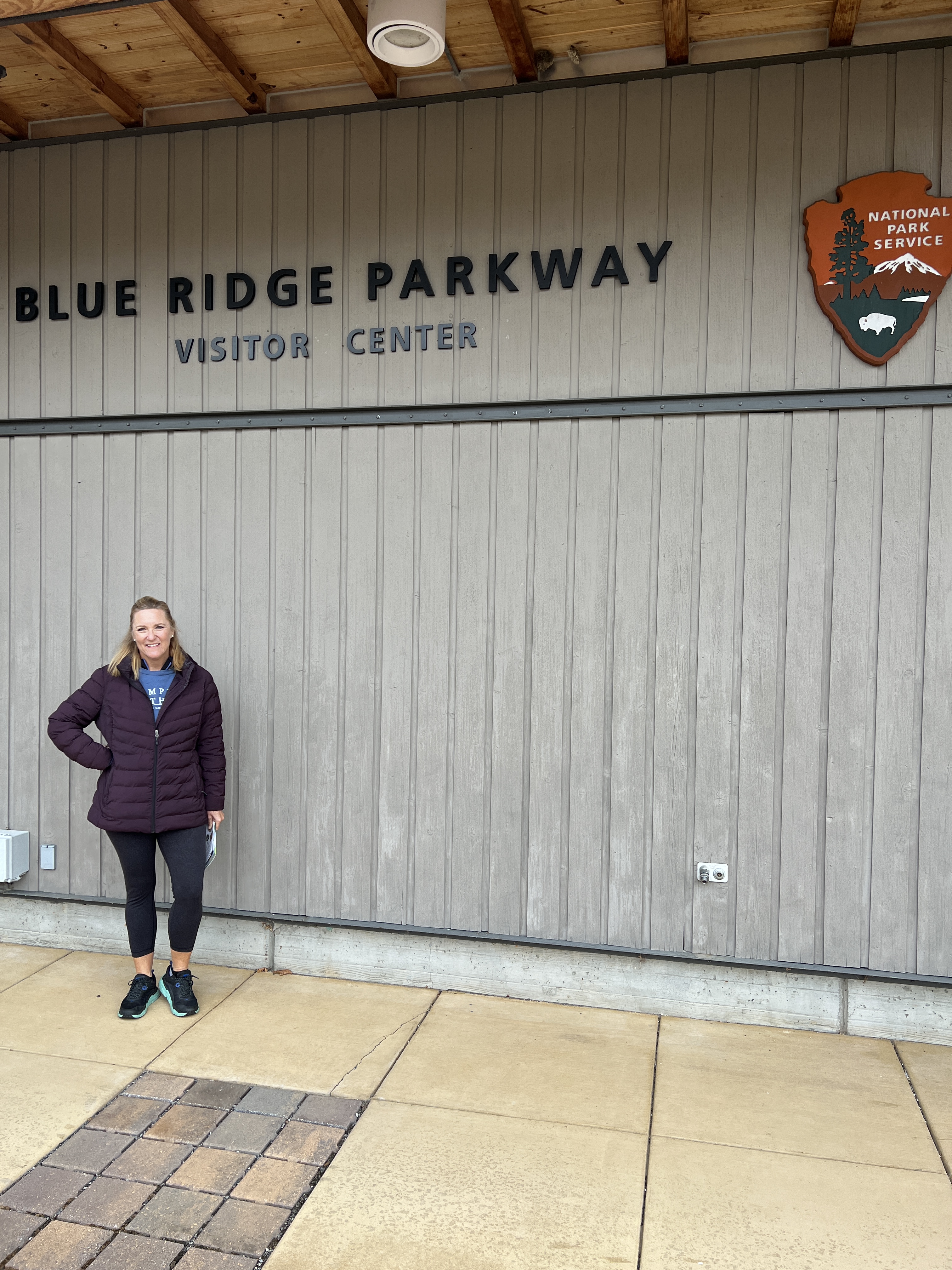
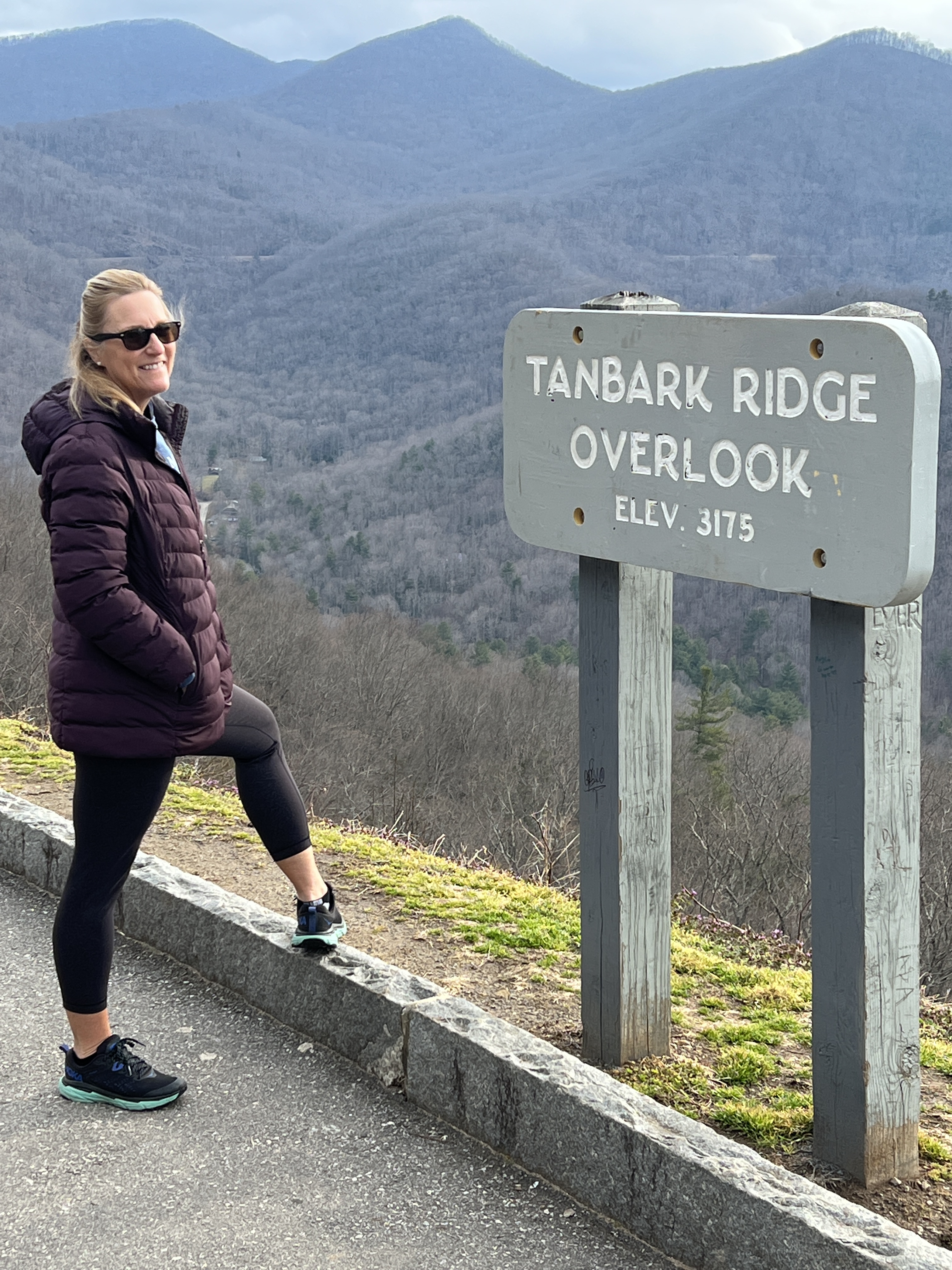
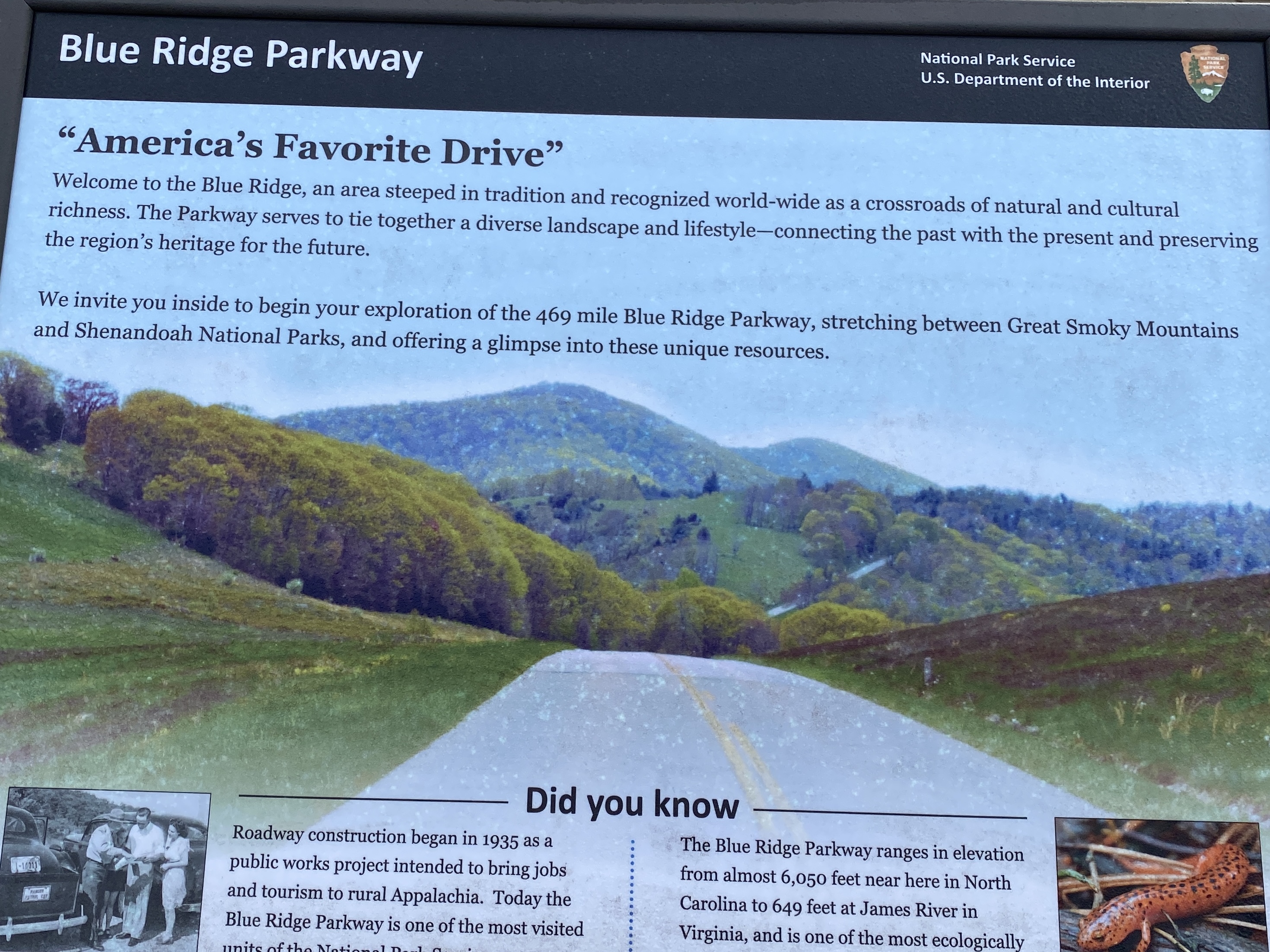
On to Asheville we traveled with two purposes: the Asheville Marathon and the Biltmore Estate. In between we checked out the Blue Ridge Parkway, which runs right through Asheville. Considered “America’s Favorite Drive,” the road runs 469 miles through Virginia and North Carolina, linking Shenandoah National Park to Great Smoky Mountains National Park. We did about 20 miles and enjoyed the views. Maybe we’ll do the entire thing on a future trip.
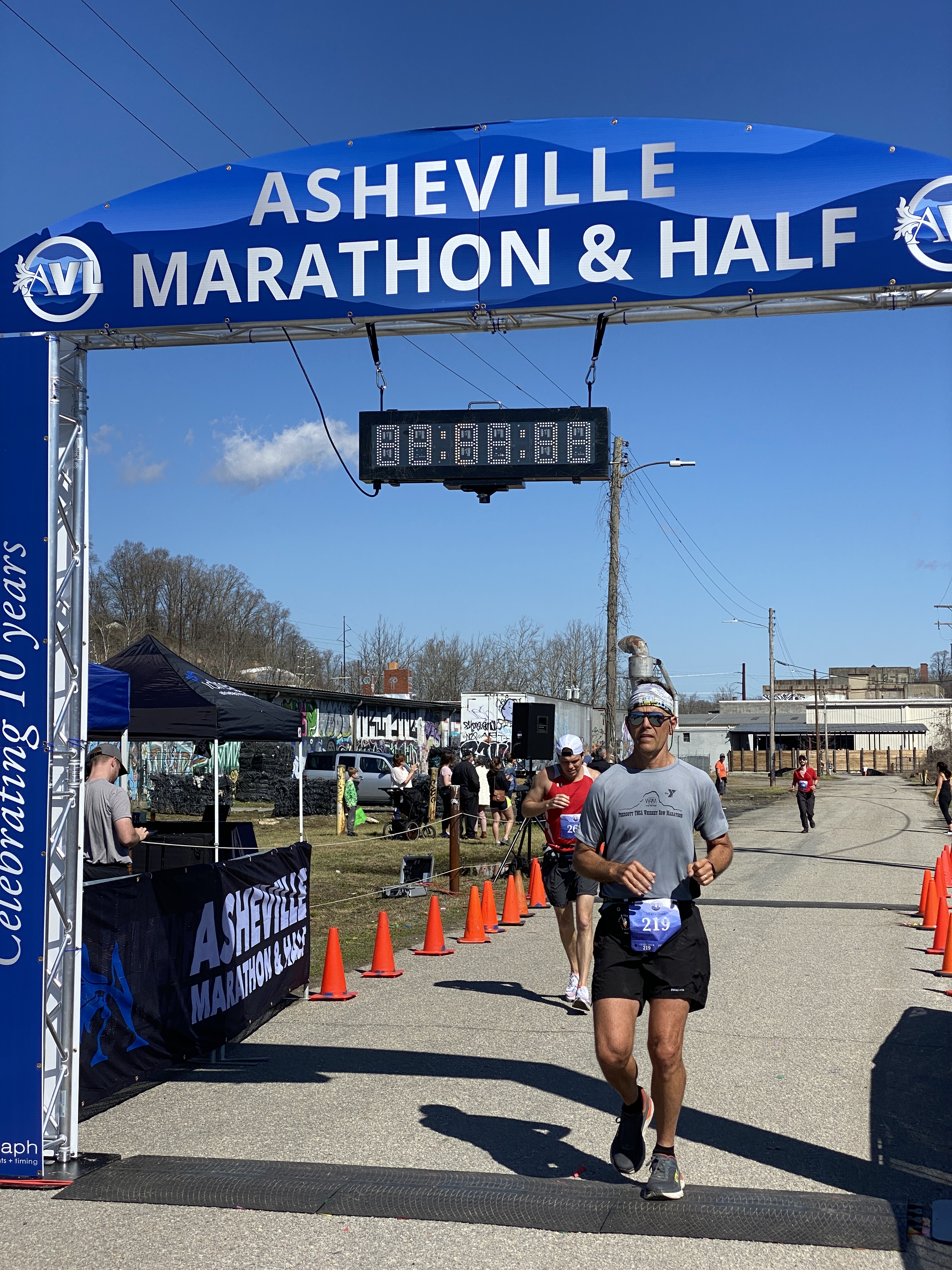
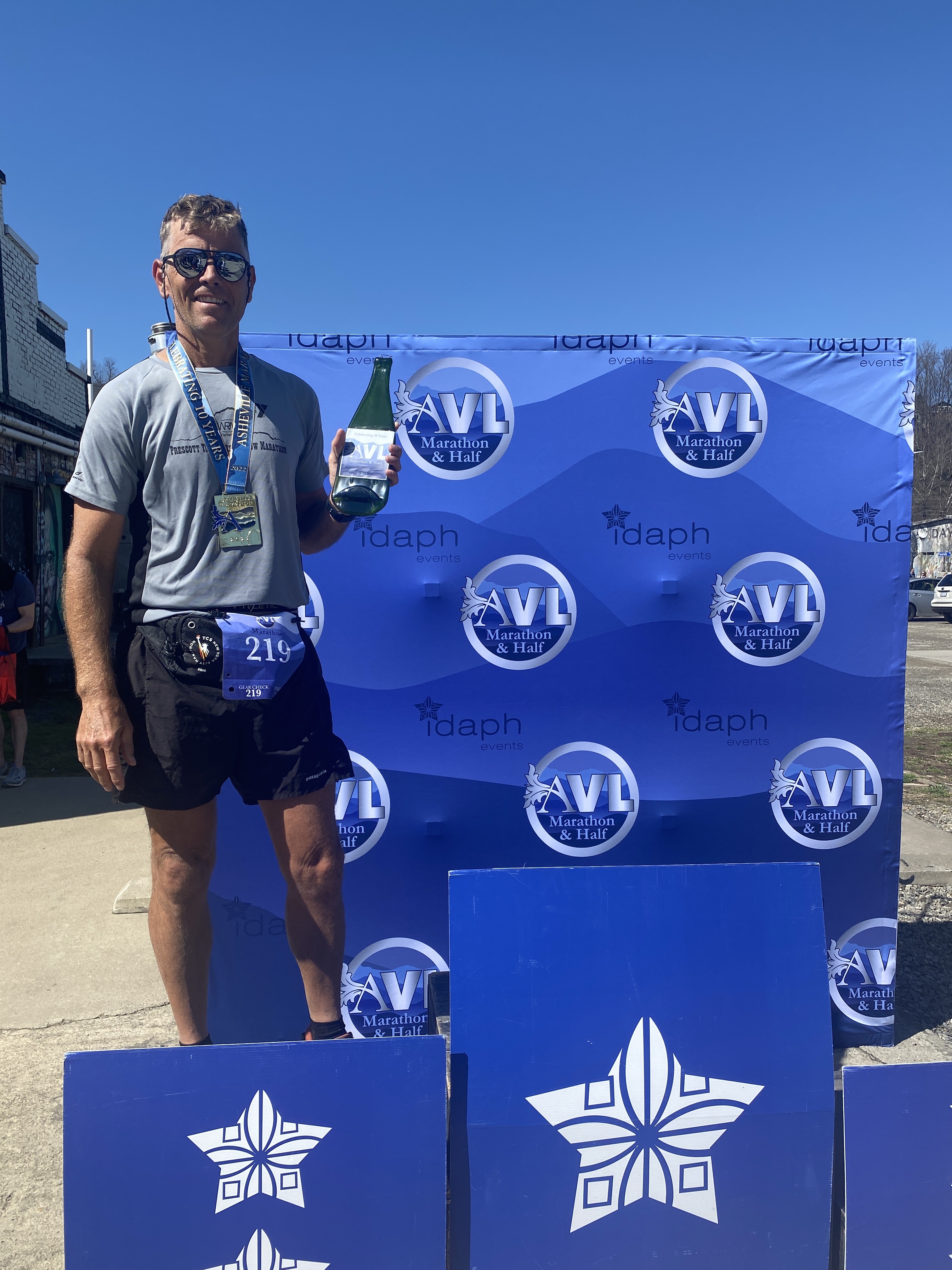
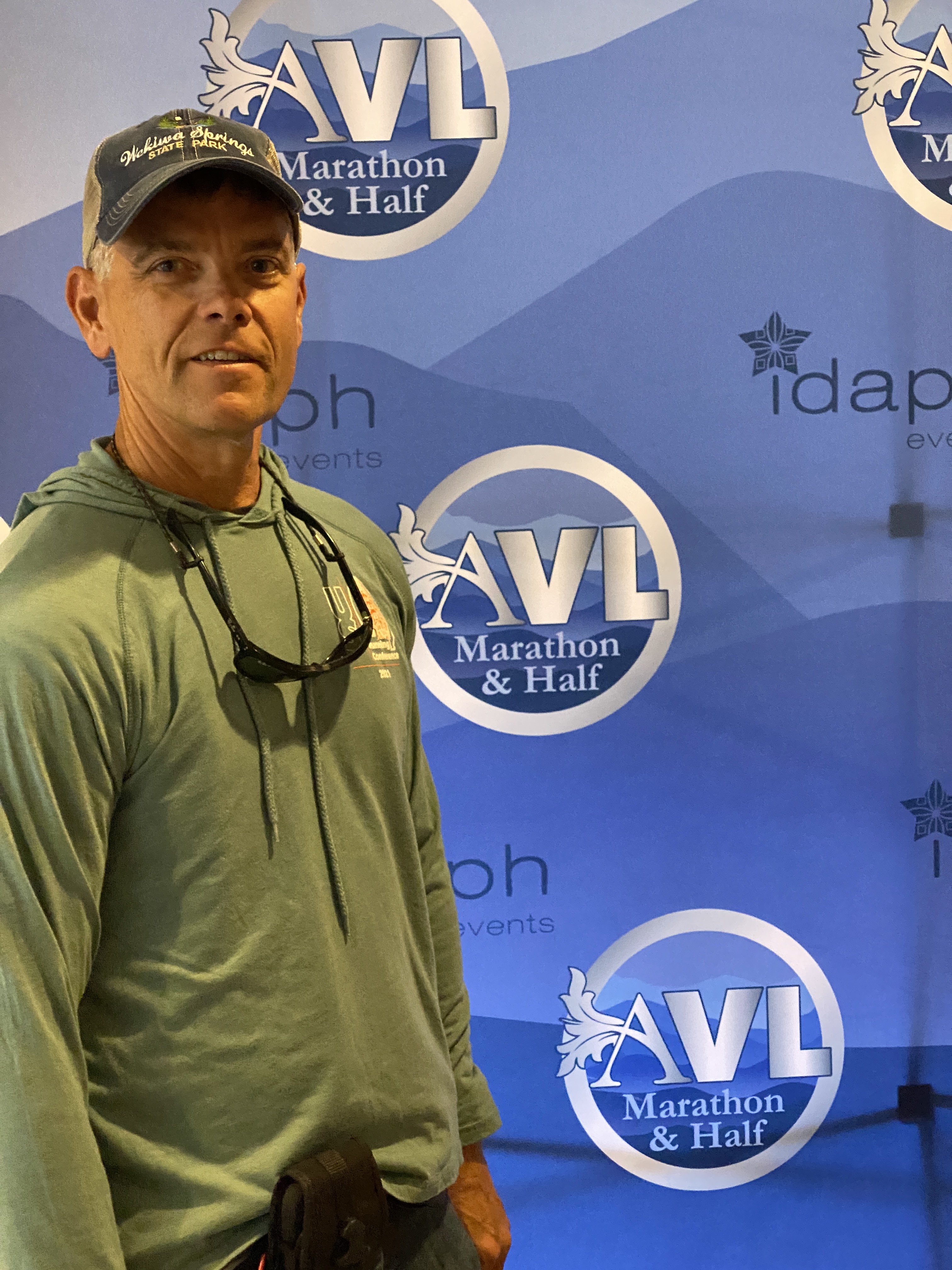
Saturday brought the big event: Steve’s 34th marathon in his 24th state. We enjoyed the warm Asheville hospitality and the finish line festivities at one of Asheville’s many breweries.

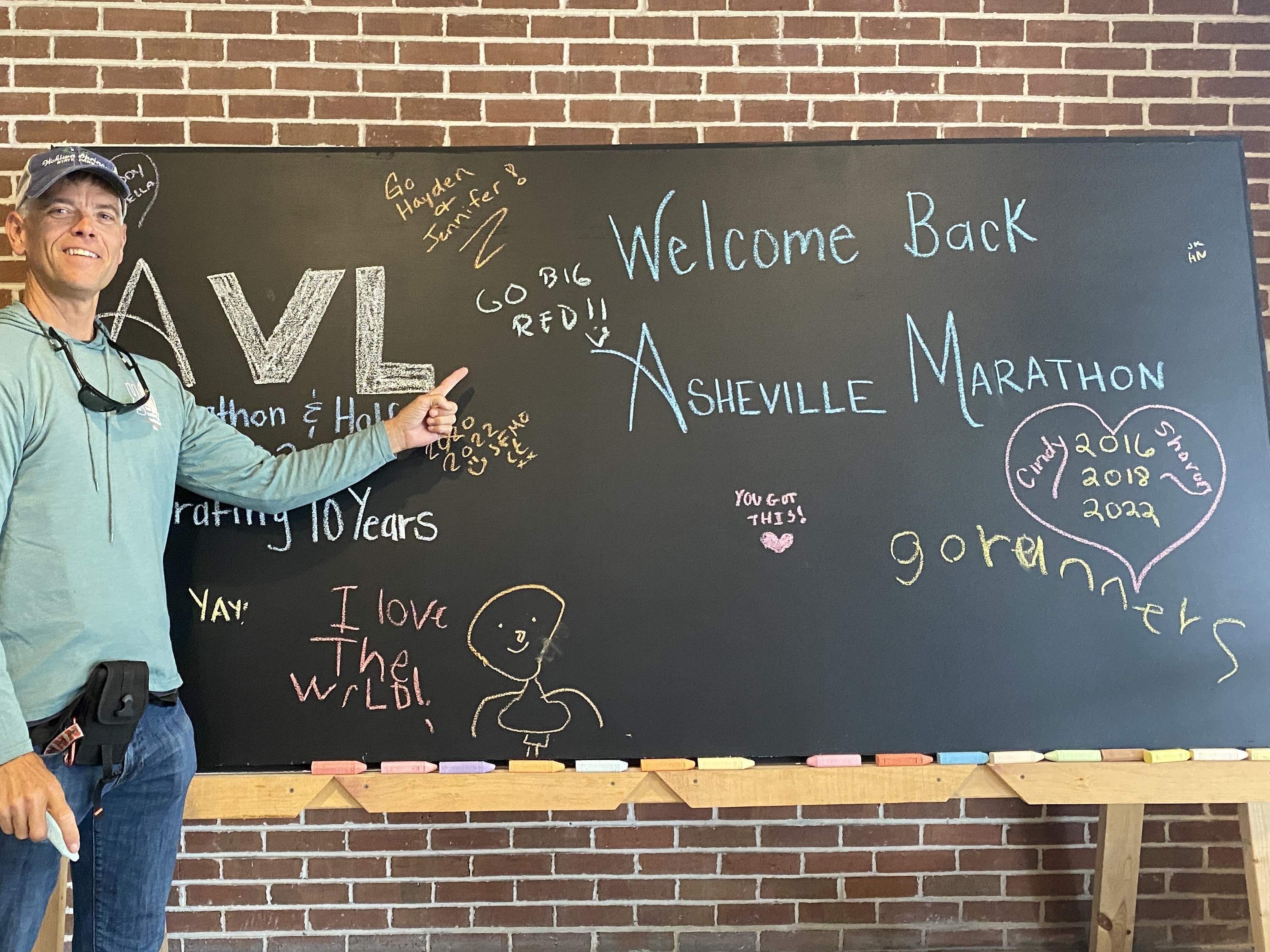
Steve finished the race in just over four hours and finished second in his age group. 
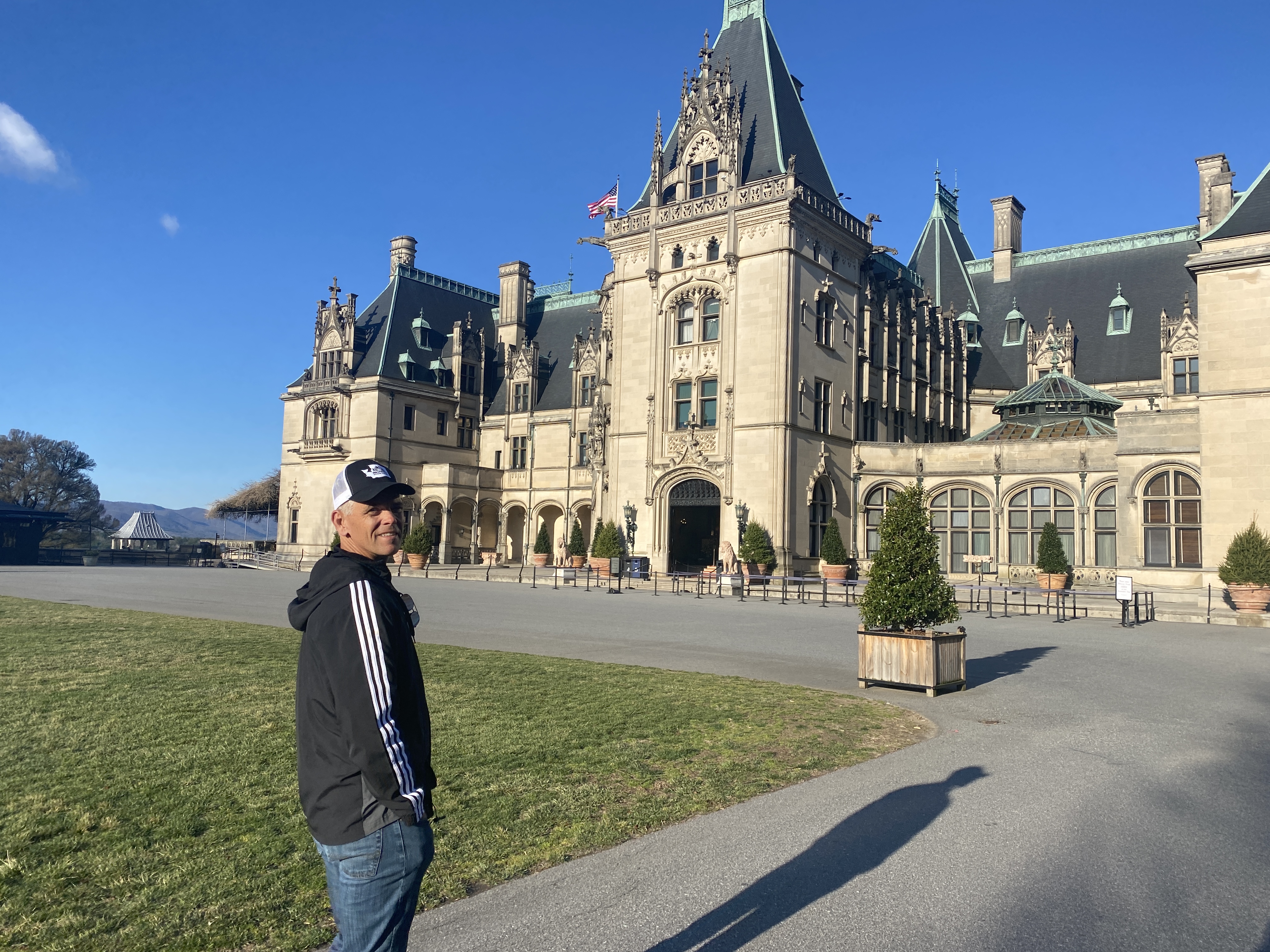
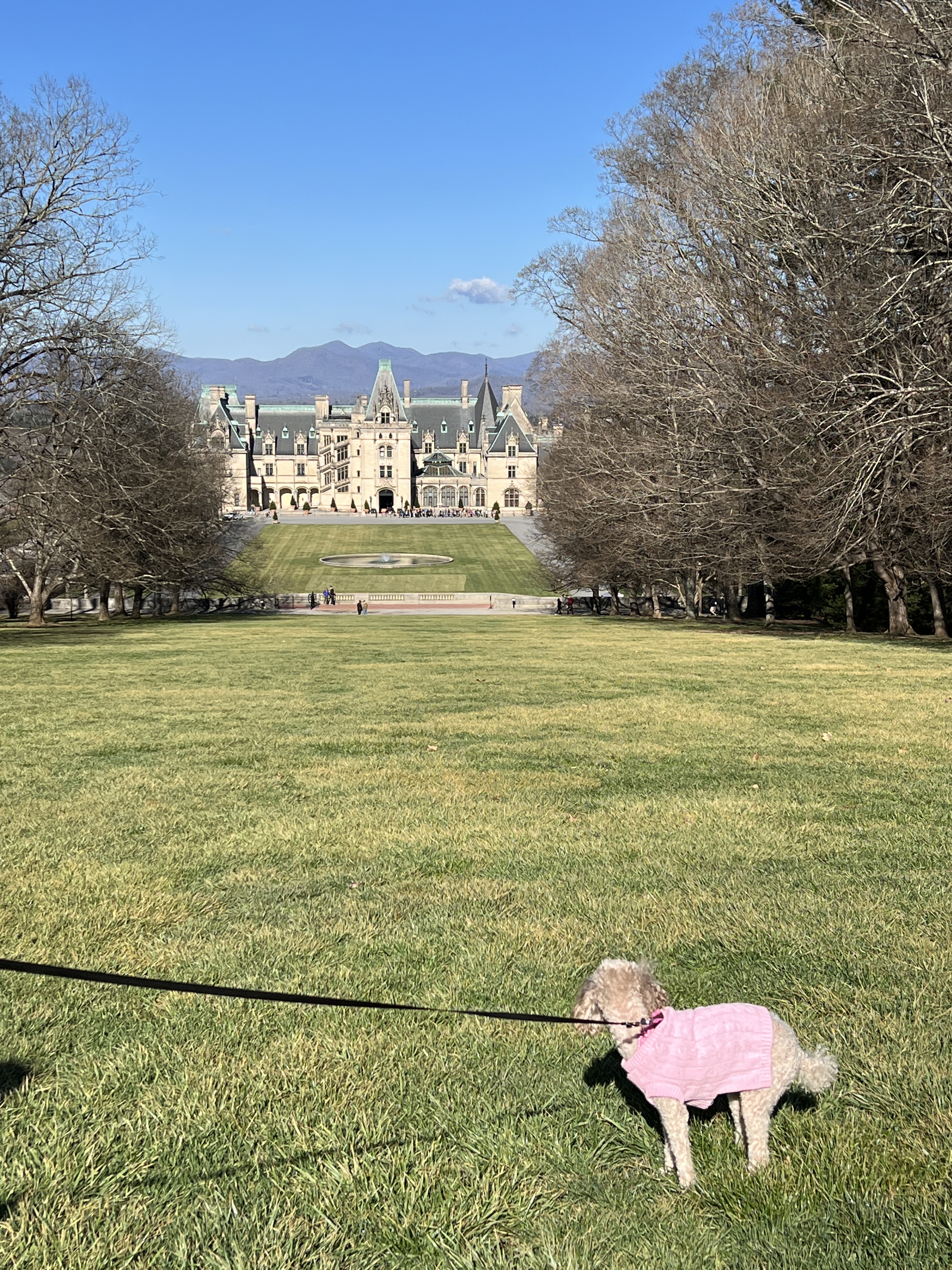
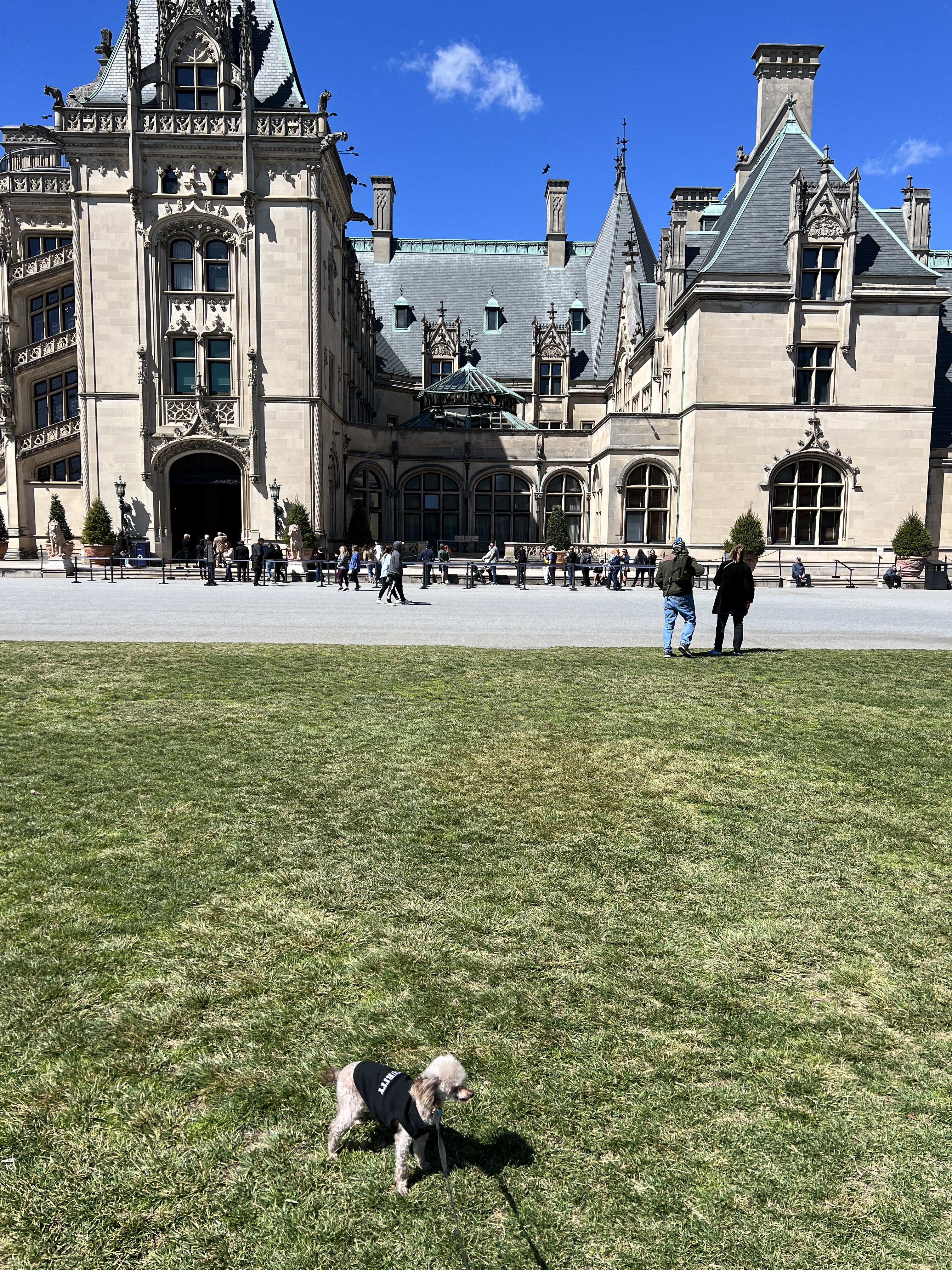
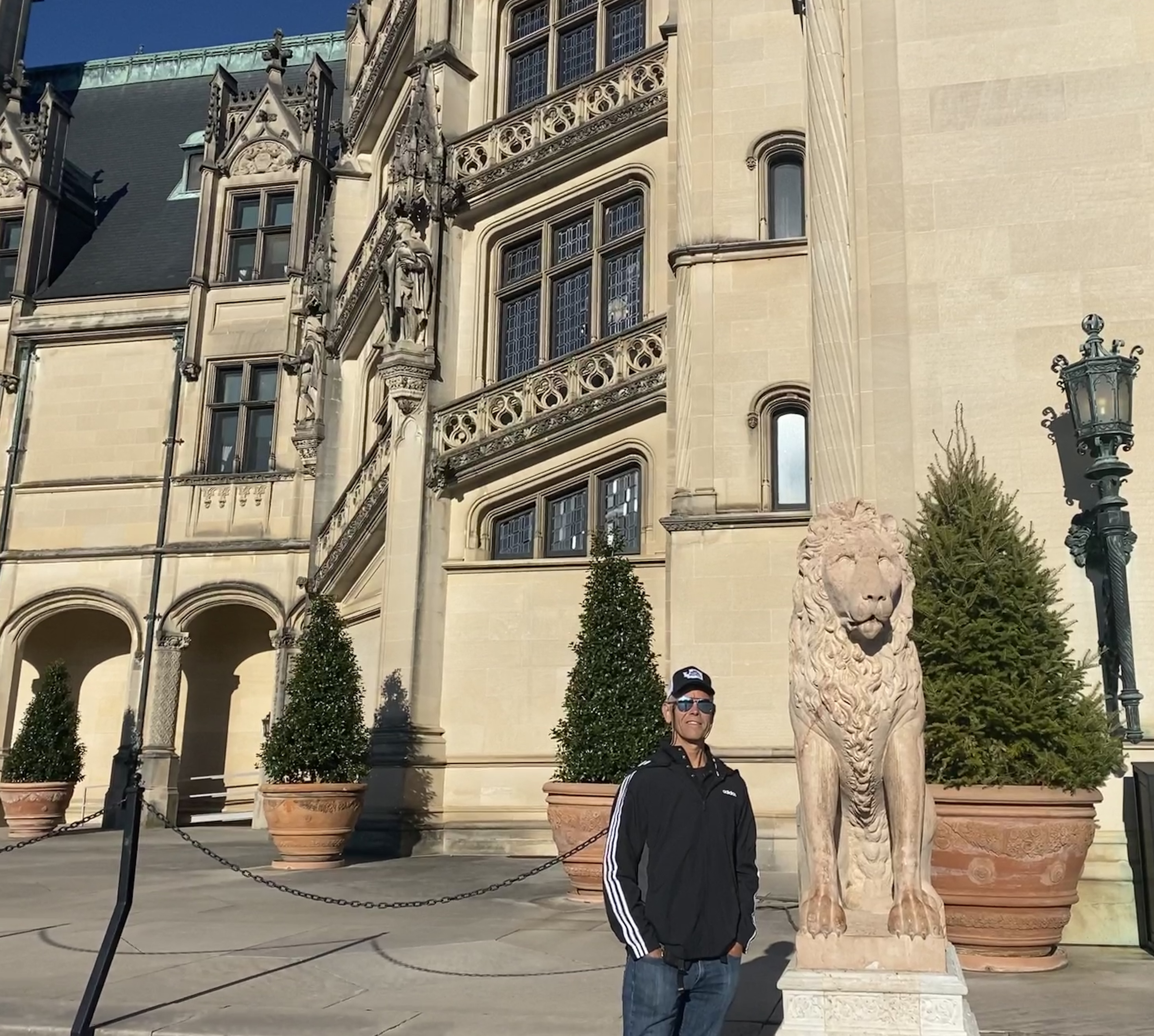
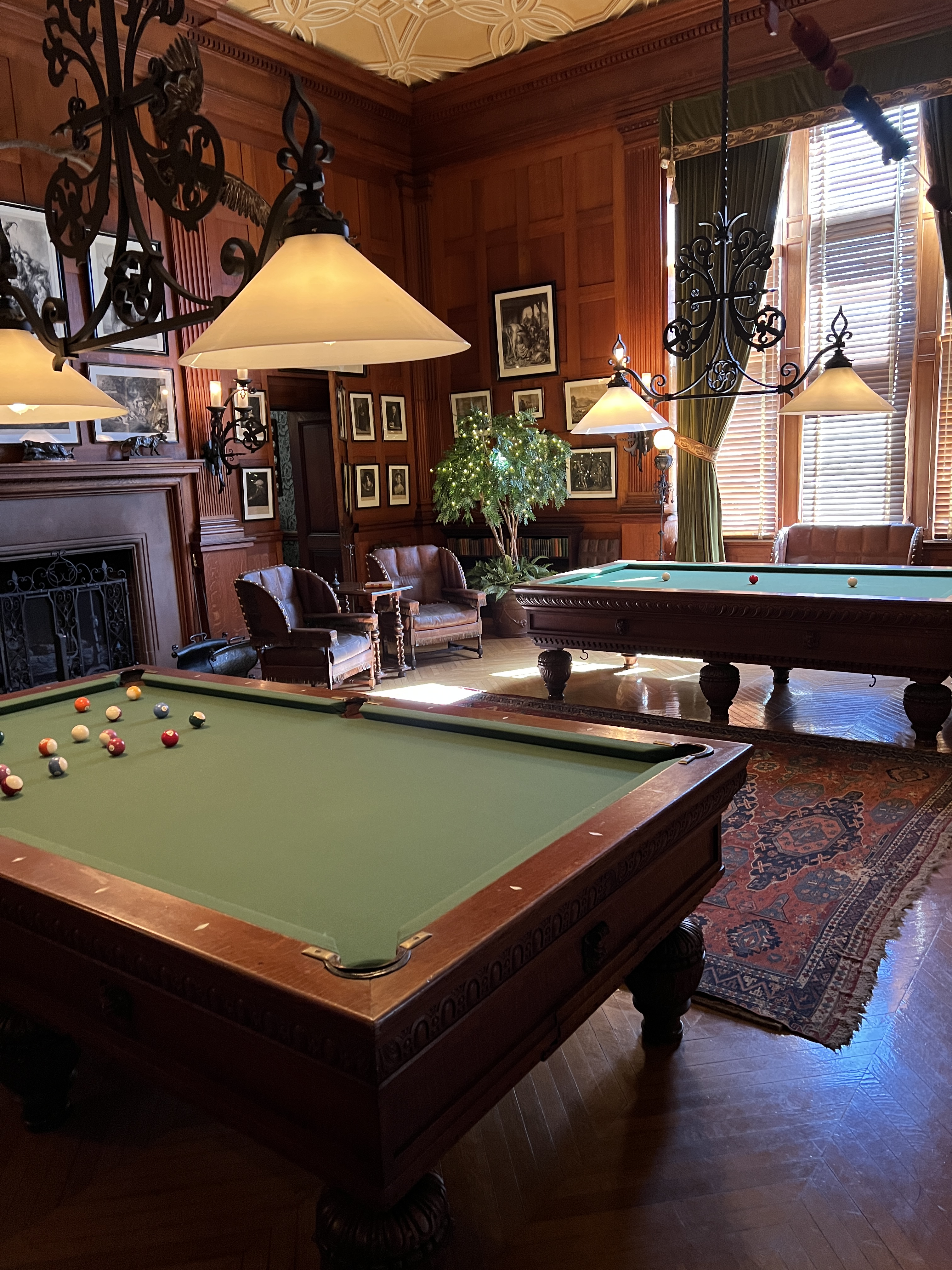
Sunday took us to the famed Biltmore Estate, built by George W. Vanderbilt in 1895. Over the course of the day we explored the grounds, the house, the winery, and the farm. Even the dogs enjoyed the property.

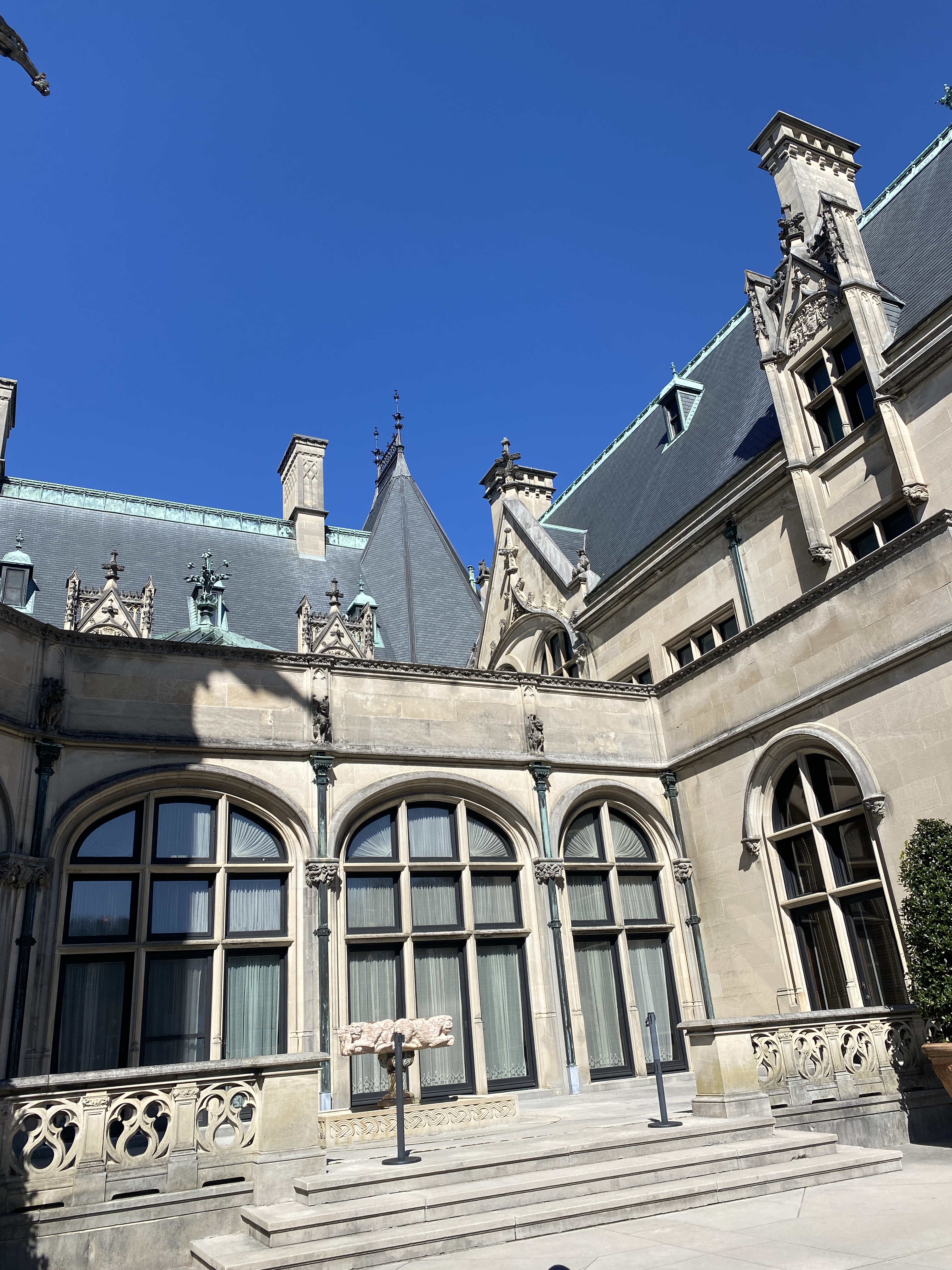
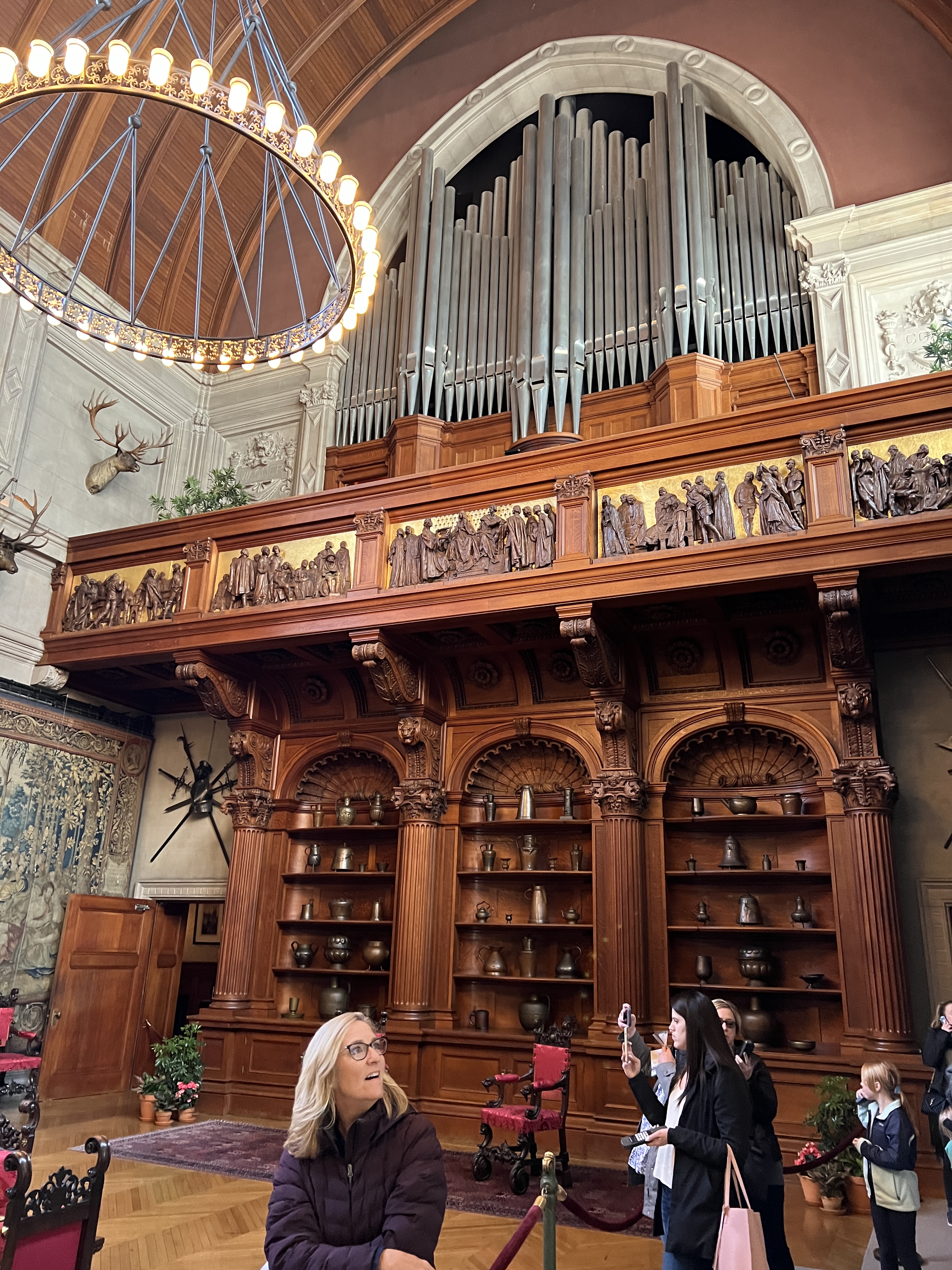
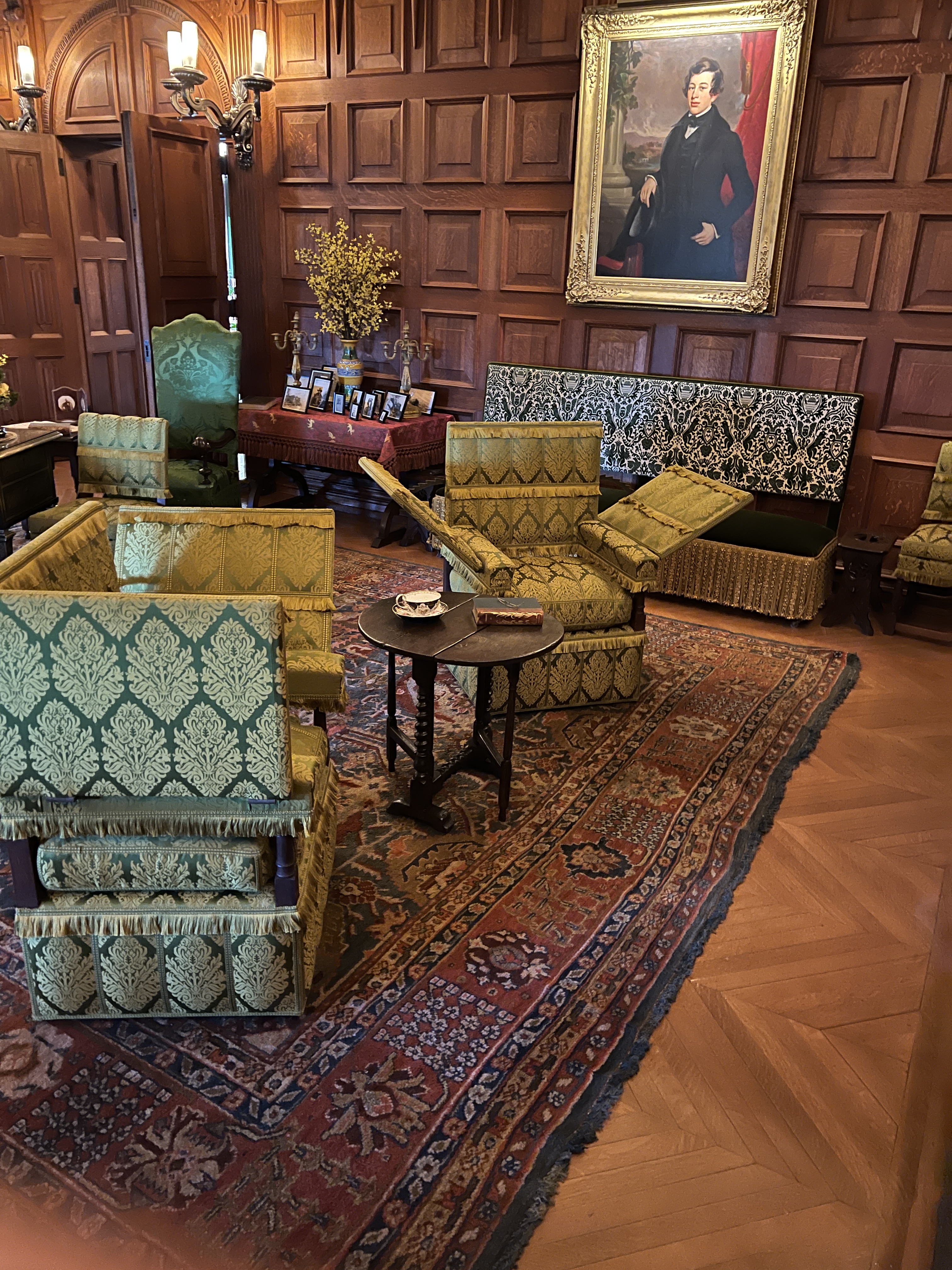
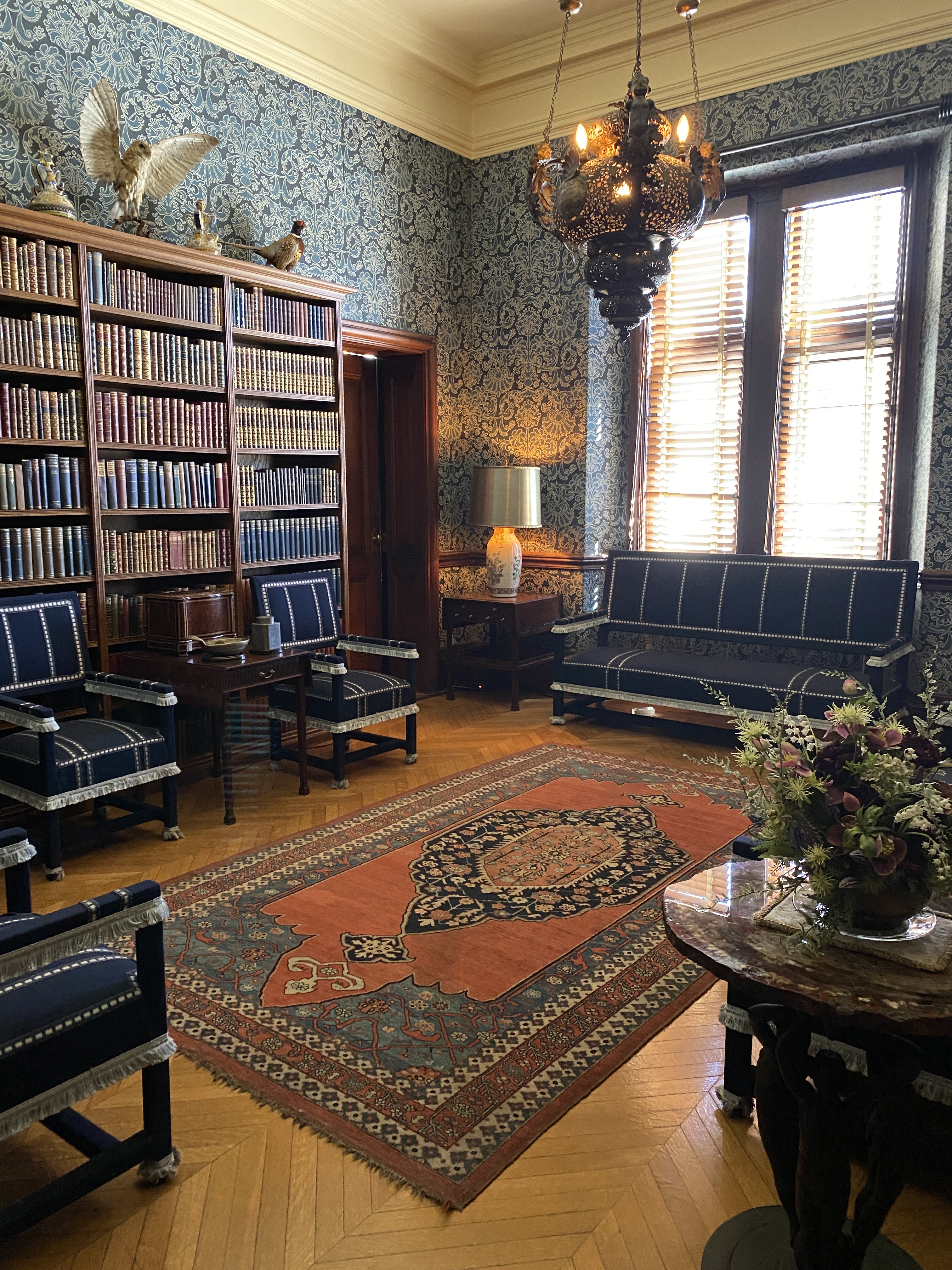
The 250-room chateau is considered America’s largest home with 16th century tapestries, 10,000 volume library, 65 fireplaces, an indoor pool, and an indoor bowling alley. 
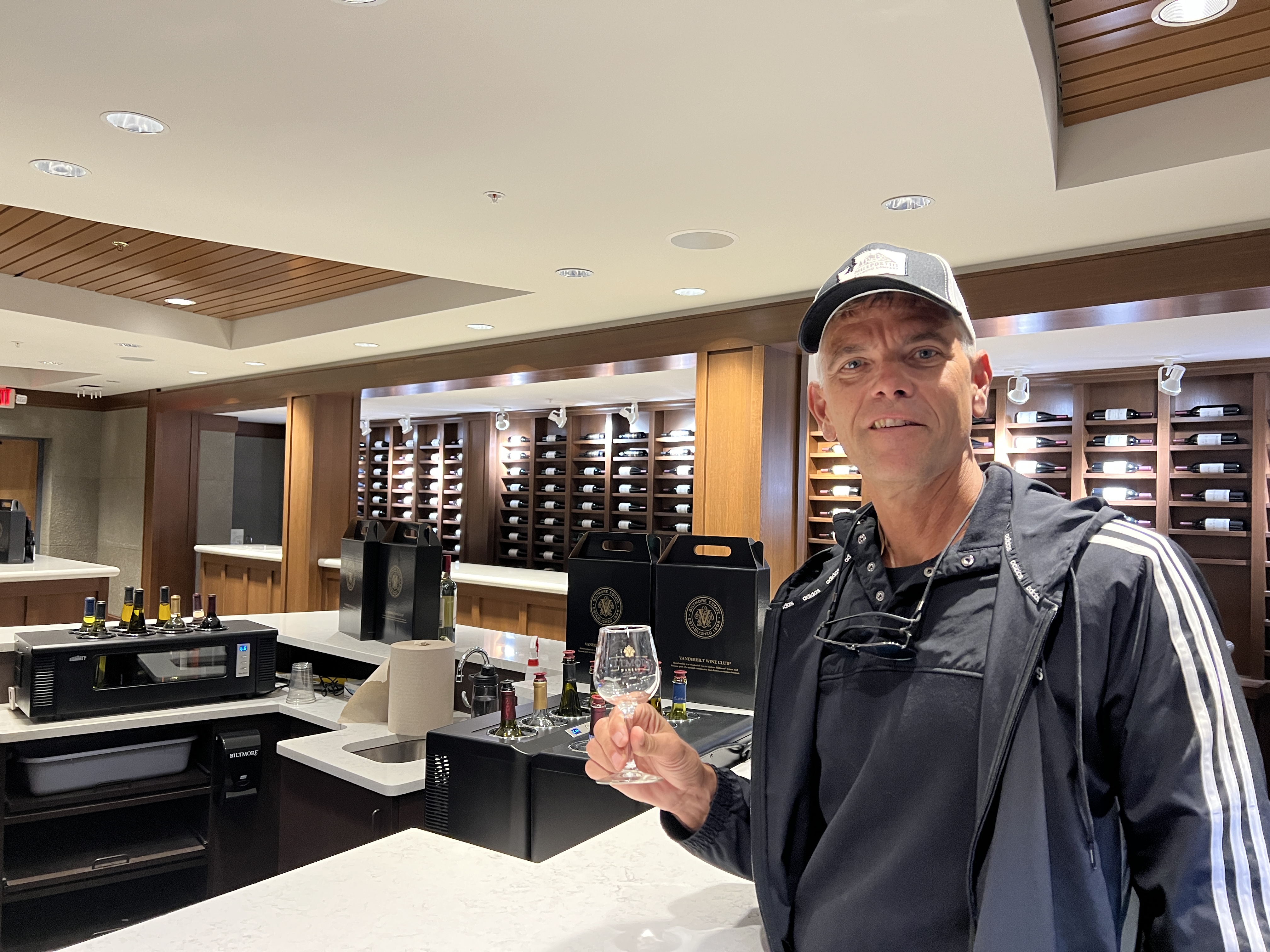
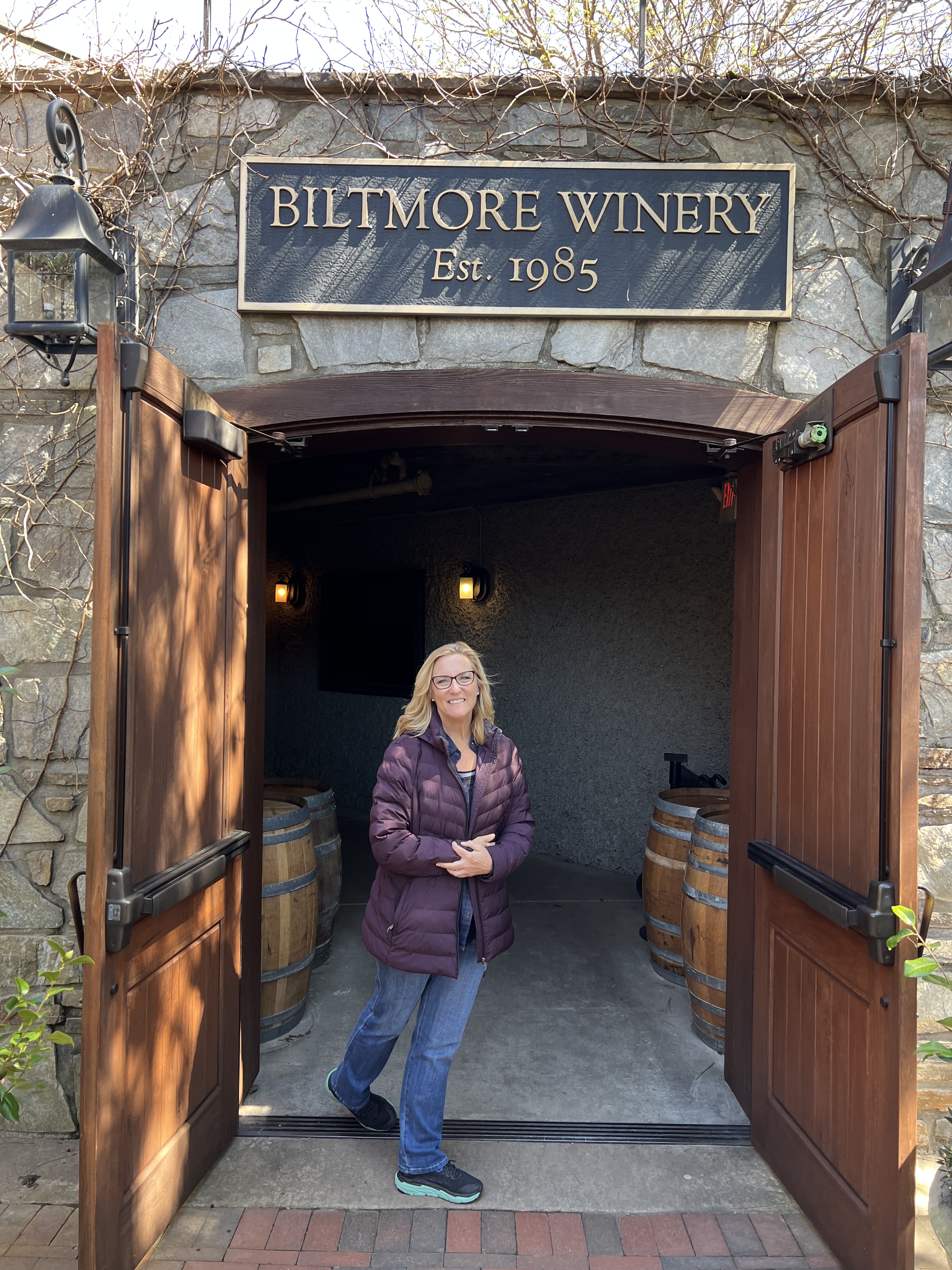
The 8,000-acre property was home to the Biltmore Dairy and now the Biltmore Winery. We enjoyed the complimentary wine tasting and then Bob joined us for a glass at the wine bar afterwards.
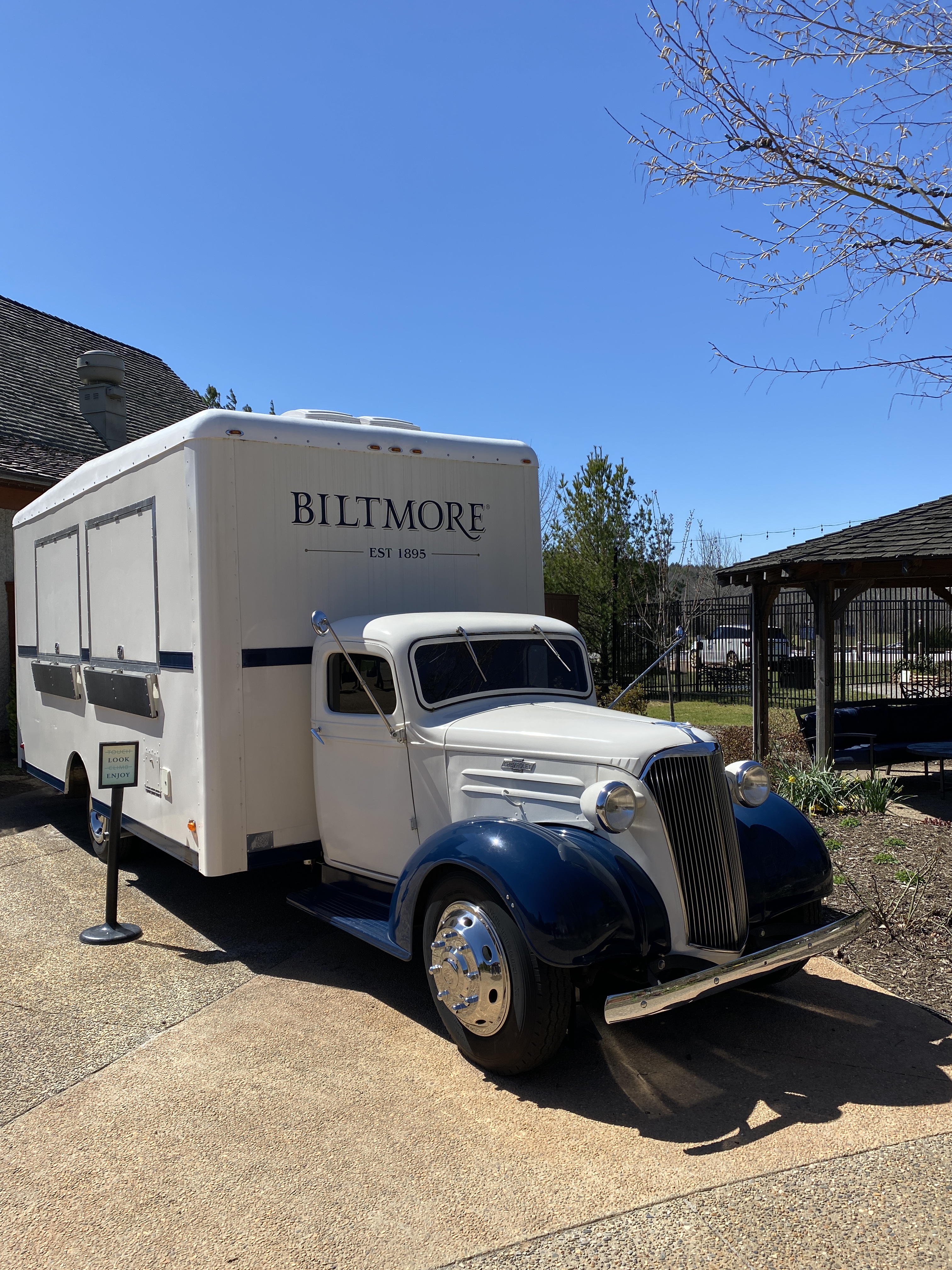
We only scratched the surface of this incredible place and it was certainly a nice day exploring one of the most incredible estates in the US.

We’re now on to new adventures as we close out our six month road trip. Stay tuned for at least one more blog before we’re home!
Hot Springs National Park

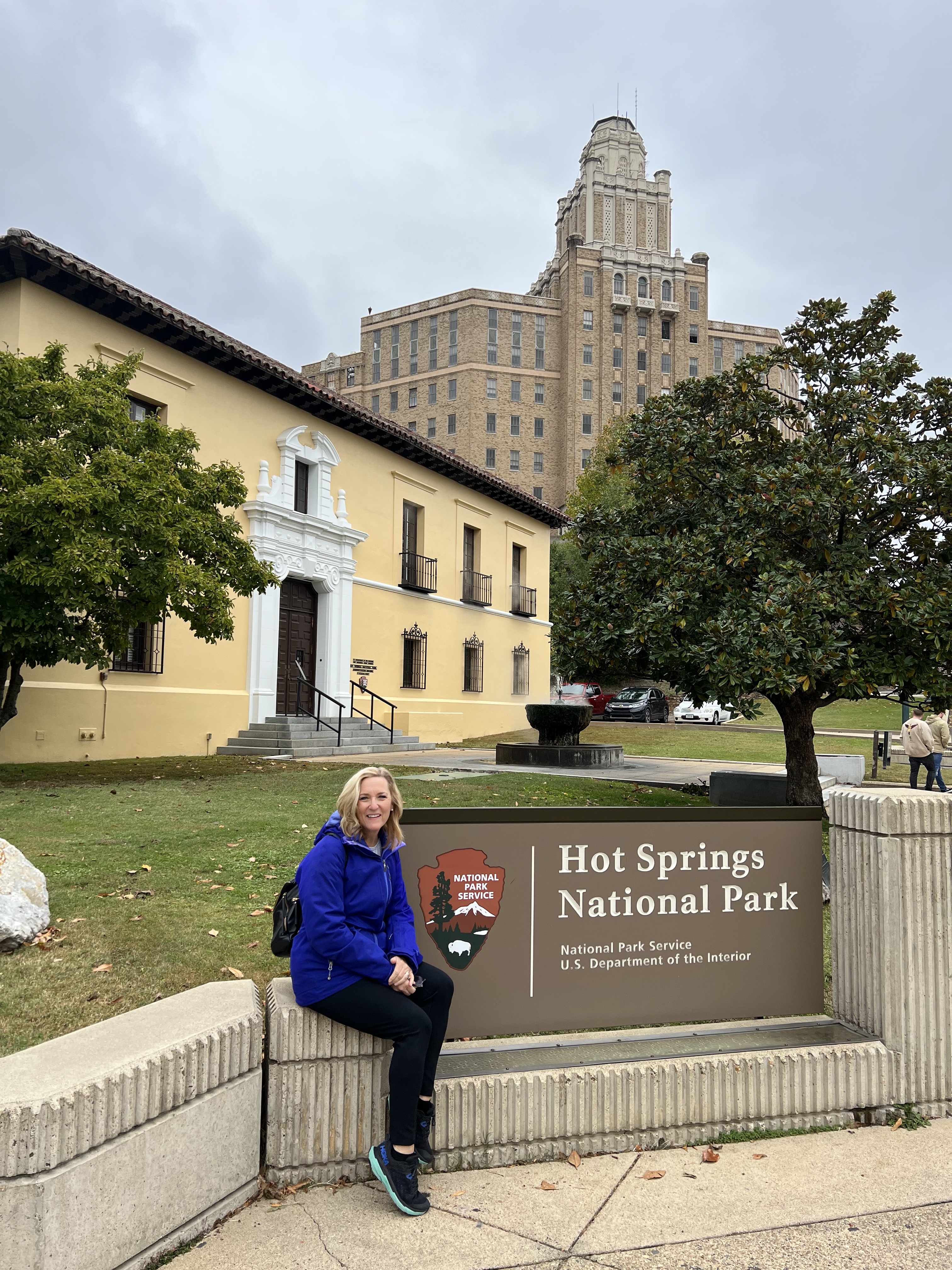
As we work our way south towards the Gulf Coast we wanted to cross one more National Park off the list. Hot Springs National Park (HSNP) was along the way and it’s easy to do in a day.

From the beginning, the waters drew those with disabling conditions seeking to ease their pain in the thermal waters. Over time settlers built cabins and lured travelers to the famed springs.  In 1876, the US Supreme Court ruled against private land claims and made the thermal waters available to all. Once the federal government began regulating private bathhouses the building began. By the 1900s, Hot Springs was among the most visited health and wellness resorts in the country. Promoted as a place “where crutches are thrown away,” the area attracted actors, athletes, politicians, and the rich and famous. Notable patients included Will Rogers, Andrew Carnegie, Herbert Hoover, Helen Keller, and Jack Dempsey.

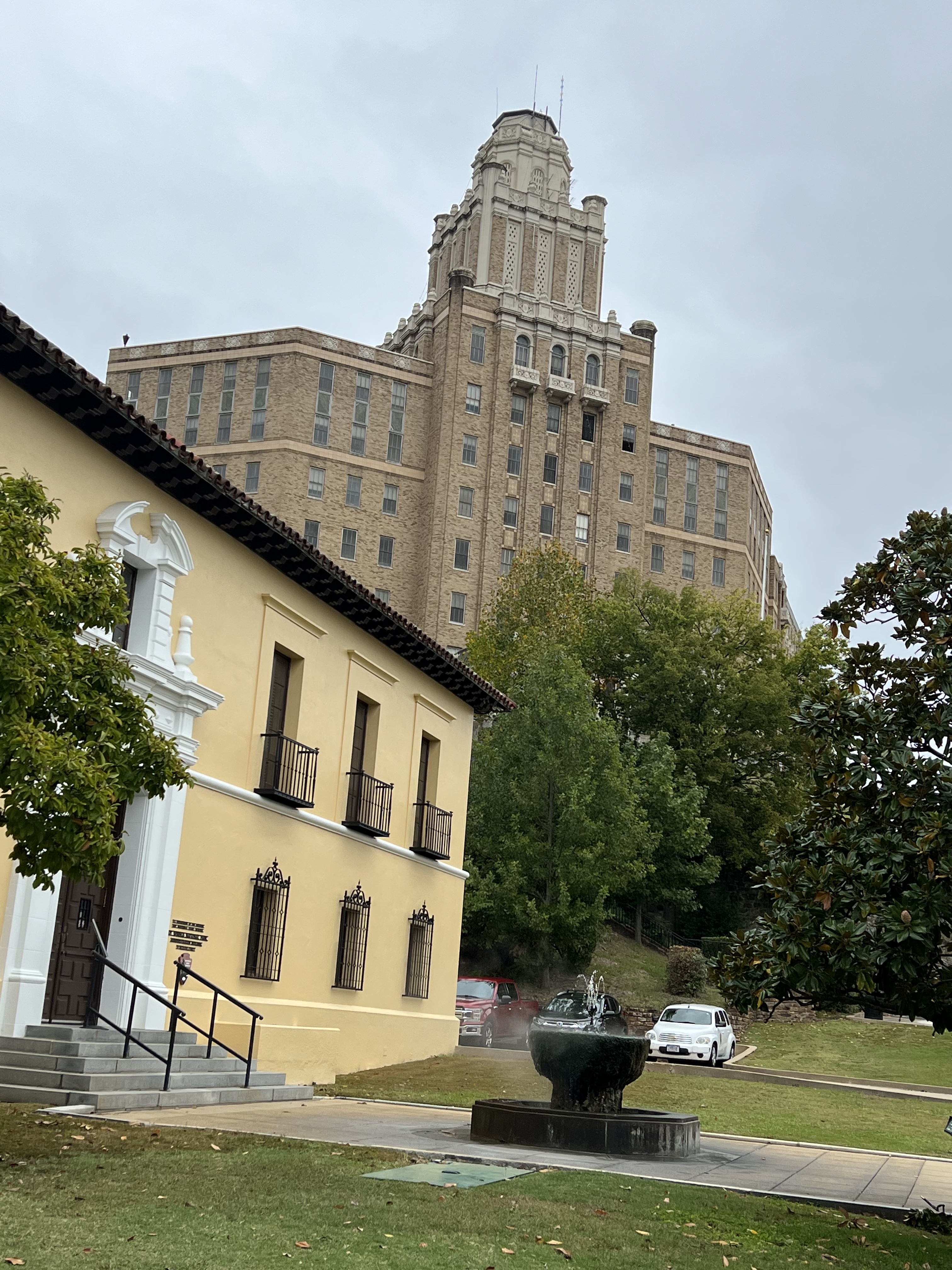
Today only two of the original bathhouses still operate. Others have been transformed for other purposes including the National Park Visitor Center, a cultural center, and a brewery.

We lucked out by getting a full hookup campsite at the park’s Gulpha Gorge Campground. We don’t often drive somewhere without a reservation, but when we arrived, there were several spots available, and we grabbed one. Those who arrived later in the day were not so lucky.

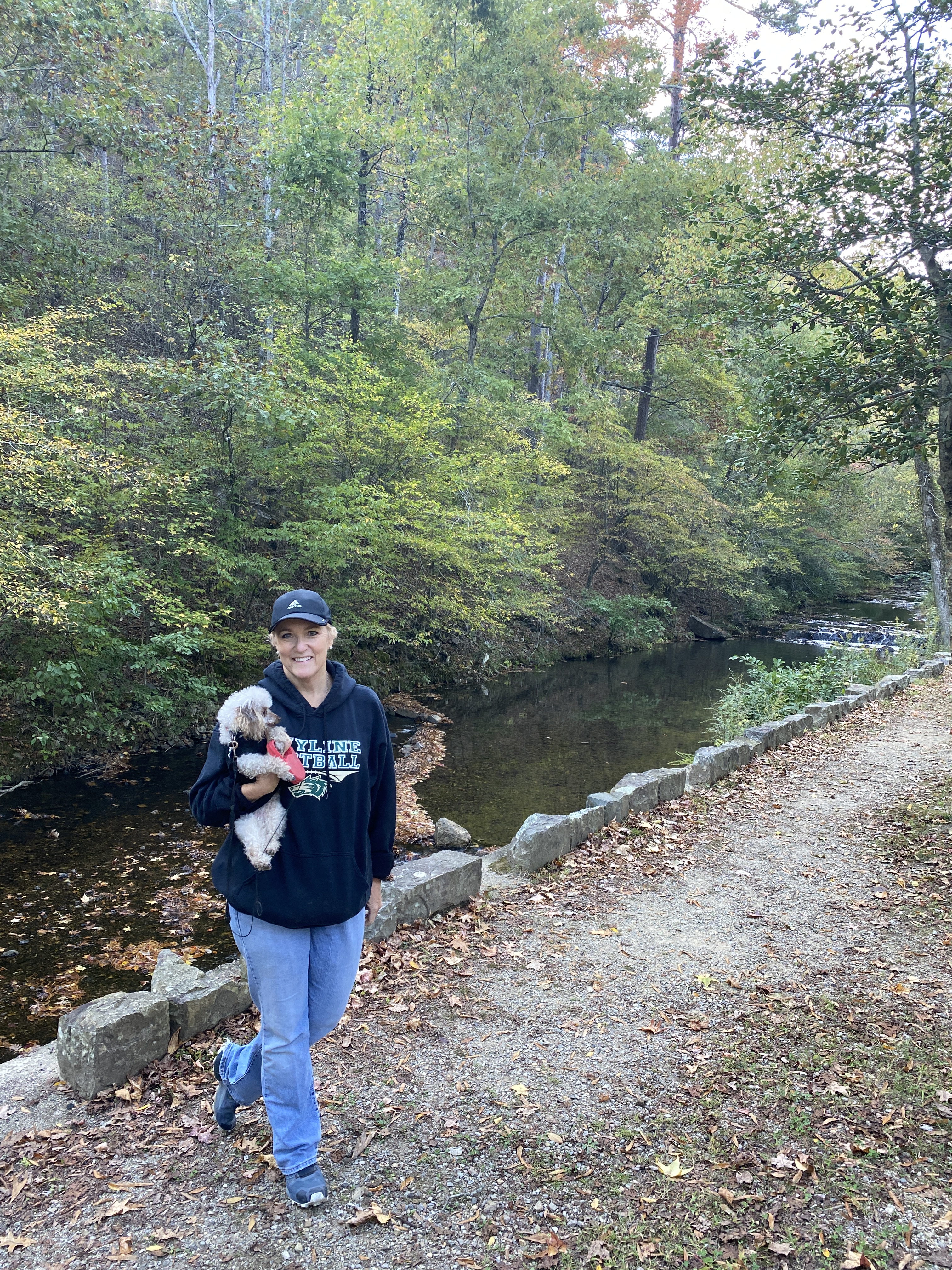
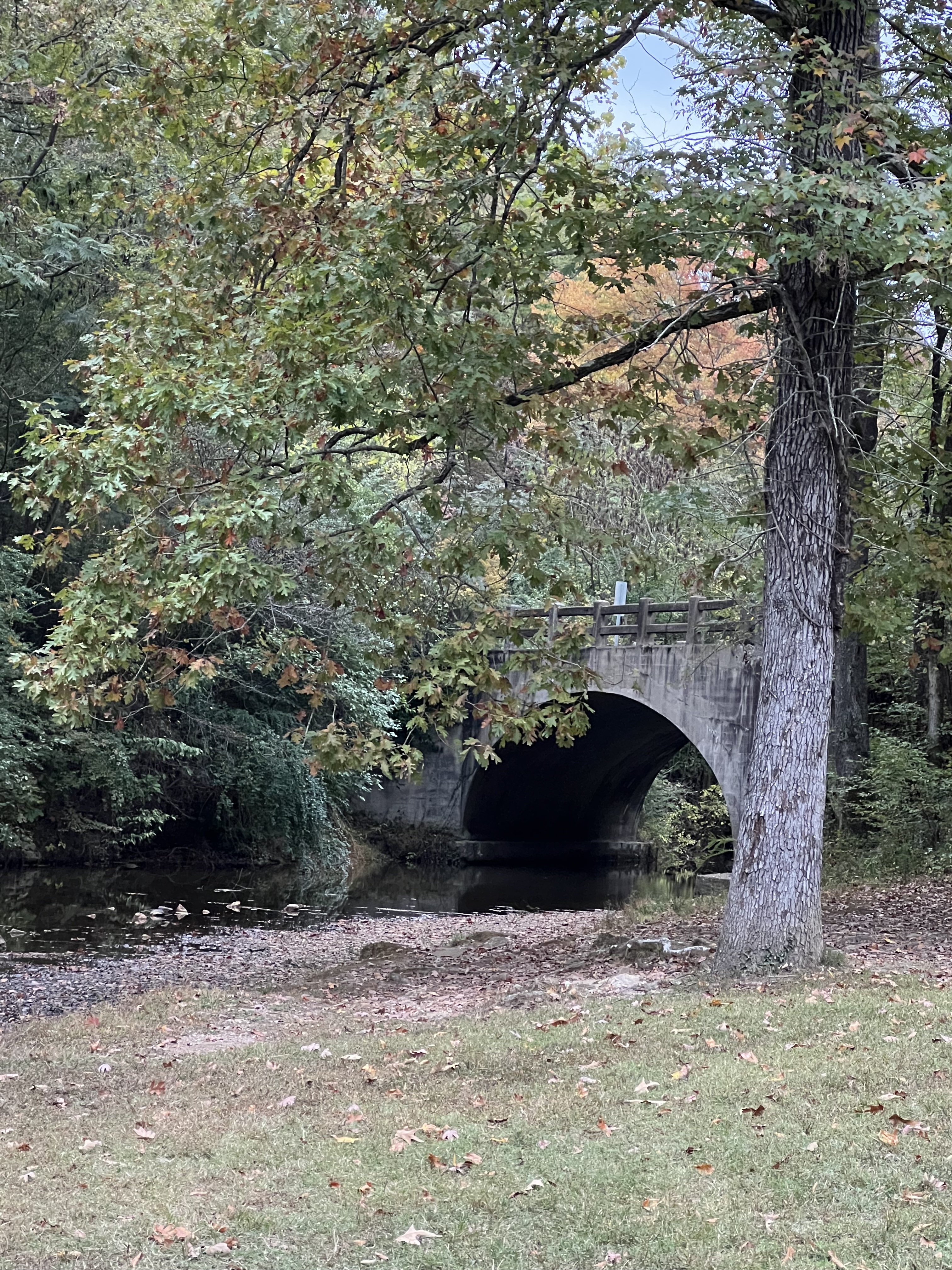
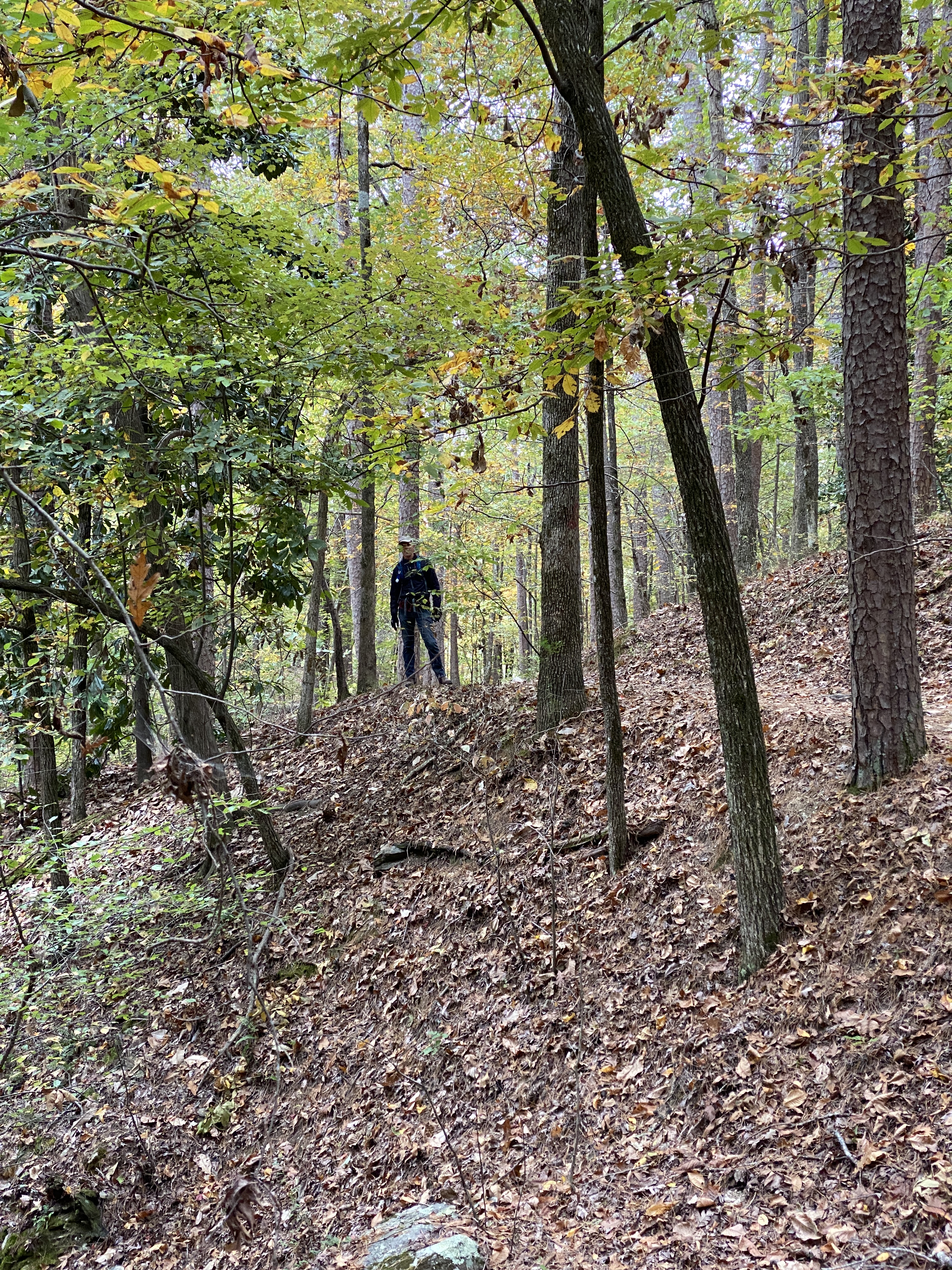
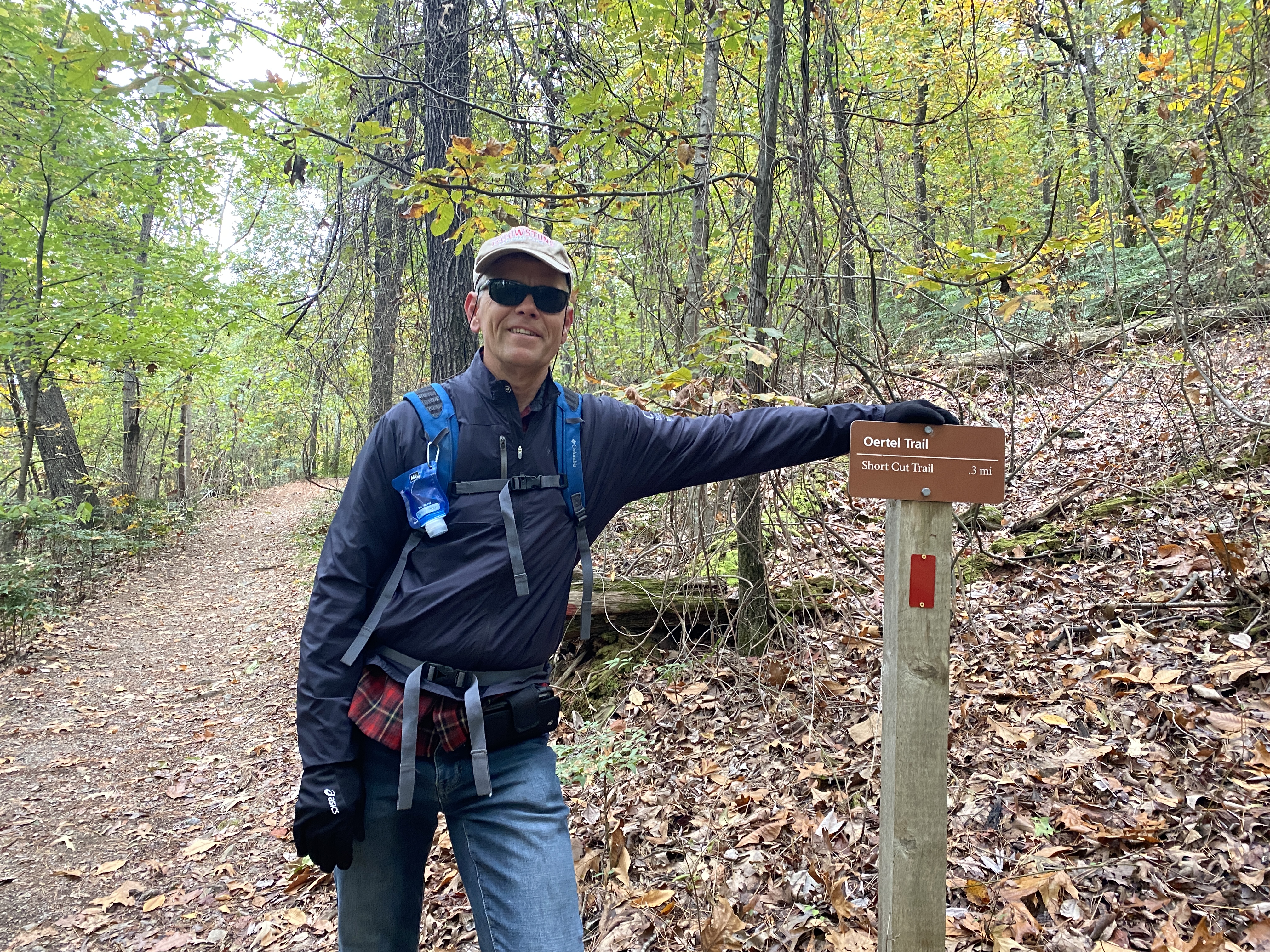
Just behind the campground runs Gulpha Creek, and the park’s 26 hiking trails link together just across the creek. We set out for a nice hike to explore the Hot Springs Mountains, following the Oertel Trail across the mountain and into the historic town of Hot Springs.

The trails were originally established as part of the park’s exercise program and are color-coded based on difficulty. The Grand Promenade runs directly behind Bathhouse Row and served as the most easily accessible of the fitness trails, often prescribed as part of a visit. Our four and a half mile walk through the forest and along the Promenade was a great way to start the day.

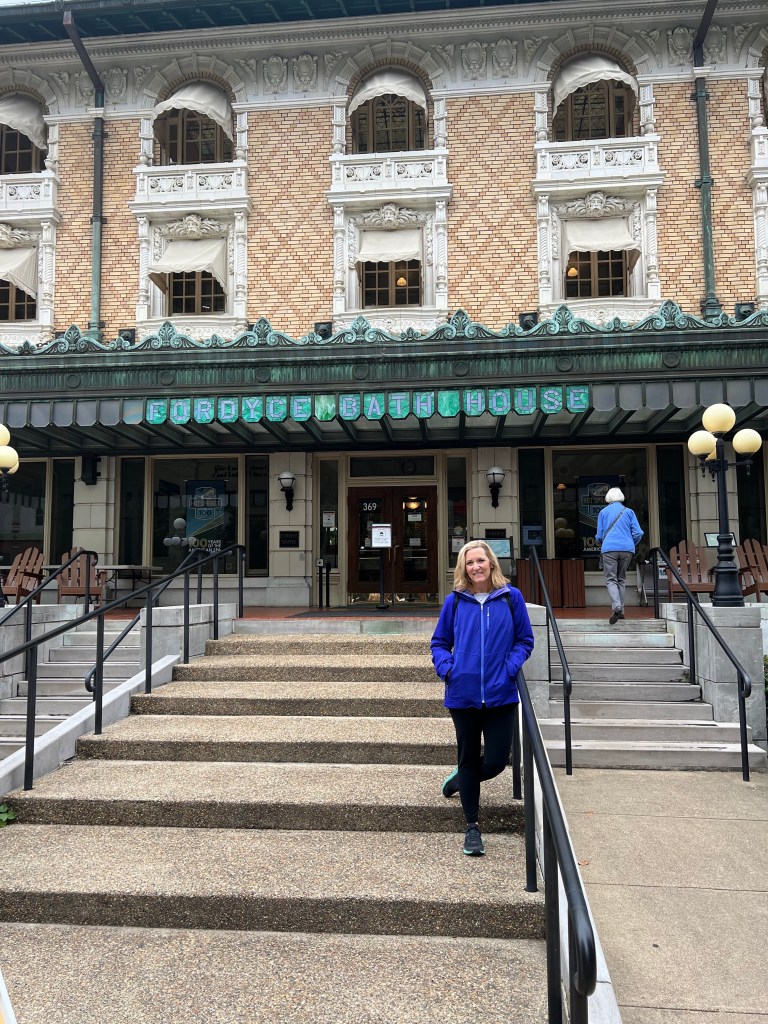
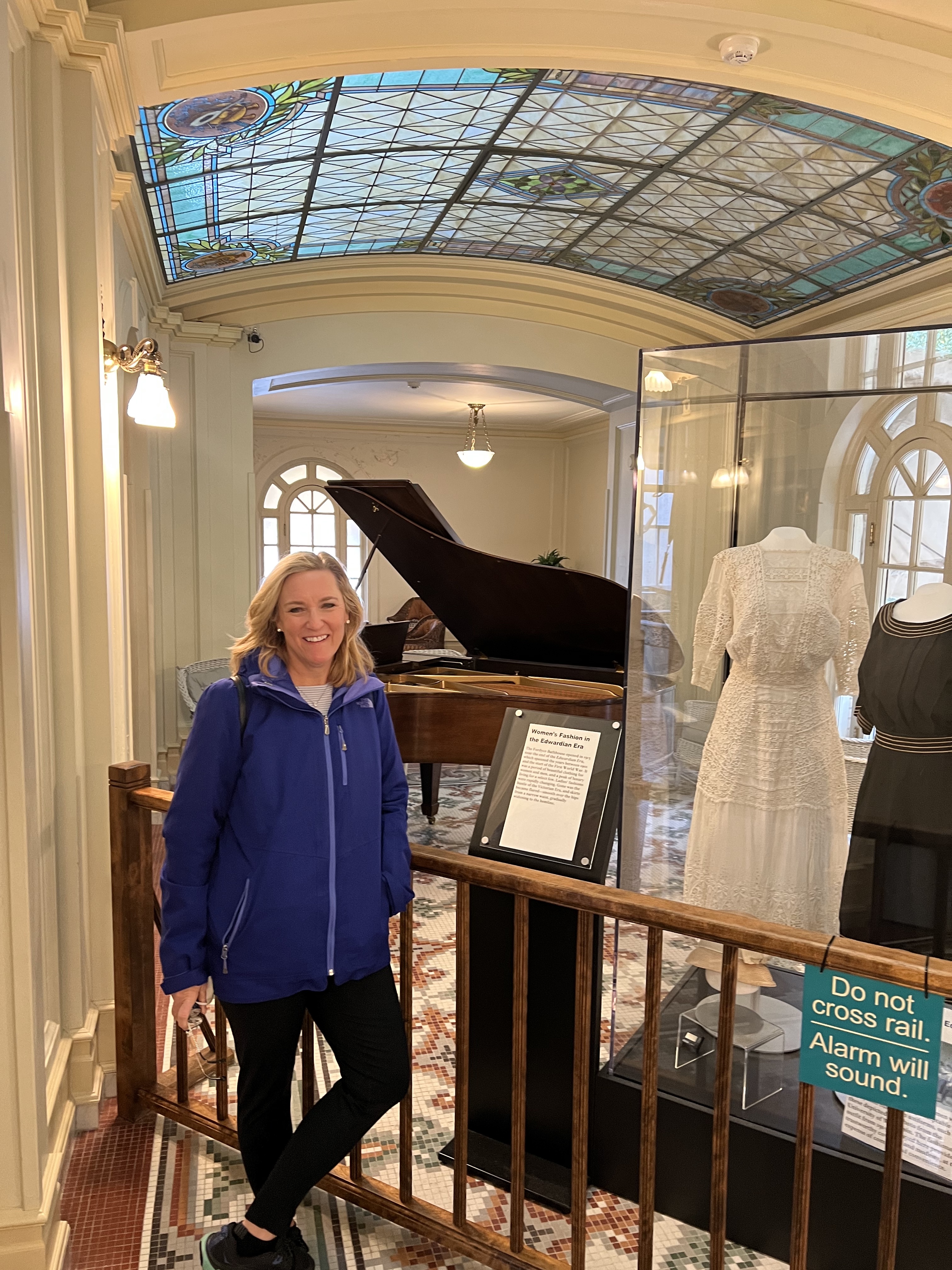
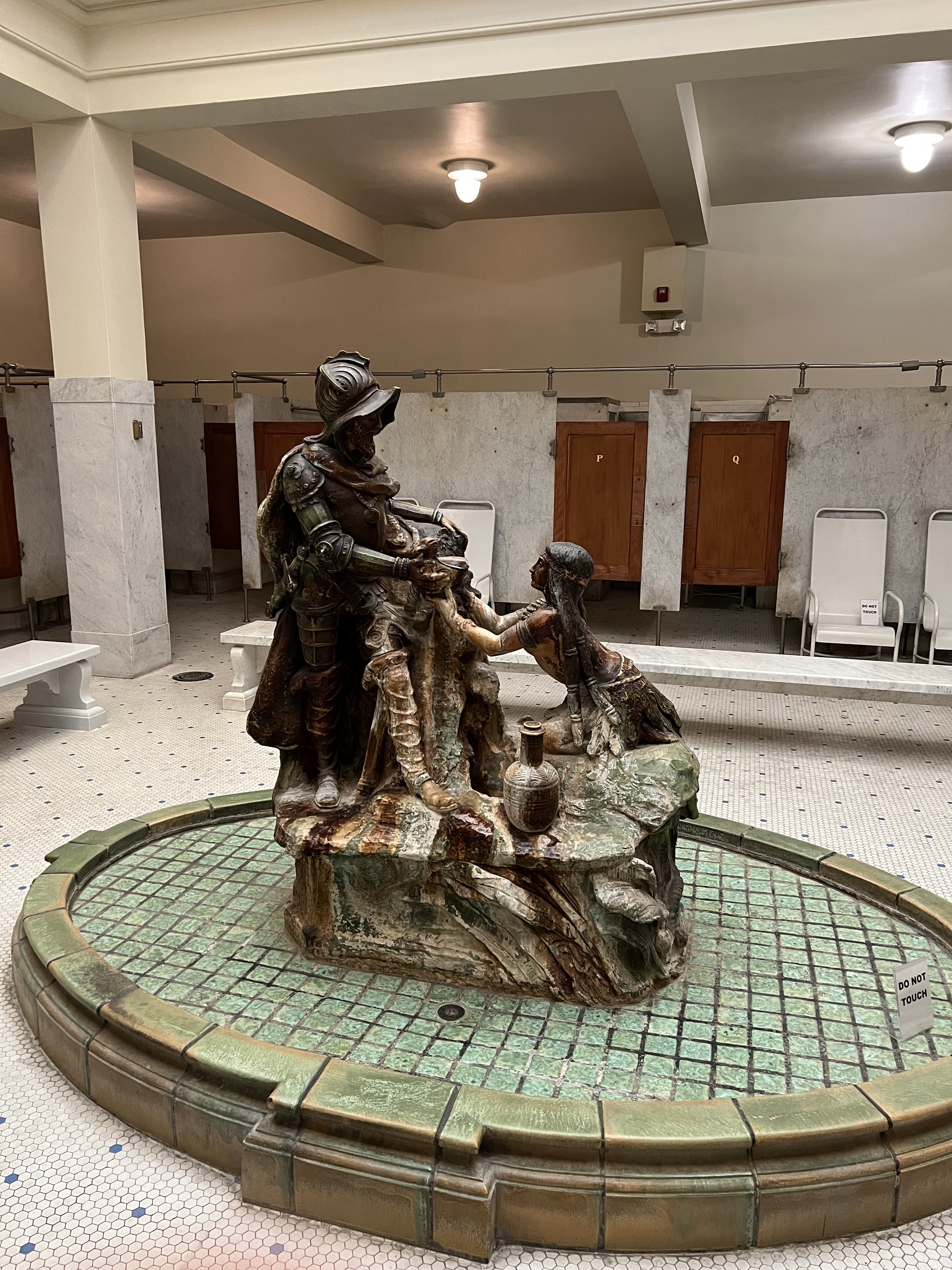
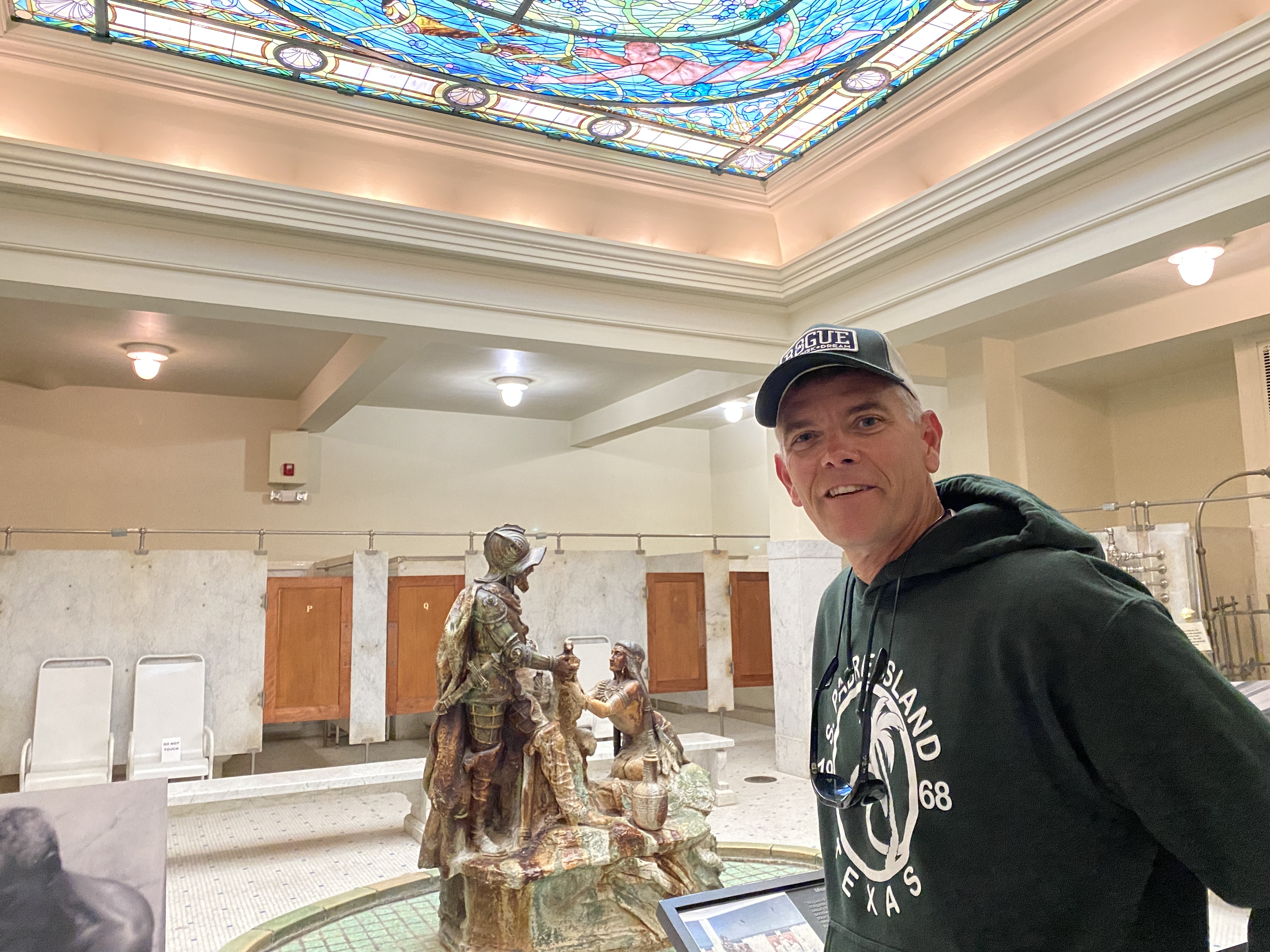
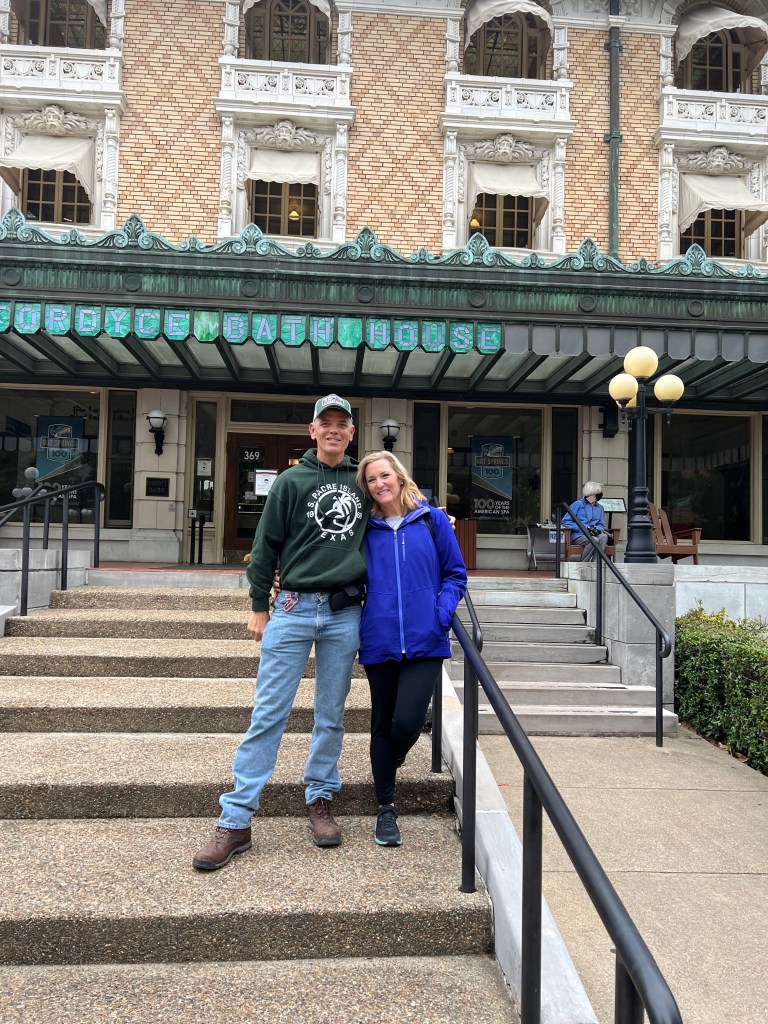
The National Park Visitor Center is located in the Fordyce Bathhouse. The 1915 structure has been restored to its original, elegant state. On three floors you can see treatment rooms, the gymnasium, and the parlors that served as “America’s First Resort.” Though the waters held no magical cure, the treatments offered some relief for patients who were suffering and in desperate need of help.

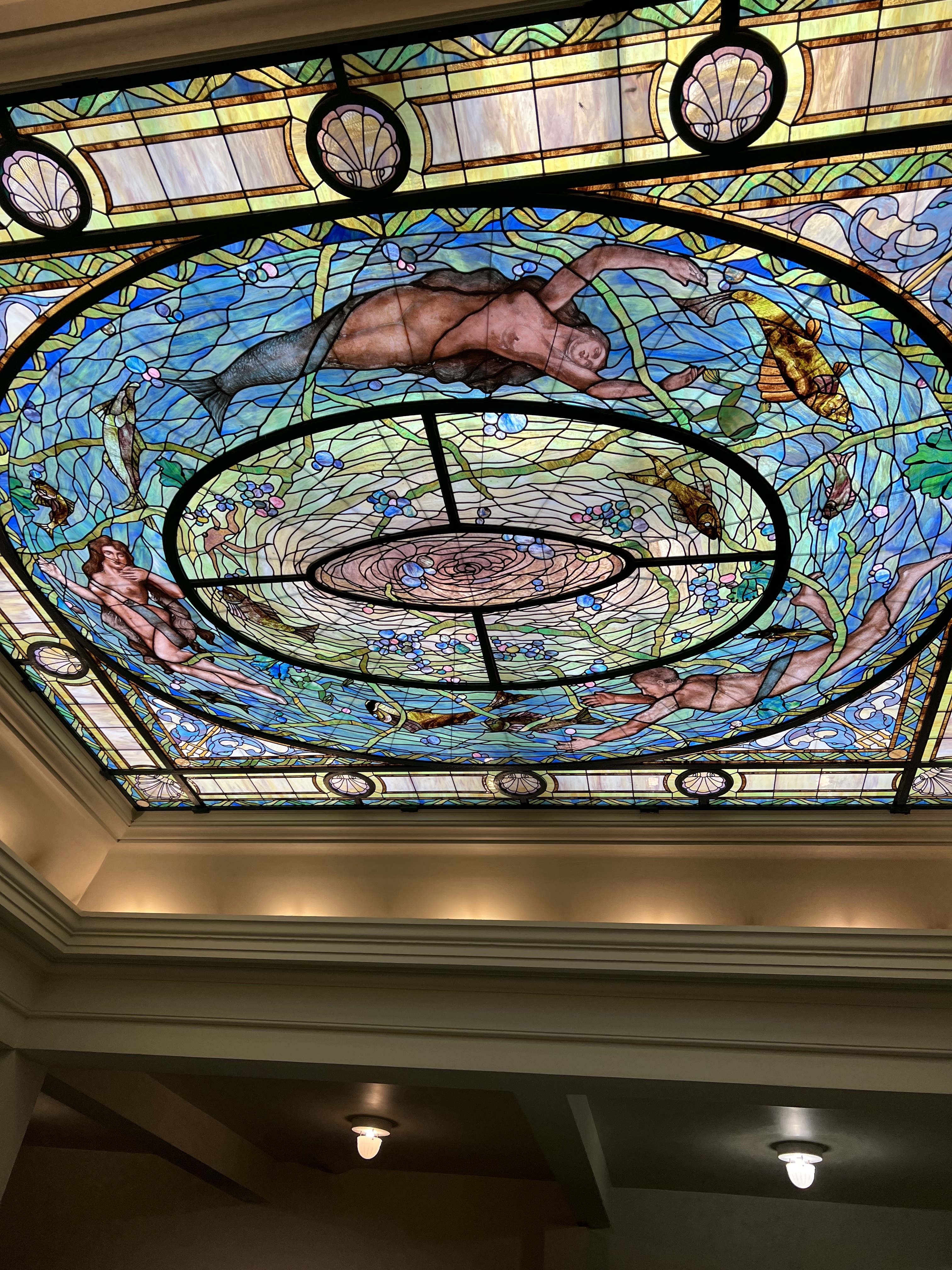
The facilities in Hot Springs at one time rivaled similar bathhouses in Europe. At the Fordyce Bathhouse the men’s bath hall features a large domed skylight containing 8000 pieces of glass arranged to represent Neptune’s daughter, mermaids, dolphins, and fish in swirling water.

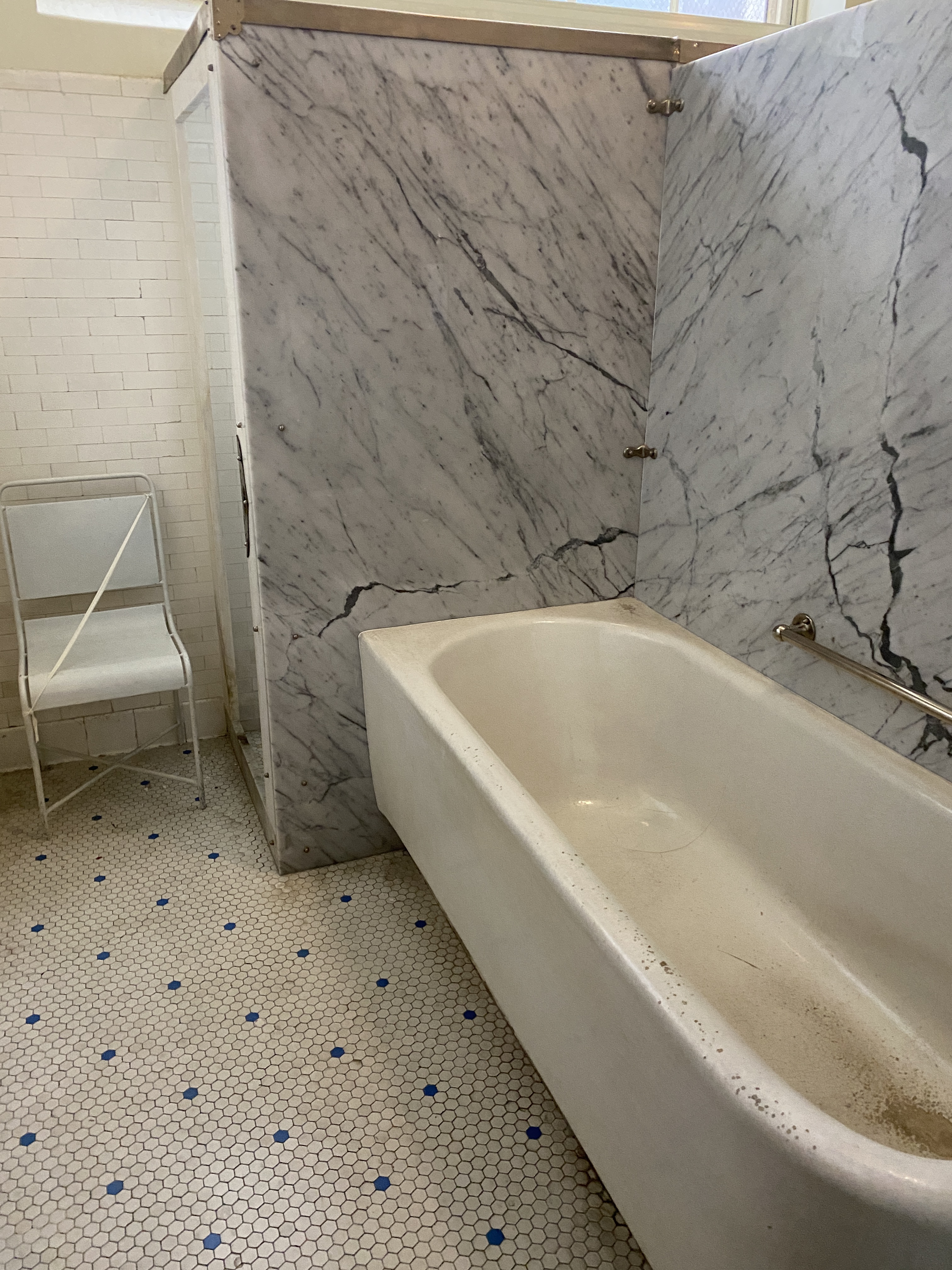
In the Hubbard Tub Room non-ambulatory patients were lowered into the tub by the overhead wooden stretcher, allowing for therapies designed to treat polio, arthritis, and paralysis. 

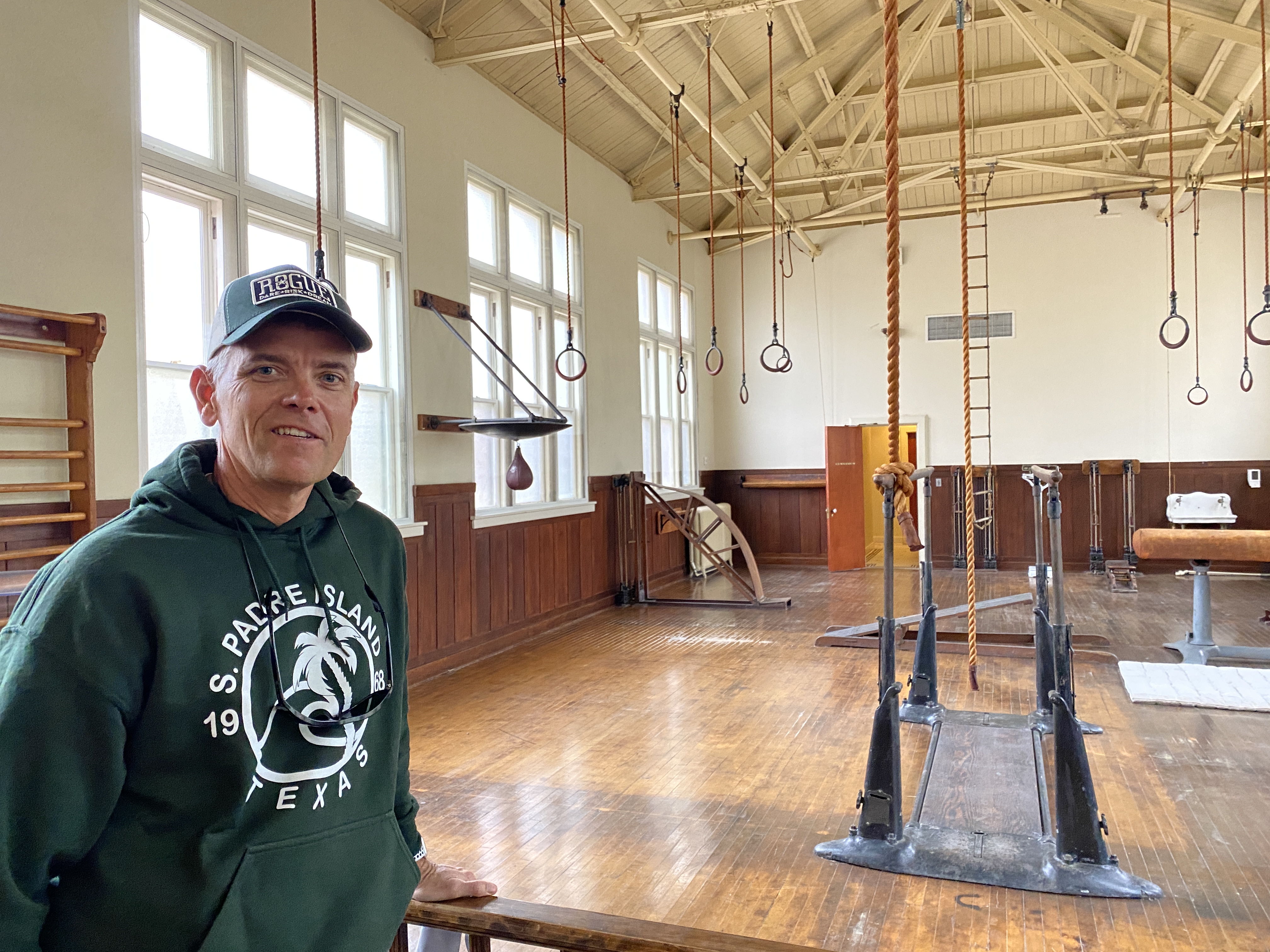
The gymnasium was state of the art for the time and included dumbbells, traveling rings, and parallel bars. These facilities were popular with major league baseball players at the time, including Babe Ruth.

The historic area of Hot Springs is a typical tourist area with souvenir shops, restaurants, and bars. There was a gangster presence here during prohibition, and some of that history is reflected in the area.

We strolled the avenue, browsed a bit, but didn’t indulge in anything but a coffee. While it’s possible to receive spa treatments in two of the historic bathhouses, you must book ahead and we passed on that opportunity.

Hot Springs National Park isn’t one you go out of your way to see and you certainly don’t need days to explore. It is, however, an interesting glimpse into a part of American history. 

Theodore Roosevelt and the Maah Daah Hey

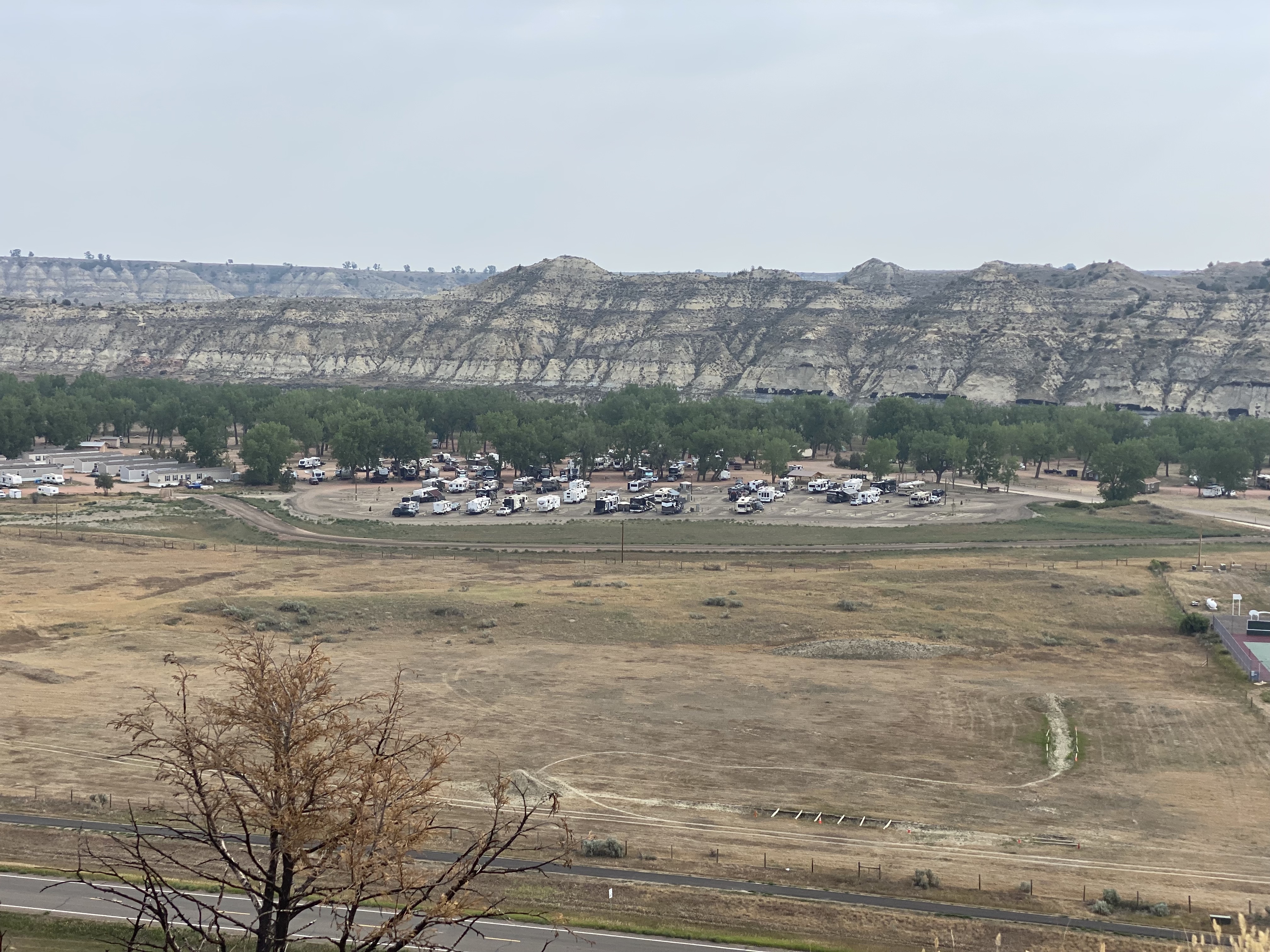
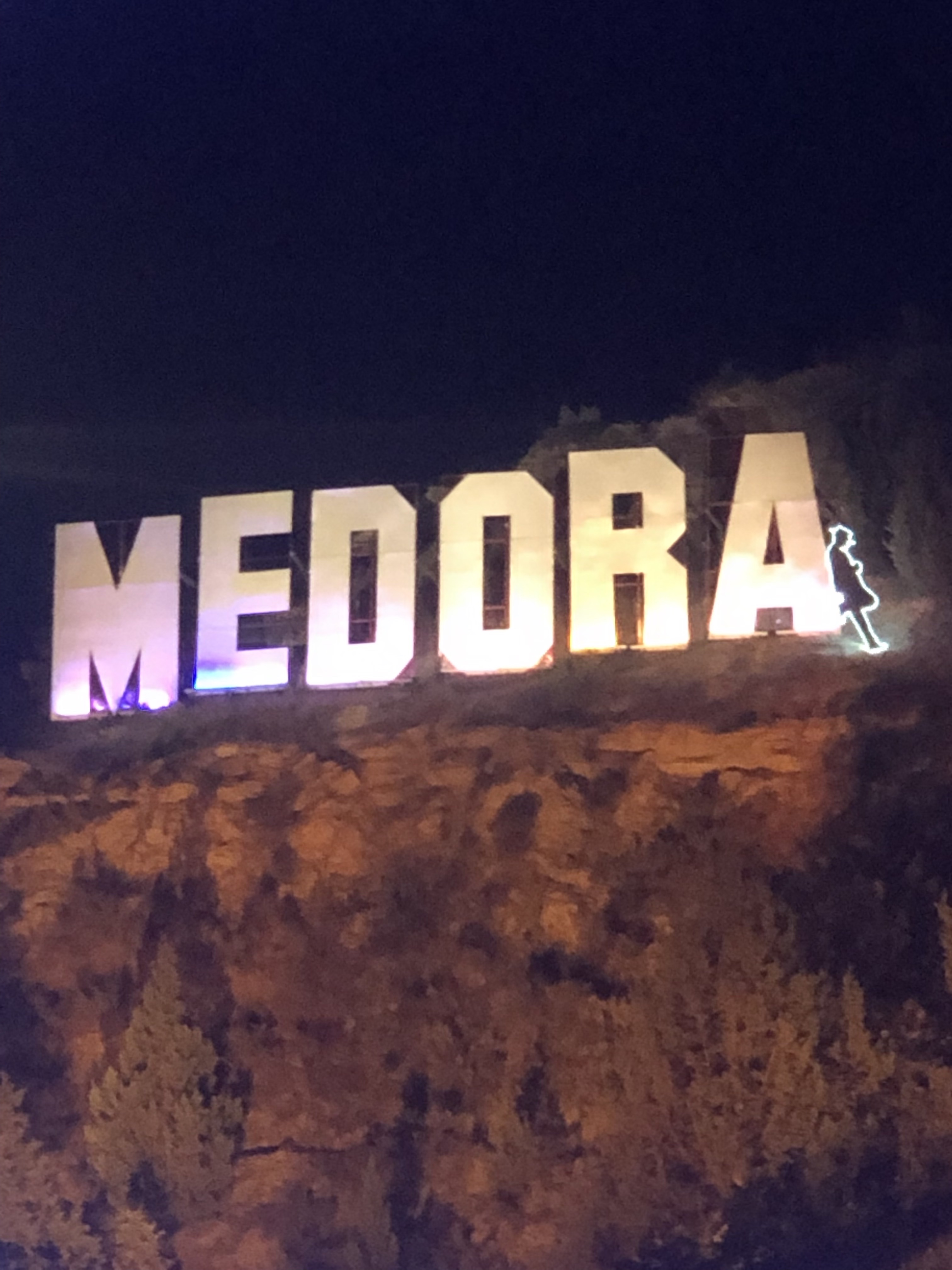
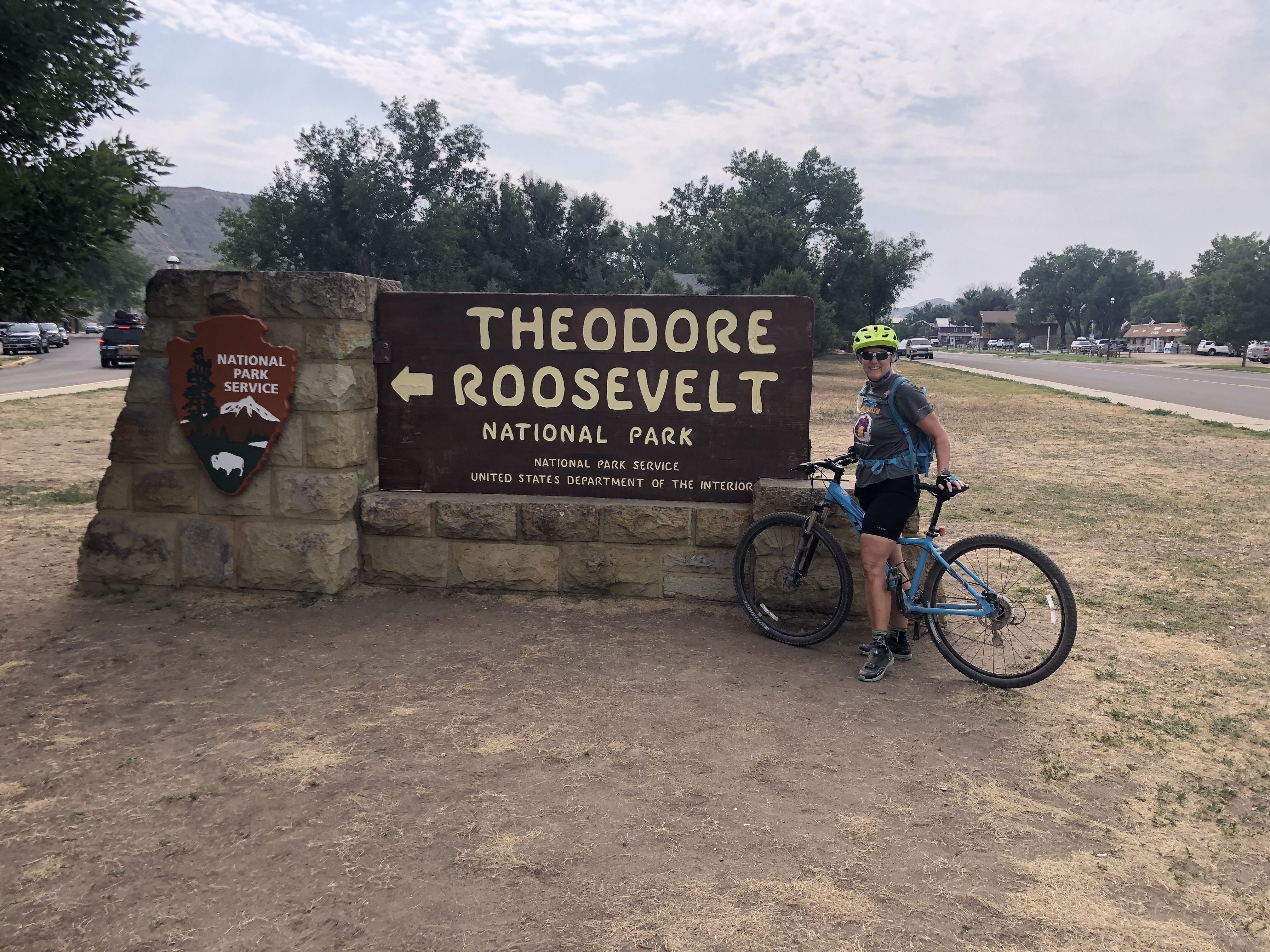
It’s a little out of the way compared to other western national parks, but we highly recommend a trip to Medora, North Dakota to explore the town, its history, and Theodore Roosevelt National Park (TRNP). We spent six days in Medora and loved every minute. The Maah Daah Hey Trail Runs brought us here to begin with but the scenery, the park, and Teddy Roosevelt’s story kept us enthralled.

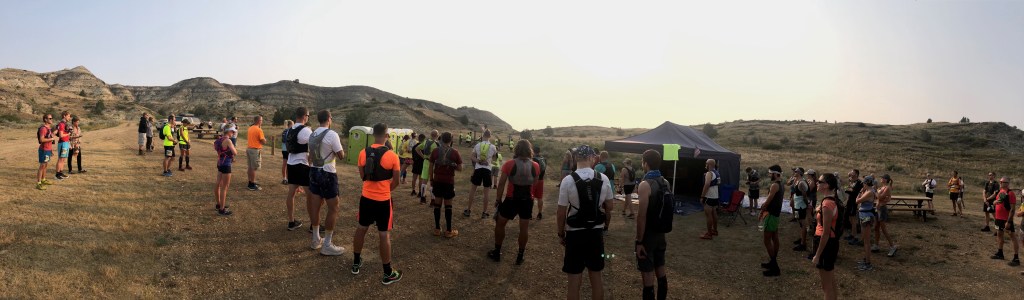
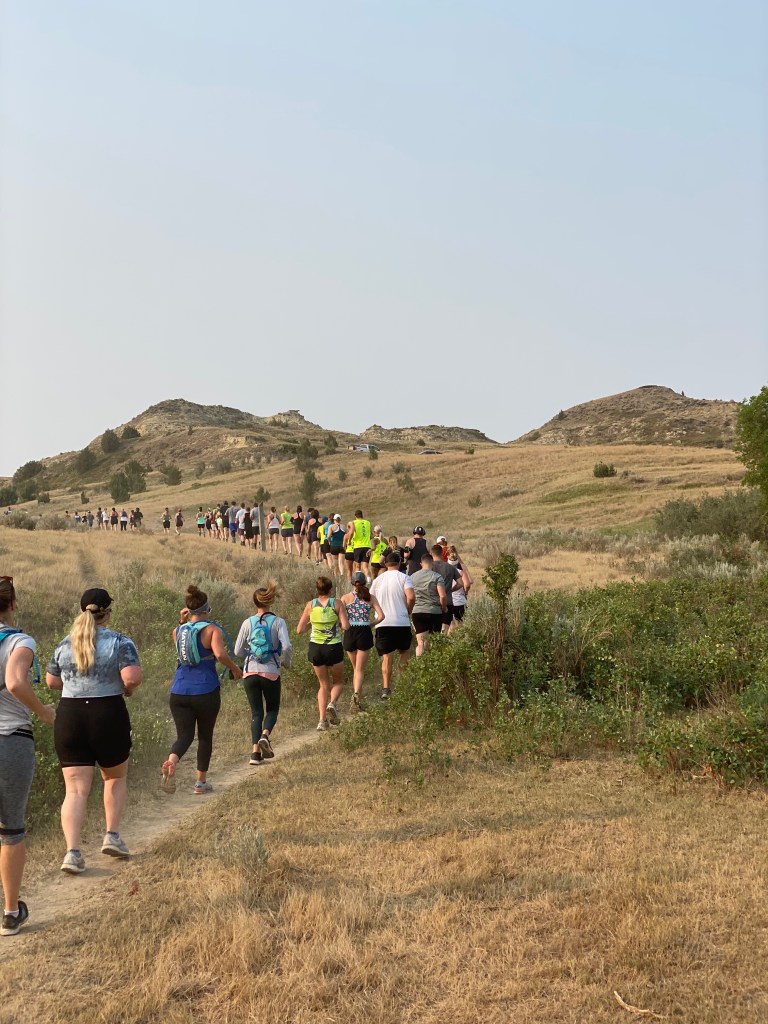
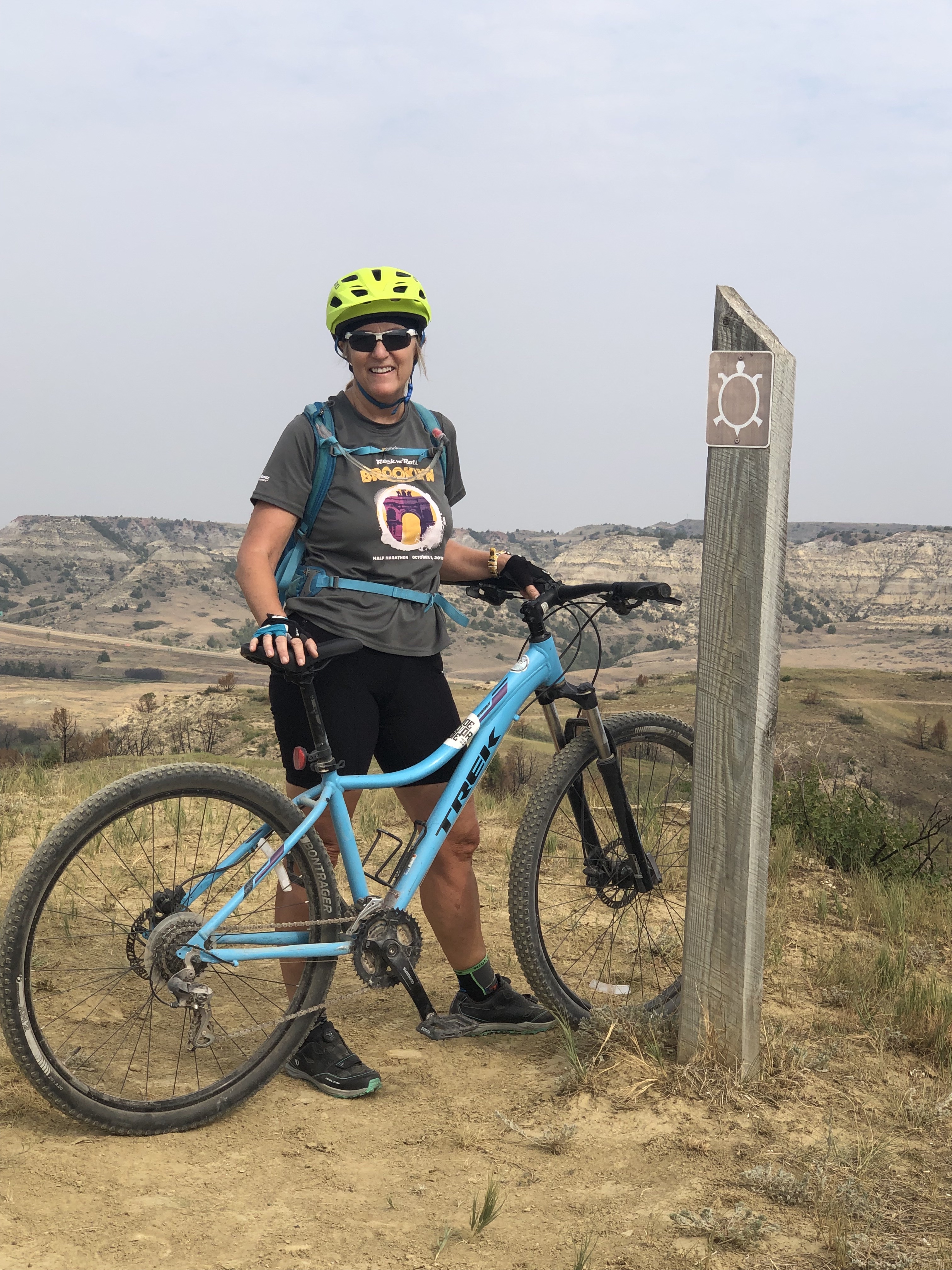
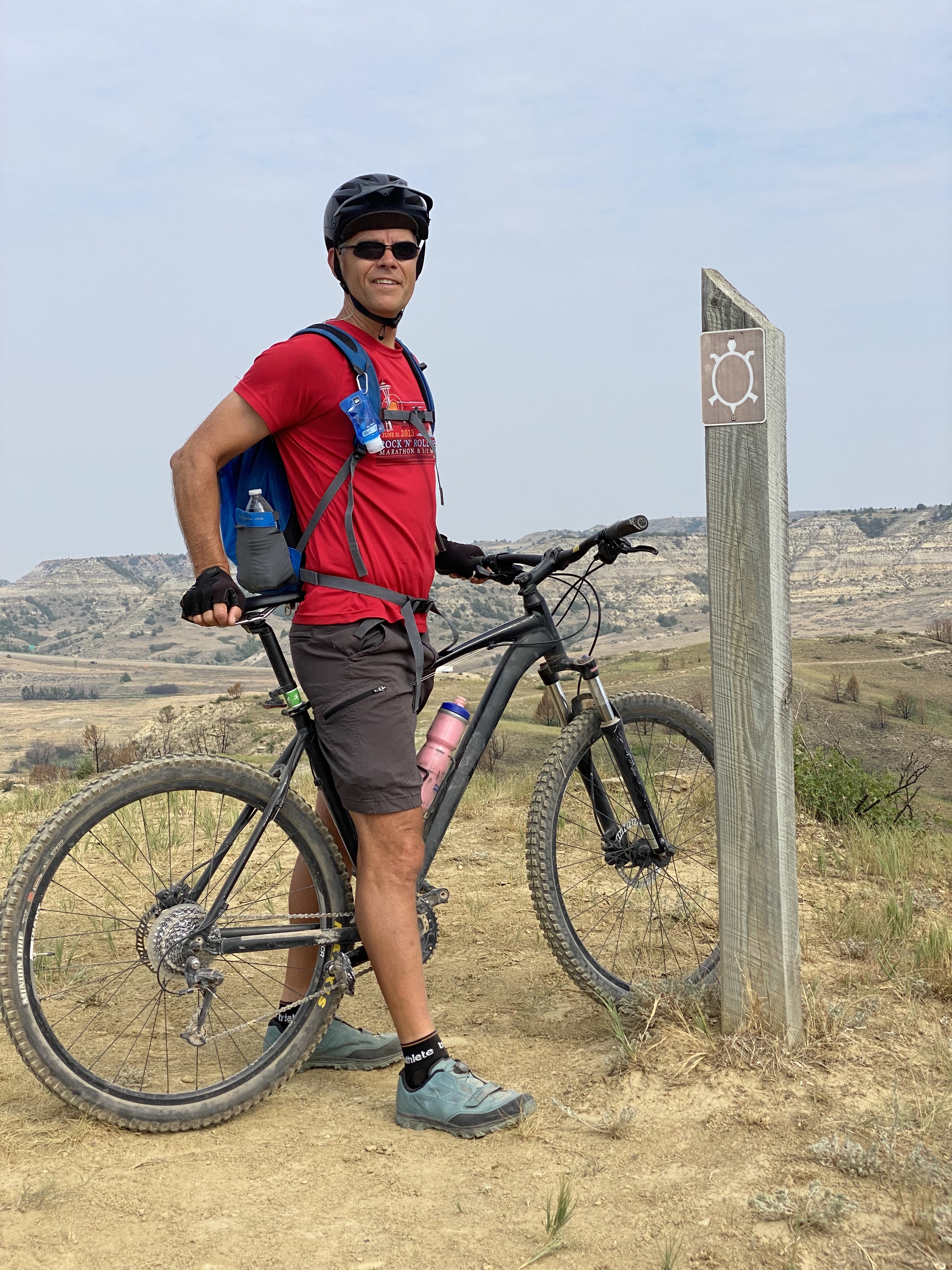
To continue Steve’s pursuit of running a marathon in all 50 states, we made the Maah Daah Hey (MDH) Trail marathon our first priority.  The MDH trail runs a total of 144 miles from the north unit through the south unit of TRNP. The trail markers for the MDH is a turtle, which symbolizes patience, determination, and steadfastness, all of which are required when you run on this trail.

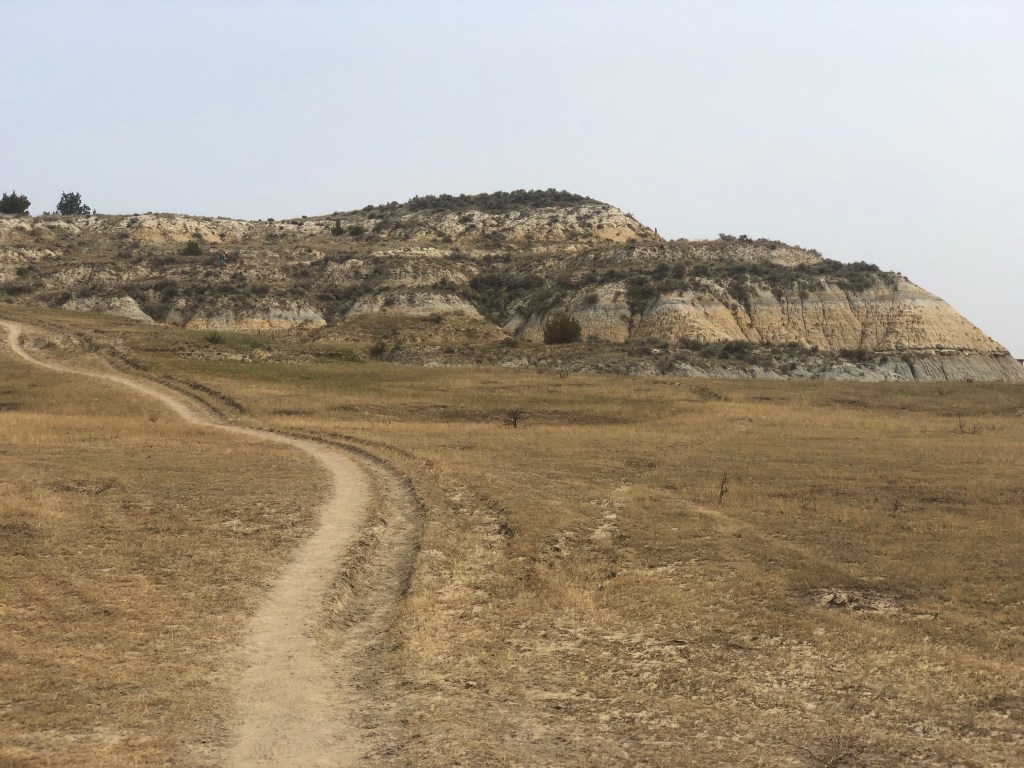
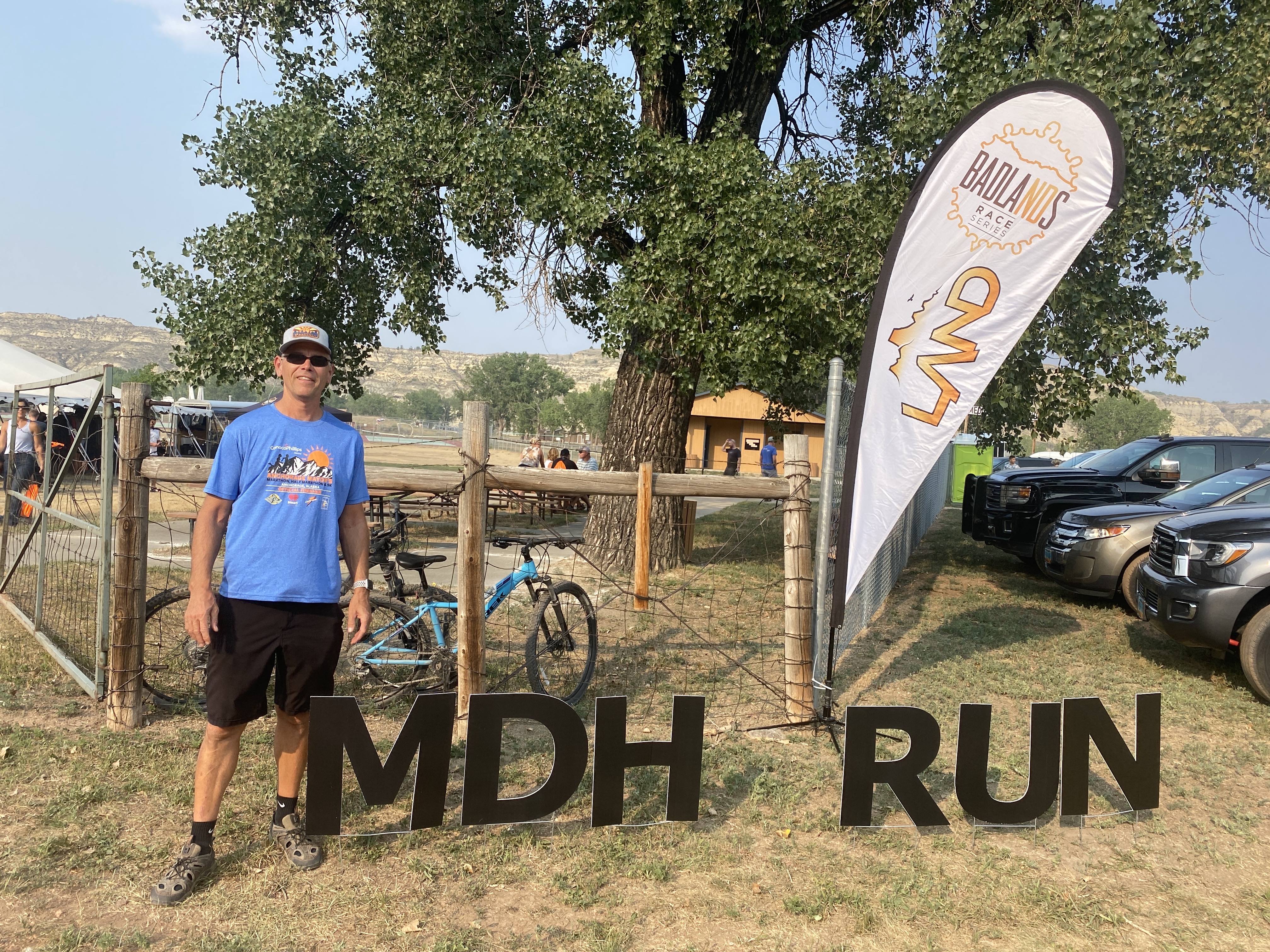
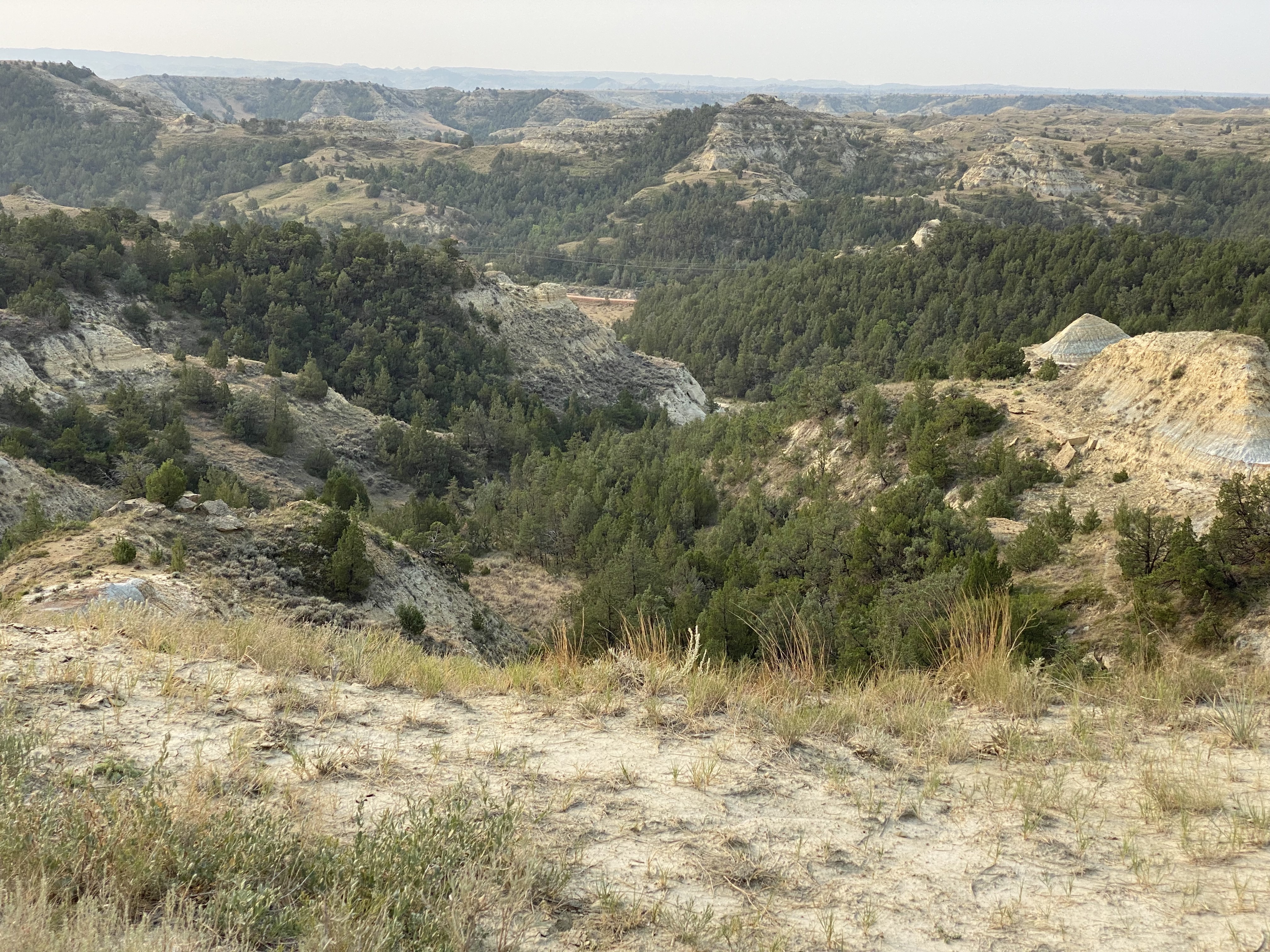
Steve ran the 27 mile race fast enough to win his age group. Yep, he beat all the other guys aged 50-59! I ran the 10K, which was closer to seven miles, through the beautiful and rugged Badlands. The race itself was enough of a draw but there was so much more!

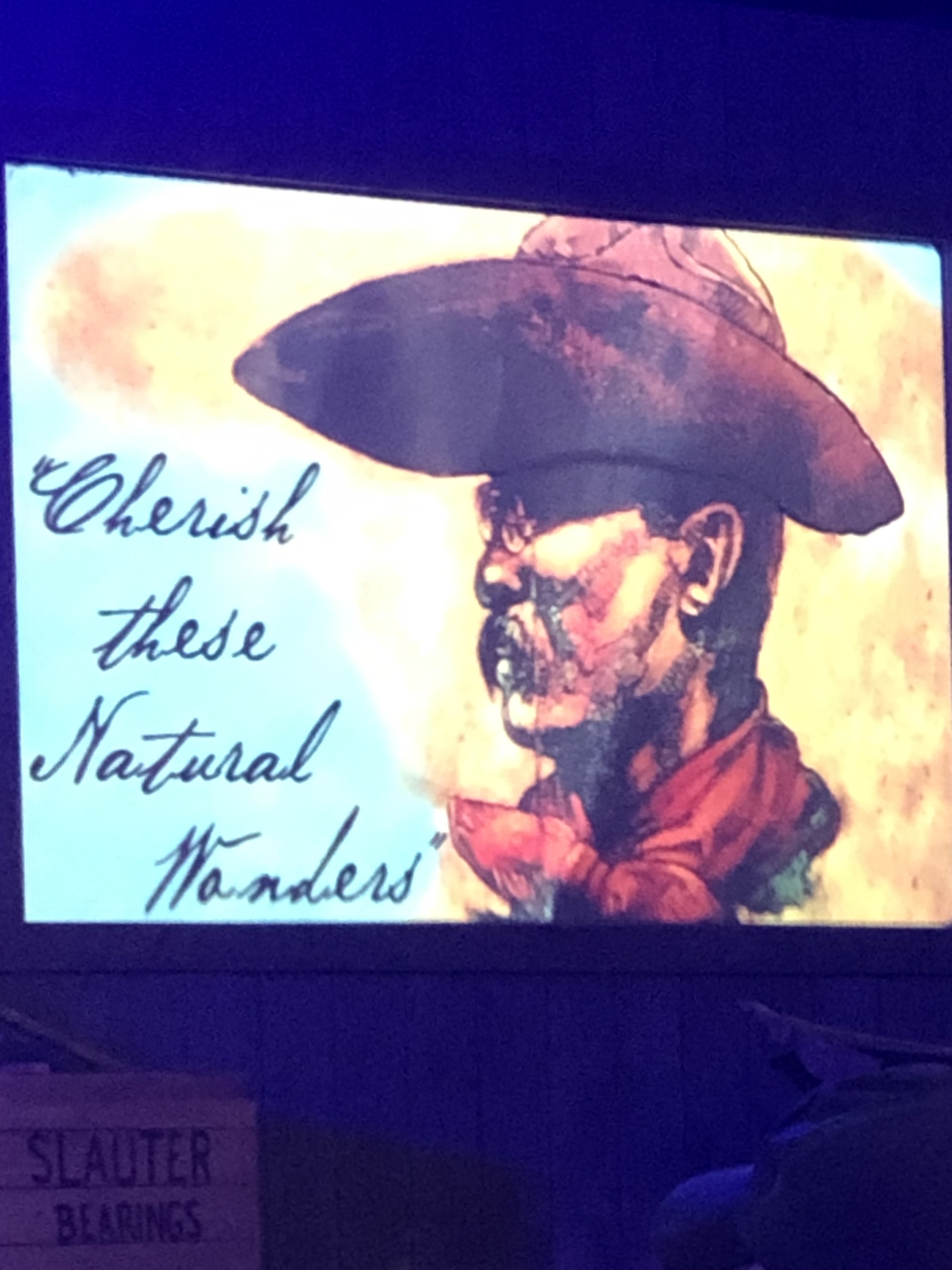
TRNP, the only national park named after a U.S. president, was established to honor his contribution to conservation, having preserved and protected an estimated 230 million acres of land including 18 national monuments, five national parks, 150 national forests, and dozens of federal reserves. As national park geeks, we really like Teddy!
The park itself includes three units covering over 70 miles. Roosevelt ranched in this area in the 1880s and artifacts from his time are on display at the visitor center, including rifles and ranch clothing. We immersed ourselves in all things Teddy while we were here and enjoyed seeing his original cabin and the land he loved. 

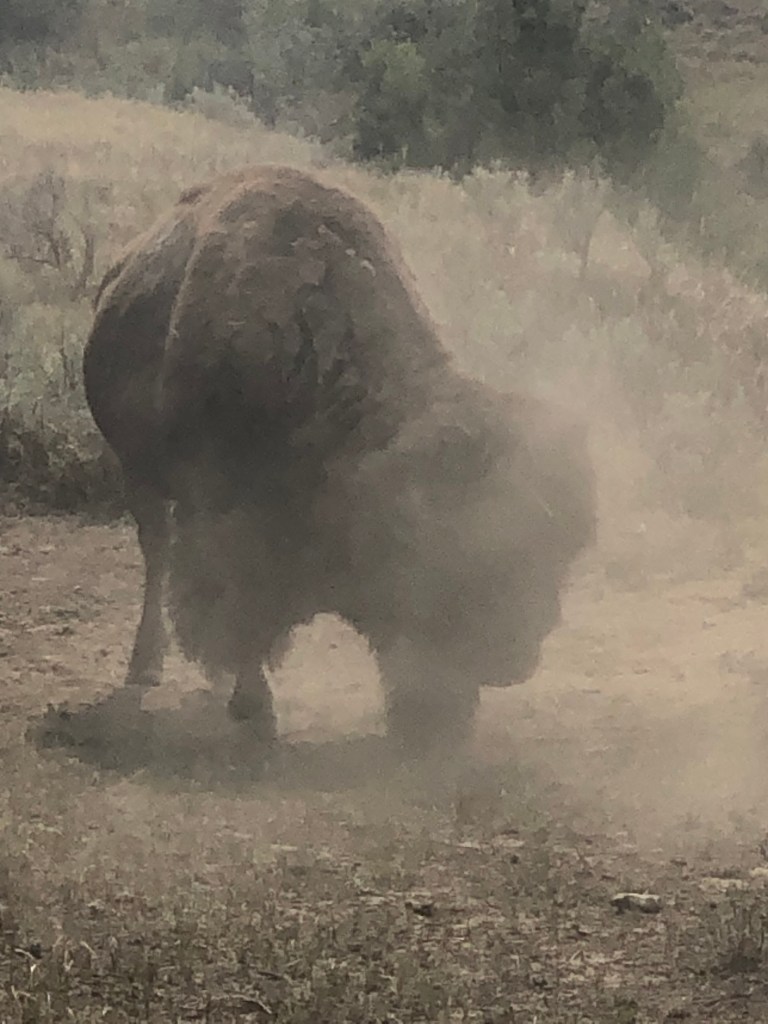
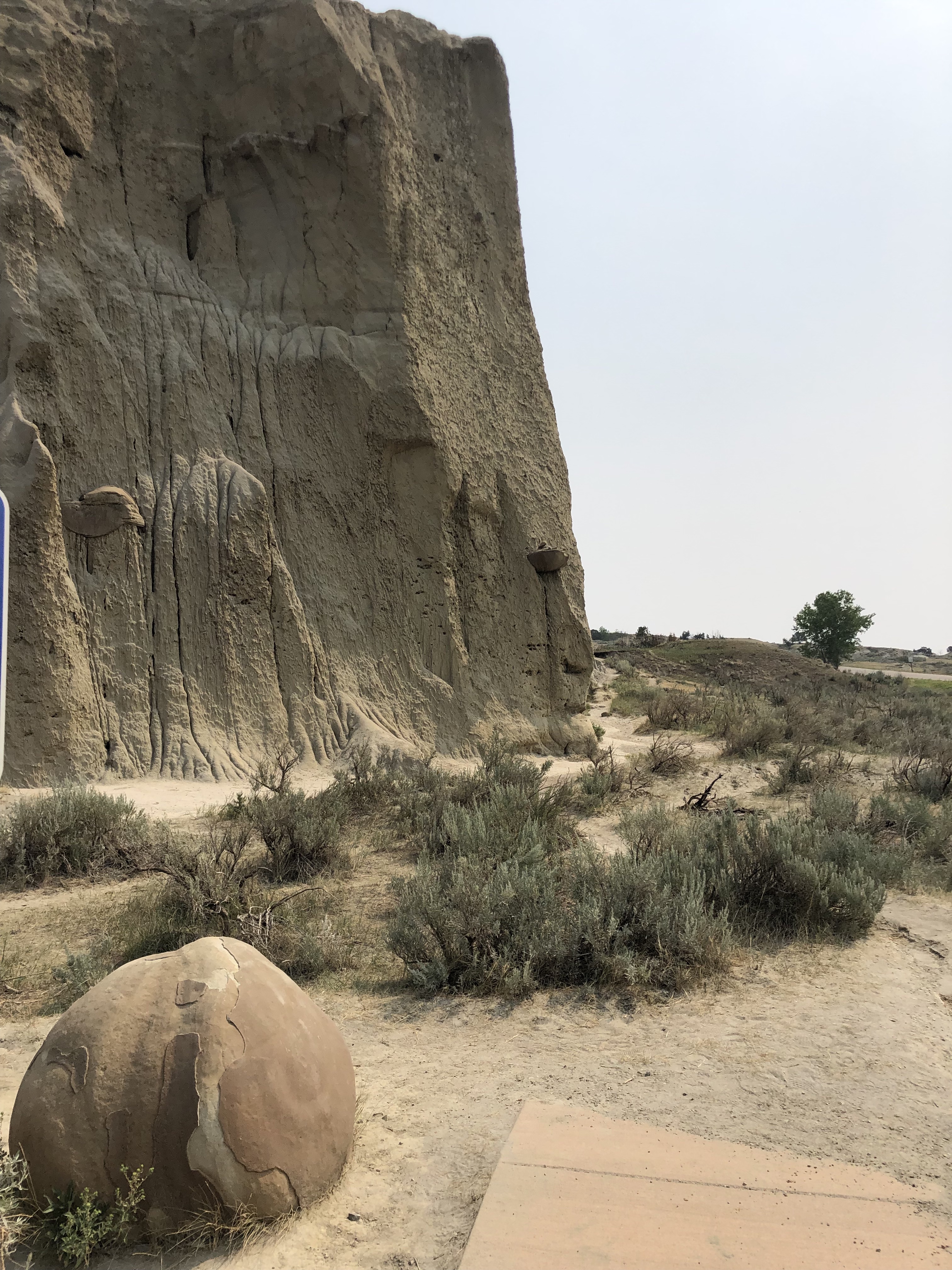
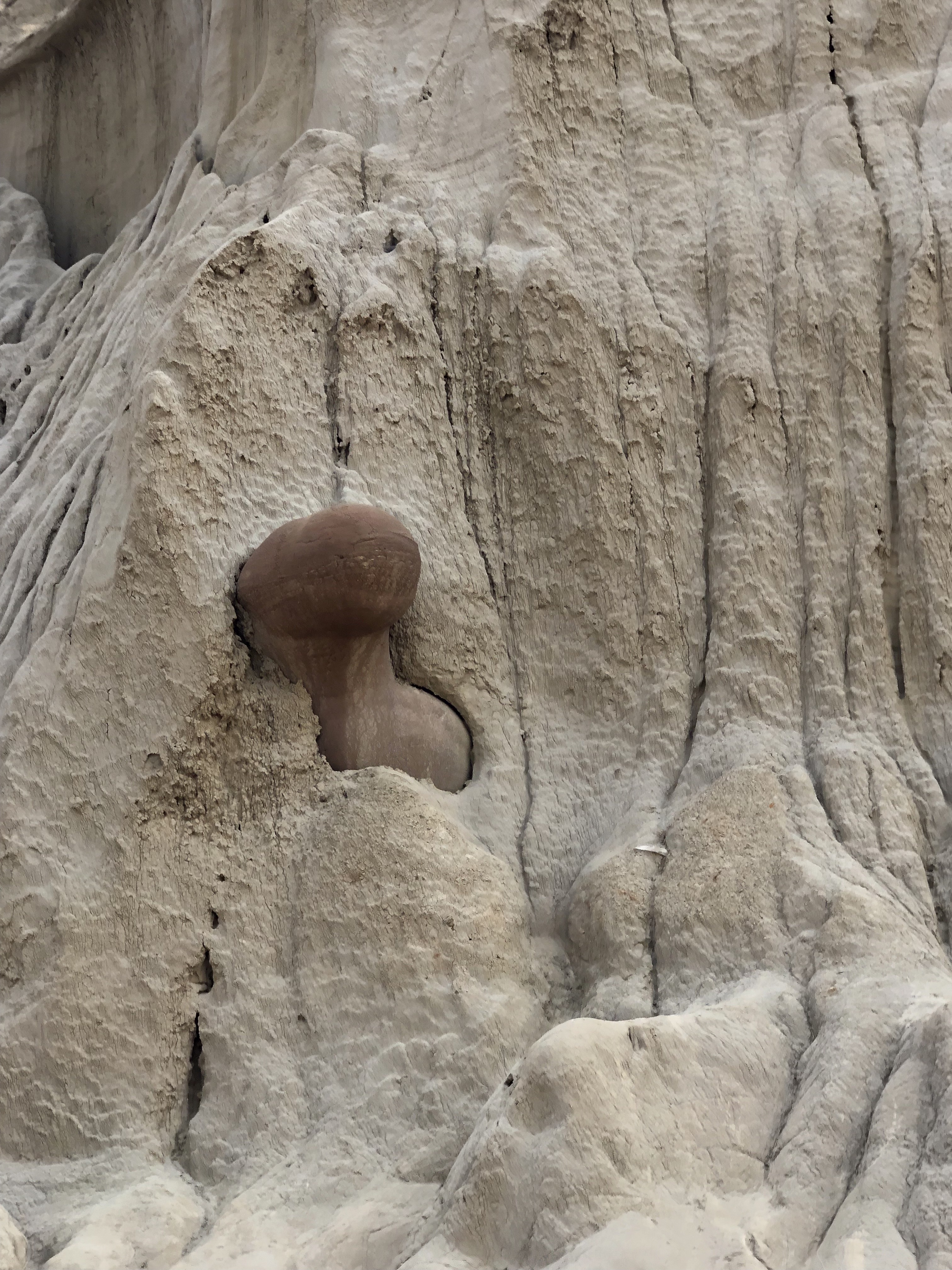
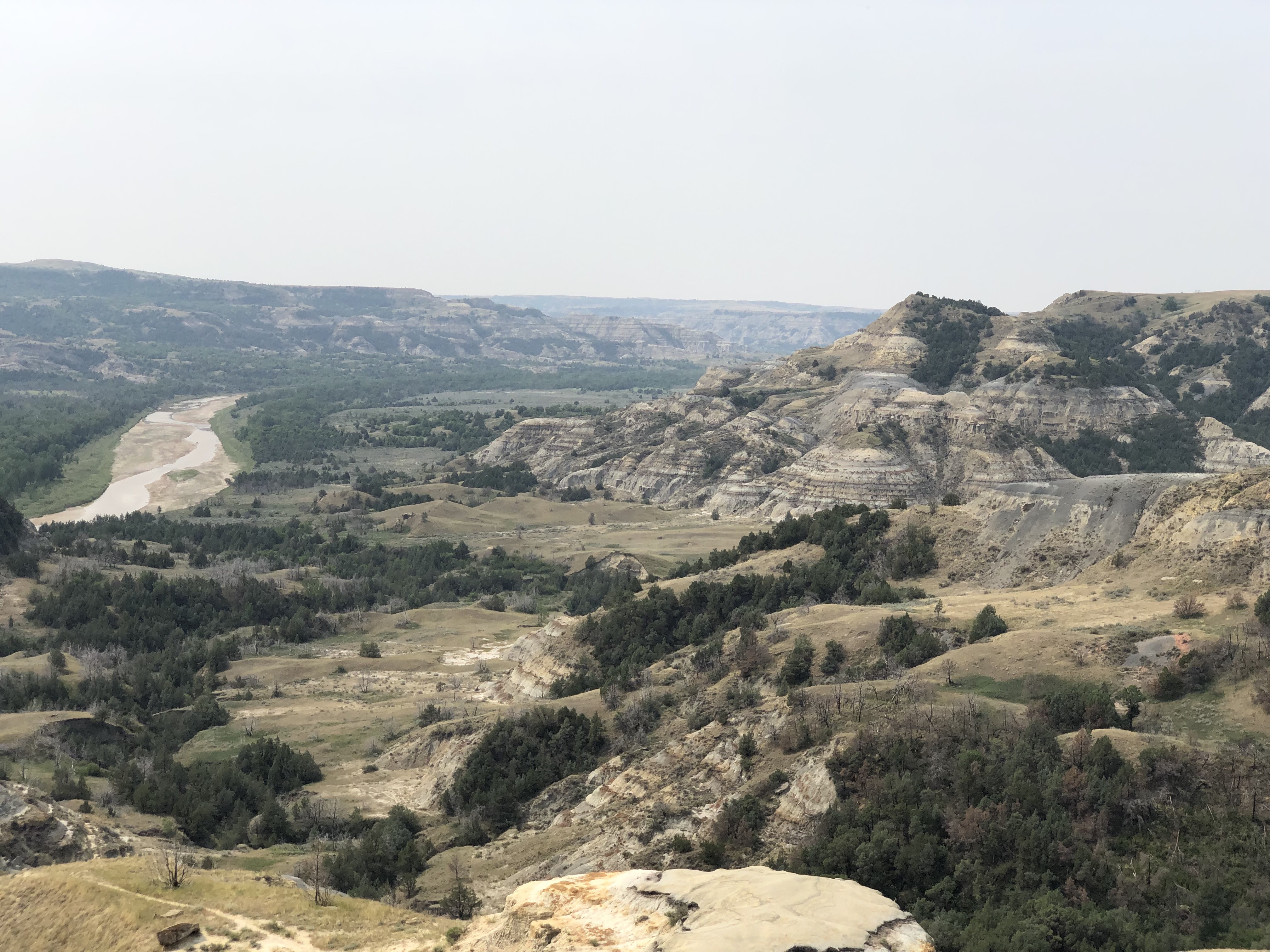
In the park itself we drove the South Unit’s 36-mile scenic drive and took in the park’s numerous prairie dog towns, numerous bison, and the park’s herd of wild horses. In the North Unit, we took the 14-mile scenic drive and learned about the unique rock formations called cannonball concretions, created by erosional forces. The badlands are rugged, desolate, and yet, beautiful in many ways. 

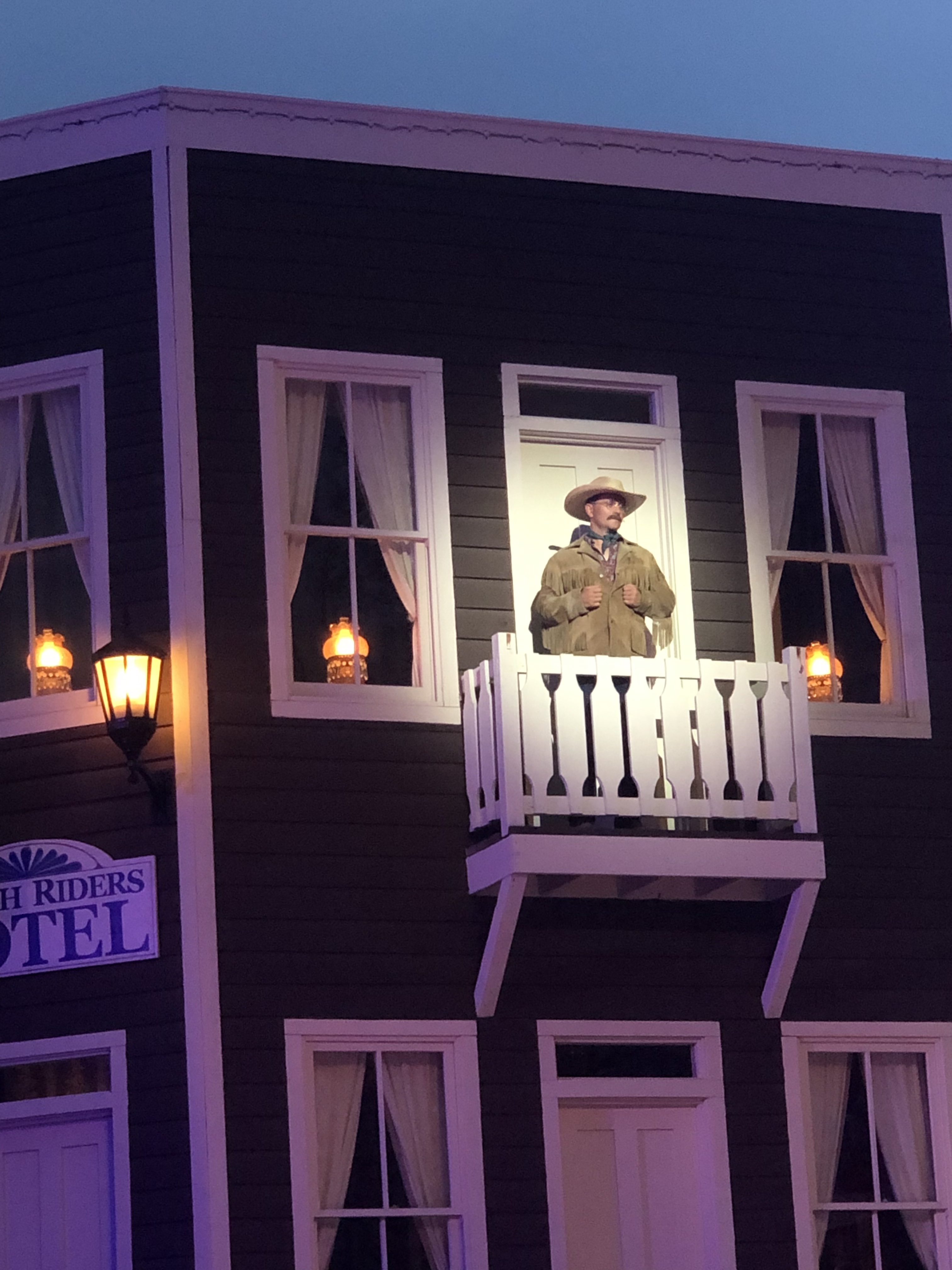
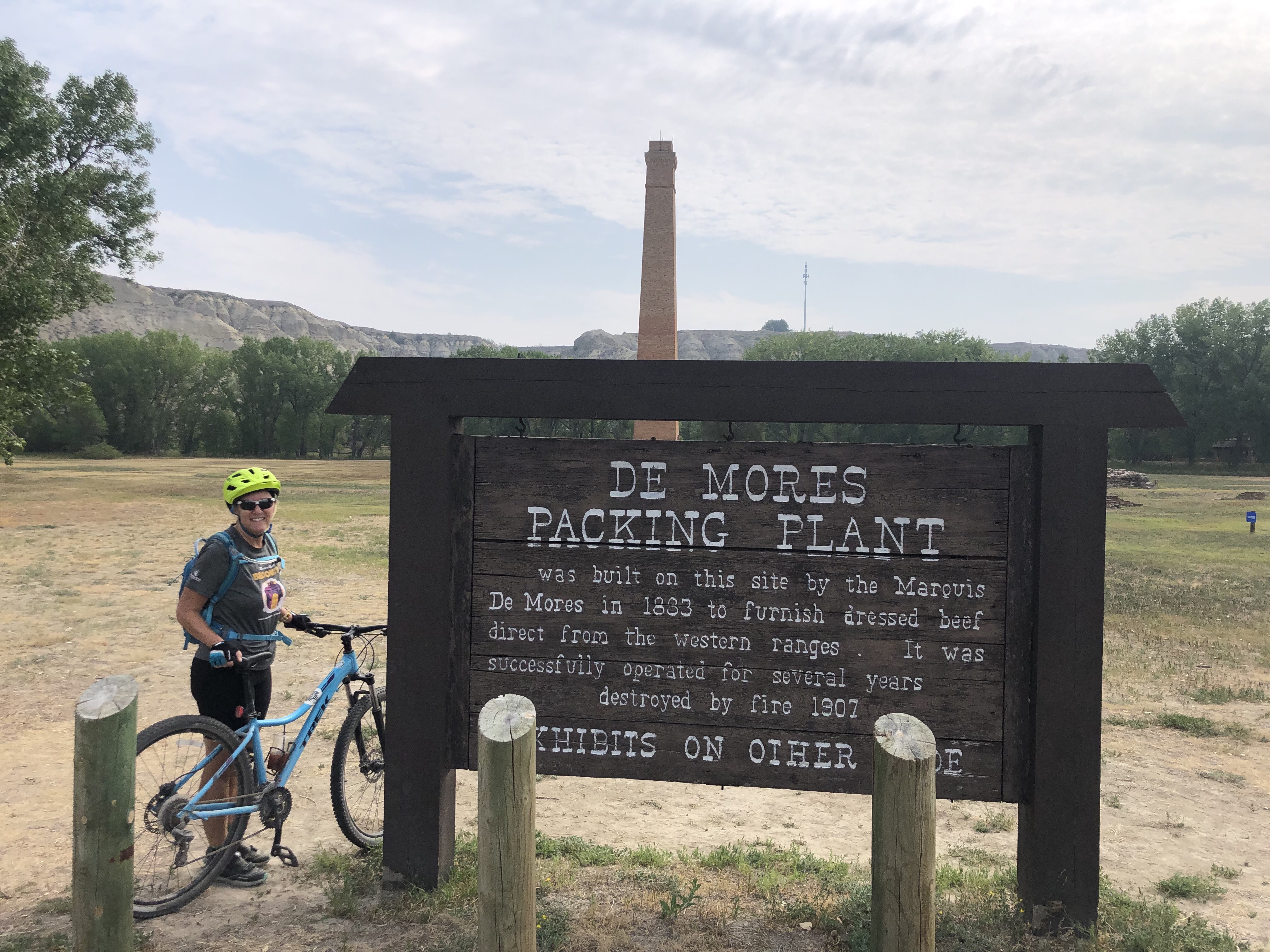
The town of Medora is a living tribute to our 26th president. In fact, much of the neat town and its attractions are run by the Theodore Roosevelt Medora Foundation. We attended two afternoon shows that paid tribute to T.R. and taught us about his impact on Medora. He came here to find solace after the death of his first wife and his mother on the same day. His ranching days here were short-lived, but his love of North Dakota endured. 

The Medora Gospel Brunch is also worth checking out when you visit Medora. In fact, all of the entertainment in town was top-notch. High quality singers and musicians, polished re-enacters, and New York-level productions. We were really impressed.

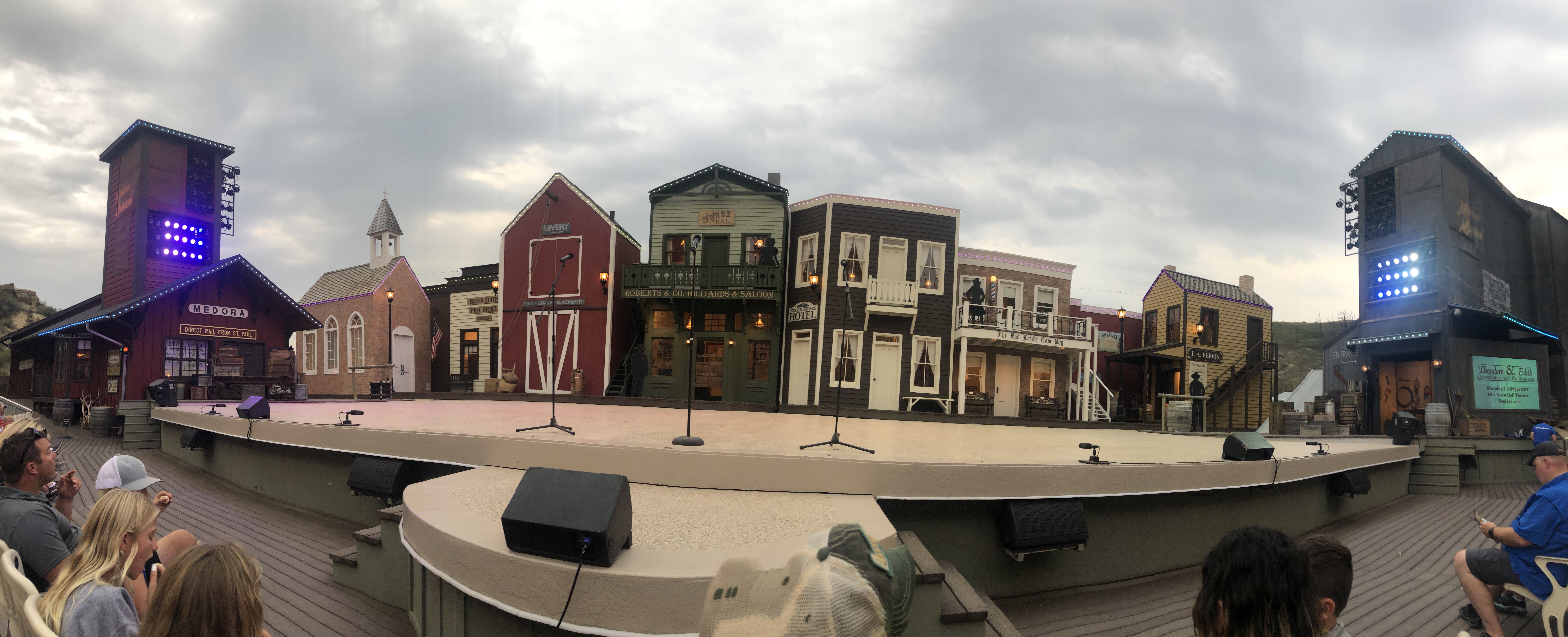
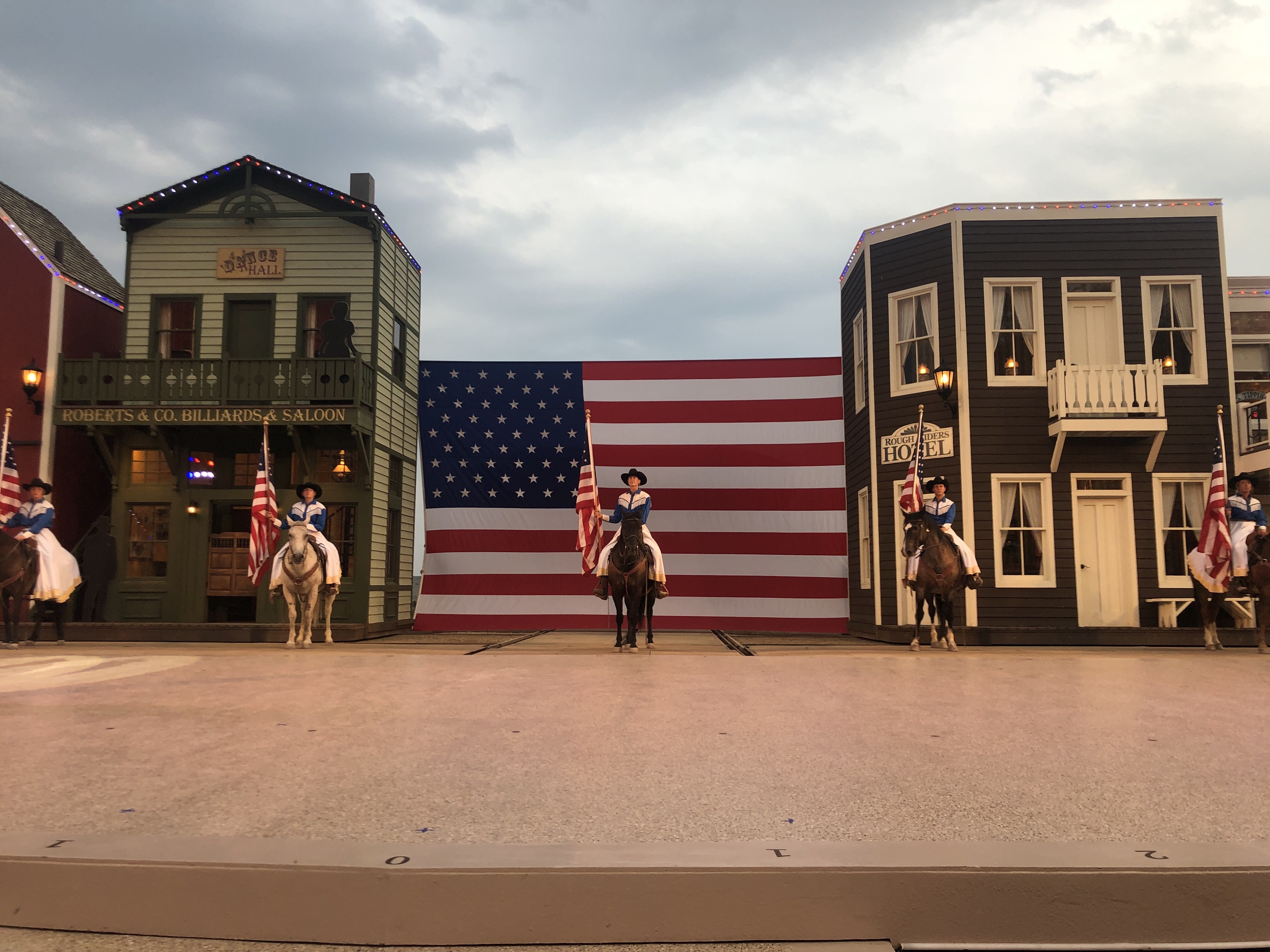
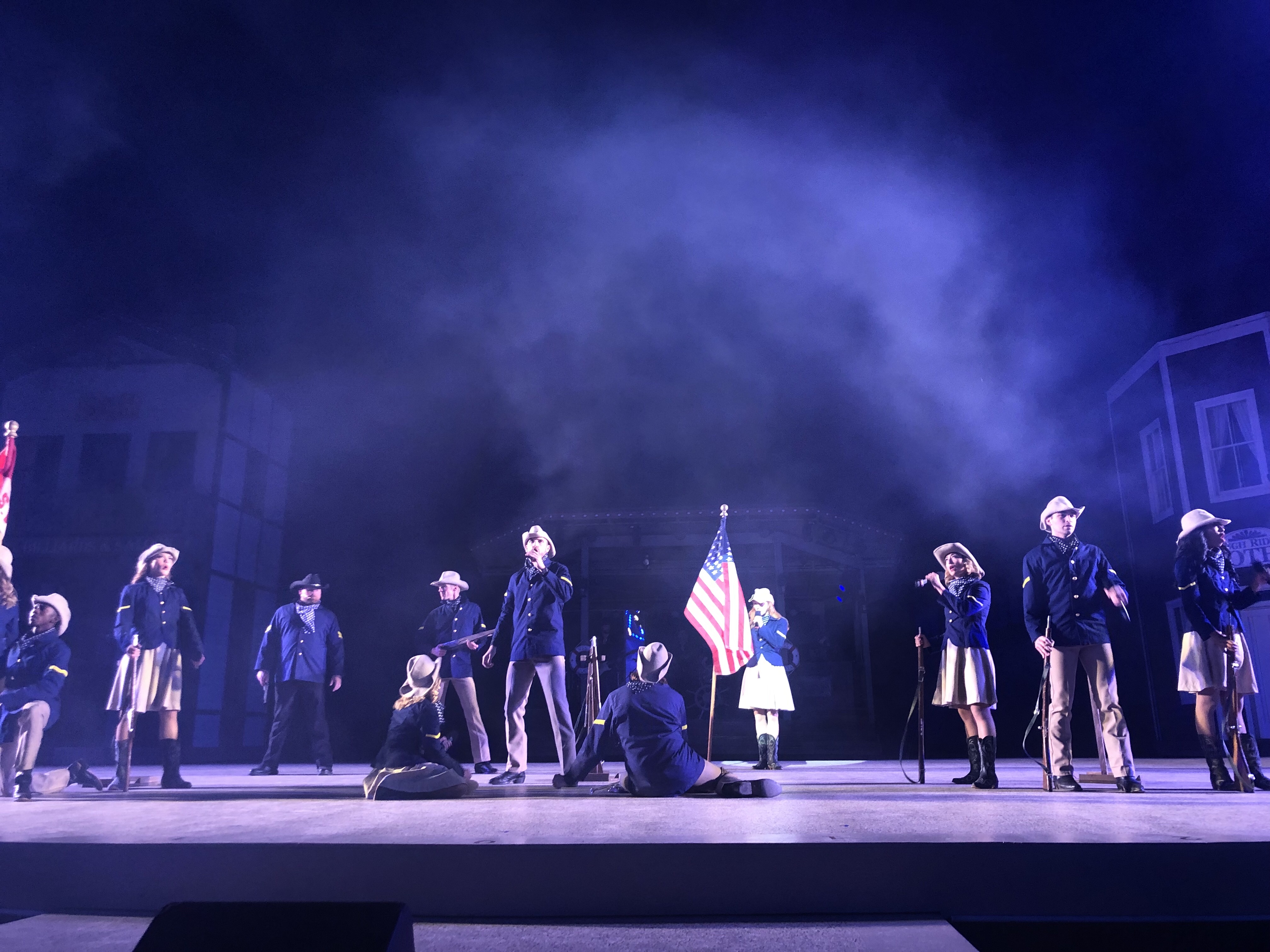
The star of the Medora entertainment scene is the Medora Musical which has been running since 1965. Set in a striking outdoor amphitheater with sweeping views of the badlands, the musical pays tribute to Medora’s history and the legacy of Theodore Roosevelt.

With a mix of classic country music and original tunes, the company sings, dances, and rides with high energy for a full two hours. In our second row seats, we had a great view of the action.  The Medora Musical is a not-to-miss event in Medora.

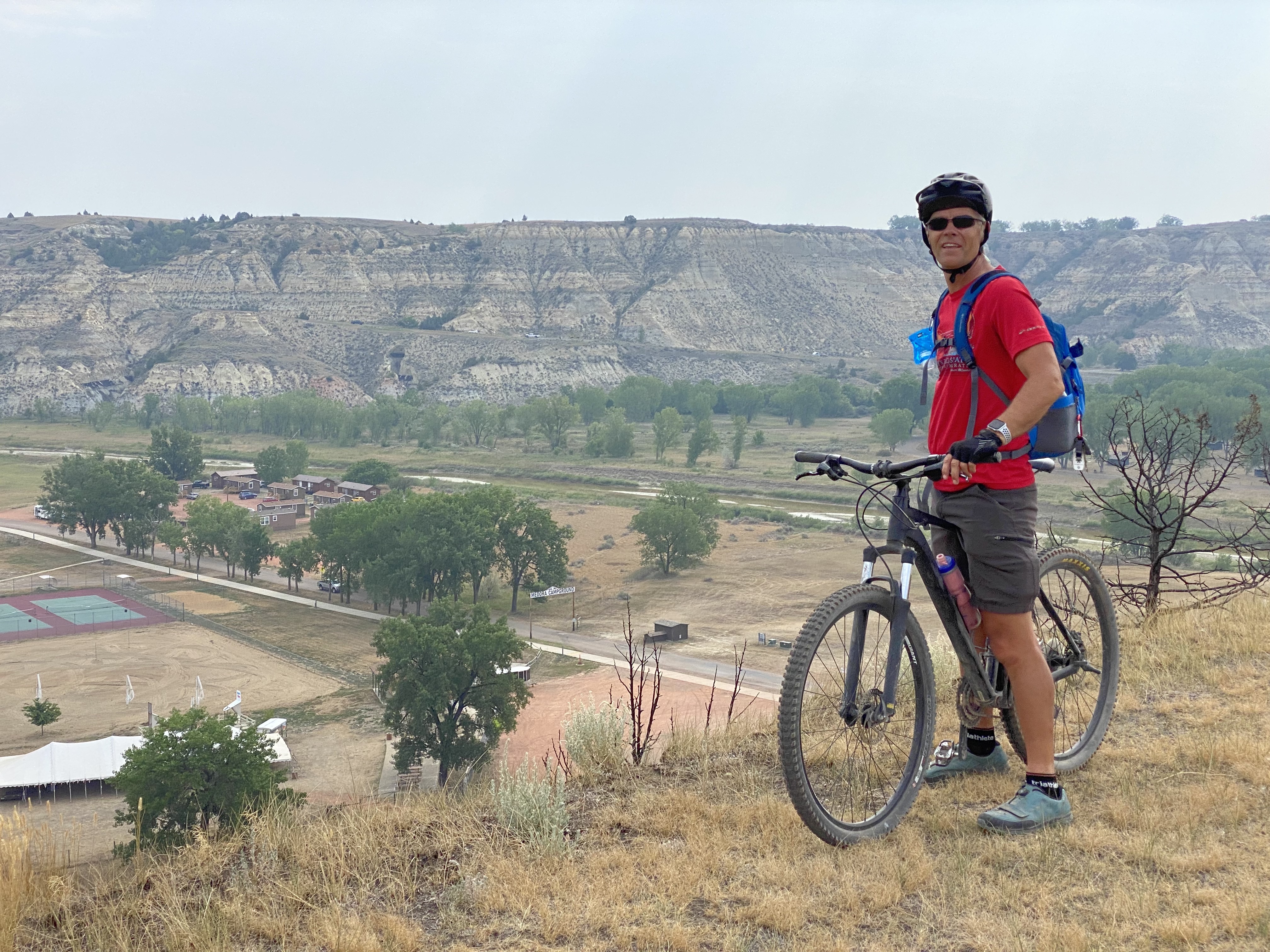
Of course we went back out on the Maah Daah Hey trail a bit on our bikes and just enjoyed being in this unique place. Beautiful views, a well-groomed trail, and sunshine always make for a good day.

We hope to return in 2025 once the Theodore Roosevelt Presidential Library is opened.