Yellowstone: West and North

We’ve already posted three blogs on our time in Yellowstone National Park, and we still have a bunch to share. We’ll try to fit everything in this posting, since you’re probably tired of hearing about how beautiful Yellowstone is! In this post we’ll share a few of our adventures outside of the park in West Yellowstone, Montana, and we’ll fill you in on our days in the northern part of the park, including the Lamar Valley which has been called the “Serengeti of North America.”
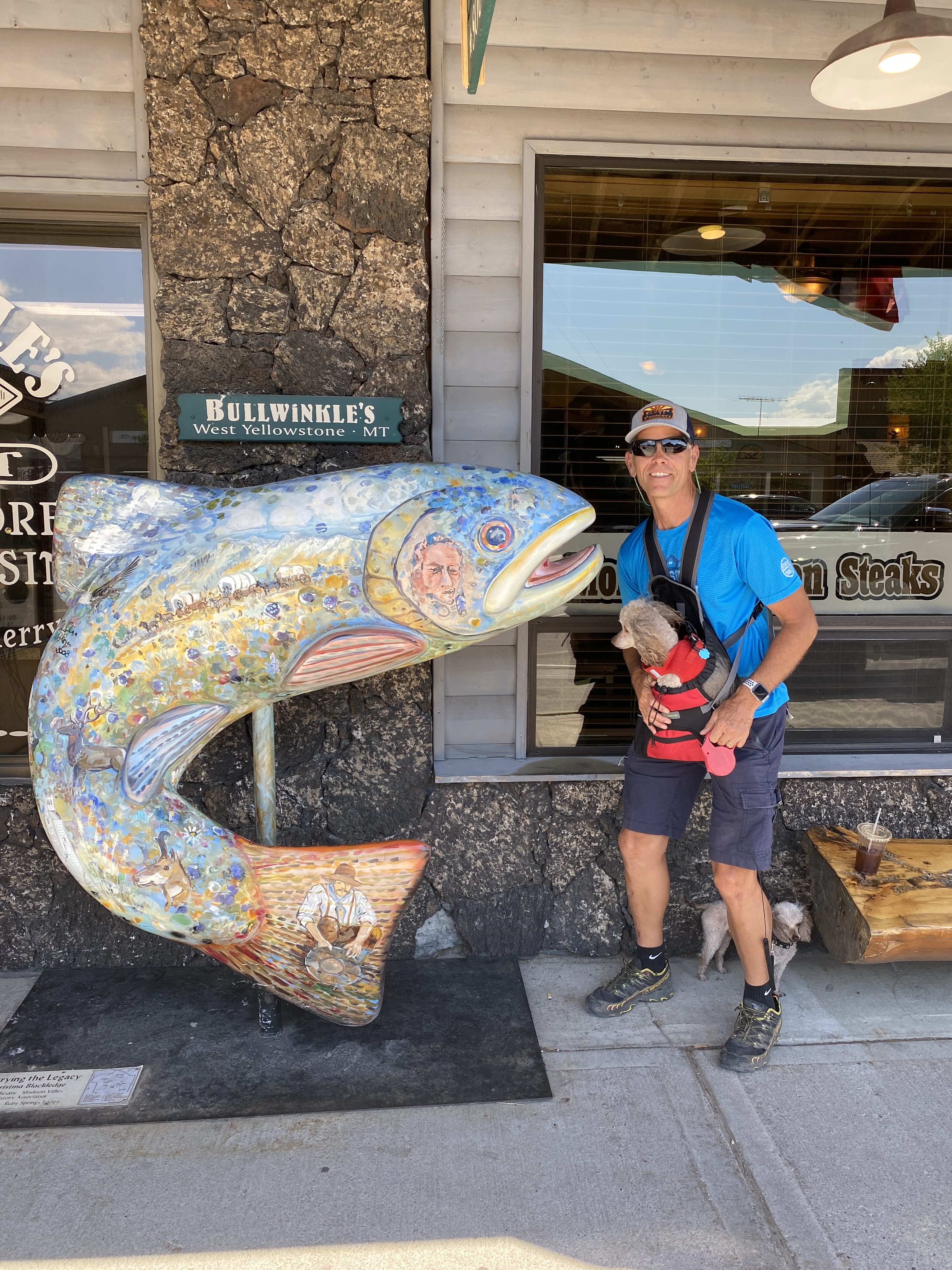
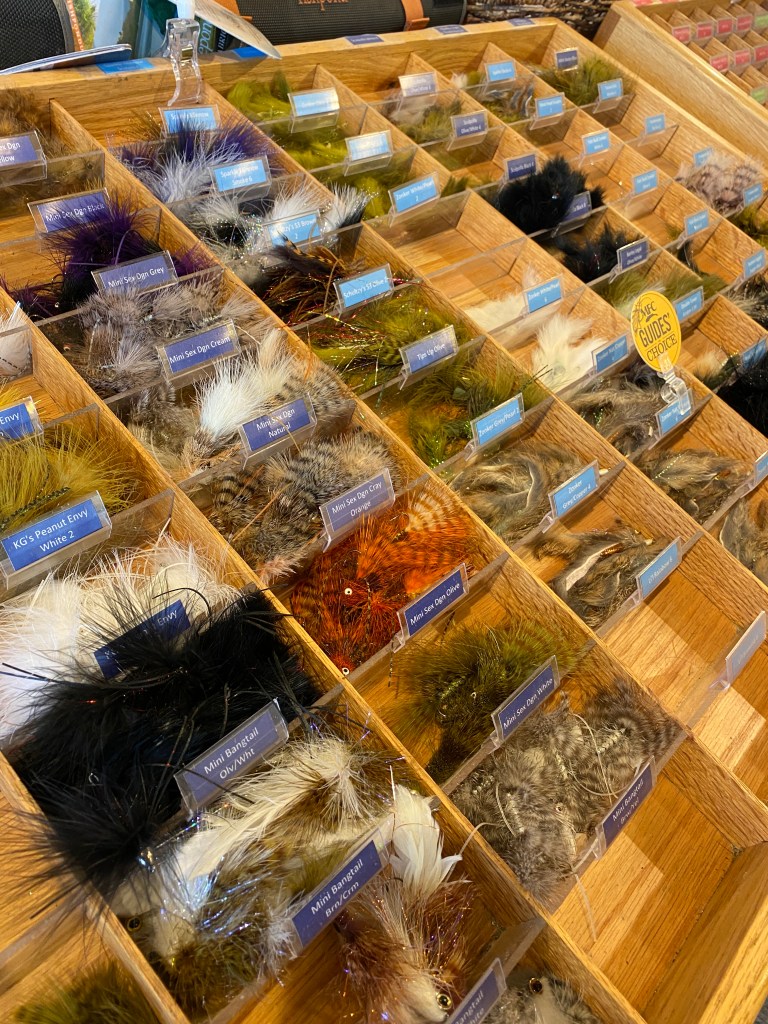
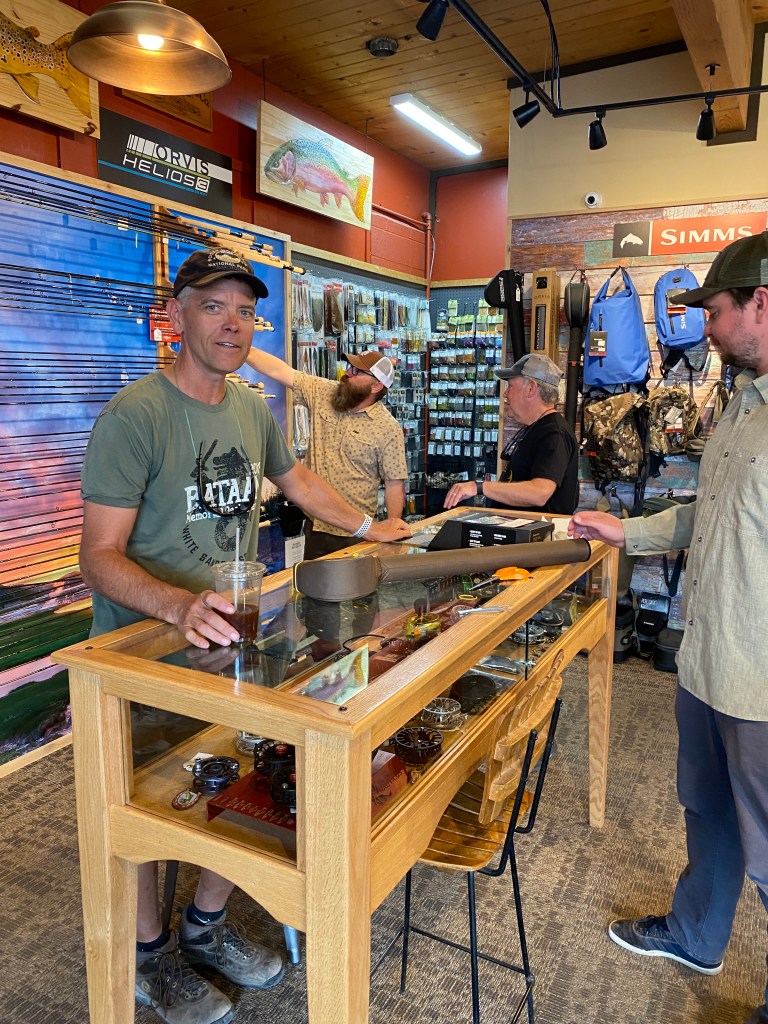
We spent about six days in and around West Yellowstone and the west entrance to the national park. While in the area we strolled the cute shops in the tourist town, and Steve made a few purchases. He’s decided to take up fly fishing so time in the fly shops was included in our explorations. Who knew there was so much to learn about this very-Montana way of fishing?
Cliff Lake

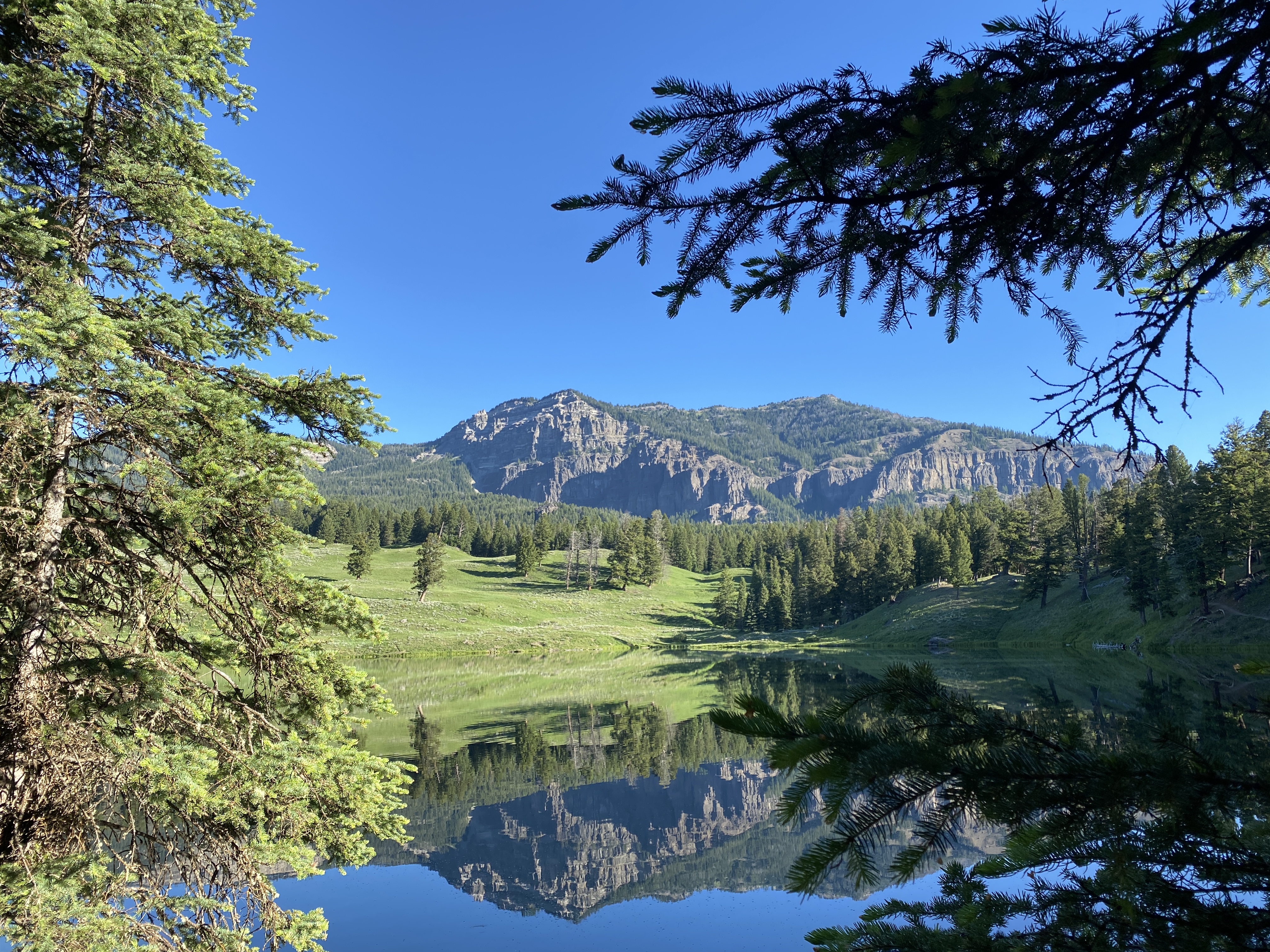
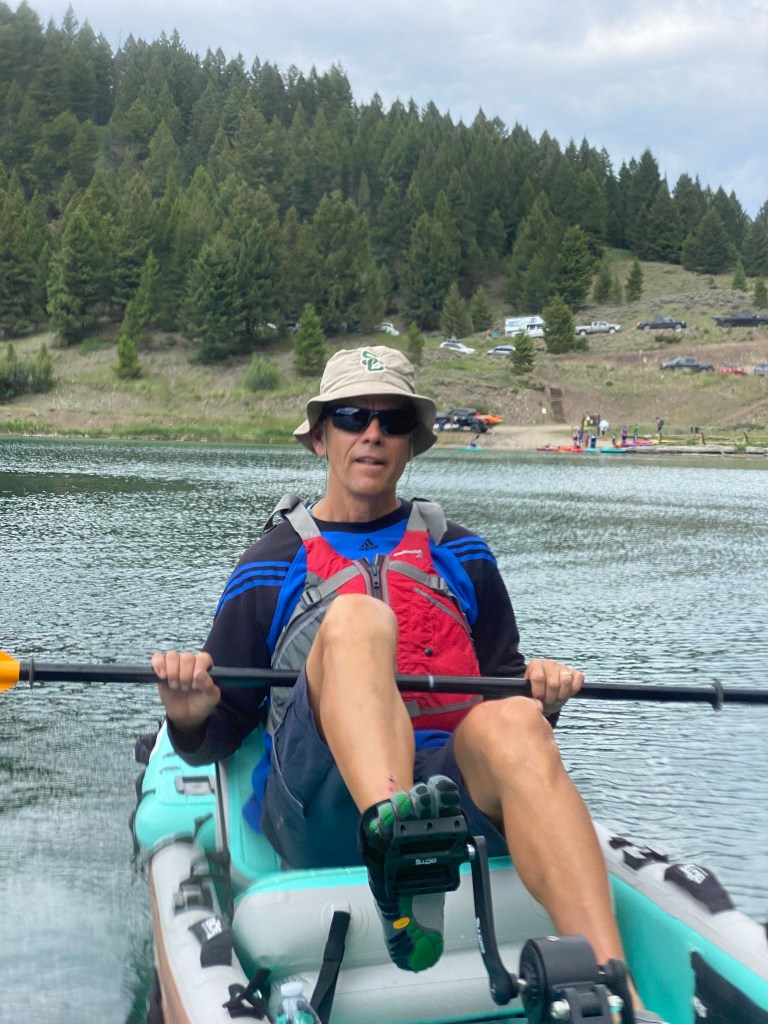
Just before starting this trip we purchased two Botē inflatable kayaks, which we plan to use later this year when we return to the Florida Keys. However, we figured, “why wait?” We scouted out a sweet little mountain lake about 30 minutes outside of West Yellowstone. Cliff Lake was perfect place to launch the kayaks and paddle around. Steve even threw out a line and got a bite.

Wild West Yellowstone Rodeo

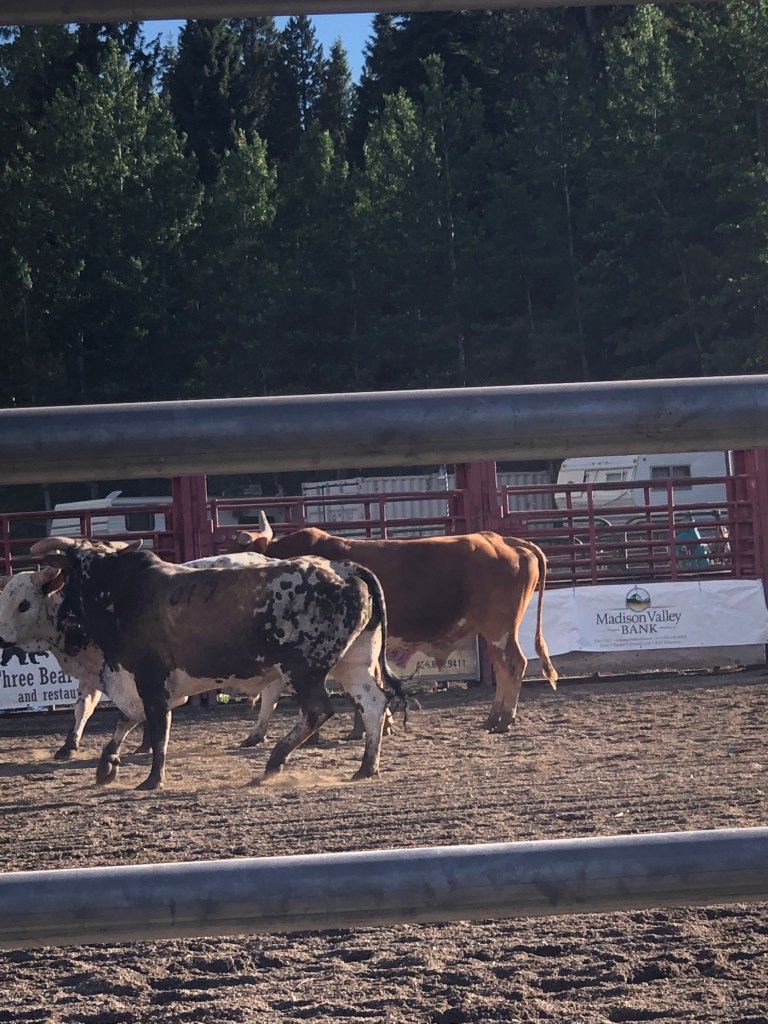
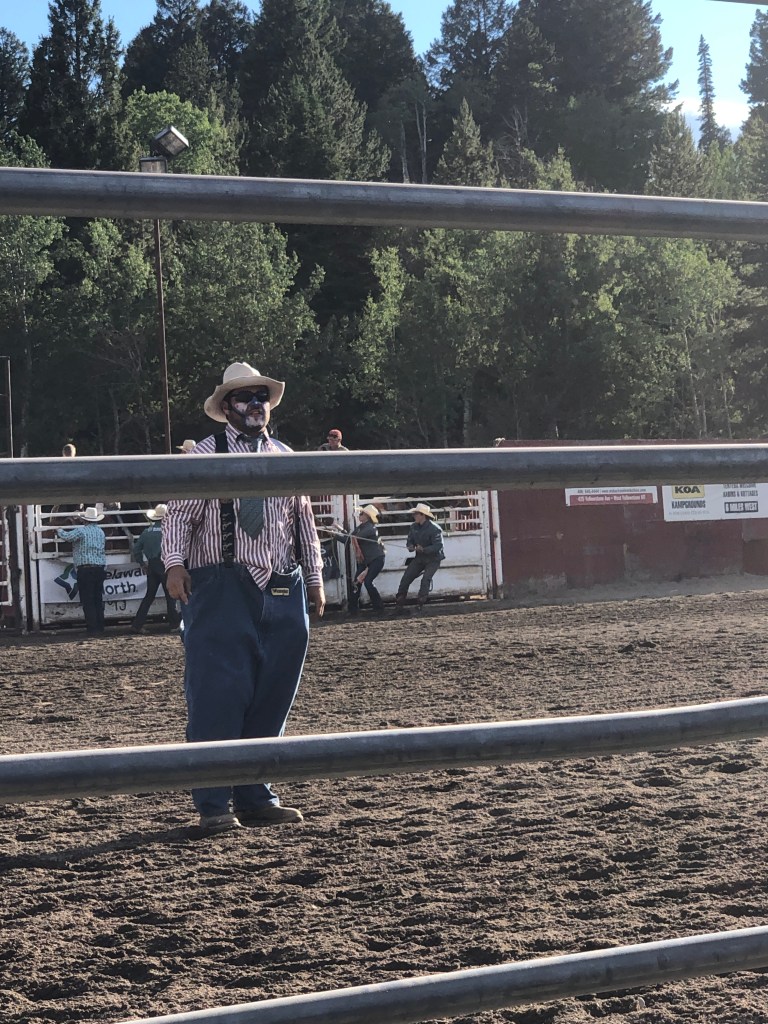
After our time at the lake we took in the local rodeo, the Wild West Yellowstone rodeo. It was really a display for tourists, not comparable to Prescott’s Rodeo, but we enjoyed the show from our camp chairs right up on the railing.
Mammoth Hot Springs and the North

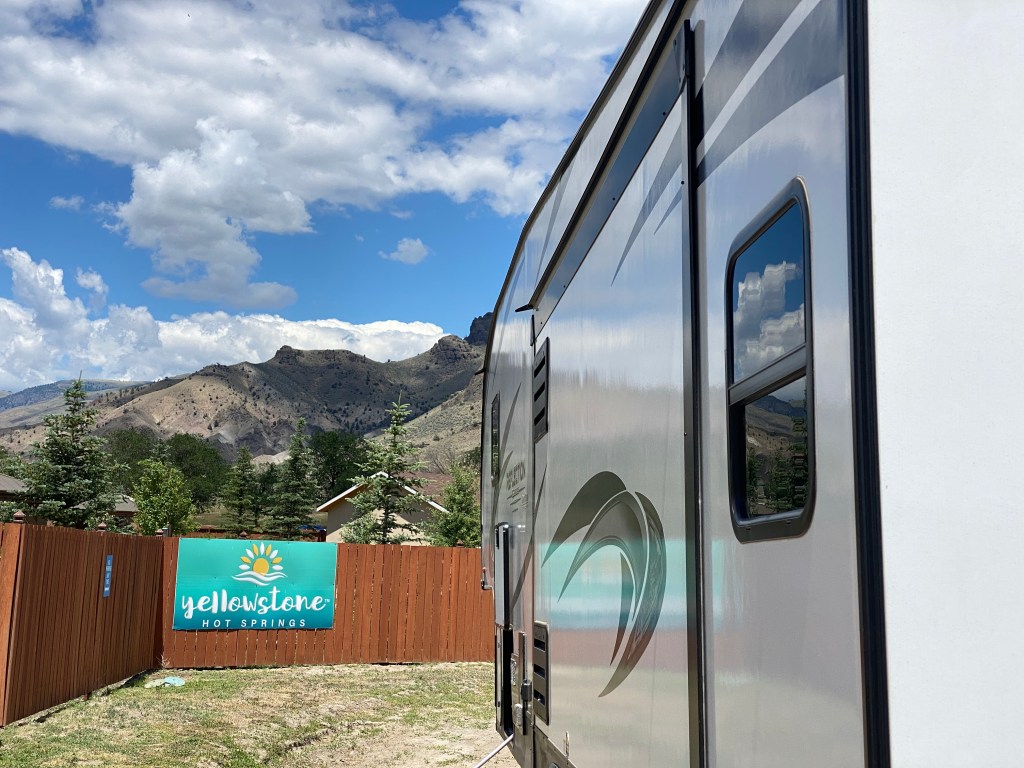
After six days of exploration from West Yellowstone, we made our way through the park to a new campsite just outside of Gardiner, MT. We based ourselves at an RV park poised aside the Yellowstone River, which gave us easy access to the north gate and the historic arched entrance.
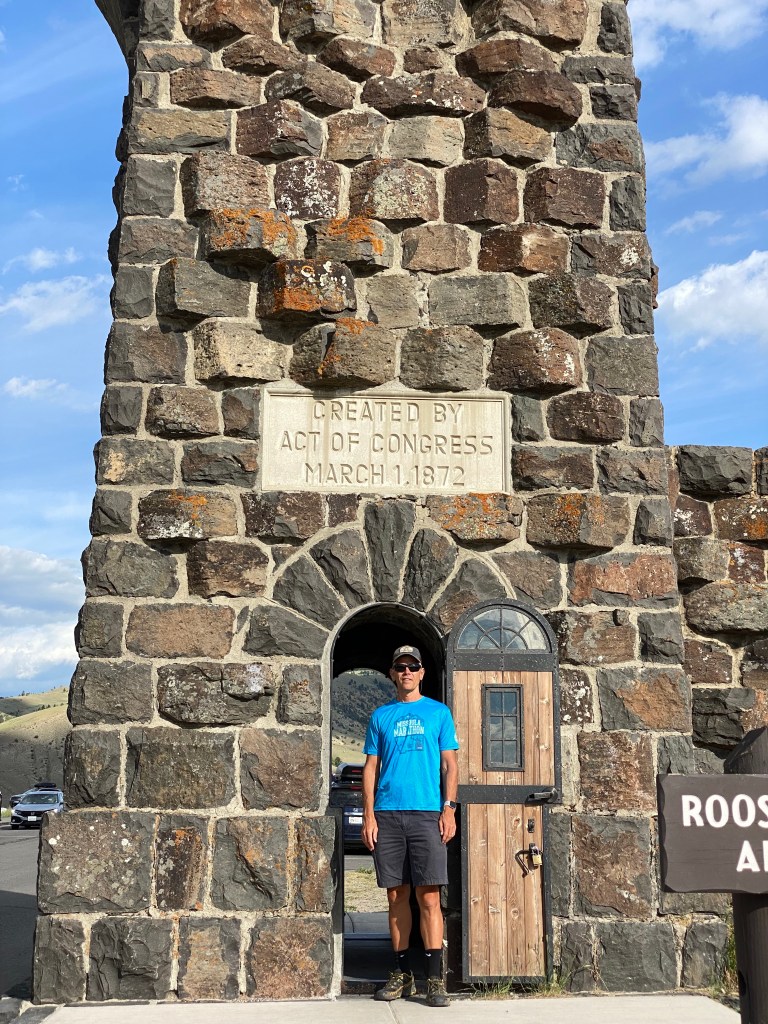
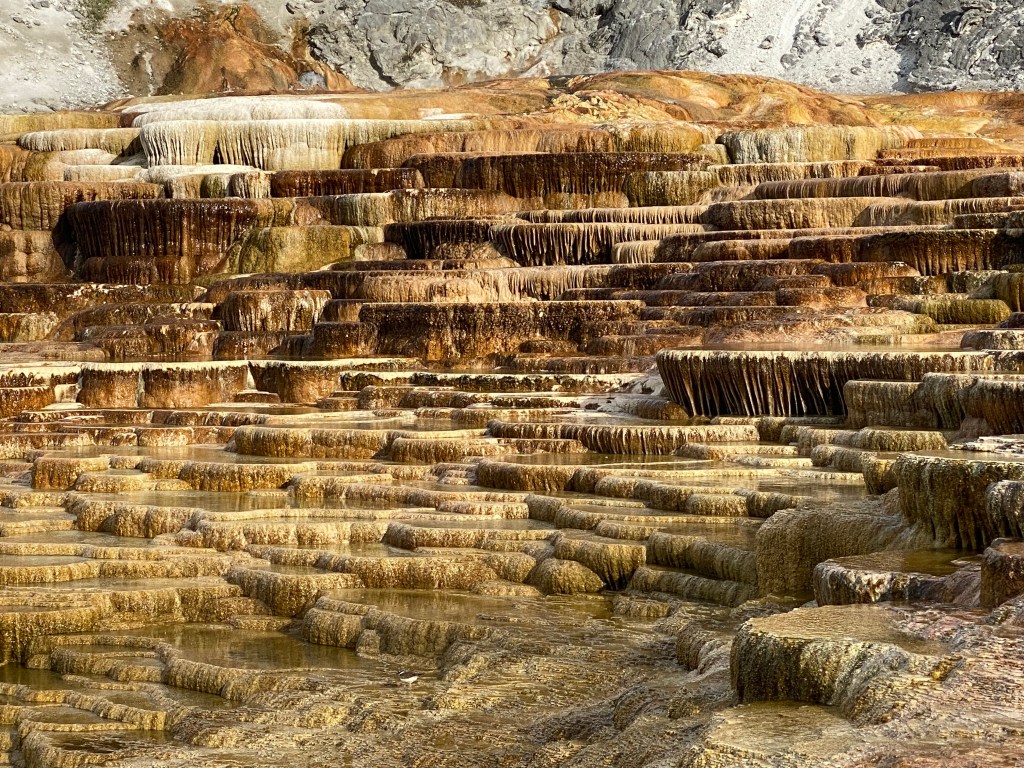
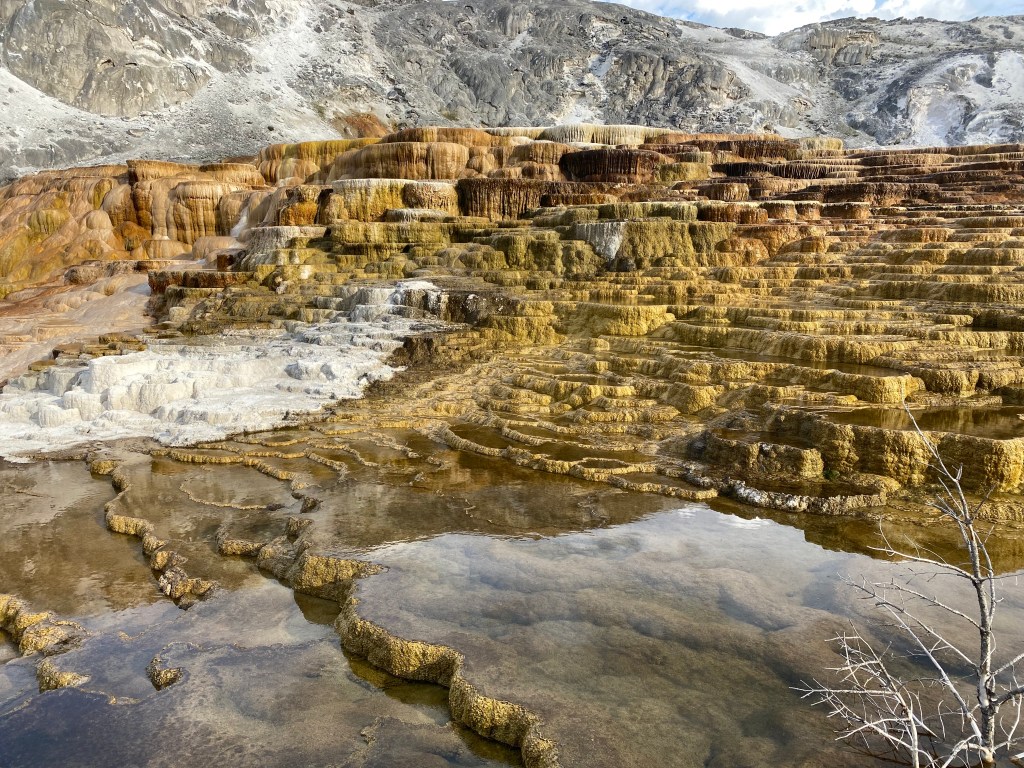
The north entrance to the national park is anchored by Mammoth Hot Springs. Mammoth Hot Springs consist of terraces of travertine over which hot spring waters run.

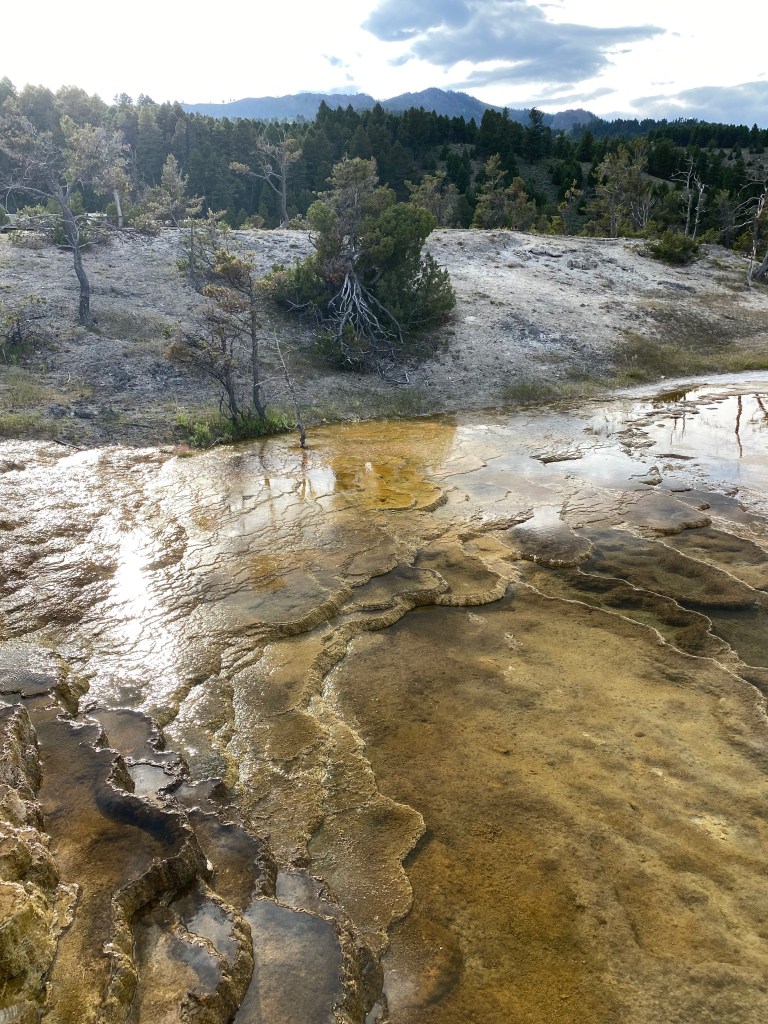
As a result, the springs emit steam and colorful pools that have drawn tourists since the park’s founding in 1872. We toured the springs on a cool evening and enjoyed the walk through the boardwalks.
Animals!

A visit to Yellowstone would not be complete without some extensive wildlife watching. Fortunately we found ourselves in a bear jam at one point during our explorations, and the bear came right up beside the truck! I rolled down the window to get a good picture, and Steve grabbed his bear spray. It was thrilling!
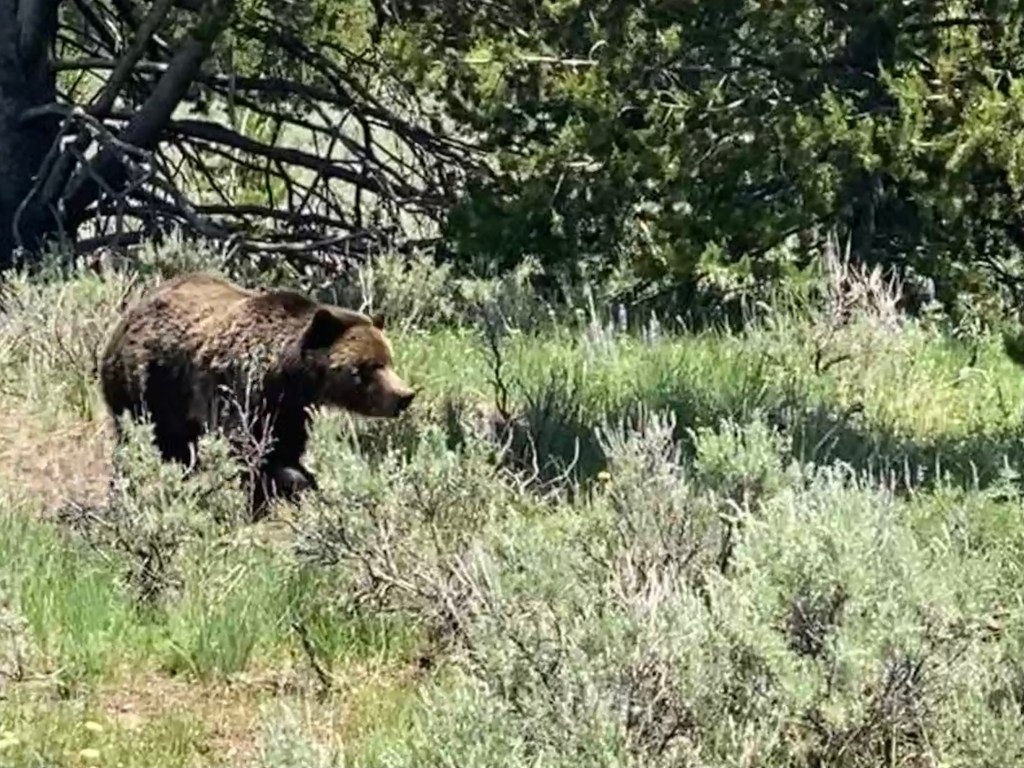
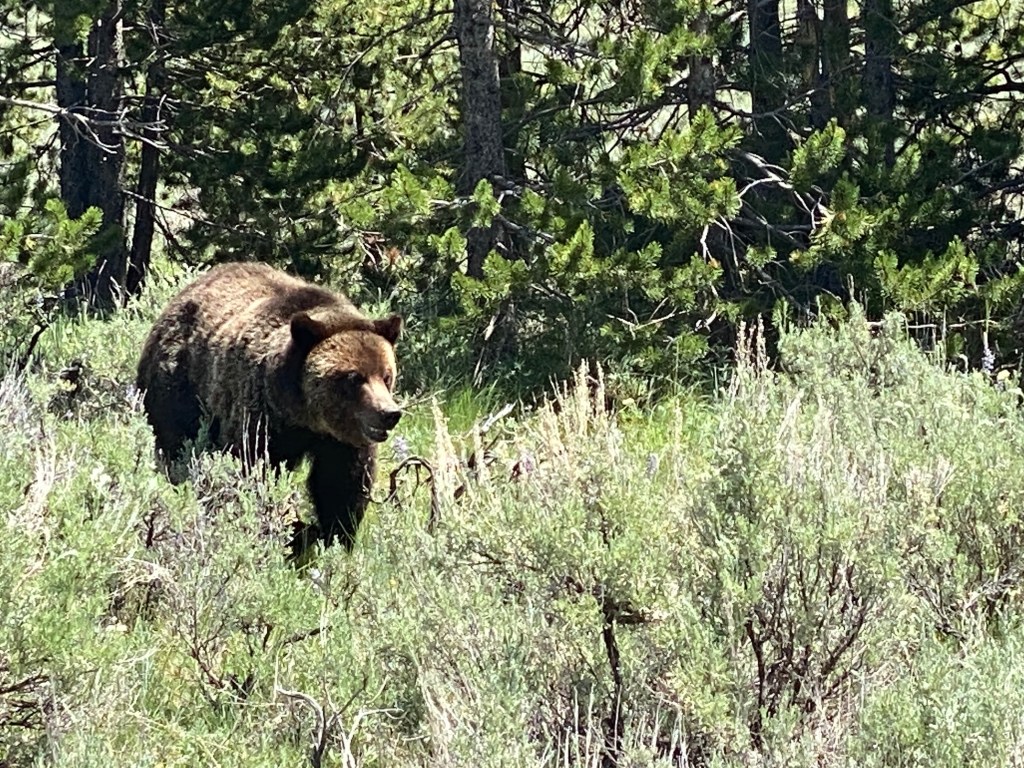
However, the best place to see wildlife is in the expansive Lamar Valley in the northern part of Yellowstone. We headed out on another early morning in search of animals and were not disappointed.
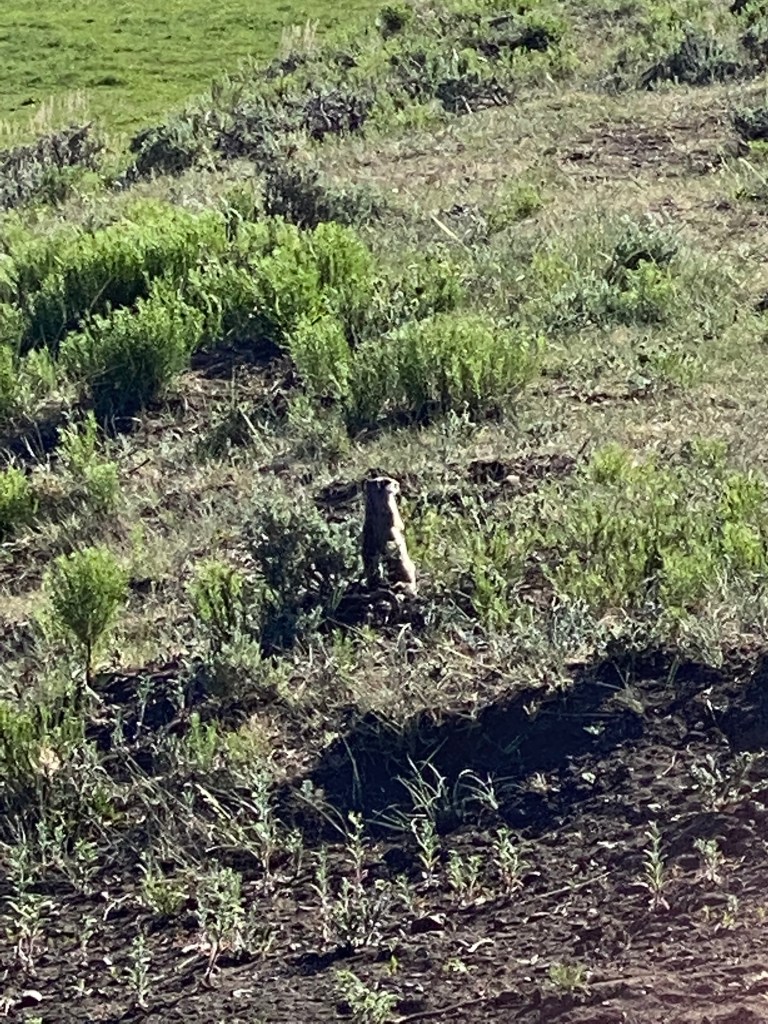
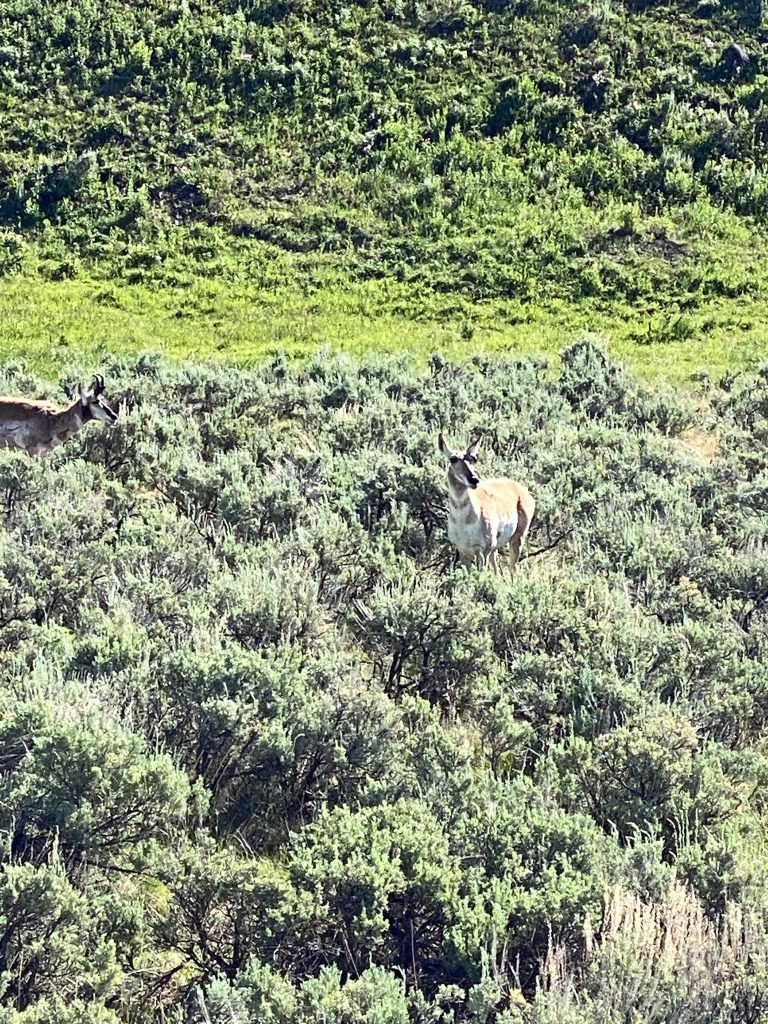
Of course we saw bison…everywhere. The best parts of the bison herds were all the babies that were tagging along with their moms.

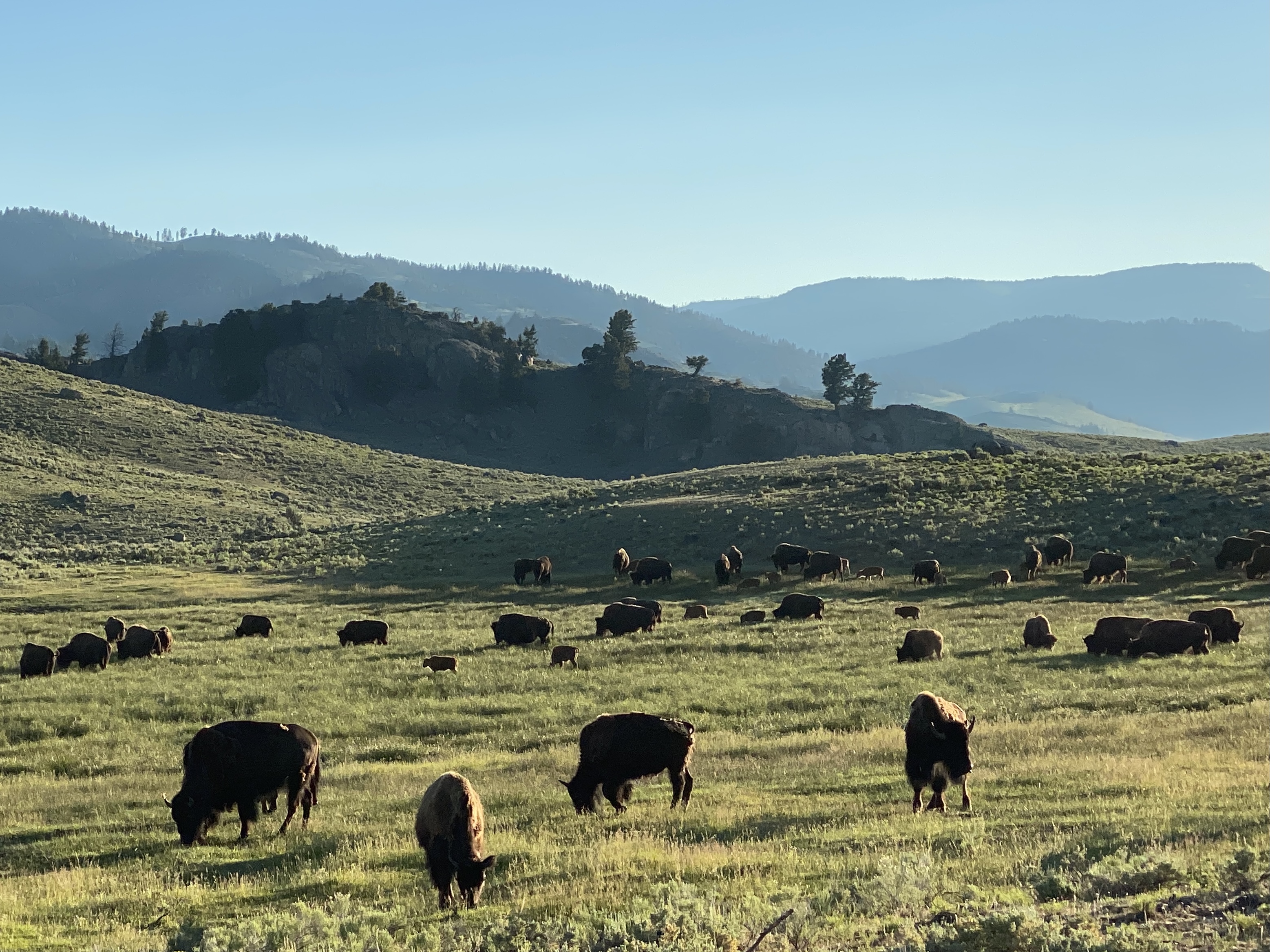
In fact, we saw babies of all kinds including baby elk, baby badgers, baby pika, and baby wolves. Yes, we saw wolves but didn’t get photos since they were so far away, and a monocle was necessary to see the den. Thanks to a local guide, we were able to see the mama with her seven puppies. Even from a distance, it was super cool to get a glimpse of these animals that were once wiped from the area.
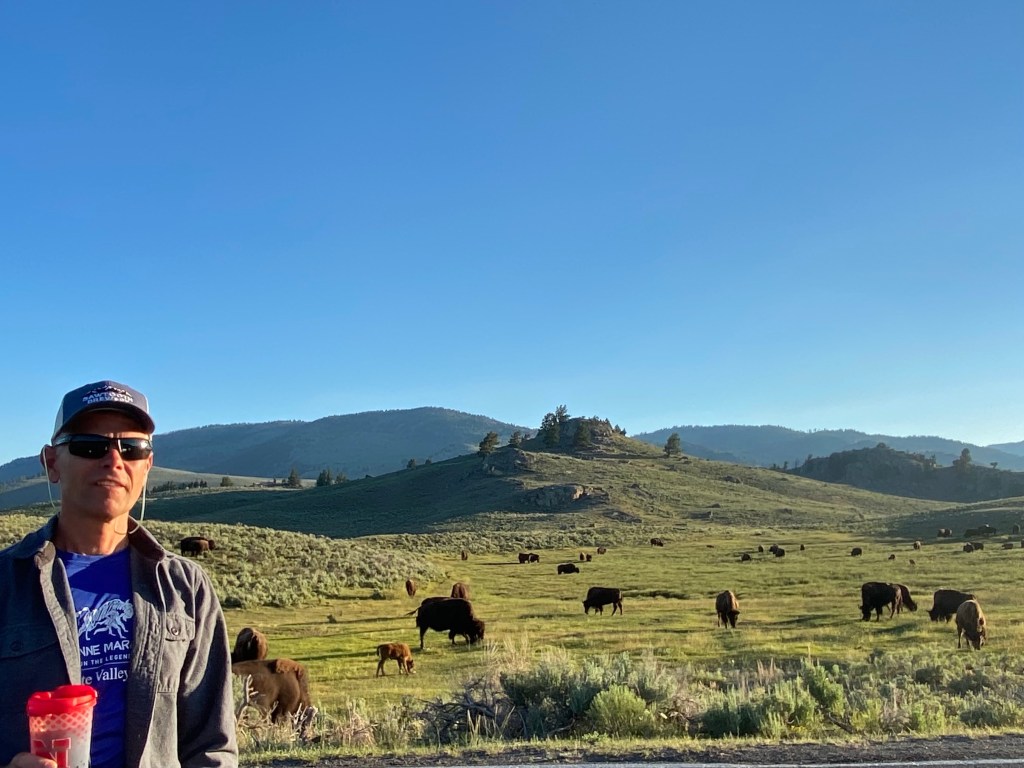
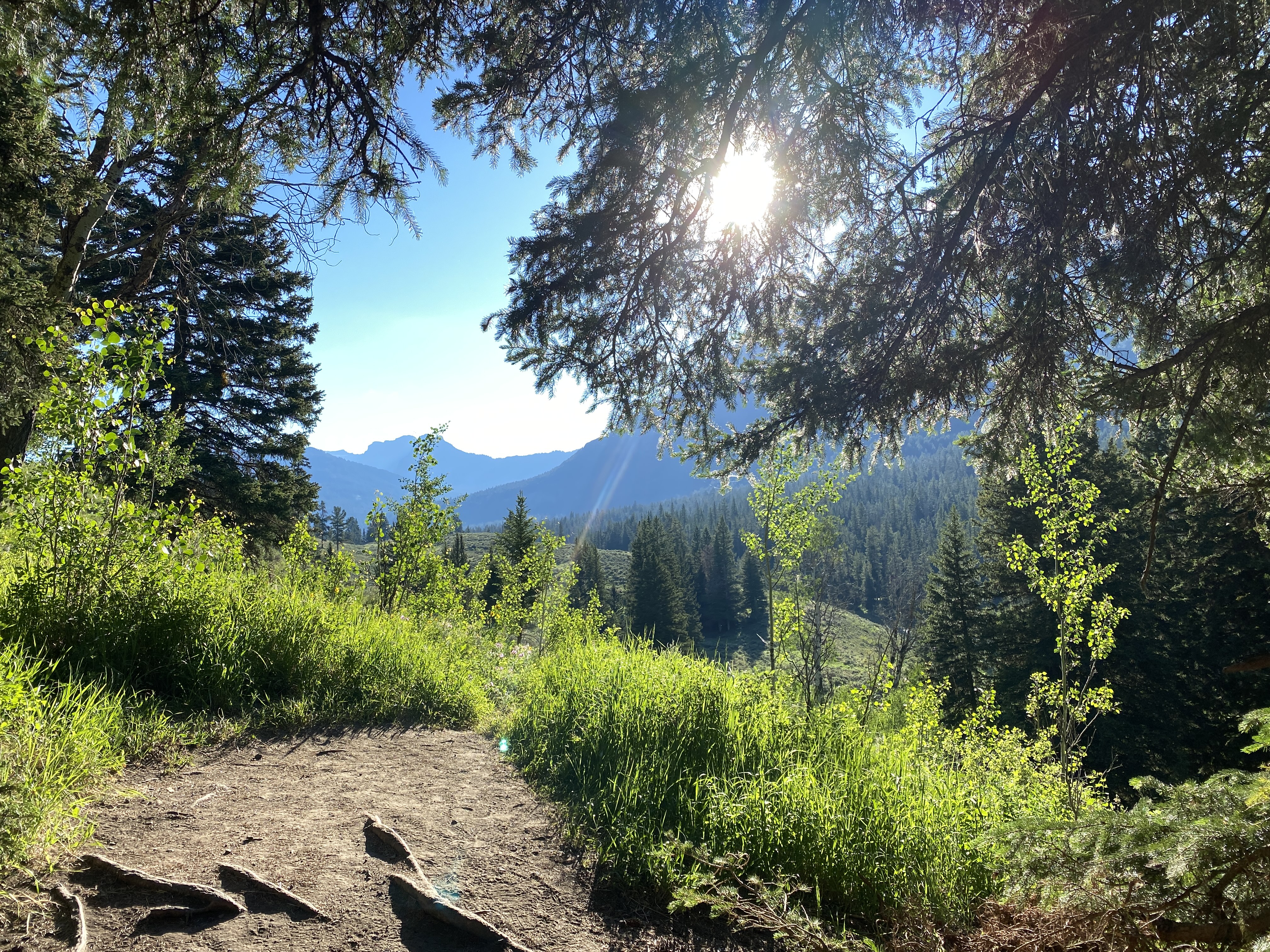
Of all the places we explored in Yellowstone, the Lamar Valley was the place that most exceeded our expectations. We found a beautiful hike, saw incredible scenery, and met a multitude of Yellowstone’s animal residents. If you go to Yellowstone, don’t miss the Lamar Valley!
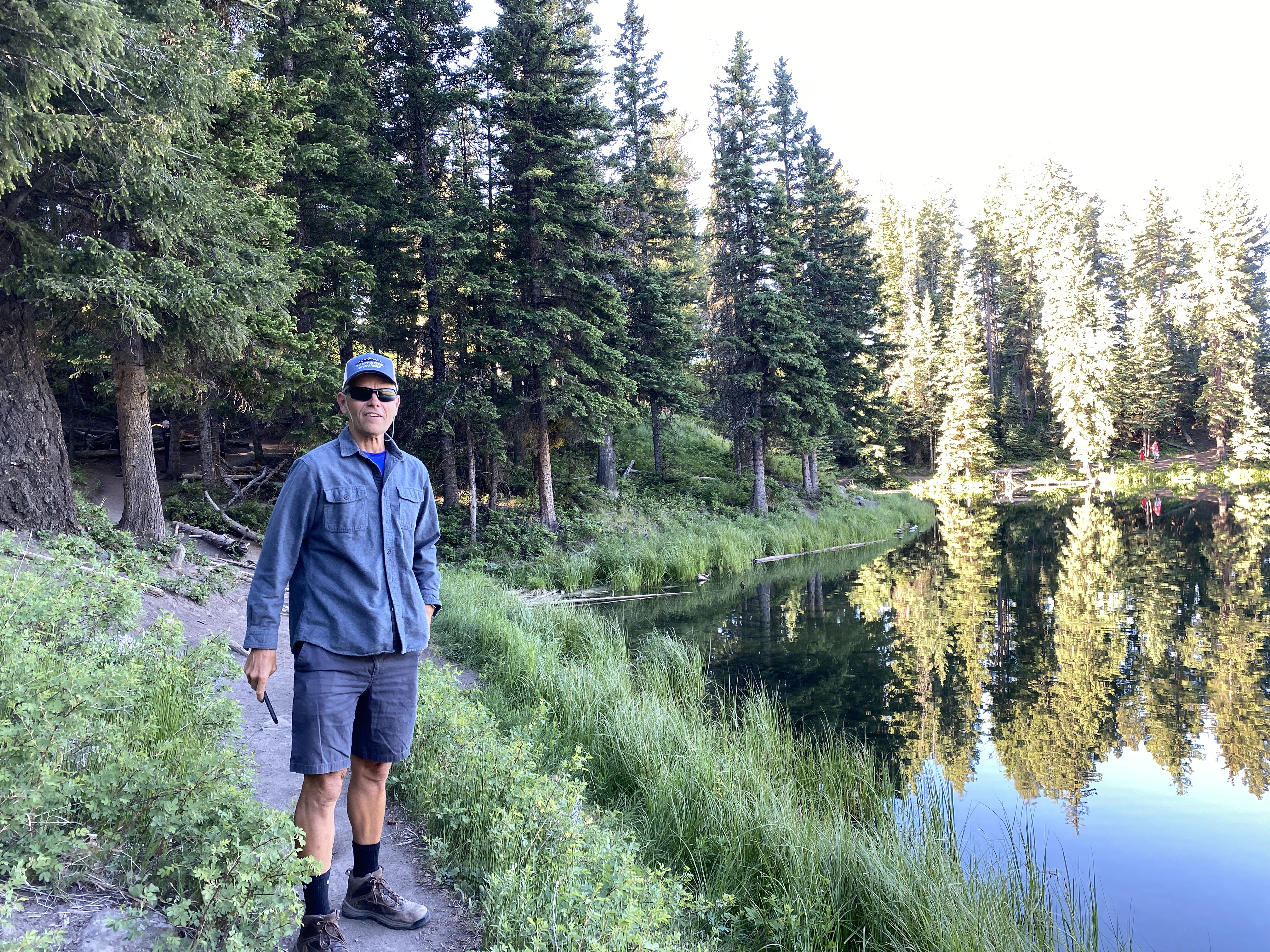
We’re now on to parts north and will soon have more adventures to share. Happy Fourth of July!

P.S. Yes, Steve caught his first trout in the Yellowstone River. 🐟
Yellowstone National Park – Part Three: Grand Canyon of the Yellowstone

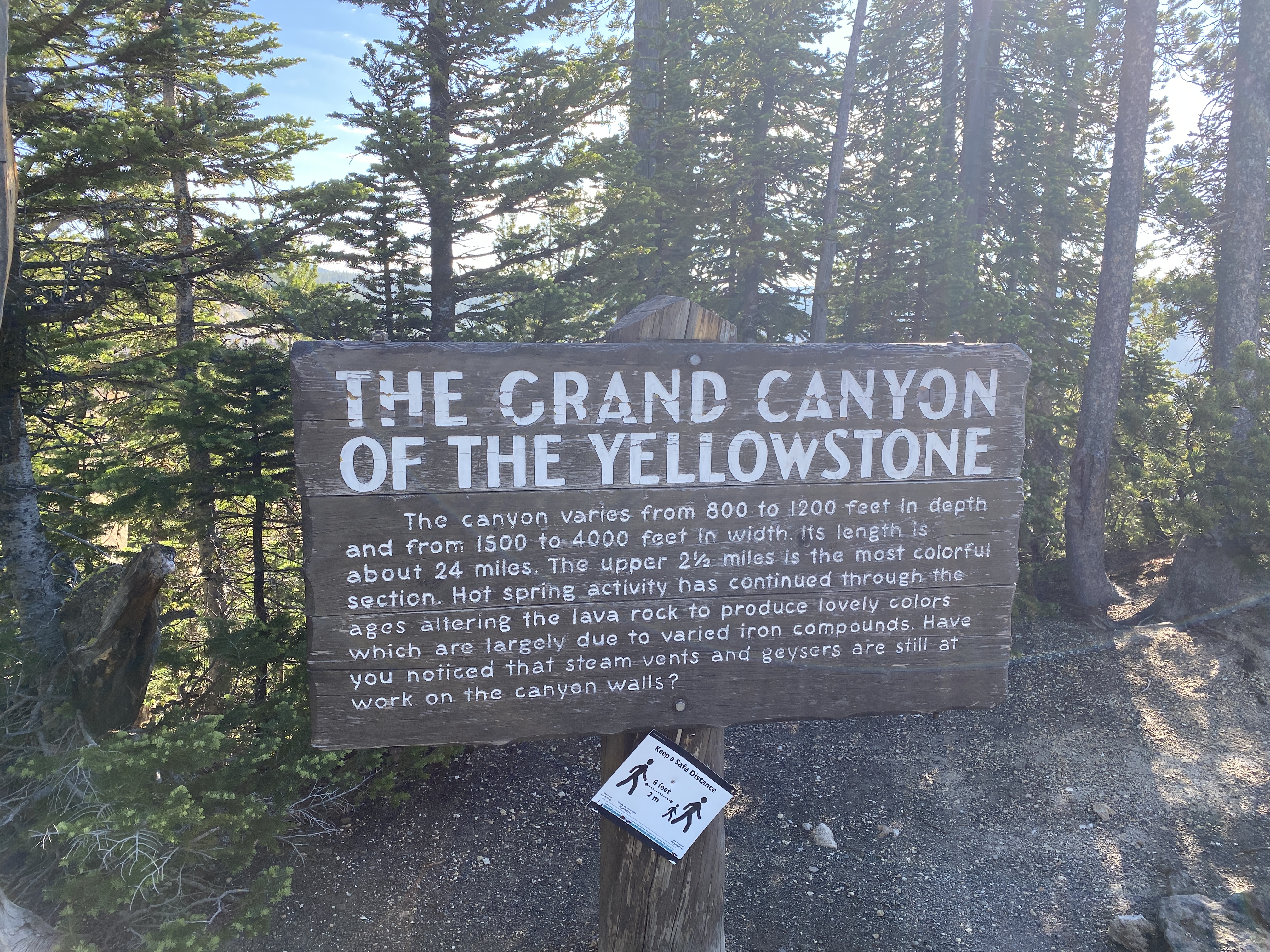
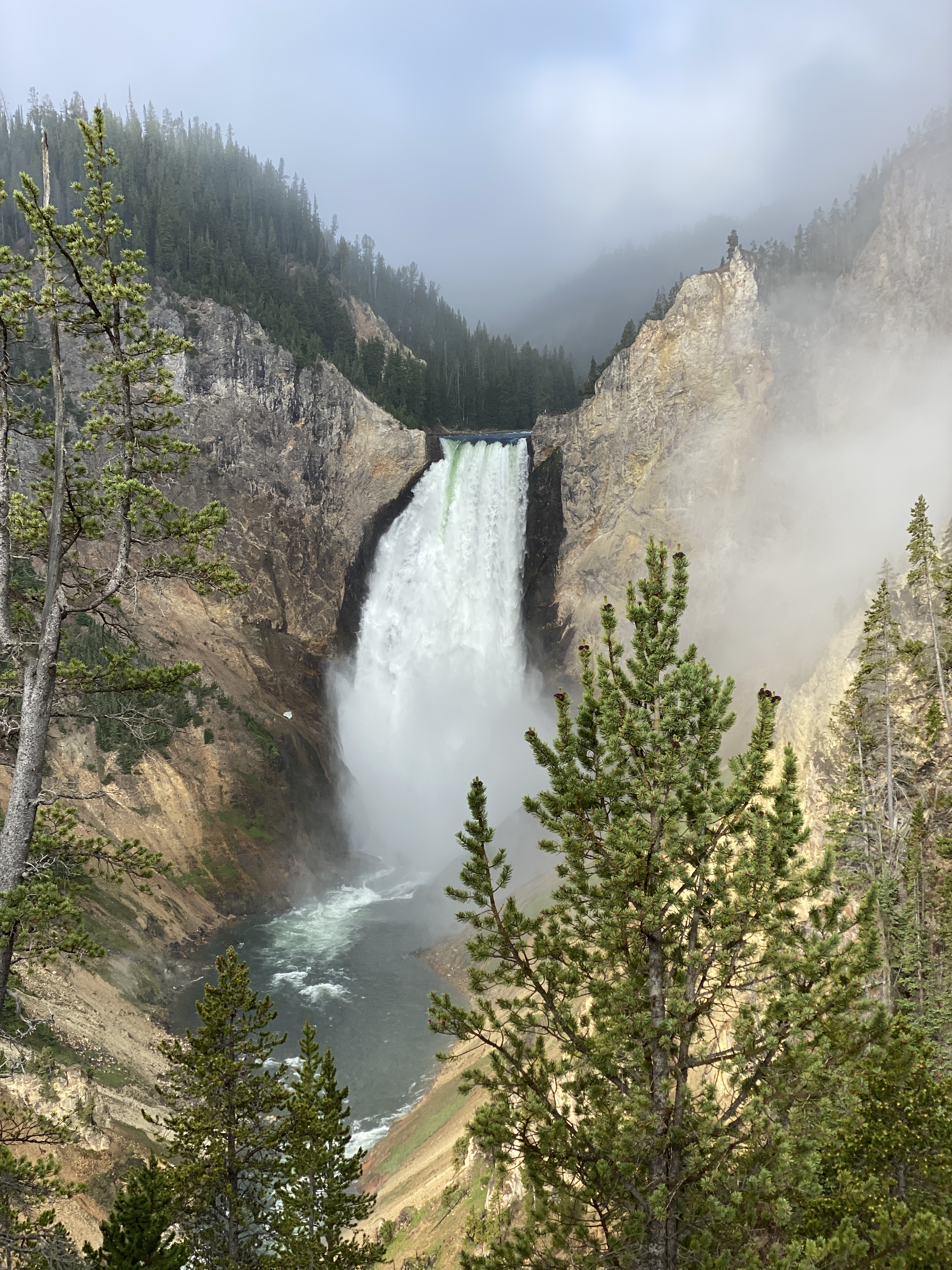
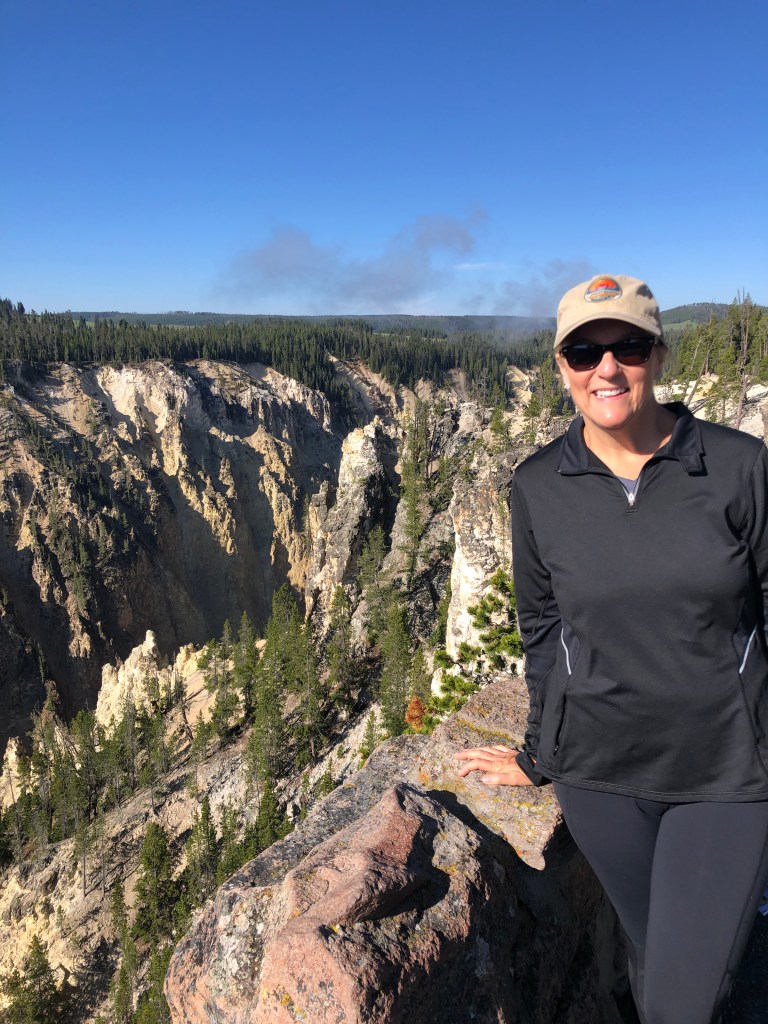
When we Arizonans hear “Grand Canyon,” we think of the big hole in the northern part of our state. But did you know that Yellowstone also has a Grand Canyon and it’s spectacular? In fact, the Canyon area of the national park is the second most visited area in the park, just behind Old Faithful.

Our first glimpse of the canyon was on our first day’s drive around the park. By the time we got to the south rim, we were tired and not interested in doing any kind of in-depth exploration. We took some pictures and moved on. But, we knew we had to return to do a full exploration of the north rim.

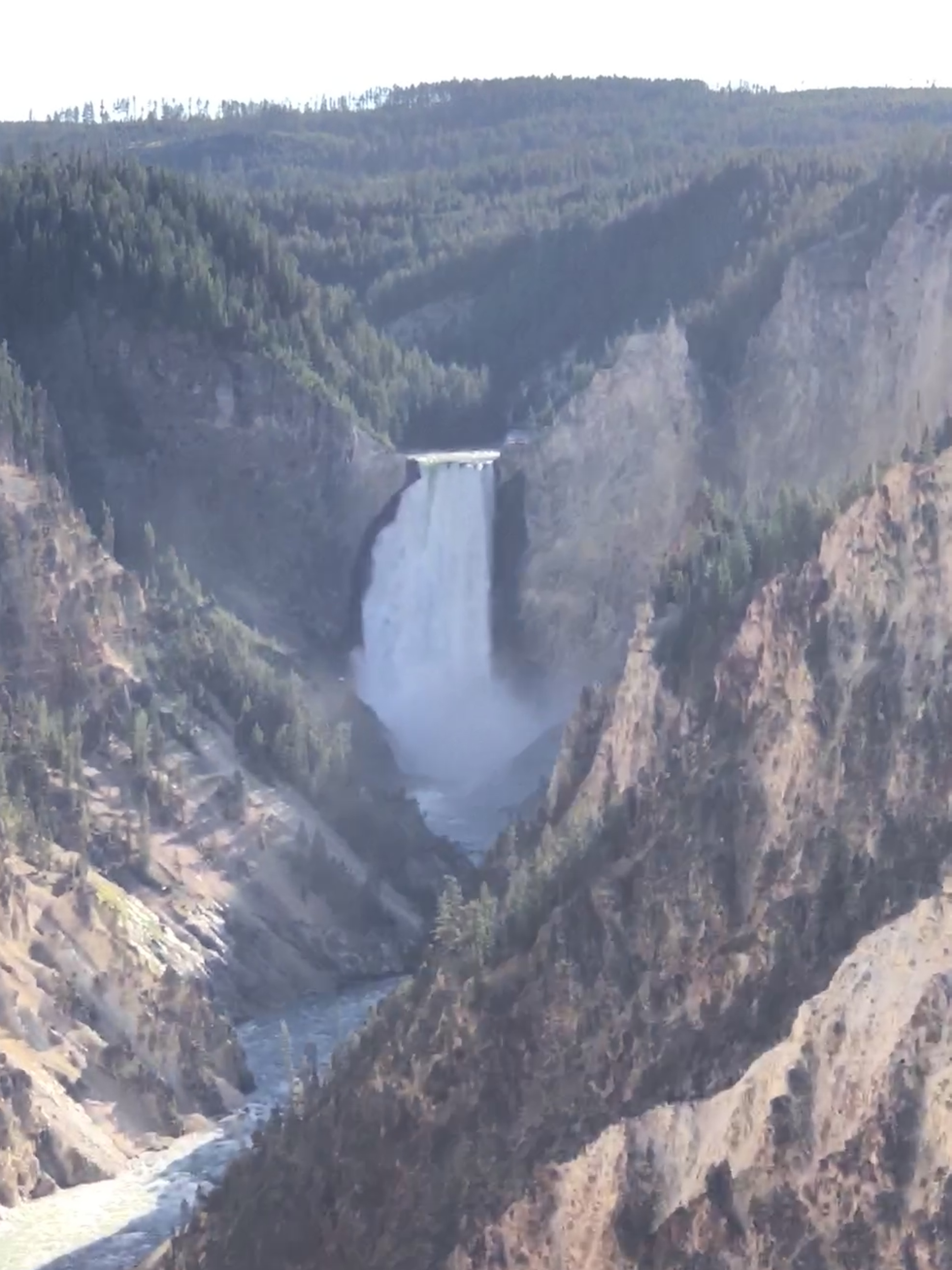
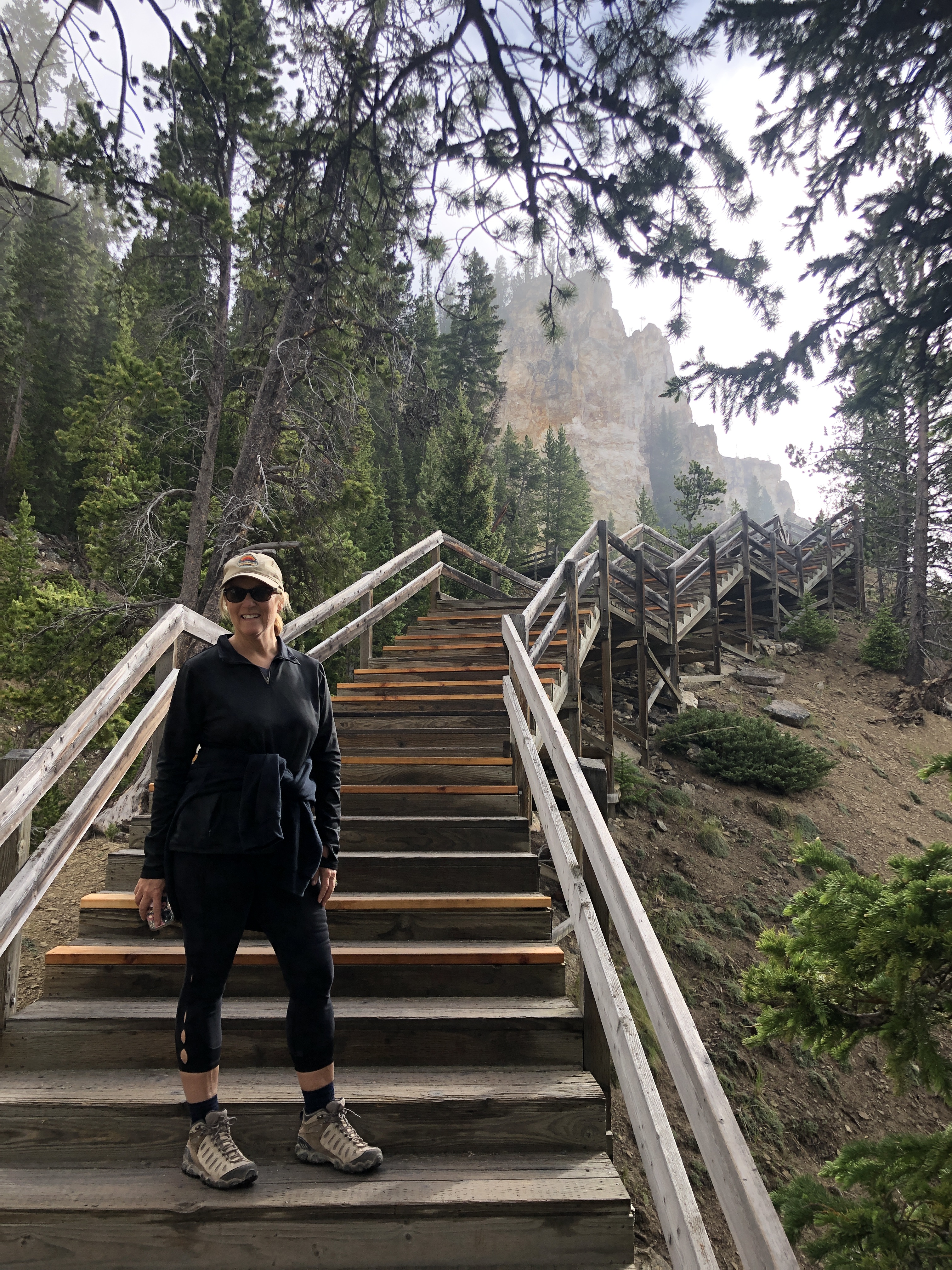
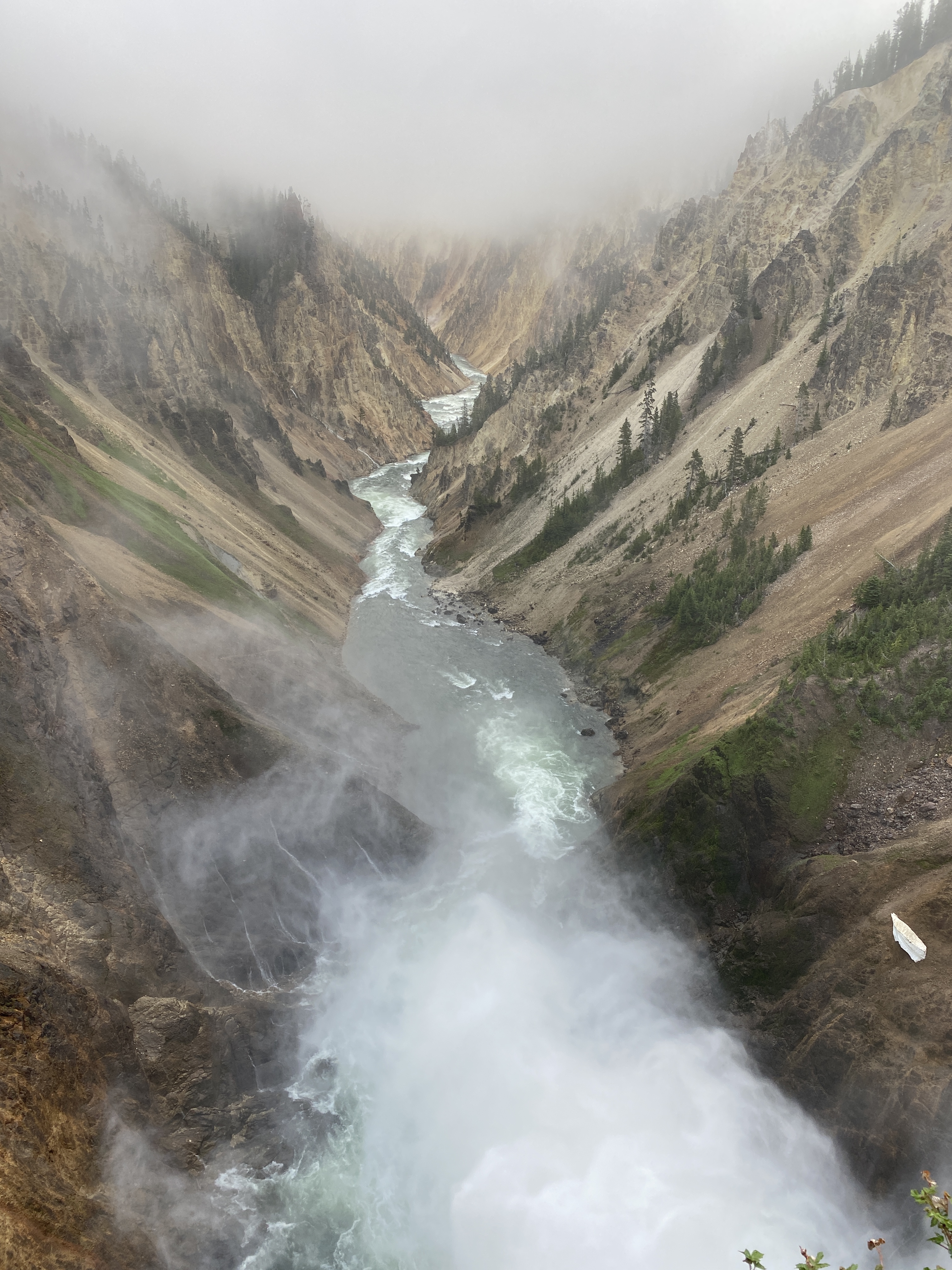
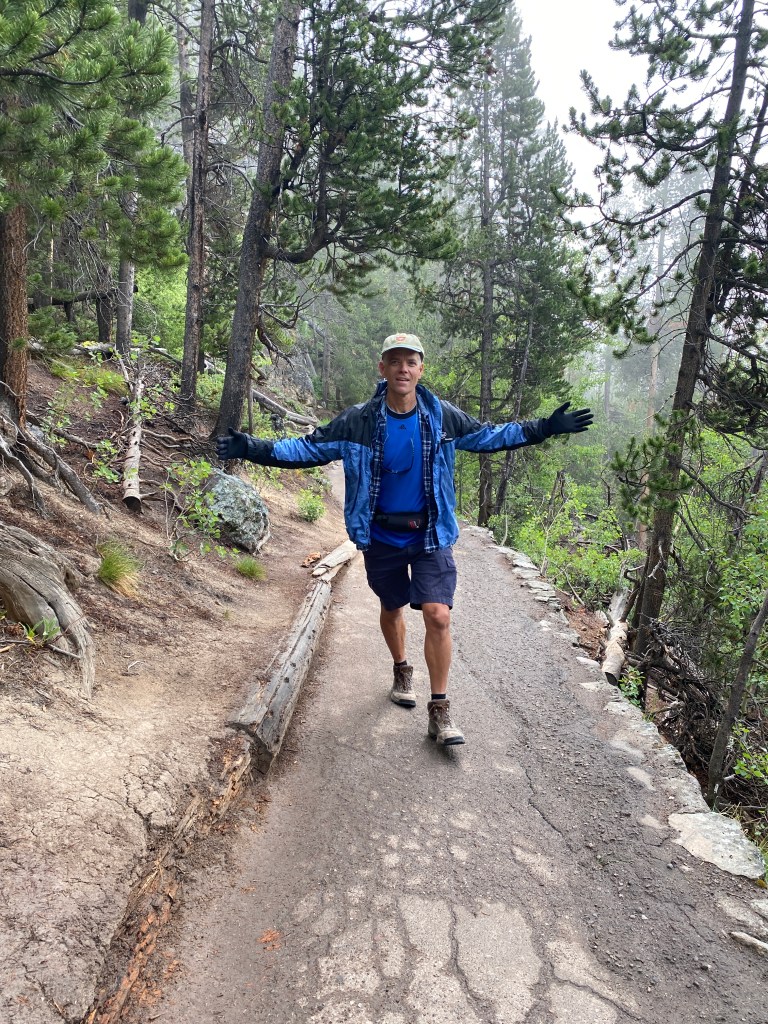
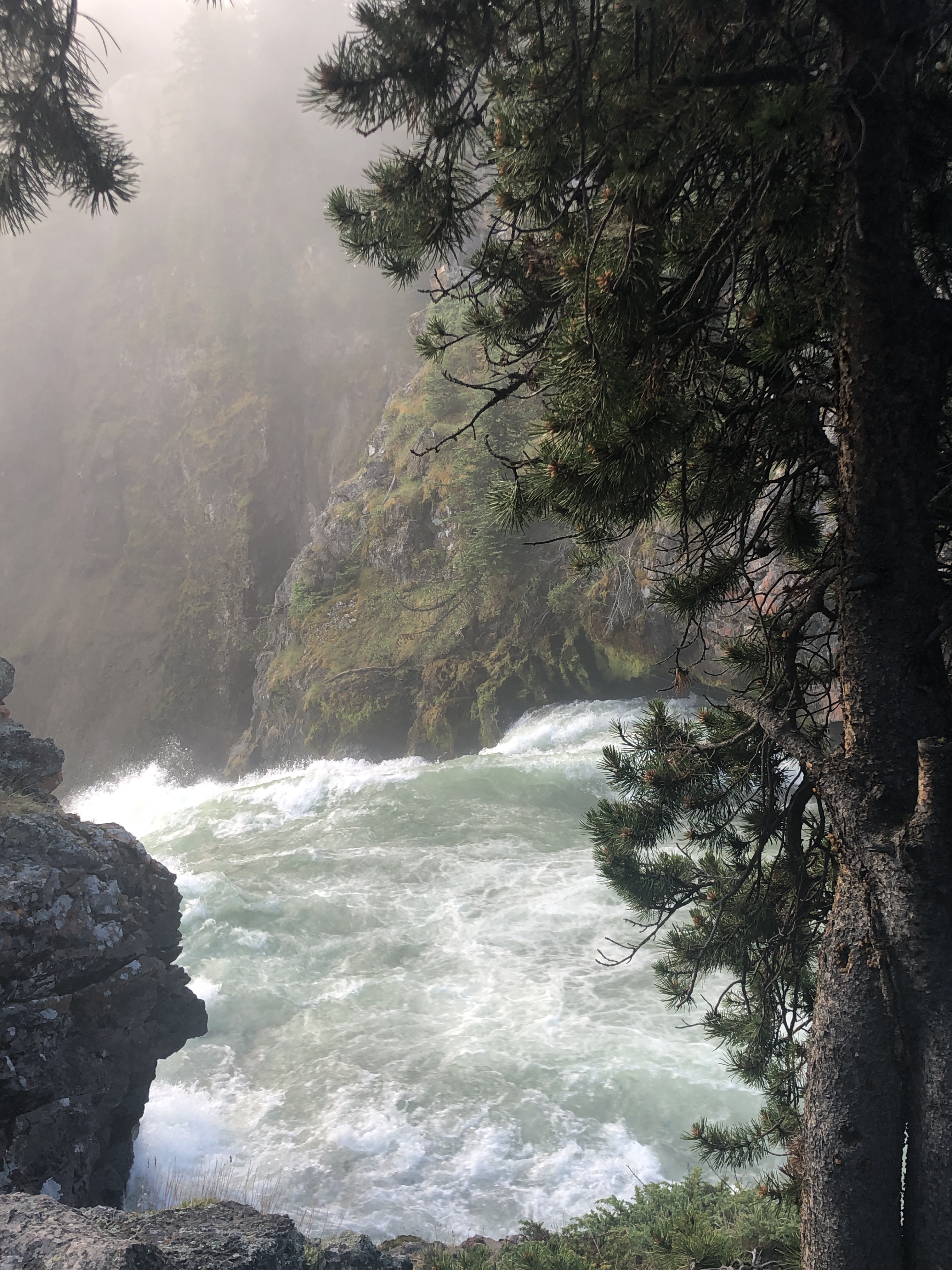
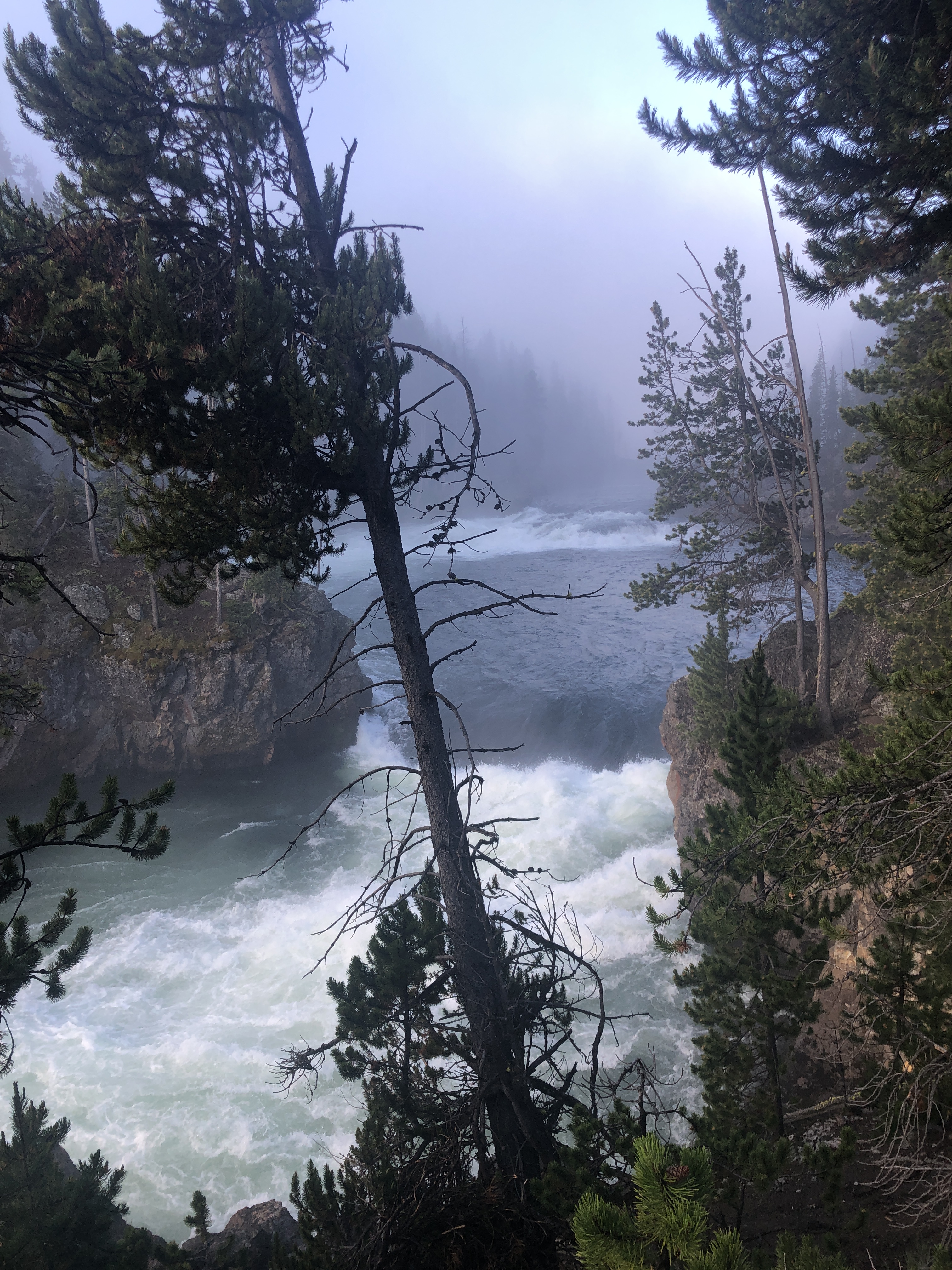
Once again, we arrived in the early morning to avoid the crowds and it was a good idea. In fact, at some overlooks we were the only people there! The early morning mist and low hanging clouds also added to the dramatic atmosphere. The Grand Canyon of the Yellowstone is punctuated by two massive falls–upper and lower. Each fall has a trail that take you down over 500 feet to the brink of the falls. We did both.

The trails are short but steep, and the rewards are magnificent. To be able to stand atop a waterfall that is rushing downward right before your eyes is a real rush.

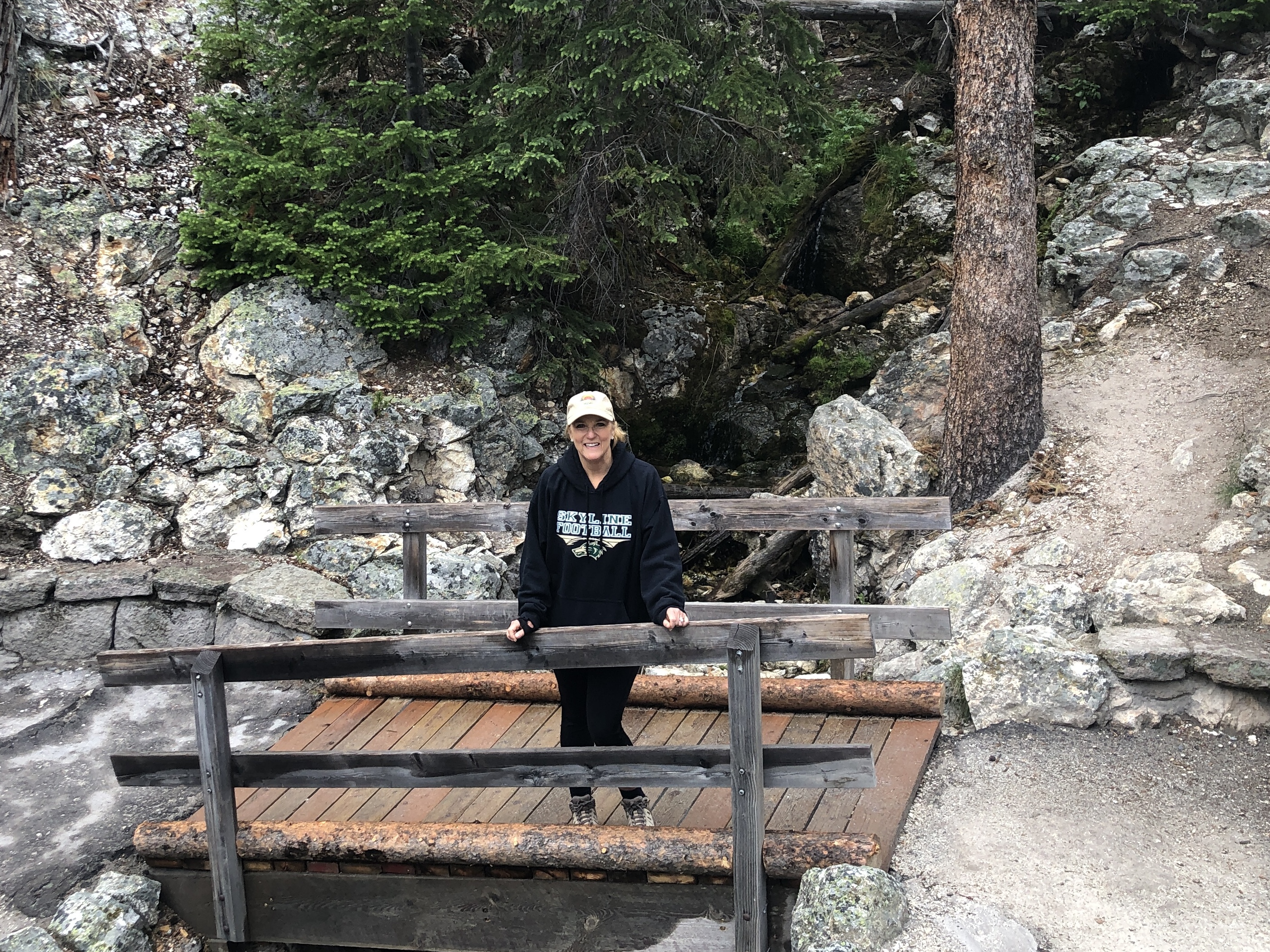
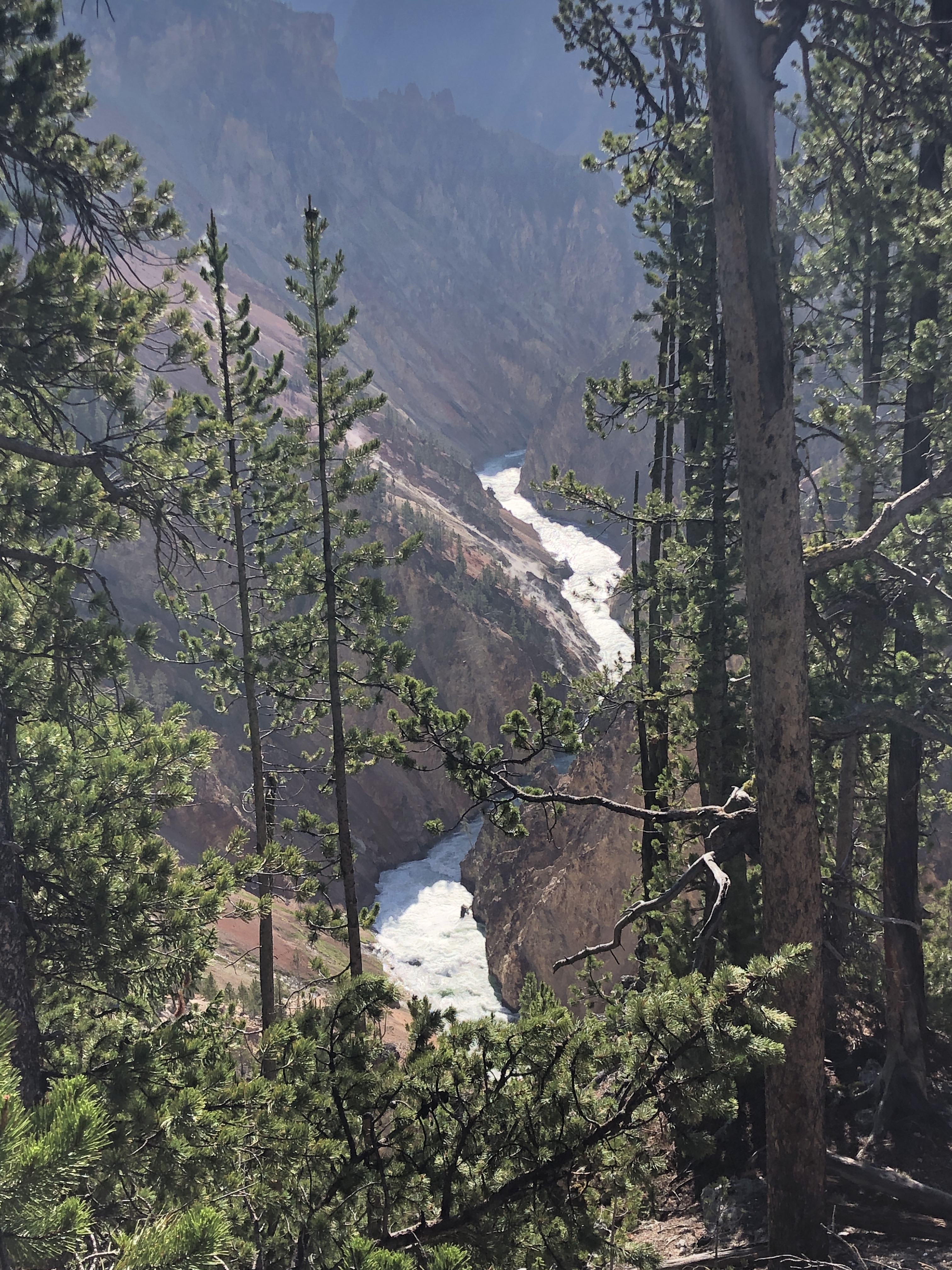
In addition to hiking the “brink” trails we also walked the north rim trail to the end. All along the 2 1/2 mile trail we could see into the canyon that has been carved by the Yellowstone River over millions of years. Words like “spectacular,” “magnificent,” and “incredible” are not enough to describe the grandeur of the Grand Canyon of the Yellowstone.

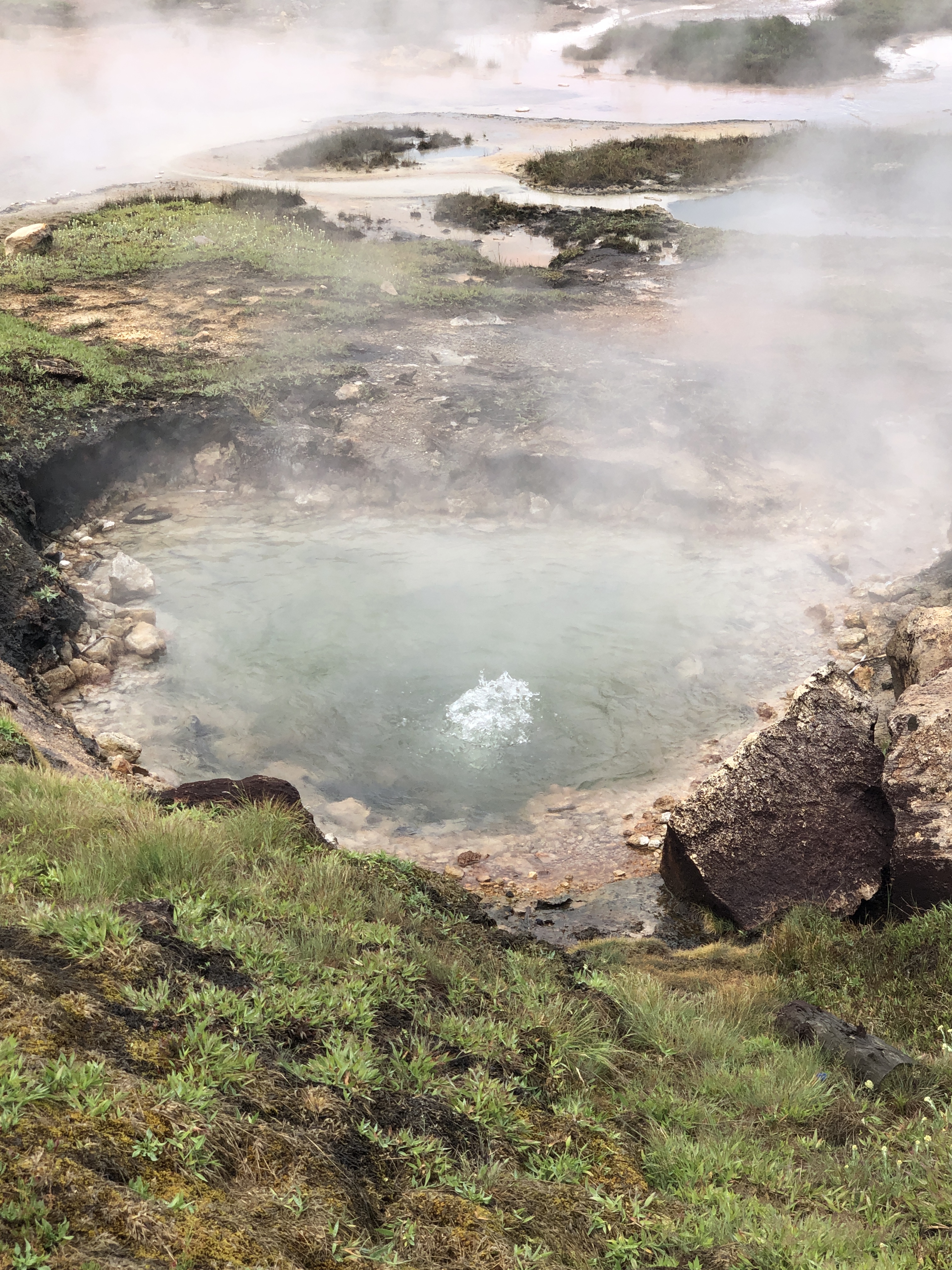
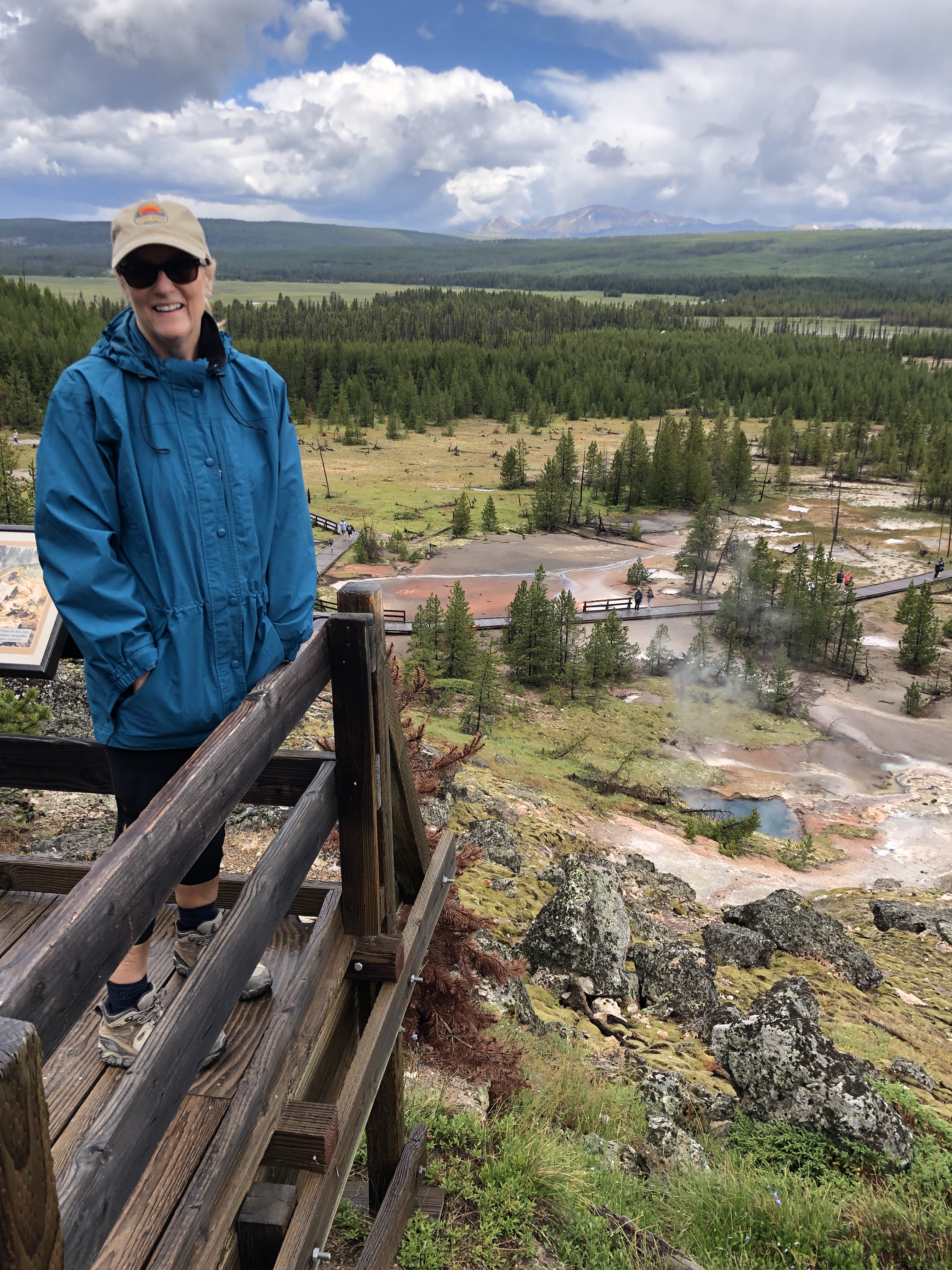
After we explored the canyon and strolled through the visitor center and gift shop, we headed to one more area that our guidebooks highly recommended: Artists Paint Pots. We had to wait out a hailstorm, but that just added to the mystery of this place. The Paint Pots thermal area features a one mile loop across boardwalks that pass colorful geothermal springs and mud pots, with the highlight being the boiling mud pots.

In fact, our guidebook called this feature the “giggliest” thermal feature in Yellowstone. Hopefully this video gives you a good idea of why it’s such a funny thing.

Does it feel like we’ve done a lot already? Well, we have and there’s still more to come. We’ll have another blog post coming your way soon to describe the fun things we did outside the park and to feature all the incredible animals we met during our Yellowstone travels.

Yellowstone National Park – Part One

Our summer National Parks tour wouldn’t be complete if we didn’t explore America’s first National Park, Yellowstone. We’ve spent eight days in and around the park and there’s so much to report. And let’s be honest, eight days is not nearly enough time to fully explore this incredible place, but we did our best to get a taste of the highlights.

We first arrived to our campground in Island Park, Idaho and got settled in. Valley View RV Campground was a good location from which to explore Yellowstone. We were about 15 miles from the park’s west entrance in West Yellowstone but far enough away from the crowds that there was space to relax.

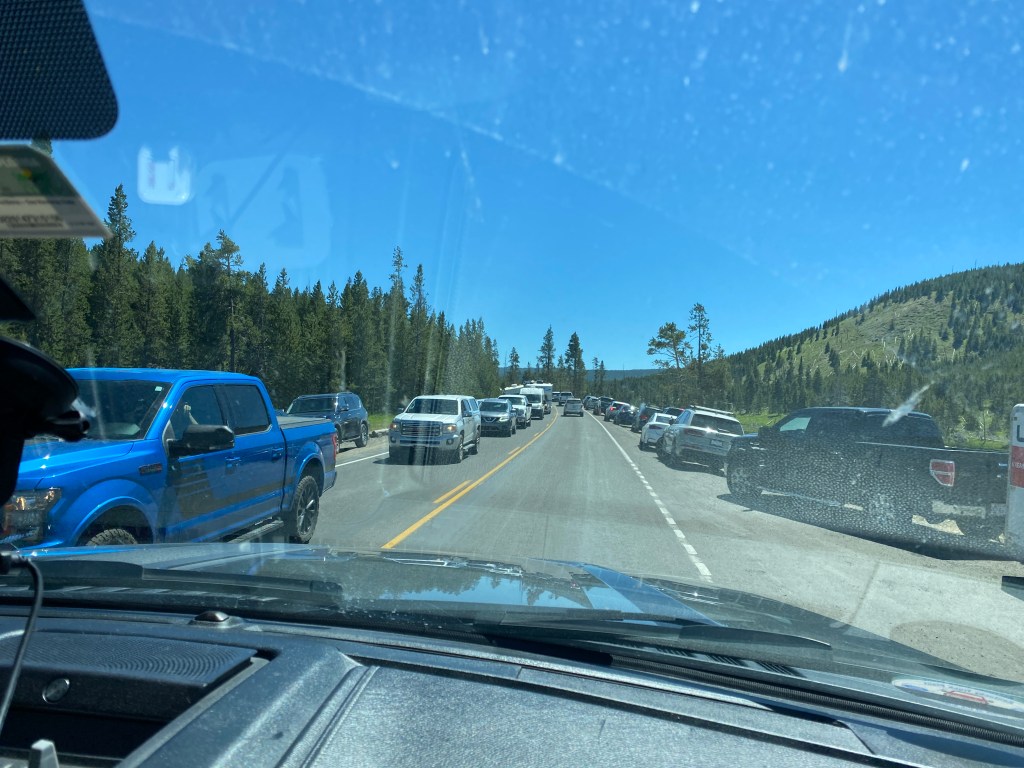
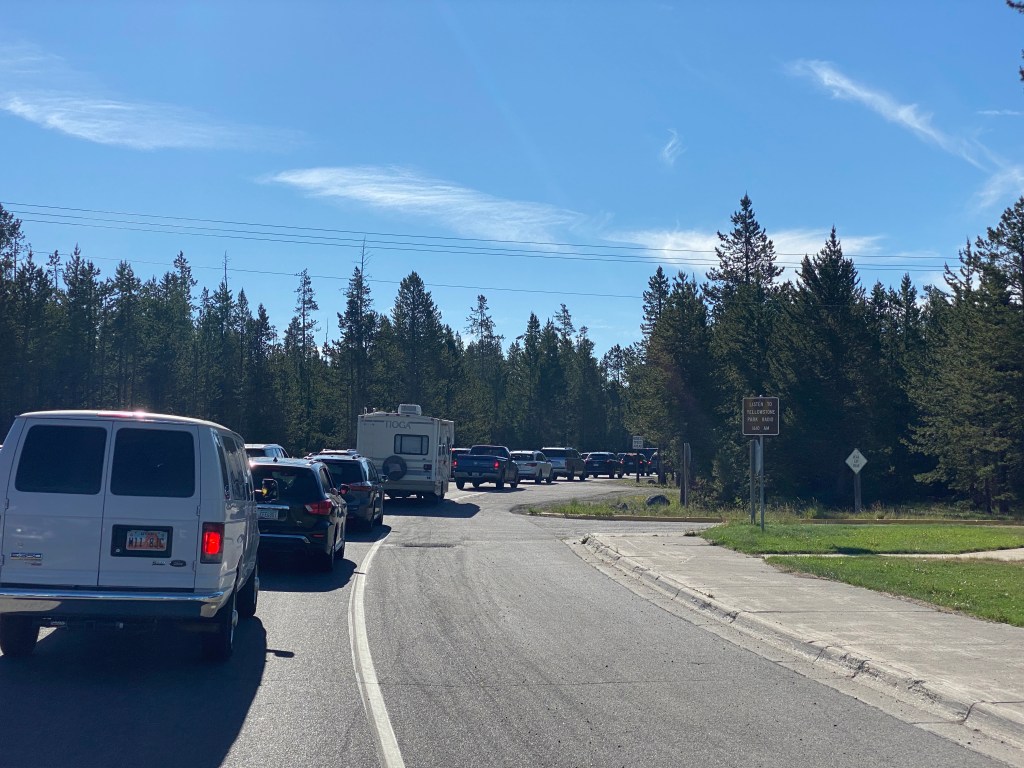
As soon as we were settled, we rushed to the park, getting slowed down by the massive crowds as soon as we entered the park boundaries. Yellowstone is always busy in the summer but we were overwhelmed with the volume of people all around us. We learned right away that it’s best to go into the park early or late in the day and avoid the popular sights during mid-day.

Yellowstone is a massive park made up of eight regions around which key attractions and tourist services are based. The main areas are: Mammoth Hot Springs, Tower, Canyon, Fishing Bridge, West Thumb, Old Faithful, Madison, and Norris. Our goal was to visit each of these areas in some way during our time in the park. This summer, the road from Tower to Canyon was closed and other services were also shuttered due to construction. Nevertheless, we covered as much ground as we could.

Norris Geyser Basin

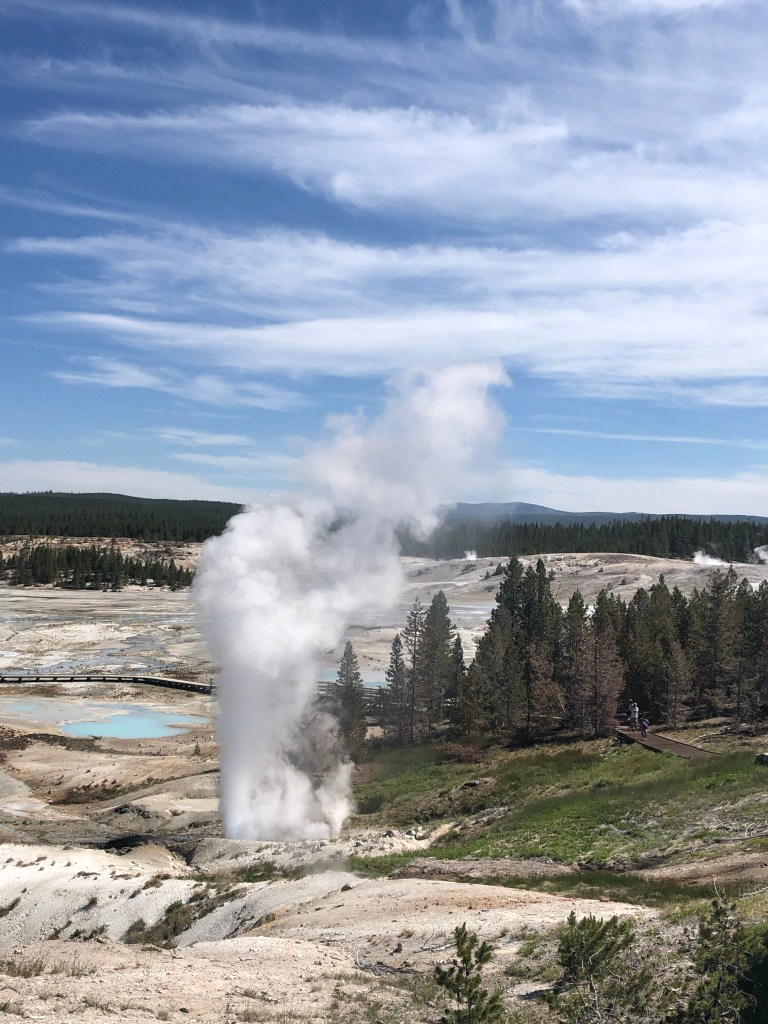
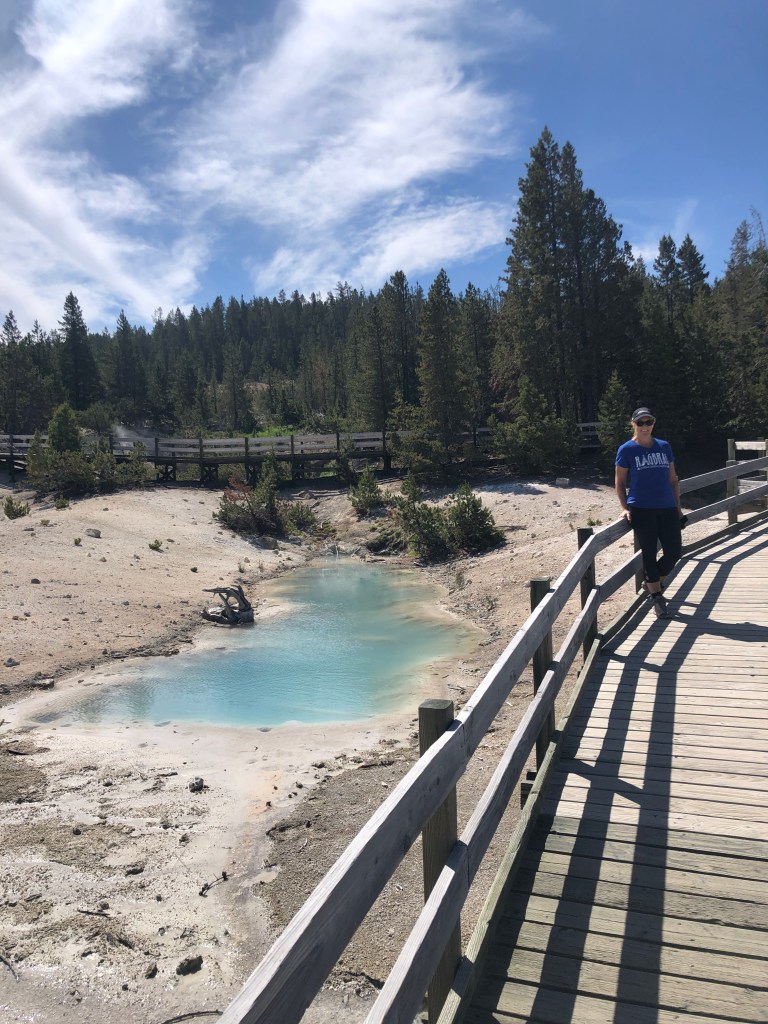
The first main area we explored in depth was the Norris Geyser Basin. Yellowstone features numerous places where thermal features abound. Norris is the oldest and hottest of Yellowstone’s thermal basins. It is filled with acidic waters that allow different classes of thermophiles to live. The thermophiles create different color patterns within the springs and vents based on the water temperature. It’s otherworldly.

We followed the self-guided boardwalk tour and read about the different thermal features. Mostly we enjoyed the cool morning, the rainbow of colors, and the incredible views. By visiting early in the morning, we avoided the crowds that flock to this area mid-day.

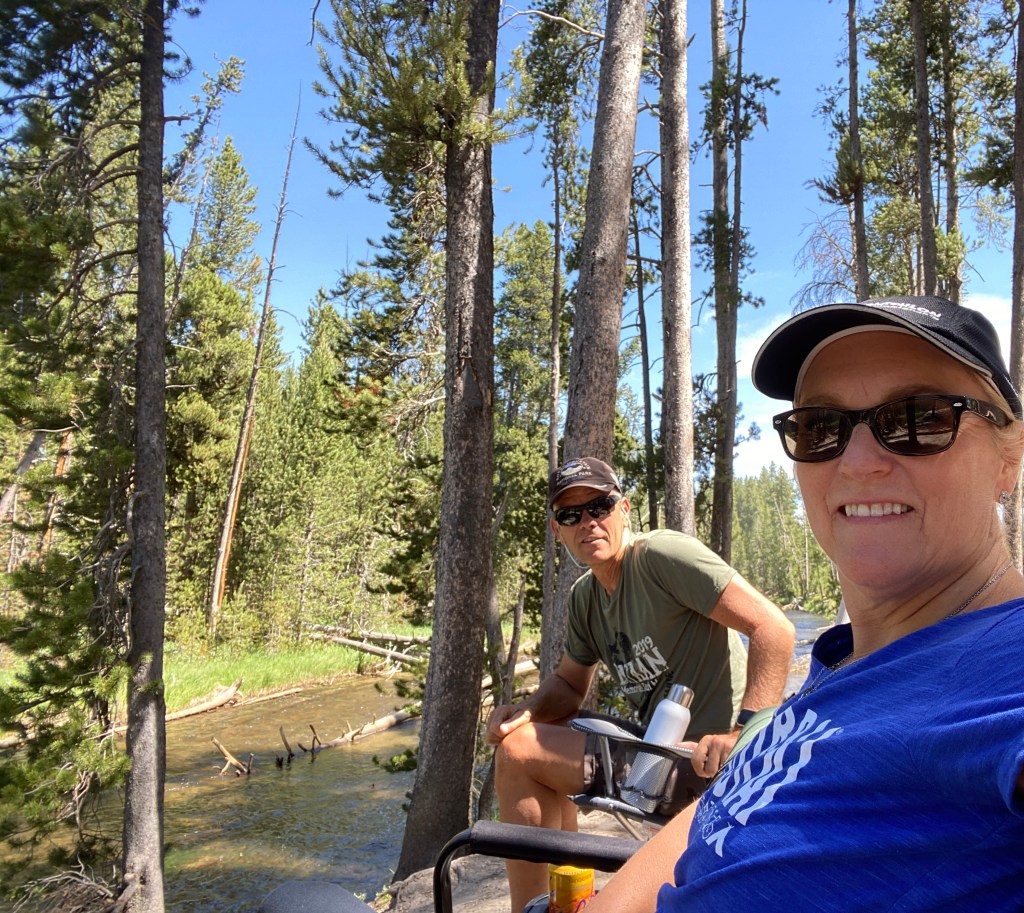
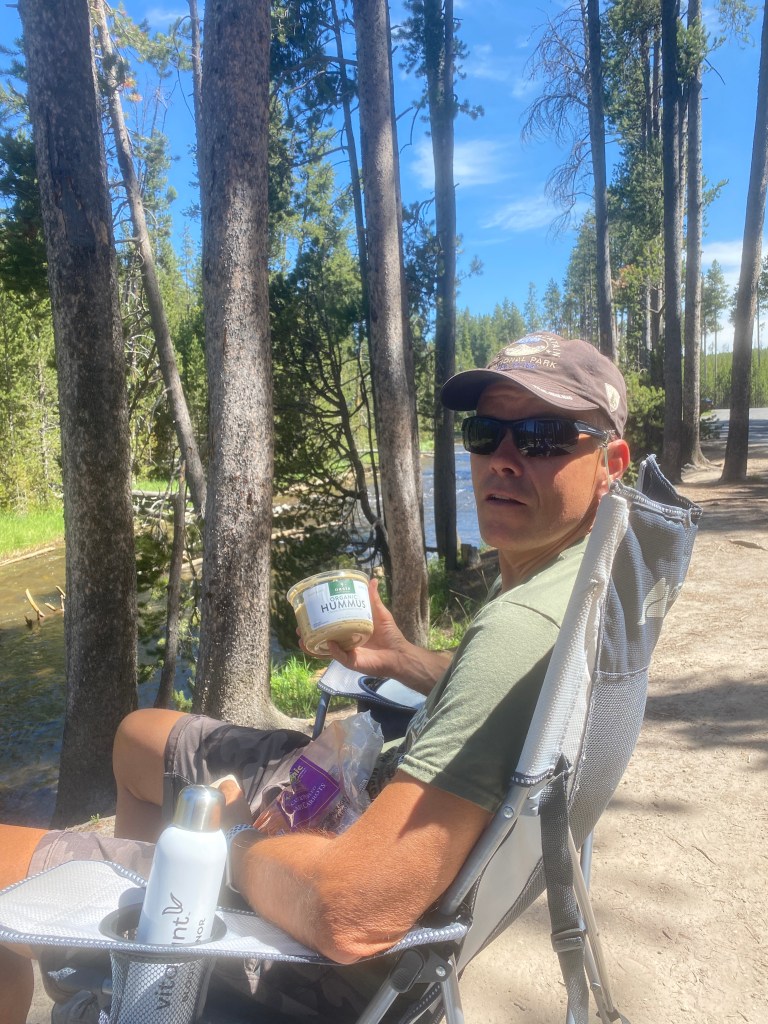
Like on most days, we followed our early morning explorations with lunch or a snack alongside one of Yellowstone’s many beautiful rivers and streams. On this day we stopped at the Gibbon River picnic area and took in the sights and sounds around us.

Biking to Grand Prismatic Spring Overlook

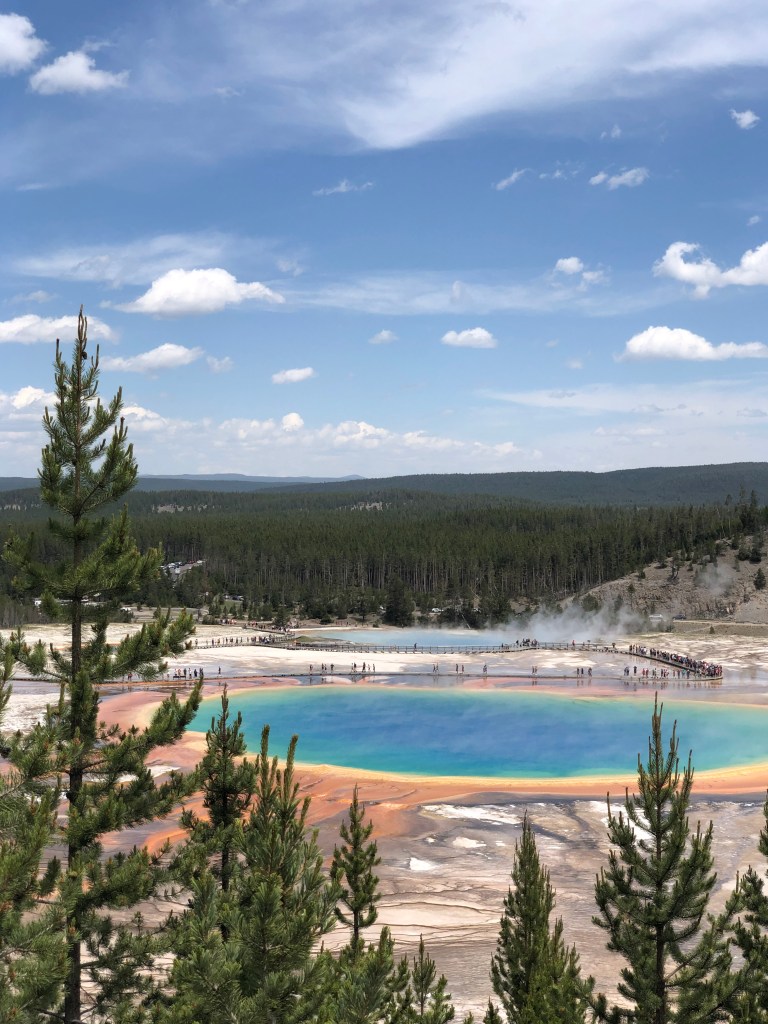
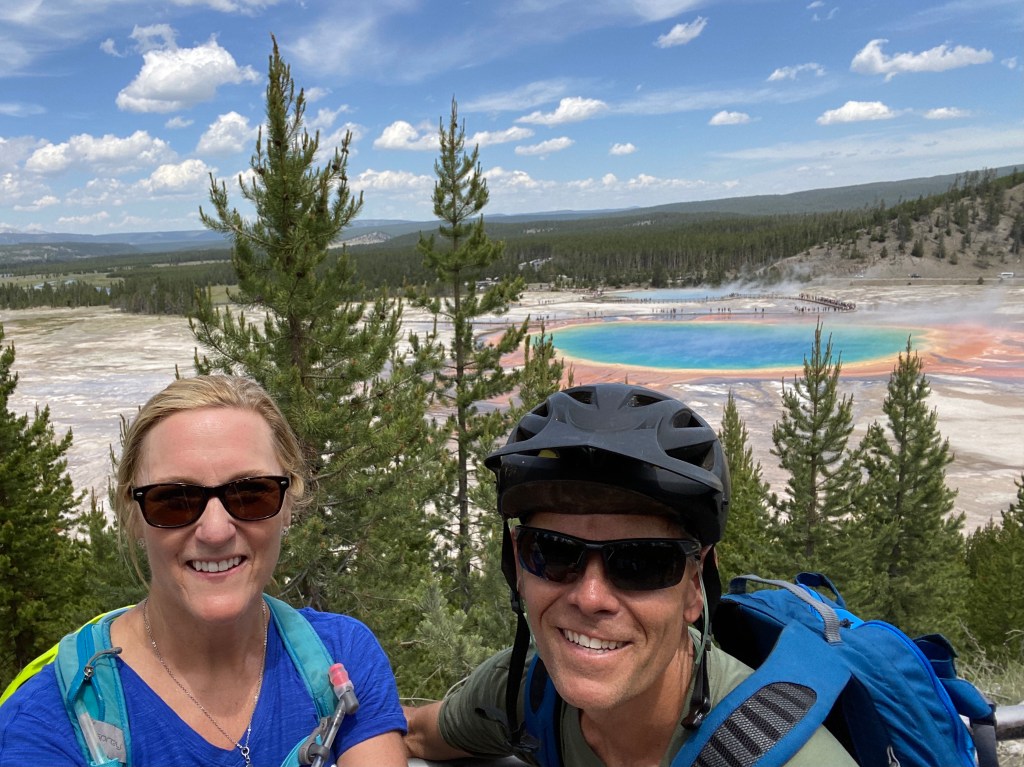
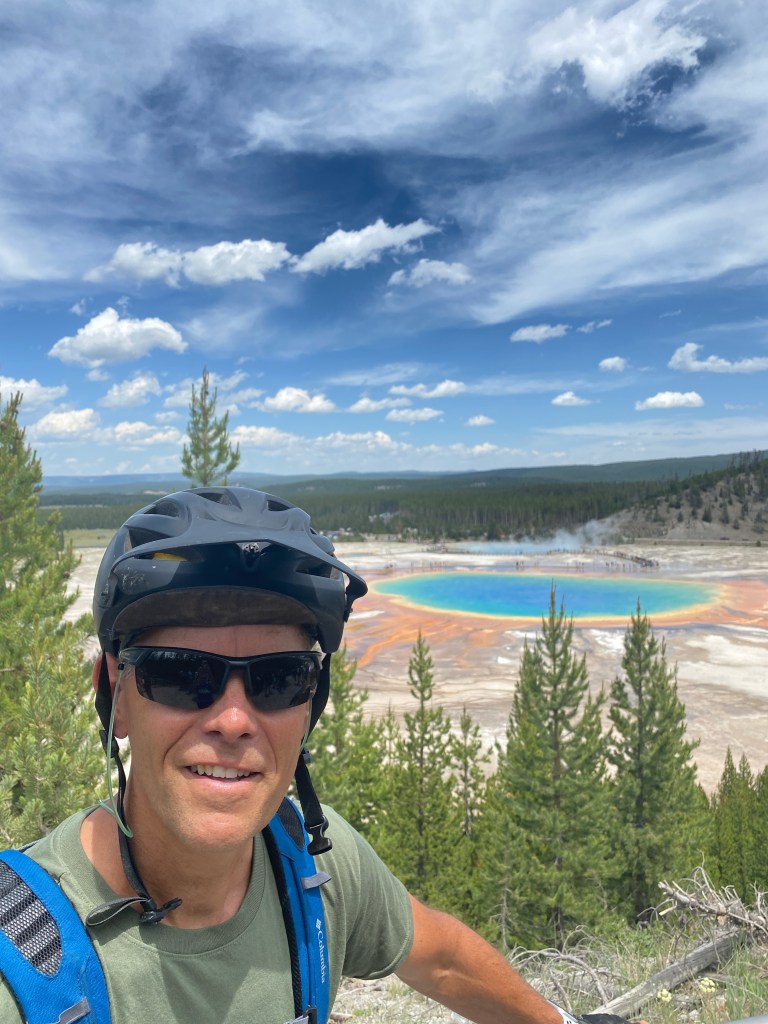
Another popular area in Yellowstone is Midway Geyser Basin with Grand Prismatic Spring as the star. Grand Prismatic is the largest hot spring in Yellowstone at 370 feet wide and 121 feet deep. It is encircled by a boardwalk that is normally packed with tourists. In fact, it’s hard to get through the traffic in this area during the day. That’s why we decided to instead visit by bicycle.

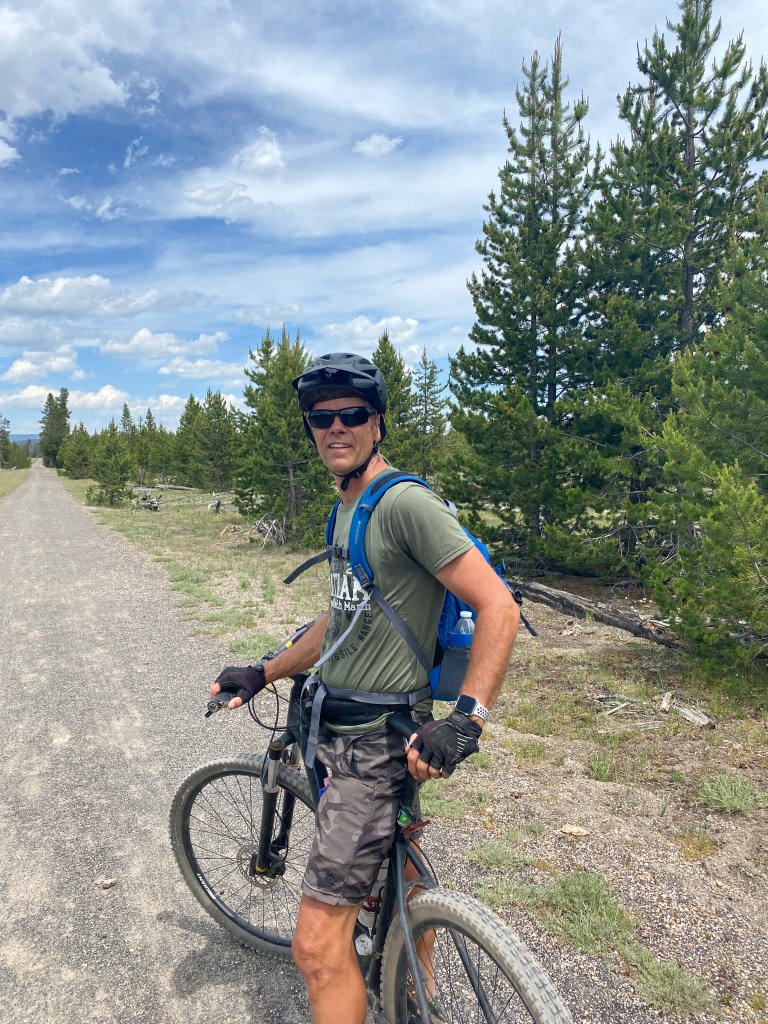
Yellowstone is not overly bike friendly, but there is an old road, Fountain Freight Road, that runs to the backside of Grand Prismatic and leads you to the Grand Prismatic Overlook. We enjoyed a nice six mile round trip pedal through the geyser basin and surrounding landscape. Once we reached the overlook trail, we left the bikes and climbed the hill to get a birds-eye view of the massive, colorful spring.

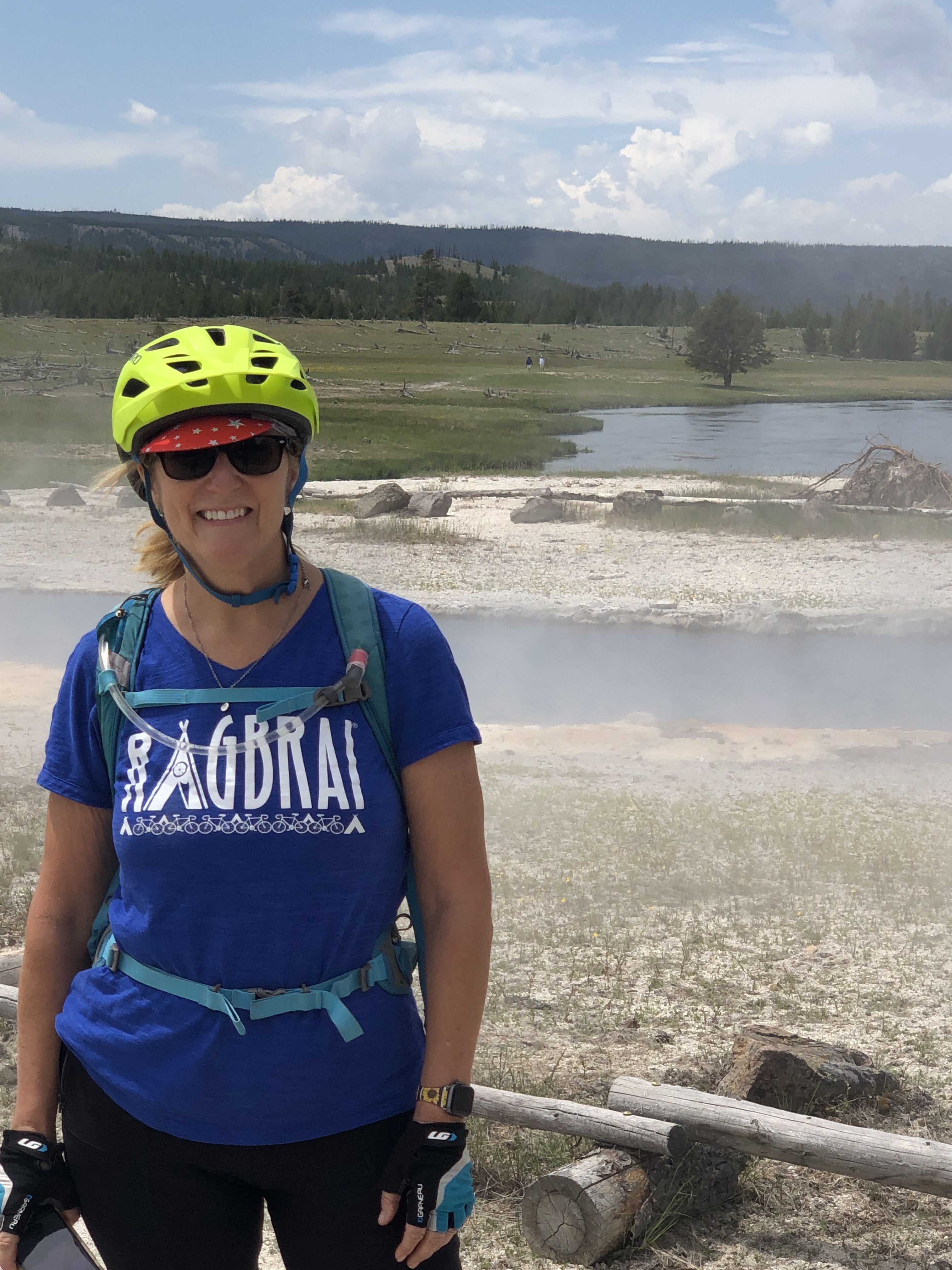
Along the way back we even stopped to check out a few off-the-beaten-path thermal features. I’m telling you…the bike is the way to see Yellowstone!

We visited Norris and Grand Prismatic in one day and it was a full one! Yellowstone is so big that it’s impossible to see it all. Even if you lived in the park you’d never really see it all as the area is constantly changing. But you know us…when we travel, we try to do as much as possible. So, we have a few more blog posts on the way featuring more of our Yellowstone adventures..