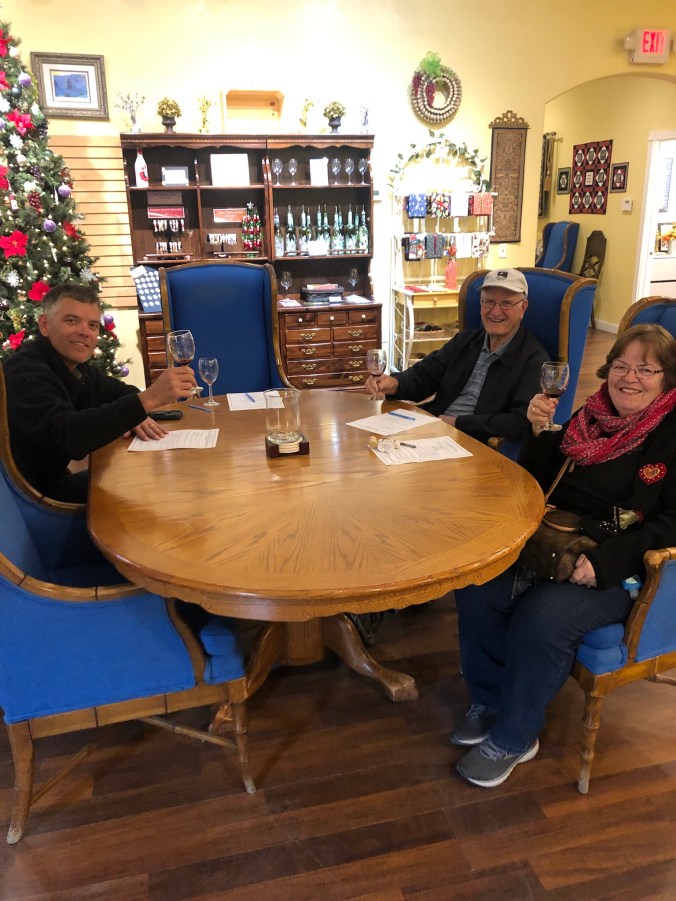
Since we’re new to camping, we’re trying out the many ways to do it. One popular way to camp is to boondock—to camp without utilities, fully self-contained. Before arriving in Temecula we got caught in a major winter storm that closed the roads between Death Valley and Joshua Tree. So, we boondocked…in the parking lot of Peggy Sue’s Diner and Dinersaur Park just outside of Barstow.


Along with other stranded RVers and truckers we slept in the parking lot and ate in the diner until the roads cleared. Steve enjoyed the Chicken Fried Steak! Then, instead of heading to Joshua Tree National Park which was snowed in, we headed to Temecula early. Luckily the Vail Lake/Temecula KOA could accommodate us and we settled in for a six night stay.
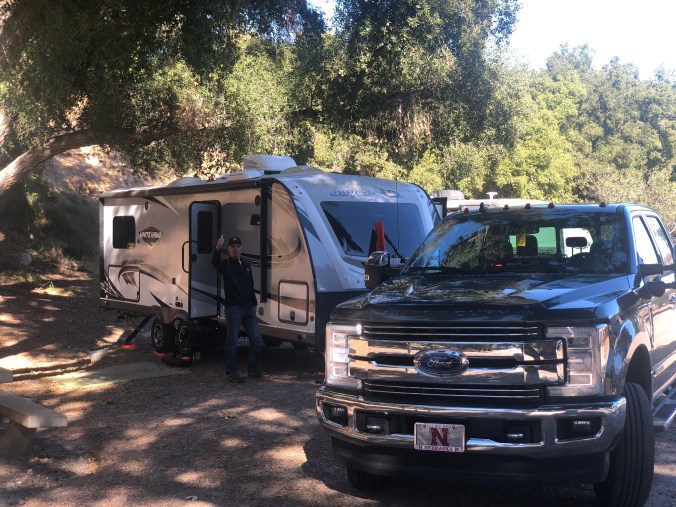 The tree-filled property had everything a KOA promises: mini golf, swimming pool, and tons of fun activities for kids. We arrived right after Christmas and it seemed the place was filled with kids and their new bikes. It was fun to see all the families having such a great time.
We enjoyed the adjacent mountain bike trails on several days. It was good to get out and try new terrain, and the smooth tracks were a welcome change from Prescott’s rocky trails.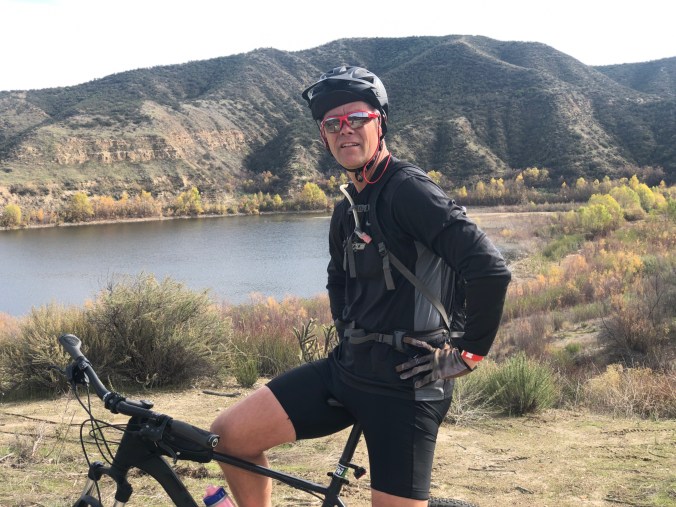 Temecula is also known for its great wine so we hit a few wineries too.
  Somerset Vineyard and Winery, Fazeli Cellars, and Akash Winery were all good choices. Mia even did her first winery tour.


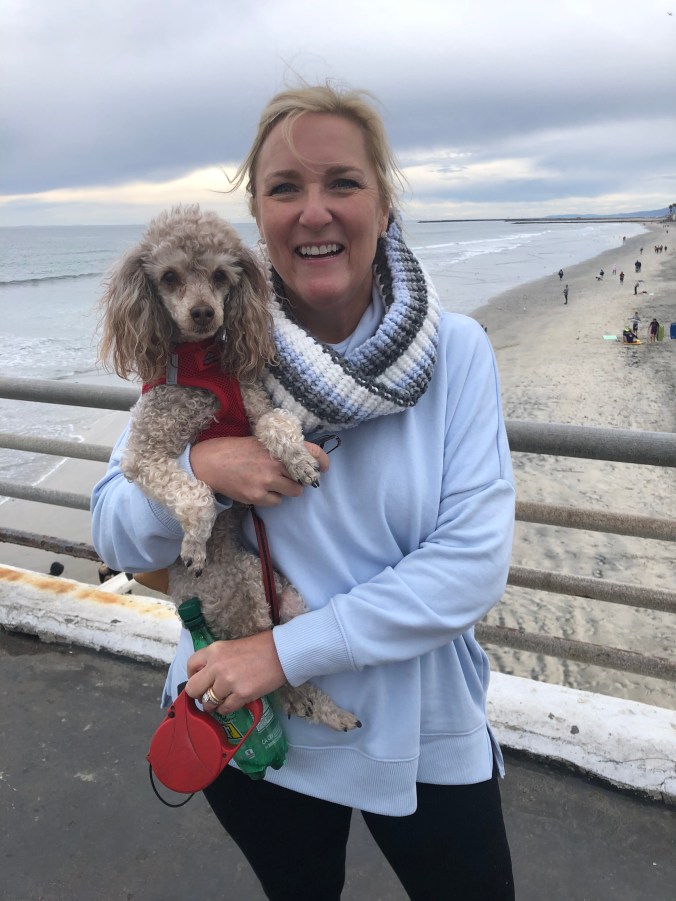
Oh, and we went indoor skydiving! Steve had bought a gift certificate for me awhile back so we cashed it in and flew. 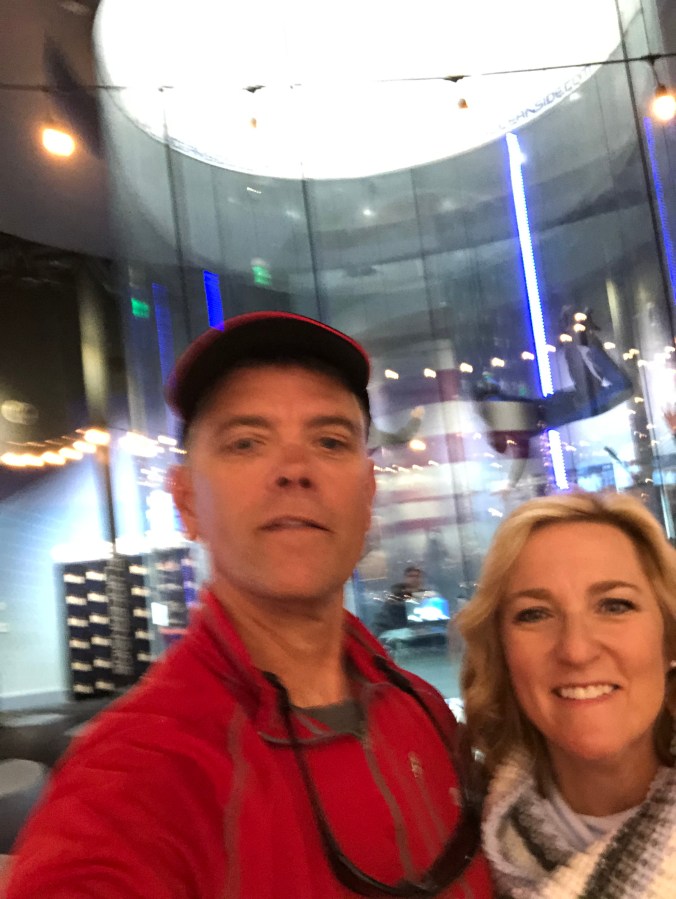 The ifly facility was in Oceanside so we hit the beach and pier while we were in the vicinity It was a cool, overcast day though, so we just ate lunch, took pictures, and moved on.
 All in all our time in Temecula was relaxing and a good chance to enjoy our new “home” in relatively warmer weather. And yes, there are more KOAs in our future!!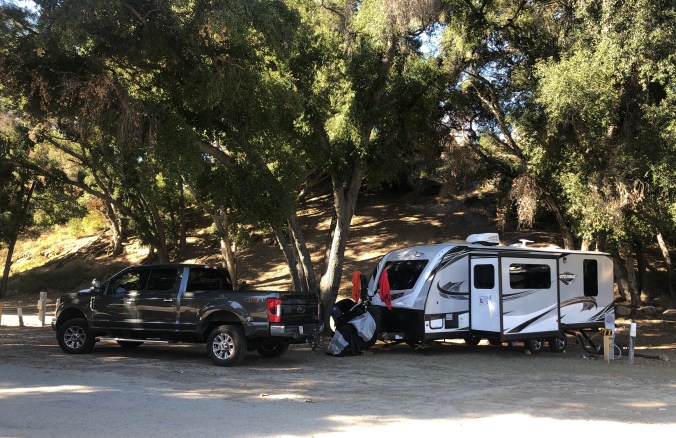
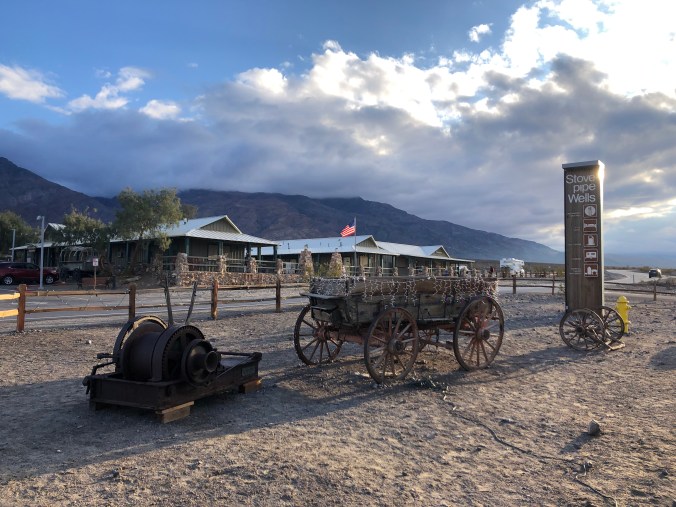 It didn’t really matter though since the power was out half the time we were there. Thank goodness for propane and batteries.
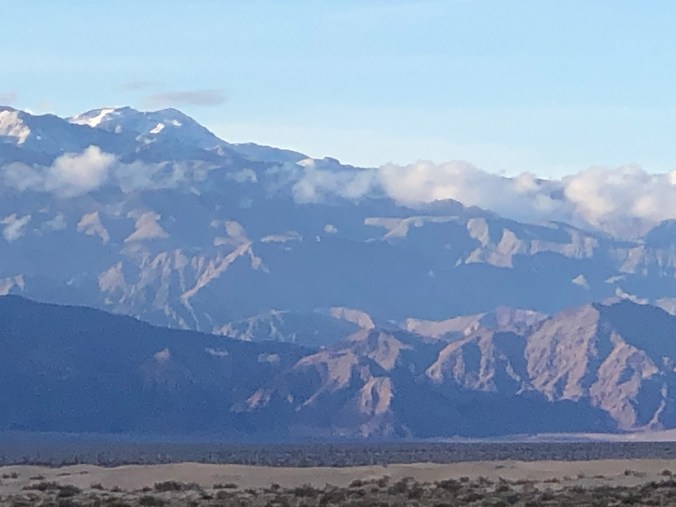
 The surrounding salt flats made for some incredible photos.
 From there we hit Devil’s Golf Course, where it was once said, “even the devil wouldn’t golf here,” because the hardened salt field is so rough and sharp. Even Mia checked it out.


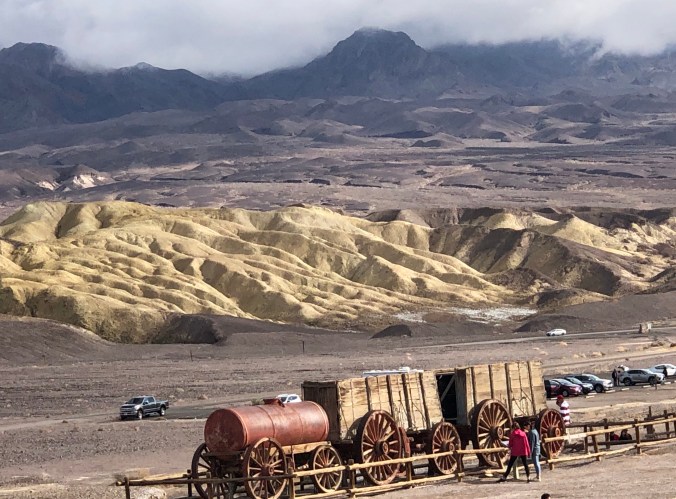
 From there we checked out the Harmony Borax Works exhibit which is set in the ruins of Death Valley’s first successful borax mine.
  Twenty Mule Team Canyon is a short but thrilling drive on a narrow one-way road through striking badlands.

 On the way back down to sea level we stopped at the iconic Zabriske Point for another view of the landscape.




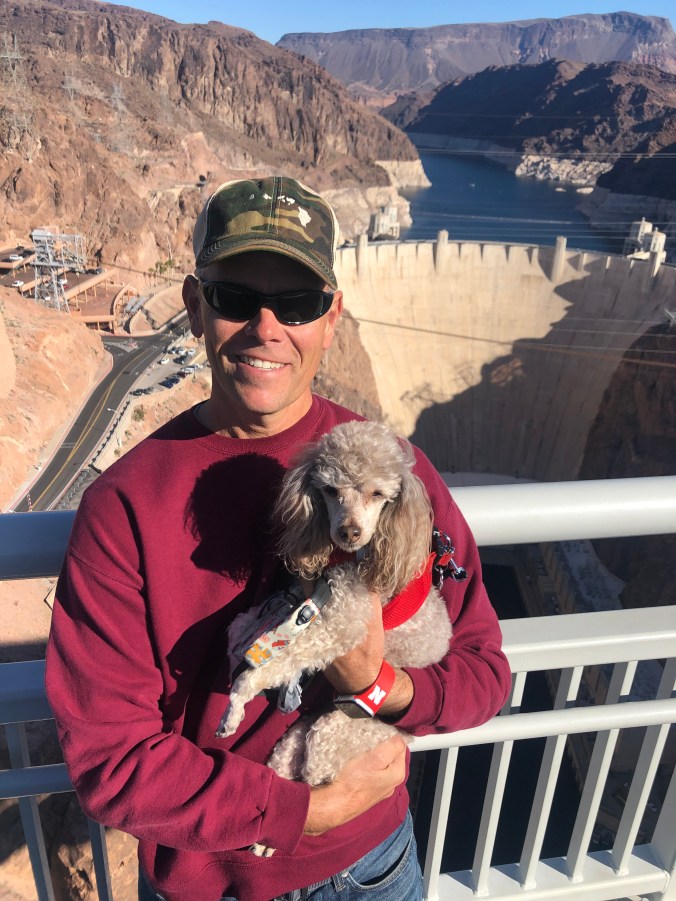 Then, we drove along Lakeshore Road around the lake. The best stop was at the Redstone Trail where we all took the easy hike among incredible sandstone formations. Even Mia loved the hike!


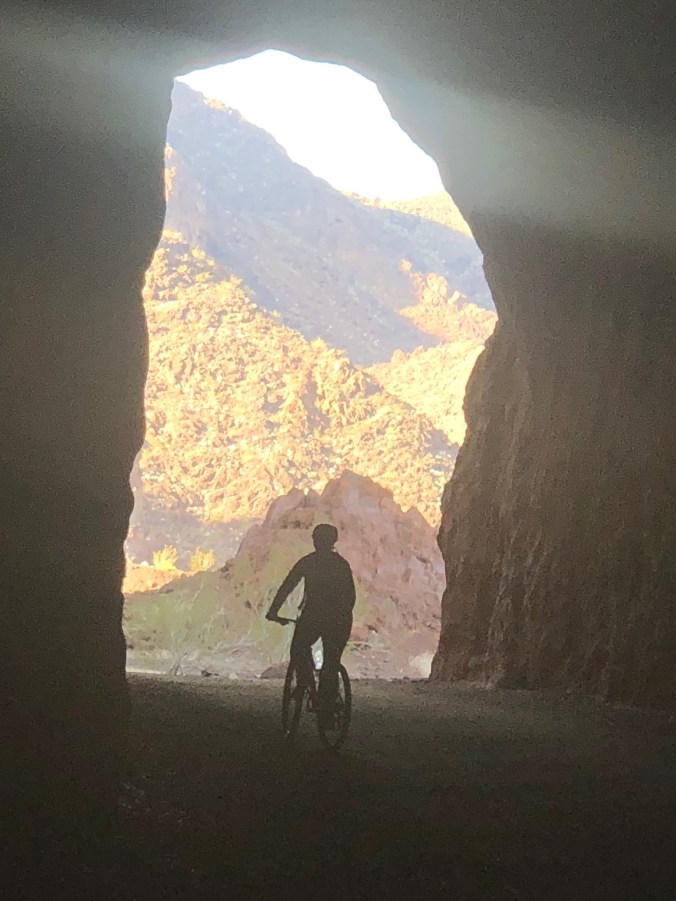 Now it’s a really cool trail perched above the lake that takes you through five tunnels carved through the rocks. It’s just east of the road we’ve driven to Las Vegas for many years and we never knew it was there. We were told to watch for bighorn sheep but had no luck.