Kalaupapa

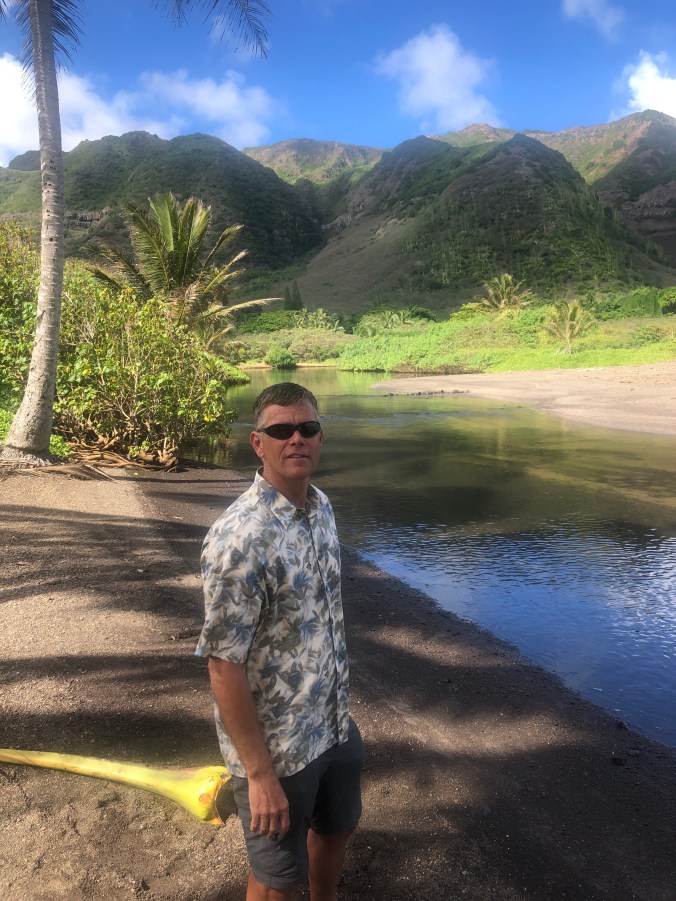
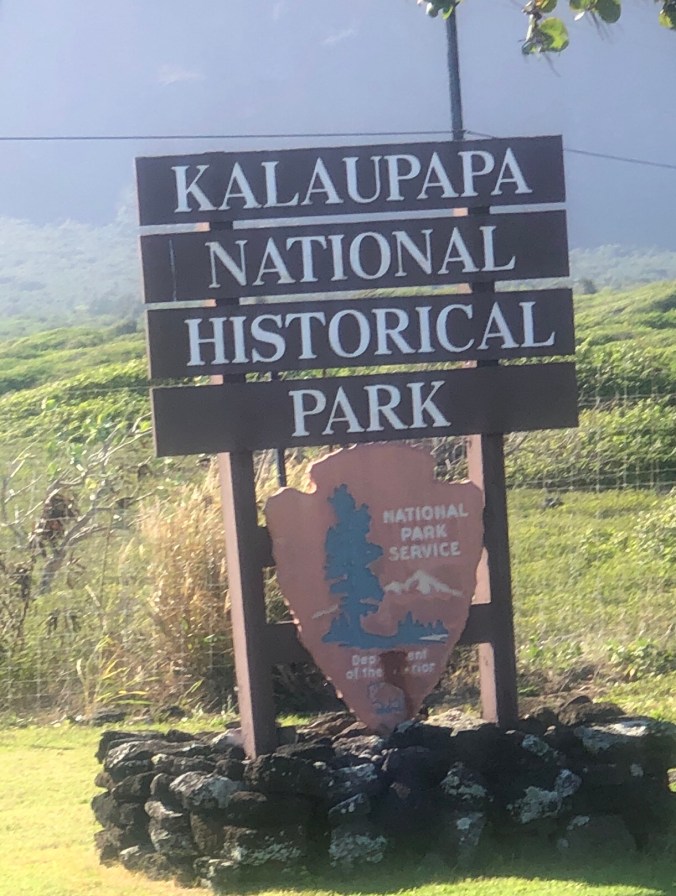
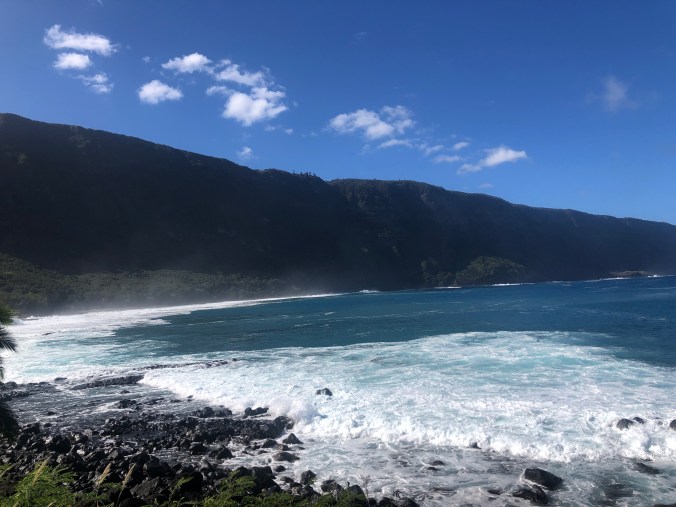
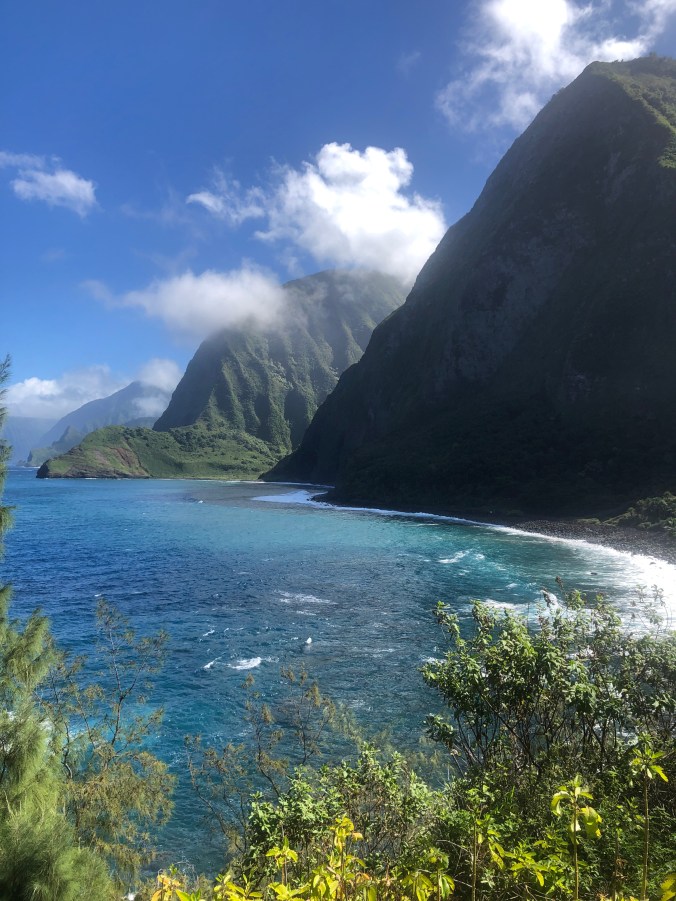
In early 1865 King Kamehameha V signed “the Act to Prevent the Spread of Leprosy,” a desperate attempt to control the disease which was spreading throughout the islands. As a result, thousands were forced into exile on the remote Kalaupapa Peninsula of Molokai and over 8,000 are buried throughout the area. We set out to learn more about this tragic story set in one of the most beautiful places on Earth.

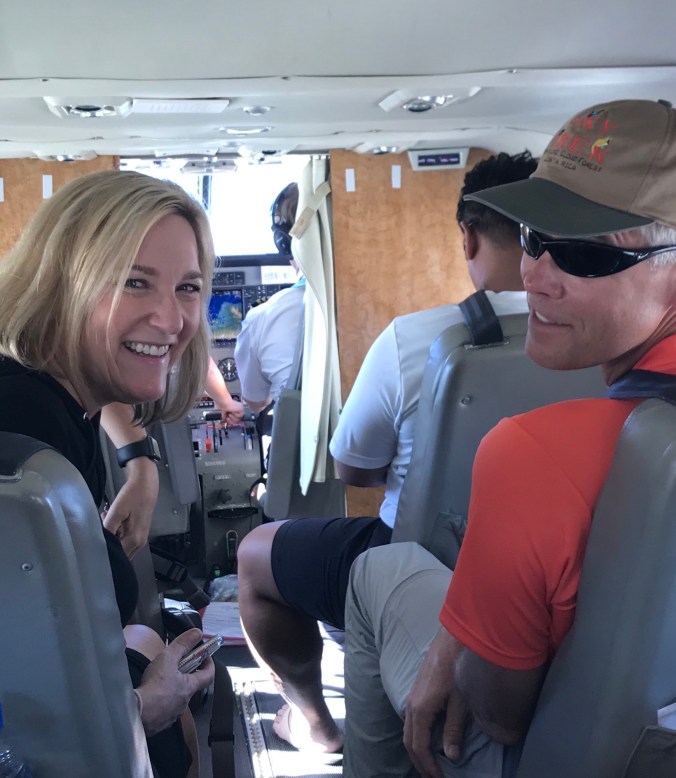
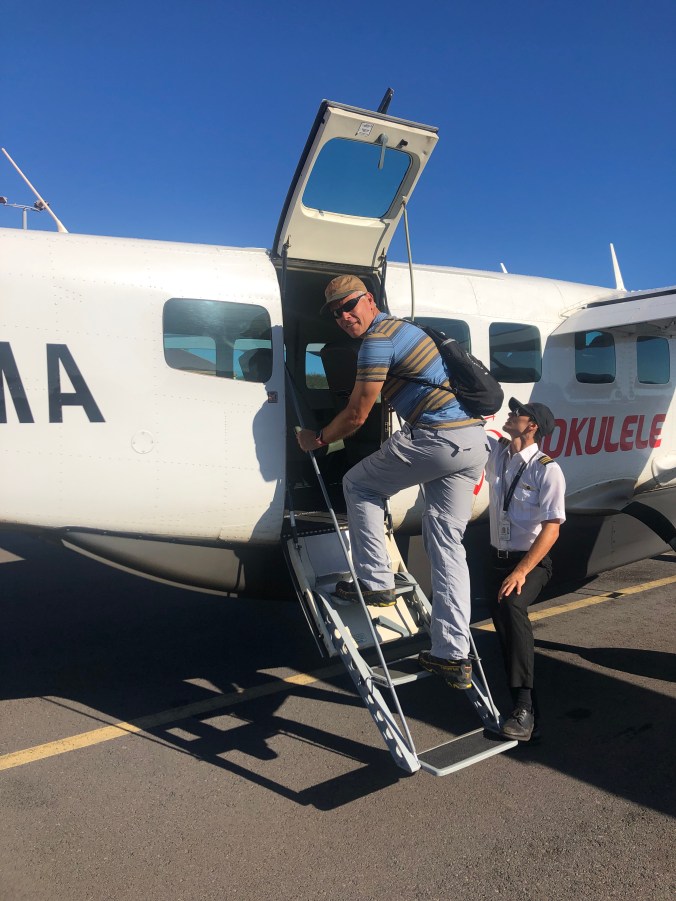
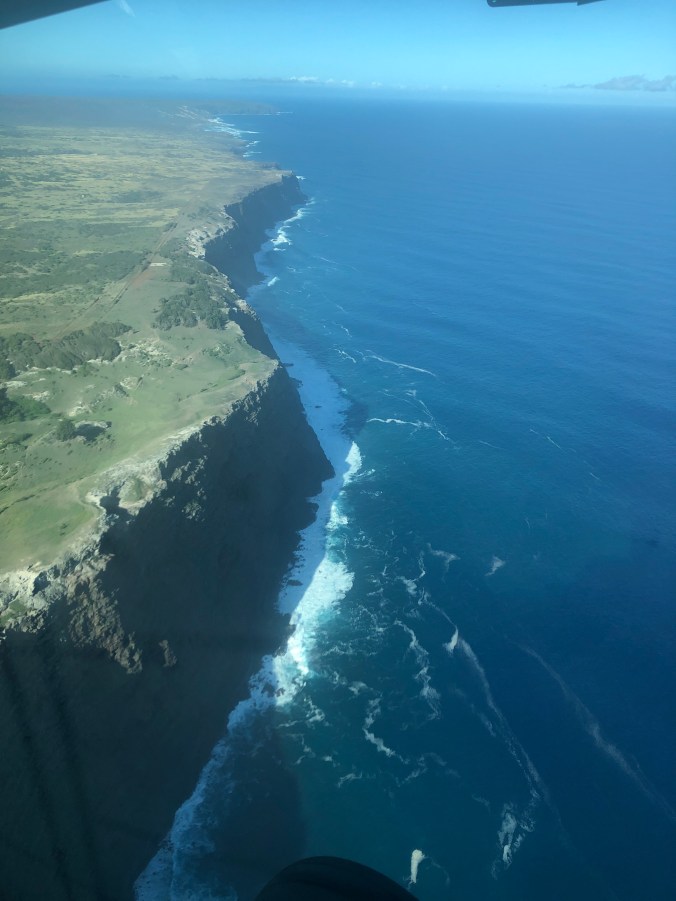
To reach Kalaupapa National Historical Park today, you must fly in from either “topside” Molokai, Maui, or Oahu. Our flight from the Molokai airport took six spectacular minutes.

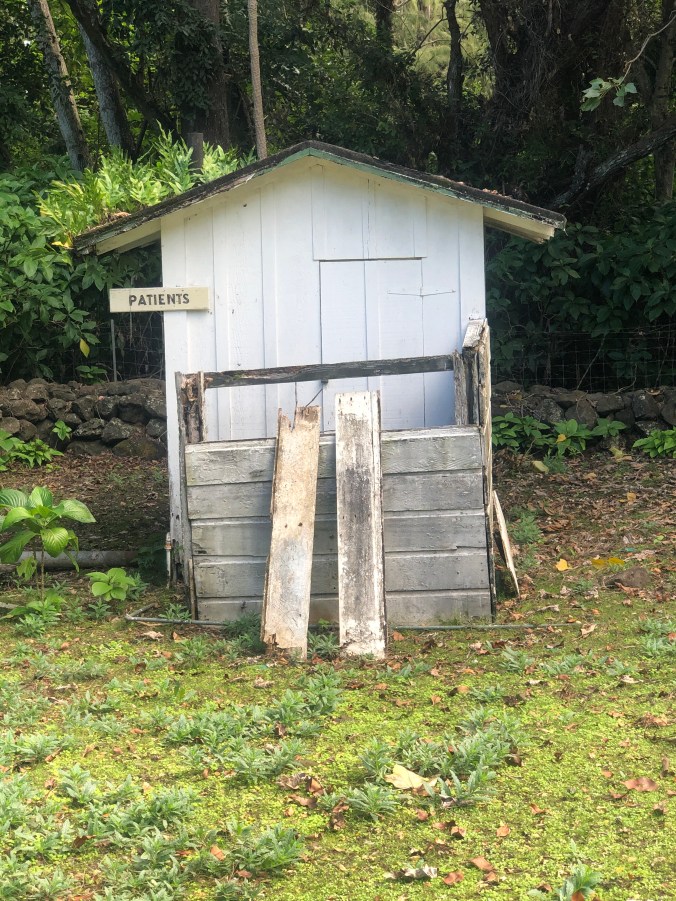
Currently there are still six remaining residents/patients in the colony, and access to the settlement is restricted to those with a permit. Our permit was included in our tour price.

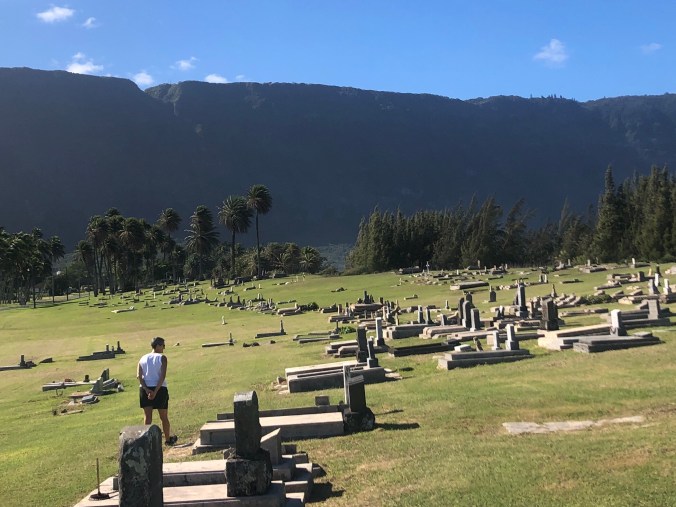
Our first stop was striking…the main cemetery that holds the remains of nearly 6,000 Hansen’s Disease (leprosy) victims. None had a choice about coming to Kalaupapa, and many were ripped from their families when suspected of having the disease.

On January 6, 1866, 12 men and women were forced to swim ashore and begin their forced exile, a certain death sentence. Over the next 103 years, thousands more were sent to Kalaupapa to live out their lives away from the general population. Without medical care, housing, or other types of support, they were essentially sent to die. While it’s a beautiful setting, the story is tragic.

The plight of those exiled drew the attention of religious orders and eventually drew the canonized Father Damien to their aid. He played a prominent role in developing the first infrastructure in Kalaupapa while also promoting the dignity of those afflicted.

While exploring the original settlement and the “newer” facilities built in the 1920s we learned that Hansen’s disease, for centuries past and well into the early years at Kalaupapa was a certain death sentence. Today it is easily curable with medication discovered in the 1940s.

Still, Hawaii’s forced isolation policy was not abolished until 1969. Current residents have been free to leave since then, yet choose to stay. What was once a prison is now a refuge for the remaining residents.

We booked our tour through muleride.com. While we highly recommend a visit to Kalaupapa, we would suggest a different company as our tour guide was not very effective. Still, the history and beauty of the place overpowered the lack of a good guide. Special thanks to our friend Sheri for joining us on this adventure. We’ll have a full post on our other Molokai adventures next.

#12 Honolulu Marathon

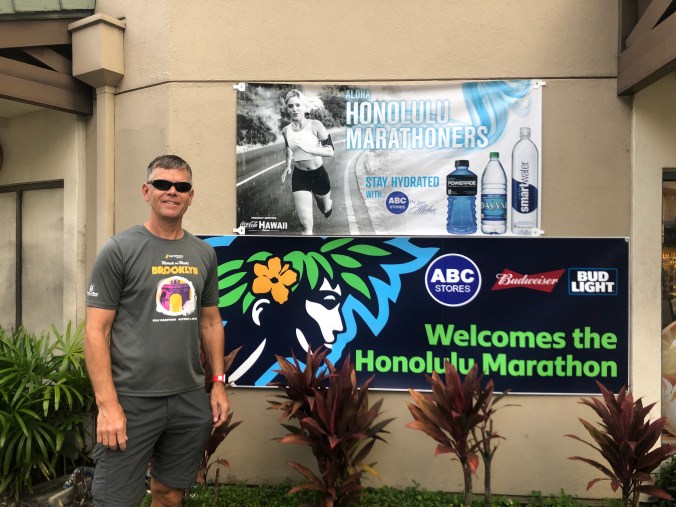
Steve’s twelfth marathon of the year was the popular Honolulu Marathon. This time we were joined by our neighbor and dear friend Sheri, and Sheri and I did the 10K while Steve took on the 42K/26.2 mile marathon. Of course the festivities began with the race expo where we picked up our race numbers and shopped for running-related stuff. This expo was unique as there were many featured products from Japan, where more than half of the registered runners come from.
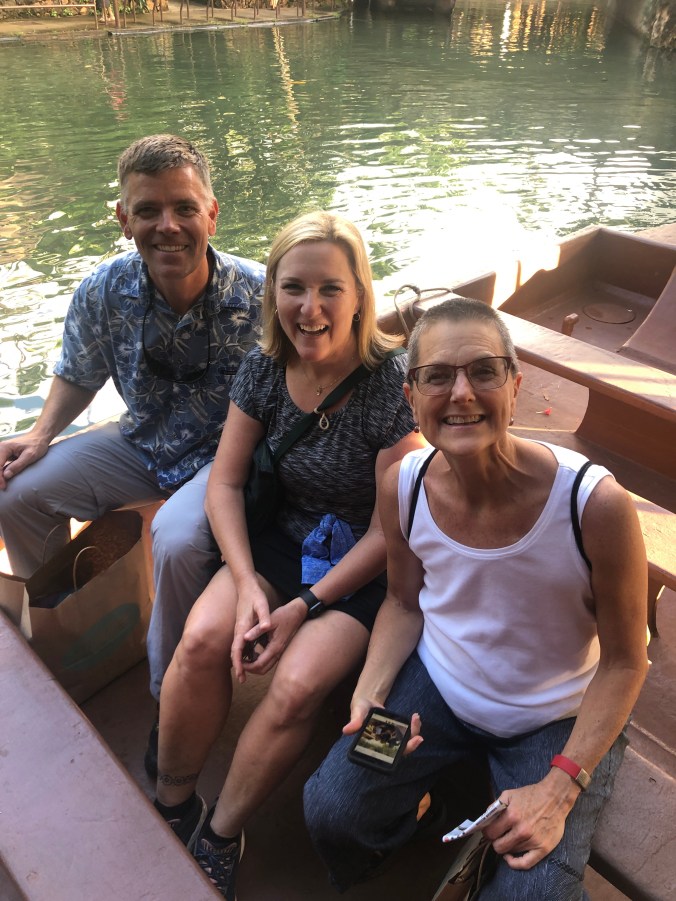
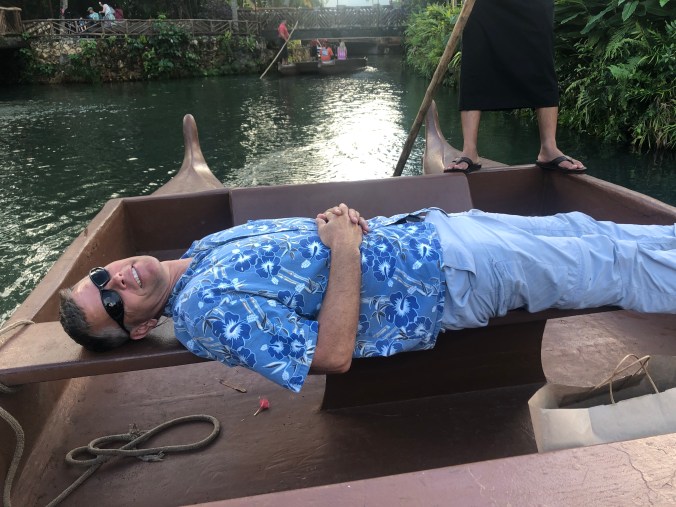
While in Honolulu we also spent a day at the Polynesian Cultural Center (PCC) and experienced the requisite luau. The PCC has been a tourist draw in Oahu for over 50 years, so we couldn’t pass it up. The immaculate park showcases cultures from around the Pacific and allowed us hands-on experiences like poi tasting, canoe rides, fake tattoos, and lots of hula. It was a long day, but worth the exploration.
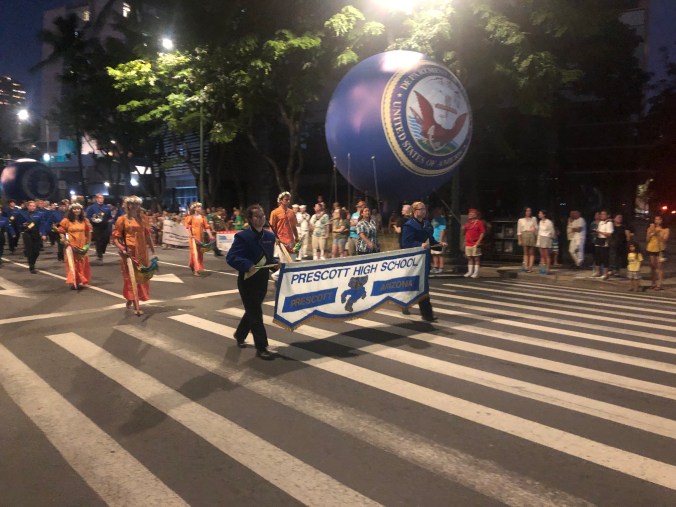
Another fun surprise while in Honolulu was running into our hometown stars, the Prescott High School Marching Band. They were featured in the Pearl Harbor Memorial Day parade, and we ran right into them while strolling the downtown area.

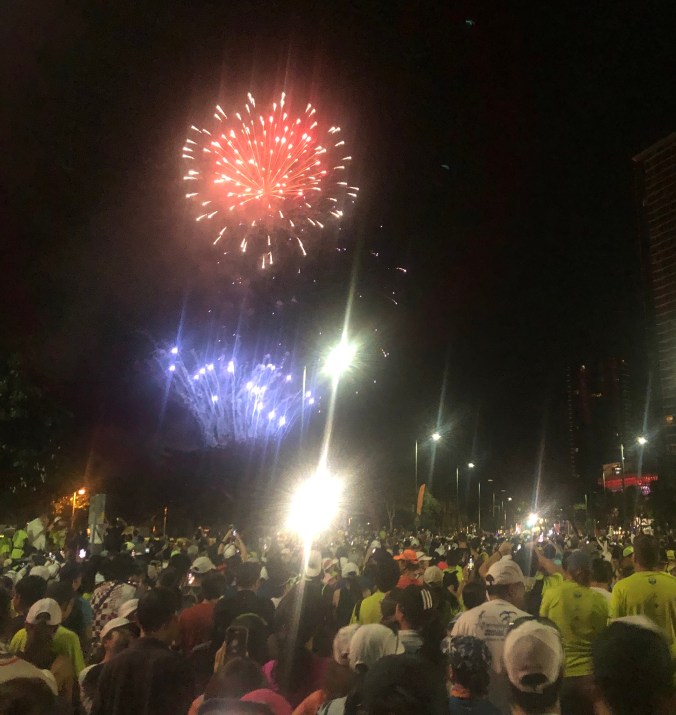
The big event started at 5:00am on Sunday with a big fireworks show, kicking off the marathon and 10K. We lined up with 30,000+ of our closest friends, at least half of whom spoke Japanese.

Steve worked his way towards the front of the crowd in order to run and still had to dodge thousands to get his stride. Sheri and I hung back and walked the 10K course, stopping along the way to take photos of the beautiful holiday decorations that punctuated the course.

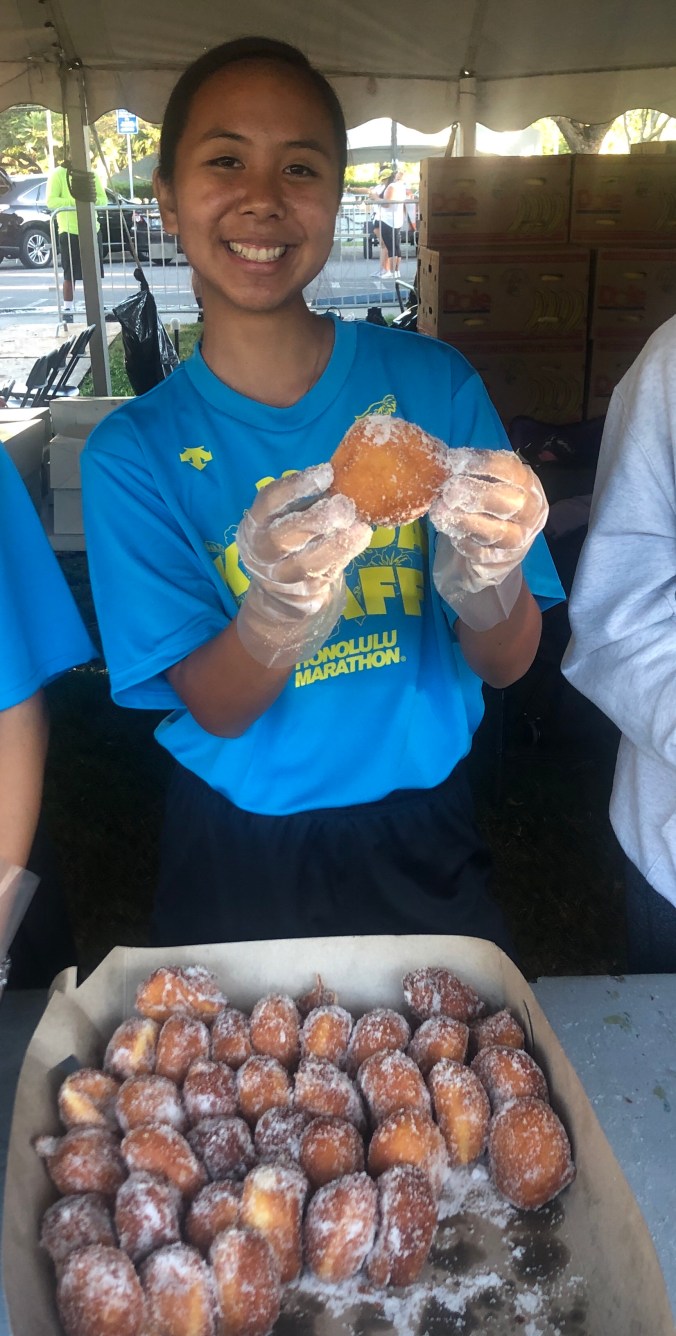
Sheri and I finished our stroll and celebrated with delectable malasadas. Warm and doughy, these fried balls of dough, rolled in sugar, were the most awesome post-race food we’ve seen.

Steve finished his 12th marathon of the year in 4 hours and 17 minutes. Not the fastest race, not the slowest race, he was happy with performance this time around. He says he’s not done with marathons but likely won’t do one a month in 2020.

Now we are planning to head to the island of Molokai for some downtime and a fly-in visit to Kalaupapa National Historic Park. Sheri and I, especially, are excited to see and learn more about the legendary place where Father Damien ministered to the lepers who were exiled to the remote peninsula.

Final Thoughts on Cuba

As we return to the USA we are overwhelmed with memories that make us still wonder, “what the heck just happened?” Cuba is probably one of the most “foreign“ places we’ve ever visited. 7438B6ED-55C6-462B-806A-9A6A7755552DHere are a few observations from our time on the island.

  1. Cuban pesos (CUP) are only used by Cubans.  Tourists deal in the Cuban Convertible Peso (CUC), which is 20 times more valuable than the peso. Both currencies are impossible to trade outside of Cuba. When we returned to Miami we discovered 40 CUC in our pockets. 9EAB101E-A3FC-43A8-AEEA-1304AA11F511The US-based currency exchange would not take the money and after asking at least a dozen Cuban-Americans working in the airport if they would like the money  (free money!), no one wanted it! We thought someone might be able to use it, but no one wanted to take the money!  Sidenote: if you are going to Cuba soon, let us know. We can sell you some convertible Cuban pesos!
  1. We take so much for granted in the USA. One big example is the availability of clean drinking water. We were advised not to drink from the tap;  however, our search for bottled water often turned up nothing. In fact when we stopped at a rest stop on the highway and attempted to buy water, the only beverage available to purchase was rum!  14B91148-94DE-4A43-B37D-7B01DC37F8AD.jpegWe stood in line at a store called Agua y Jabon for awhile until we looked in the window and only saw soap (jabon) on the shelves. No agua to be found!
  1. Cubans are master mechanics. The old US-made cars are really everywhere, and they’re all still running. How can they do it and yet, in the US, if we drive a car over 10 years old we’re really in need?
  2. Cuba has no advertising. On the highway and in the cities the signs you see are all in support of the revolution and the government.Most display the faces of Fidel Castro and/or Che Guevara. I guess we’re all  subject to advertising in one way or another.4DB7EEE7-85CA-48DB-B581-58D094D69BD6
  3. Why question? When we asked our guides questions about Cuban life,  we were often met with unclear answers.  We asked, “can you move to another city to escape the crowds in Havana?”  The answer was yes, but it’s very difficult and no, there are some places you can’t go, and well, no. Huh?“Does the government provide your housing?” No, but housing is free and the people in Las Terrazas got their homes for free. Huh? There are no mortgages but you can own your home. Huh? 30427AA3-052C-489A-B770-FDFB81C4F0CE.jpegWe tried really hard to understand the systems but concluded some things are better left misunderstood.
  4. Some things are free and some are impossibly expensive. Healthcare, education and housing are provided by the government. Buying a car could cost as much as $85,000 for a used sedan or $250,000 for a Peugeot.8A1156B2-C230-40CD-A78E-34F869CC5F03
  5. People are essentially the same everywhere. We found the Cuban people to be warm, friendly, fun-loving.And, like in every other part of the world we’ve visited, they are searching for the same things we are. We all want to be recognized. We all want to be safe. We all want to be loved. It’s no different in Cuba.696D32A2-99D5-45CF-82E1-1DCC66C87E7B.jpeg

Cuba is an enigma. It’s vibrant, colorful, beautiful place with happy welcoming people. Because it’s  so different makes it that much more worth exploring.61204FF1-9AD1-4D56-B344-787DB4DBE233