Yellowstone National Park – Part Two: Old Faithful

Our time in Yellowstone National Park would not be complete without considerable time focused on the thermal features of the park. The Yellowstone region has more than 10,000 geothermal features, including 300 geysers. The most notable geyser is, of course, Old Faithful. Thousands flock to the stadium-like area around the world’s most famous geyser and about every 75-90 minutes she erupts without fail. Even though it wasn’t the first time for either of us, we had to go and pay our respects.
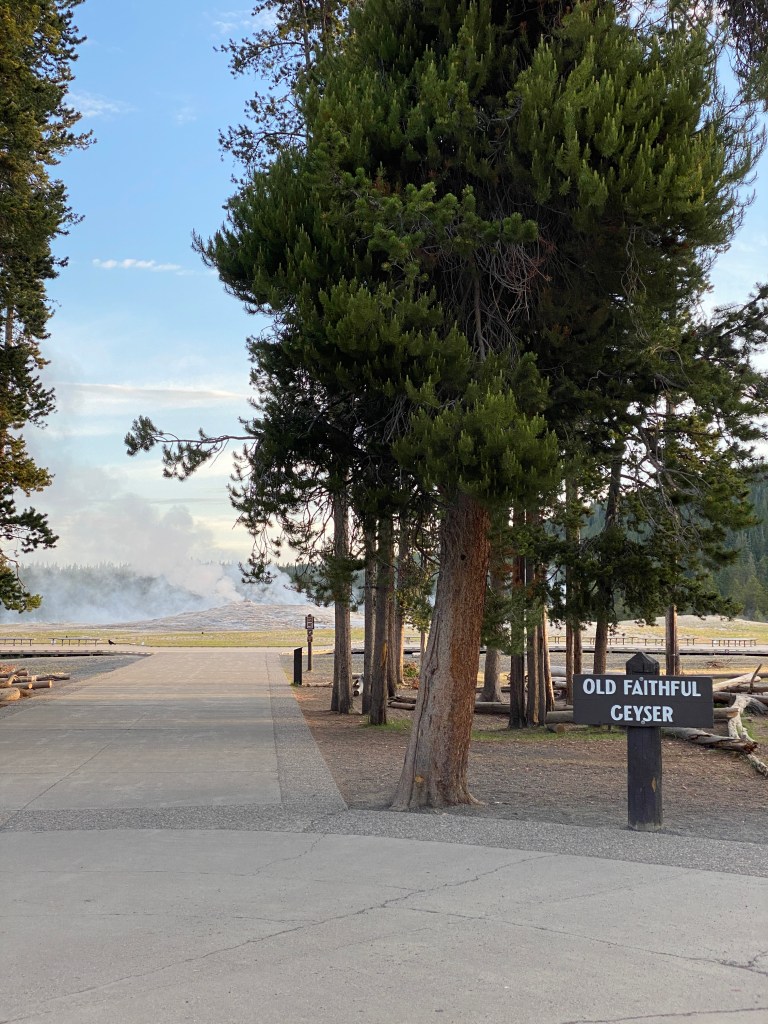
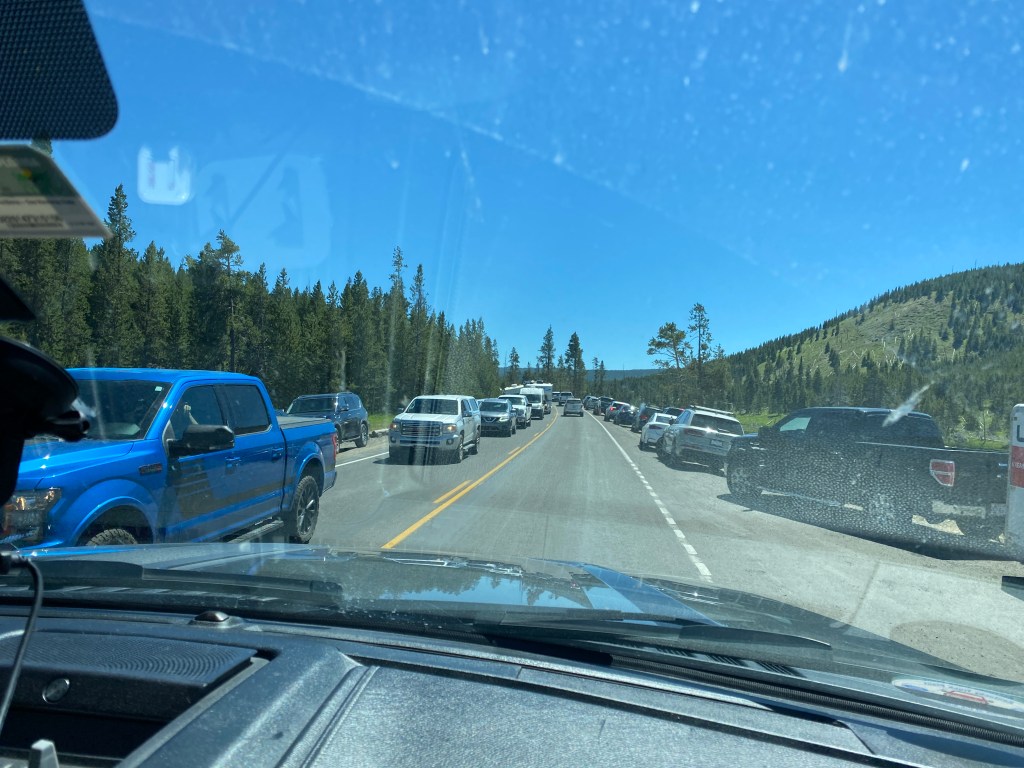
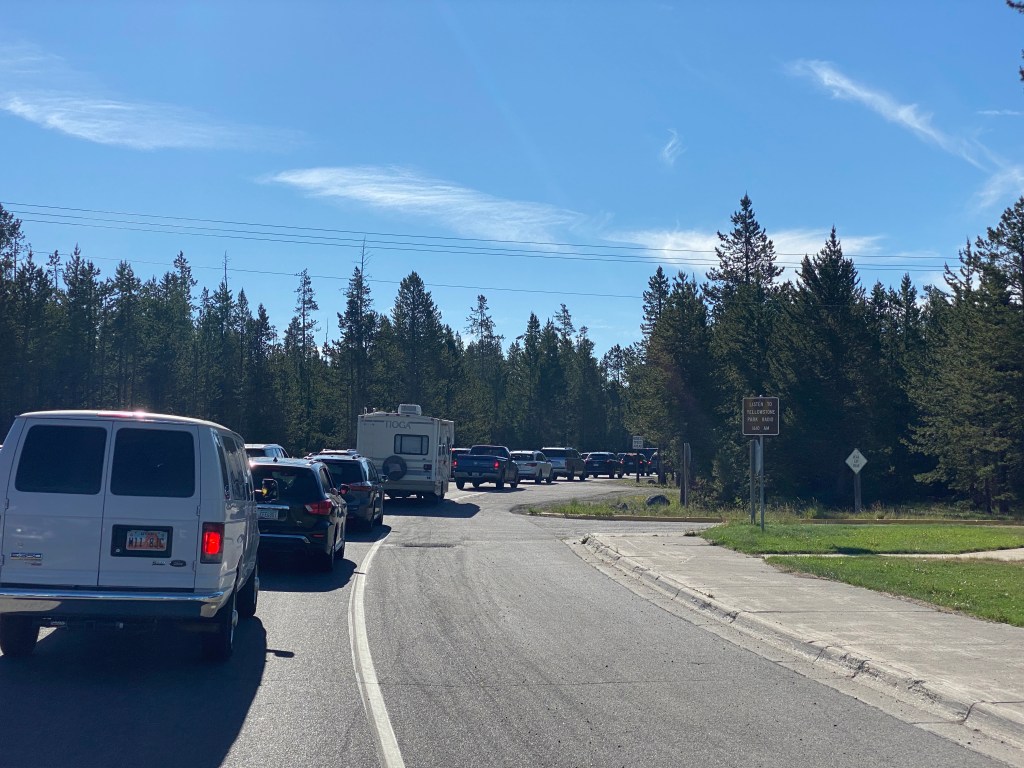
The challenge of properly seeing Old Faithful is navigating the crowds. As mentioned in our last post, the crush of people, combined with road construction, makes a trip to Old Faithful a trying experience in the middle of the day. We opted for a very early morning visit and enjoyed every minute.
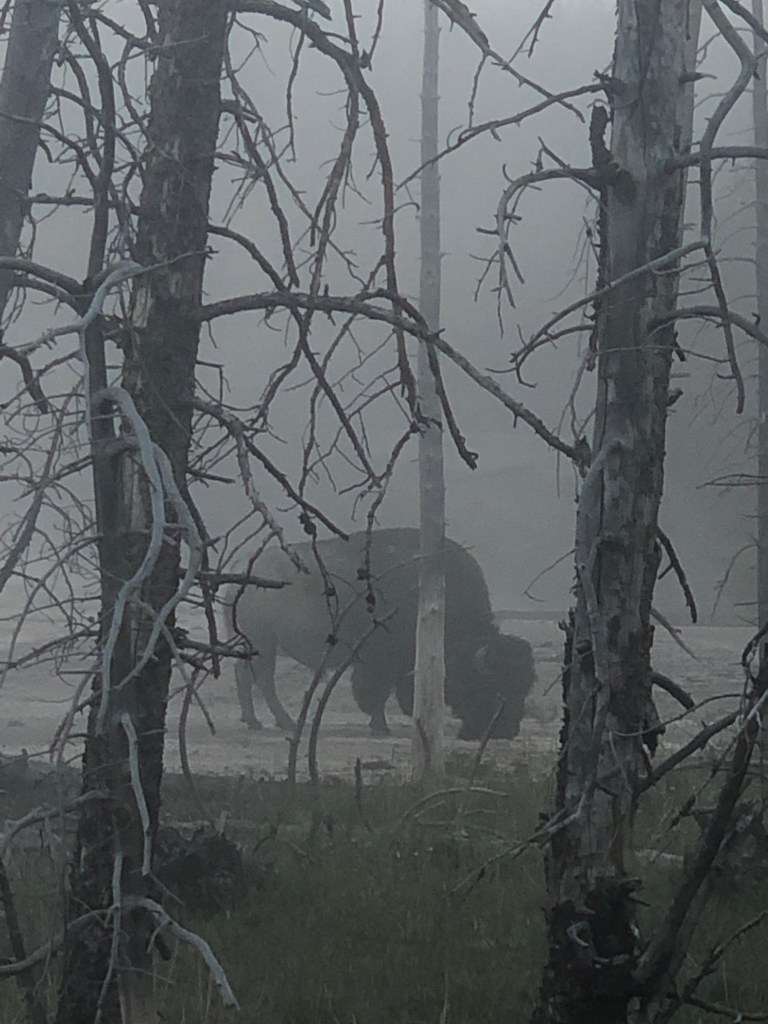
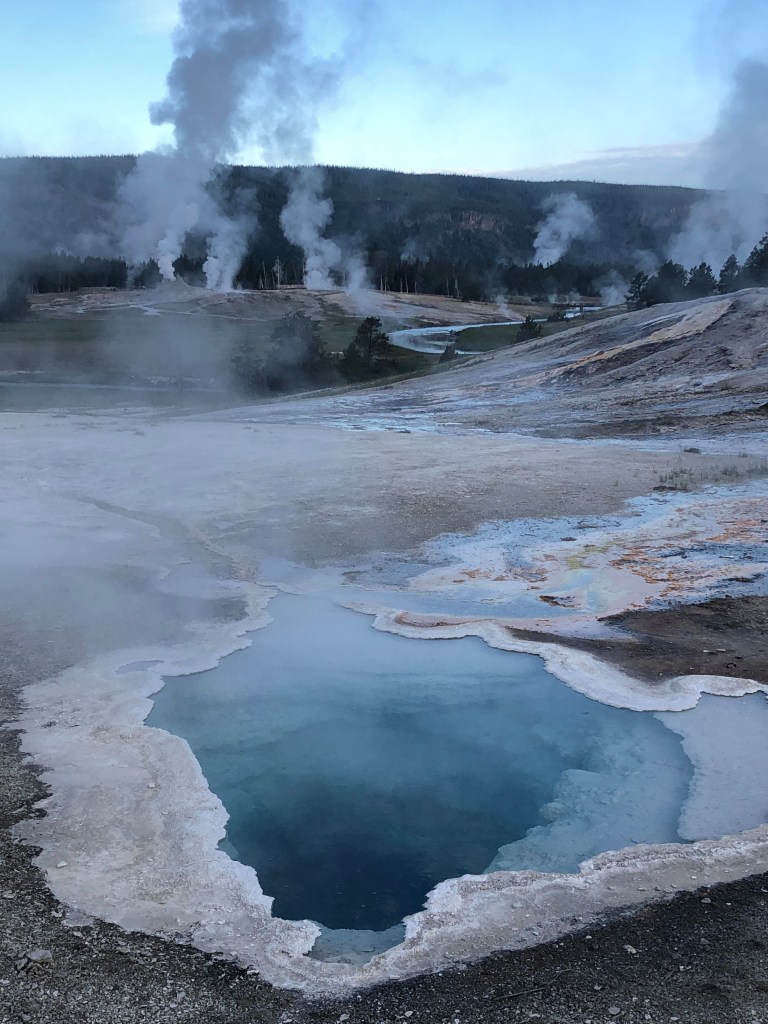
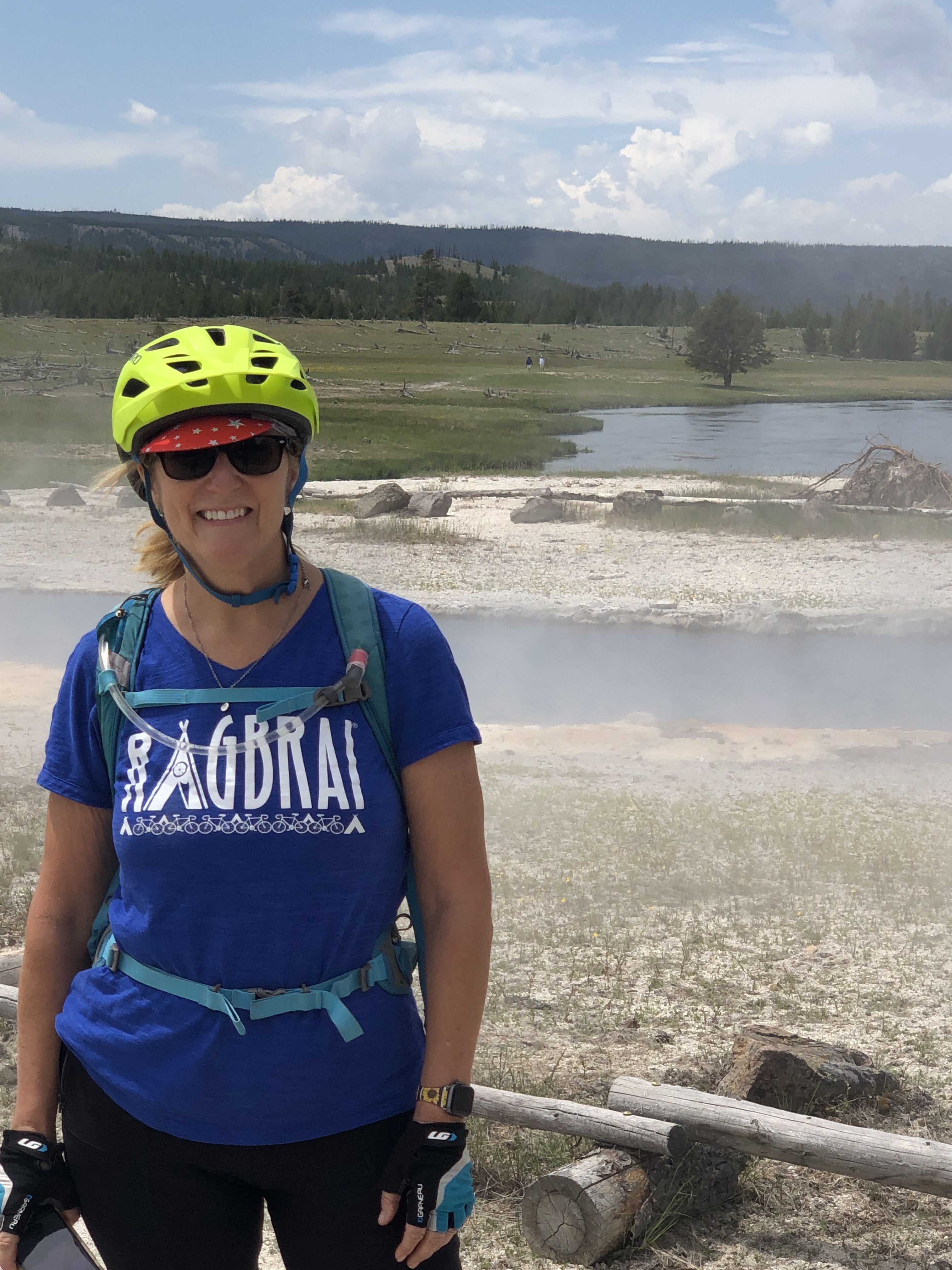
Old Faithful is just one of many geysers, springs, and other thermal features that populate the Upper Geyser Basin. We walked the boardwalks behind Old Faithful amidst the morning fog and were treated to incredible perspectives on the varied features.
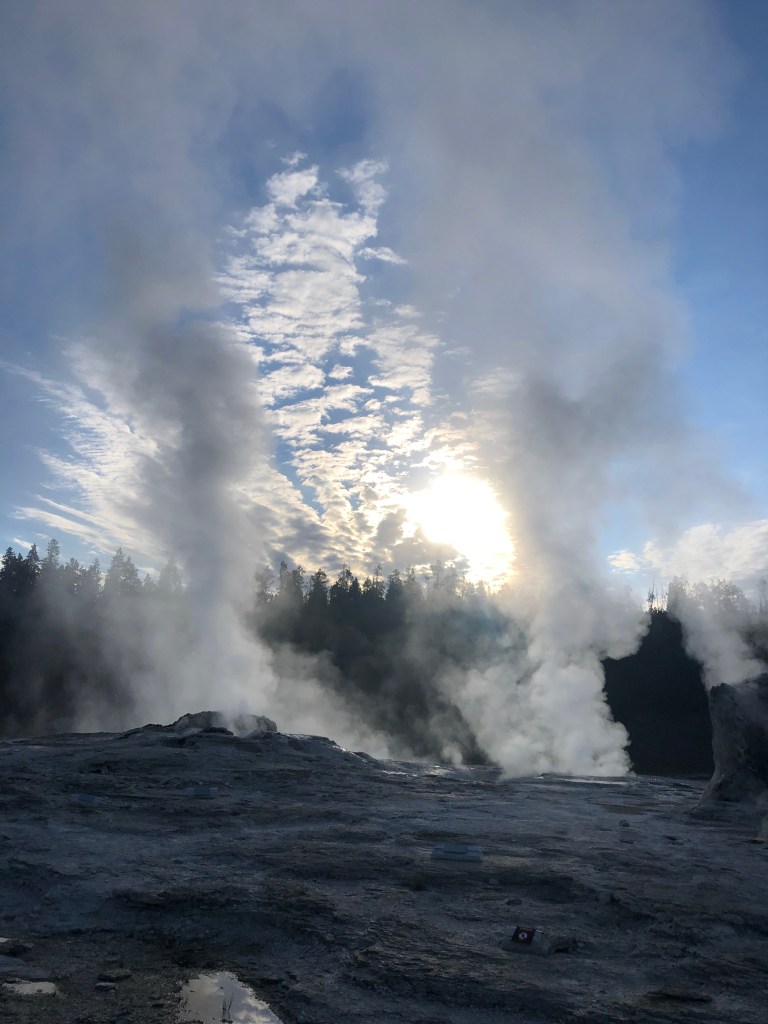
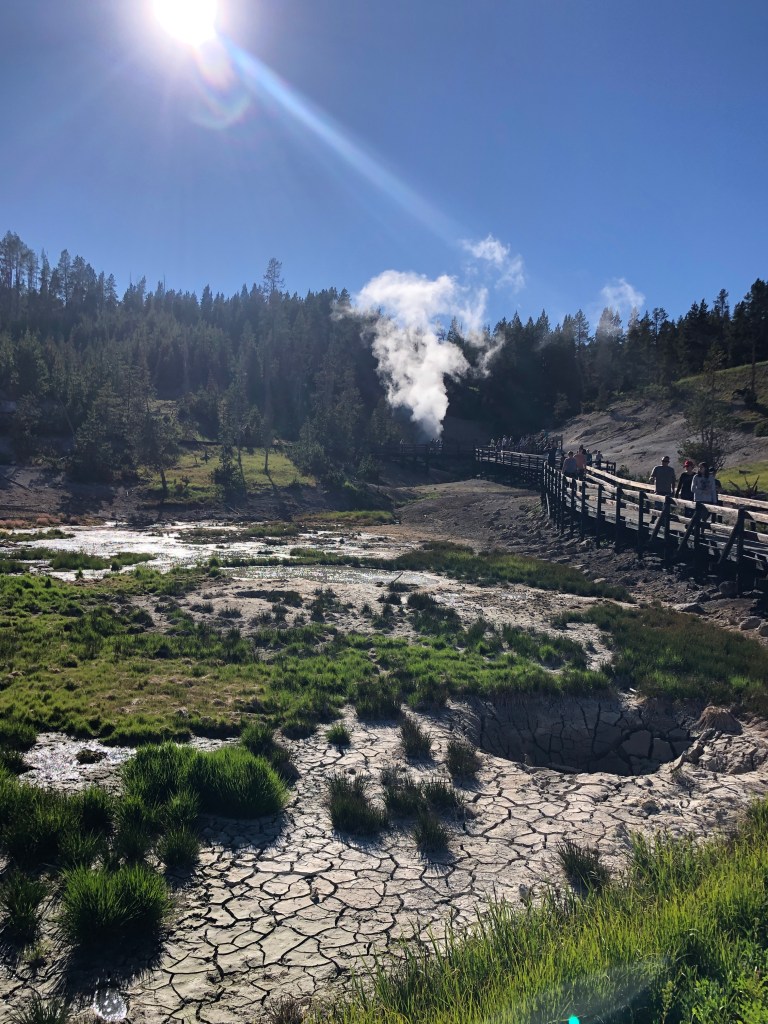
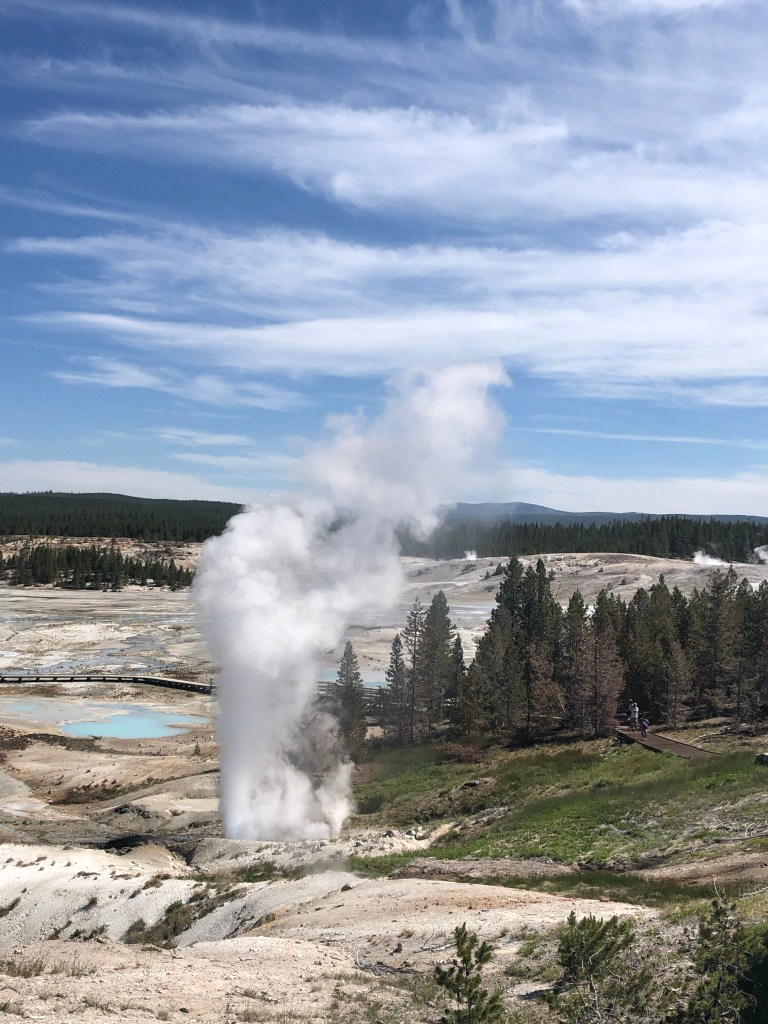
The coolest thing we saw was at the end of our walk through the basin. We came upon Riverside Geyser where a nice man named Jim told us that the geyser was about to erupt. There were only five of us standing in the viewing area when, just as Jim (a veteran geyser expert) said, the geyser blew. Riverside Geyser currently erupts about every two hours, but that varies. When it erupts, it goes for an average of 22 minutes.

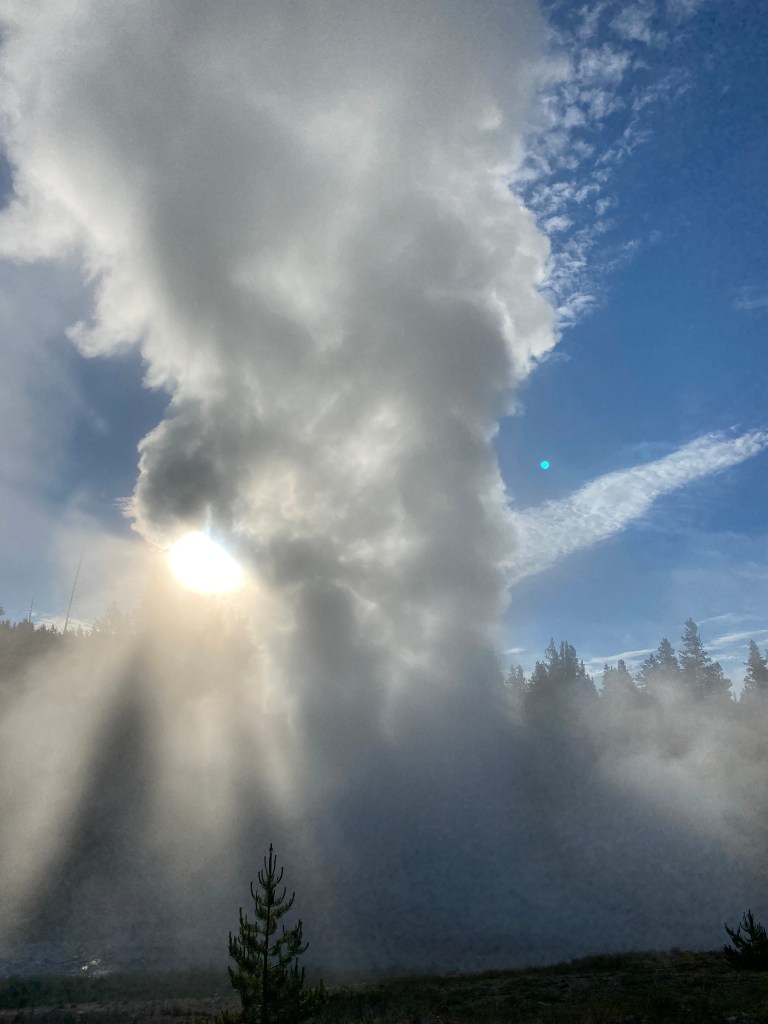
Hot water spewed out the top of the rock formation that sits aside the Firehole River. Massive amounts of steam billowed towards the sky, and then we were sprinkled with a mist that was cool and refreshing. It almost didn’t seem real. Steve got a good video to show you what we saw. Wow…just wow!

Our viewing of Old Faithful’s eruption about 30 minutes later was a little anti-climactic, to say the least. Still, we enjoyed the ritual with Mia and Bob by our side.

As you can imagine, we took A LOT of photos on this excursion. Below are a few more just for fun…

An early morning excursion like this must be followed by some retail therapy in one of the park’s many gift shops, followed by lunch along another peaceful stream.
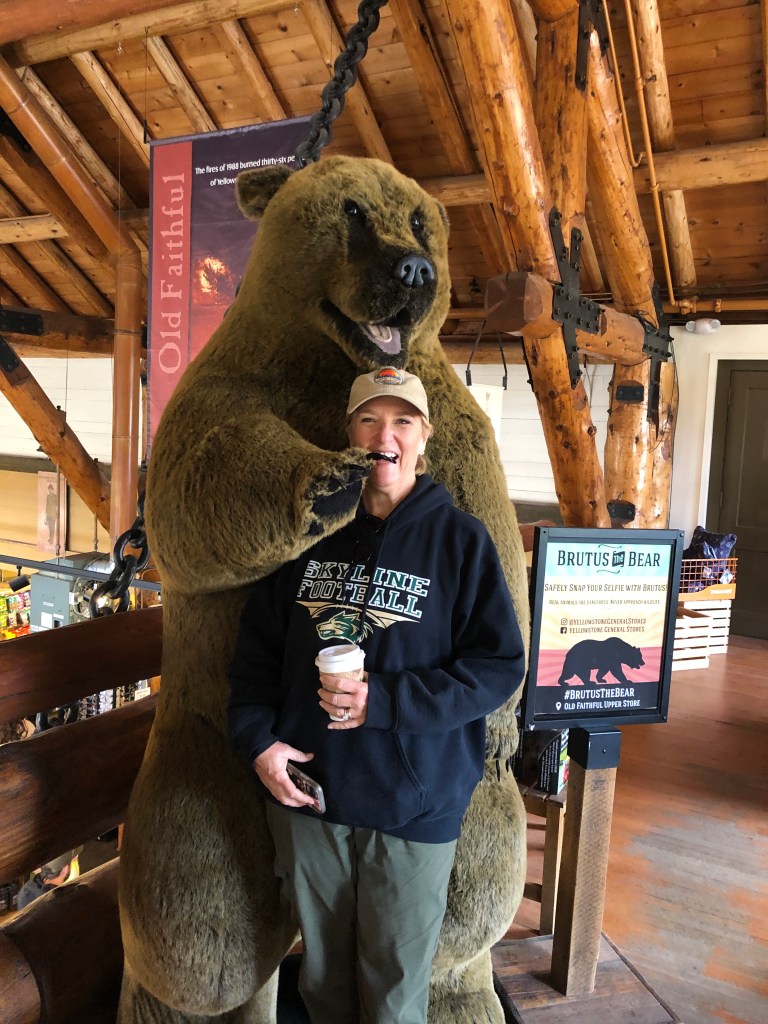
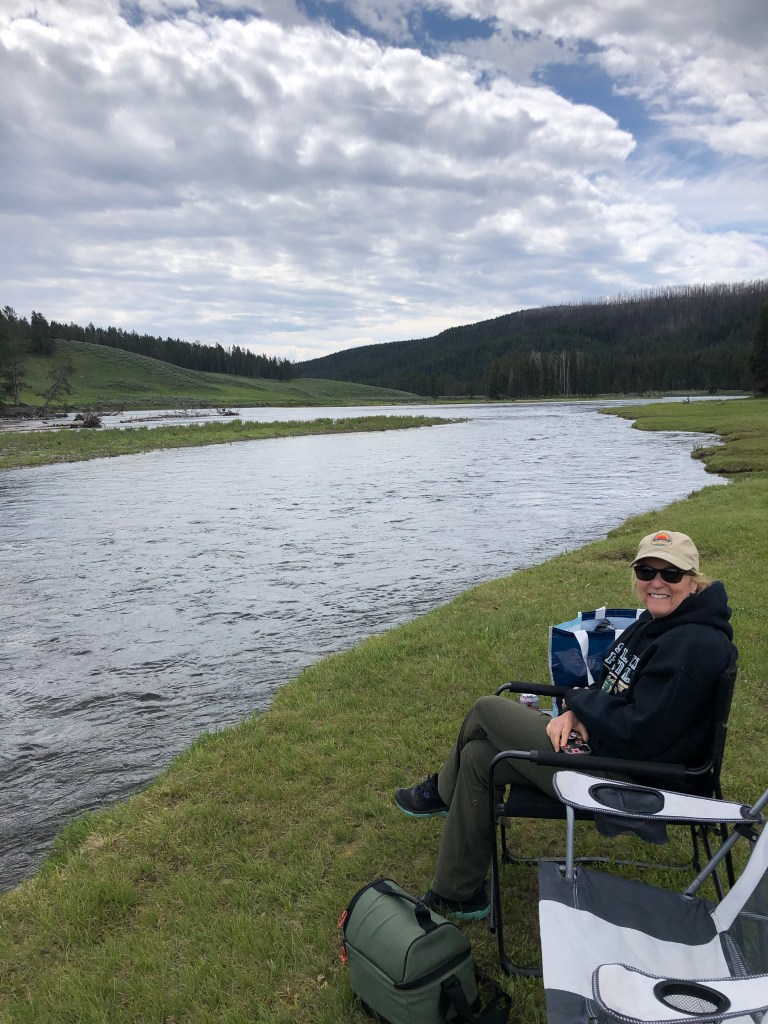
There’s much more to report from Yellowstone. Stay tuned!
Yellowstone National Park – Part One

Our summer National Parks tour wouldn’t be complete if we didn’t explore America’s first National Park, Yellowstone. We’ve spent eight days in and around the park and there’s so much to report. And let’s be honest, eight days is not nearly enough time to fully explore this incredible place, but we did our best to get a taste of the highlights.

We first arrived to our campground in Island Park, Idaho and got settled in. Valley View RV Campground was a good location from which to explore Yellowstone. We were about 15 miles from the park’s west entrance in West Yellowstone but far enough away from the crowds that there was space to relax.

As soon as we were settled, we rushed to the park, getting slowed down by the massive crowds as soon as we entered the park boundaries. Yellowstone is always busy in the summer but we were overwhelmed with the volume of people all around us. We learned right away that it’s best to go into the park early or late in the day and avoid the popular sights during mid-day.

Yellowstone is a massive park made up of eight regions around which key attractions and tourist services are based. The main areas are: Mammoth Hot Springs, Tower, Canyon, Fishing Bridge, West Thumb, Old Faithful, Madison, and Norris. Our goal was to visit each of these areas in some way during our time in the park. This summer, the road from Tower to Canyon was closed and other services were also shuttered due to construction. Nevertheless, we covered as much ground as we could.

Norris Geyser Basin

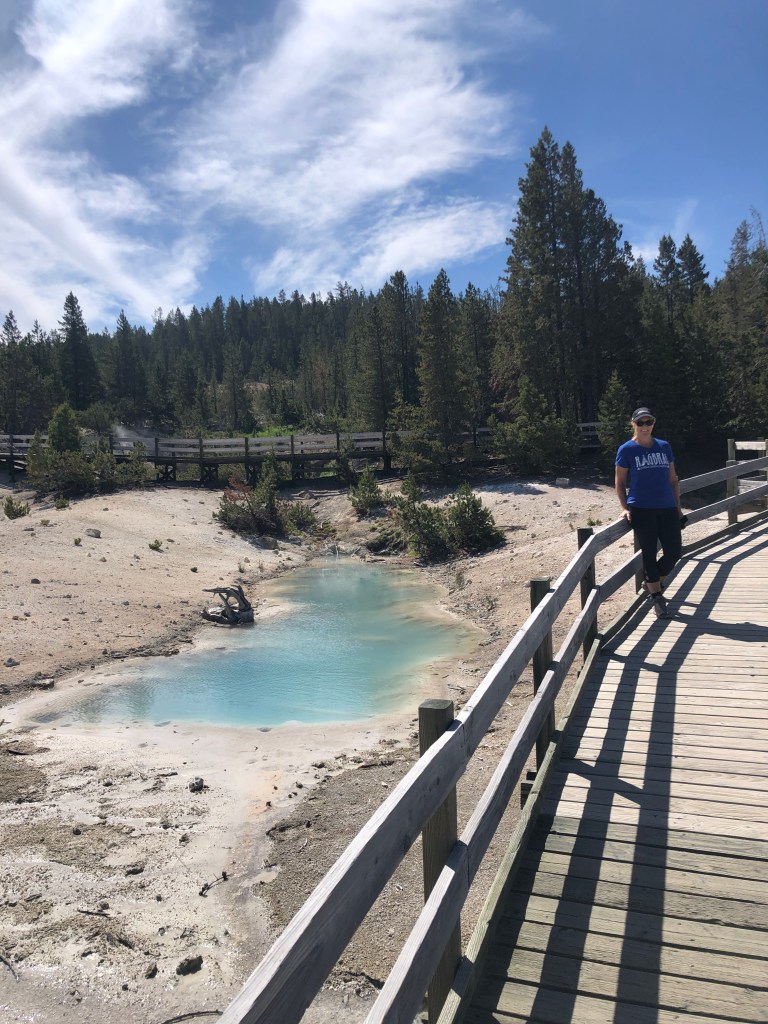
The first main area we explored in depth was the Norris Geyser Basin. Yellowstone features numerous places where thermal features abound. Norris is the oldest and hottest of Yellowstone’s thermal basins. It is filled with acidic waters that allow different classes of thermophiles to live. The thermophiles create different color patterns within the springs and vents based on the water temperature. It’s otherworldly.

We followed the self-guided boardwalk tour and read about the different thermal features. Mostly we enjoyed the cool morning, the rainbow of colors, and the incredible views. By visiting early in the morning, we avoided the crowds that flock to this area mid-day.

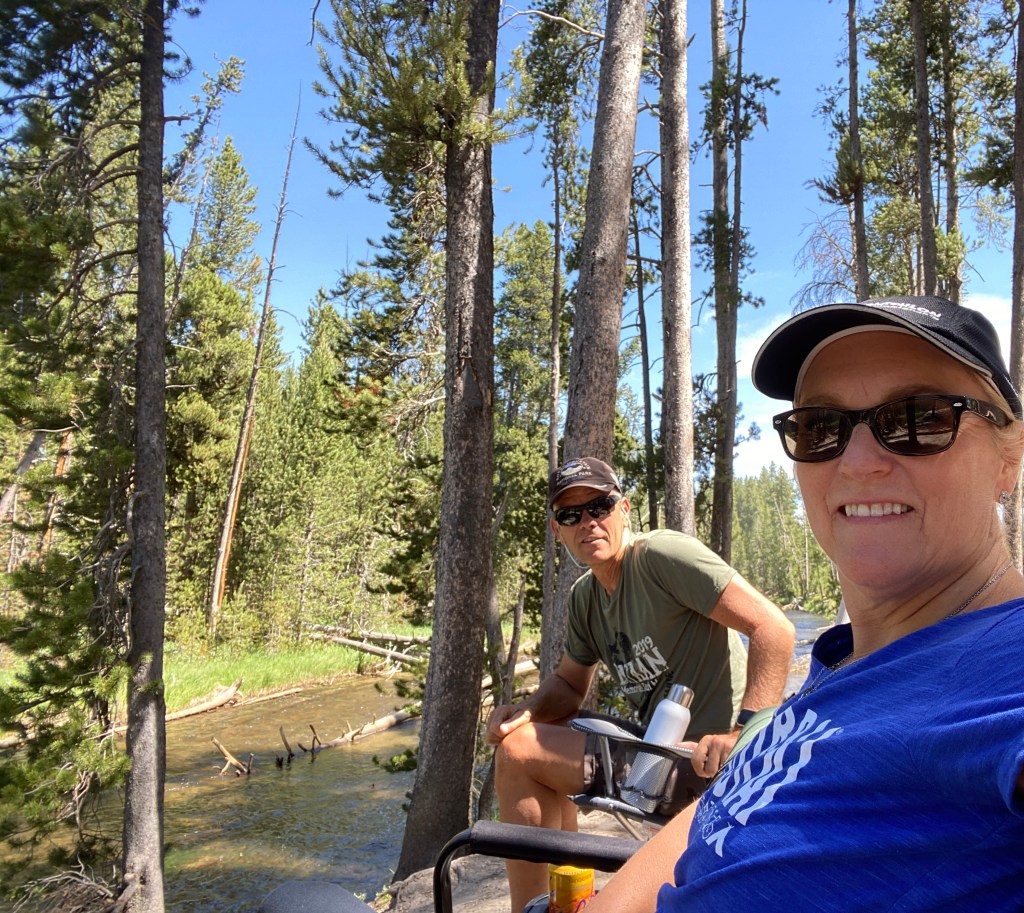
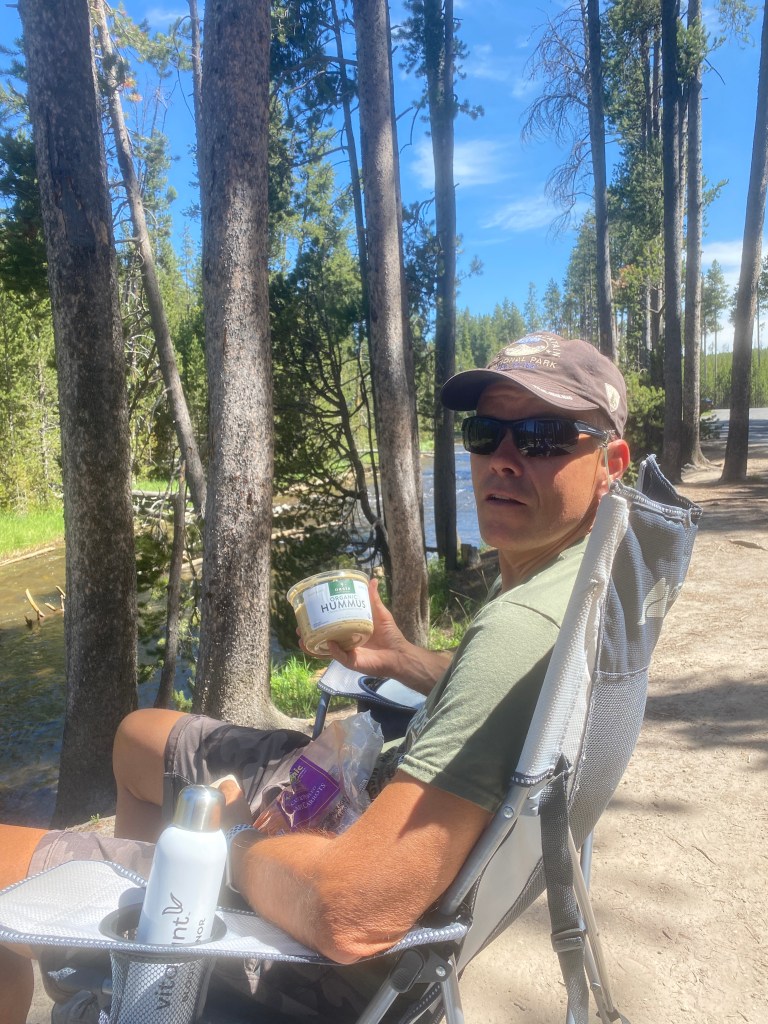
Like on most days, we followed our early morning explorations with lunch or a snack alongside one of Yellowstone’s many beautiful rivers and streams. On this day we stopped at the Gibbon River picnic area and took in the sights and sounds around us.

Biking to Grand Prismatic Spring Overlook

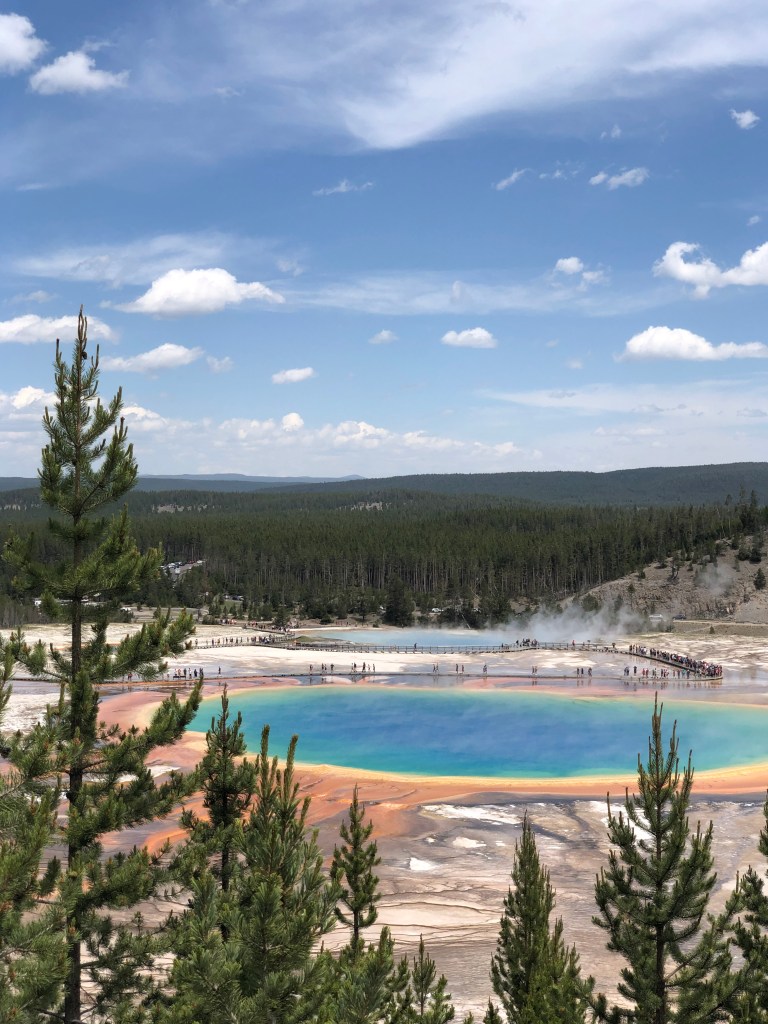
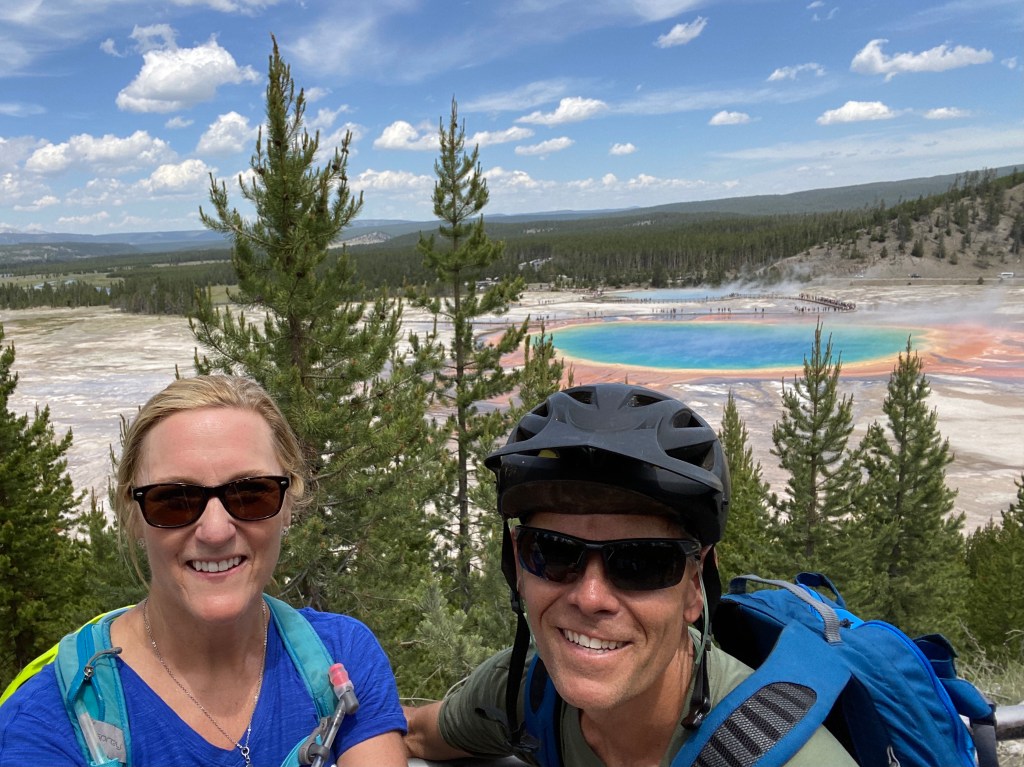
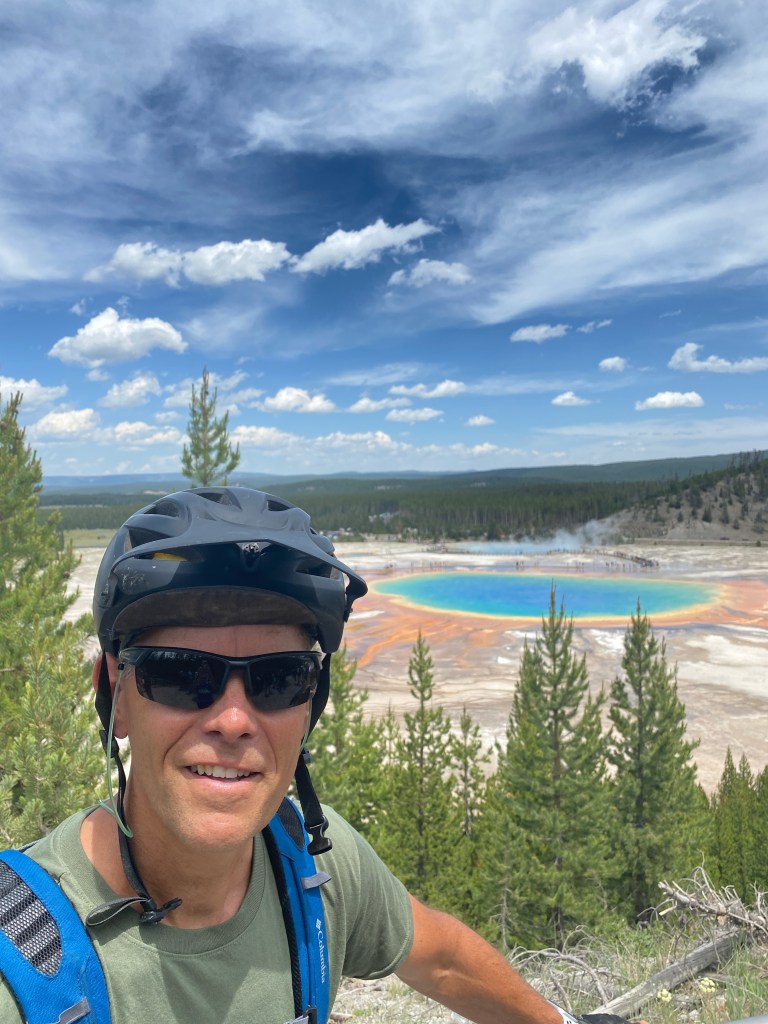
Another popular area in Yellowstone is Midway Geyser Basin with Grand Prismatic Spring as the star. Grand Prismatic is the largest hot spring in Yellowstone at 370 feet wide and 121 feet deep. It is encircled by a boardwalk that is normally packed with tourists. In fact, it’s hard to get through the traffic in this area during the day. That’s why we decided to instead visit by bicycle.

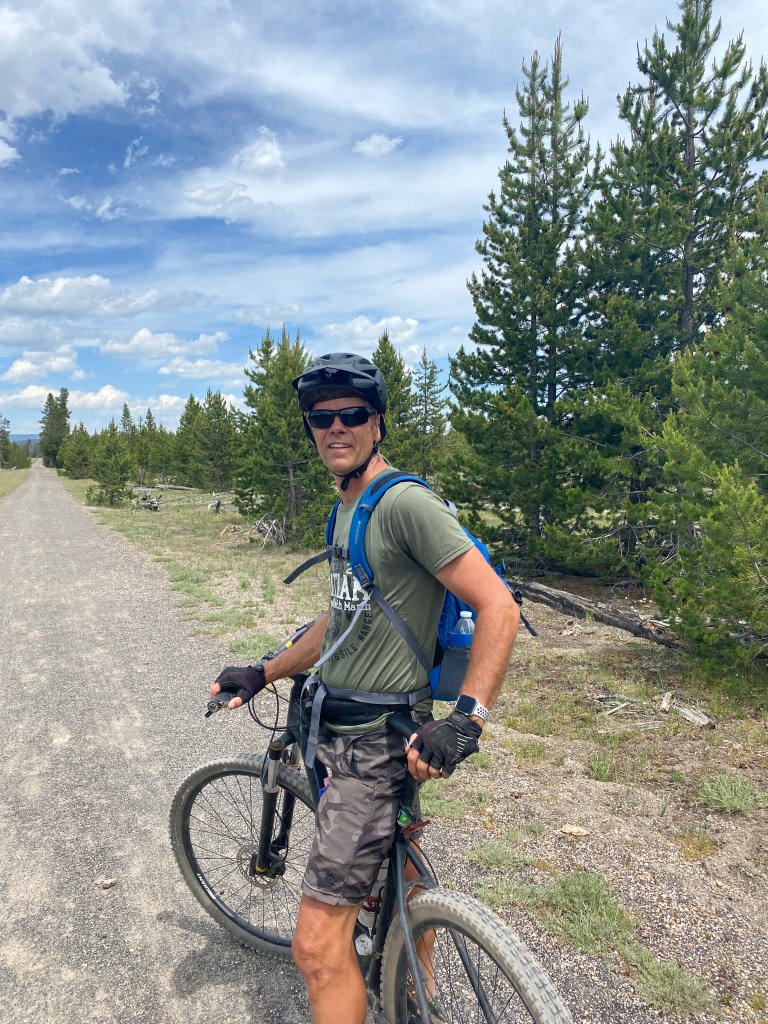
Yellowstone is not overly bike friendly, but there is an old road, Fountain Freight Road, that runs to the backside of Grand Prismatic and leads you to the Grand Prismatic Overlook. We enjoyed a nice six mile round trip pedal through the geyser basin and surrounding landscape. Once we reached the overlook trail, we left the bikes and climbed the hill to get a birds-eye view of the massive, colorful spring.

Along the way back we even stopped to check out a few off-the-beaten-path thermal features. I’m telling you…the bike is the way to see Yellowstone!
We visited Norris and Grand Prismatic in one day and it was a full one! Yellowstone is so big that it’s impossible to see it all. Even if you lived in the park you’d never really see it all as the area is constantly changing. But you know us…when we travel, we try to do as much as possible. So, we have a few more blog posts on the way featuring more of our Yellowstone adventures..

Bryce Canyon National Park

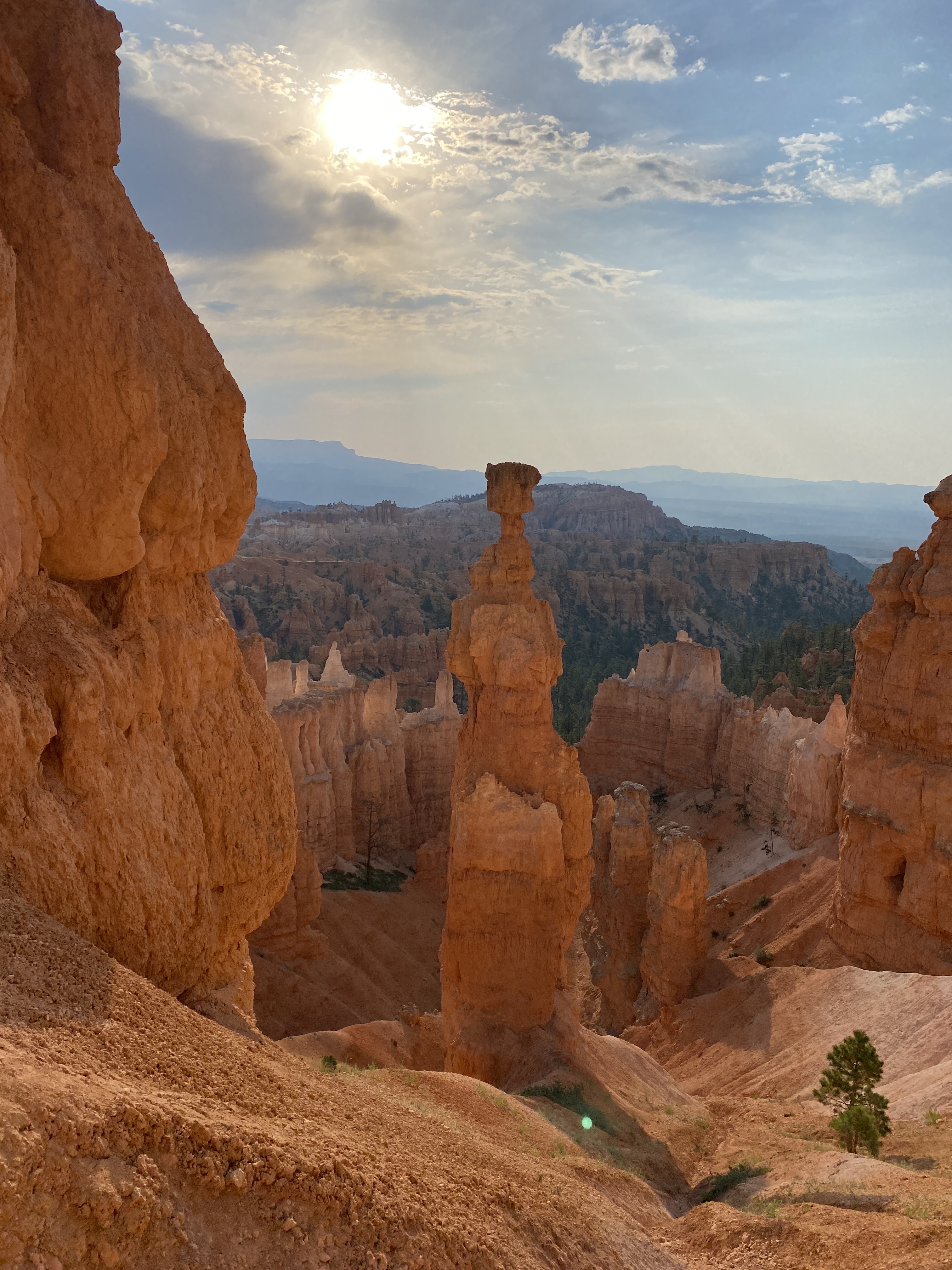
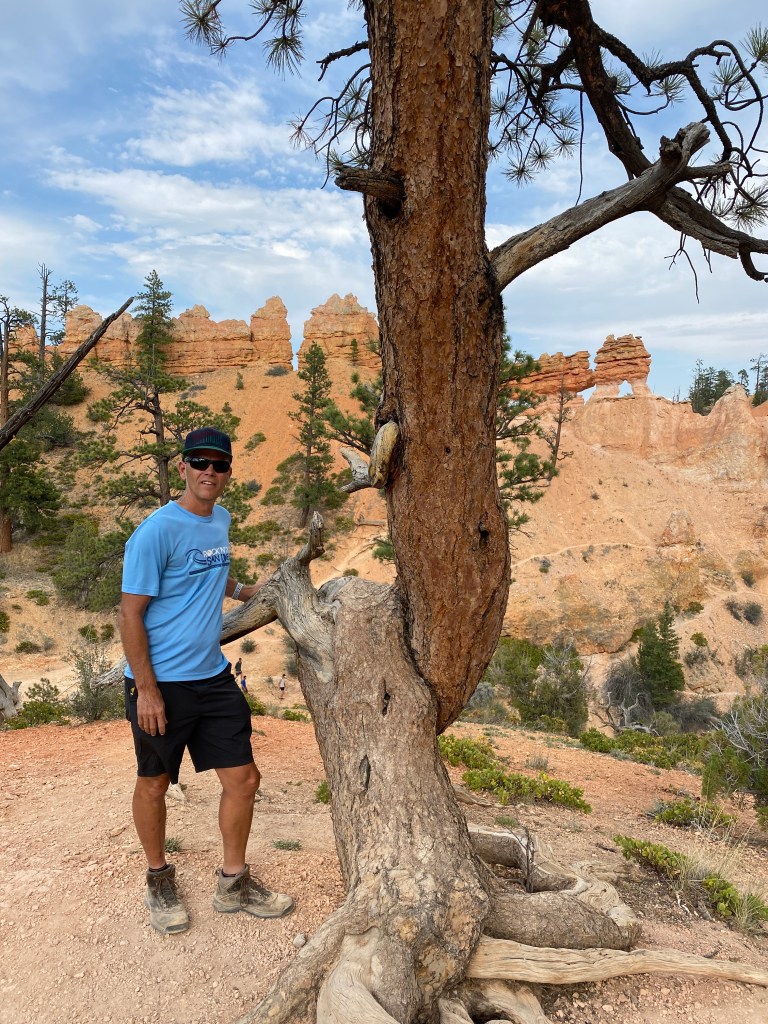
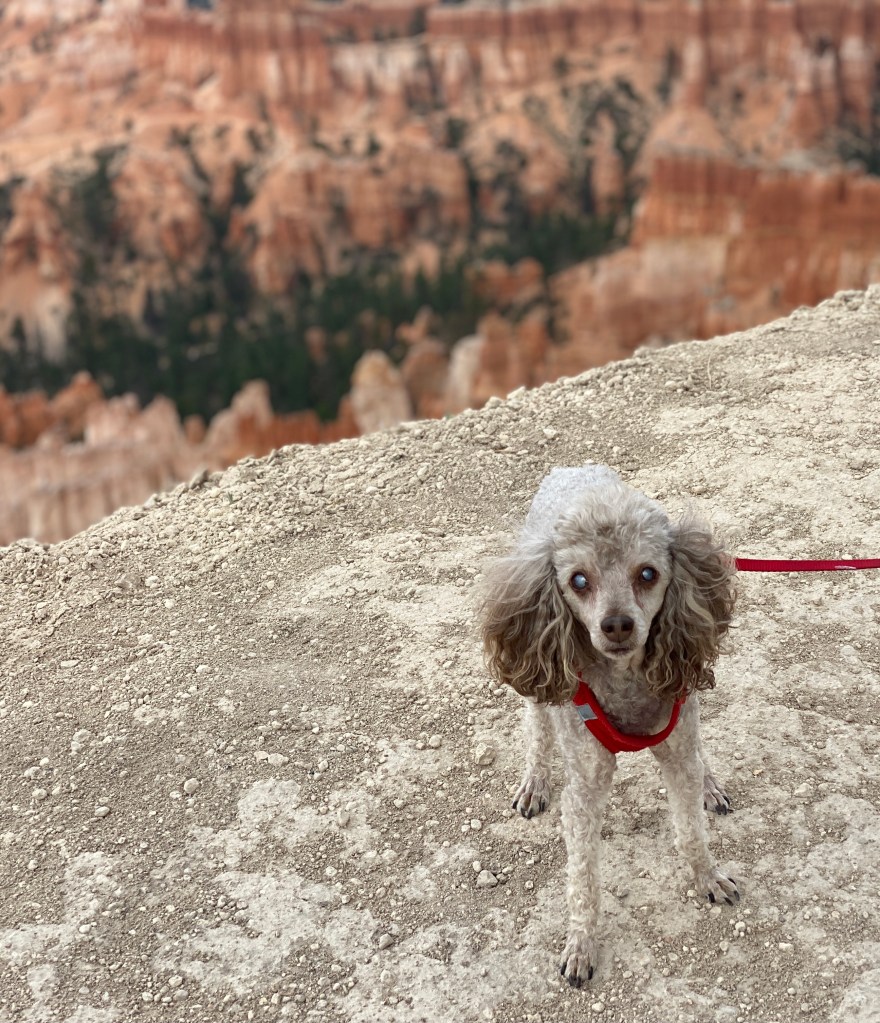
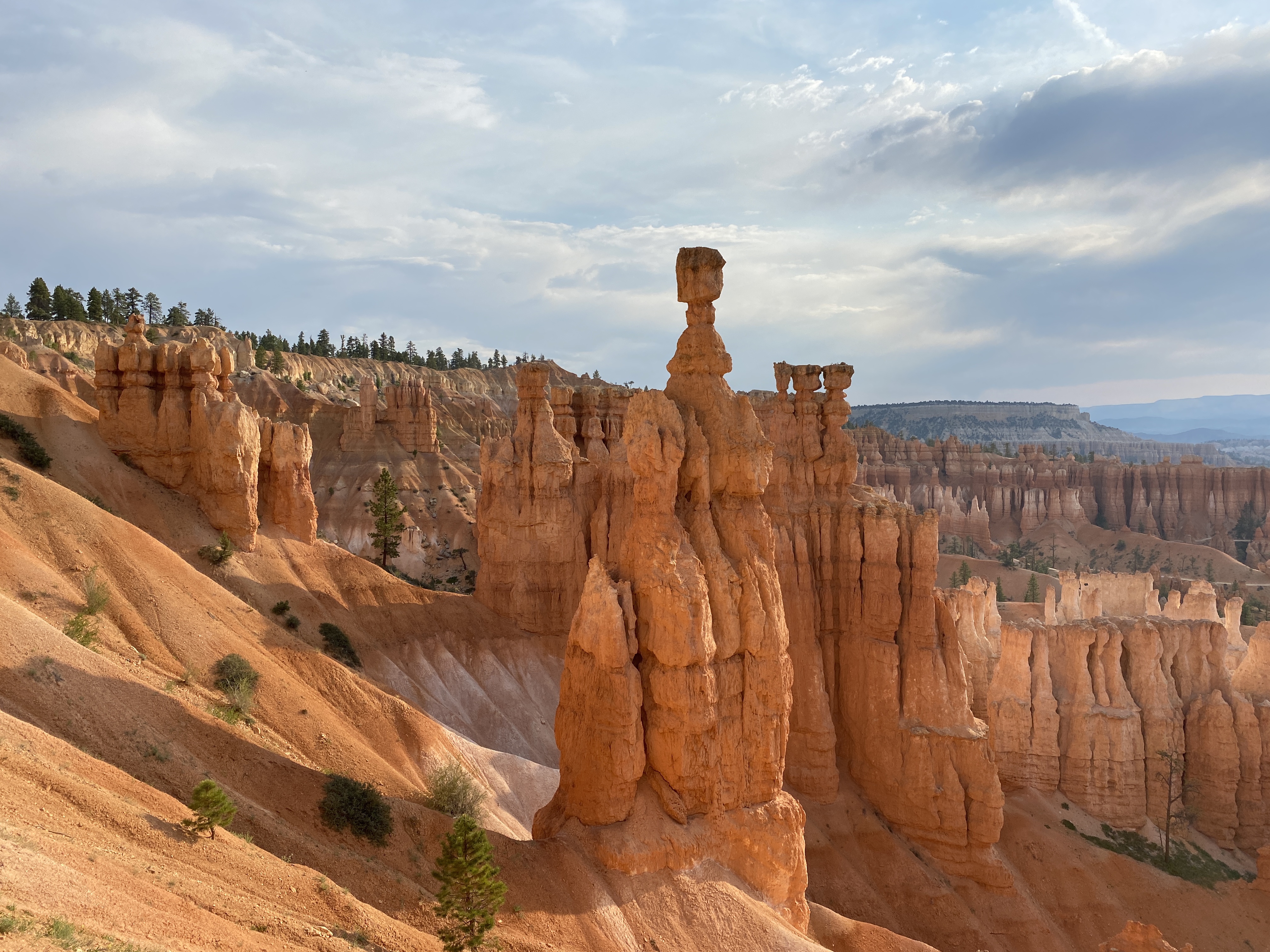
Our nation has some incredible national parks and Bryce Canyon ranks up there as one of the most unique and naturally beautiful that we’ve visited so far. Punctuated by hoodoos, massive, beautifully-colored stone columns sculpted from thousands of years of erosion, Bryce in places reminded us of the man-madeTerra Cotta warriors we saw in China. Lined up one after the other, the fluted walls can be seen from the roadside but are best explored on foot. We did both.

First we drove the length of the park using this cool app called Just Ahead, which provides GPS-guided audio narration that plays automatically as you travel down the road. We’ve used this tool before, and it really helps provide an introduction to the park and its history.

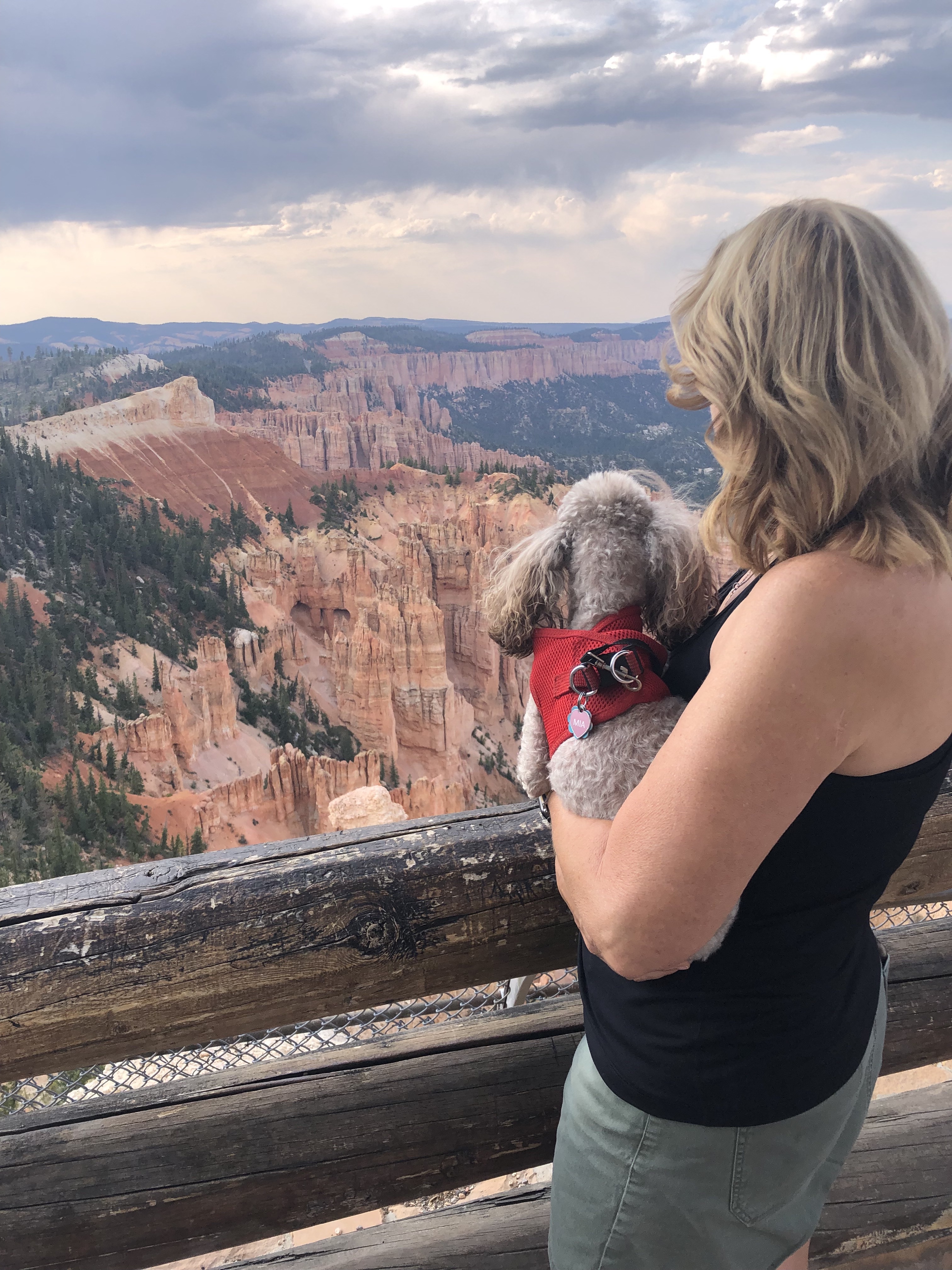
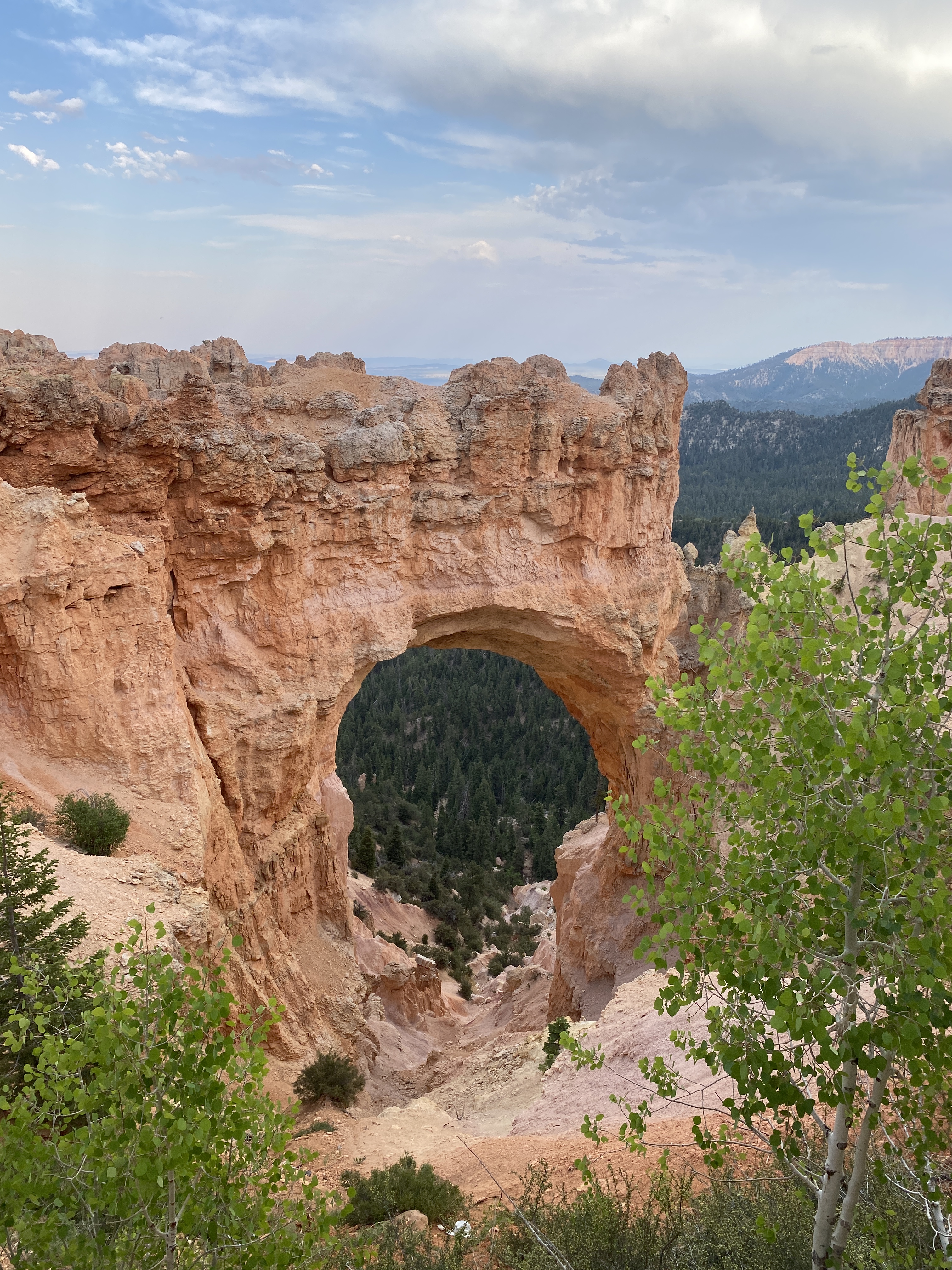
From Rainbow Point in the south we worked our way back north stopping at ten overlooks along the way. Each viewpoint was different from the last. One included a massive stone arch; another provided sweeping views all the way to the north rim of the Grand Canyon. The drive was a great way to get oriented to the park, and it helped us plan the next two days.

The next morning we were in the park by 6:00 a.m. in an attempt to avoid the heat and the crowds. We succeeded and were rewarded with a spectacular sunrise and cooler weather.

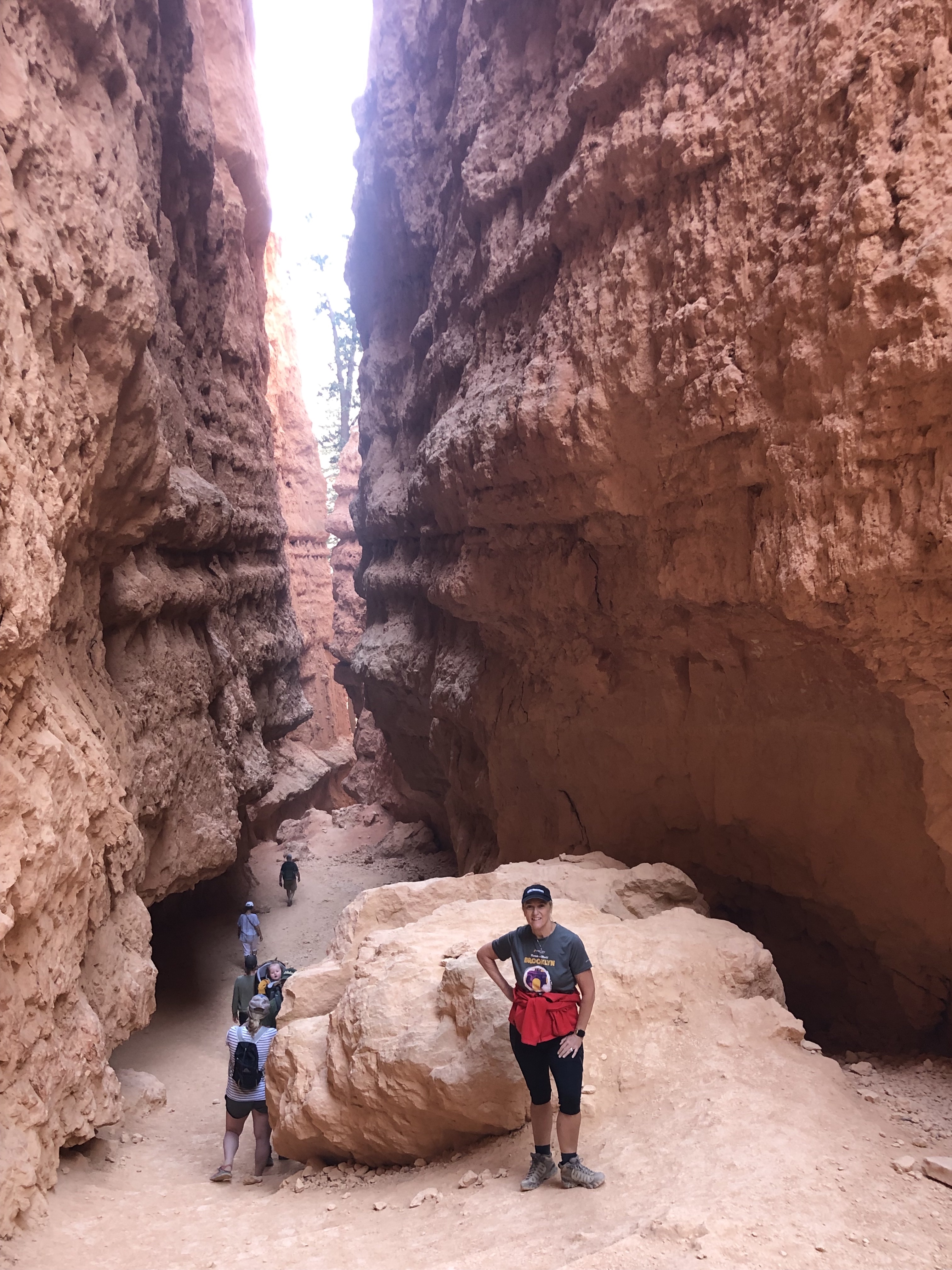
The premier hike in Bryce Canyon National Park is the Queens Garden/Navajo Loop Trail. The three mile walk took us through massive hoodoo “forests,” stone arches, and snaking switchbacks which provided incredible views of the landscape.

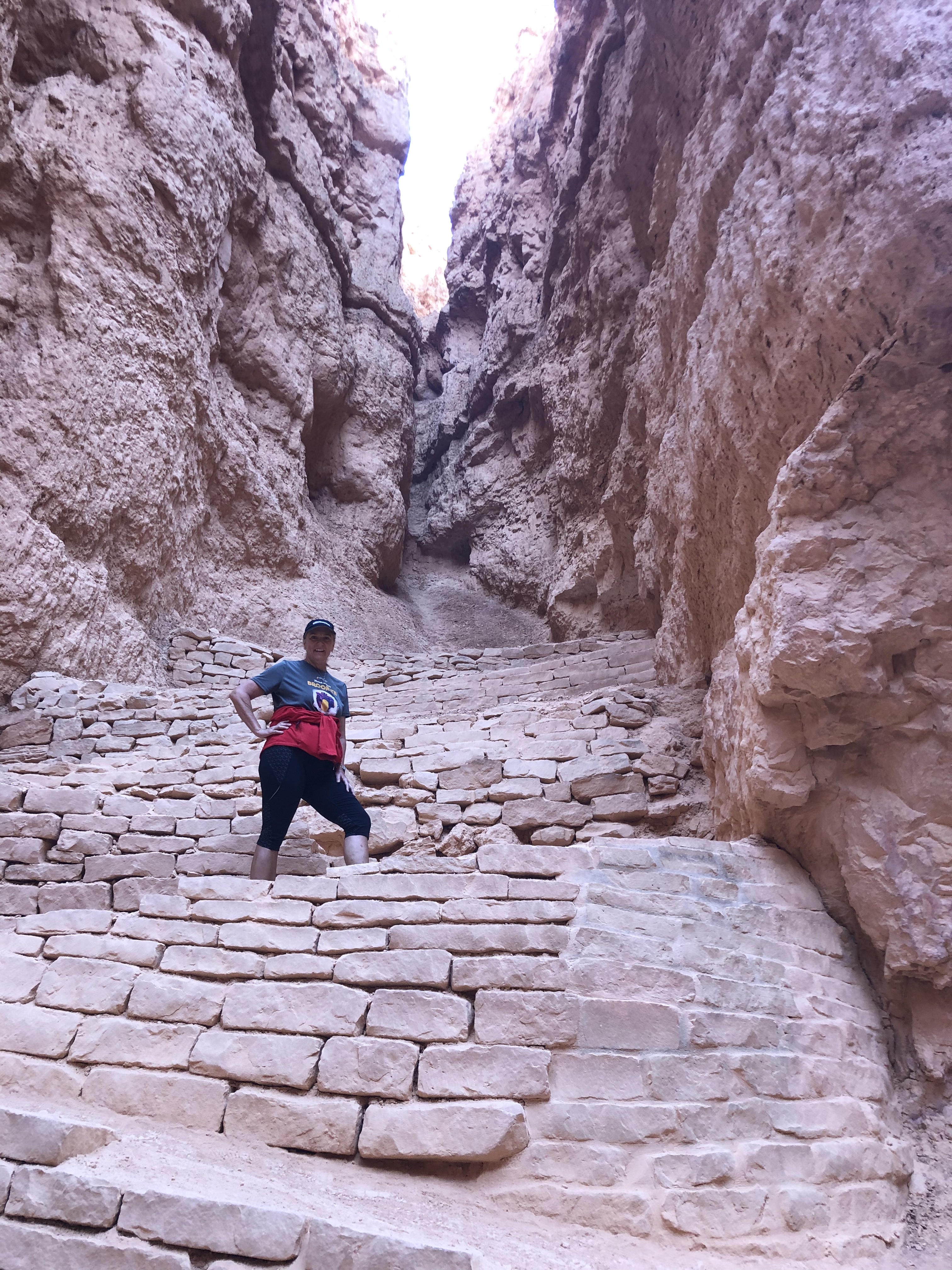
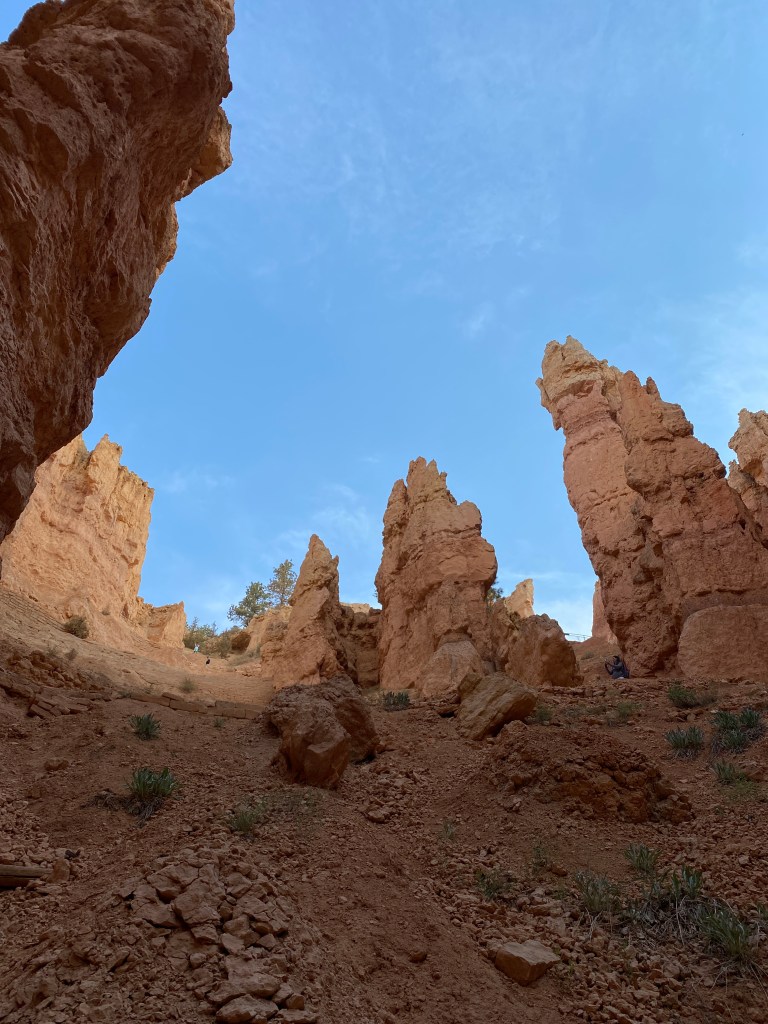
The hike culminates in the climb up Wall Street, a steep, narrow canyon which has been fortified with stones to support the trail. It’s a popular spot in the park, so we were glad to get in and out relatively early.

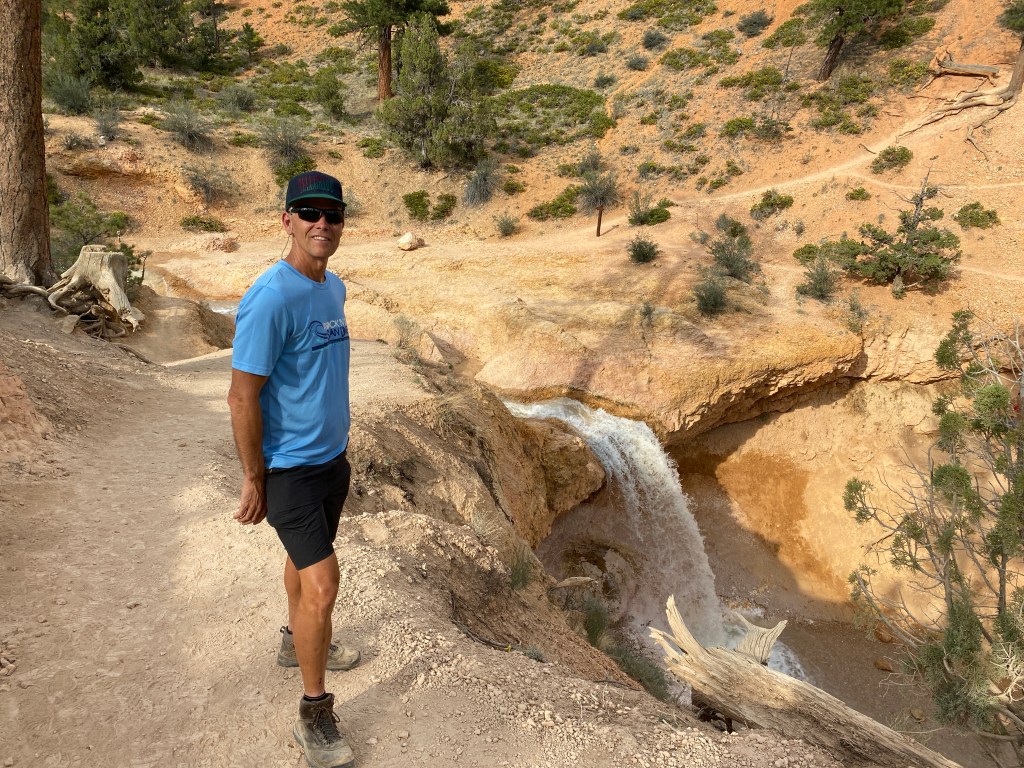
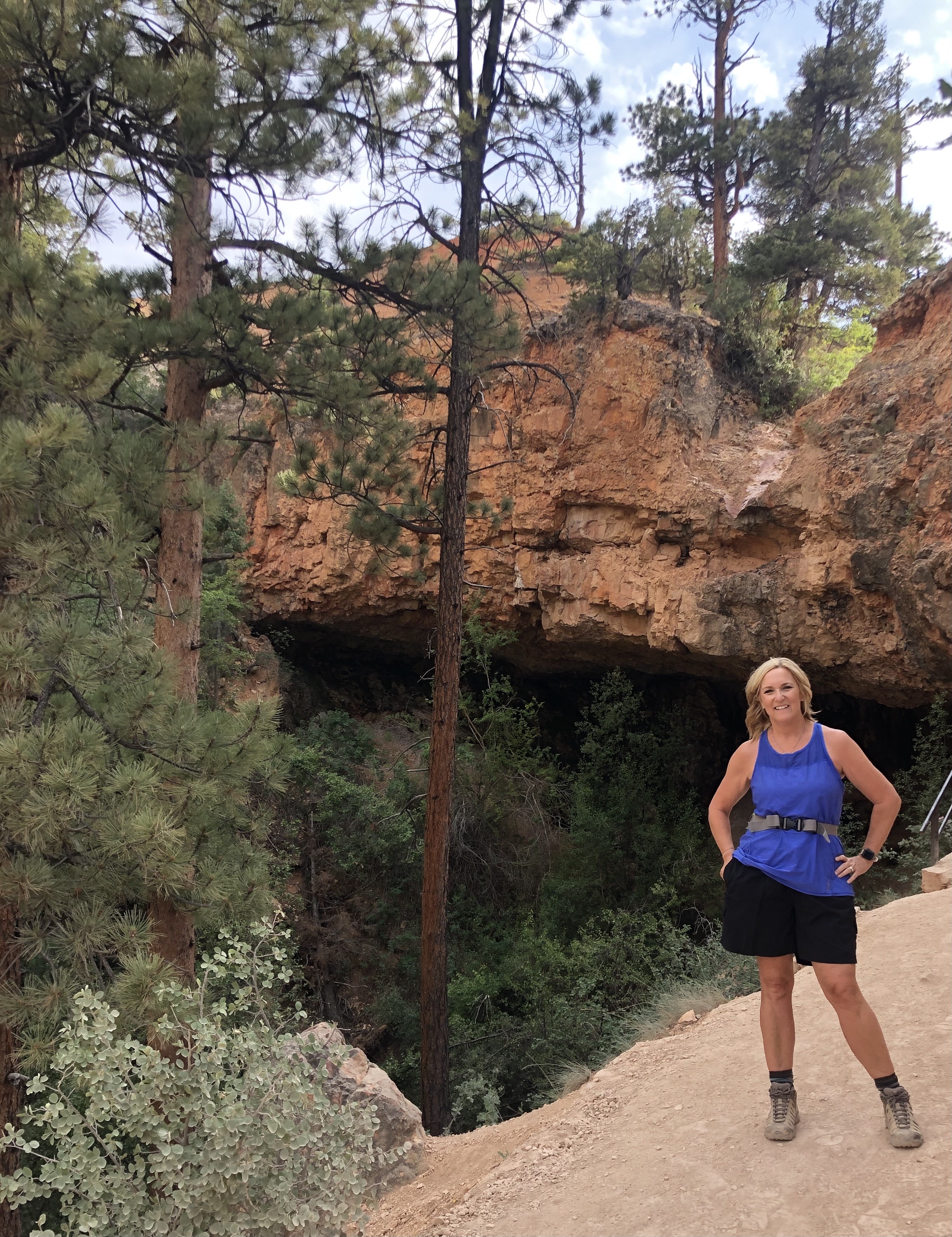
Even though it was very dry we found water at Mossy Cave. The short hike to small waterfall featured a large cave that is covered with icicles in the winter. No ice this time of year, however. In fact, many people were playing in the water. We skipped that.

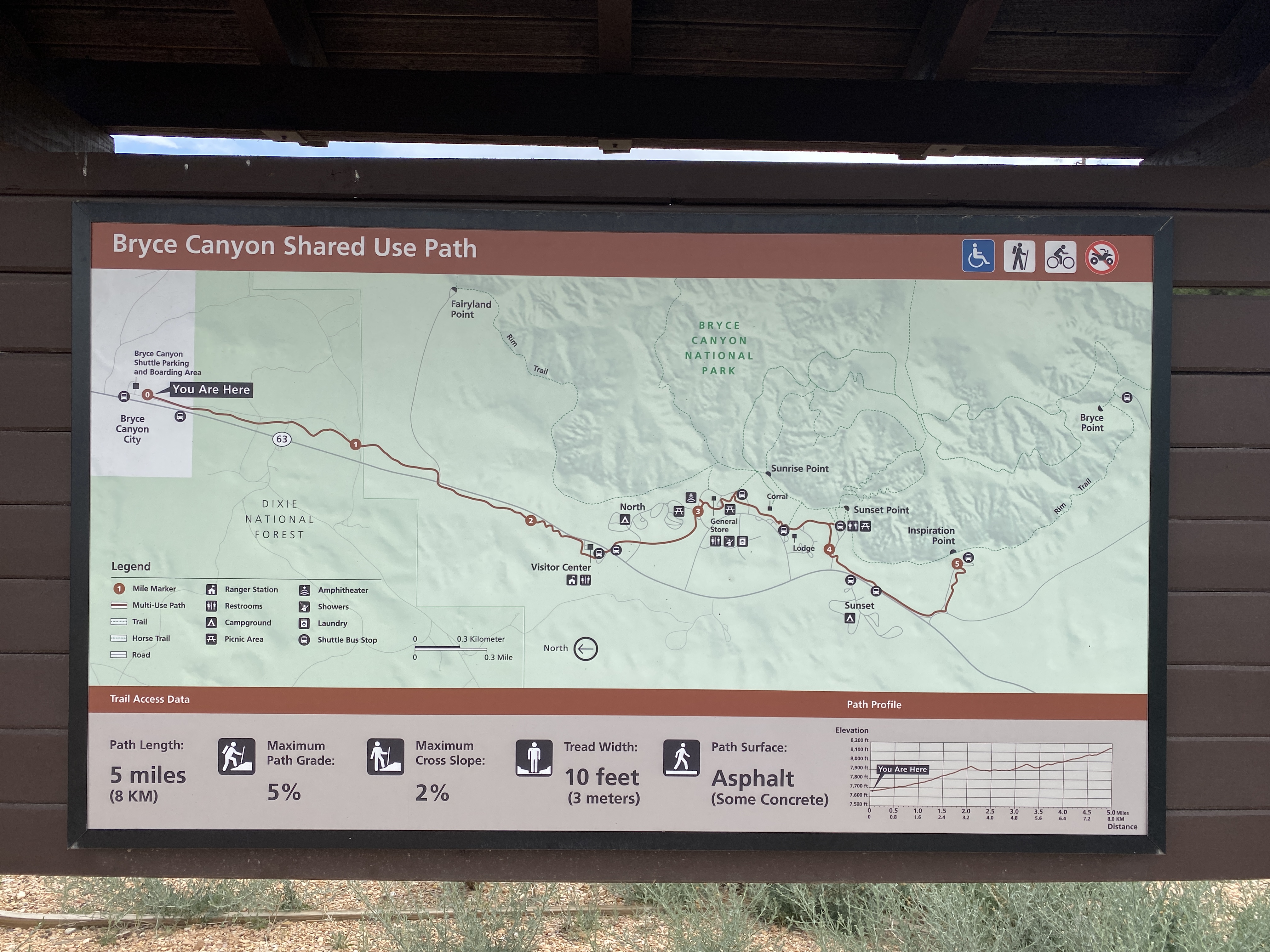
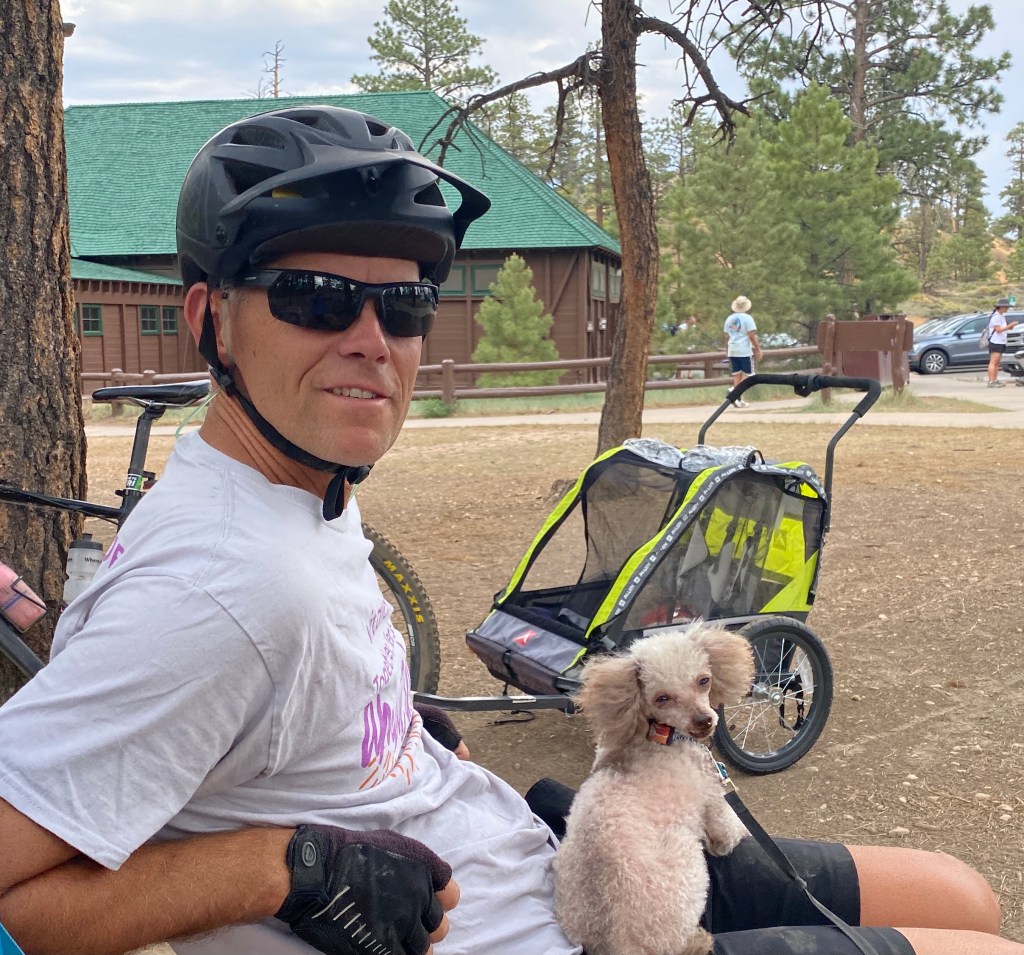
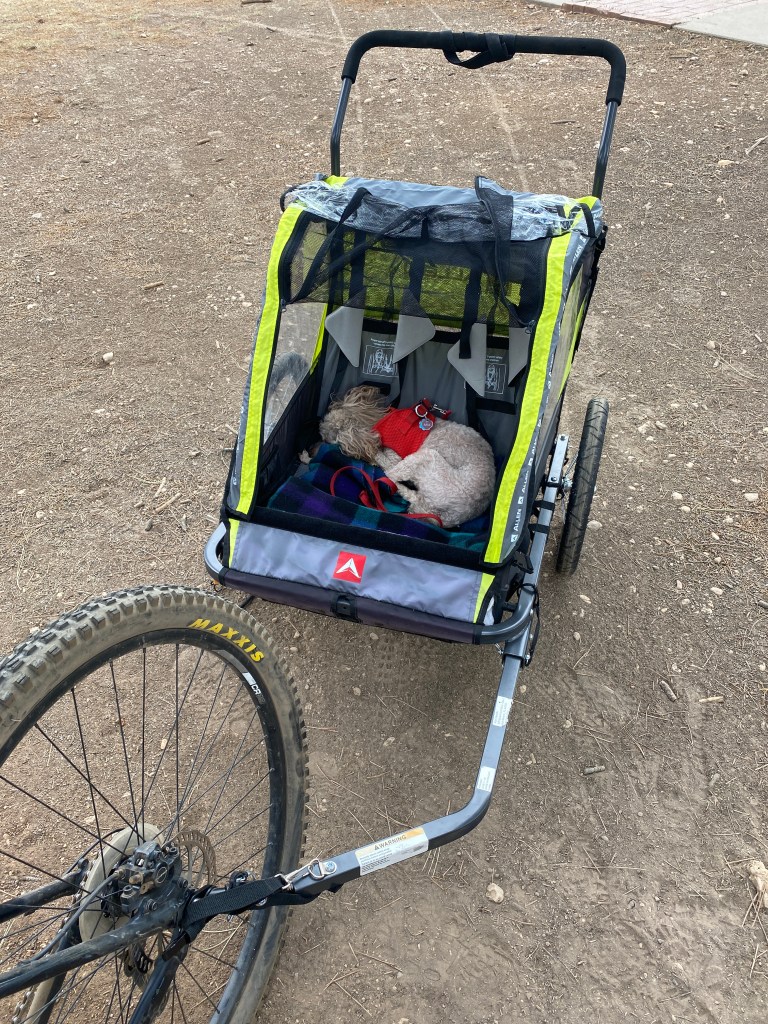
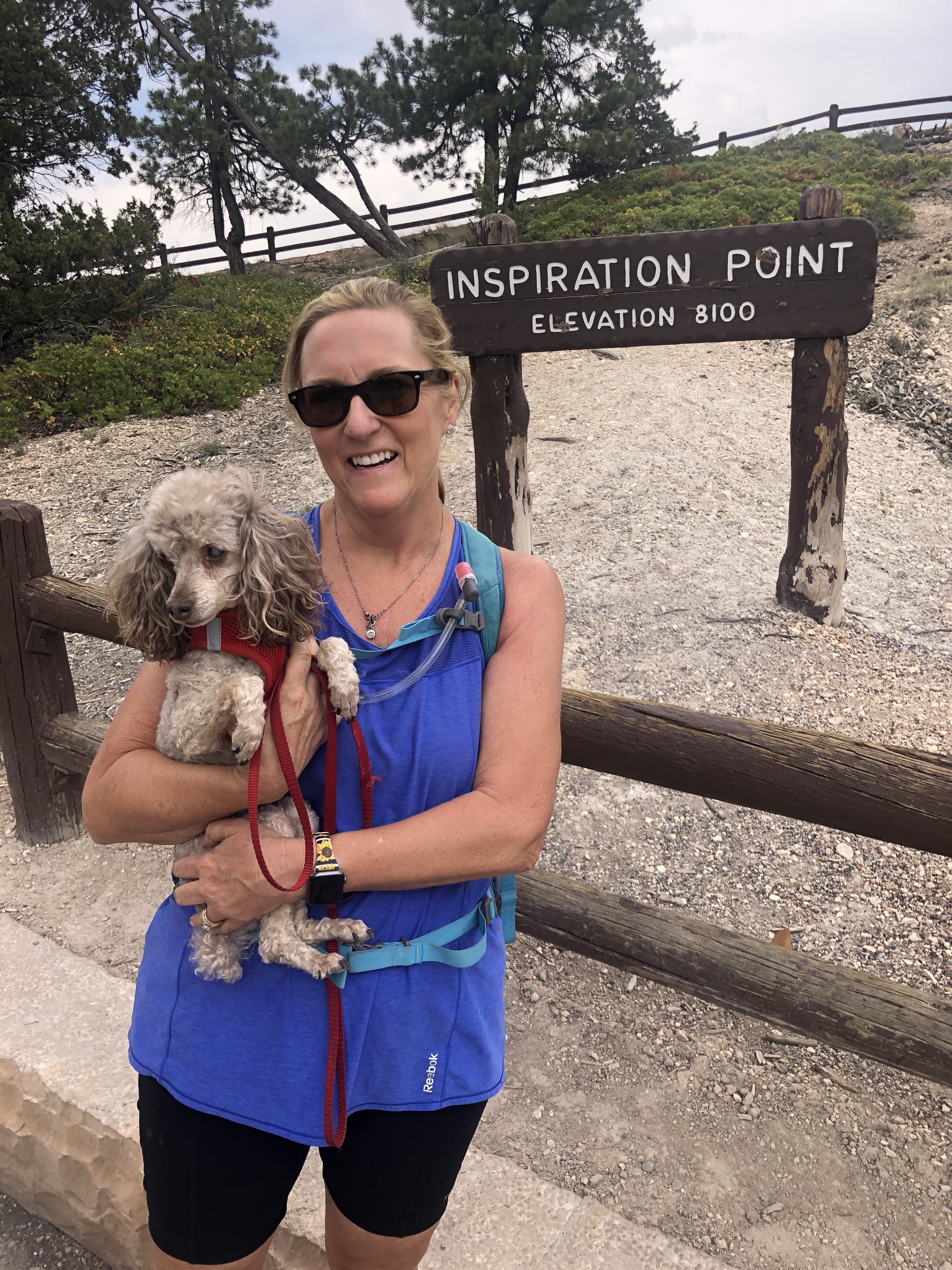
One of the most appealing features in Bryce Canyon is the five mile shared-use path that runs from outside the park to Inspiration Point. We loaded up the bikes, hitched up the dogs, and pedaled the path through the forest and into the park to see the sights from another perspective.

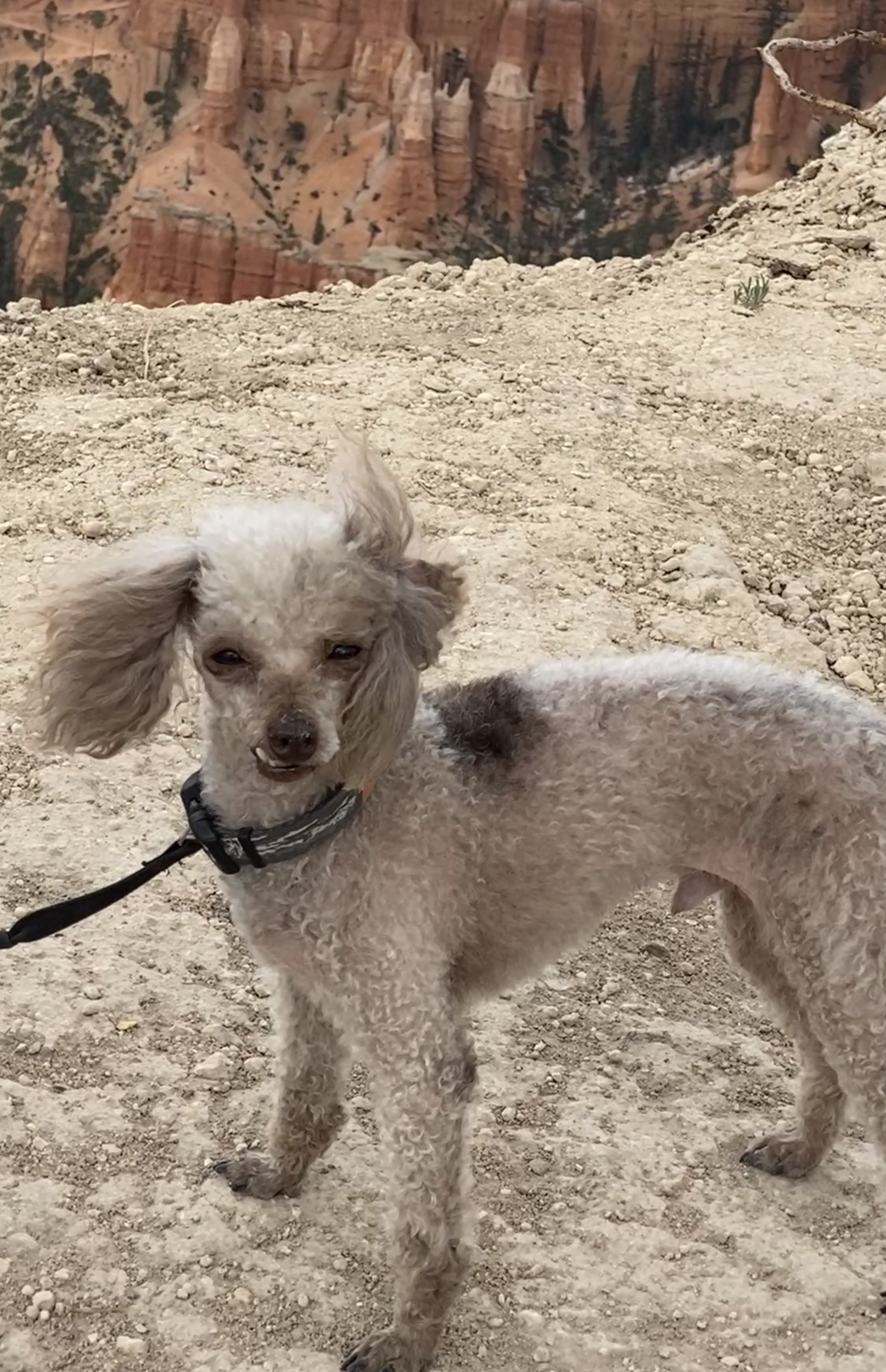
Along the way we could see the canyon rim, the lodge, and other park features. The dogs really seemed to enjoy it. Mia, in fact, slept most of the way!

Bryce Canyon National Park is one not to miss, even though it’s not massive. You can probably do the park in a day or two, but don’t rush. The incredible views change with the time of day and with the weather. That’s why we hope to return during a different season to see it again.