The Smokies and Knoxville

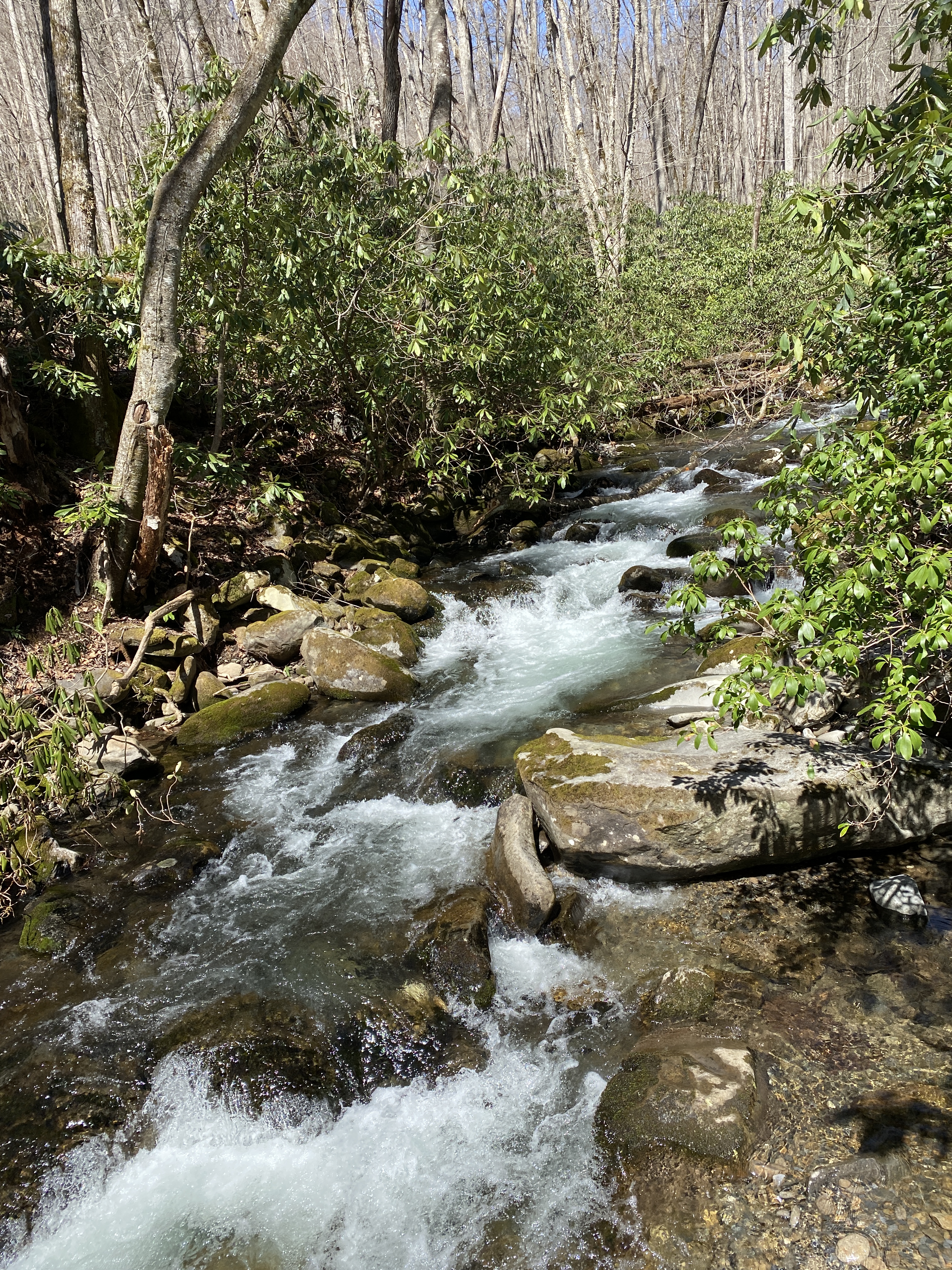
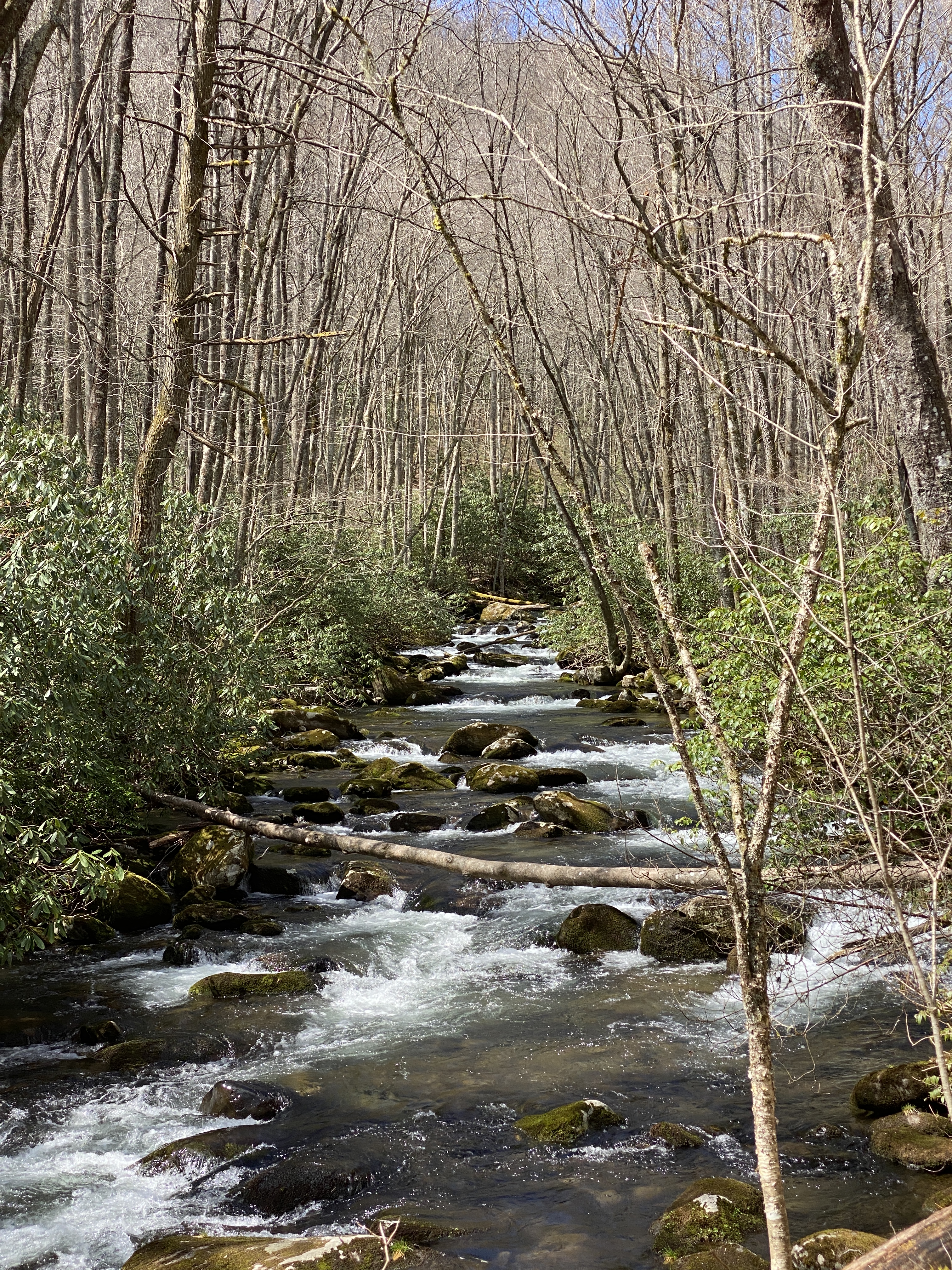
We crossed another National Park off the list this week with a wonderful visit to Great Smoky Mountains National Park (GSMP). It’s a big place that could have kept us busy for months and months. Over 800 miles of hiking trails, including a portion of the Appalachian Trail (AT), hundreds of historic sites, and innumerable streams and rivers make this one of the most beautiful parks we’ve seen. 
They say GSMP is defined by the 3 Ws: Wildlife, Wildflowers, and Waterfalls. We would add one more letter to the description: C for crowds. Even in the off season, which is what March is considered, the crowds at the popular sites were large. We can’t even imagine what it would be like in the peak seasons of summer and fall. It’s no wonder it’s the nation’s busiest national park…1/3 of the US population lives within a days drive of its borders. 
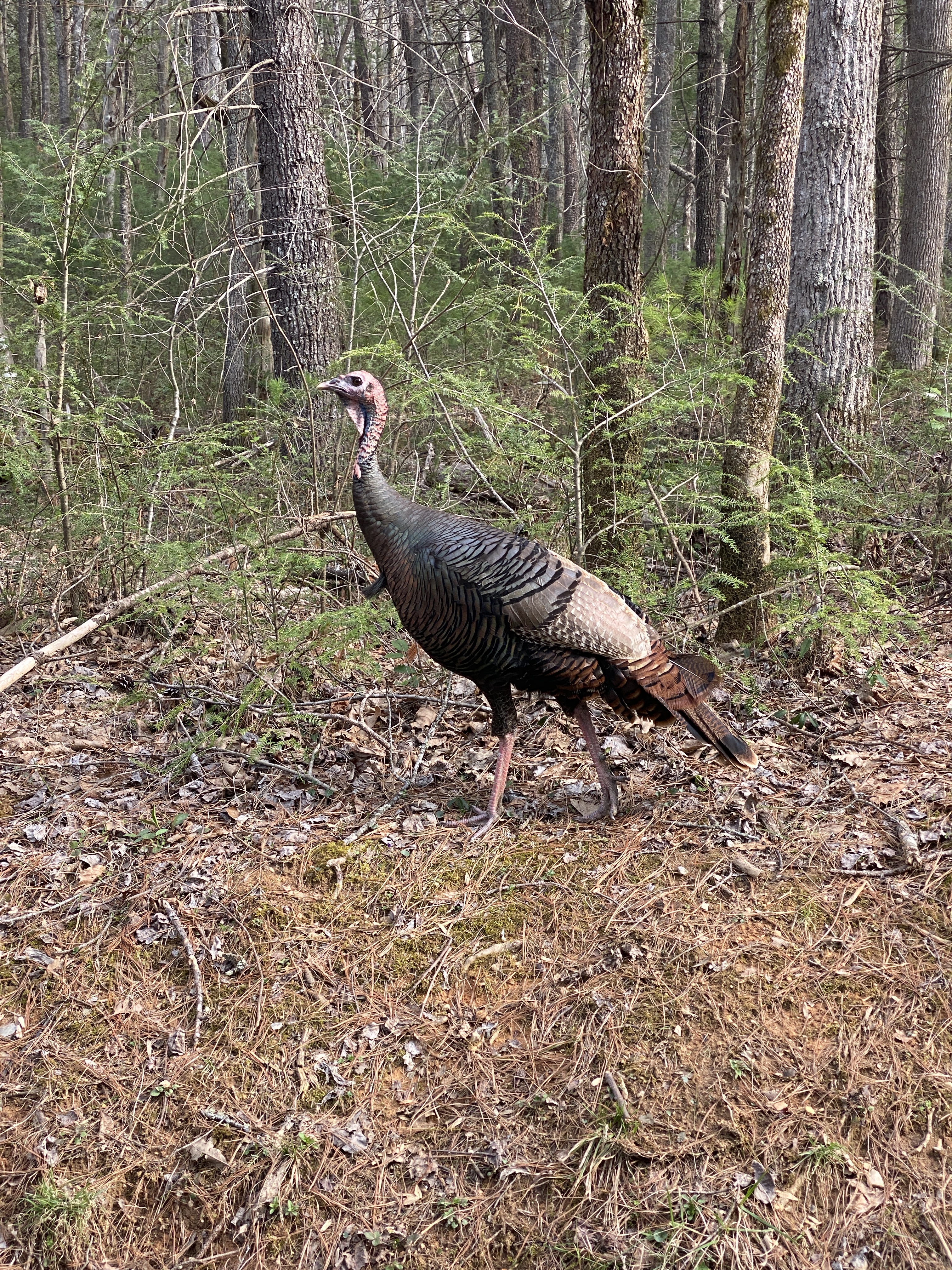
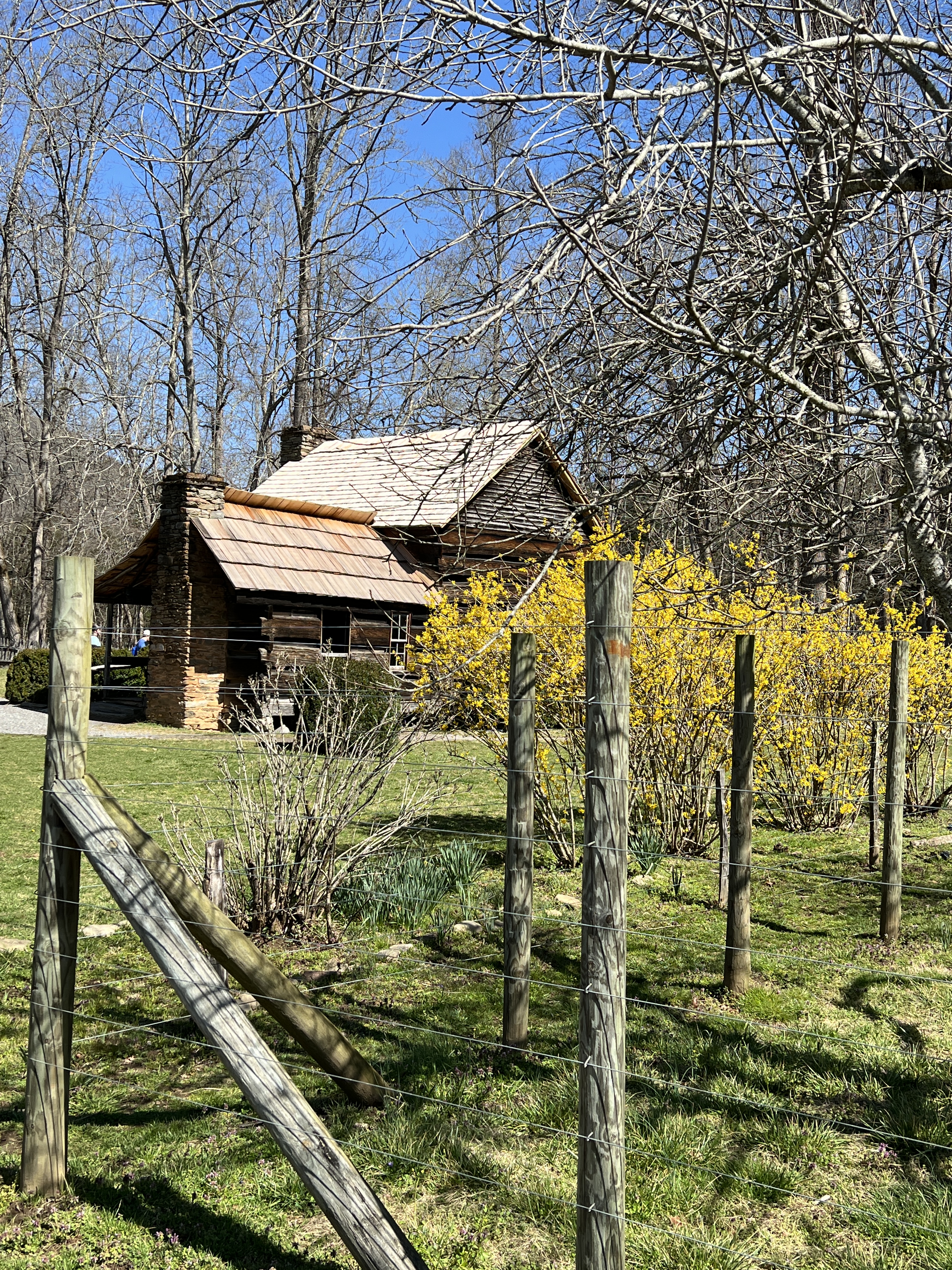
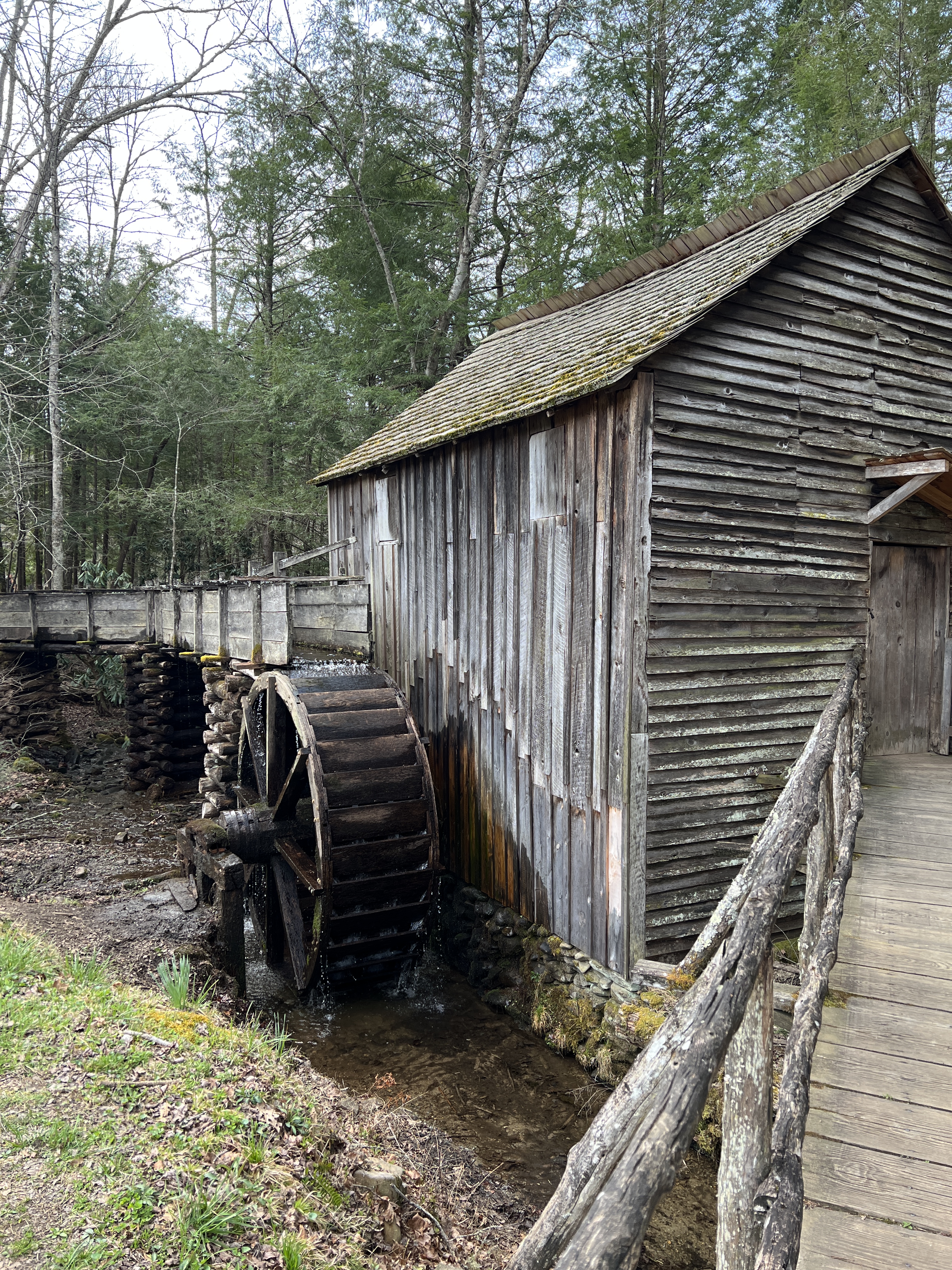
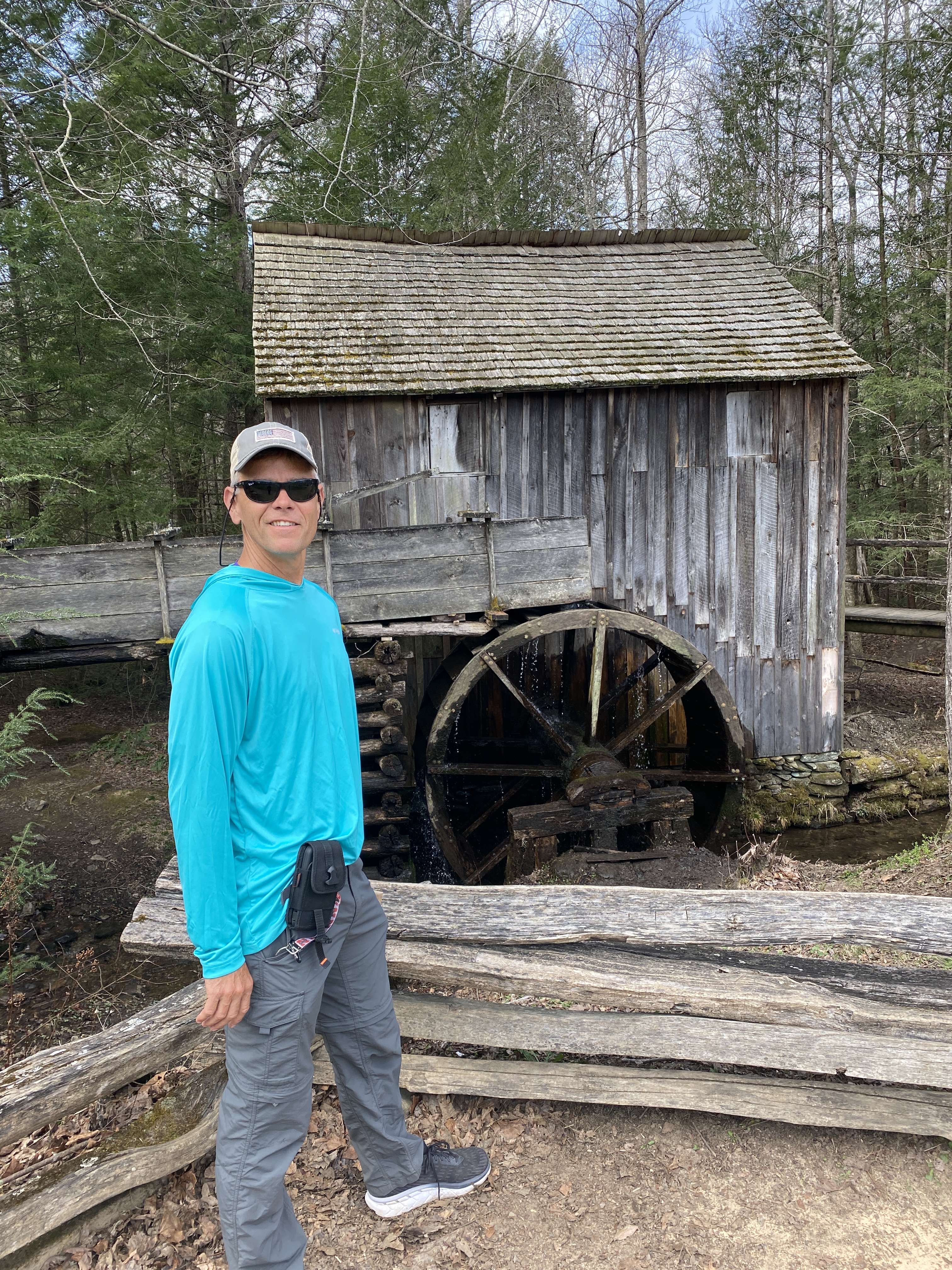
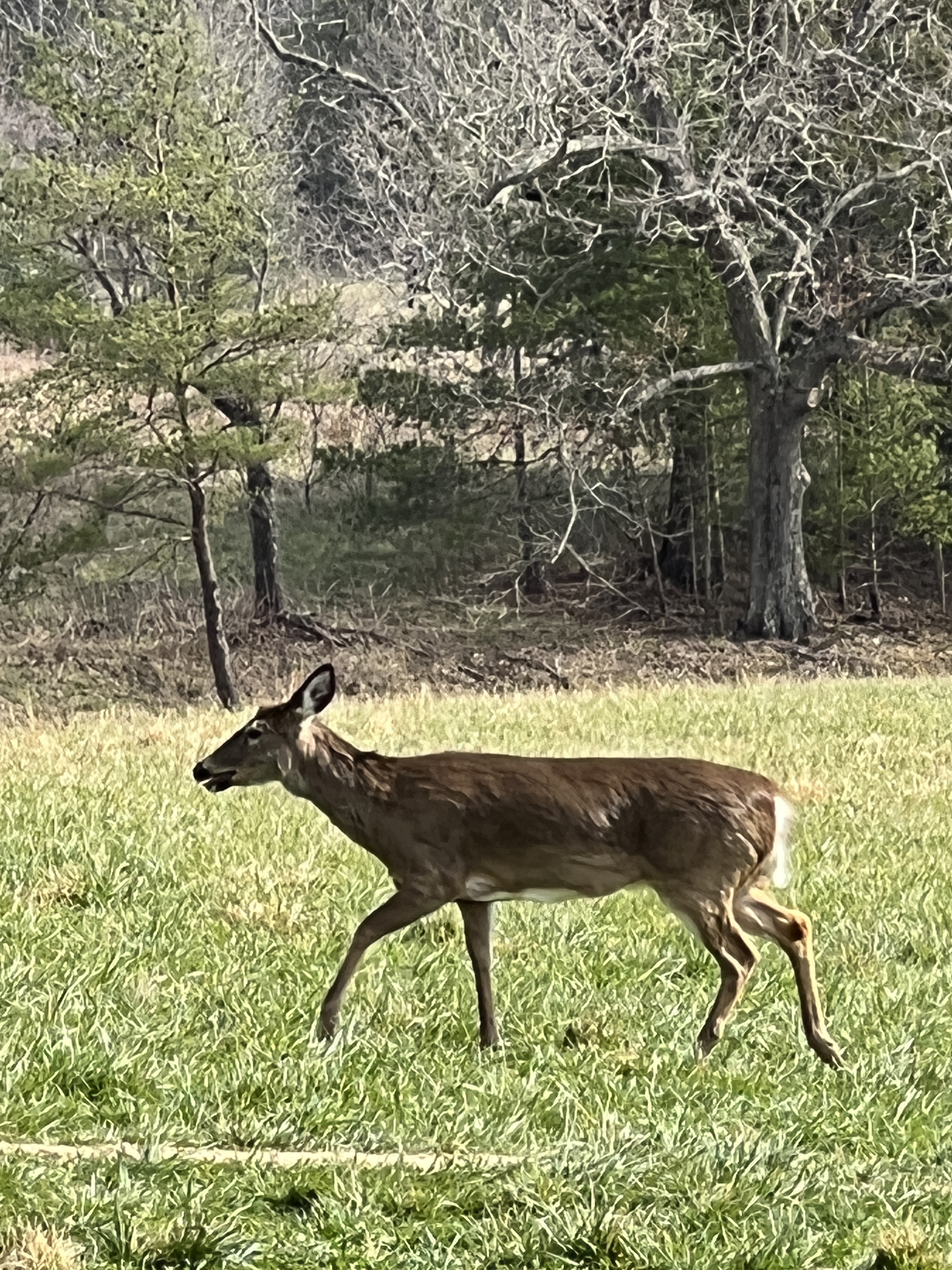
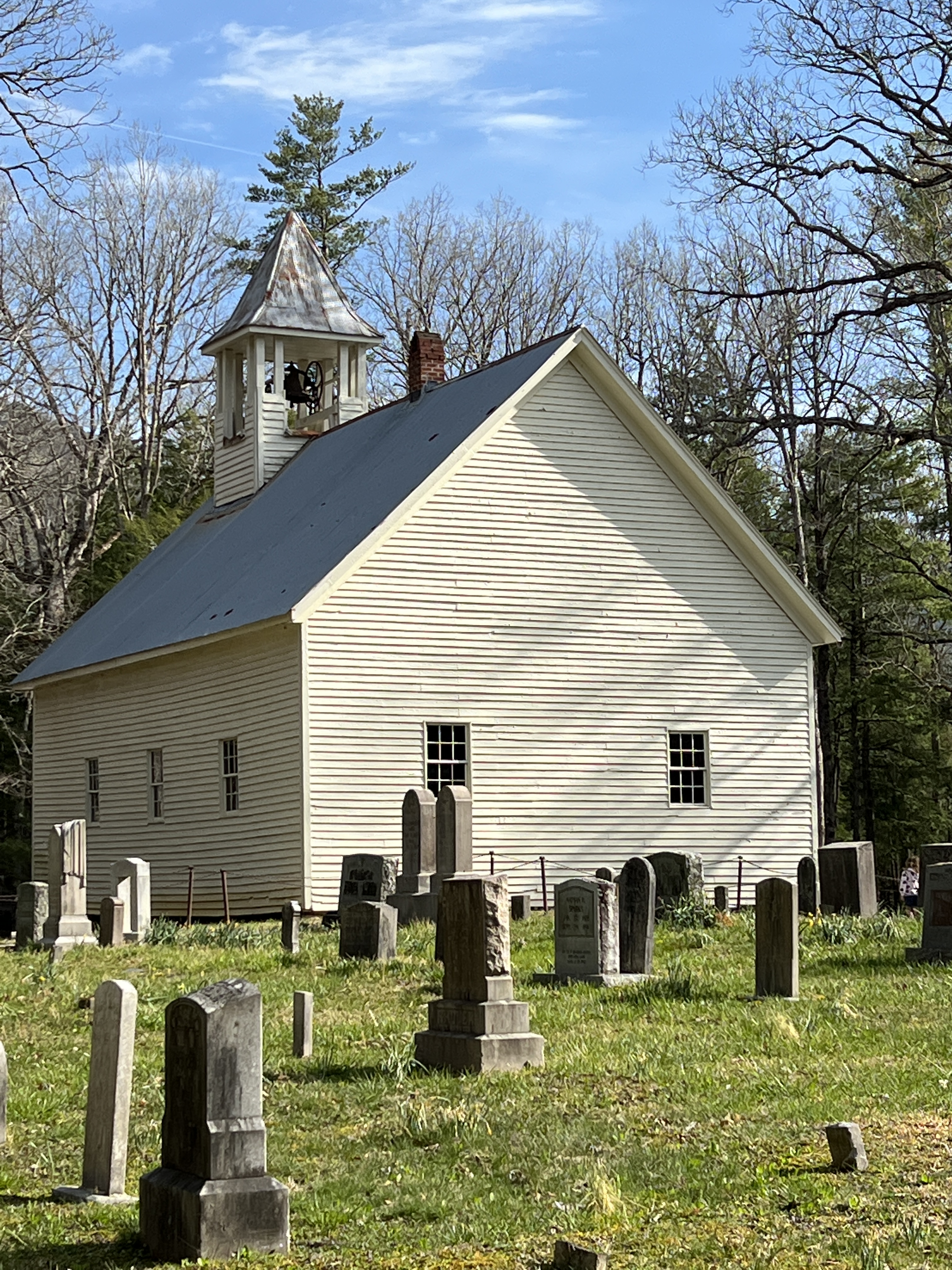
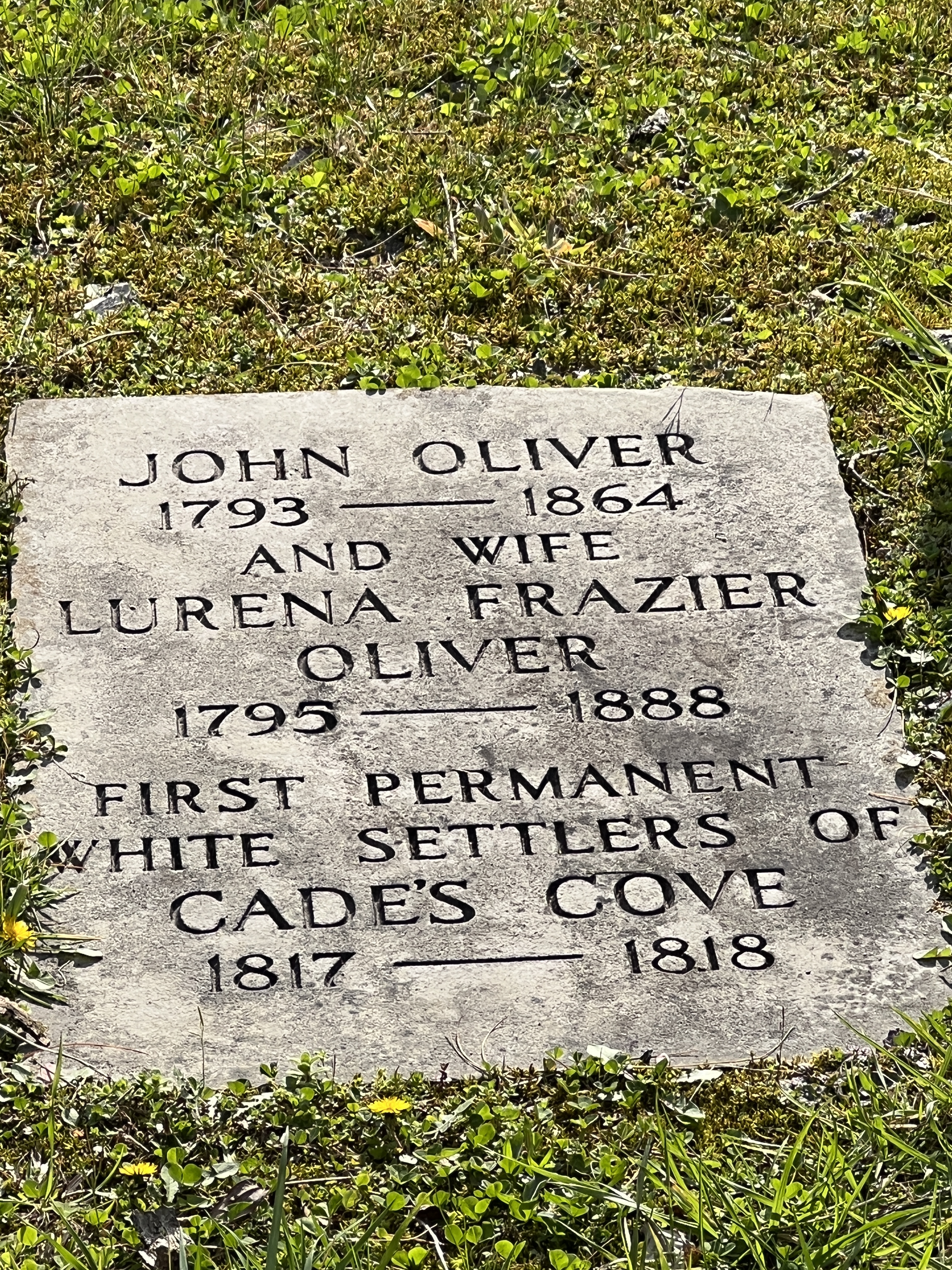
On one day we explored Cades Cove, a verdant valley punctuated with historic homes and churches, abundant wildlife, and beautiful scenery. We drove the 11 mile loop road, stopping along the way to learn about the settlers who populated the valley in the early 1800s.
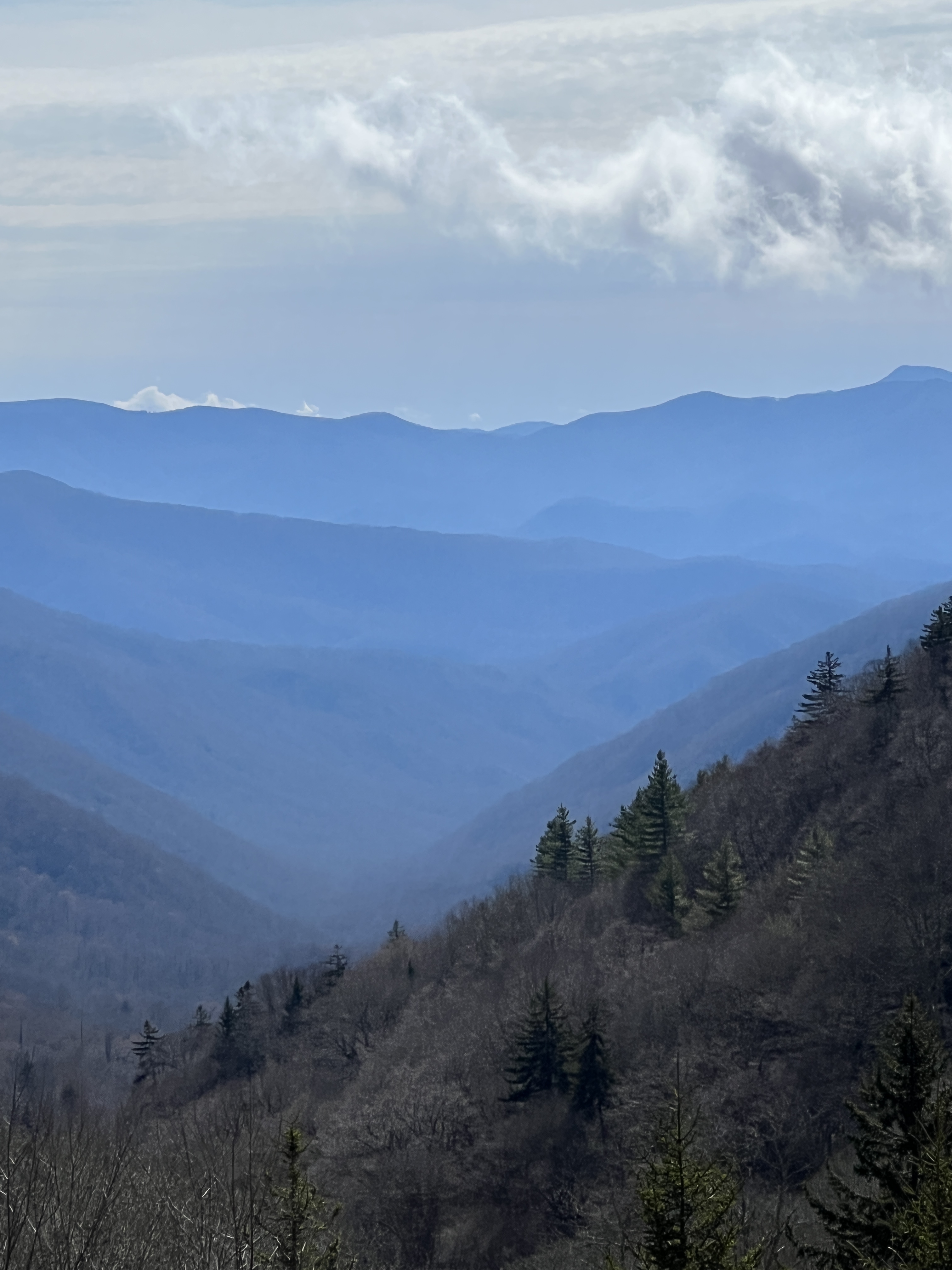
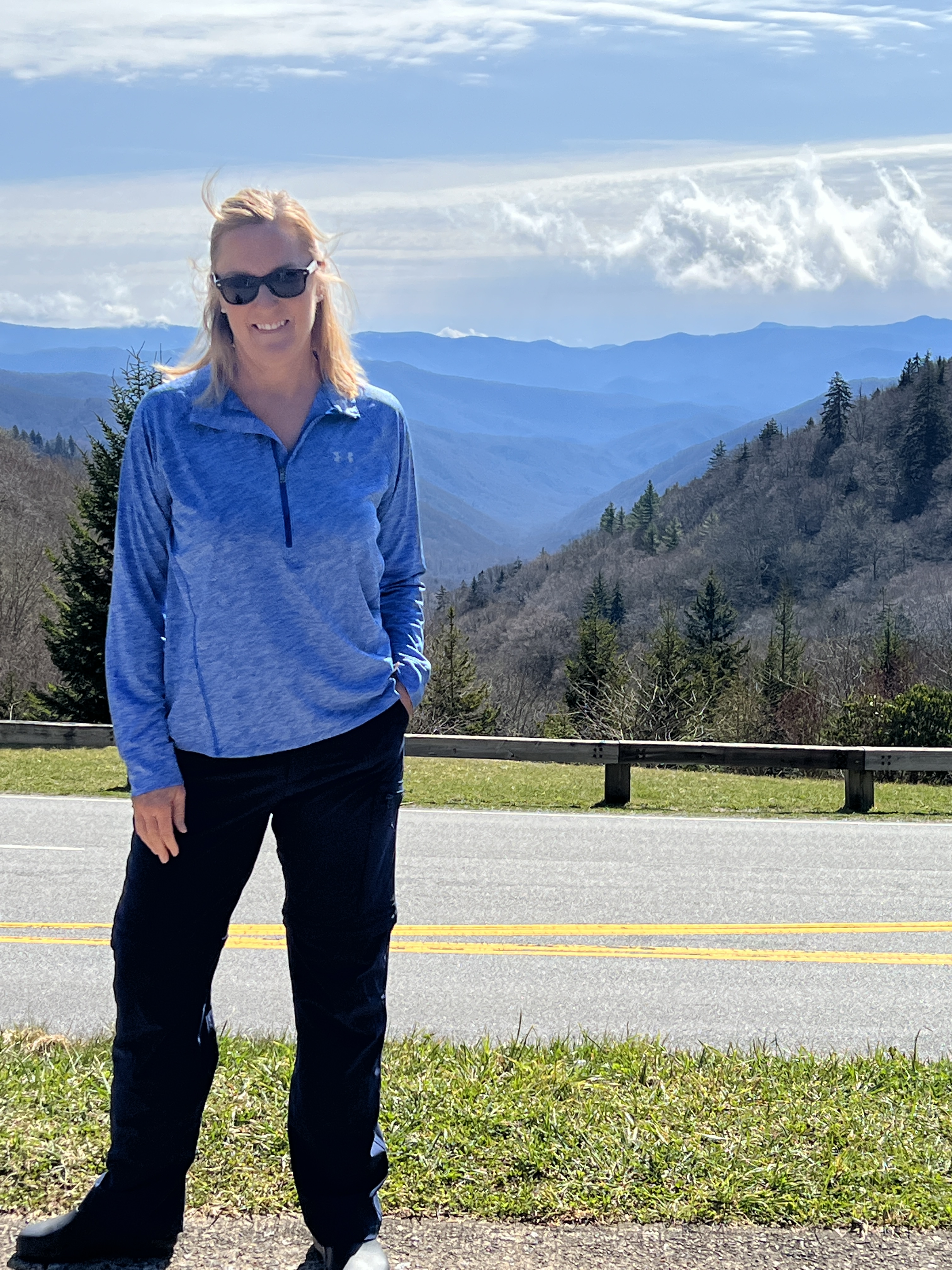
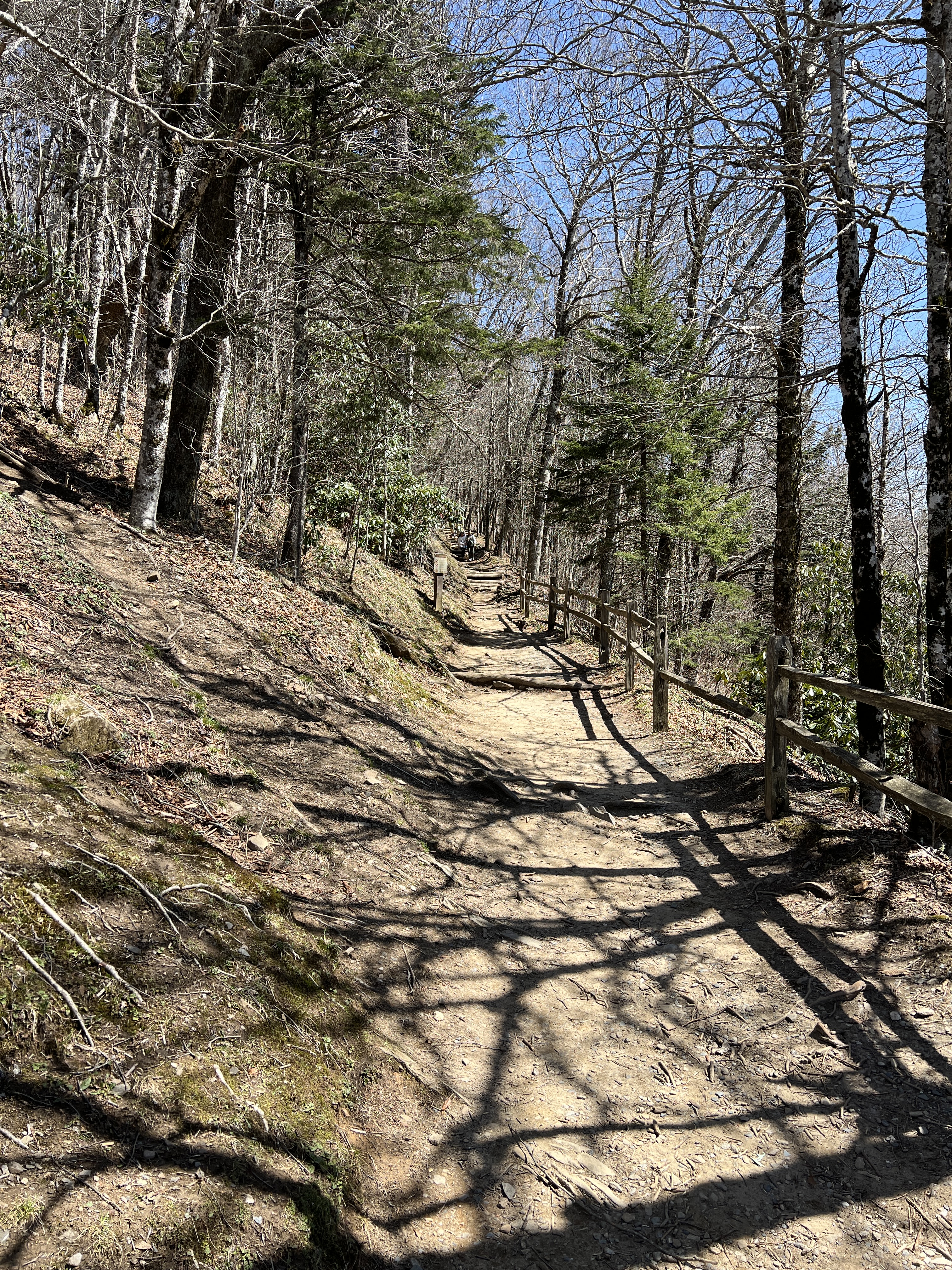
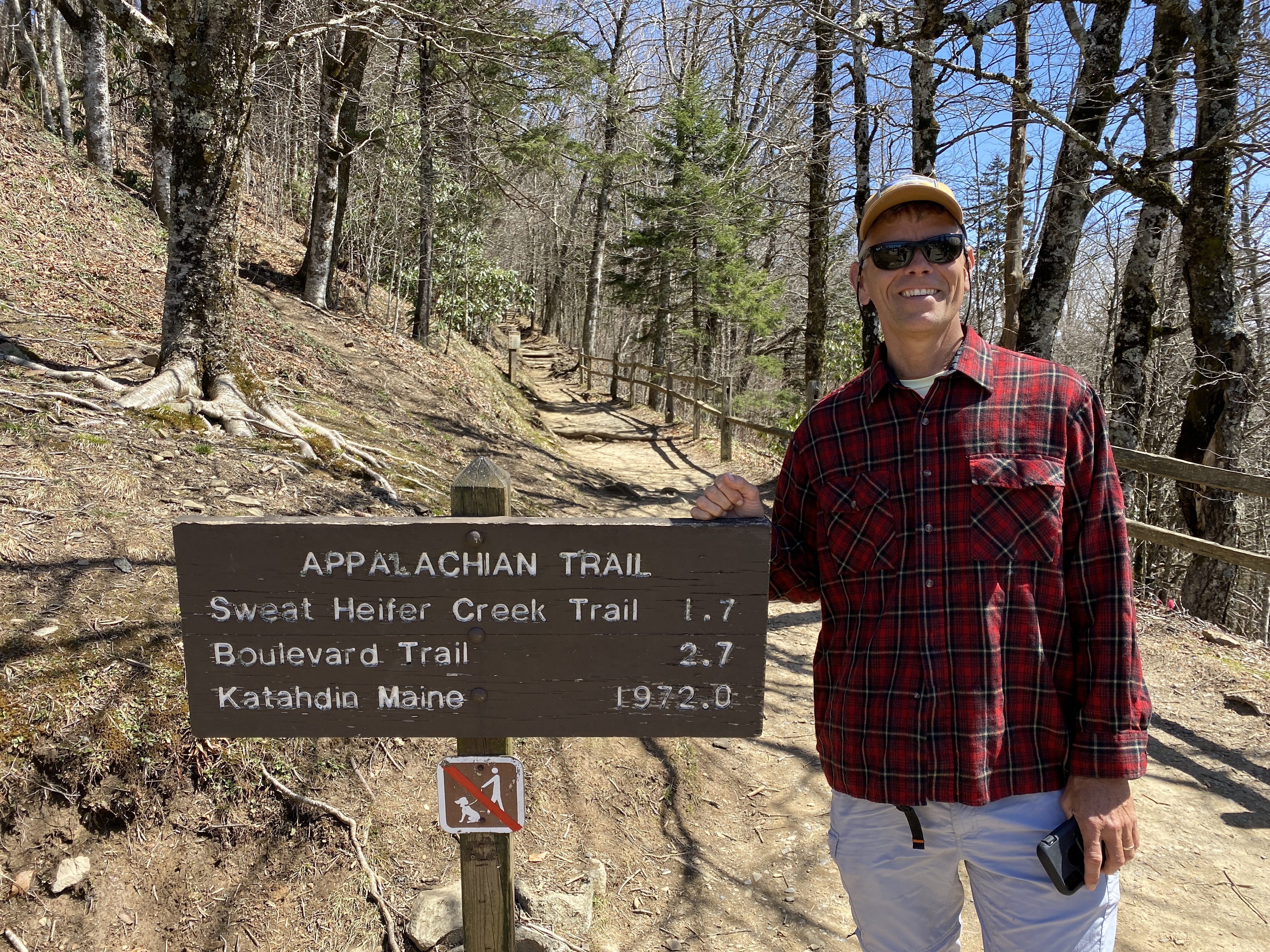
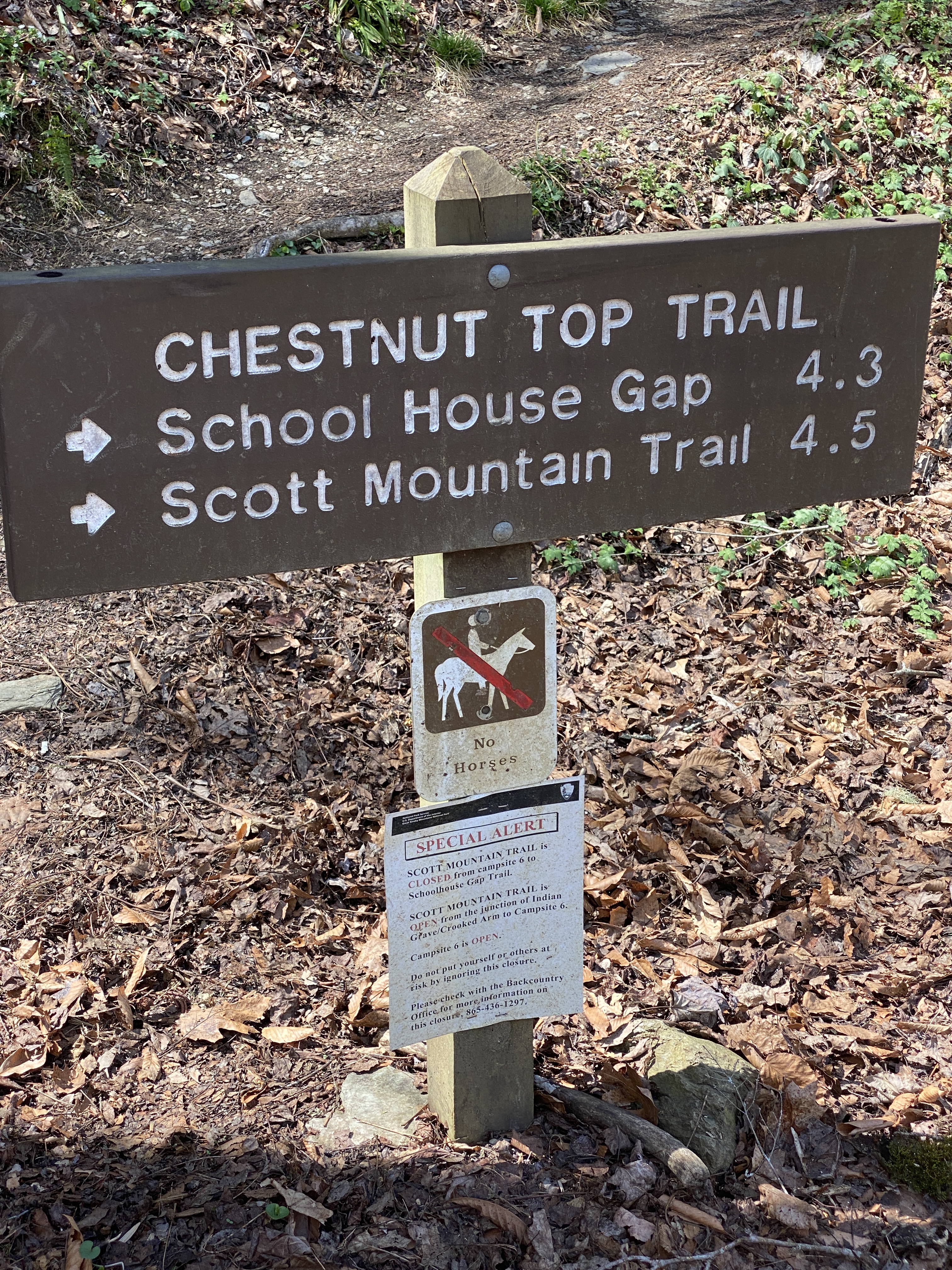
We also spent a day driving the Newfound Gap Road, which crosses the park from Tennessee to North Carolina. The mountain pass reaches an elevation of over 5,000 feet where the road crosses the famed Appalachian Trail. We enjoyed some short hikes along the drive but skipped on the AT (for now). 

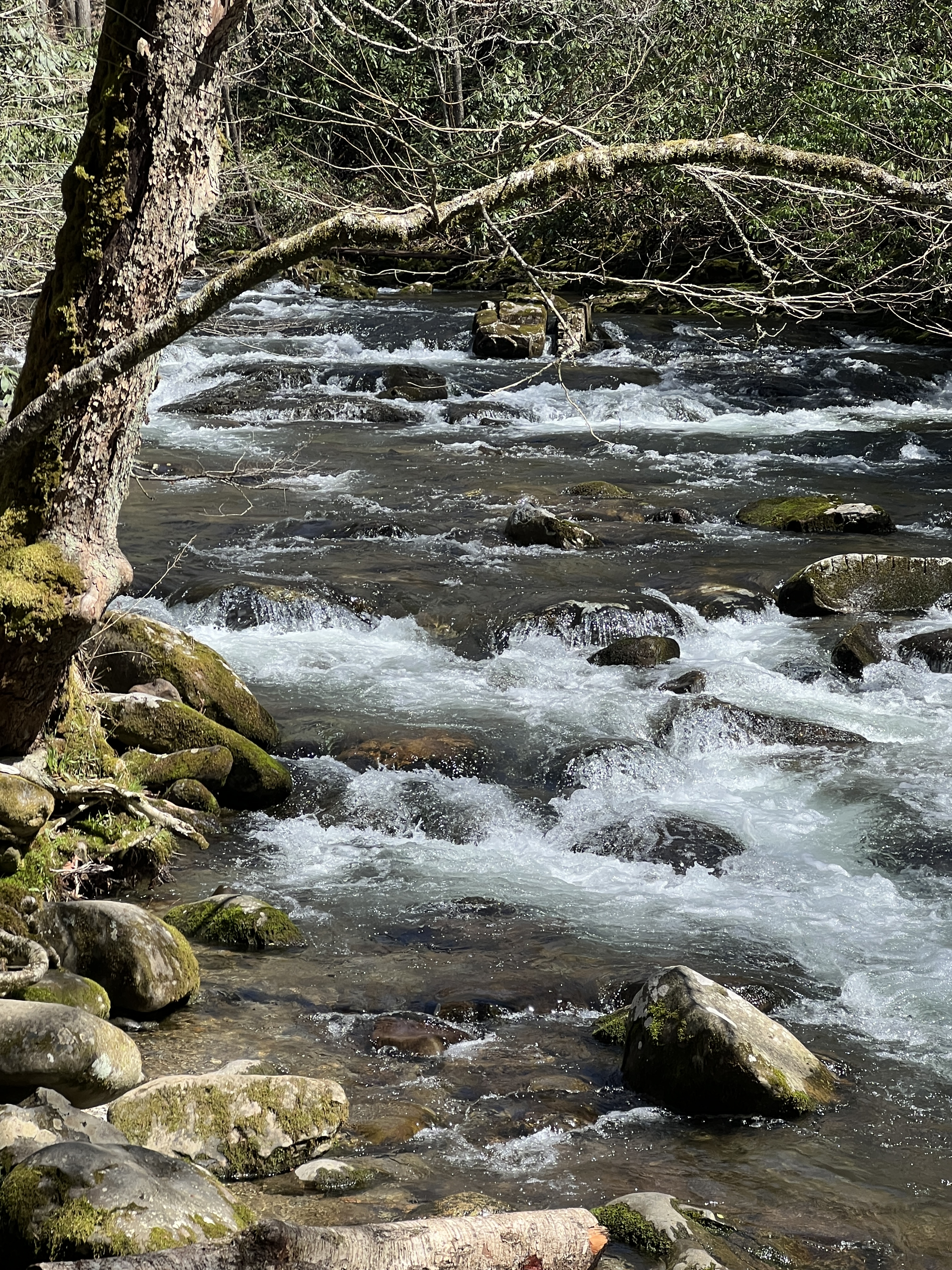
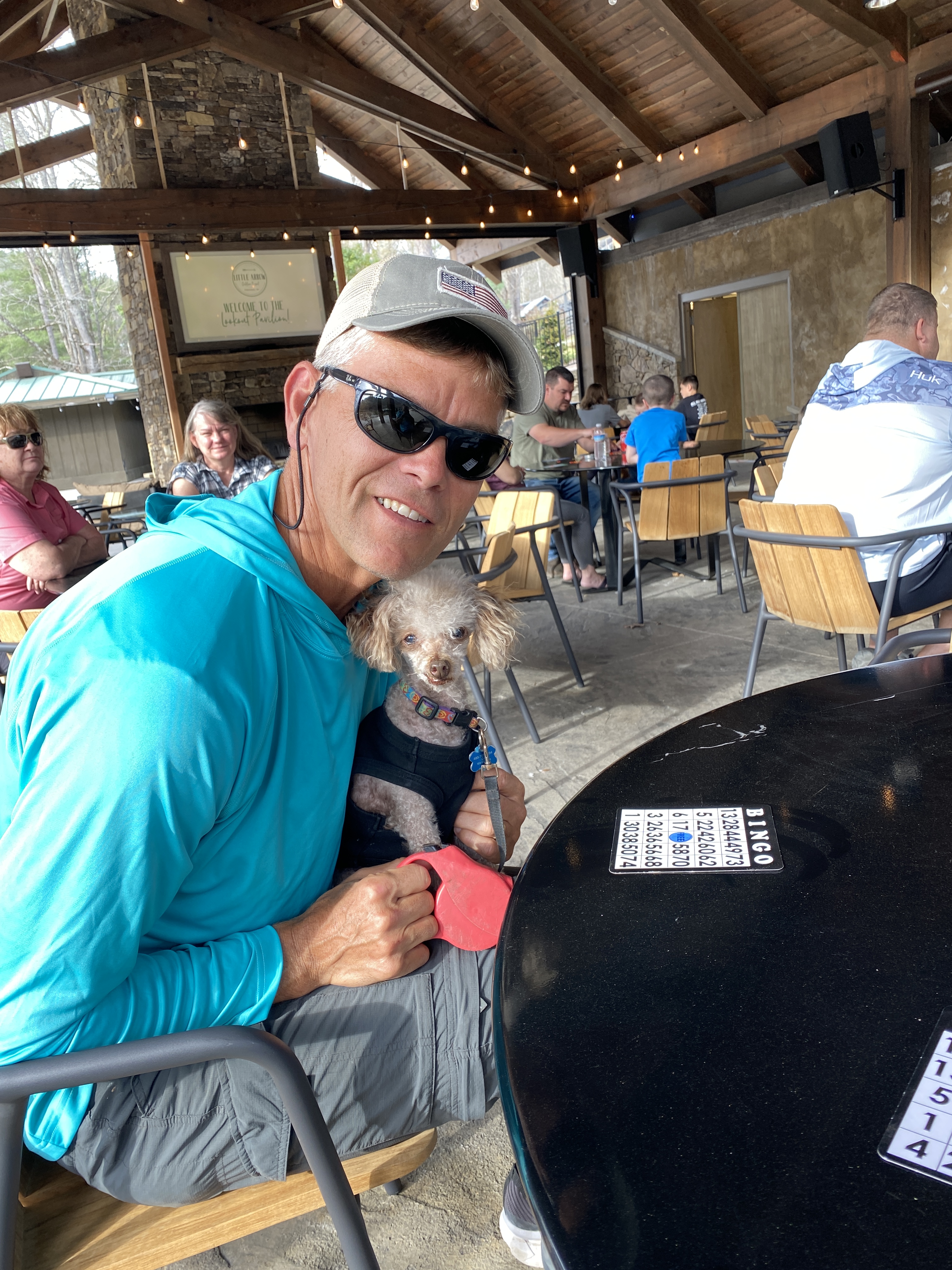
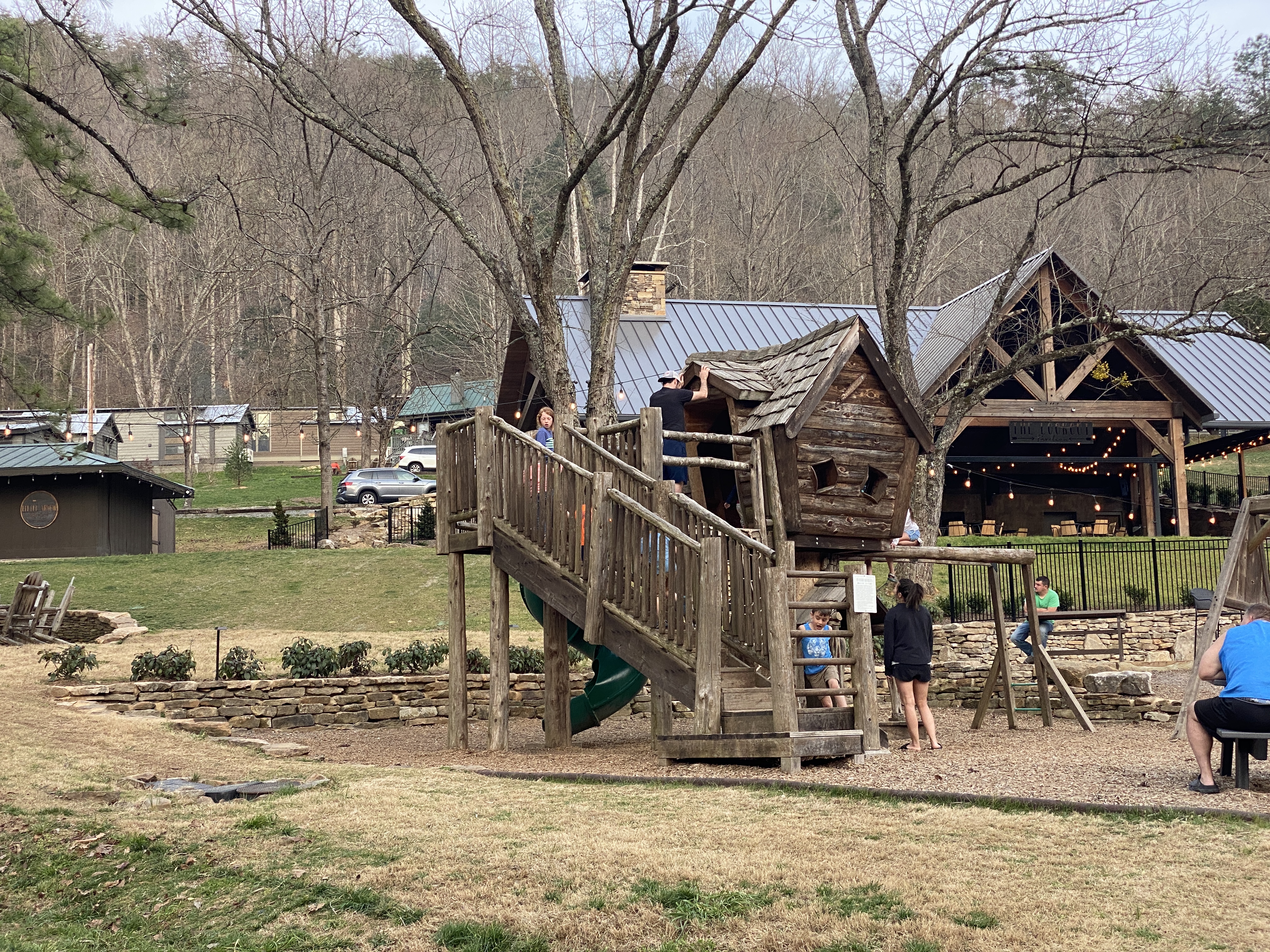
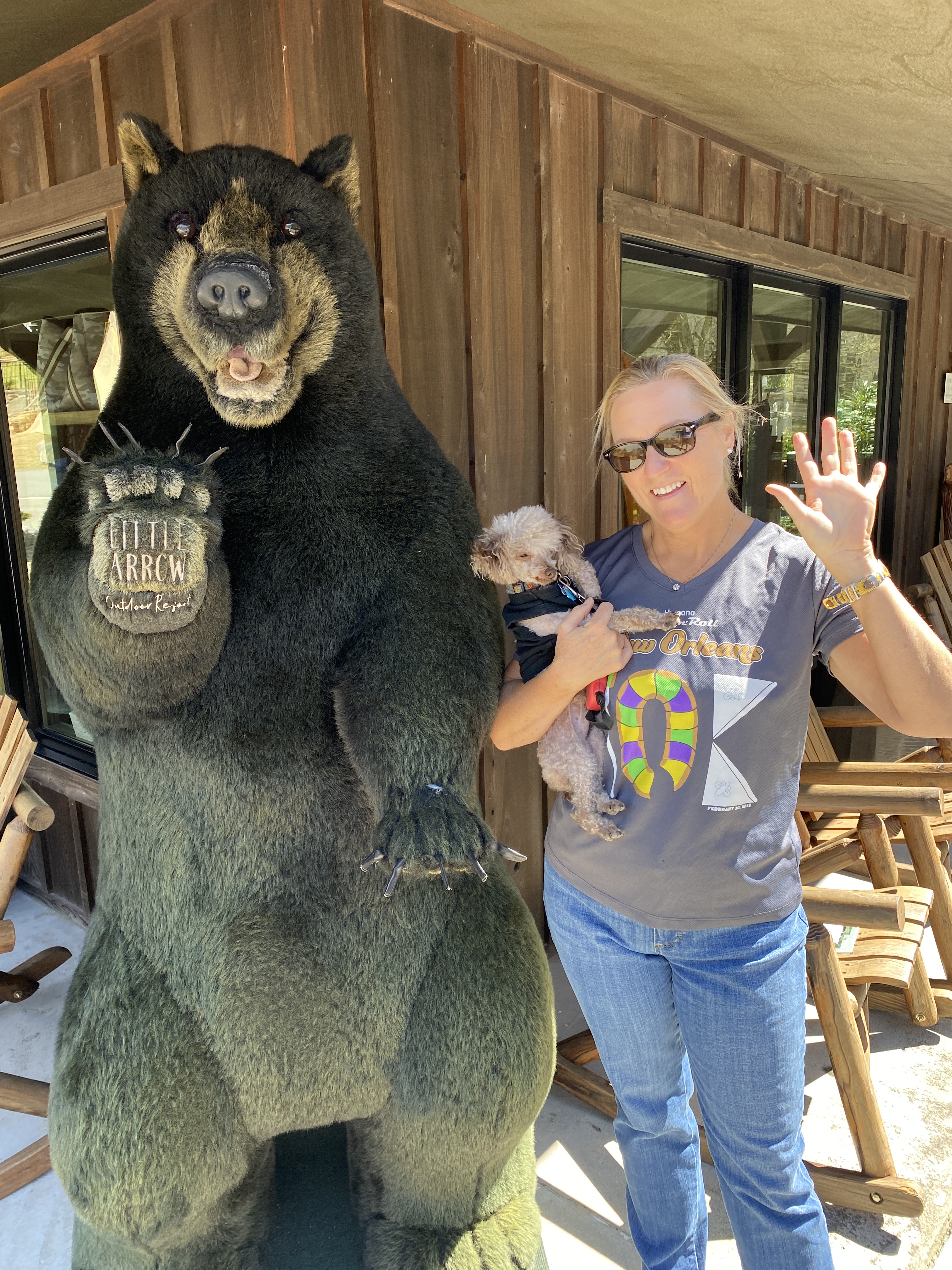
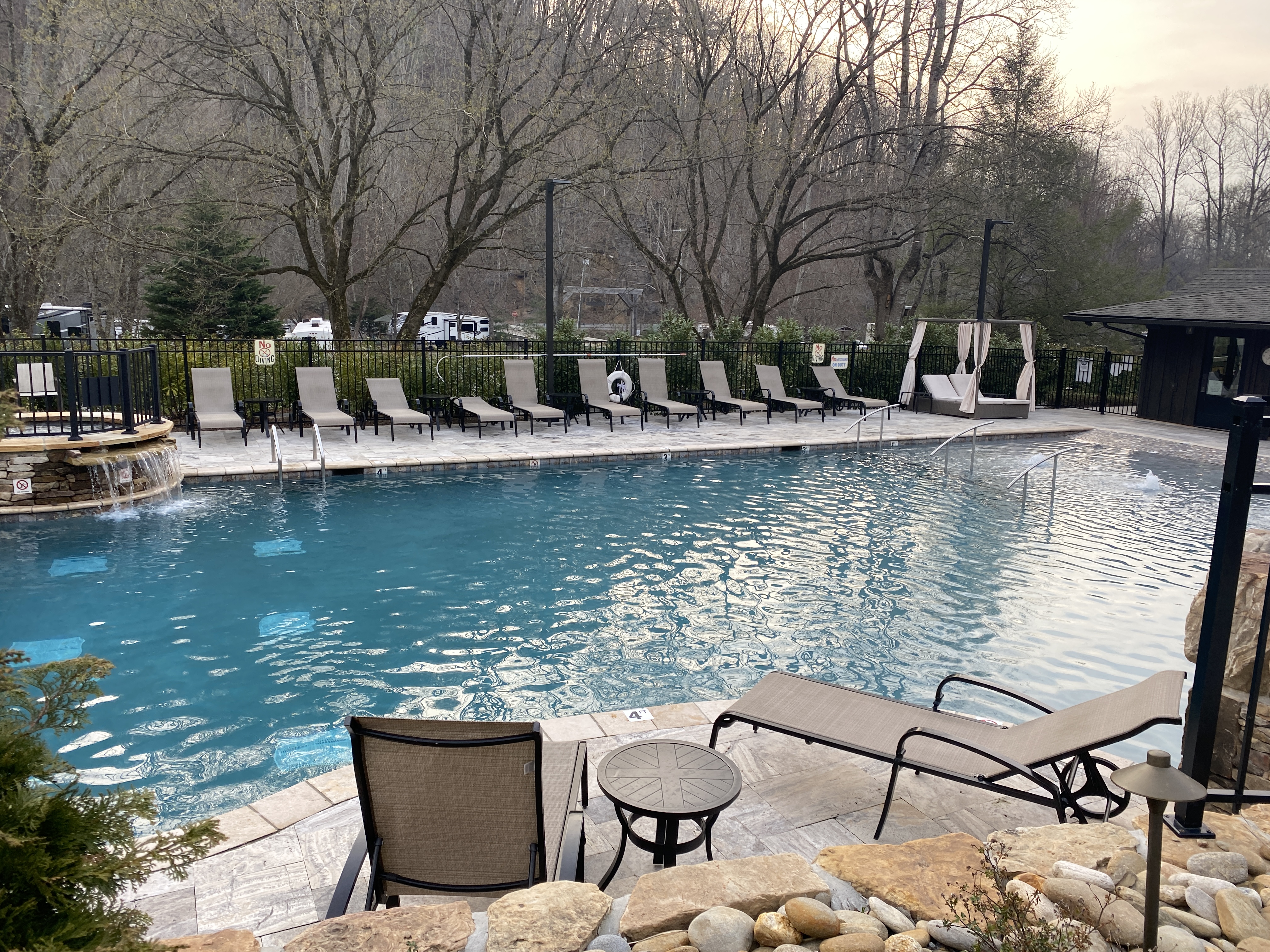
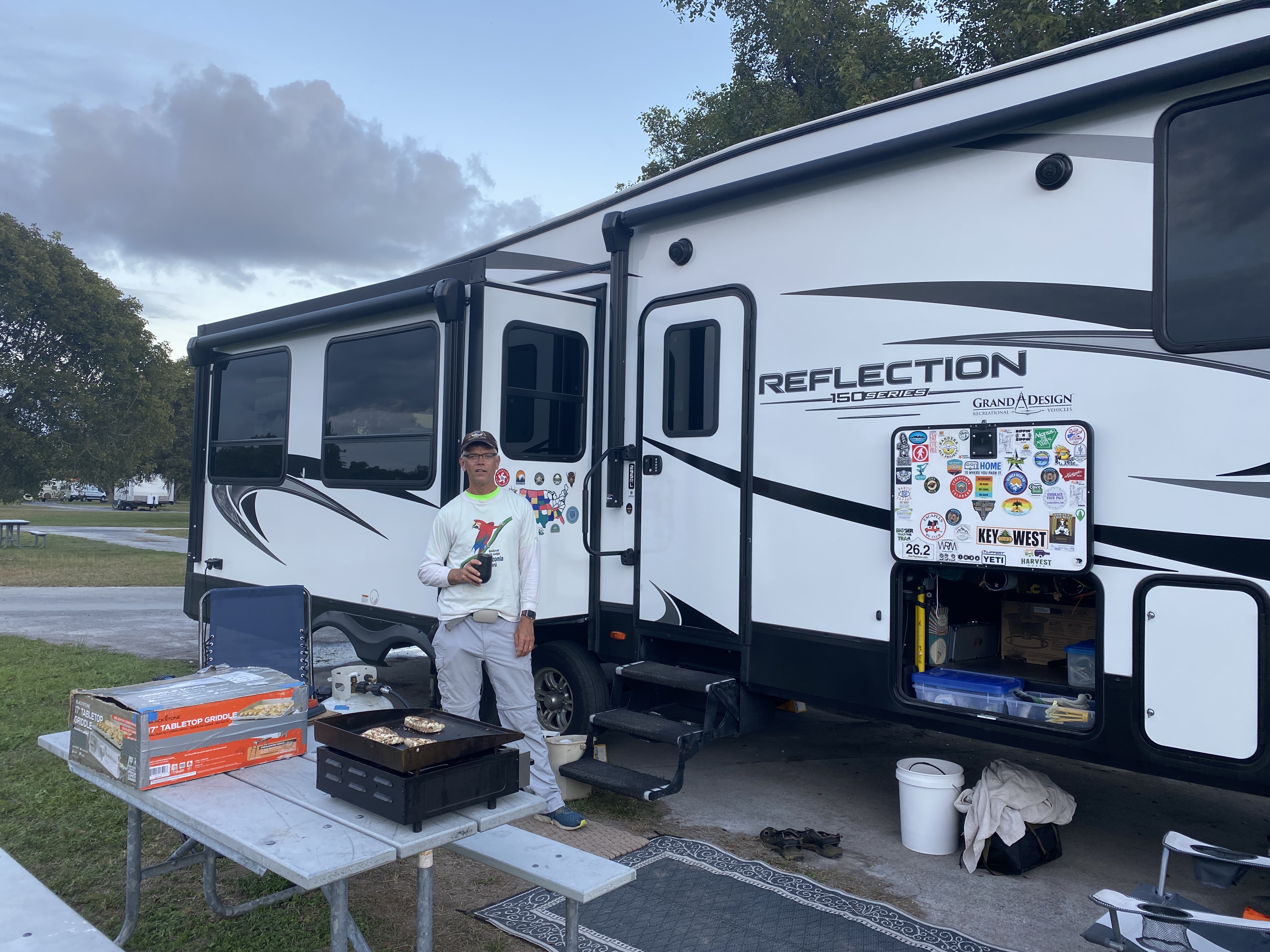
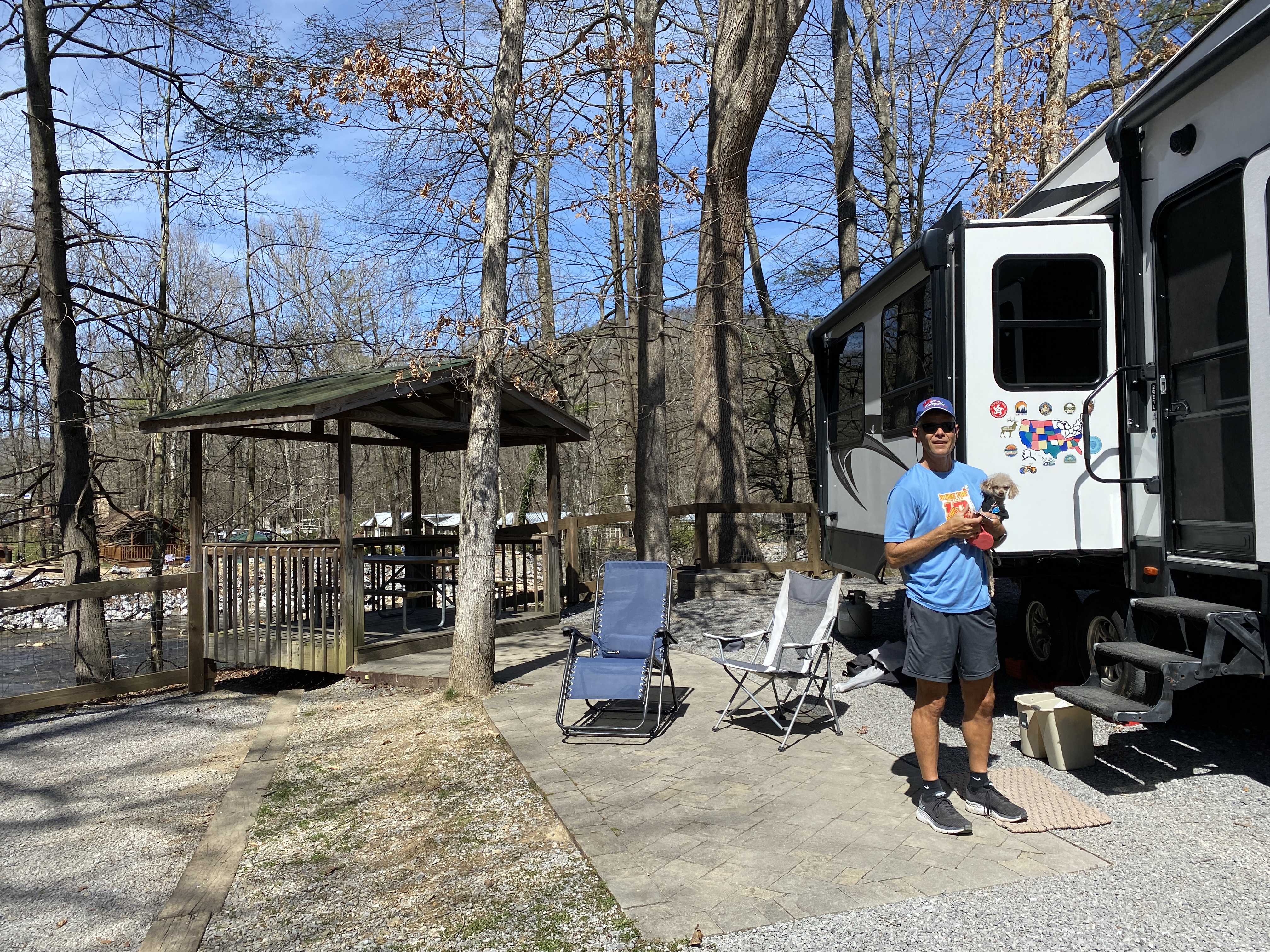
We also spent one day just hanging out at our incredible RV resort, Little Arrow Camping Resort, in Townsend, TN, right outside the entrance to the national park. We had a waterfront site that allowed us to listen to the rushing water right from the rig. Each evening we participated in activities, including Bingo, Trivia, and Smores night around the fire. Bob especially enjoyed the socializing. 
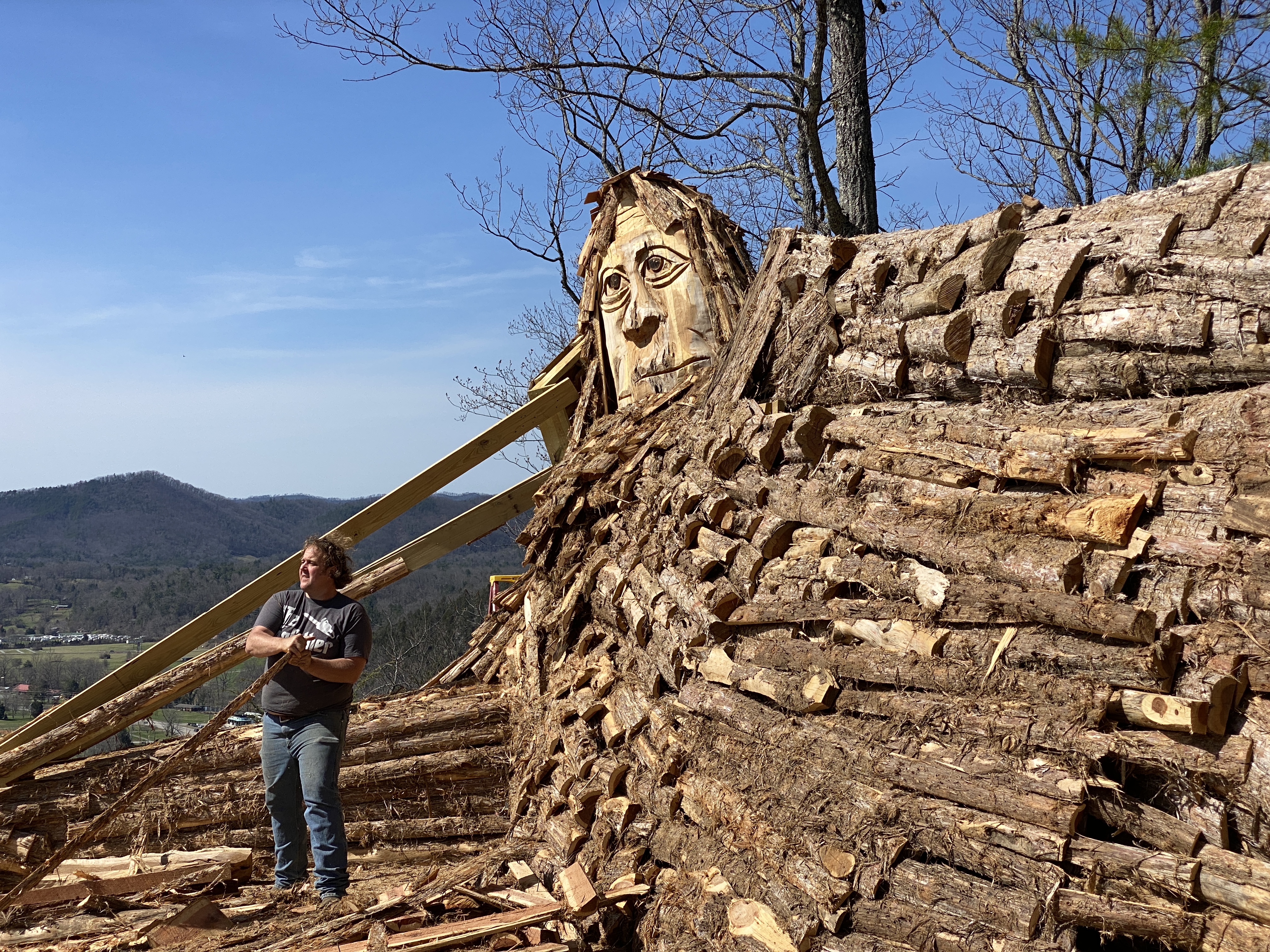
From Little Arrow we were able to hop on several hiking trails. One took us to a viewpoint that overlooks the cute town of Townsend. There a local carver is installing a giant Sasquatch, and we were able to chat with him about his work and admire the grandeur of the piece. 
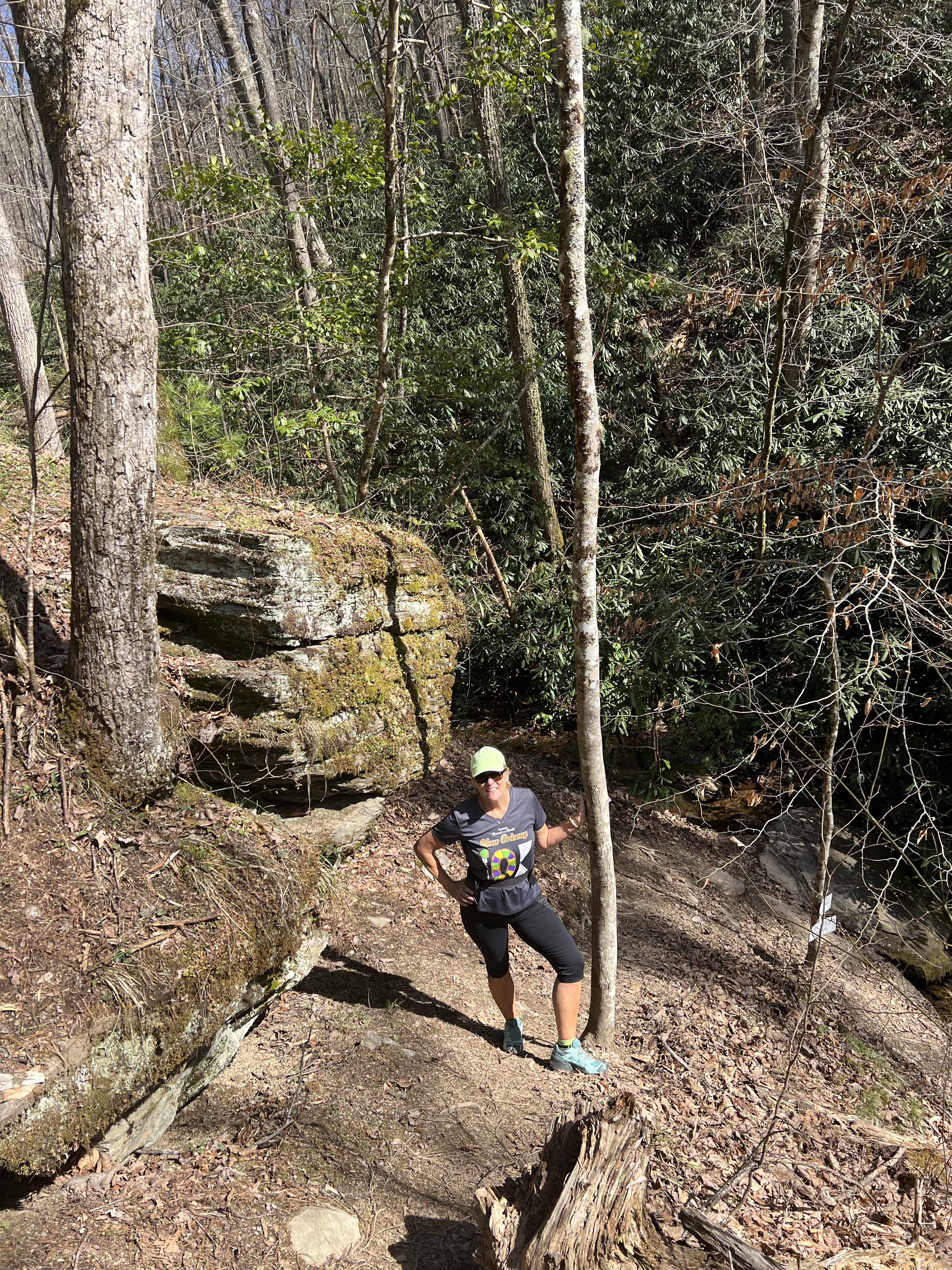
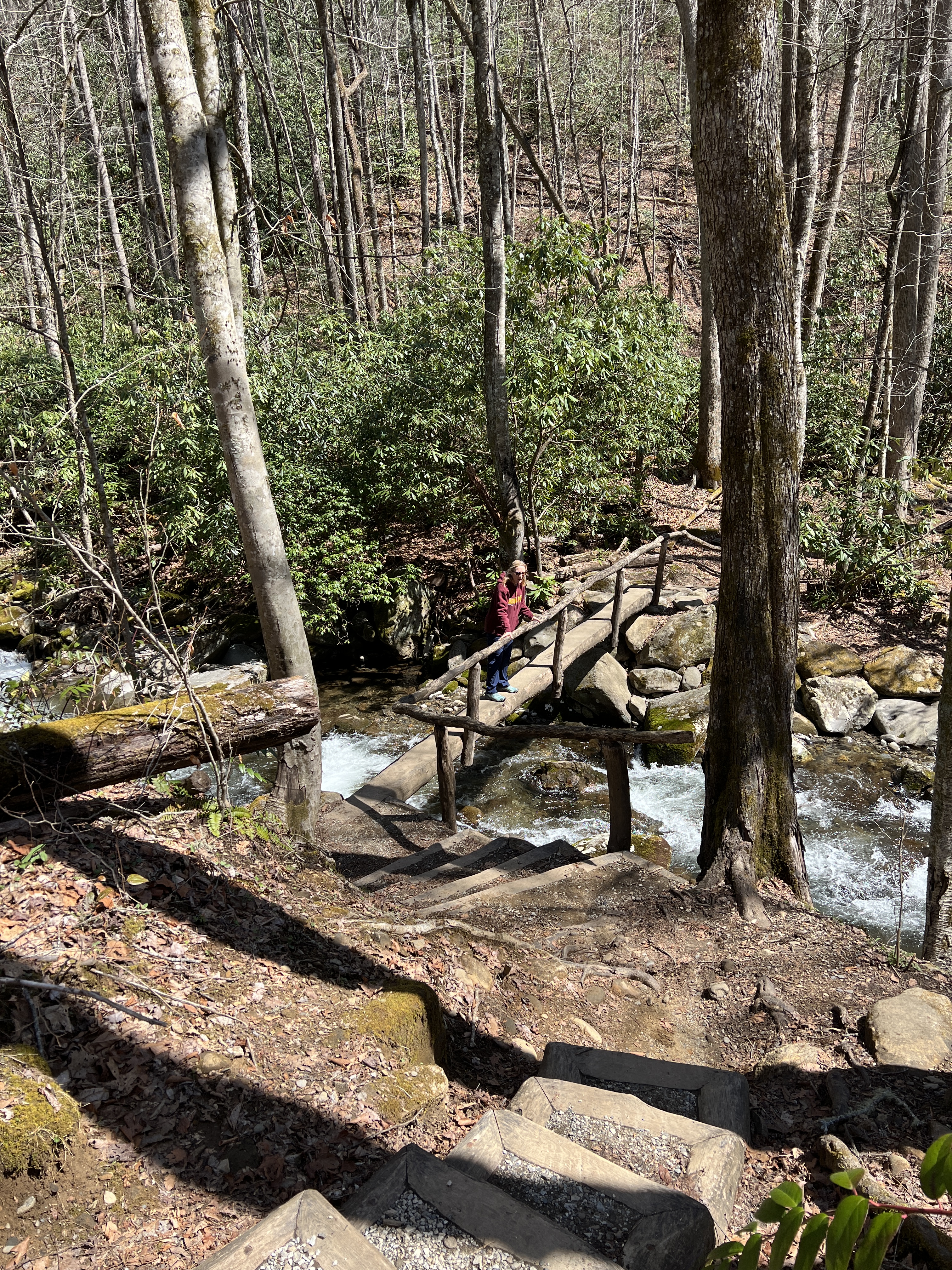
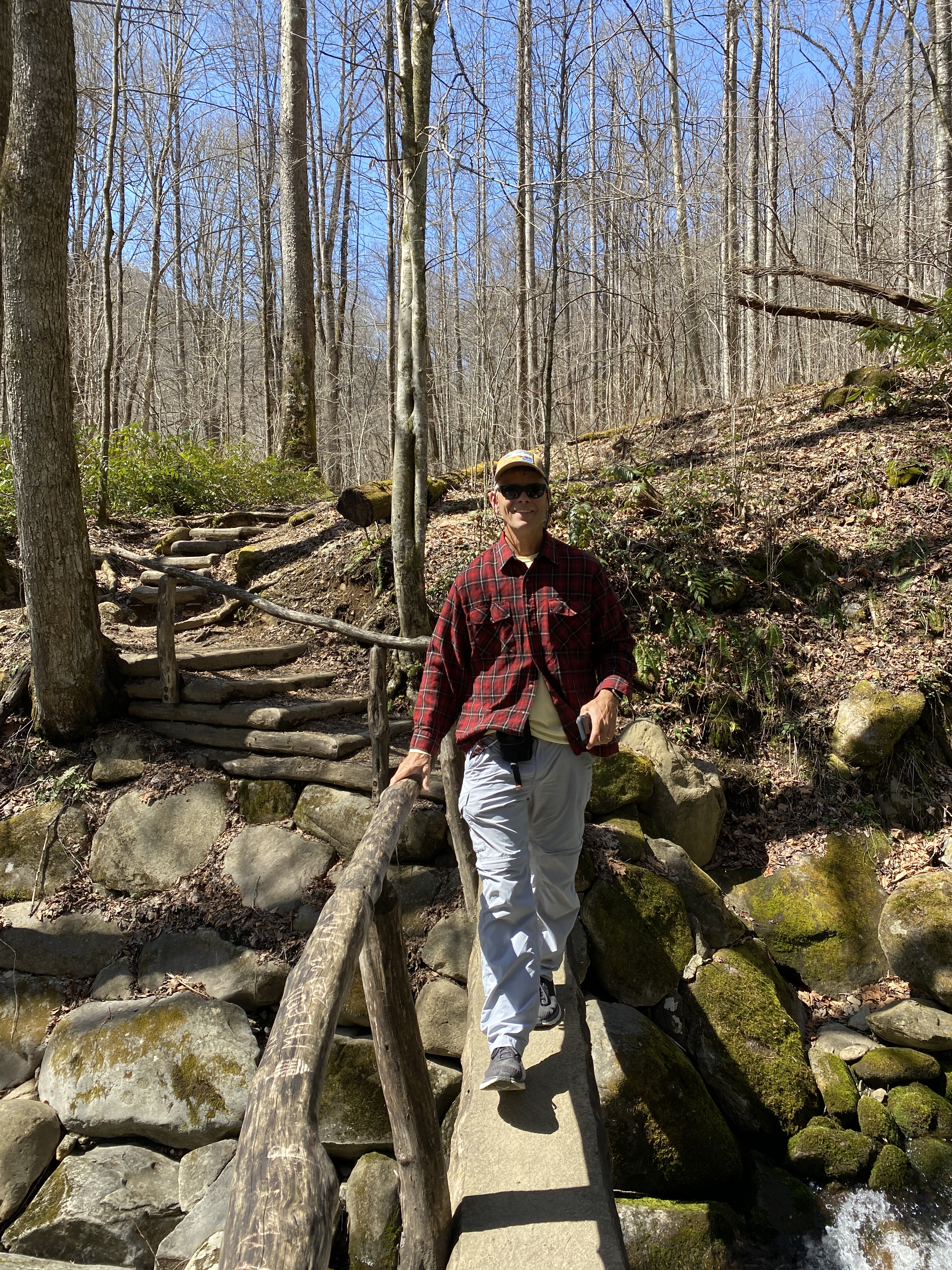
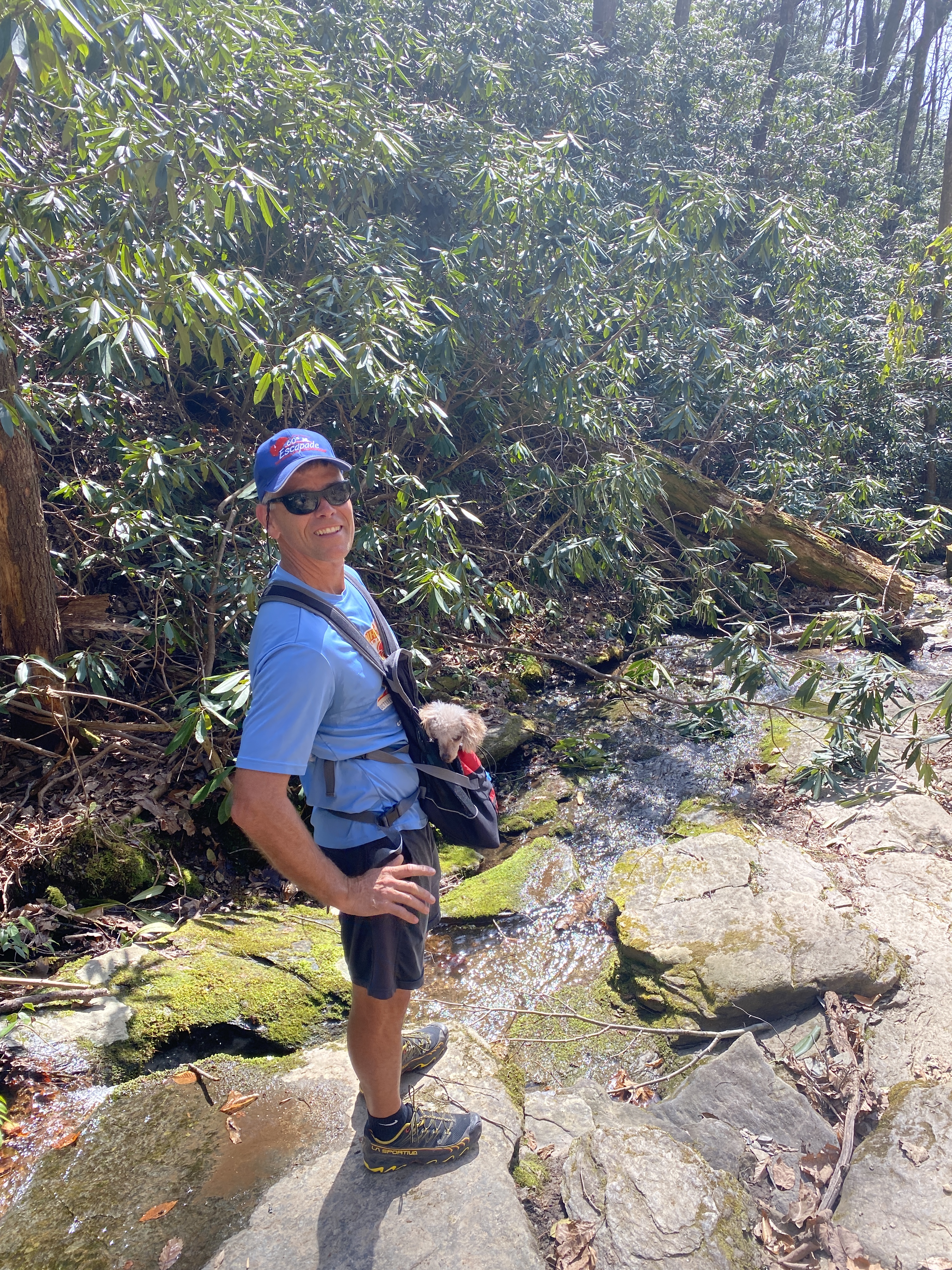
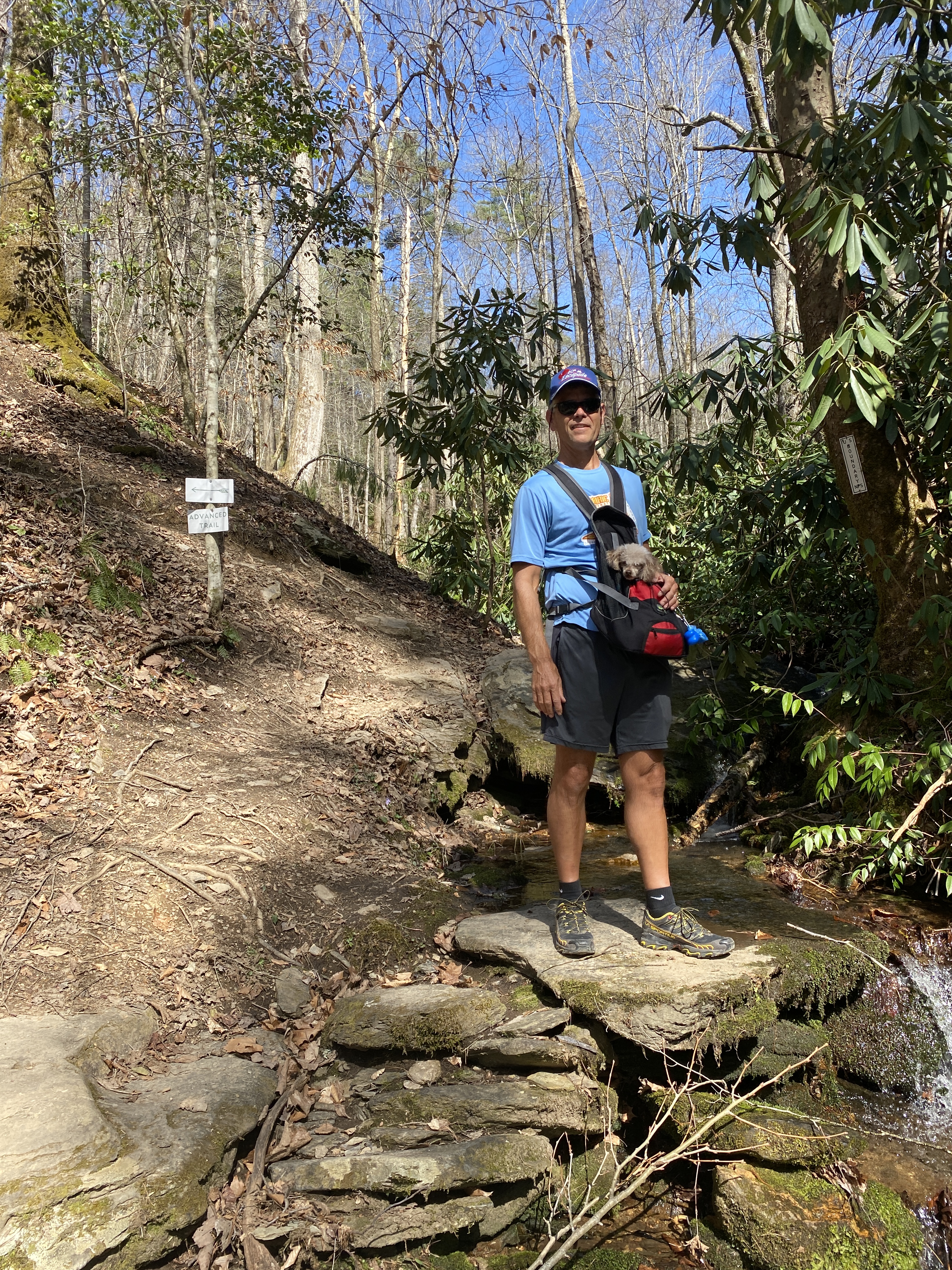
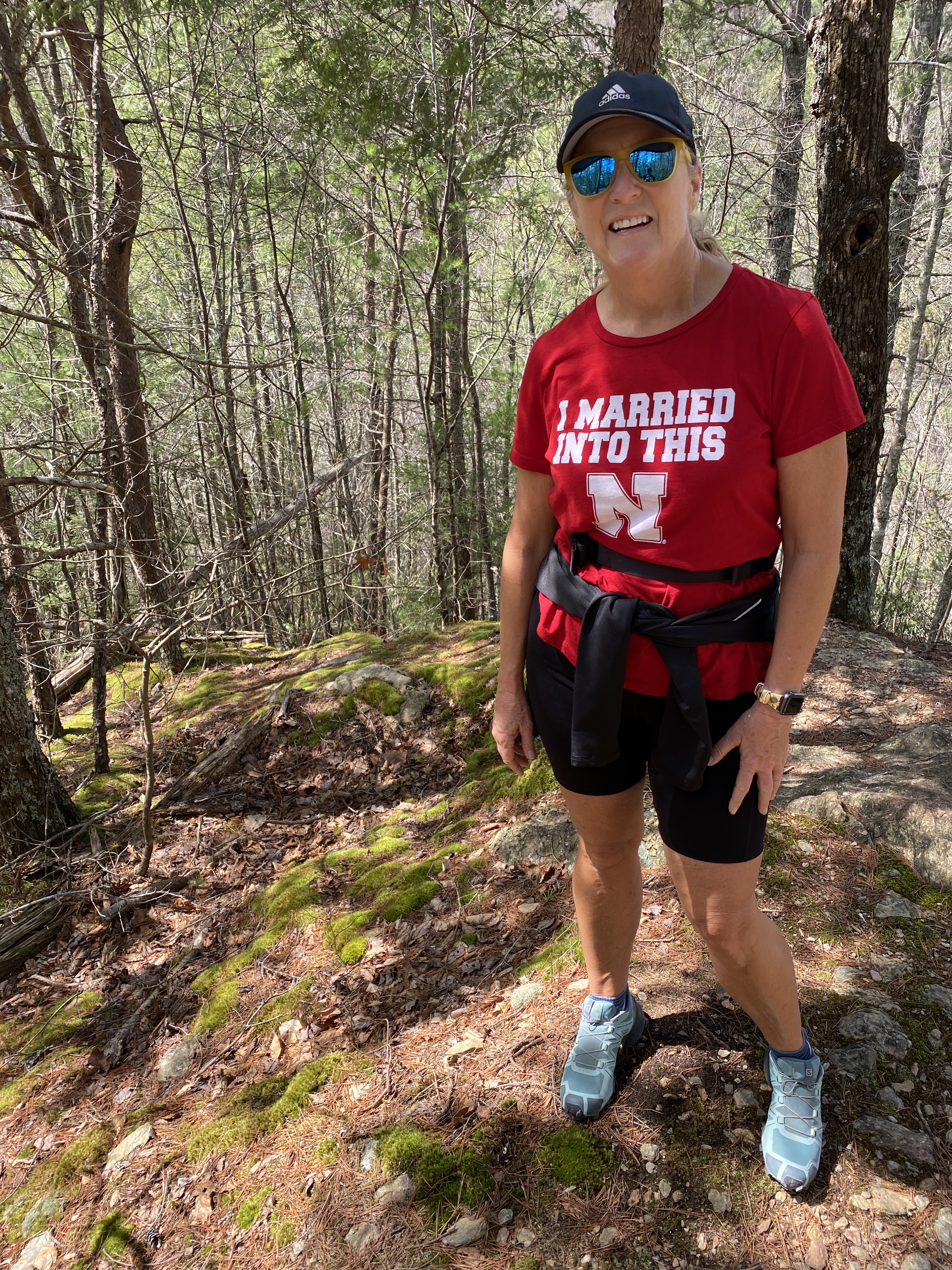
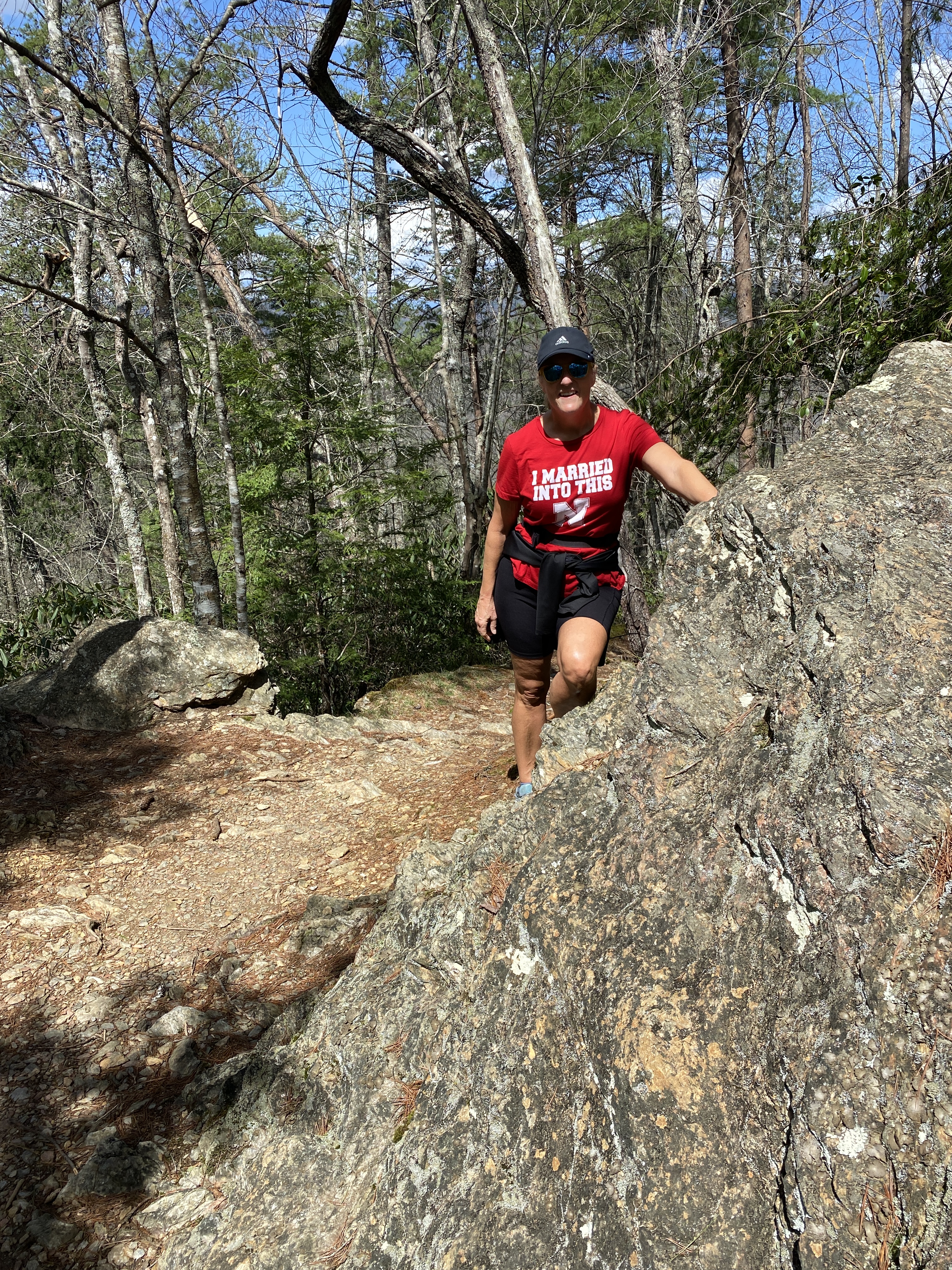
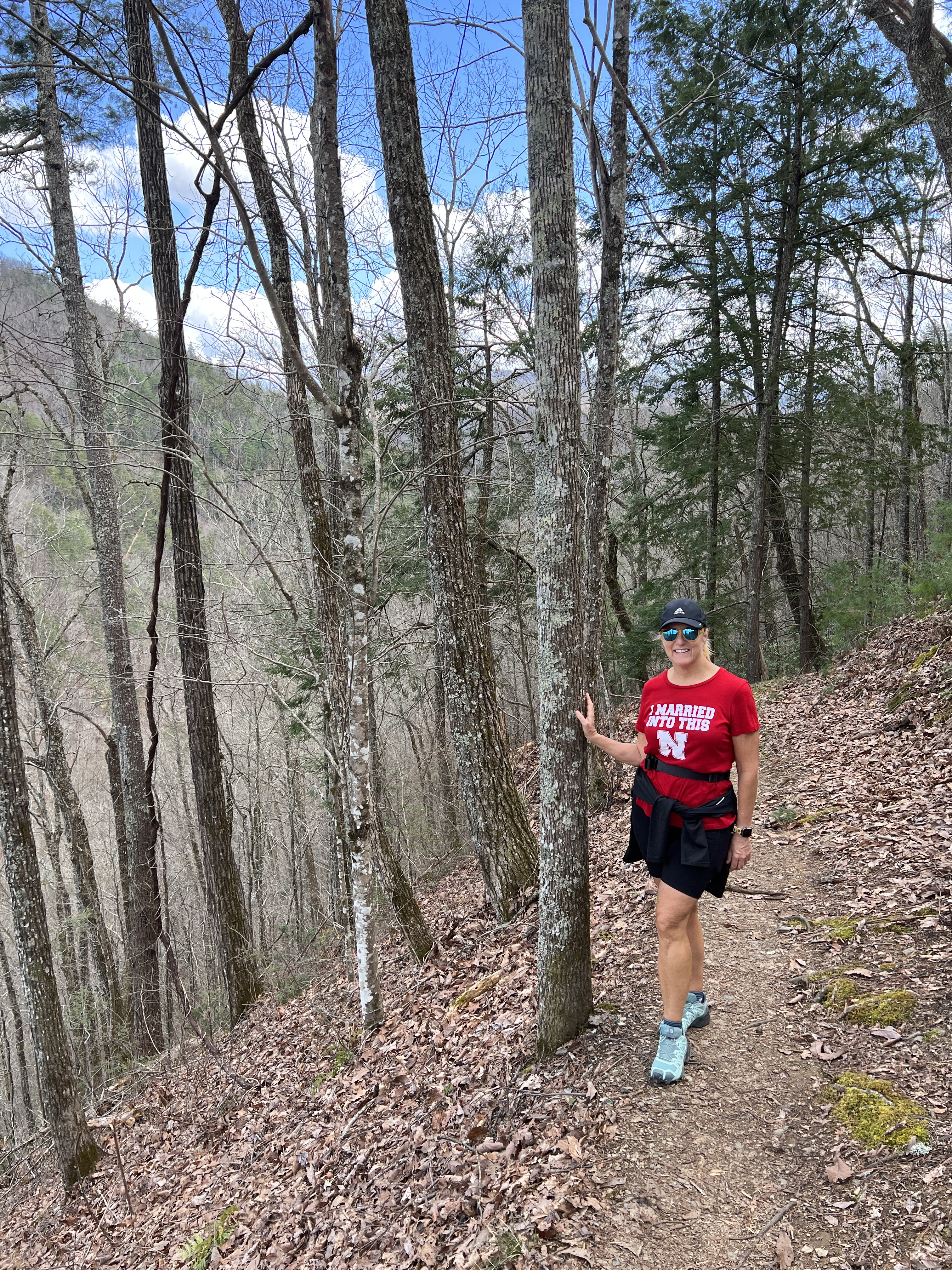
Just down the road from Little Arrow we did a hike in the national park which we learned is one of the best trails to see the spring wildflowers. 
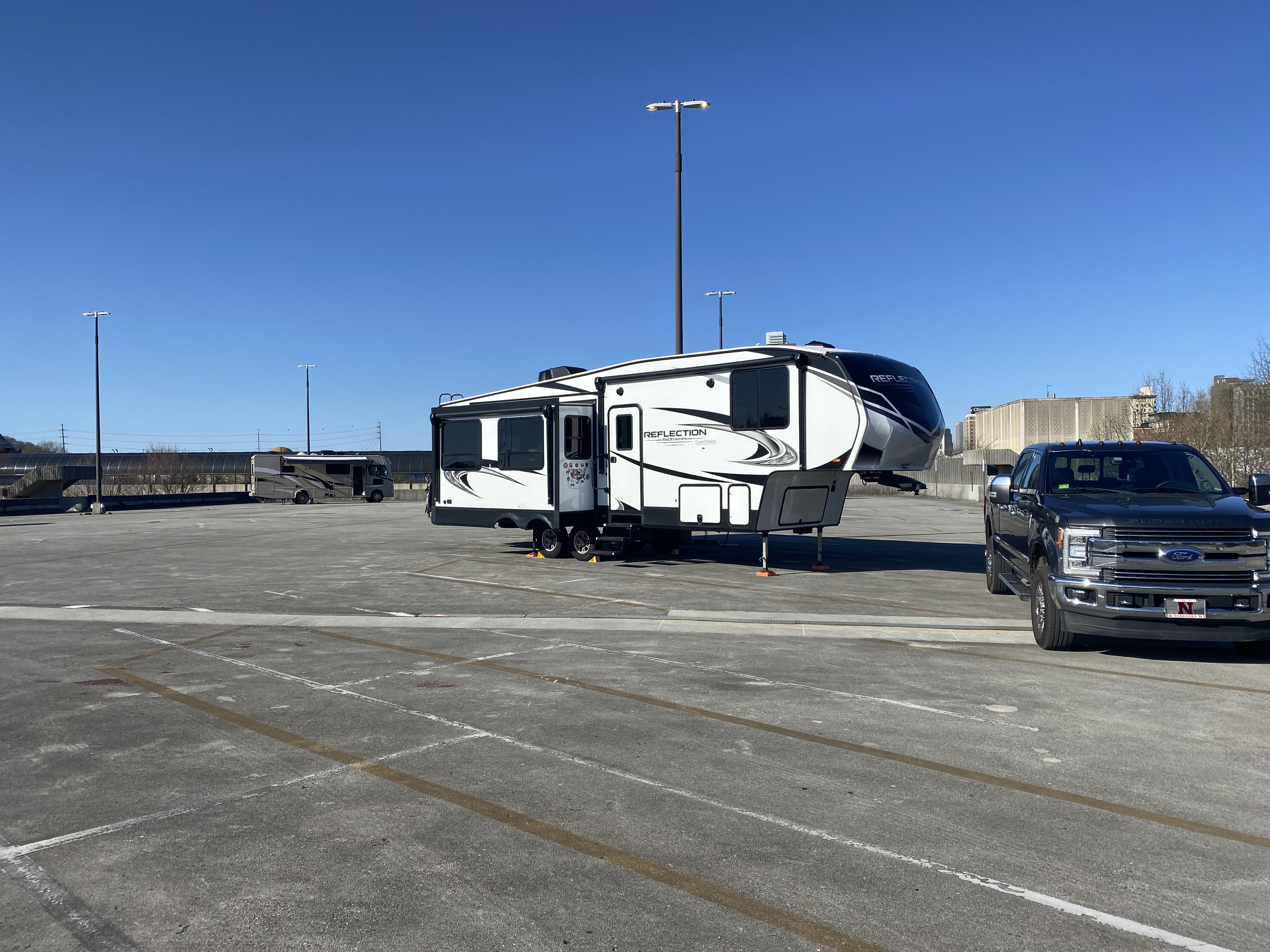
After our four days at Little Arrow and GSMP we drove less than an hour north to Knoxville. Steve had been here back in 1982 for the World’s Fair, so we did some reminiscing. There are no RV parks near downtown Knoxville so we “camped” on top of the Civic Auditorium parking garage, which provided us with electricity and security!
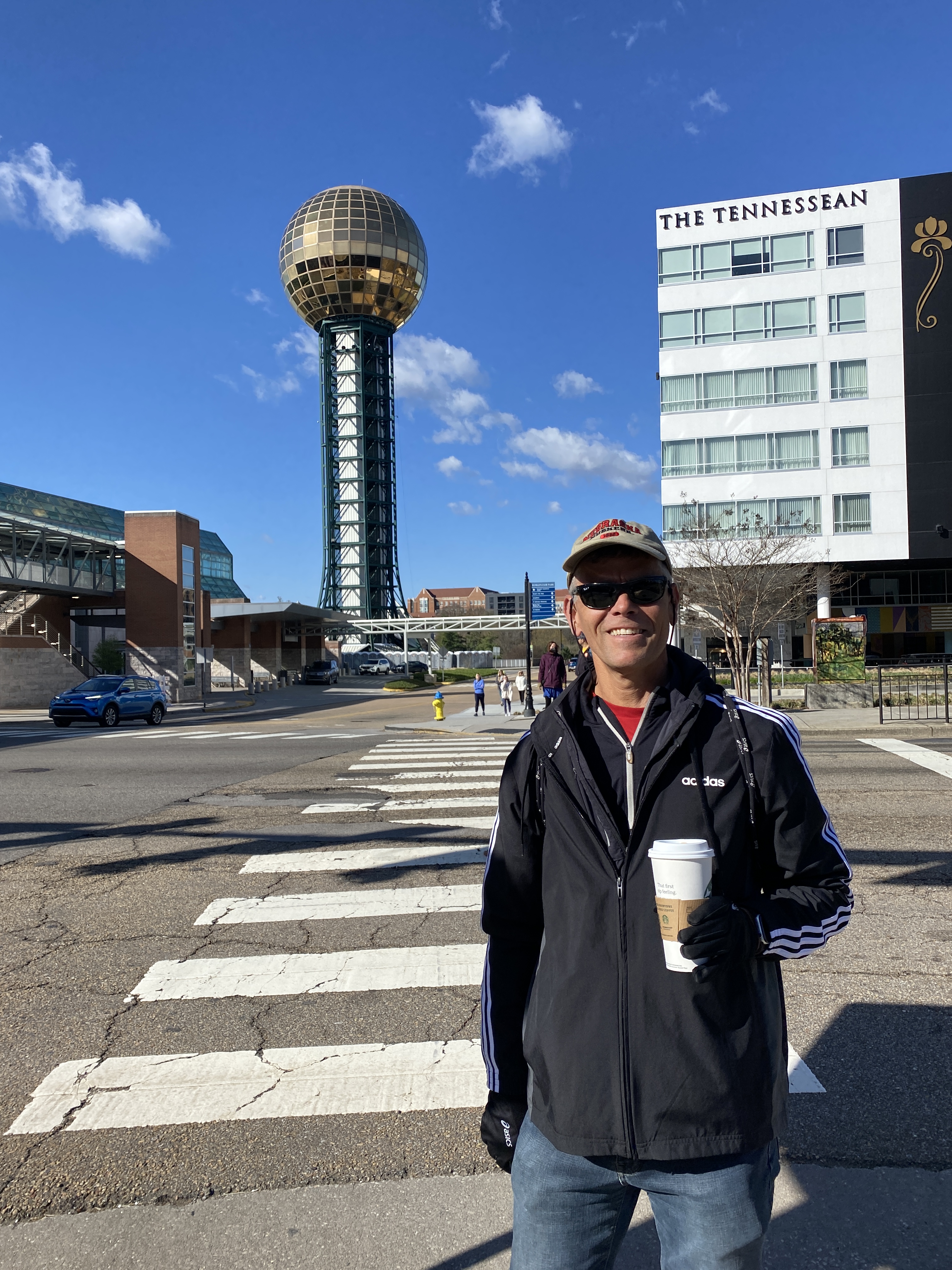
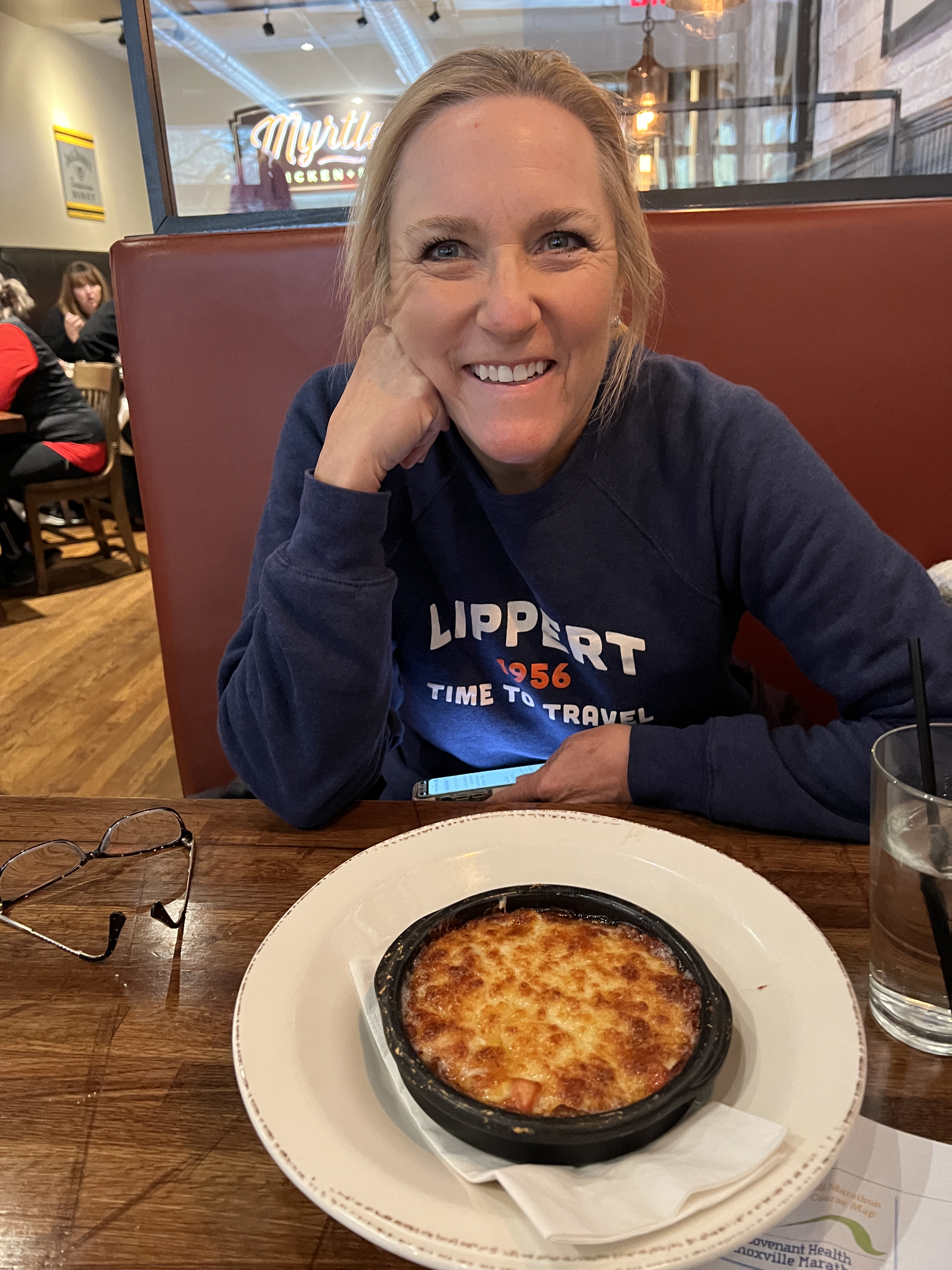
The main reason for hitting Knoxville was to complete another marathon.

Steve braved the cold and wind to finish the marathon in less than four hours. This was his 25th state, so he’s half way to his goal of all 50 states!

From here we head west towards home and will not likely post anything more until we begin our next RV adventure in May when we head north to Alaska!  So hang on…there’s big stuff ahead!

Everglades National Park – Flamingo Campground

Last year we spent a few days dipping our toes into the Everglade’s waters. This year we wanted to dive deeper into this unique and incredible place, so we booked ourselves four nights at the Flamingo Campground, right in the middle of the National Park. 

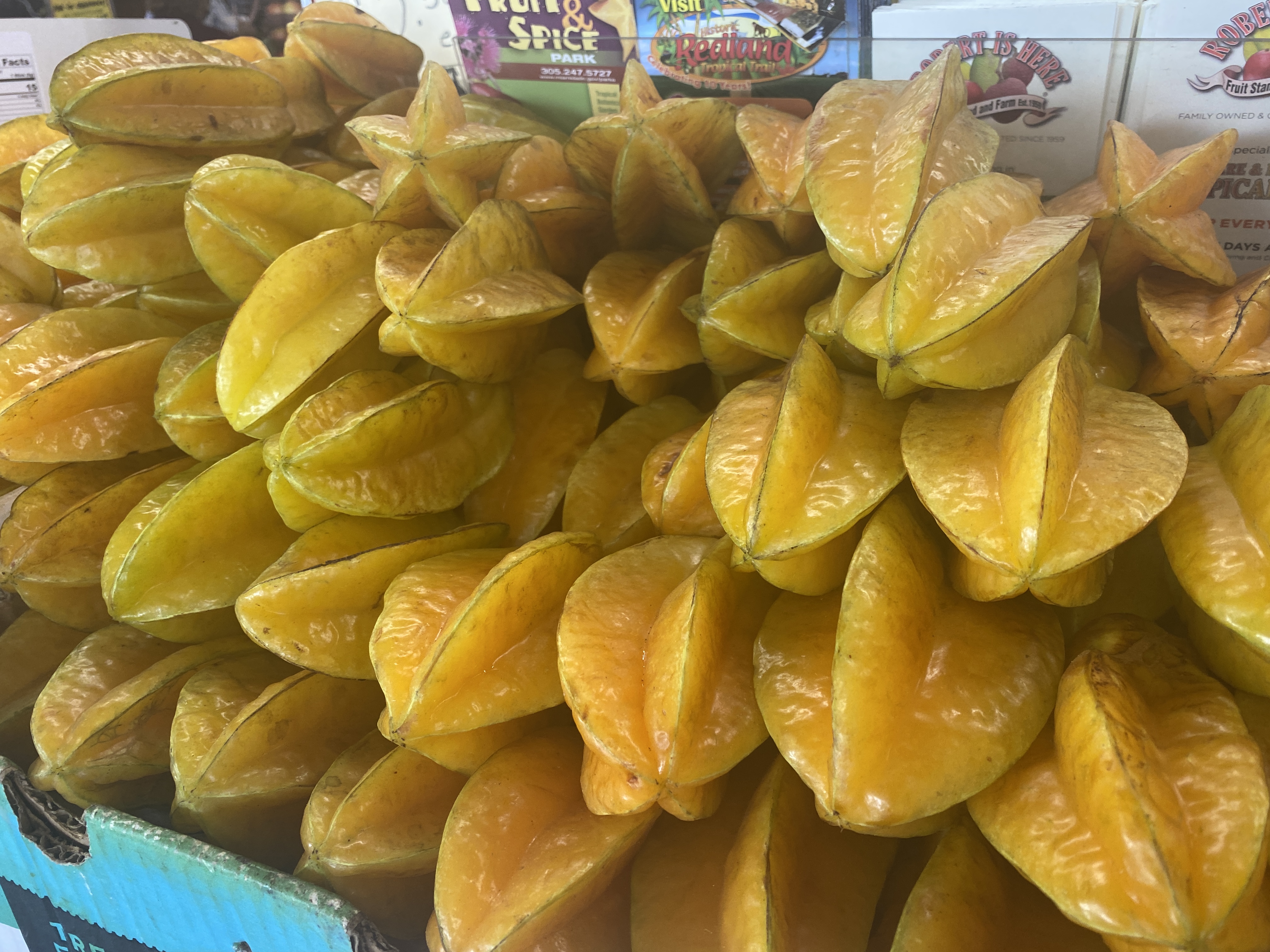
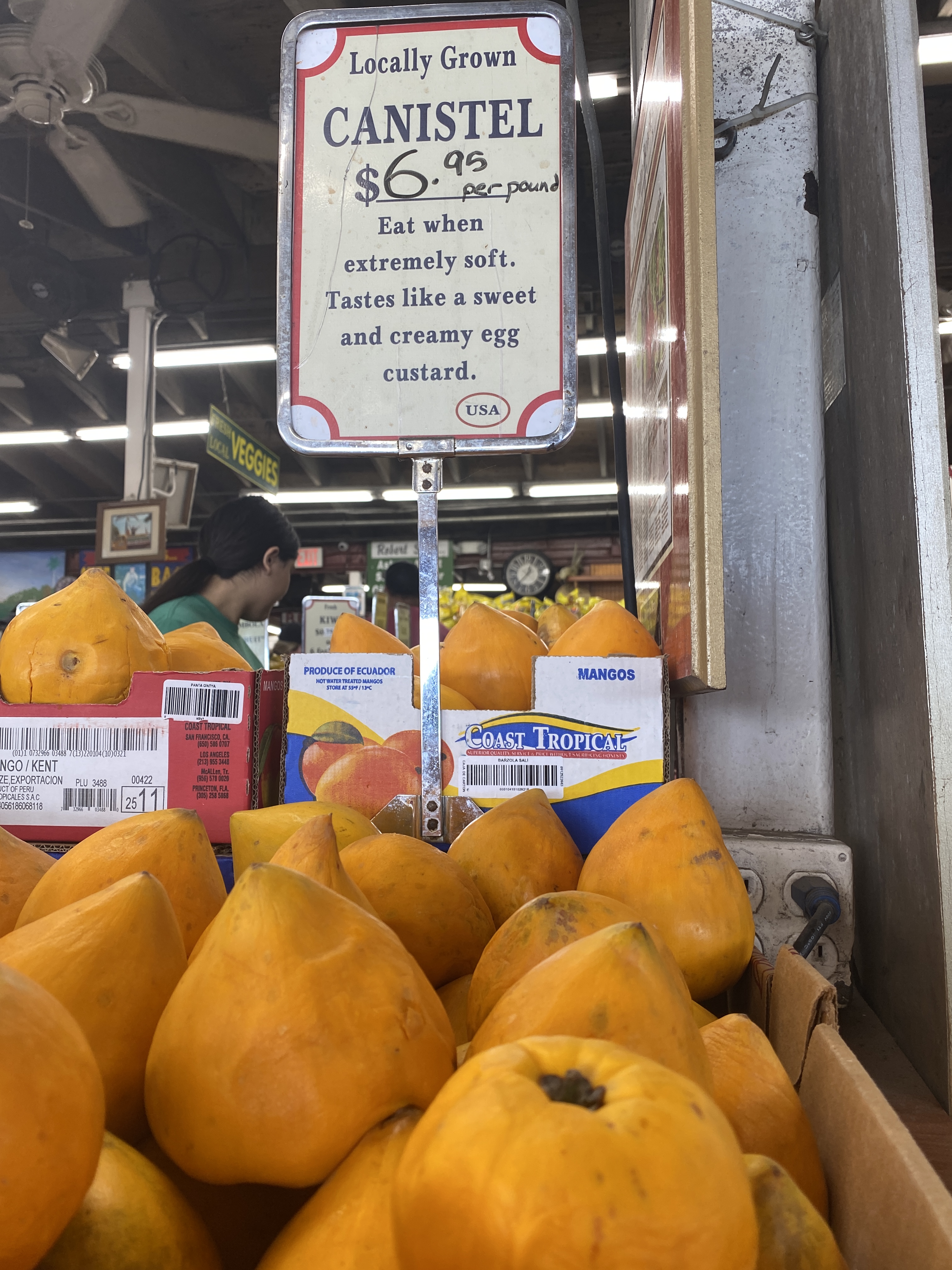
On the way into (and out of) Everglades National Park we made the obligatory stop at Robert is Here. This famous fruit stand sells every kind of tropical fruit you can think of, and many you didn’t know existed.

The place was packed on the Sunday we headed into the park, so we skipped the line for the milkshakes. Luckily the lines were short when we stopped back through on our way out!

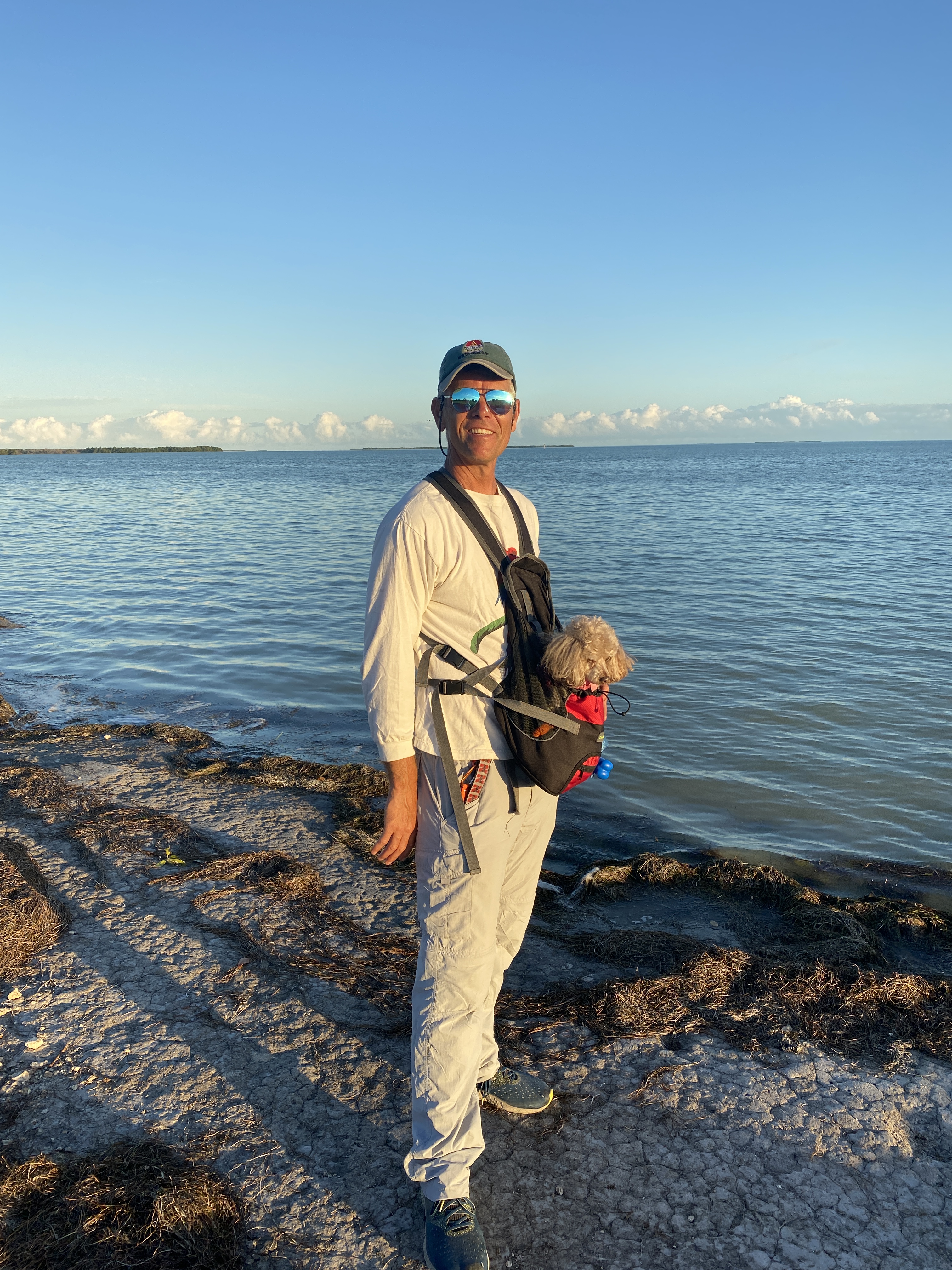
Flamingo Campground is located at the southernmost tip of the Florida peninsula within the vast Everglades National Park. The 35 mile drive from the main visitor center in Homestead to Flamingo takes you off the grid to a remote and wild place situated along Florida Bay. Our campsite, one of only a handful with electrical hook ups, provided us with 24-hour access to the park, which few get to experience.

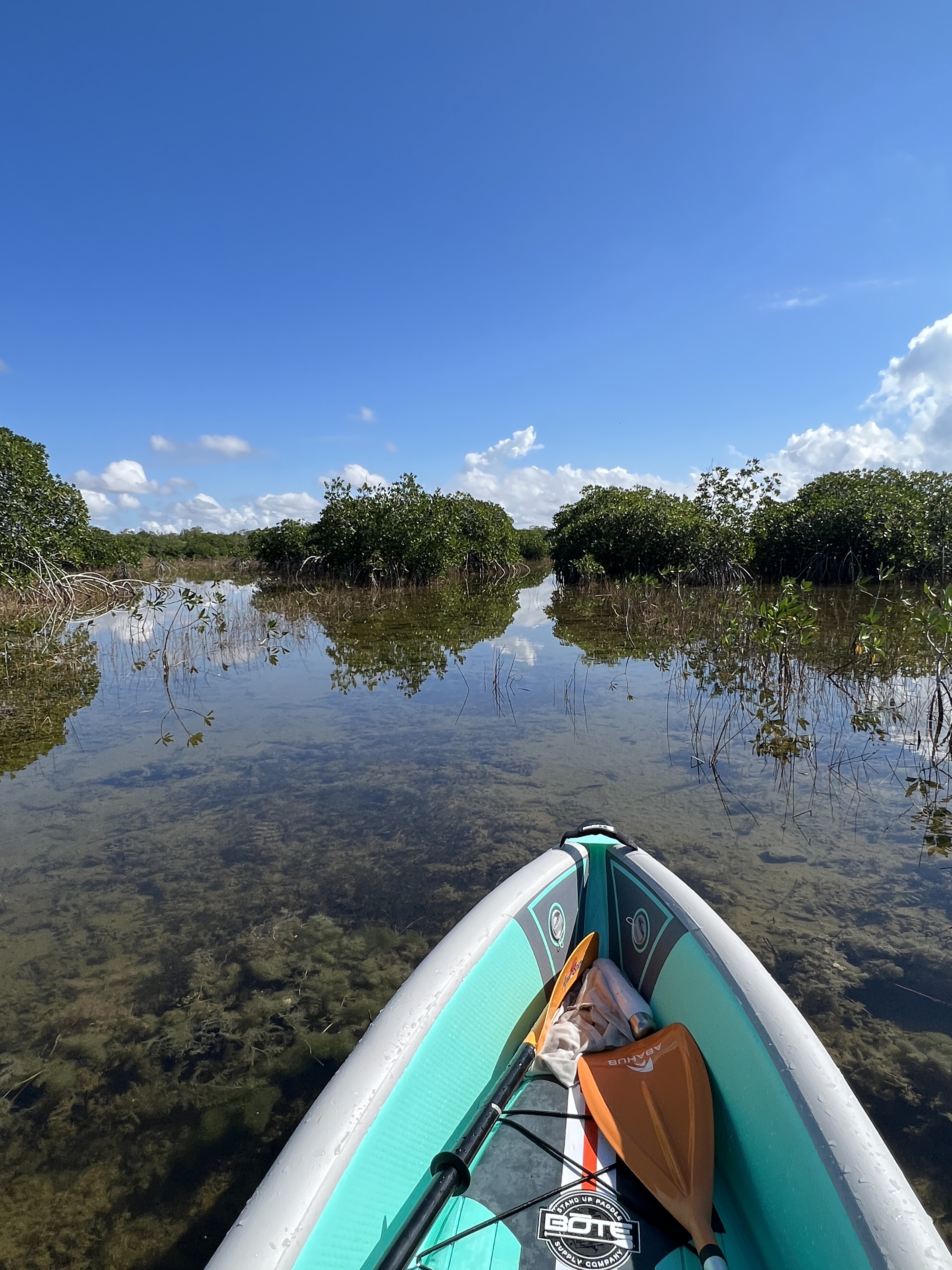
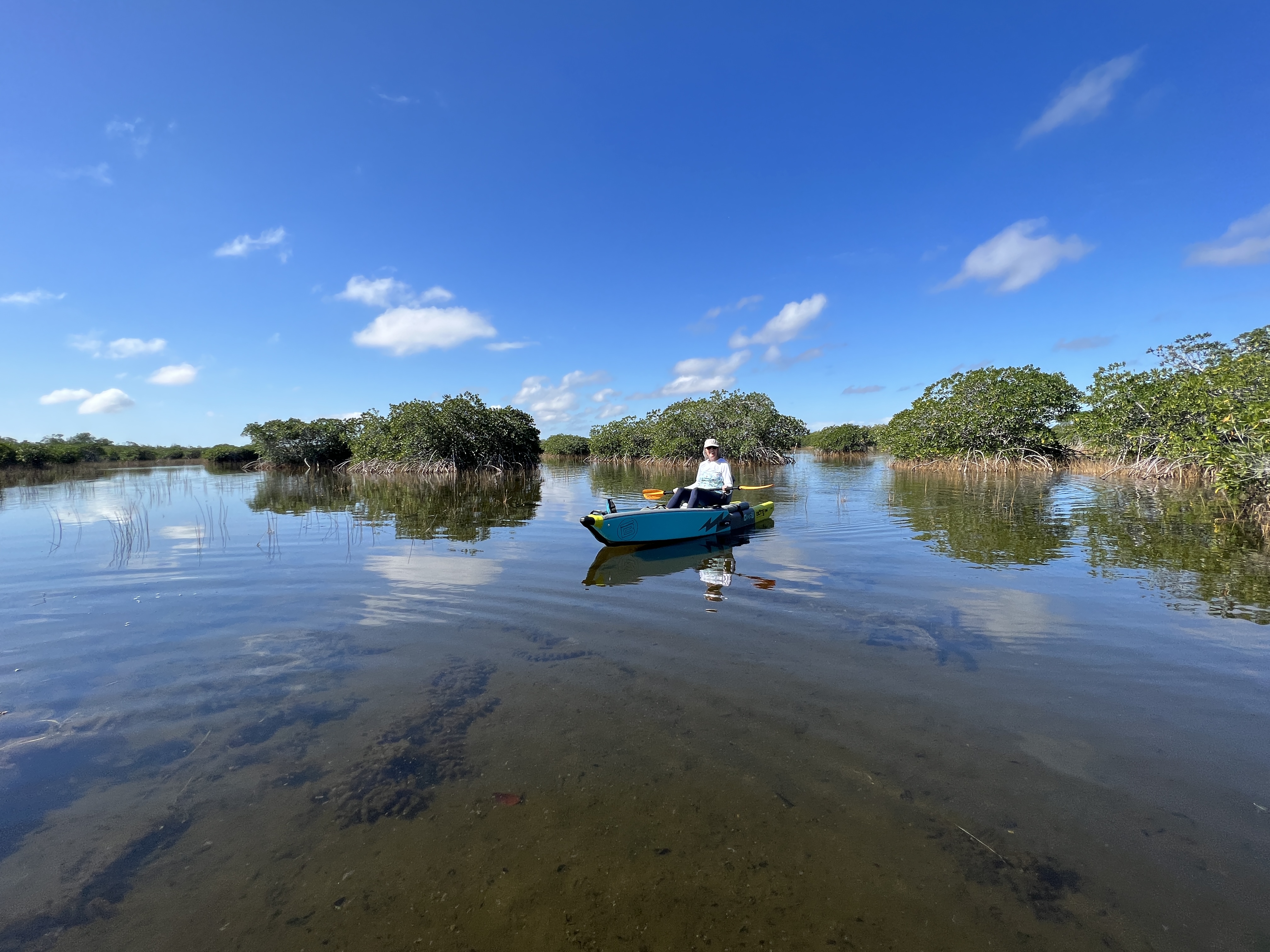
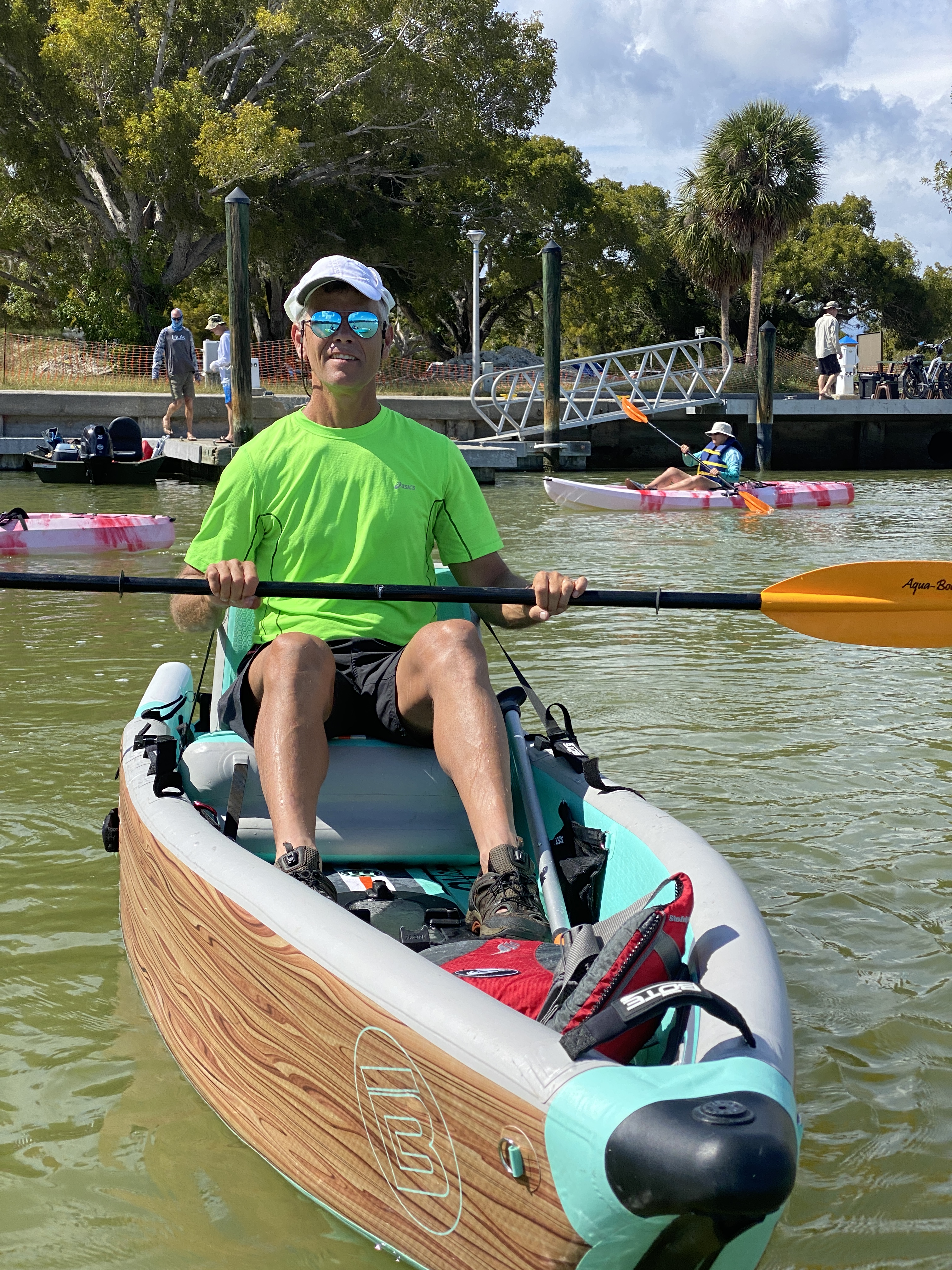
When we were here last year we rented kayaks and explored the centrally located, easy to access Buttonwood Canal. This year, with our Botē kayaks, we were prepared to explore a little more off the beaten path. Our first stop was the Nine Mile Pond.

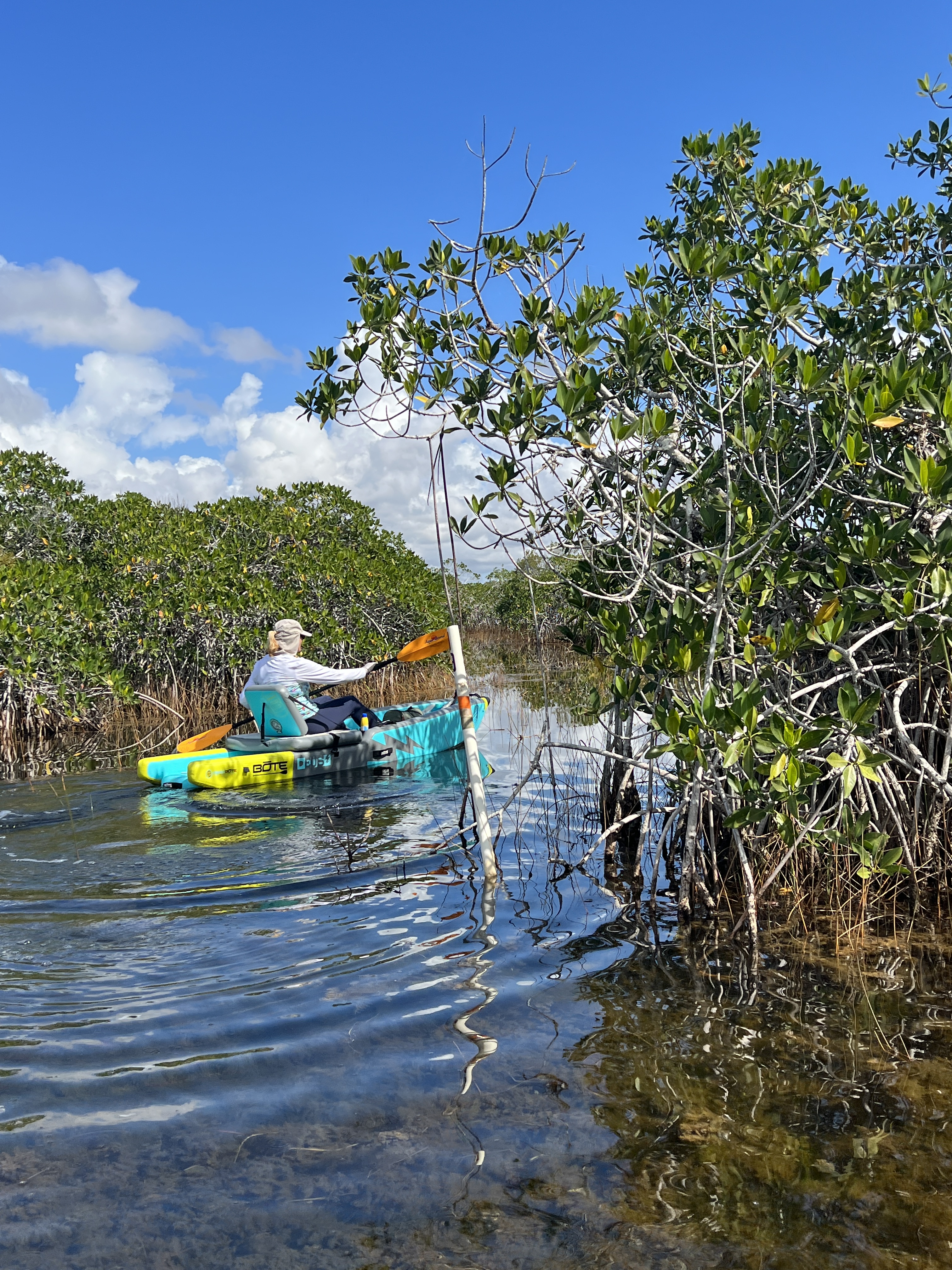
Most people just drive by and look at the lagoon at Nine Mile Pond, Chevy Chase “Vacation-“ style. We went deeper! Paddling across the pond took us to a 3 mile canoe trail which passes through shallow grassy marsh and scattered mangrove islands. Expecting to see alligators, crocodiles, or other scary creatures, we settled for a sea of grass and lots of sea life below. 

We followed the trail by paddling from marker to marker. These numbered PVC pipes became a beacon in the often disorienting swamp. In fact it kind of became a game to paddle to one and then look for the next. Our two hours on the water, complete with a lunch break, was one of the highlights of this year’s visit to the Everglades.

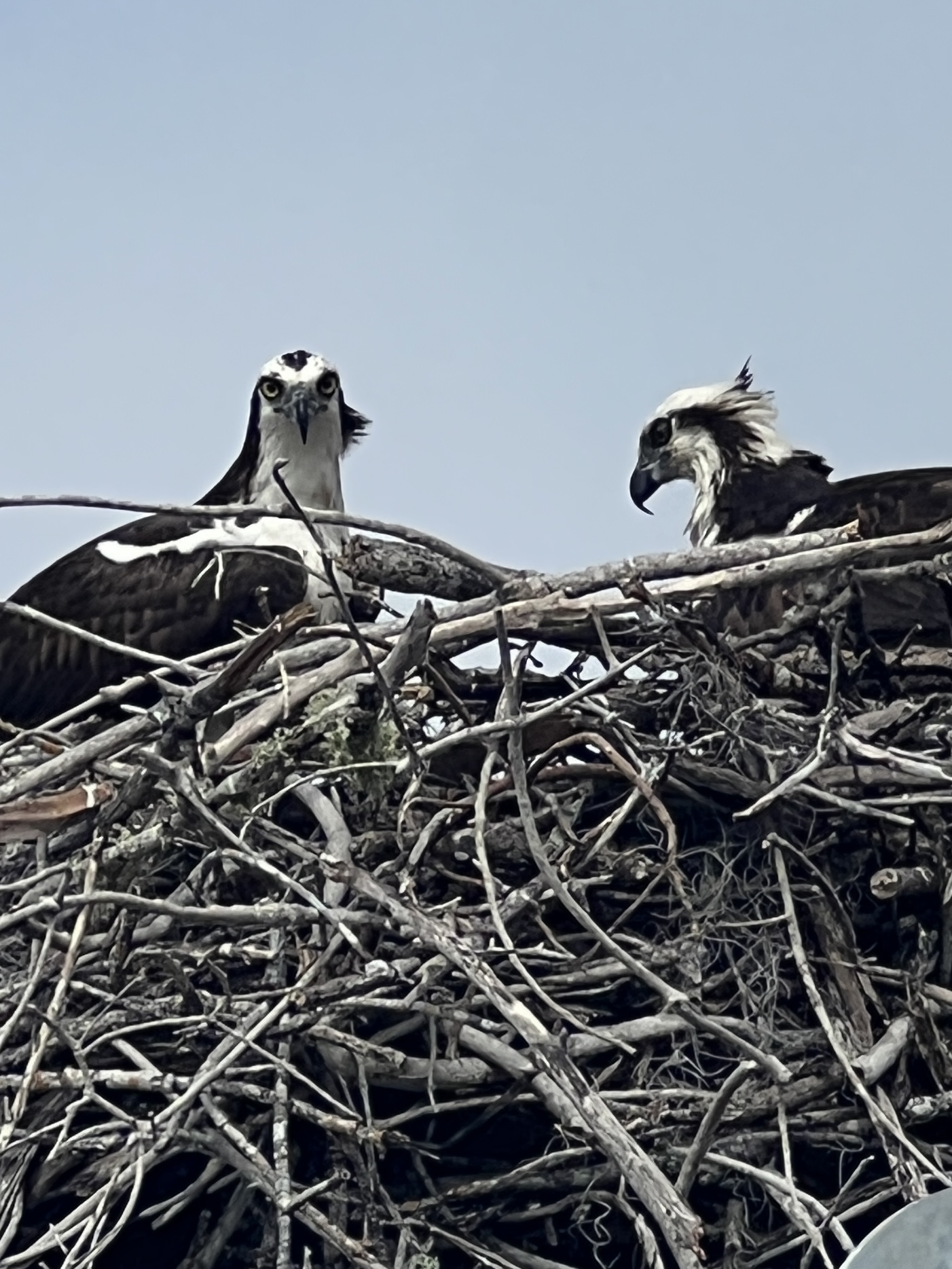
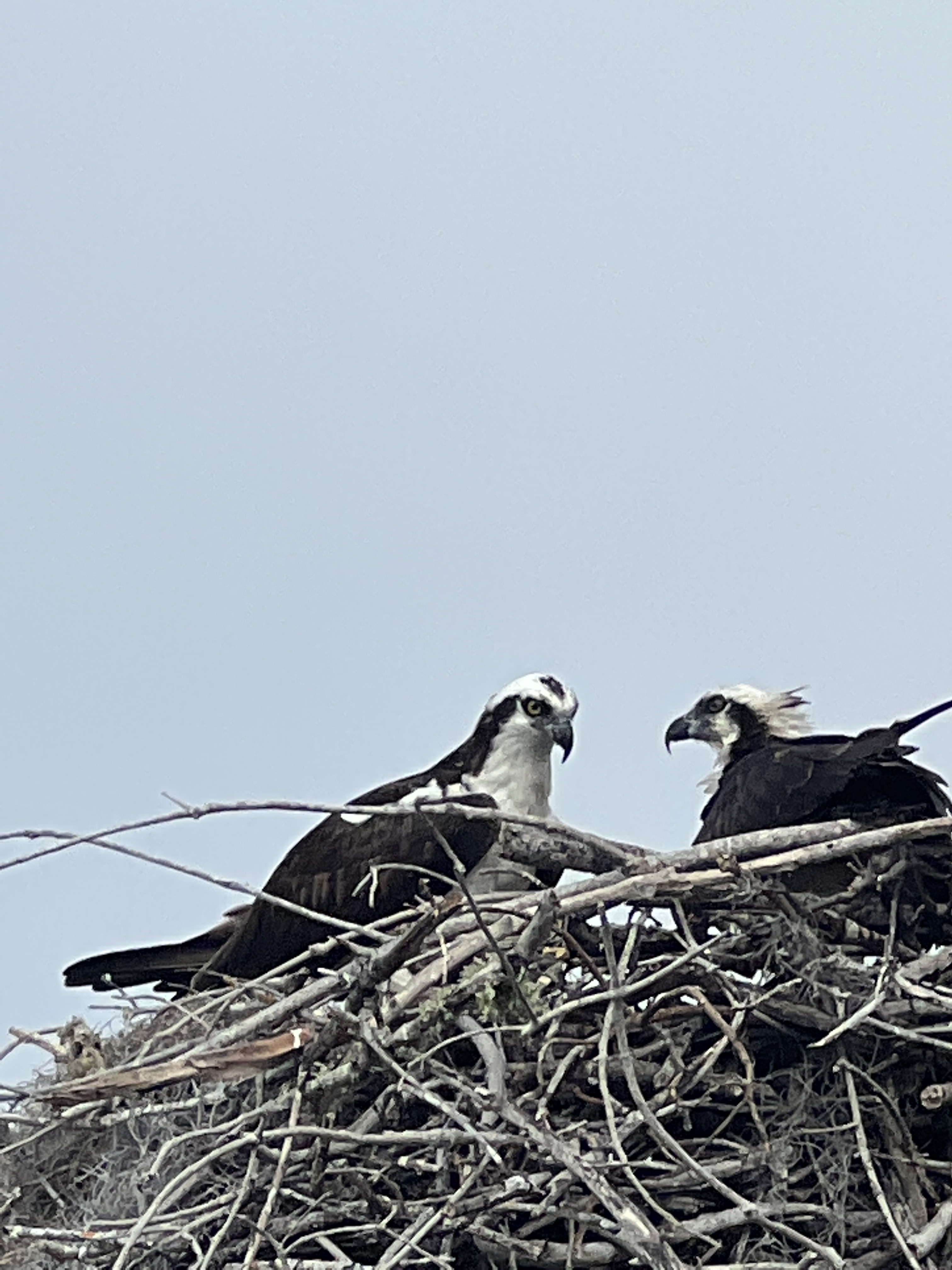
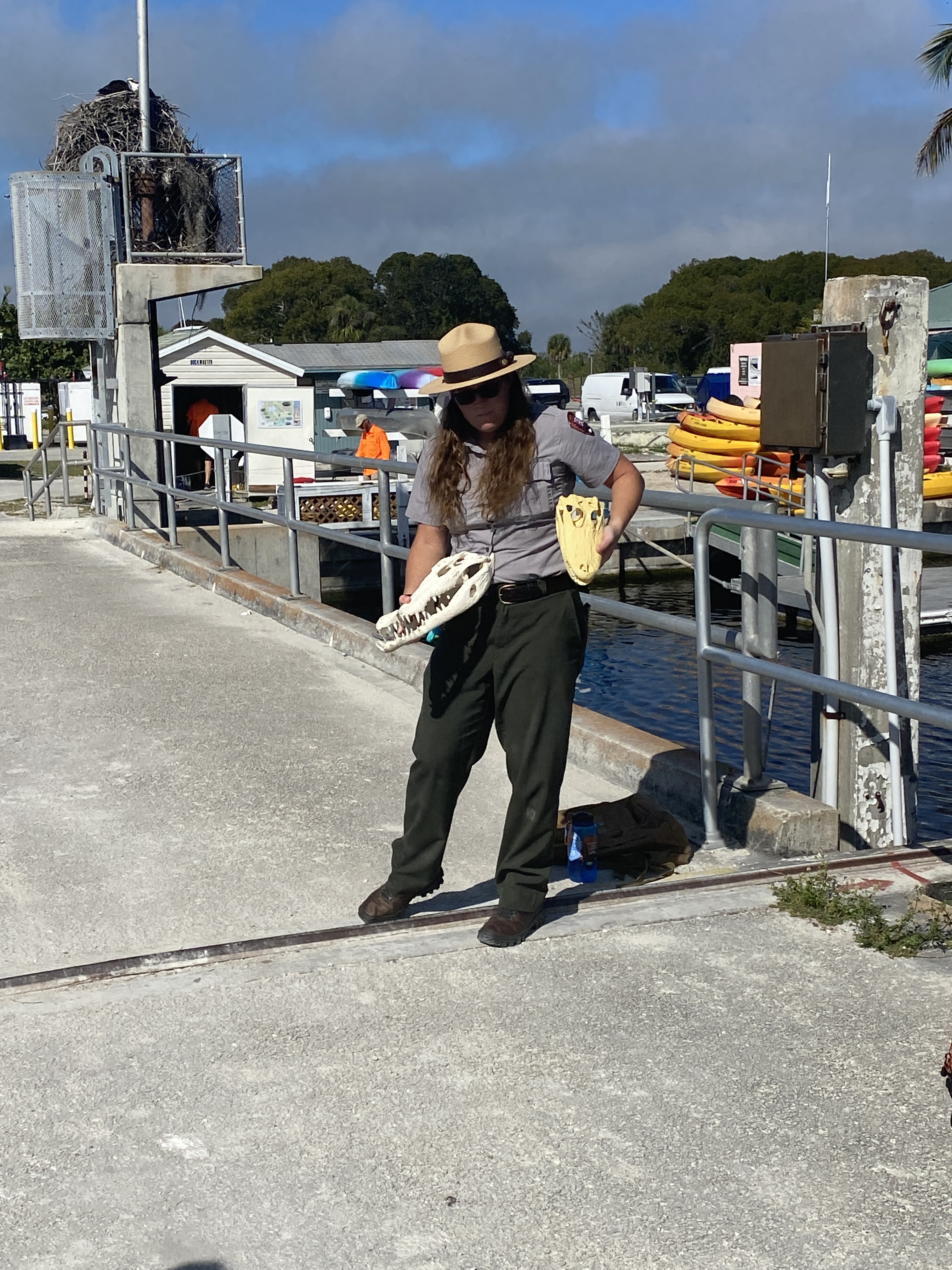
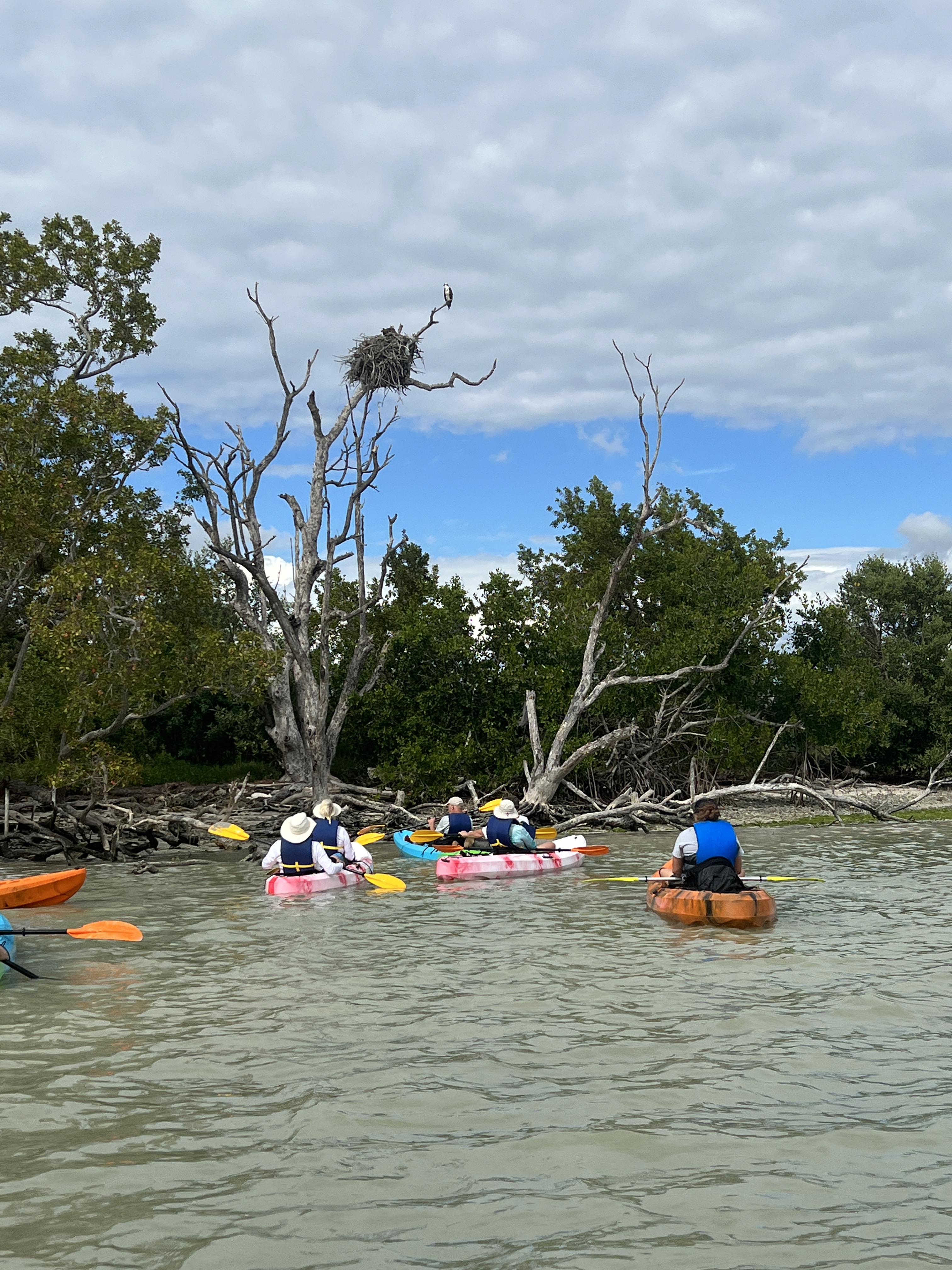
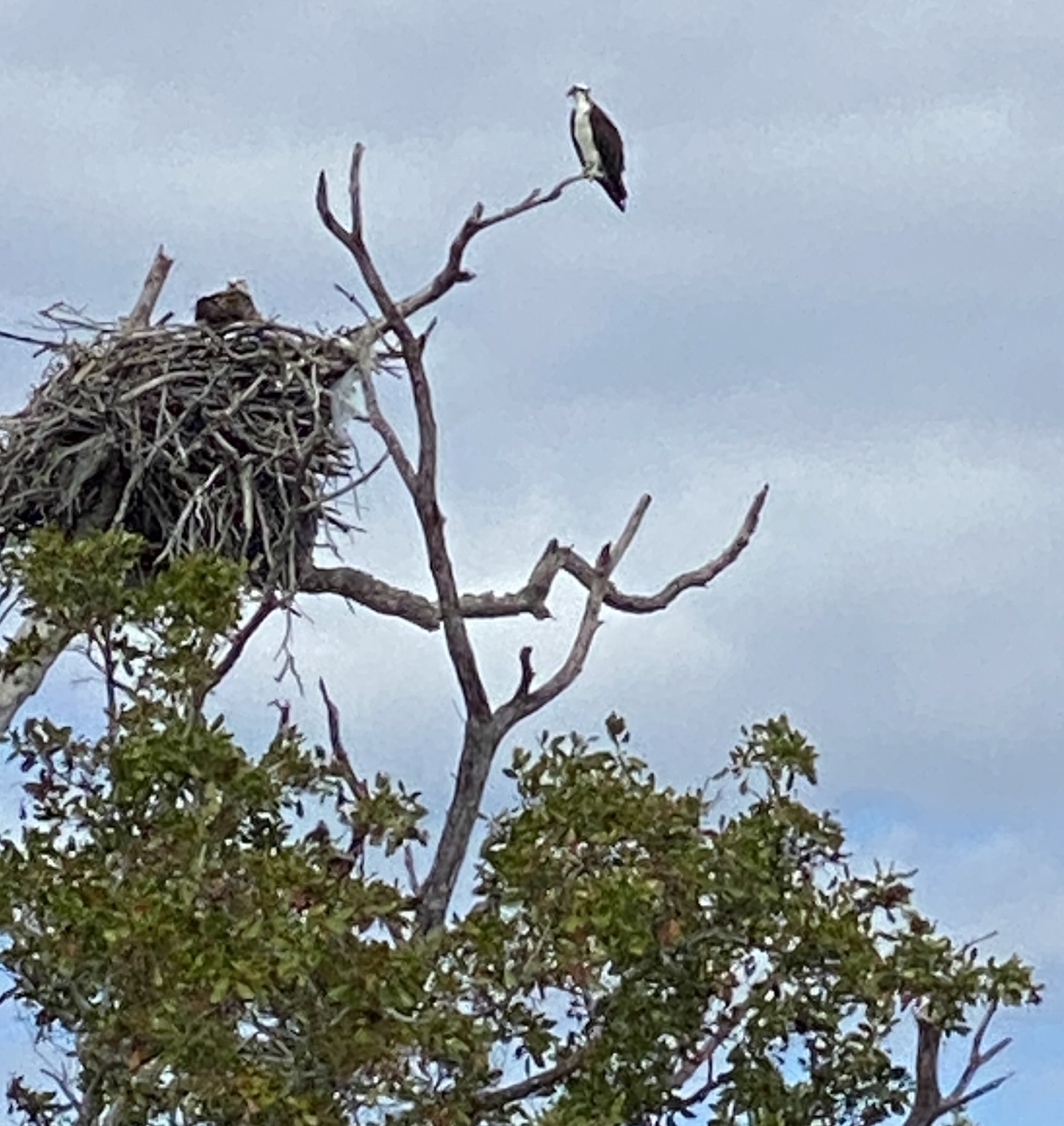
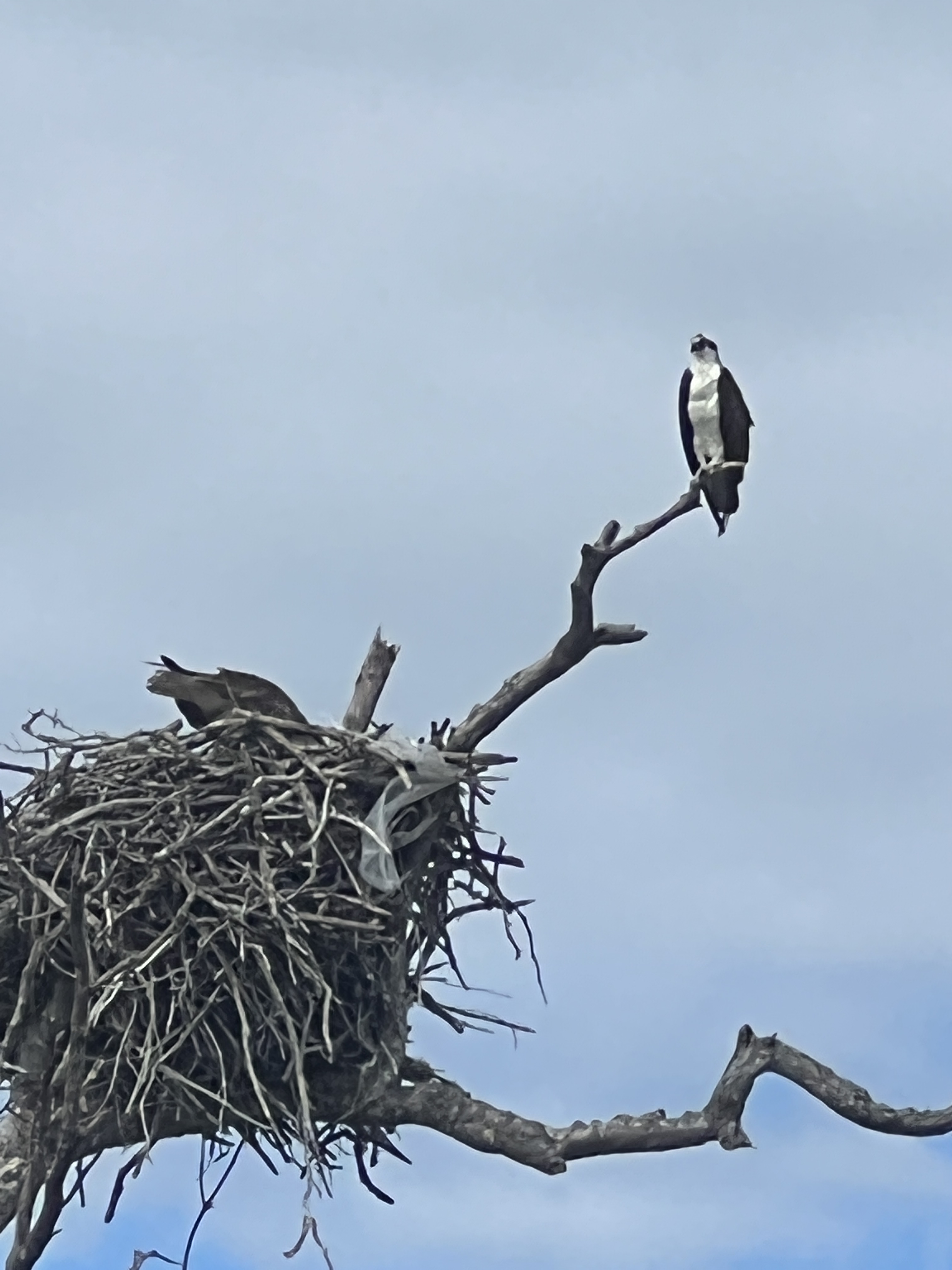
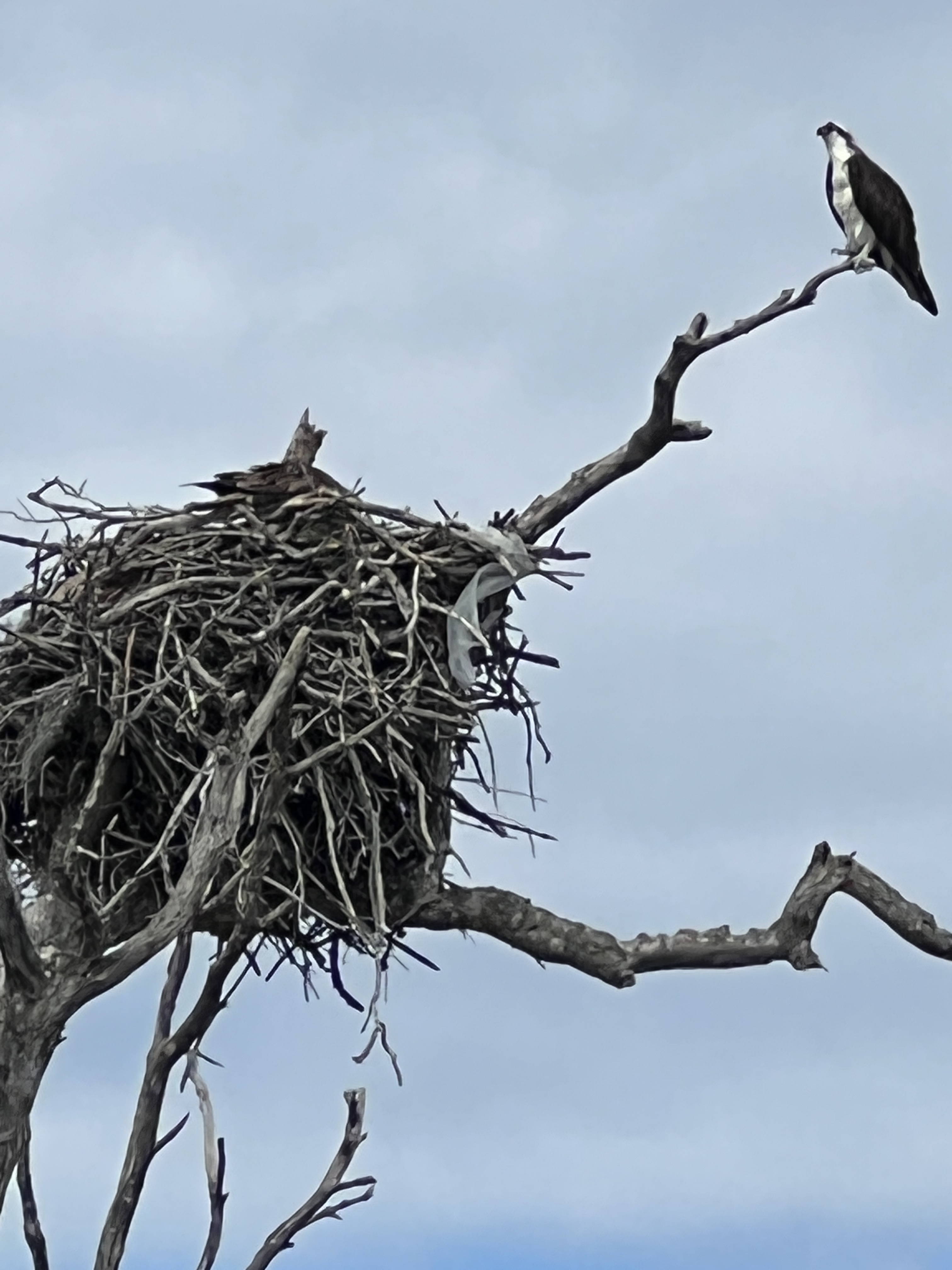
Because we camped so close to the Ranger Station we were able to take advantage of several Ranger-led programs. First we learned about the osprey that populate the park. Once we knew a little more about these giant birds, we saw them and their massive nests all over. 

We also learned about the American Crocodiles that live in the Everglades. South Florida is the only place where this species coexists with the American Alligator. Yes, the crocodiles are much bigger than the alligators! 

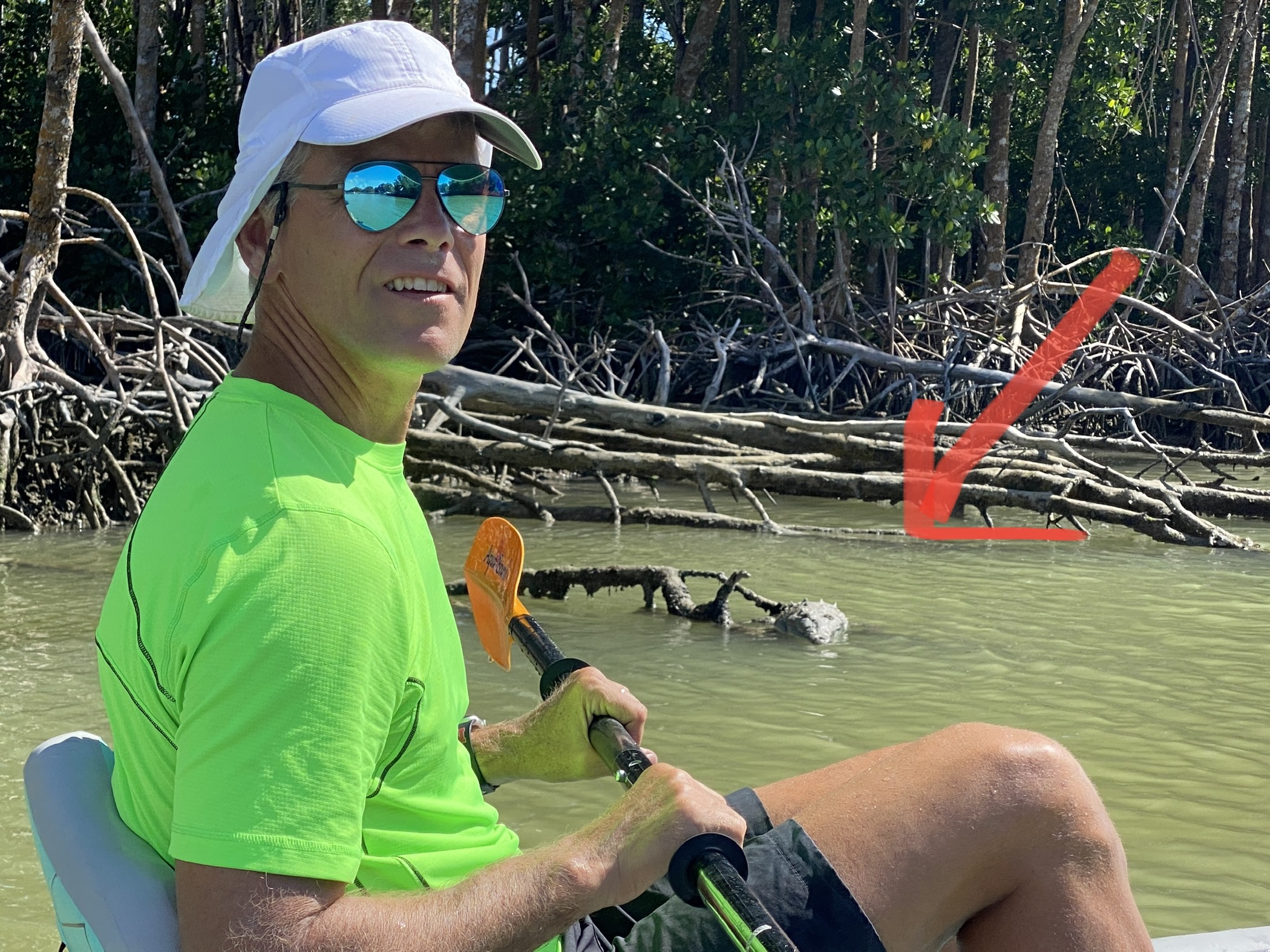
On our afternoon kayak out to Florida Bay we paddled past a 13 foot crocodile sunning itself near a branch. We snapped a quick picture but then left the big guy to do his thing. 

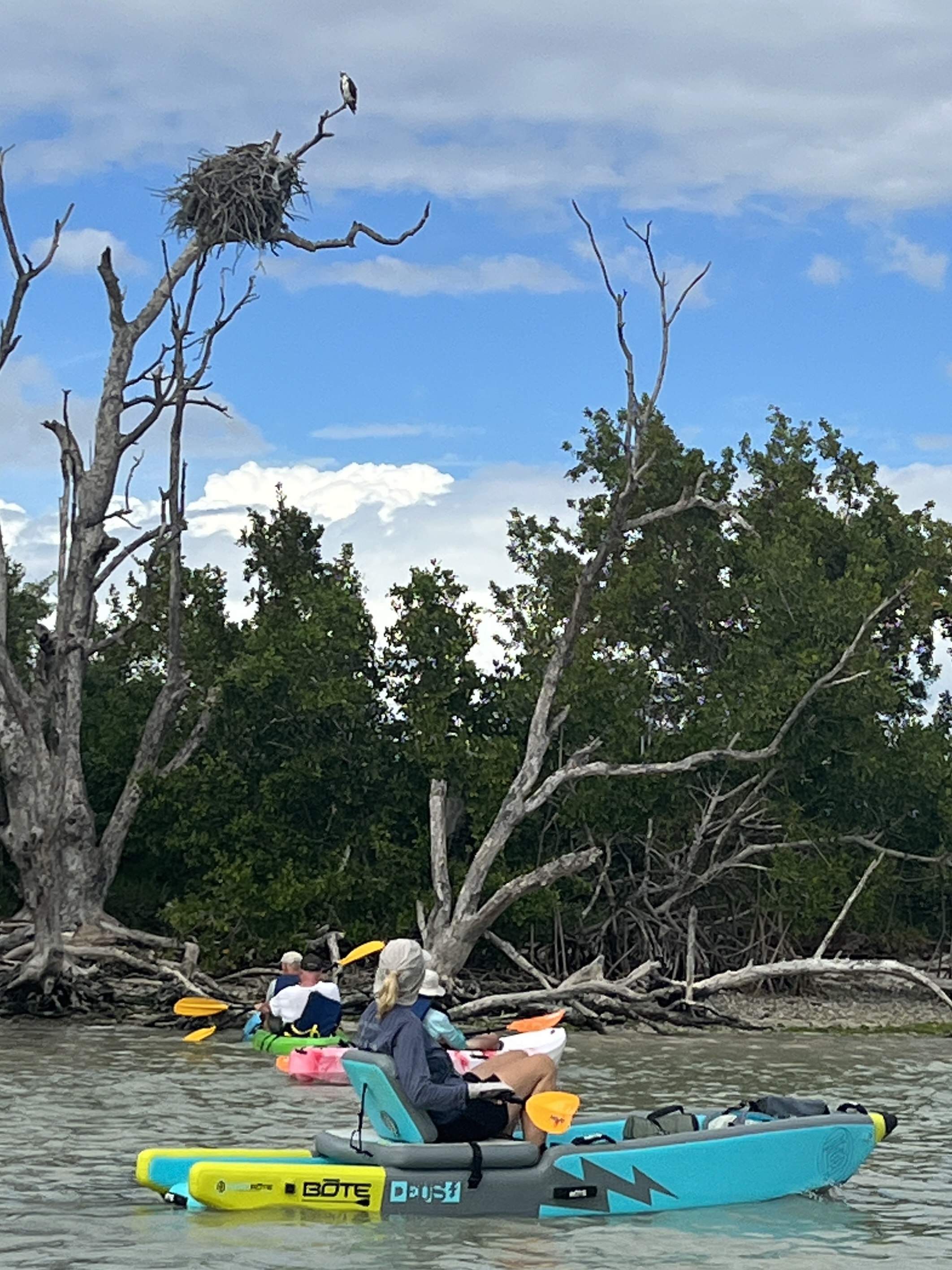
During our kayak we joined another Ranger-led program. The park offers this free kayaking tour of Florida Bay almost every afternoon, and it books up immediately each morning. Luckily they let us tag along since we had our Botēs.  

We learned about the mangroves that line much of south Florida, about the history of the town of Flamingo, and more about the osprey. From the water we had a great vantage point to watch the osprey defend their nest from marauding crows who were after the eggs nestled within the nest. 

We spent one day here watching the rain fall and the clouds roll over. While the weather prevented us from kayaking or biking, it didn’t stop Steve from putting in 19 miles in preparation for his next marathon. 

We’re back to the Keys next!

Theodore Roosevelt and the Maah Daah Hey

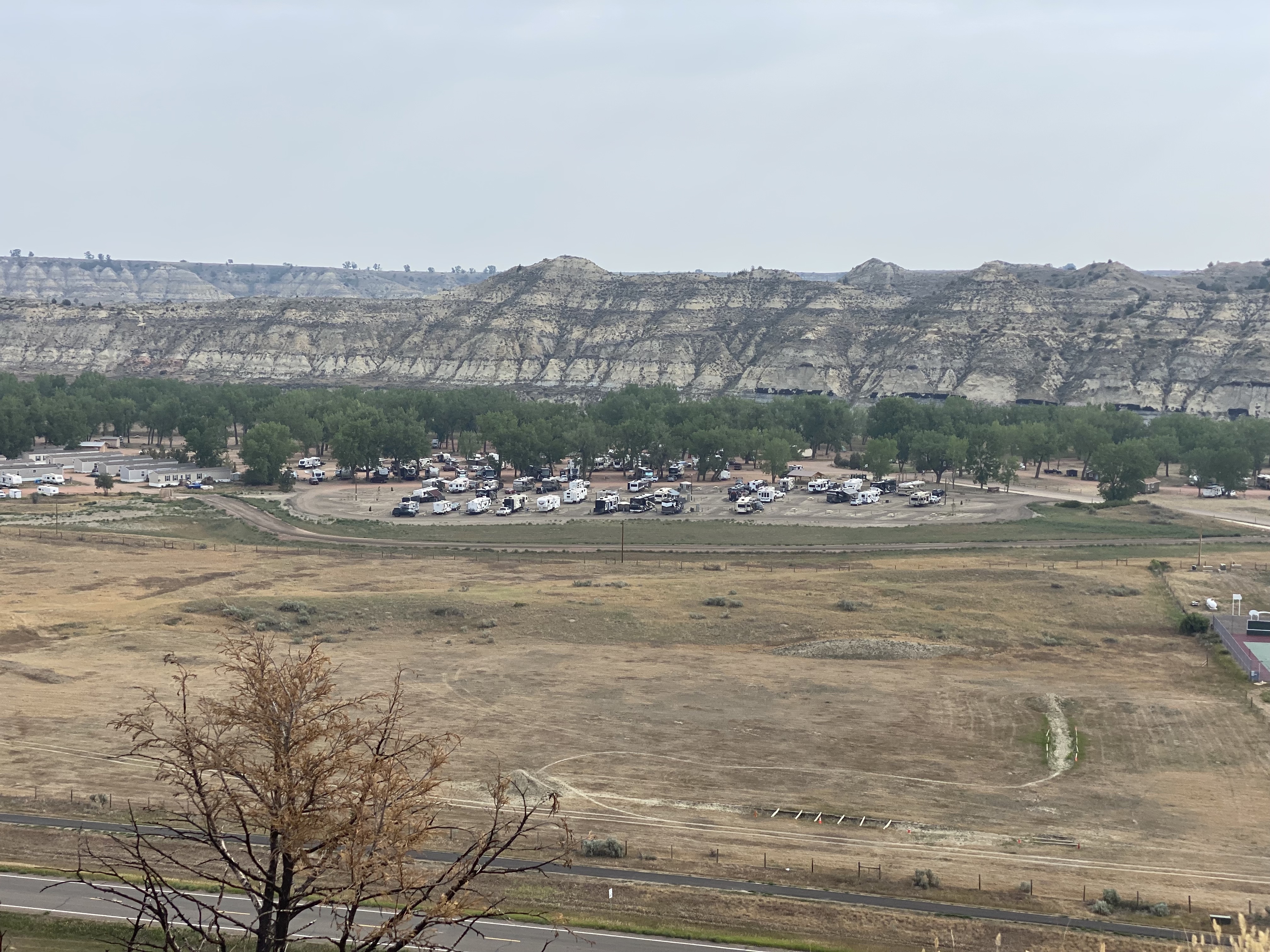
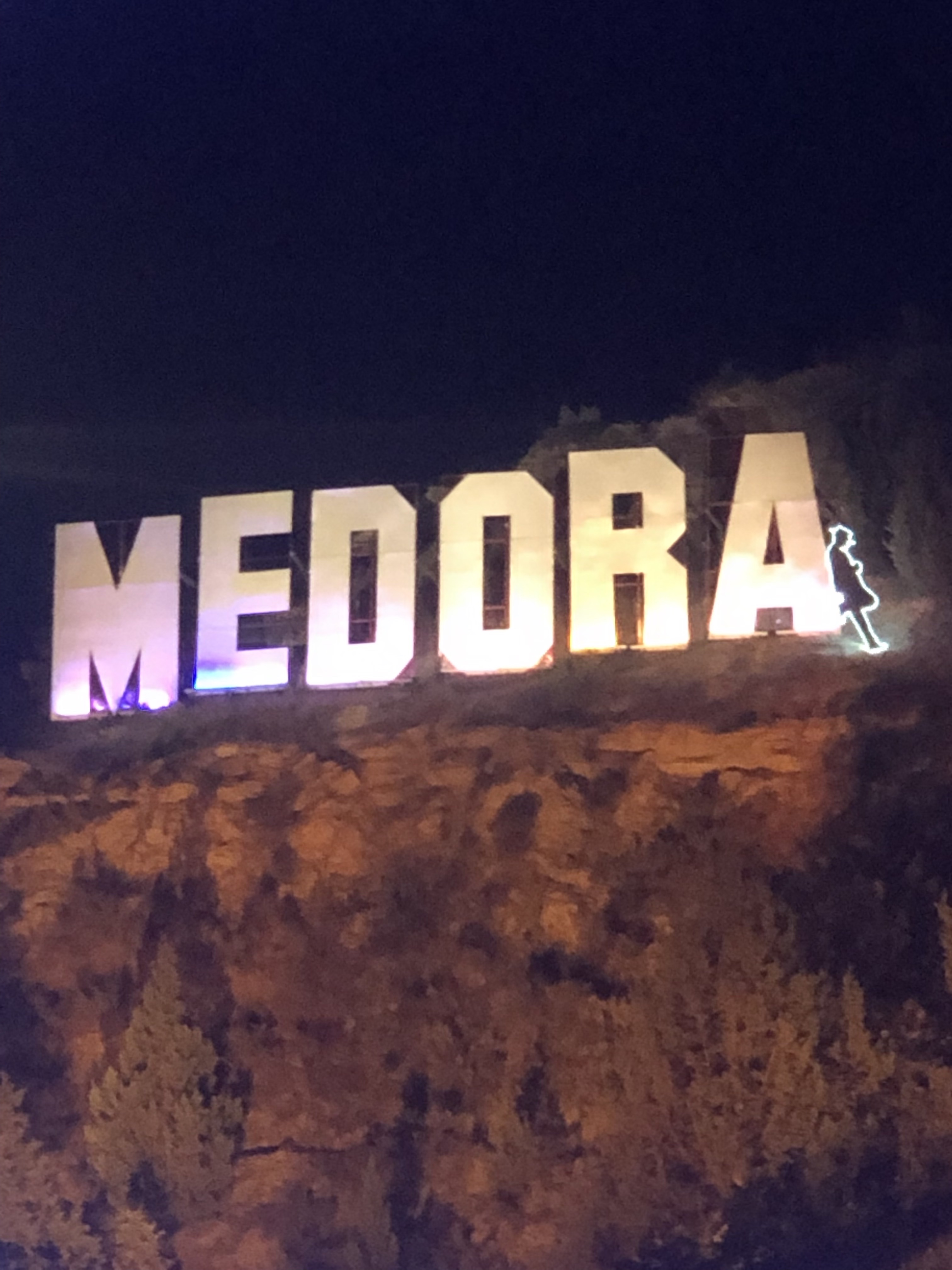
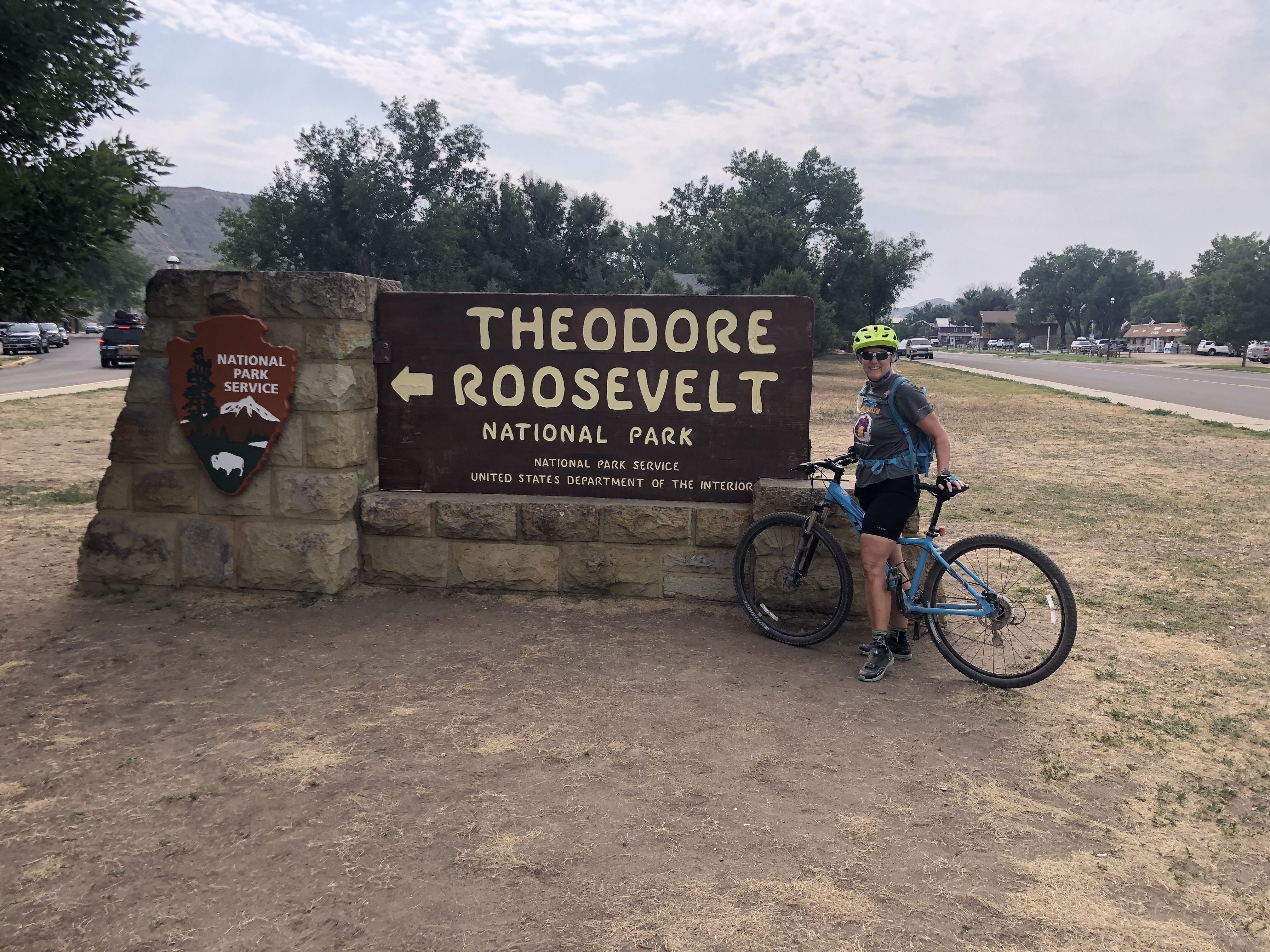
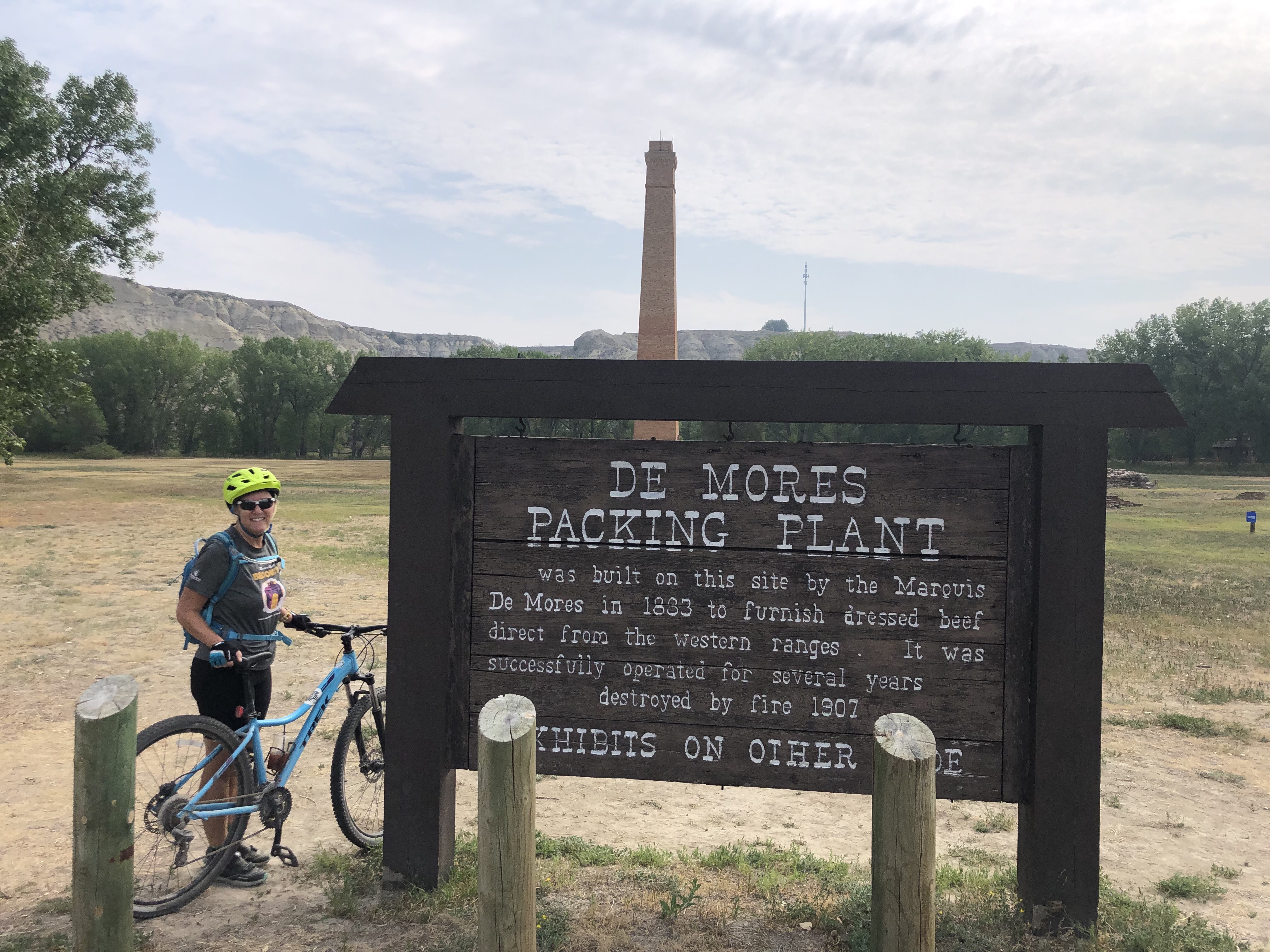
It’s a little out of the way compared to other western national parks, but we highly recommend a trip to Medora, North Dakota to explore the town, its history, and Theodore Roosevelt National Park (TRNP). We spent six days in Medora and loved every minute. The Maah Daah Hey Trail Runs brought us here to begin with but the scenery, the park, and Teddy Roosevelt’s story kept us enthralled.

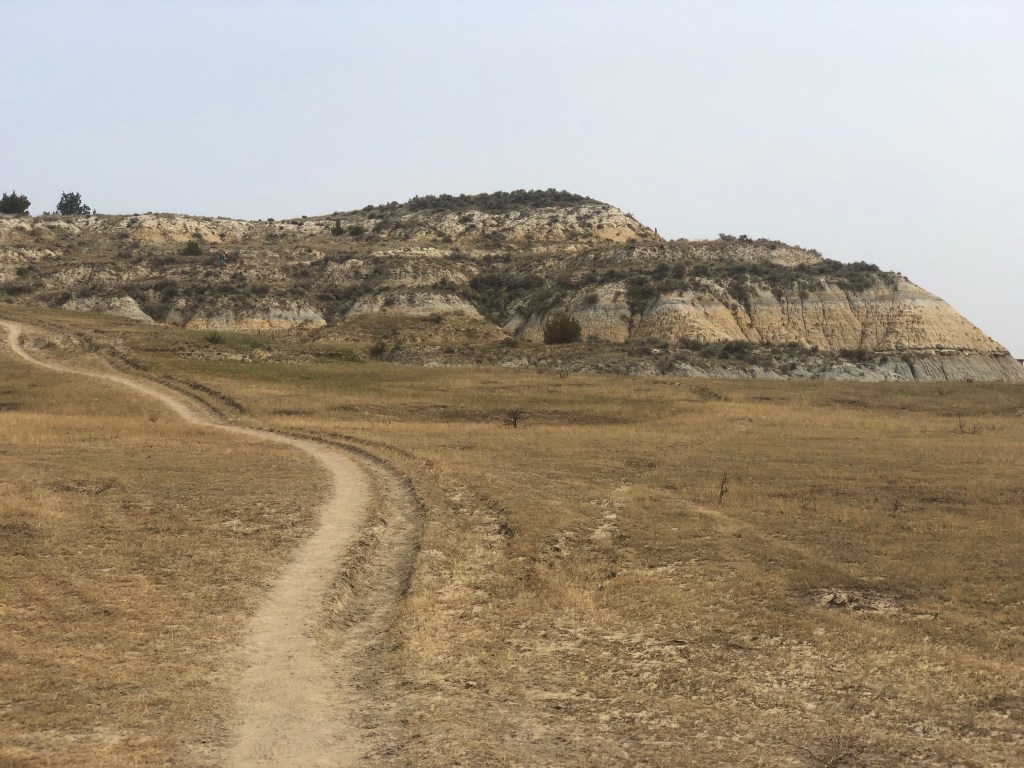
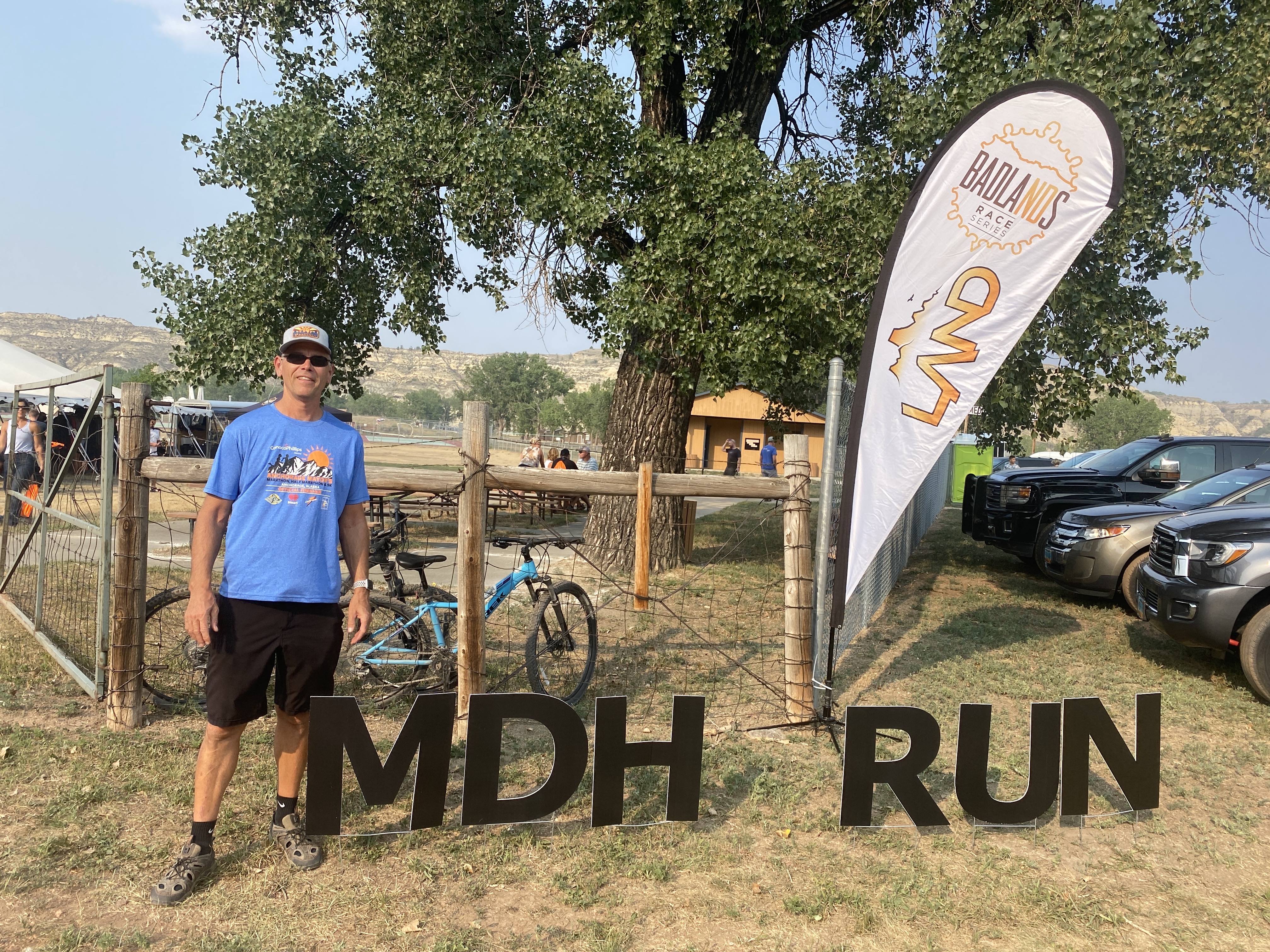
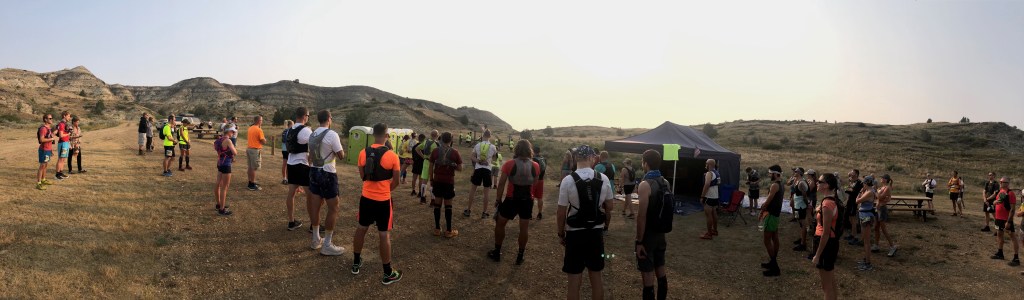
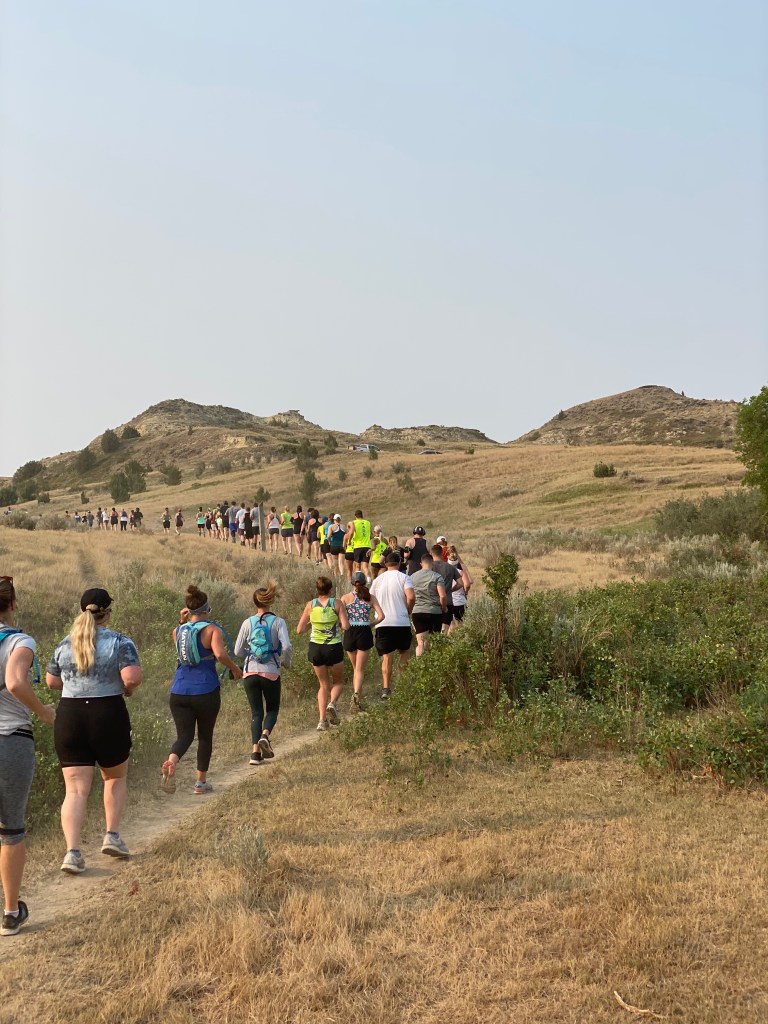
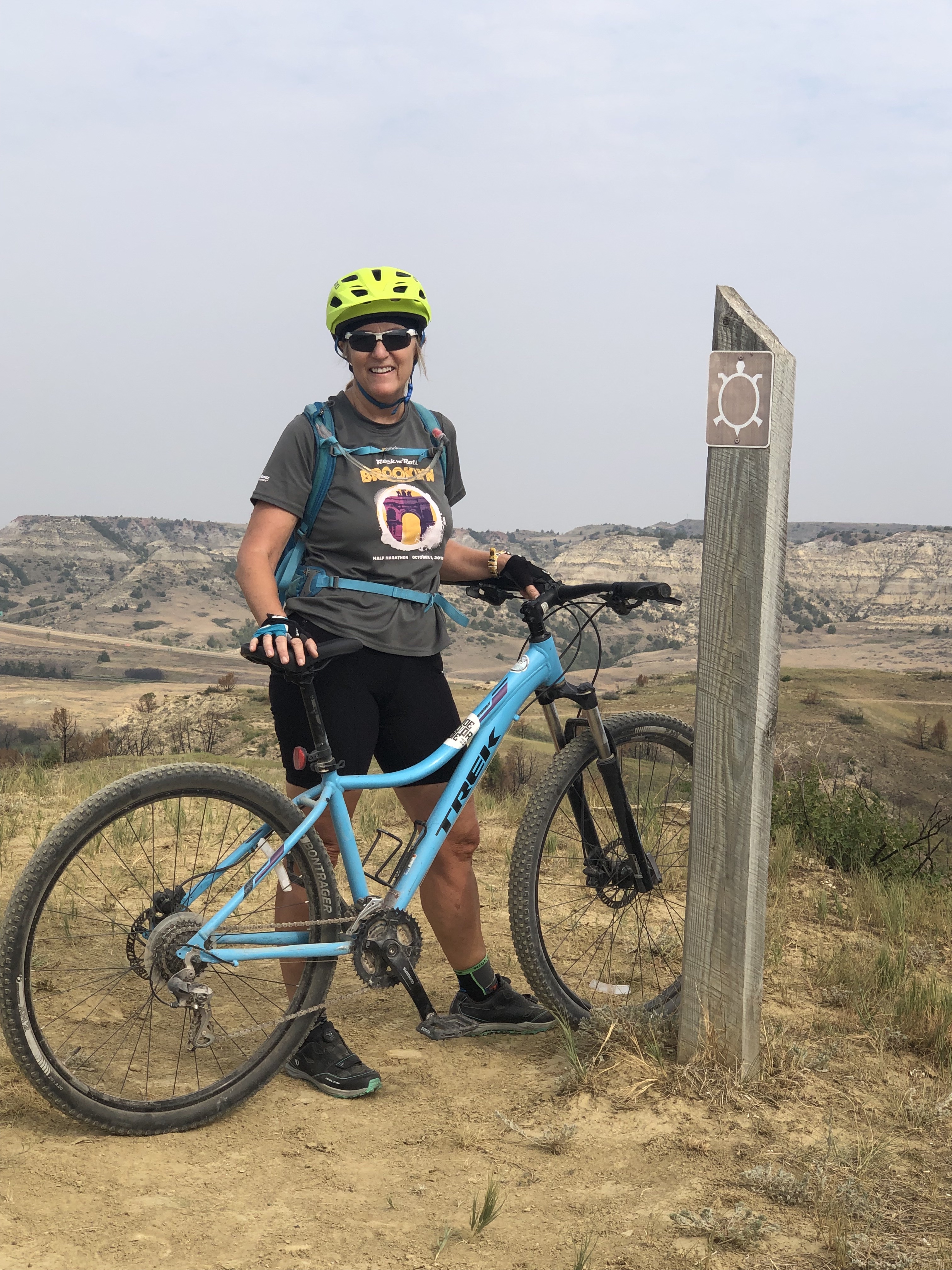
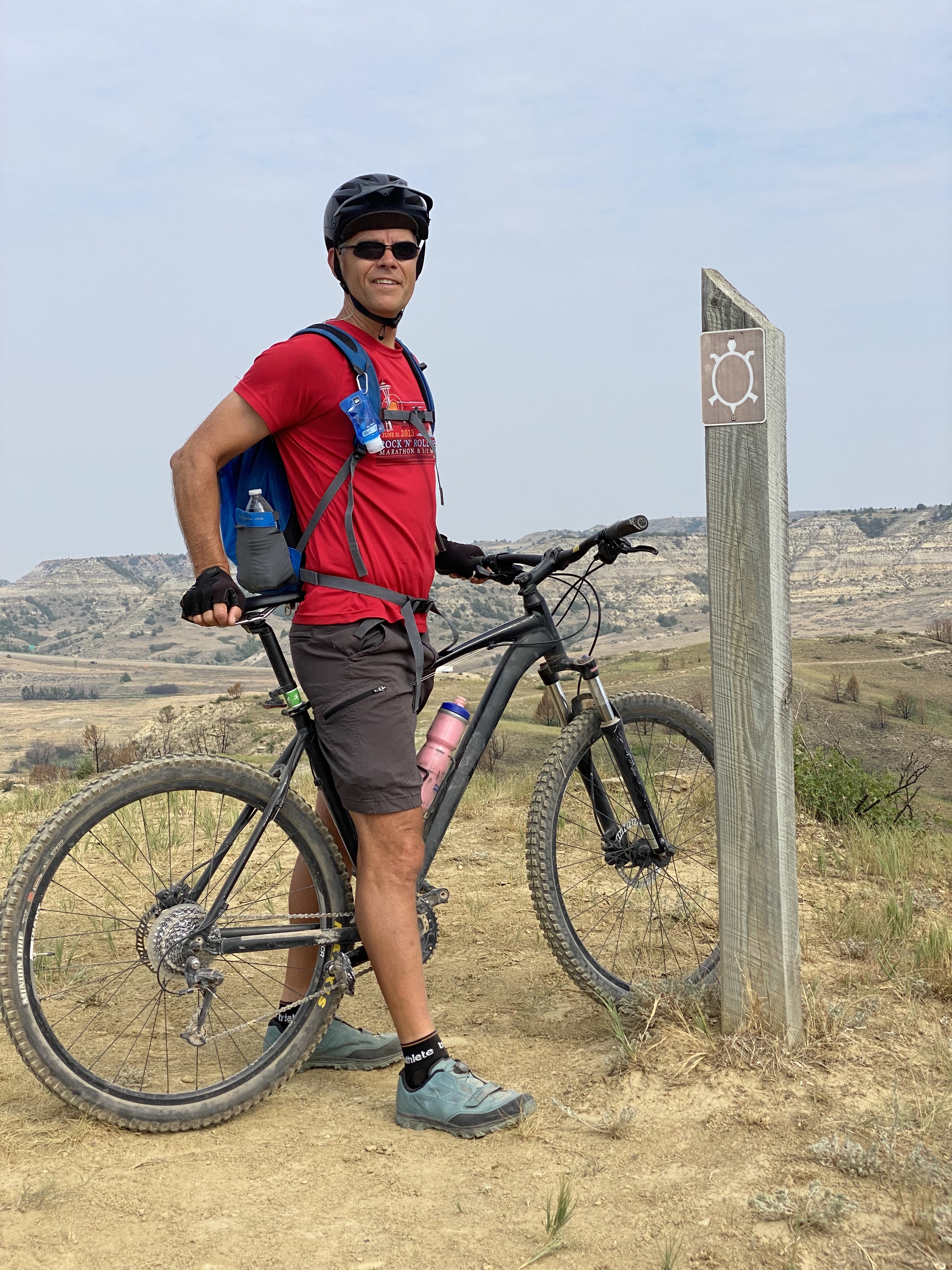
To continue Steve’s pursuit of running a marathon in all 50 states, we made the Maah Daah Hey (MDH) Trail marathon our first priority.  The MDH trail runs a total of 144 miles from the north unit through the south unit of TRNP. The trail markers for the MDH is a turtle, which symbolizes patience, determination, and steadfastness, all of which are required when you run on this trail.

Steve ran the 27 mile race fast enough to win his age group. Yep, he beat all the other guys aged 50-59! I ran the 10K, which was closer to seven miles, through the beautiful and rugged Badlands. The race itself was enough of a draw but there was so much more!

TRNP, the only national park named after a U.S. president, was established to honor his contribution to conservation, having preserved and protected an estimated 230 million acres of land including 18 national monuments, five national parks, 150 national forests, and dozens of federal reserves. As national park geeks, we really like Teddy!

The park itself includes three units covering over 70 miles. Roosevelt ranched in this area in the 1880s and artifacts from his time are on display at the visitor center, including rifles and ranch clothing. We immersed ourselves in all things Teddy while we were here and enjoyed seeing his original cabin and the land he loved. 

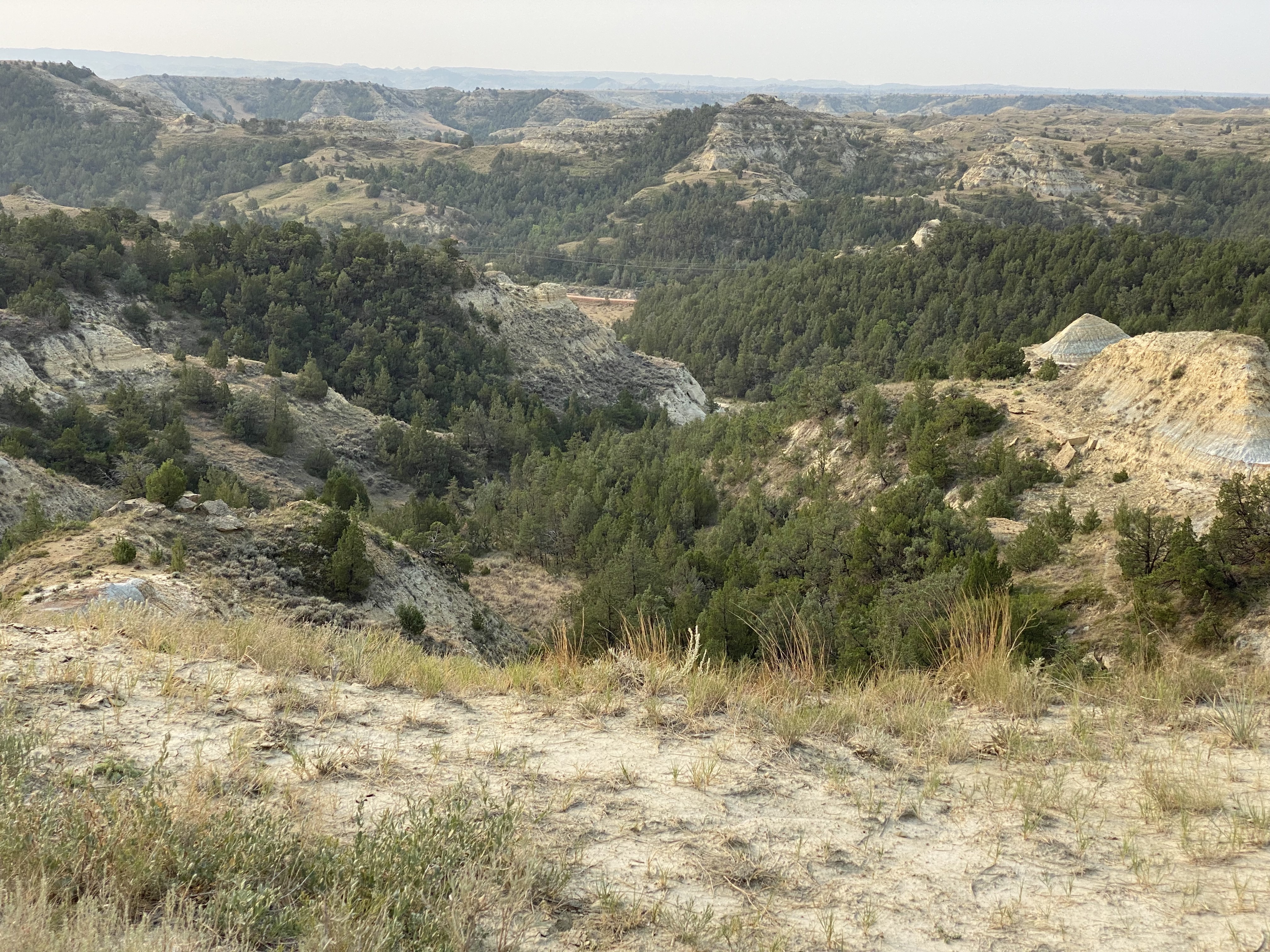
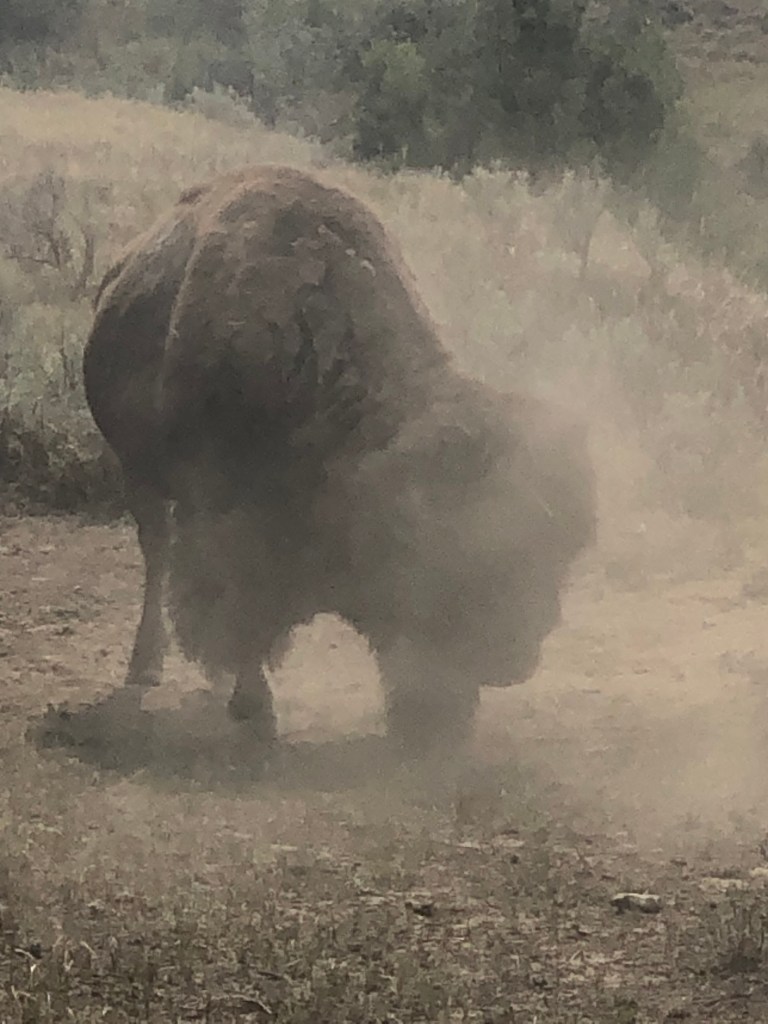
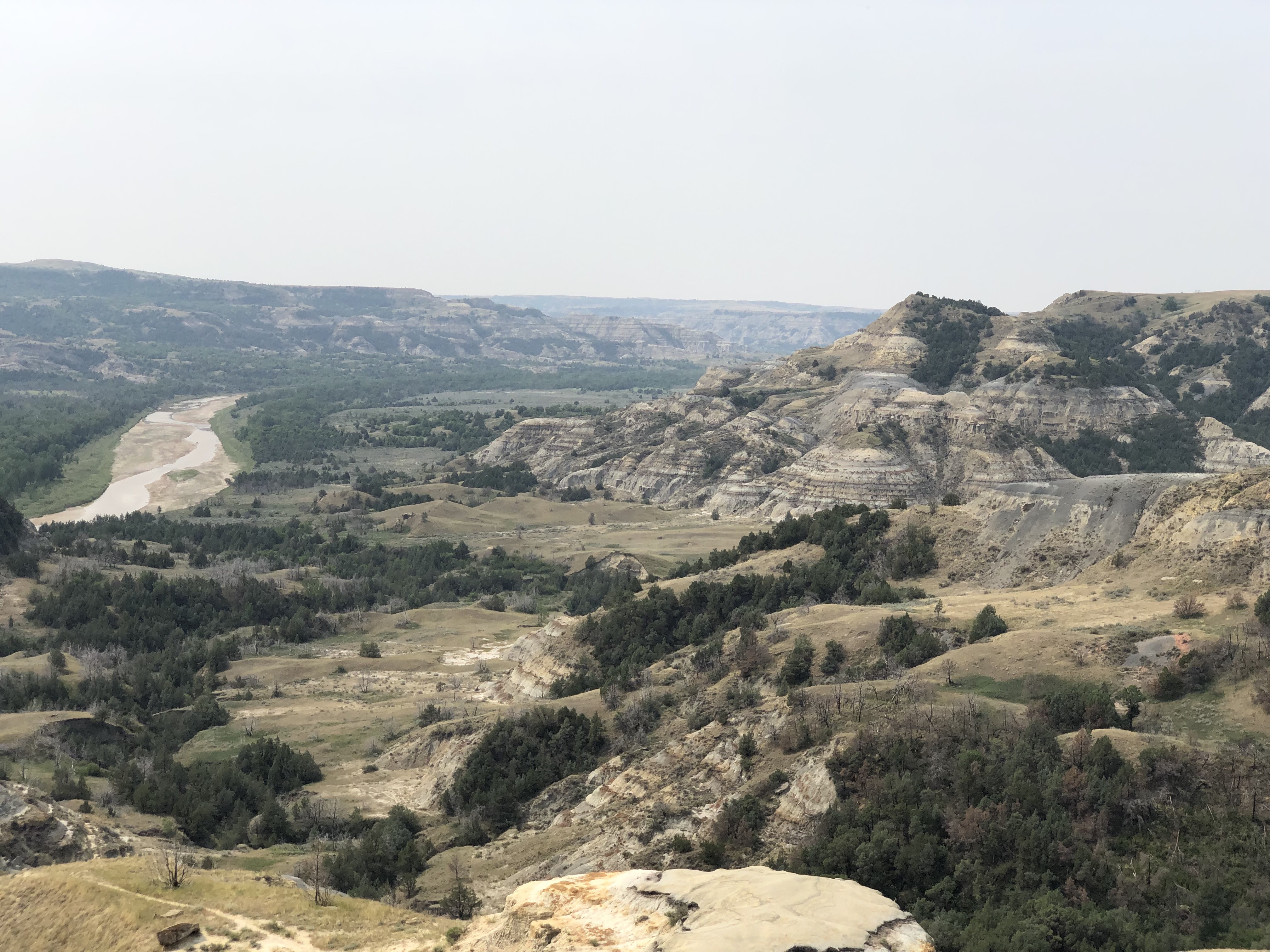
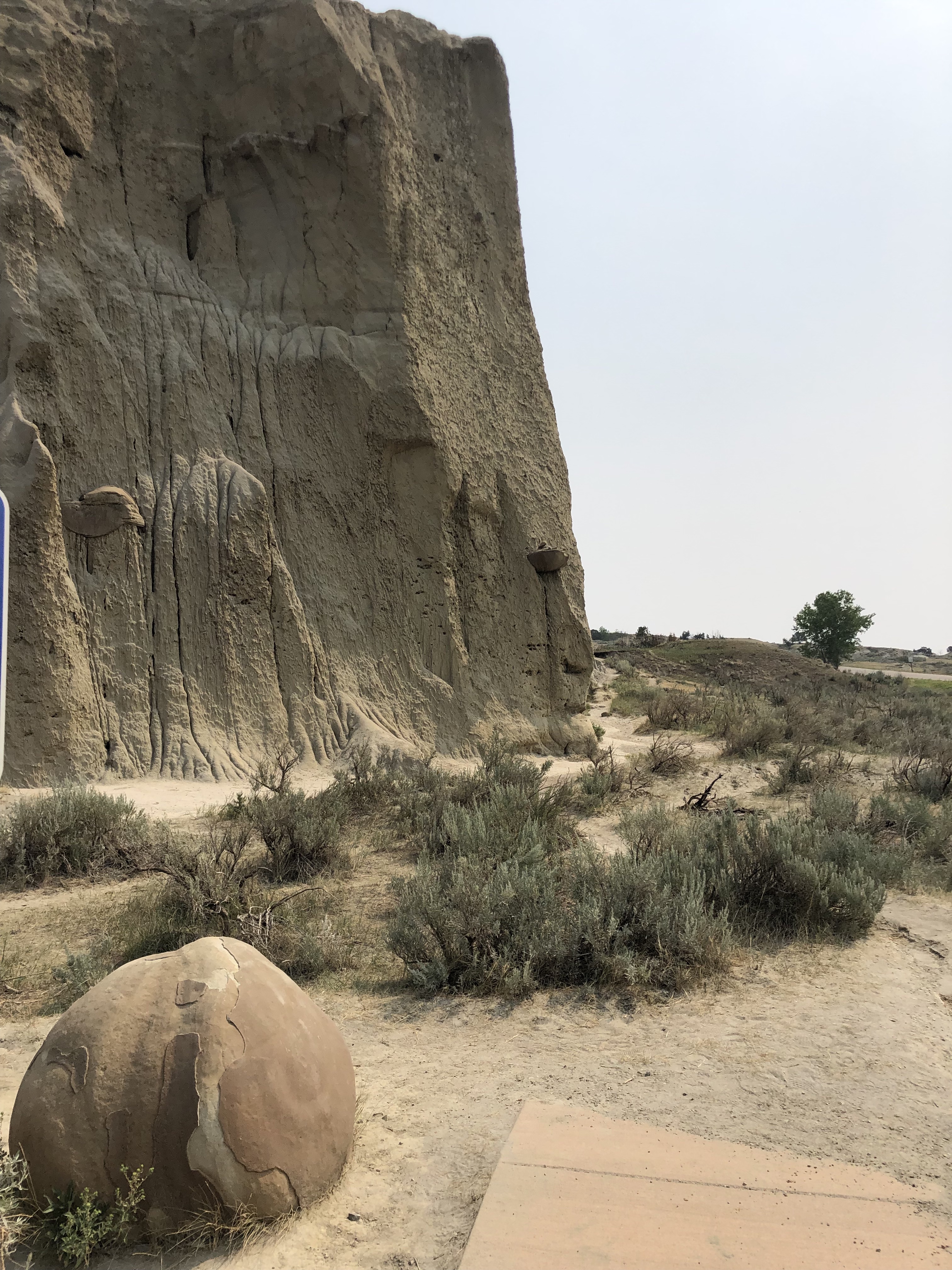
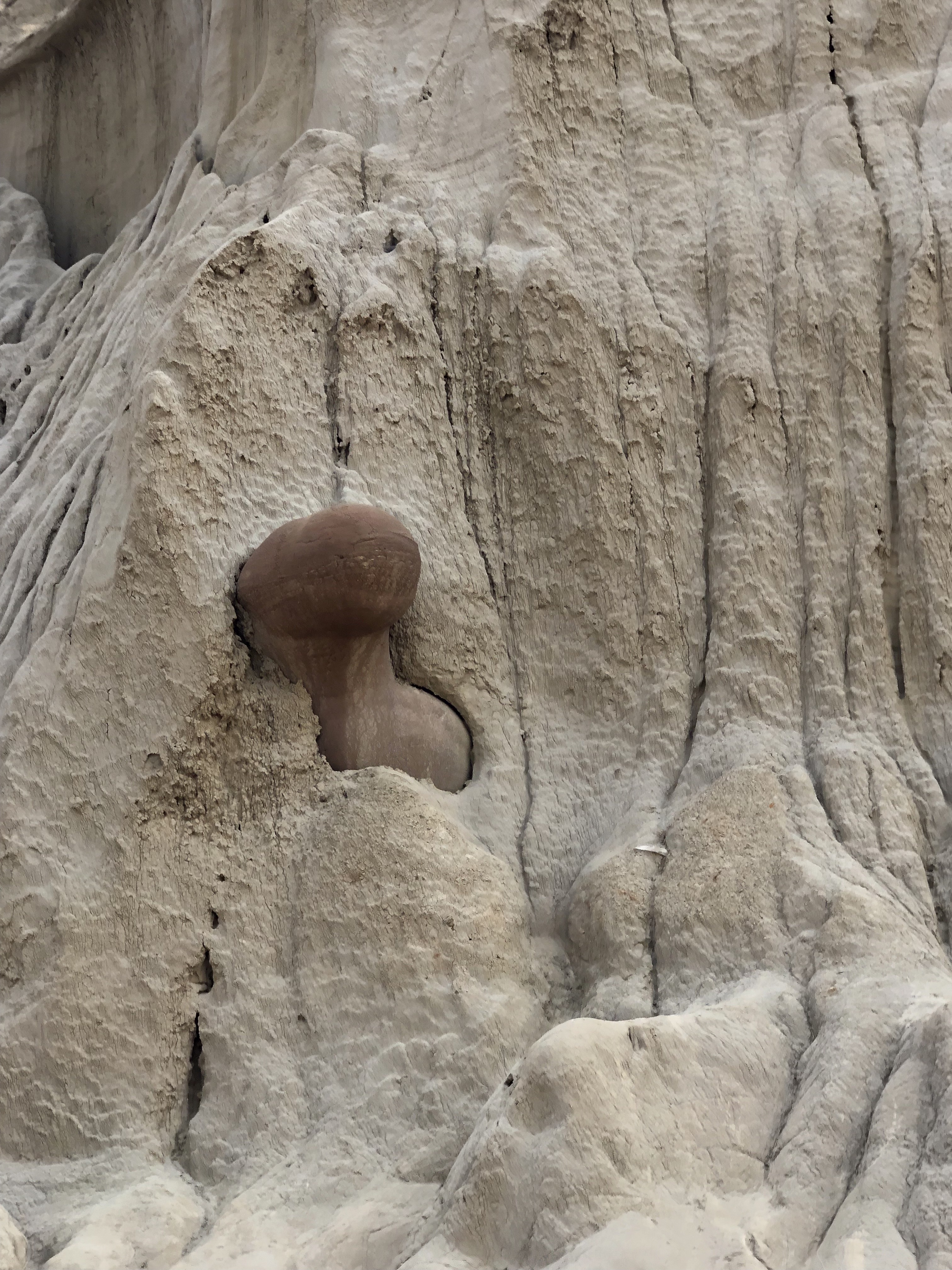
In the park itself we drove the South Unit’s 36-mile scenic drive and took in the park’s numerous prairie dog towns, numerous bison, and the park’s herd of wild horses. In the North Unit, we took the 14-mile scenic drive and learned about the unique rock formations called cannonball concretions, created by erosional forces. The badlands are rugged, desolate, and yet, beautiful in many ways. 

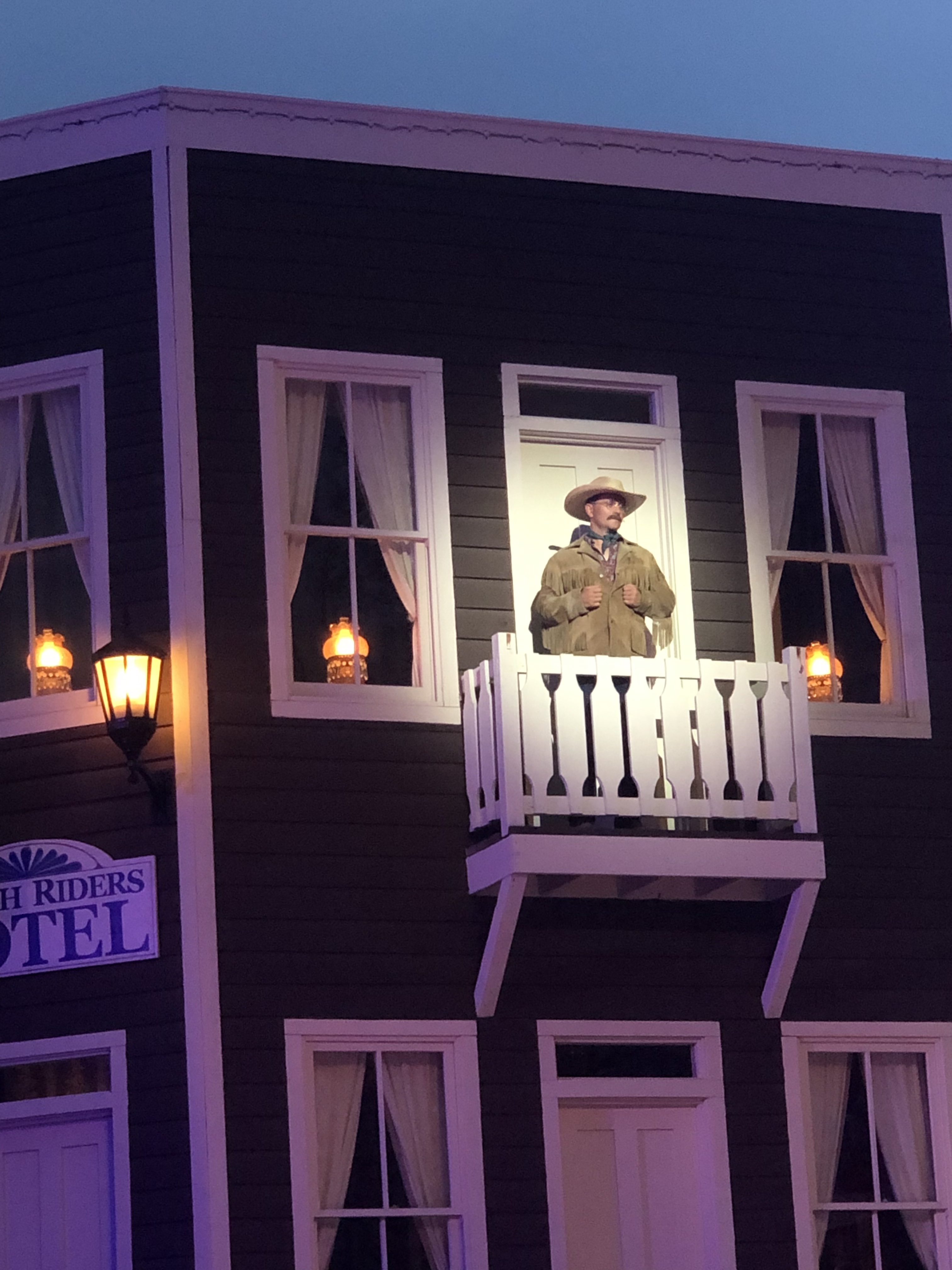
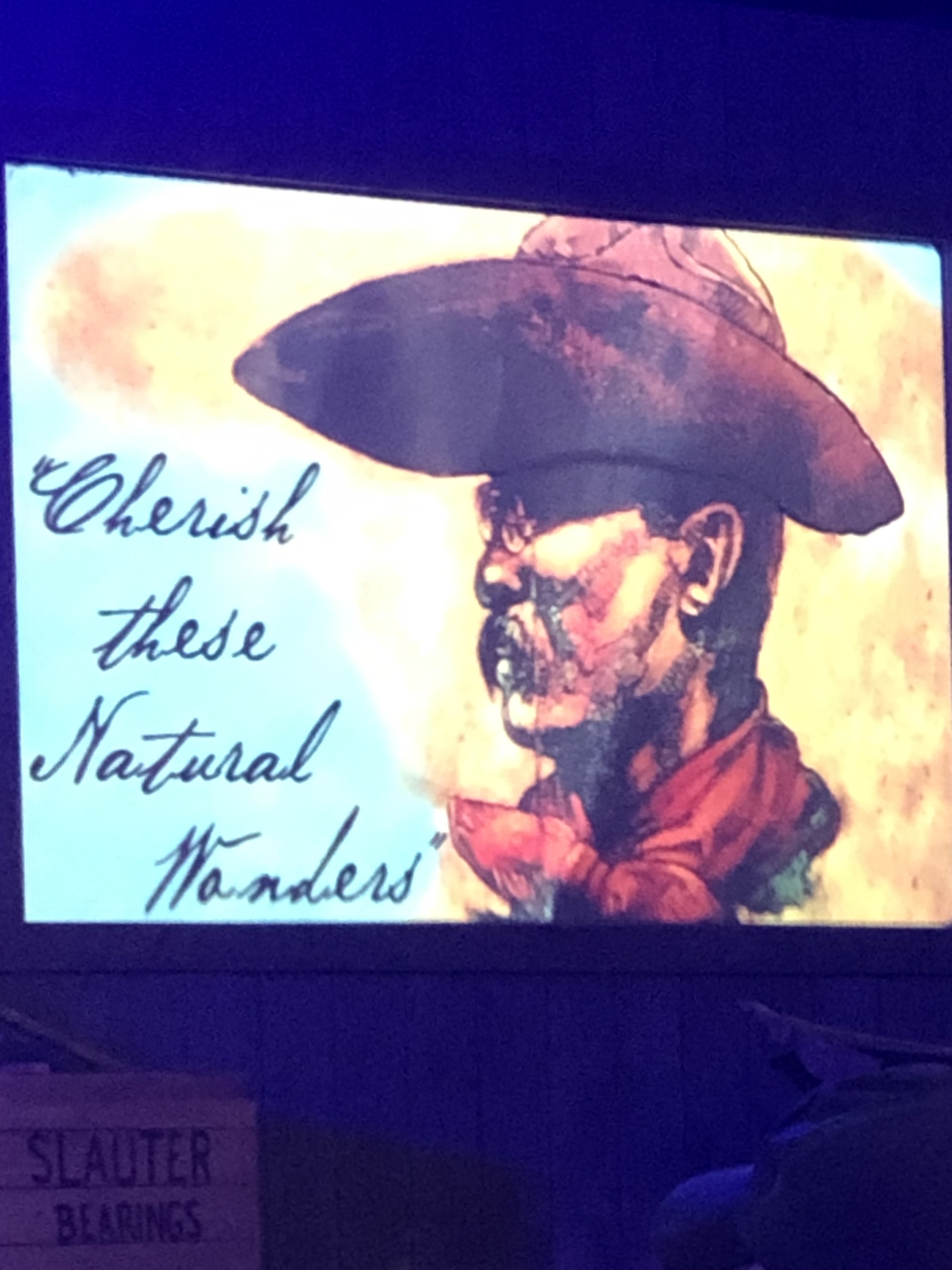
The town of Medora is a living tribute to our 26th president. In fact, much of the neat town and its attractions are run by the Theodore Roosevelt Medora Foundation. We attended two afternoon shows that paid tribute to T.R. and taught us about his impact on Medora. He came here to find solace after the death of his first wife and his mother on the same day. His ranching days here were short-lived, but his love of North Dakota endured. 

The Medora Gospel Brunch is also worth checking out when you visit Medora. In fact, all of the entertainment in town was top-notch. High quality singers and musicians, polished re-enacters, and New York-level productions. We were really impressed.

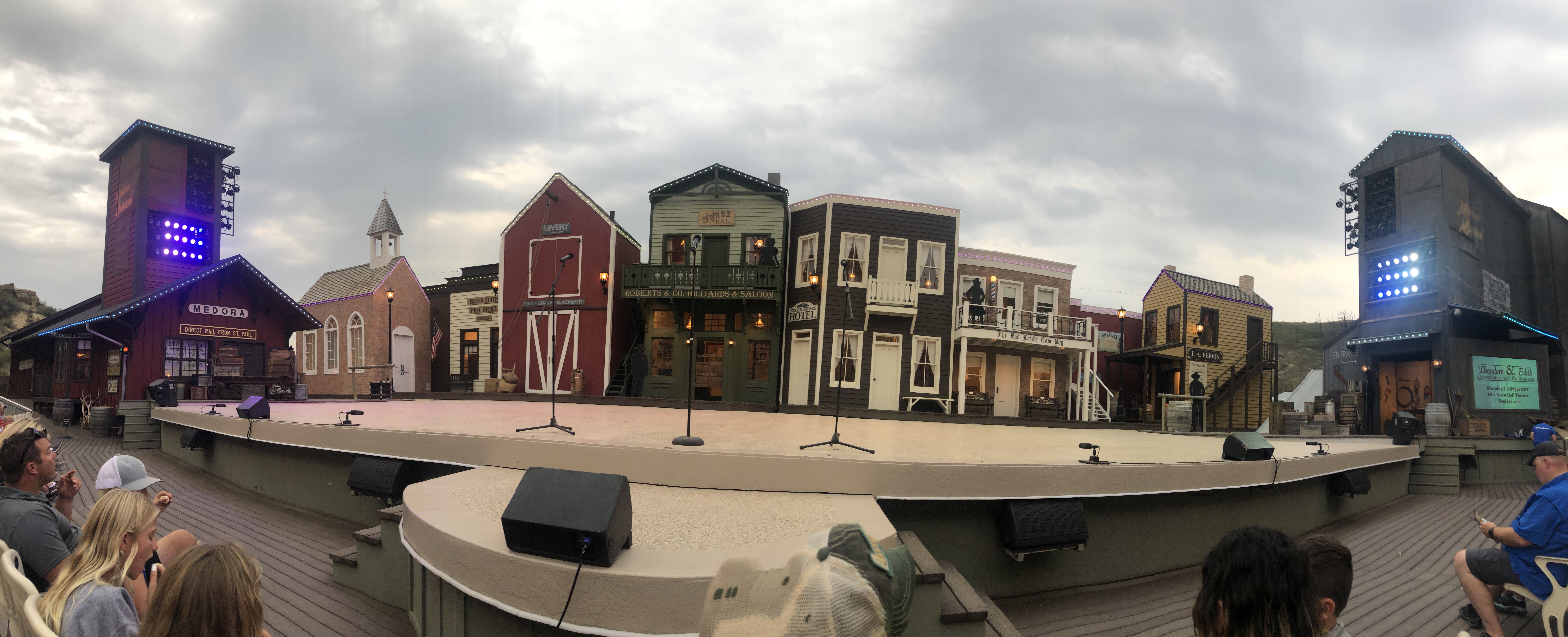
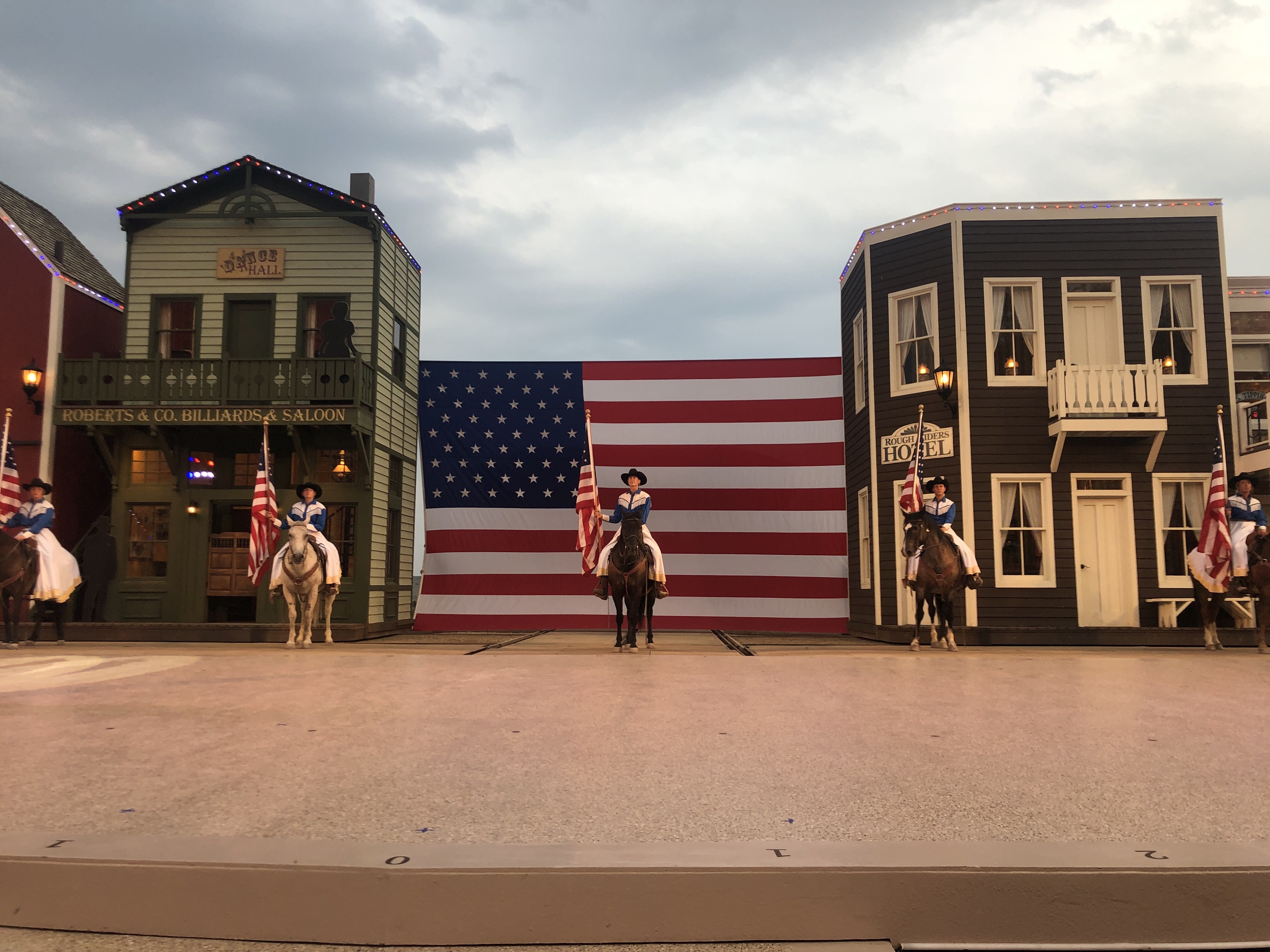
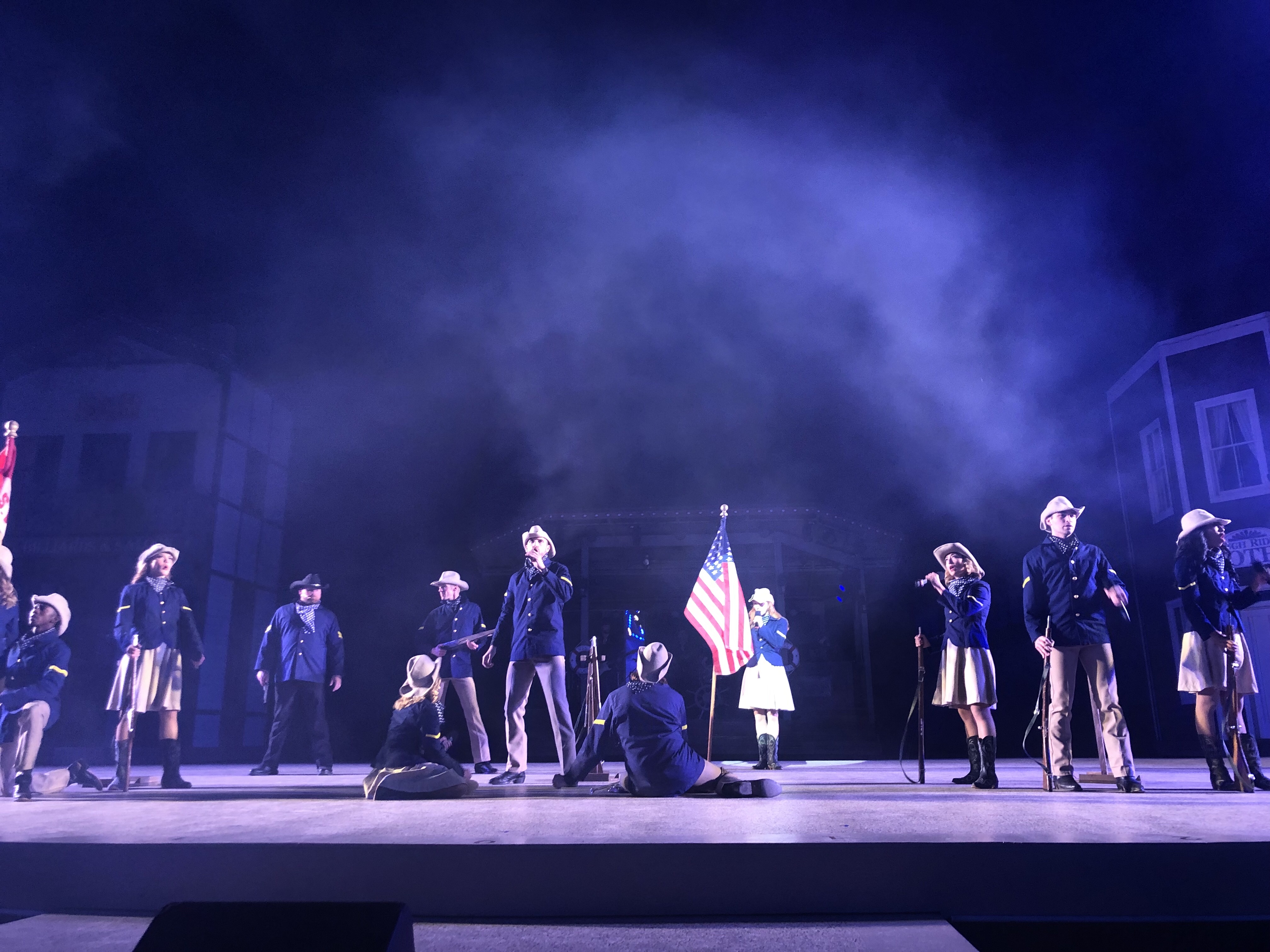
The star of the Medora entertainment scene is the Medora Musical which has been running since 1965. Set in a striking outdoor amphitheater with sweeping views of the badlands, the musical pays tribute to Medora’s history and the legacy of Theodore Roosevelt.

With a mix of classic country music and original tunes, the company sings, dances, and rides with high energy for a full two hours. In our second row seats, we had a great view of the action.  The Medora Musical is a not-to-miss event in Medora.

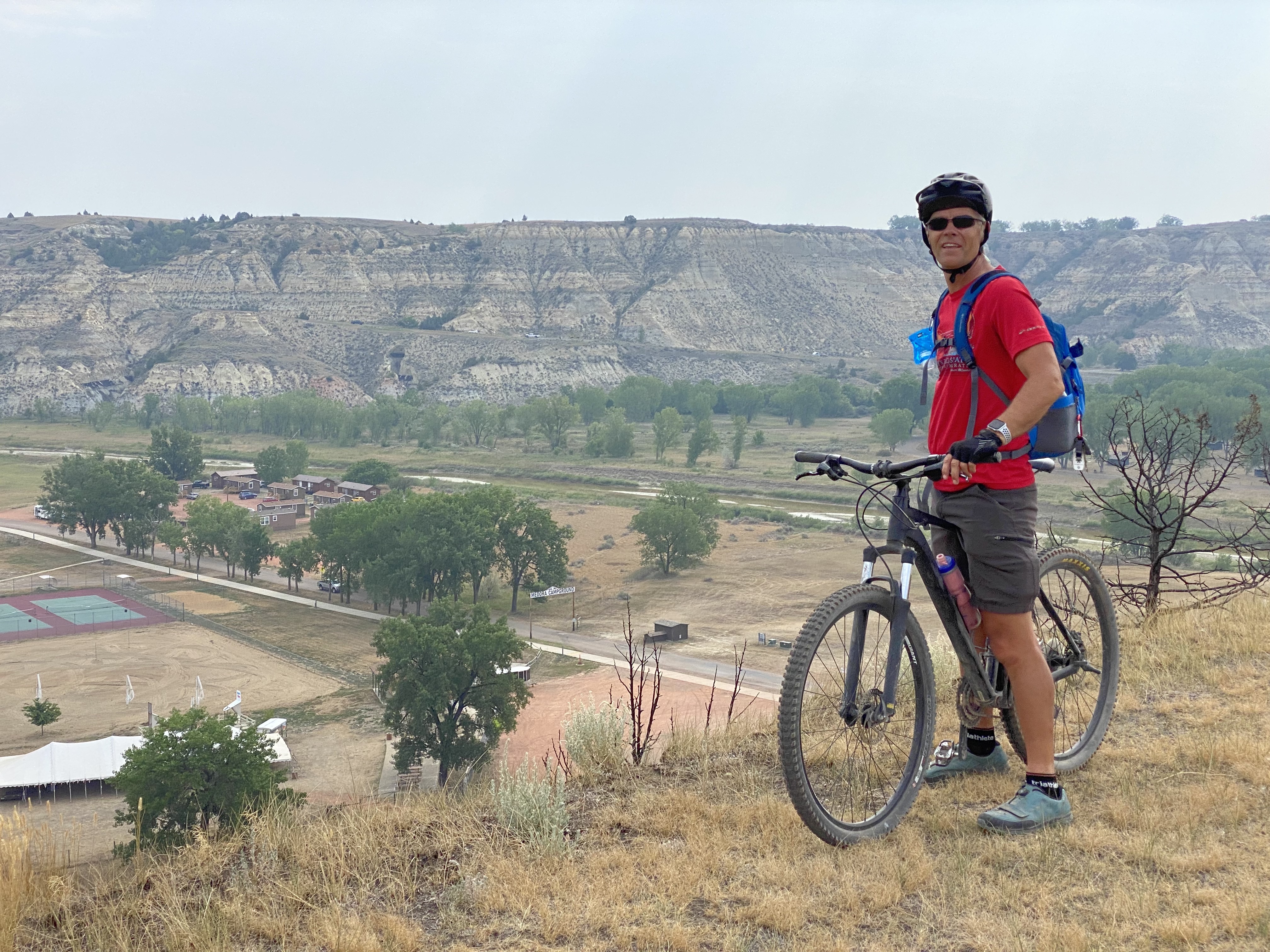
Of course we went back out on the Maah Daah Hey trail a bit on our bikes and just enjoyed being in this unique place. Beautiful views, a well-groomed trail, and sunshine always make for a good day.

We hope to return in 2025 once the Theodore Roosevelt Presidential Library is opened.