Our COVID-19 RV travels are continuing, carefully, in Central Oregon. We had a great two day stay at La Pine State Park and wish we could have stayed longer. The park is just south of Bend, situated right on the banks of the Deschutes River, and has a ton of easy mountain bike trails. 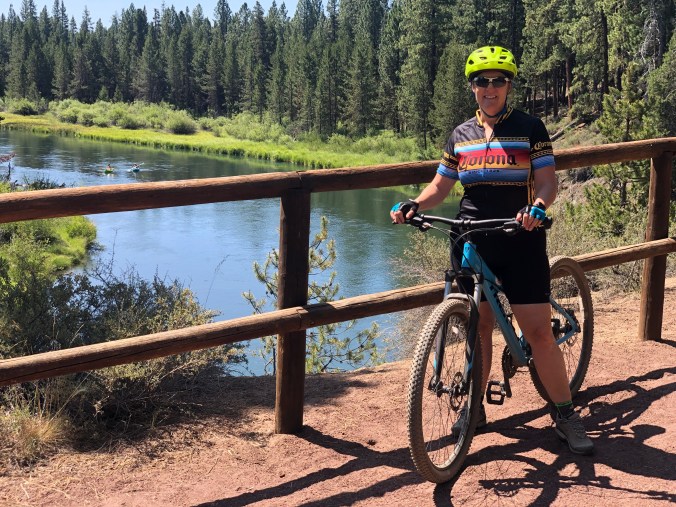 This gave me an opportunity to get back on the bike for more than a few minutes and Steve a chance to try out trail running with his injured collarbone.


We both loved it! Flat single track along the river and nice weather made this stop one that illustrates why we love RV travel.
But let’s be real…it’s not always champagne and roses when you tow your home with you wherever you go. This blog post will focus a bit more on the day-to-day realities of RV travel, rather than the places and adventures we’ve experienced. In fact, here are nine realities of living in an RV, especially during a pandemic.
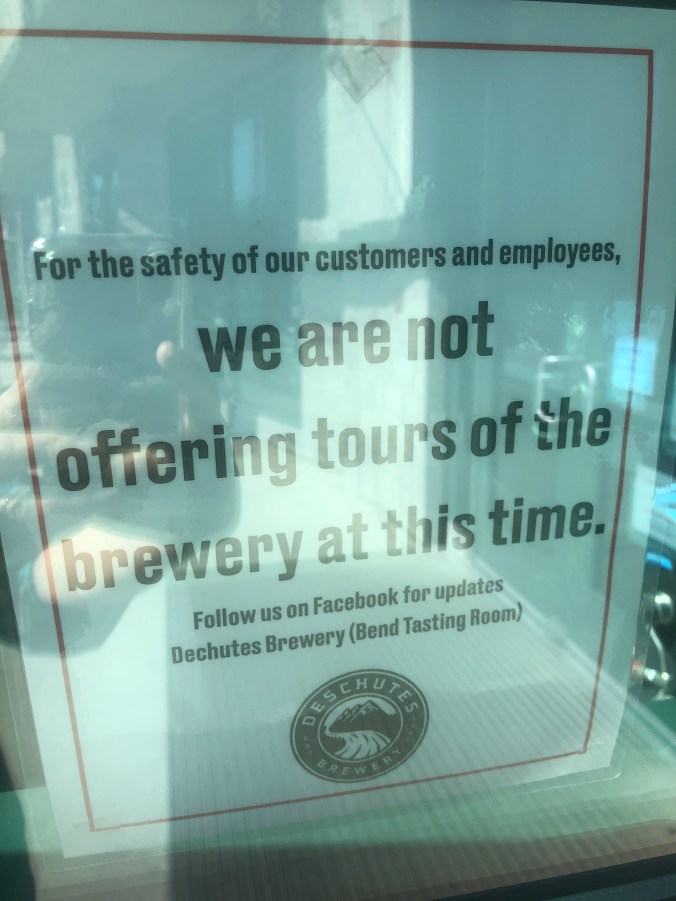
- Many of the highlights and “must see” attractions are closed. Along the way we’ve seen tours (yes, brewery tours!) and parks that we’d love to explore. However, due to the pandemic, they are not operating. Most of the pools and recreational features at the RV parks are also off-limits. We expected this but still it’s kind of a bummer to see something cool and be unable to check it out.
- You still have to do laundry! And it’s not always pleasant when you don’t have your own fancy front loaders and laundry room. Here at the Thousand Trails Bend/Sunriver RV Park the laundry room was pretty scuzzy and the machines weren’t very fast.

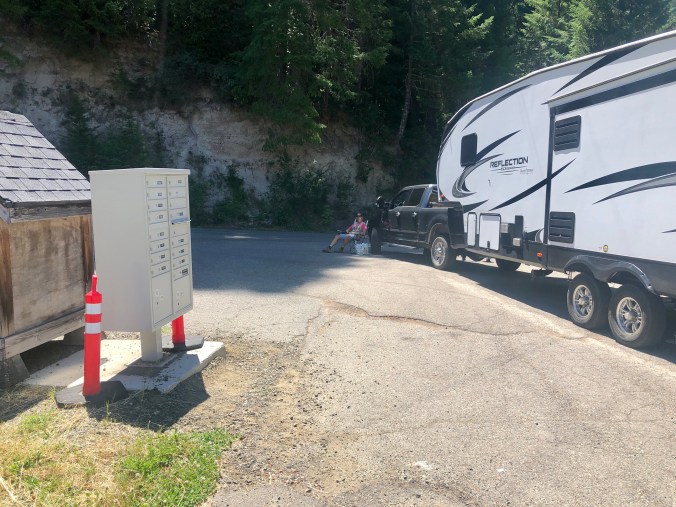
- You don’t get your daily mail. I love getting the mail and take for granted the ability to walk outside and open my mailbox each day. Last week we had our wonderful neighbors, Nancy and Tom, send us our mail from the last month. It was quite an ordeal. Long story short, we sat at these mailboxes in the middle of nowhere for over two hours before we finally received our package, which was already a day later than guaranteed.
- Some really fancy RVs have dishwashers. We, on the other hand, have a dish drainer and some cute kitchen towels!


- Electric power is variable. At each stop we either have 20, 30, or 50 amps of power or nothing. This number determines if we can run the A/C at the same time as the microwave and if I can blow dry my hair while the electric water heater is on. At the Bend/Sunriver Park, an older park, the power was on and then off and then…
- Steve has to “dump” regularly. Yes, it’s a reality and practicality of RV living…the water and sewer tanks must be emptied on a regular basis. Sometimes we have a sewer connection a the site but often in the Thousand Trails parks you have to visit the dump station to empty the waste.

- Speaking of sewer, did you know you have to treat the sewer tank after it’s emptied? Yep, every time Steve dumps, I have to pour a little bit of this stuff into the toilet to help “break down the solids.” Yes, we’ve learned some pretty gross things on this journey.

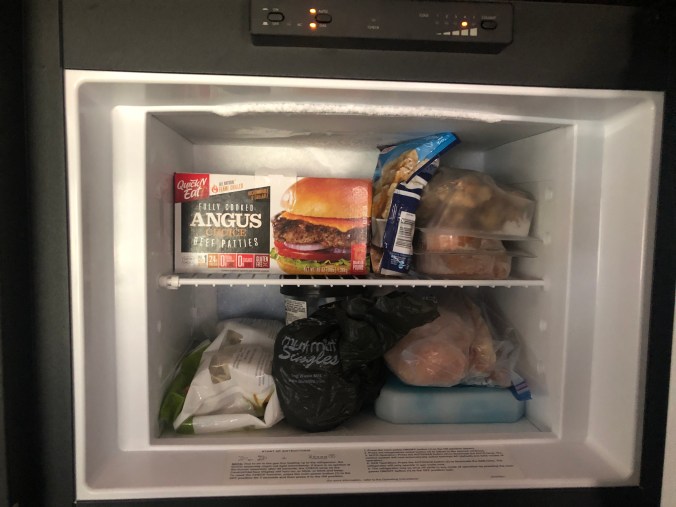
- We are big Costco customers, but can’t buy in bulk while traveling in less 300 square feet. Our 8 cubic foot refrigerator/freezer barely gives us the room to keep a little frozen food and the necessities for a few days. More frequent trips to the grocery store seem to be a reality of living like this.
- We interact with very few people along the way and that leaves us missing our family and friends. Because of the pandemic, we stay to ourselves the majority of times. Luckily we like each other, but we do miss hanging out with our neighbors in the Mahogany Lane parking lot!
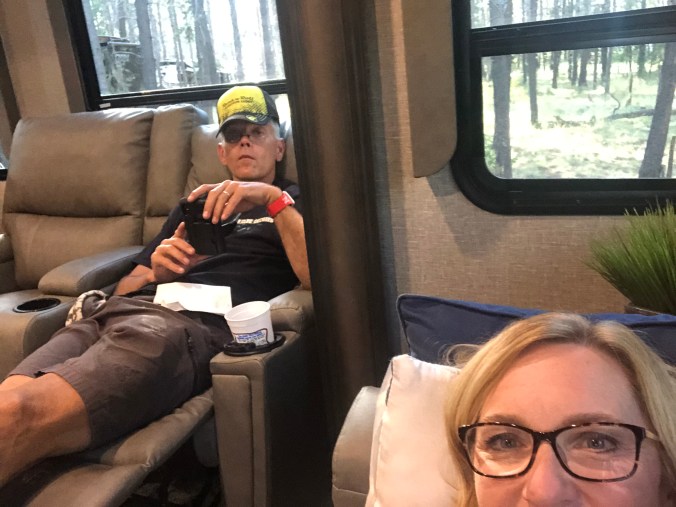 All of this said, we are very grateful to have this opportunity and know how lucky we are to be able to travel this way and see our country. Regardless of the mundane tasks and inconveniences of RV travel, it is really the best way to see the United States up close. While the pandemic continues to rage on, we feel safe motoring along in our self-contained, moving home.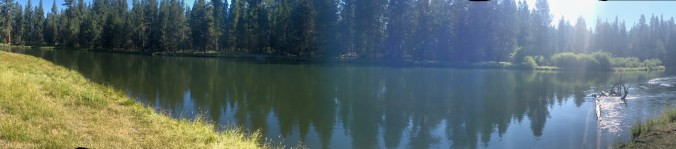
One highlight of our stop in Bend was a visit with my cousin Tom Zimmerman and his family. Wife Kelly prepared a tasty BBQ meal and we got to spend time with their three girls, Zoe, Laney, and Kira. Connecting with family, far and near, is certainly one of the benefits of RV travel.  We’re in Bend for a few more days, taking care of business…oil change, haircuts, groceries, etc. and enjoying the beautiful scenery, world-renowned breweries, and endless bike trails. Even though this blog post focuses mostly on day-to-day RV living, we have really fallen in love with Bend and the surrounding area. It will be hard to leave but next we are heading north into Washington State. Until then…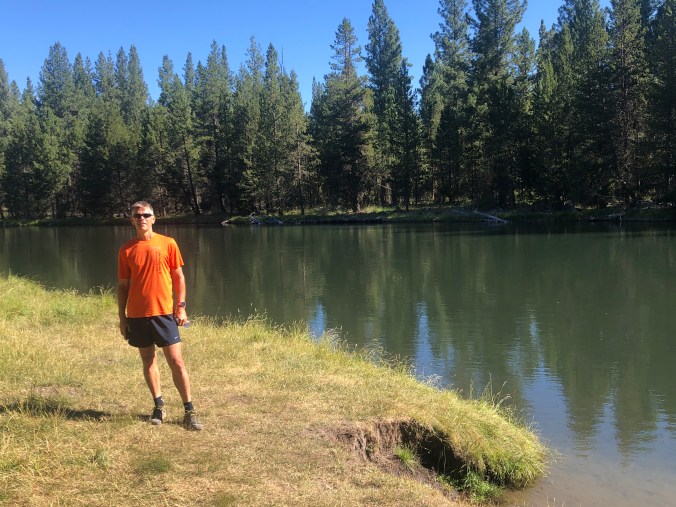
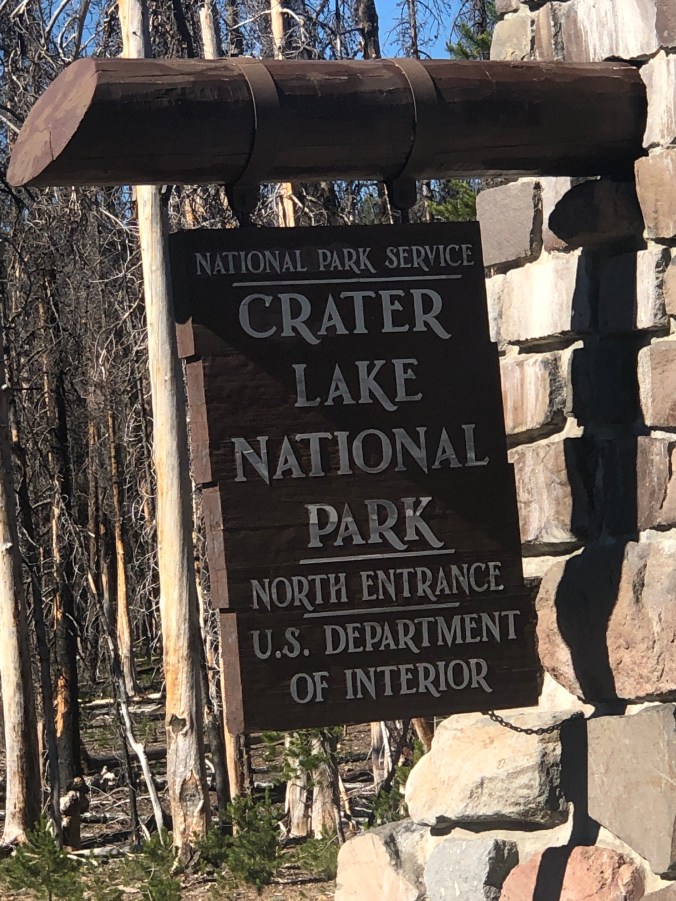 We took a day to explore the highlights of
 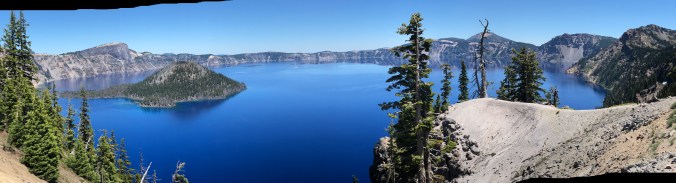 We entered the park from the north where we are staying for a few days. The
  To explore the National Park we followed the advice of Michael Joseph Oswald who wrote the book


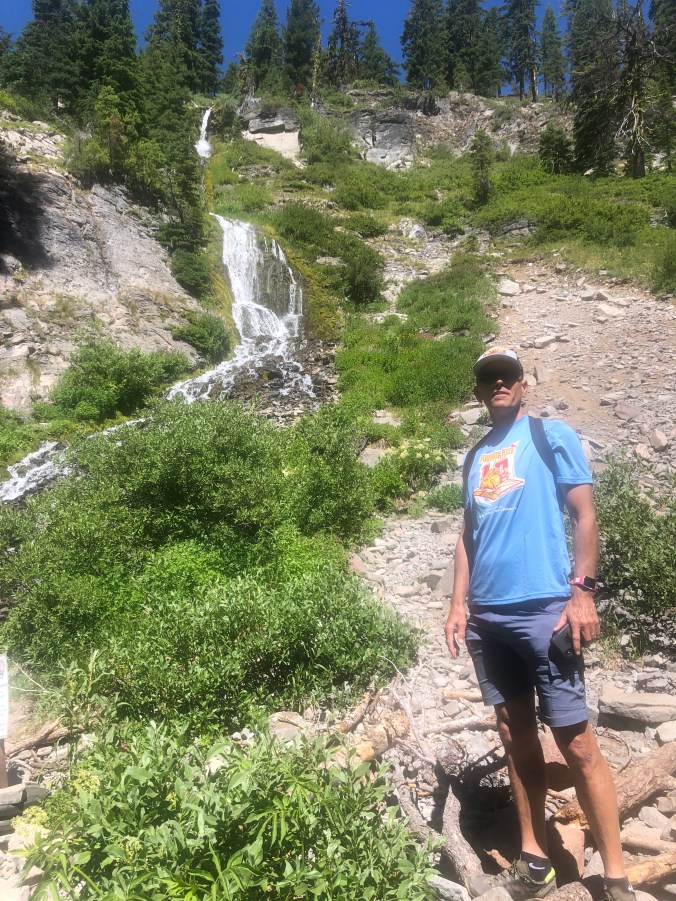
 We drove the 33 mile rim trail and stopped at all the highlights. There are waterfalls, overlooks and sweeping views.
  One side road took us to the Pinnacles, unique formations of pumice spires, created by erosion along a steep-sided canyon. Some of the cones are especially tall, tapering to a sharp point. Super cool.
  We also did a short hike, the Castle Crest Wildflower Trail, which featured the annual display of wildflowers that inhabit the area. It was only a half-mile trail, which was fine with us injured travelers.




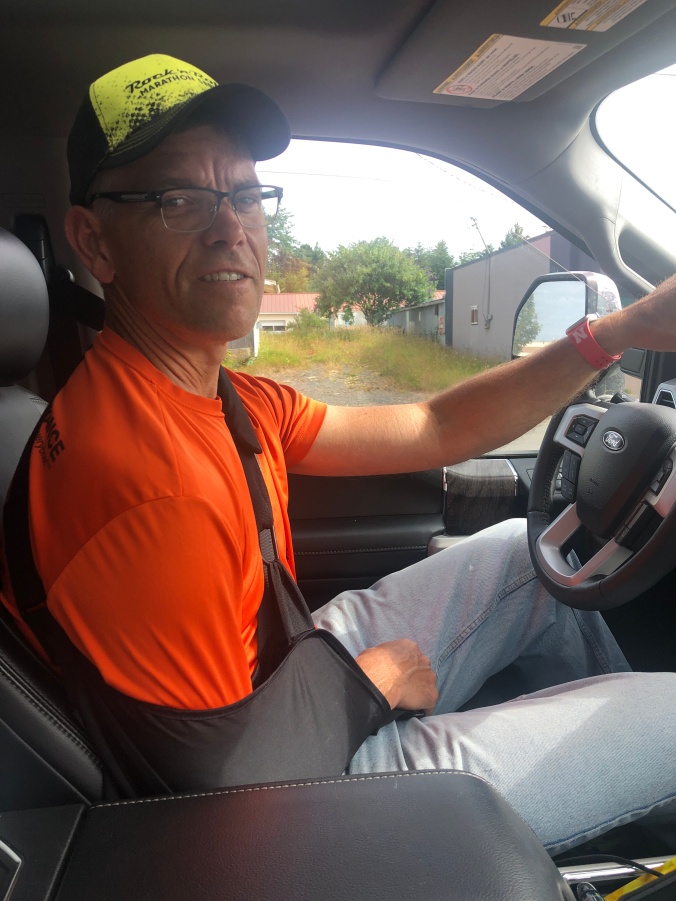
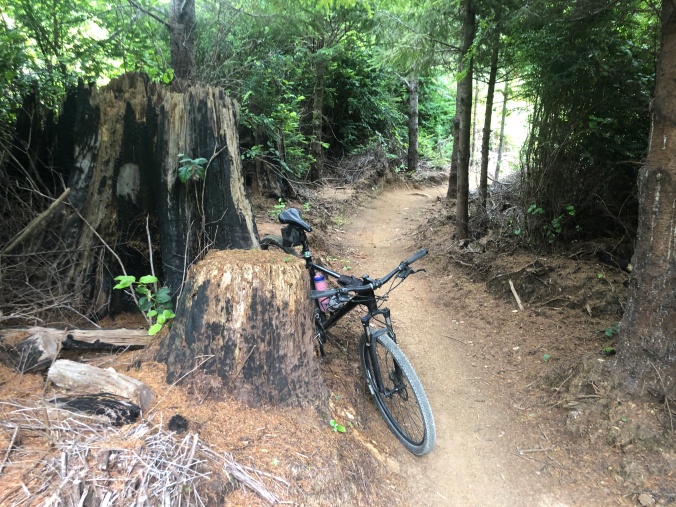 I knew immediately when he returned about an hour later that he’d taken a fall. To be exact, it was an “endo” over the handlebars. A sagging shoulder and arm that couldn’t be lifted were the telltale signs of a broken collarbone. To the hospital we went.



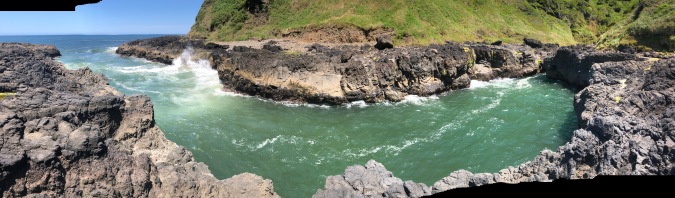


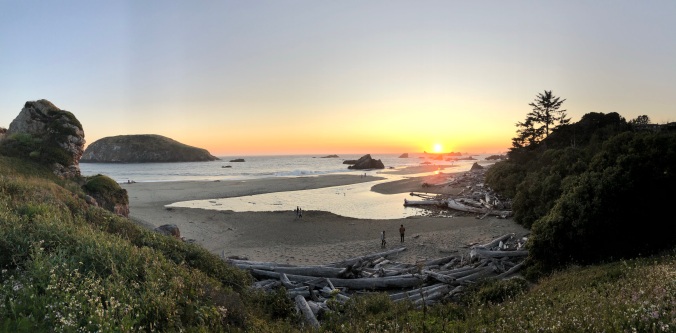
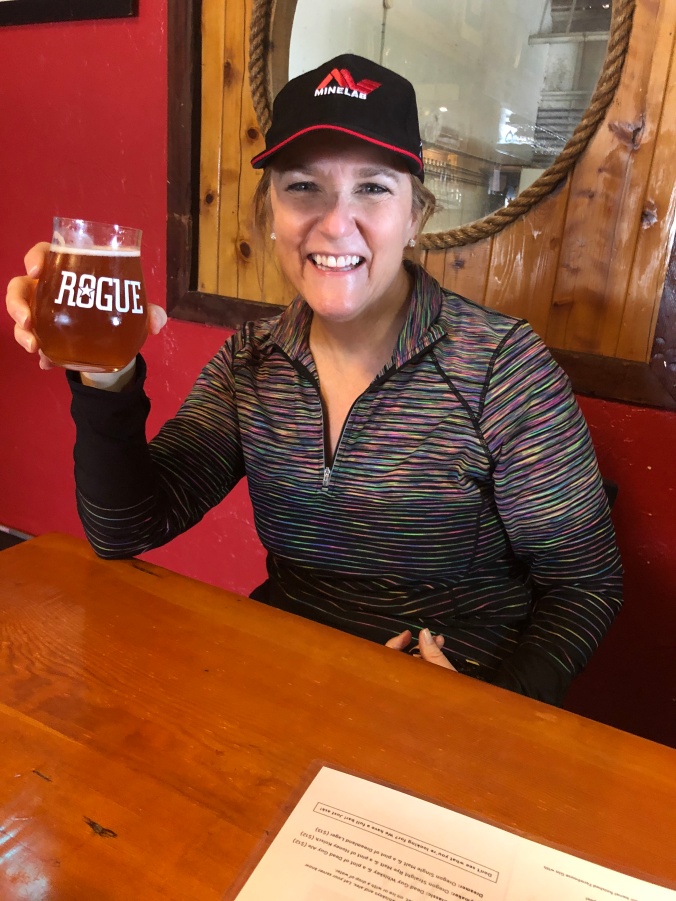 Leaving the coast was hard but our adventures now continue inland, first with a stop to see the doctor in Eugene and then on to the mountains.


 Marnie and Steve Travel