In early 1865 King Kamehameha V signed “the Act to Prevent the Spread of Leprosy,” a desperate attempt to control the disease which was spreading throughout the islands. As a result, thousands were forced into exile on the remote Kalaupapa Peninsula of Molokai and over 8,000 are buried throughout the area. We set out to learn more about this tragic story set in one of the most beautiful places on Earth.
To reach Kalaupapa National Historical Park today, you must fly in from either “topside” Molokai, Maui, or Oahu. Our flight from the Molokai airport took six spectacular minutes. 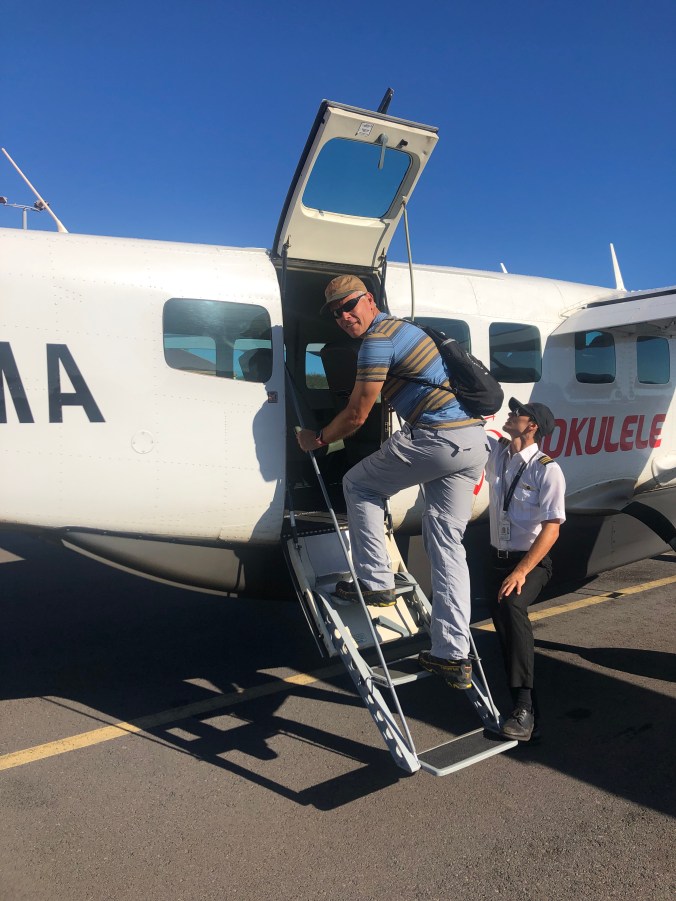
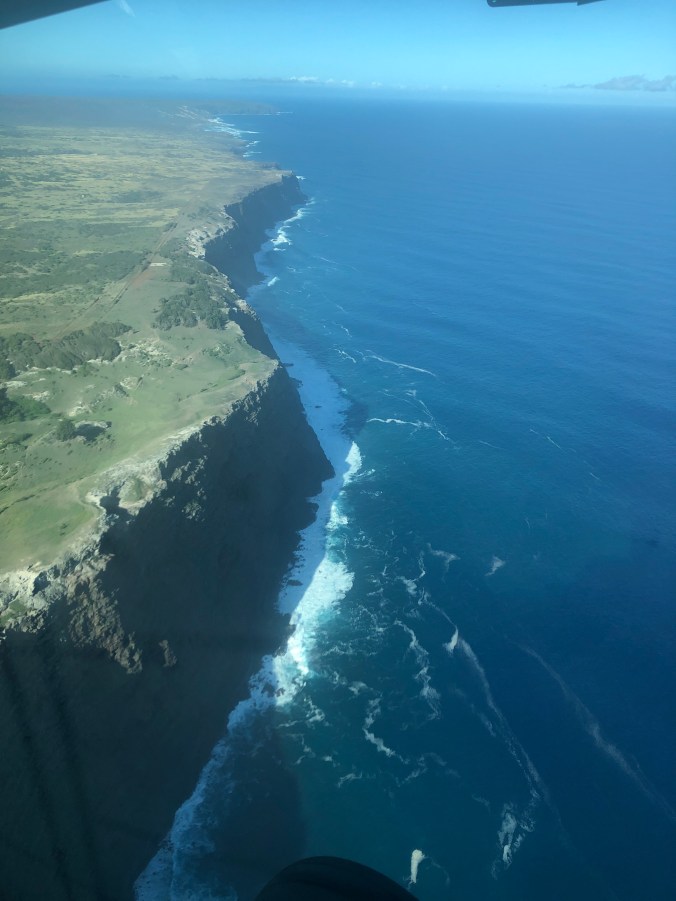
Currently there are still six remaining residents/patients in the colony, and access to the settlement is restricted to those with a permit. Our permit was included in our tour price. 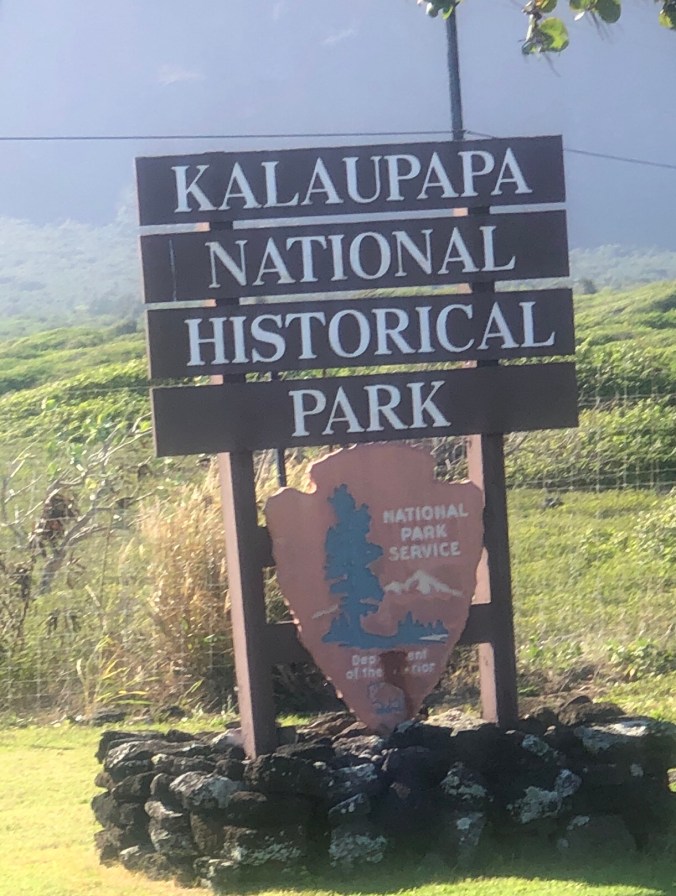

Our first stop was striking…the main cemetery that holds the remains of nearly 6,000 Hansen’s Disease (leprosy) victims. None had a choice about coming to Kalaupapa, and many were ripped from their families when suspected of having the disease. 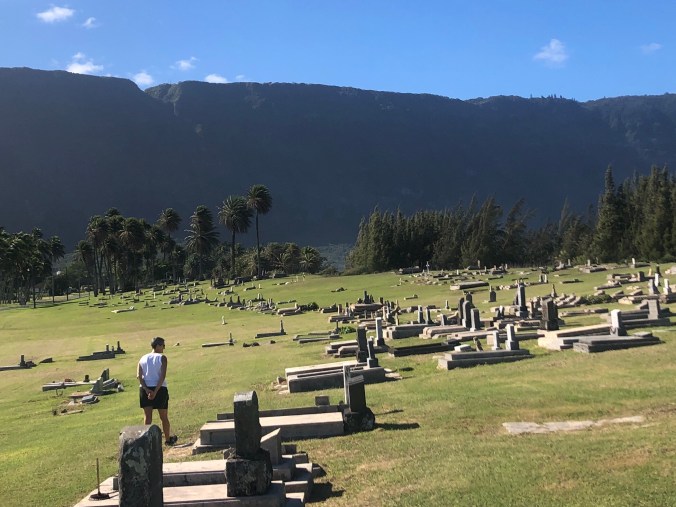

On January 6, 1866, 12 men and women were forced to swim ashore and begin their forced exile, a certain death sentence. Over the next 103 years, thousands more were sent to Kalaupapa to live out their lives away from the general population. Without medical care, housing, or other types of support, they were essentially sent to die. While it’s a beautiful setting, the story is tragic. 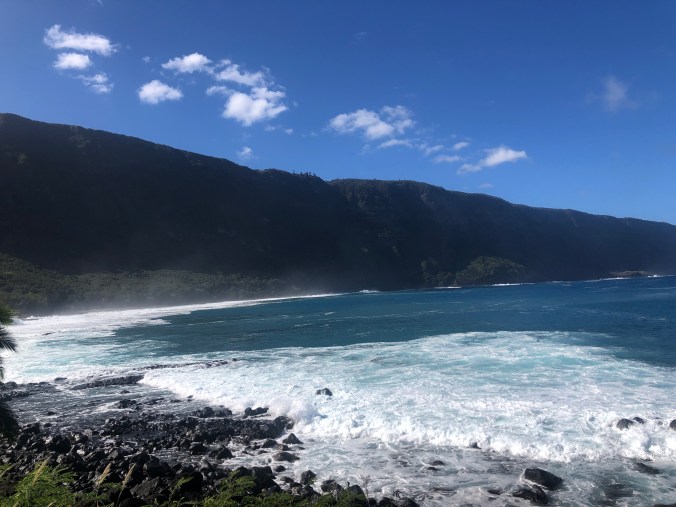

The plight of those exiled drew the attention of religious orders and eventually drew the canonized Father Damien to their aid. He played a prominent role in developing the first infrastructure in Kalaupapa while also promoting the dignity of those afflicted. 

While exploring the original settlement and the “newer” facilities built in the 1920s we learned that Hansen’s disease, for centuries past and well into the early years at Kalaupapa was a certain death sentence. Today it is easily curable with medication discovered in the 1940s. 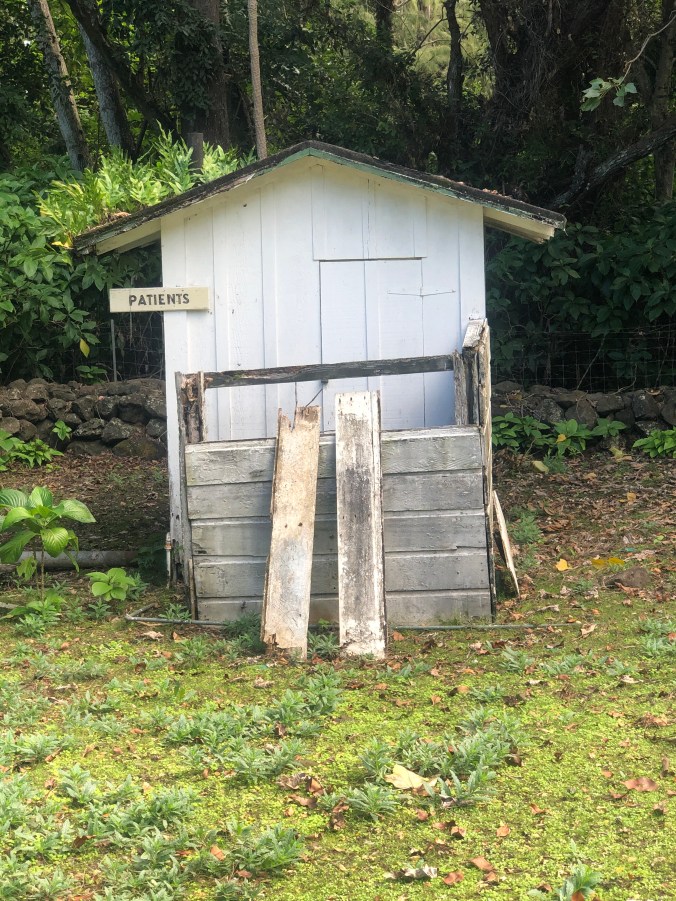
Still, Hawaii’s forced isolation policy was not abolished until 1969. Current residents have been free to leave since then, yet choose to stay. What was once a prison is now a refuge for the remaining residents. 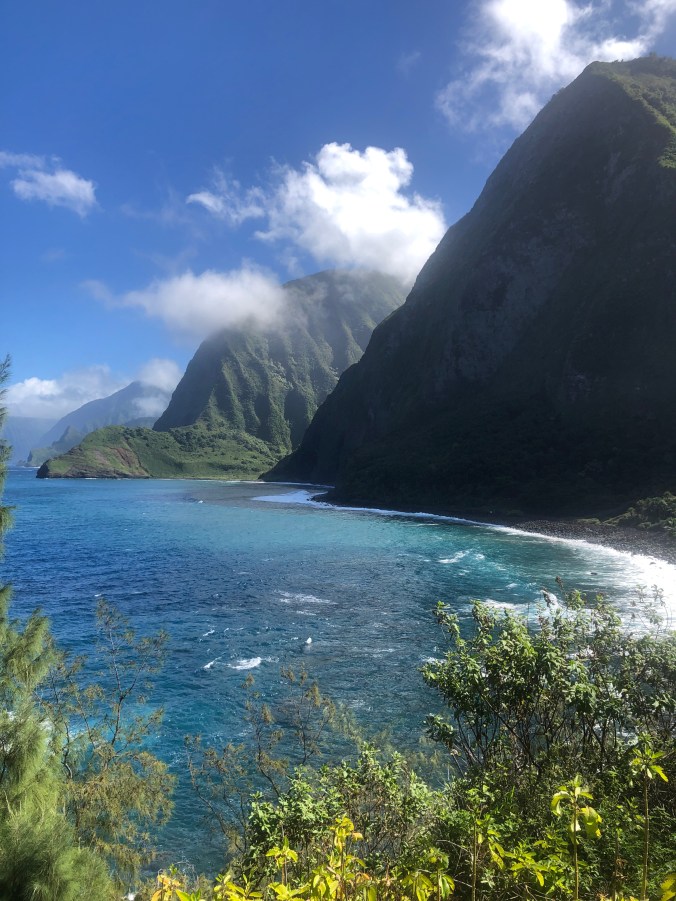

We booked our tour through muleride.com. While we highly recommend a visit to Kalaupapa, we would suggest a different company as our tour guide was not very effective. Still, the history and beauty of the place overpowered the lack of a good guide. Special thanks to our friend Sheri for joining us on this adventure. We’ll have a full post on our other Molokai adventures next.
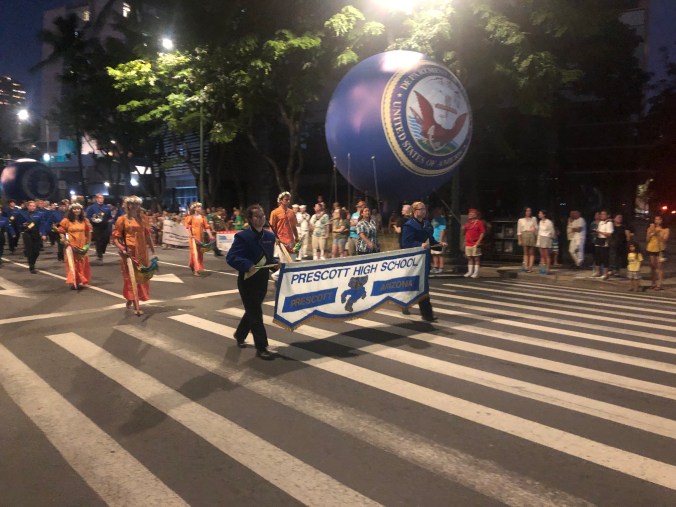
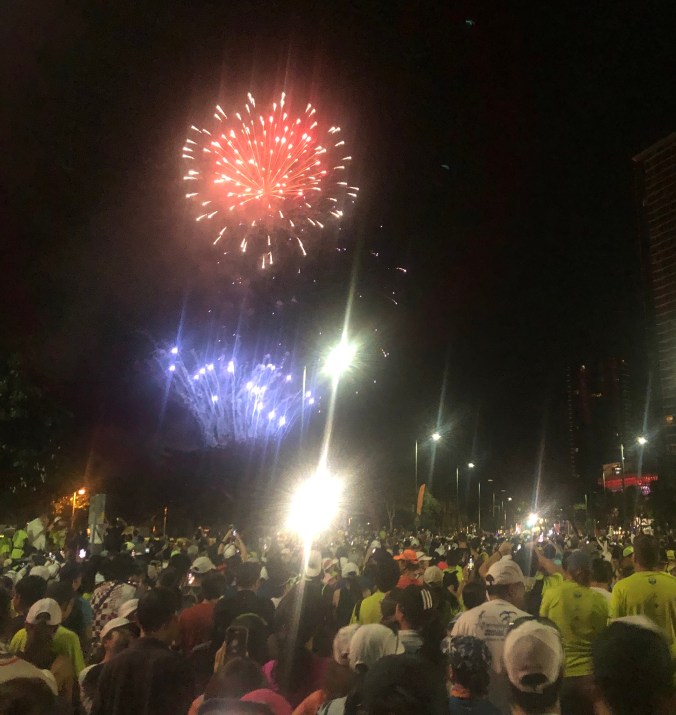
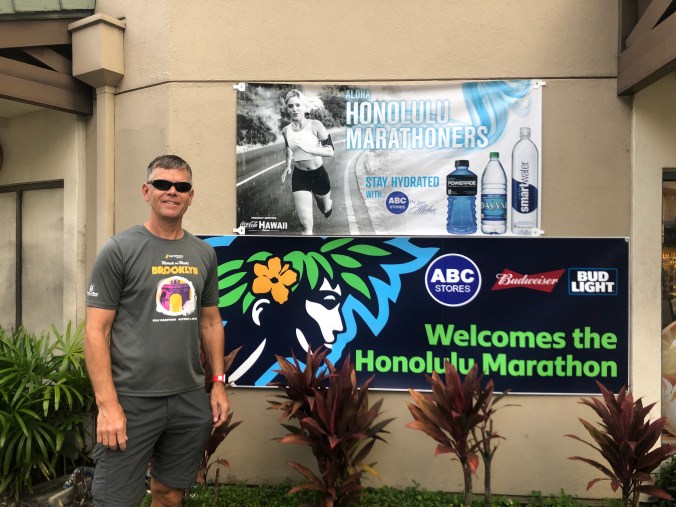 This time we were joined by our neighbor and dear friend Sheri, and Sheri and I did the 10K while Steve took on the 42K/26.2 mile marathon.
  Of course the festivities began with the race expo where we picked up our race numbers and shopped for running-related stuff. This expo was unique as there were many featured products from Japan, where more than half of the registered runners come from.
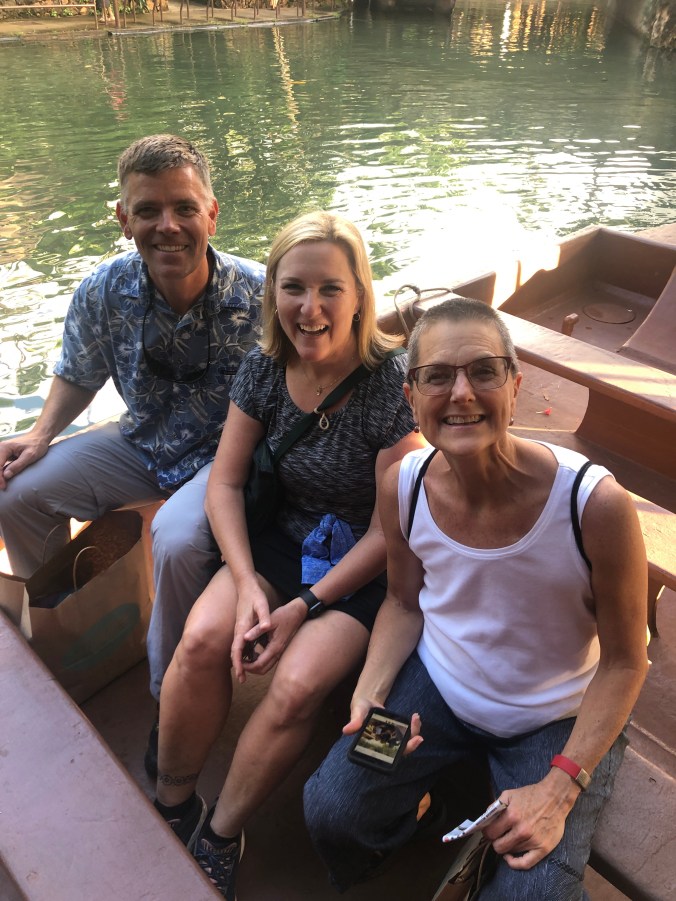 The immaculate park showcases cultures from around the Pacific and allowed us hands-on experiences like poi tasting, canoe rides, fake tattoos, and lots of hula. It was a long day, but worth the exploration.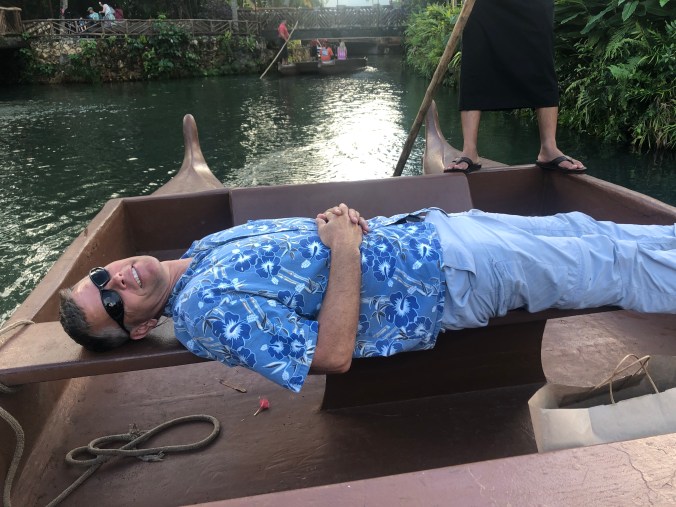





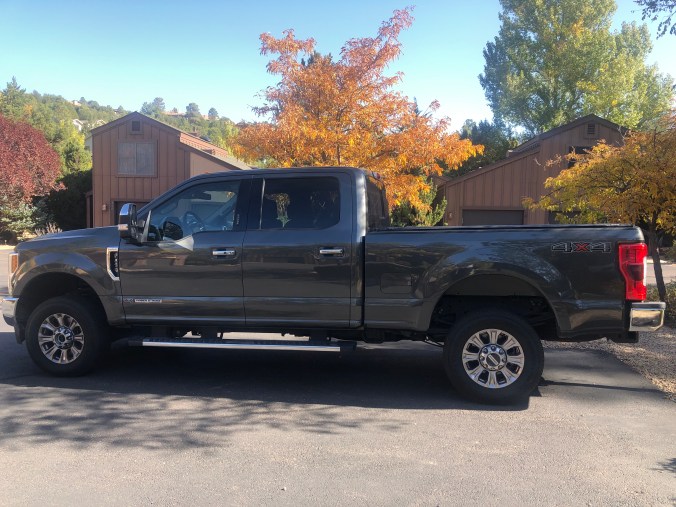
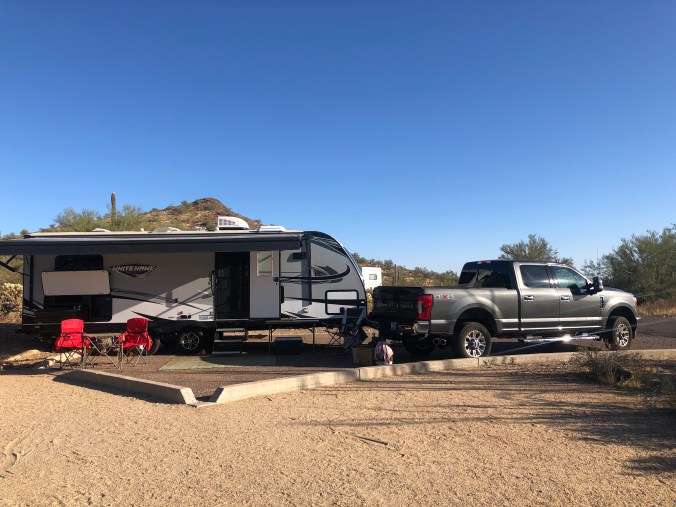
 It’s been a crash course in learning all we could about RVs. Black tanks, gray tanks, amps, and pumps…we’re a little overwhelmed but getting it all figured out. In the last week we’ve bought a generator, water pressure regulator, power management system, and a bunch of other “necessities.” We’re certainly keeping Amazon busy, and we are super excited with our new toys!


 Marnie and Steve Travel