One of my goals for 2020 was to identify a “WOW” each day and this has been a week of WOWs! We’ve been exploring the Olympic Peninsula with a focus on Olympic National Park (ONP) and every day, around every corner, we’ve found ourselves saying WOW! Hopefully this post will give you a taste of what this magical place is all about. Olympic National Park makes up almost a million acres and much of it is untouched. You can access the park at various points along Highway 101, the road that rims the entire peninsula. This isn’t a drive-thru park.
 It takes time and a desire to even see the highlights. To really see the back country, you’d need to hike for miles and miles. We chose to visit the most popular regions and it still took days.
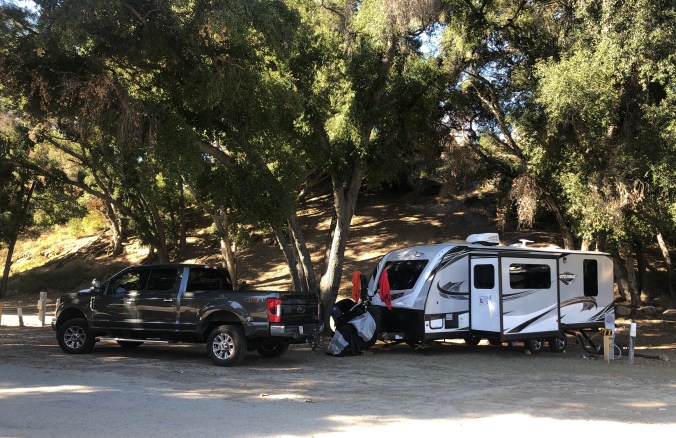
We started by basing ourselves at Oceana RV Park, on the Pacific Coast in Ocean City, WA, near Aberdeen. This Thousand Trails campground was a little far from the closest park entrance but it was located right on the beach and very close to the tourist area of Ocean Shores. In our four days here we rode bikes on the beach, hit up a few of the local breweries, and ventured into the national park twice.


Our introduction to ONP was to see the Quinault Rain Forest and the world’s largest spruce tree. Lake Quinault is a cute resort area and the lake was rimmed with swimmers and campers. Our drive around the lake took us into the lush rainforest.


Next we headed further north to see the famed Hoh Rainforest. Located on the west side of ONP, this area receives 140-170 inches of annual precipitation, which helps make it one of the most spectacular examples of a temperate rain forest in the world.


We did the short Hall of Mosses trail and were stunned by the vibrant variations of green all around us. 
On our way home from the rainforest we stopped at Ruby Beach and hiked down to the water.  While not the warm, wide expanse of beach we are used to in Mexico, Ruby Beach has its own character with tons of driftwood and rugged rock outcroppings amidst the fog. It all made for some cool photos.



After our four days on the coast we drove to the northernmost part of the Olympic Peninsula and based ourselves at the Olympic Peninsula/Port Angeles KOA for two nights. From this location we were well positioned to see a few more of the park’s highlights. Hurricane Ridge is the “not to be missed” attraction in ONP, so we made that a priority. 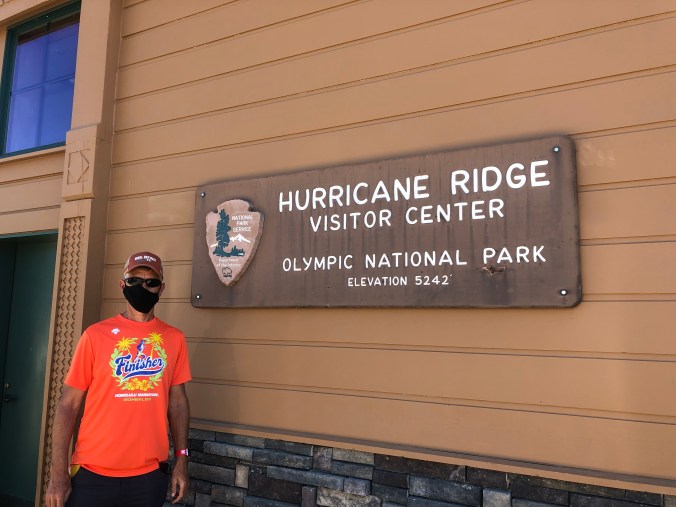 Driving the 17-mile Hurricane Ridge road is an attraction in itself. At the top we were treated to spectacular 360-degree views of the snow- and glacier-covered Olympic range and Mount Olympus, and the deer seem to roam without concern for the tourists.


 The visitor center area is dotted with hiking trails and we tackled a few of the short ones. The pictures really don’t do the place justice.
The final regions we explored in ONP are called Lake Crescent and Sol Duc. Lake Crescent is difficult to miss, as it skirts the US-101. We stopped along the lake for lunch on two occasions and also visited the cute Lake Crescent Lodge.


While we were there a wildfire broke out across on the other side of the lake and it made for some dramatic photos.


 In the Sol Duc area we headed straight for one of the park’s most popular walks, the 1.6 mile round trip Sol Duc Falls. Hiking a bit of distance felt great and every step was beautifully green.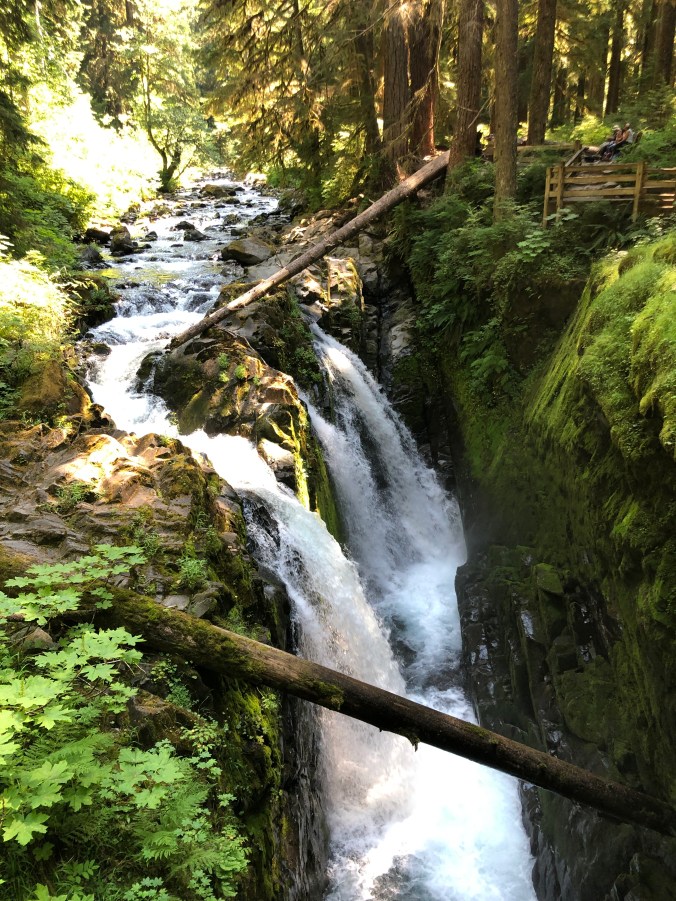
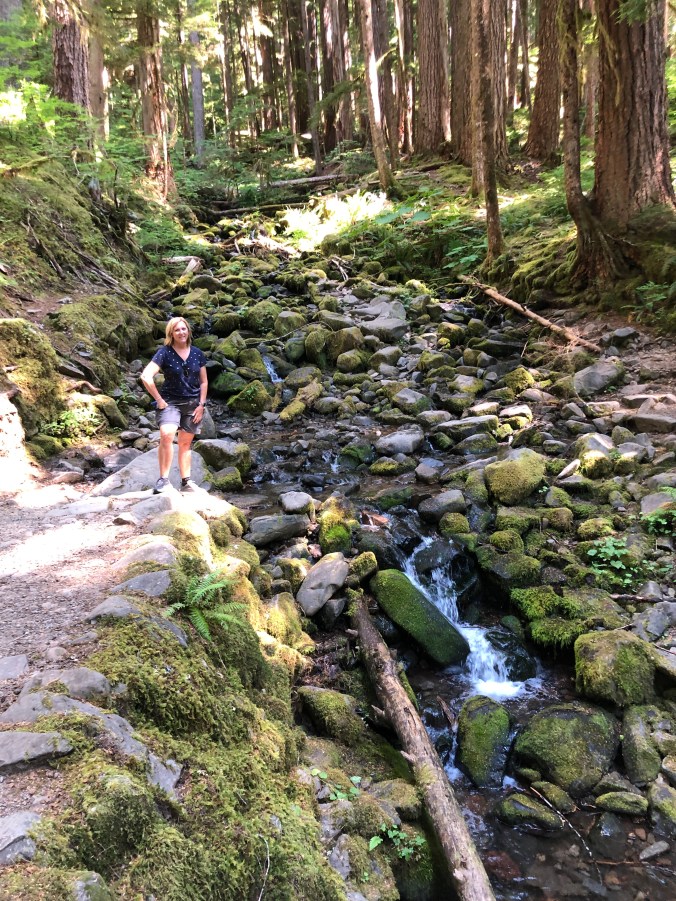
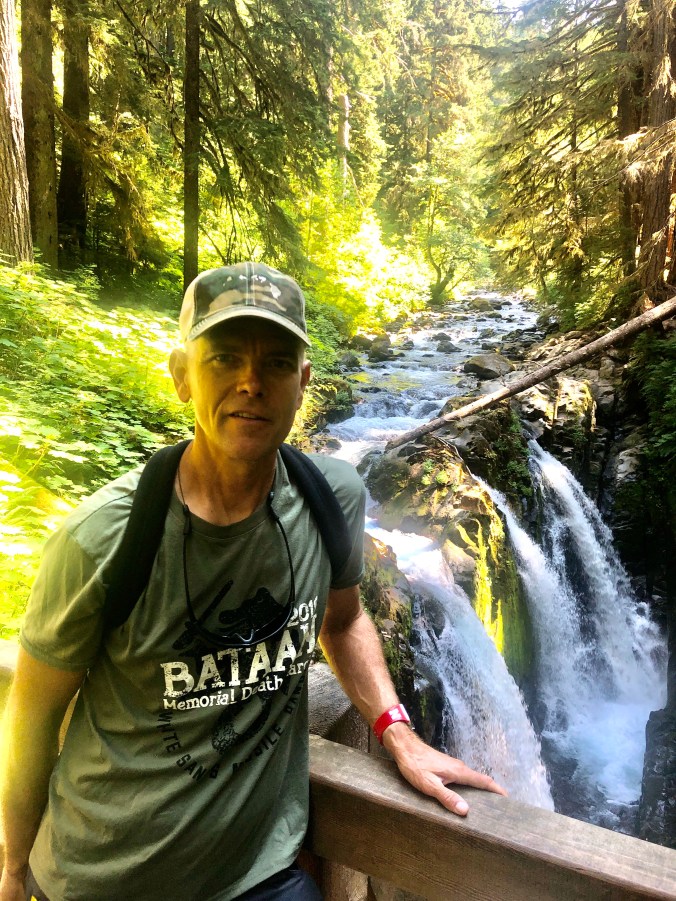 Unfortunately, the next day my foot told me it was just a little too much!
As always, we’ve packed a picnic lunch each day and found some sweet locations to have our lunch and bring the dogs along too.


While ONP is certainly the primary destination on the Olympic Peninsula, we were pleased to find many other attractions to keep us busy. Nearby Sequim (pronounced “skwim”) is chocked full of lavender farms and U-pick berry farms.


We stopped at one of each, bought berries that tasted like candy and lavender iced-tea that was super refreshing. It was just enough to convince us that we needed to come back to this area very soon!
Our last night on the peninsula was spent at a Harvest Host. These are businesses (wineries, farms, breweries, etc.) that offer RVers a place to park in return for a purchase. In Hoodsport, WA we parked in the pretty grass area of the Hoodsport Winery. Located right on the Hood Canal, we had gorgeous water views and friendly neighbors. Of course we bought a few bottles, but most of all, we loved picking ripe blackberries from the bushes right at our campsite.


Now we are headed to the “mainland” of Washington State and will experience a few more Thousand Trails campgrounds over the next few weeks.
 We took a day to explore the highlights of
 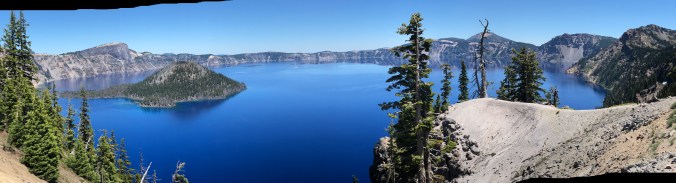 We entered the park from the north where we are staying for a few days. The
  To explore the National Park we followed the advice of Michael Joseph Oswald who wrote the book


 We drove the 33 mile rim trail and stopped at all the highlights. There are waterfalls, overlooks and sweeping views.
 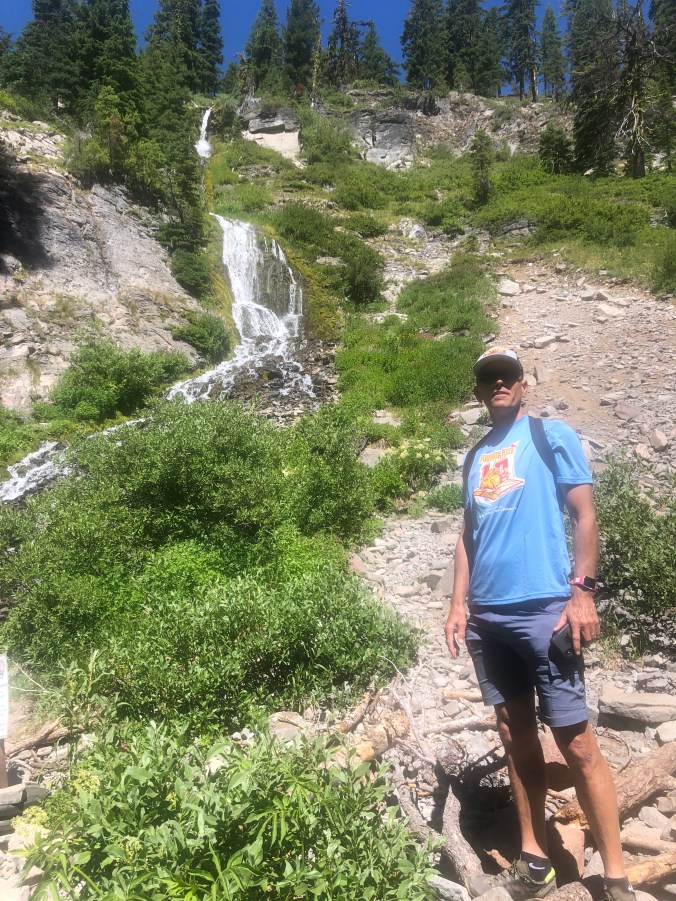 One side road took us to the Pinnacles, unique formations of pumice spires, created by erosion along a steep-sided canyon. Some of the cones are especially tall, tapering to a sharp point. Super cool.
  We also did a short hike, the Castle Crest Wildflower Trail, which featured the annual display of wildflowers that inhabit the area. It was only a half-mile trail, which was fine with us injured travelers.


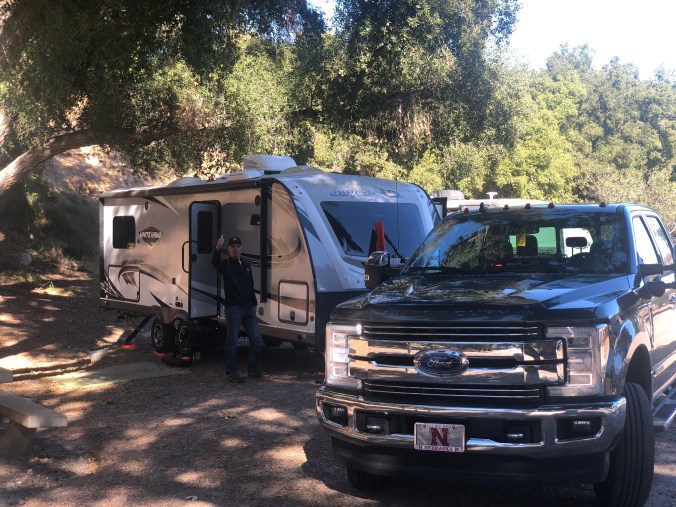
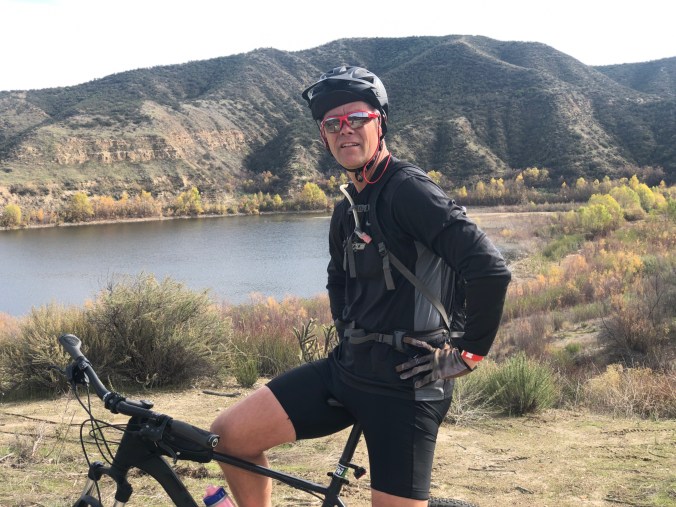



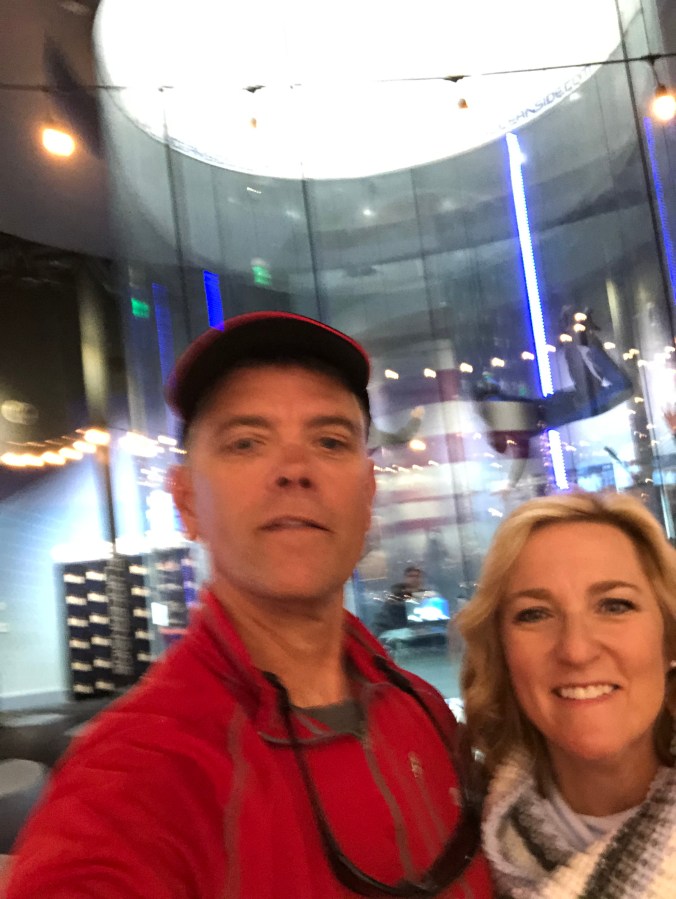 The ifly facility was in Oceanside so we hit the beach and pier while we were in the vicinity It was a cool, overcast day though, so we just ate lunch, took pictures, and moved on.