After our time at the beach in Varadero, we left the larger group and set off with a guide and driver to the countryside. We arrived in Viñales after a beautiful five hour drive and began exploring the life of rural Cubans.
We stayed at Los Jasmines Hotel, which overlooks the Viñales Valley. The beautiful views contributed to the quick recovery of my sore throat, for sure. The Valley is the center of Cuba’s tabacco growing culture and has recently transformed into a tourist hub for those seeking outdoor adventures.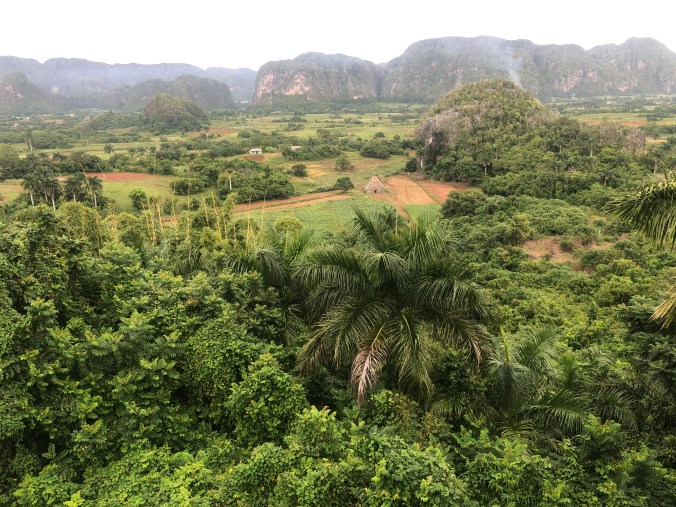 We enjoyed several farm to table meals at rustic farms where the fresh veggies were grown on site.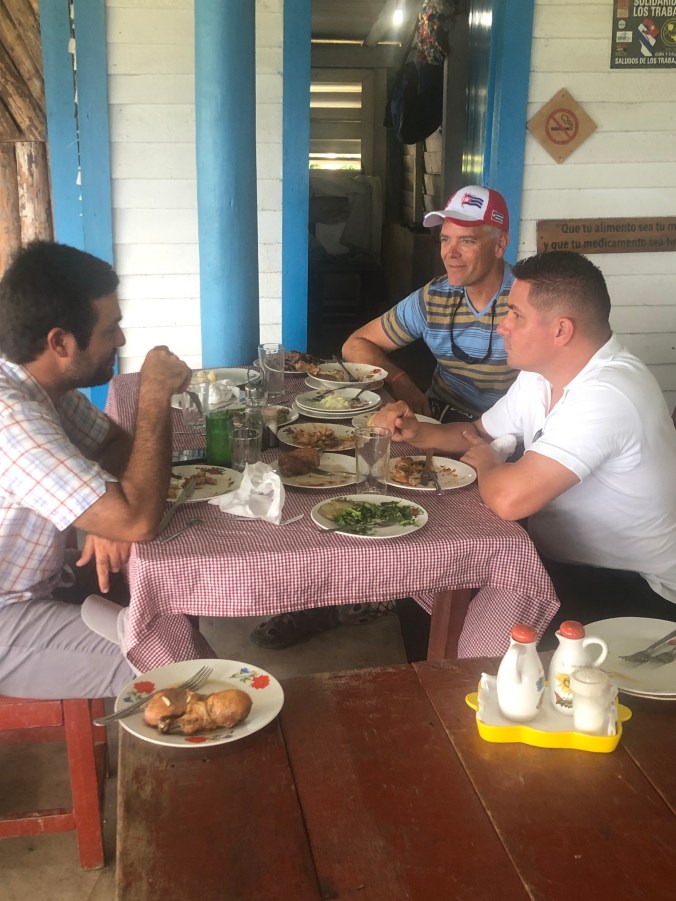
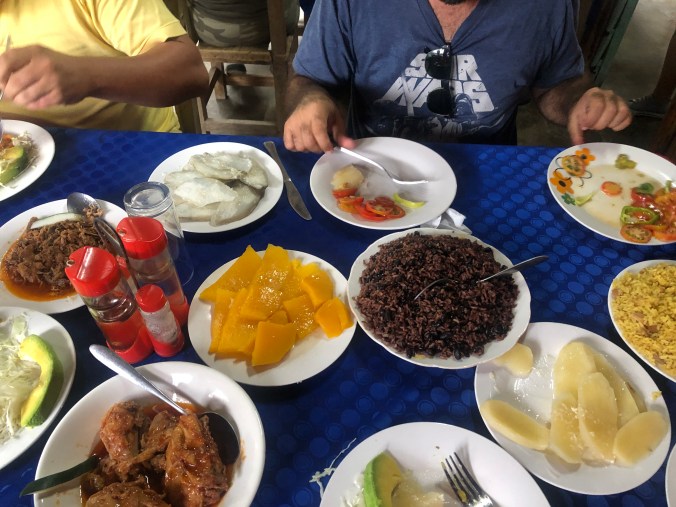
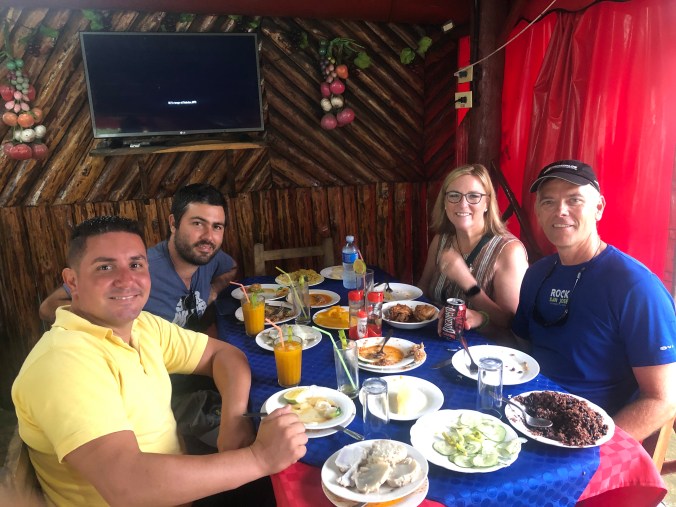 They kept bringing out plate after plate until there was no room left on the table.
Steve enjoyed the planned hike to the village of Los Acquaticos while I stayed at the hotel and rested. His 4+ mile trek took him up into the mogotes (limestone monoliths) to meet the 87 year old Sixto, who supposedly is the last person on Earth to know the source of the nearby healing waters. 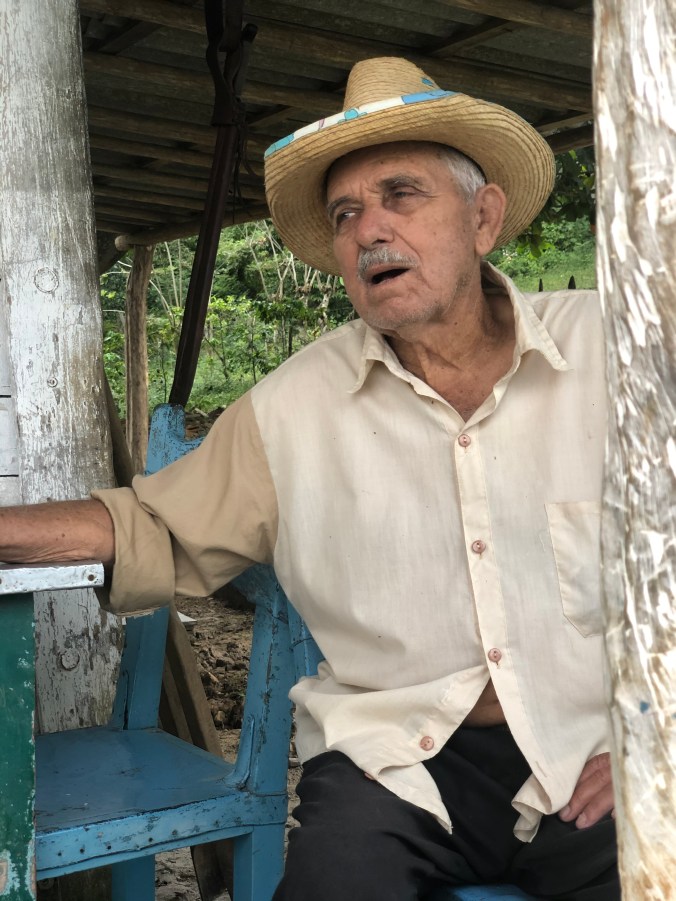 They couldn’t get it out of him, but they enjoyed fresh pressed sugar cane juice and coffee as a reward for the hike.
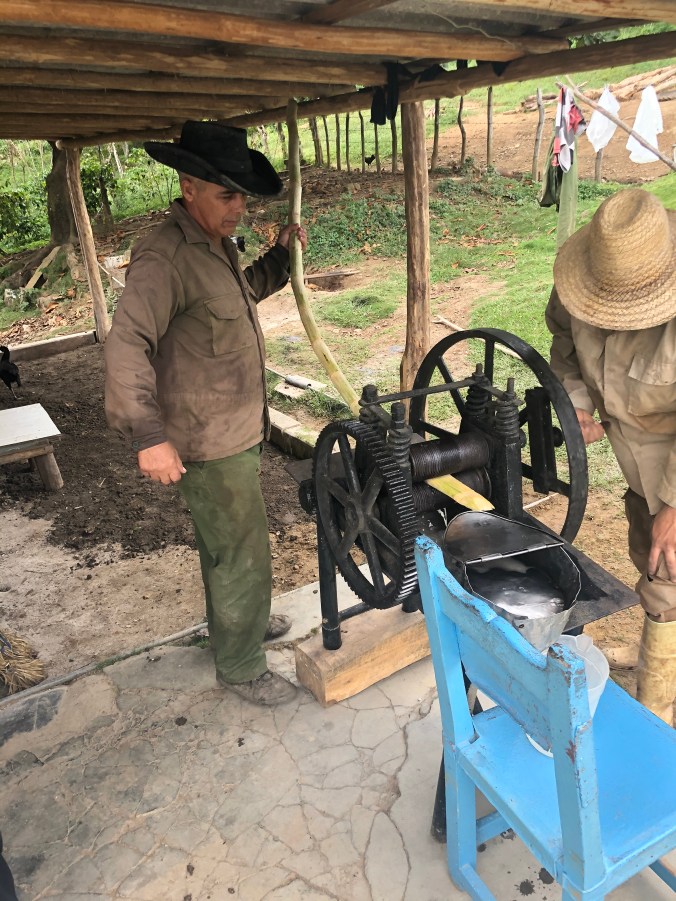
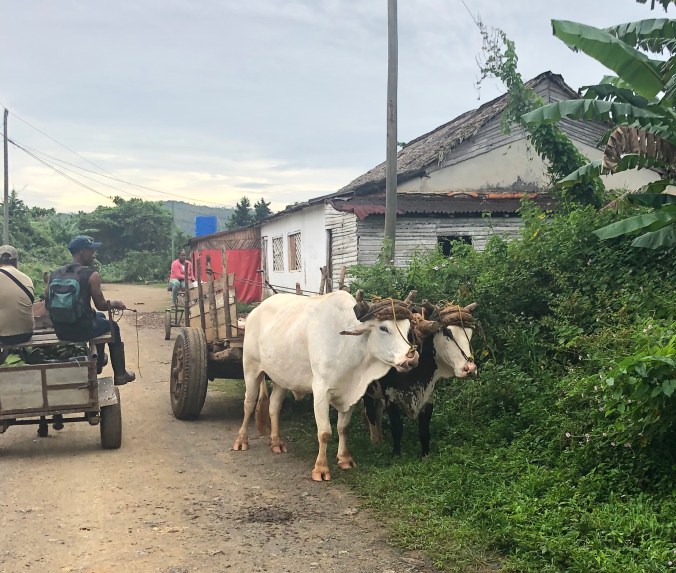
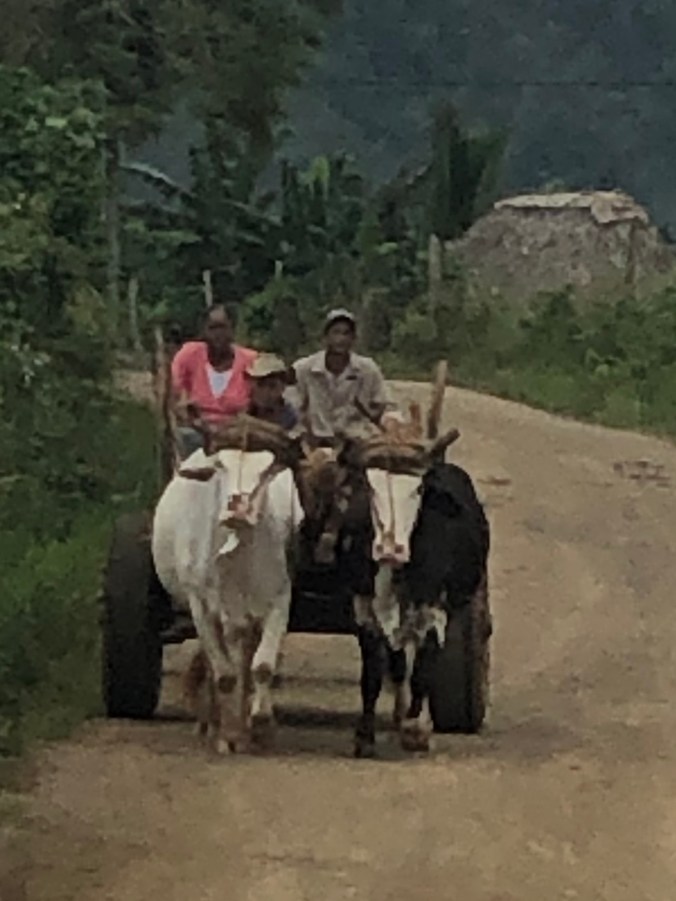
Along the way Steve took in the classic sights of rural Cuba. In many ways it’s still operating like it was 100 years ago. 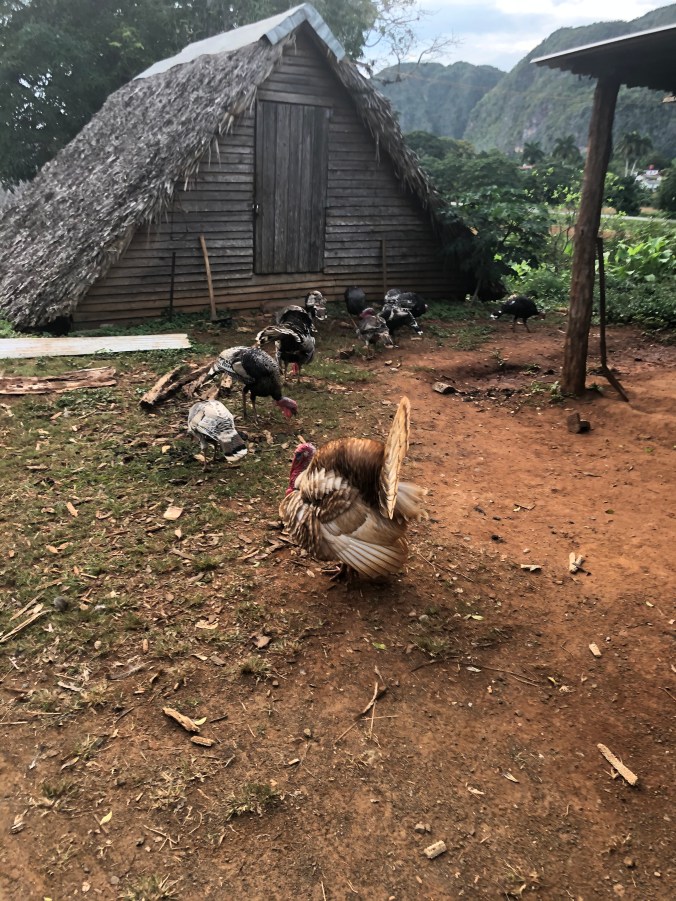


In the afternoon, after another farmer’s lunch, we visited the Cave of the Indian (Cueva de los Indios). 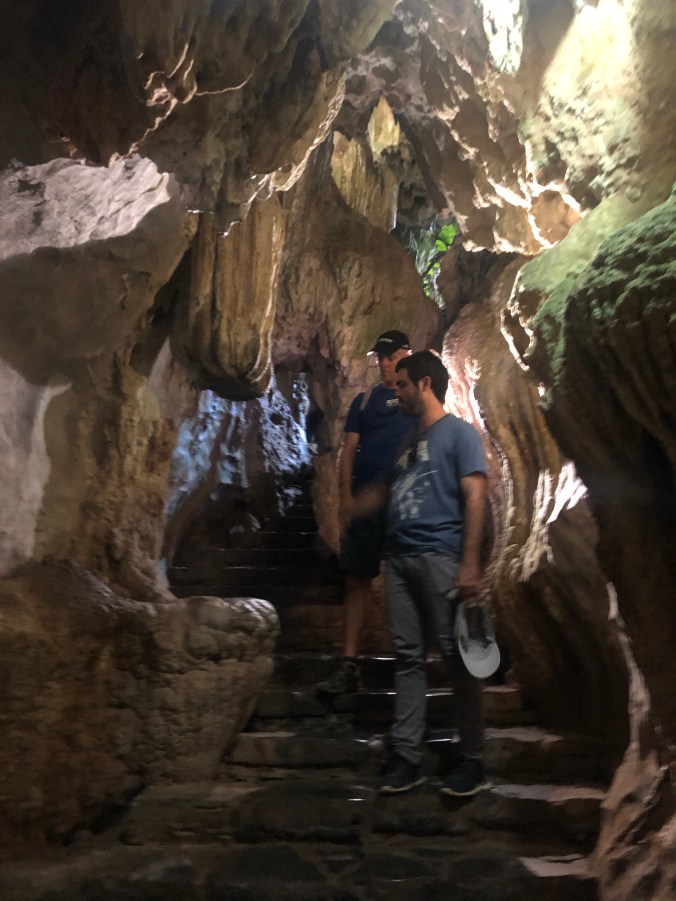 Compared to other caves we’ve visited this was pretty minor, but the boat ride in the cave set it apart.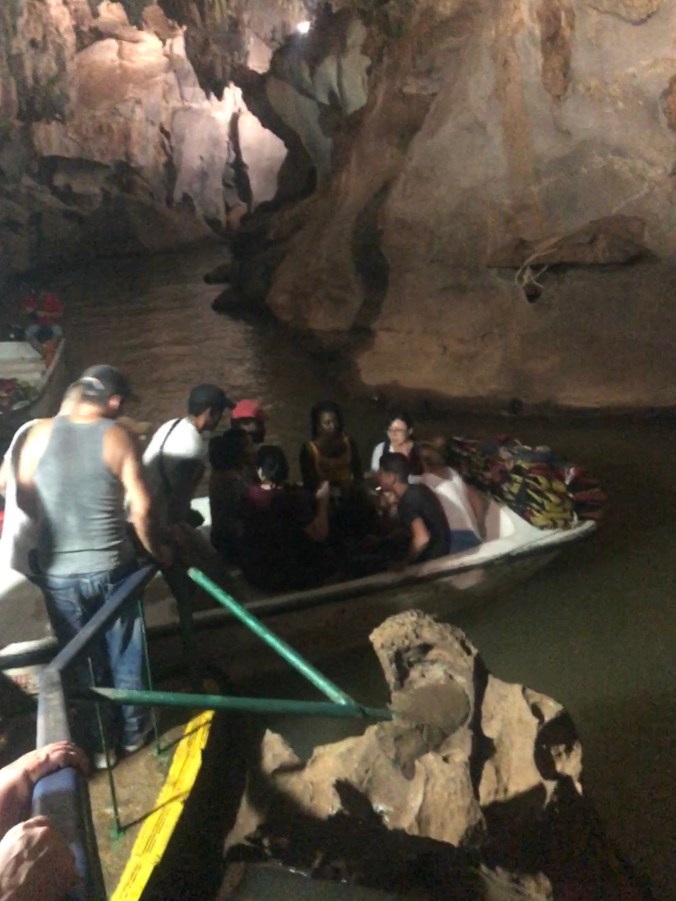
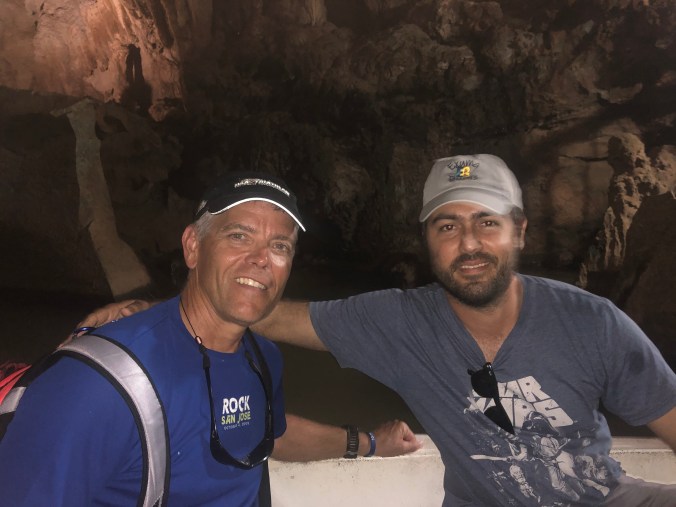
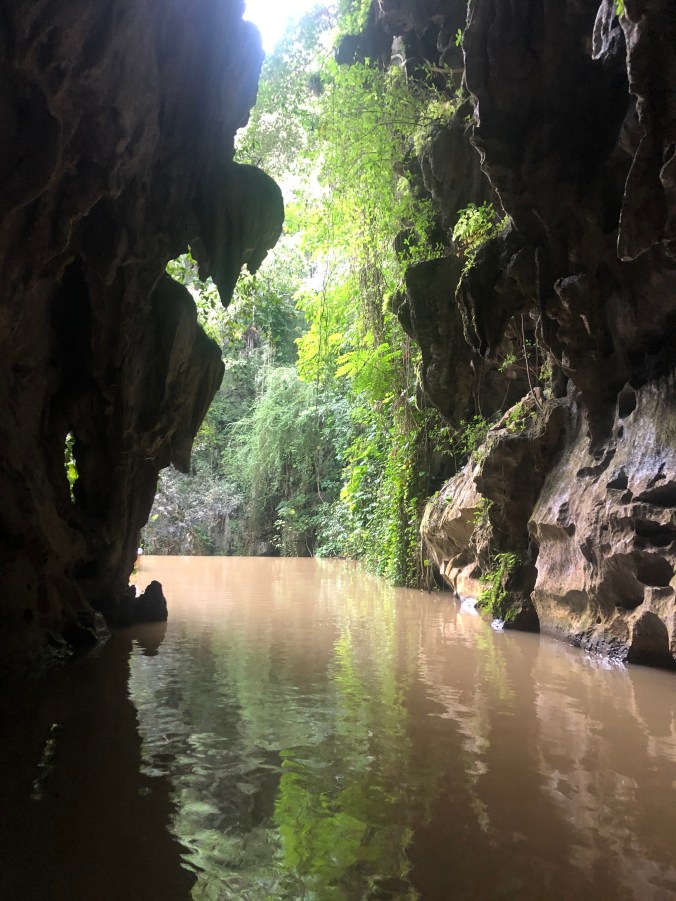
Another highlight of our time in Viñales was a visit to Benito Camejo’s tabacco farm. We hung out with farmhand and cigar rolling expert Ismael who taught us how to smoke the cigars we watched him roll. 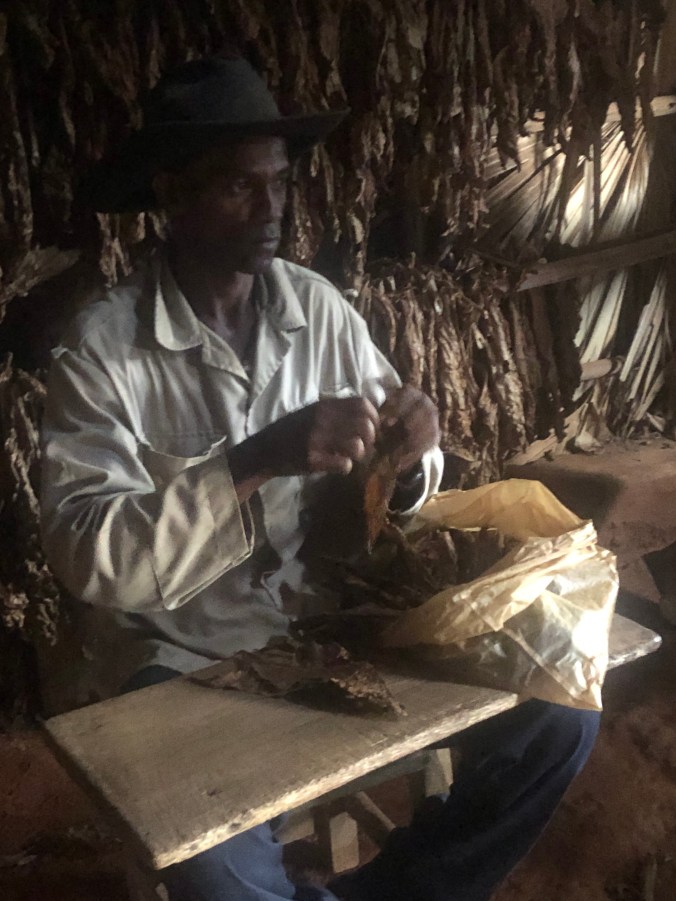 We’re not smokers but didn’t want to pass up an opportunity to smoke a cigar rolled right before our eyes.


Our private guide Santiago and our professional driver Rafael have taken great care of us and have helped us understand some of the mysteries of this land.  It’s always great to have friends along that help you understand the customs and history of a place. These guys were good!!
Our final night in the countryside was spent in the government-developed, sustainable community of Las Terrazas. 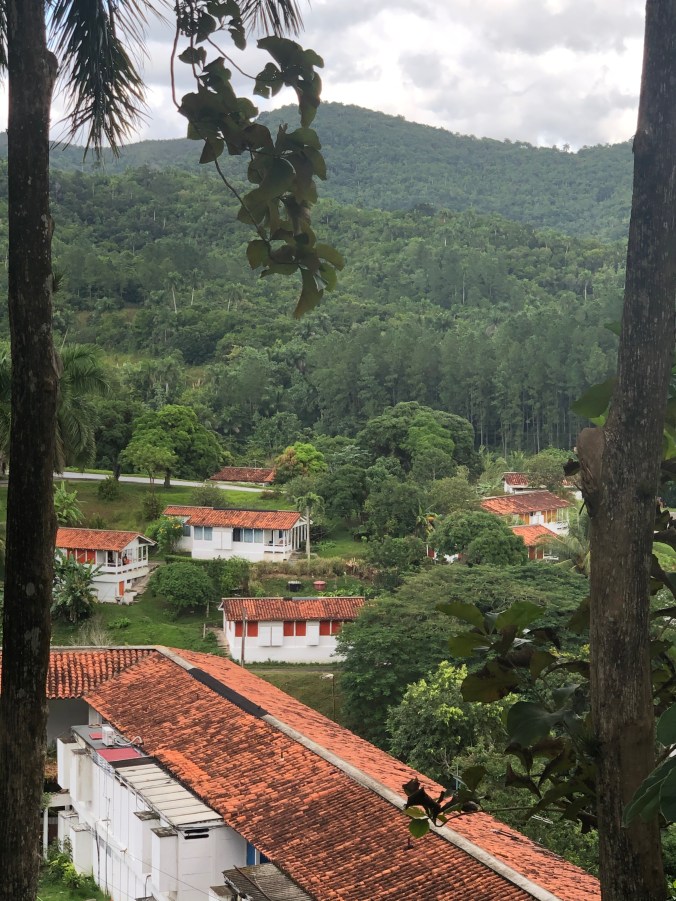 The idyllic setting was the perfect place to relax and reflect on the many things we have seen and learned on this trip.
While in the area we visited the Baños de San Juan, a riverside park that provides a nice place to cool off (too cool to get in the water while we were here).


We saw a lot in three days, considering the sore throat, fever, and then some stomach issues. It’s all part of the travel adventure. Next up, one more night in Havana.


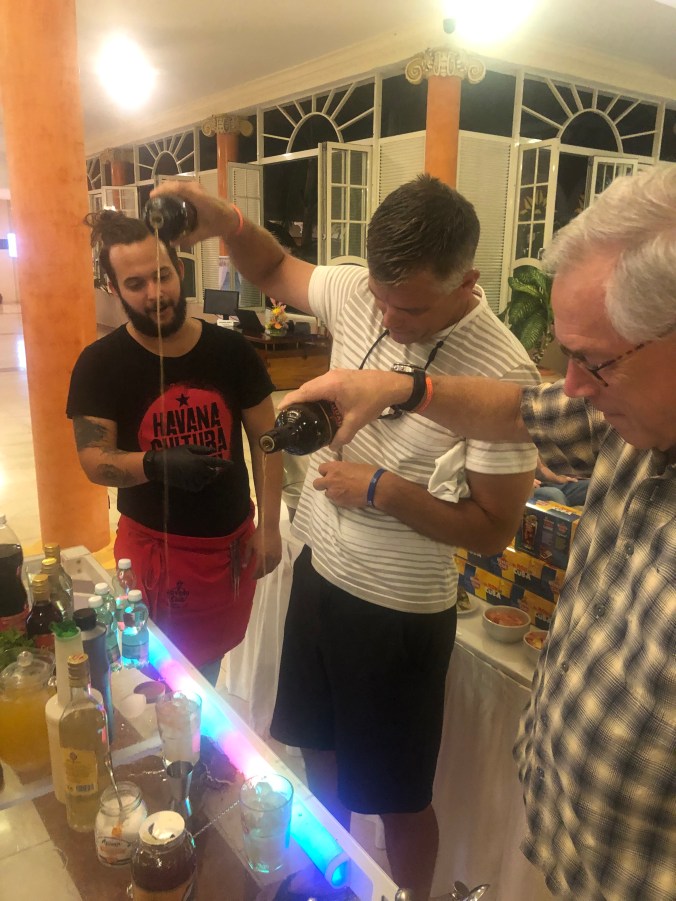 The cool thing is that we are still on “program” with Marathon Tours which means we have one or two excursions per day available to us that allow us to “support the Cuban people.” This is where the real fun is.
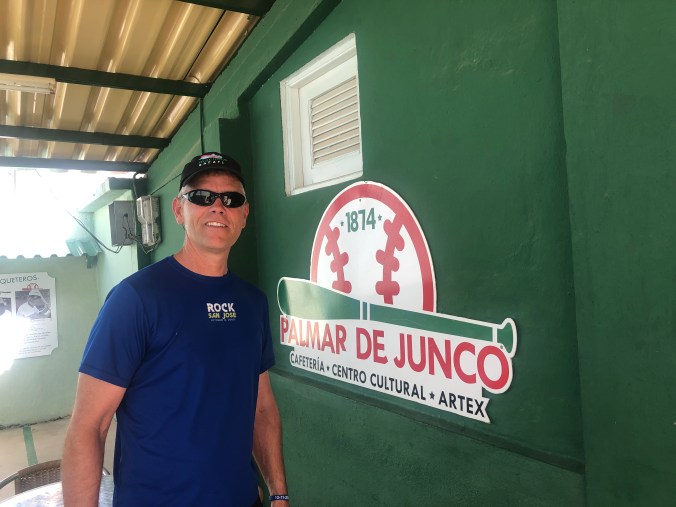 It’s also home of the newly created Cuban Baseball Hall of Fame. Baseball is huge here, and we were able to meet a Hall of Famer, Jose Estrada Gonzales, “Pepito” and get our picture taken with him, along with a signed ball.



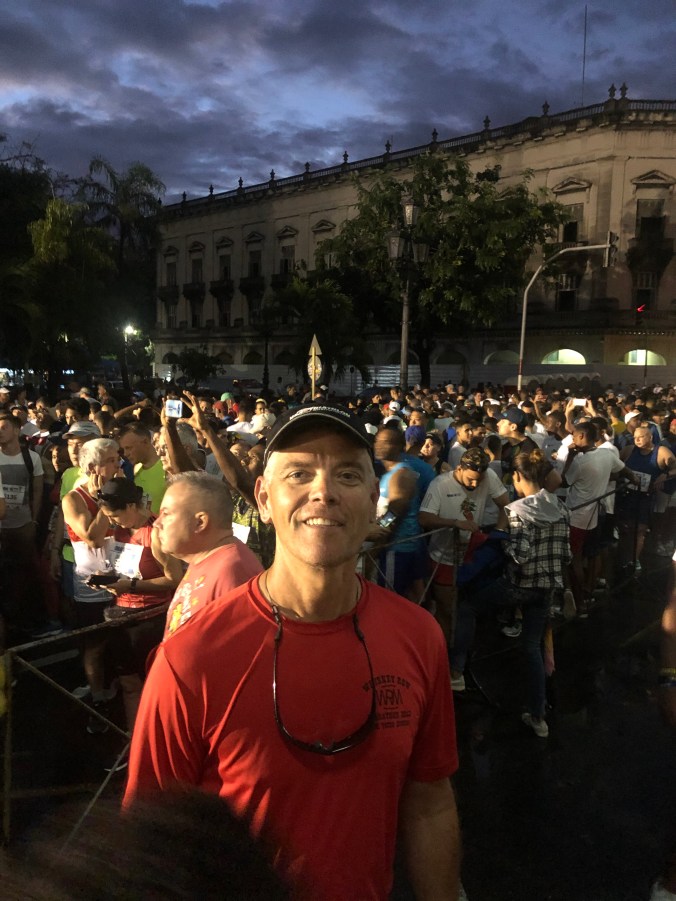
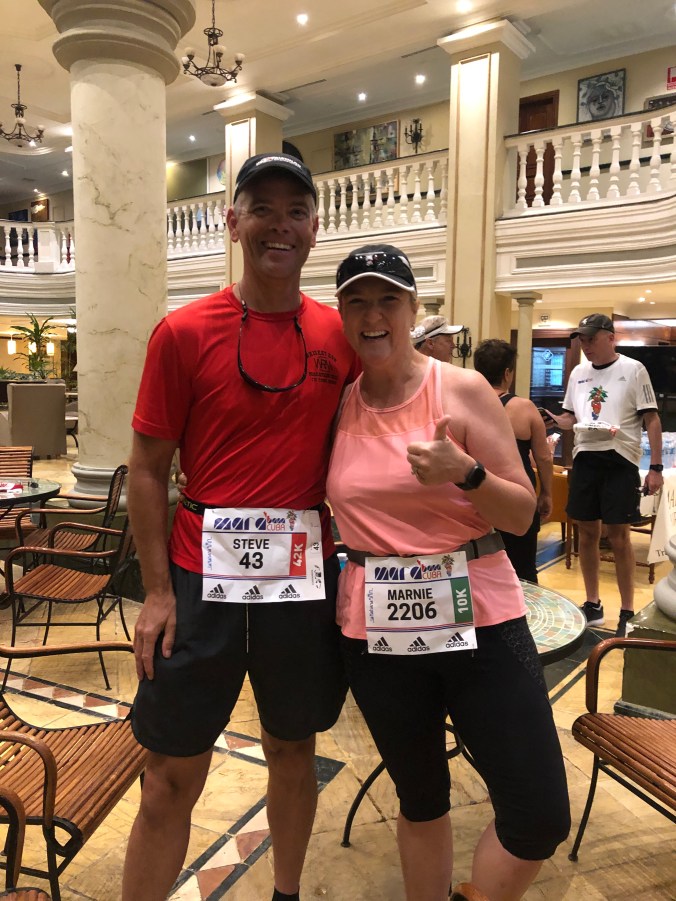 However we awoke to pouring rain. It cleared up for the start which included runners from the 10K, half marathon, and marathon all starting at the same time. No corrals, no staggered starts, it was just a free for all.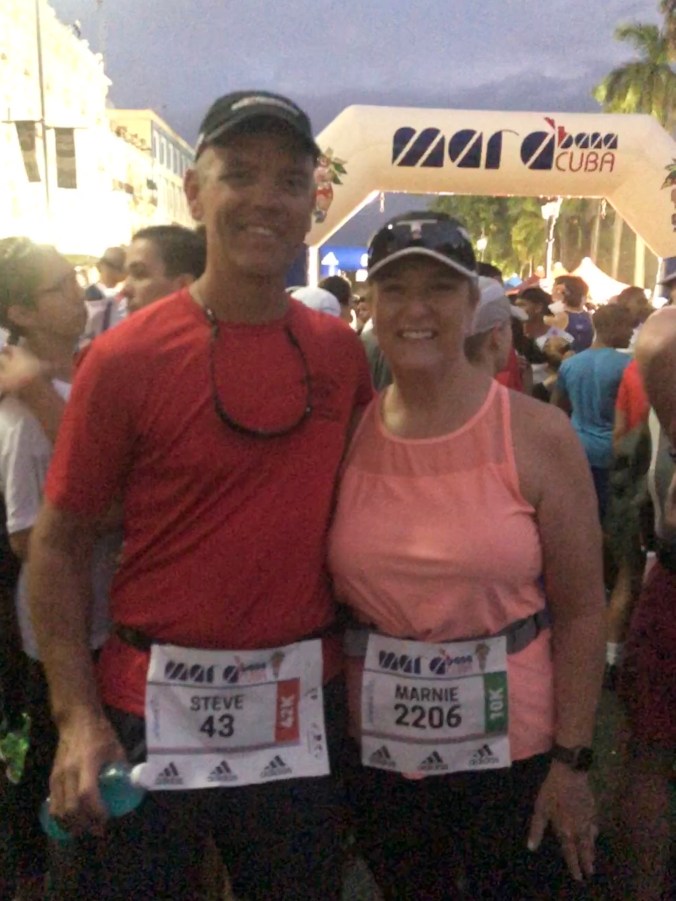
 You could usually tell the Cubans from the other runners, however,


 Marnie and Steve Travel