In our continuing quest to visit as many national parks as possible, we ticked another off the list–and this one was beautiful! North Cascades National Park is located in the northern part of Washington State in the middle of the Cascade Range. 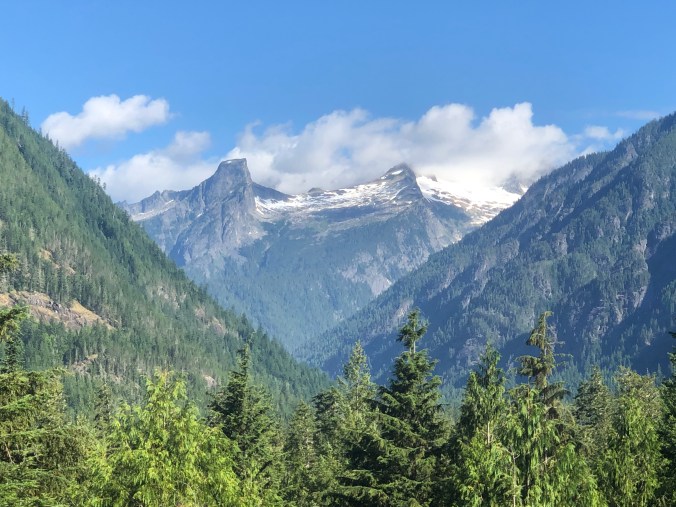 It’s brimming with old-growth forests, hundreds of glaciers, swiftly flowing rivers, and alpine lakes. You kind of have to want to come here, as it’s not a park you just drive by. Certainly the remoteness makes it all the more special.
 We visited just one day and saw what we could from the car and short trails. However, the real way to see North Cascades is on foot with a pack on your back. We are not traveling that way these days so we settled for the tourist route and it was still spectacular. We can’t help but wonder what we missed by not being able to get to the back country.
 From our campground in Concrete, Washington the park was about a 30 mile drive. Of course the visitor center was closed due to COVID-19 but rangers still greeted us outside with maps and suggestions. Our first official stop was the town of Newhalem. This old village was once the “company town” for Seattle City Light, the power company that has transformed the power of the water in these mountains into electricity for Seattle and the surrounding areas. As such, there are large power lines, old pump houses, and hydroelectric dams throughout the park.
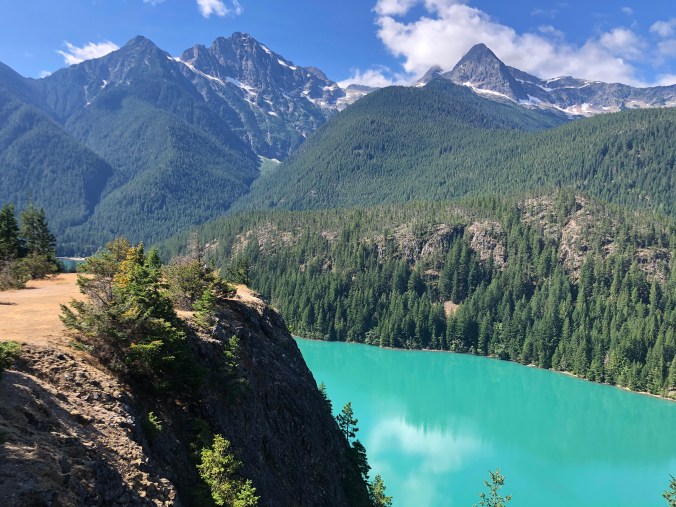 Not far from Newhalem we came across the Gorge Dam and Gorge Creek Falls. While man has certainly altered the landscape here, it is still a spectacular natural site.
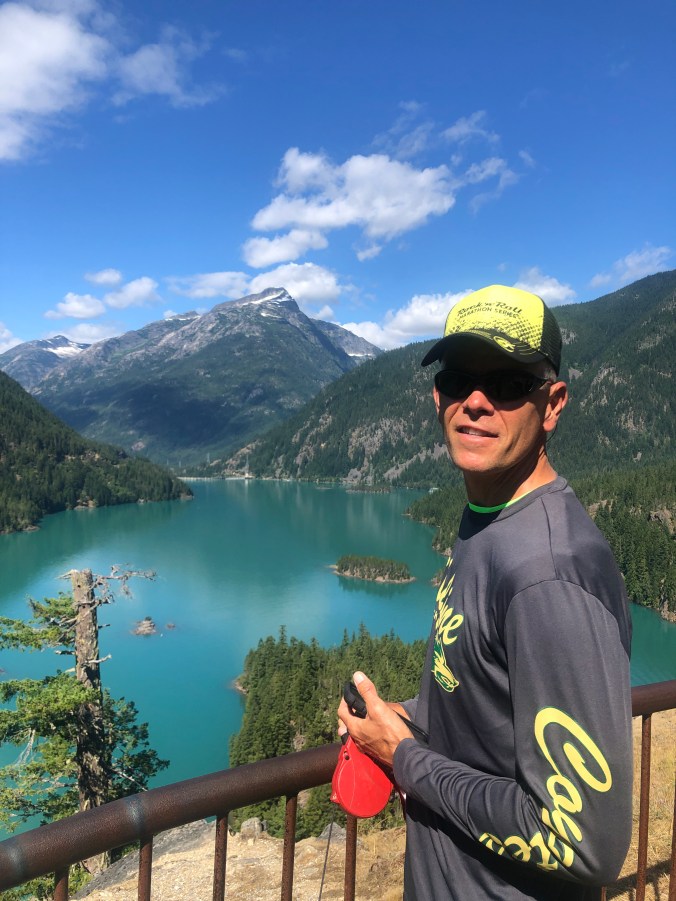
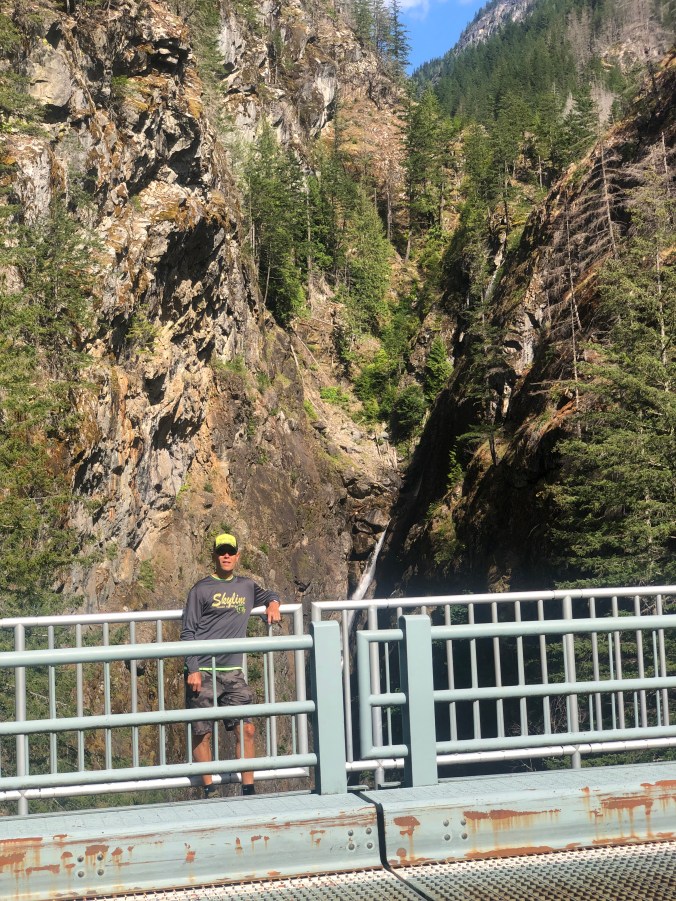 The most incredible views were found at Ross Lake. We could have spent days here if we were down at water level. Instead, we soaked in the glacial-topped peaks and glacial-green waters. The Ross Lake National Recreation Area, at over 100,000 acres, is a lot to explore!
 We took in a few short hikes that gave us a flavor for what the back country might look like. The Ladder Creek Falls trail features a suspension bridge over the Skagit River, gardens, and a 1920’s powerhouse.


The powerhouse was constructed to produce electricity for homes in Seattle as part of the Skagit Hydroelectric project.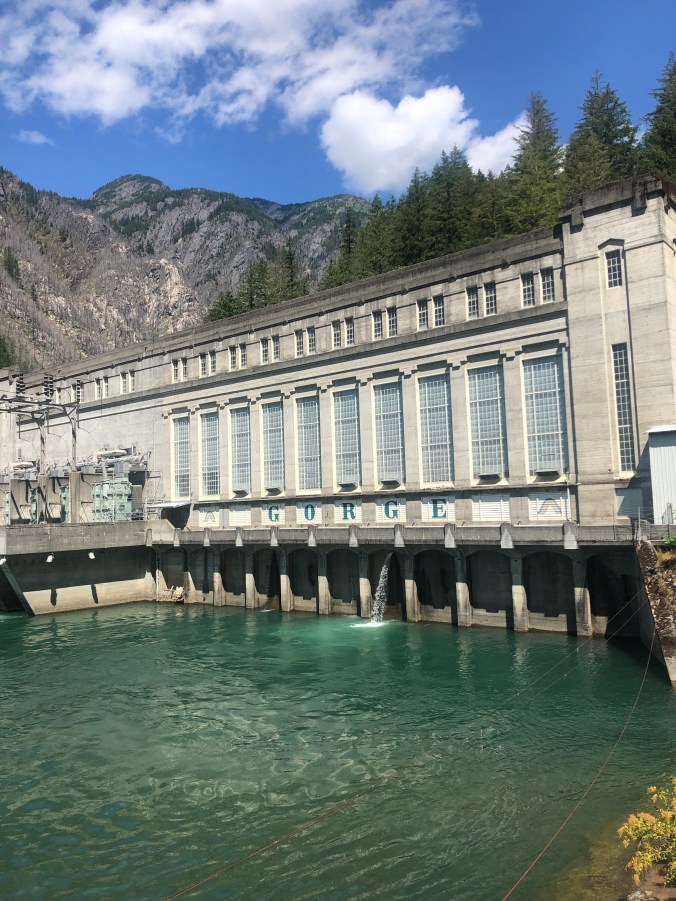 The Trail of the Cedars was a short, 0.3 mile loop starting on another suspension bridge and weaving through an old-growth forest along side the Skagit River. Just lovely.


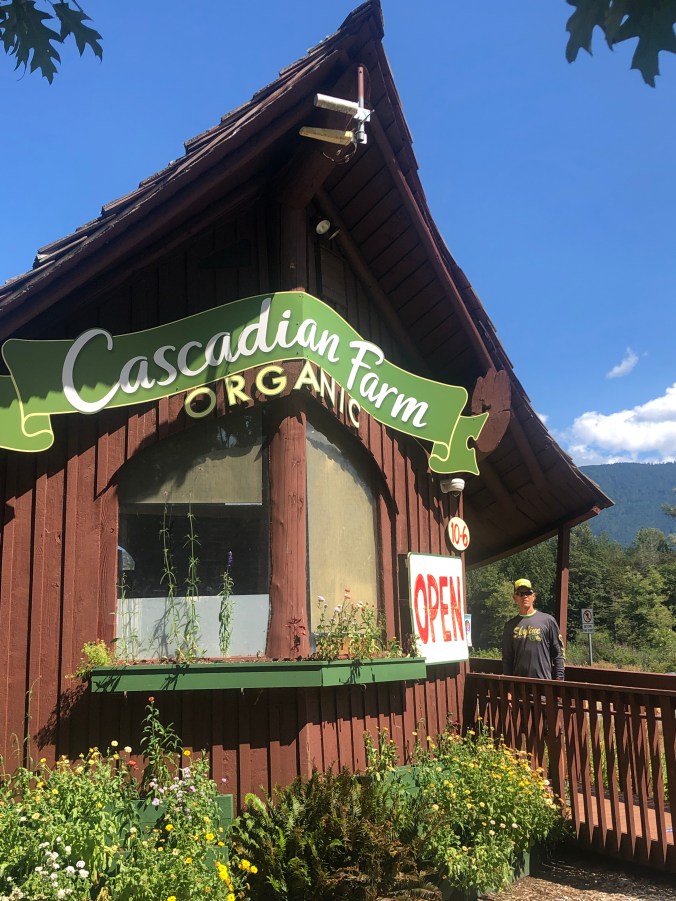
Lunch beside the river in a shady spot and a quick stop at the Cascadian Farms Organic Farm Stand for the best chocolate ice cream on the planet rounded out the day. We left feeling like we saw a lot but left much yet to explore.


 Steve also made a habit of picking wild blackberries from the bushes around our campground. With so many berries he made his first pie! We were in this area for just a few days and spent the rest of our time shopping for an internet jetpack, barbecuing, and enjoying the cooler-than-Arizona weather. From here we begin to travel eastward.


 Olympic National Park makes up almost a million acres and much of it is untouched. You can access the park at various points along Highway 101, the road that rims the entire peninsula. This isn’t a drive-thru park.
 It takes time and a desire to even see the highlights. To really see the back country, you’d need to hike for miles and miles.


 While not the warm, wide expanse of beach we are used to in Mexico, Ruby Beach has its own character with tons of driftwood and rugged rock outcroppings amidst the fog. It all made for some cool photos.



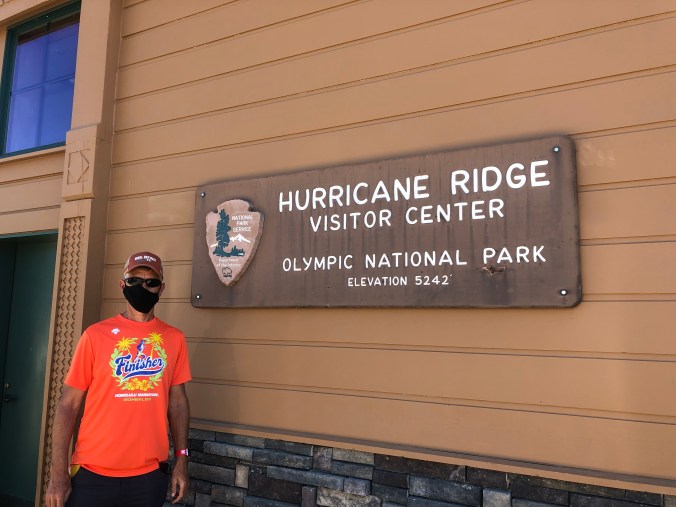 Driving the 17-mile Hurricane Ridge road is an attraction in itself. At the top we were treated to spectacular 360-degree views of the snow- and glacier-covered Olympic range and Mount Olympus, and the deer seem to roam without concern for the tourists.


 The visitor center area is dotted with hiking trails and we tackled a few of the short ones. The pictures really don’t do the place justice.


 In the Sol Duc area we headed straight for one of the park’s most popular walks, the 1.6 mile round trip Sol Duc Falls. Hiking a bit of distance felt great and every step was beautifully green.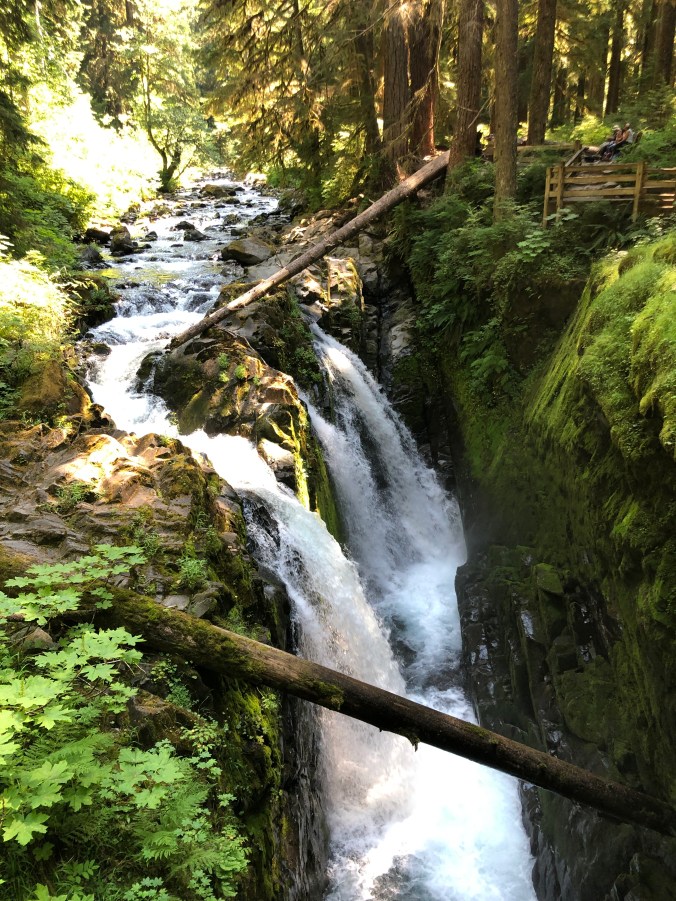
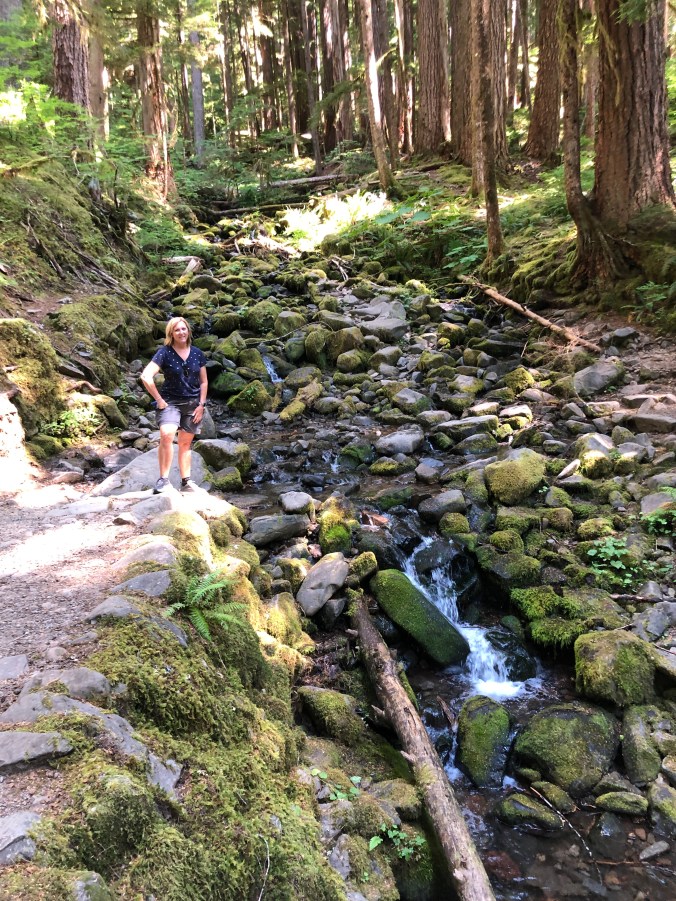
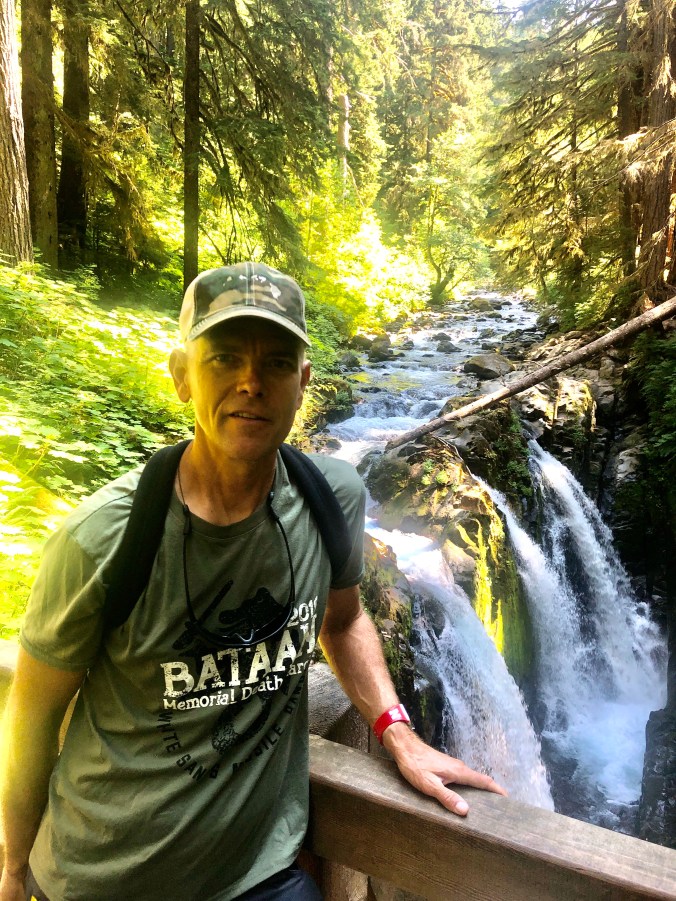 Unfortunately, the next day my foot told me it was just a little too much!


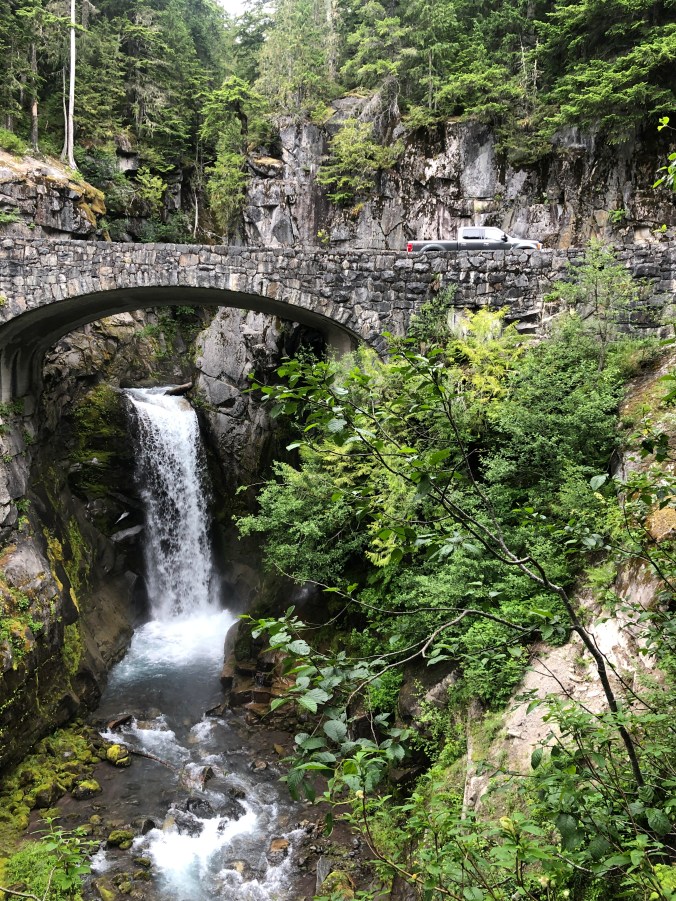
 We ticked another park off the list–Mt. Rainier National Park and let’s be honest. You can’t do Mt. Rainier National Park in a day…but we tried. We are on our way to the Olympic Peninsula and had one day at a campground about 70 miles from Mt. Rainier. We figured, why not?
 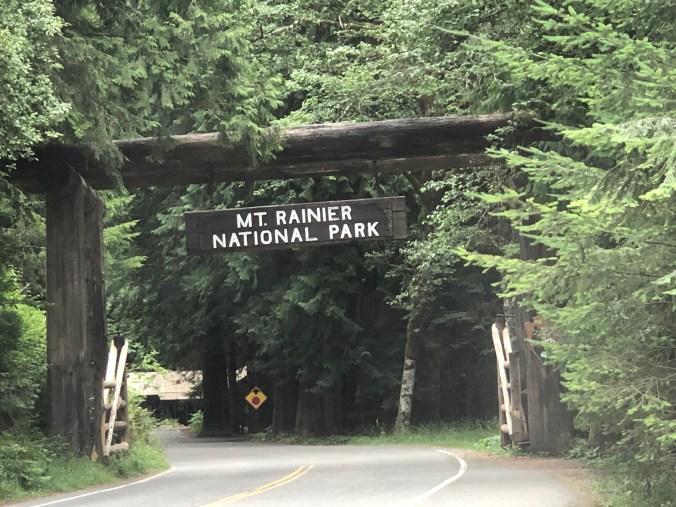 And we’re so glad we did it! Mt. Rainier is the tallest peak in the Cascade Range at 14,400 feet and is visible for many miles in every direction. We’ve seen Rainier from a distance, from Seattle and from the air, but never as up close as this.






 Marnie and Steve Travel